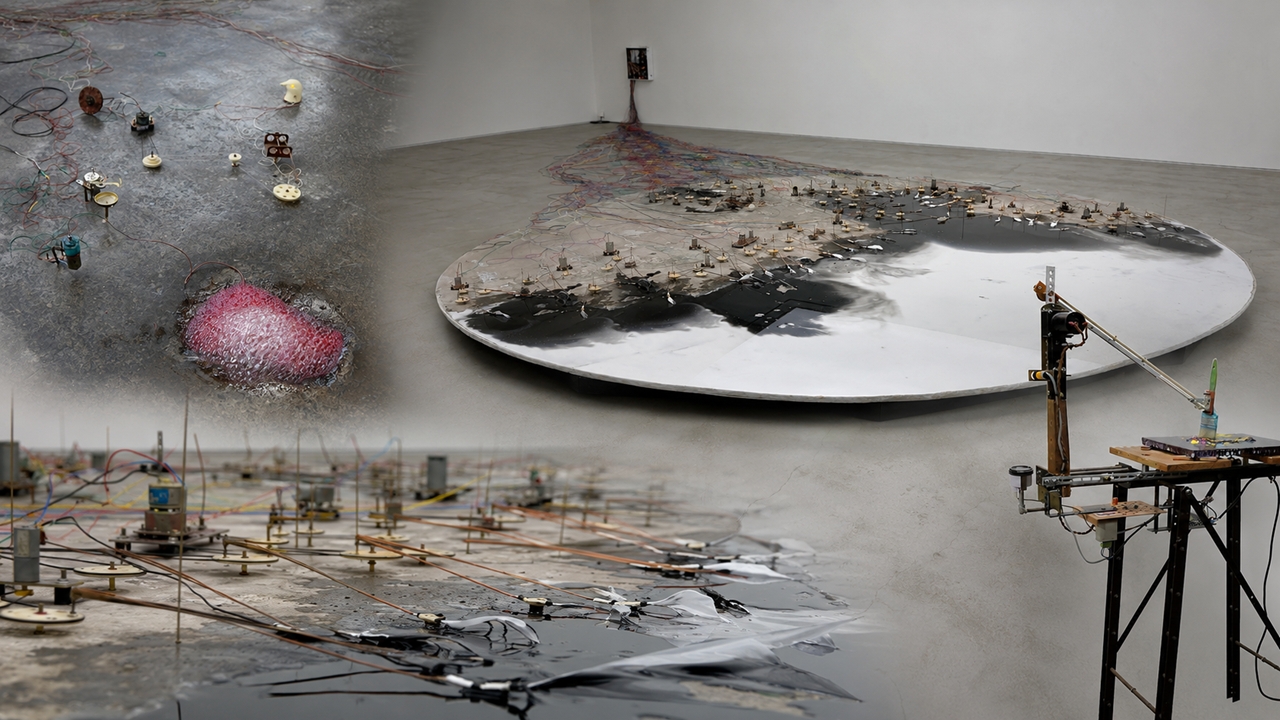

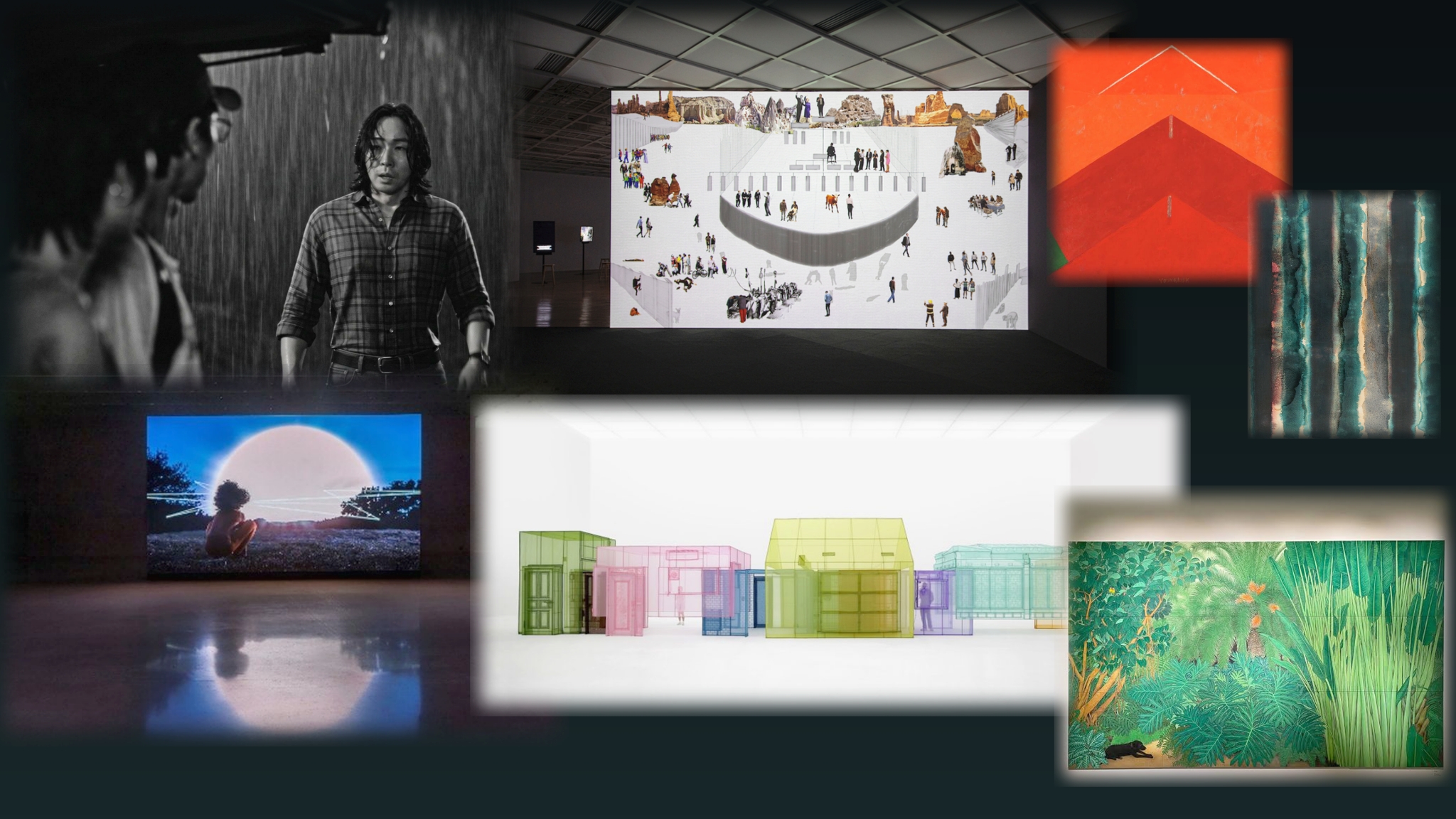
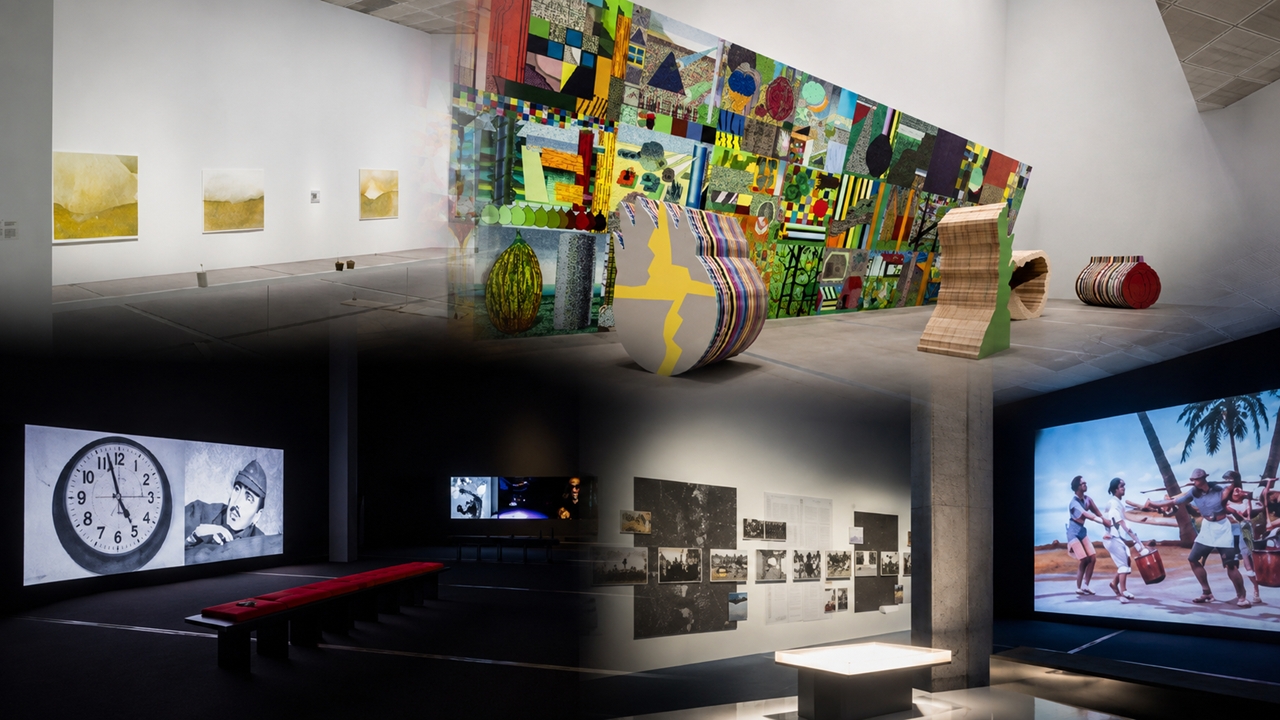
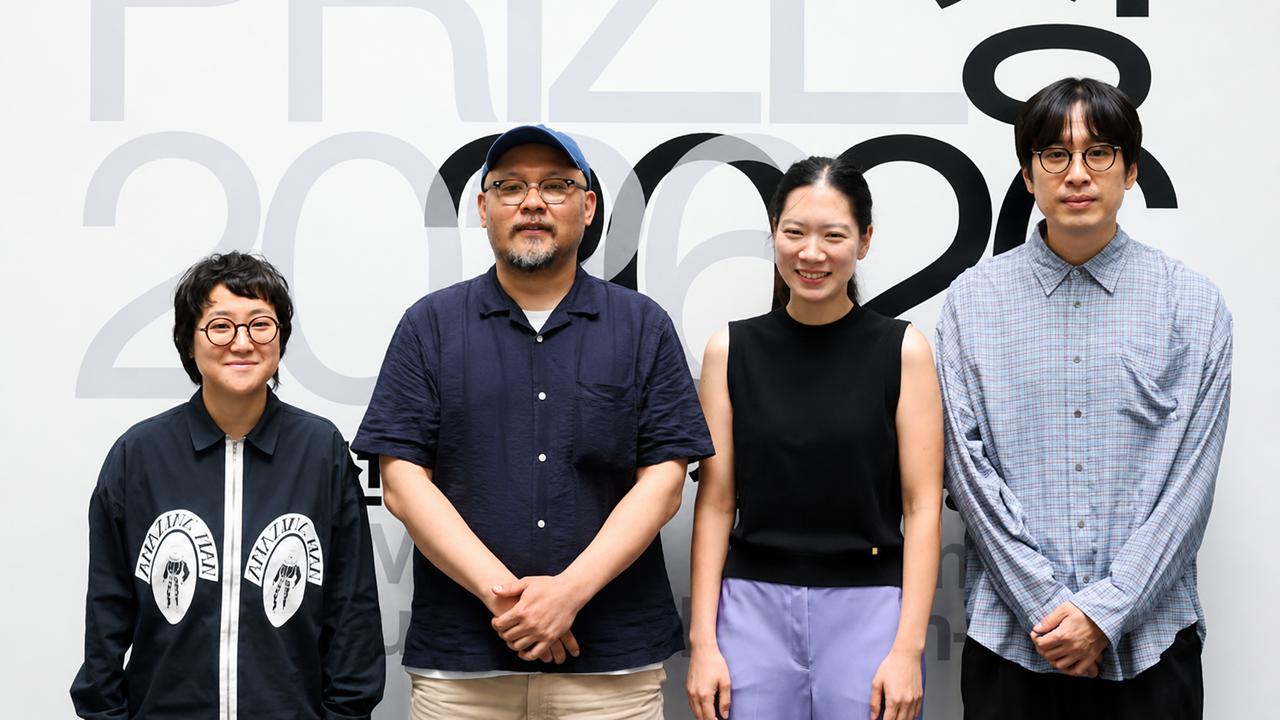
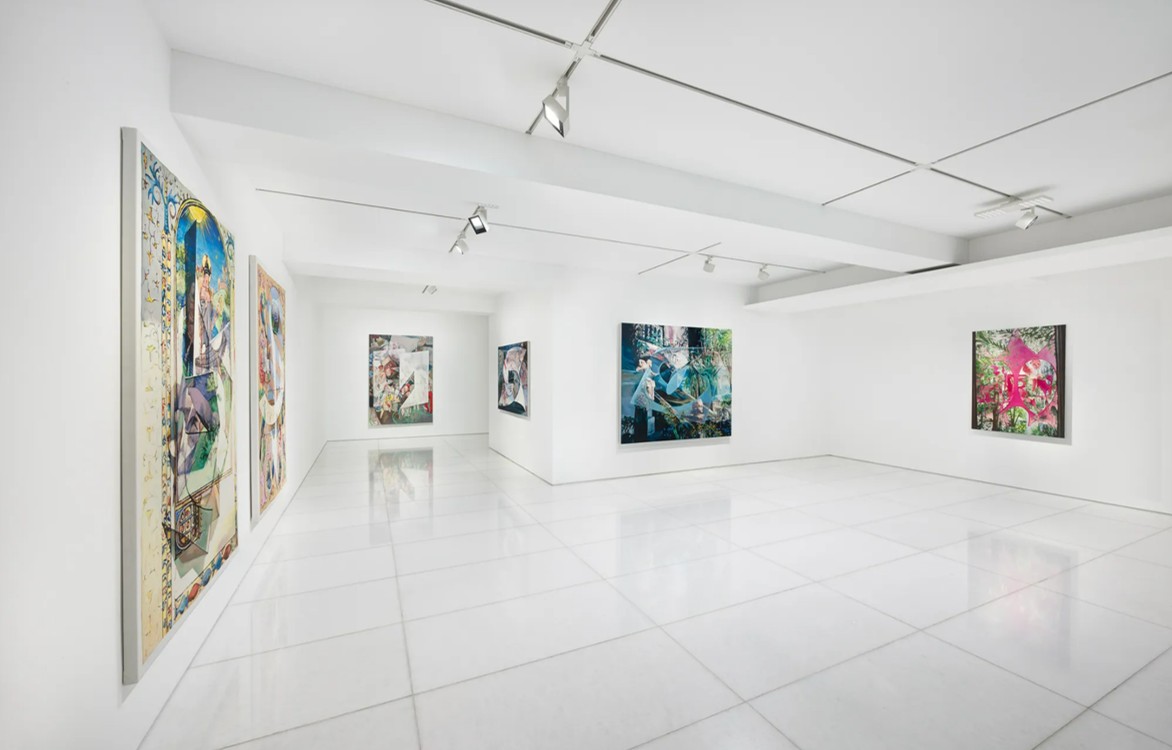
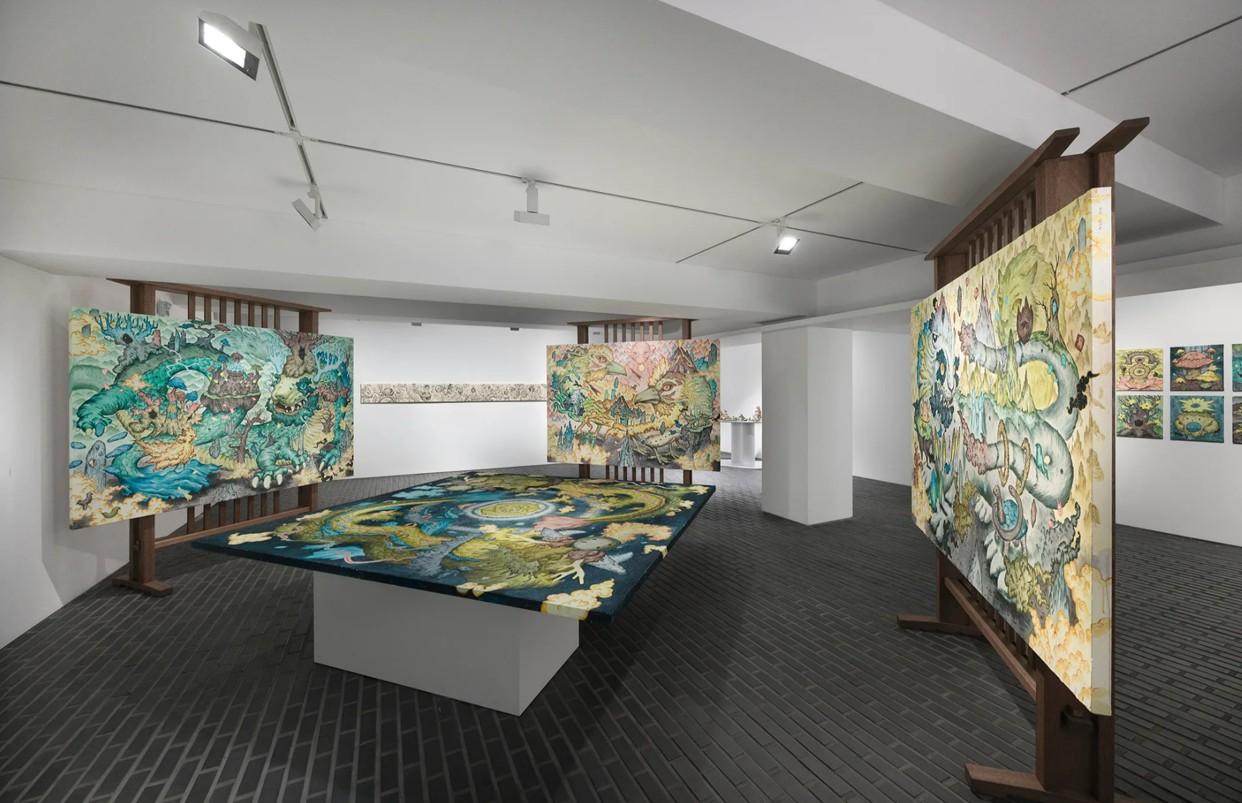
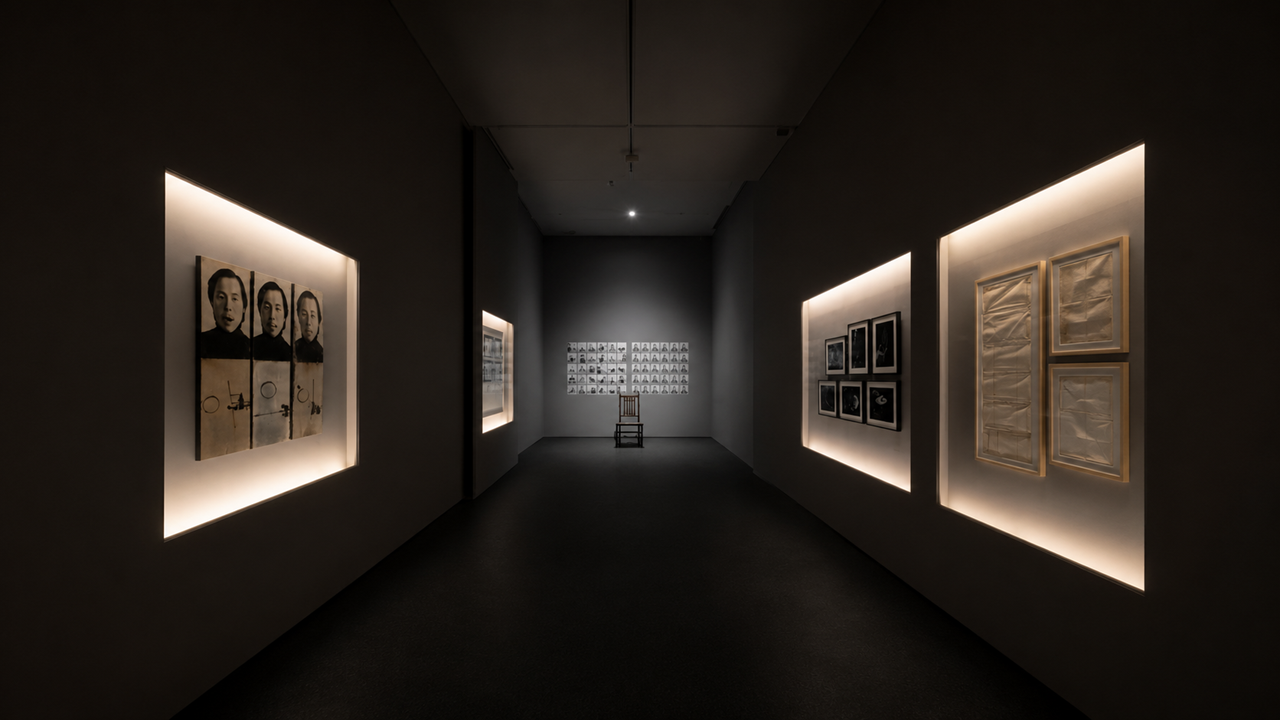
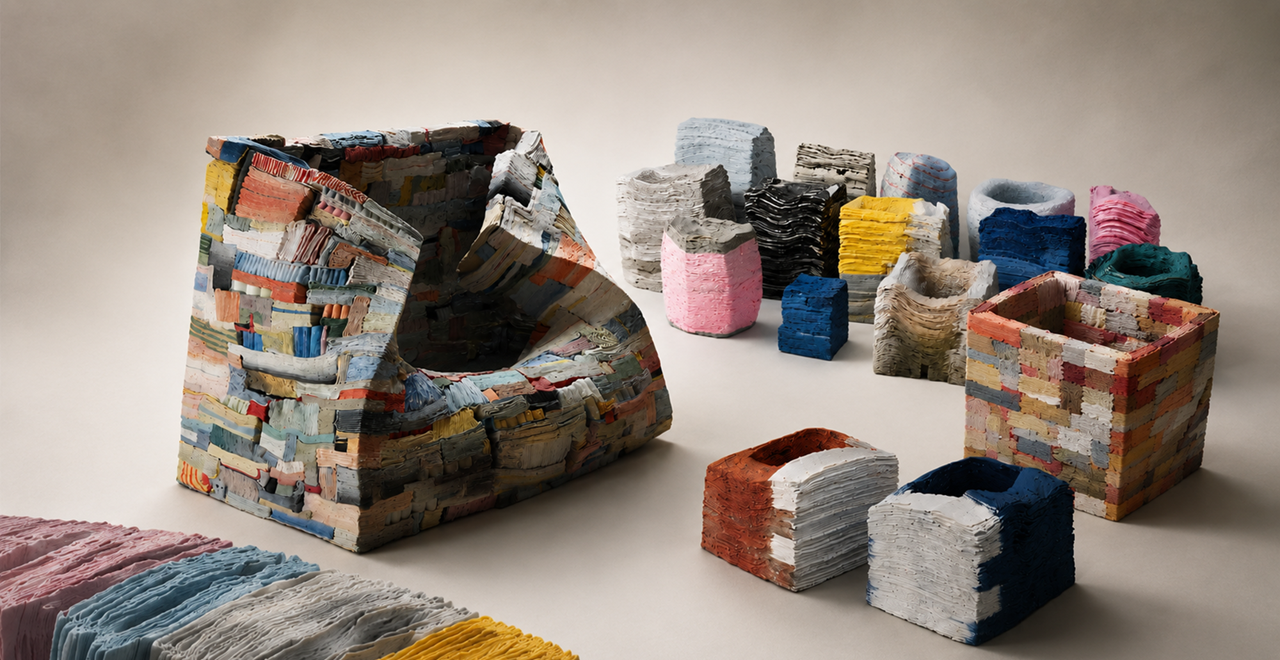
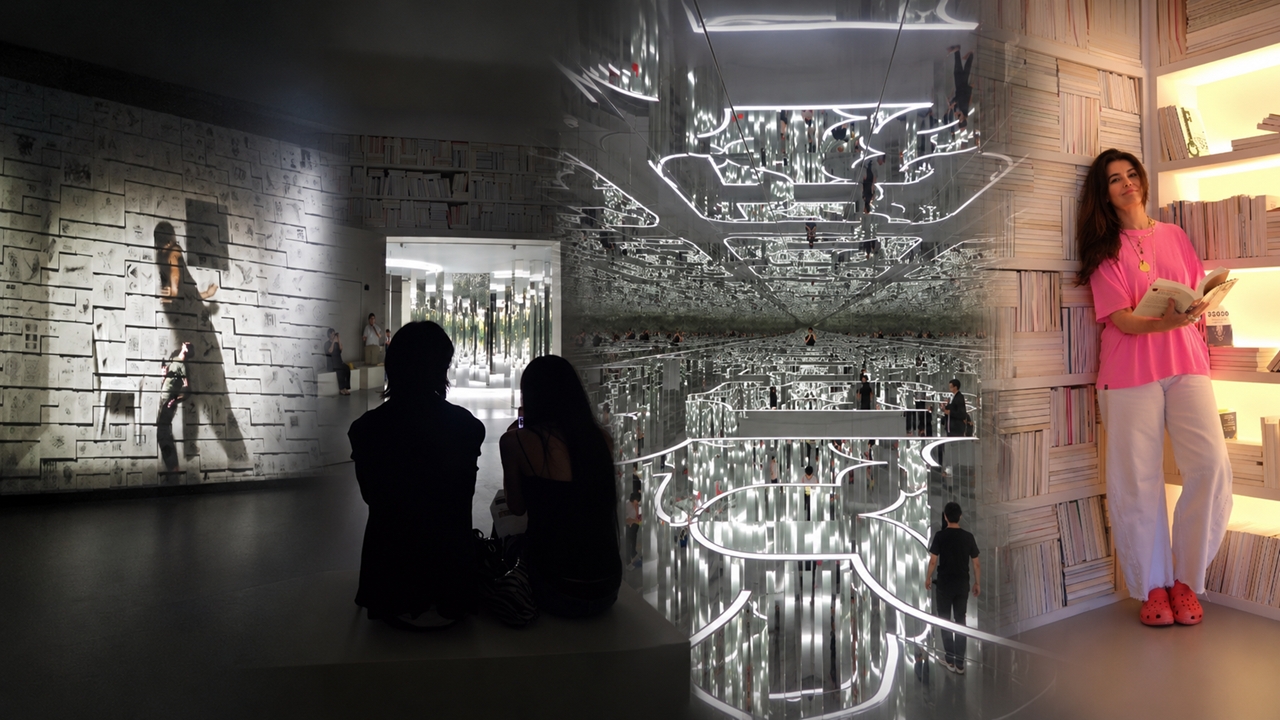

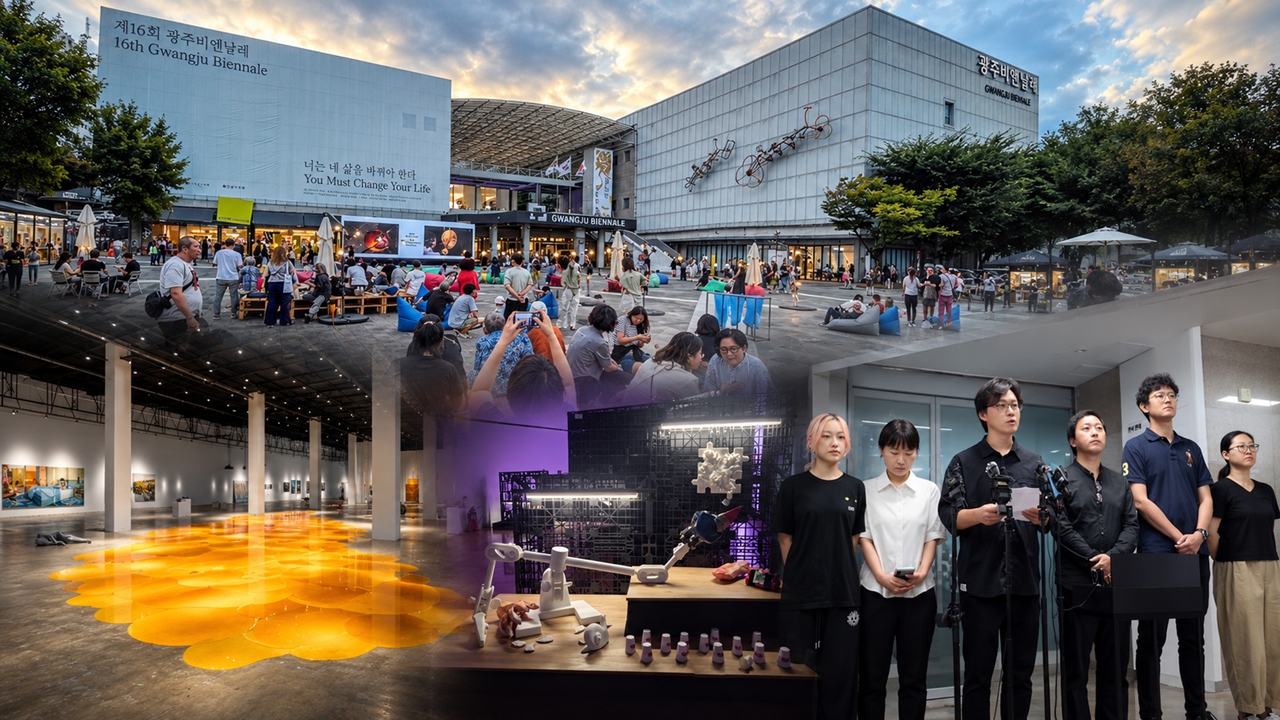
The 16th Gwangju Biennale opened on September 5, 2026. Titled 《You Must Change Your Life》, the biennale presents its main exhibition and pavilion projects through November 15.
2026.09.08
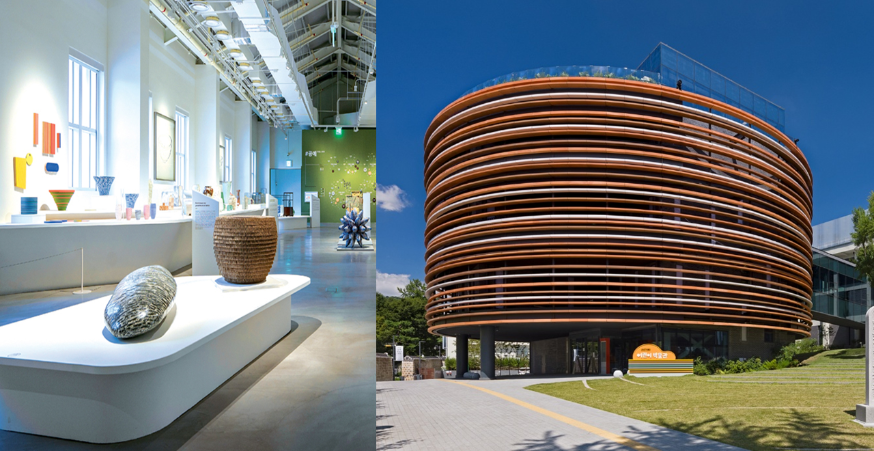
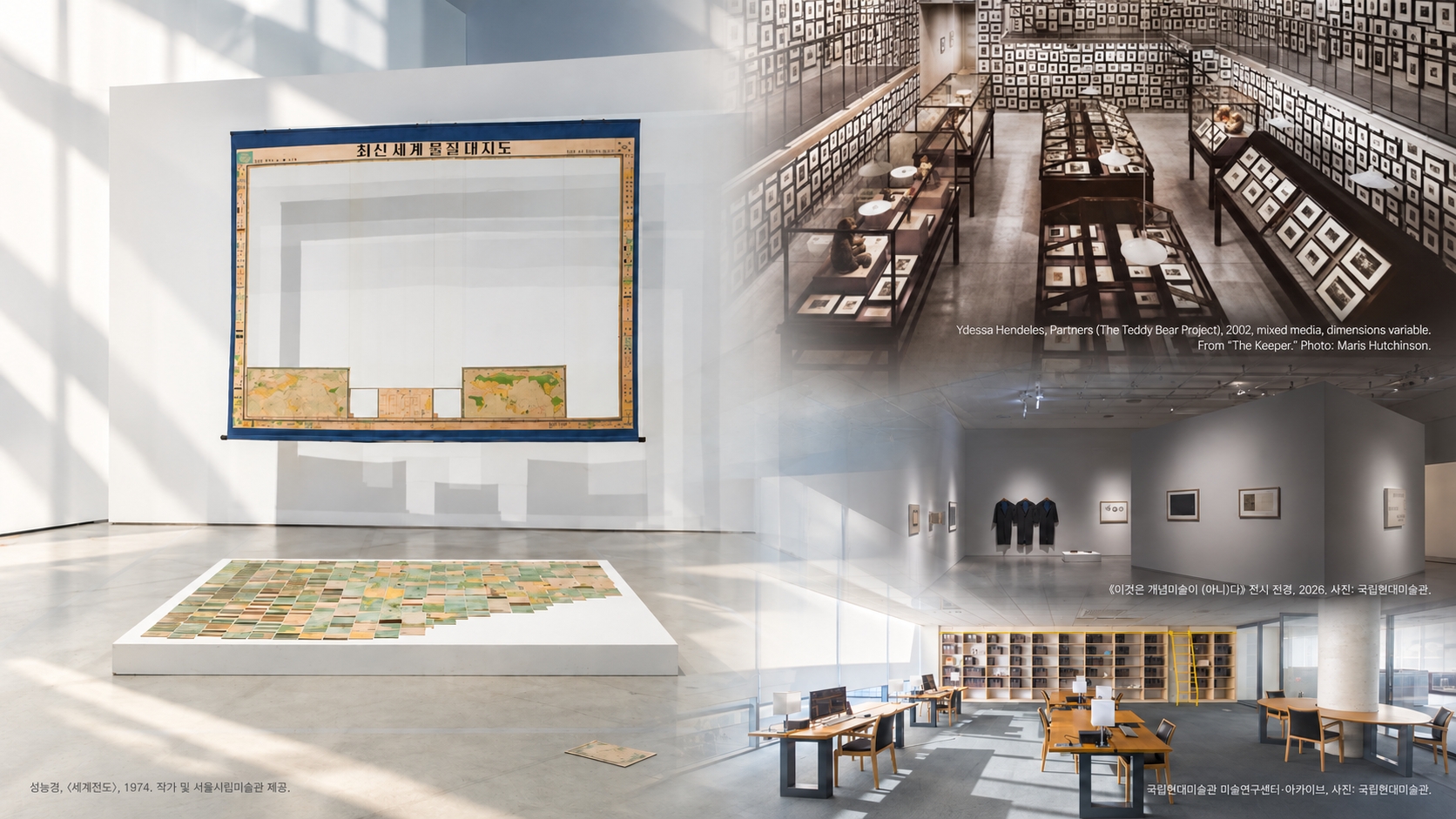
On July 1, the Ministry of Personnel Management opened a public recruitment process for a new director of the National Museum of Modern and Contemporary Art, Korea (MMCA). The term of current director Kim Sung-hee expires this September. As the search began, the names of several potential candidates quickly started circulating within the Korean art world.
2026.08.18
On July 26, 2026, the Art Services Business Registration System came into effect under the Art Promotion Act. Businesses operating in six categories—galleries, art auctions, art advisory services, art rental and sales, art appraisal, and art exhibitions—are now required to register with the relevant local authority.
2026.08.04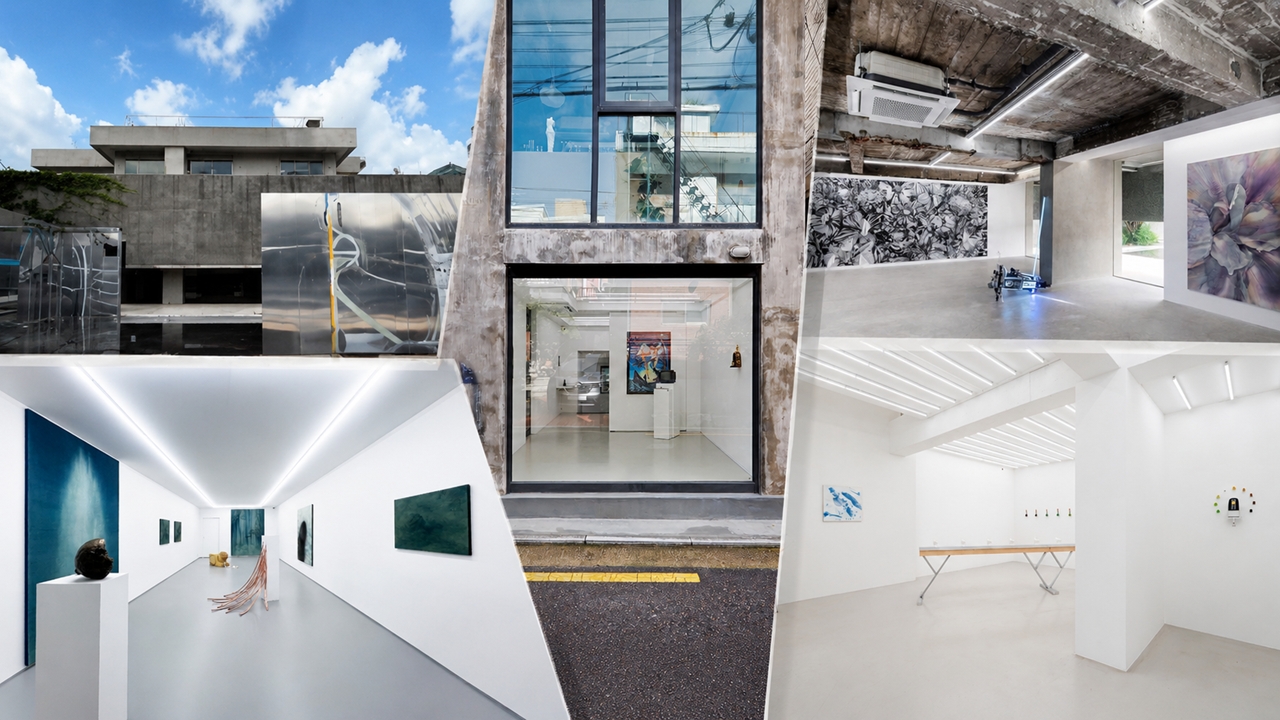
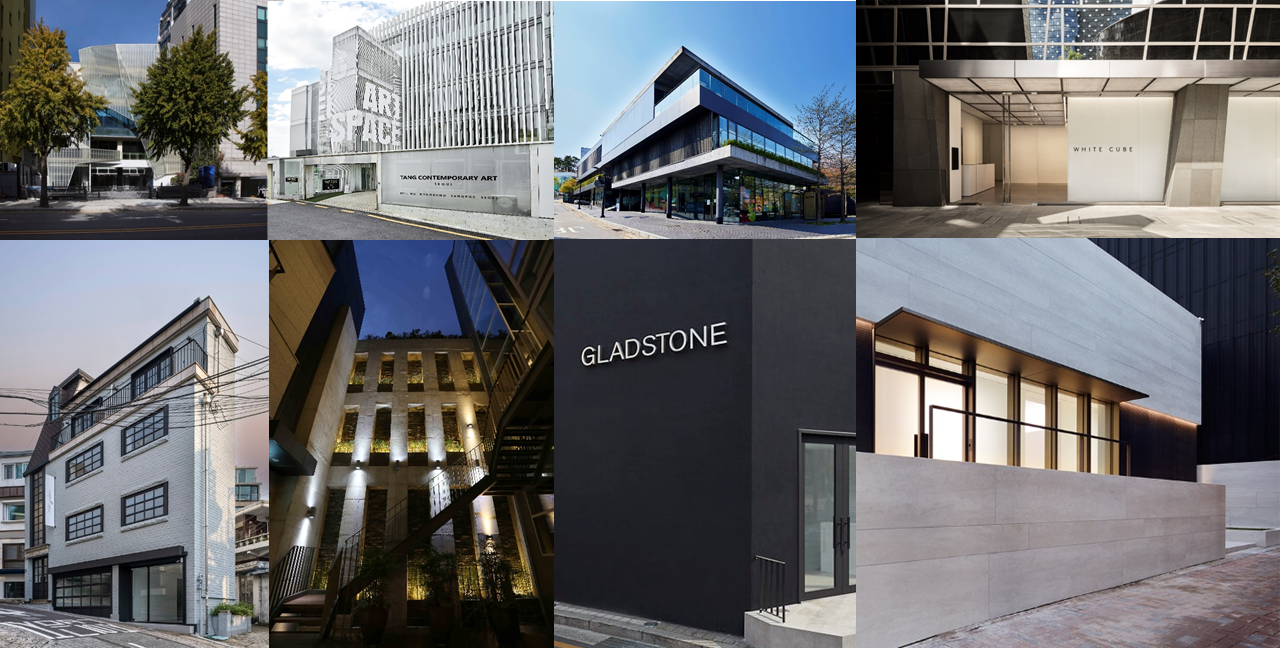
Art spaces are more than venues for exhibiting works of art. They serve as vital intermediaries that discover new artists, generate critical discourse, and connect audiences, markets, and institutions. Changes in these spaces, therefore, are not simply matters of individual organizations adopting different modes of operation. They are important indicators of how the contemporary art ecosystem has evolved and the direction in which it is moving.
2026.07.21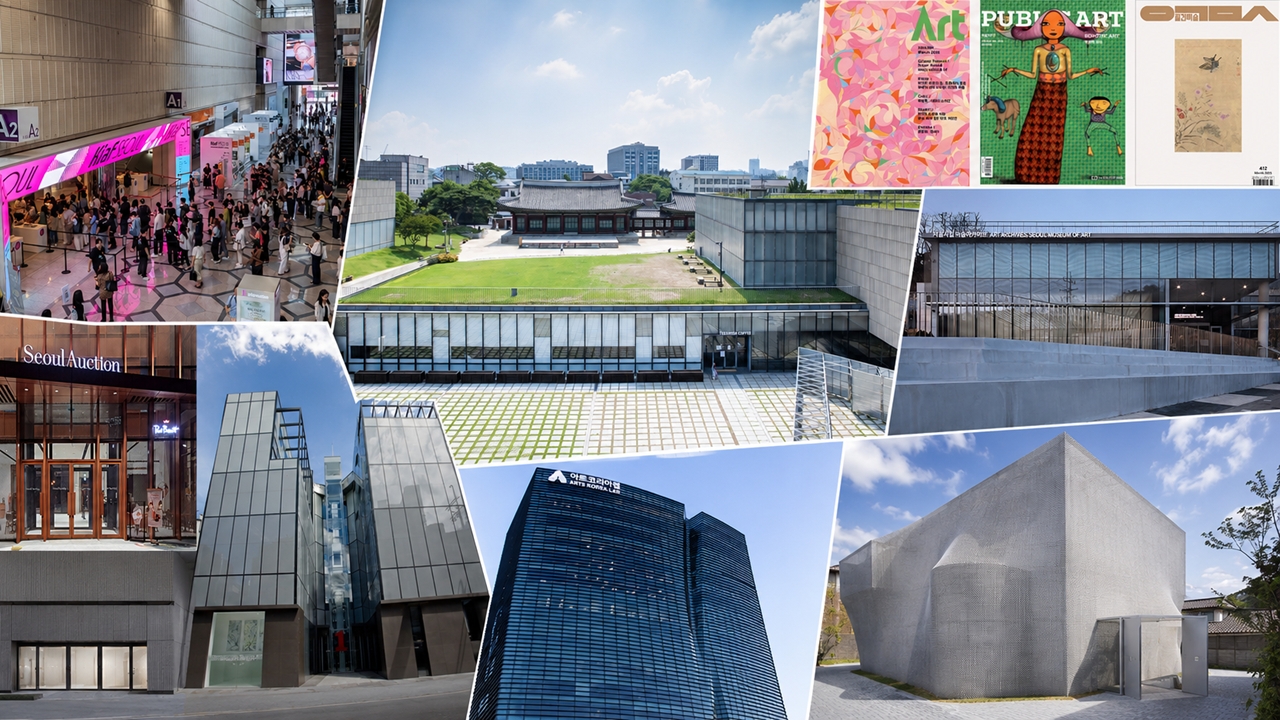
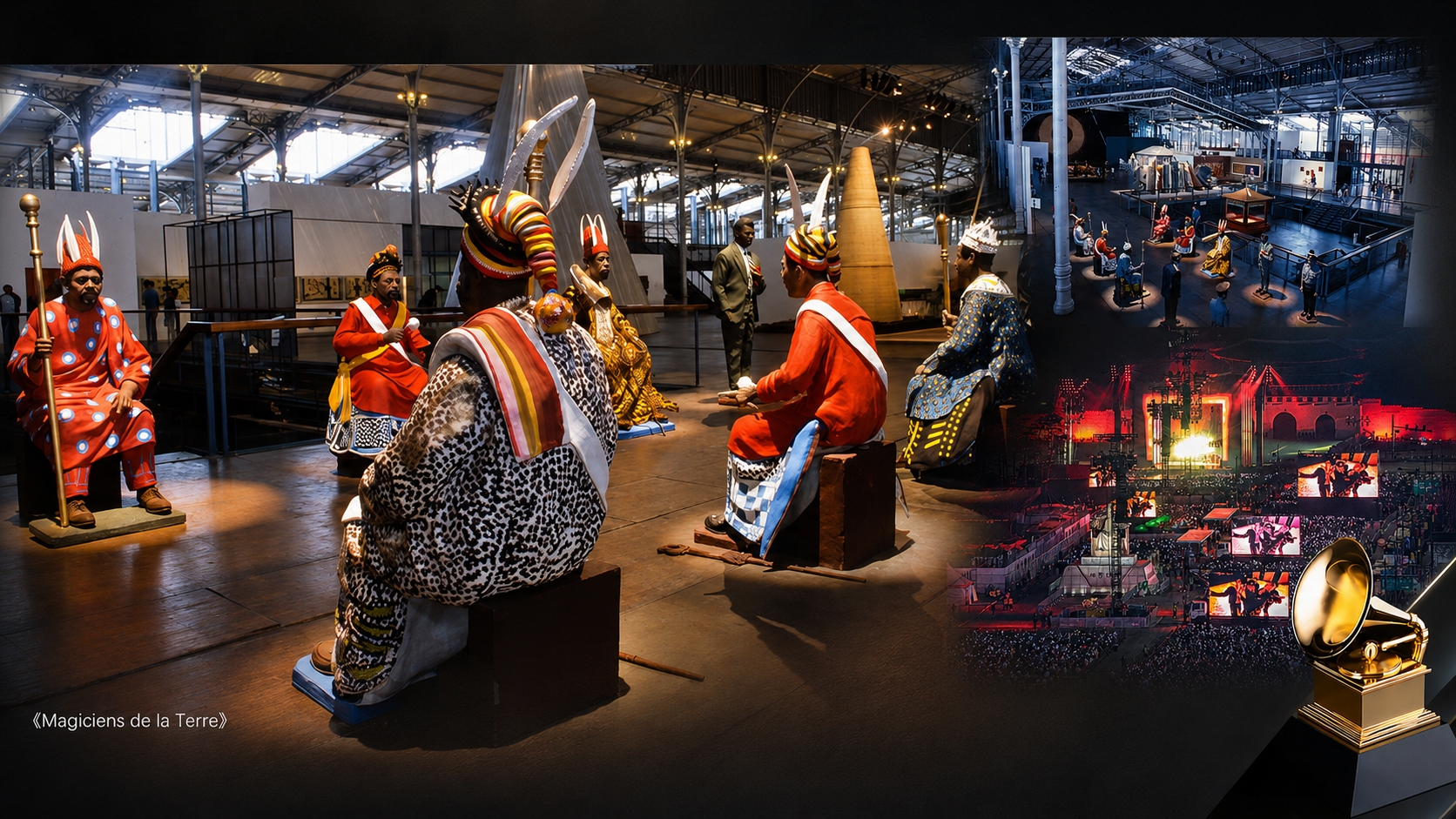
In Korean society, internationalization and globalization emerged as major national agendas between the late 1980s and the mid-1990s. The 1988 Seoul Olympics was a symbolic event through which Korea began to present itself to the international community in a more visible and active way. In the 1990s, Korea rapidly entered the global order through democratization, market liberalization, cultural exchange, and participation in international organizations.
2026.07.07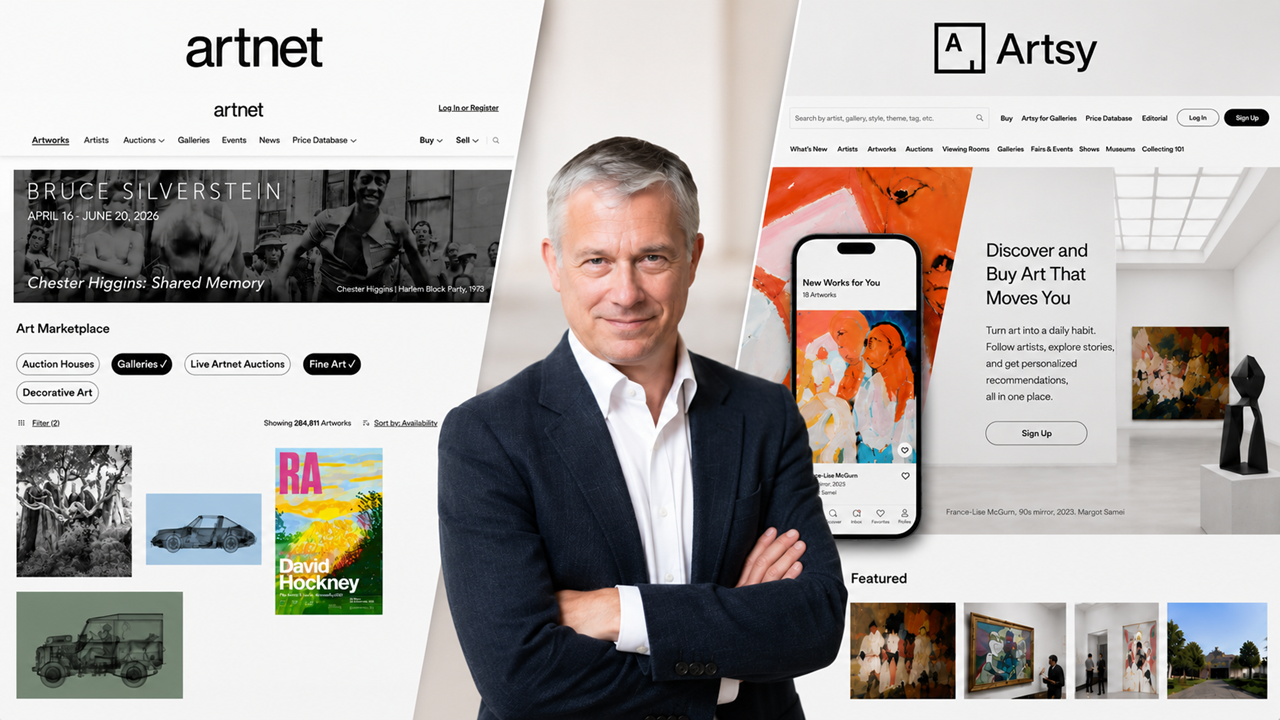
One of the most significant stories in the global art world recently has been Pace Gallery’s large-scale staff reductions and restructuring of its artist roster. Across the international art community, the news was widely interpreted as a sign of crisis within the mega-gallery model.
2026.06.23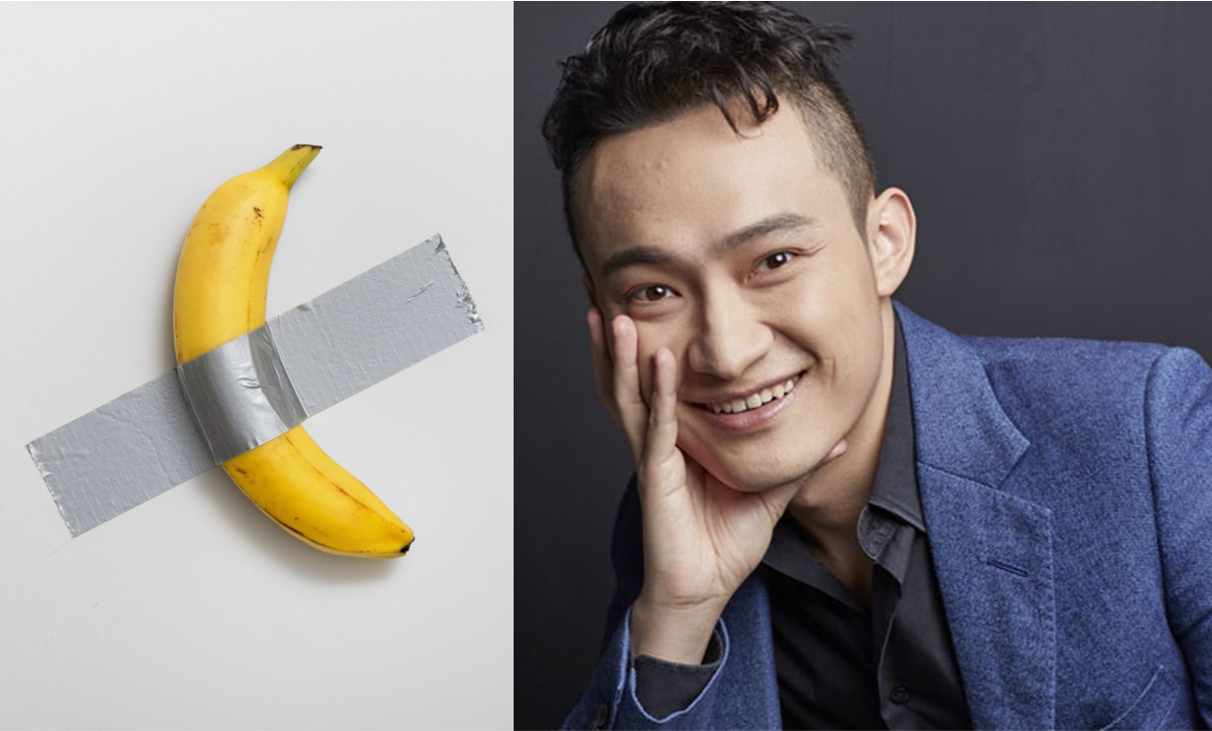
At some point, the phrase “good artwork” quietly disappeared from the art market’s vocabulary. In its place came expressions like “rising artist,” “sold-out exhibition,” and “best-selling series.” The value of an artwork is no longer judged by the emotions it evokes or the meaning it holds.
2025.04.29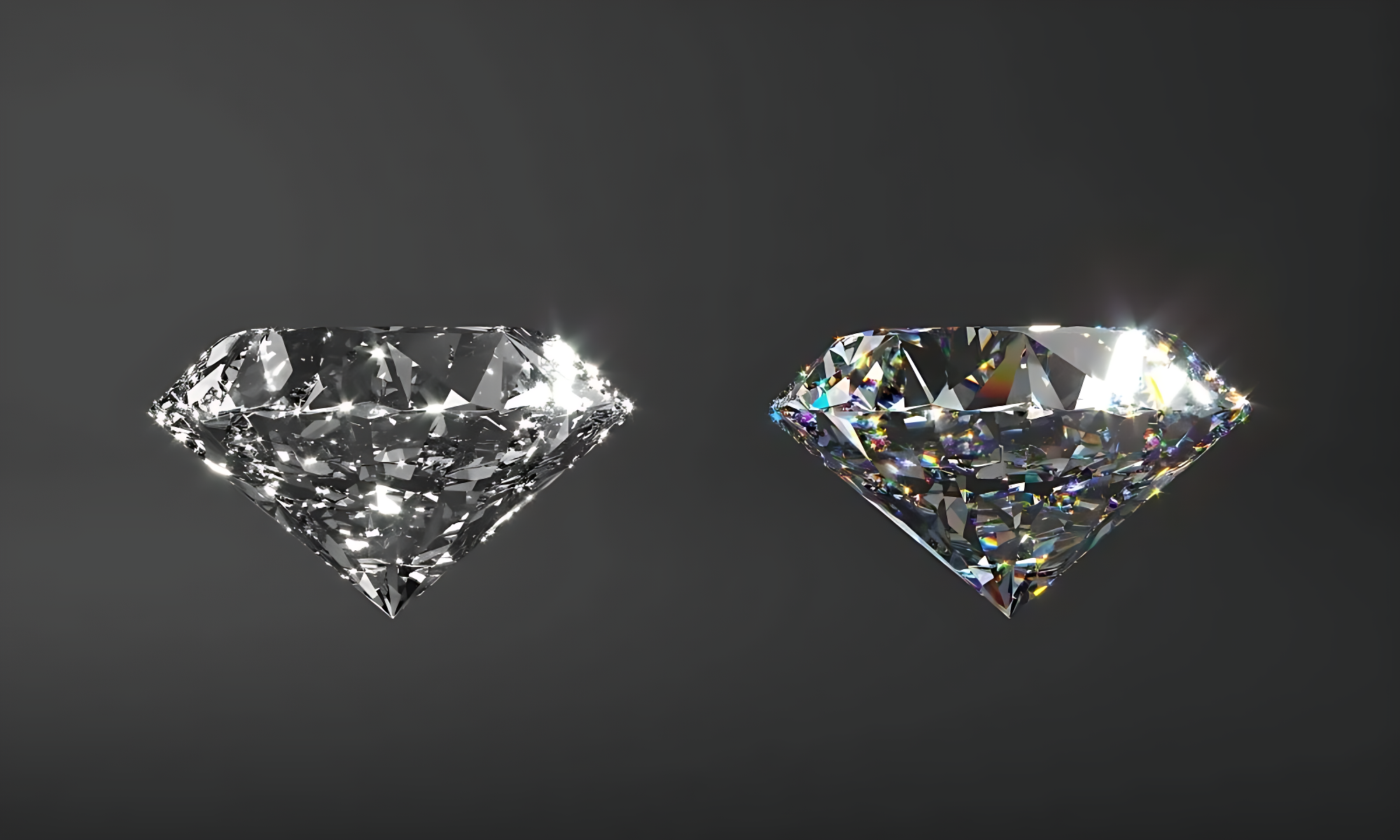
In contemporary life, we often speak of “value,” yet rarely do we pause to examine what we mean by it. Under capitalism, value is almost instinctively reduced to a single measure: price. Art is no exception. The inherent meaning of a work—its inner necessity and expressive urgency—has gradually been pushed aside, while marketability and investment potential increasingly dictate how art is evaluated and consumed.
2025.04.15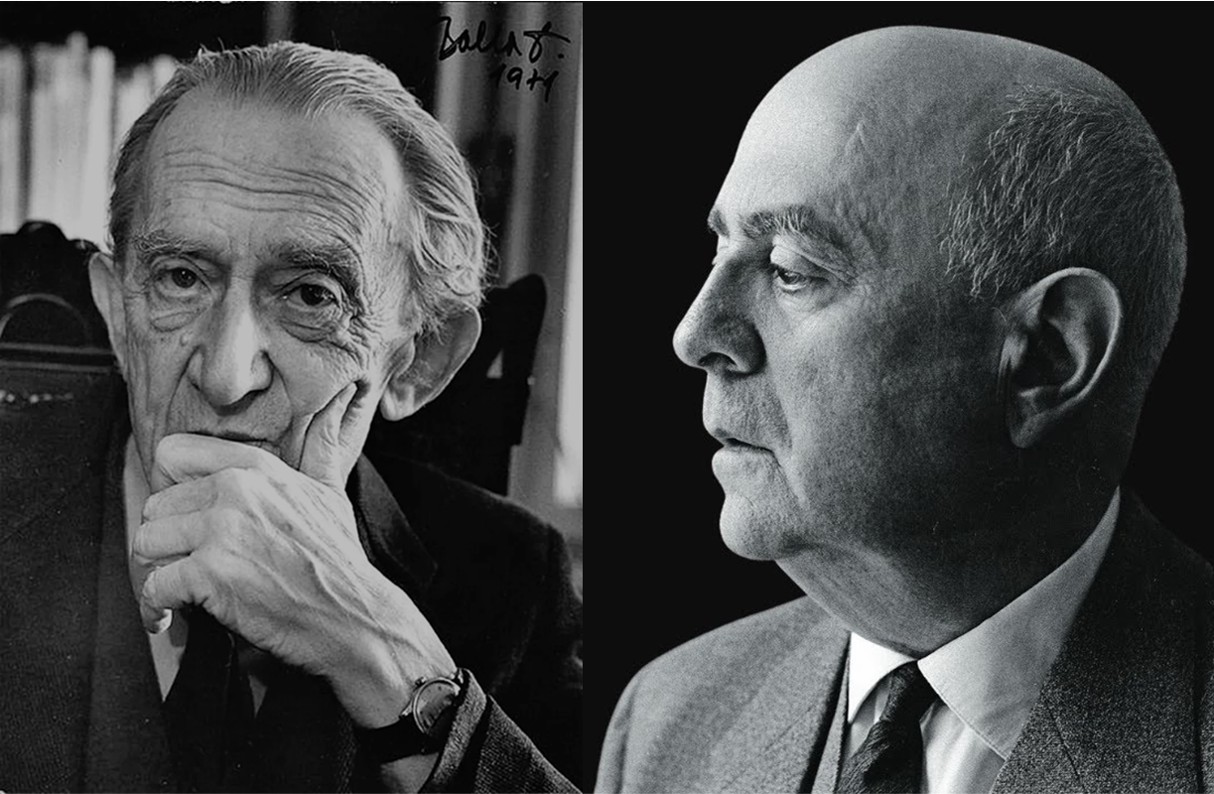
At the dawn of the 21st century, the art world is undergoing a profound transformation, shaped by the rapidly evolving forces of capitalism, technological revolutions, and globalization. This transformation is not merely a sign of the times but a seismic shift that shakes the very foundation upon which art exists.
2025.03.25
Korean contemporary art is gaining increasing attention worldwide. Major international museums and biennales are showcasing works by Korean artists, and global art markets are demonstrating a growing interest in Korean contemporary art.
2025.03.18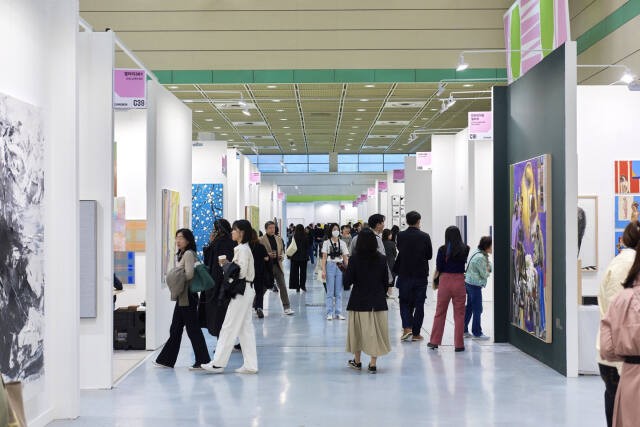
The Korean art market experienced significant shifts in 2024, with notable fluctuations in auction performance and art fair dynamics. In particular, the total hammer price in Korea’s domestic art auction market saw a 26% decline in the third quarter compared to the previous year, fueling concerns over an ‘art fair crisis.’
2025.03.11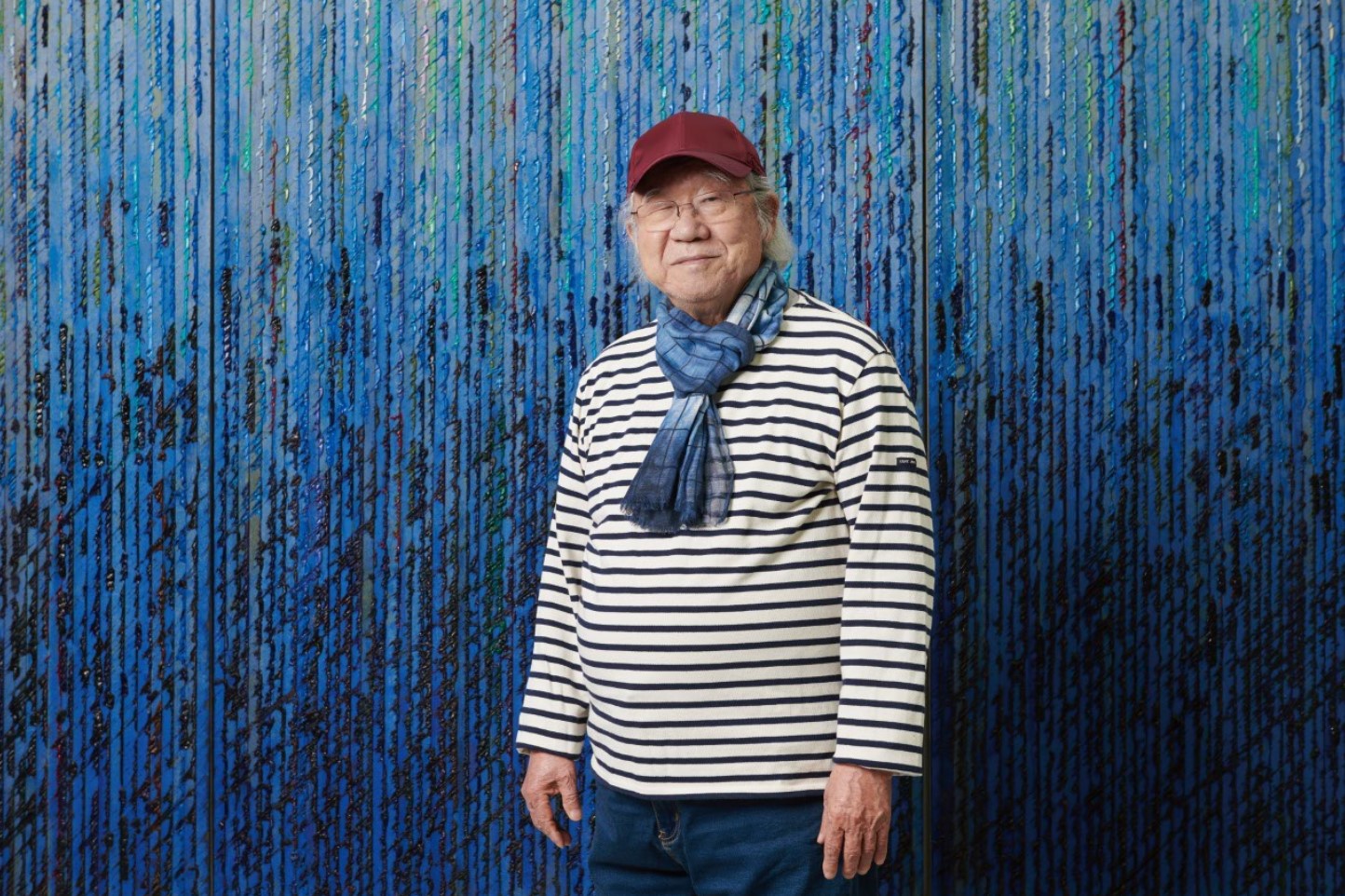
Ha Chong Hyun (b. 1935) is regarded as a pioneer of Dansaekhwa (Korean monochrome painting) in contemporary Korean art. His representative series, ‘Conjunction’, has played a crucial role in introducing Korean abstract painting to the global art scene.
2025.02.25