
Highly saturated images of food, families
spending their holidays on crowded beaches, tourists posing for commemorative
photographs in front of famous landmarks, shoppers carrying bags, and
spectators filling sports stadiums: the photographs of British photographer
Martin Parr (1952–2025) do not focus on historic events or exceptional
individuals. Instead, they depict people, places, and behaviors commonly
encountered in everyday life.
In Parr’s photographs, however, ordinary
scenes no longer appear ordinary. Figures captured at close range, food and
consumer goods filling the frame, and expressions and gestures that seem
humorous yet strangely familiar reveal the lifestyles and desires of contemporary
people. Through these everyday behaviors, Parr consistently examined how
consumption, class, taste, and self-presentation shape individual identity.
Currently on view at the Photography Seoul
Museum of Art, 《Martin Parr: We Are Martin Parr》 is a major retrospective surveying his practice from his early
career to his final years. The exhibition presents approximately 500
photographs from 14 major series, along with 90 photobooks and video materials,
tracing more than five decades of his work. Organized in collaboration with
Magnum Photos and the Martin Parr Foundation, it is the first major
retrospective of the artist to be held in Asia since his death.
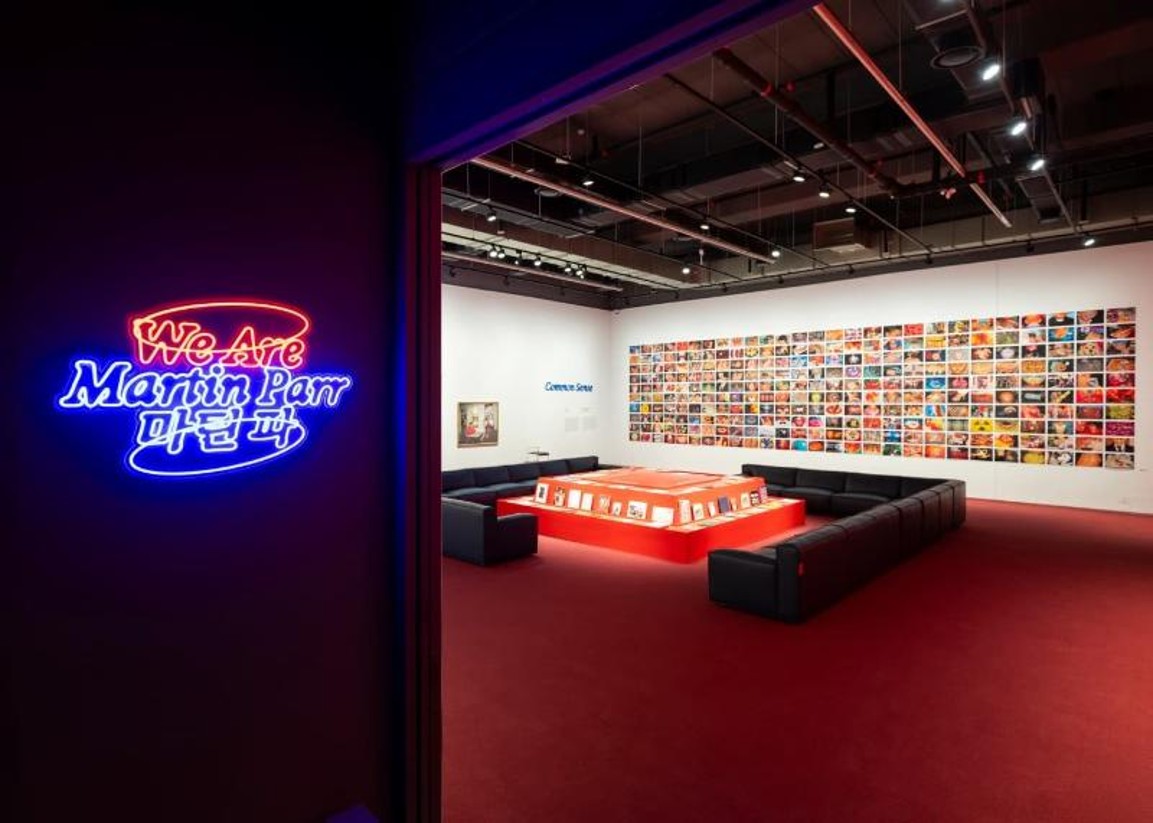
Installation view of the “Martin Parr: 90 Selected Photobooks” section / Photo: Genie Project
A New Documentary Approach to
Everyday Life
Martin Parr worked within documentary
photography, yet his practice followed a direction distinct from its more
familiar conventions. Rather than focusing on public realities such as social
conflict, labor, and poverty—subjects central to one major tradition of
documentary photography—he turned his attention to holidays, shopping, food,
tourism, parties, and sporting events: moments in which nothing conventionally
historic appears to happen.
For Parr, the ways in which people rest,
eat, consume, and travel were not trivial scenes of private life. They were
social acts through which the class structures, cultural tastes, desires, and
values of a particular period became visible. By observing the destinations
people chose, the goods they purchased, and the ways they presented themselves
before the camera, he revealed how consumer society shapes personal lifestyles
and identities.
For Parr, consumption and leisure
represented both individual choices and social spaces in which class and taste
became visible. In his photographs, everyday life expands beyond the private
sphere to become a microcosm of contemporary society, where consumer culture,
mass tourism, class, region, globalization, and image culture intersect.
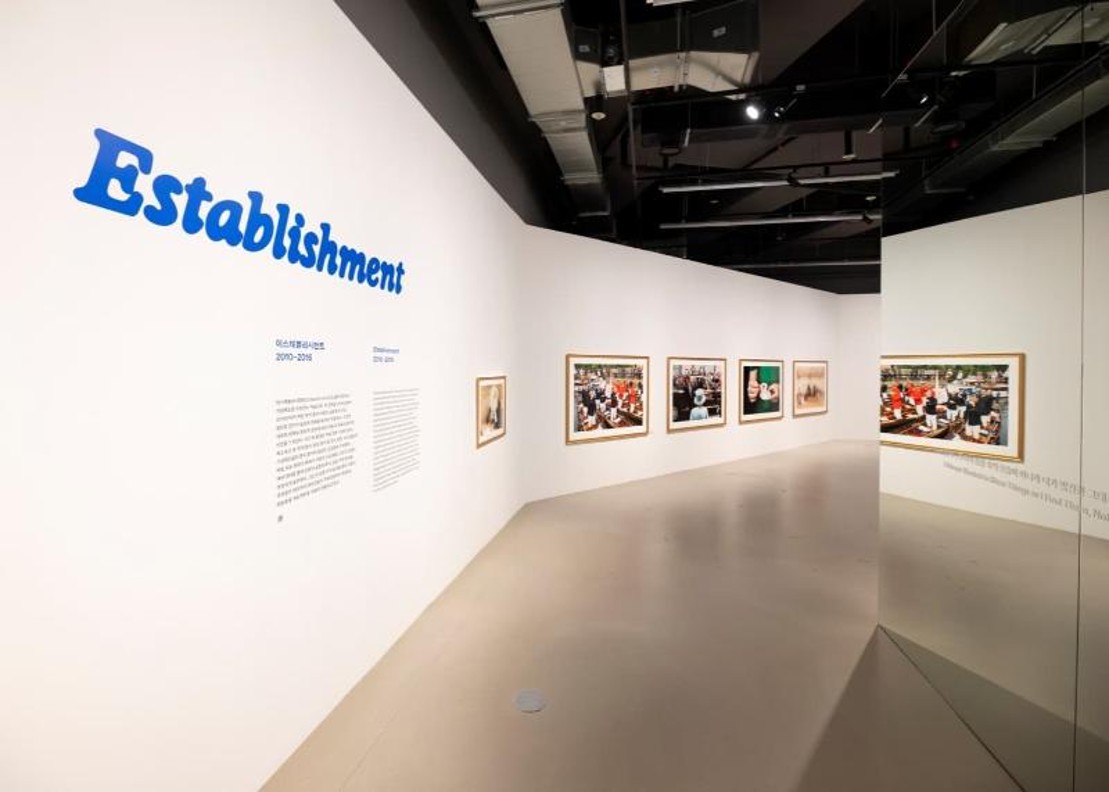
Installation view of the “Establishment” section / Photo: Genie Project
British Society Seen Through
Color Photography
Martin Parr began his career with
black-and-white photography. His photographs of communities and everyday life
in northern England during the 1970s possess a relatively calm and lyrical
atmosphere, markedly different from the intense color and heightened visual
effects of his later work. His practice began to receive wider attention after
his transition to color photography in the 1980s.
His representative series was photographed
between 1983 and 1985 in New Brighton, a seaside resort in northwestern
England. In vivid color, Parr recorded families visiting the beach and
amusement facilities, parents caring for their children, and people relaxing in
surroundings scattered with rubbish.
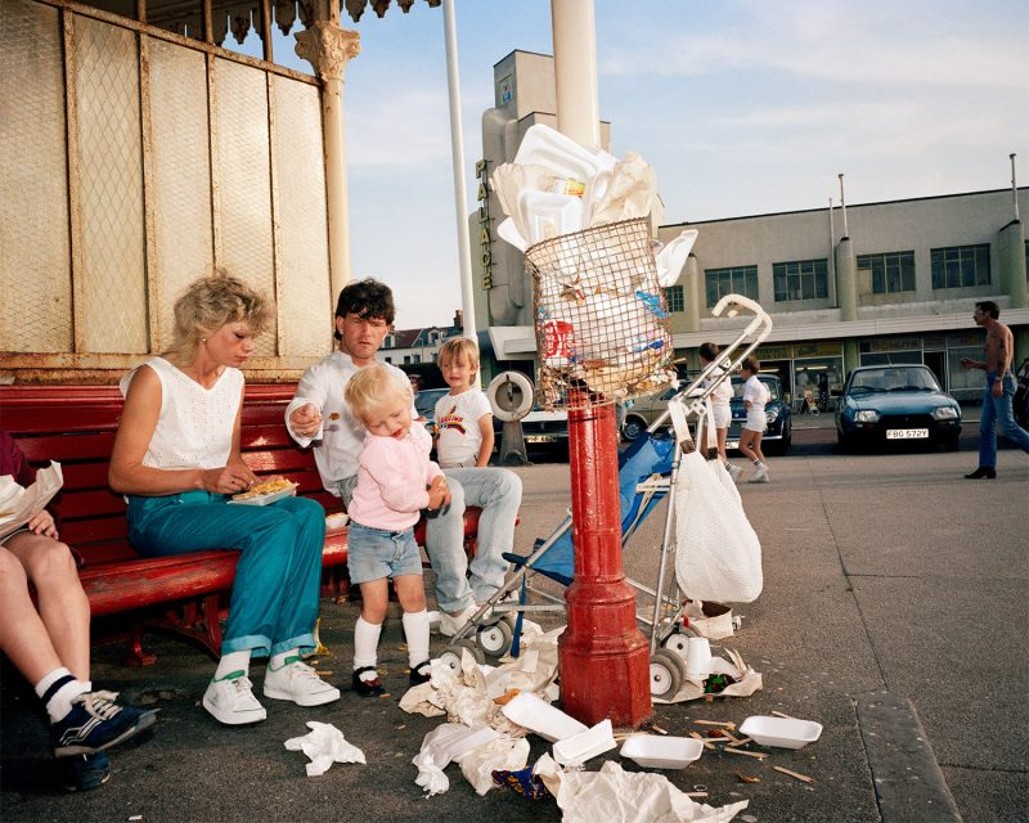
New Brighton, England, 1983–85 © Martin Parr / Magnum Photos
When first presented, the series generated
considerable controversy. Some critics accused Parr of objectifying
working-class leisure culture through a cynical and voyeuristic gaze. Others
regarded the work as a significant departure from the solemn conventions of
traditional black-and-white documentary photography, using color to record the
class culture and mass consumption of contemporary Britain in a new visual
language.
Parr did not idealize the people in his
photographs, but neither did he simply ridicule them. Humor and discomfort,
familiarity and distance coexist within his images. Viewers may initially laugh
at the people depicted, but they also come to recognize that the behaviors and
tastes shown are not entirely different from their own.
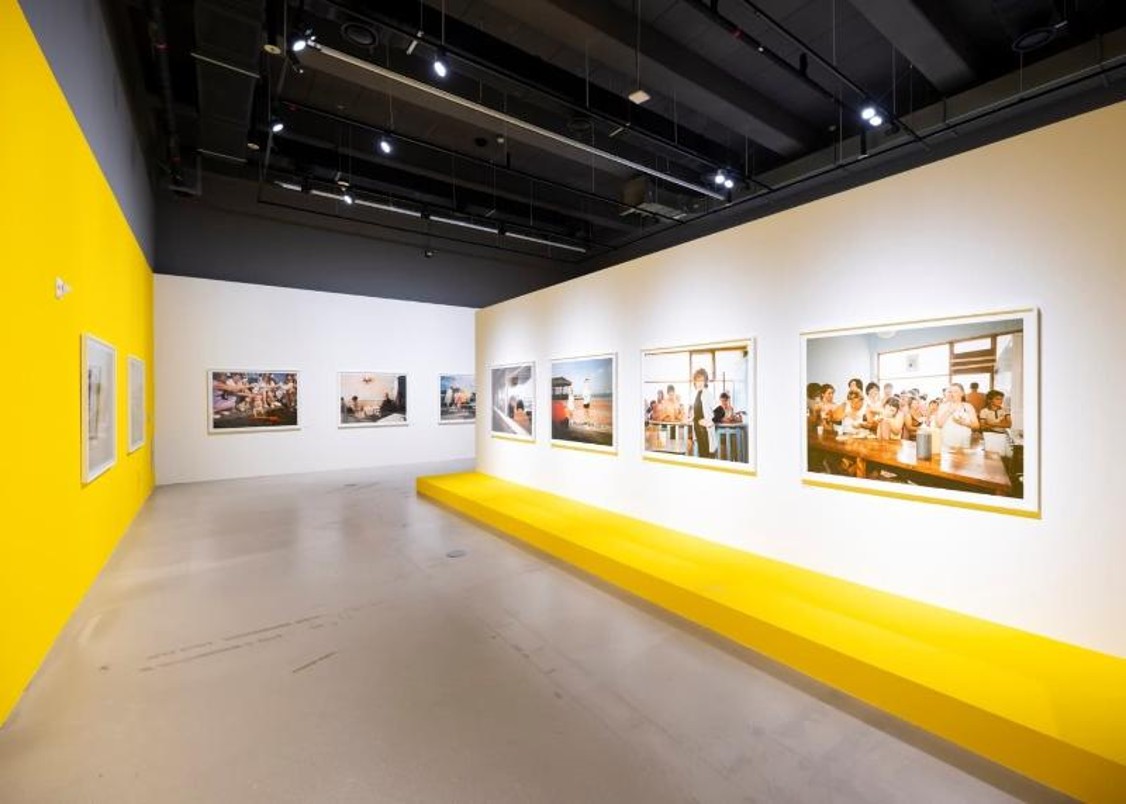
Installation view of 《Martin Parr: We Are Martin Parr》/ Photo: Genie Project
Landscapes of Consumer Society
and Mass Tourism
From the 1980s onward, Parr expanded his
practice beyond Britain to locations around the world. He visited well-known
tourist attractions and holiday resorts, shopping centers and fast-food
restaurants, racecourses and museums, international events and social
gatherings, recording the ways people experienced consumption and leisure.
As globalization progressed, tourist
destinations became not only places in which visitors encountered different
histories and cultures, but also consumer spaces where similar products and
images were repeatedly reproduced. People no longer simply viewed landscapes.
They recorded locations through cameras, posed for commemorative photographs,
and constructed their travel experiences in the form of images.
Parr focused less on the tourist attraction
itself than on the behavior of those visiting it. He observed where people
looked, what they purchased, and how they posed for photographs. Images taken
at geographically distinct locations—including the Acropolis in Athens, the
Spanish resort city of Benidorm, and the beaches of Mumbai—reveal cultural
differences while also exposing the shared patterns of behavior produced by the
global tourism industry.
His photographs demonstrate that
globalization involves more than the movement of goods and capital. It is also
a process through which the ways people experience places, consume, and
represent their experiences through images become increasingly similar.
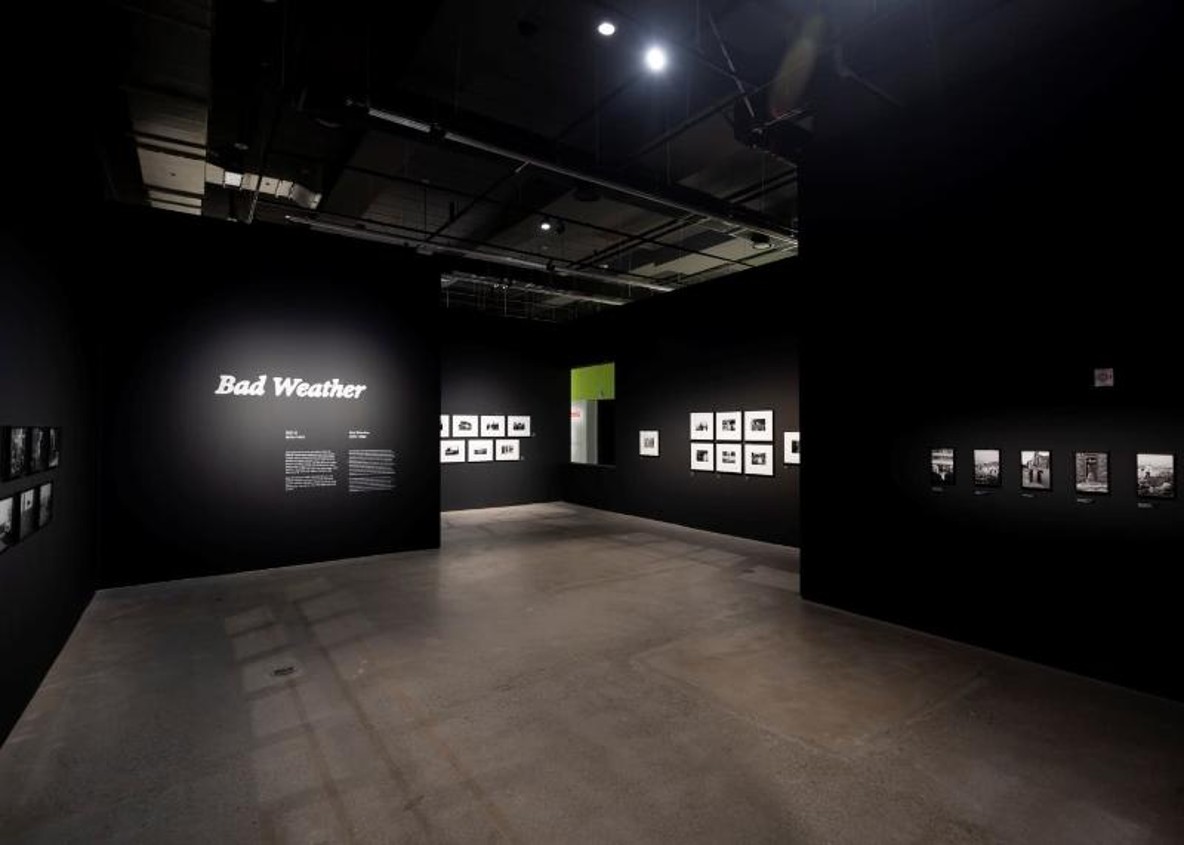
Installation view of the “Bad Weather” section / Photo: Genie Project
Images in Which Attraction and
Discomfort Coexist
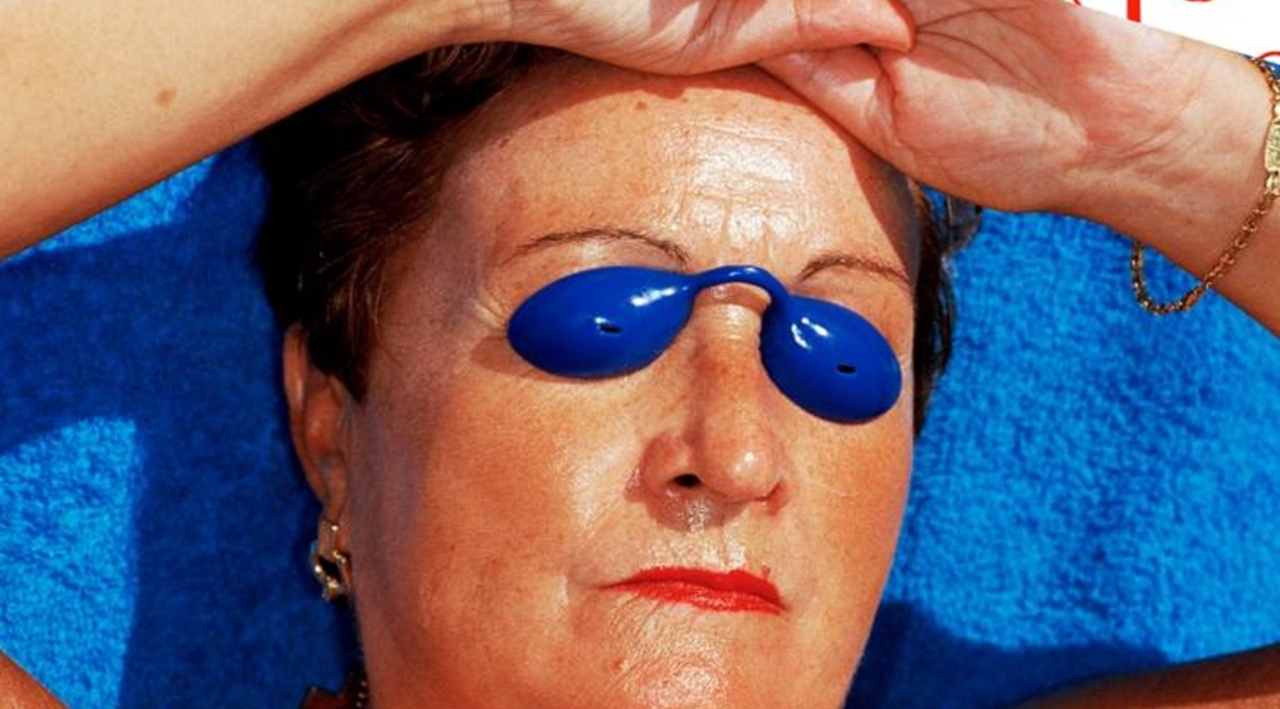
The most recognizable characteristics of
Martin Parr’s photography are its intense color and close-range perspective. He
actively used flash and close-up photography to exaggerate the textures of
skin, food, clothing, and consumer goods. Sunburned skin, melting ice cream,
greasy food, and brightly colored souvenirs appear more vivid and artificial
than they do in reality.
These images are visually appealing yet
simultaneously uncomfortable. Food appears appetizing but excessive, while
bright colors communicate both pleasure and fatigue. Rather than morally
criticizing consumer society from an external position, Parr brought its
desires and pleasures, excesses and contradictions, together within a single
frame.
His photographs therefore cannot be defined
solely as satire or social criticism. Consumption and tourism offer
contemporary people pleasure and freedom of movement, while also revealing
excess, standardization, and class difference. Parr presents these contradictory
realities not through direct explanation, but through visual tension.
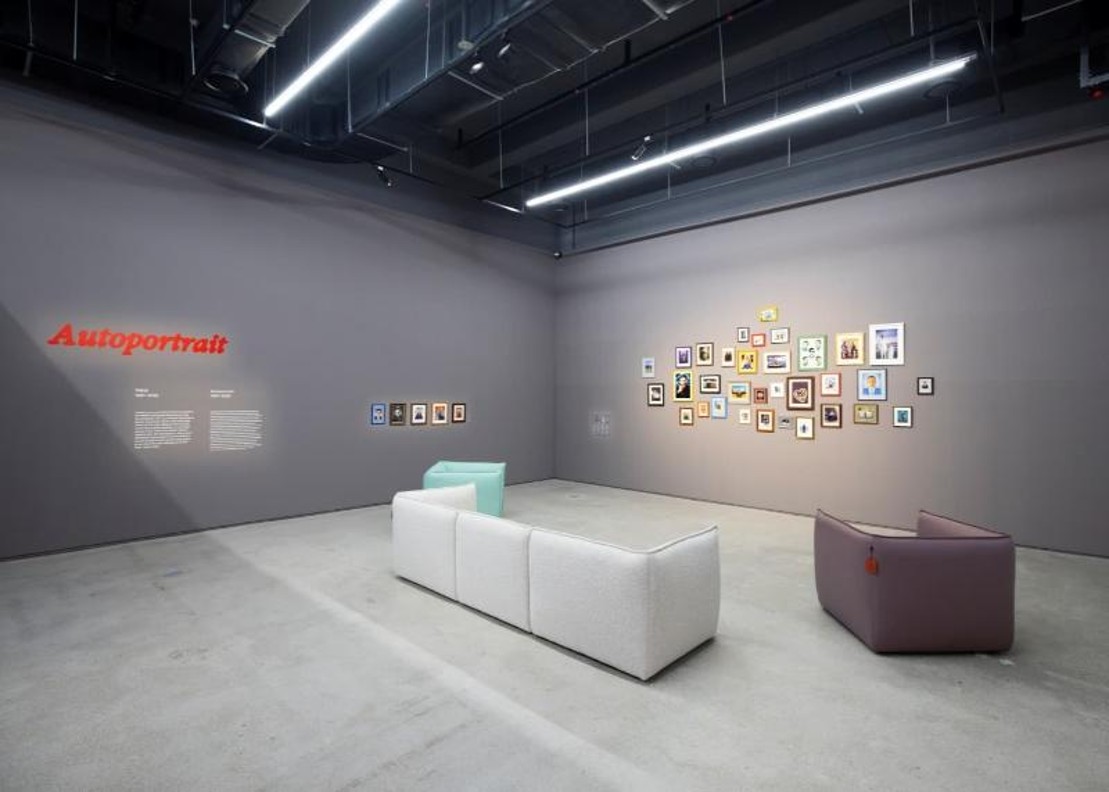
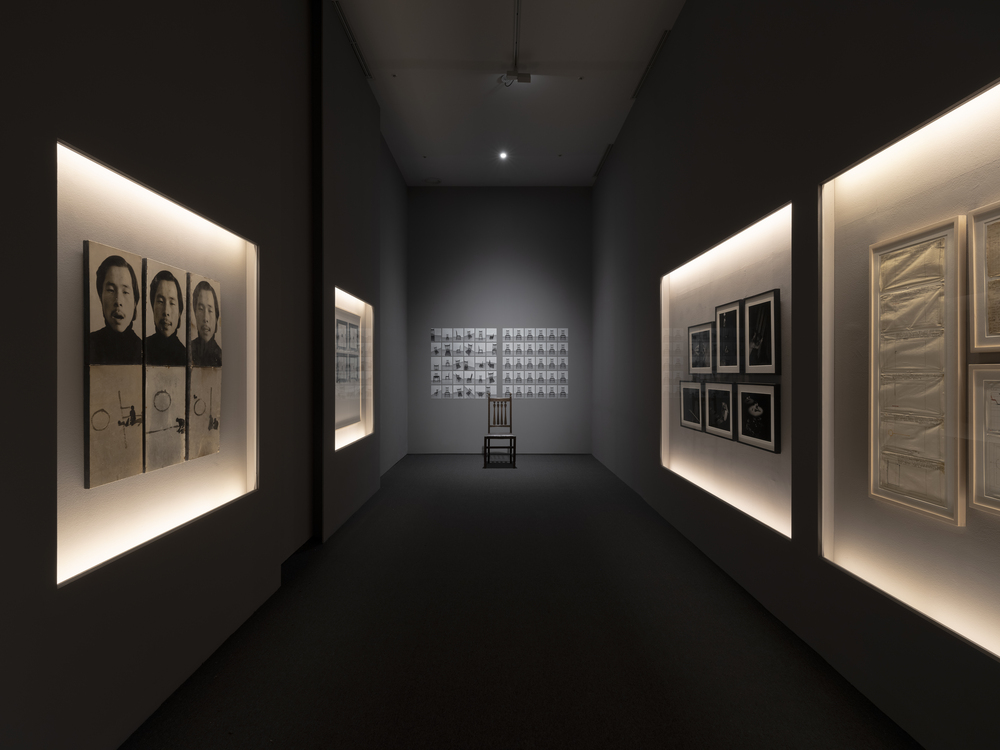
Installation view of the “Autoportrait” section / Photo: Genie Project
A Practice Expanded Through
Photobooks
Alongside photographic works, the
exhibition gives considerable attention to 90 of Martin Parr’s photobooks. For
Parr, the photobook was not a secondary record used to organize completed
works. It was an independent medium through which multiple images could be
arranged and repeated to construct narratives concerning consumption, class,
tourism, and globalization.
A photograph that appears to be an
incidental observation when viewed individually can acquire a more structured
social meaning when accumulated and edited within a book. The significance of
Parr’s practice emerges not only through a single decisive image but through
the repetition and connection of multiple photographs.
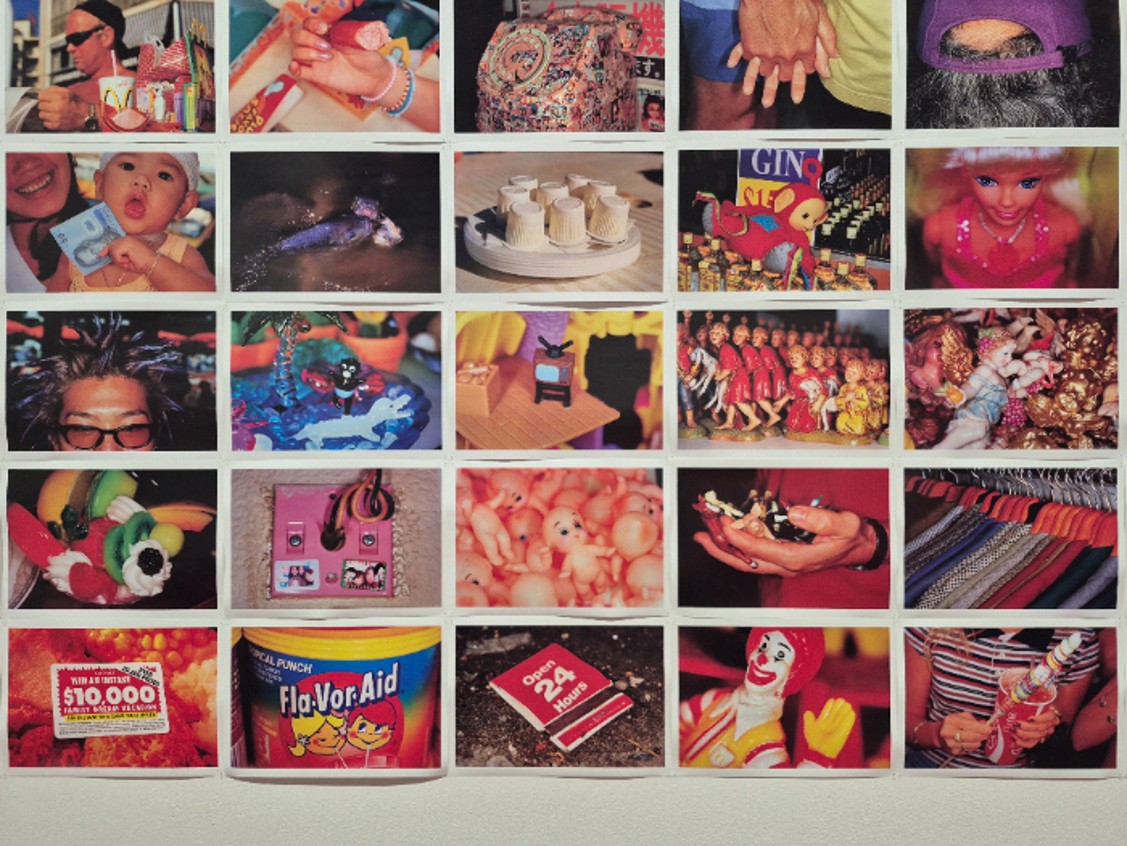
Installation view of photographs from the series densely arranged opposite the display of 90 selected photobooks / Photo: artinsight.co.kr
Parr was not only a photographer but also a
collector and researcher of photobooks. By collecting and introducing
publications from different regions and historical periods, he emphasized that
the history of photography has been shaped not only through museum exhibitions
but also through processes of publishing, editing, and distribution. By
presenting photographs and photobooks together, the exhibition demonstrates how
his practice expanded from photography into publishing, collecting, and
research.
Seoul and Pyongyang Through
Martin Parr’s Eyes
For Korean audiences, one of the most
notable aspects of the exhibition is the inclusion of photographs Parr took on
the Korean Peninsula. The exhibition features works made in both South and
North Korea, including photographs taken in Pyongyang in 1997 and Seoul in
2004.
Rather than treating the two cities solely
as political symbols, Parr focused on people’s behavior and the visual
landscapes he encountered in streets, public events, tourist sites, and
everyday life. He recorded facial expressions, gestures, public spaces, and
ordinary scenes rather than relying on official representations of the state.
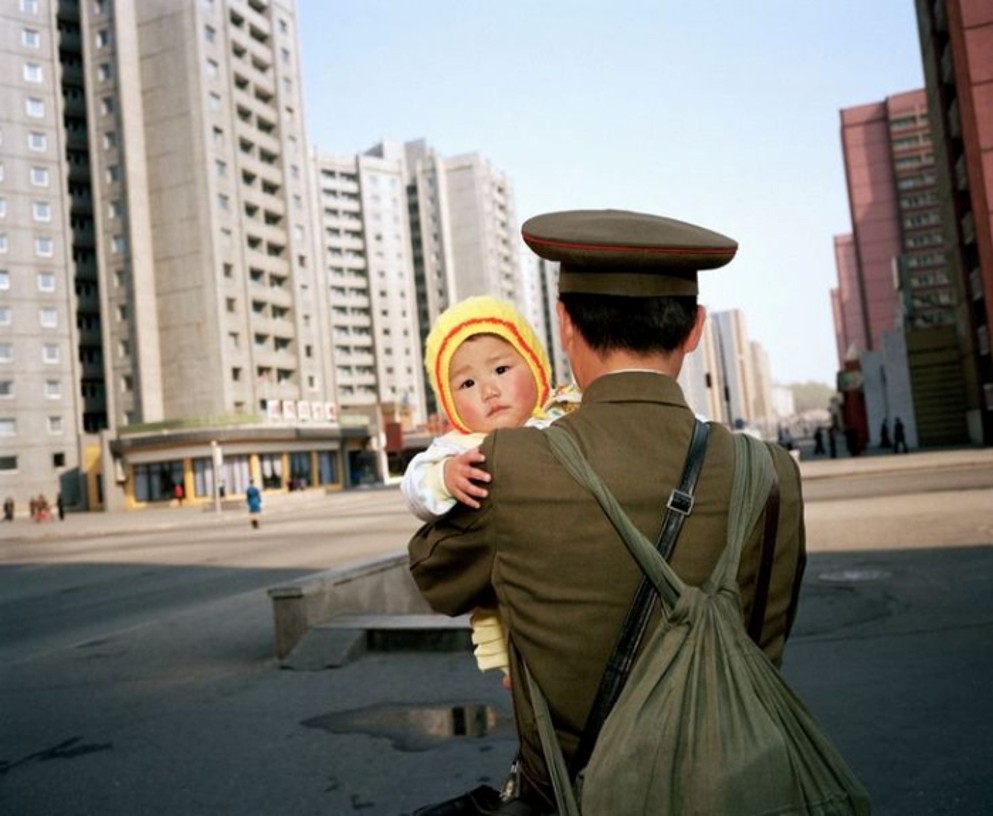
Photographs of everyday life in Pyongyang / © Martin Parr / Magnum Photos
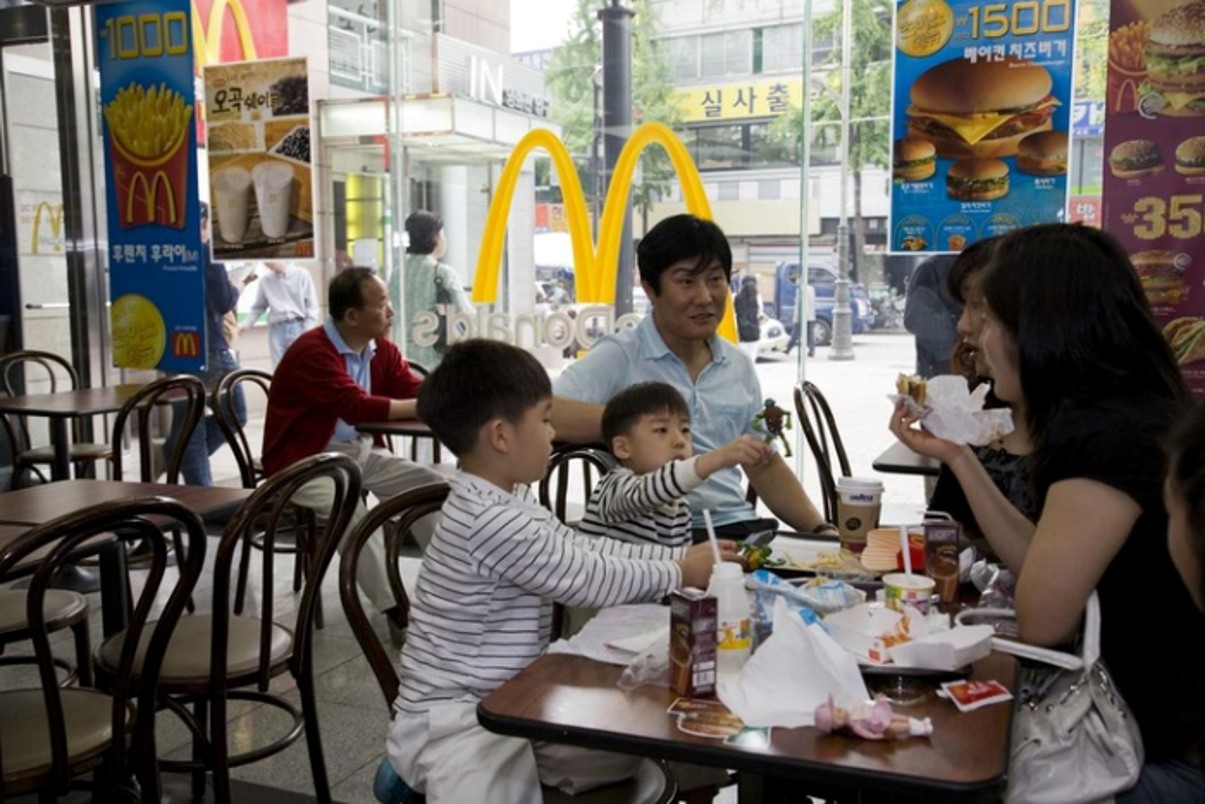
Photographs of everyday life in Seoul / © Martin Parr / Magnum Photos
His photographs of Seoul capture a period
when mass consumption, urban lifestyles, and global image culture had become
deeply embedded in Korean society following decades of rapid economic
development. Viewed alongside his photographs of other global cities, these
images reveal how Seoul was also changing within the structures of global
consumer culture, tourism, and image production.
The photographs taken in Korea are more
than records of the country as seen by a foreign photographer. They invite
viewers to consider how much the spaces and lifestyles of the period have
changed, as well as which behaviors and desires continue to be repeated today.
A Contemporary Archive of the
Image Age
Martin Parr’s photographs continue to feel
familiar because we now inhabit a visual environment similar to the one he
observed. Images of food, shopping, travel, and leisure photographed in vivid
colors and shared with others are reproduced daily across social media.
Smartphones and social media did not exist
when Parr began his career, but he recognized early on how people used images
to express themselves and construct social identities. Today, people experience
travel, dining, and shopping while simultaneously photographing and sharing
those experiences. Through images, they show where they are, what they consume,
and what kind of lives they lead.
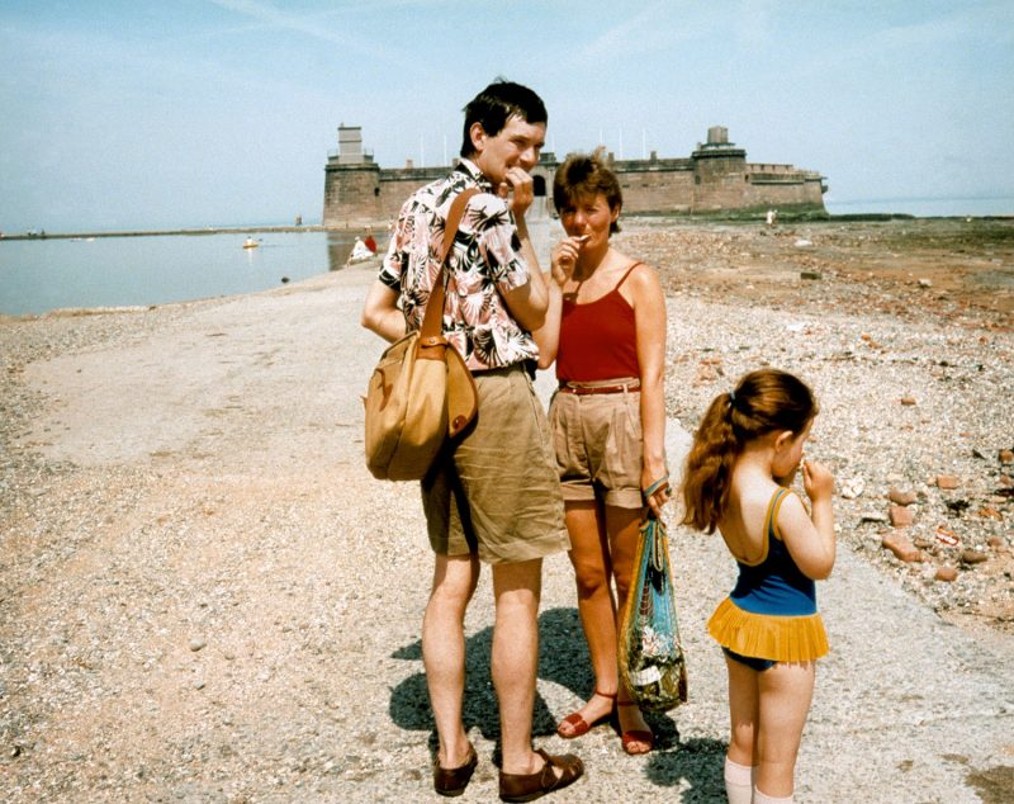
Martin and Susie Parr, 1983 Wallasey. © Peter Fraser
It would be an overstatement to claim that
Parr directly anticipated the age of social media. His work does, however,
demonstrate that the practice of constructing experiences of consumption and
travel through images—and presenting them to others—had already taken shape
before the digital era. From this perspective, his photographs extend beyond
records of past consumer society to become a visual archive of how images have
organized contemporary behavior, desire, and identity over several decades.
《Martin Parr: We Are Martin Parr》 demonstrates how ordinary scenes can become records revealing the
social structures and desires of an era. Parr’s photographs go beyond
satirizing consumption and tourism. Together, they form a portrait of
contemporary society, documenting over five decades how modern people live by
presenting themselves through images.
Exhibition Information
Exhibition title:《Martin
Parr: We Are Martin Parr》
Exhibition period: July 16–October 18, 2026
Venue: Photography Seoul Museum of Art
Artist: Martin Parr
Exhibition contents: Approximately 500 photographs, 90 photobooks, and video
materials
In collaboration with: Magnum Photos and the Martin Parr Foundation
Admission: Free
Website: https://sema.seoul.go.kr/kr/visit/photosema