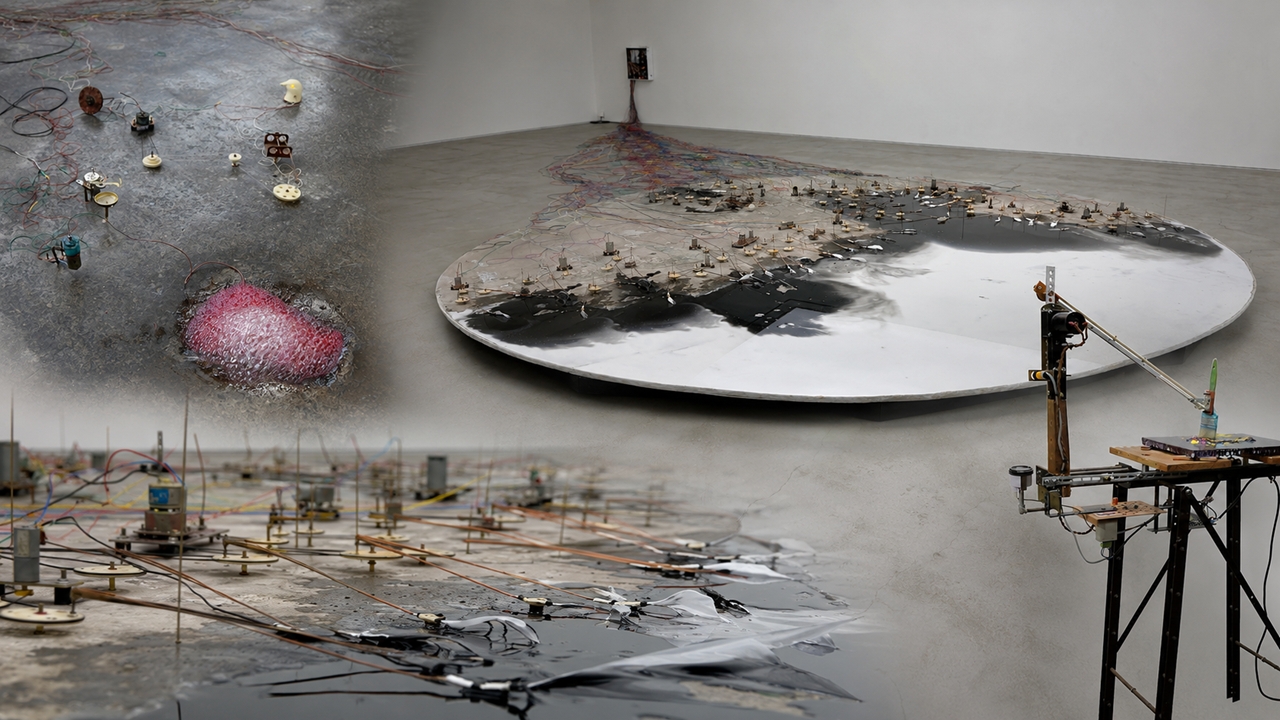


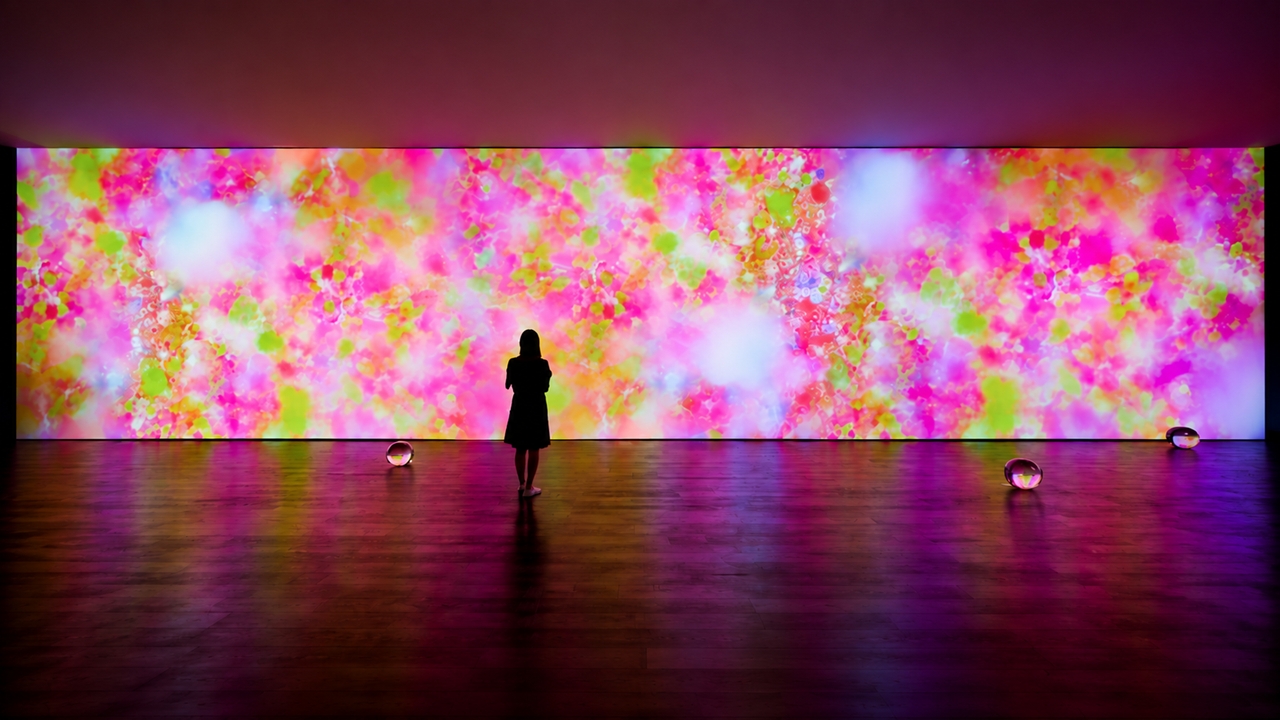
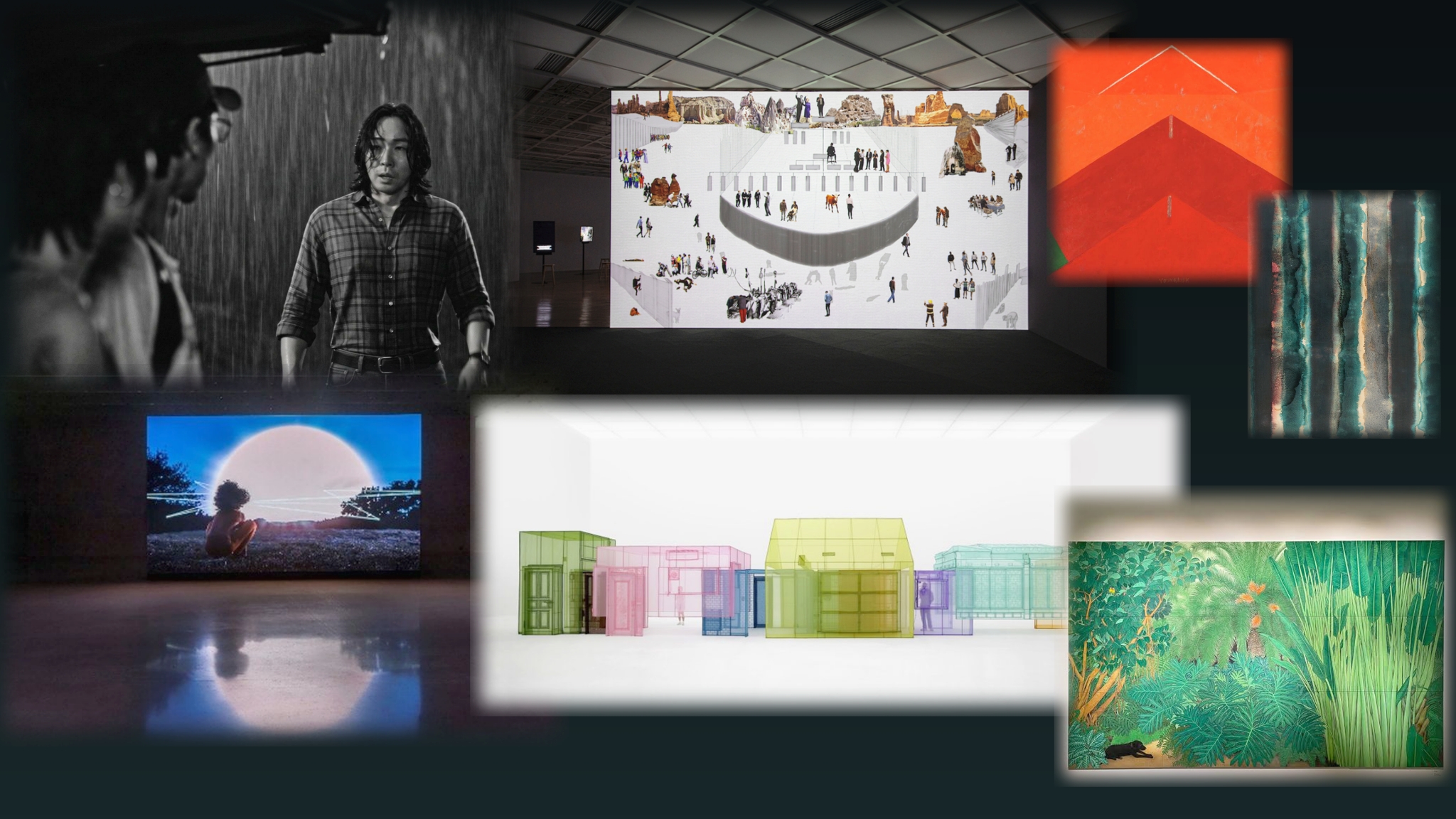
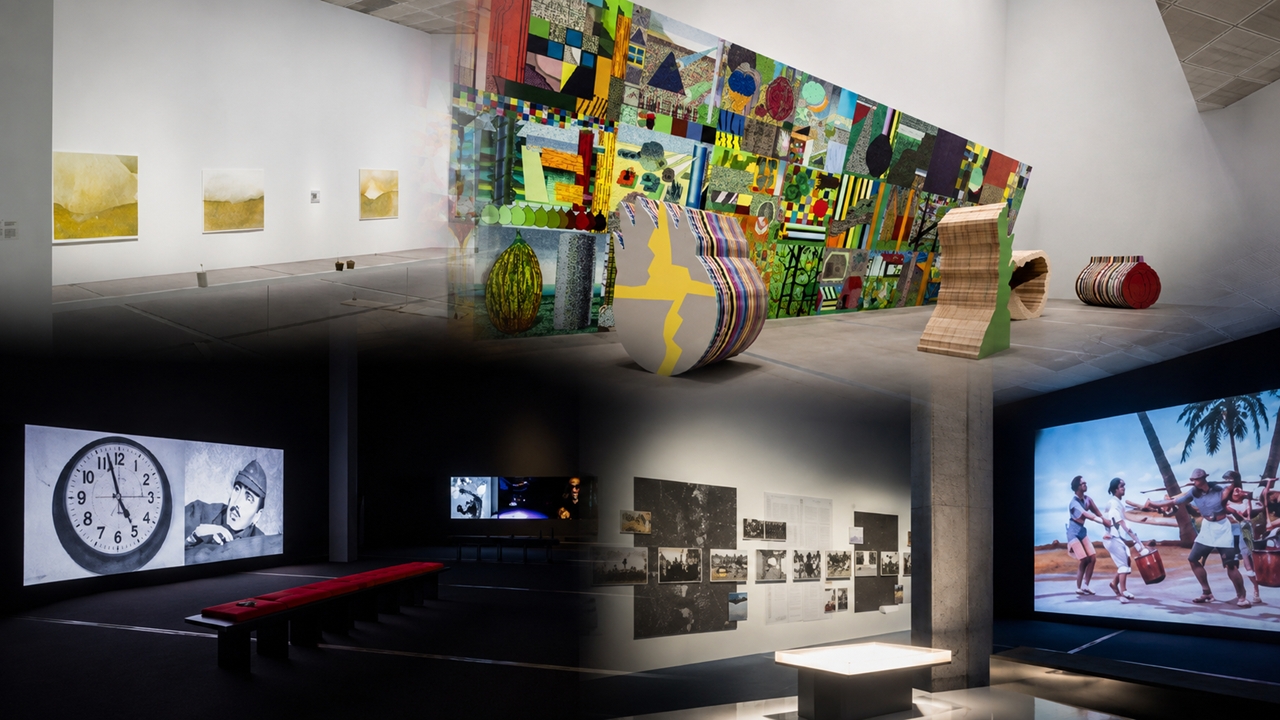
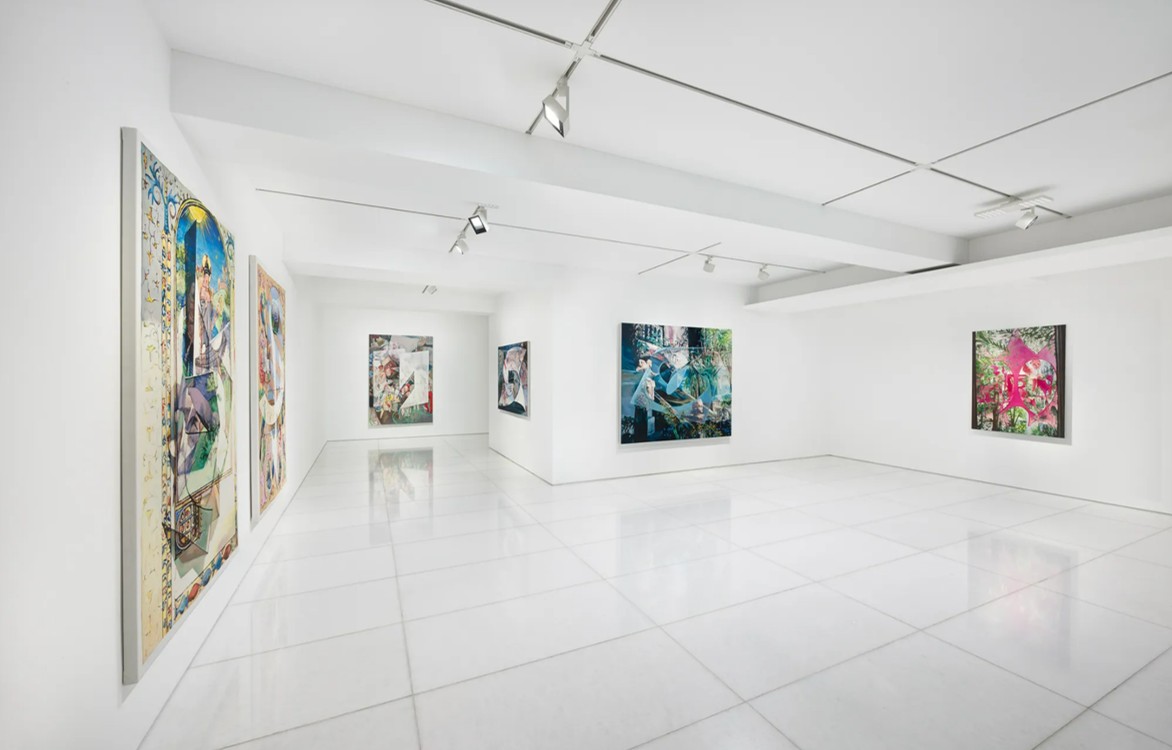
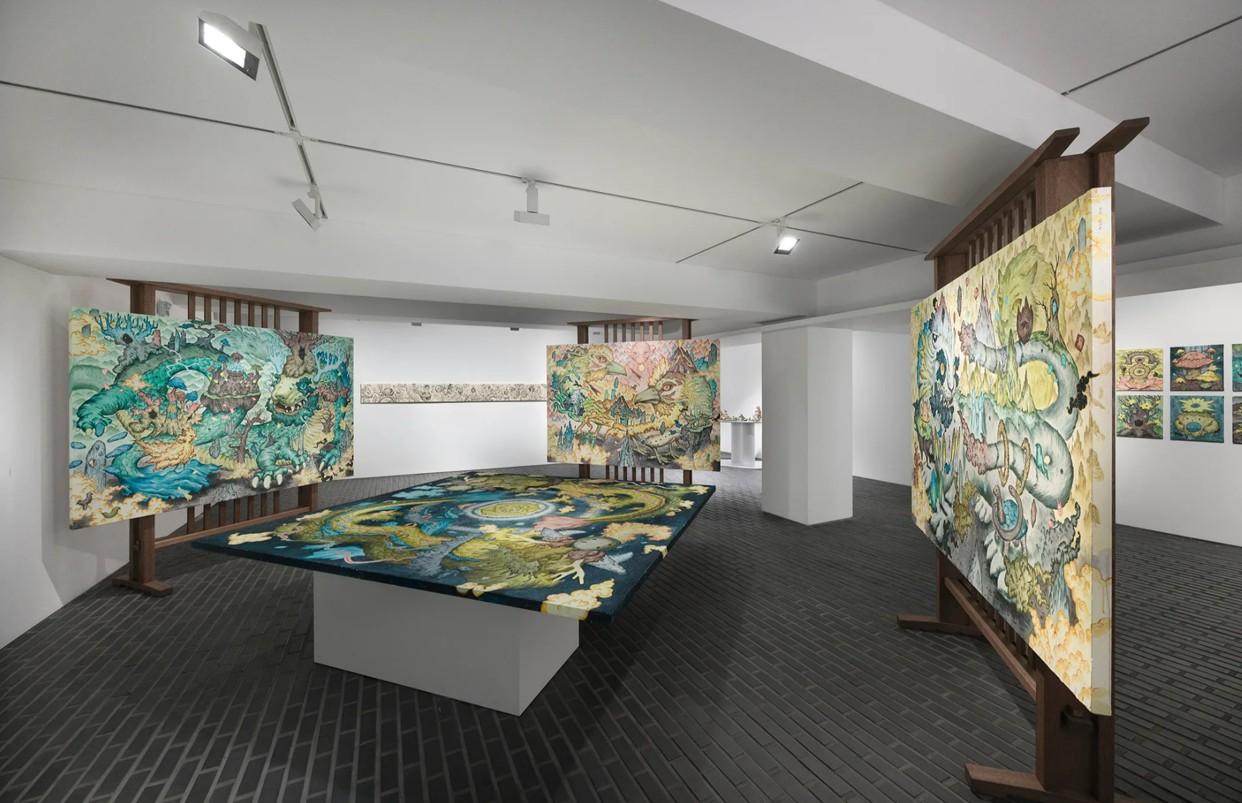
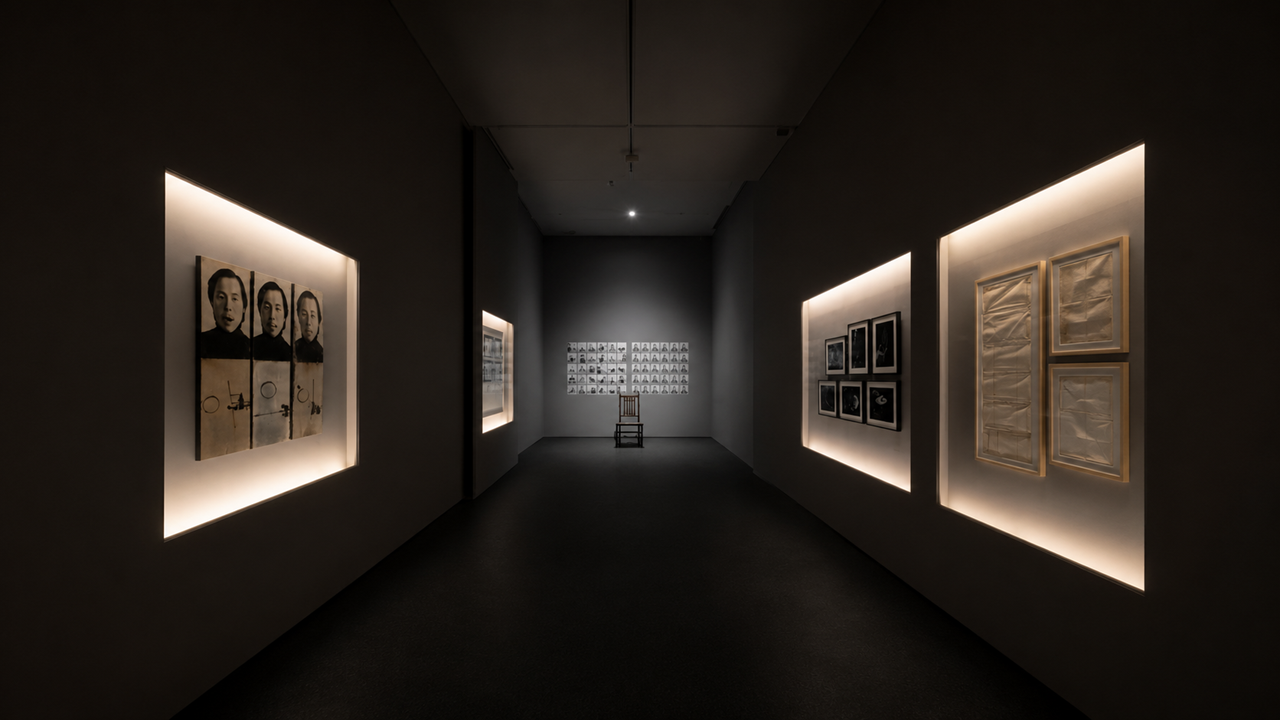
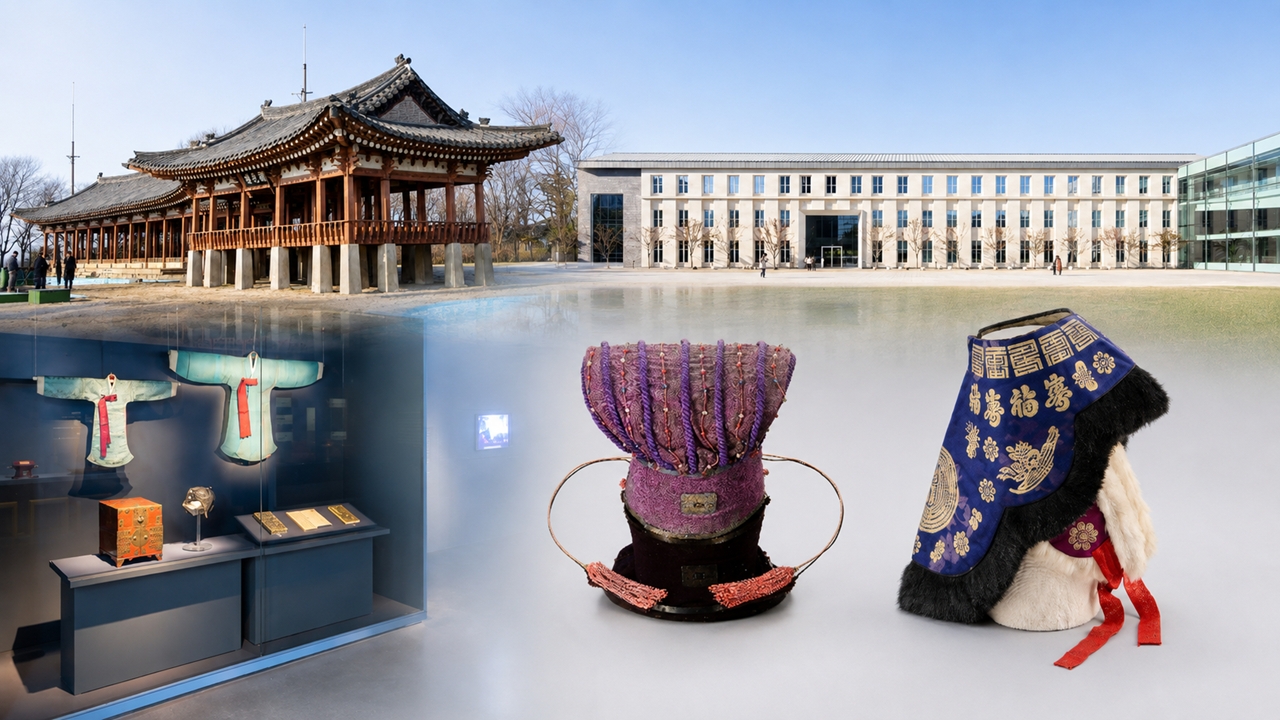

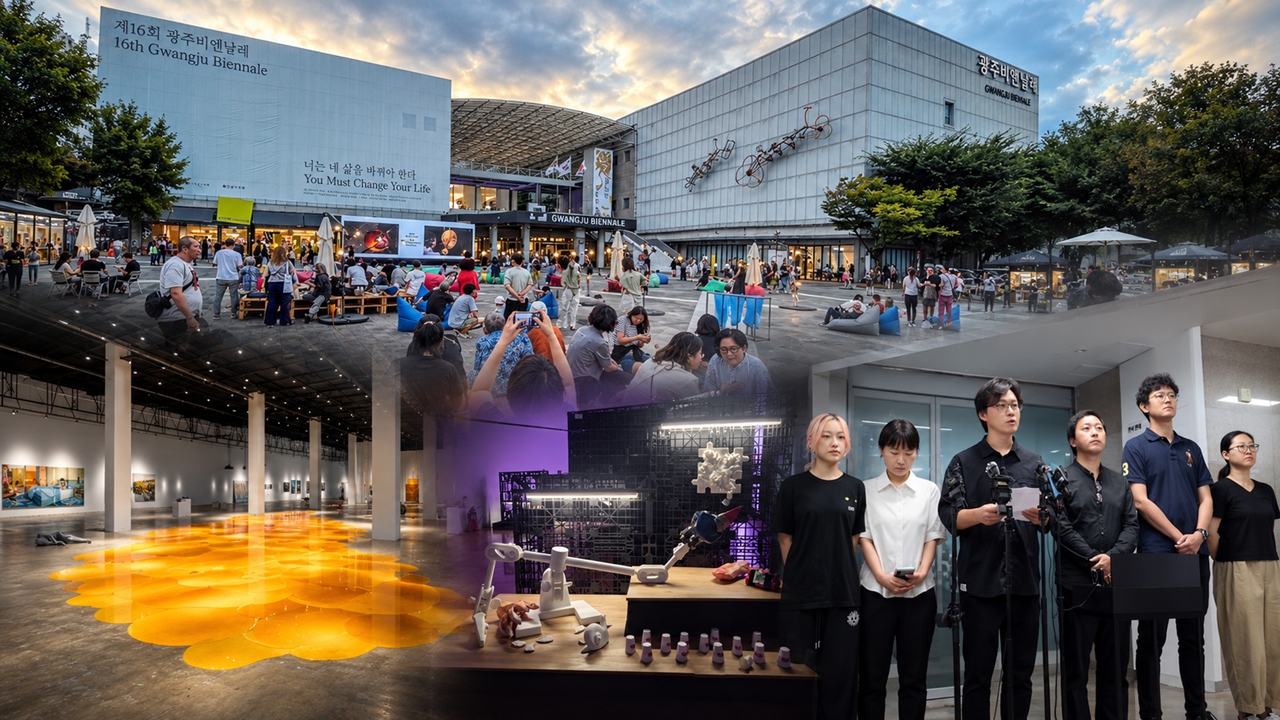
The 16th Gwangju Biennale opened on September 5, 2026. Titled 《You Must Change Your Life》, the biennale presents its main exhibition and pavilion projects through November 15.
2026.09.08
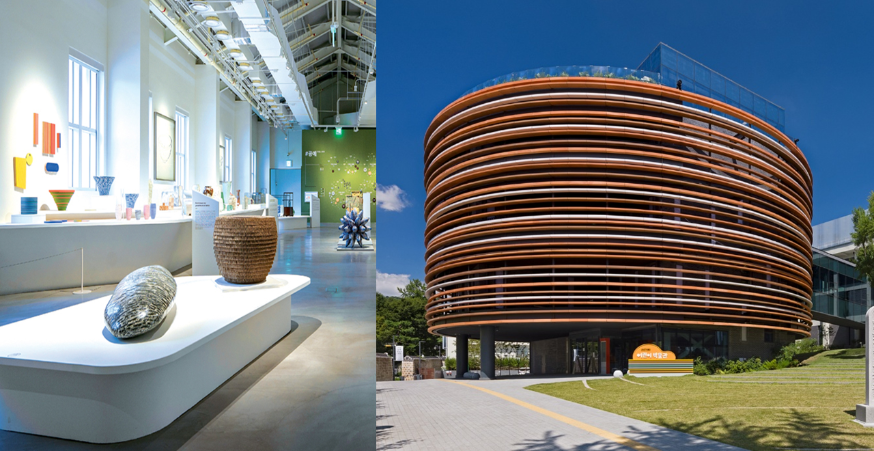
On July 1, the Ministry of Personnel Management opened a public recruitment process for a new director of the National Museum of Modern and Contemporary Art, Korea (MMCA). The term of current director Kim Sung-hee expires this September. As the search began, the names of several potential candidates quickly started circulating within the Korean art world.
2026.08.18
On July 26, 2026, the Art Services Business Registration System came into effect under the Art Promotion Act. Businesses operating in six categories—galleries, art auctions, art advisory services, art rental and sales, art appraisal, and art exhibitions—are now required to register with the relevant local authority.
2026.08.04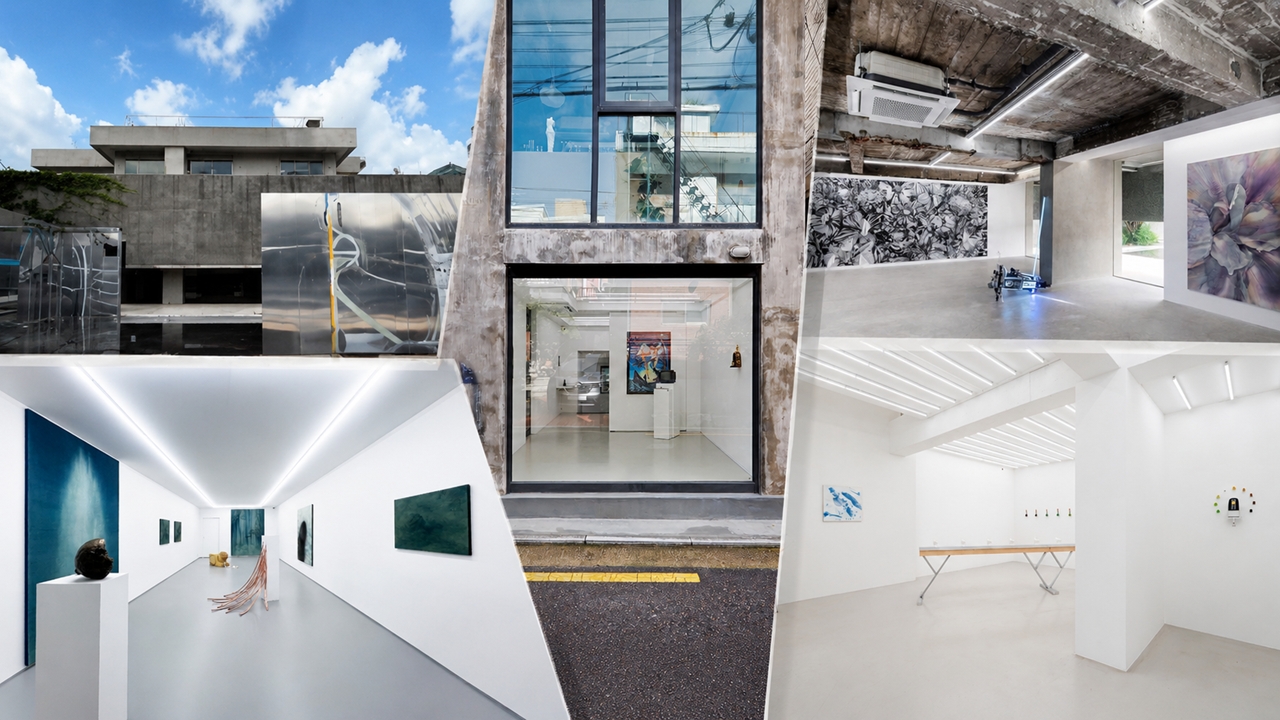
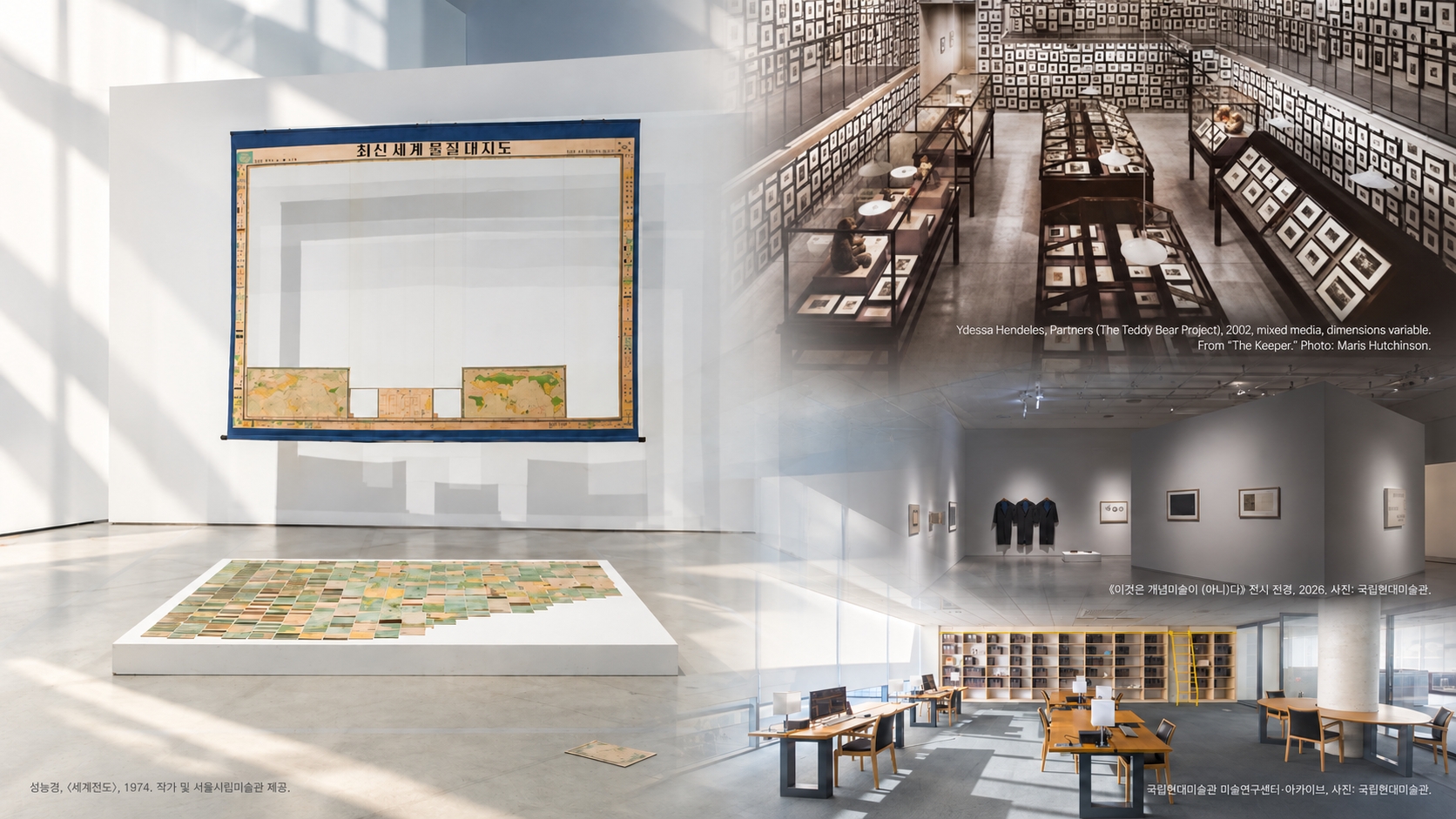
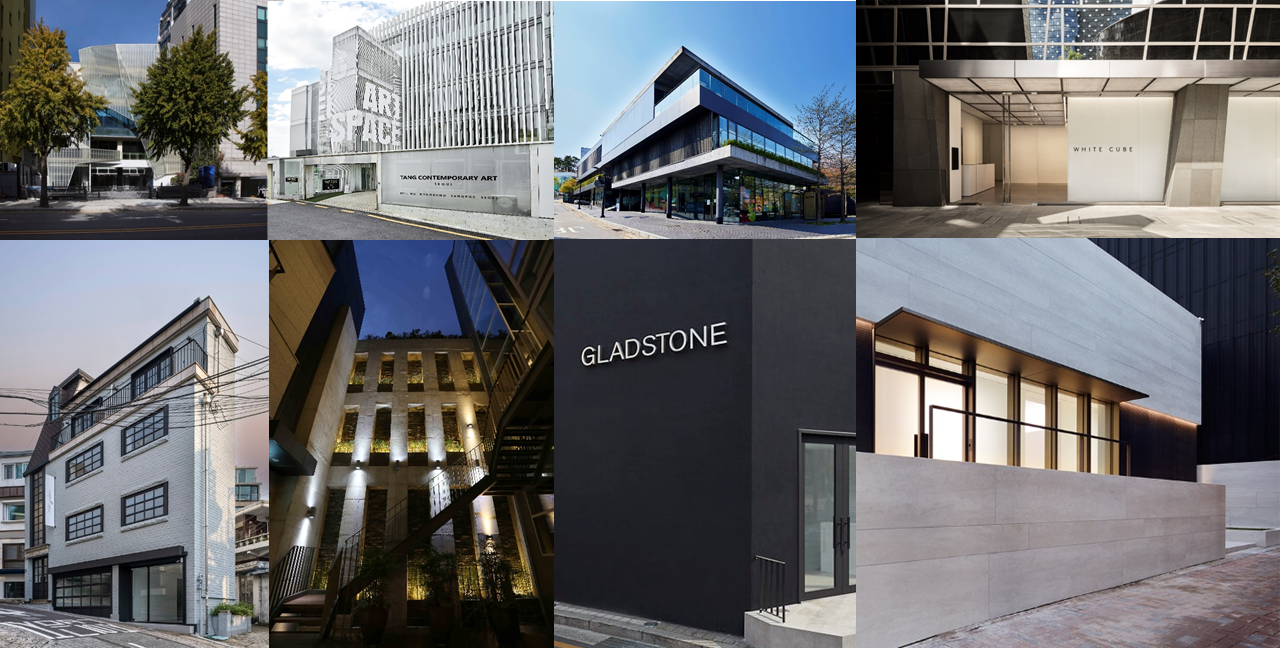
Art spaces are more than venues for exhibiting works of art. They serve as vital intermediaries that discover new artists, generate critical discourse, and connect audiences, markets, and institutions. Changes in these spaces, therefore, are not simply matters of individual organizations adopting different modes of operation. They are important indicators of how the contemporary art ecosystem has evolved and the direction in which it is moving.
2026.07.21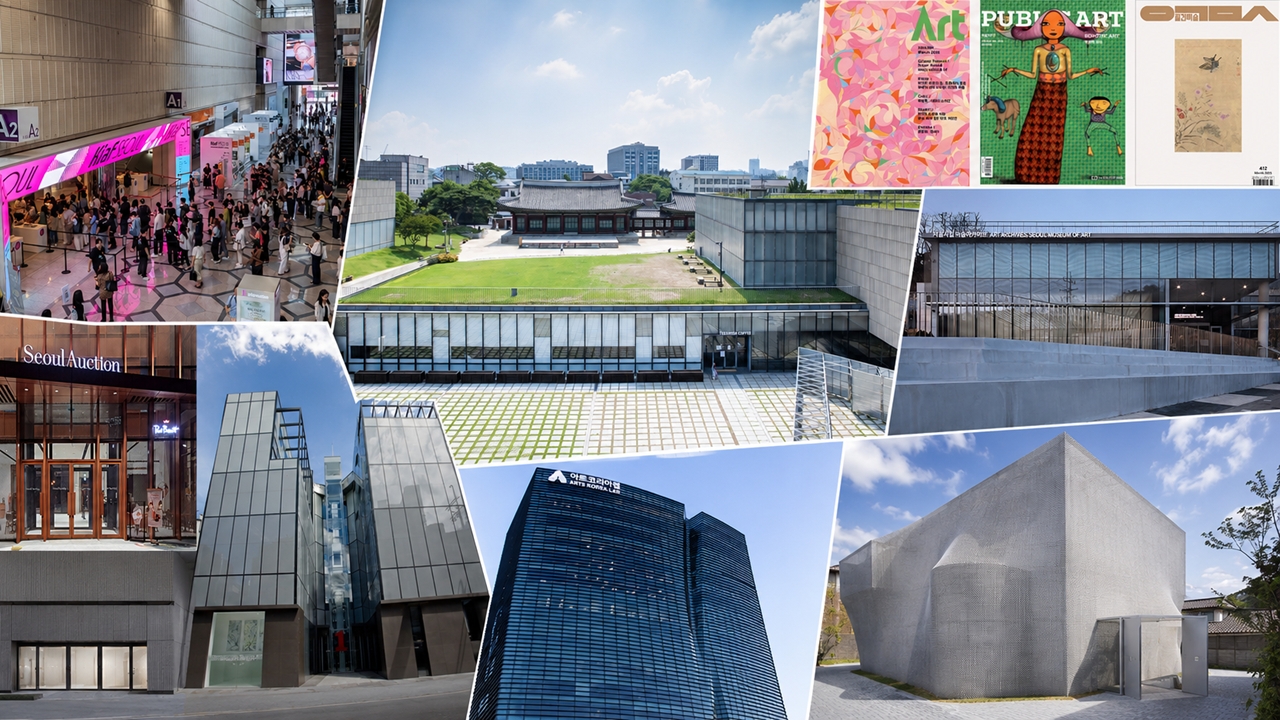
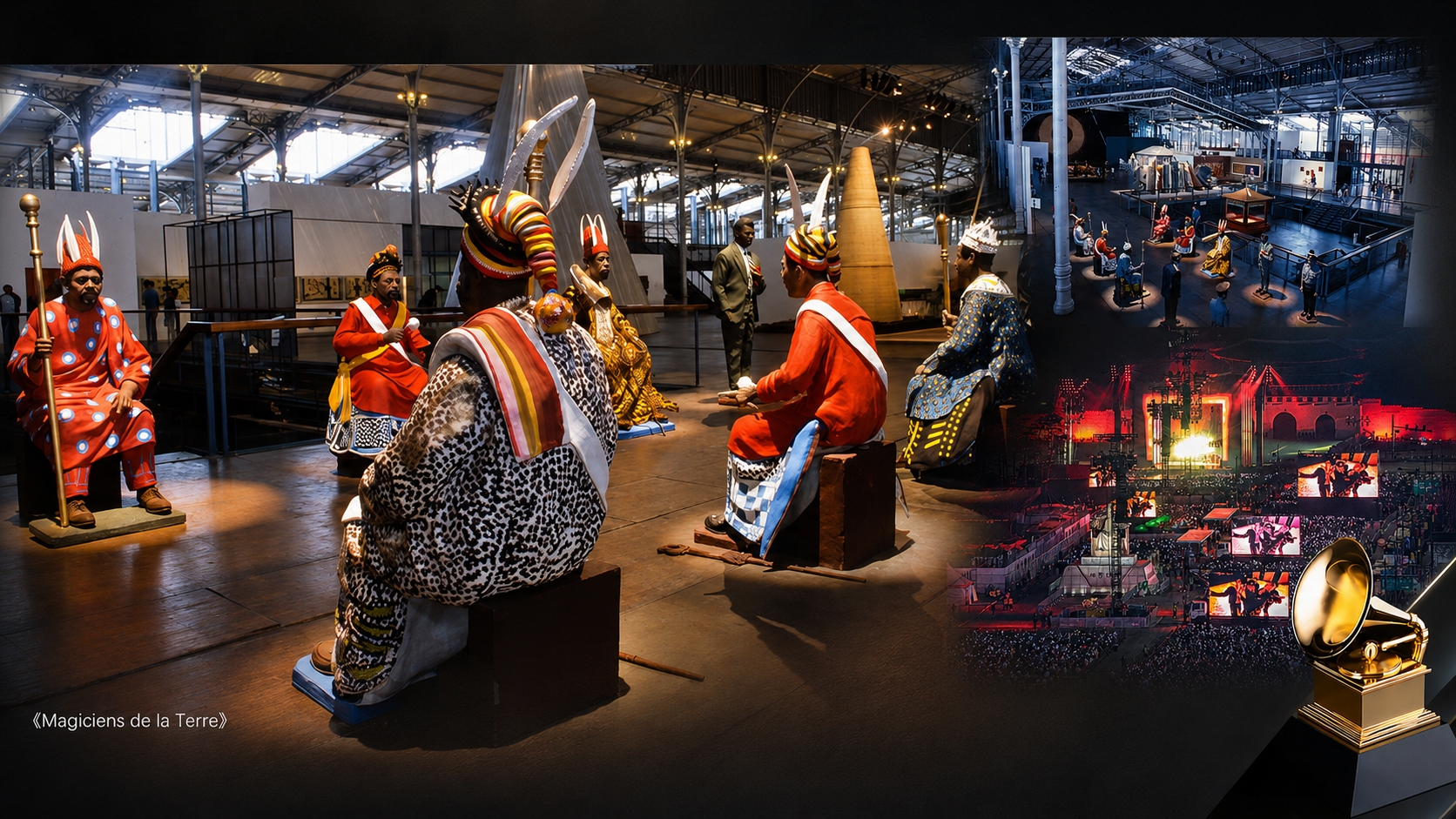
In Korean society, internationalization and globalization emerged as major national agendas between the late 1980s and the mid-1990s. The 1988 Seoul Olympics was a symbolic event through which Korea began to present itself to the international community in a more visible and active way. In the 1990s, Korea rapidly entered the global order through democratization, market liberalization, cultural exchange, and participation in international organizations.
2026.07.07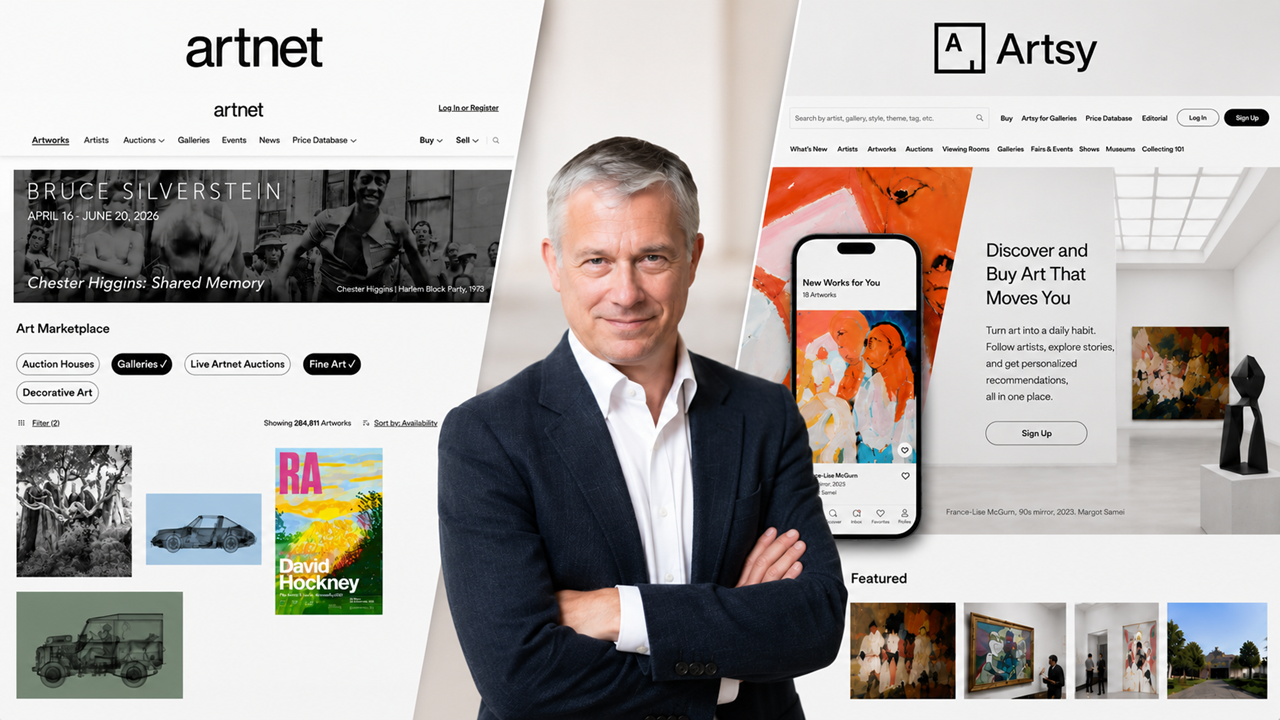
One of the most significant stories in the global art world recently has been Pace Gallery’s large-scale staff reductions and restructuring of its artist roster. Across the international art community, the news was widely interpreted as a sign of crisis within the mega-gallery model.
2026.06.23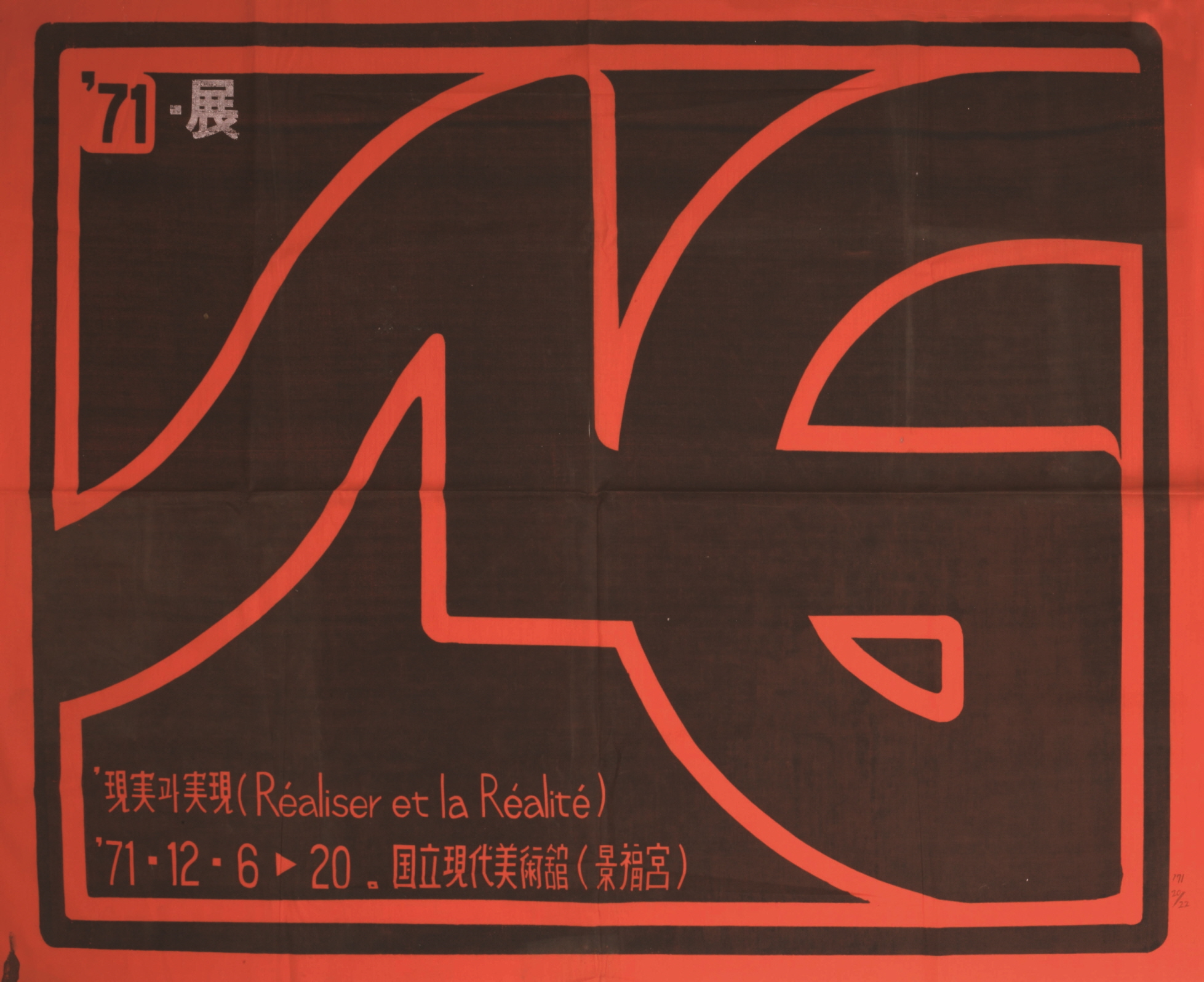
This article will provide a brief introduction to the prominent groups such as Korean Avant-Garde Association” (A.G., 1969–1975), “Space & Time” (S.T., 1969–1981), and “The Fourth Group” (1970).
2023.09.04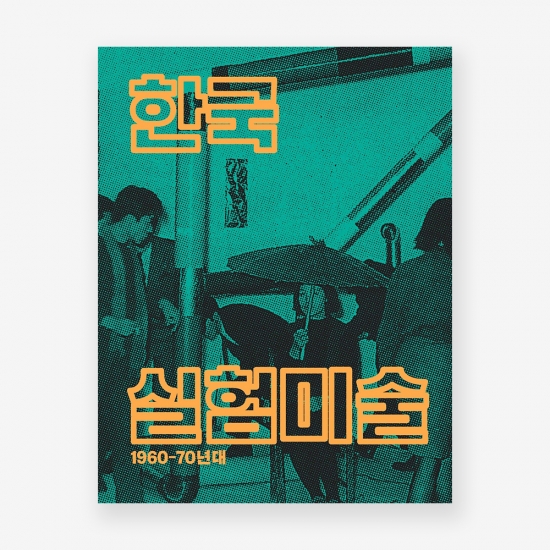
While various groups have contributed to the advancement of experimental art through their activities, this article will provide a brief introduction to the prominent groups such as “Mudongin (Zero Group),” “Origin Society,” and ” Sinjeon dongin (New Exhibition Group).”
2023.08.28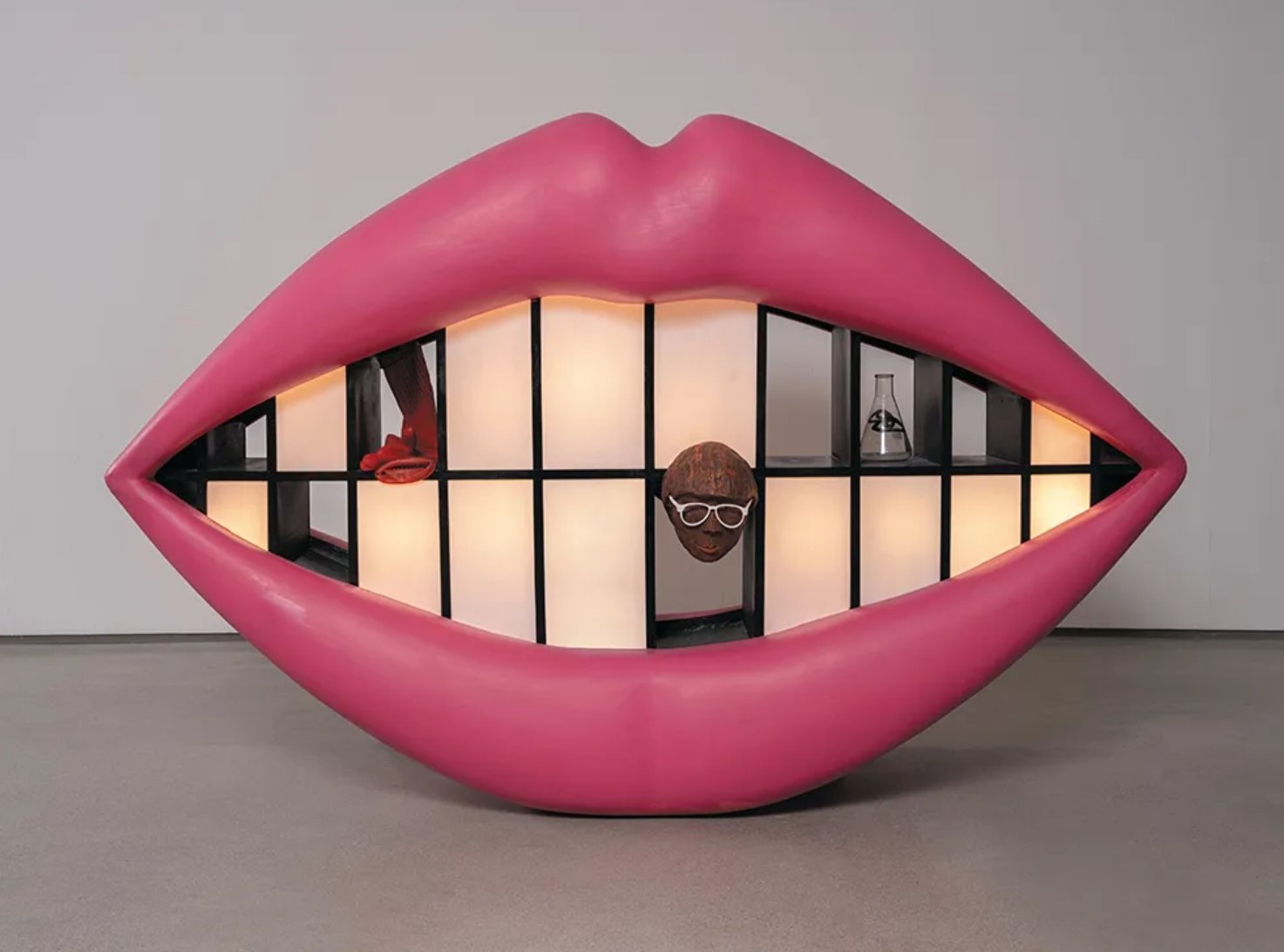
Understanding the international influences on Korean experimental art is vital, as it will illuminate the unique position Korean experimental art occupies on the international art stage.
2023.08.21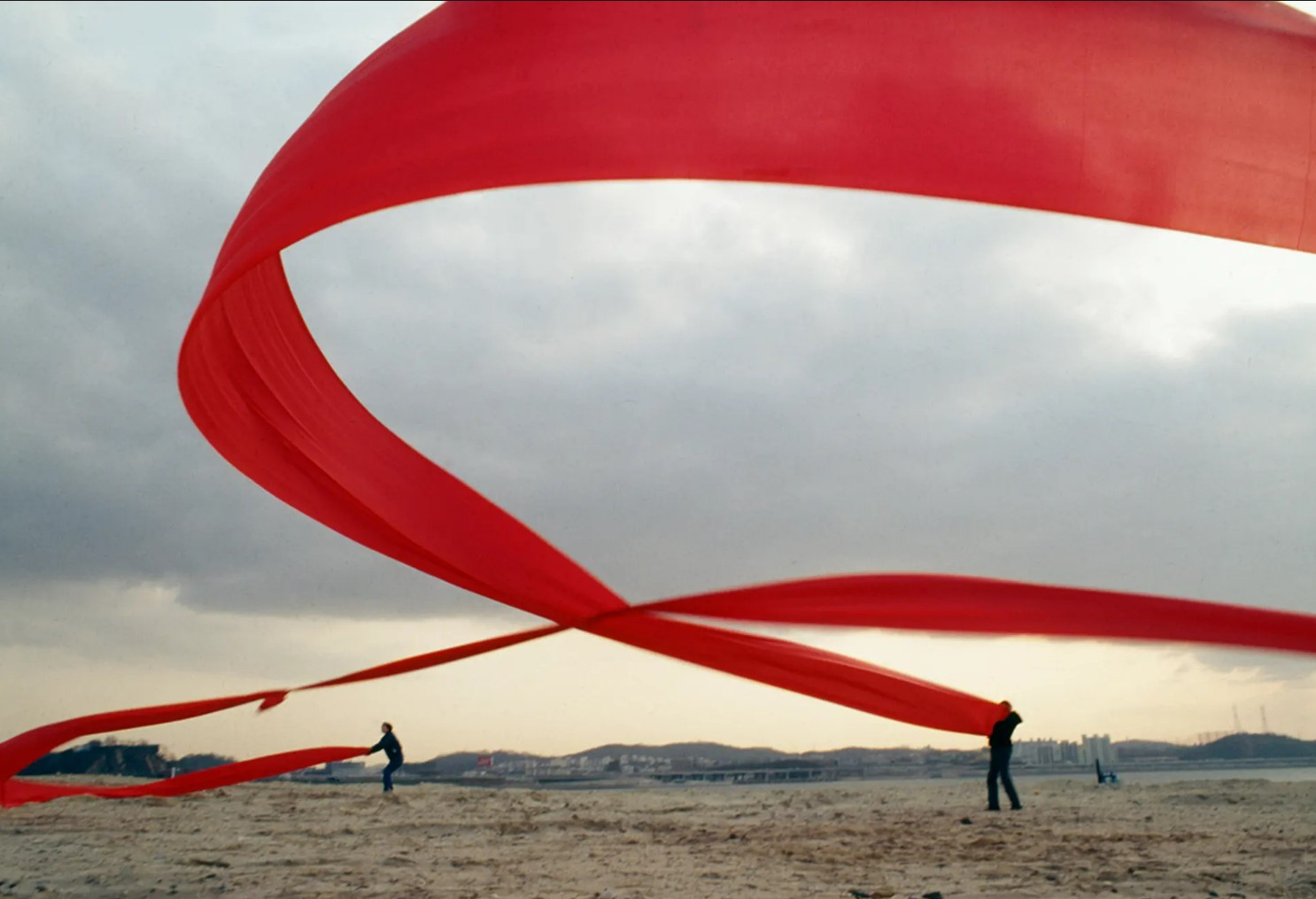
Korean experimental art (“silheommisul”) is gaining recognition both within Korea and on the international stage. But what exactly is Korean experimental art?
2023.08.14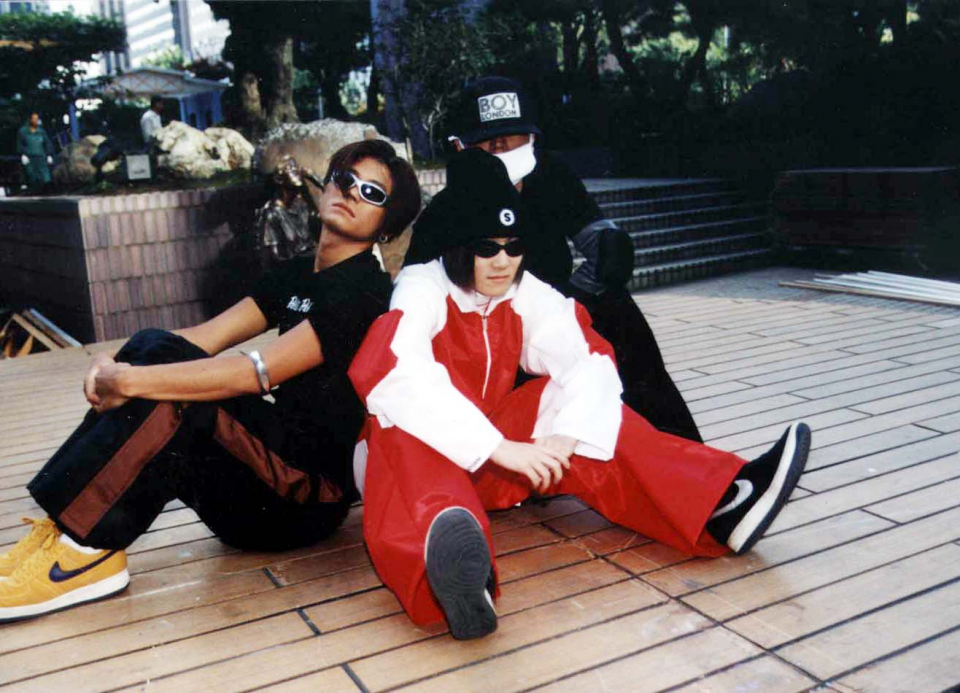
The third Korean art market boom, which took place from the late 1990s to 2007, was unlike anything that had come before it. It was a time of exponential expansion in all aspects of the Korean art market.
2023.09.07
In this evolving environment, the Korean art market experienced its second golden era, transitioning from the late 1980s to the early 1990s. As the nation underwent a pronounced economic expansion and greater integration into the global sphere, the art scene also thrived.
2023.09.03