
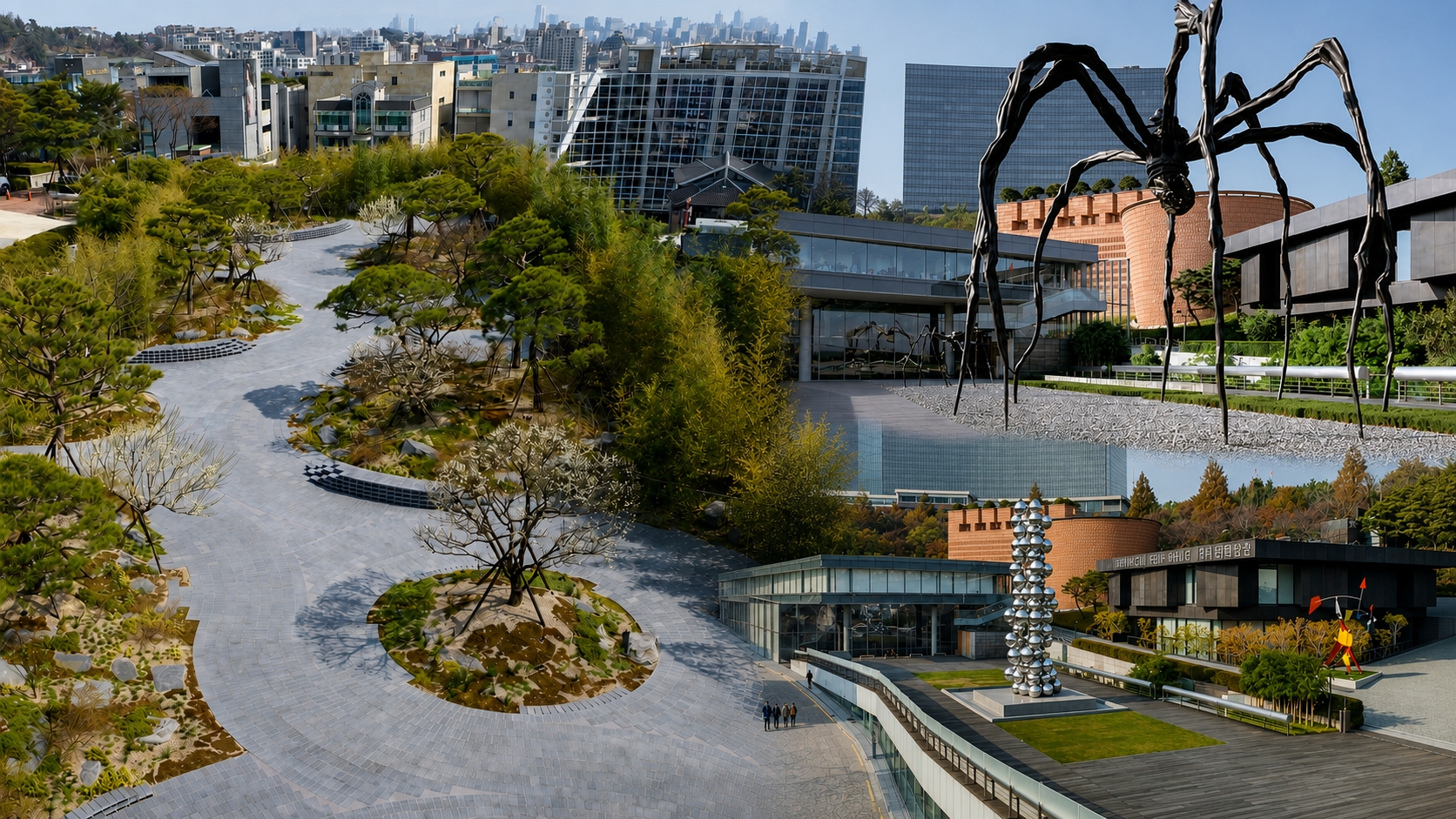

On October 14, 2026, Busan Mayor Jeon Jae-soo announced at a press conference that the city would abandon its plans to establish a branch of the Centre Pompidou in Igidae. The city cited concerns over environmental damage, difficulties in safeguarding the public interest under the proposed contractual arrangements, substantial financial burdens, and insufficient integration with the local art ecosystem.
2026.10.20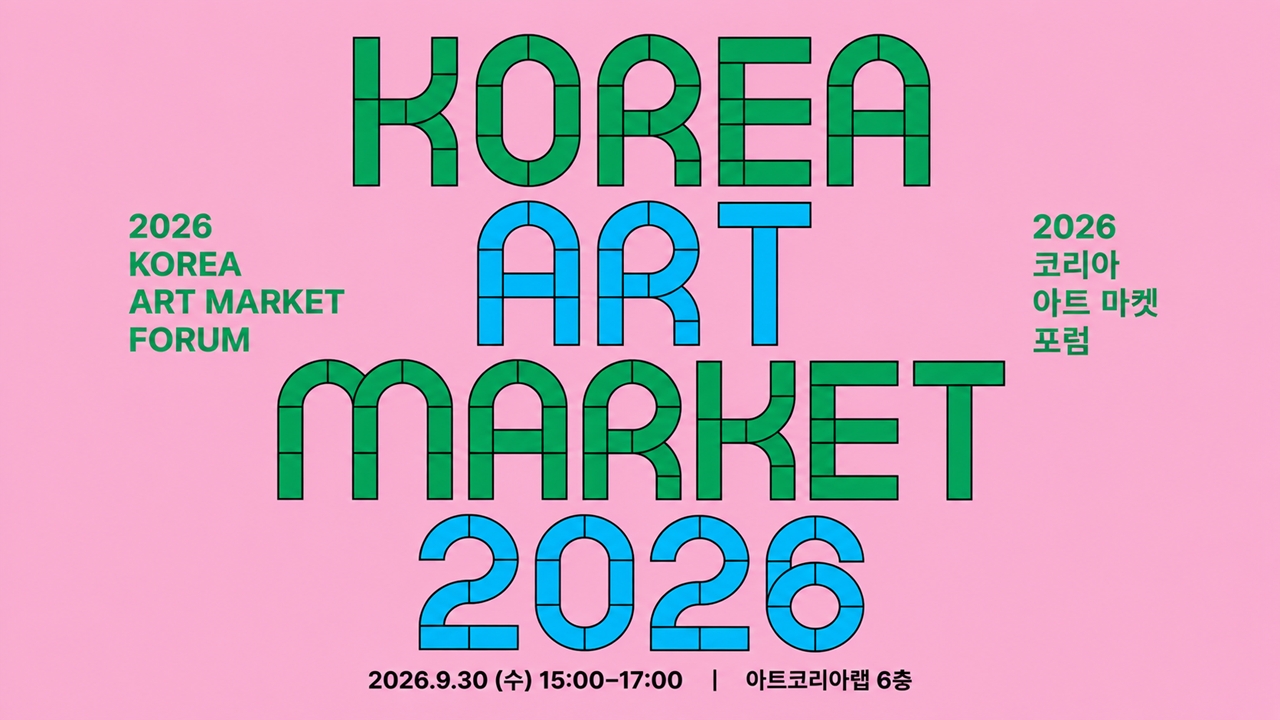
Korea Art Market Forum 2026 took place on September 30 at Art Korea Lab in Gwanghwamun, jointly organized by the Paradise Cultural Foundation and the Business Research Institute at Seoul National University. Marking five years of collaboration between Kiaf and Frieze, the forum addressed Korea’s gallery landscape, art fairs and cities, and young artists. Sang-Hoon Kim, a professor at Seoul National University Business School, delivered the opening remarks.
2026.10.06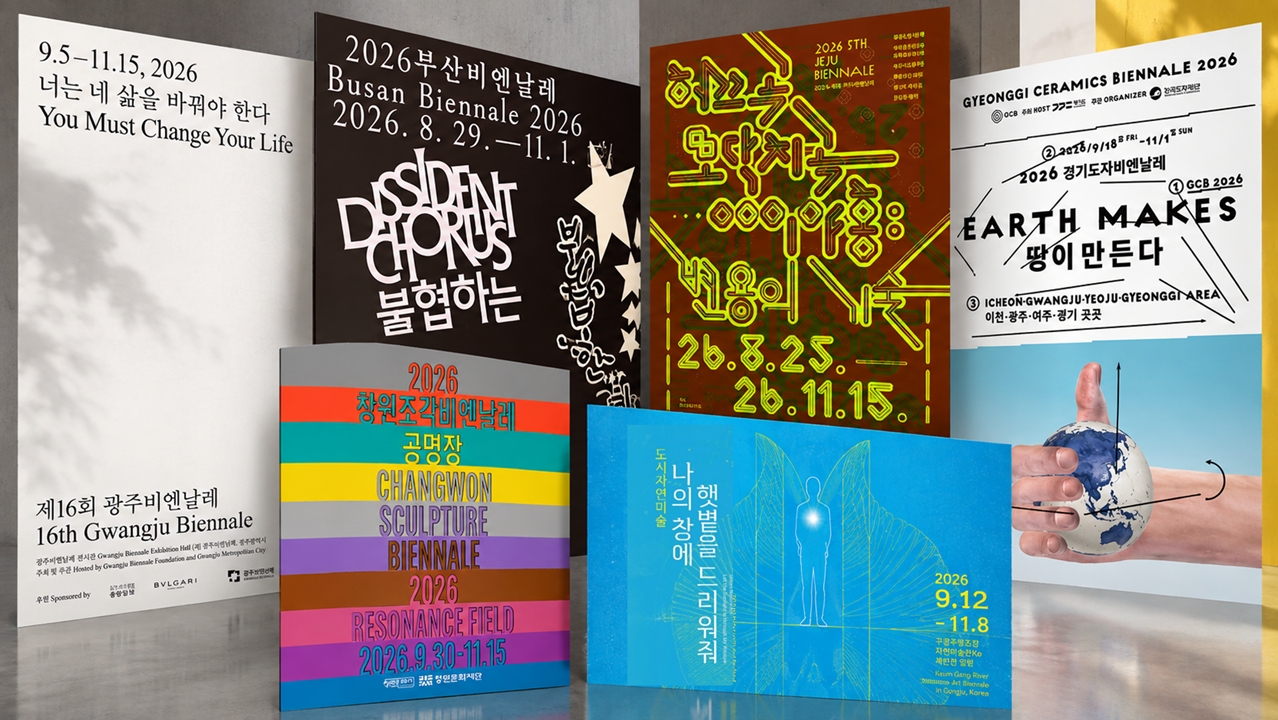
An archive is not a warehouse in which materials are simply accumulated. It is a structure that preserves and reconnects the relationships between them. Consider a single work of art. Its title and artist’s name are not enough to fully understand it. When was it made? What materials does it comprise?
2026.09.22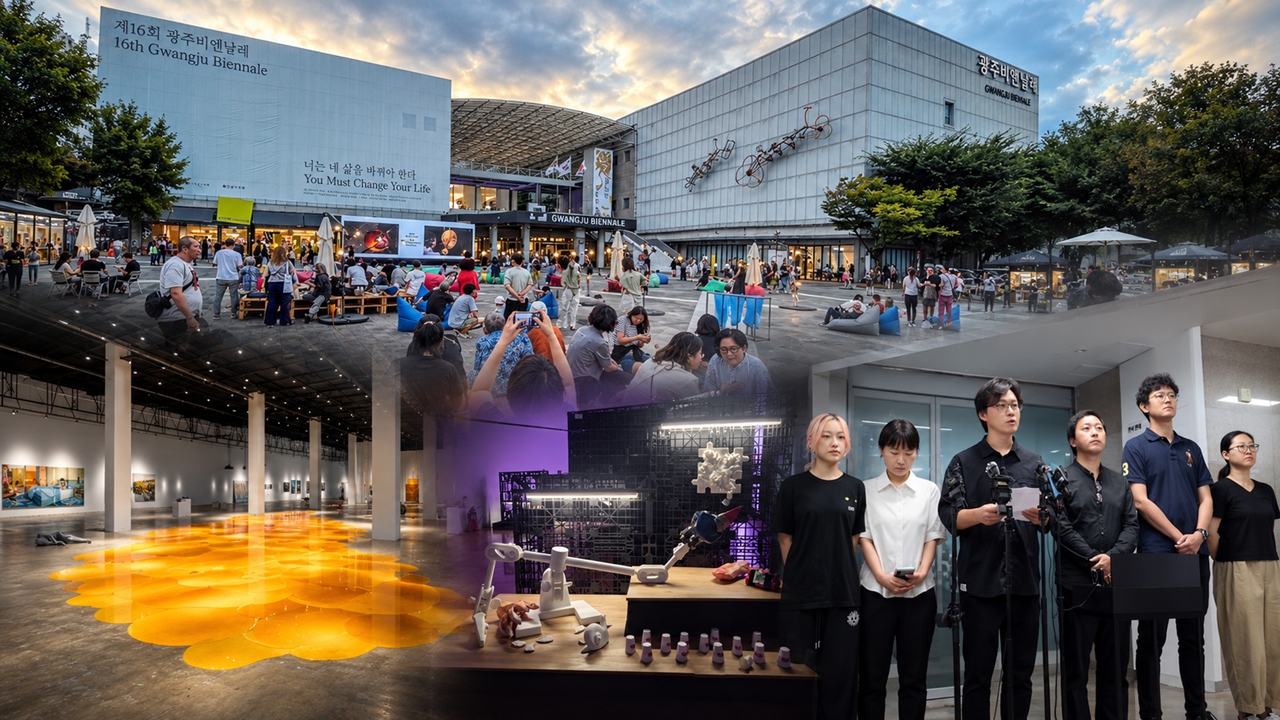
The 16th Gwangju Biennale opened on September 5, 2026. Titled 《You Must Change Your Life》, the biennale presents its main exhibition and pavilion projects through November 15.
2026.09.08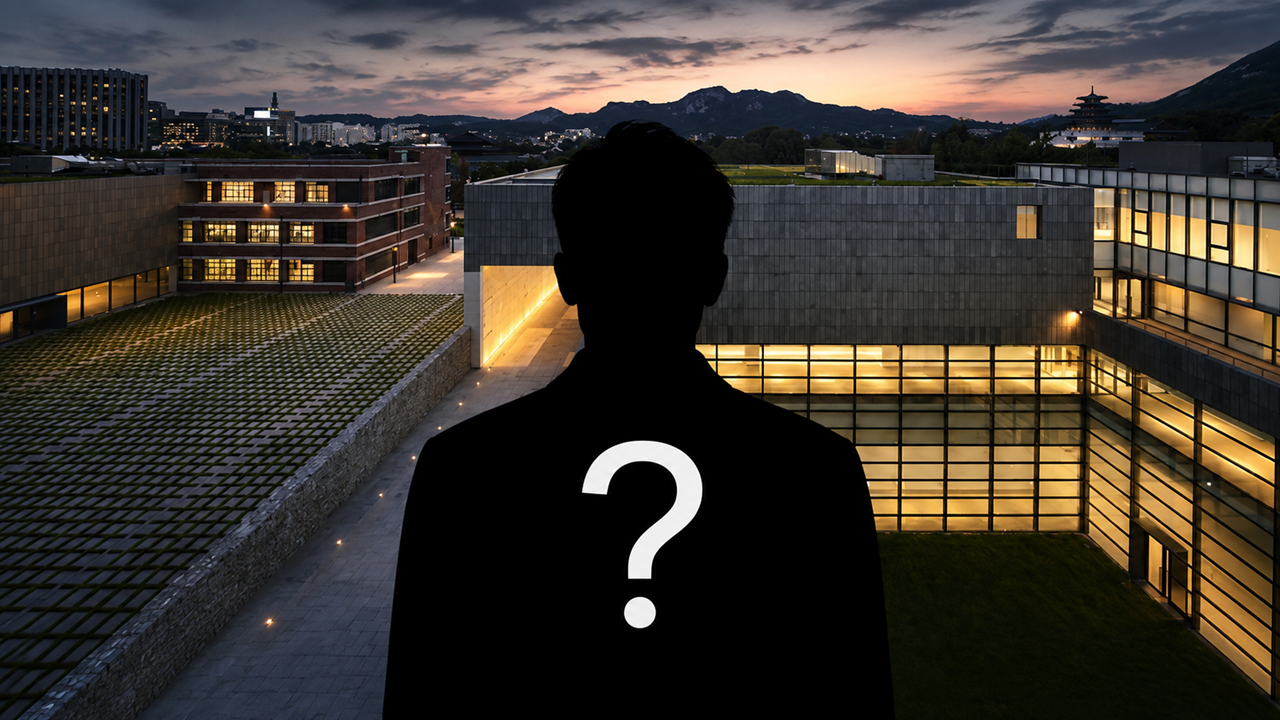
On July 1, the Ministry of Personnel Management opened a public recruitment process for a new director of the National Museum of Modern and Contemporary Art, Korea (MMCA). The term of current director Kim Sung-hee expires this September. As the search began, the names of several potential candidates quickly started circulating within the Korean art world.
2026.08.18
On July 26, 2026, the Art Services Business Registration System came into effect under the Art Promotion Act. Businesses operating in six categories—galleries, art auctions, art advisory services, art rental and sales, art appraisal, and art exhibitions—are now required to register with the relevant local authority.
2026.08.04
Contemporary art today encompasses a wide range of cultures, histories, and social experiences. Artists from Asia, the Middle East, Latin America, and Africa are active in international biennials, museums, galleries, and art markets. Histories and cultures that received insufficient attention within Western-centered accounts of art history have also become important subjects of contemporary art.
2026.10.13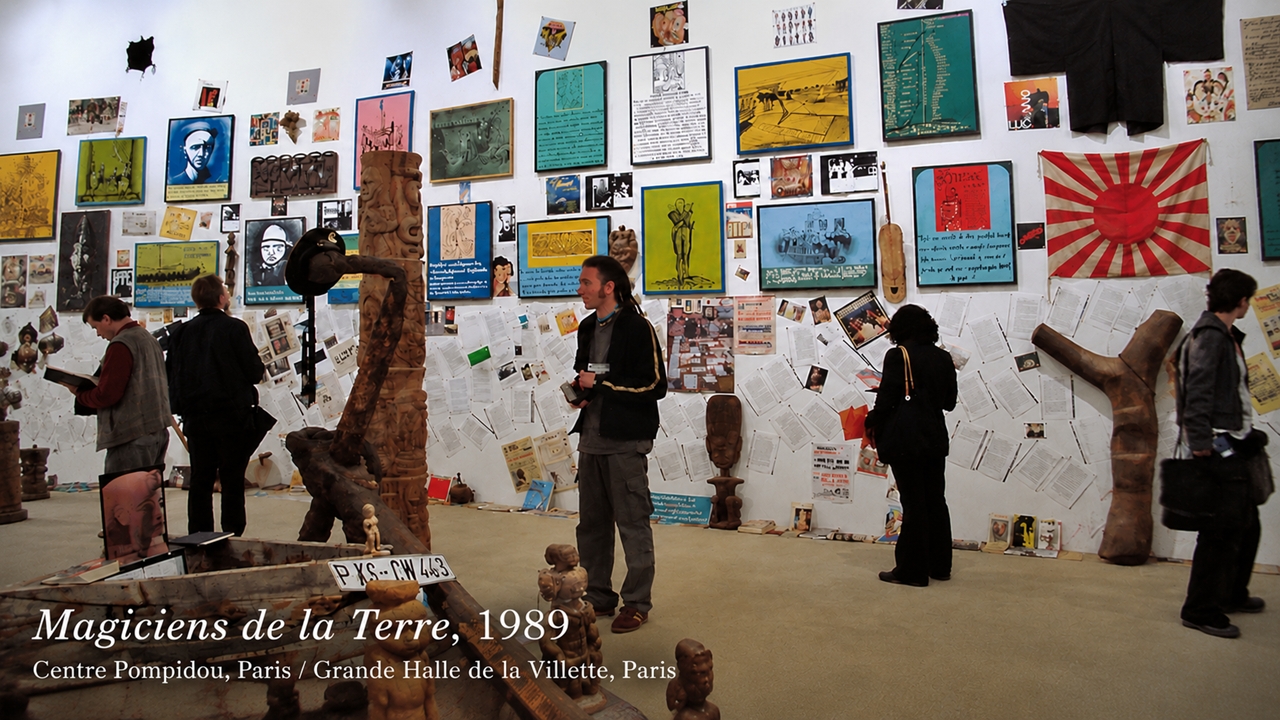
To consider the future of Korean contemporary art, we must first examine the structures and standards through which the global art world operates today. Over the past century, Korean modern and contemporary art has developed by absorbing artistic forms, concepts, and institutions that originated in the West and transforming them within Korea’s own historical and social conditions. Today, however, the situation is different.
2026.09.29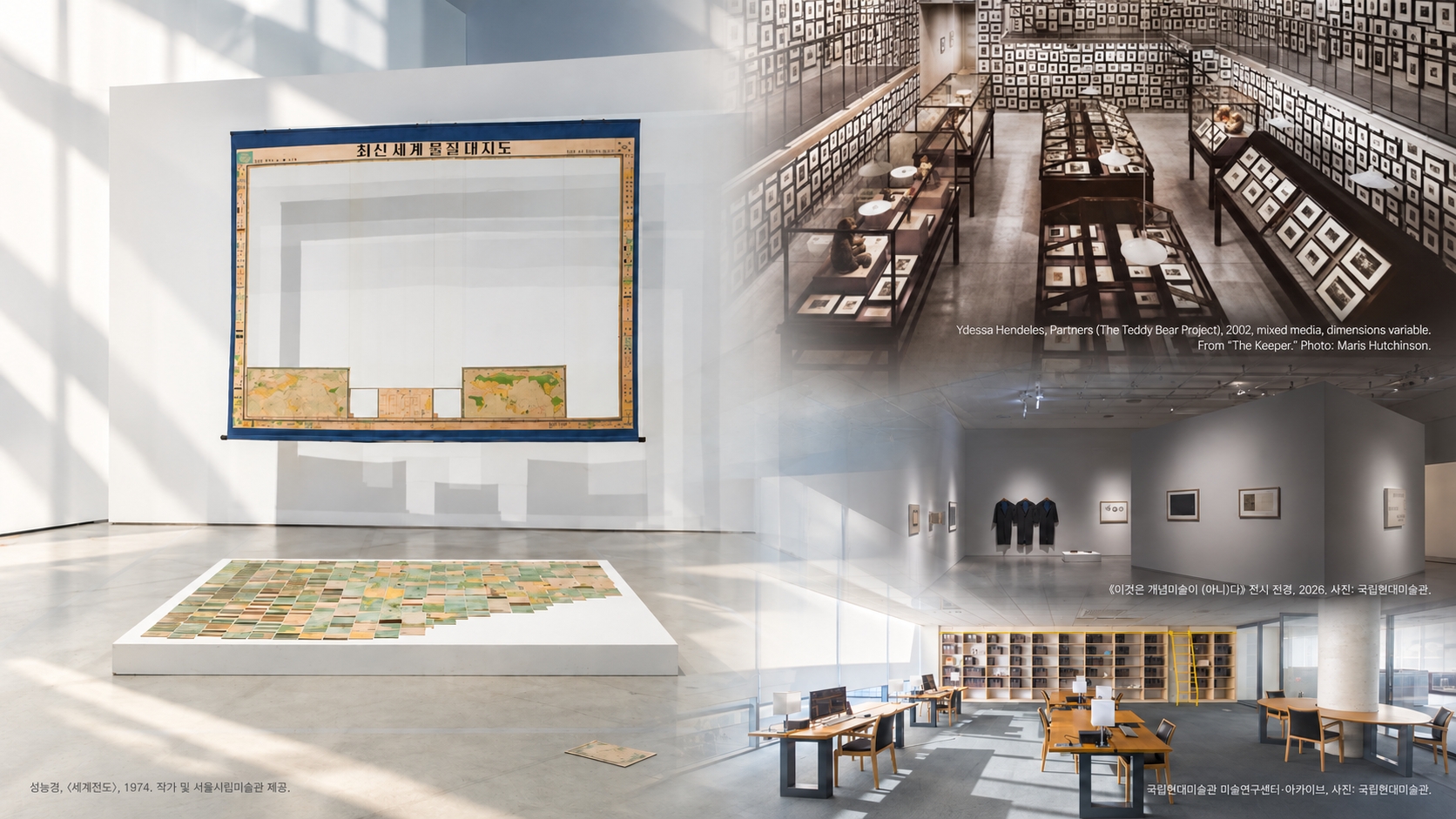
Moving beyond Orientalism entails more than shifting the center from the West to Asia. It requires transforming the structure through which particular actors have classified and evaluated the art of other regions, while developing new values and criteria grounded in diverse histories and experiences. What is needed is a new system of knowledge—one that recognizes the achievements of Western art history as a shared global legacy without treating them as the sole standard of judgment.
2026.09.08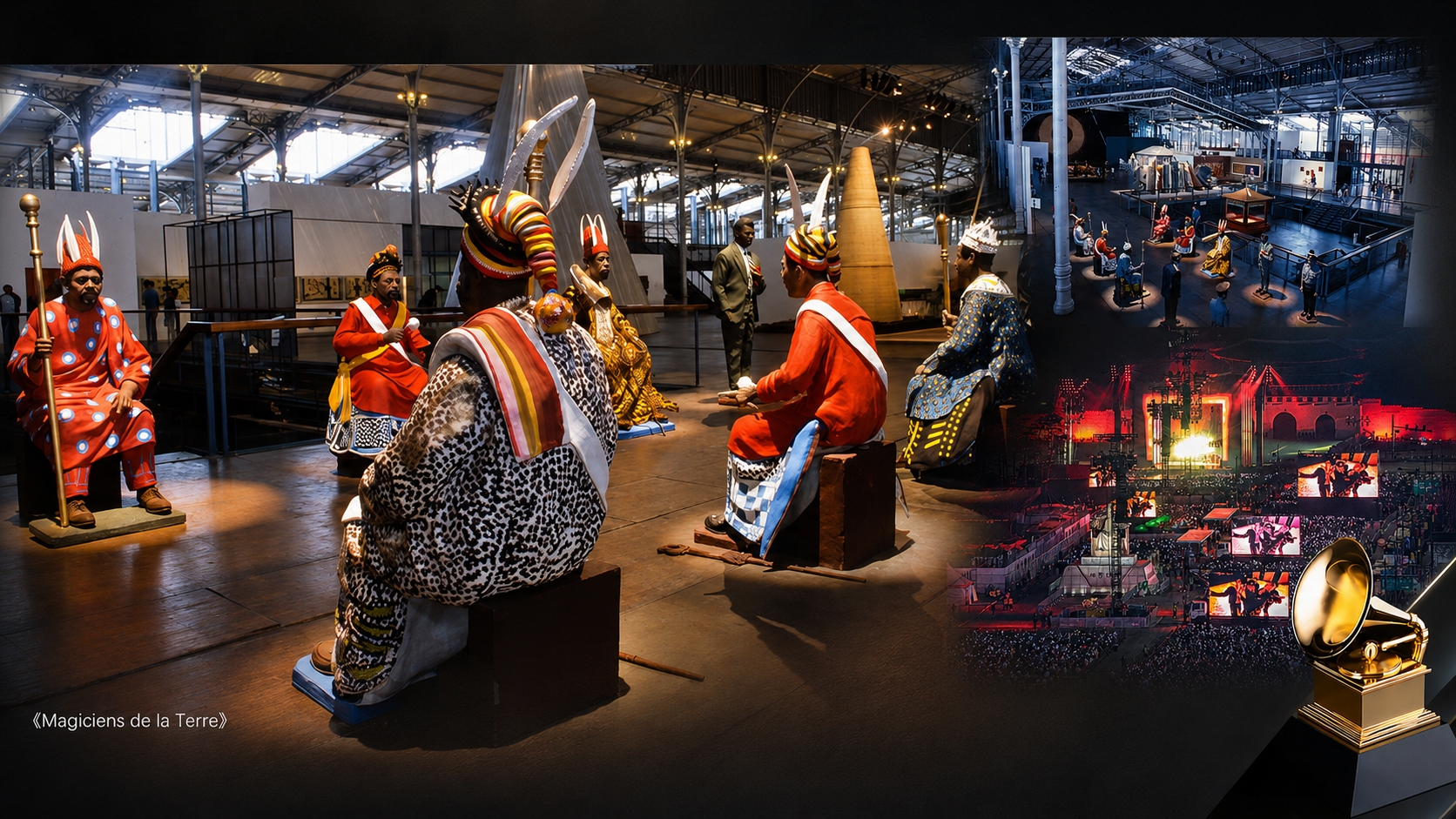
BTS emerged in Korea and developed within the cultural and industrial framework of K-pop. Yet the market in which its music is produced and consumed, as well as its audience and influence, moved beyond Korea’s geographical boundaries long ago.
2026.08.25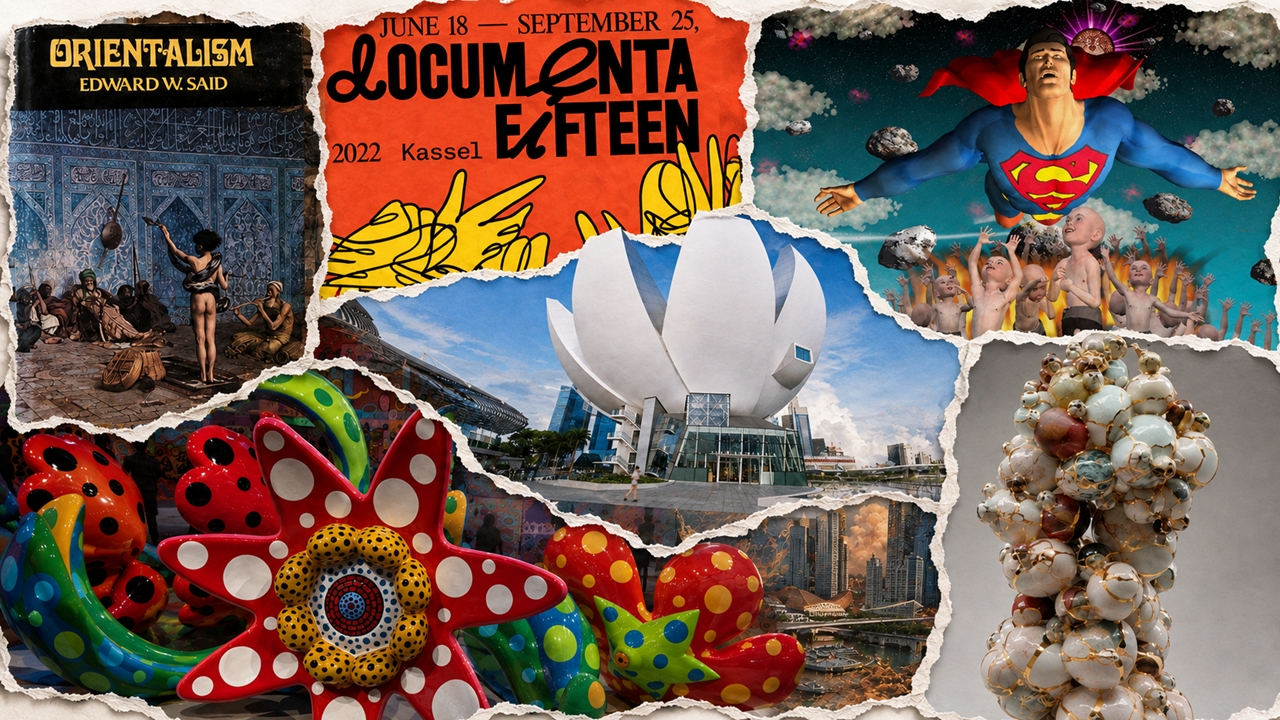
“Asian contemporary art” does not refer to a single shared style or aesthetic. Korea, China, Japan, and the countries of Southeast Asia each have distinct histories, political and social conditions, art institutions, and markets.
2026.08.11
The Anachronism series began by examining how Korean art has continued to understand and organize itself under changing conditions through languages, institutions, and models of success inherited from the past. It considered the recurring tendency to reproduce earlier
2026.07.28