
The monumental sculptures that long defined
the outdoor deck of Leeum Museum of Art have given way to a garden. On April 3,
2026, the museum unveiled Gabriel Orozco Garden, a
site-specific installation conceived by Mexican artist Gabriel Orozco (b.1962).
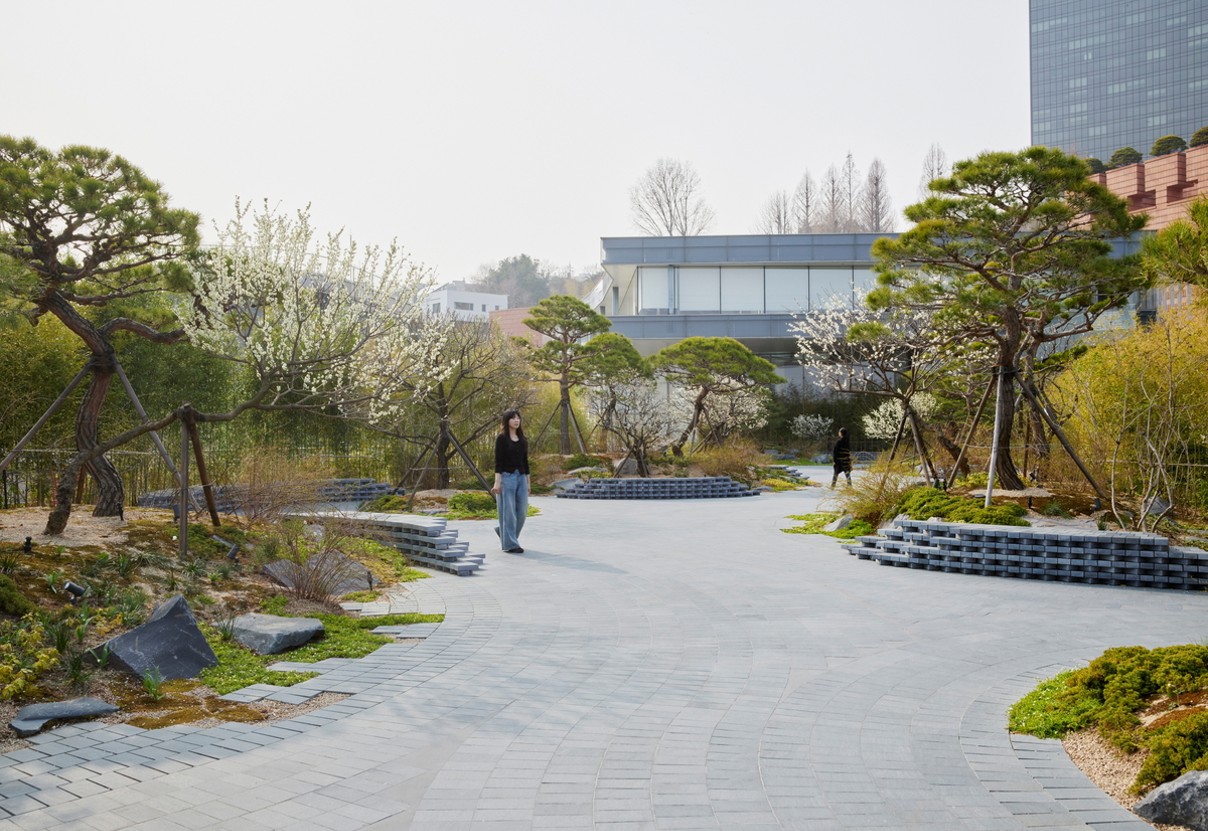
Gabriel Orozco Garden, 2026. Installation view, Leeum Museum of Art, Seoul. Courtesy Leeum Museum of Art.
Transforming the museum’s approximately
1,650-square-meter outdoor deck into a garden, the work is Leeum’s first
commissioned garden project since the museum opened in 2004. The garden is free
and open to everyone during the museum’s regular operating hours.
From a Vertical Monument to a
Horizontal Environment
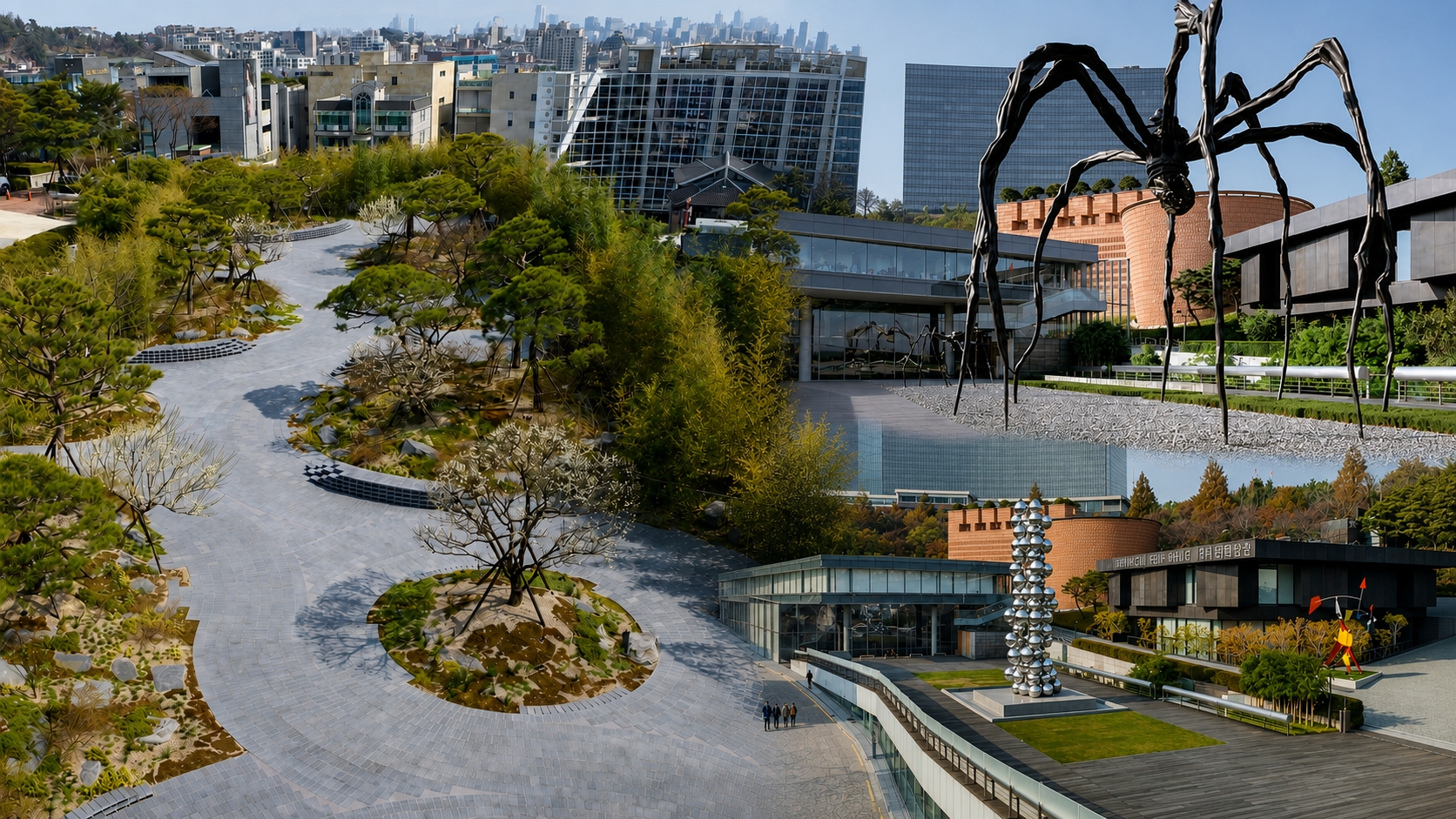
For more than two decades, Leeum’s outdoor
deck served as a prominent site for monumental outdoor sculptures that became
visual symbols of the museum. Alexander Calder’s The Big Crinkly
was installed there from 2004 to 2005, followed by Louise Bourgeois’s Maman
from 2005 to 2012 and Anish Kapoor’s Tall Tree & the Eye
from 2012 to 2023.
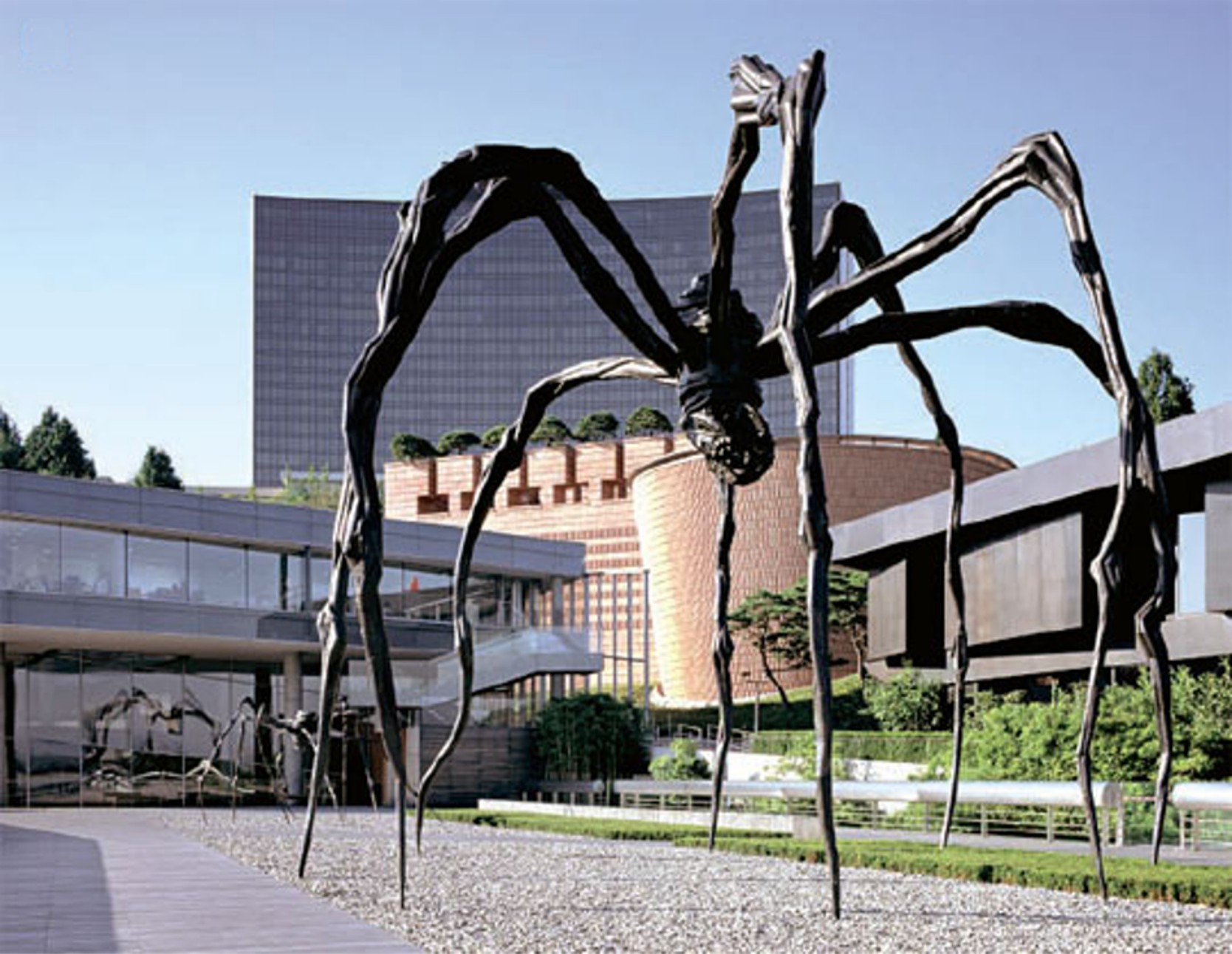
Louise Bourgeois’s Maman in the foreground and Spider in the background. Courtesy Leeum Museum of Art.
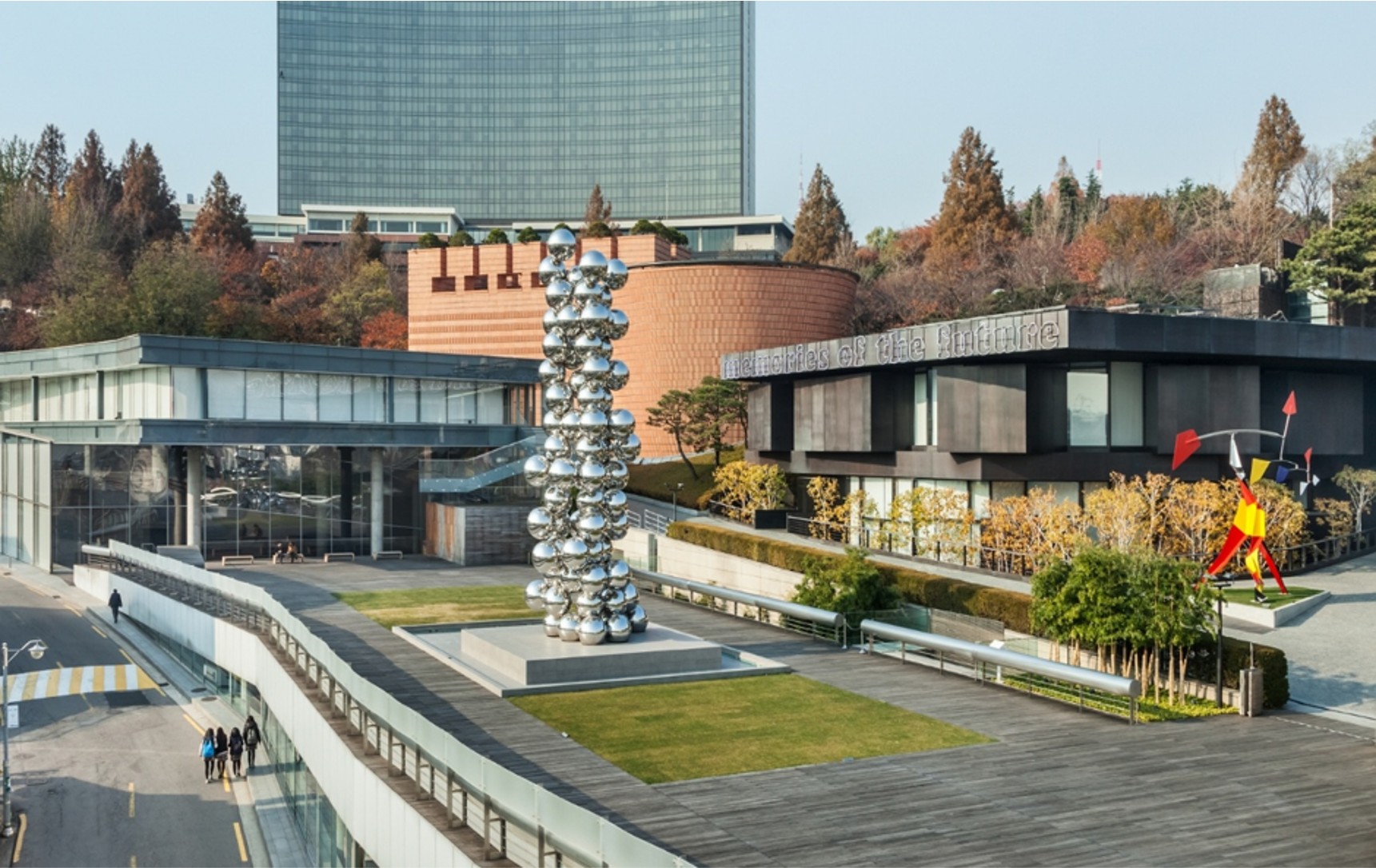
Anish Kapoor, Tall Tree & the Eye. Courtesy Leeum Museum of Art.
Rather than placing another monumental
object on the deck, Gabriel Orozco Garden
incorporates the ground, pathways, stones, plants, benches, architecture, and
visitors’ movements into the work itself. The viewer’s gaze shifts downward,
from an elevated sculptural object to the stones and plants underfoot, the
horizontally unfolding paths, and the movements of people nearby. Sculpture
expands from a discrete object into a horizontal environment structured by the body,
time, and space.
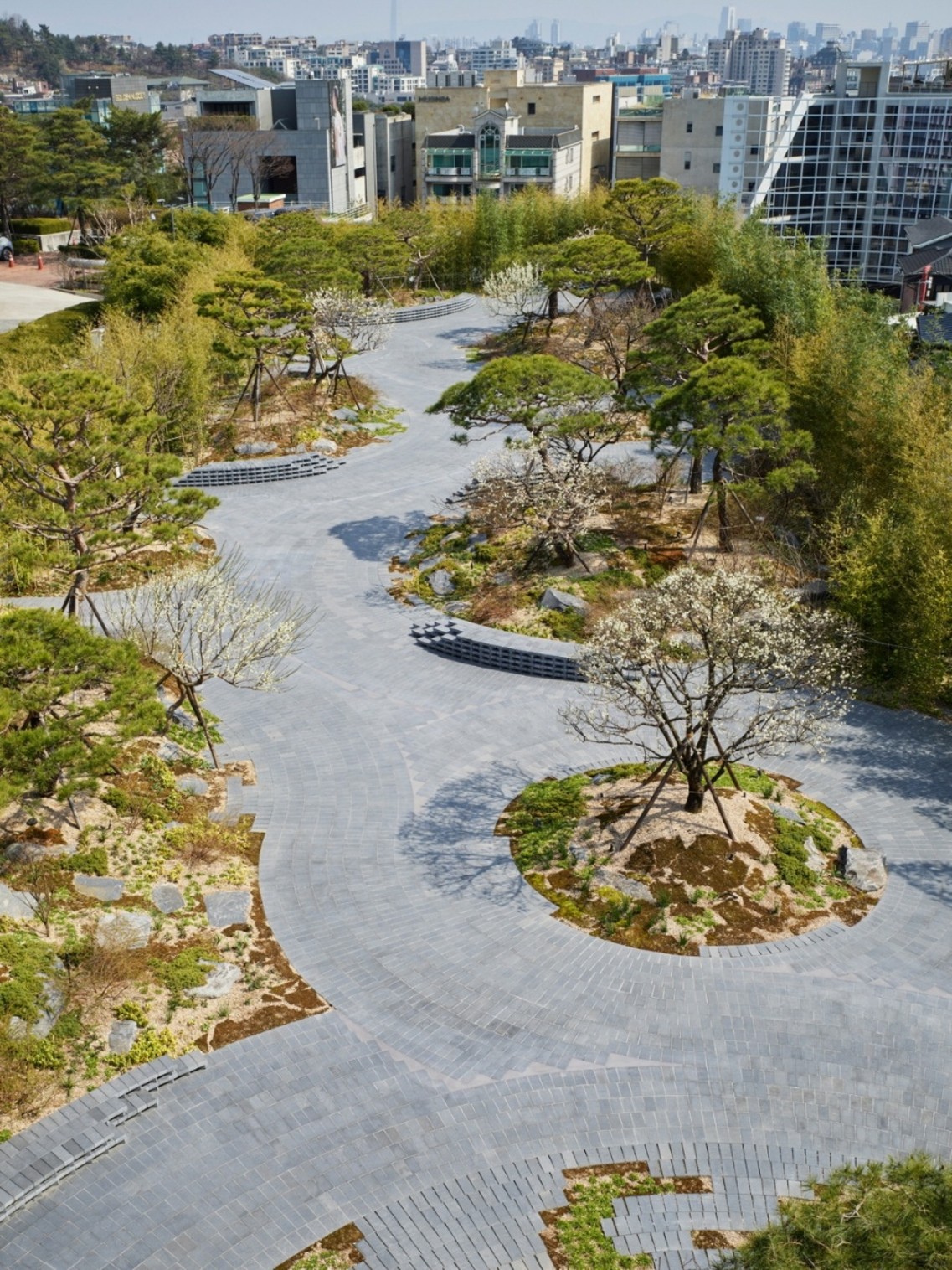
Gabriel Orozco Garden, 2026. Installation view, Leeum Museum of Art, Seoul / Courtesy Leeum Museum of Art.
The Spatial Rhythm of Ten
Circles
The garden is based on the circle, a
recurring motif throughout Orozco’s practice. A geometric arrangement
originating from a single circle expands across the entire deck, where circles
of varying sizes interconnect to form ten consecutive spaces known as Plazas 1
through 10. Each plaza features a different arrangement of paving, planting,
and benches, creating distinct spatial rhythms within the garden as a whole.
The garden floor is paved with Boryeong
stone quarried in South Chungcheong Province. Rather than being discarded, the
jarrah timber previously used for the deck flooring was repurposed as exterior
cladding for an adjacent structure. Instead of completely erasing the traces of
the former space to install a new work, the project incorporates materials
accumulated by the site into its new configuration.
A Living Sculpture Shaped by
the Three Friends of Winter
The garden’s botanical framework consists
of pine, bamboo, and plum trees. It includes 17 pine trees, 11 plum trees, and
approximately 1,500 bamboo plants, accompanied by white-flowering species such
as Korean viburnum, Thunberg spirea, multiflora rose, and grass-of-Parnassus.
Pine, bamboo, and plum are known in East
Asian culture as the “Three Friends of Winter” (歲寒三友),
as they endure the cold season or blossom in early spring. Orozco introduced
this concept into his garden practice, using the three plants as both the
botanical foundation and the conceptual structure of the work.
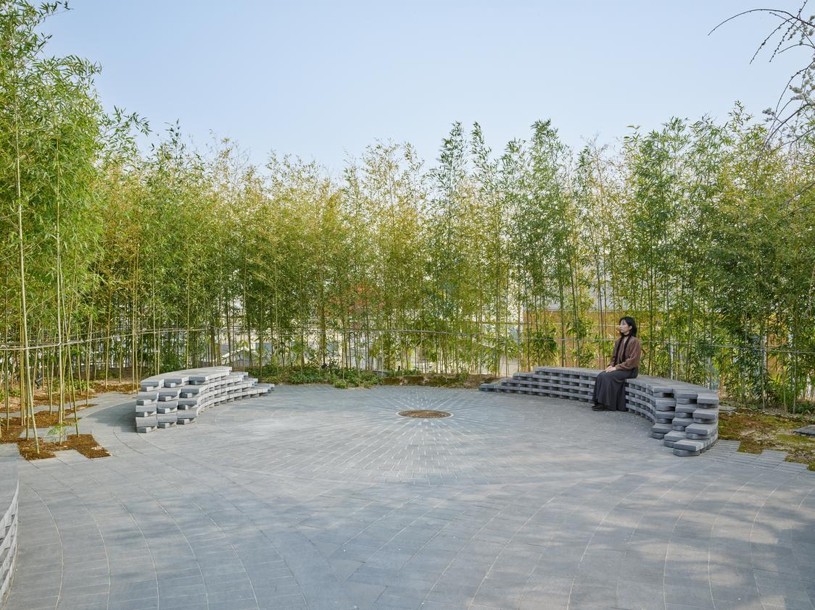
Gabriel Orozco Garden, 2026. Installation view, Leeum Museum of Art, Seoul / Courtesy Leeum Museum of Art.
From London and Mexico City to
Seoul
Gabriel Orozco Garden is the third site-specific garden project the artist has undertaken
over the past decade. The first was the permanent garden completed at the South
London Gallery in 2016.
Designed by Orozco with support from 6a
architects and horticulturists at the Royal Botanic Gardens, Kew, the project
transformed a largely inaccessible paved area behind the gallery into a garden.
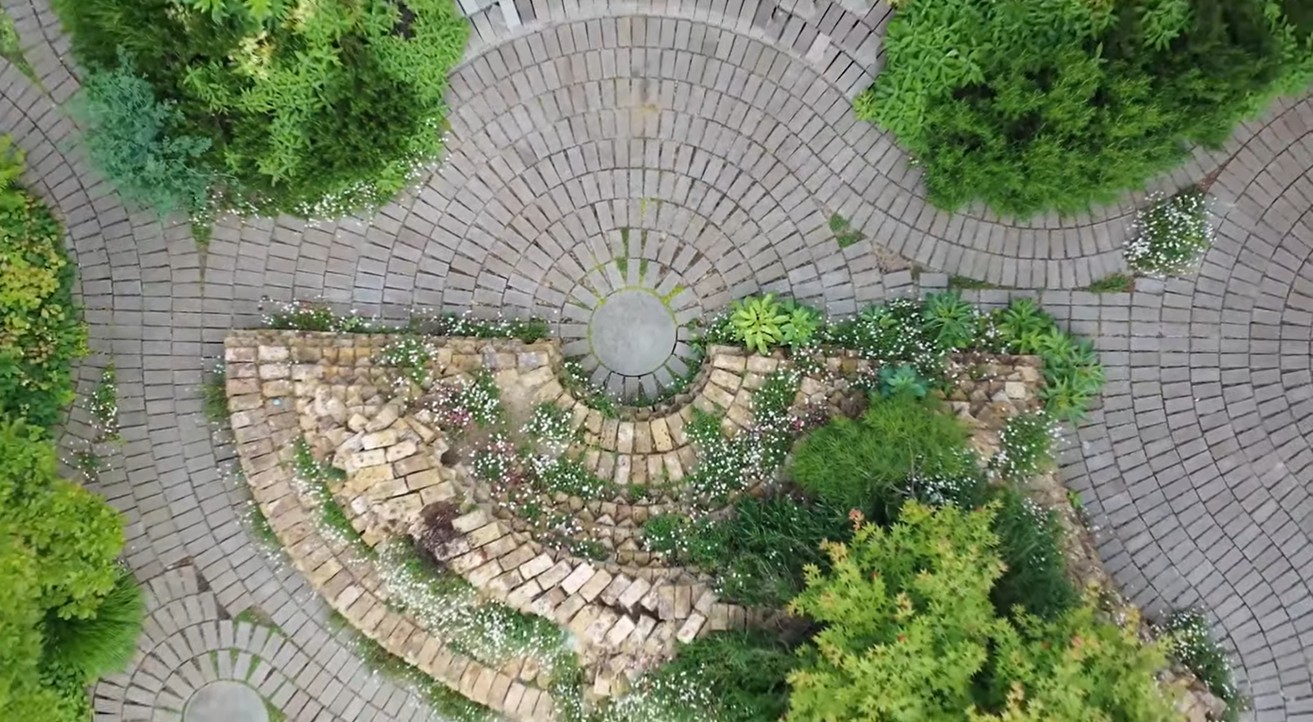
The Orozco Garden, South London Gallery, 2016. Photo: Andy Stagg / Courtesy South London Gallery.
Its circular structures, constructed from
brick and York stone, form a series of small spaces and passageways. The
project also includes a planted walkway providing residents of the nearby
Sceaux Gardens housing estate with direct access to the gallery. The garden was
conceived not only as a sculptural work but also as a communal space in which
people could sit, eat, play, and encounter works by other artists.
The second was the Chapultepec Nature and
Culture project in Mexico City. Beginning in 2019, Orozco led the five-year
project as its creative coordinator.
The large-scale initiative connects the
four sections of Chapultepec Park, which together cover nearly 800 hectares. It
restores natural environments and existing cultural institutions while
introducing new cultural spaces and pedestrian connections.
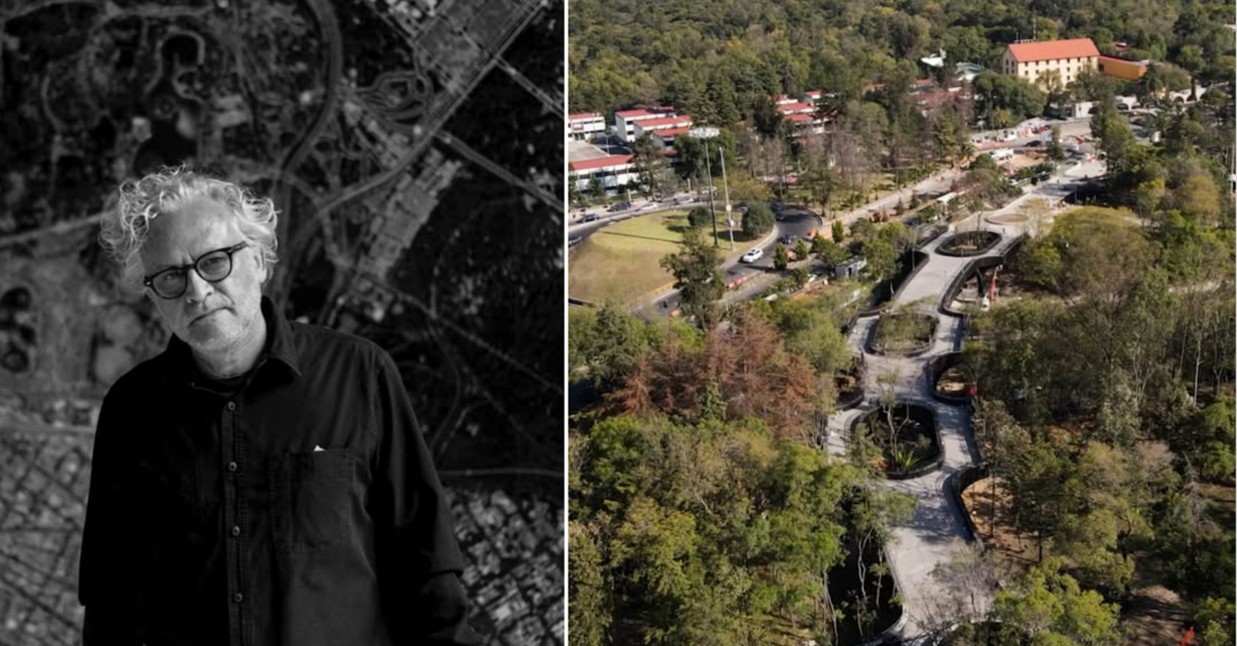
(Left) Gabriel Orozco; (Right) Chapultepec Park, Mexico City. Source: Screenshot from White Cube’s Facebook page. Portrait of Gabriel Orozco © the artist. Photo: Victor Benitez. Courtesy the artist. Views of Chapultepec Park © Margarita Gorbea and Chapultepec CDMX. Courtesy the artist.
An Artist More Interested in
Relationships Than Objects
Since the early 1990s, Gabriel Orozco has
worked across photography, sculpture, drawing, painting, and installation.
Rather than relying on specialized art materials or large-scale production
facilities, he has focused on objects and traces encountered in streets,
studios, and places visited during his travels, as well as on chance situations
and everyday movements.
Orozco does not necessarily transform
familiar objects into entirely new things. Instead, he slightly relocates,
cuts, or rearranges existing objects and environments, prompting viewers to
perceive them anew. What matters in his practice is not the self-contained
completeness of an autonomous object, but the relationships formed between
objects and bodies, places and time.
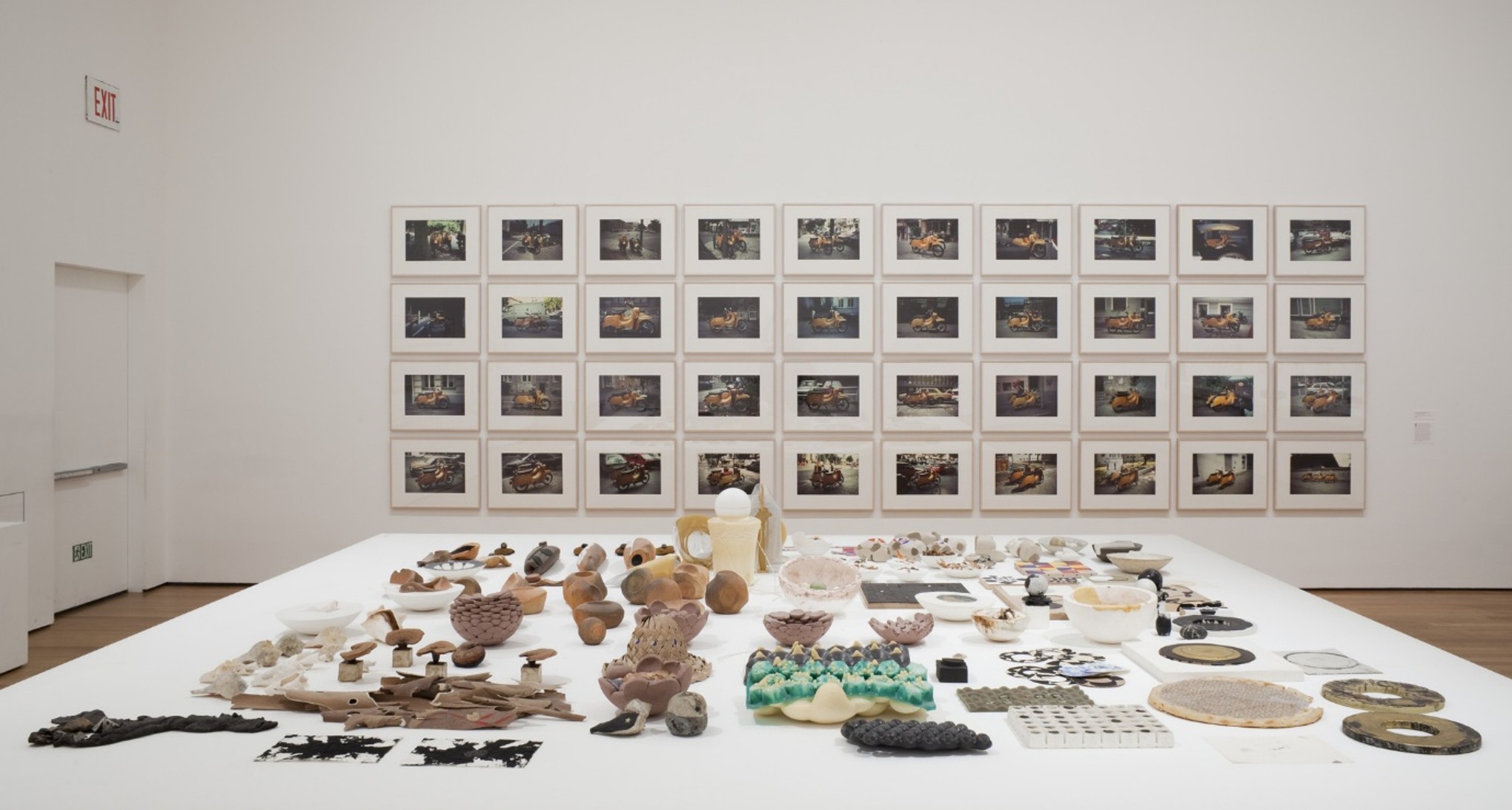
Installation view of《Gabriel Orozco》, featuring Gabriel Orozco’s Working Tables, 2000–2005 (2005), The Museum of Modern Art, New York, December 13, 2009–March 1, 2010. / Photograph by Jonathan Muzikar.
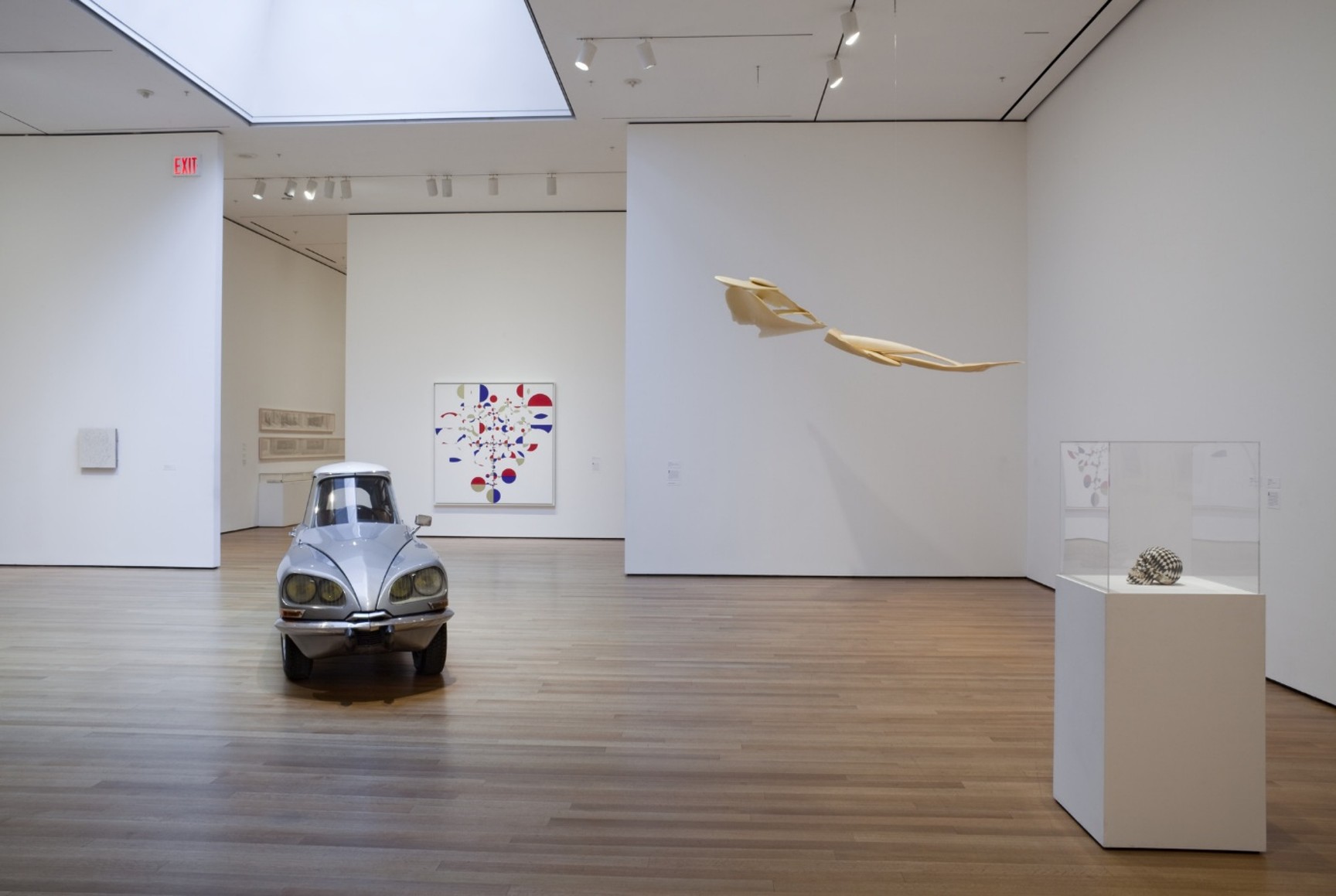
Installation view of《Gabriel Orozco》, The Museum of Modern Art, New York, December 13, 2009–March 1, 2010. / Photograph by Jonathan Muzikar.
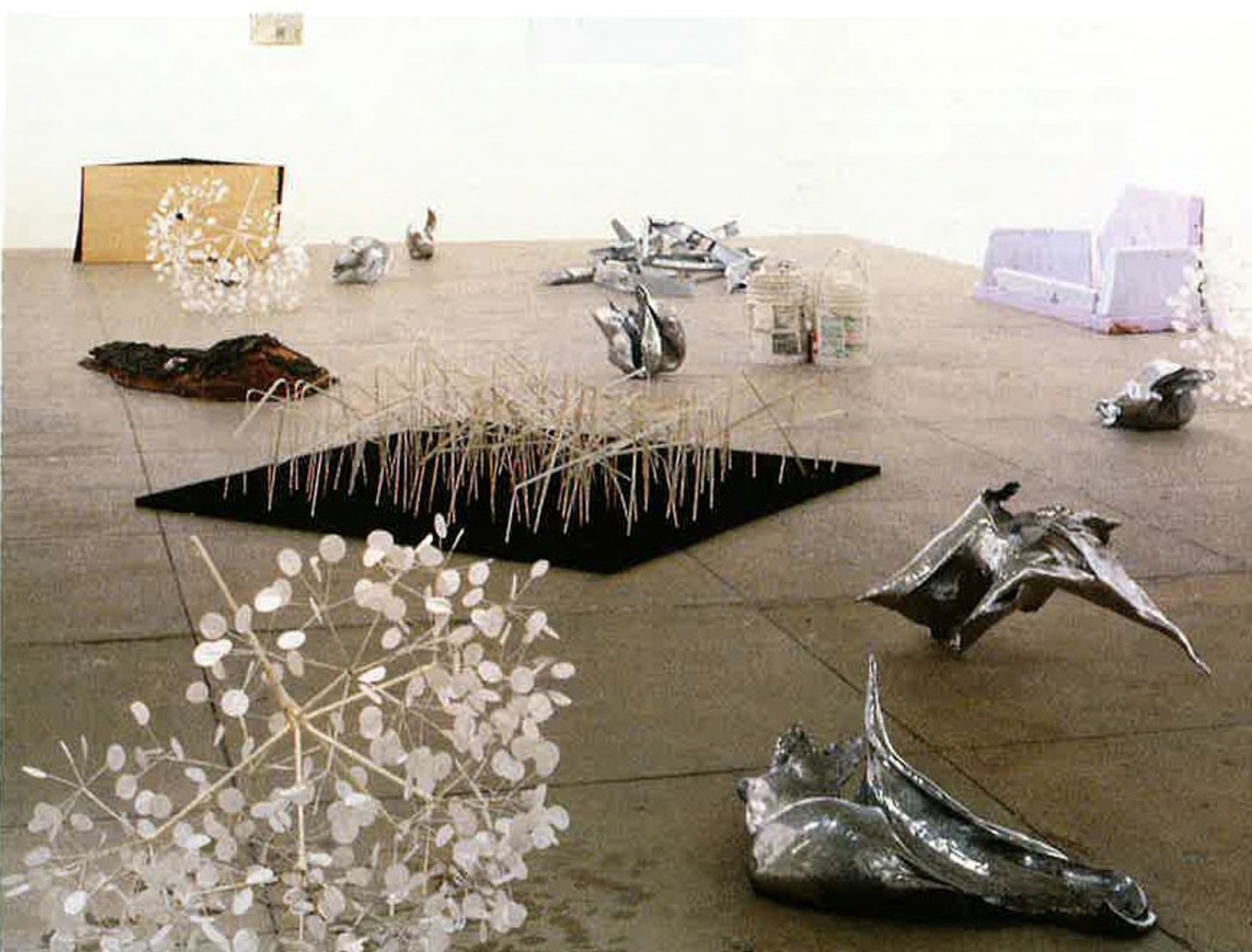
Gabriel Orozco, Penske Works, Dent de Lion, and Pinched Star, All 1998. Installation view. / Photo: Sculpture magazine
Why Did the Museum Replace
Sculpture with a Garden?
The sculptures previously installed on
Leeum’s outdoor deck asserted the museum’s presence and identity through their
monumental physical forms. Works by Calder, Bourgeois, and Kapoor created
powerful visual centers that could be recognized from a distance. Orozco’s
garden, by contrast, contains no central object that dominates the entire space
at a glance. Its place has been taken by pathways and plants, benches and
people, seasons and time.
What has emerged where monumental sculpture
once stood is not a garden without sculpture. The garden itself functions as a
horizontal sculpture. The geometry of the ground, the growth of the plants, the
movements of visitors, and even the processes required to maintain the space
all become part of the conditions of the work.
Gabriel Orozco Garden therefore represents not the disappearance of sculpture but an
expansion of its boundaries. Where sculpture as a discrete object has receded,
pathways, plants, people, and time have begun to create a new form of
sculpture.
Gabriel Orozco Garden
- Dates: April 3, 2026–
- Venue: Outdoor Deck, Leeum Museum of Art
- Format: Permanent site-specific installation
- Admission: Free
- Hours: Open during Leeum Museum of Art’s regular operating hours