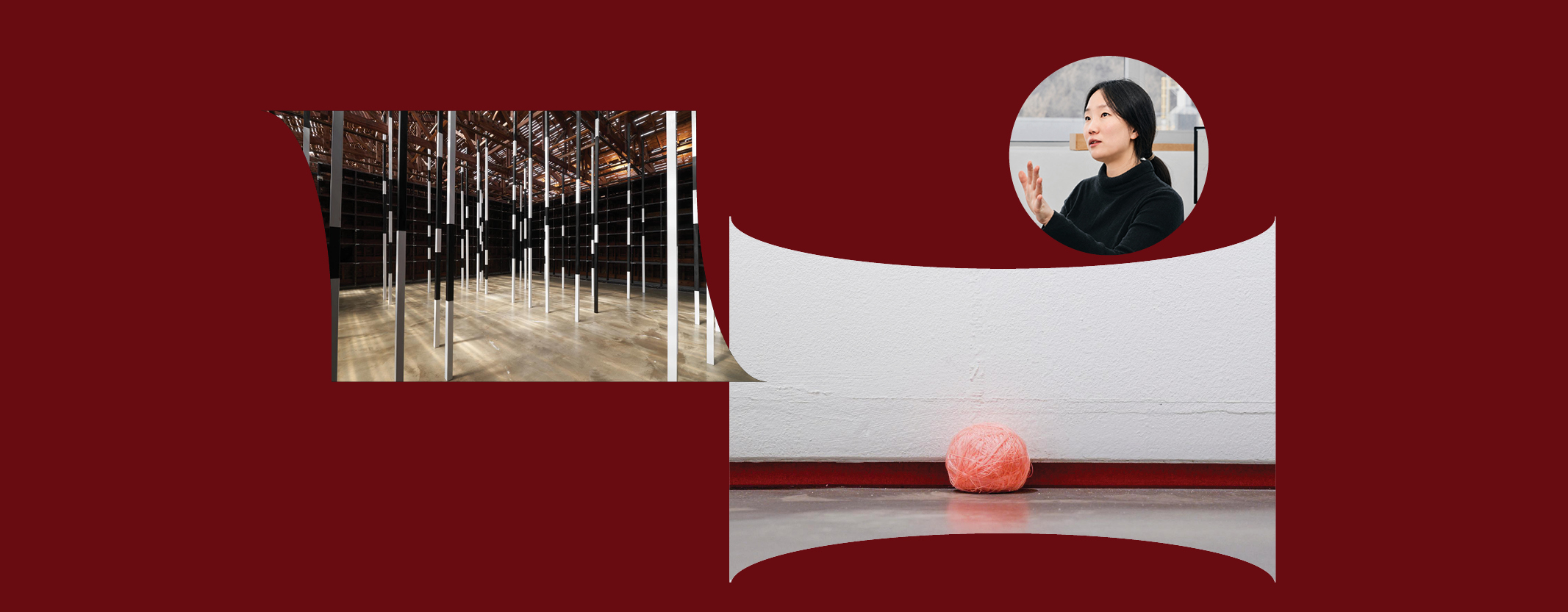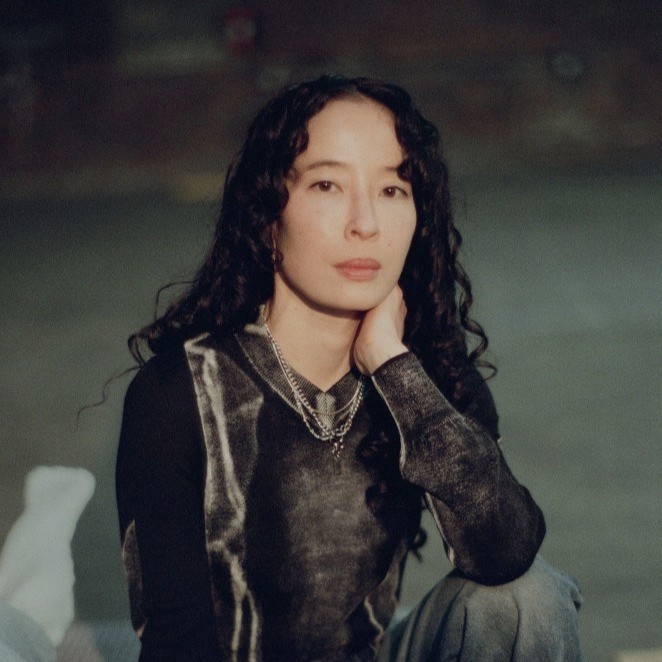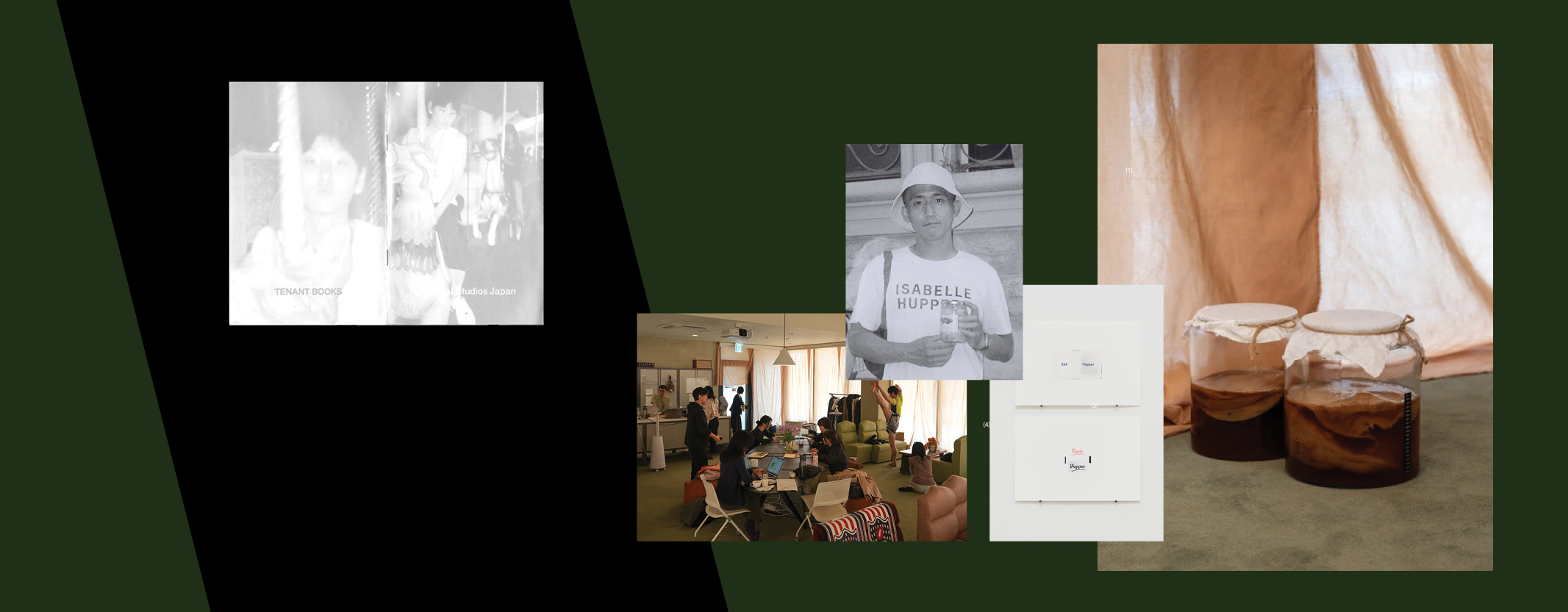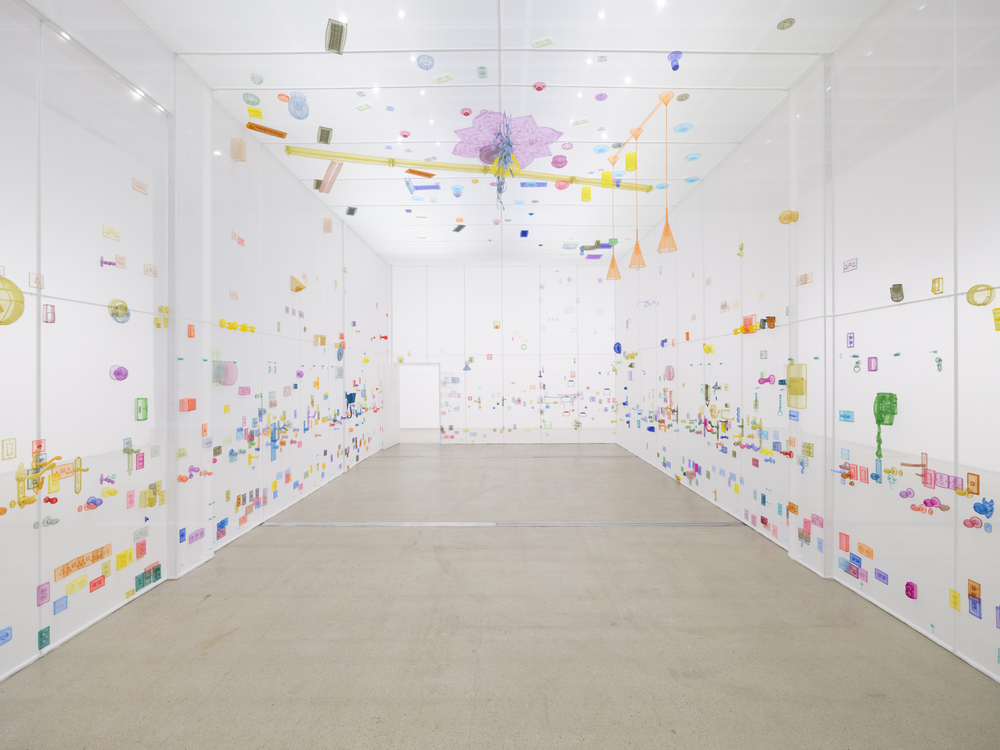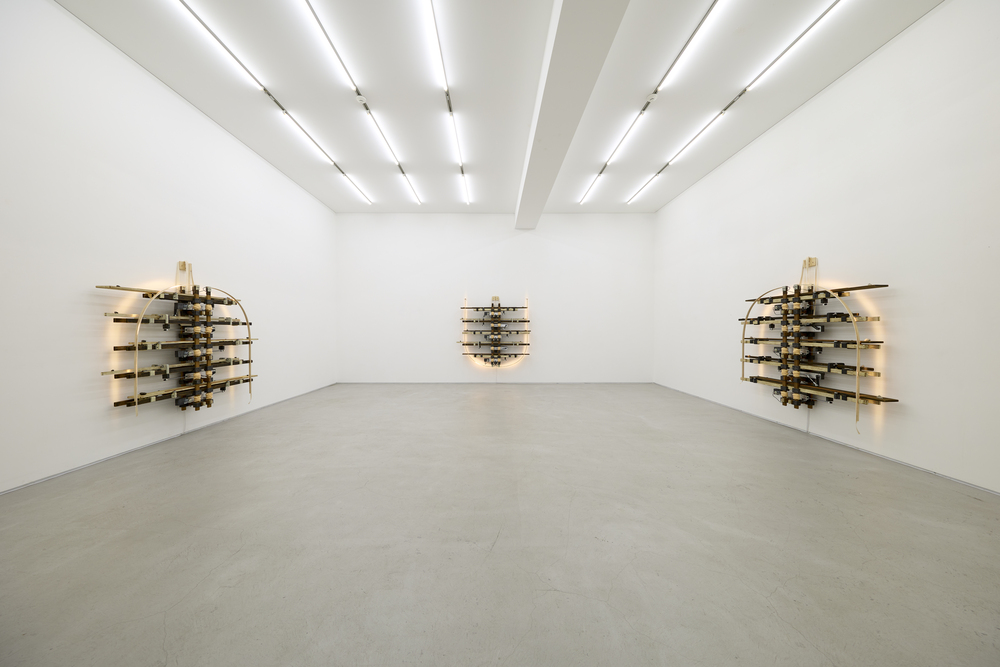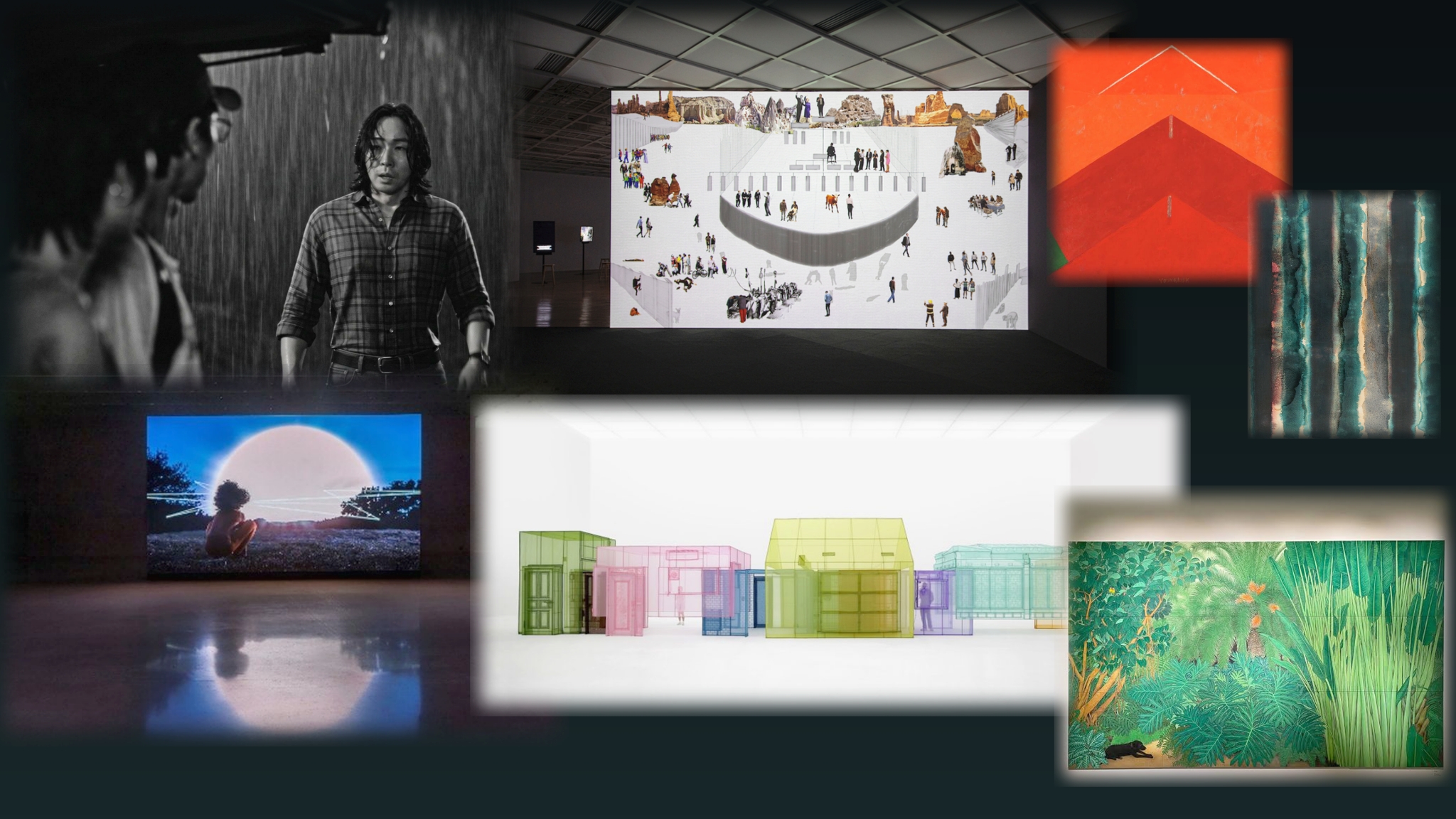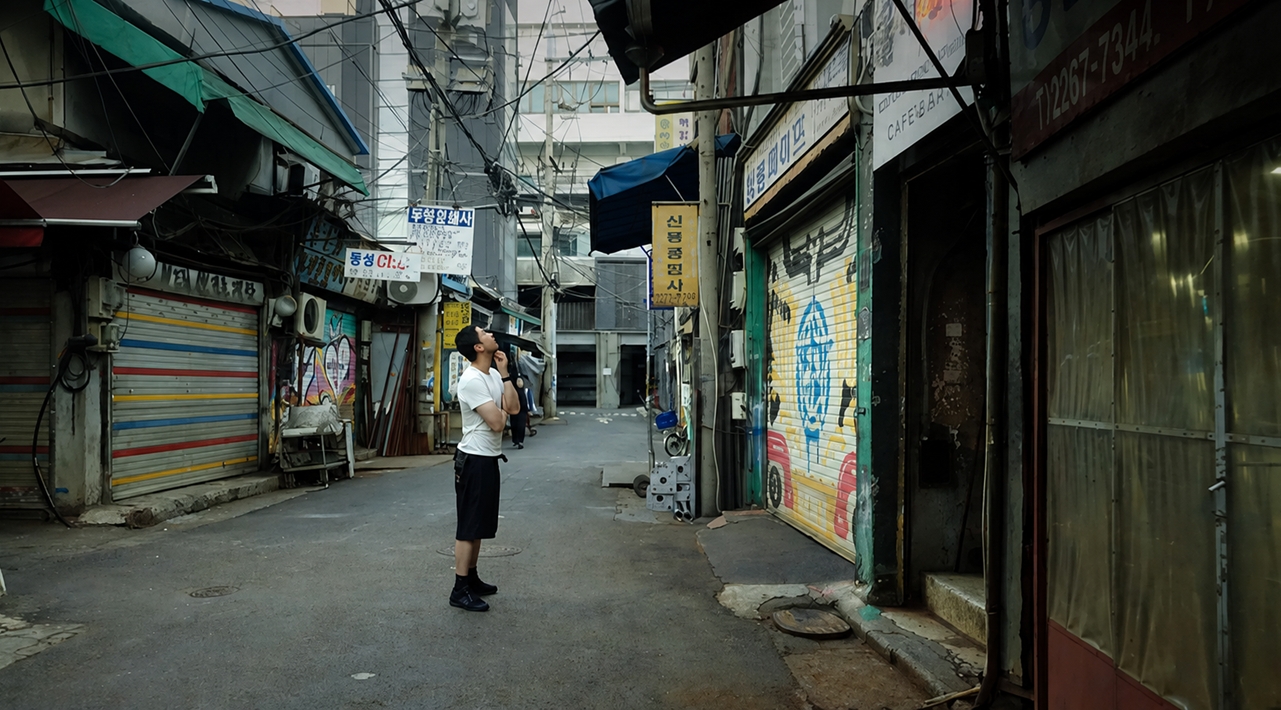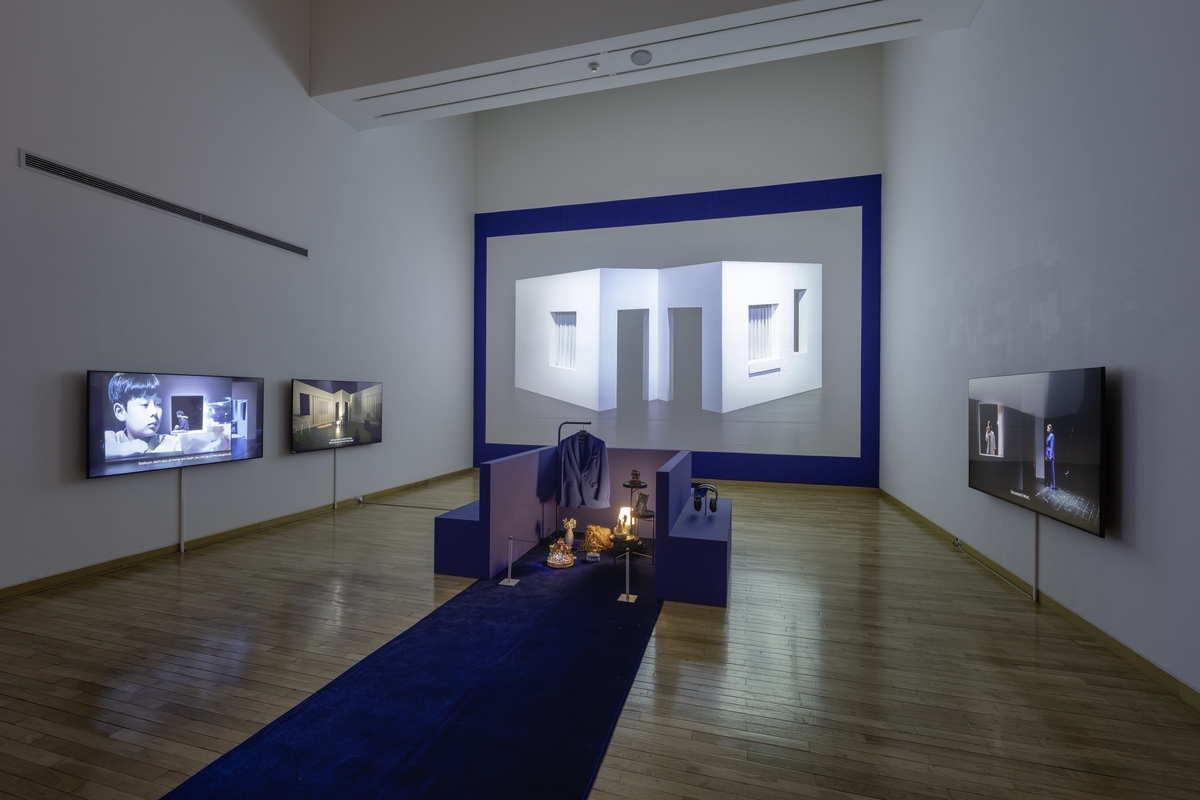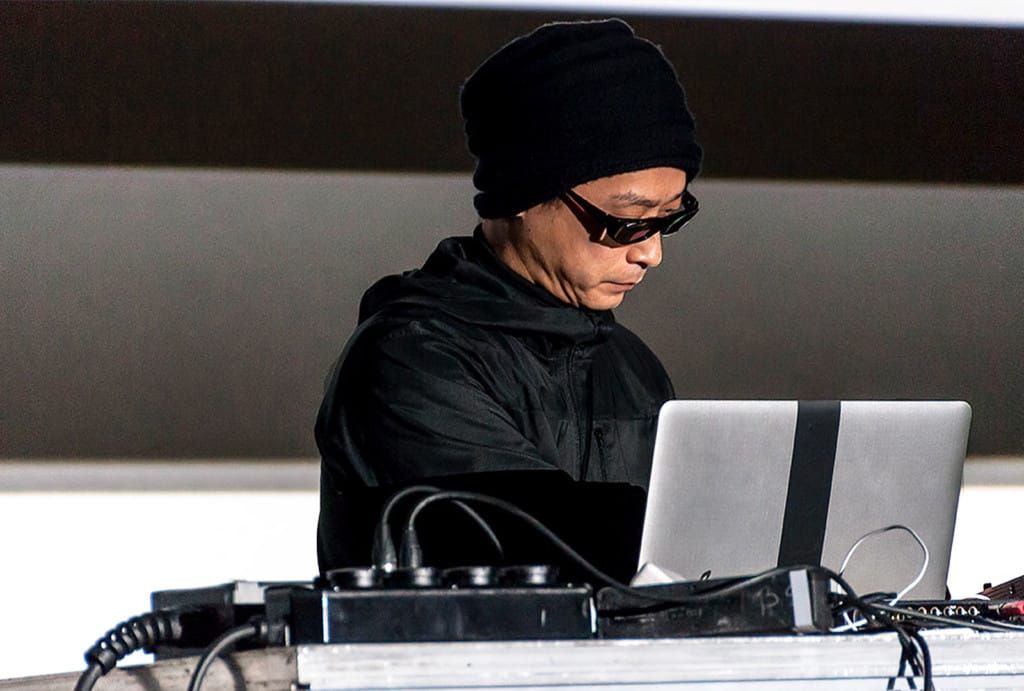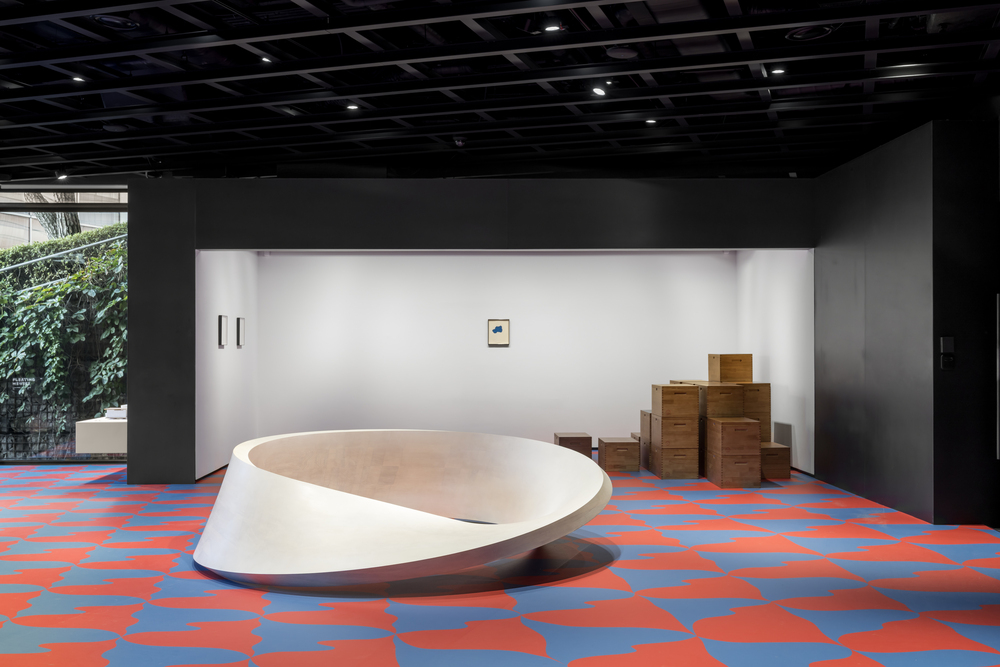

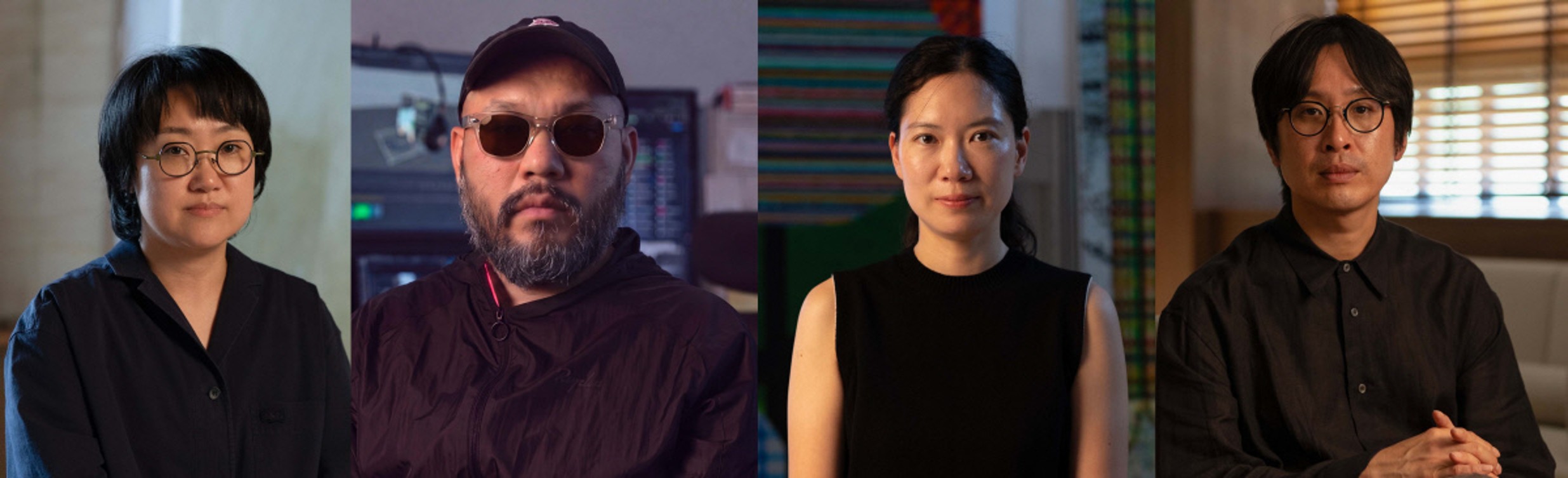
(From left) Lee Hai Min Sun, Lee Jungwoo, Jeon Hyunsun, and Hong Jin-hwon.
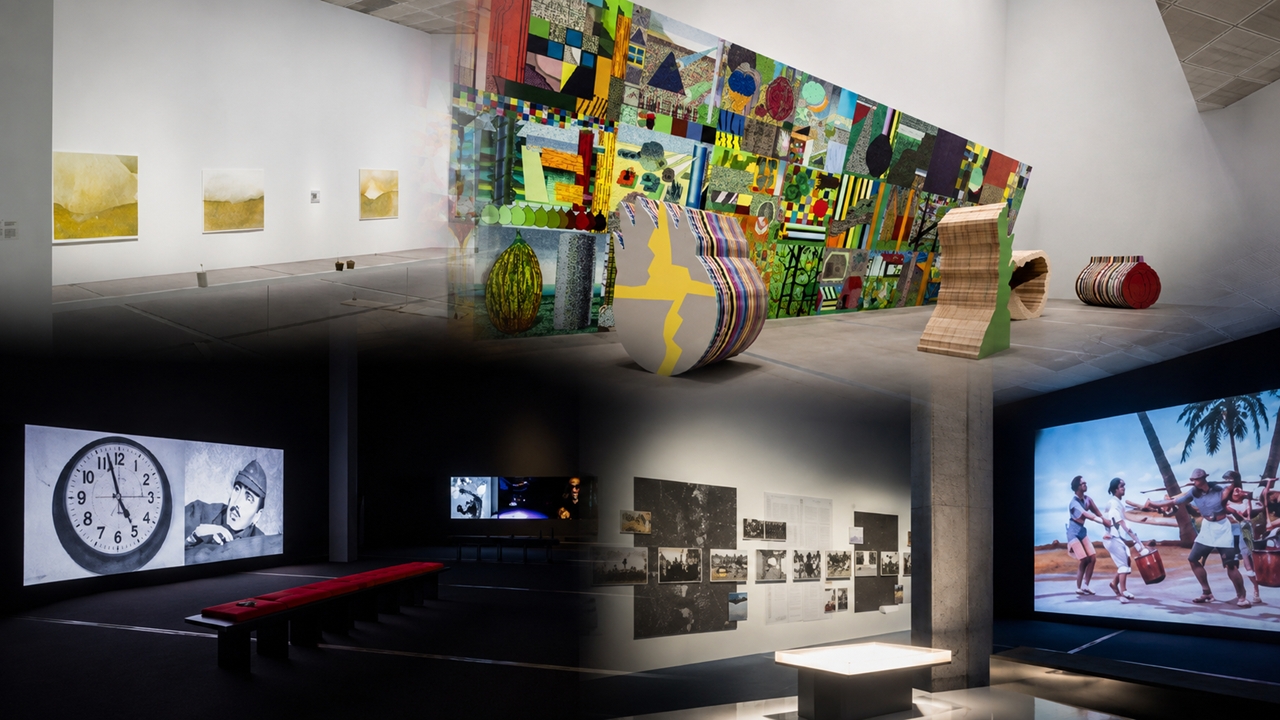
The four artists selected for 《Korea Artist Prize 2026》—Lee Hai Min
Sun, Lee Jungwoo, Jeon Hyunsun, and Hong Jin-hwon—work across a wide range of
media and methodologies, including painting, video, photography, and
installation.
At first glance, it is difficult to place them within a single
artistic tendency. Yet viewed together, their practices reveal several
important currents shaping Korean contemporary art today. The official Korea
Artist Prize platform uses these English spellings for the four artists.
All four have developed sustained lines of
inquiry over many years, and none treats their chosen medium simply as a means
of expression. Instead, they question how painting, photography, video, and
artificial intelligence shape the ways reality is seen, recorded, and
constructed, and how objects and environments are transformed over time.
The National Museum of Modern and
Contemporary Art, Korea (MMCA) notes that, despite the significant differences
among their practices, the four artists share an interest in moving beyond
representation itself to examine the structures and systems that shape our
understanding of the world.
Lee Hai Min Sun considers traces of time
accumulated in objects and environments; Lee Jungwoo investigates how
technological systems and data construct reality and history; Jeon Hyunsun
explores the relationship between painting and space; and Hong Jin-hwon
addresses the social and political power embedded in images. (Korea Artist Prize)
These concerns are not confined to Korean
art. AI and data, materiality and ecology, expanded painting, and the politics
of images are all subjects of sustained discussion across contemporary art
internationally. In this sense, 《Korea Artist Prize
2026》 offers an intriguing point from which to
consider where Korean contemporary art intersects with broader developments in
the global art world.
Lee Hai Min Sun: Vulnerability
and the Time Embedded in Matter
Lee Hai Min Sun looks closely at objects
and landscapes that are easily overlooked in everyday life. Temporary
structures, plants, and materials that melt, break apart, or become deformed
appear repeatedly in her work—things that seem neither stable nor complete.
Her interest, however, is not in faithfully
representing such objects. Rather, she observes how objects endure their
environments and how time accumulates upon them, translating these conditions
into the languages of painting and installation.
In Lingering Snow
(2026), presented in this exhibition, Lee begins with snow that remains after
winter has passed. Rather than depicting the snow itself, she evokes its
presence through the dust, stains, and traces of melting that surround it. Outside
(2026) and Plant Erectus_The Mass (2026) similarly
examine temporary conditions that persist longer than expected, as well as
relationships between materials and beings that support one another in
maintaining their form. These are the official English titles used in the
English-language exhibition material. (Gallr)
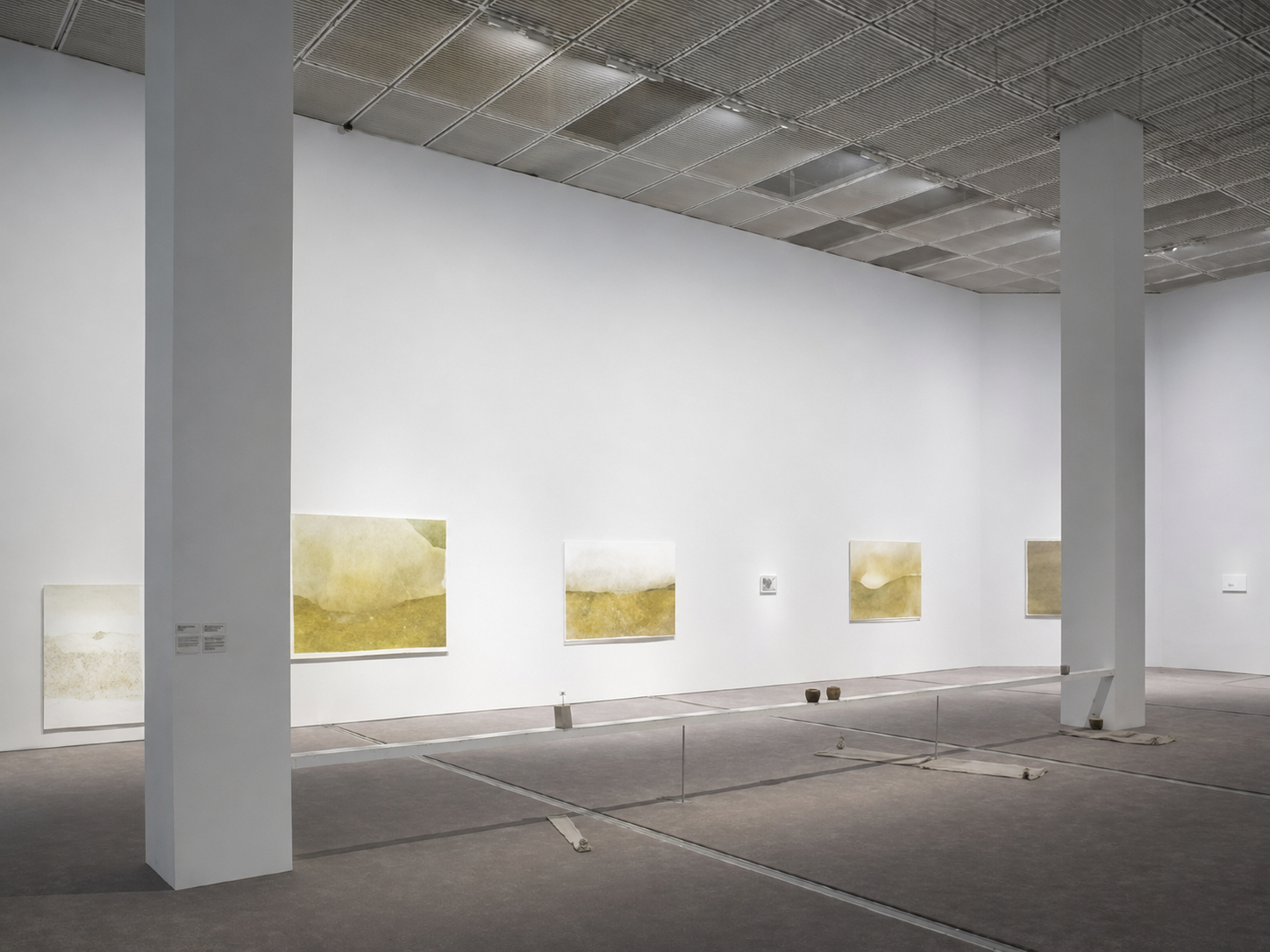
《Korea Artist Prize 2026》, installation view of Lee Hai Min Sun / Courtesy of the National Museum of Modern and Contemporary Art, Korea. Photo: Hong Cheol-ki
Such work can be connected to ongoing
discussions in international contemporary art concerning ecological
sensibilities, materiality and environment, and relationships between human and
non-human forms of existence. Serpentine’s long-term General Ecology research,
for example, has examined consciousness and intelligence across species and
beings, including plants, fungi, soil ecologies, and other more-than-human
systems. (Serpentine
Galleries)
What distinguishes Lee’s practice, however,
is that she does not present these questions through grand ecological
narratives or direct messages. Instead, she allows viewers to experience them
slowly through painted surfaces, the passage of time, and subtle changes in the
states of materials.
Her work is therefore better understood not
by reducing it to regional labels such as “Korean lyricism,” but through the
way it gives painterly form to broader contemporary concerns with materiality,
vulnerability, survival, and persistence.
In the 2024 exhibition 《Nostalgics on realities》 at Thaddaeus
Ropac Seoul, Lee was presented as one of six artists making diverse
contributions to Korea’s contemporary art scene. The exhibition also emphasized
the participating artists’ engagement with natural, man-made, and digital
environments and their rethinking of relationships among past, present, and
possible futures. (Thaddaeus
Ropac)
Lee Jungwoo: Looking at the
Failures of AI Rather Than Its Possibilities
Lee Jungwoo’s practice has particularly
direct points of contact with current international discussions surrounding AI,
data, and machine vision.
He is less interested in moments when
technological systems function as intended than in moments when they fail or
behave unexpectedly. Through these apparent failures, he works backward to
uncover the data, rules, and invisible biases that shape their outputs.
In Writing “Hurrah for Freedom”:
Cinema and History (2025–2026) begins
with the process of reconstructing, through generative AI, missing scenes from Hurrah
for Freedom (1946), a film made shortly after Korea’s liberation
from Japanese colonial rule. The work asks how history and images are
reconstructed when past forms of censorship and erasure encounter contemporary
platform policies, content filtering, and data bias. The Korea Artist Prize’s
official English material uses this title and frames the work around generative
systems, historical absence, and the conditions under which the past is
reconfigured in the present. (Korea Artist Prize)
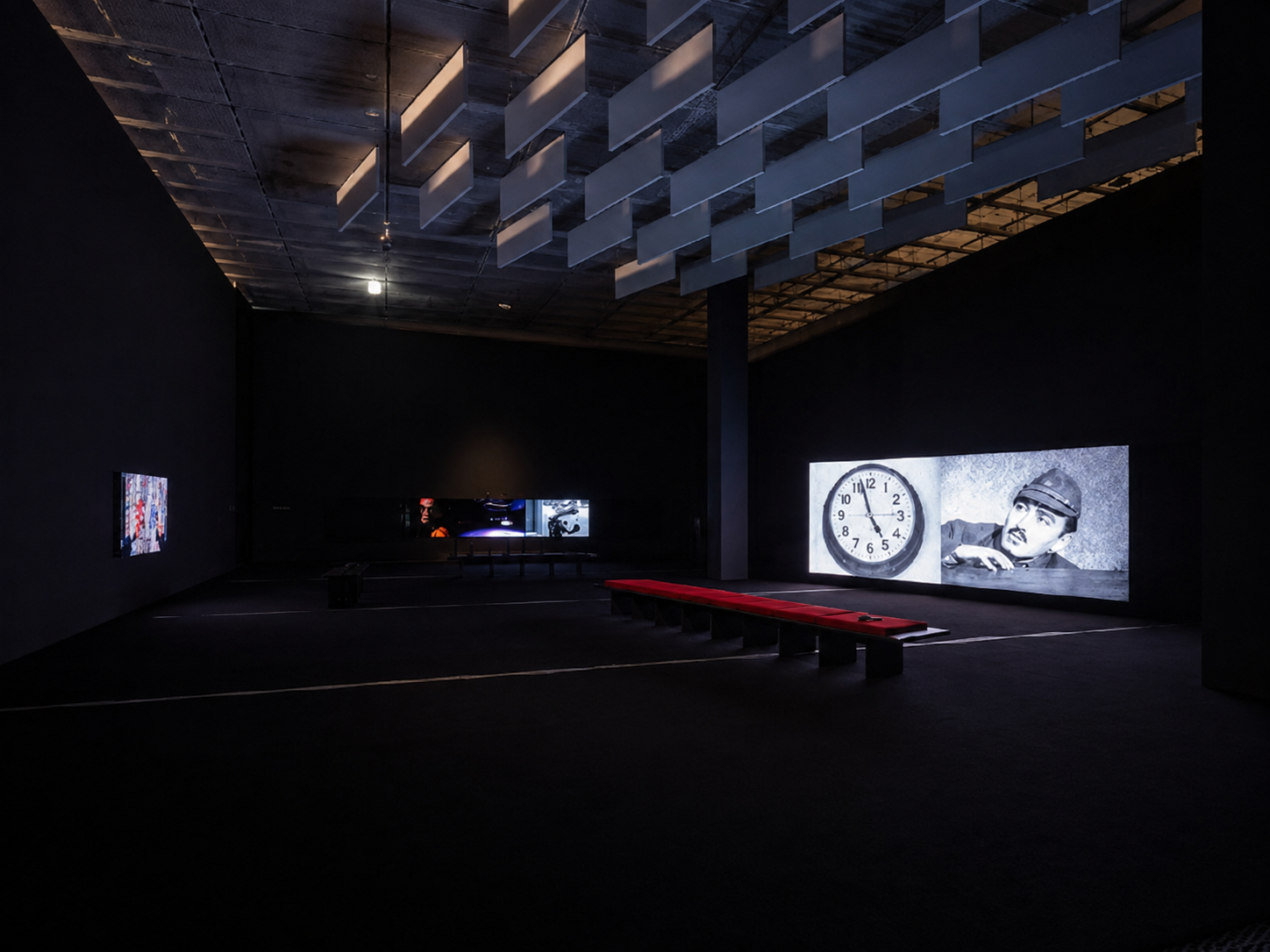
《Korea Artist Prize 2026》, installation view of Lee Jungwoo / Courtesy of the National Museum of Modern and Contemporary Art, Korea. Photo: Hong Cheol-ki
When generative AI first emerged, much of
the attention focused on how quickly and spectacularly it could produce new
images. The debate has since expanded toward more fundamental questions: Whose
data makes these images possible? What is included and what is excluded? And in
what ways do algorithms standardize our understanding of the world?
Tate’s research project “Electronic
Life: AI Communities and the Collection” similarly approaches AI not simply
as a new production technology but through questions of contemporary art,
digital tools, identity, representation, access, and community. (Tate)
Lee likewise focuses less on AI’s visual
effects than on the omissions and biases embedded within technological systems.
Particularly important is his decision to connect these issues not only to
abstract questions of technological ethics but also to missing and censored
records in modern Korean history.
The central question in his work is
therefore not whether AI is being used, but what technology
remembers, what it forgets, and how history is reconstructed in the process.
Jeon Hyunsun: How Far Can
Painting Expand?
Jeon Hyunsun begins with painting, but her
work does not end with a self-contained image hanging on a wall.
Images from her paintings migrate into
sculpture and installation, while paintings themselves can become structures
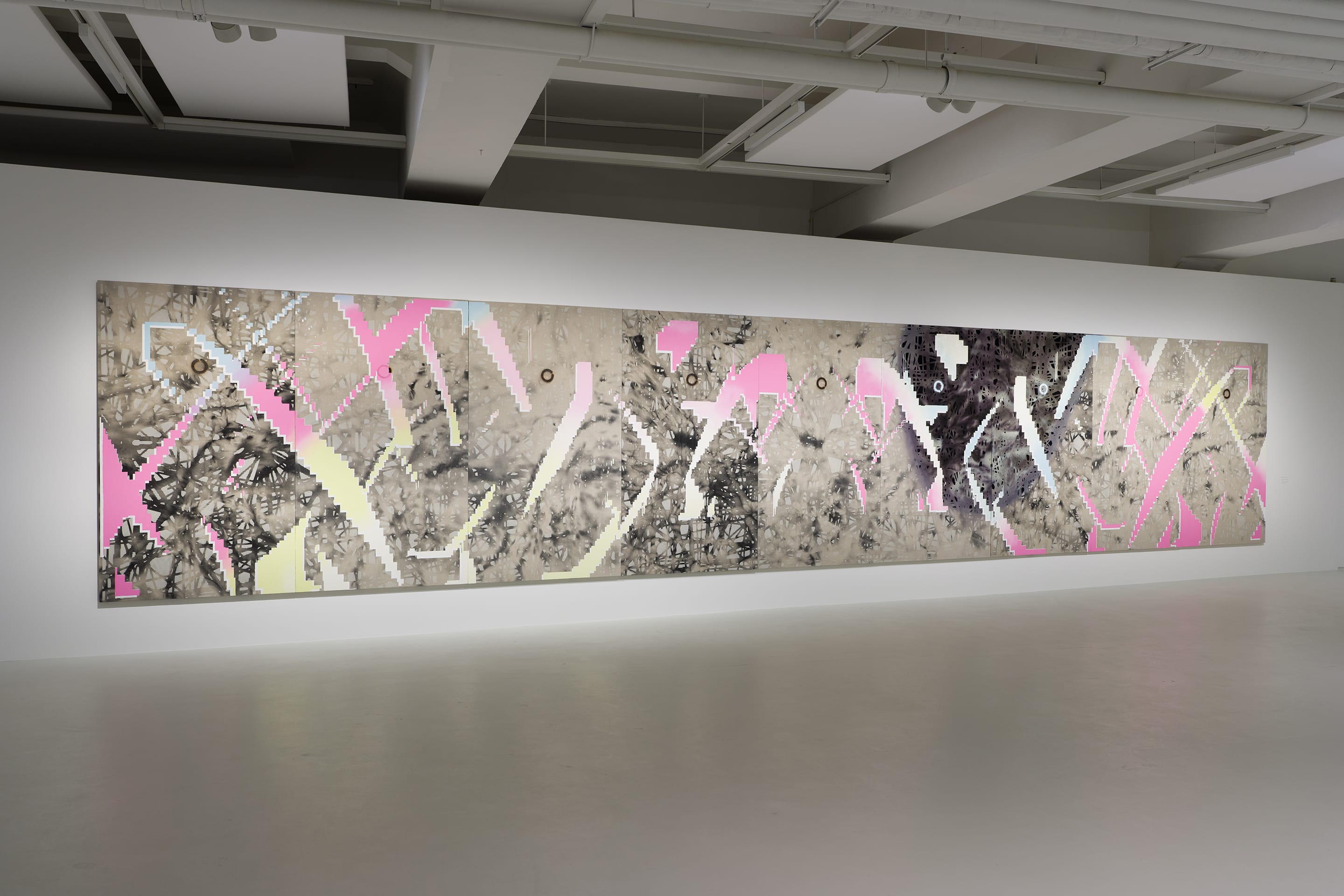
that organize the exhibition space. In Even Rabbits Dig a Second
Burrow (2026), thirty large canvases are arranged in a structure
reminiscent of a climbing wall, encouraging viewers to move through the space
and construct relationships among the images for themselves. The official Korea
Artist Prize page describes the work as presenting painting as a kind of “visual
climbing wall.” (Korea Artist Prize)
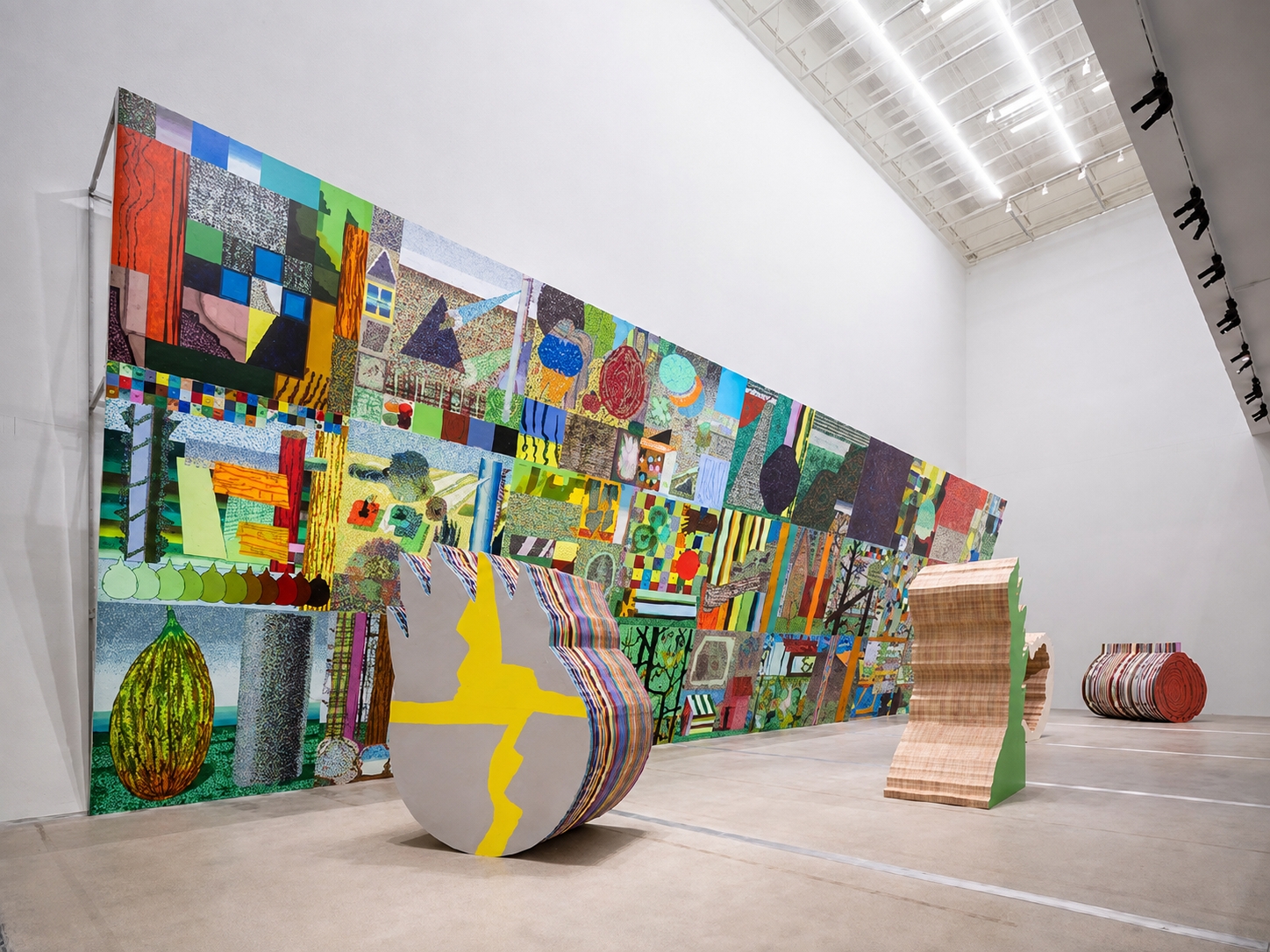
《Korea Artist Prize 2026》, installation view of Jeon Hyunsun / Courtesy of the National Museum of Modern and Contemporary Art, Korea. Photo: Hong Cheol-ki
This approach connects to an important
shift in contemporary painting.
Painting remains a powerful medium in both
the international art market and exhibition landscape, but its contemporary
possibilities are no longer limited to the revival of the flat pictorial
surface. Increasingly, artists explore how painting can relate to sculpture,
installation, architecture, digital imagery, and the bodily experience of the
viewer.
Jeon likewise expands painting from
something to be looked at into something that organizes spatial experience. In
her practice, “expanded painting” does not simply mean increasing scale or
combining multiple media. What matters is how images are fragmented and
reconnected in space, and how the viewer becomes involved in constructing those
relationships.
Esther Schipper describes Jeon as having
developed a distinctive pictorial language in which symbolic geometry,
suggestive landscape, pixel-like forms, and a tension between artificial
presence and poetic absence come together. (Esther Schipper)
In a digital environment where we
constantly encounter fragmented images and assemble meaning from them, Jeon’s
work offers one example of how the historically enduring medium of painting can
be reactivated within the visual conditions of the present.
Hong Jin-hwon: Does Photography
Record Reality, or Produce It?
Hong Jin-hwon has consistently examined the
power relations surrounding photography and images. Working across photography,
film, and web programming, his primary concern is not the technology of image
production itself but the power that images acquire within society.
On his official website, Hong describes his
practice in English as one that “explores and engages with the
power dynamics surrounding photography and images.” (Hong
Jin-hwon)
In this exhibition, he considers
demonstrations and political struggle, light and darkness, and the relationship
between visibility and invisibility, examining how political events are
transformed into images and subsequently consumed.
The Highest Form of Image Is
Armed Struggle (2026) juxtaposes a
historical revolutionary declaration with contemporary protest culture, asking
how political action has come to intersect with staging, cameras, and the
structures of image production. The English-language exhibition material uses
this title for the work. (Gallr)
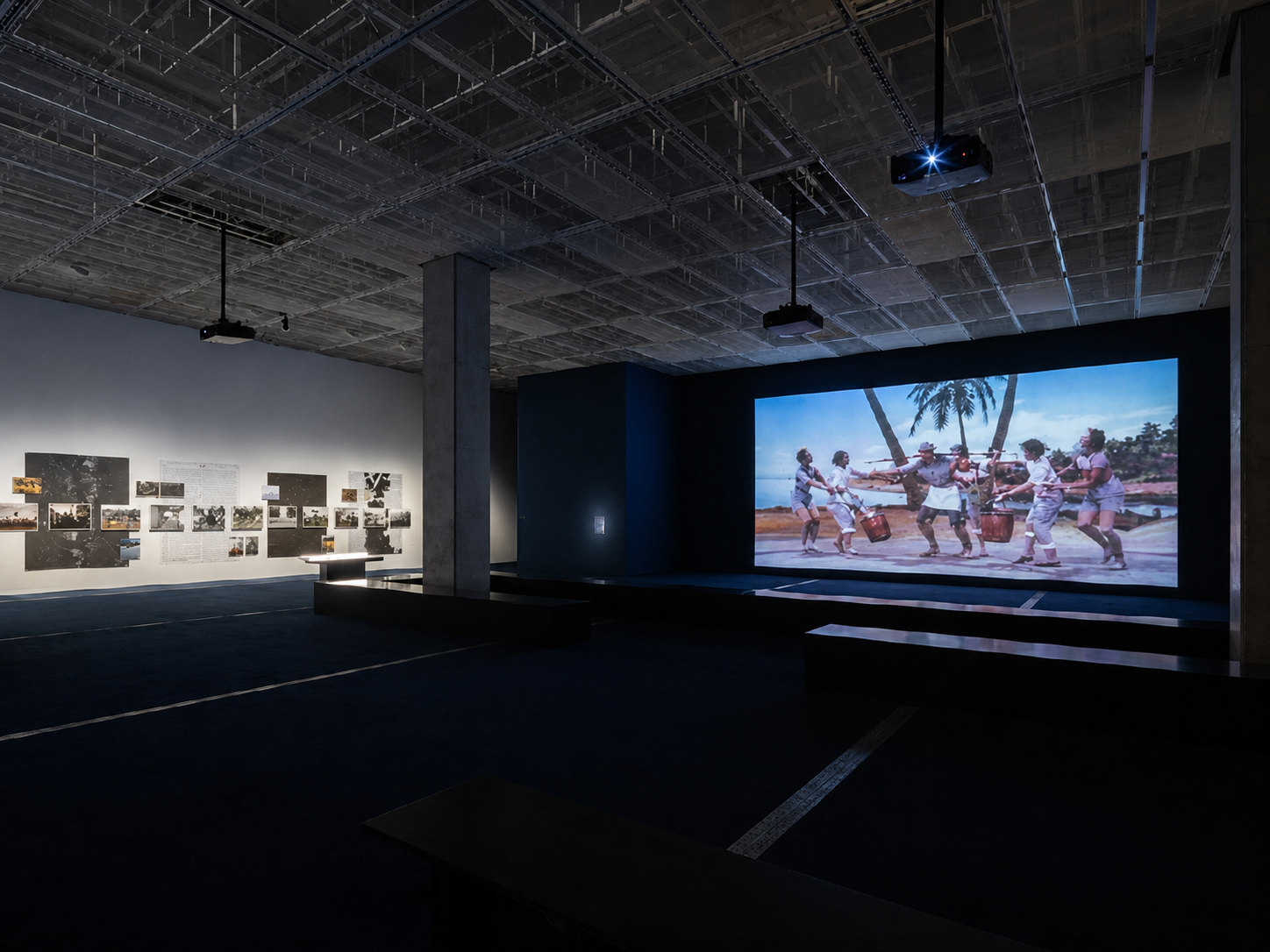
《Korea Artist Prize 2026》, installation view of Hong Jin-hwon / Courtesy of the National Museum of Modern and Contemporary Art, Korea. Photo: Hong Cheol-ki
Political events today no longer exist only
at the site where they take place. They are photographed on smartphones and
circulated through news media and social platforms, becoming reconstructed
through countless images.
The question posed by photography has
therefore expanded beyond “Is this image true?” It now includes who produces an
image, which scenes are selected, what is repeatedly made visible, and what
remains unseen.
MoMA’s 《New
Photography 2025: Lines of Belonging》 similarly
approached photography as more than a documentary medium. The exhibition
brought together practices that connect personal stories with broader political
histories, reconsider archives, and examine intergenerational memory,
community, and belonging. (The Museum of Modern Art)
Hong’s work begins with the specific
realities of protest culture and political landscapes in Korea. Yet its
questions are not confined to an account of Korean political history. The
idea that images do not merely record reality but actively participate in
constructing it has become relevant wherever social media and
digital platforms shape everyday experience.
From Korean Realities to Global
Questions
The four artists selected for 《Korea Artist Prize 2026》 work with
different media and subjects, yet they share a fundamental concern: rather than
simply representing reality, they ask how reality itself is constructed and
perceived.
Technology and data, images and politics,
painting and space, materiality and ecology are all central issues in
contemporary art internationally. The significance of this selection therefore
does not lie in demonstrating that Korean art is following global trends. More
importantly, it lies in asking how globally shared questions can be
reconsidered through Korea’s specific histories, societies, places, and
experiences, and transformed through each artist’s own visual language.
Local experience is not something that must
be erased in the name of international relevance. On the contrary, it acquires
distinctive meaning when questions rooted in specific realities introduce new
perspectives into existing global art discourses.
In this sense, 《Korea
Artist Prize 2026》 does not propose a single answer
to what Korean contemporary art is. Rather, it provides an
important point of reference for understanding where Korean art currently
intersects with the broader contemporary art world, and in what directions it
may continue to develop.
Exhibition Information
Exhibition: 《Korea Artist Prize 2026》
Participating Artists: Lee Hai Min Sun, Lee Jungwoo, Jeon Hyunsun, Hong
Jin-hwon
Dates: July 24–December 6, 2026
Venue: Galleries 1 and 2, MMCA Seoul
Co-organized by: National Museum of Modern and Contemporary Art, Korea
(MMCA) and SBS Foundation (Korea Artist Prize)
References
National Museum of Modern and
Contemporary Art, Korea (MMCA), 《Korea Artist Prize
2026》
Official exhibition information and institutional overview of the four selected
artists and the exhibition’s broader focus. (Korea Artist Prize)
Korea Artist Prize, 《Korea Artist Prize 2026》
Official English-language platform for the 2026 exhibition, including artist
names, curatorial framing, and artist materials. (Korea Artist Prize)
Korea Artist Prize, Lee Jungwoo
Official artist page and interview addressing generative AI, historical
absence, algorithmic bias, and In Writing “Hurrah for Freedom”: Cinema and
History. (Korea Artist Prize)
Korea Artist Prize, Jeon Hyunsun
Official artist page on Jeon’s practice and Even Rabbits Dig a Second Burrow.
(Korea Artist Prize)
Tate, “Electronic Life: AI
Communities and the Collection”
A research and public program examining AI through contemporary art, digital
tools, community, identity, access, and representation. (Tate)
Serpentine, 《The
Shape of a Circle in the Mind of a Fish: The Understory of the Understory》
Part of Serpentine’s long-term General Ecology research, exploring ecological
systems, interspecies relations, fungi, plants, soil, and more-than-human forms
of existence. (Serpentine
Galleries)
The Museum of Modern Art, 《New Photography 2025: Lines of Belonging》
An exhibition examining relationships among photography, political histories,
archives, memory, community, and belonging. (The Museum of Modern Art)
Esther Schipper, Jeon Hyunsun
Official gallery material on Jeon Hyunsun’s pictorial language and
international exhibition practice. (Esther Schipper)
Thaddaeus Ropac, 《Nostalgics on realities》
Exhibition material situating Lee Hai Min Sun among six artists making diverse
contributions to Korea’s contemporary art scene and examining relationships
among reality, time, natural and constructed environments. (Thaddaeus
Ropac)
Hong Jin-hwon, Official Website
Primary source for the artist’s own English description of his practice,
exhibition history, and work across photography, film, and web programming. (Hong
Jin-hwon)