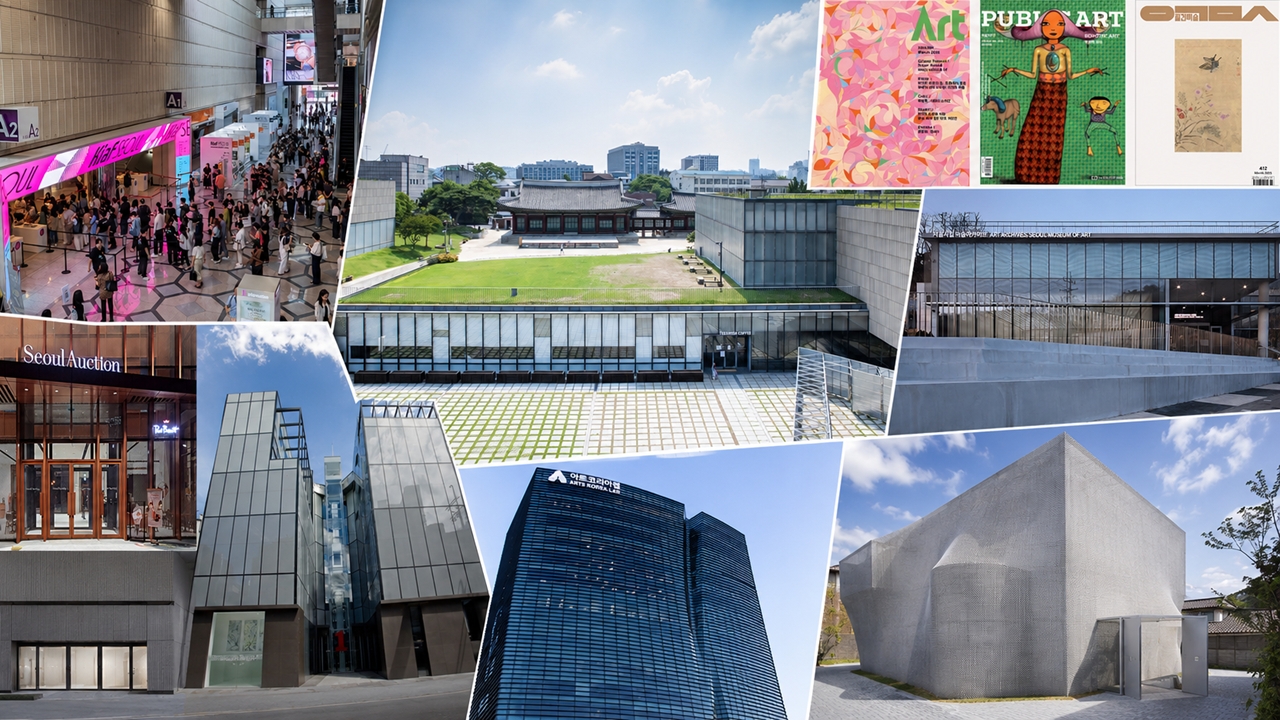

Art spaces are more than venues for
exhibiting works of art. They serve as vital intermediaries that discover new
artists, generate critical discourse, and connect audiences, markets, and
institutions. Changes in these spaces, therefore, are not simply matters of
individual organizations adopting different modes of operation. They are
important indicators of how the contemporary art ecosystem has evolved and the
direction in which it is moving.
Over the past three decades, the character
and role of art spaces in Korea have continued to expand in response to changes
in the broader social environment, cultural policy, and the art market.
Nonprofit and alternative spaces that emerged in the late 1990s established a
foundation for experimental art and emerging artists. During the 2000s, these
spaces underwent processes of institutionalization and professionalization
alongside the expansion of public funding.
Since the 2010s, the growth of global
networks and digital environments has made their functions increasingly
complex. In the 2020s, a new type of space has begun to emerge—one that
inherits the achievements of earlier nonprofit spaces while seeking to
establish a more independent operational foundation.
This article proposes the term “self-sustaining
independent space” to describe these organizations. The term does not simply
refer to a space that receives no public funding, nor does it denote the
opposite of a conventional nonprofit space. A self-sustaining independent space
seeks to maintain art’s public value and experimental character while building
an autonomous foundation through a combination of exhibition-making, artwork
sales, publishing, education, research, international exchange, venue operation,
and digital content. It makes strategic use of both markets and institutions
without becoming wholly dependent on either, and aims to secure curatorial
autonomy and operational sustainability at the same time.
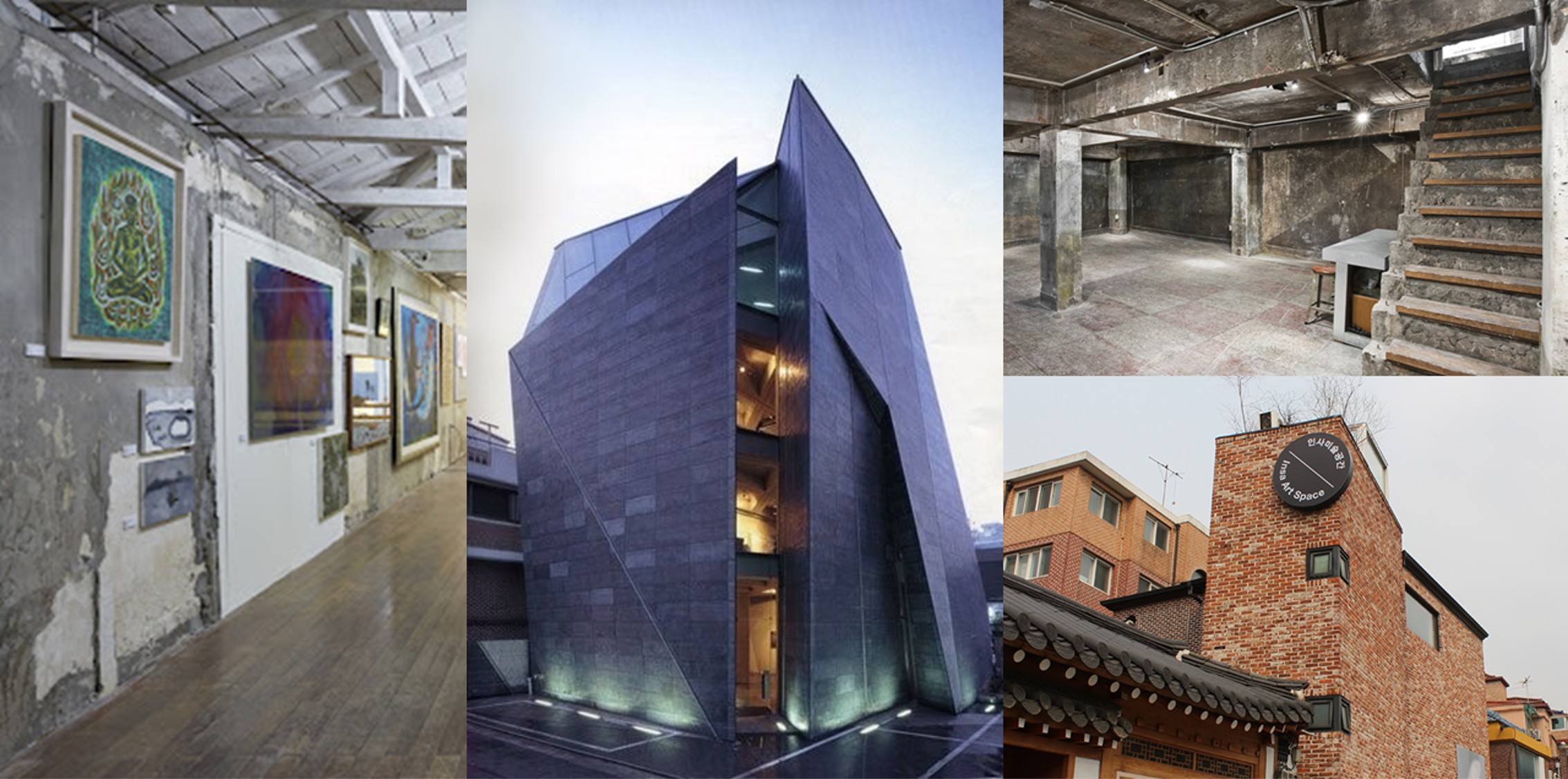
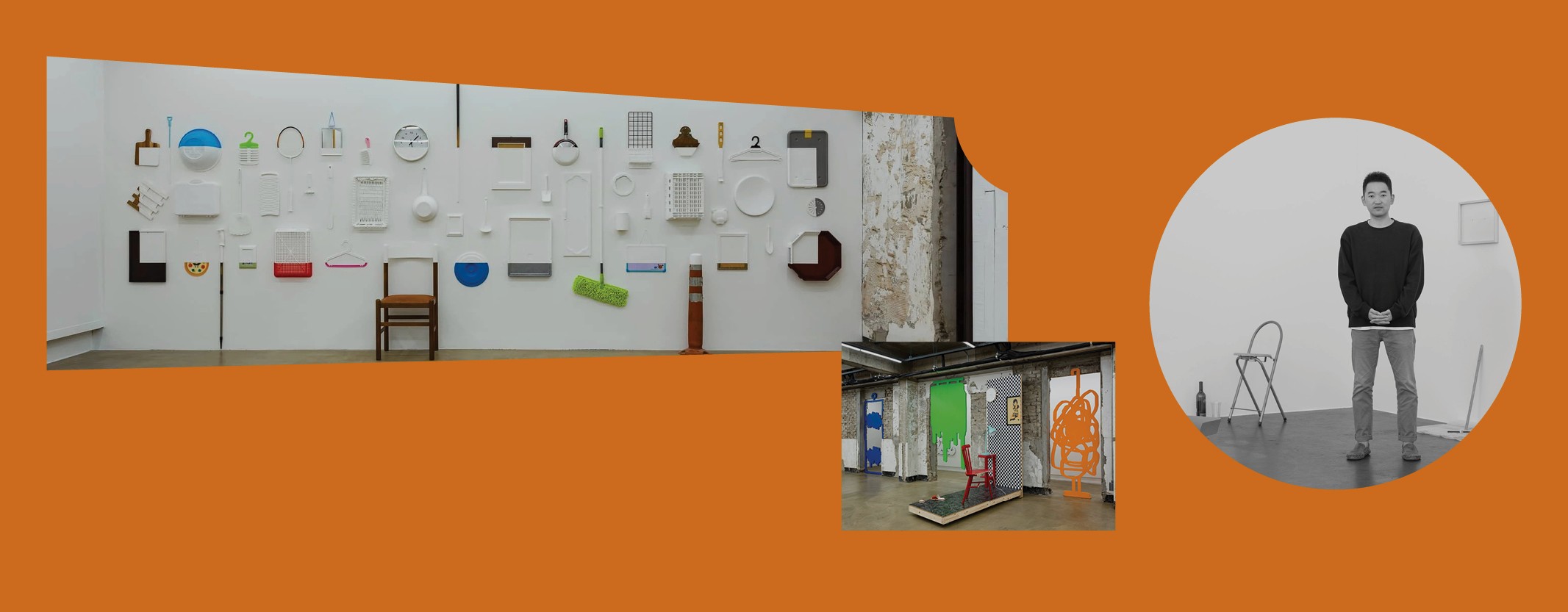
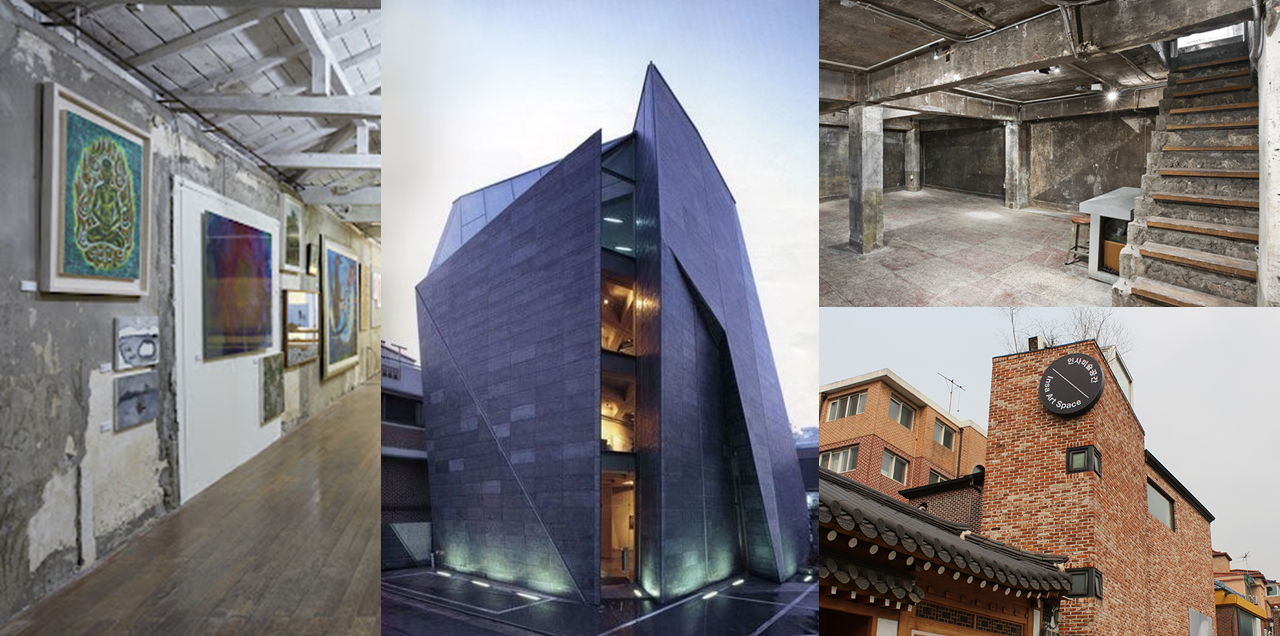
Nonprofit art spaces in the early 2000s, from left: Alternative Space Pool, Alternative Space Loop, Project Space Sarubia, and Insa Art Space. These institutions have represented Korea’s nonprofit art sector since the 2000s. Insa Art Space and Alternative Space Pool have since closed, while Alternative Space Loop and Project Space Sarubia continue to operate at new locations.
Institutionalization and
Professionalization
During the 2000s, the expansion of cultural
and artistic support policies and the increase in public funding transformed
the operating environment of nonprofit spaces. The number of professional
curators and administrative staff grew, while activities expanded beyond
exhibitions to include research, education, publishing, international exchange,
and residency programs. Nonprofit spaces gradually developed from temporary and
loosely structured sites of experimentation into professional cultural
institutions capable of sustaining long-term programs.
This process played an important role in
expanding the public infrastructure of Korean contemporary art. Public funding
protected practices and discourses that were insufficiently addressed by the
market and provided a foundation for the continued activities of emerging
artists and independent curators. The experimental, public, collaborative, and
research-oriented approaches developed by nonprofit spaces also spread into
other areas, including museums, galleries, and regional cultural spaces.
Institutionalization, however, created new
challenges even as it improved stability and professionalism. The operation of
these spaces increasingly became subject to the objectives, evaluation
criteria, and schedules of public funding programs. In some cases, the
implementation of annual projects took priority over the development of
long-term visions. Systems originally established to support independent and
experimental activity began to function as frameworks that could shape the
direction of programming and organizational structures.
Globalization and Digital
Transformation
Since the 2010s, the environment
surrounding art spaces has changed significantly once again. The expansion of
the international art market, the proliferation of biennials, art fairs, and
residency programs, and the spread of social media and digital platforms have
fundamentally transformed the roles that art spaces are expected to perform.
Art spaces have increasingly moved beyond
the role of presenting exhibitions within a physical venue. Their function as
network hubs connecting artists, curators, collectors, museums, and
international institutions has become more important. They have also begun to
evolve into complex platforms that simultaneously undertake research,
publishing, education, online content production, and international
collaboration.
These changes are not limited to Korea. In
major art cities around the world, artist-run spaces, project spaces,
independent curatorial organizations, and hybrid galleries have emerged,
reconfiguring the traditional boundaries between nonprofit institutions and
commercial galleries. As exhibitions and sales, research and publishing,
education, and community-based activities are combined within a single
organization, new operating models have developed in which public value and
market activity can no longer be understood through a simple binary
distinction.
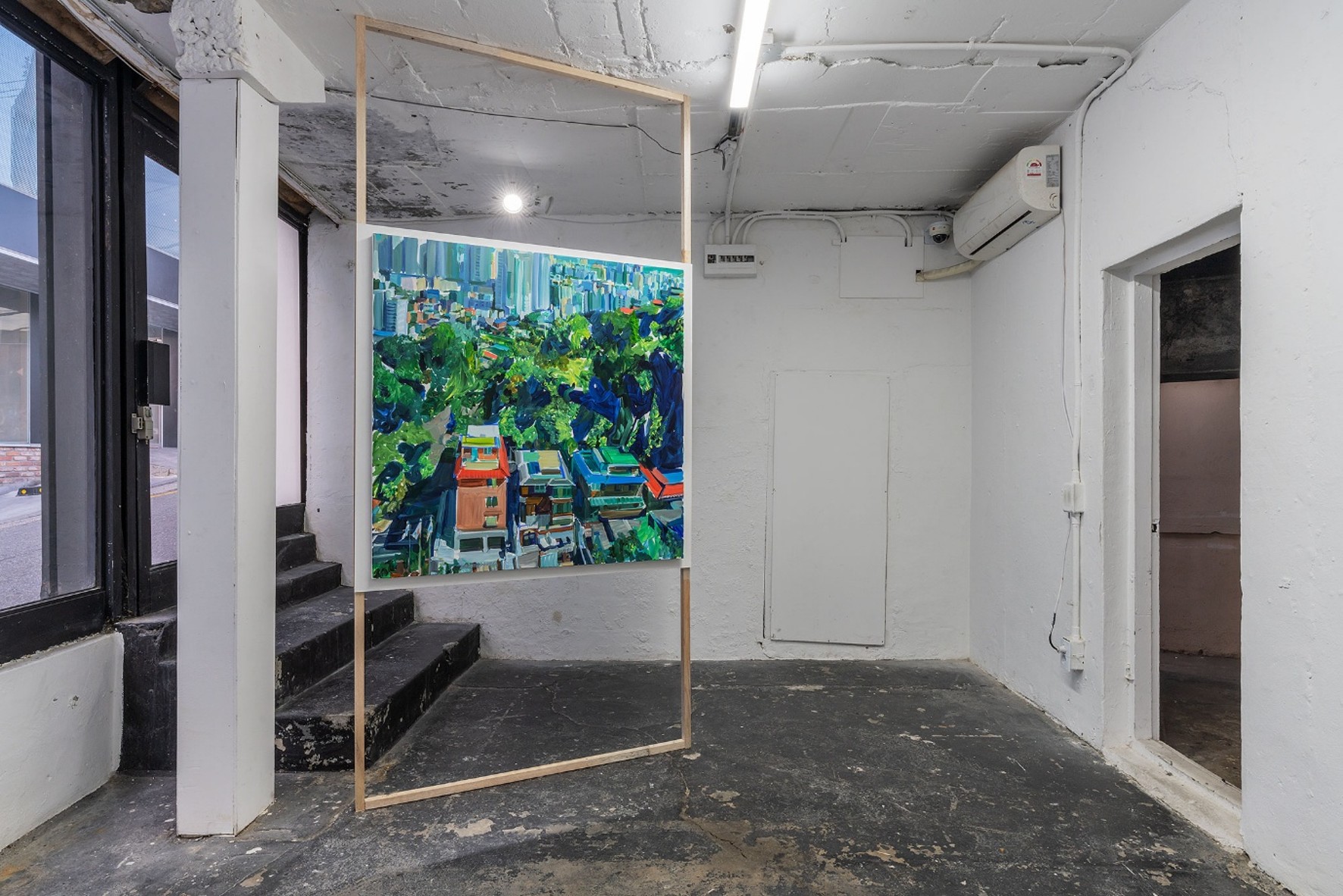
Installation view of 《Rent》 / Photo: Amado Art Space
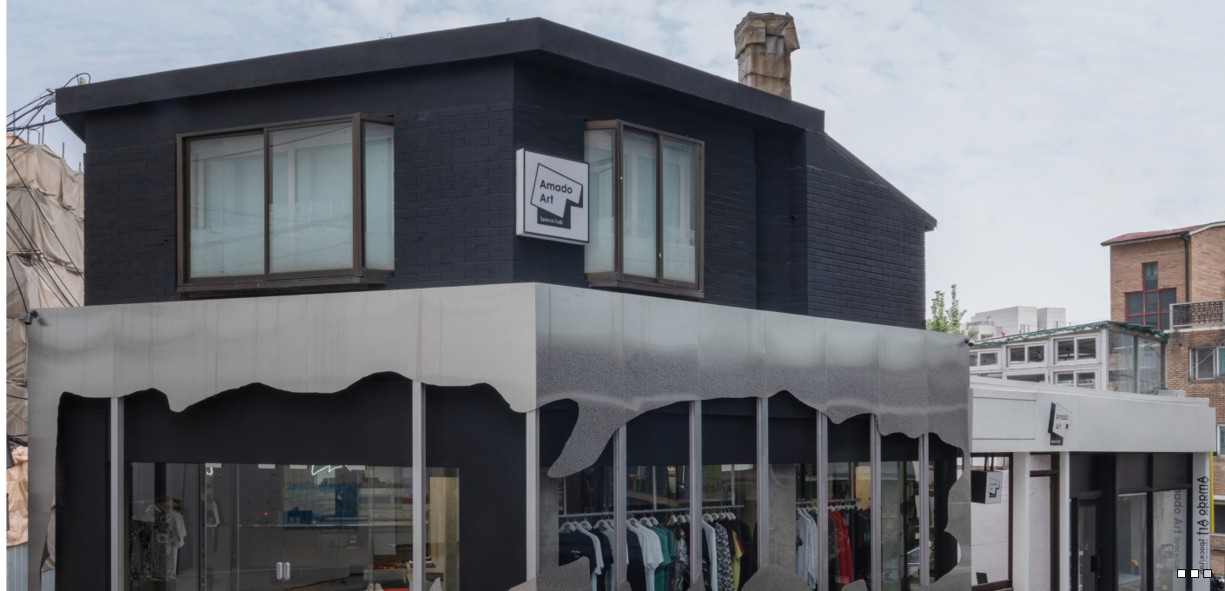
Amado Art Space. Photo: Amado Art Space website
Amado Art Space opened in Hannam-dong, Seoul, in 2013 as a nonprofit art space. Guided by an operating philosophy that places greater emphasis on process, discourse, criticism, and communication than on final outcomes, it has continued to organize exhibitions, research, publications, and educational programs. Through its sustained engagement with experimental artistic practices and contemporary art discourse, it is now regarded as one of Korea’s representative nonprofit art institutions.
The Emergence of
Self-Sustaining Independent Spaces
In the 2020s, a new type of art space has
begun to appear in Korea as changes in the international environment have
converged with the structural constraints of the domestic support system. These
spaces inherit the public value and experimental character developed by earlier
nonprofit spaces, but seek more complex and independent operating structures by
reducing their dependence on any single source of funding or institutional
framework.
This shift has emerged against the
background of both the achievements and limitations of public support. Public
funding has played a crucial role in the growth and professionalization of
nonprofit spaces, the discovery of emerging artists, and the continuation of
experimental exhibitions. Yet because support systems operate with limited
resources, not every space can benefit from them on an ongoing basis. Funding
priorities and program directions have also changed in accordance with policy
objectives, and the availability of support has often determined whether a
space could continue operating or how extensively it could develop its
programs.
In the process of designing programs to
correspond with the objectives, evaluation criteria, and application schedules
of funding schemes, the long-term vision and independent curatorial direction
of a space could also become shaped by institutional conditions. As systems
created to support experimentation and independence continued over extended
periods, some organizations became accustomed to operating primarily through
successive grant-funded projects. In such cases, stability within the funding
system could take precedence over the sustainability of the organization
itself.
Spaces that initially positioned themselves
as alternatives dedicated to new forms of art and practice sometimes became
firmly embedded within institutional support structures, creating conditions in
which continued operation became difficult once funding was discontinued. This
should not be regarded simply as the failure of individual spaces or public
policy. Rather, it reflects a structural limitation that has emerged as the
publicly funded nonprofit model has matured and become institutionalized.
The limited reach of funding programs has
also contributed to the emergence of new spaces. Emerging artists, curators,
and small-scale organizations that find it difficult to enter existing
institutional frameworks have had to establish their own bases of activity. As
a result, some spaces have begun to develop independent sources of revenue and
programming rather than relying on a particular support scheme for their entire
operation.
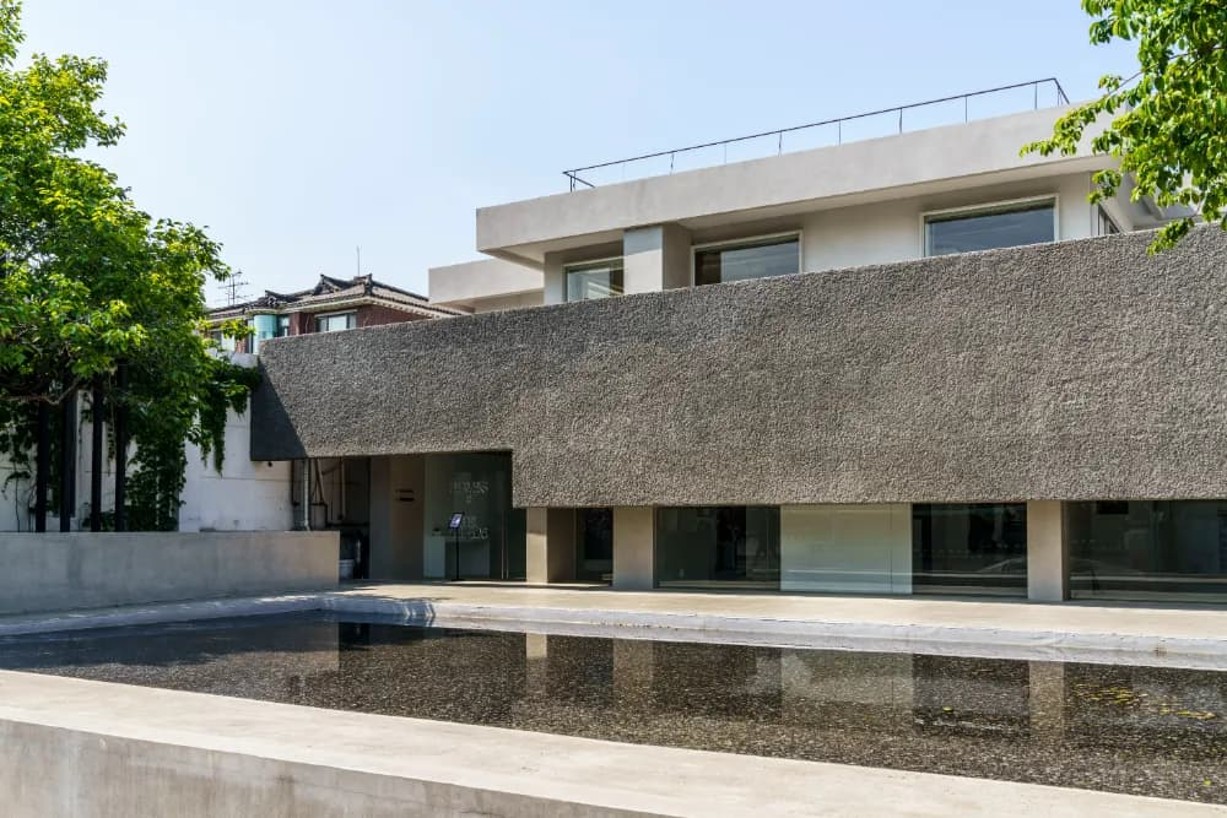
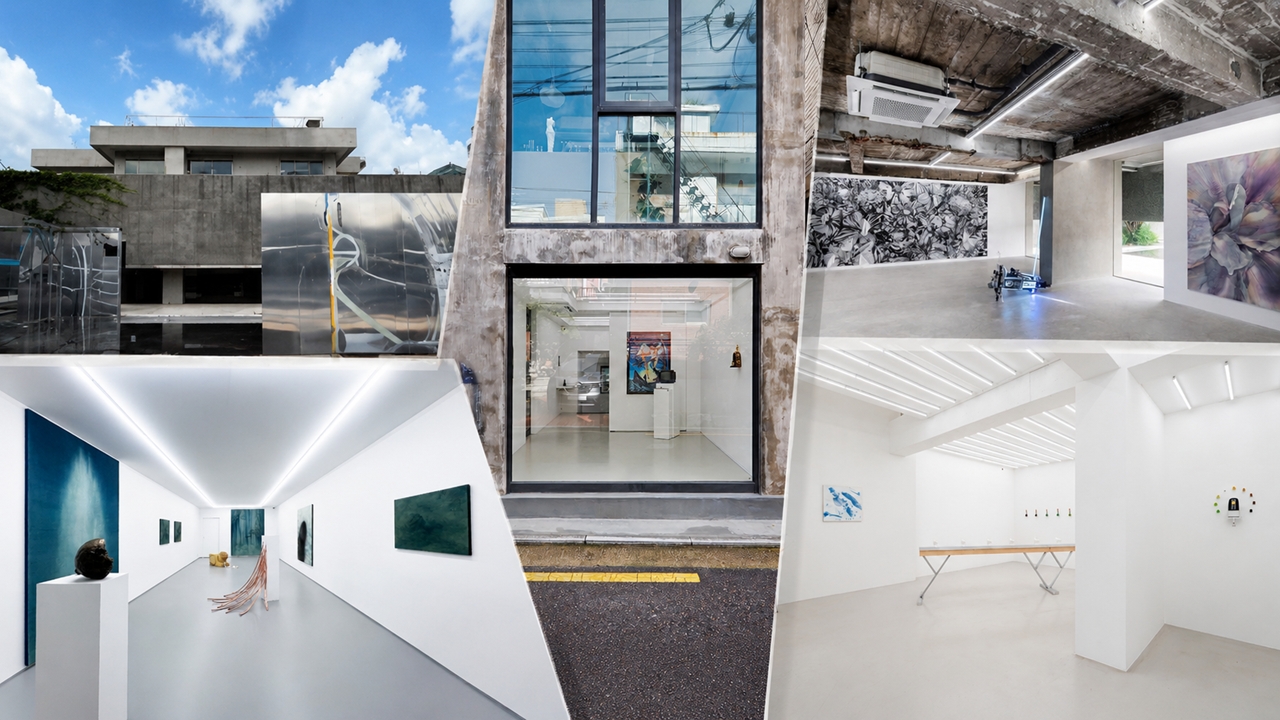
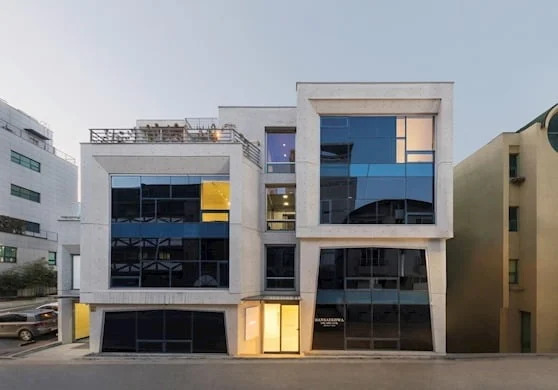
Museumhead exterior / Photo: Padograph
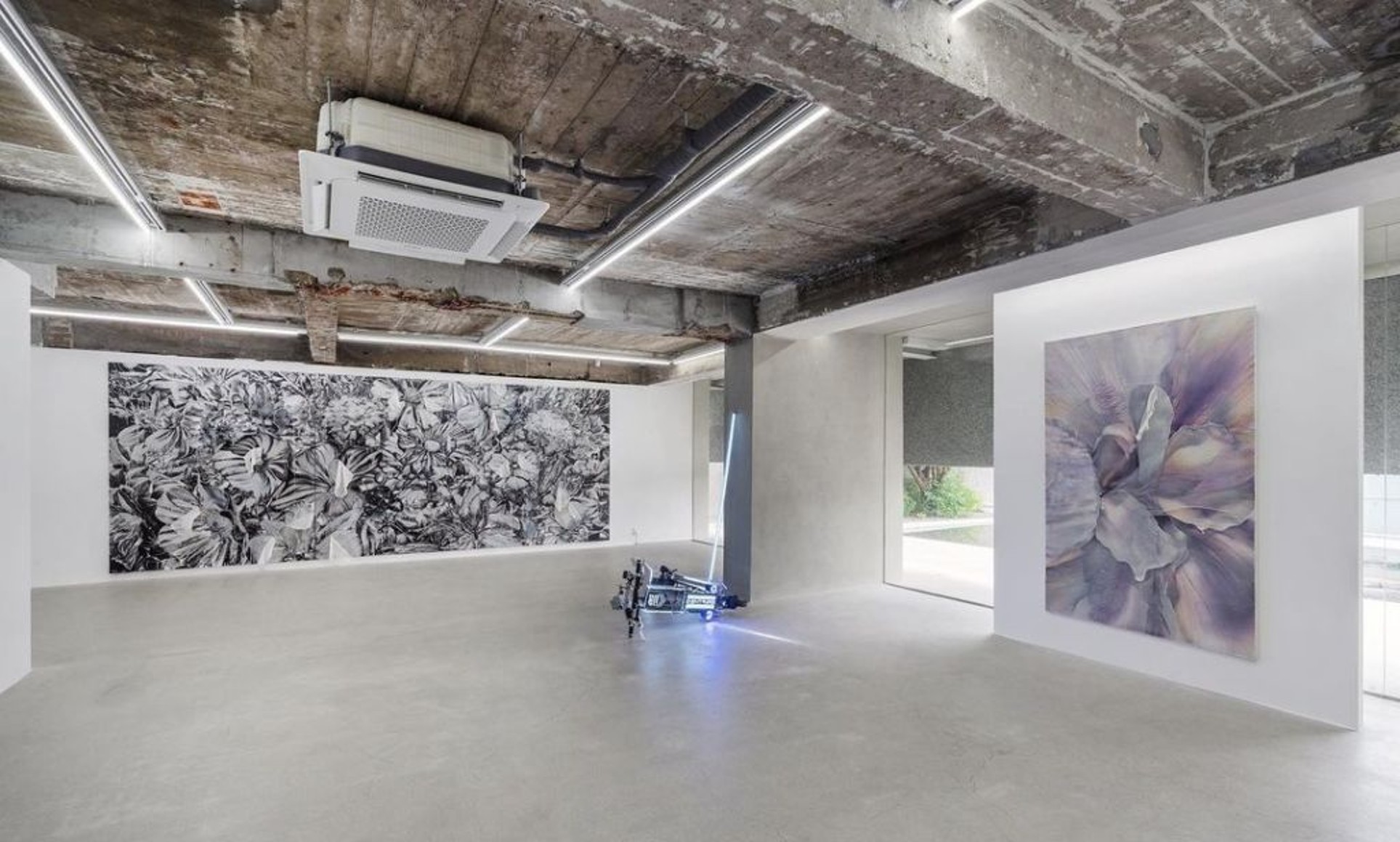
Exhibition view at Museumhead / Photo: Museumhead
Museumhead combines exhibitions, research, publishing, and the sale and circulation of artworks to establish an independent operational foundation. It has attracted attention as one of the recent examples of a self-sustaining independent space.
The most significant characteristic of
self-sustaining independent spaces is that they regard sustainability not as an
outcome of external support, but as an operational condition that must be
actively designed. They diversify their sources of revenue by combining artwork
sales, exhibition planning, publishing, educational programs, research
projects, international collaborations, venue rental, and digital content. The
purpose of expanding their activities is not simply to increase revenue. It is
to create an autonomous structure through which the space can preserve its
curatorial direction and programs even when a particular source of funding is
discontinued.
Artwork sales are also part of this
operating structure. Self-sustaining independent spaces may sell works, but
they differ from conventional commercial galleries for which sales represent
the primary objective. Here, sales function as one of several means of
supporting artists and sustaining exhibitions, research, publishing, and
educational programs. Commercial activity and public value are therefore not
necessarily opposing principles. When income generated through sales is
reinvested in artists and programs, economic activity can become a foundation
for sustaining experimentation and independence.
The notion of self-sustainability discussed
here does not imply a rejection of public funding or institutional engagement.
It refers to the capacity to make use of public funding and private sponsorship
when necessary, while maintaining the ability to determine one’s own curatorial
and operational direction without becoming excessively dependent on any single
source of funding or policy agenda. Ultimately, self-sustainability is not
defined by whether a space receives support, but by whether it has built a
structure capable of continuing its activities in the absence of that support.
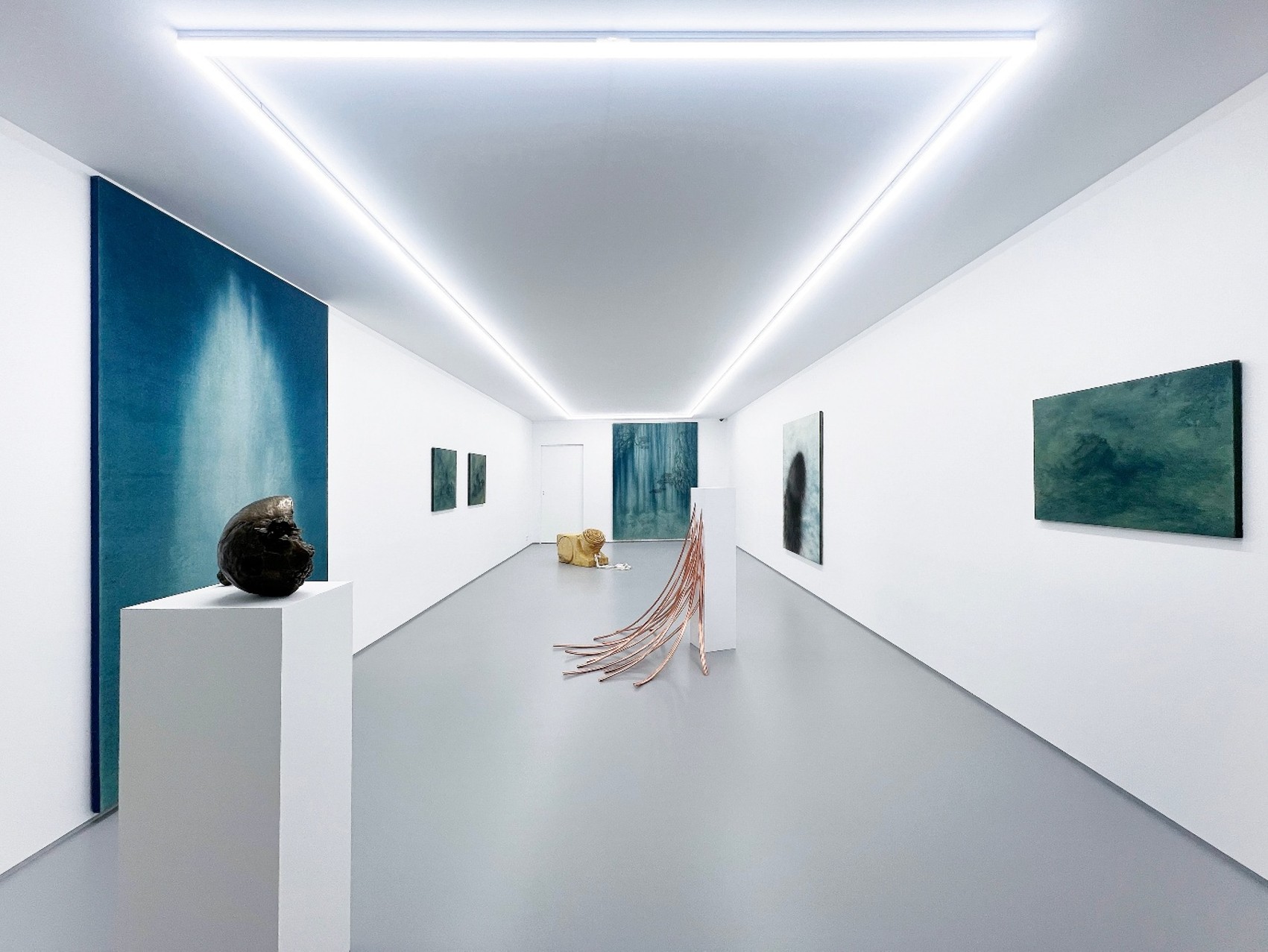
Exhibition view at CYLINDER / Photo: Art Frieze
Founded in Seoul’s Gwanak District in 2020, CYLINDER is an independent art space that seeks to move flexibly across the boundaries between alternative and commercial art. Bridging institutional structures and the realities of artistic practice, it organizes exhibitions and projects, supports the sustained development of artists, and is building an open platform that connects contemporary art with a broader public.
The Formation of a New
Ecosystem
Self-sustaining independent spaces are not
intended to reject or replace existing nonprofit spaces. Rather, they inherit
the commitment to experimentation and public value, the discovery of emerging
artists, and the production of discourse that nonprofit spaces have
accumulated, while attempting to address the operational limitations that
became visible through institutionalization.
The transformation of Korea’s art ecosystem
should therefore not be understood as a simple transition from nonprofit spaces
to self-sustaining independent spaces. It is better understood as a process of
increasing diversification, in which publicly funded nonprofit spaces, commercial
galleries, public institutions, artist-run spaces, project spaces, and digital
platforms coexist as actors with different functions and identities.
What will matter in the future is not
primarily the legal structure of a space or whether it is classified as
for-profit or nonprofit. More important criteria will include whether a space
has a clearly defined curatorial direction, whether it can avoid excessive
dependence on a particular funding source or market condition, and whether it
can continuously connect artists and audiences, local contexts and
international networks.
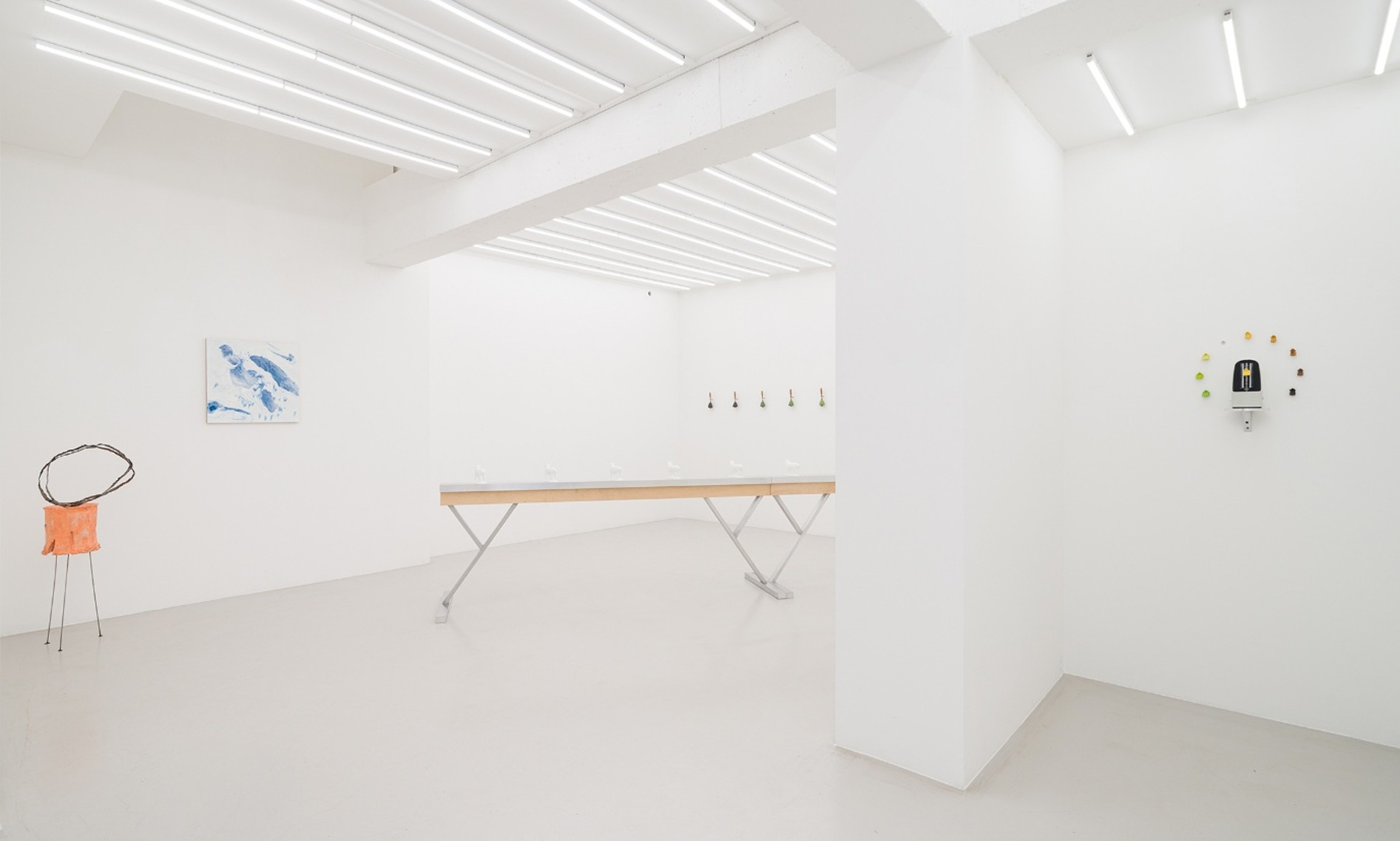
Installation view of 《Net》, 2026 / Photo: ThisWeekendRoom
Founded in Seoul in 2015, ThisWeekendRoom is a contemporary art gallery and curatorial studio. After opening in Cheongdam-dong, it relocated to Hannam-dong in 2021. The gallery presents exhibitions and participates in domestic and international projects, with a particular focus on emerging and mid-career artists. Working across the boundaries between nonprofit and commercial practice, it seeks to support the development of artists and introduce new directions in Korean contemporary art.
The competitiveness of Korean contemporary
art will likewise not be determined solely by the scale or reputation of
individual organizations. It will depend on the extent to which diverse spaces
can retain their independence while collaborating with one another, and on
whether they can construct an ecosystem that organically connects the discovery
and development of artists, the circulation of artworks, research and
discourse, and audiences and markets.
In this respect, the emergence of
self-sustaining independent spaces represents more than the appearance of a new
organizational type. It signals that Korean contemporary art is moving beyond
the established binary of public support and the market toward a stage in which
public value and experimentation are pursued alongside operational
sustainability and curatorial autonomy. Self-sustaining independent spaces are
not yet a fully established model. Rather, they represent one of the
possibilities currently being developed within Korea’s changing contemporary
art ecosystem.
Jay Jongho Kim graduated from the Department of Art Theory at Hongik University and earned his master's degree in Art Planning from the same university. From 1996 to 2006, he worked as a curator at Gallery Seomi, planning director at CAIS Gallery, head of the curatorial research team at Art Center Nabi, director at Gallery Hyundai, and curator at Gana New York.
From 2008 to 2017, he served as the executive director of Doosan Gallery Seoul & New York and Doosan Residency New York, introducing Korean contemporary artists to the local scene in New York. After returning to Korea in 2017, he worked as an art consultant, conducting art education, collection consulting, and various art projects.
In 2021, he founded A Project Company and is currently running the platforms K-ARTNOW.COM and K-ARTIST.COM, which aim to promote Korean contemporary art on the global stage.