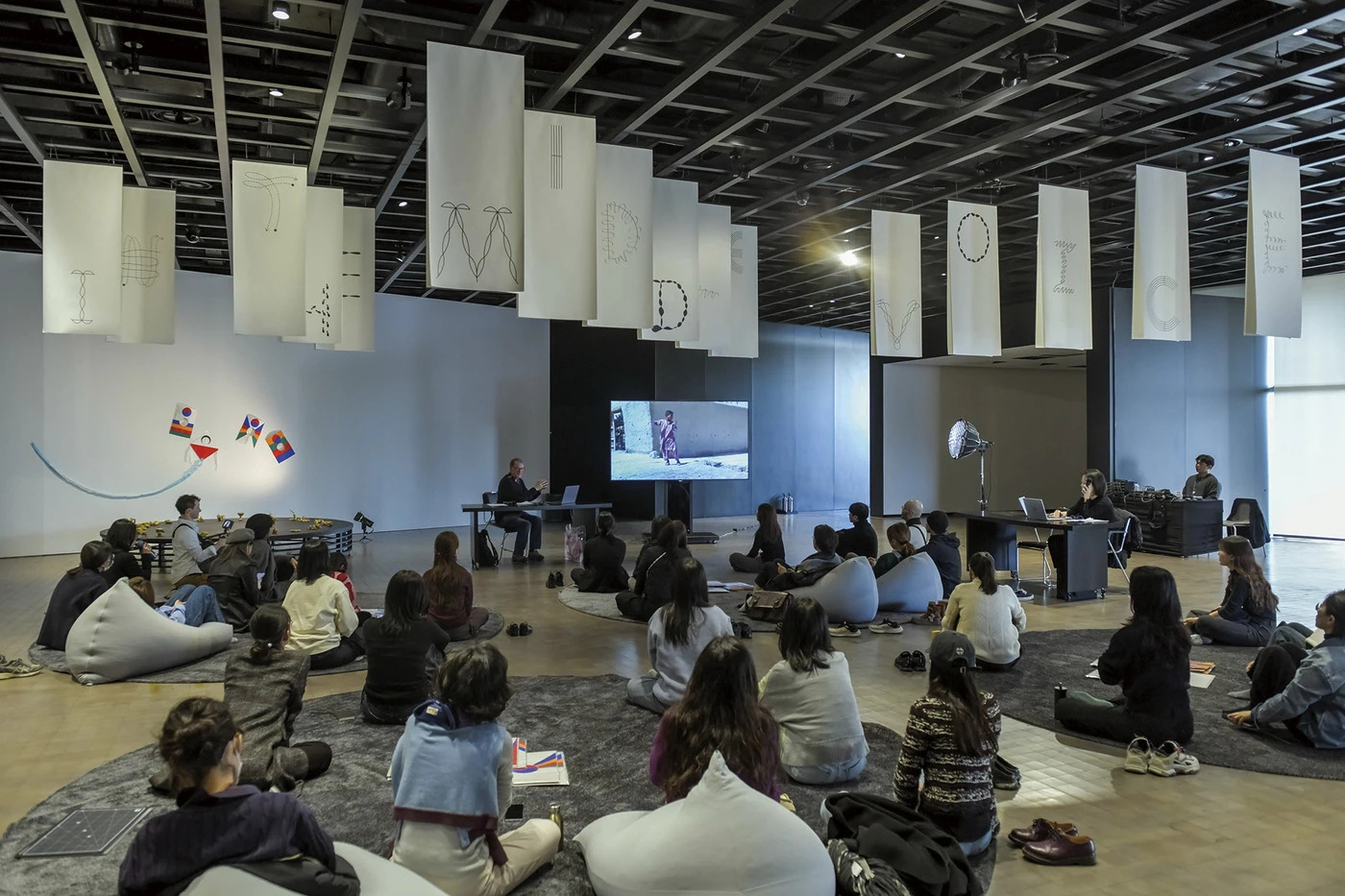

Han Jinsu’s solo
exhibition《Ddeum: A Pregnant Pause》is being held as the reopening exhibition of Art Center Nabi. The
exhibition takes place at its new space in Sagan-dong, Jongno-gu, Seoul, from
June 12 to August 1.
The exhibition
offers a condensed view of the issues that kinetic installation artist Han
Jinsu has long explored: movement, time, chance, and generation. Across the
exhibition space, wires, mechanical devices, liquids, and repeatedly moving
structures unfold like a single ecosystem. Rather than focusing on completed
forms, the artist pays attention to the state just before a phenomenon occurs,
and to the moment when order and uncertainty operate together.
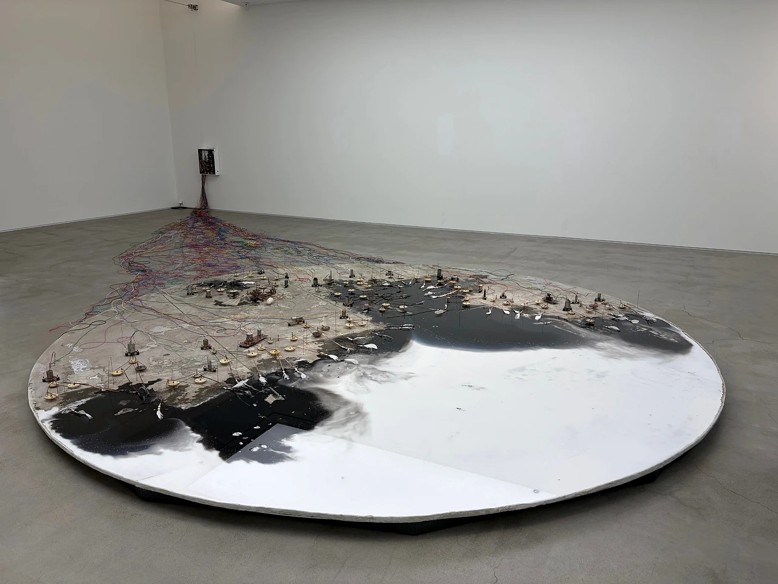
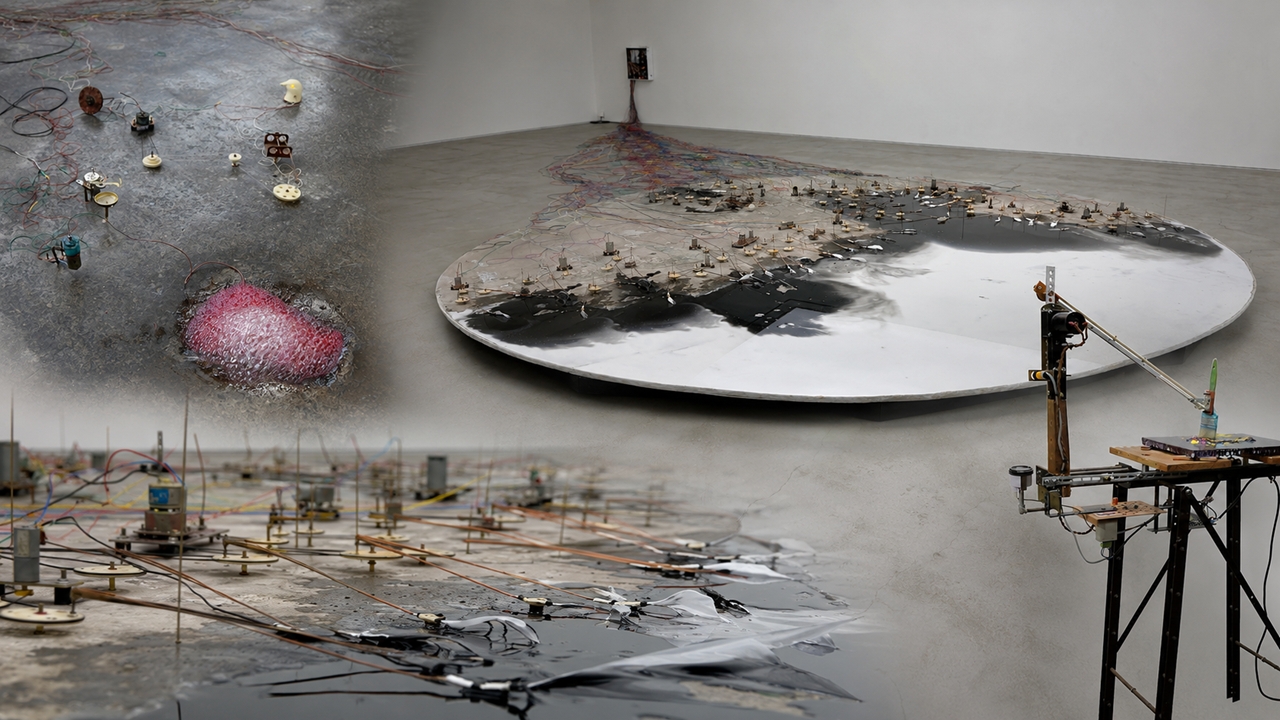
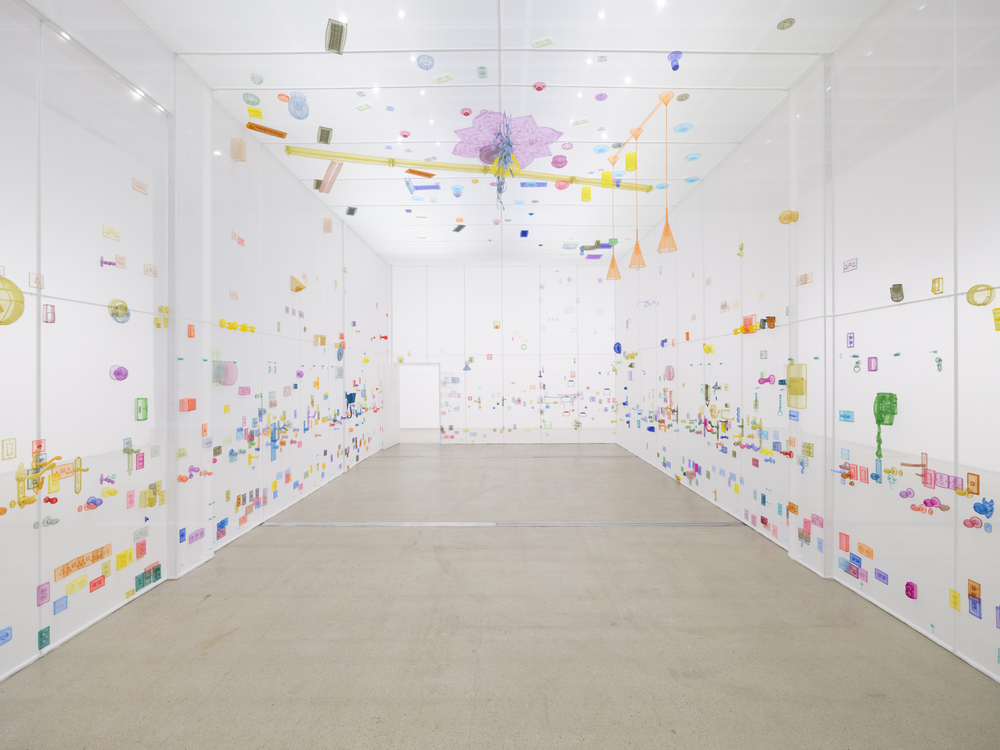
Installation view / Photo: Art Center Nabi
The exhibition
title, “Ddeum,” clearly reflects this attitude. In Korean, “ddeum” refers to a
period of waiting in which something is not rushed to completion, but is left
to change slowly from within. The English subtitle, ‘A Pregnant
Pause’, also carries this meaning. It suggests not a simple halt,
but a charged pause just before a new change begins.
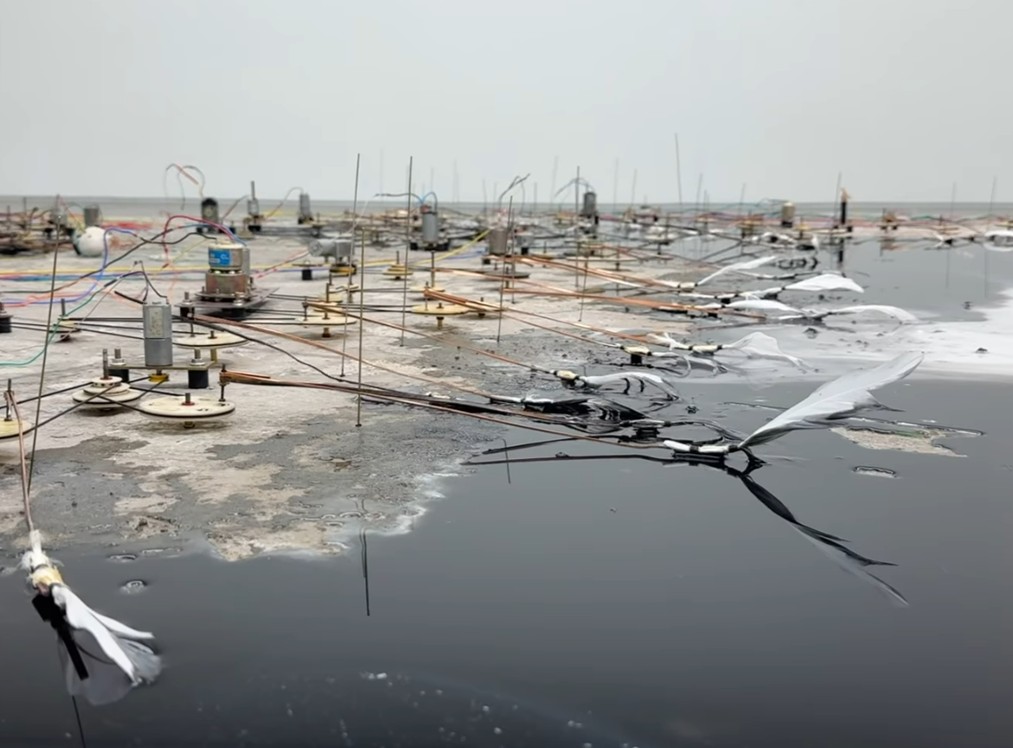
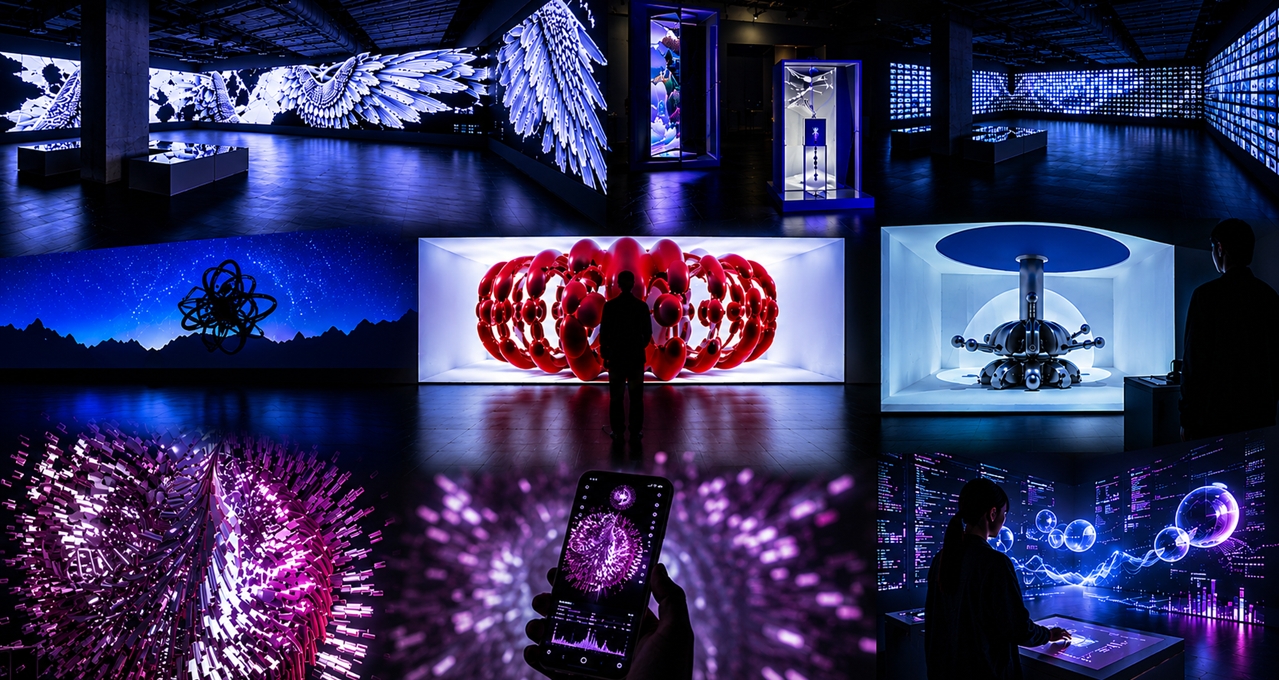
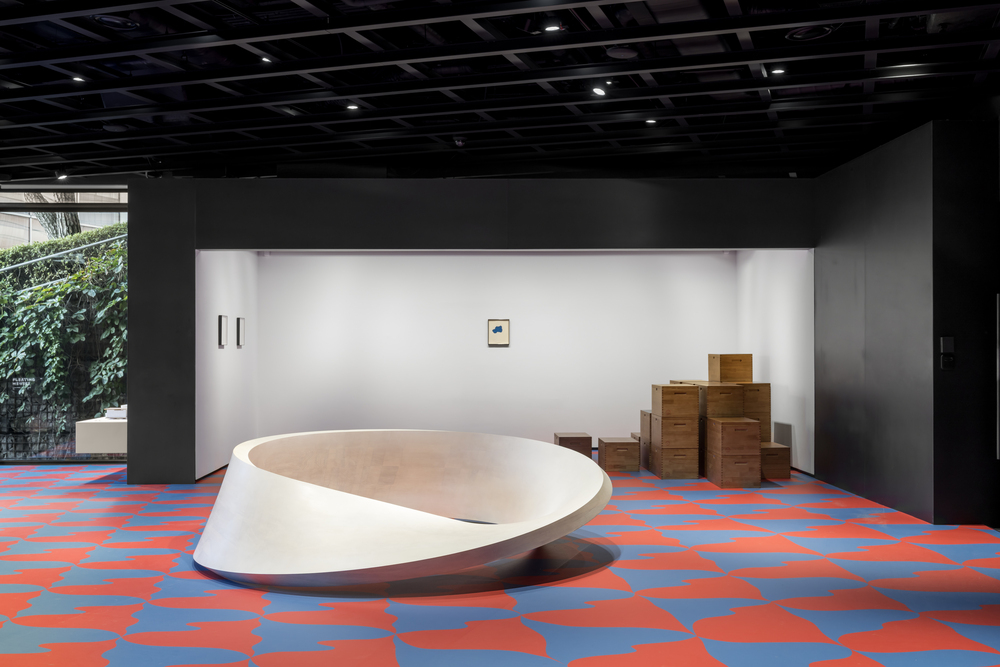
Installation view / Photo: Han Jinsu’s Instagram
Han Jinsu’s work
does not emphasize the speed and efficiency of technology. Instead, it reveals
unpredictable movements and flows of sensation generated by mechanical devices.
The
Process of Generation Rather Than the Result
Han Jinsu has
long moved across painting, sculpture, installation, and kinetic art, exploring
structures of generation created through matter and movement. This exhibition,
too, is not one that presents completed results.
Upon entering the
exhibition space, viewers encounter countless wires spilling from a mechanical
device on the wall down to the floor, while small structures move subtly above
a black liquid. The machines are operating, but their movements are never entirely
predictable. What the viewer encounters is not a single completed form, but a
state that continues to change.
The artist pays
attention not to the result, but to the “conditions of occurrence.” He seeks to
capture subtle moments generated between order and disorder, necessity and
chance, control and uncertainty.
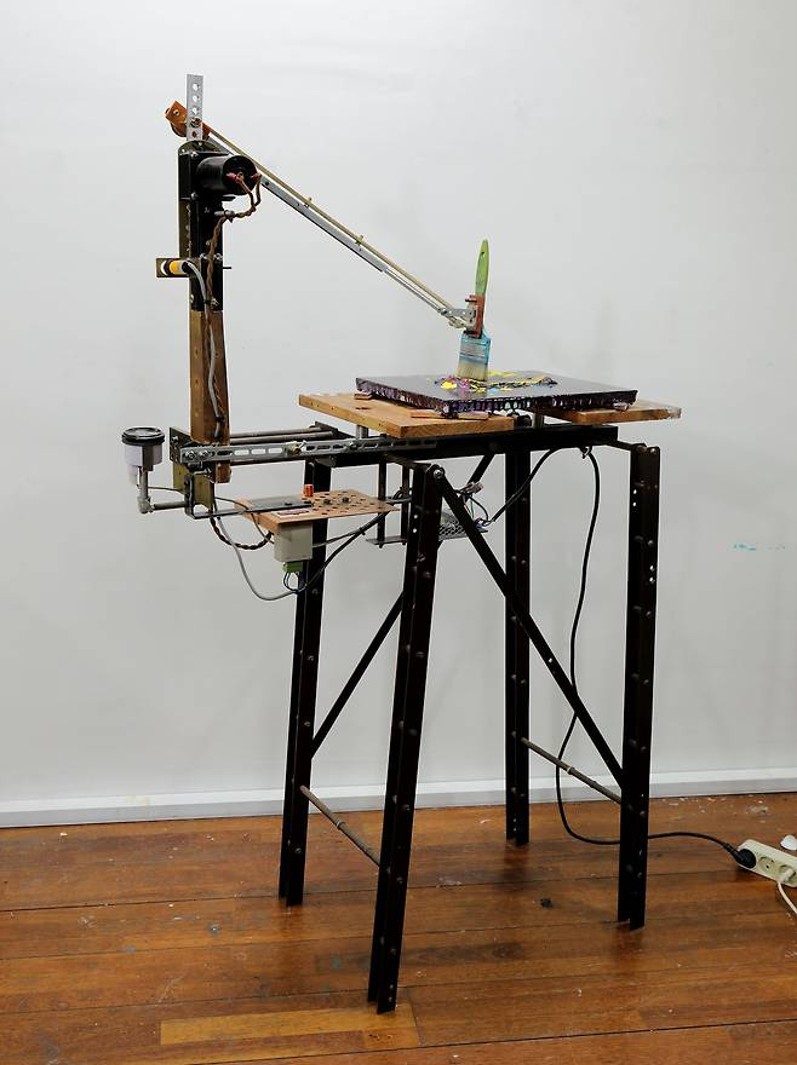
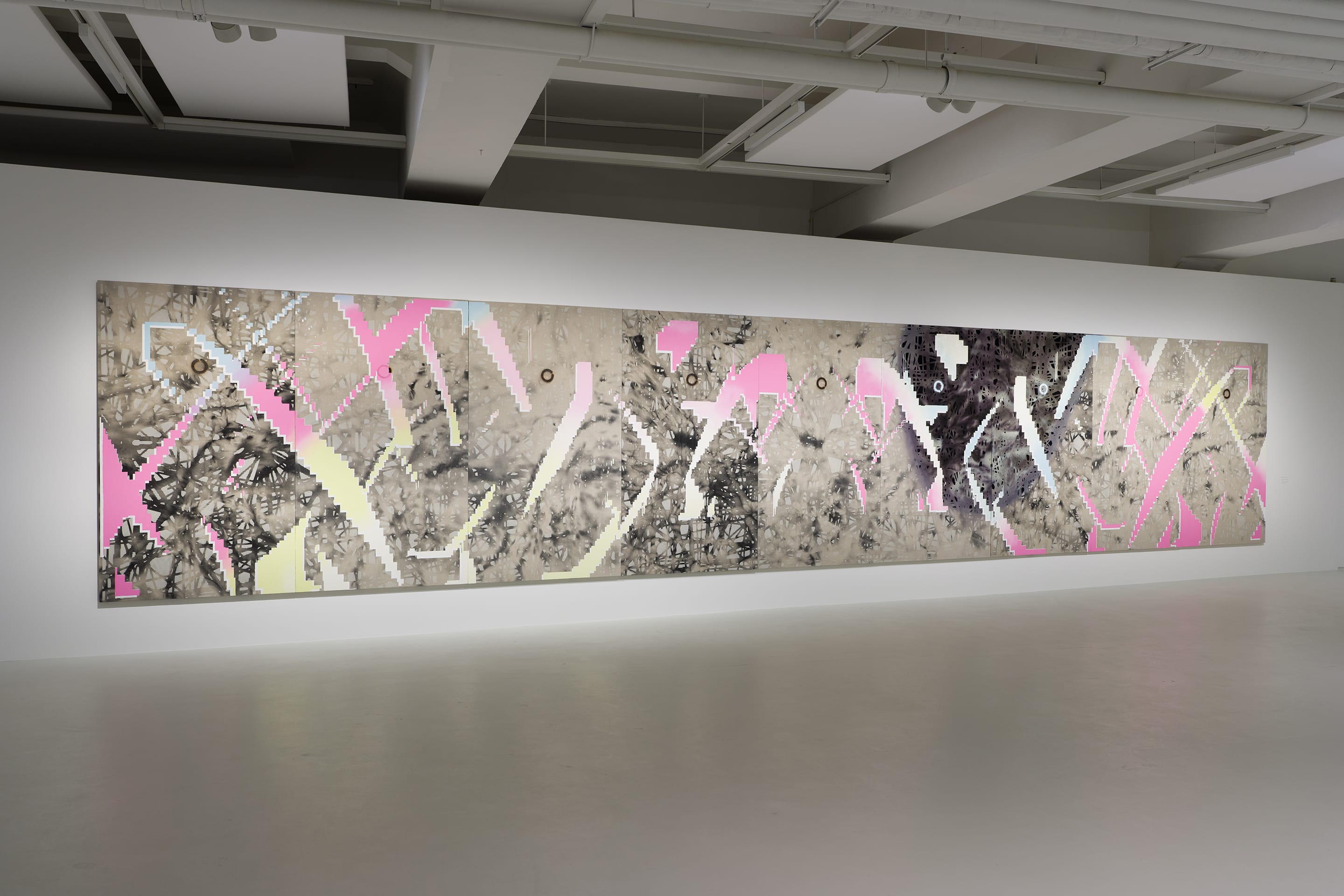
Han Jinsu, Painting Formation Machine #1, 2014. / Photo: Art Center Nabi
How
Does a Machine Move Like a Living Being?
What is
interesting about Han Jinsu’s work is that it does not foreground the spectacle
of advanced technology.
While many forms
of media art today focus on visually demonstrating the development of AI and
digital technology, Han instead creates movements that resemble living
organisms through simple mechanical devices and repetitive motion.
A machine moves
according to rules. Yet when those rules encounter the environment and
accidental variables, unpredictable phenomena arise. At that moment, the
machine no longer appears to be merely a device, but something closer to a
living organism.
This exhibition
focuses precisely on that boundary: the possibility of life that exists between
machine and nature, the artificial and the organic, order and chaos.
The
Time of “Ddeum”
The exhibition
title symbolically reveals the artist’s attitude. In Korean, “ddeum” refers to
the process of turning off the heat after cooking and leaving food for a while
so that change continues slowly from within. It is not a matter of rushing
something to completion, but of waiting for it to mature on its own.
The English
subtitle, ’A Pregnant Pause’, carries the same
meaning. It is not a simple stop, but a brief pause just before something new
comes into being. Although a completed form has not yet appeared, change has
already begun inside.
Han Jinsu’s
exhibition takes this very “state of waiting” as the condition of the work.
Technological elements such as mechanical devices, circuits, movement, and data
appear in the exhibition, but they function less as tools for producing quick
results than as devices that create an environment in which unpredictable
changes can occur. Rather than fully controlling things, the artist allows
matter, machines, time, and chance to respond to one another.
What matters in
this exhibition, therefore, is not the novelty of technology itself. Rather
than asking what technology can immediately produce, the exhibition asks
viewers to observe what kinds of changes slowly take place within the process.
In an age accustomed to efficiency and speed, Han Jinsu’s work invites us to
pause, wait, and look into a state that has not yet been determined.
Ultimately,《Ddeum: A Pregnant Pause》is an exhibition
that focuses on the time of process rather than on completed results. Through
scenes in which machines, matter, data, and chance become entangled, the artist
shows the time in which something changes on its own. The core of this exhibition
is not a grand declaration about future technology, but the act of remaining
with and observing a state that cannot be quickly concluded.
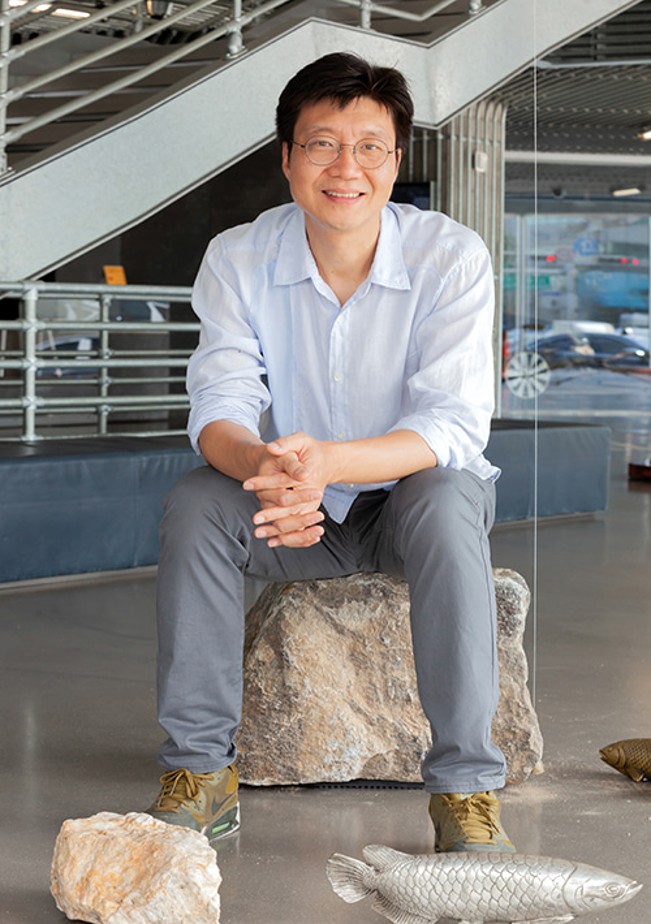
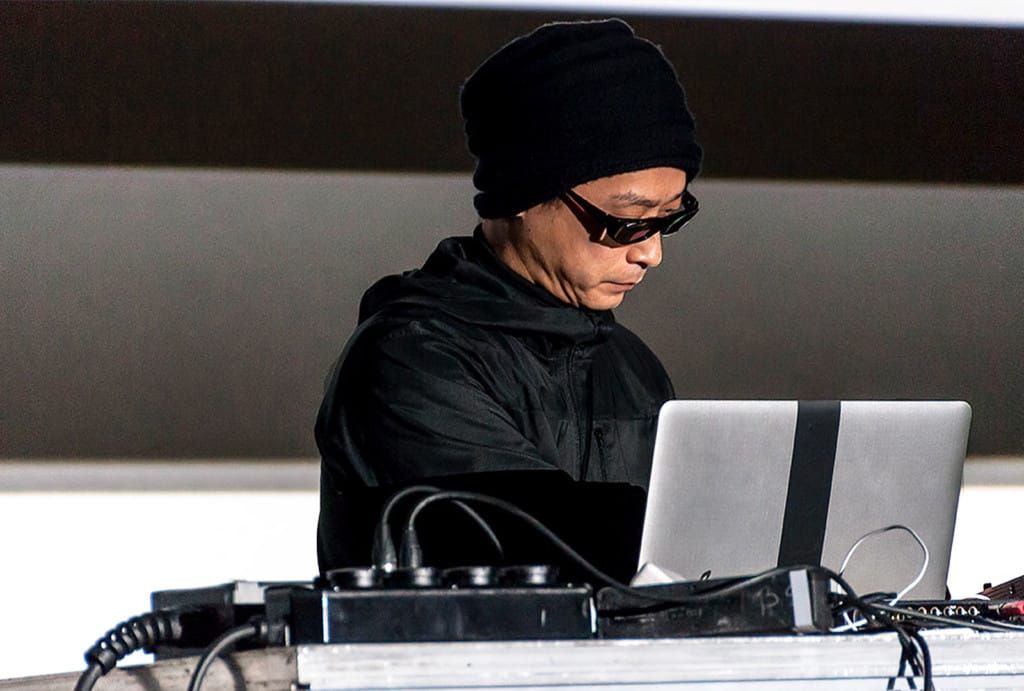
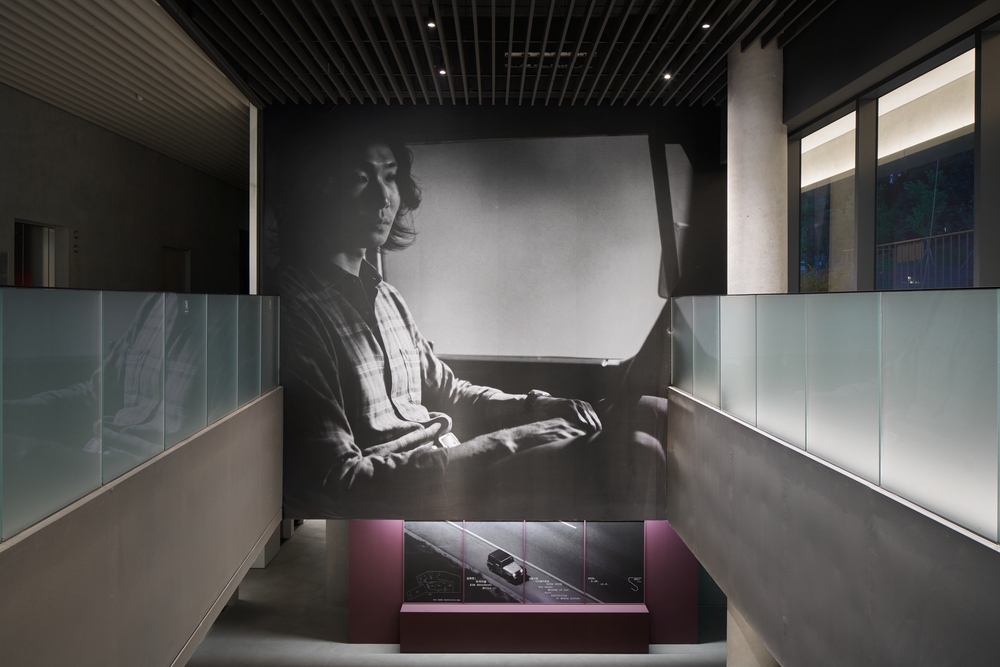
Han Jinsu / Photo: Han Jinsu
Artist
Han Jinsu is a
multimedia artist based in Seoul. Working primarily with painting, sculpture,
kinetic art, and installation, he explores structures of generation produced
through material change and mechanical movement. In recent years, he has
constructed situations that are closer to the “conditions of occurrence” than
to finished results, using simple materials and repetitive devices. Through
these works, he reveals subtle flows of sensation that tremble between
necessity and chance, order and uncertainty.
The artist has
continued to create works that remain for a long time in an “undetermined state”
through various media. His representative works include Painting
Formation Machine (2014–), which delays completion through
endless brushstrokes; White Pond (2007–), an
installation in which traces of generation and disappearance occur
simultaneously on a shallow surface of water; and Flower of
Uncertainty (2022–), in which black bubbles drift without a
center and continuously leave traces. Flower of Uncertainty
was presented at the Changwon Sculpture Biennale in 2022.
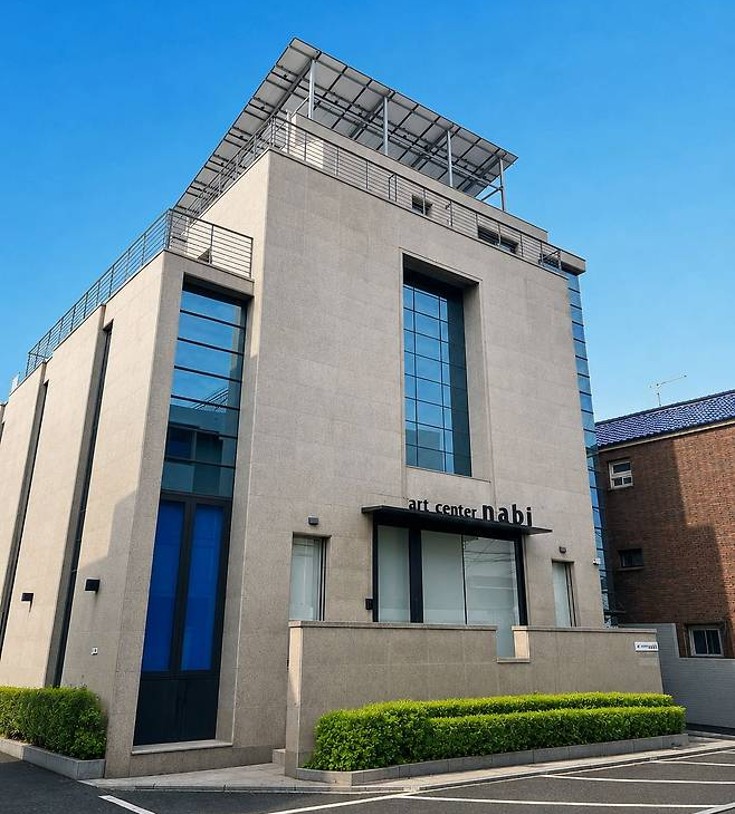
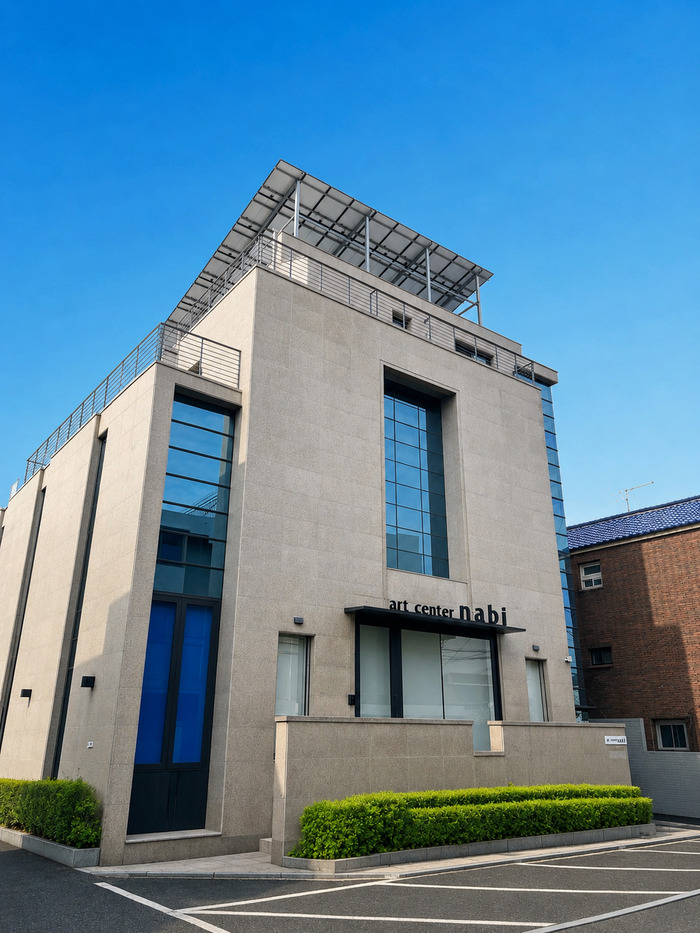
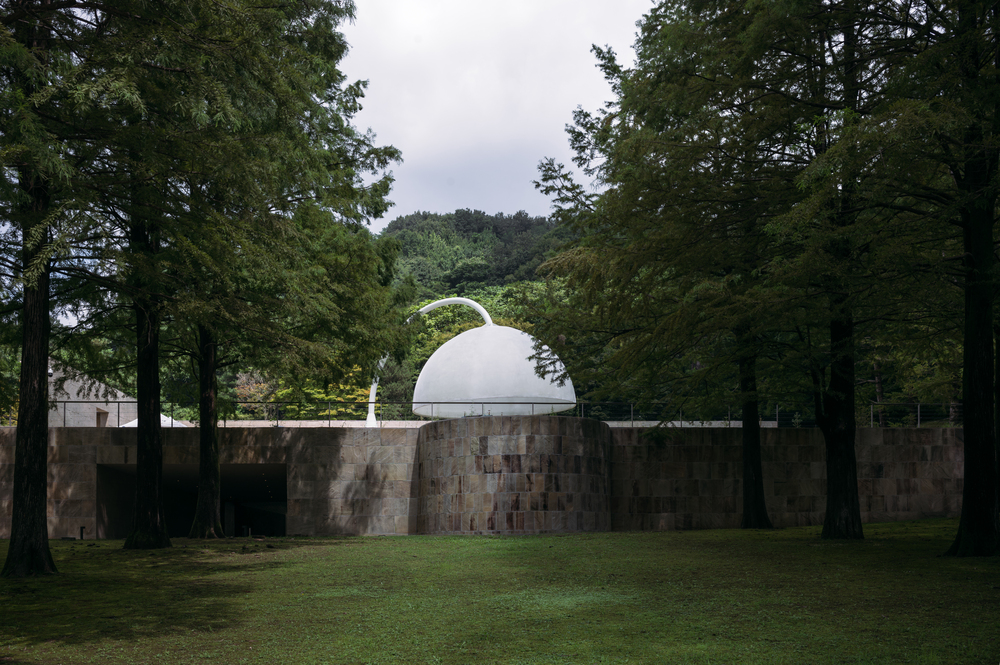
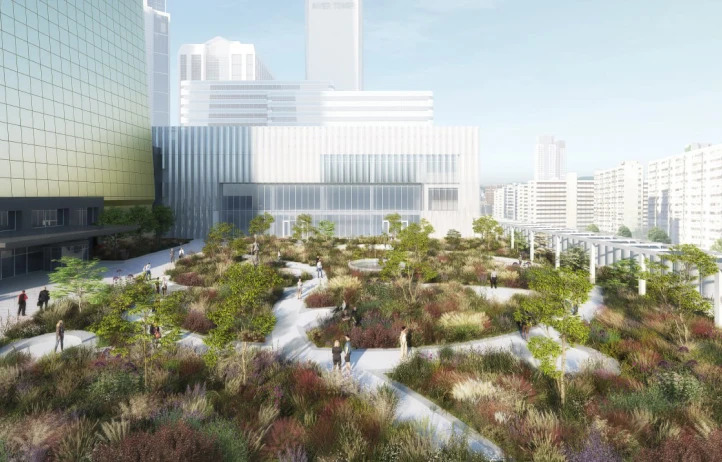
Exterior view of the reopened Art Center Nabi / Photo: Art Center Nabi
Art
Center Nabi
Art Center Nabi
was founded in 2000 in the SK Seorin Building in Seorin-dong, Jongno-gu, Seoul.
Since then, it has continued to organize exhibitions, education programs,
research, and international exchange centered on the intersection of art and
technology. The institution has addressed major agendas in technology-based art
from an early stage, including artificial intelligence, robotics, interactive
media, and network culture.
In particular,
Art Center Nabi has expanded the possibilities of new media within the
contemporary technological environment, functioning as an experimental platform
where artists, engineers, designers, architects, and humanities researchers
come together and exchange ideas.