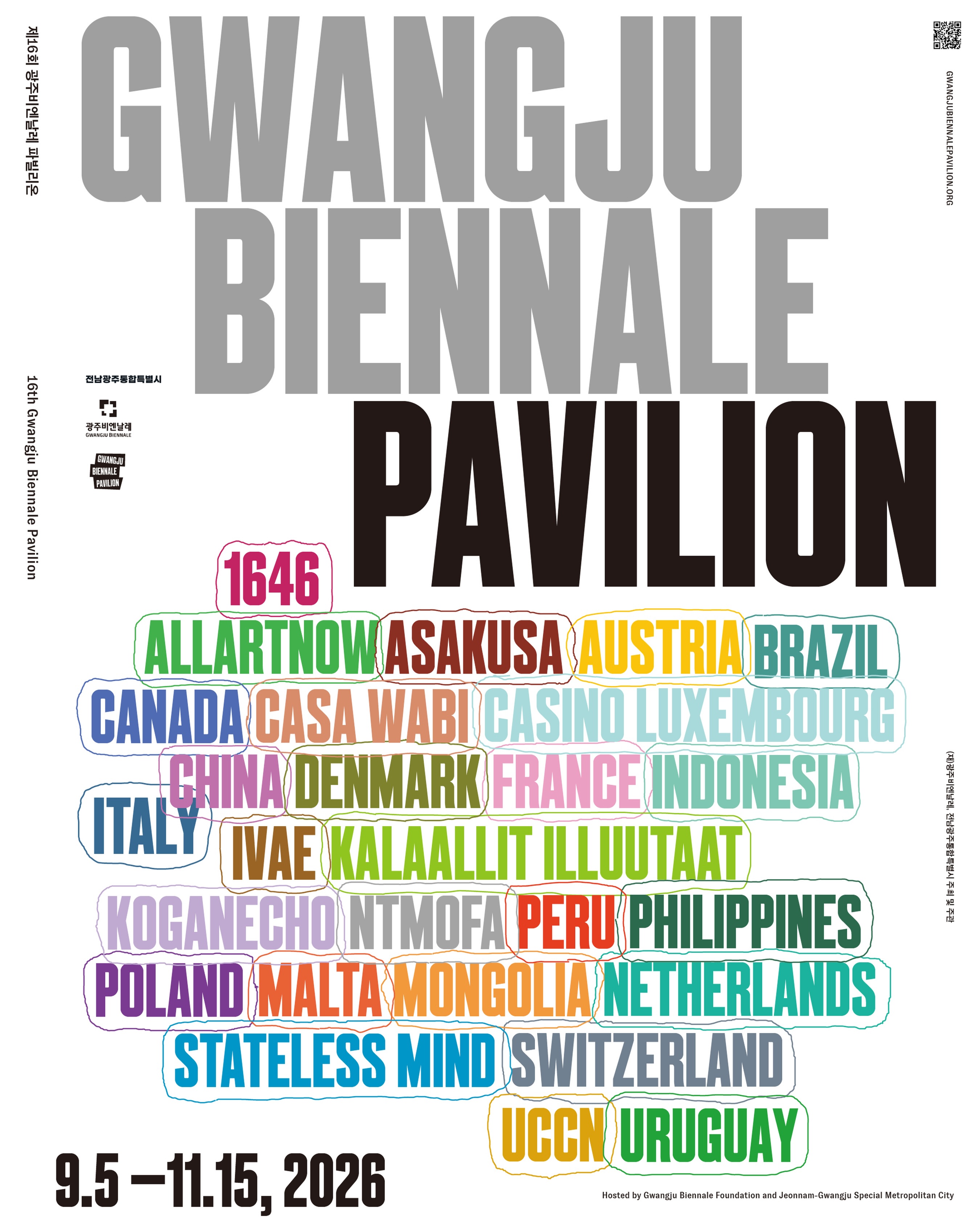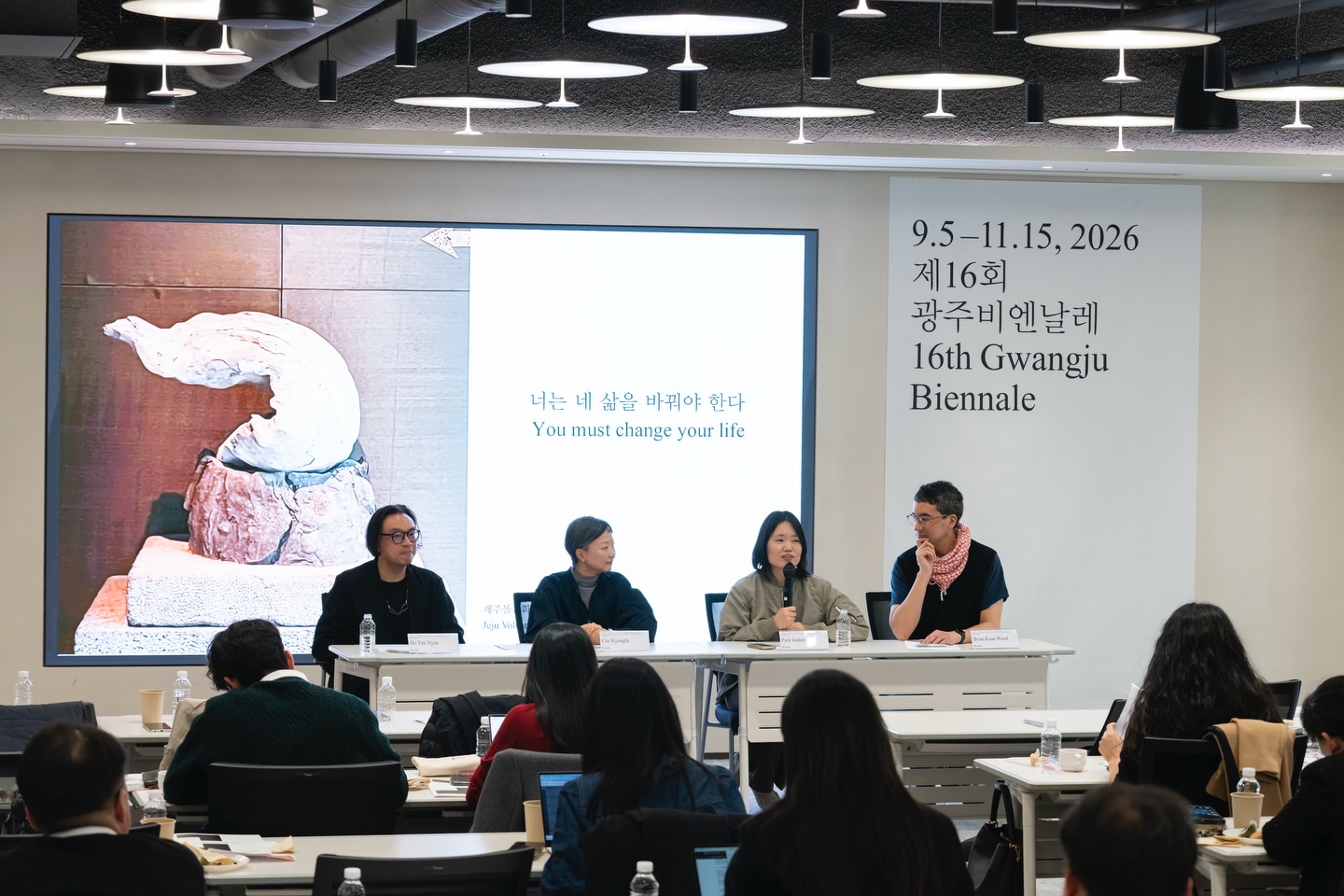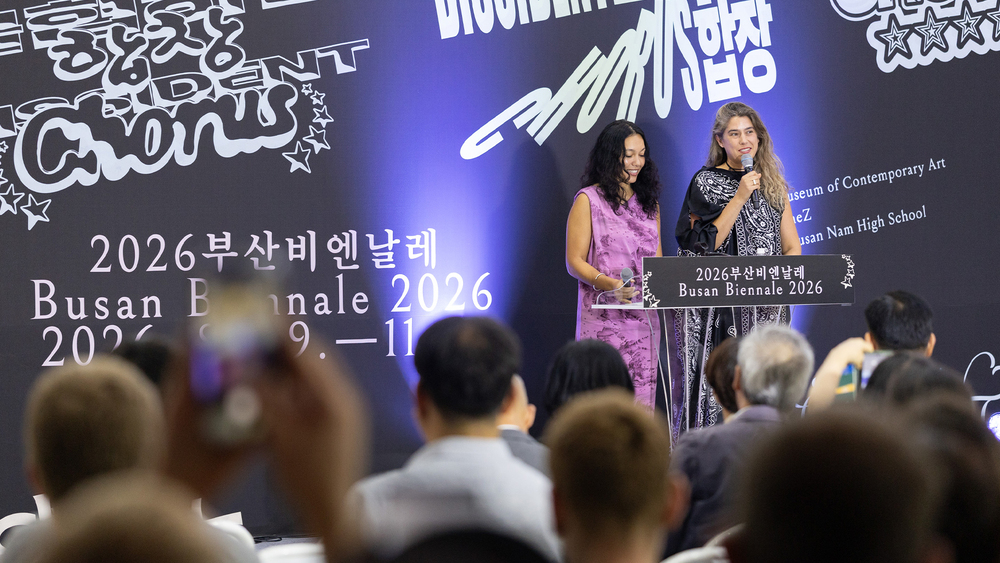

The 16th Gwangju Biennale opened on September 5, 2026. Titled 《You Must Change Your Life》, the biennale presents its main exhibition and pavilion projects through November 15.
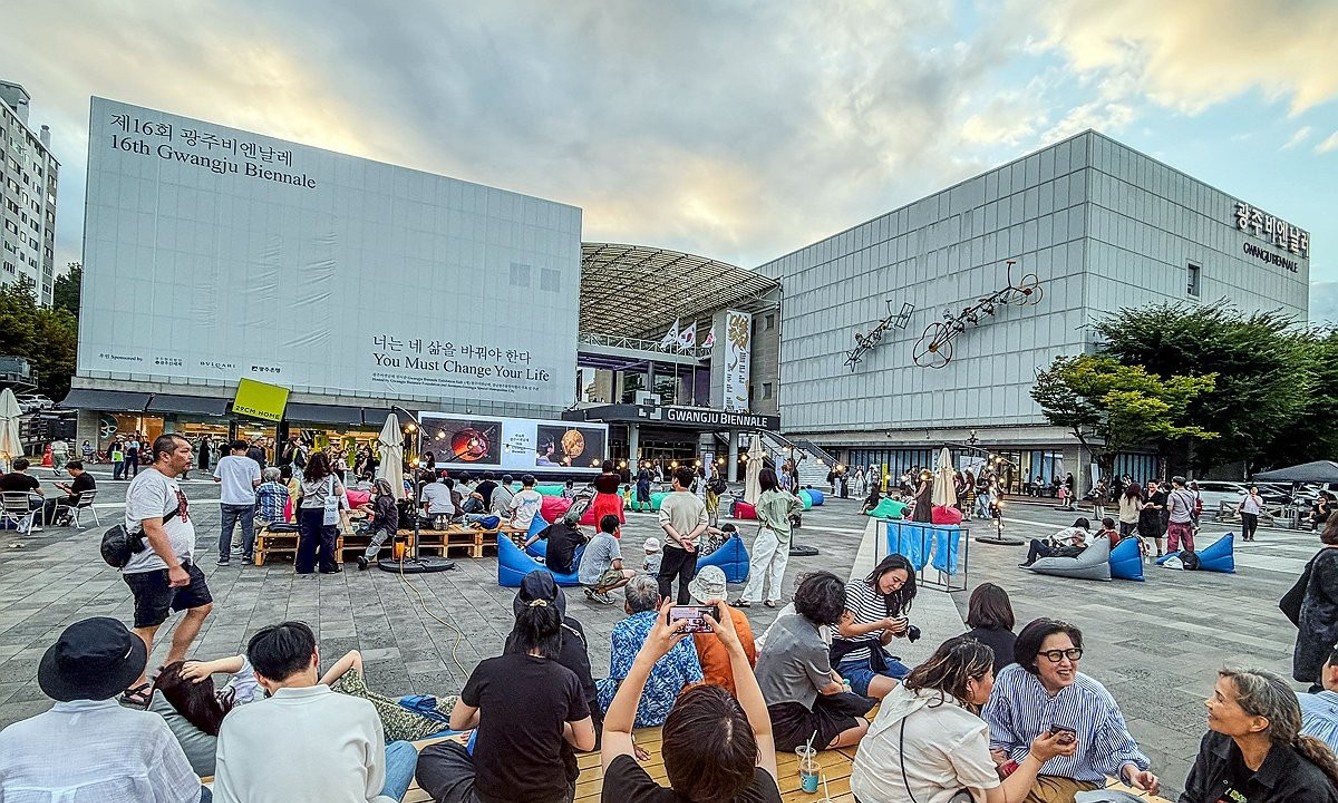
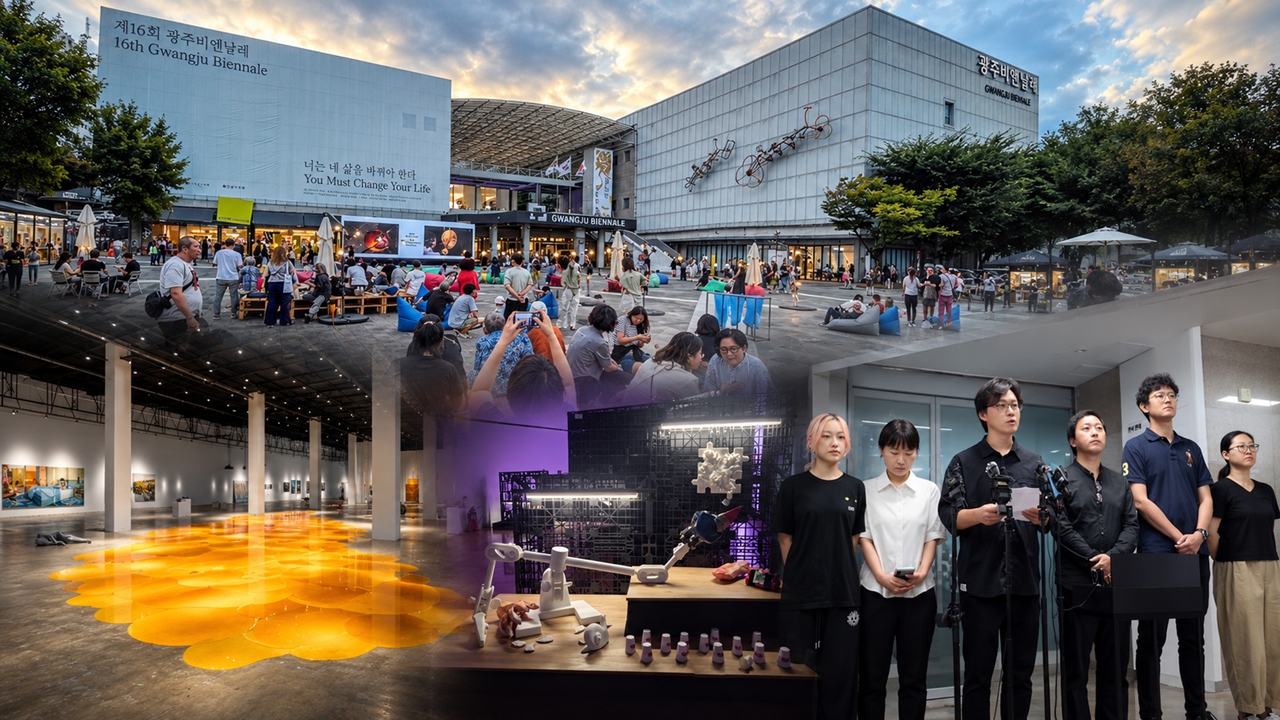
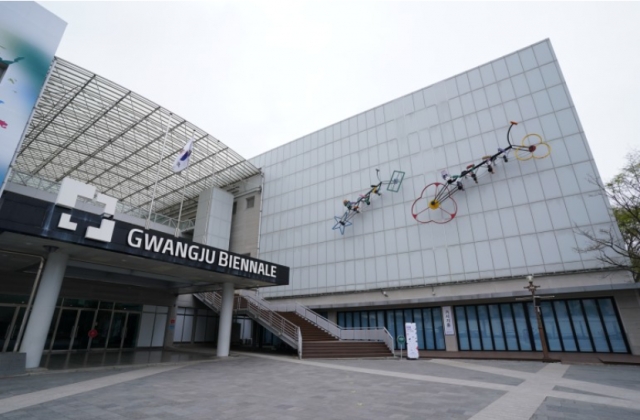
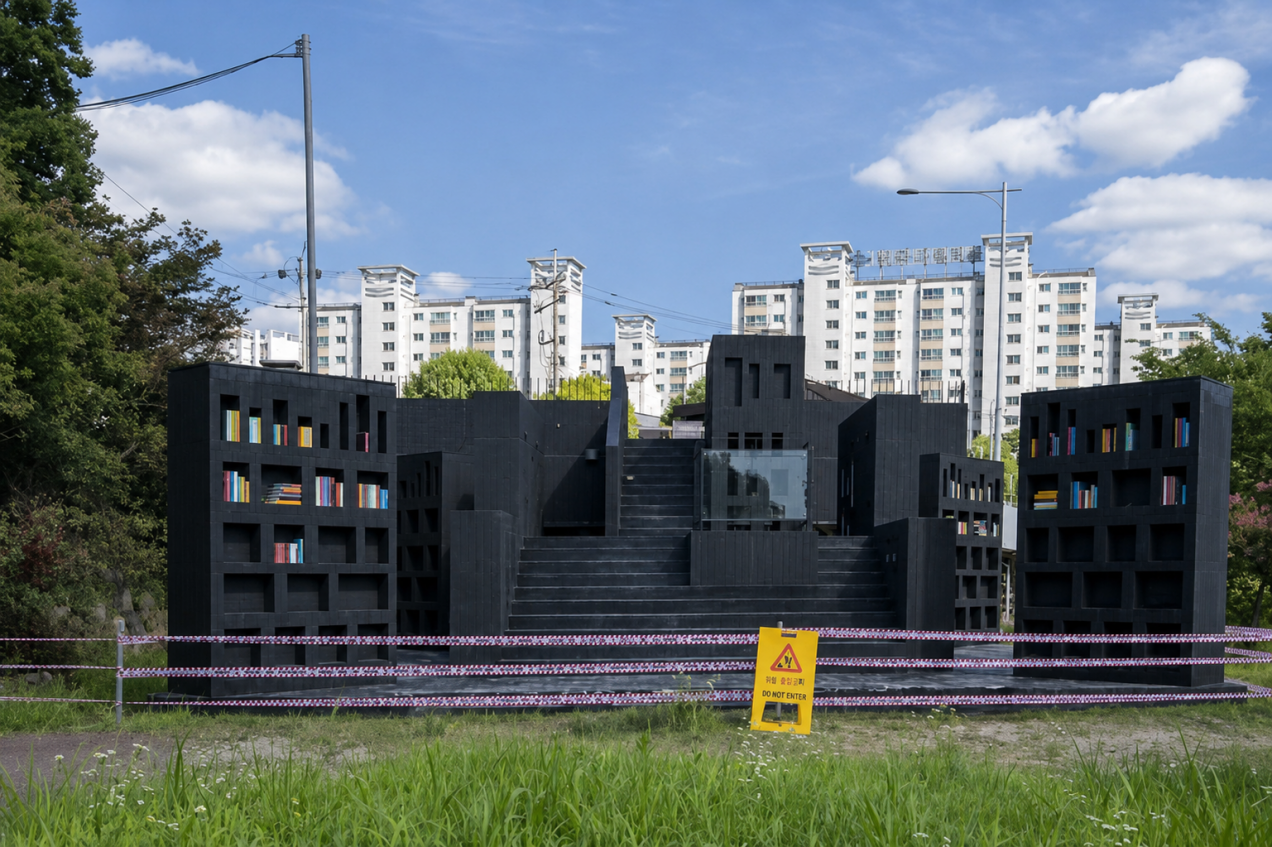
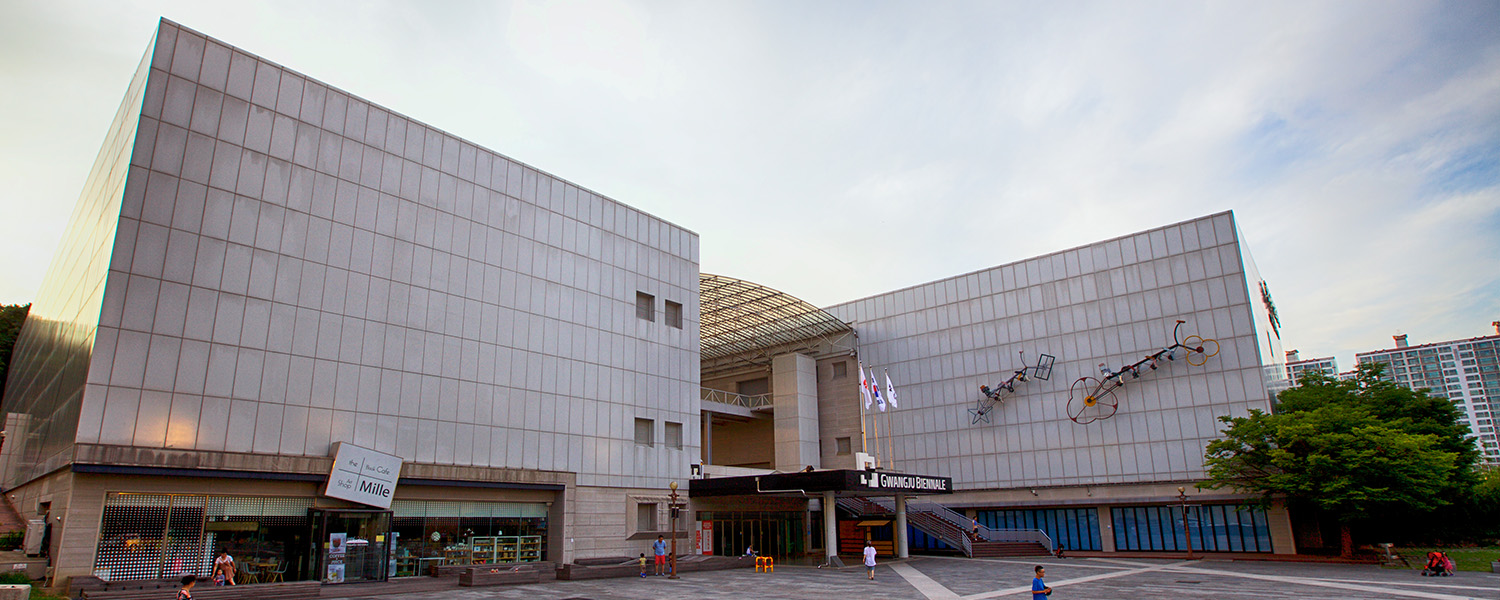
The entrance to the main venue of the 16th Gwangju Biennale. Photo: Jeonnam–Gwangju Special Metropolitan City.
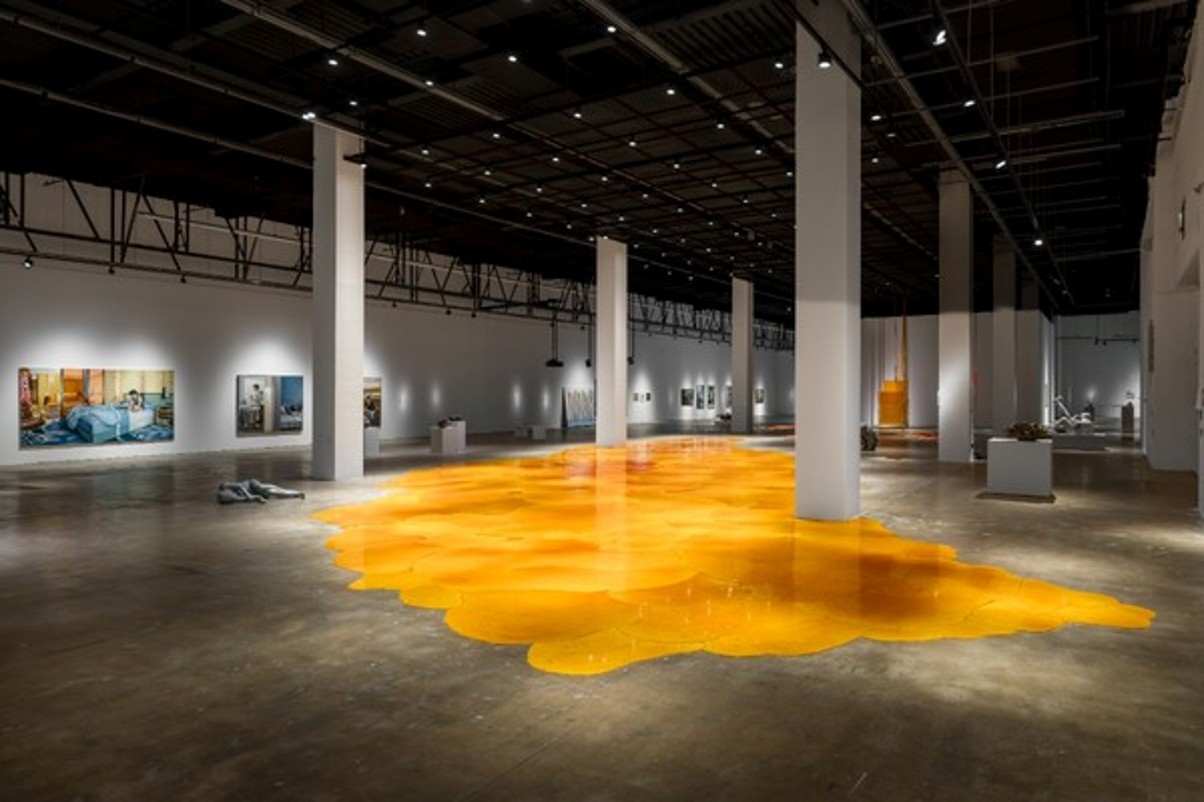
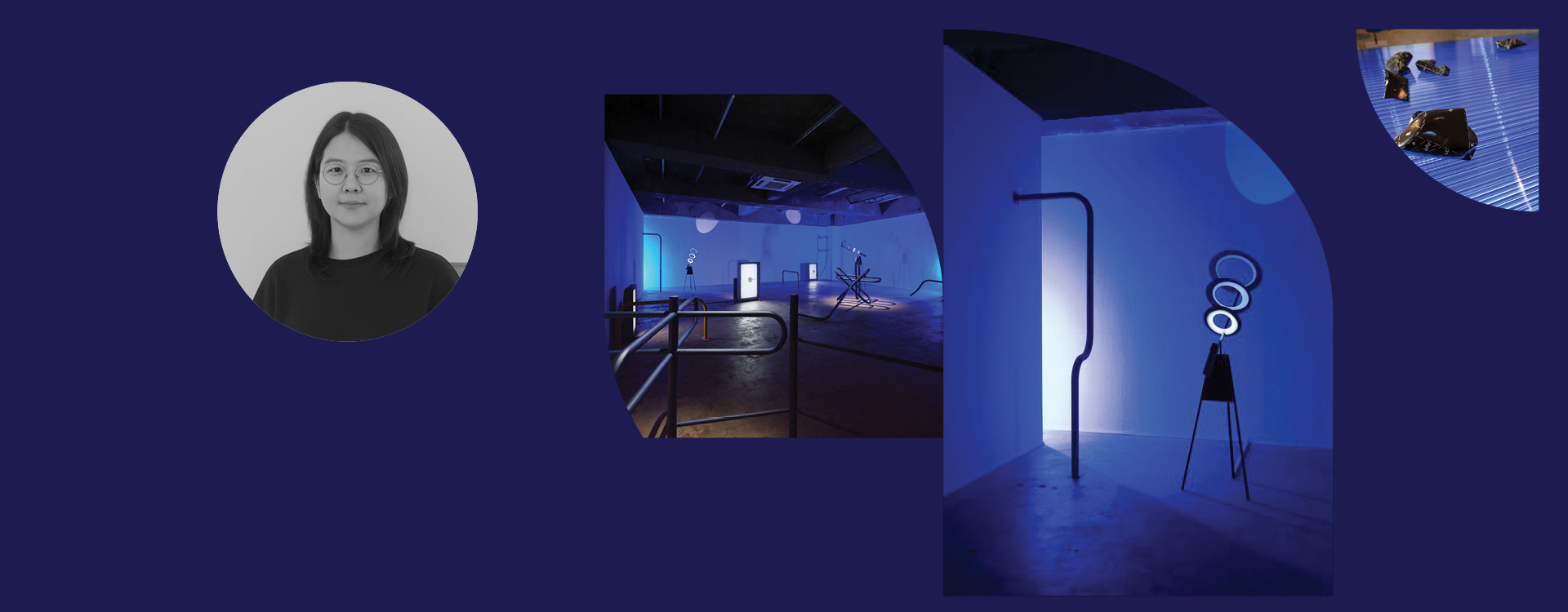
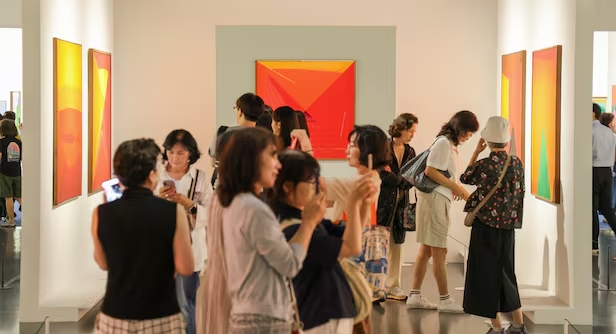
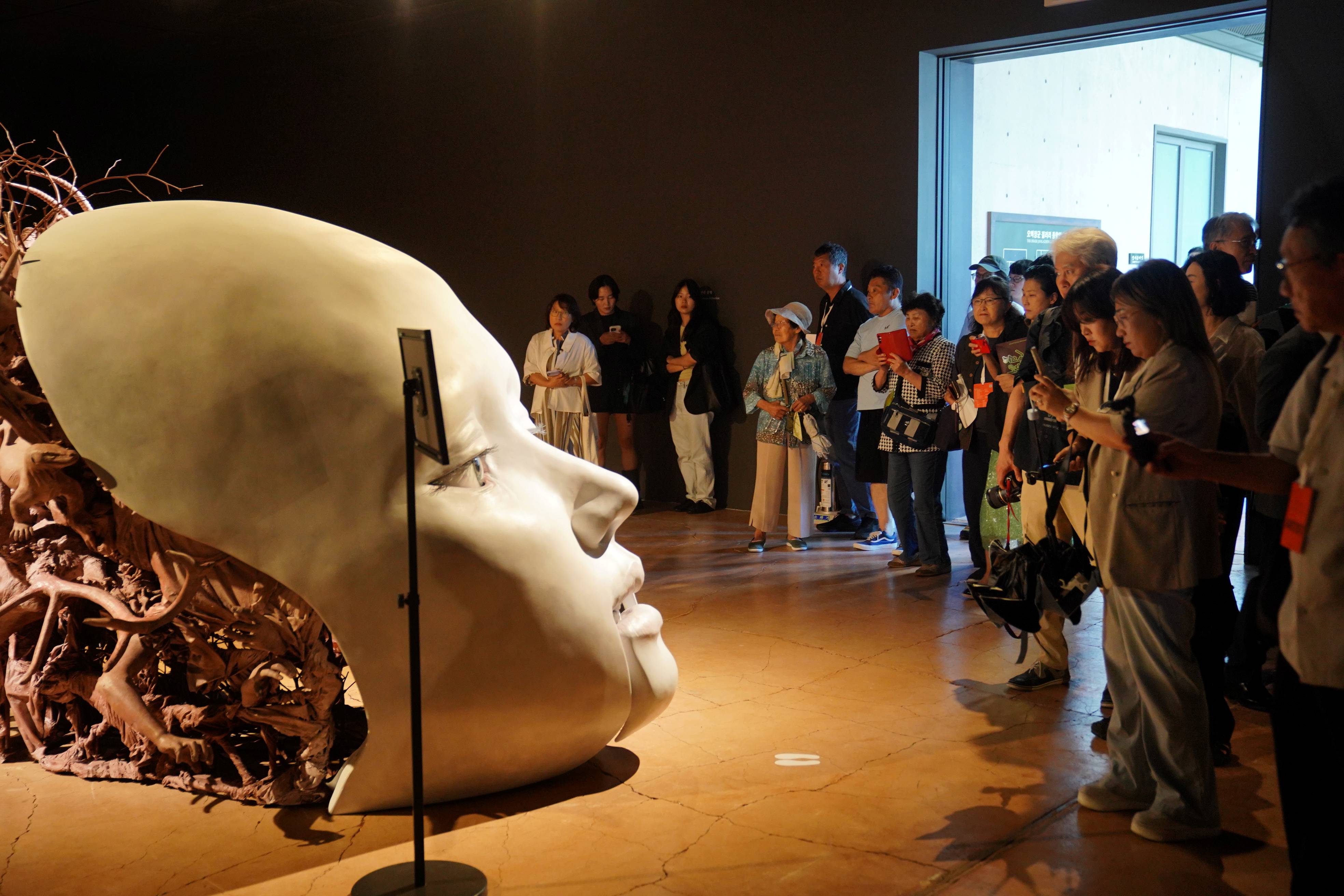
Installation view of Gallery 1 at the 16th Gwangju Biennale. Courtesy of the Gwangju Biennale.
Ahead of the opening, a dispute arose over
the official name of the Taiwanese pavilion. When the Gwangju Biennale
Foundation listed it as the “NTMoFA Pavilion” in its
official promotional materials, Taiwan’s Ministry of Culture and the
participating artists objected. After the foundation subsequently approved the
name “Taiwan Pavilion,” the China Pavilion exhibition
team announced its withdrawal.
The 16th Gwangju Biennale opened as
scheduled, and the Taiwan Pavilion began welcoming visitors under the name “Taiwan
Pavilion” on September 5. The China Pavilion exhibition team had formally
announced its withdrawal two days earlier, on September 3. (Focus
Taiwan)
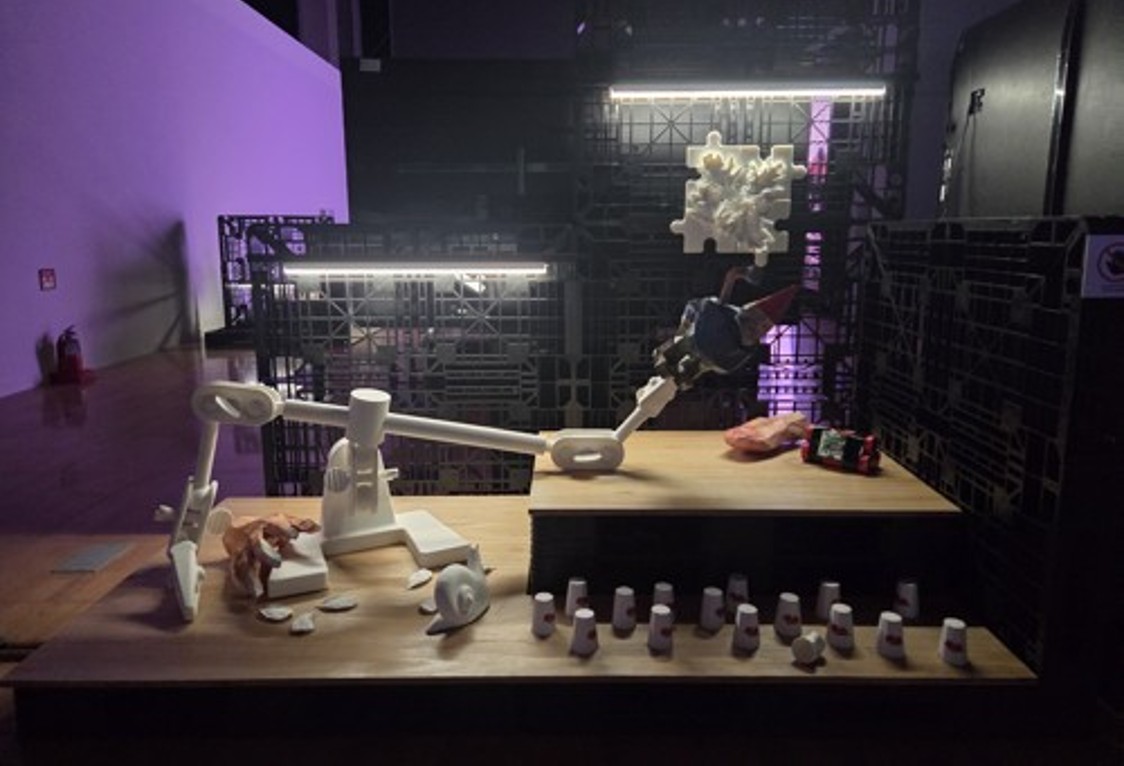
Installation view of the Taiwan Pavilion at the Gwangju Biennale. Photo: Yonhapnews
The Renaming and Restoration of
the Taiwan Pavilion
Taiwan’s Ministry of Culture and the
participating artists stated that the name “Taiwan Pavilion,” which had been
used throughout preparations for the exhibition, was changed to “NTMoFA
Pavilion”—an abbreviation of the National Taiwan Museum of Fine Arts—in the
Gwangju Biennale’s official promotional materials.
The Gwangju Biennale Foundation explained
that it had signed an agreement with the National Taiwan Museum of Fine Arts in
January 2026 in the institution’s official capacity. According to the
foundation, the institutional name was used under its operating system, which
distinguishes national pavilions from institutional pavilions. The contracting
party was the National Taiwan Museum of Fine Arts, rather than Taiwan as a
country or region.
Taiwan’s Ministry of Culture and the
participating artists stated that “Taiwan Pavilion” had been used in the
proposal and throughout the exhibition preparations, and that the change in the
official promotional materials had been made without sufficient consultation.
The International Association of Art Critics and several artists participating
in the Gwangju Biennale also issued statements calling for the original name to
be restored. (AICA
International)
Following further discussions with Taiwan’s
Ministry of Culture and the National Taiwan Museum of Fine Arts, the Gwangju
Biennale Foundation approved the name “Taiwan Pavilion” on August 26. The
National Taiwan Museum of Fine Arts submitted an official document stating that
it was participating in the pavilion project as Taiwan’s representative, and
the foundation authorized the name on that basis. (ArtReview)
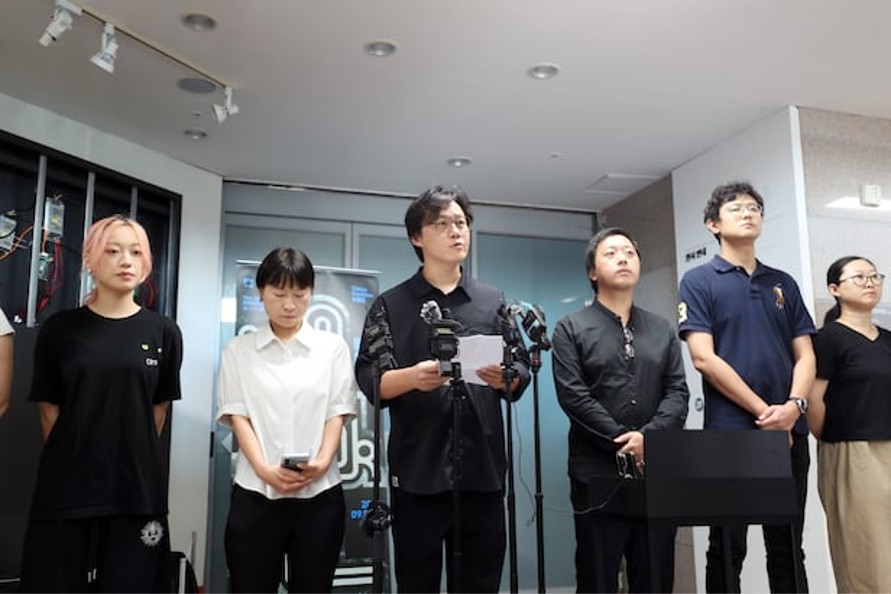
Chinese curator Ruan Yuelai announces the China Pavilion’s withdrawal from the Gwangju Biennale at the Ha Jungwoong Museum of Art in Gwangju on the morning of September 3. / Photo: News1.
The China Pavilion’s Suspension
of Installation and Withdrawal
After the Gwangju Biennale Foundation
approved the name “Taiwan Pavilion,” Chinese representatives formally objected
to the decision.
Dai Bing, China’s ambassador to South
Korea, expressed concern and regret over the approval during a meeting with the
mayor of Gwangju. On August 28, the China Pavilion exhibition team halted the
installation of its works at the Ha Jungwoong Museum of Art. It then held a
press conference on September 3 to announce its withdrawal from the exhibition.
The China Pavilion team stated that the
name “Taiwan Pavilion” was inconsistent with the One China principle. On the
same day, China’s Ministry of Foreign Affairs referred to the joint communiqué
establishing diplomatic relations between China and South Korea, opposed the
use of the name, and requested corrective action from the South Korean side. (Yonhap
News Agency)
South Korea’s Ministry of Foreign Affairs
explained that the pavilion’s name had been determined by the Gwangju Biennale
Foundation, a nongovernmental organization, and was separate from the South
Korean government’s diplomatic position. The ministry added that South Korea’s
existing position on its relationship with China and the One China policy
remained unchanged. (Associated
Press)
The Taiwan Pavilion consequently opened
under the name “Taiwan Pavilion,” while the China Pavilion withdrew from the
exhibition. The main exhibition and the remaining pavilions are operating
according to schedule.
National and Institutional
Pavilions
The Gwangju Biennale Pavilion differs
structurally from the national pavilion system of the Venice Biennale.
Launched in 2018, the Gwangju Biennale
Pavilion includes participating countries as well as cities, museums, cultural
institutions, and arts organizations. Its 2026 open call identified eligible
applicants as “Countries and Institutions.” The event
was initially scheduled to include 16 national pavilions and 11 institutional
pavilions. (Gwangju
Biennale)
Within such a hybrid structure, the legal
entity signing an agreement may differ from the public name used for an
exhibition. In some cases, a ministry of culture or a national museum organizes
an exhibition under the name of a country or region. In others, the organizing
institution’s name is used as the pavilion title.
There is no single naming convention
governing pavilions across all international art events. Each organizer
determines official names according to its own participation rules, the laws of
the host country, and agreements with participating organizations. Any
subsequent change is also governed by the organizer’s regulations and the
consultation procedures agreed upon by the participating parties.
At the 2026 Gwangju Biennale, different
criteria were applied to the classification of national and institutional
pavilions, the identity of the contracting party, and the pavilion’s public
name, resulting in disagreement over the official designation.
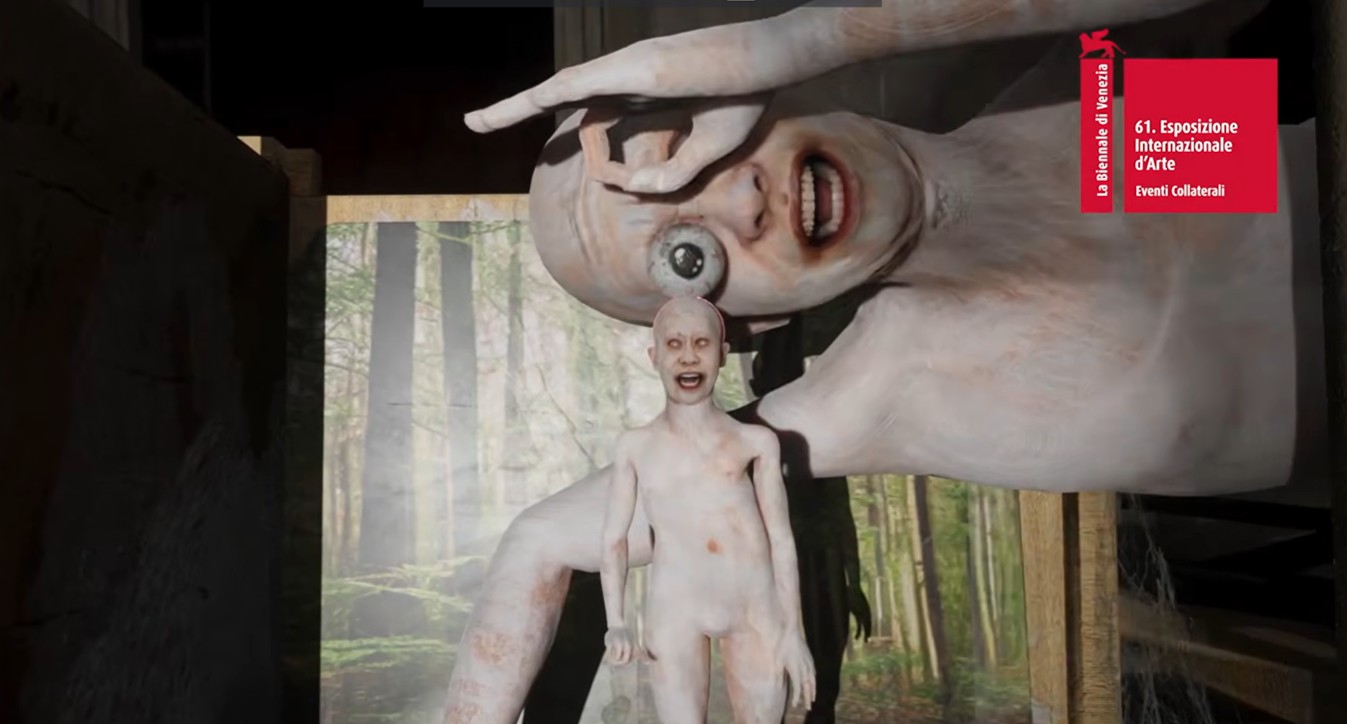
Li Yi-Fan, Screen Melancholy, 2026. Presented at Taiwan’s collateral event at the 61st Venice Biennale. Courtesy of the artist and Taipei Fine Arts Museum. © Li Yi-Fan.
The Taiwan Pavilion at the
Venice Biennale
The Venice Biennale demonstrates that a
pavilion’s public name and its official status do not necessarily coincide.
Taiwan first participated in the Venice
Biennale in 1995, with the exhibition organized by the Taipei Fine Arts Museum.
The Taiwan Pavilion operated as a national pavilion in 1995, 1997, and 1999. It
was subsequently reclassified as a collateral event rather than an official
national pavilion of the Venice Biennale. (Taipei
Fine Arts Museum)
Even after this change in status, the
Taipei Fine Arts Museum continued to use the name “Taiwan Pavilion”
for its exhibitions in Venice. Its 2024 and 2026 presentations were also
organized as collateral events by the museum and publicly presented under the
names “Taiwan Pavilion” or “Taiwan in Venice.” (Taipei
Fine Arts Museum)
The Venice Biennale makes an institutional
distinction between official national pavilions and collateral events. National
pavilions operate through official invitation procedures involving the Venice
Biennale and diplomatic recognition by the Italian government, while collateral
events are separately selected by the foundation and presented during the
biennale period.
The use of the name “Taiwan Pavilion”
therefore does not, by itself, determine whether the exhibition is an official
national pavilion of the Venice Biennale or a collateral event organized by the
Taipei Fine Arts Museum. Its institutional status is established through a
separate classification process.
Participation and Withdrawal at
International Art Events
International biennales have repeatedly
faced cases in which national pavilions or participating artists have withdrawn
because of war or diplomatic conflict.
At the 2022 Venice Biennale, the artists
and curator of the Russian Pavilion withdrew following Russia’s invasion of
Ukraine. Russia also did not organize its own exhibition in 2024, instead
making its national pavilion building available to Bolivia.
At the 2024 Venice Biennale, the artist and
curators representing Israel announced that they would not open their
exhibition until a ceasefire in Gaza and the release of hostages had been
achieved. The Venice Biennale did not cancel Israel’s participation; the artist
and curators decided independently not to open the exhibition. (Reuters)
The Russian Pavilion returned to the Venice
Biennale in 2026. The Ukrainian government and several European countries
opposed Russia’s participation, while the European Union withdrew approximately
€2 million in funding from the Venice Biennale.
The Venice Biennale issued an official
statement opposing the exclusion and censorship of culture and art and
maintained Russia’s participation. Italy’s Ministry of Culture explained that
the Russian Pavilion’s inclusion was an independent decision made by the Venice
Biennale Foundation rather than the Italian government. (Associated
Press)
These cases distinguish decisions made by
an event organizer from those made by individual participants. The cancellation
of a participant’s eligibility by an organizer, voluntary withdrawal by a
participant, a decision to retain an exhibition space without opening it, and
the withdrawal of support by a government or funding body are separate actions
carried out through different procedures.
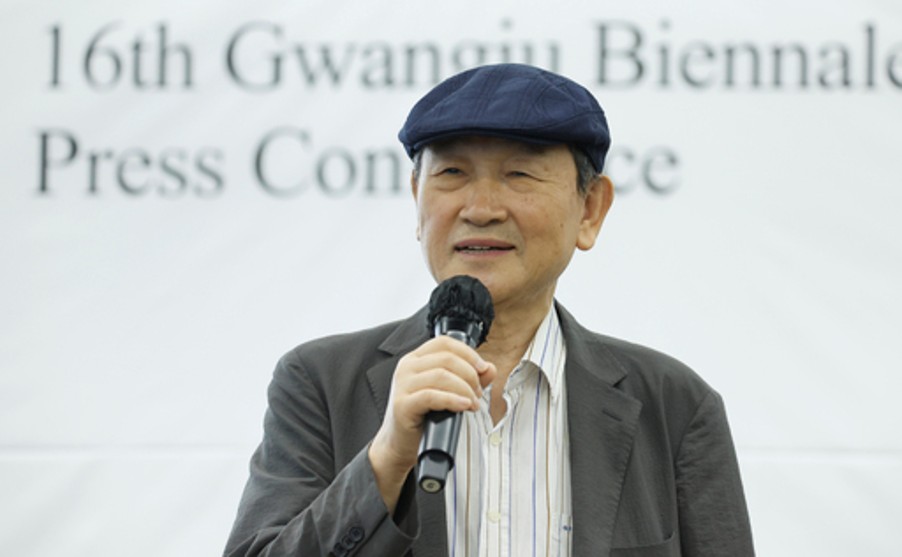
Yoon Bum-mo, president of the Gwangju Biennale Foundation, speaks at a press conference held at the Gwangju Biennale in Yongbong-dong, Gwangju, on the morning of September 4, ahead of the opening of the 16th Gwangju Biennale. / Photo: News1.
The Gwangju Biennale’s
Institutional Responsibility and Next Steps
At a press conference on September 4, ahead
of the biennale’s opening, Yoon Bum-mo, president of the Gwangju Biennale
Foundation, expressed regret over the controversy surrounding the Taiwan
Pavilion’s name and the withdrawal of the China Pavilion. He also announced
that the foundation would review its current pavilion system, which
distinguishes between national and institutional pavilions. (Yonhap
News Agency)
The Gwangju Biennale Foundation’s
operational shortcomings also contributed directly to the dispute. Although its
pavilion program accommodates both countries and institutions, the foundation
had not established clear rules for cases in which the contracting party and
the pavilion’s public name differ. The name used during preparations also
differed from the one published in official promotional materials, indicating
that the procedure for confirming the final designation with the participating
institution had not functioned adequately.
The foundation’s response after the dispute
emerged was largely reactive. It initially explained that the name “NTMoFA
Pavilion” had been used because the agreement was signed with the museum in its
institutional capacity. Following objections from the Taiwanese side and
members of the art community, however, it approved the name “Taiwan Pavilion”
on August 26.
This was followed by formal objections from the Chinese side, a
halt to the installation of works, and the eventual withdrawal of the China
Pavilion. The fact that neither the pavilion’s name nor the principles for
handling the dispute had been settled until shortly before the opening revealed
the absence of an adequate system for managing politically sensitive issues.
The controversy concerns the
relationship between art and politics, but it is also a matter of institutional
administration and risk management. The Gwangju Biennale must now identify what
was missing from its decision-making and consultation procedures and revise its
policies to prevent a similar dispute from recurring.
Jay Jongho Kim graduated from the Department of Art Theory at Hongik University and earned his master's degree in Art Planning from the same university. From 1996 to 2006, he worked as a curator at Gallery Seomi, planning director at CAIS Gallery, head of the curatorial research team at Art Center Nabi, director at Gallery Hyundai, and curator at Gana New York.
From 2008 to 2017, he served as the executive director of Doosan Gallery Seoul & New York and Doosan Residency New York, introducing Korean contemporary artists to the local scene in New York. After returning to Korea in 2017, he worked as an art consultant, conducting art education, collection consulting, and various art projects.
In 2021, he founded A Project Company and is currently running the platforms K-ARTNOW.COM and K-ARTIST.COM, which aim to promote Korean contemporary art on the global stage.