
One of the most significant stories in the
global art world recently has been Pace Gallery’s large-scale staff reductions
and restructuring of its artist roster. Across the international art community,
the news was widely interpreted as a sign of crisis within the mega-gallery
model.
Before the implications of that development
had fully settled, another major announcement emerged: the merger of Artnet and
Artsy.
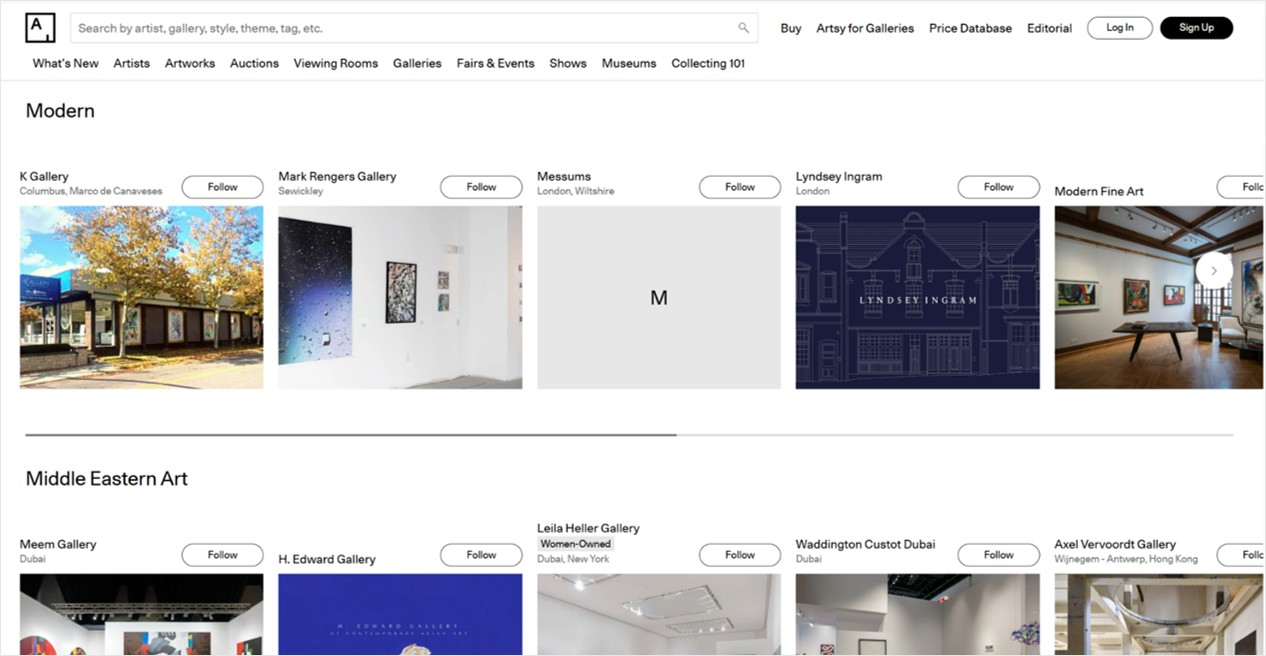
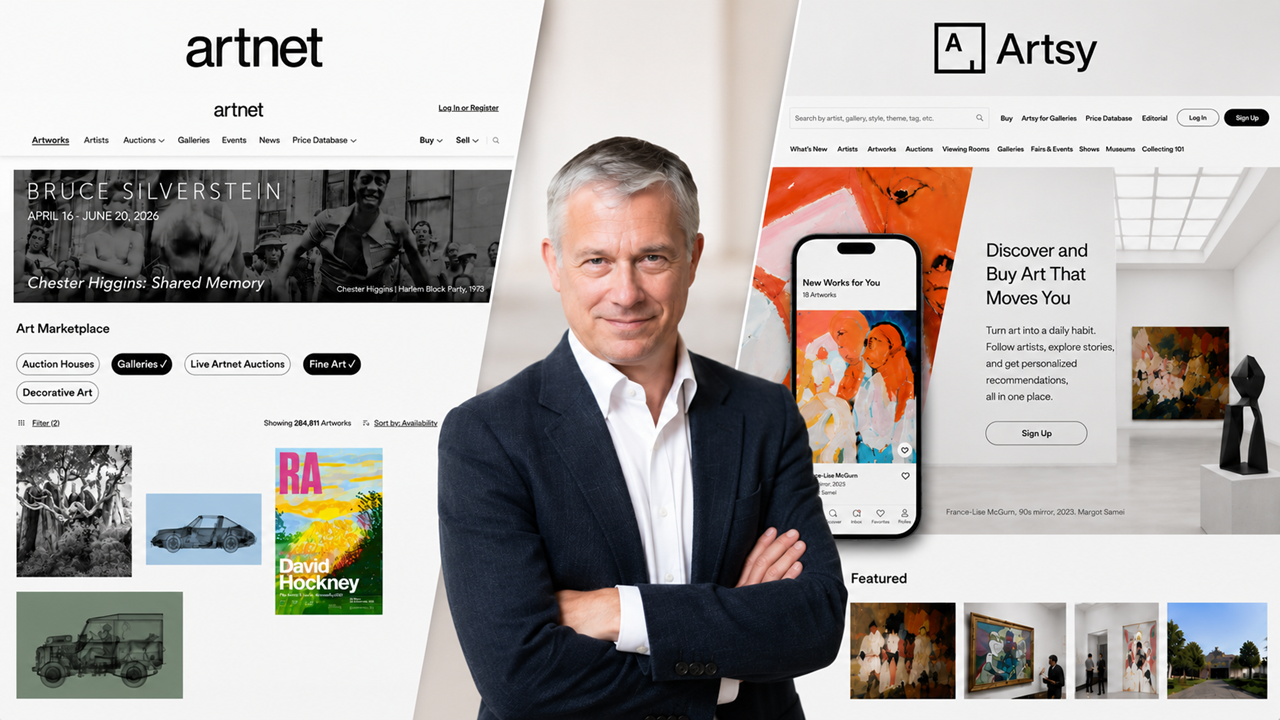
Artsy.net / Photo: Homepage screen capture
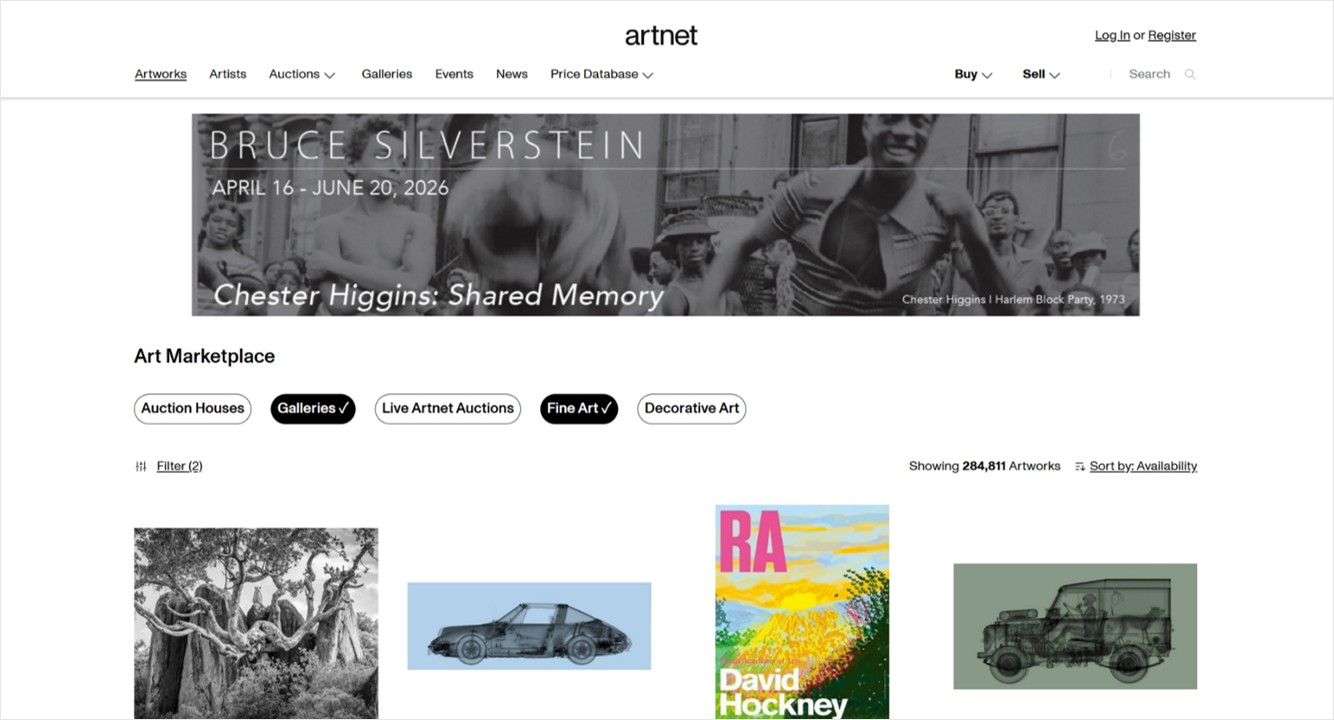
Artnet.com / Photo: Homepage screen capture
Artnet is one of the world’s leading
platforms for auction data and secondary-market information. Artsy operates a
global online platform connecting collectors, galleries, and artists through
artwork discovery and sales. Together, the two companies appear poised to
create a massive art platform where users can discover artists, search
artworks, access pricing information, and conduct transactions within a single
ecosystem.
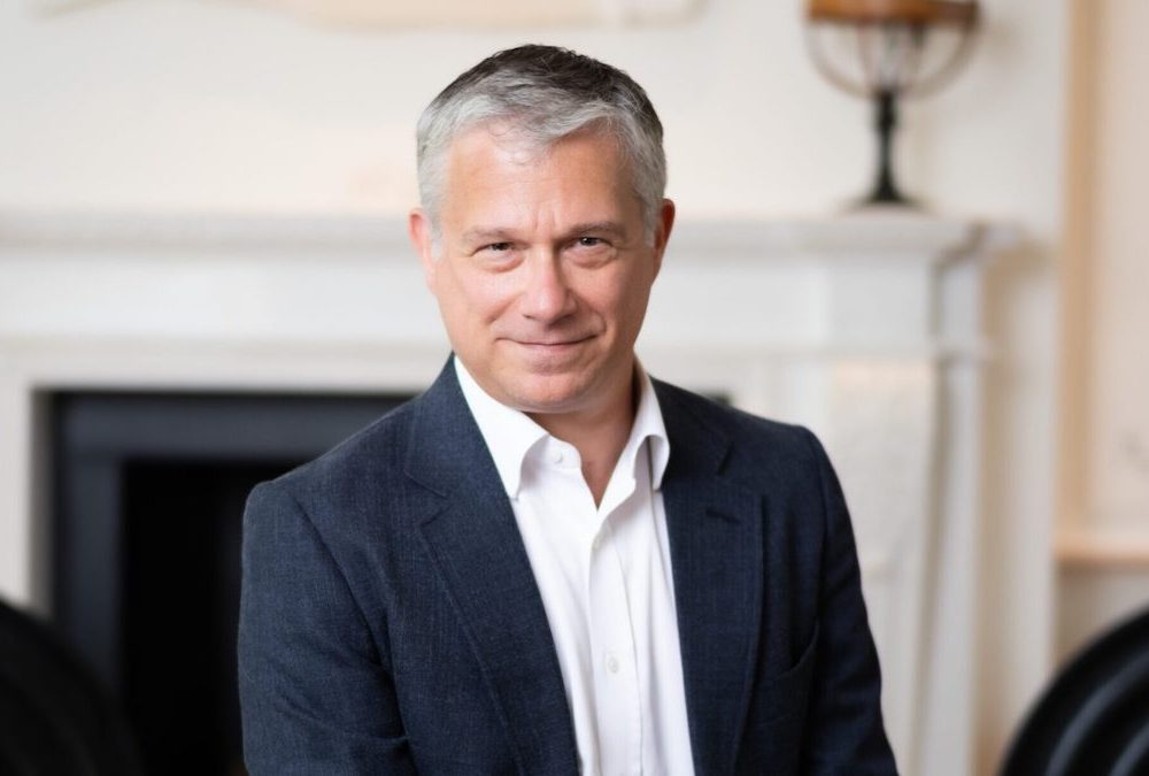
Andrew Wolff. / Photo: Beowolff
Their new owner, Andrew Wolff, has
articulated an ambitious vision: combining Artnet’s extensive auction database
with Artsy’s gallery network to build what he calls a “Bloomberg for Art.”
At first glance, the idea sounds
compelling. Data, market intelligence, gallery networks, online transactions,
and analytics would be integrated into a single platform. It appears to be a
thoroughly contemporary business model.
Yet the central question is not whether the
project can be executed. The real question is whether it can succeed.
The Collision Between Platform
Capitalism and Fine Art
The fundamental problem with the Artnet–Artsy
merger is that it applies the logic of digital platform capitalism directly to
the art market.
Amazon grew because products can be
manufactured and sold endlessly. Netflix expanded because content can be
reproduced infinitely. Google became a global platform because both users and
searchable information can continue growing without practical limits.
The foundation of platform capitalism is
scalability. As users increase, value increases. As transactions multiply,
revenue grows. As data accumulates, market dominance strengthens.
Fine art, however, operates according to
entirely different principles.
Fine Art Cannot Be Infinitely
Produced
Great artworks are not produced endlessly.
Great artists do not emerge endlessly. The most important works of any artist
are always limited, and it is precisely this scarcity that generates value.
If artworks could be produced infinitely,
they would cease to function as fine art in the traditional sense. Fine art is
fundamentally incompatible with the logic of mass production, cost reduction,
infinite replication, and scalable growth.
The art market is not a market of
reproduction. It is a market of scarcity.
More users on a platform do not create more
masterpieces. More data does not produce more important artworks. More
transaction tools do not transform the art market into Amazon.
This is where the core contradiction of the
Artnet–Artsy project emerges. They seek growth through the logic of platforms. Yet
art is not an industry capable of infinite platform-driven growth.
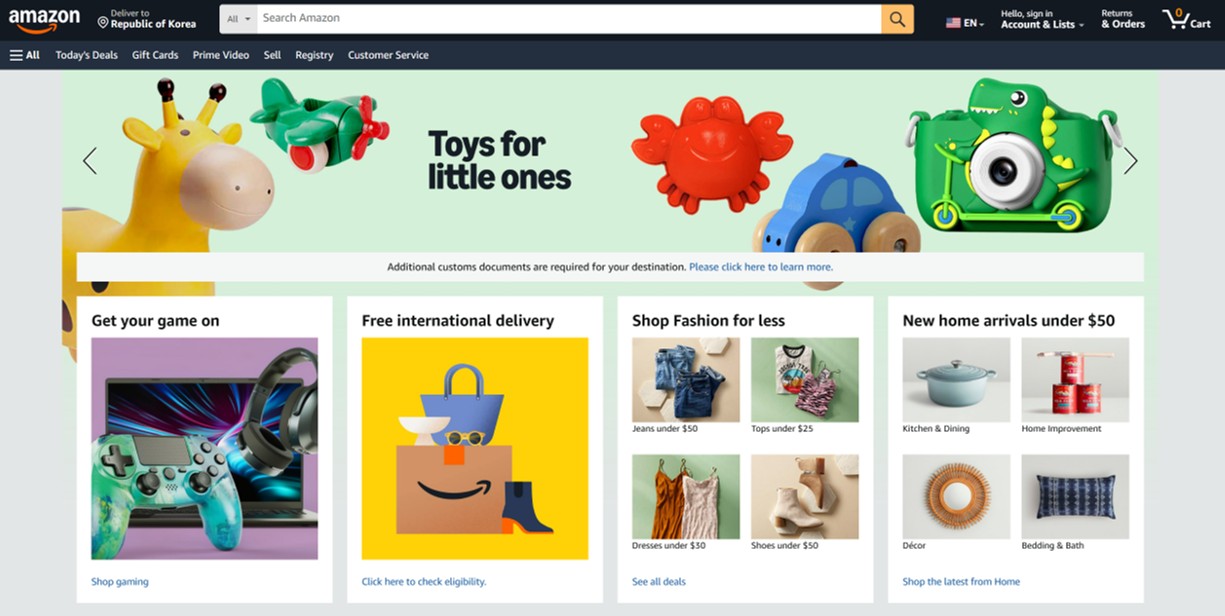
Amazon.com / Photo: Homepage screen capture
Artworks Are Not Consumer
Necessities
Art is not a necessity. Nor is it an
ordinary consumer product.
Buying a book on Amazon and purchasing an
artwork worth hundreds of thousands or millions of dollars are fundamentally
different activities.
Most people never buy art. Even collectors
purchase only a limited number of works. The more significant an artwork
becomes, the higher its price and the lower its accessibility.
Artworks involve transportation, storage,
installation, insurance, customs regulations, and international logistics. More
importantly, they require direct experience.
Art can be represented through images, but
it cannot be fully replaced by images. Important exhibitions must still be
experienced in person, and major works reveal their full significance only
within physical space.
This is one reason why the art market
cannot easily evolve into a large-scale consumer market.
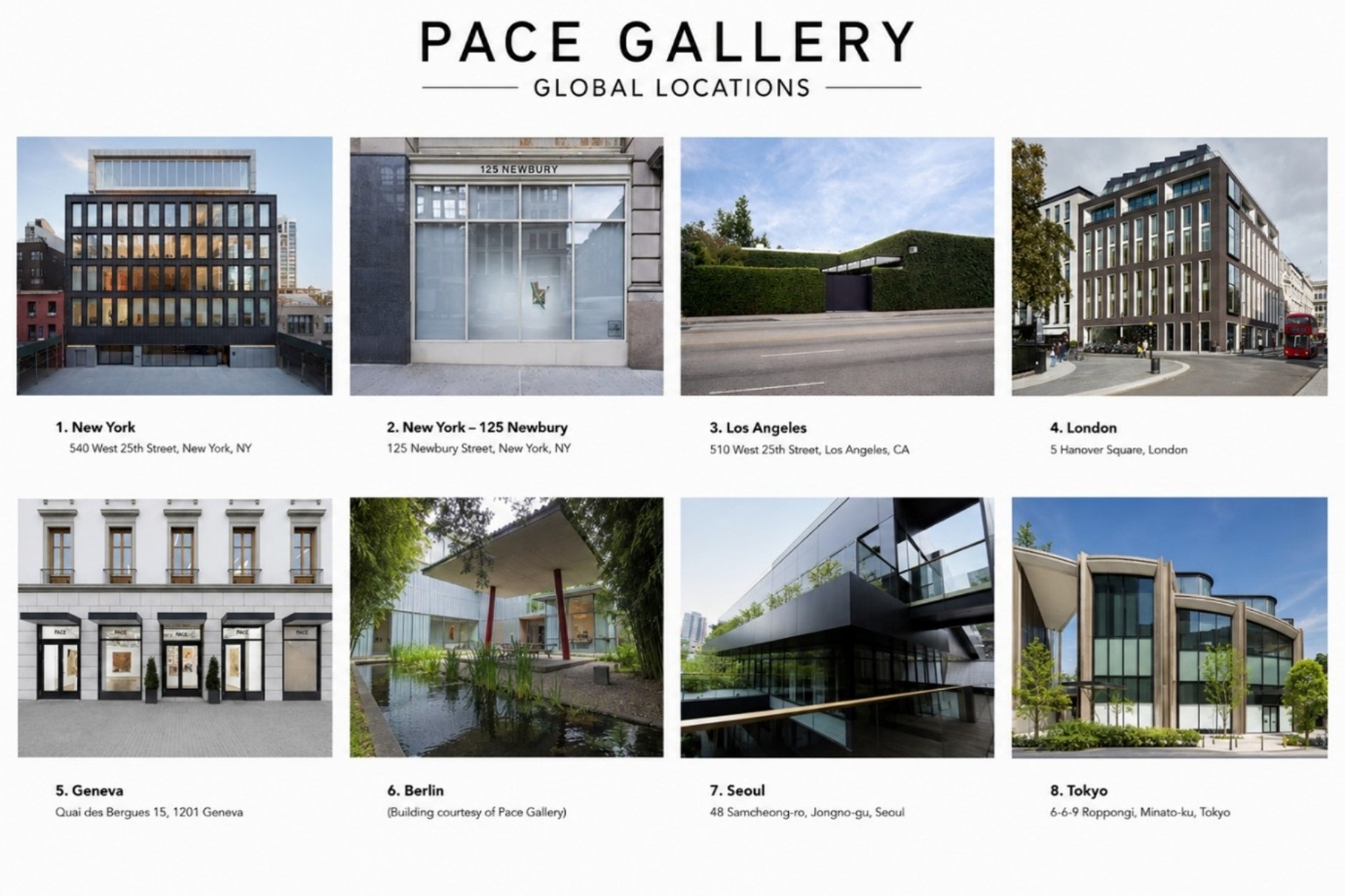
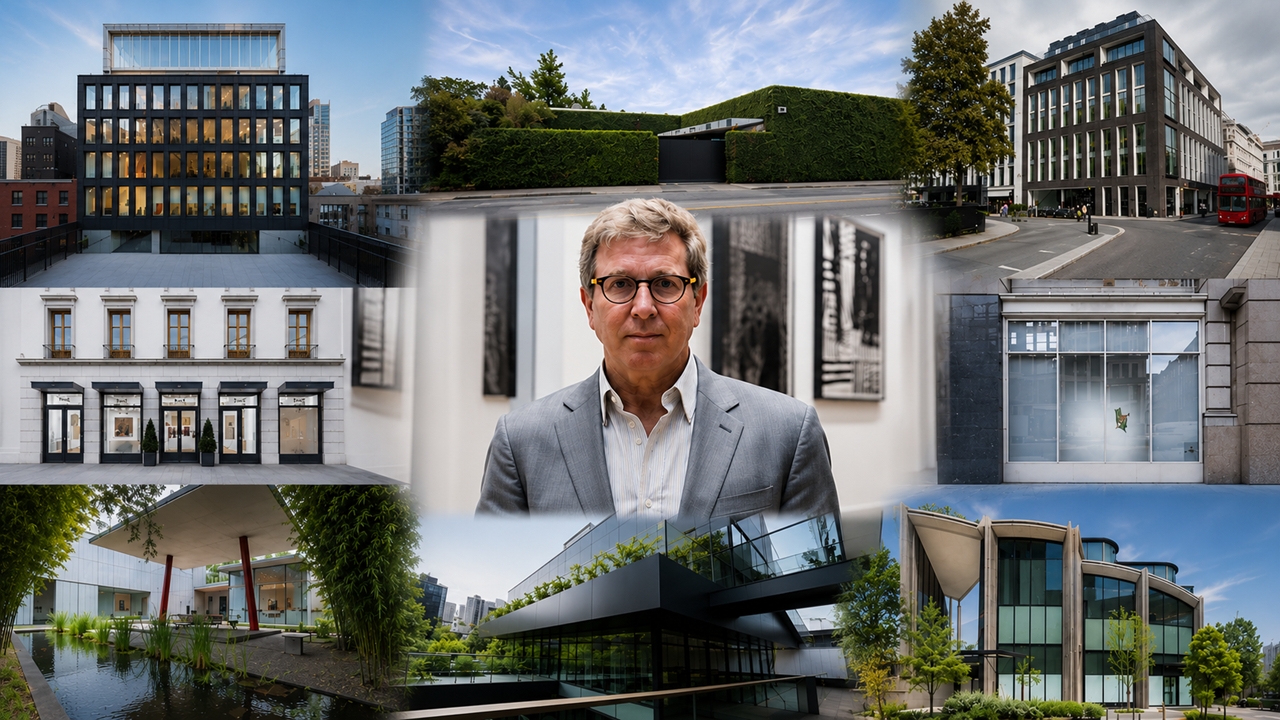
Pace Gallery headquarters and international locations / Photo: Edited from Pace Gallery website
What the Pace Gallery Case
Reveals
The recent changes at Pace Gallery make
this reality even more visible.
Many observers interpret the gallery’s
restructuring as a consequence of market contraction or management
difficulties. Yet from a broader perspective, it may represent something more
fundamental: the limits of applying endless-growth logic to art.
Over the past two decades, mega-galleries
pursued continual expansion. More locations. More artists. More employees. More
art fairs. More transactions.
But art is not an industry built for
limitless growth. The number of truly important artworks remains limited. The
number of exceptional artists remains limited as well. Eventually, the growth
demanded by capital collides with the natural pace of artistic production.
The Pace Gallery story is therefore not
simply a story of market failure. It is a reminder that art cannot be
transformed indefinitely into a conventional growth industry.
The Impossible Project of
Artnet and Artsy
What, then, does the Artnet–Artsy merger
represent?
Rather than signaling the future of digital
platforms, it may ultimately reveal the limits that platform capitalism
encounters when it enters the field of art.
The vision of a “Bloomberg for Art” is
certainly intriguing. But financial markets and art markets operate according
to different principles.
Financial markets are driven primarily by
information and numbers. Art markets are driven by artworks, experience,
interpretation, and meaning. The price of art can be measured through data. The
value of art cannot.
Artnet and Artsy seek to transform art into
a unified system of data, transactions, and information. Yet the essence of art
exists beyond data.
It resides in materiality, scarcity,
experience, historical context, and the endless possibility of interpretation.
Data Matters, But It Cannot
Replace Art
Data is important. Archives are important. Market
transparency is important. The art world undoubtedly needs better information
and more reliable data.
But data remains infrastructure. It is not
art itself.
Good data does not create great artworks.
Large user numbers do not create great artists. Platform scale does not
guarantee artistic value.
The essence of art remains in the work
itself and in the experiences and interpretations it generates.
The Artnet–Artsy merger may create new
opportunities in the short term. Whether it can produce the kind of scale and
profitability achieved by major technology platforms, however, is an entirely
different question.
More likely, it may become a case study
illustrating the structural limits that emerge whenever art encounters the
logic of capital.
What the Korean Art World
Should Learn
This issue carries important implications
for Korea as well.
The goal should not be to imitate platforms
such as Artnet and Artsy. Instead, it is necessary to understand the structural
limitations of the capitalization and platformization currently unfolding in
the Western art world.
The globalization of Korean art will not be
achieved through more art fairs, more biennials, or more exhibitions of
internationally famous artists.
What is needed are accurate archives,
serious criticism, internationally accessible language, reliable documentation,
and sustainable market structures.
Rather than following the path already laid
out by the Western art world, Korean contemporary art should use this moment of
global restructuring to design new systems that are better aligned with the
nature of art itself.
Art Is Not Money, Money Is Not
Art
Art can meet capital. Art can be traded
within markets. Art can reach broader audiences through data and digital
platforms.
But art can never become capital itself. Art
may be a commodity, but it is never merely a commodity. It exists within
markets, yet it can never be fully reduced to market logic.
This is the fundamental nature of fine art.
Art is not money. Money is not art.
"Art is art. Money is money. Art is not money. Money is not art."
Jay Jongho Kim graduated from the Department of Art Theory at Hongik University and earned his master's degree in Art Planning from the same university. From 1996 to 2006, he worked as a curator at Gallery Seomi, planning director at CAIS Gallery, head of the curatorial research team at Art Center Nabi, director at Gallery Hyundai, and curator at Gana New York.
From 2008 to 2017, he served as the executive director of Doosan Gallery Seoul & New York and Doosan Residency New York, introducing Korean contemporary artists to the local scene in New York. After returning to Korea in 2017, he worked as an art consultant, conducting art education, collection consulting, and various art projects.
In 2021, he founded A Project Company and is currently running the platforms K-ARTNOW.COM and K-ARTIST.COM, which aim to promote Korean contemporary art on the global stage.