
《InsaArtWeek 2026》 will take place from June 15 to 23 in the Insa-dong area of
Jongno-gu, Seoul. This year’s event brings together 38 galleries and art spaces
in Insa-dong, presenting exhibitions, gallery tours, art walk programs,
performances, and visitor events. The theme is “Art is everywhere — Art takes
alive!”
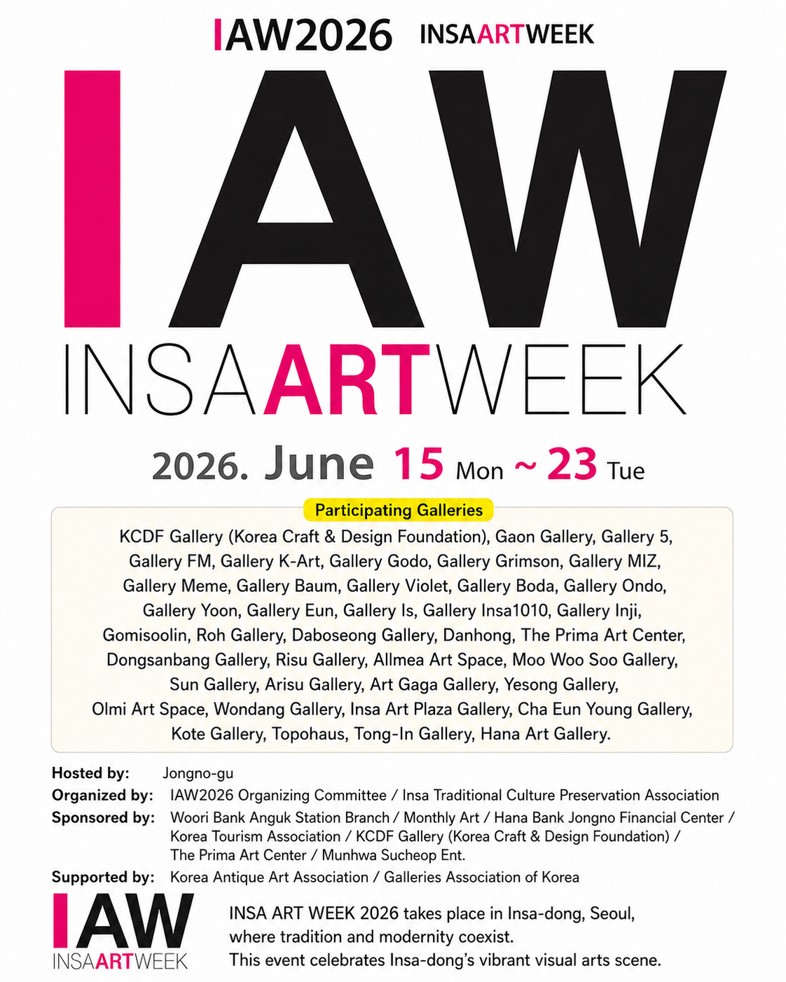
InsaArtWeek logo / Courtesy of Insa Traditional Culture Preservation Association
InsaArtWeek is a
locally based art event in which galleries across the Insa-dong area
participate together. Since 2023, it has been operated under its current name,
changed from the former “Insa Art Festival,” and is organized so that visitors
can experience Insa-dong’s galleries and cultural spaces within a single route.
Amid growing
international interest in K-culture, this year’s event may serve as an
opportunity to reintroduce Insa-dong to overseas visitors and art lovers coming
to Seoul. Today, Insa-dong is widely known as a street of traditional culture
and tourism, but it is also a place where multiple layers of Korean art history
overlap.
Insa-dong,
Once a Center of Korean Art
Insa-dong has
long functioned as an important site for Korean art and culture.
During the Joseon
dynasty, the Dohwaseo was located around what is now the Anguk-dong
intersection. The Dohwaseo was the state institution responsible for official
painting production and court painters, making the Insa-dong area historically
connected to visual culture. Later, through the modern and contemporary
periods, Insa-dong became a street where antique art, antiques, old books,
calligraphy and painting, crafts, and mounting culture gathered.
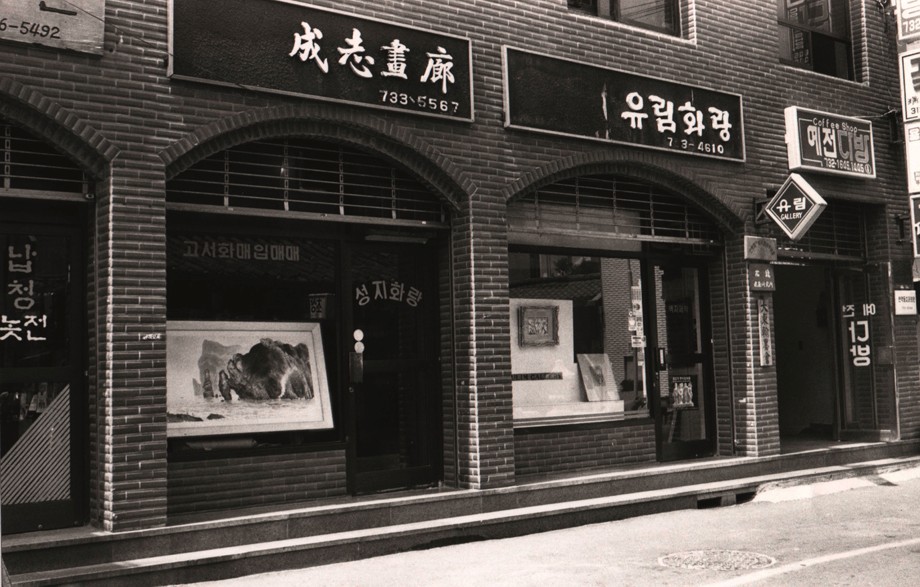
Old antique art galleries in the Insa-dong gallery district / Photo: Noblesse
From the 1970s to
the 1990s in particular, Insa-dong occupied an important position within the
Korean art scene. In addition to spaces dealing with Korean painting,
calligraphy, crafts, and antique art, galleries introducing contemporary art
were also located here. Artists, critics, collectors, and dealers naturally
came and went, and exhibitions, transactions, and many conversations within the
art world took place on this street.
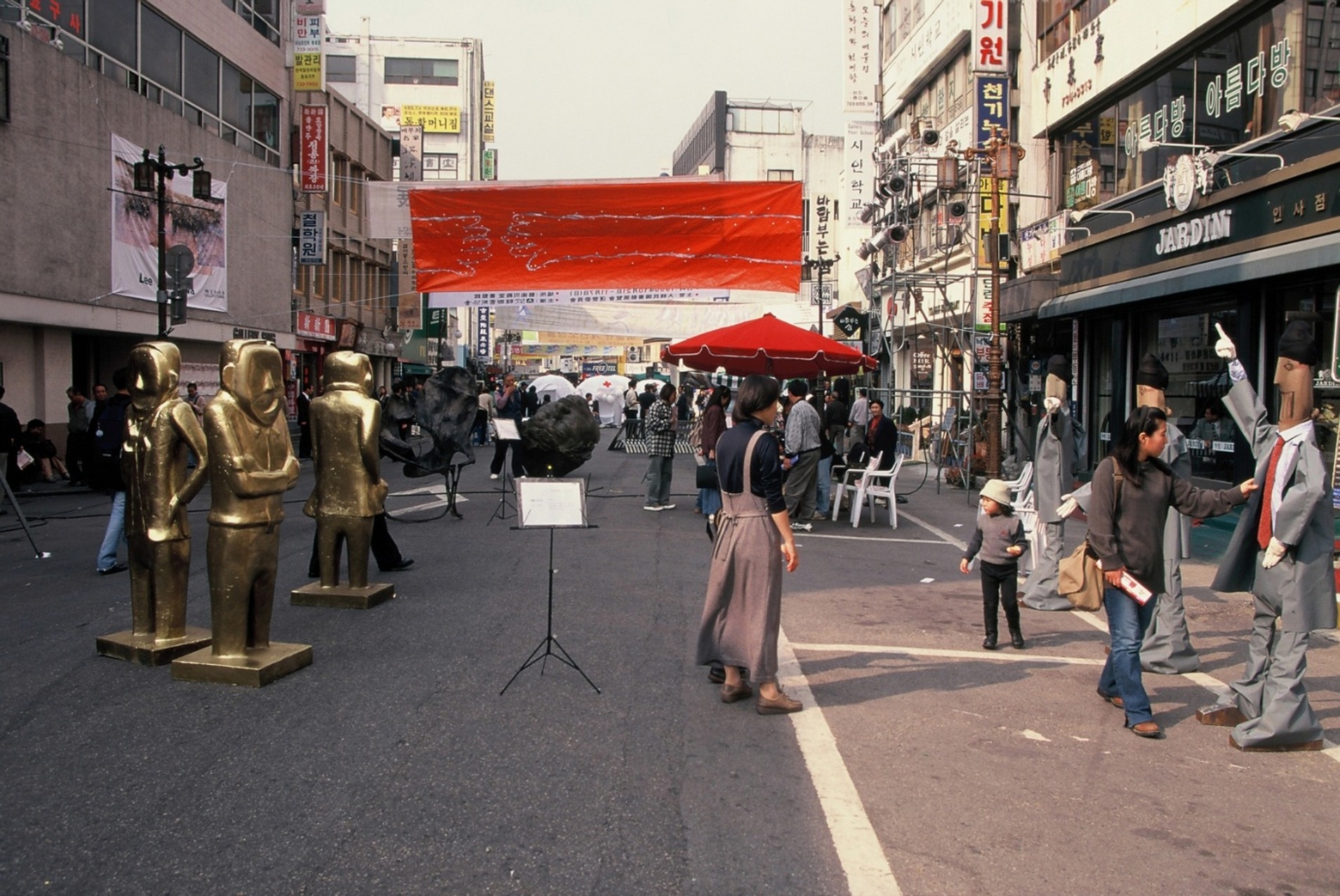
A street event held in Insa-dong in November 1999 / Photo: The Seoul Institute
At the time,
Insa-dong was not merely a place to exhibit or sell works. It was an everyday
gathering place for people in the art world to meet and exchange information.
The scene of people gathering in teahouses after viewing exhibitions to discuss
artworks, artists, and the direction of the art world was also part of
Insa-dong.
Such layers of
time still remain within the atmosphere of Insa-dong today. The signs of old
galleries, antique art shops, mounting stores, craft spaces, teahouses, and
alleyway scenery all reveal the time through which Insa-dong has passed.
The
Changing Art Geography of Seoul
Since the 2000s,
the art geography of Seoul has changed significantly.
Major galleries
and museums have settled in Samcheong-dong and Sogyeok-dong, while
international galleries and large commercial galleries have entered
Cheongdam-dong and Hannam-dong. Seongsu-dong and Euljiro have also drawn
attention as areas where young culture and new exhibition spaces have emerged.
Seoul’s art ecosystem has expanded across several districts rather than
remaining concentrated in one area.
In this process,
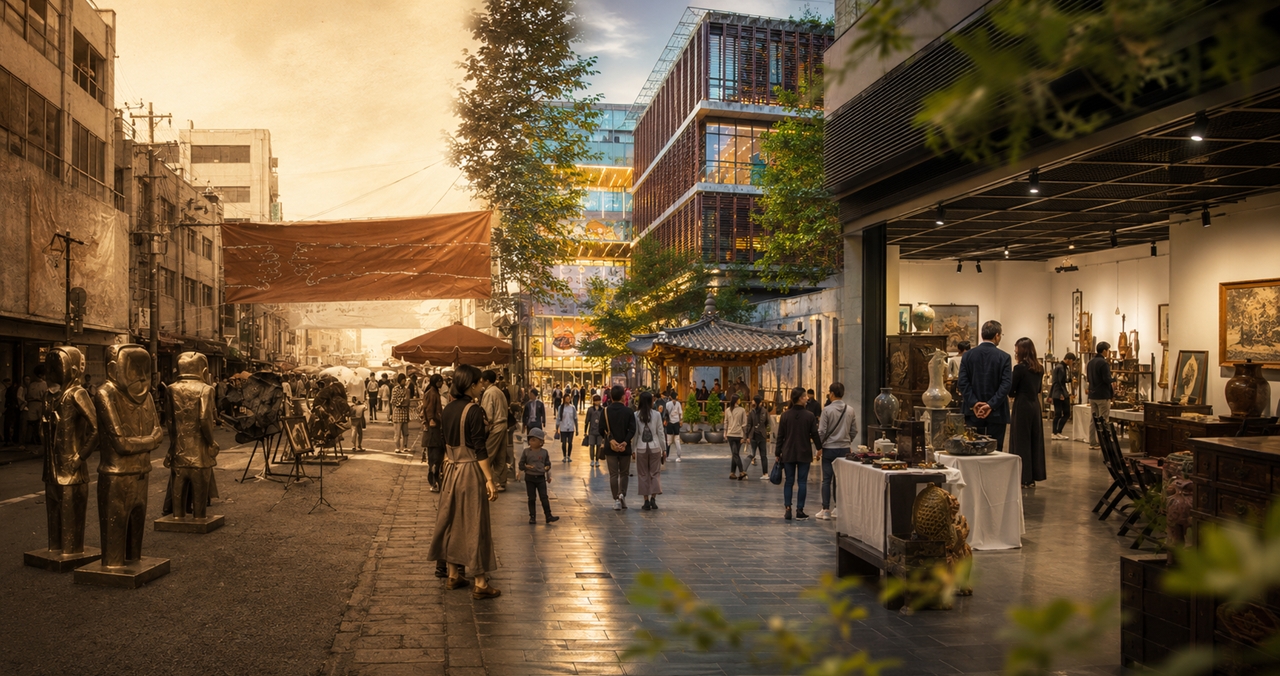
the character of Insa-dong also changed. Once a central site of the Korean art
world, Insa-dong gradually came to be recognized as a street where traditional
culture and tourism converge. Hanok buildings, teahouses, craft shops, souvenir
stores, and restaurants increased, and the area became a place frequently
visited by both domestic and international tourists.
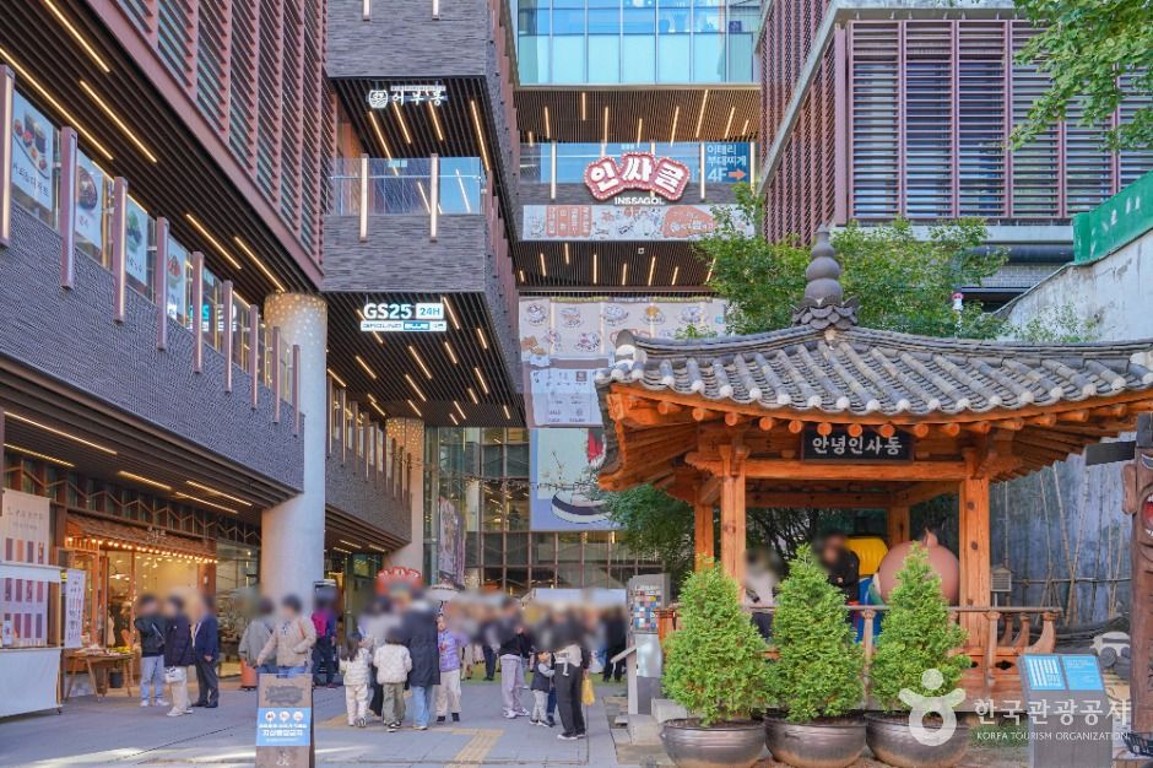
A recent view of Insa-dong Culture Street / Photo: Korea Tourism Organization
Recently, along
with growing interest in K-culture, the number of overseas visitors to
Insa-dong has also increased. For them, Insa-dong is understood as a street
where one can experience a Korean atmosphere, and as a place where traditional
culture and urban tourism meet. In fact, Insa-dong is among the areas
frequently visited by foreign tourists coming to Seoul.
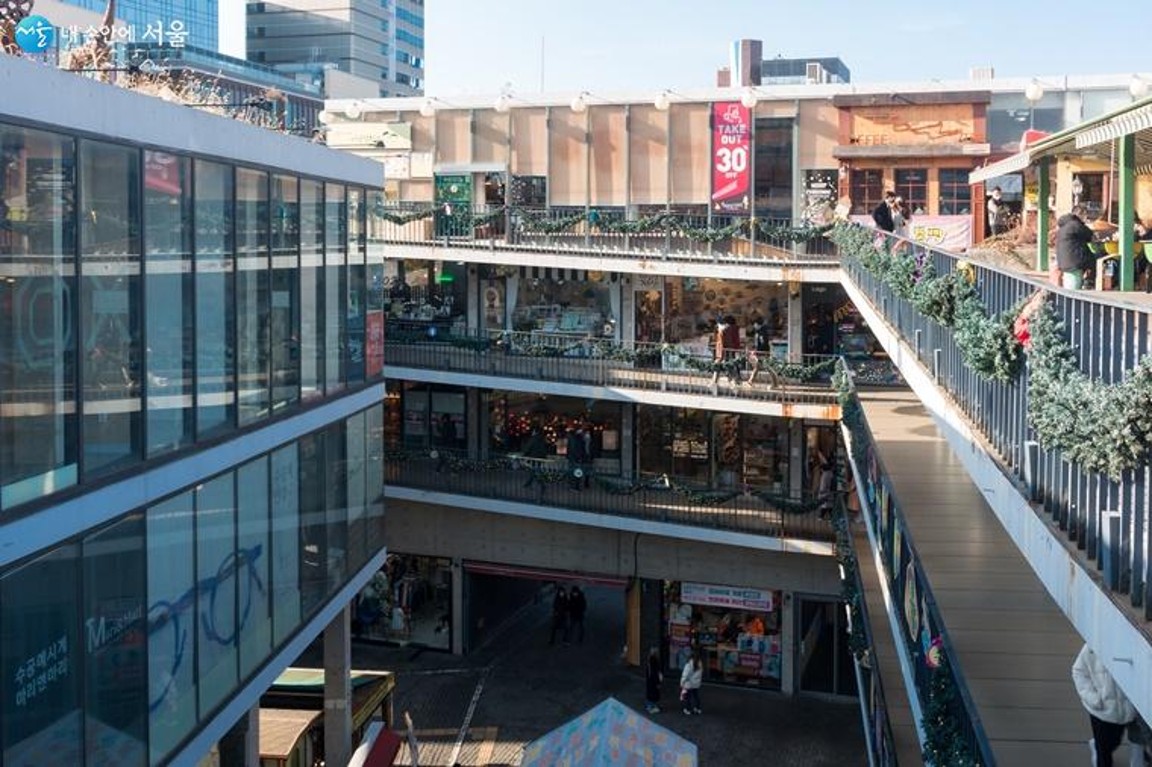
A view of Ssamziegil, where various stores are actively operating / ©Nam Hyuk-jin
However, amid
these changes, Insa-dong’s art spaces have come to receive less attention than
before. Some galleries have relocated or closed, and the central image of the
street has shifted from art toward tourism and traditional culture. Today,
Insa-dong can no longer be explained solely as the front line of Korean
contemporary art.
Art
Spaces That Still Remain
Nevertheless,
many art spaces still remain in Insa-dong.
Galleries,
antique art dealers, craft-specialized spaces, mounting shops, and spaces
related to traditional arts still occupy the alleys and streets of Insa-dong.
Although its former centrality has diminished, Insa-dong continues to carry
forward one current of Korean art.
What
characterizes the area is that tradition and modernity, antique art and
contemporary art, craft and painting coexist within a relatively close
distance. If other art districts in Seoul are more directly connected to the
international and contemporary art market, Insa-dong can be described as a
place where the older foundations of Korean art and the current character of
cultural tourism exist together.
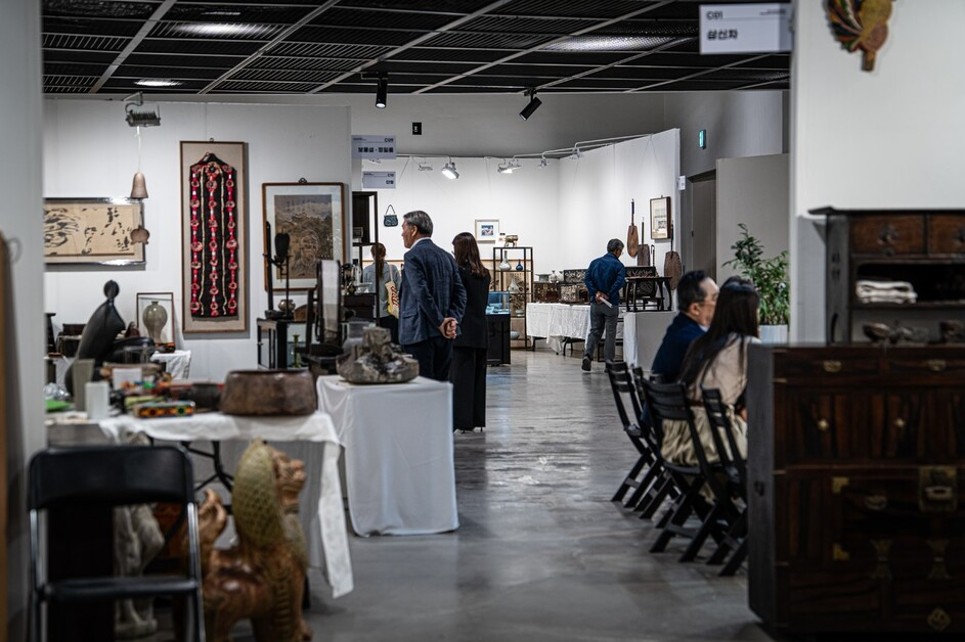
A scene from an antique fair held in 2024 at the Anyoung Insadong exhibition space in Insa-dong, Seoul / Photo: Insa Traditional Culture Preservation Association
This point may
also be interesting for overseas art lovers. In Insa-dong, Korean art can be
encountered not only as part of the current contemporary art scene, but also
alongside traces of earlier art distribution, traditional culture, crafts, and
antique art. This is the distinctive sense of place that Insa-dong possesses.
InsaArtWeek
2026
《InsaArtWeek 2026》 is an event that shows the present state of Insa-dong.
This year’s event
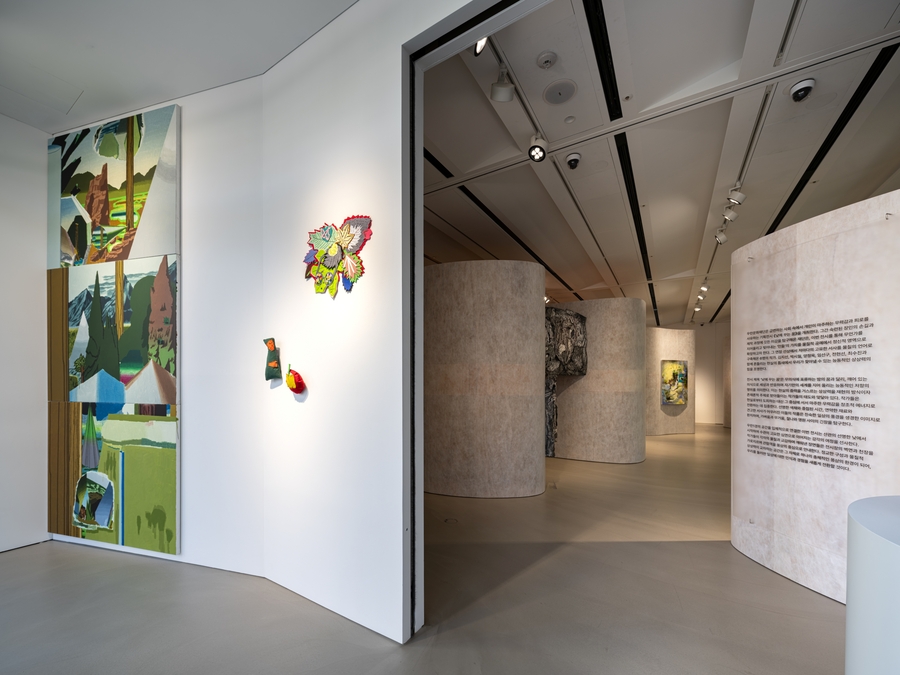
features 38 galleries and art spaces across the Insa-dong area. A wide range of
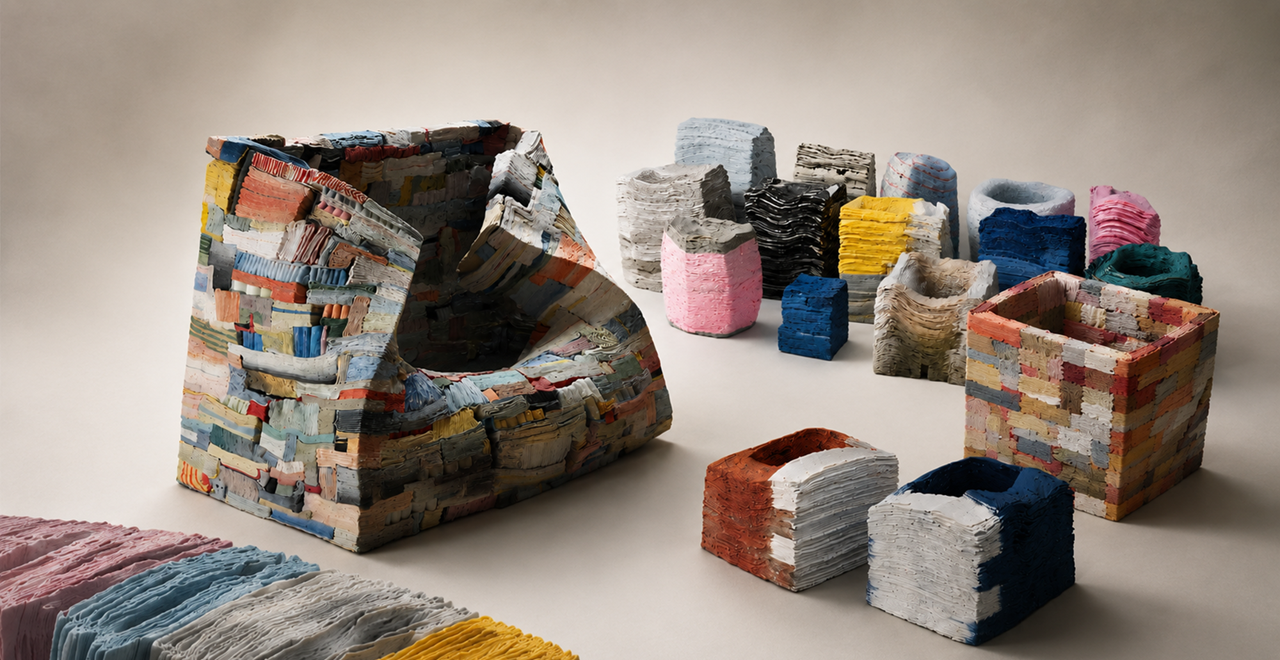
exhibitions will be held, including a special exhibition by the Korea Craft
& Design Foundation (KCDF), Korean painting, traditional crafts, Buddhist
art, French modern and contemporary painting, and international exchange
exhibitions.
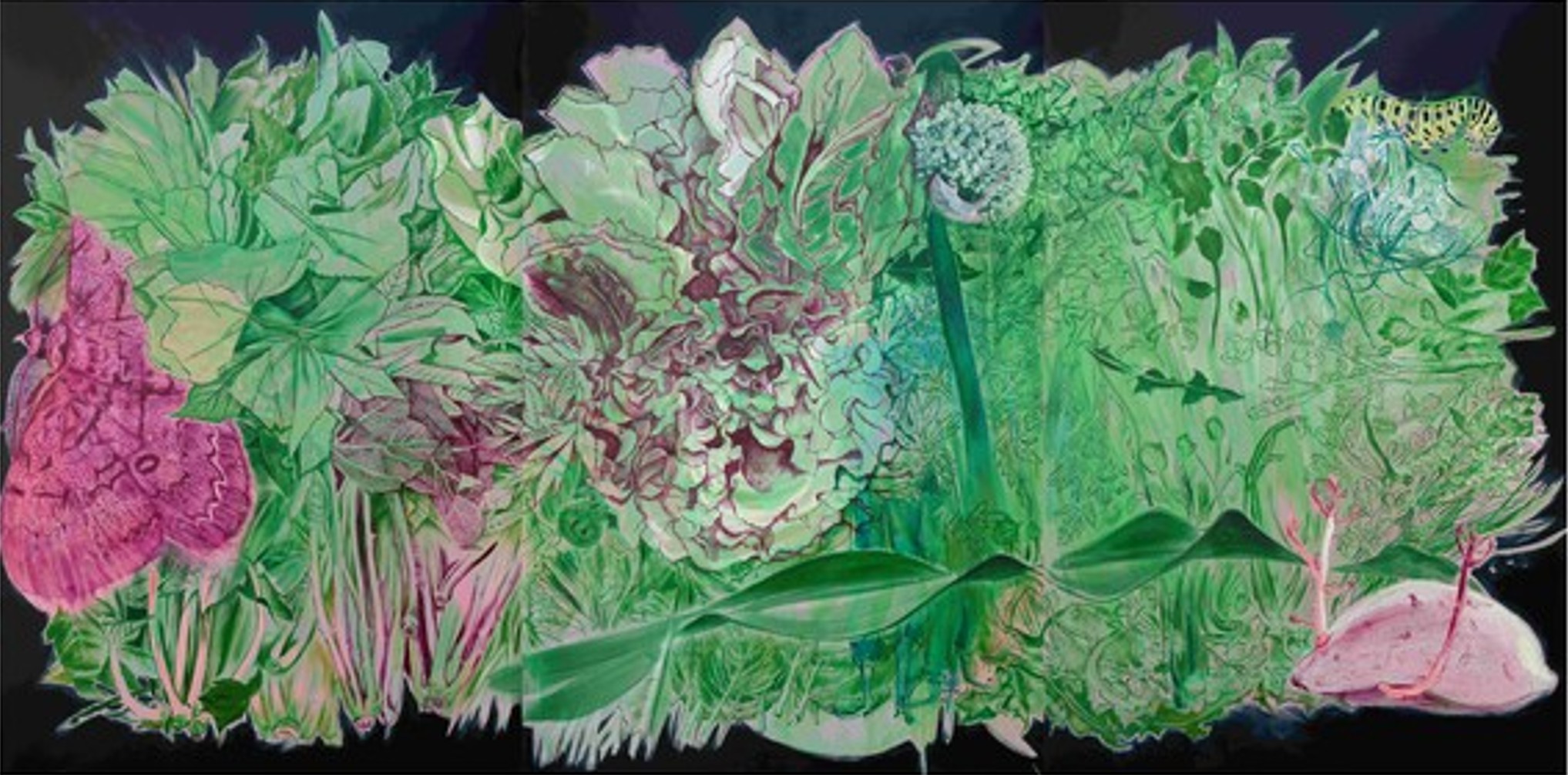
Jung Jung Yeob, Vegetable Garden, acrylic and oil on canvas, 194 × 390 cm, 2026 / Photo: Gallery MEME
Gallery MEME presents Jung Jung Yeob’s solo exhibition《Woman in Solitary Encounter with the Earth》.
Kote Gallery hosts《Three Ways of Translating Boundaries》, featuring three New York–based women artists: Ran Hwang, Sungmin
Ahn, and Heejung Kim.
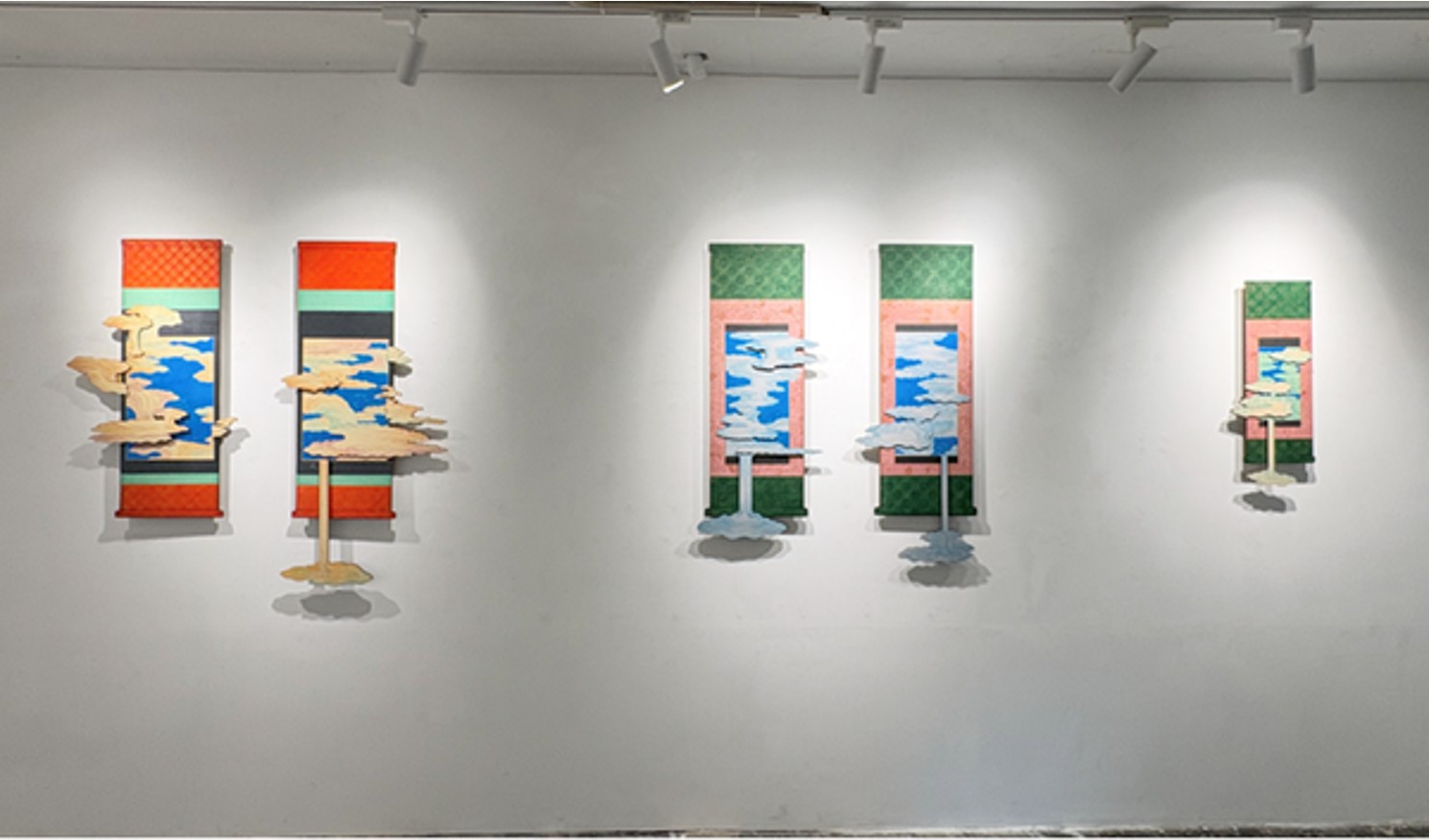
Kote Gallery’s exhibition《Three Ways of Translating Boundaries》/ Photo: Hyun Soo-jung
Topohaus presents《Ink Light Variations》, a two-person
exhibition by Heo Jun and Park Cheong Yong, as well as《Onggi
Jonggi》, which explores local culture through the
perspectives of foreign artists living in Korea.
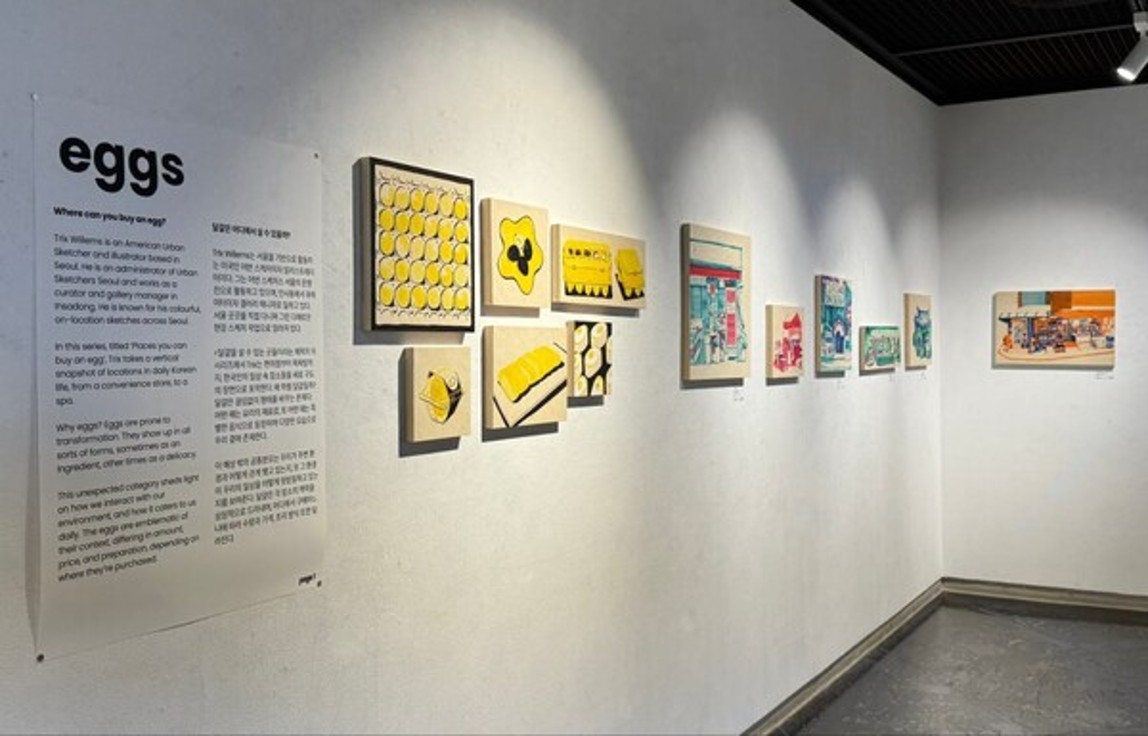
Topohaus’s exhibition《Onggi Jonggi》/ Photo: Topohaus
Representative
Insa-dong spaces such as Tong-In Gallery, Moowoosoo Gallery, and Sun Gallery
are also participating. On the opening day, a special performance of Park
Jeong-ja’s play《Yeongyeong Ibyeol, Yeong Ibyeol》 will be held. The title may be understood as an expression of
final, irreversible parting, with a poetic repetition of farewell. During the
event period, a visitor event will also take place for those who visit more
than 10 participating galleries.
InsaArtWeek is
not an event that newly defines Insa-dong. Rather, through this event, visitors
can once again confirm that within Insa-dong, now familiar as a tourist
destination, galleries, antique art dealers, craft spaces, and spaces related
to traditional arts still remain.
Recent
international interest in Korean culture has expanded beyond K-pop, film,
drama, food, and fashion to include art, crafts, design, and traditional
culture. Within this context, Insa-dong has established itself as one of the
representative places where overseas visitors can experience Korean culture.
Today’s Insa-dong
is different from the place it once was as the center of the Korean art world.
Seoul’s art geography has also expanded into various districts such as
Samcheong-dong, Cheongdam-dong, Hannam-dong, and Seongsu-dong. Yet in
Insa-dong, traces of the time during which Korean art and traditional culture
were formed and circulated still remain.
《InsaArtWeek 2026》is an event that allows visitors to walk through and look again at
those traces from the perspective of the present. Within Insa-dong, now a space
of tourism and cultural consumption, the event is meaningful in that it calmly
confirms the continued presence of art spaces that still carry on.
Event
Information
《InsaArtWeek 2026》
Dates: June 15 – June 23, 2026
Venue: Insa-dong area, Jongno-gu, Seoul
Participants: 38 galleries and art spaces in Insa-dong
Theme: Art is everywhere — Art takes alive!
Programs: Special exhibitions, gallery tours, art walk programs, performances,
visitor events, and more