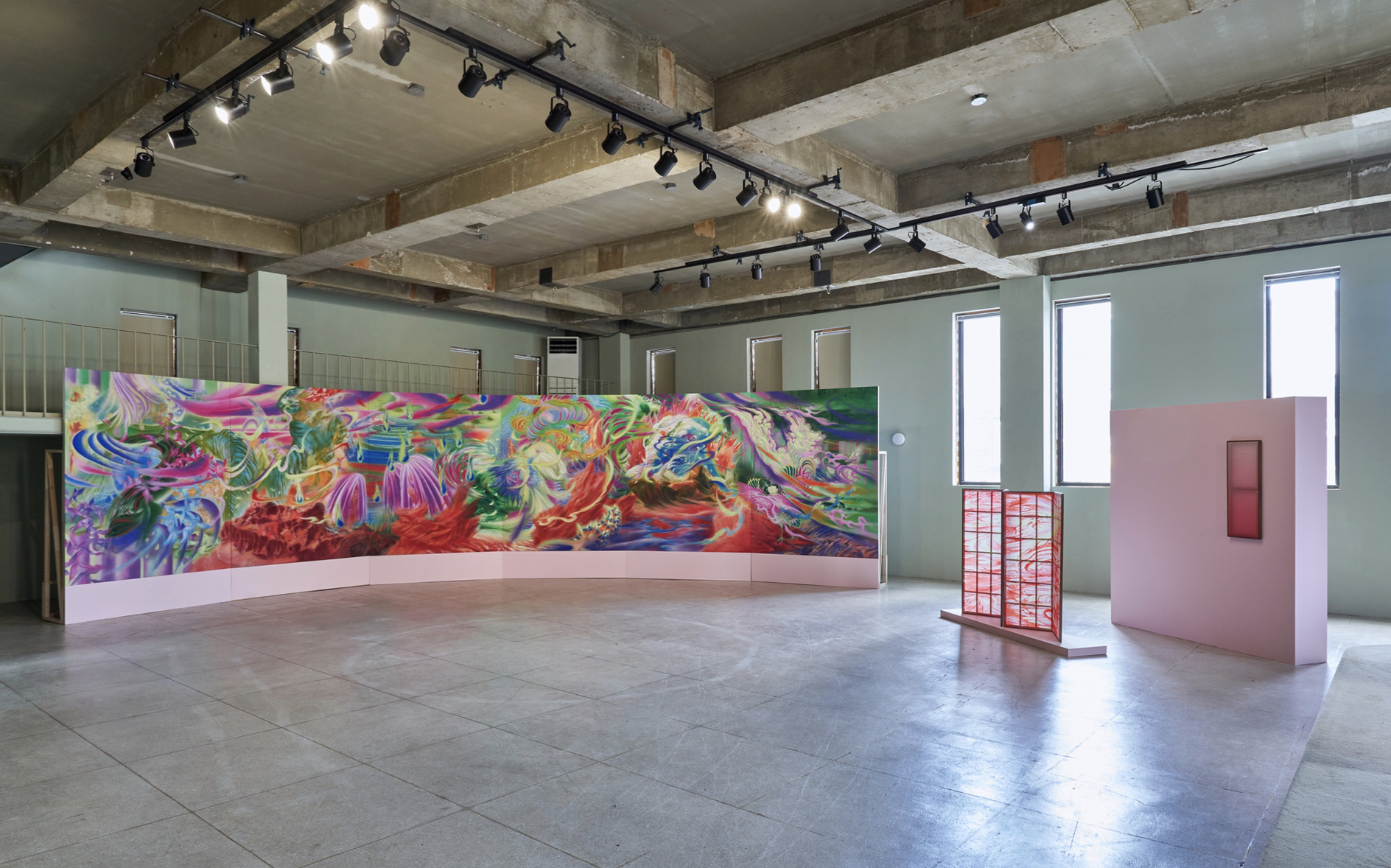

The Korean Cultural Centre UK in London
presents 《The Unclassified》 from 25 September to 31 December 2026. Bringing together four
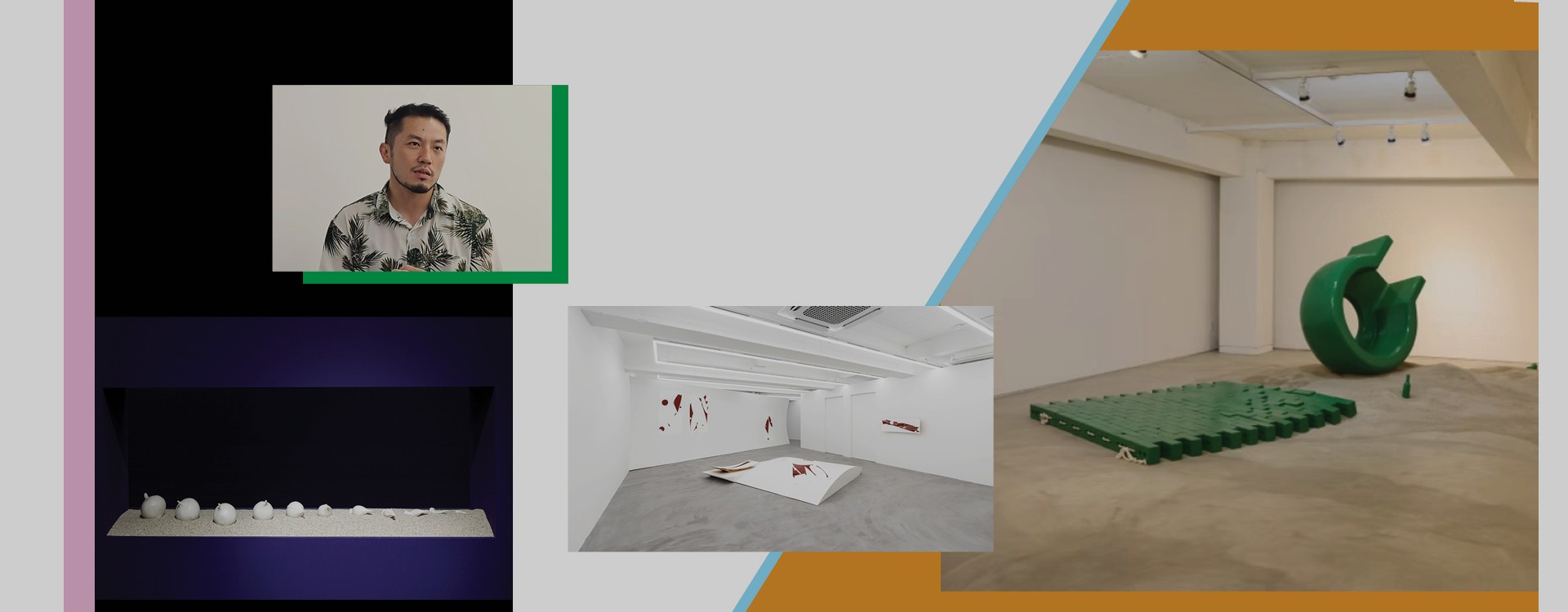
Korean and Korean-heritage artists—Meekyoung Shin, Ayoung Kim, siren eun young
jung, and Gala Porras-Kim—the exhibition examines how museums and galleries
preserve, document, and classify culture. At its centre are the processes
through which artworks and artefacts shape cultural knowledge, alongside the
experiences and memories that these systems cannot fully capture.
Objects entering a museum are labelled and
classified according to their date and place of production, materials, and
function. This information provides a basis for understanding them, yet it
rarely encompasses the environments in which they were used or the human
relationships surrounding them. The exhibition takes this gap as its starting
point. Through the work of four artists, it explores the relationships between
preservation and change, official records and alternative narratives, and
material evidence and embodied memory.
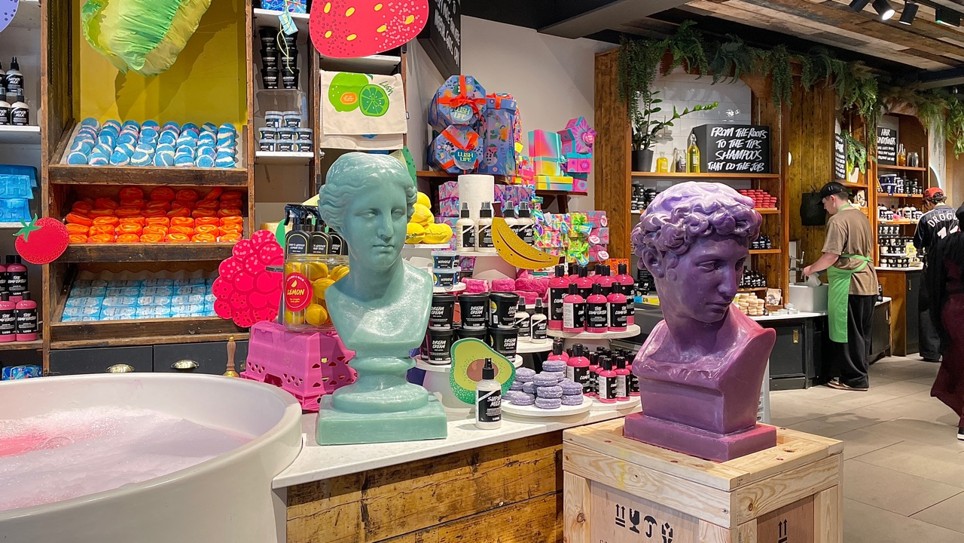
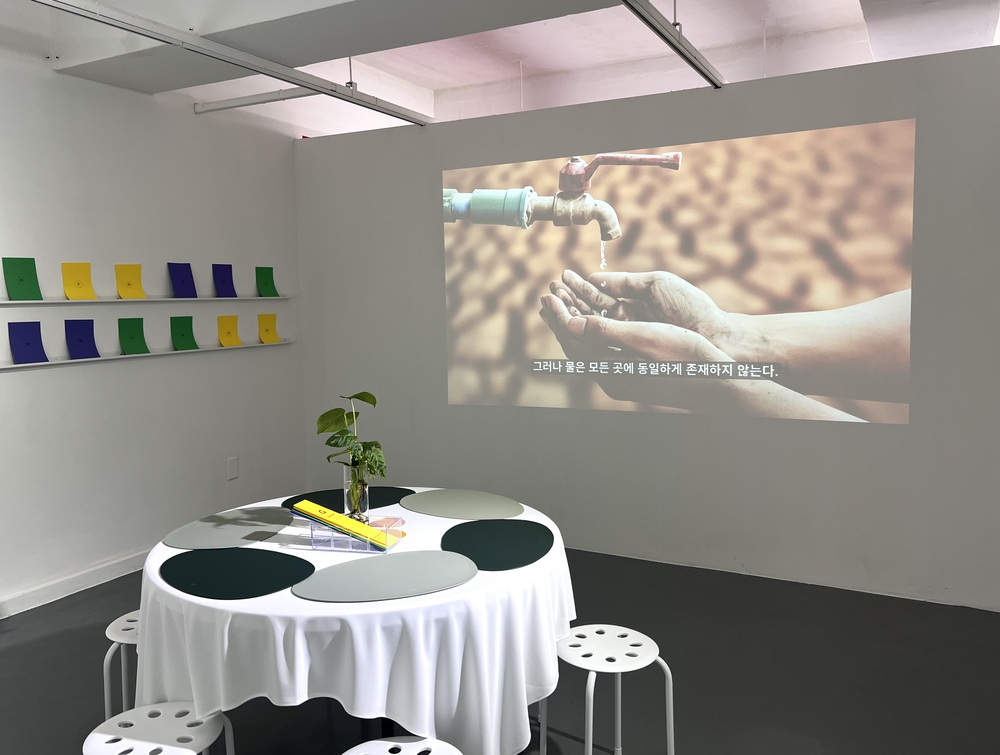
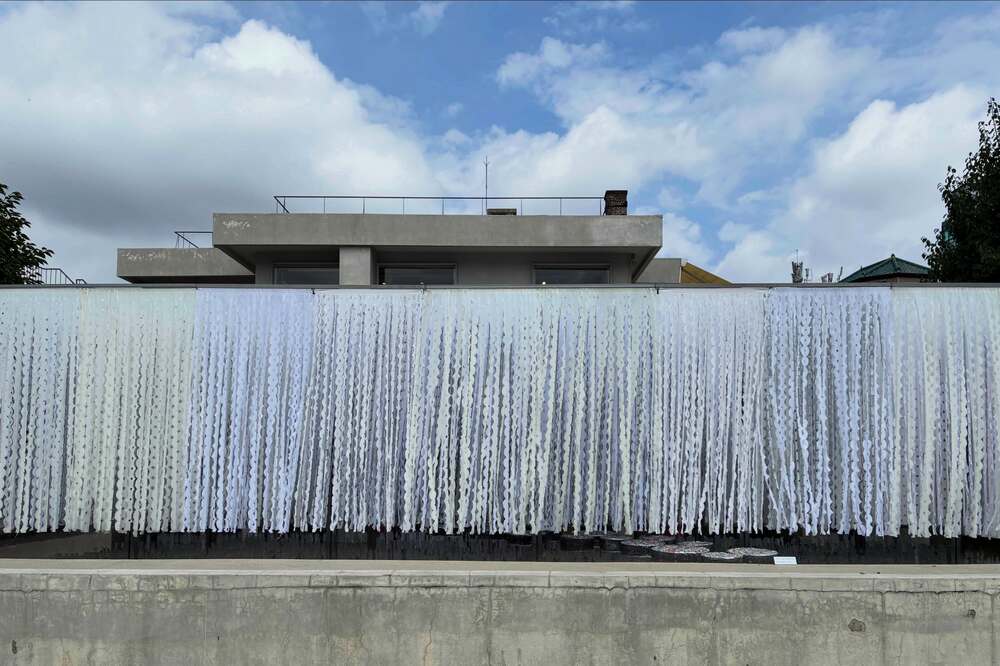
Installation view of Korean Classic: In Use (2026). Photo: Korean Cultural Centre UK.
Meekyoung Shin — Sculpture
Transformed Through Use and Touch
Meekyoung Shin’s new project, Korean
Classic: In Use (2026), sends soap sculptures into everyday
settings across the UK before returning them to the exhibition bearing traces
of use. Developed in collaboration with LUSH, the project places the sculptures
in cafés, universities, cultural institutions, and shops, where they change
shape through human touch and contact with water. It extends the artist’s
ongoing Toilet Project.
The sculptures draw on plaster casts of
classical Greek and Roman heads familiar from art education in Korea. As
classical forms taught as enduring standards are translated into soap that
gradually wears away, the works bear traces of contact across different times
and places.
This process invites a reconsideration of
preservation. From the standpoint of maintaining an original form, erosion
constitutes damage. In Shin’s work, however, it can be read as a record of
encounters with people. The sculptures returning to the exhibition carry both
their initial forms and the traces of everyday life that have transformed them.
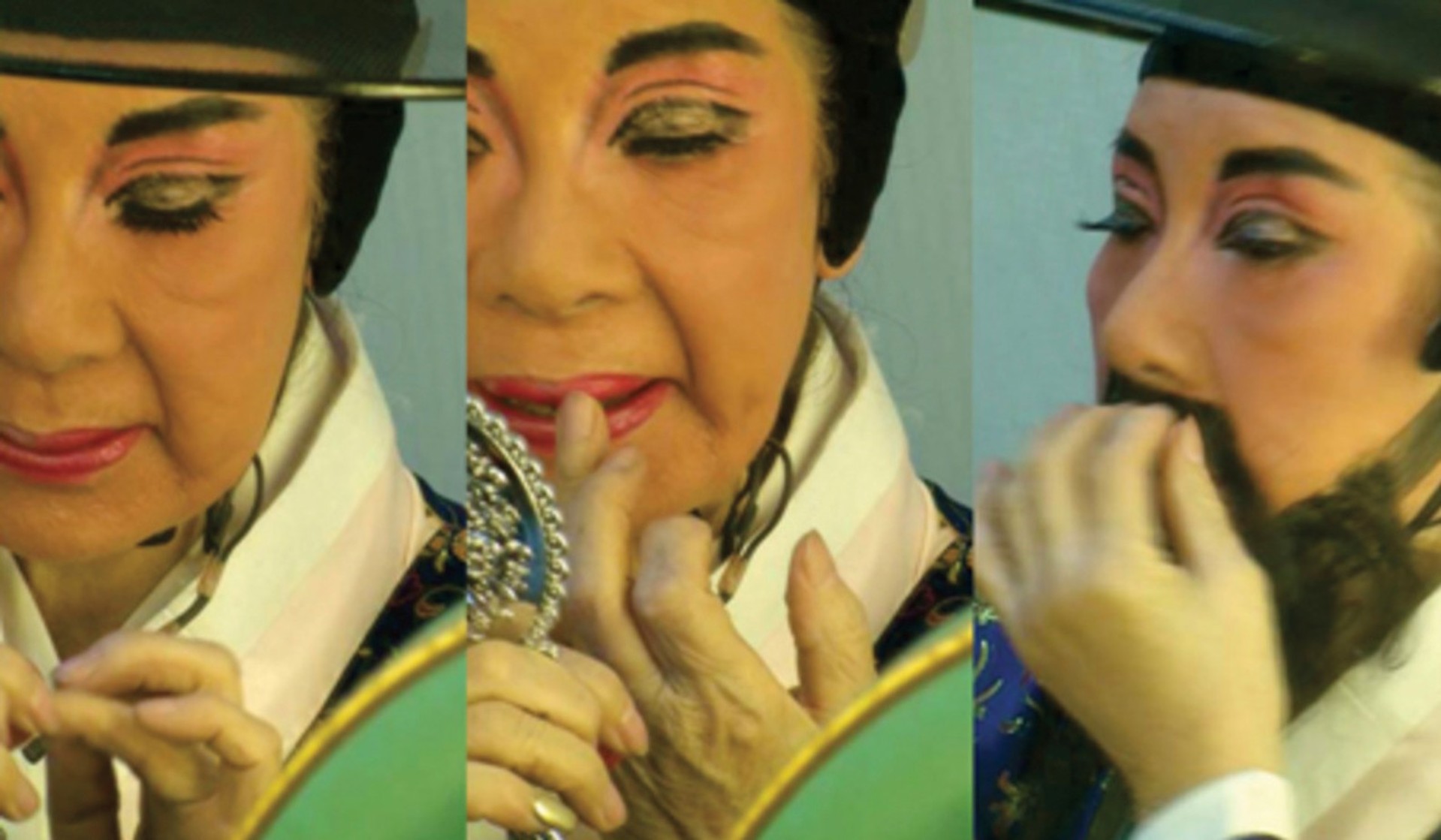
Reference image: siren eun young jung, The Masquerading Moment, 2009, video still. Photo: siren eun young jung.
siren eun young jung — An
Archive Carried Through Bodies and Voices
Through her 《Yeoseong
Gukgeuk Project》, ongoing since 2008, siren eun
young jung explores the history and transmission of yeoseong gukgeuk, a form of
Korean musical theatre in which women perform all roles, including male
characters. The genre flourished in Korea during the 1950s. Working with video,
performance, interviews, and archival materials, the artist traces knowledge
held in performers’ memories and bodies.
Photographs and scripts alone cannot fully
account for the history of performance. Ways of using the voice, habitual
movements, and the processes of learning and passing on roles contain
experiences that are difficult to reduce to written documents. Jung’s work
invites viewers to recognise these experiences as forms of cultural knowledge.
From this perspective, an archive can be
understood both as a repository of historical materials and as a process
through which memory passes between bodies and generations. The history of
gender expression and relationships within yeoseong gukgeuk can likewise be
read anew through this transmission.
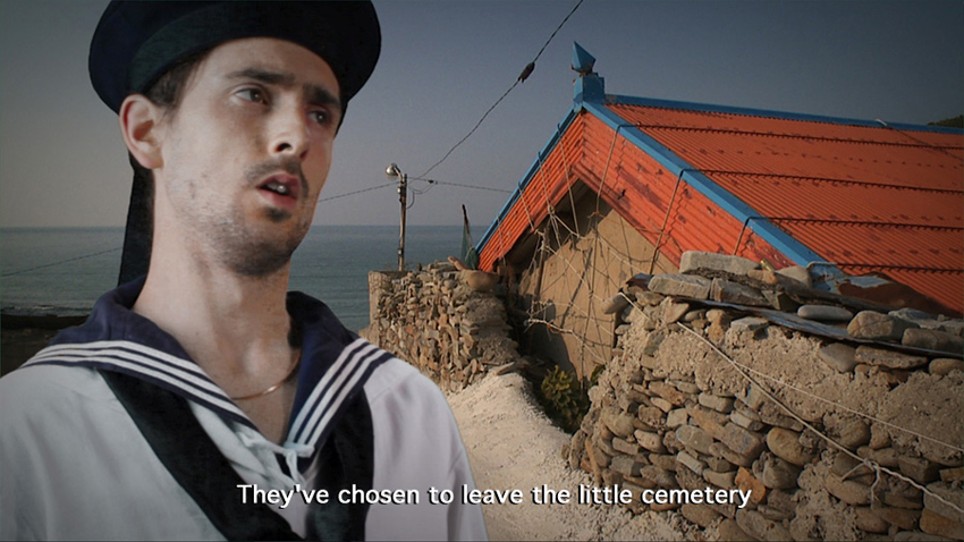
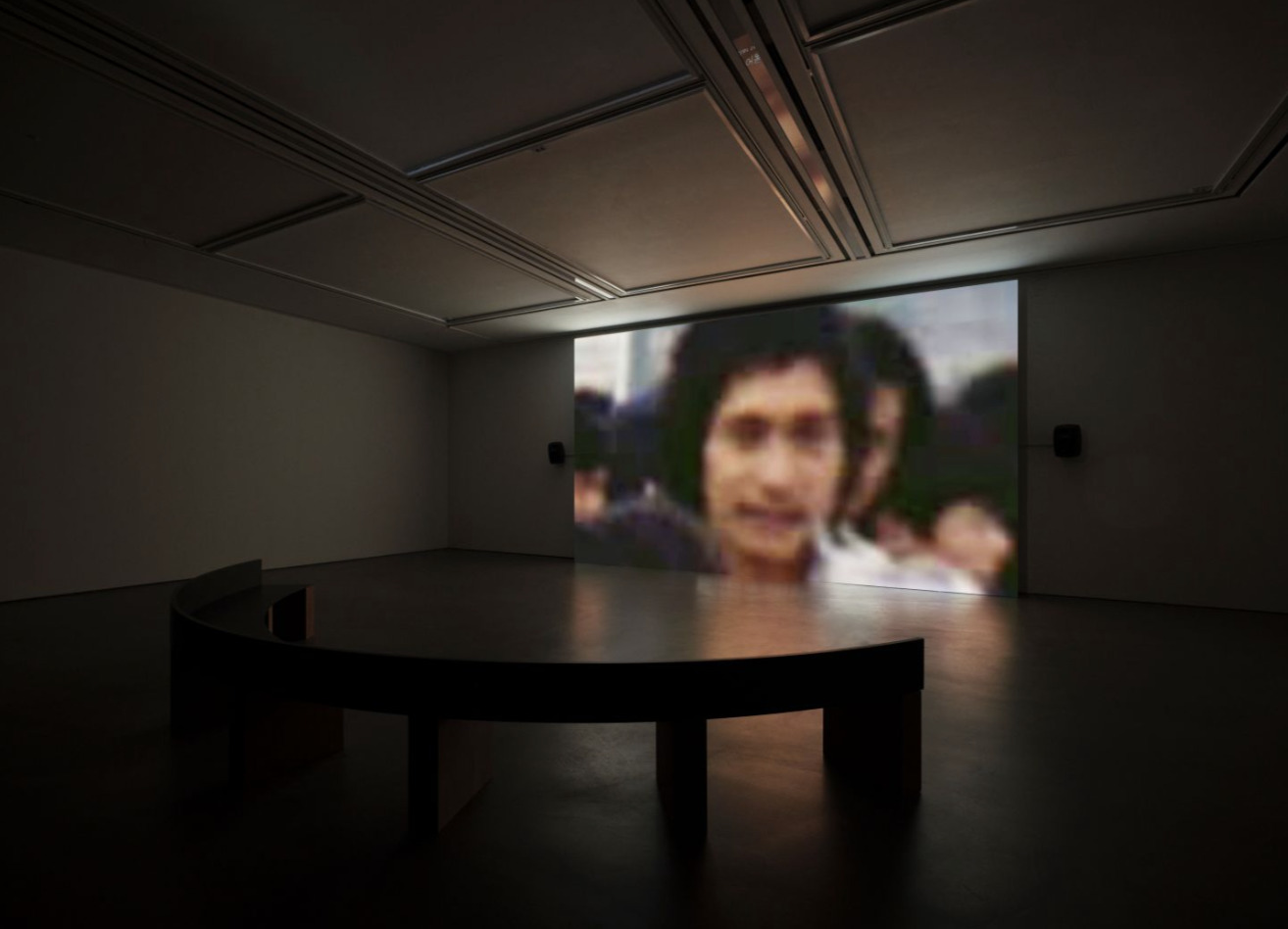
Reference image: Ayoung Kim, PH Express, 2011, two-channel video, video still. Photo: Artist’s website.
Ayoung Kim — Historical Records
and Fiction in Dialogue
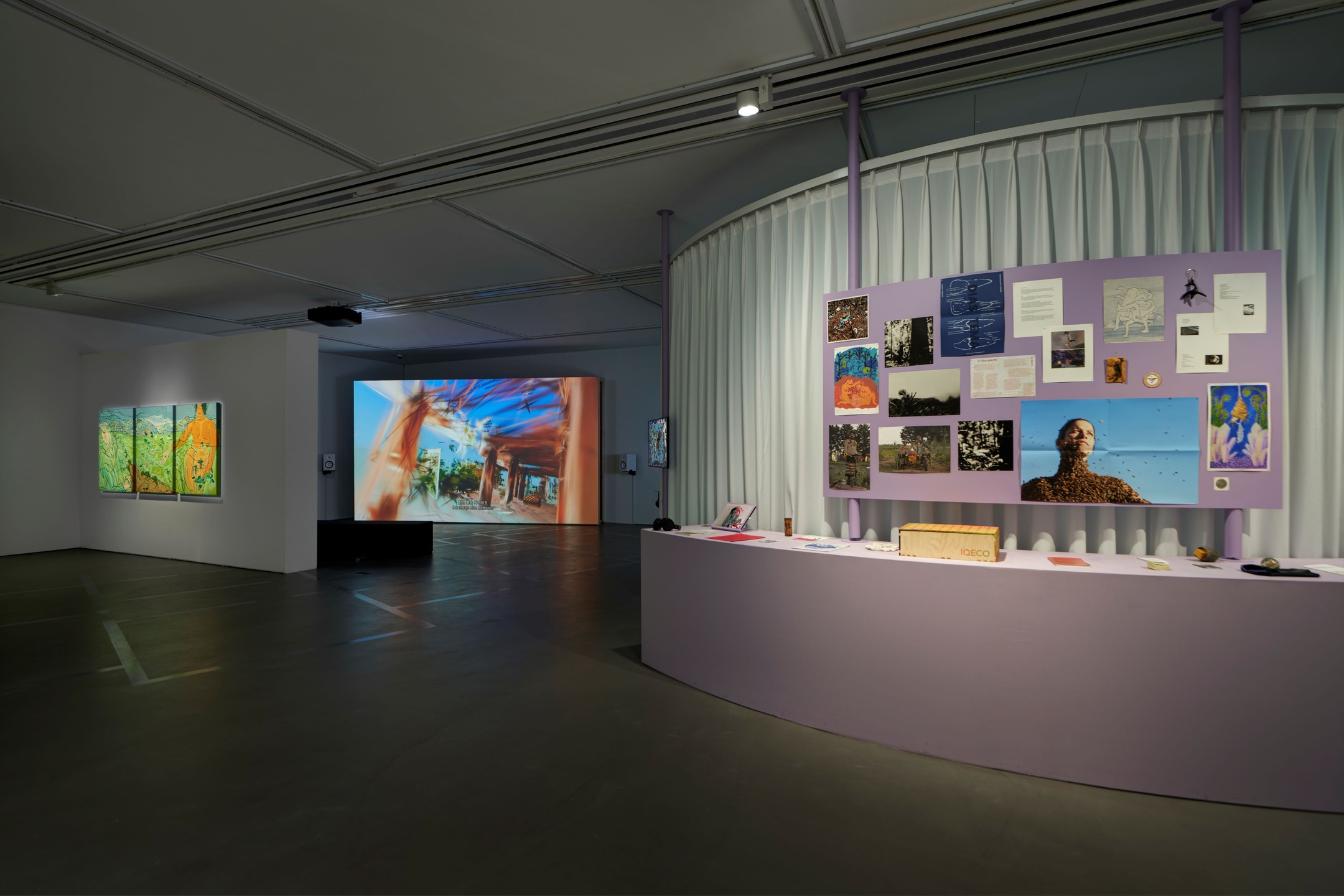
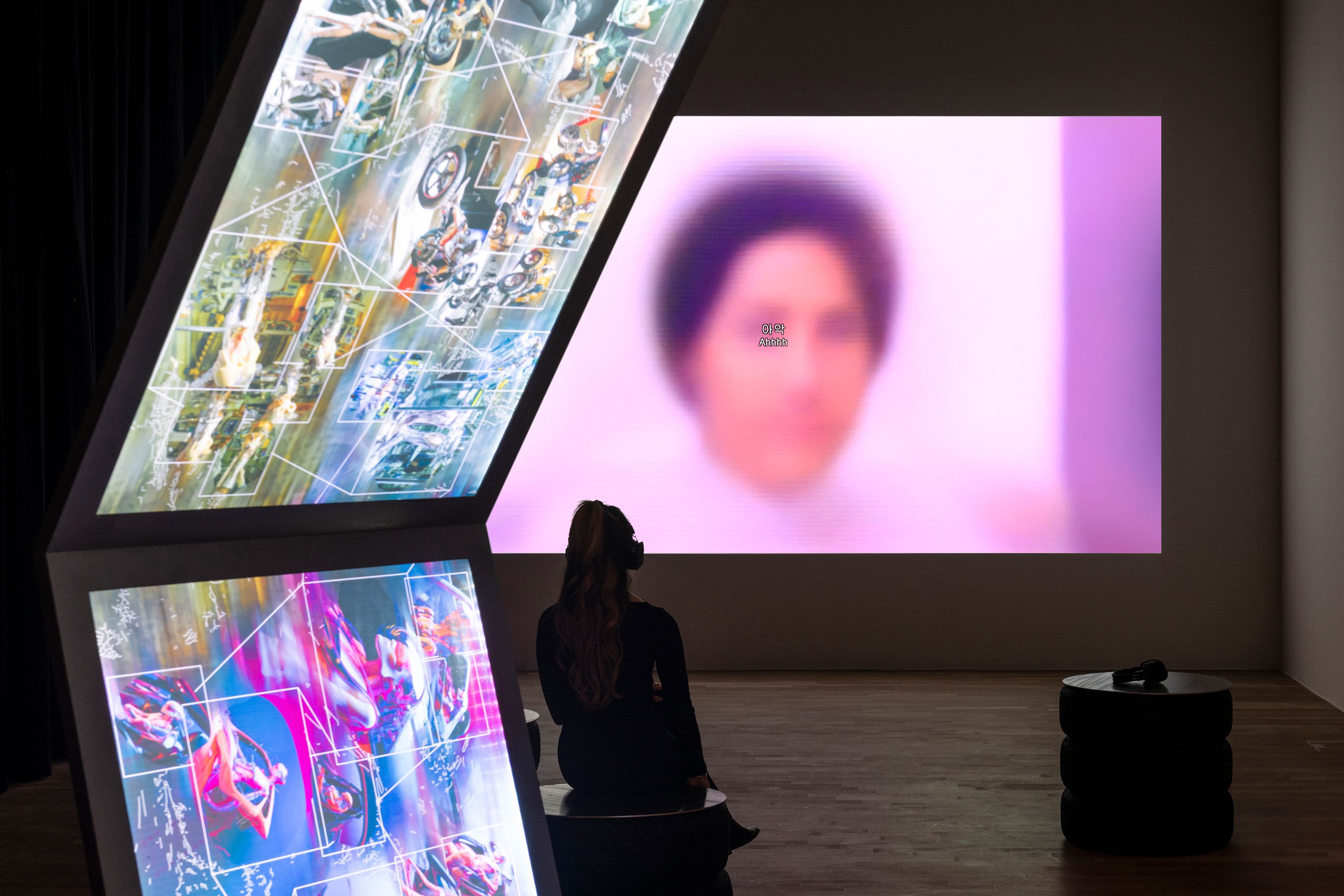
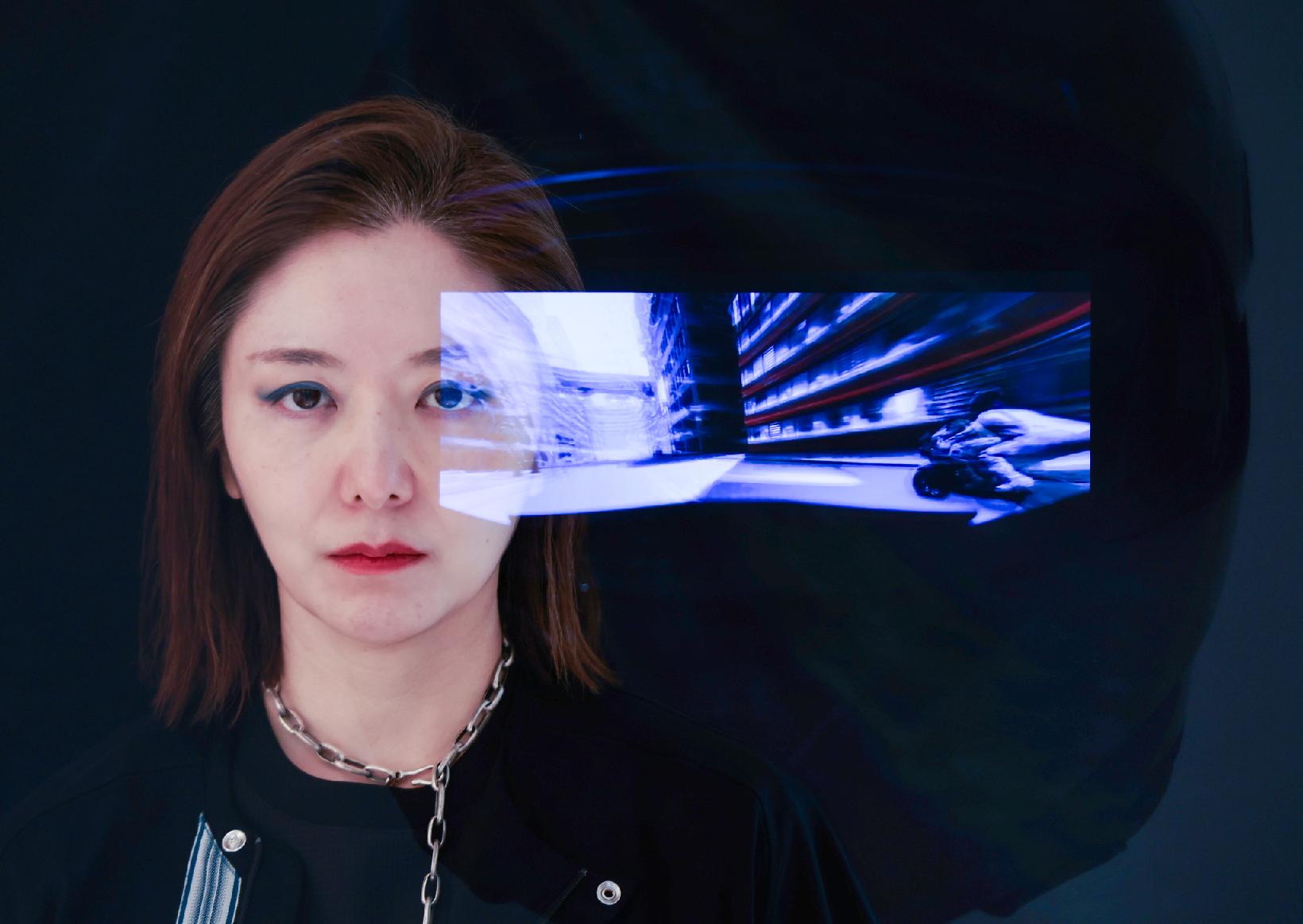
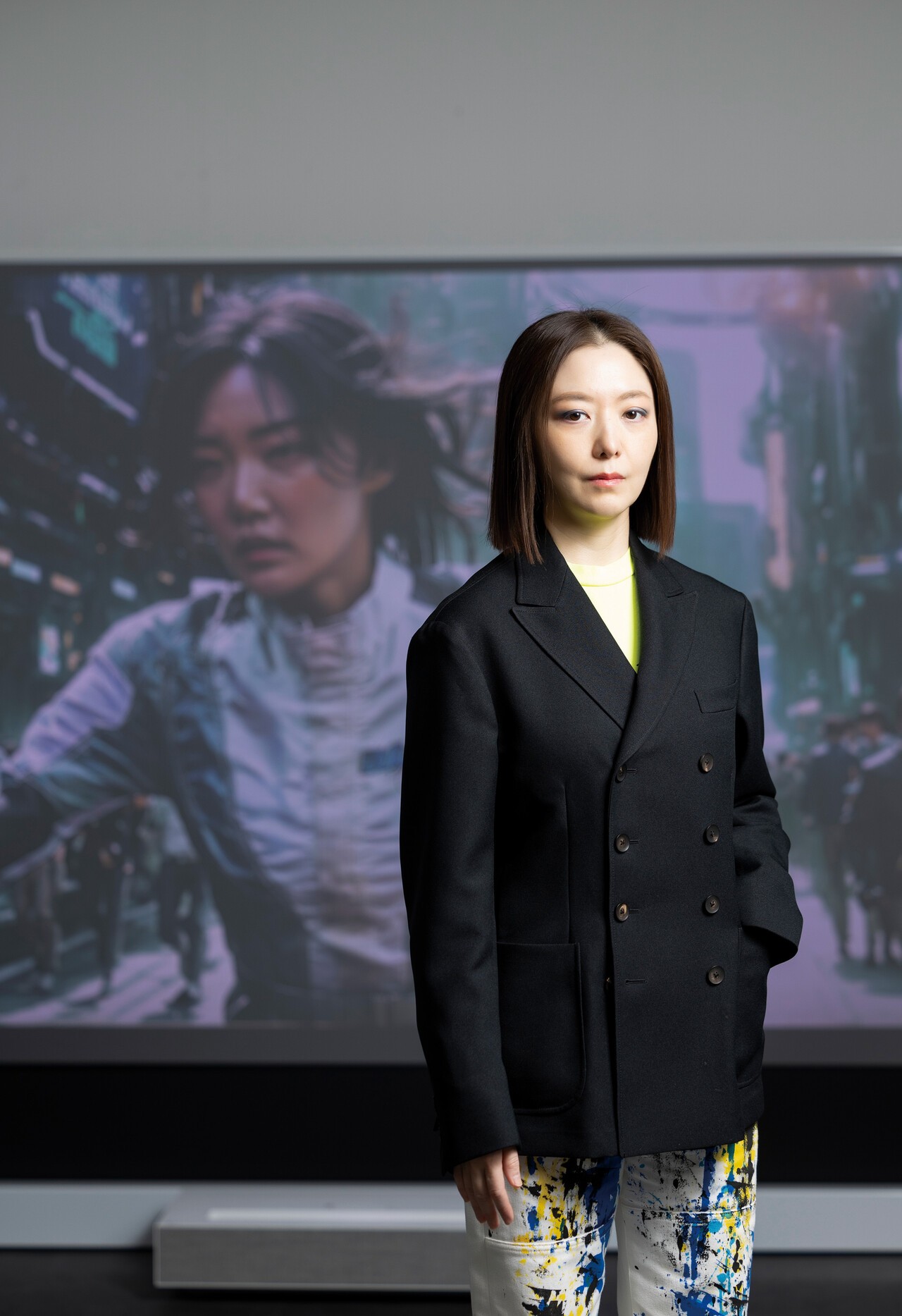
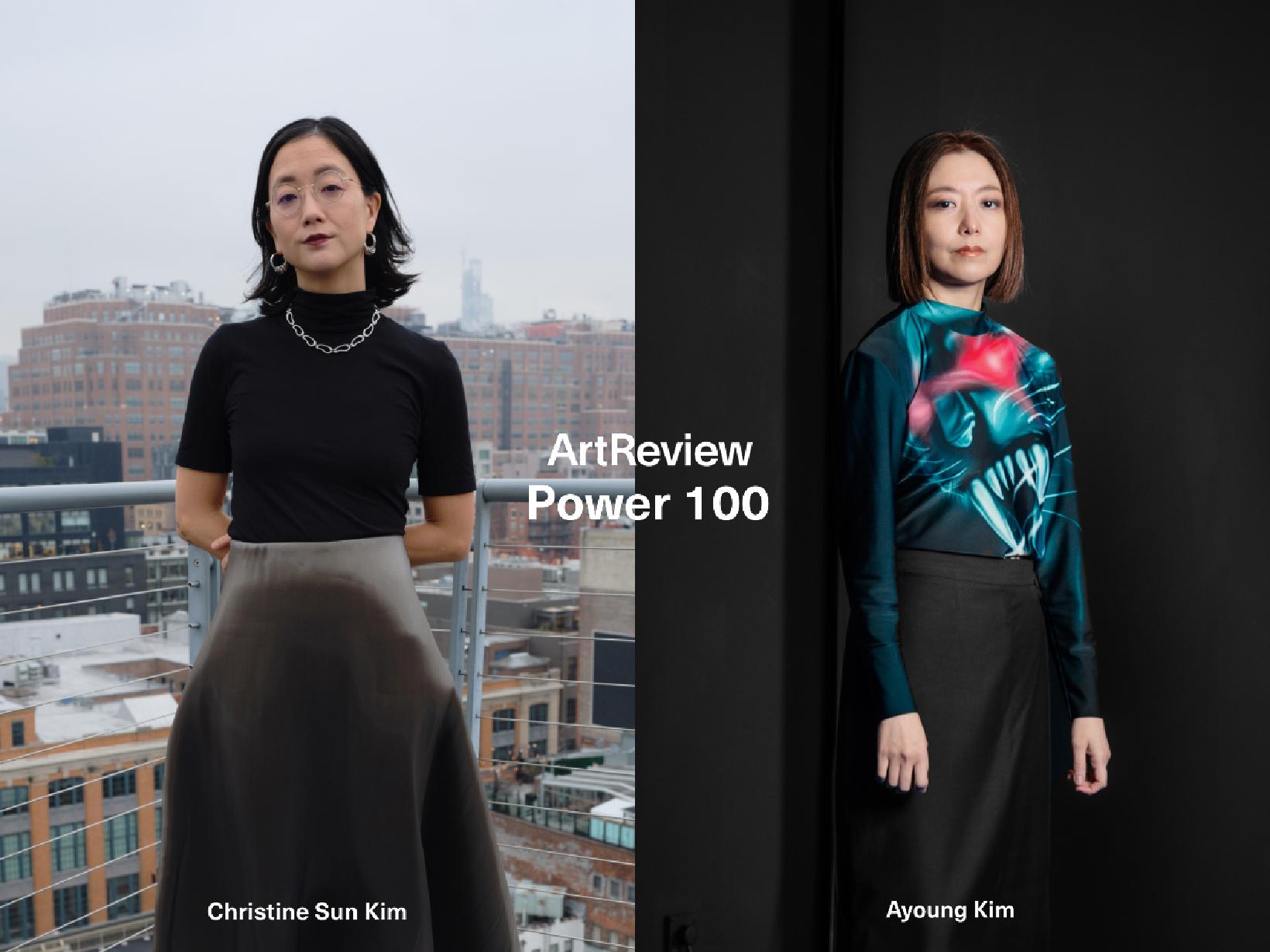
Ayoung Kim presents the two-channel video PH
Express. Taking Britain’s occupation of Geomundo in the late
nineteenth century as its subject, the work explores episodes of imperial
history surrounding the islands, then known as Port Hamilton. It interweaves
materials grounded in historical research with fictional narratives.
The exhibition places the work within a
broader inquiry into how history is recorded and who holds the authority to
record it. Attention falls on both the content of historical records and the
positions from which they were produced. Who occupies the centre or the margins—and
how an event’s causes and significance are understood—depends on who tells the
story.
In Kim’s work, fiction can be read as a
device for reconsidering historical facts. By exposing the narrative methods
used to connect disparate sources, the work invites viewers to consider the
distance between an established historical account and the perspective that
shaped it.
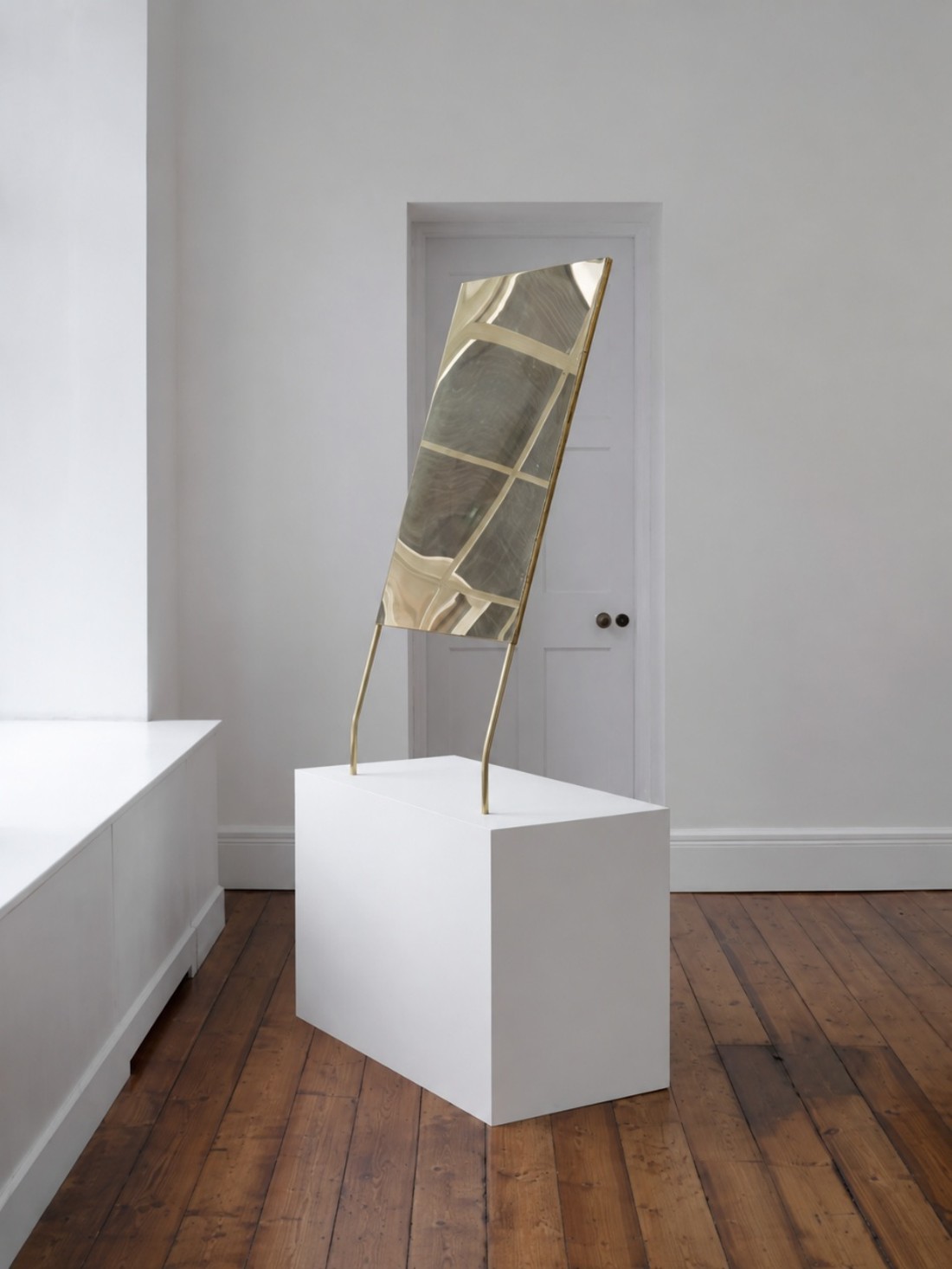
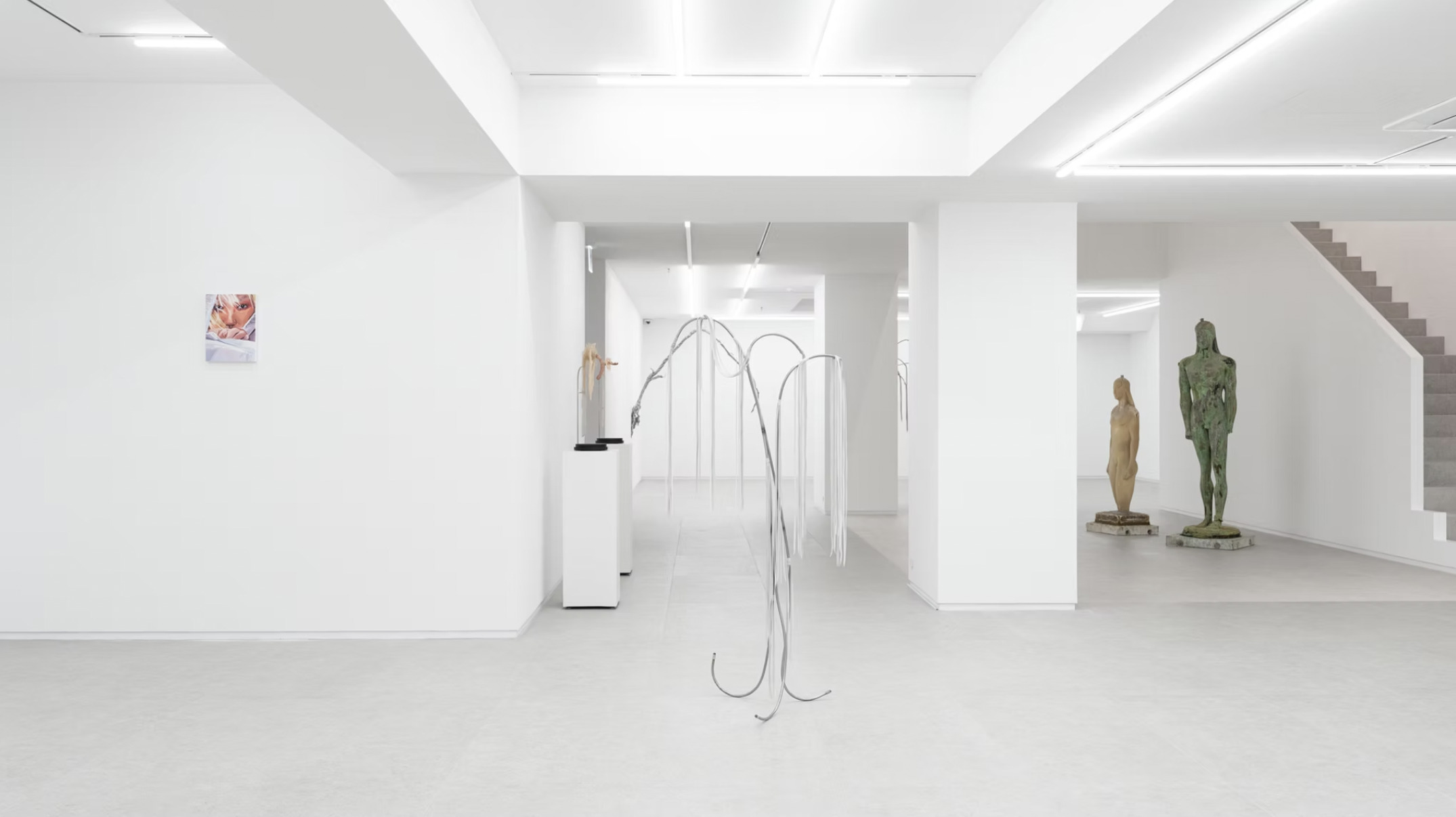
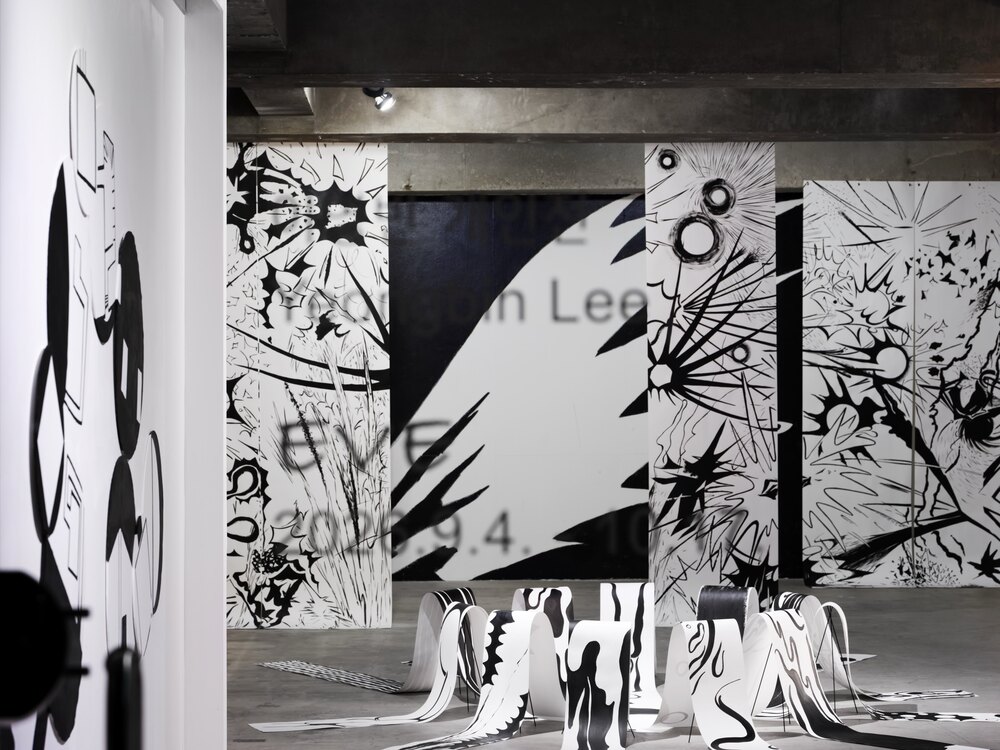
Gala Porras-Kim, All Earth energy sources are known to come from the Sun, 2025, brass and sunlight, dimensions variable. Image source: Sprüth Magers.
Gala Porras-Kim — The Scope of
Preservation and Interpretation
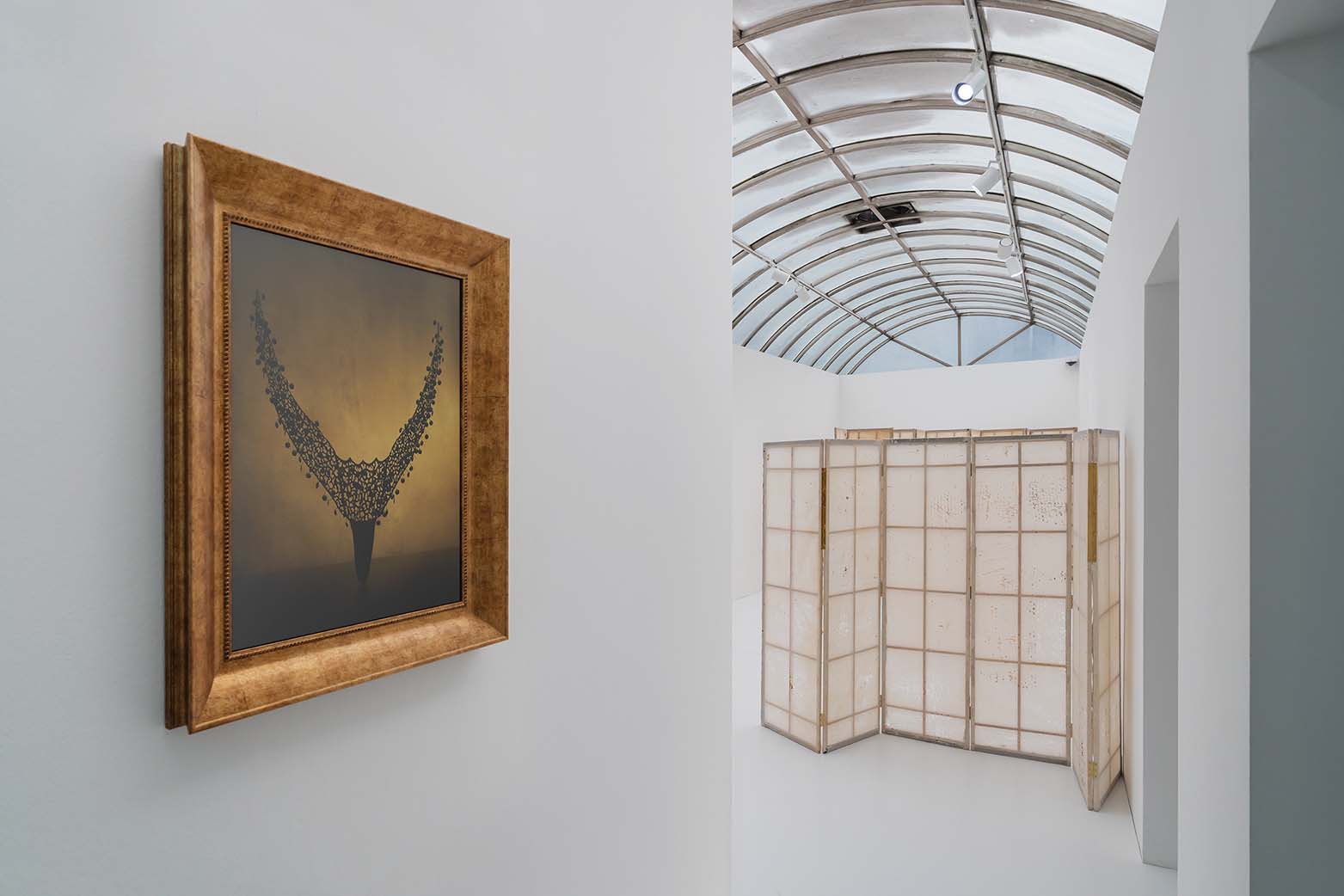
Gala Porras-Kim presents Burial
chamber scene (2025) and All Earth energy sources are
known to come from the Sun (2025). The former imagines a view
from within a burial chamber, while the latter uses brass plates to reflect
natural light onto the gallery walls, allowing traces to emerge as
environmental conditions change.
Read together, the two works reveal a gap
between making objects visible and understanding their meanings. Analysing an
artefact’s form and materials cannot fully reconstruct the beliefs and
experiences to which it once belonged. Traces produced by light over time also
draw attention to the ongoing effects of environmental conditions within the
gallery.
These works ask how far preservation and
interpretation can reach. Understanding an object involves considering both an
institution’s capacity to care for and explain it and the uncertainties that
remain.
Questioning How Culture Is
Interpreted
A key concern of the exhibition is how the
specific experiences explored by Korean and Korean-heritage artists connect
with questions of cultural preservation and interpretation. Classical forms
encountered in art education, the transmission of yeoseong gukgeuk, the history
surrounding Geomundo, and the relationship between artefacts and natural
environments offer distinct starting points for examining the conditions under
which cultural knowledge is produced.
Seen in this light, 《The Unclassified》 invites reflection on the
international role of Korean contemporary art. Drawing on their own histories
and experiences, the artists help shape what is recognised as culture and how
it is passed on to future generations. The depth of the exhibition’s inquiry
lies here: in examining the methods used to preserve objects together with the
ways we understand the lives and memories bound up with them.
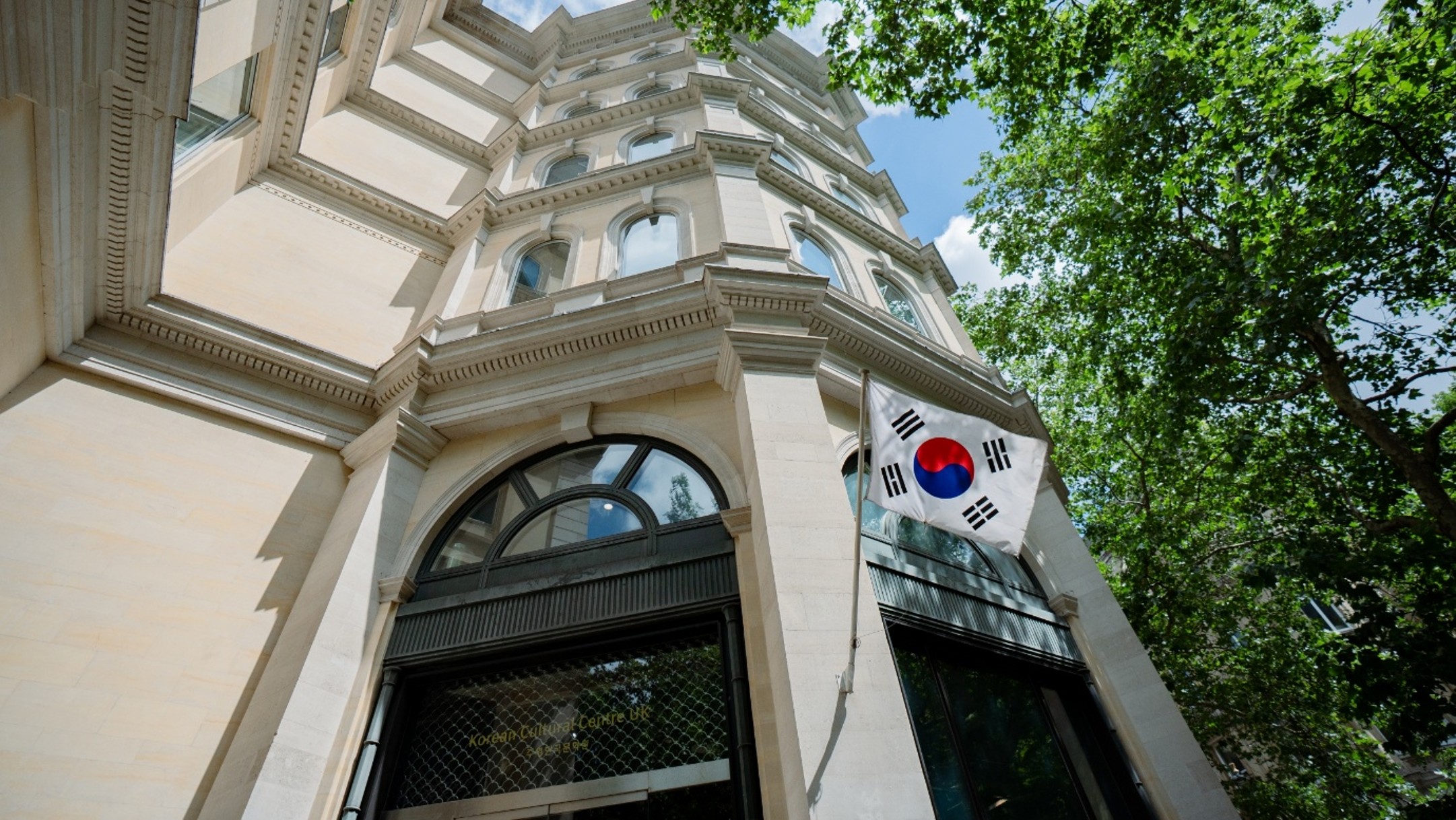
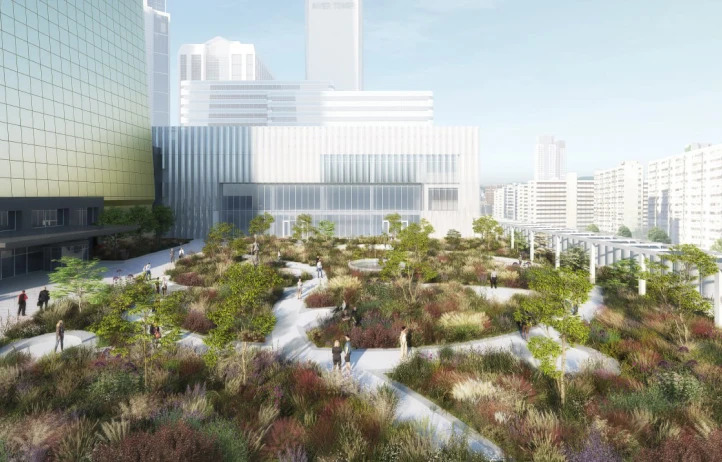
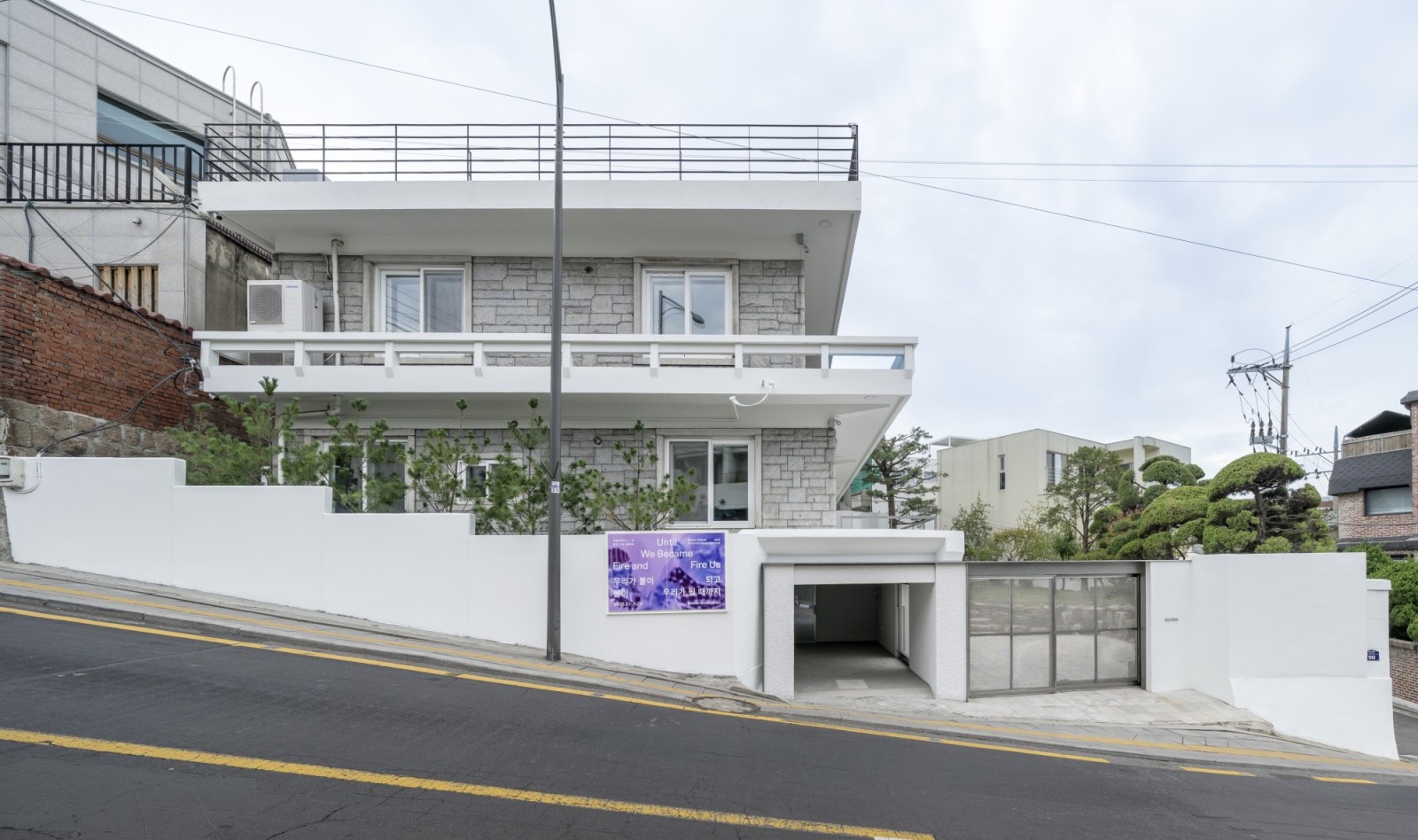
Korean Cultural Centre UK (KCCUK). Photo: Korean Cultural Centre UK.
The Korean Cultural Centre UK
(KCCUK) opened in London in 2008 as a cultural institution
affiliated with the Embassy of the Republic of Korea in the United Kingdom.
Located near Trafalgar Square, it introduces Korean arts and culture and
promotes cultural exchange between Korea and the UK through exhibitions,
performances, film screenings, and educational programmes.
Exhibition Information
Exhibition: 《The Unclassified》
Dates: 25 September–31 December 2026
Venue: Korean Cultural Centre UK, London
Participating Artists: Meekyoung Shin, Ayoung Kim, siren eun young jung,
Gala Porras-Kim
Admission: Free
Website: Korean
Cultural Centre UK