Rereading Korean Conceptual Art
The National Museum of Modern and
Contemporary Art, Korea (MMCA) is presenting《This is (Not) Conceptual Art》at
MMCA Seoul through October 11, 2026. The exhibition examines how the current of
“conceptual art” was formed and expanded within Korean contemporary art from
the 1970s to the 1990s.
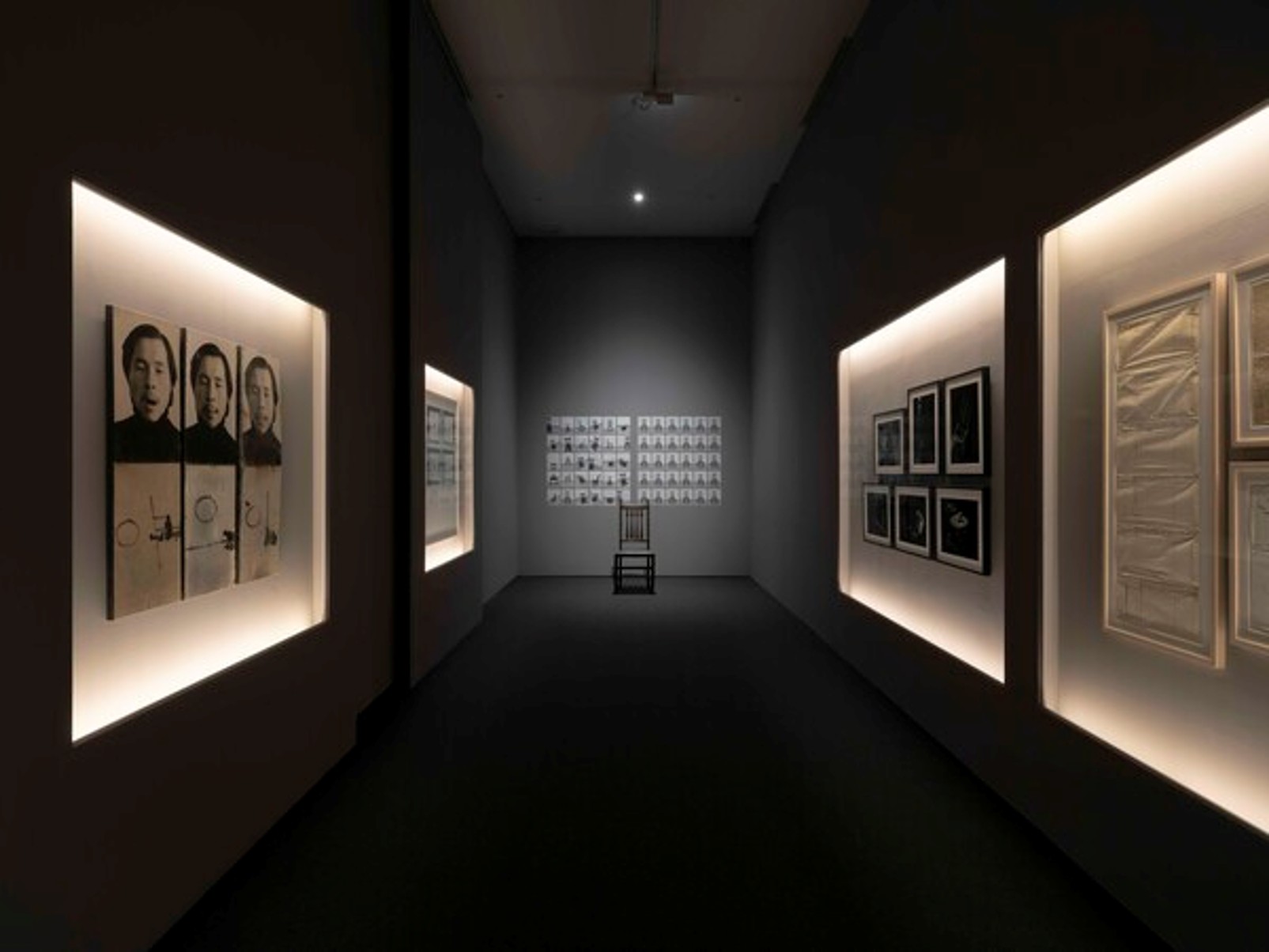
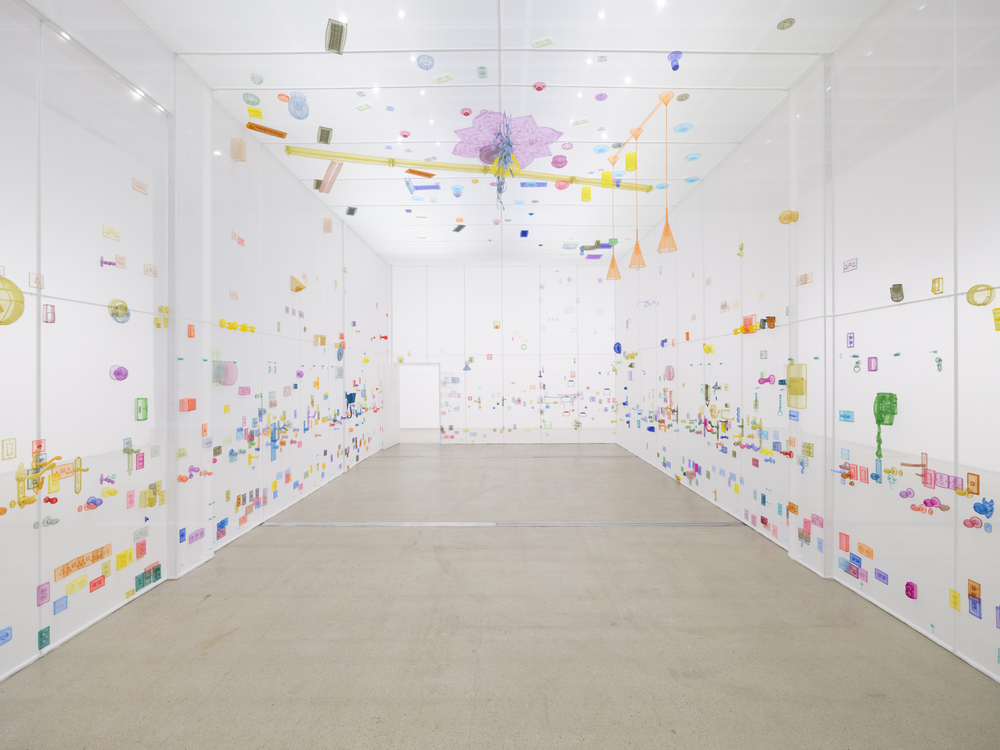
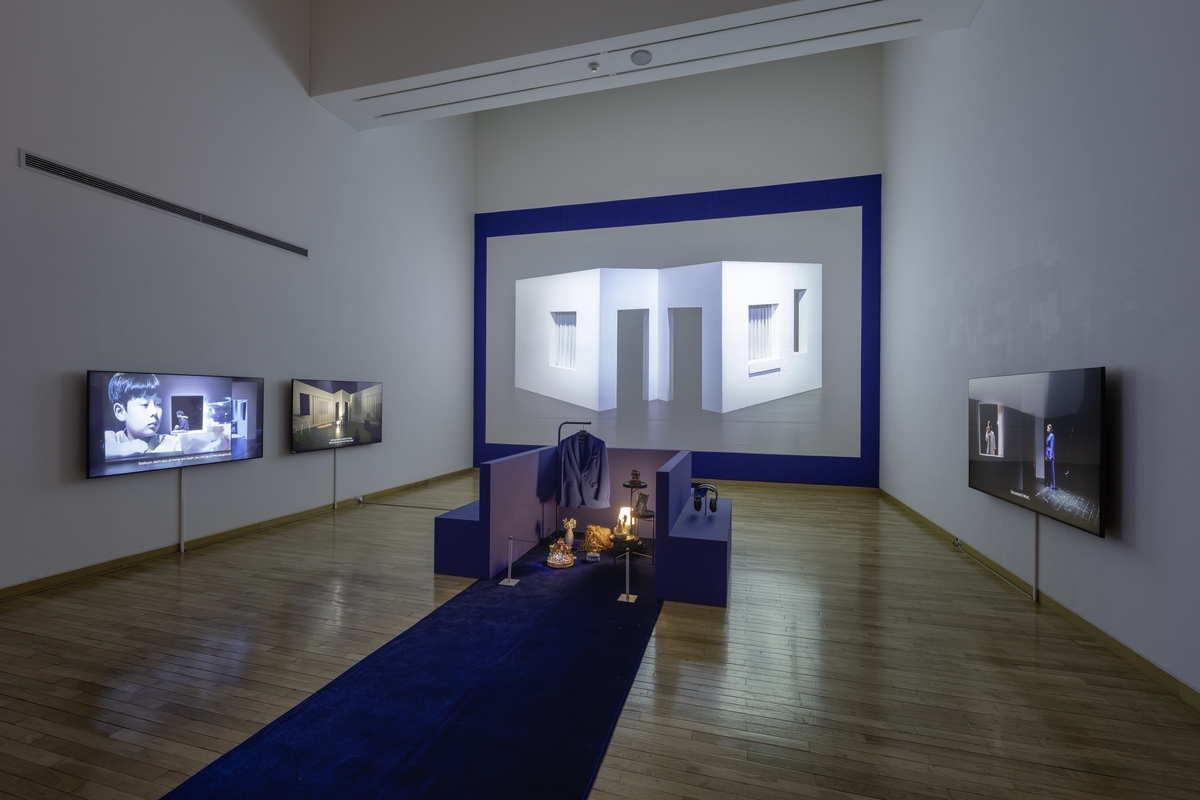
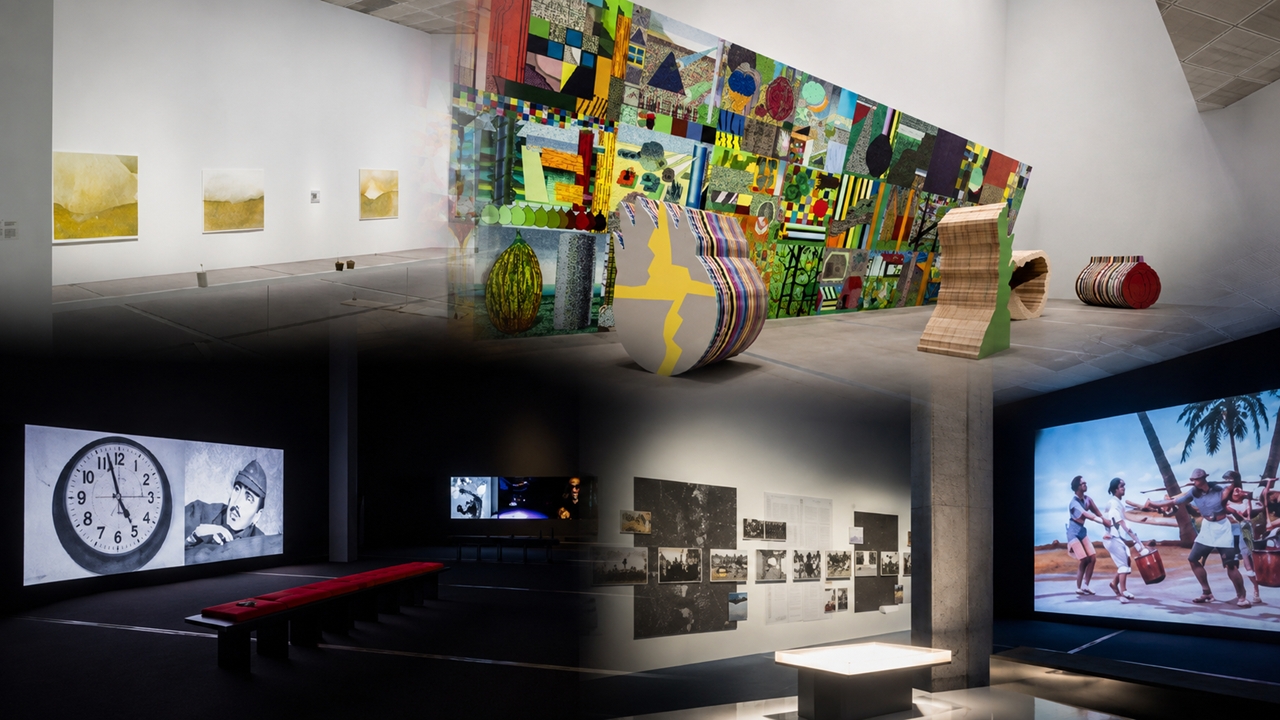
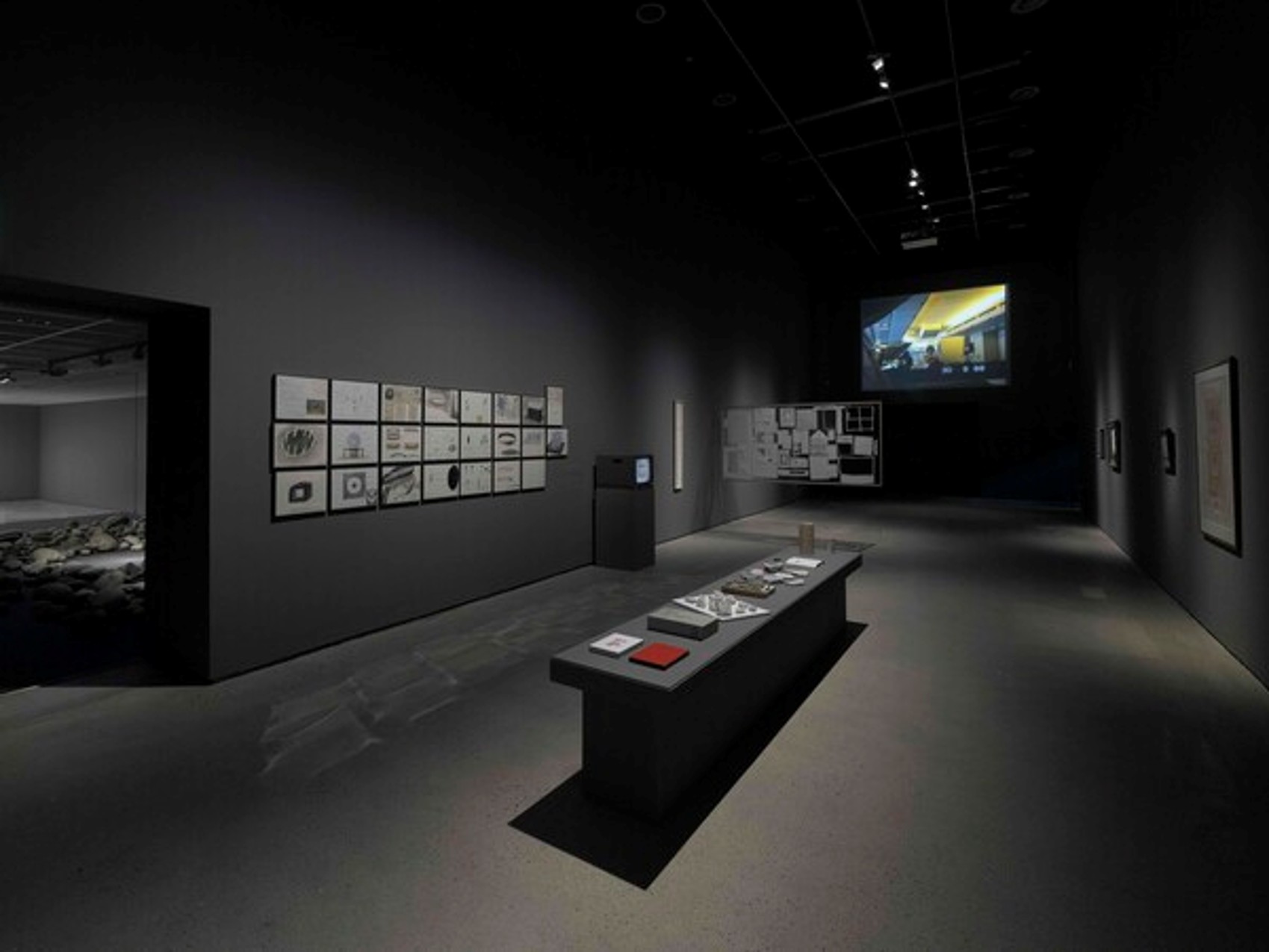
Installation view / Photo: National Museum of Modern and Contemporary Art, Korea
The exhibition brings together 28 artists,
including Kim Beom, Kim Soun-Gui, Bahc Yiso, Ahn Kyuchul, and Lee Kun-Yong, and
presents around 140 works and archival materials across various media,
including painting, photography, video, and performance. Related programs,
including artist talks and international symposiums, also provide opportunities
to deepen the understanding of Korean conceptual art.
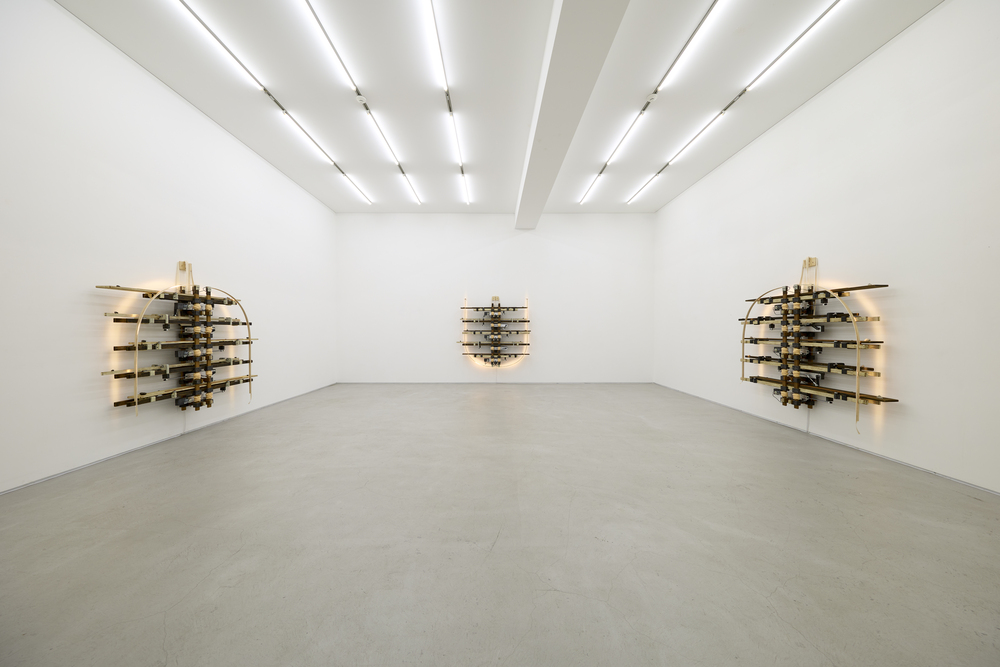
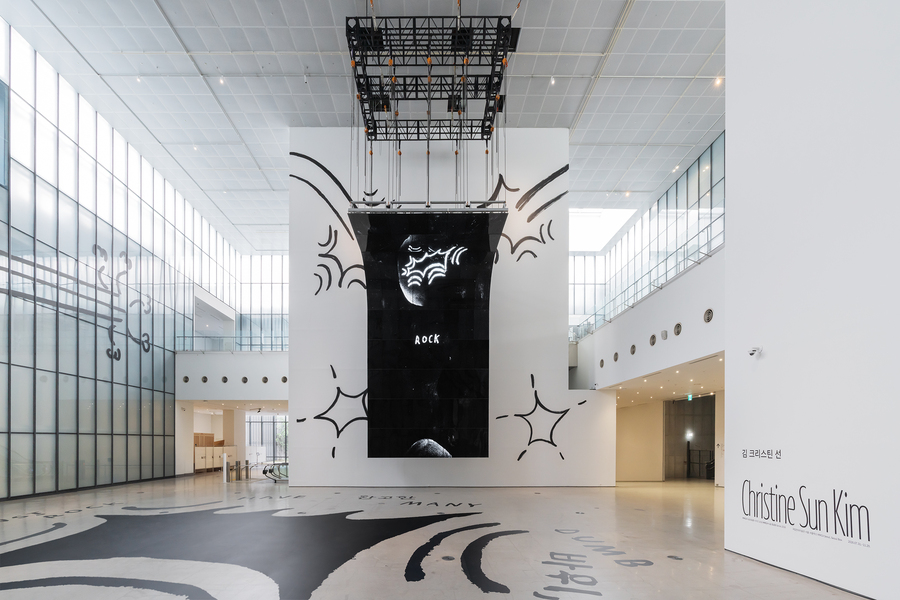
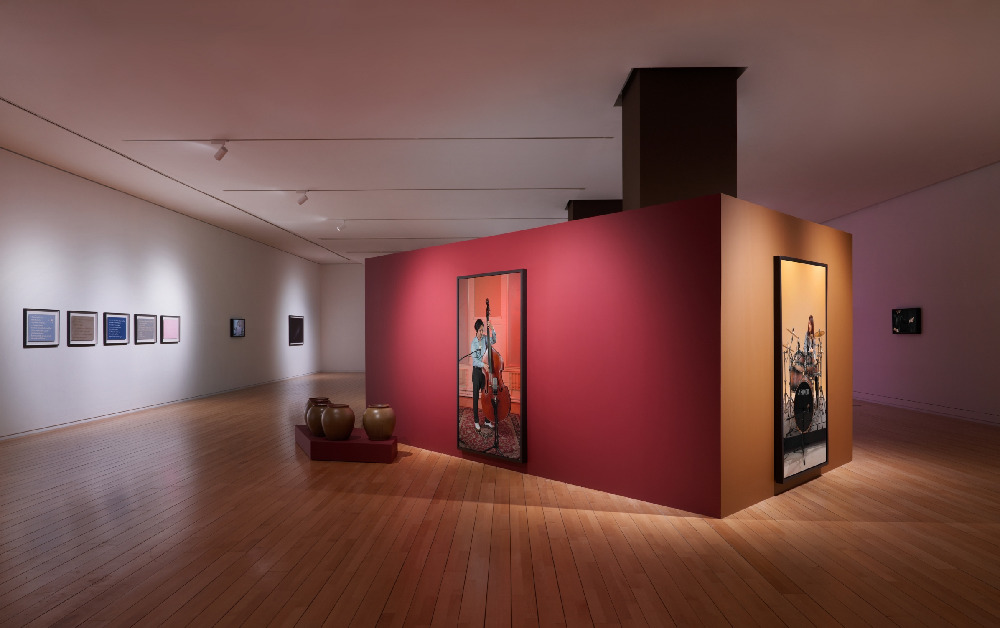
Installation view / Photo: National Museum of Modern and Contemporary Art, Korea
The exhibition traces the process by which
Korean art moved beyond visually centered expression and came to engage with
language, action, thought, measurement, signs, and institutions, transforming
itself into an art of thinking. Here, conceptual art does not simply refer to
art that privileges ideas over finished objects. Korean conceptual practices
developed through complex intersections of language and logic with materiality,
the body, action, and social conditions. Rather than binding these practices to
a single fixed definition, the exhibition focuses on how concepts, processes,
and contexts have operated within Korean contemporary art.
Expanding the Narrative of
Korean Contemporary Art after Dansaekhwa
This exhibition is significant within the
recent effort to reinterpret Korean contemporary art. For a long time, Korean
contemporary art was introduced internationally largely through Dansaekhwa,
or Korean monochrome painting. While Dansaekhwa played an important role in
raising the global visibility of Korean contemporary art, the diverse
experimental and conceptual practices within Korean art were comparatively less
examined.
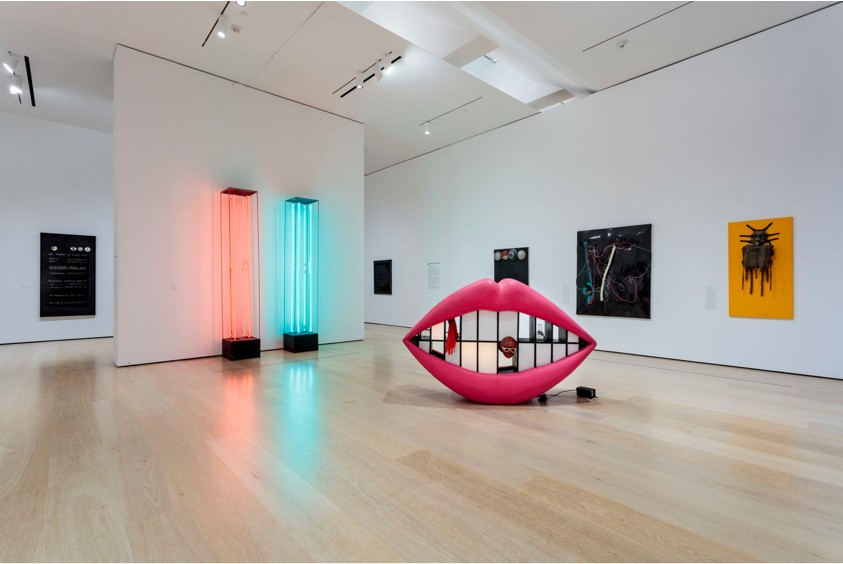
《Only the Young: Experimental Art in Korea 1960s–1970s》Installation view at the Hammer Museum in LA ©Hammer Museum. Photo: Joshua White
This situation has begun to change in the
2020s. MMCA’s 2023 exhibition《Korean
Experimental Art 1960s–1970s》later
traveled to the Solomon R. Guggenheim Museum in New York and the Hammer Museum
in Los Angeles under the title《Only the
Young: Experimental Art in Korea, 1960s–1970s》,
bringing Korean experimental art into renewed focus within the context of
international art history. Through performance, happenings, objects,
photography, film, and installation, the exhibition presented another genealogy
of Korean contemporary art by highlighting the diverse practices of the Korean
avant-garde of the 1960s and 1970s.
《This
is (Not) Conceptual Art》can be understood as part of this broader trajectory. If the
exhibitions at the Guggenheim and the Hammer Museum brought international
attention to the historical significance of Korean experimental art, the
current MMCA exhibition offers a focused examination of how conceptual thinking
unfolded within Korean contemporary art.
The Question Implied by “This
is (Not) Conceptual Art”
The word “Not” in the exhibition title
clearly reveals the exhibition’s central concern. 《This is (Not) Conceptual Art》does
not attempt to define what conceptual art is in a fixed way. Instead, it
questions the boundaries and conditions of the very term “conceptual art.”
Western conceptual art is generally
understood as a movement that emphasized ideas, language, and institutional
critique over the material form of the artwork. In contrast, Korean conceptual
practices were often closely connected to social realities, political
environments, site-specific conditions, the body, and everyday experience. For
this reason, Korean conceptual art needs to be understood not simply by
applying the terminology of Western art history, but by examining the internal
conditions and contexts of Korean contemporary art.
The importance of this exhibition lies
precisely in this point. Rather than organizing conceptual art as a closed
category, it investigates how conceptual thinking emerged and transformed
within Korean contemporary art. In this context, conceptual art does not refer
only to a specific style or form. It includes the way an artwork is made, the
way it relates to viewers, and the way art reflects on reality, institutions,
language, and society.
Language, Logic, Action: How
Does a Work Become an Event?
The exhibition is organized into four
sections. The first section, “Language, Logic, Action,”
explores the relationship between action and language, which may be understood
as a starting point of conceptual art. Instead of presenting finished objects
such as painting or sculpture, artists foregrounded process through repeated
actions, rules, bodily movements, and the accumulation of time.
Works by Lee Kun-Yong and Sung Neung Kyung
transform everyday movements into events through logical structures. In front
of these works, viewers do not simply look at art; they are asked to consider
the conditions and procedures through which the work comes into being.
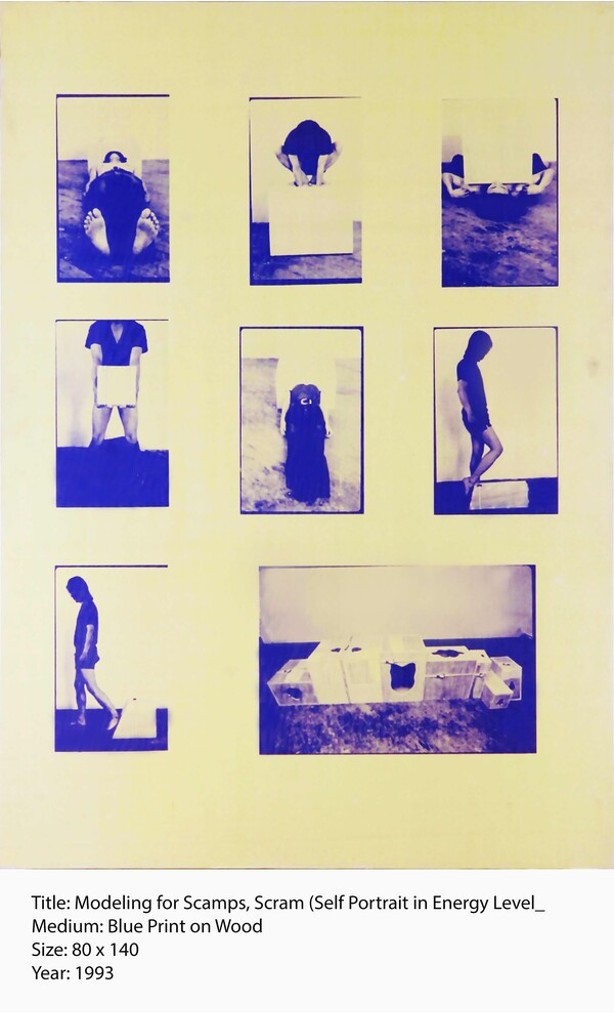
Cody Choi, Scamps, Modeling for Scram, 1994 (2026 print), print on paper, 123 × 90 cm. Artist’s collection. Courtesy of the artist / Photo: National Museum of Modern and Contemporary Art, Korea
Cody Choi’s Scamps,
Modeling for Scram also addresses the body, action, and
accumulation. The artist repeatedly inserted and held parts of his body,
including his head, palm, abdomen, genitals, and toes, inside a wooden box for
varying lengths of time. This act was intended to accumulate the energy
generated by bodily movement inside the box, allowing the work to be understood
less as a material result than as a record of action and process.
Objects and Language: Where
Does Meaning Arise?
The second section, “Objects
and Language,” questions the role of language, which we often
take for granted. There is always a gap between an object and the language used
to describe it. Language explains the world, but it can never fully capture it.
Through works that reveal this gap, the exhibition encourages viewers to
construct meaning for themselves.
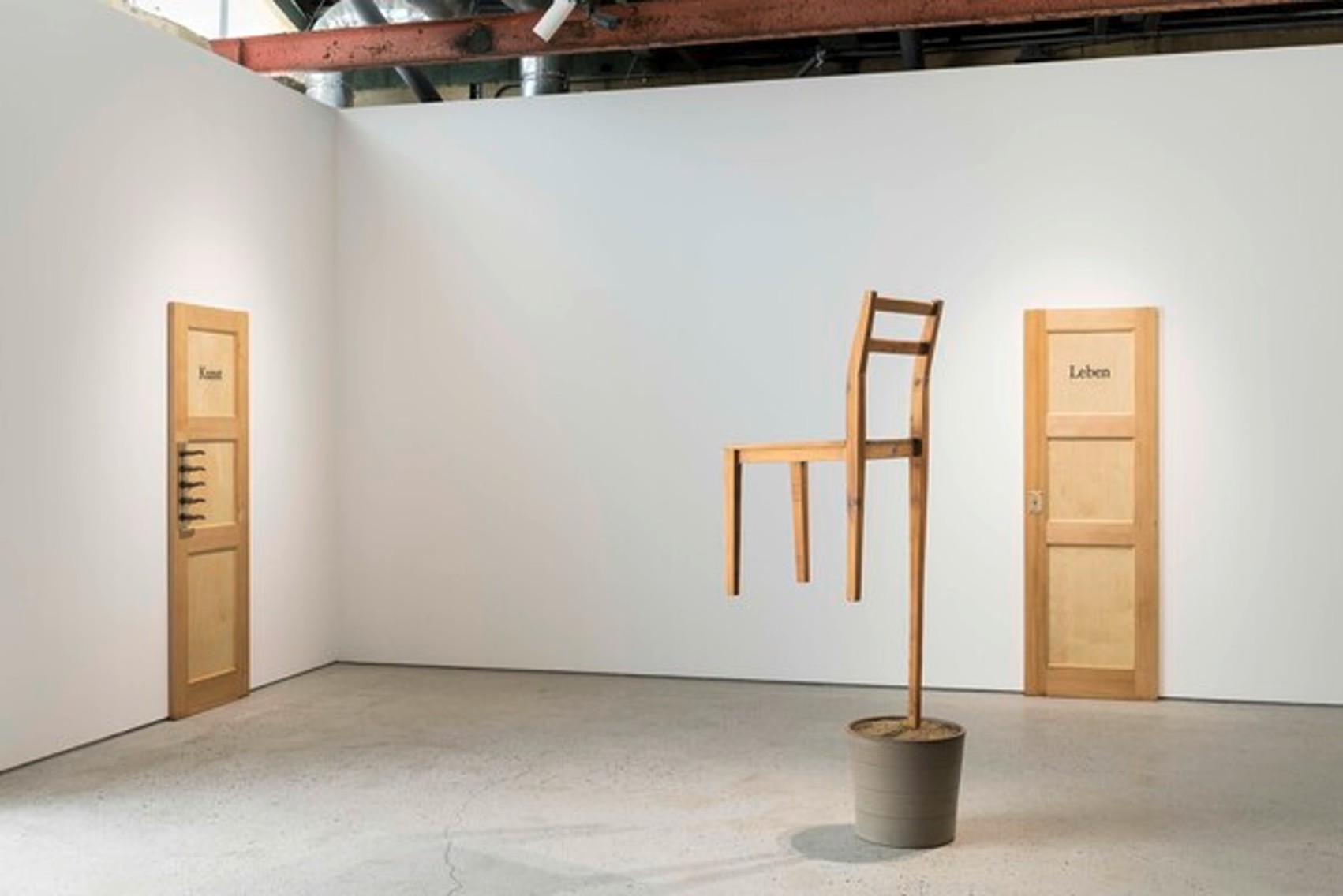
Ahn Kyuchul, Five Questions for an Unknown Artist, 1991, wood, iron, flowerpot, doors, dimensions variable. Artist’s collection. Courtesy of the artist / Photo: National Museum of Modern and Contemporary Art, Korea
Ahn Kyuchul’s works lead viewers into
reflection by adding speculative language and philosophical meaning to everyday
objects. Five Questions for an Unknown Artist,
made in 1991, is an installation composed of two doors marked “Art” and “Life,”
along with a flowerpot in which a chair has been planted. The five handles
attached to the door marked “Art” suggest the many questions one must confront
in order to pass through it. By contrast, the door marked “Life” has no handle,
revealing a situation from which one cannot easily turn back.
In this work, objects are not merely
objects. The doors, handles, flowerpot, and chair become devices that question
the relationship between art and life. Through the work, viewers are invited to
consider what it means to enter art, or to return to life.
Maps and Measurement: How Is
Objectivity Constructed?
The third section, “Maps and
Measurement,” dismantles the systems of standards through which
the world is explained. Maps, coordinates, time, and units of measurement
appear to be objective standards, but they are in fact socially agreed-upon
rules and devices of perception. By altering or reconstructing them, artists
unsettle the accuracy and objectivity that we have come to trust.
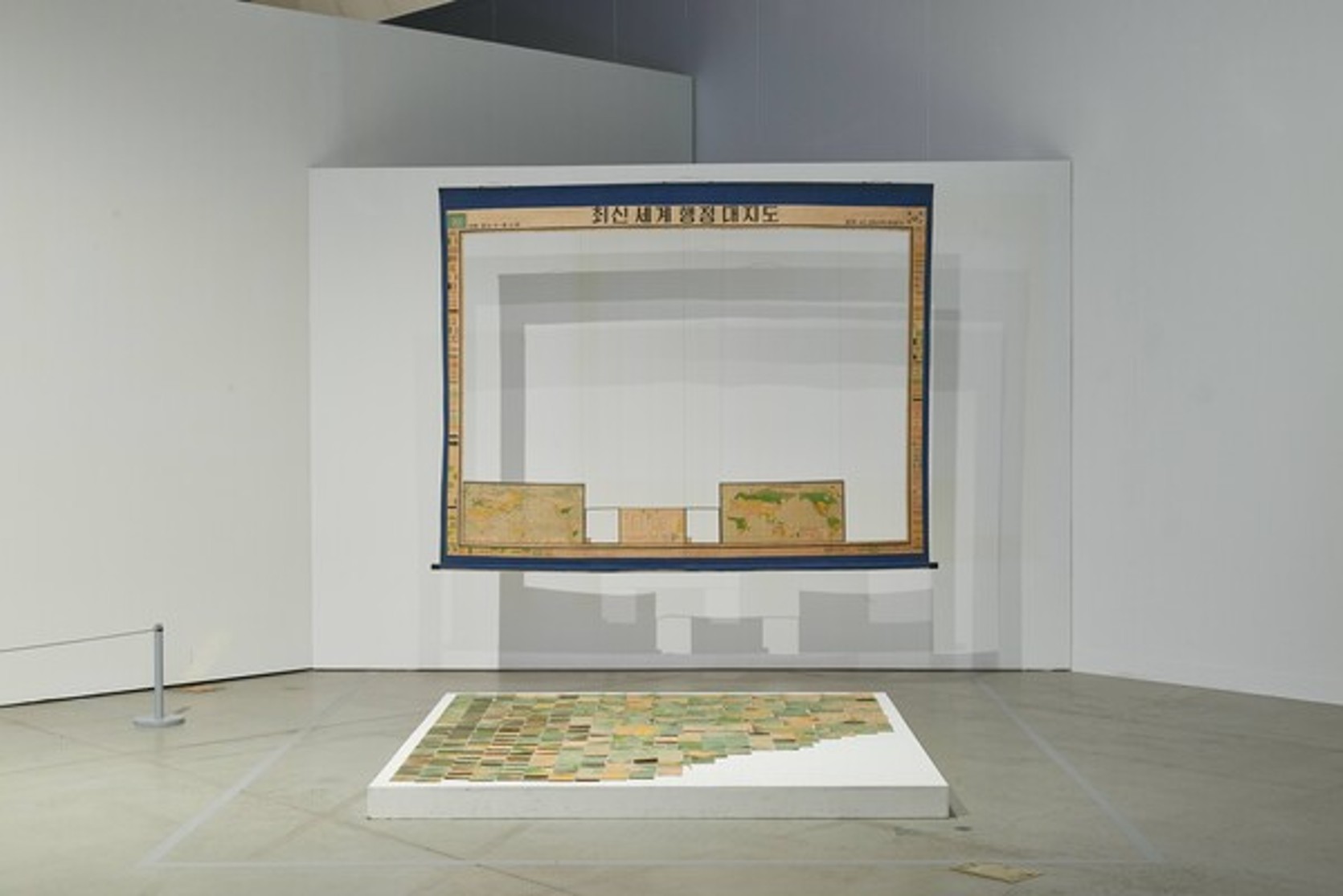
Sung Neung Kyung, An Upside-Down Map of the World, 1974, object, world map, 166.5 × 212 cm, 136 × 196.5 cm. Seoul Museum of Art Collection. Courtesy of the Artist and Seoul Museum of Art / Photo: National Museum of Modern and Contemporary Art, Korea
Sung Neung Kyung’s An
Upside-Down Map of the World clearly demonstrates this
critical approach. The artist cuts and rearranges a world map, overturning the
existing standards through which the world is perceived. Here, the map no
longer functions merely as spatial information. It becomes a device that reveals
questions of viewpoint, power, center, and periphery.
This section demonstrates that Korean
conceptual art did not remain confined to abstract ideas. By dealing with
systems such as measurement, classification, maps, and coordinates, the artists
questioned how the world is constructed and perceived. This shows that art can
go beyond visual forms to address the structure of perception itself.
Mediators of Signs: How Are
Images Re-edited?
The final section, “Mediators
of Signs,” introduces works that re-edit already existing images
and information, including newspapers, advertisements, statistics, photographs,
and records. Instead of creating new images, artists rearrange existing signs
to reveal how information is constructed and given meaning.
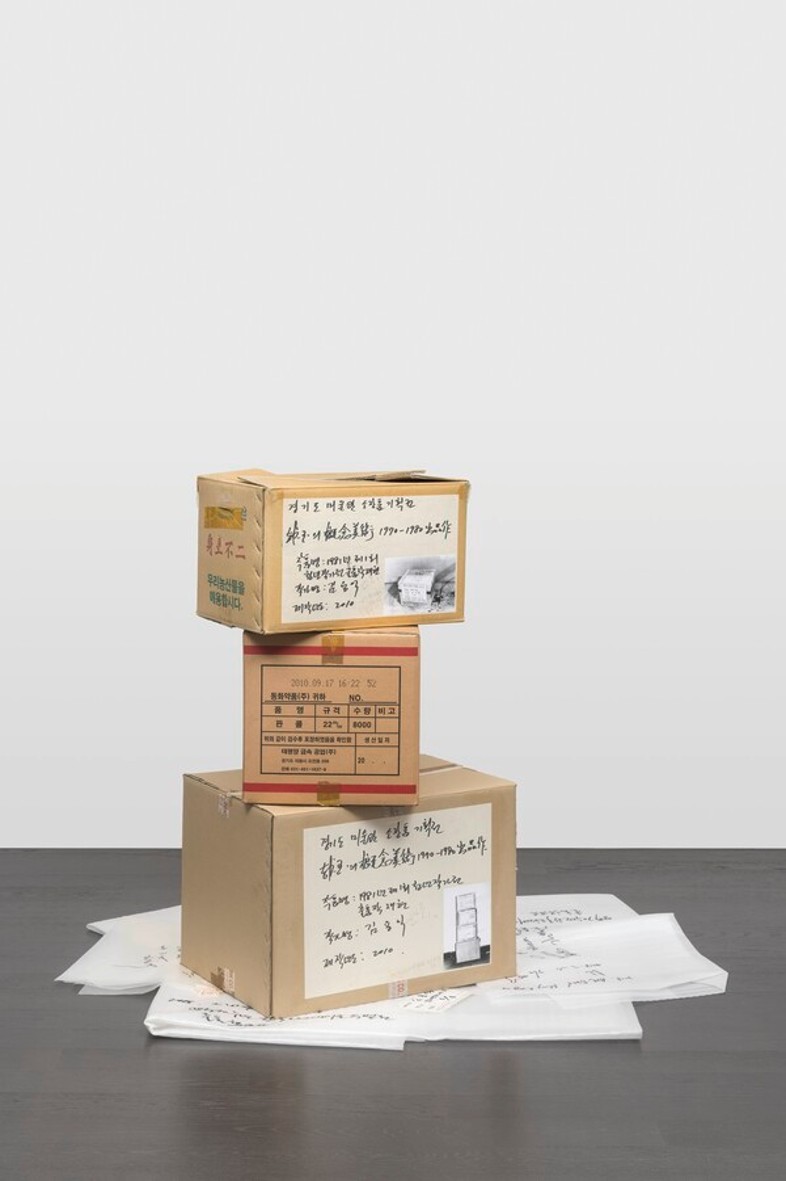
Kim Yong-Ik, Untitled (in the《1st Young Artists Exhibition》, 1981) , 1981 (remade 2010), photographs, ink, and PE foam on packing boxes, dimensions variable. Photo: Ahn Chunho. Artist’s collection. Courtesy of the artist and Kukje Gallery / Photo: National Museum of Modern and Contemporary Art, Korea
Kim Yong-Ik’sUntitled (in the《1st Young Artists Exhibition》, 1981) exemplifies this approach. The work is a 2010 remake of a piece
originally shown in the《1st Young Artists
Exhibition》held at MMCA in 1981. Archival photographs of the 1981 exhibition
installation are attached to the surfaces of the boxes. This is not simply an
attempt to restore an earlier work. Rather, the process of re-editing and
recontextualizing his own previous work becomes part of the work itself.
Such works revisit the relationship between
record and original, remake and interpretation. The artwork is no longer a
fixed result. It becomes an open structure that is reread and reconstructed
over time.
Conceptual Art Is Not the Past
but the Present
Today, contemporary art operates within
increasingly immaterial and conceptual conditions shaped by AI, data,
algorithms, networks, and participatory practices. In this context, revisiting
Korean conceptual art is not merely an act of historical reflection. It is
closer to a process of confirming the historical foundations on which
contemporary art has been formed.
《This is (Not) Conceptual Art》 both revisits the history of Korean conceptual art and offers an
important opportunity to reread Korean contemporary art from a broader
perspective. The exhibition moves beyond asking what Korean contemporary art
has shown. It asks how it has thought, recorded, and been reinterpreted,
revealing Korean conceptual art as an essential basis for understanding Korean
contemporary art today.
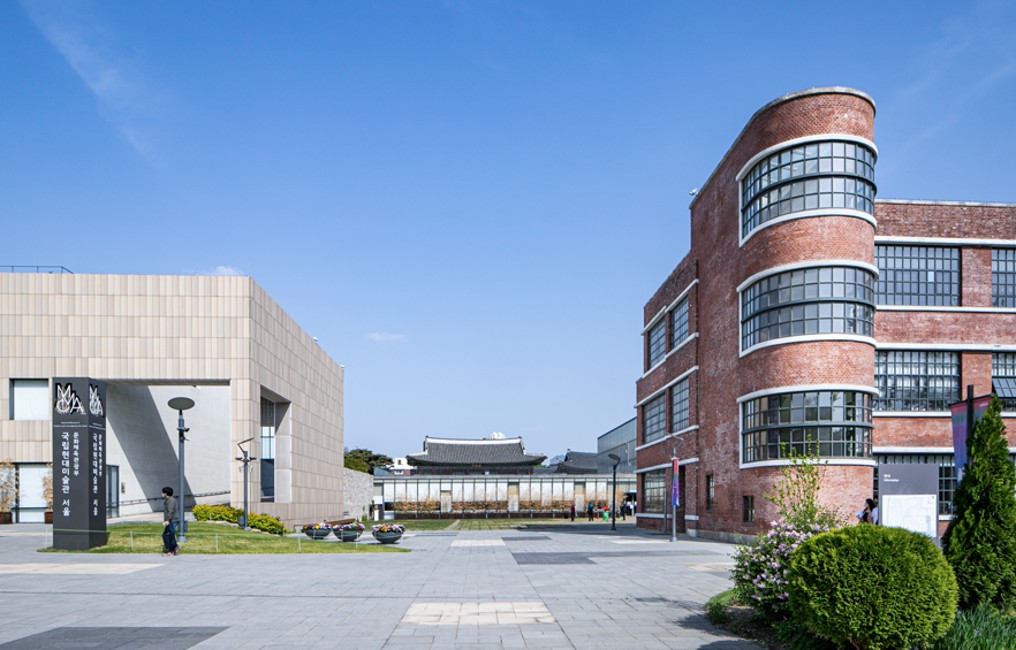
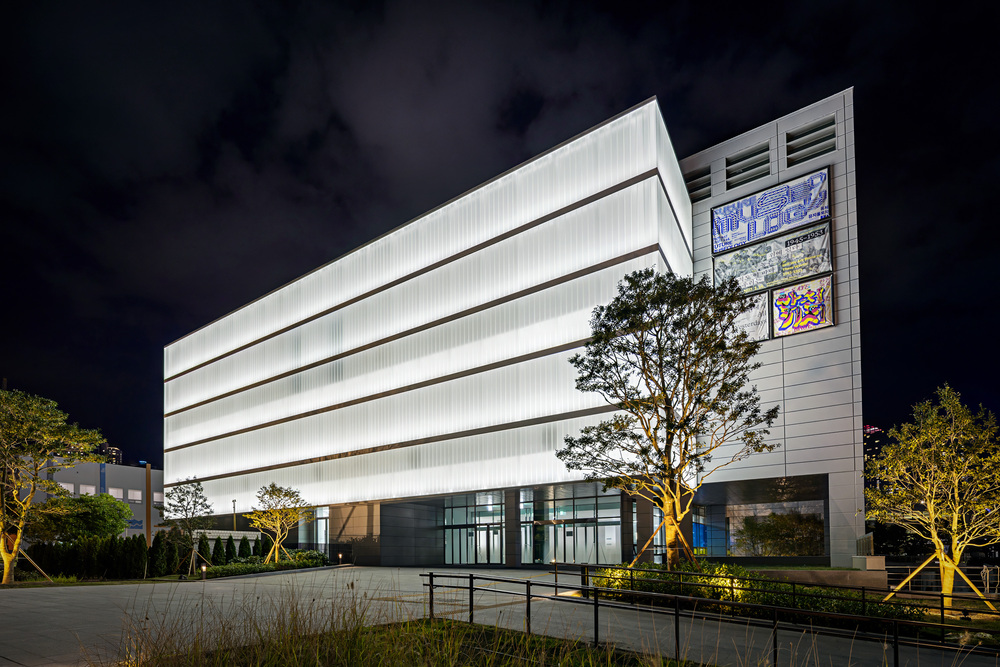
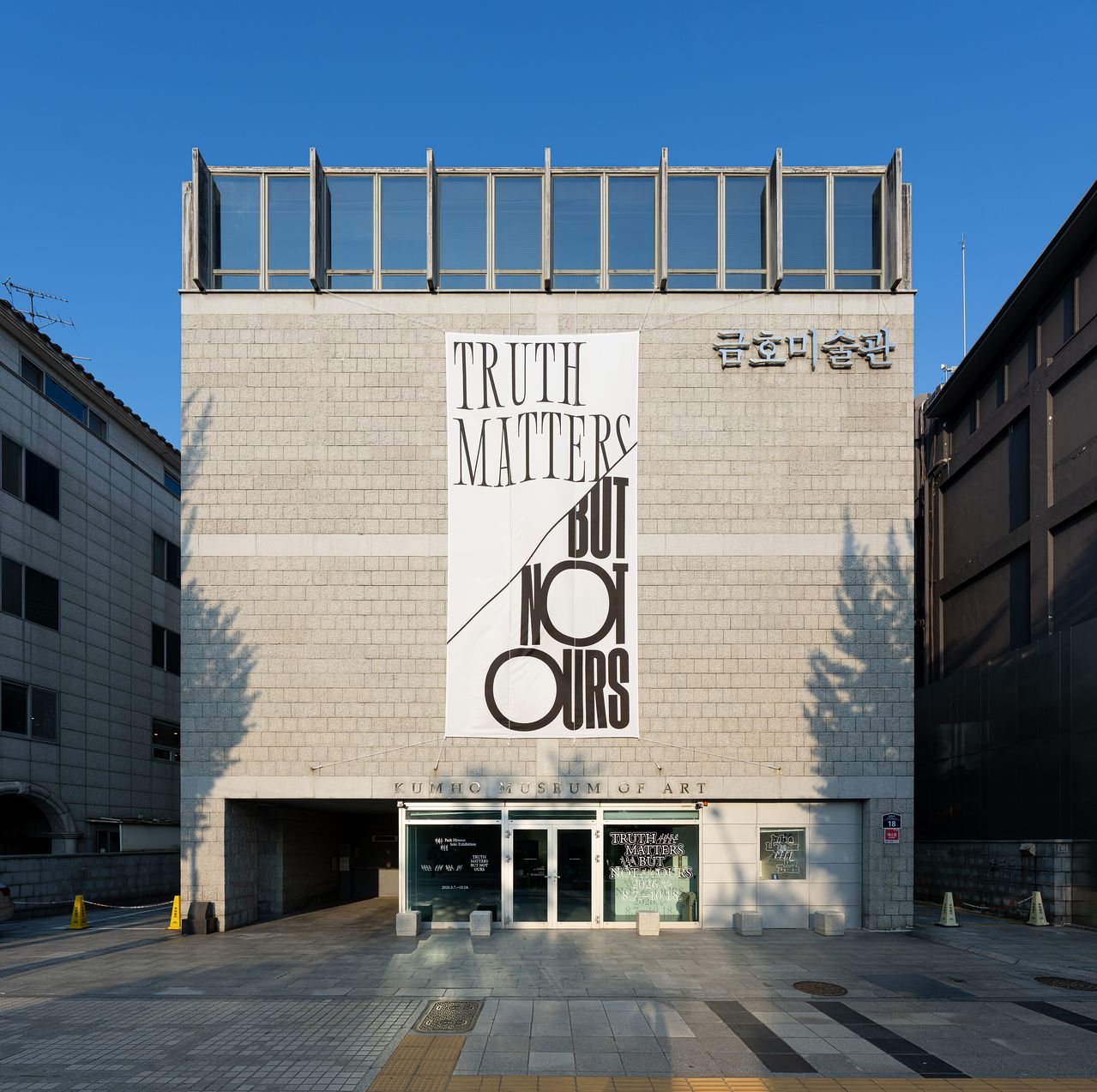
Exterior view of MMCA Seoul / Photo: MMCA
Introduction to the National
Museum of Modern and Contemporary Art, Korea
The National Museum of Modern and
Contemporary Art, Korea is the country’s leading national museum dedicated to
the collection, preservation, research, and exhibition of Korean modern and
contemporary art. Operating four branches in Gwacheon, Seoul, Deoksugung, and
Cheongju, MMCA presents exhibitions that examine major currents in Korean art
history while introducing new discourses in contemporary art. Through
international exchange and scholarly research, the museum also plays an
important role in expanding the global presence of Korean contemporary art.
Exhibition Information
Title: This
is (Not) Conceptual Art
Period: June 19 – October 11, 2026
Venue: MMCA Seoul, Galleries 6 and 7, and Museum Madang
Participating Artists: 28 artists, including Kim Beom, Kim Soun-Gui, Bahc
Yiso, Ahn Kyuchul, and Lee Kun-Yong
Works on View: Around 140 works and archival materials, including
painting, photography, video, and performance
Admission: KRW 2,000
Organizer: National Museum of Modern and Contemporary Art, Korea