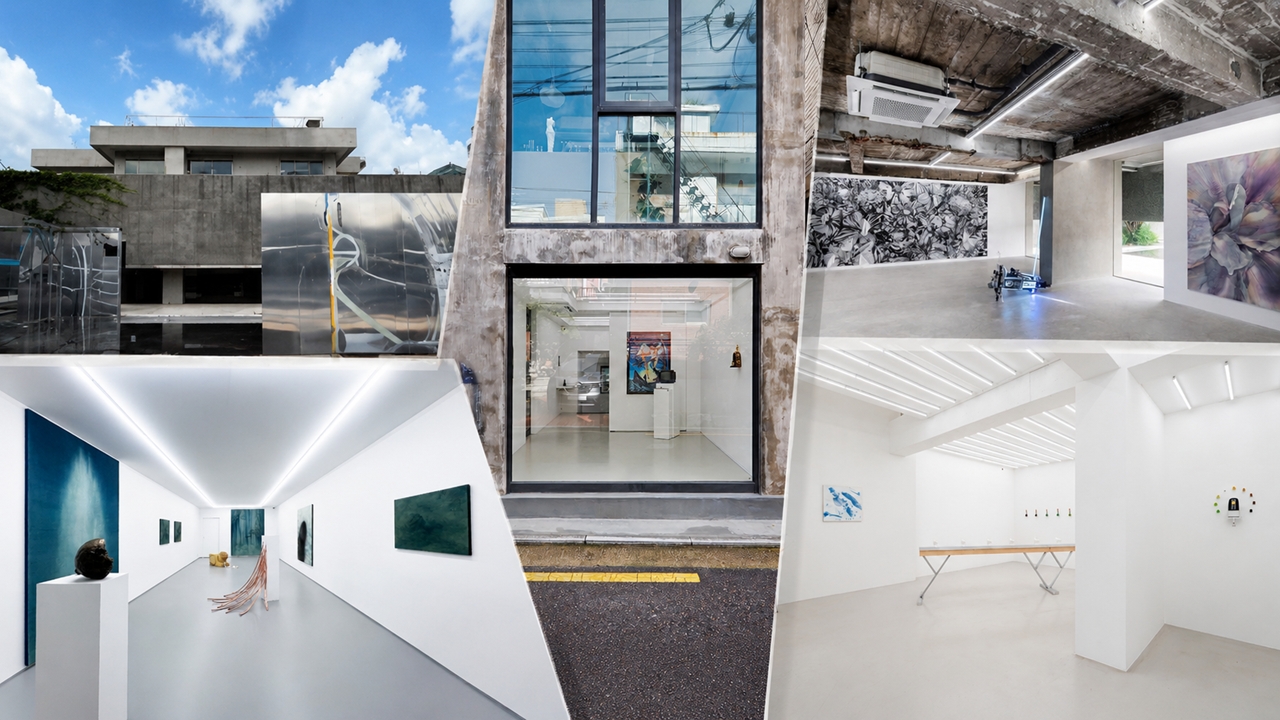

The site now occupied by the Seoul Museum
of Craft Art in Anguk-dong, Seoul, was once home to a royal detached palace of
the Joseon Dynasty known as Andongbyeolgung.
Established in the late Joseon period,
Andongbyeolgung served as a setting for major royal ceremonies. In 1882, the
wedding of Crown Prince Yi Cheok, who would later become Emperor Sunjong, was
held here. In 1906, the palace also hosted the wedding of Crown Prince Yi Cheok
and Lady Yun, later Empress Sunjeonghyo.
The palace was eventually dismantled, and
Pungmoon Girls’ High School was built on the site. After the school relocated,
the Seoul Museum of Craft Art was established here. Although the palace itself
disappeared long ago, objects once used there, historical records, and
architectural structures relocated to other places have survived in various
forms.
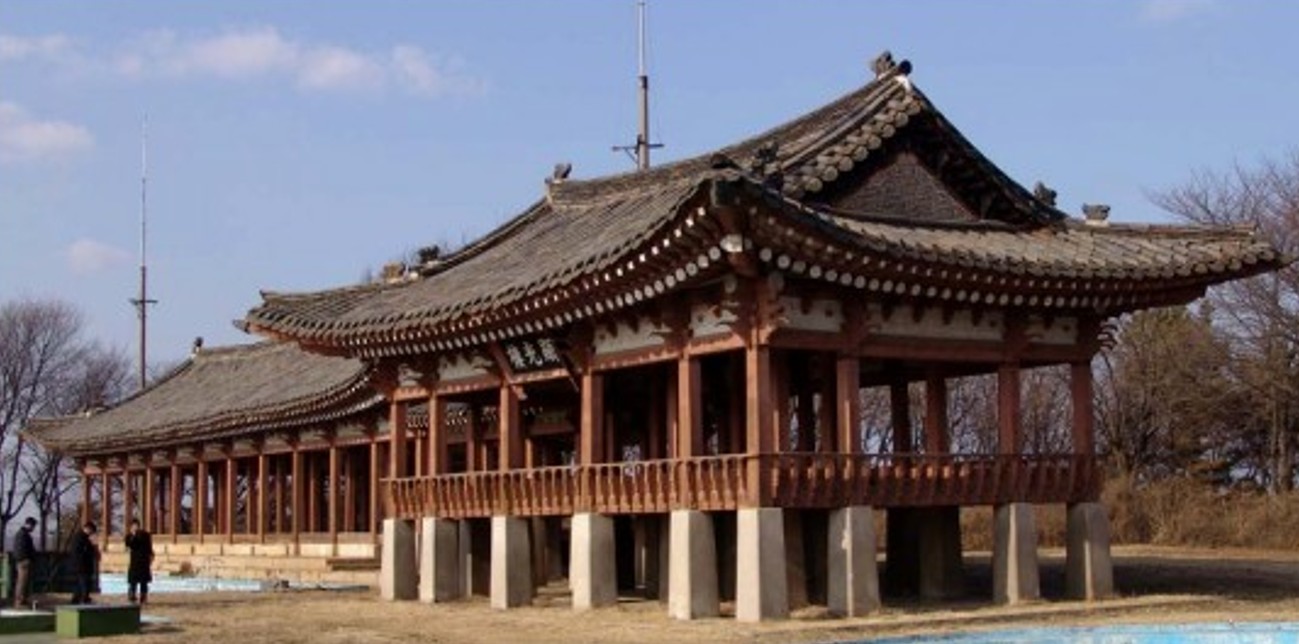
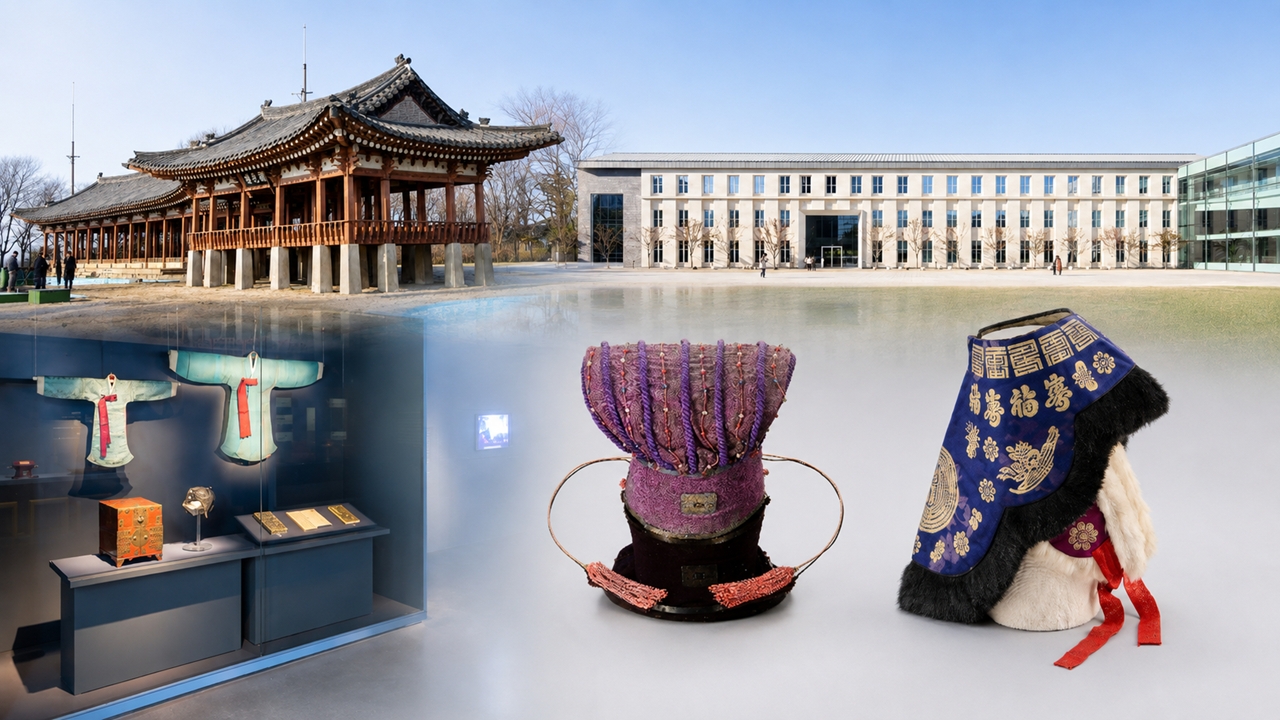
Historic view of Andongbyeolgung, formerly located on the present-day site of the Seoul Museum of Craft Art.
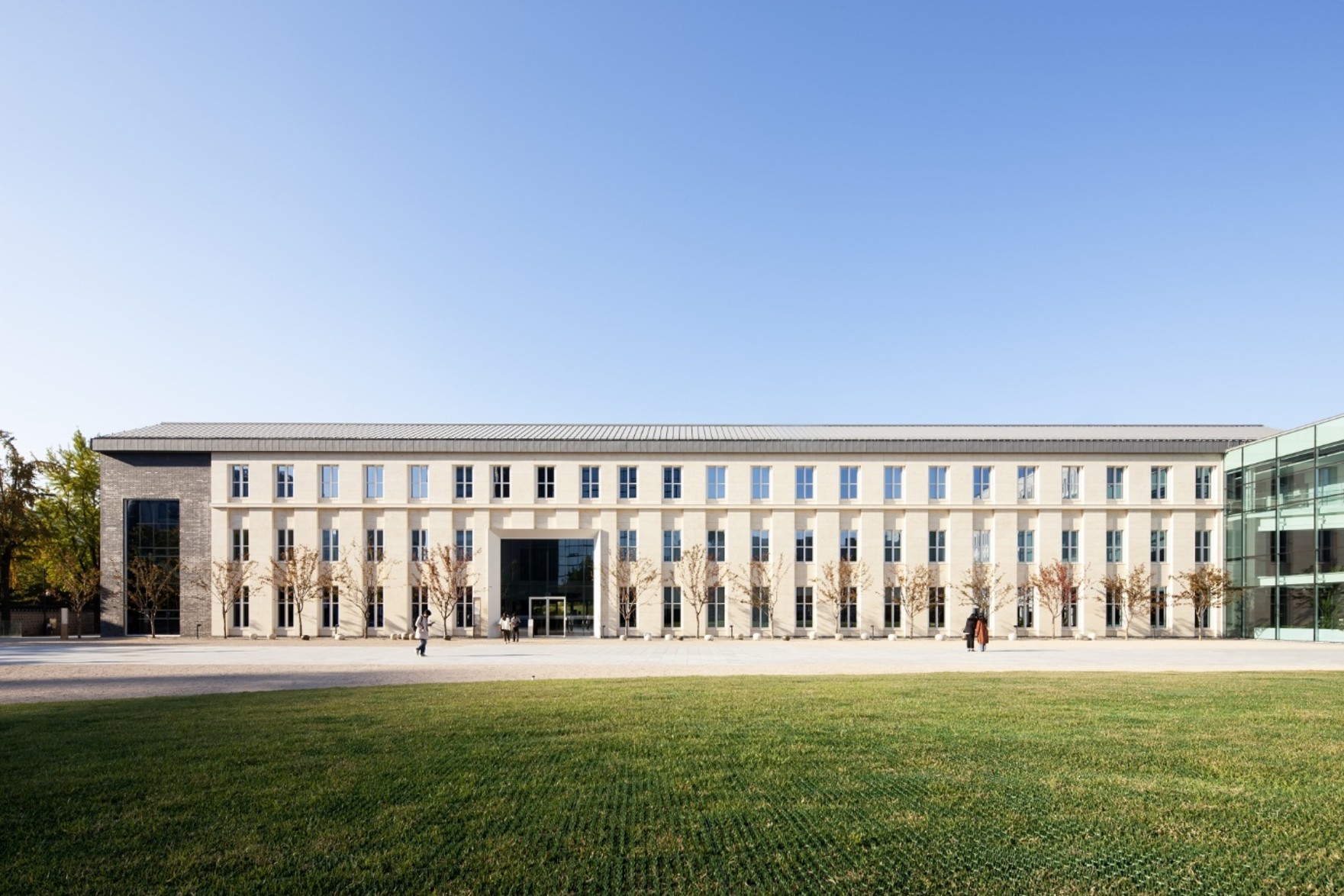
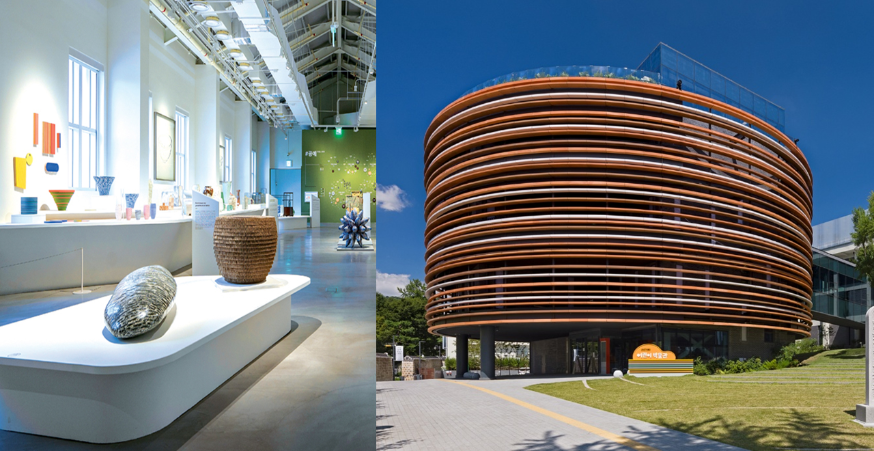
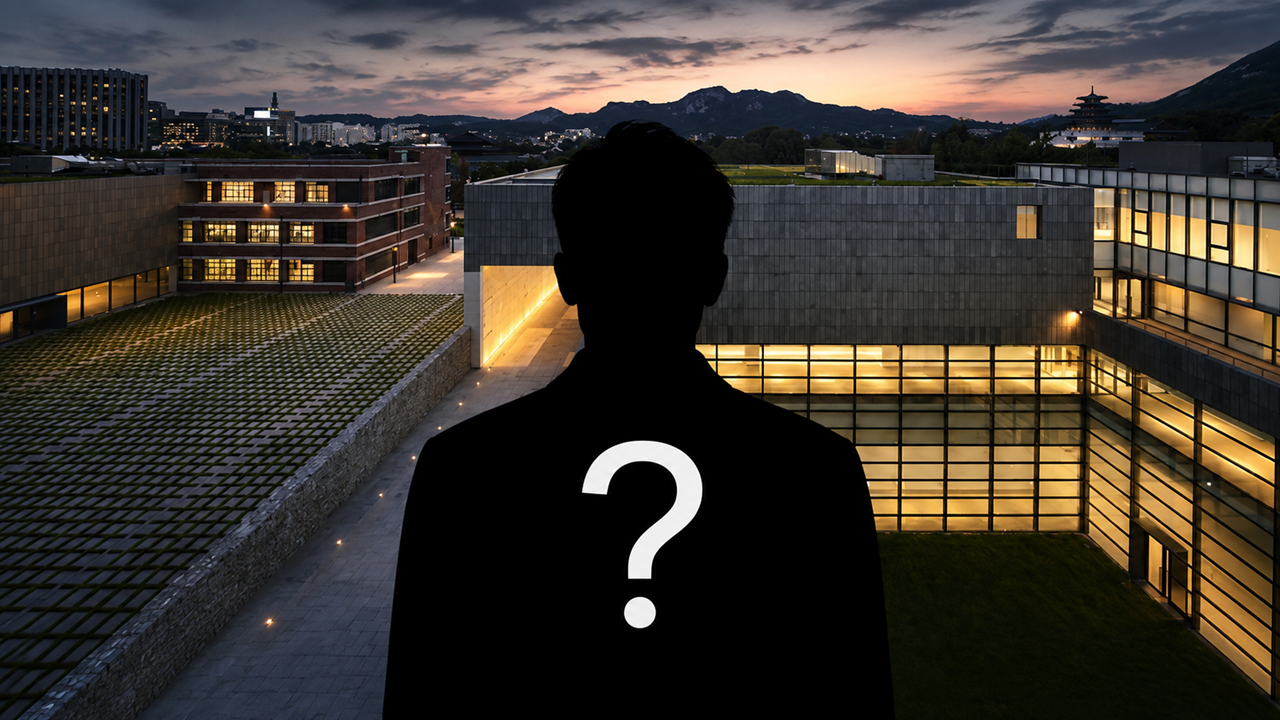
Present-day view of the Seoul Museum of Craft Art / Photo: Seoul Museum of Craft Art
The Seoul Museum of Craft Art’s special
exhibition 《Andongbyeolgung, Layers of Time》 brings together these scattered traces to revisit the vanished
royal space and the culture of life surrounding it. What makes the exhibition
particularly compelling is that it is being presented on the very site where
Andongbyeolgung once stood.
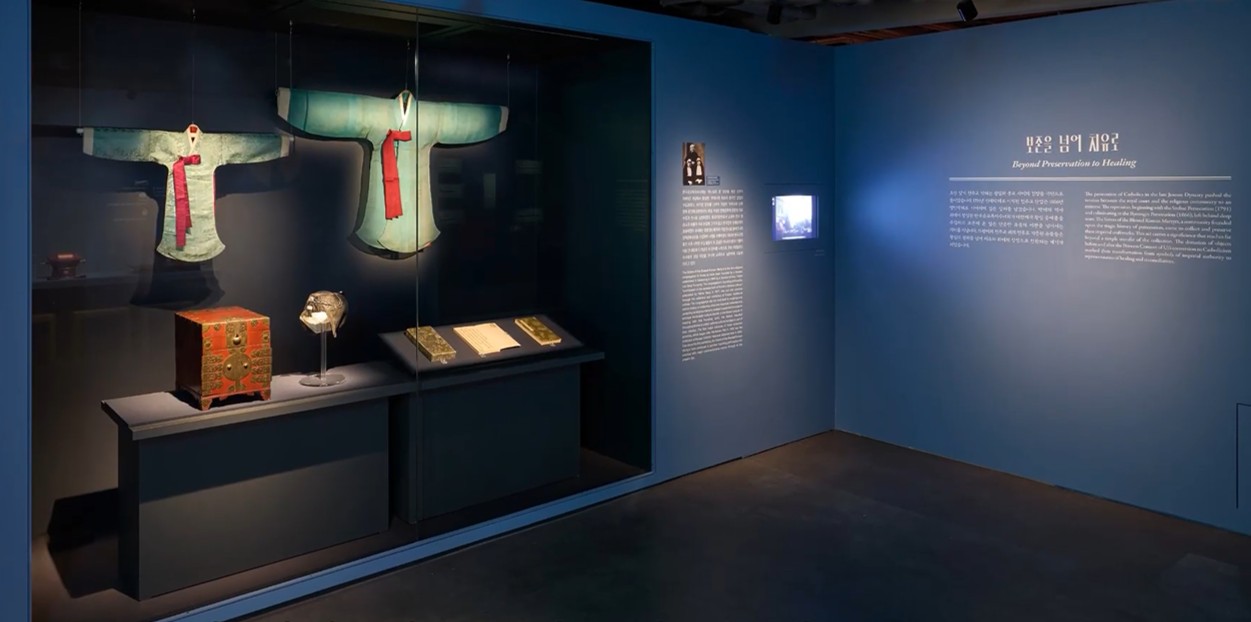
서울공예박물관 《안동별궁, 시간의 겹》 전시모습 / 사진: ARTKOREATV
From Royal Palace to School to
Museum
Despite its name, Andongbyeolgung was not
located in Andong, Gyeongsangbuk-do, but in what is now Anguk-dong in
Jongno-gu, Seoul.
It was an important venue for royal
ceremonies in the late nineteenth century. In 1882, the wedding of Crown Prince
Yi Cheok, later Emperor Sunjong, took place here, followed in 1906 by the
wedding of Crown Prince Yi Cheok and Lady Yun, later Empress Sunjeonghyo. The
site thus witnessed the transition from the final decades of the Joseon Dynasty
to the Korean Empire.
After the palace was dismantled, Pungmoon
Girls’ High School was built on the site. When the school later relocated, the
Seoul Museum of Craft Art was established in its place.
From royal palace to school,
and finally to a museum of craft.
Different eras of Seoul have accumulated one after another on the same ground.
The exhibition title, 《Andongbyeolgung, Layers of
Time》, directly reflects this transformation of
place.
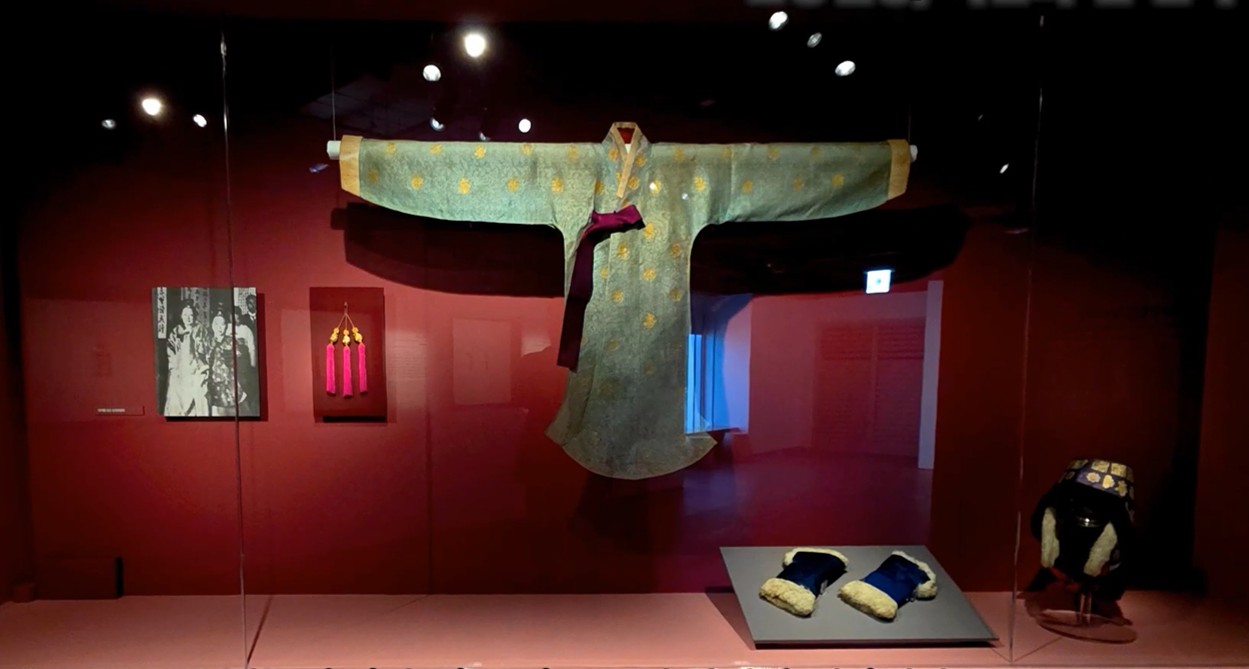
Installation view of 《Andongbyeolgung, Layers of Time》 at the Seoul Museum of Craft Art / Photo: ARTKOREATV
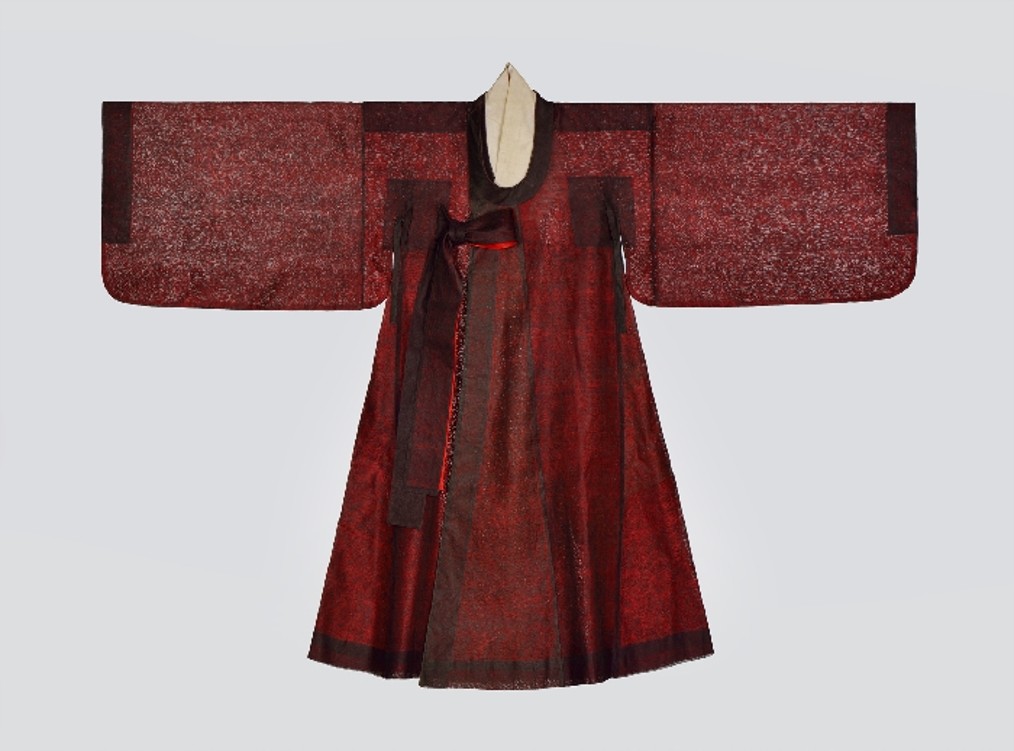
Dallyeong, late 19th century, Oryundae Korean Martyrs Museum / Photo: Seoul Museum of Craft Art
Looking at What Remains Rather
Than Reconstructing the Palace
The exhibition does not attempt to fully
reconstruct the vanished Andongbyeolgung. Instead, it uses historical records
and craft objects associated with the palace and the royal family to illuminate
the people who inhabited the space and the culture of their time.
Among the materials and objects on view are Uiwang Yeongwang Chaekbong Uigwe and Chubong Chaekbong Uigwe,
along with royal garments and accessories such as the wonyugwan crown
and dallyeong robe worn by Prince Ui, as well as dangui
jackets and nambawi caps worn by women of the imperial
family.
These objects are more than historical
records. They reveal the aesthetic sensibilities, ceremonial traditions, and
ways of life of the period in tangible form. The materials, colors, patterns,
and techniques found in the garments, in particular, demonstrate the refinement
and high level of craftsmanship associated with the Korean imperial court.
At the same time, garments, ornaments, and
ceremonial objects actually used in daily and ritual life show that Korean
traditional craft was not simply decorative art, but a practice deeply embedded
in everyday life, ritual, and social culture.
How Royal Objects Survived to
the Present
The story of how these objects survived to
the present day is equally fascinating.
After the end of the Korean Empire and the
royal era, many related objects were dispersed across different locations. Some
imperial artifacts passed through private hands and communities, where they
were preserved for decades before eventually reappearing in museum exhibitions.
Objects originally produced for royal
ceremonies thus became personal possessions and, over time, were transformed
again into cultural heritage valued for their historical and cultural
significance.
The history of a craft object
does not end at the moment of its creation. Who used it, where it traveled, and how it was preserved are all
part of the history carried by the object itself.
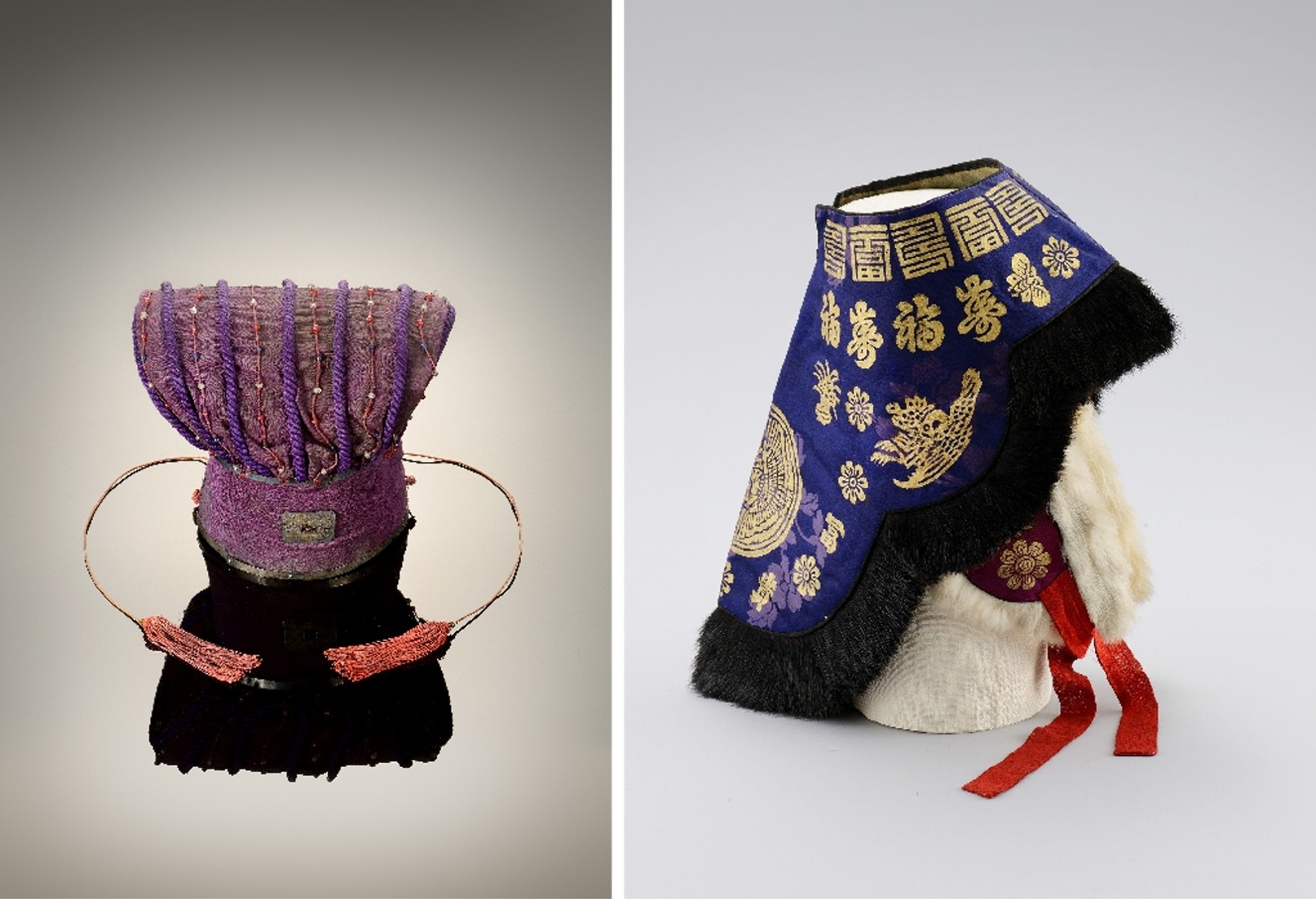
(Left) Wonyugwan of Prince Ui, late 19th–early 20th century, National Folklore Cultural Heritage, Oryundae Korean Martyrs Museum; (Right) Nambawi, early 20th century, Oryundae Korean Martyrs Museum / Photo courtesy of the Seoul Museum of Craft Art
The Dispersed Andongbyeolgung
The architecture of Andongbyeolgung
followed a similar path.
After the palace was dismantled, several of
its buildings—including Jeonghwadang, Gyeongyeondang, and Hyeongwangnu—were
relocated elsewhere. Some were only identified much later as structures
originally belonging to Andongbyeolgung and were subsequently moved and
restored again.
While royal objects were dispersed among
different collections, parts of the palace architecture were relocated across
Seoul and other regions, while new layers of urban history accumulated on the
original site.
As a result, Andongbyeolgung no longer
exists today as a complete architectural complex. To understand the palace, one
must look collectively at the original site now occupied by the Seoul Museum of
Craft Art, the buildings relocated elsewhere, and the craft objects and
archival materials preserved in various institutions.
The exhibition brings these scattered
fragments together into a single narrative.
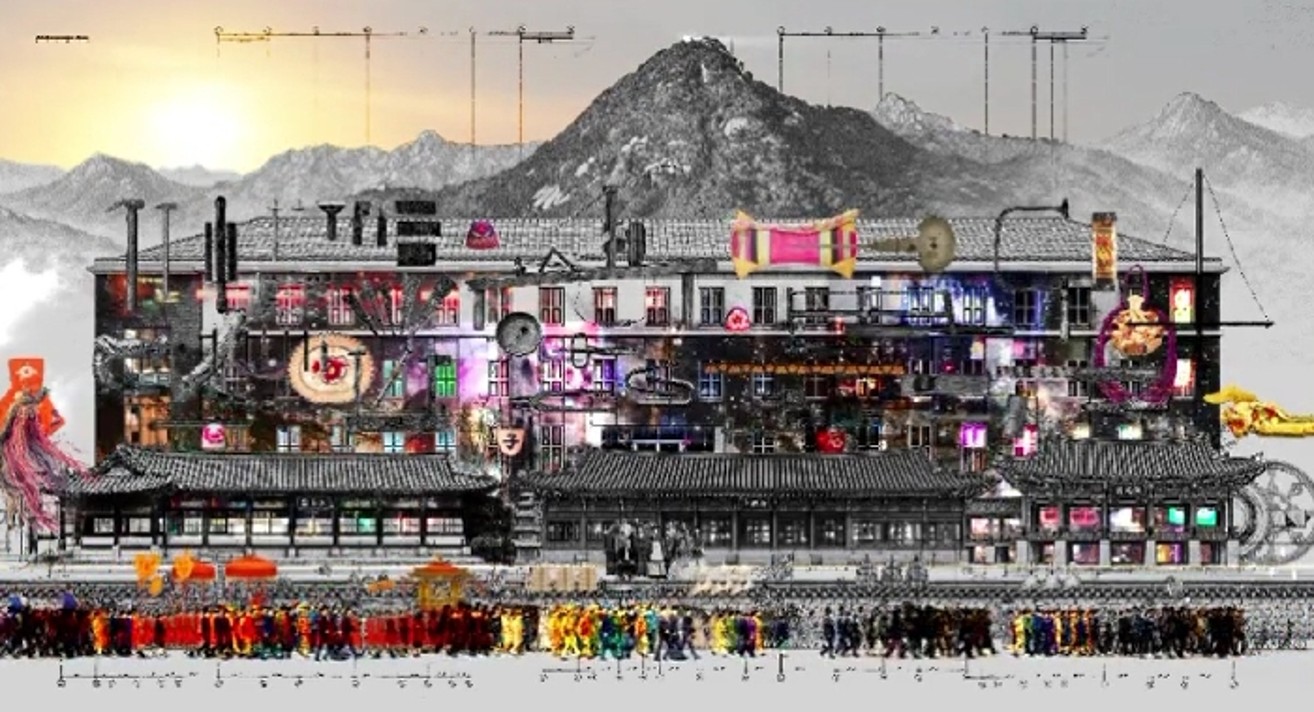
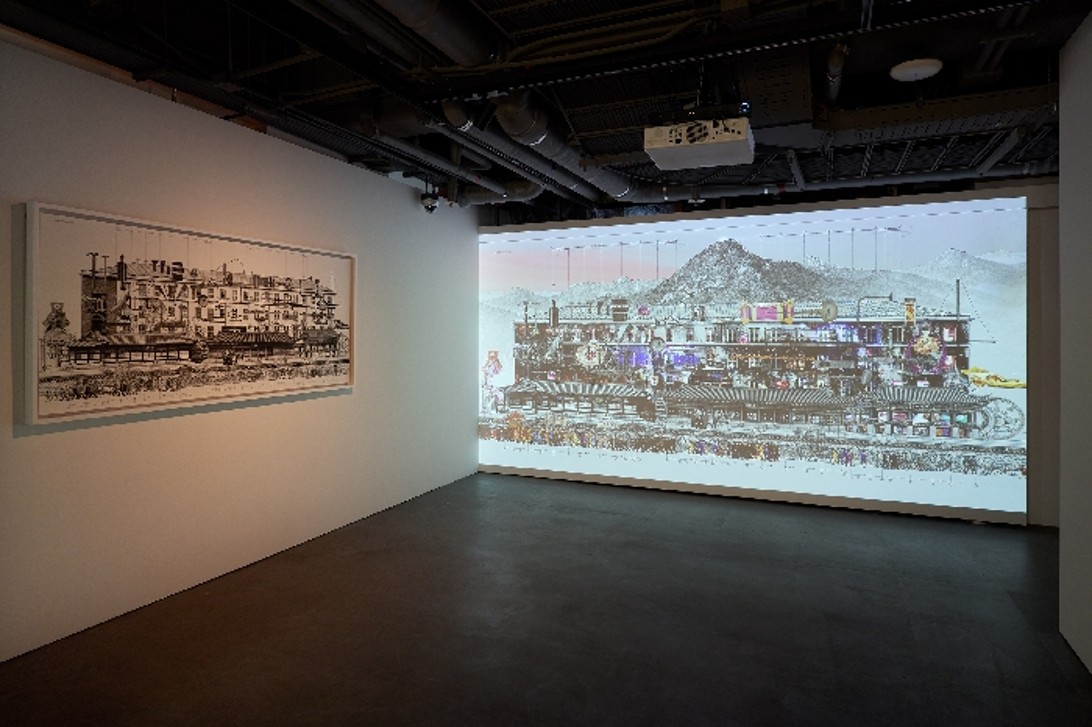
Kwon Minho, Three Orders, One Landscape, 2026, video installation / Photo: Seoul Museum of Craft Art
Three Eras Become One Landscape
Toward the end of the exhibition,
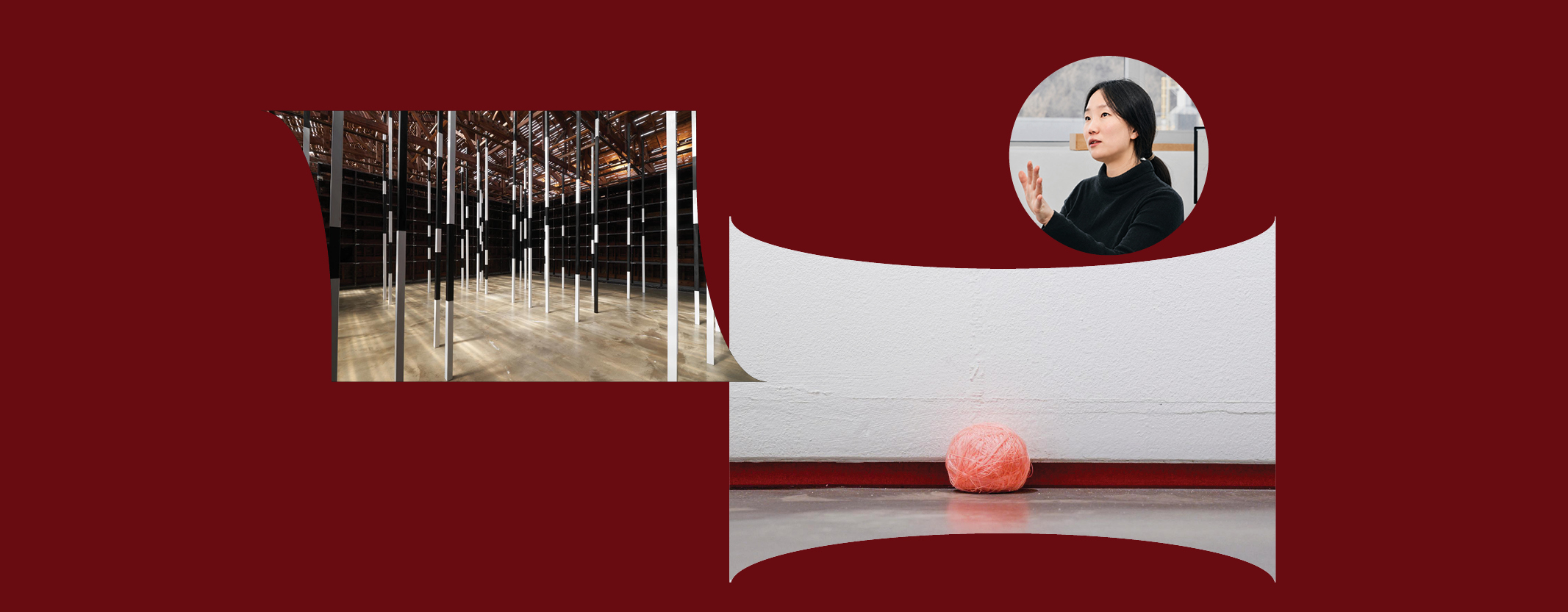
contemporary artist Kwon Minho’s Three Orders, One Landscape
(2026) is presented.
Through drawing and video, Kwon overlaps
images of Andongbyeolgung, Pungmoon Girls’ High School, and the present-day
Seoul Museum of Craft Art. The work visualizes how three very different eras—a
royal palace, a school, and a museum—have occupied the same site over time.
By introducing a contemporary artist’s
perspective alongside historical objects and archival materials, the exhibition
also allows visitors to reconsider the changing identity of the site from a
present-day perspective.
Another Way to Encounter Korean
Culture in Seoul
For many international visitors to Seoul,
Korean palaces are most closely associated with places such as Gyeongbokgung
and Changdeokgung. 《Andongbyeolgung, Layers of Time》
offers a different way of encountering Korea’s royal culture
and the history of Seoul.
Rather than presenting a fully preserved
palace, the exhibition traces the history of a vanished site through relocated
architecture, surviving craft objects, and archival records.
Royal garments and other craft objects also
reveal how Korean craft developed not simply as decorative art, but as
something closely connected to everyday life, ceremonial practices, and social
culture.
Above all, what makes this exhibition
distinctive is the opportunity to encounter the history of Andongbyeolgung on
the very ground where the royal palace once stood.
From a royal palace to a school and finally
to a museum of craft, this site has continually changed with the city around
it. Rather than attempting to recreate a vanished palace exactly as it once
was, 《Andongbyeolgung, Layers of Time》 invites visitors to read the many layers of Seoul’s history through
the traces that have survived.
Exhibition Information
Exhibition: 《Andongbyeolgung, Layers of
Time》
Dates: April 28, 2026 – August 29, 2027
Venue: Third Floor, Exhibition Building 3, Seoul Museum of Craft Art
Hours: 10:00–18:00 / Fridays until 21:00
Closed: Mondays and January 1
Admission: Free
Address: 4 Yulgok-ro 3-gil, Jongno-gu, Seoul, Republic of Korea
Website: https://craftmuseum.seoul.go.kr
Exhibition Page: https://craftmuseum.seoul.go.kr/exhibit/plan/view/184