



On October 14, 2026, Busan Mayor Jeon Jae-soo announced at a press conference that the city would abandon its plans to establish a branch of the Centre Pompidou in Igidae. The city cited concerns over environmental damage, difficulties in safeguarding the public interest under the proposed contractual arrangements, substantial financial burdens, and insufficient integration with the local art ecosystem.
2026.10.20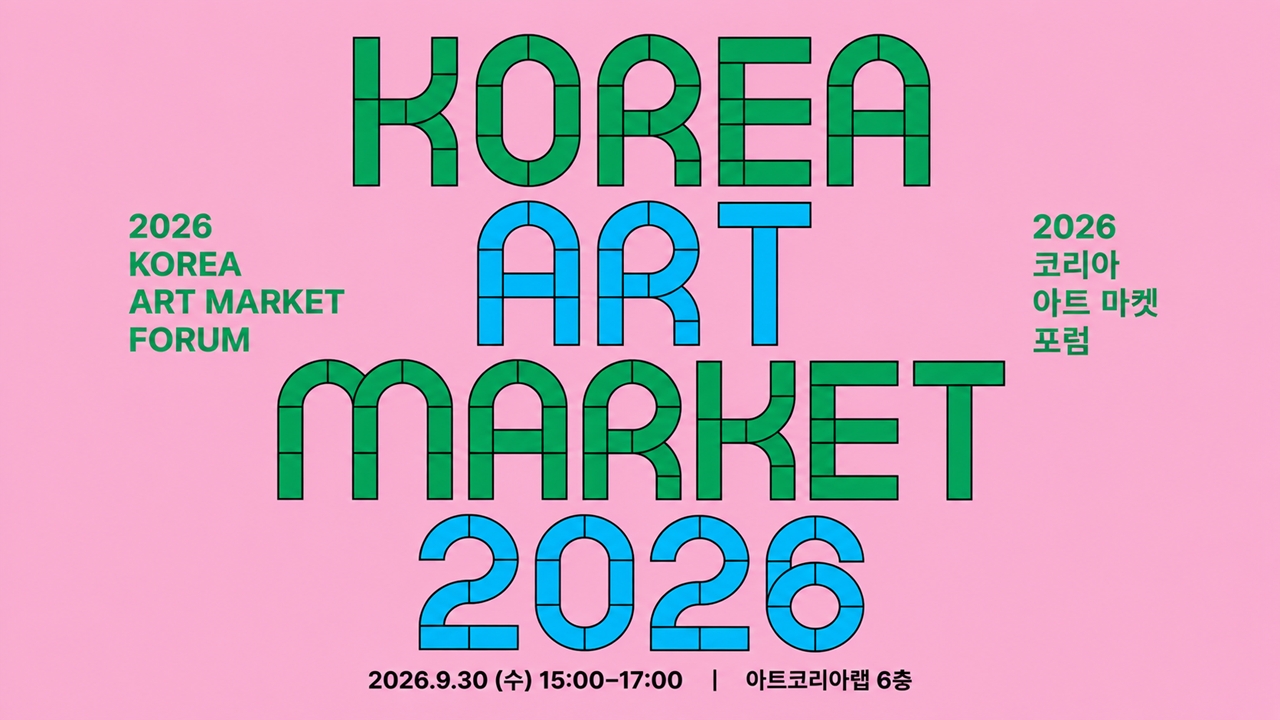
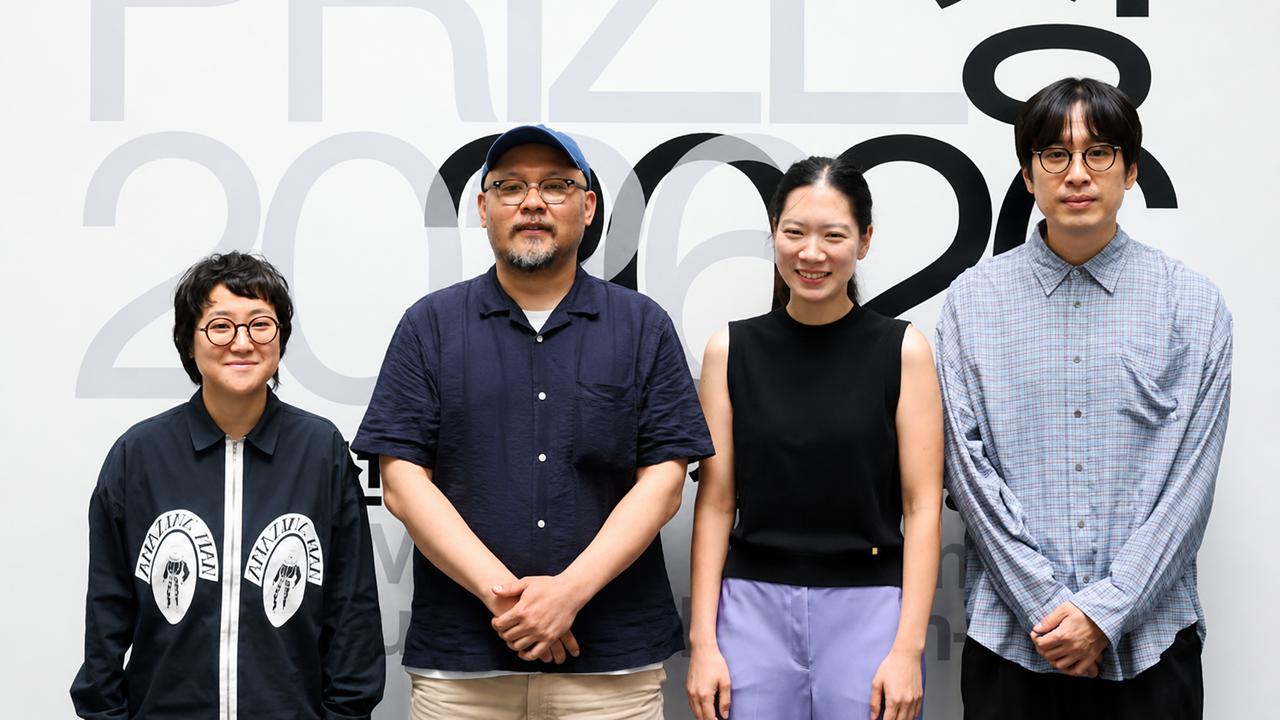
Korea Art Market Forum 2026 took place on September 30 at Art Korea Lab in Gwanghwamun, jointly organized by the Paradise Cultural Foundation and the Business Research Institute at Seoul National University. Marking five years of collaboration between Kiaf and Frieze, the forum addressed Korea’s gallery landscape, art fairs and cities, and young artists. Sang-Hoon Kim, a professor at Seoul National University Business School, delivered the opening remarks.
2026.10.06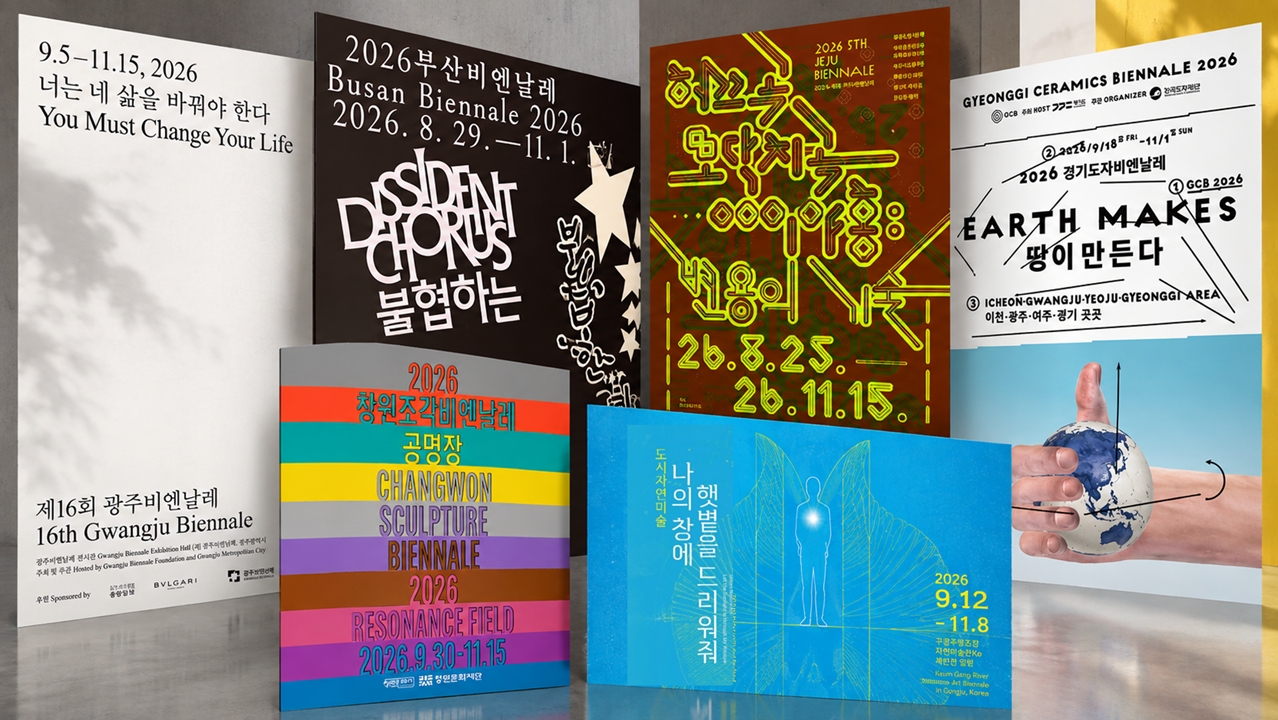
An archive is not a warehouse in which materials are simply accumulated. It is a structure that preserves and reconnects the relationships between them. Consider a single work of art. Its title and artist’s name are not enough to fully understand it. When was it made? What materials does it comprise?
2026.09.22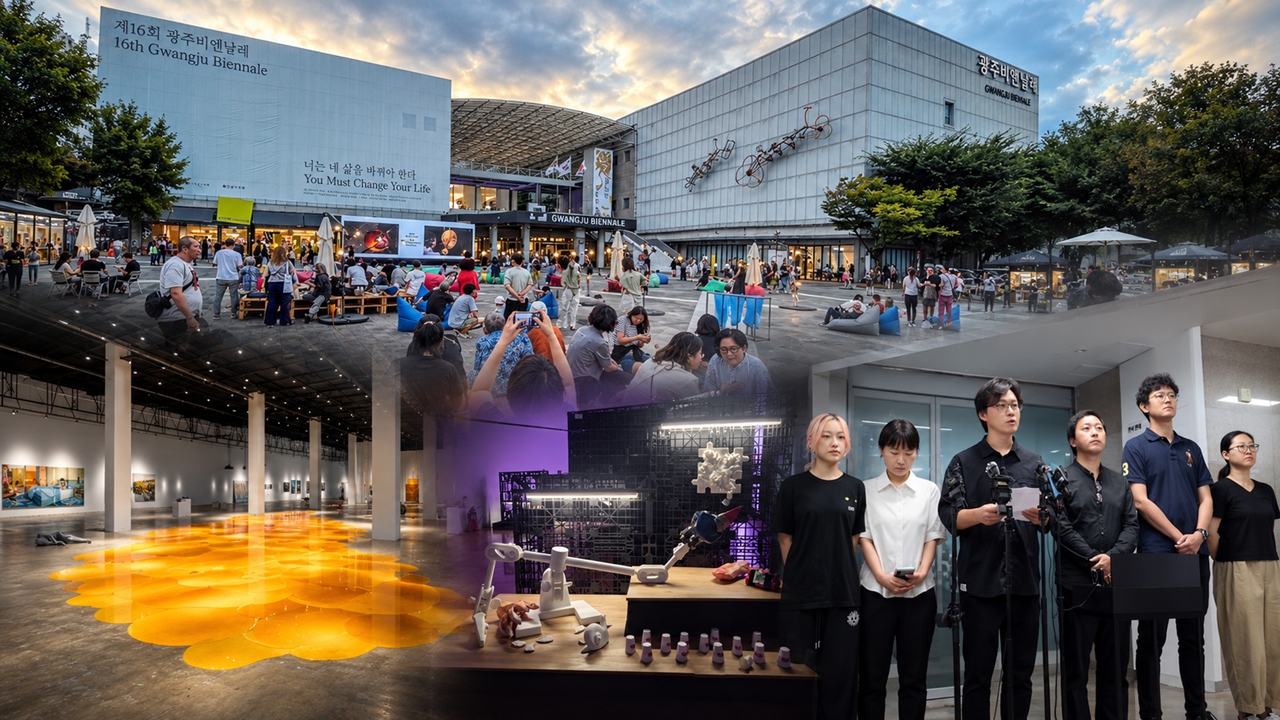
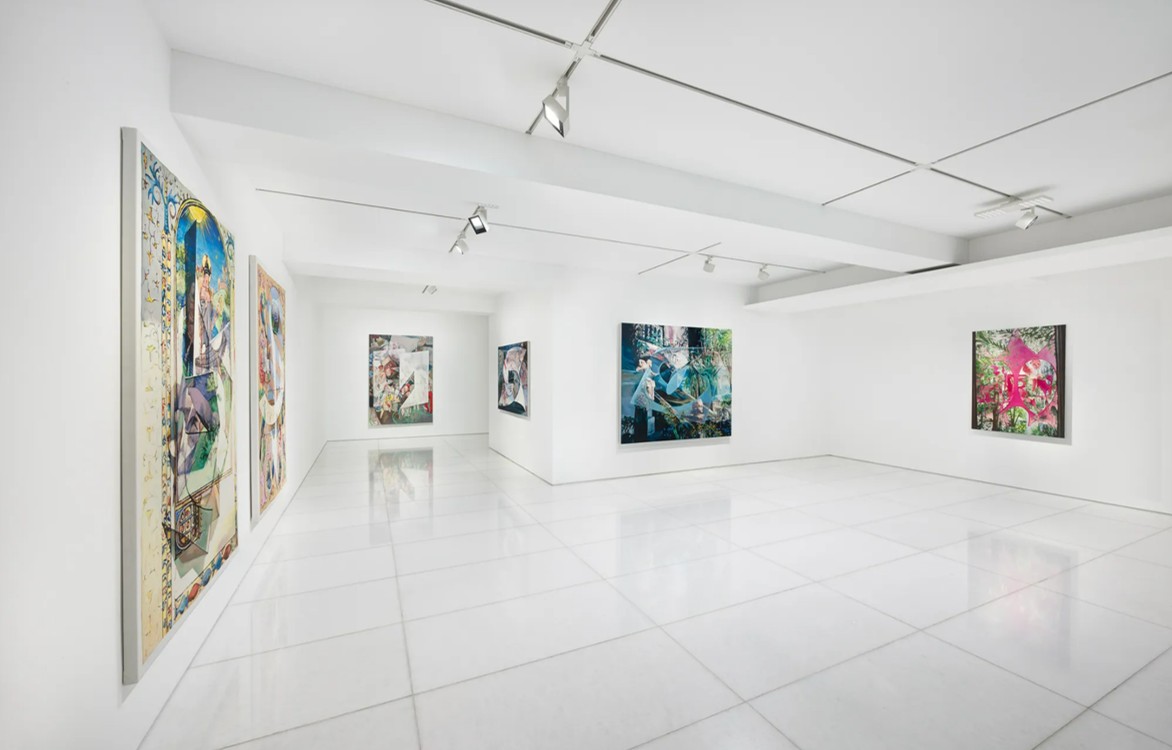
The 16th Gwangju Biennale opened on September 5, 2026. Titled 《You Must Change Your Life》, the biennale presents its main exhibition and pavilion projects through November 15.
2026.09.08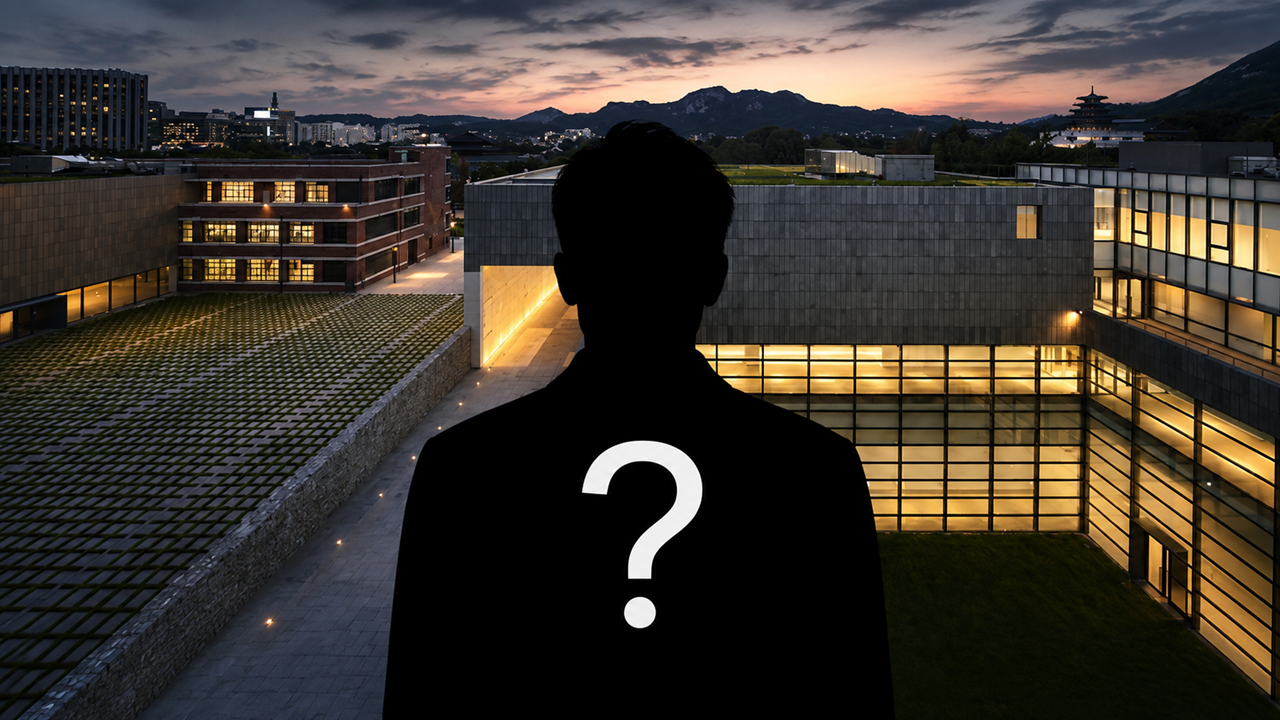
On July 1, the Ministry of Personnel Management opened a public recruitment process for a new director of the National Museum of Modern and Contemporary Art, Korea (MMCA). The term of current director Kim Sung-hee expires this September. As the search began, the names of several potential candidates quickly started circulating within the Korean art world.
2026.08.18
On July 26, 2026, the Art Services Business Registration System came into effect under the Art Promotion Act. Businesses operating in six categories—galleries, art auctions, art advisory services, art rental and sales, art appraisal, and art exhibitions—are now required to register with the relevant local authority.
2026.08.04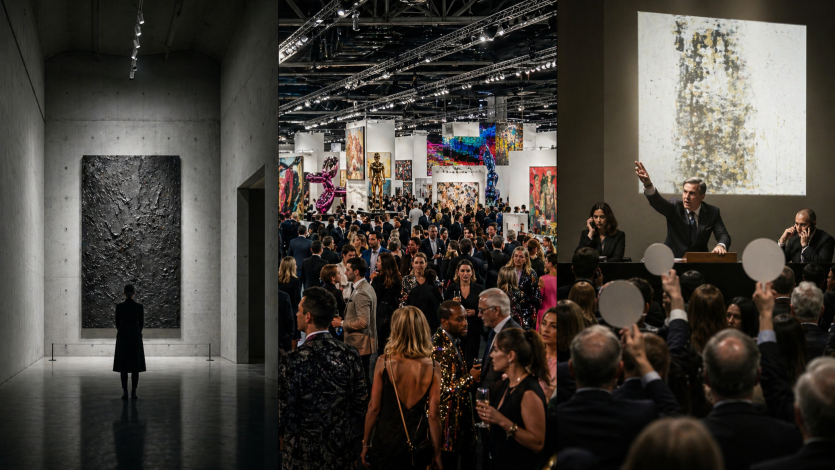
In contemporary art, galleries, art fairs, and auctions are no longer merely channels of distribution. They are the structures through which works enter the market, gain visibility, acquire prices, and determine the position of artists. Under the conditions of the post-contemporary, the importance of these structures becomes even more pronounced.
2026.04.21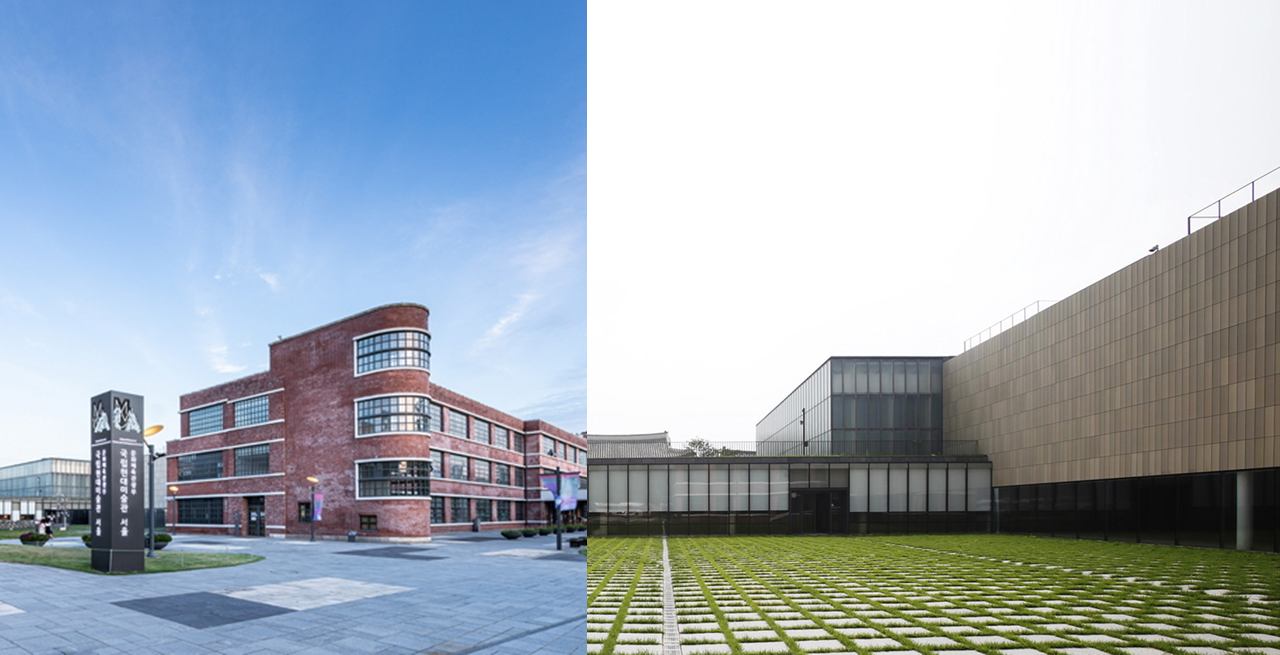
The museum is the most stable institution in contemporary art and one of its most powerful mechanisms of selection. In contemporary art, the museum has functioned not simply as a space for collecting and exhibiting works, but as a key institution that determines what is recognized as contemporary art, which forms and languages acquire public visibility, and which exhibitions are granted institutional legitimacy.
2026.04.07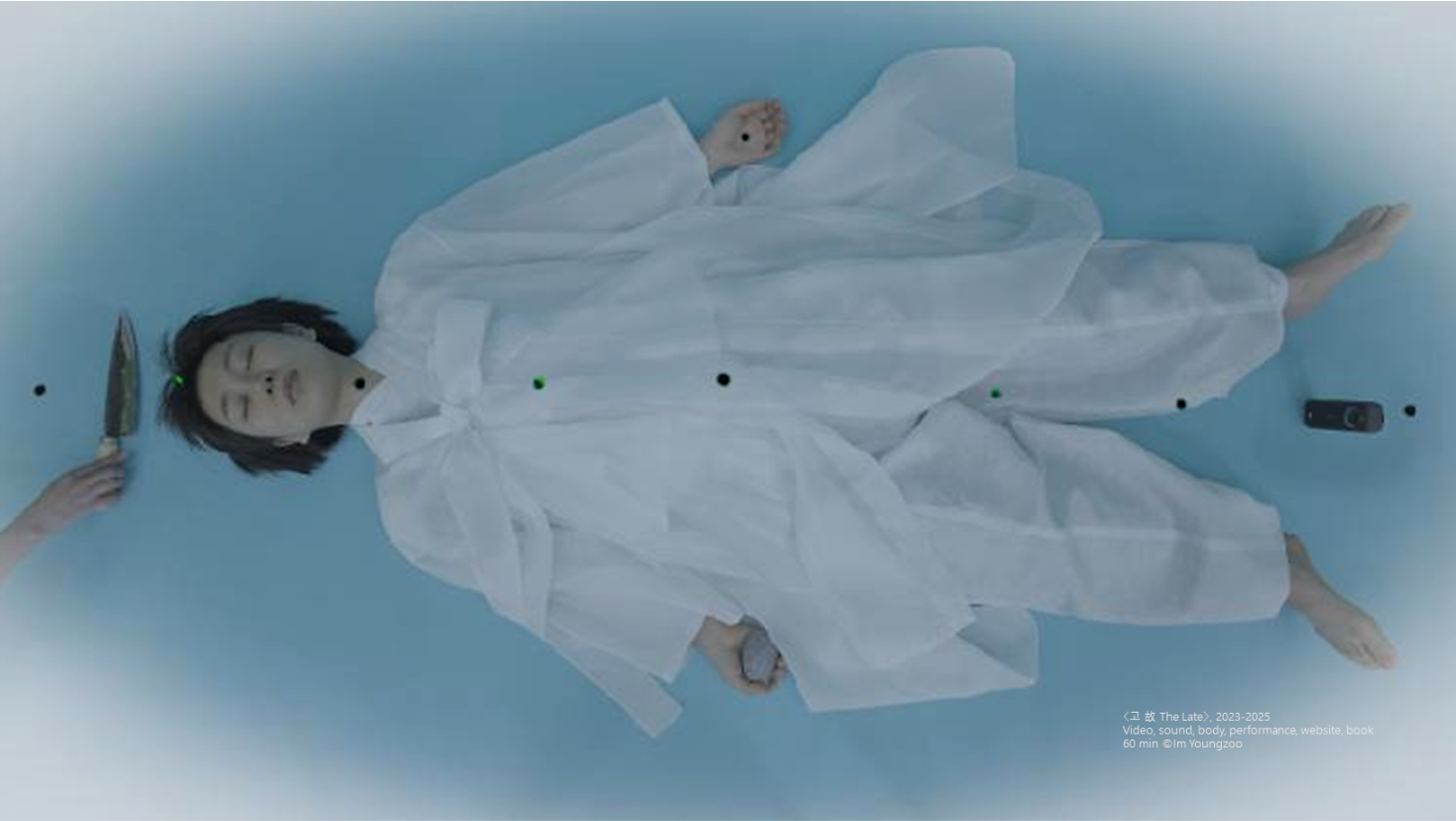
The discussion thus far converges on a single question. Where does the future of Korean contemporary art begin? Can that future be explained solely through more exhibitions, faster international expansion, larger market scales, and increasingly elaborate discursive rhetoric?
2026.03.24
When discussing the conditions of the post-contemporary, the first thing to guard against is the misunderstanding that it refers to a new style or a fashionable label. As discussed in the previous essays, the issue at stake is not the declaration of a new
2026.03.10
The current crisis of contemporary art cannot be explained by stagnation in production or exhaustion of imagination. Countless exhibitions and projects continue to be organized, and new formal strategies and critical concerns consistently emerge.
2026.02.24
Contemporary art is frequently discussed today through the language of crisis. This crisis is often framed as a loss of meaning: the claim that contemporary art has nothing new to say, that critique has become repetitive
2026.02.10