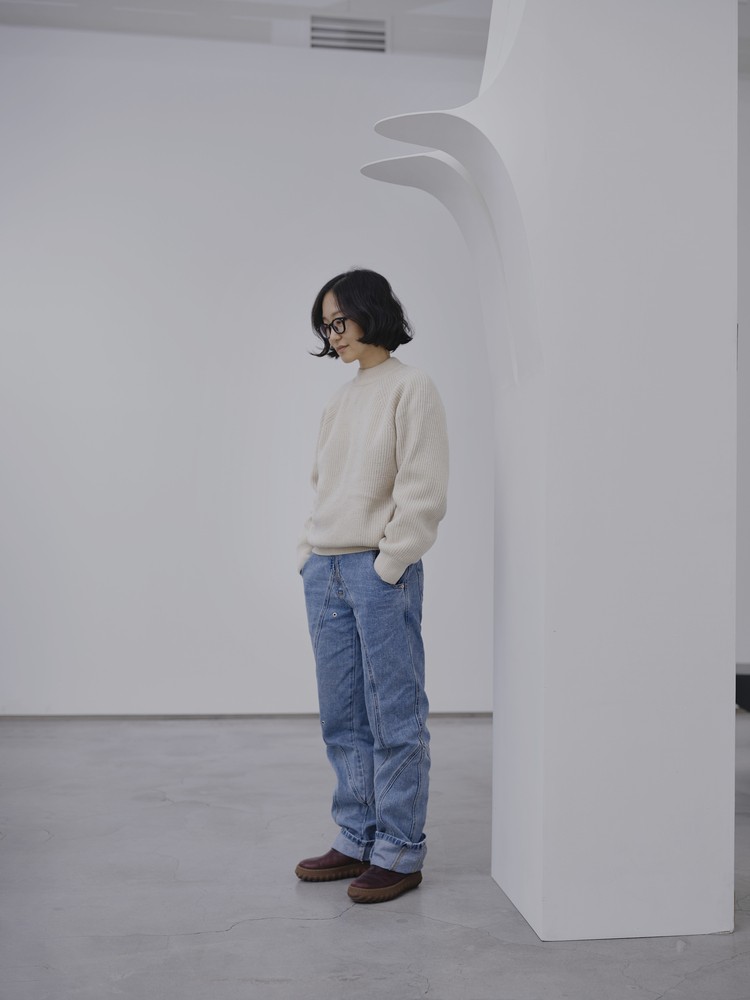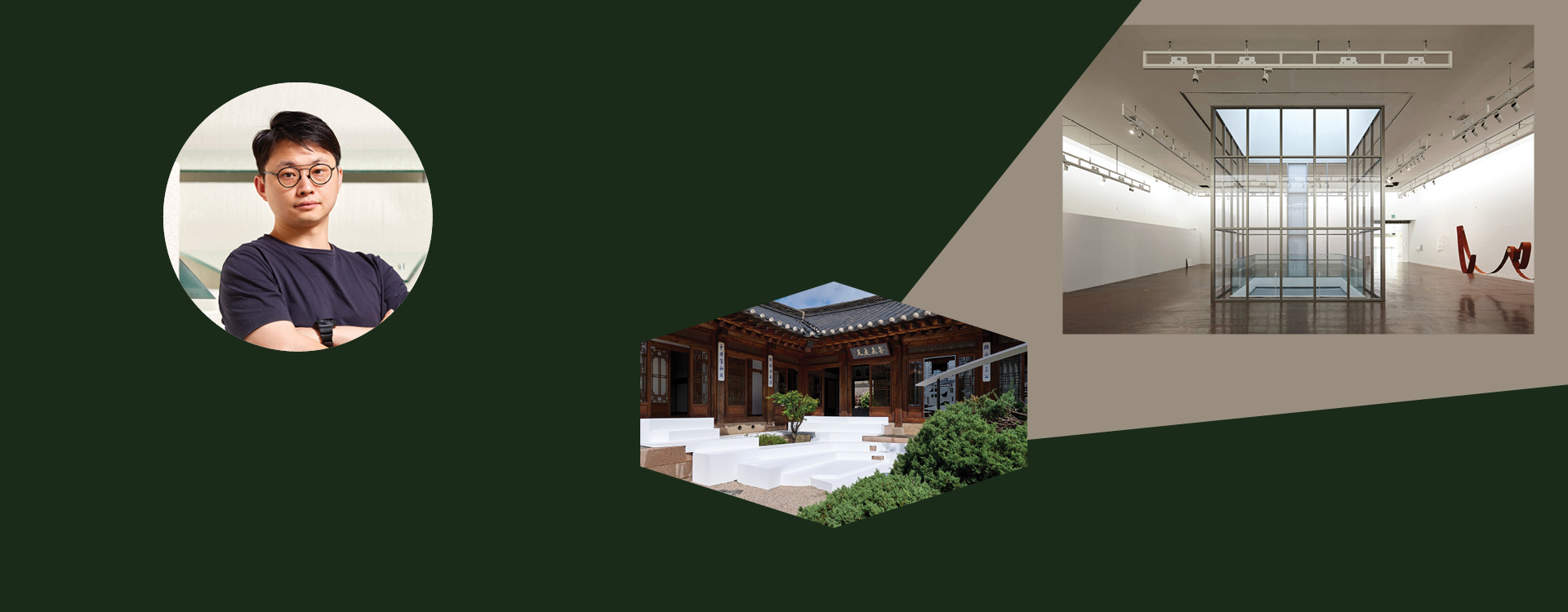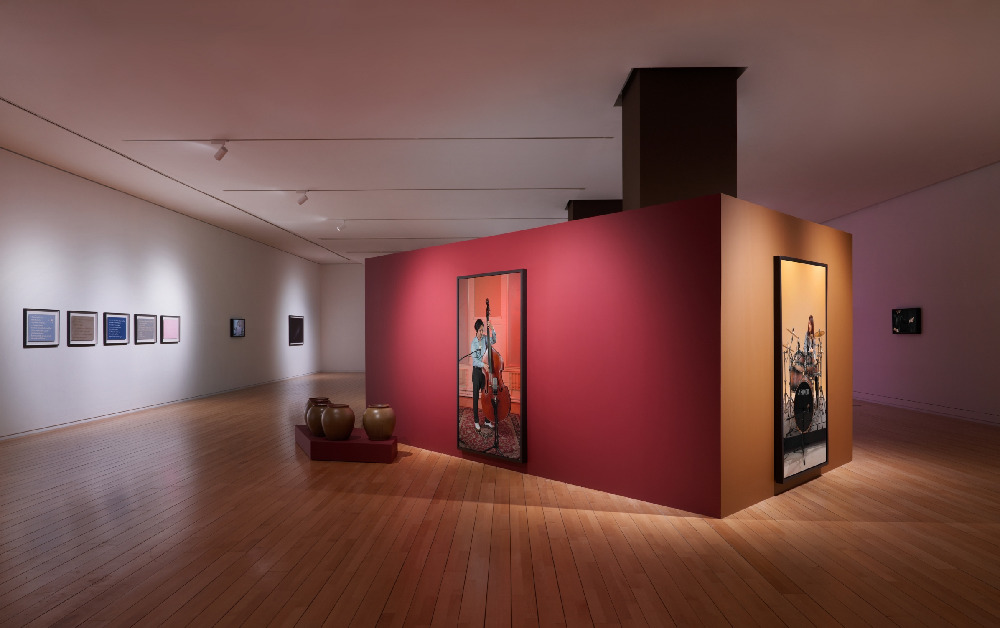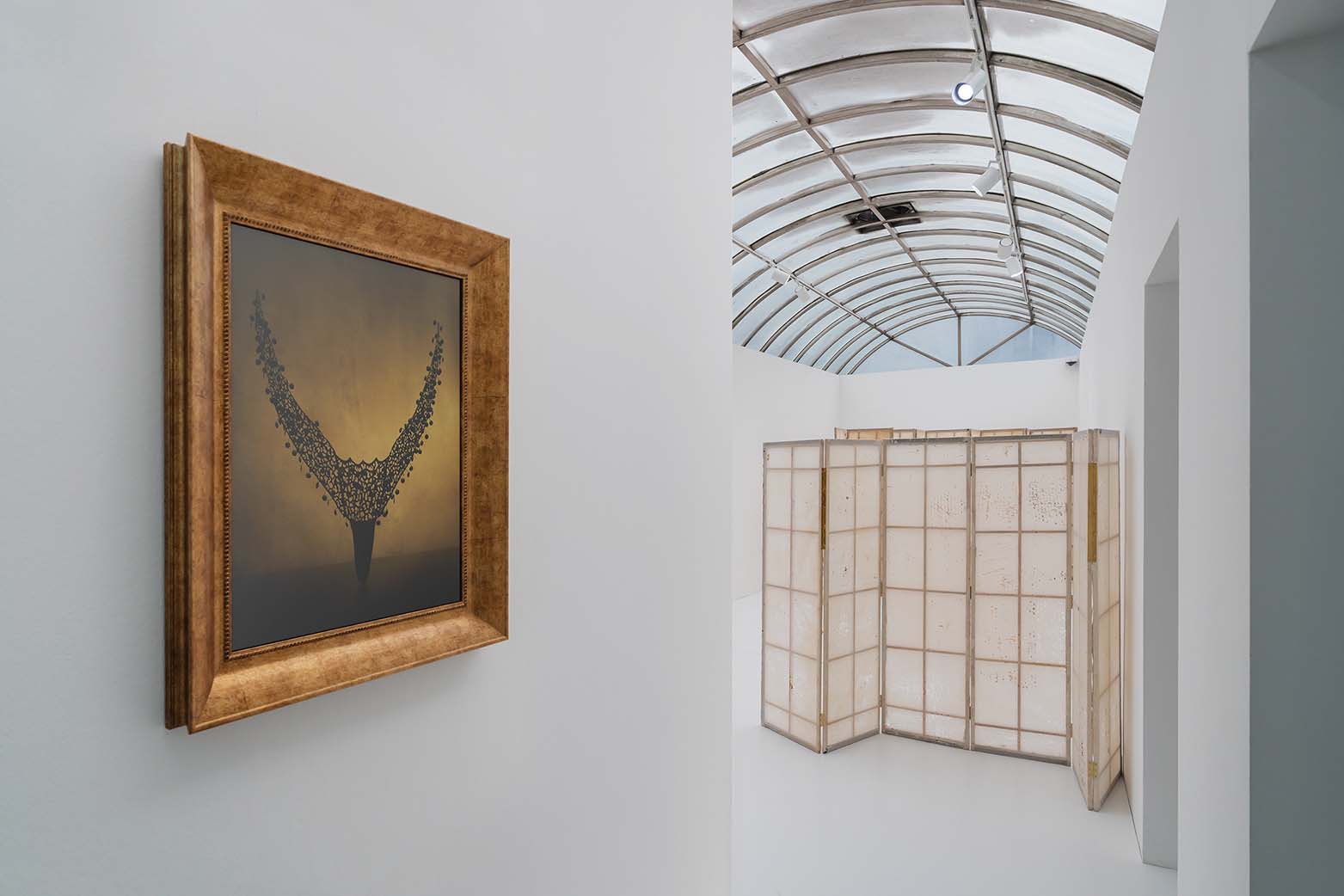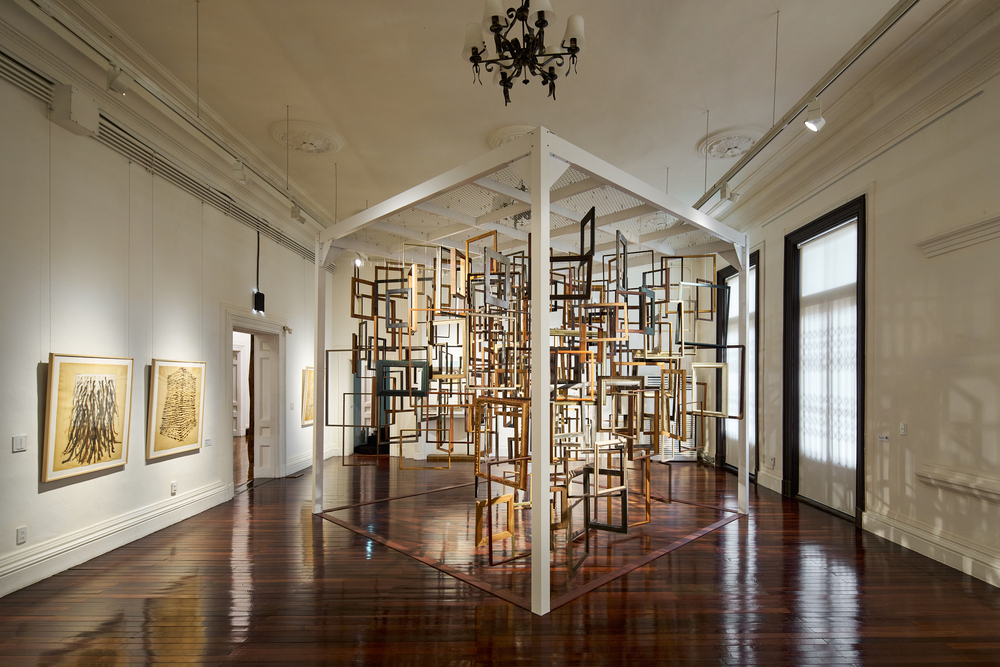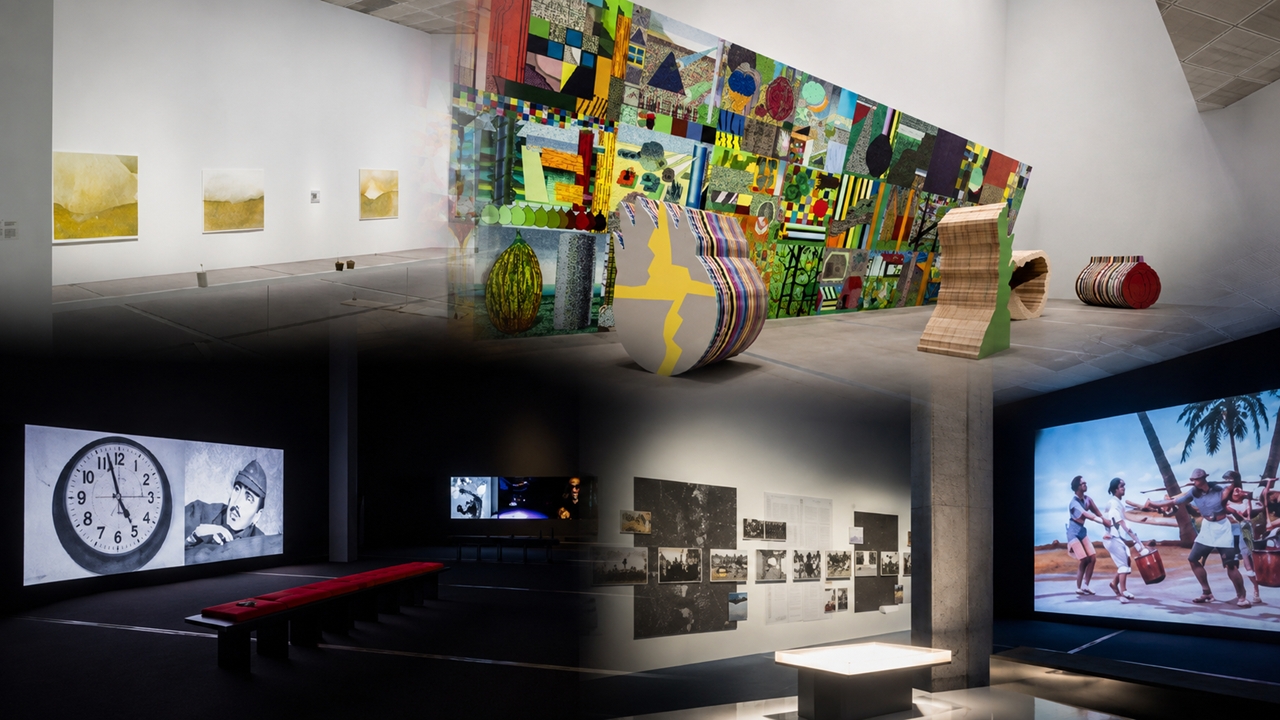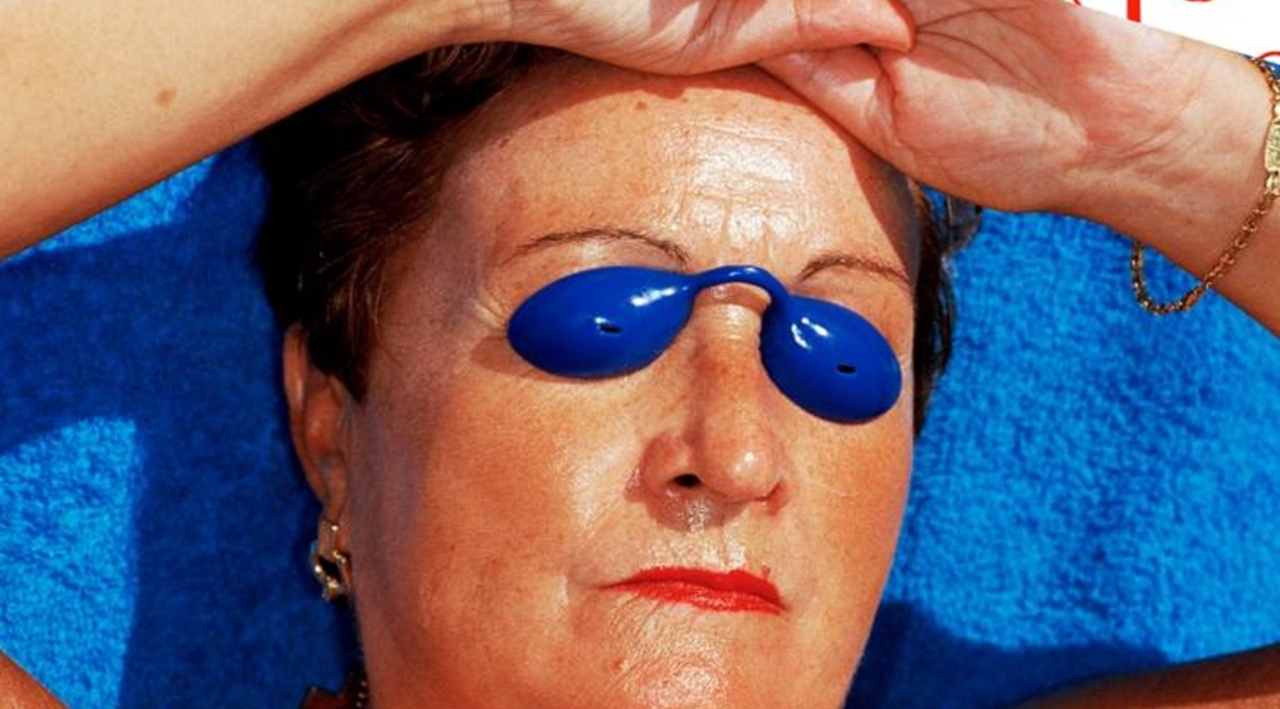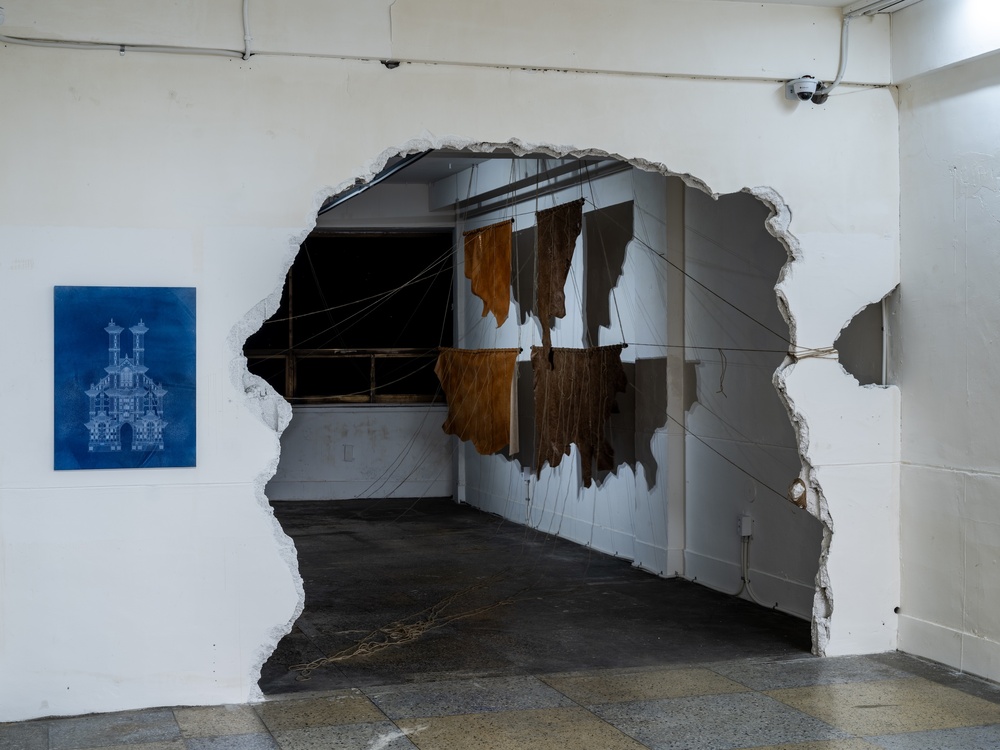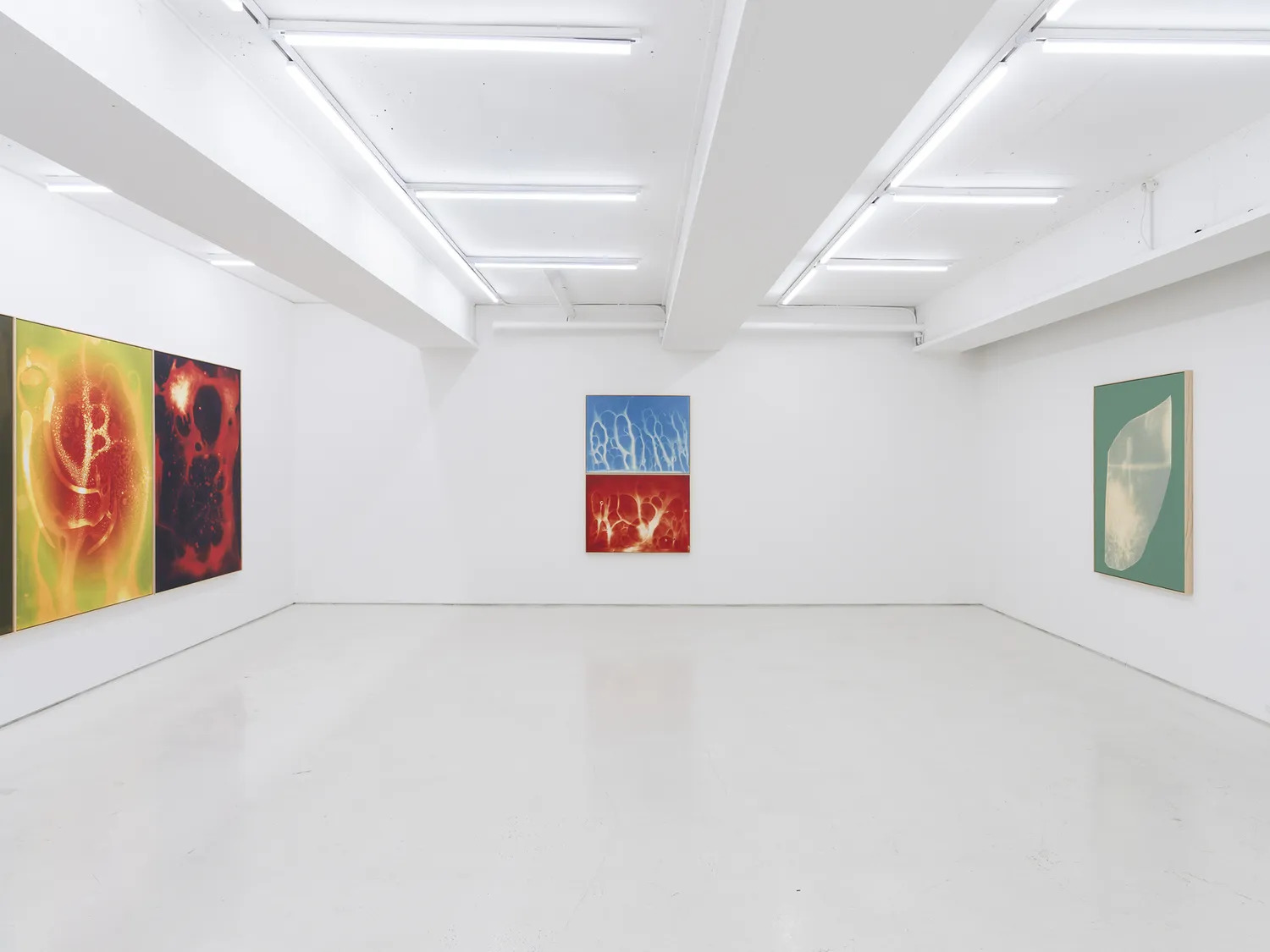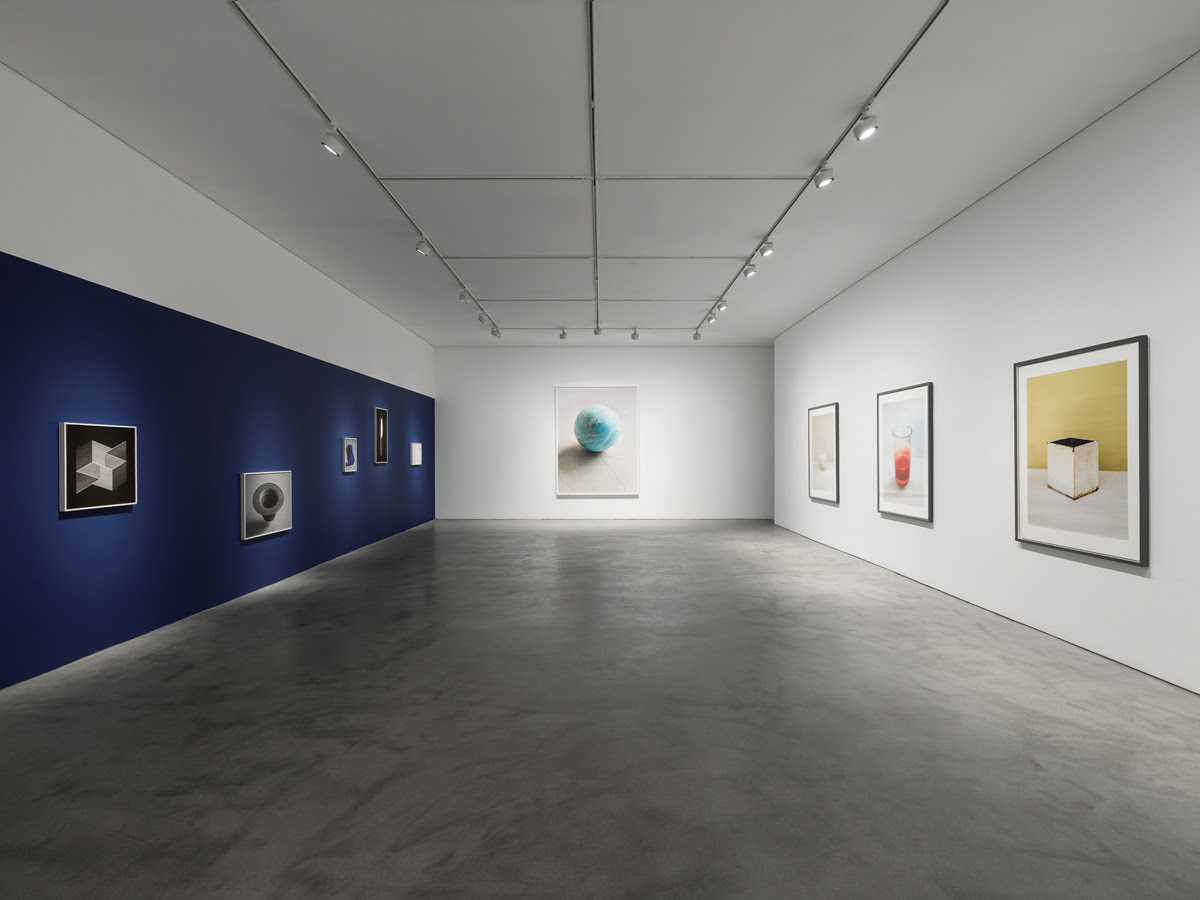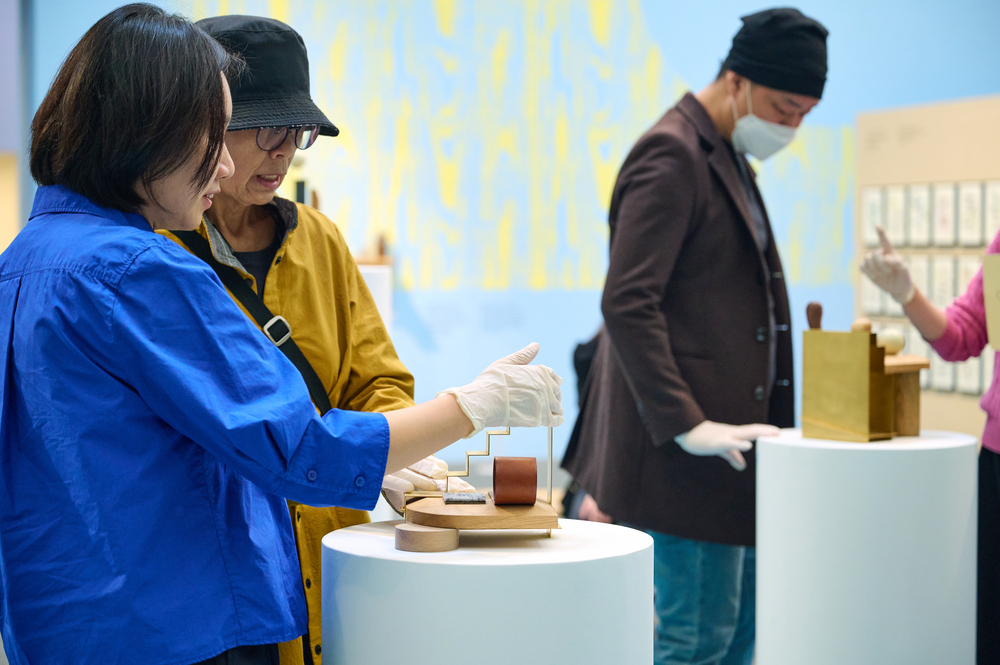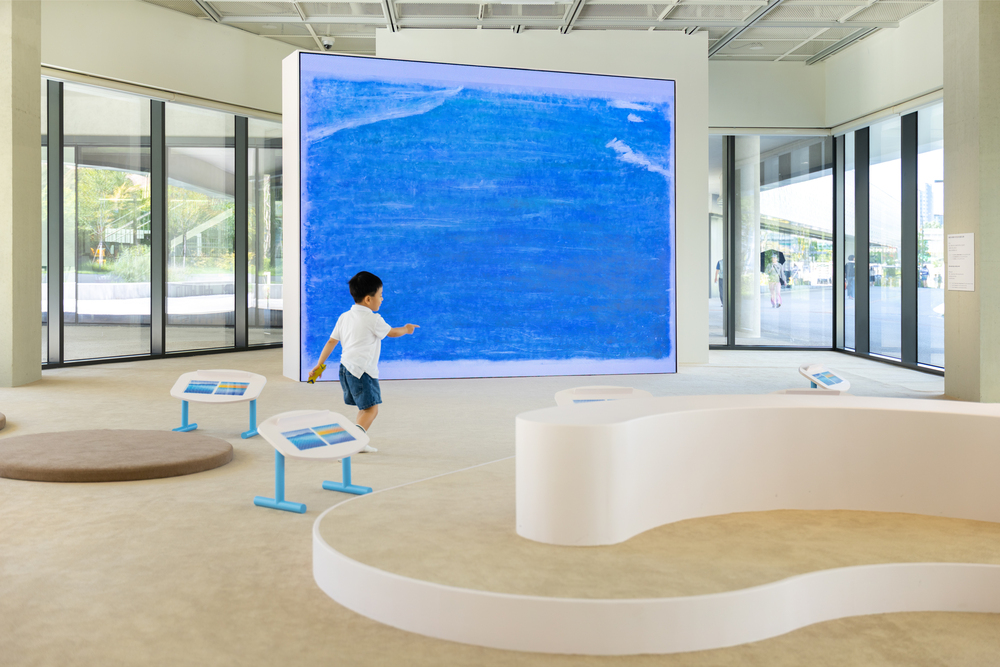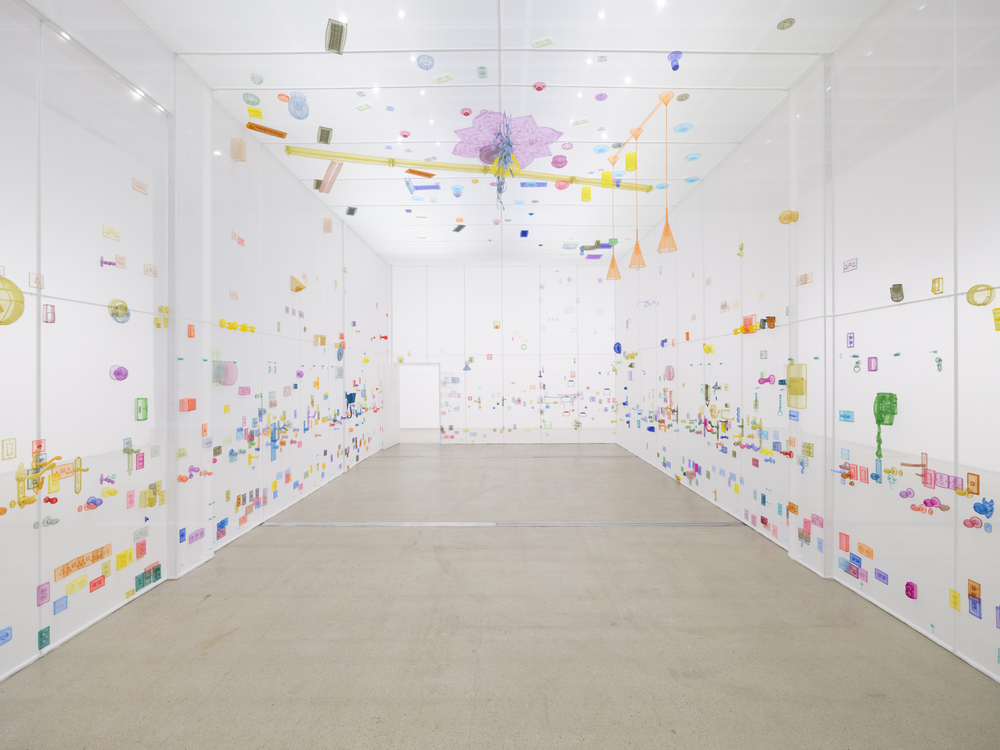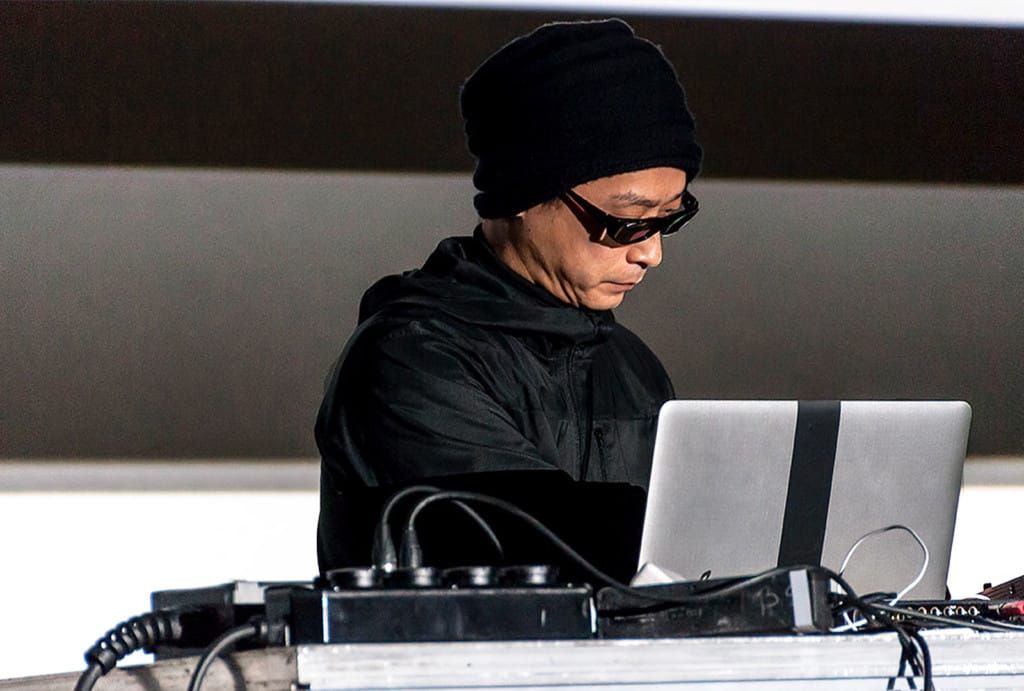

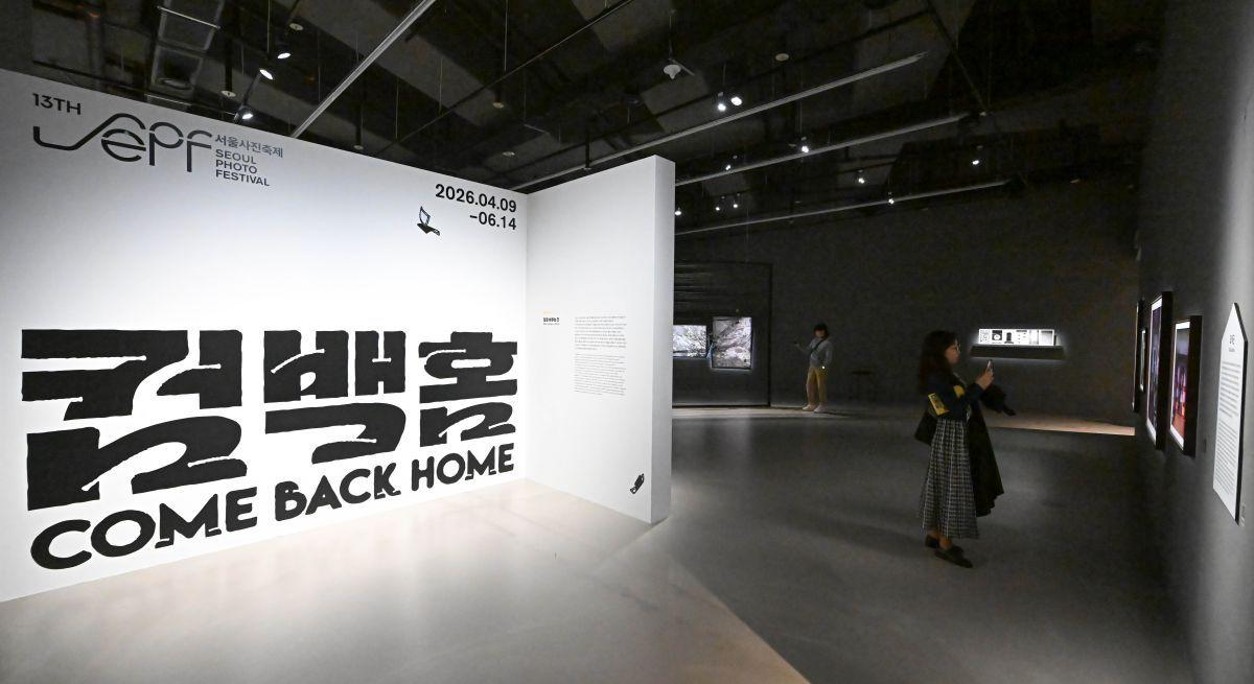
Installation view of《Come Back Home》/ Photo: Photography Seoul Museum of Art
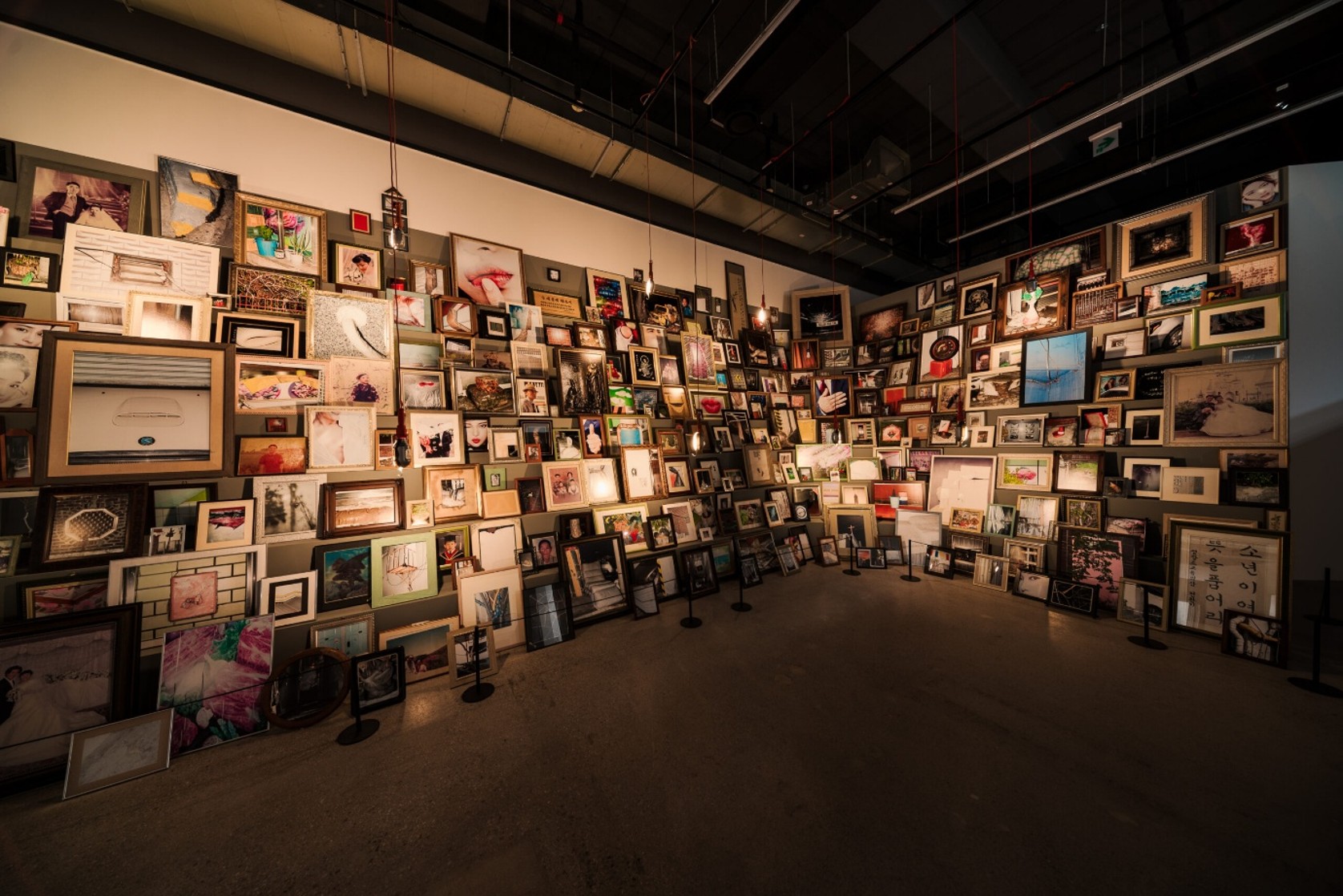
Installation view of《Come Back Home》/ © Yoon Joo-sung, Photography Seoul Museum of Art
The Seoul Museum
of Art is relaunching the Seoul Photo Festival after a five-year hiatus. The
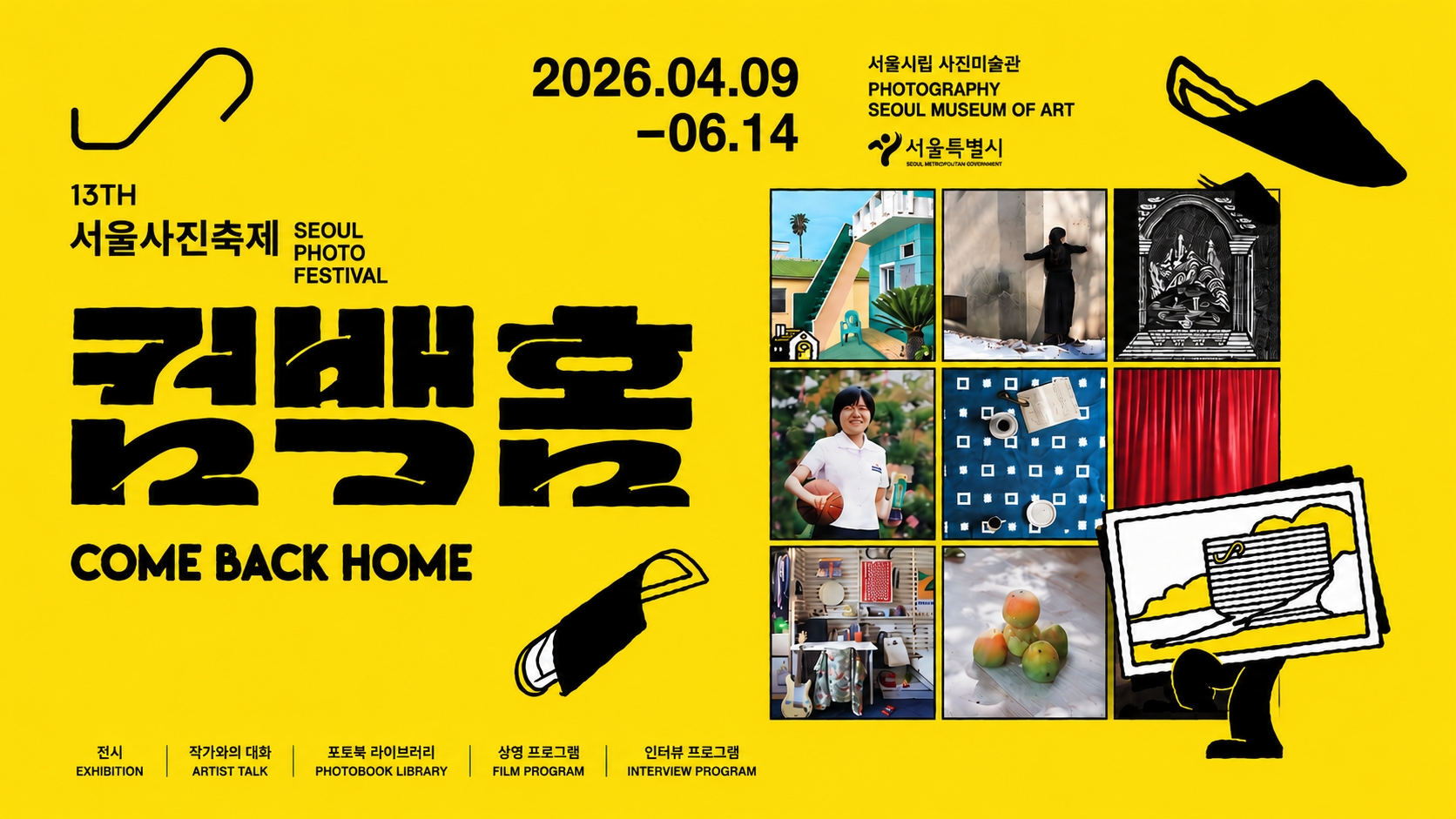
2026 Seoul Photo Festival,《Come Back Home》, is held at the Photography Seoul Museum of Art from April 9 to
June 14. It is particularly meaningful as the first edition of the festival to
take place since the opening of the Photography Seoul Museum of Art. More than
a group exhibition bringing together works by multiple artists, this year’s
festival offers a space to consider how photography reconnects our lives,
relationships, and memories today.
Launched in 2010,
the Seoul Photo Festival is one of Seoul’s leading photography festivals. Over
the years, it has explored the city, community, history, and memory through the
language of photography, with exhibitions such as《Returning
Seoul to Seoul》(2010),《Happy
Our Good Day – Revisiting the 70th Anniversary of Liberation Through
Photography》(2015), and《A
History of Korean Women Photographers I: Women’s Photography Movement in the
1980s》(2021).
This year, the festival takes “home”
as its central keyword, a word familiar to everyone, while refusing to fix its
meaning in a single definition. For some, home is the ground of everyday life;
for others, it is a place left behind; and for still others, it is a state not
yet reached.
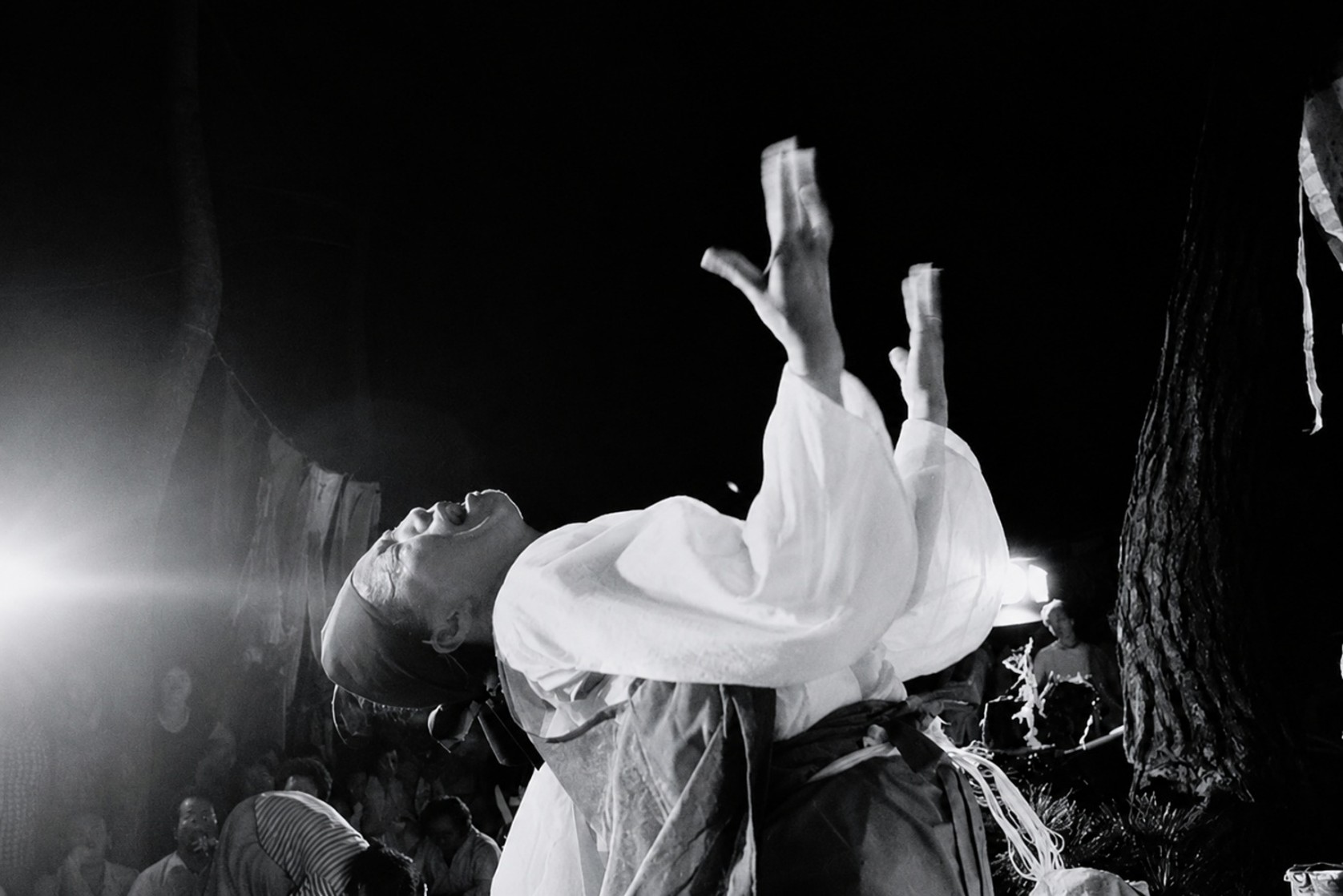
Participating work from the 2021 Seoul Photo Festival《A History of Korean Women Photographers I: Women’s Photography Movement in the 1980s》
Kim Dong-hee, Naragut Shinddal Chae Hee-ah. Bohyeonsanshingak Shrine, Pyeongchang-dong, Seoul, 1981_2021, digital inkjet print, 39.7 × 59.4 cm, collection of the artist. Photo courtesy Noonbit Publishing / Source: Seoul Culture Today
The Photography
Seoul Museum of Art, where this year’s festival is held, opened in May 2025 as
Korea’s first public art museum dedicated specifically to photography as a
medium. Since its opening, the museum has presented exhibitions such as《Radiance: Moments of Beginning, Storage
Story》, and《Everything
Photography Can Do》, demonstrating the history,
institutional foundation, and expanded possibilities of photography. In this
context, the 2026 Seoul Photo Festival《Come Back
Home》marks the moment when a public museum devoted
to photography begins to function more fully as a festival platform connecting
citizens, artists, the city, and photographic culture.
What
Makes a Home
The first section
examines the many layers that constitute a home. A home is not formed only by
walls and a roof. It also accumulates belief, memory, relationships, ways of
living, and historical traces. Oh Seok-geun, Park Hyung-ryeol, Chung Kyung Ja,
and Han Youngsoo present the conditions through which home is formed from
different periods and perspectives.
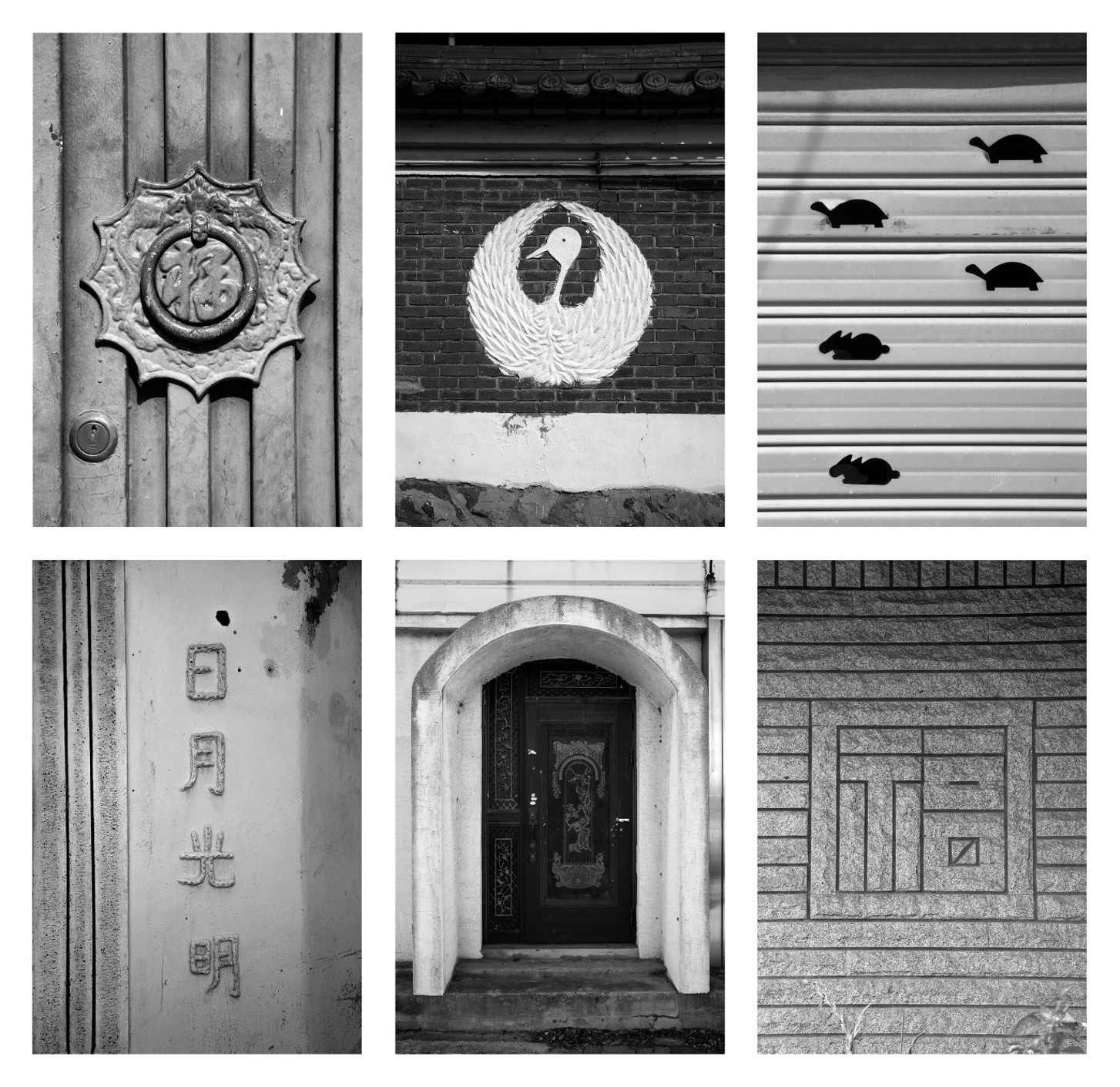
Exhibited work in《Come Back Home》, Oh Seok-geun, Gibok (Prayer for Blessings) 01, 20, 24, 04 / © Oh Seok-geun, Photography Seoul Museum of Art
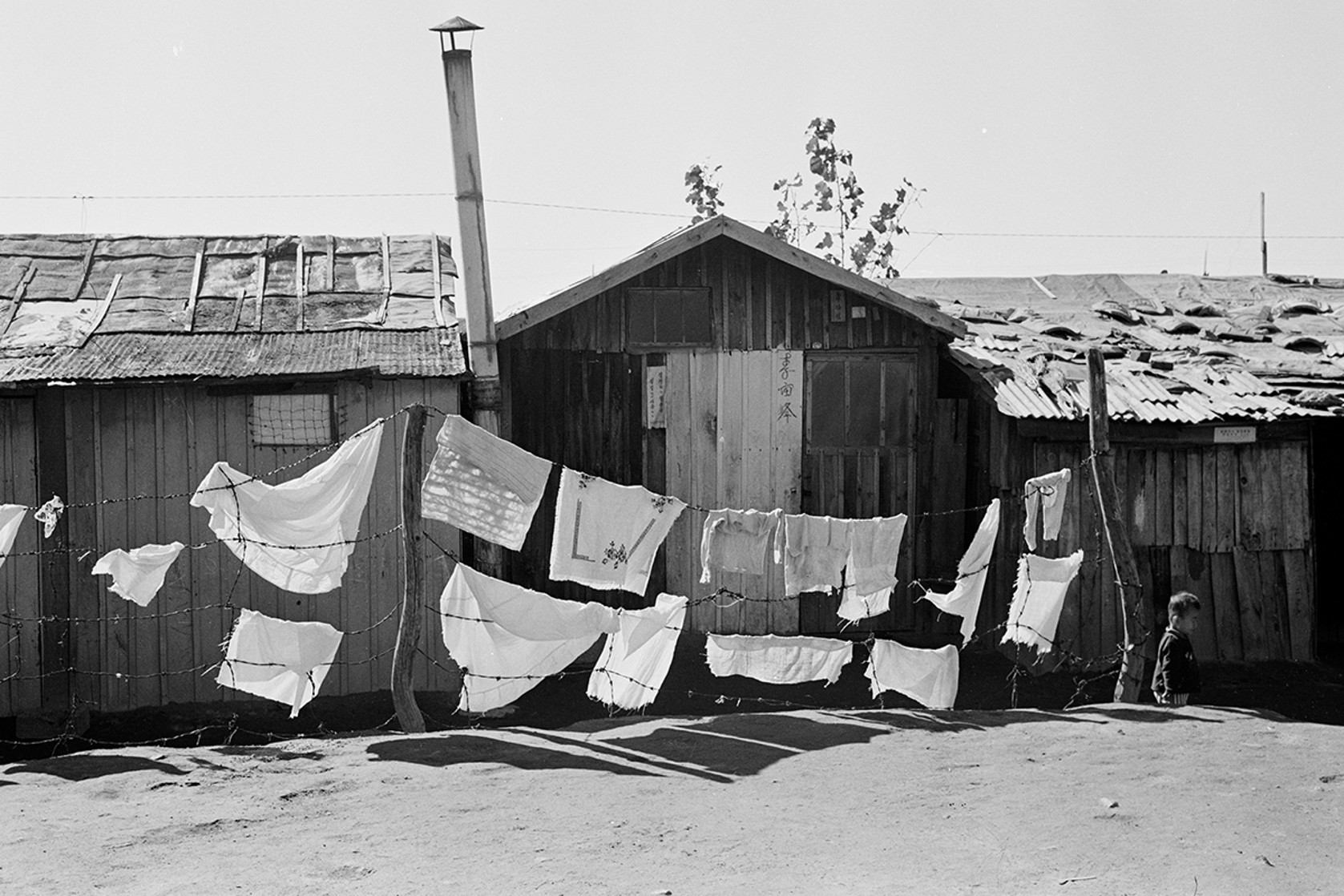
Exhibited work in《Come Back Home》, Han Youngsoo, Seoul (1956–1963) / © Han Youngsoo, Photography Seoul Museum of Art
Oh Seok-geun’s Gibok
(Prayer for Blessings) 01, 20, 24, 04 (2023–2024) captures traces
of faith and desire left on the surfaces of homes. Gates, walls, windows, and
ornaments—the outer skin of ordinary residential spaces—become places where
personal wishes and the emotional texture of daily life are revealed. Han
Youngsoo’s Seoul (1956–1963) shows the streets,
alleys, and everyday lives of postwar Seoul, suggesting that home does not
remain confined to a private interior but expands into a radius of life formed
through neighbors, streets, and the city.
Moving
Homes
The second
section approaches home not as a fixed place, but as a process of movement,
settlement, loss, and reconstruction. Division and war, migration and labor,
language and livelihood become reasons for some people to leave home, while for
others they become the conditions under which a new home must be made.
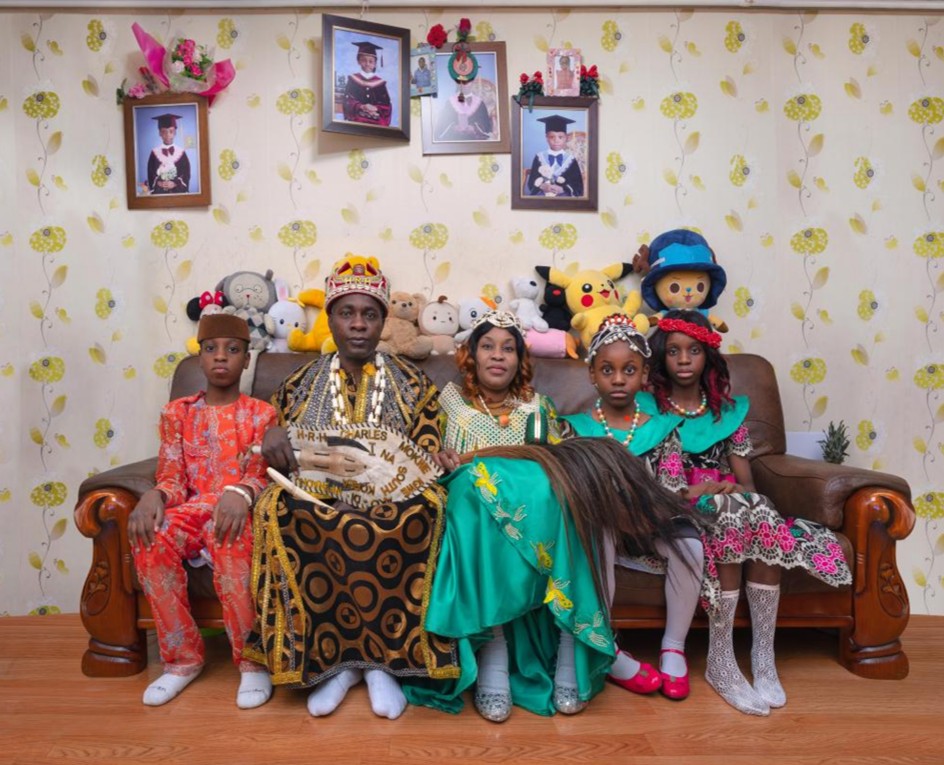
Participating work by Choi Won-jun / © Choi Won-jun, Photography Seoul Museum of Art
Choi Won-jun is
an artist and researcher who has explored the formation and transformation of
social conditions shaped by the division of Korea and the long-term presence of
U.S. military bases through photography, film, and installation.
In recent years,
he has examined the history of African communities in U.S. military camp towns
in northern Gyeonggi Province from the perspective of Afro-Asian solidarity,
developing documentary projects and community-based art. This exhibition is
based on a project he has carried out in Dongducheon since 2021, showing the
complex layers of a region where the past and present of U.S. military camp
towns overlap.
The exhibition
includes the lives of the Nigerian Igbo community, U.S. soldiers, and women who
worked in camp town clubs. Baeyounghwaseong
transforms archival photographs of female entertainers who once worked in camp
town clubs into rear-view images using AI technology. The work asks viewers to
reconsider the kinds of gazes through which these women were objectified and
defined.
Ham Hye-kyung’s The
Man in the Grey Suit (2026) is a 36-minute single-channel video
that follows a figure pushed outside the official record and the traces of a
life that has disappeared. The artist traces the life of painter Lim Gun-hong,
who has not been sufficiently illuminated in history or art history, bringing
the gaps between personal memory and public record into the structure of the
moving image.
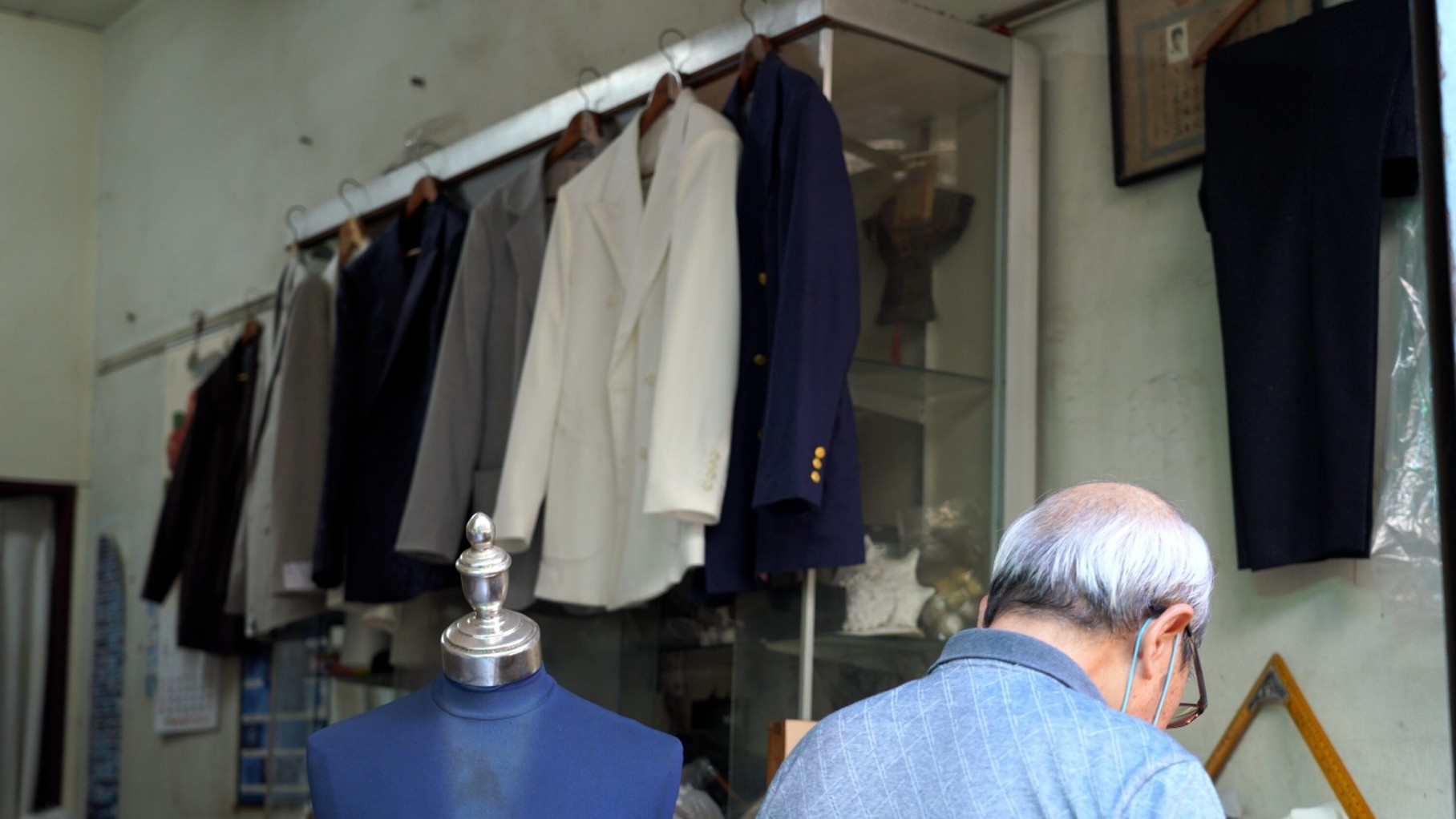
Exhibited work in《Come Back Home》, Ham Hye-kyung, The Man in the Grey Suit / © Ham Hye-kyung, Photography Seoul Museum of Art
On
the Road
The third section
expands home beyond the interior of a dwelling and into the boundaries of the
life on which we stand. Kim Min, Sora Kim, Lee Sunmin, Nana & Felix, Ha
Da-won, Jung Jung-ho, and Lee Han-gu capture situations in which people and
places cannot settle securely, exploring the points where intimate personal
experience meets social conditions.
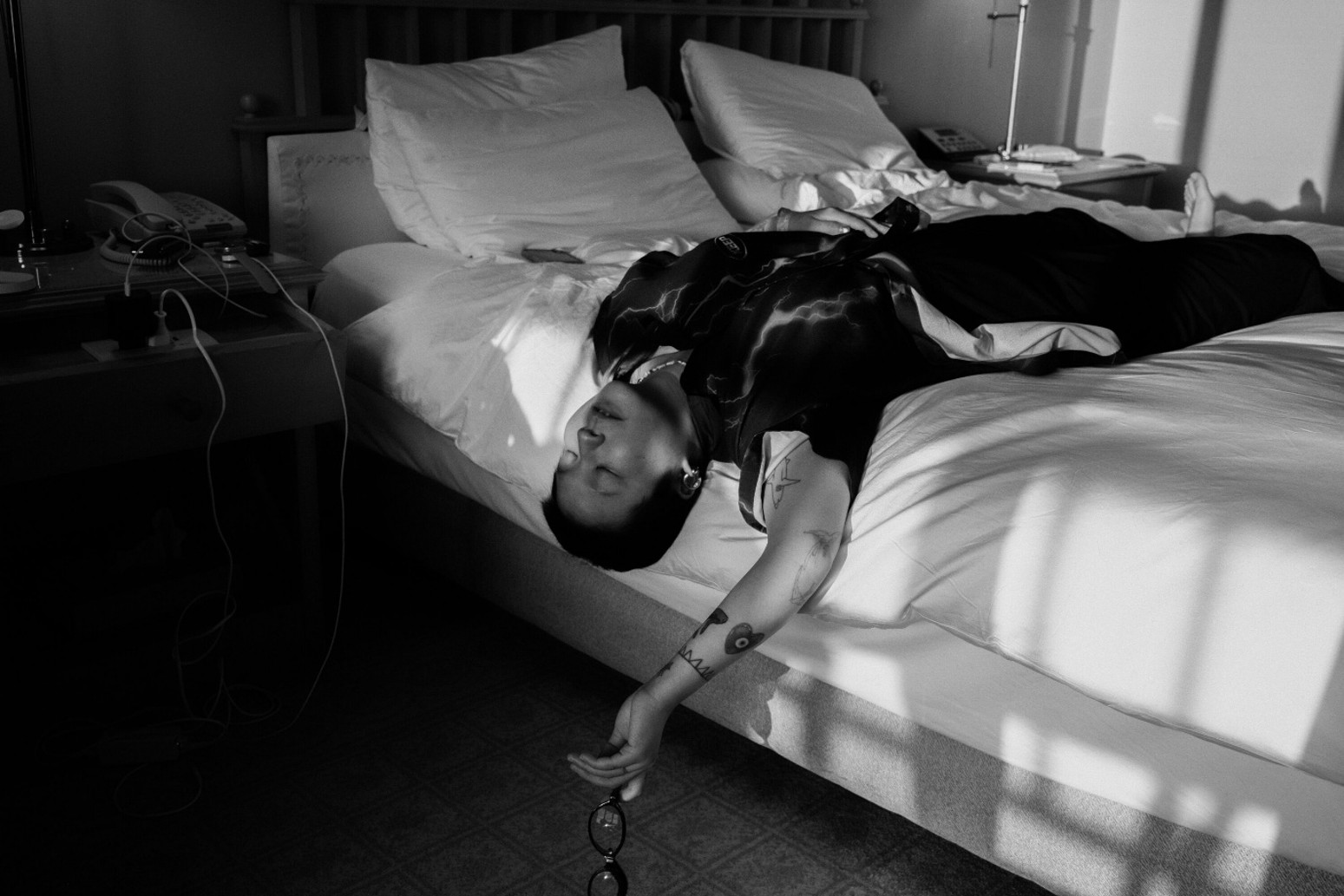
Exhibited work in《Come Back Home》, Kim Min, Flower Cracker 30 / © Kim Min, Photography Seoul Museum of Art
Kim Min’s Flower
Cracker 30 (2024) sensitively captures the instability of
relationships and the places in which individual lives are situated. Rather
than presenting home as a complete and settled space, the artist sees it as a
scene where different times and emotions collide and disperse. Through this,
home emerges as both a place of settlement and a boundary where conflict,
distance, and the sensation of movement arise.
Lee Sunmin’s Moving,
Fluid, The Room of Cha Sangmin (2023~) documents both the room
and portrait of a young person living a fluid life in Euljiro. The artist
records not only the figure but also the structure of the room, the arrangement
of objects, and the traces of everyday life, revealing the sensation of an
unstable life moving through the city.
Ha Da-won’s Persimmon
Tower (2017), photographed while staying in a rural house in
Jinju, quietly records the interior and exterior landscapes of a home marked by
the grandmother’s touch and by the passage of family time.
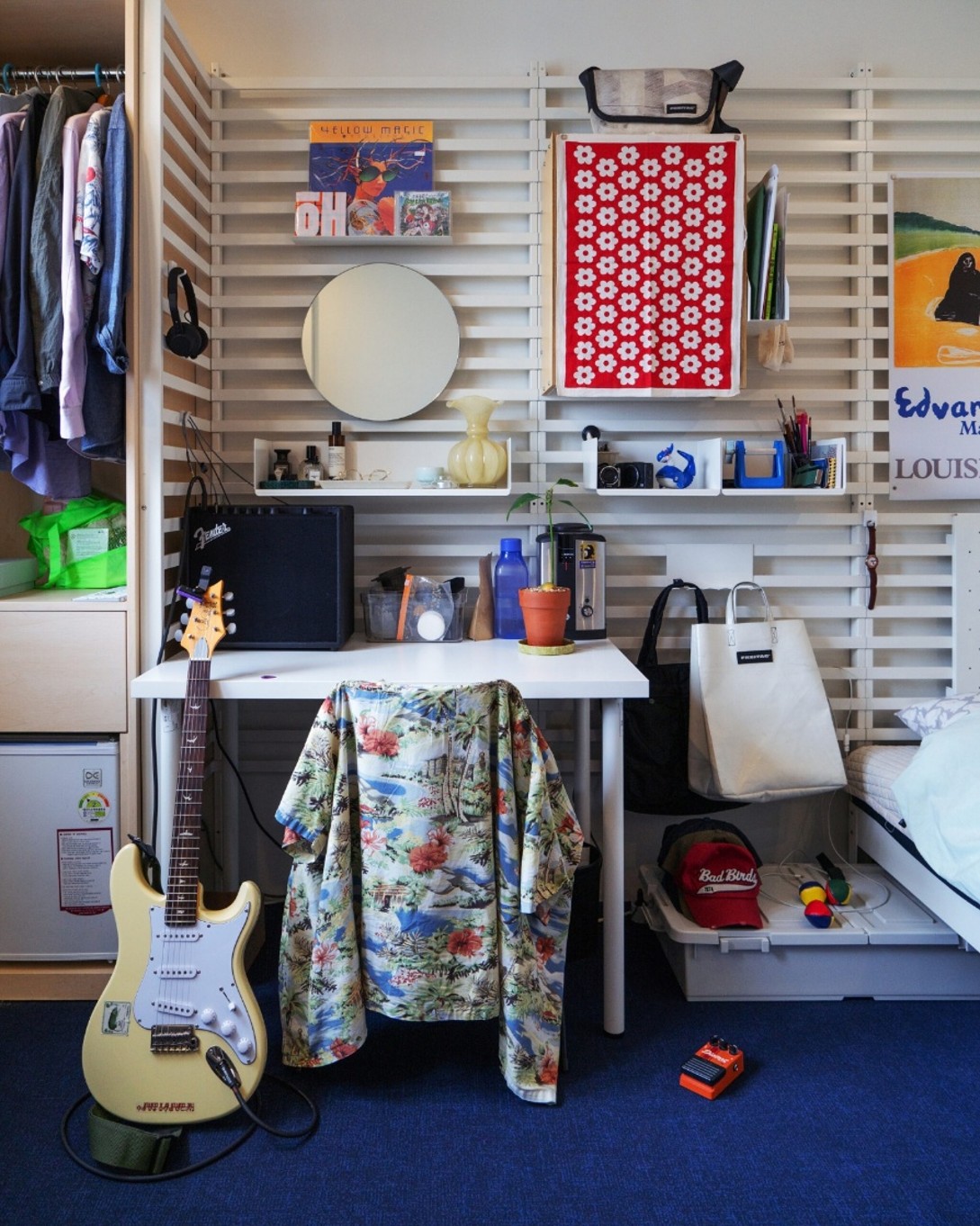
Exhibited work in《Come Back Home》, Lee Sunmin, Moving, Fluid, The Room of Cha Sangmin / © Lee Sunmin, Photography Seoul Museum of Art
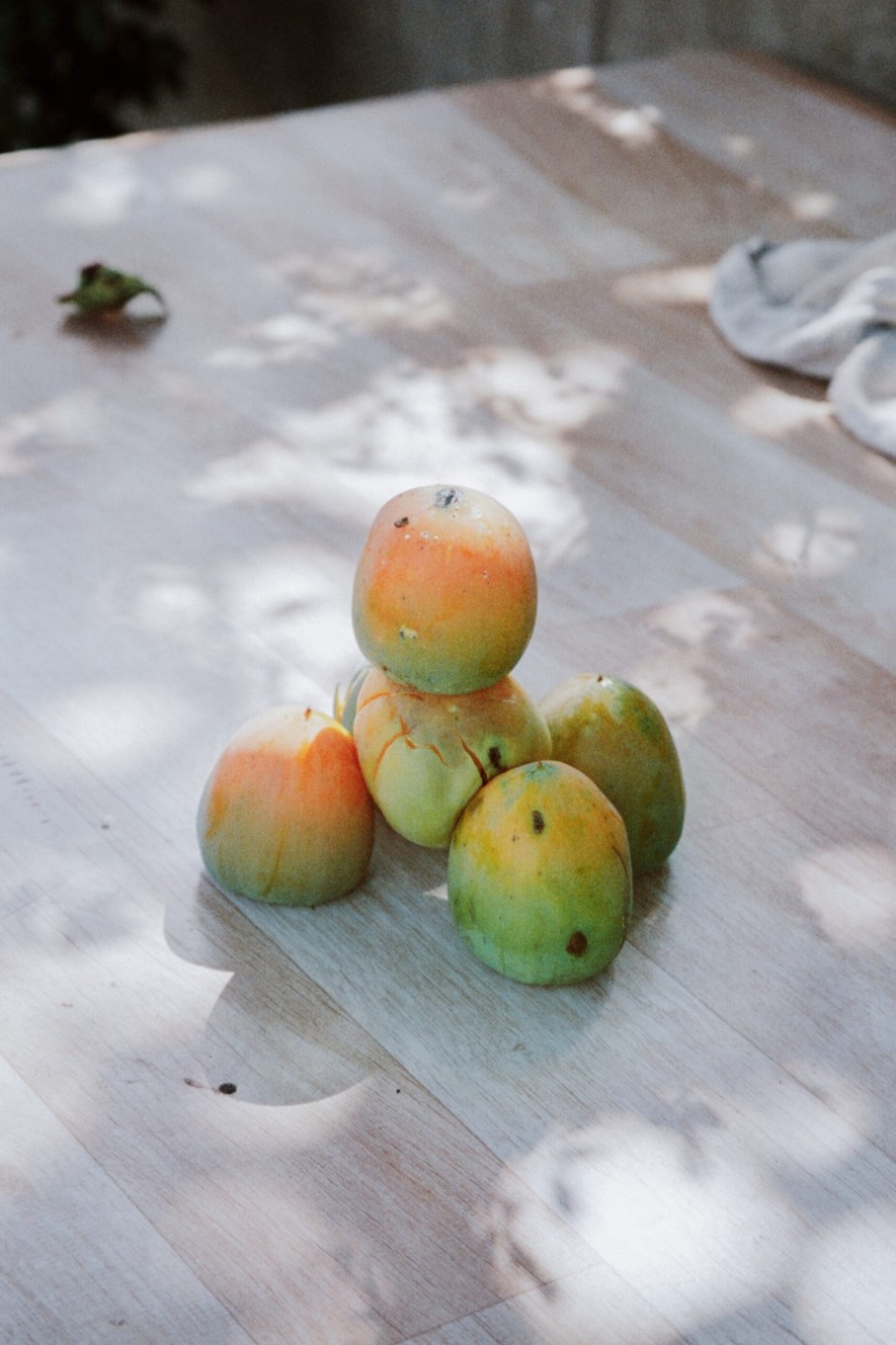
Exhibited work in《Come Back Home》, Ha Da-won, Persimmon Tower / © Ha Da-won, Photography Seoul Museum of Art
In this section,
home appears less as a place of stable belonging than as a territory unsettled
and displaced within urban structures and social orders. The artists reveal
cracks within familiar everyday landscapes through photography, crossing the
boundaries between inside and outside, history and fiction, the public and the
private.
Our
Home
The final section
looks at home as a space of hope and solidarity. Yang Dong-kyu, Yoon Tae-jun,
Son Eun-young, Lee Ye-eun, Mioon, Shin Su-wa, and Jang Yeon-ho each question
the meaning of the space in which we live together. Their works document
fragments of reality while also revealing the emotional possibilities of home
through photographic imagination and performative experimentation.
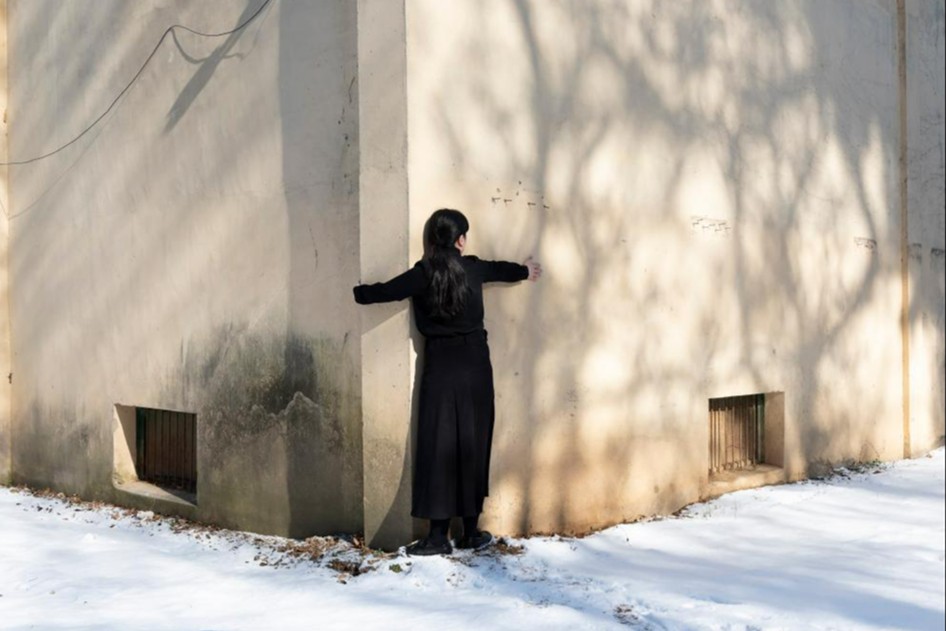
Lee Ye-eun, Raising Indoor Temperature (2021) / © Lee Ye-eun, Photography Seoul Museum of Art
Lee Ye-eun’s Raising
Indoor Temperature (2021) is based on the artist’s labor
experience in Icheon, Gyeonggi Province, and on an attitude toward life
inherited from her family. To avoid objectifying others, the artist becomes the
subject of the photograph herself and records actions using her own body. The
scene in which she embraces the cold exterior wall of a building with her
entire body suggests an attempt to create warmth even within the repetitive
time of everyday life and labor.
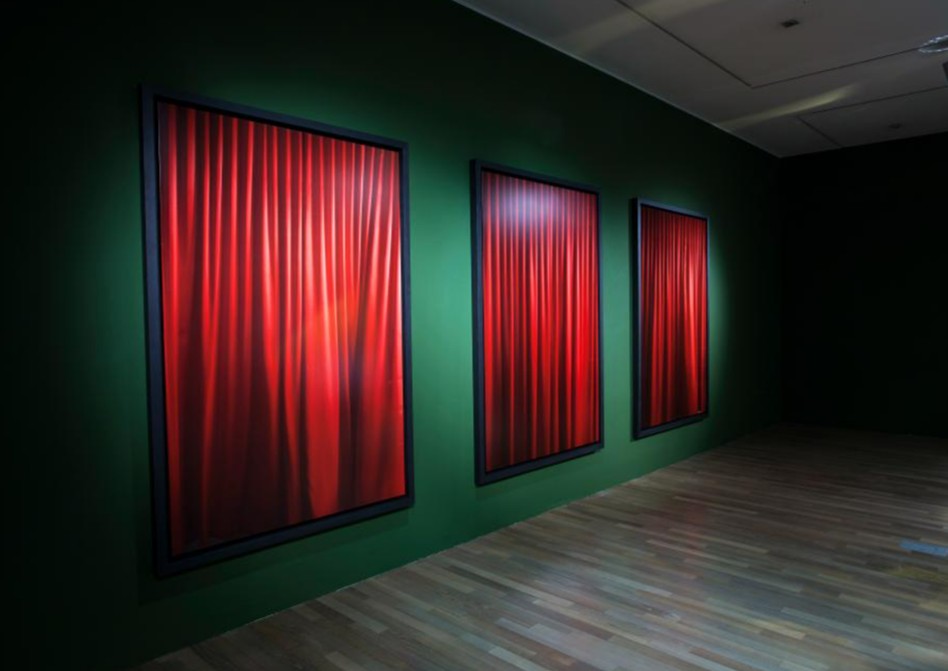
Participating work by artist duo Mioon / © Mioon, Photography Seoul Museum of Art
The artist duo
Mioon explores contemporary social systems and the structures of collective
desire hidden within them through media installation. Their new work Suspended
Luminaries recalls chandeliers that once symbolized wealth and
splendor, yet it is in fact reconstructed through digital boxes and moving
images.
The dazzling
images that continuously flow inside the boxes show how the information and
images we usually believe to be “our own taste” may be edited and recommended
by systems. In other words, even what appears to be an individual’s free choice
may actually be the result of algorithmic selection.
Through smooth,
cold mechanical devices and endlessly flickering screens, the work reveals how
contemporary desire is produced within information systems and disappears just
as quickly. Standing before the work, viewers are led to reconsider where their
own tastes and choices truly come from.
From
Viewing Photography to Experiencing It
《Come Back
Home》is accompanied by a wide range of related
programs. The Time of the Festival, an interview program featuring the
voices of those who have shaped the Seoul Photo Festival over the past decade,
looks back on the questions and concerns the festival has addressed through
photography.
“Between
Photography and the World” is a film program that
revisits the origins of photography in connection with the theme of the 2026
Seoul Photo Festival. Also included are “Moving Library”, which
introduces 100 photobooks by photographers active in cities across East Asia,
and “Artist’s Room”, an artist talk program where visitors can hear
directly about each artist’s practice.
This structure
moves beyond the idea of photography as images simply hung on walls. Visitors
encounter photography by looking, reading, listening, walking, and conversing.
At a time when smartphones and social media have made photography one of the
most ordinary forms of image production,《Come Back
Home》invites viewers to look at photography slowly
again. It asks what it means to remember a place, to record a relationship with
someone, and to locate oneself within the city.
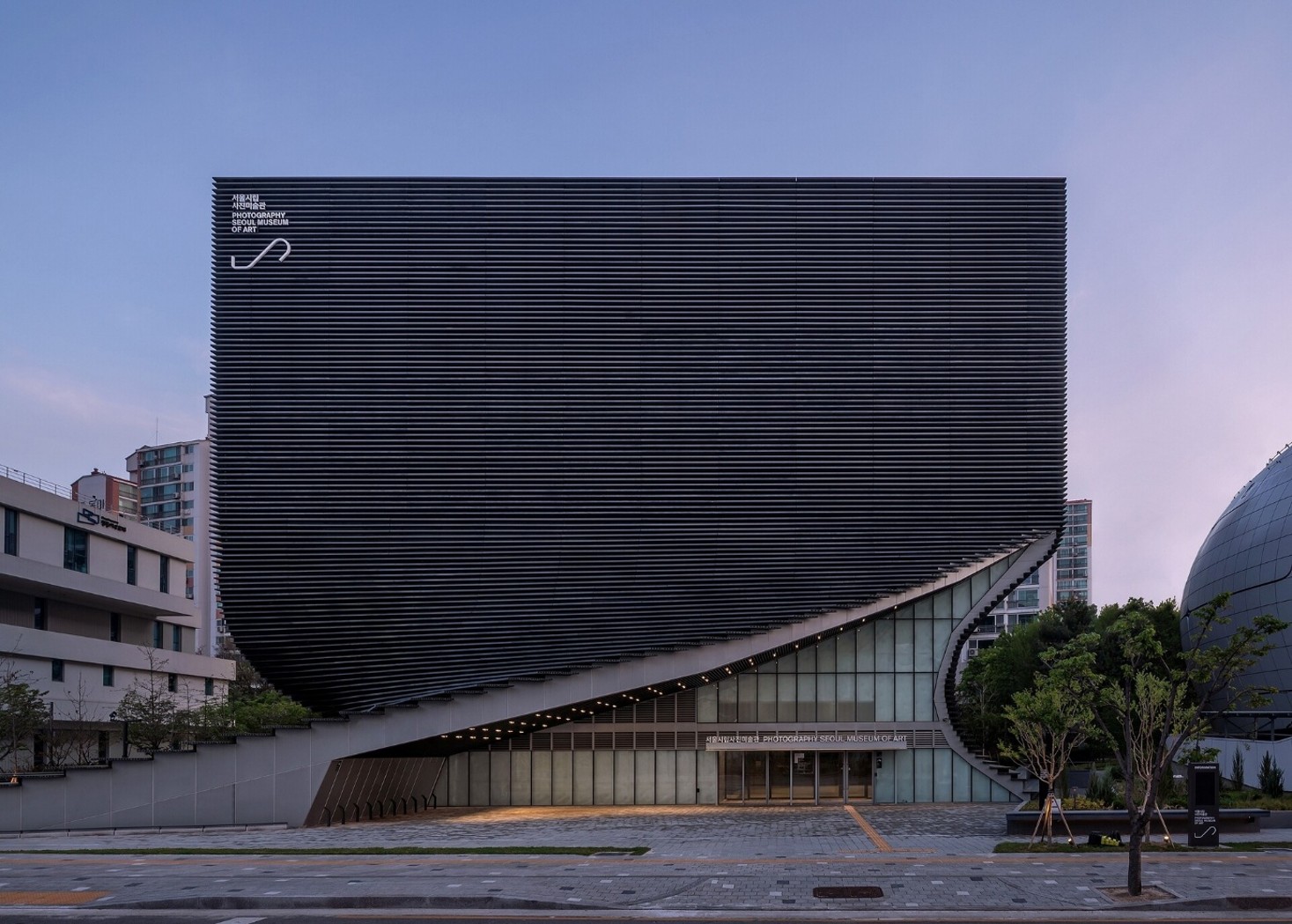
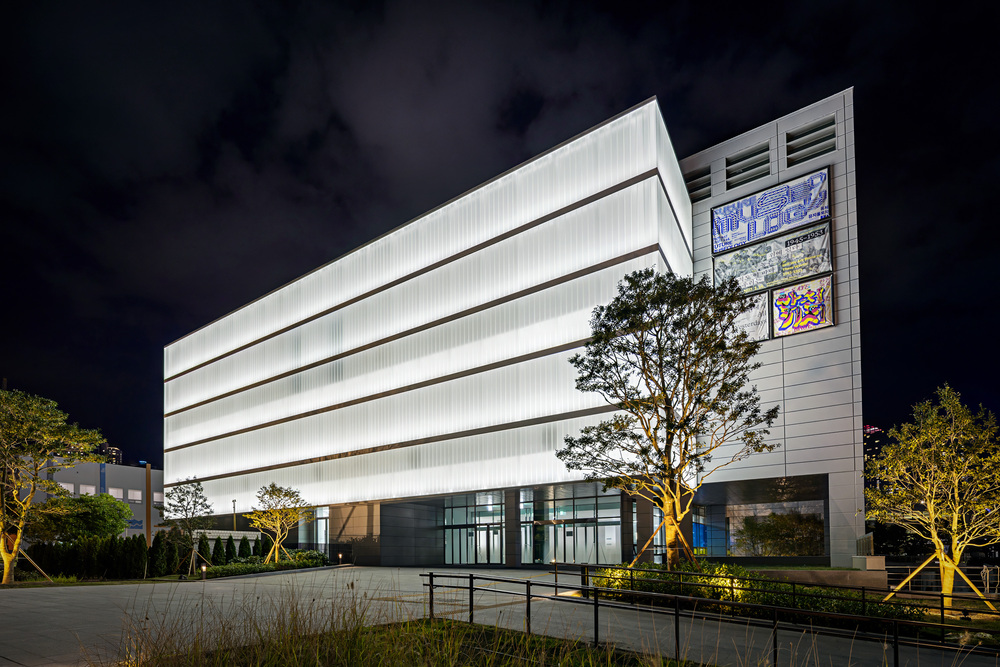
Photography Seoul Museum of Art / Photo: Photography Seoul Museum of Art
The 2026 Seoul
Photo Festival《Come Back Home》does not treat photography merely as a medium of past documentation.
Instead, the festival shows that photography remains an important language for
reading the sensations of contemporary life, relationships, memory, and
movement. Relaunched at the Photography Seoul Museum of Art, the Seoul Photo
Festival can be seen as a point of departure through which Korean photography
begins to establish itself within a specialized museum institution and expand
into the experiences of the city and its citizens.
Exhibition
Information
Title: 2026 Seoul Photo Festival《Come Back Home》
Venue: Photography Seoul Museum of Art
Address: 68 Madeul-ro 13-gil, Dobong-gu, Seoul
Dates: April 9 – June 14, 2026
Hours: Tue–Fri 10:00–20:00 / Sat–Sun & Holidays 10:00–19:00
Closed: Mondays
Participating Artists: Ki Seulki, Kim Min, Sora Kim, Kim Jun, Nana &
Felix, Mioon, Park Hyung-ryeol, Son Eun-young, Shin Su-wa, Shin Hee-soo, Yang
Dong-kyu, Oh Seok-geun, Yoon Tae-jun, Lee Sunmin, Lee Ye-eun, Lee Han-gu, Jang
Yeon-ho, Chung Kyung Ja, Jung Jung-ho, Choi Won-jun, Ha Da-won, Han Youngsoo,
Ham Hye-kyung.