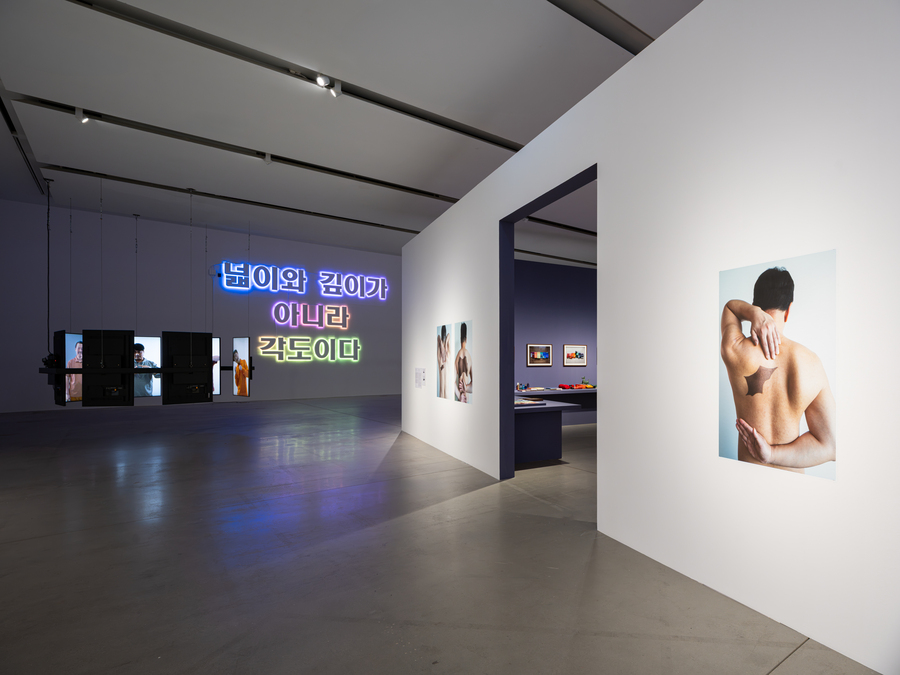

《Seung-taek
Lee: At the Edge of Sculpture》, currently on view
at SOMA Museum of Art, is a large-scale exhibition that surveys the artistic
world of Seung-taek Lee, a pioneering figure in Korean experimental art.
The exhibition
runs from April 10 to July 26, 2026, across Exhibition Halls 1–5 of SOMA Museum
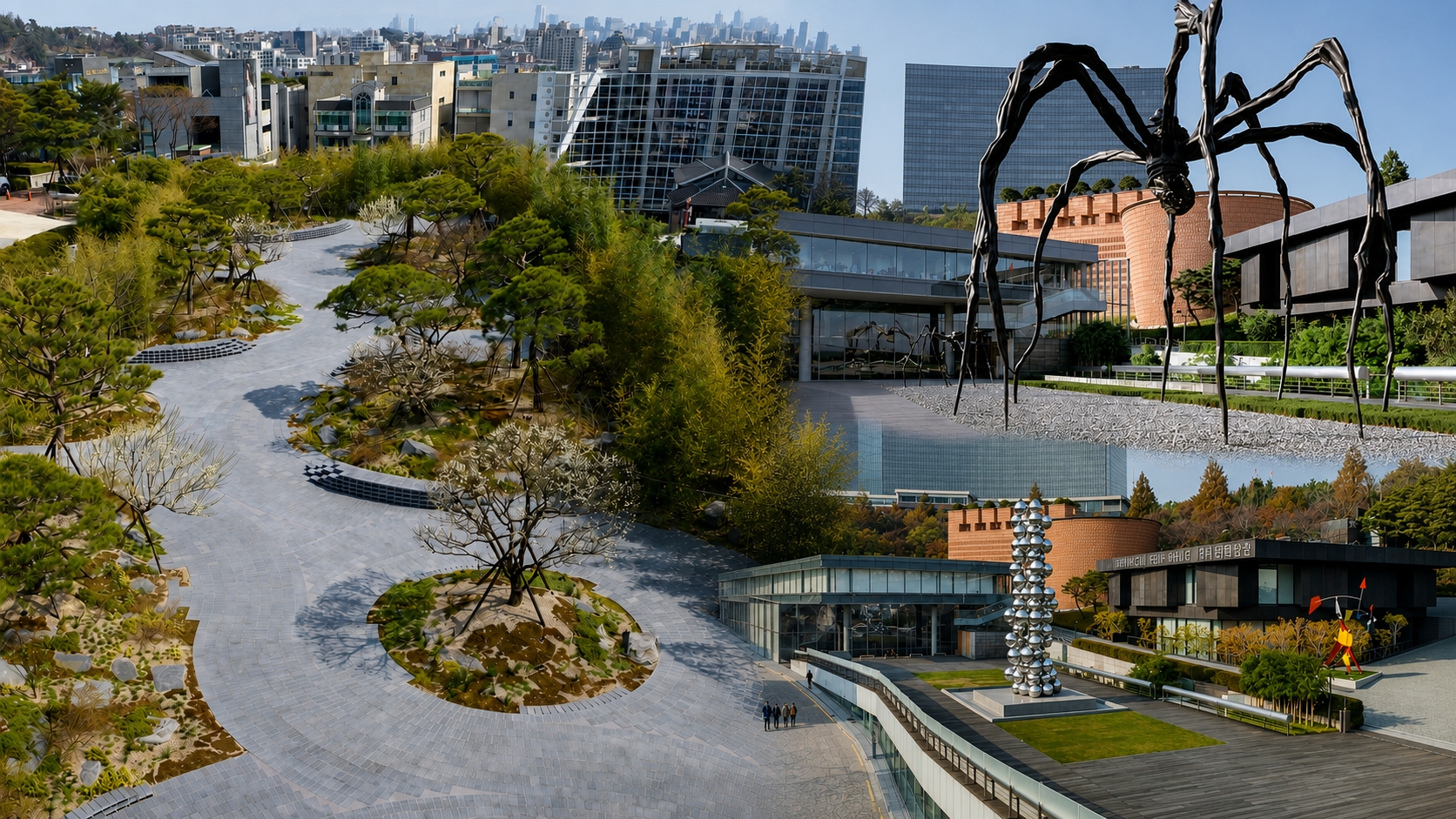
of Art Building 1 and the Olympic Sculpture Park. It presents more than 200
works and archival materials, including sculptures, installations,
photo-pictures, drawings, objects, and archival documents dating from the 1950s
to the present. The exhibition is also significant as the first major solo
exhibition by a living artist to encompass both SOMA Museum of Art Building 1
and the Olympic Sculpture Park.
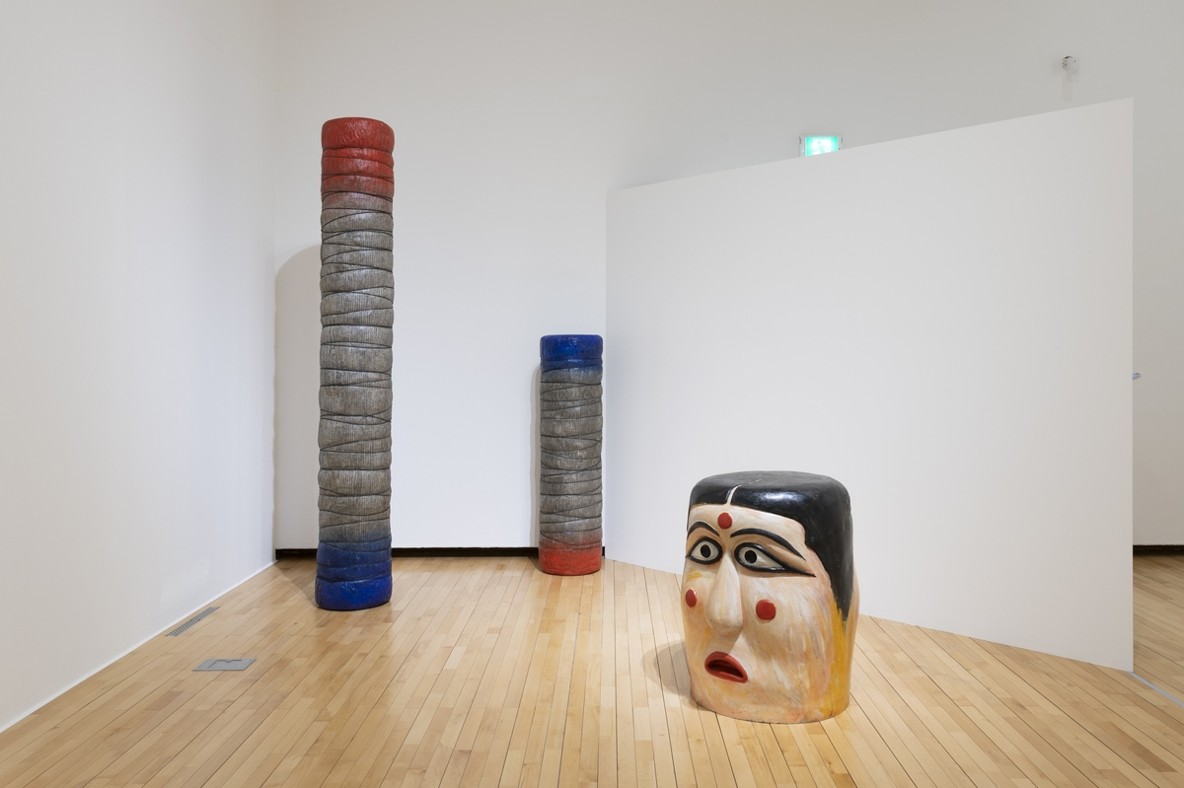
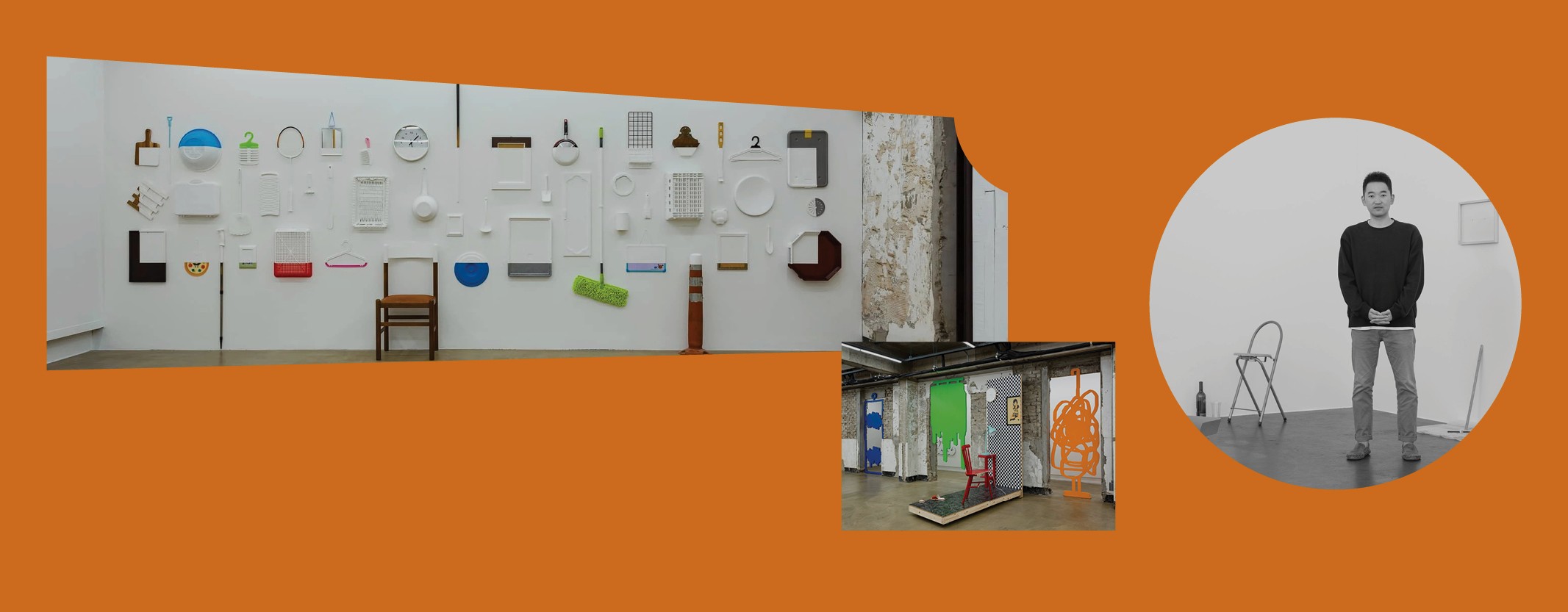
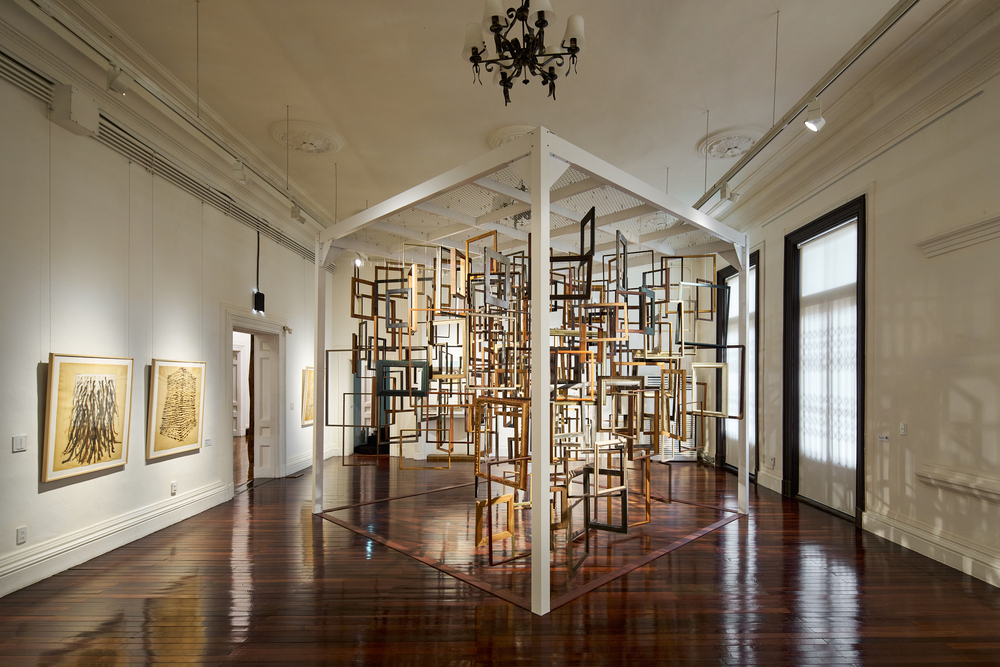
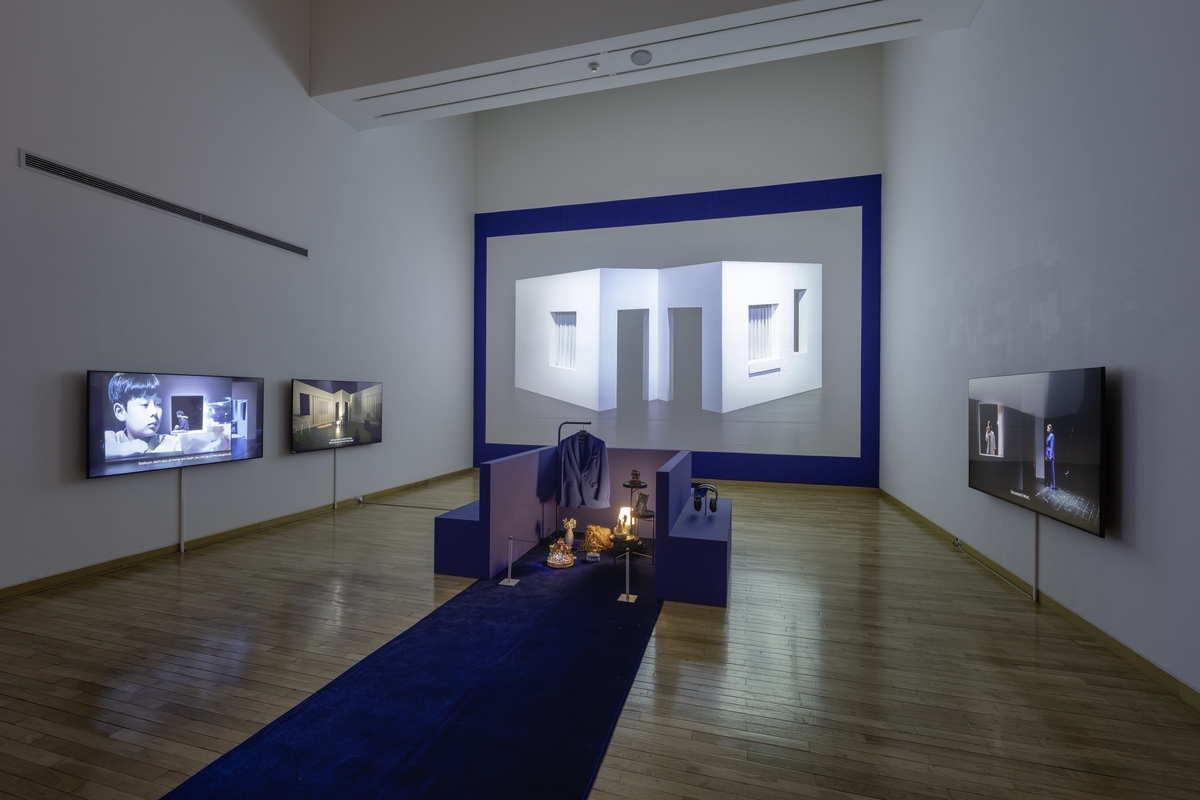
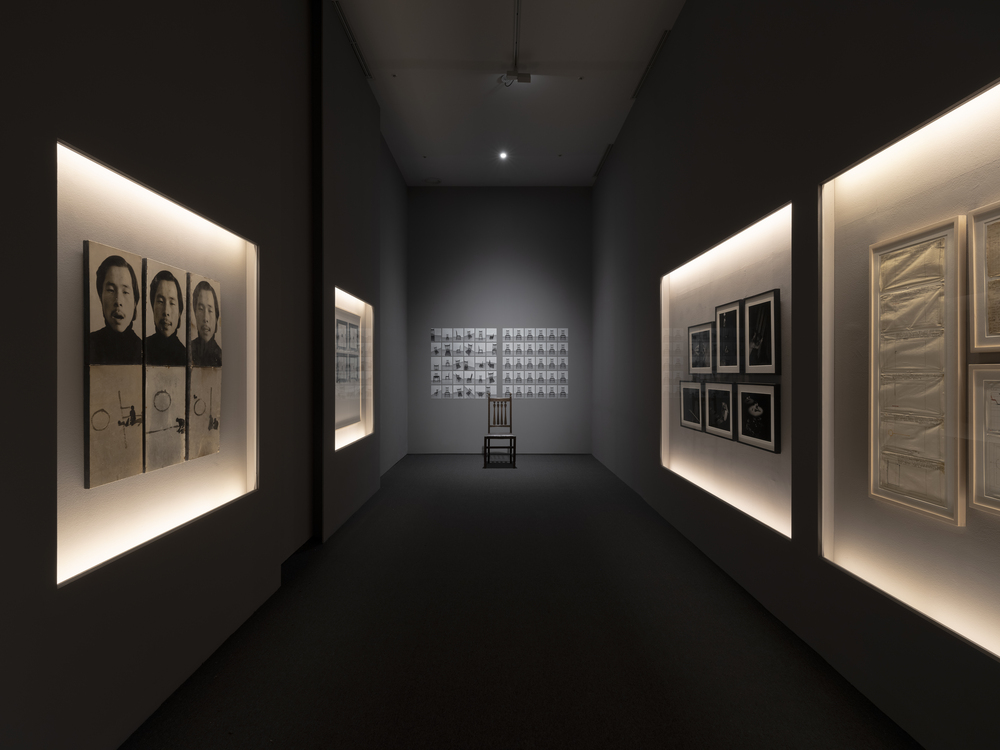
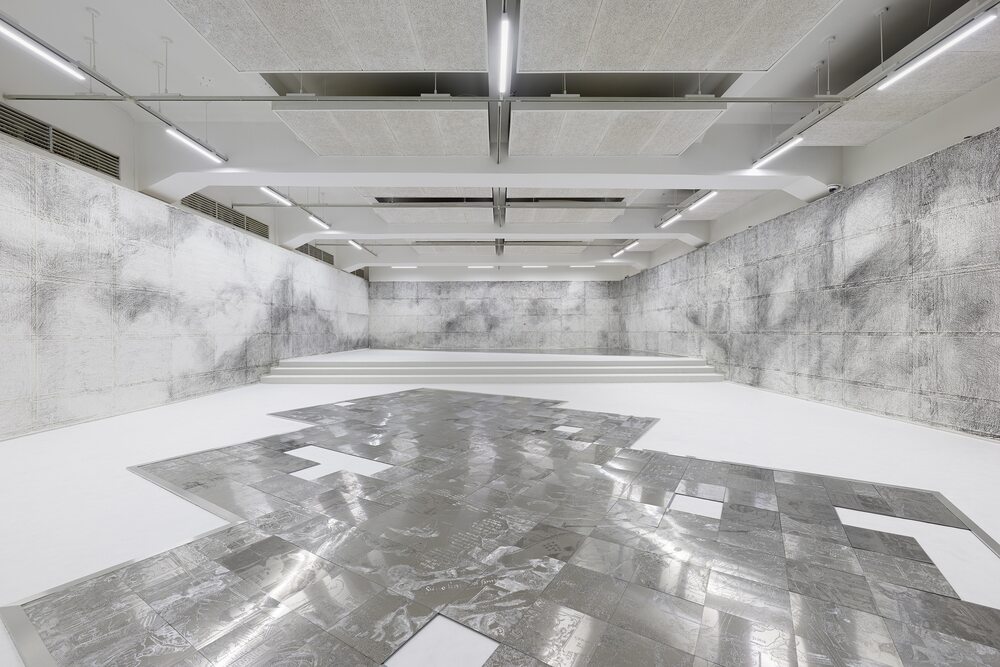
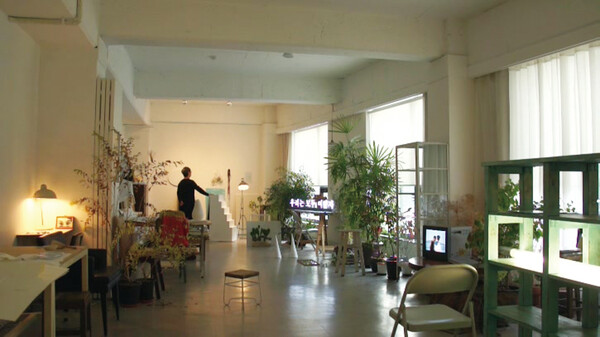
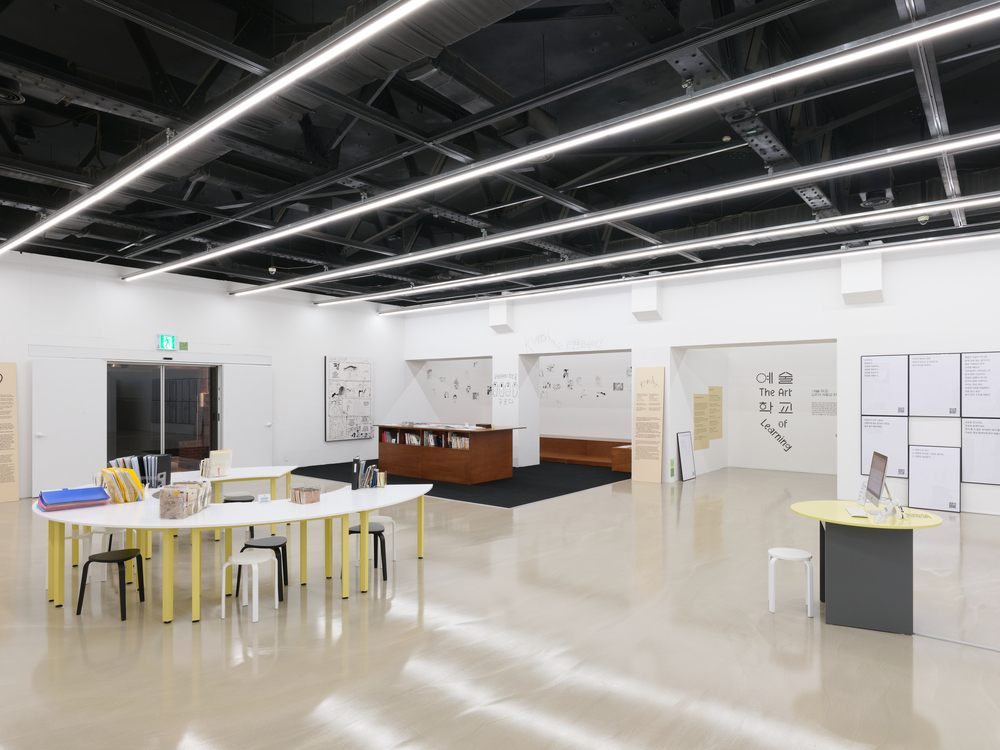
Installation view of《Seung-taek Lee: At the Edge of Sculpture》/ Photo: Gallery Hyundai
The
Art-Historical Significance of the Exhibition
This exhibition
cannot be understood simply as a retrospective that organizes the work of a
senior Korean artist. Rather, through Lee’s practice, it asks again how
sculpture has expanded since the latter half of the twentieth century into
questions of material, form, site, action, nature, and time.
The concept of “Non-Sculpture,”
which Lee has proposed over many decades, is not a negation of sculpture. It is
closer to a radical mode of thought that shifts sculpture away from the
production of fixed objects and toward events, relationships, processes, and
phenomena.
Lee occupies a
distinctive position in the history of Korean modern and contemporary art. In
the 1960s and 1970s, the Korean art scene was forming a discourse centered on
the language of modernism imported from the West, the formal vocabulary of
abstraction, and, later, the painting-centered discourse that would lead to
Dansaekhwa. Flatness, materiality, spirituality, repetition, and performativity
in painting became major terms through which Korean modern art was explained.
Lee, however, did
not position himself within this current through painterly abstraction or
modernist formal experimentation. While dismantling the traditional grammar of
sculpture, he brought Korea’s everyday life, nature, folk sensibility, action,
and site into the realm of art.
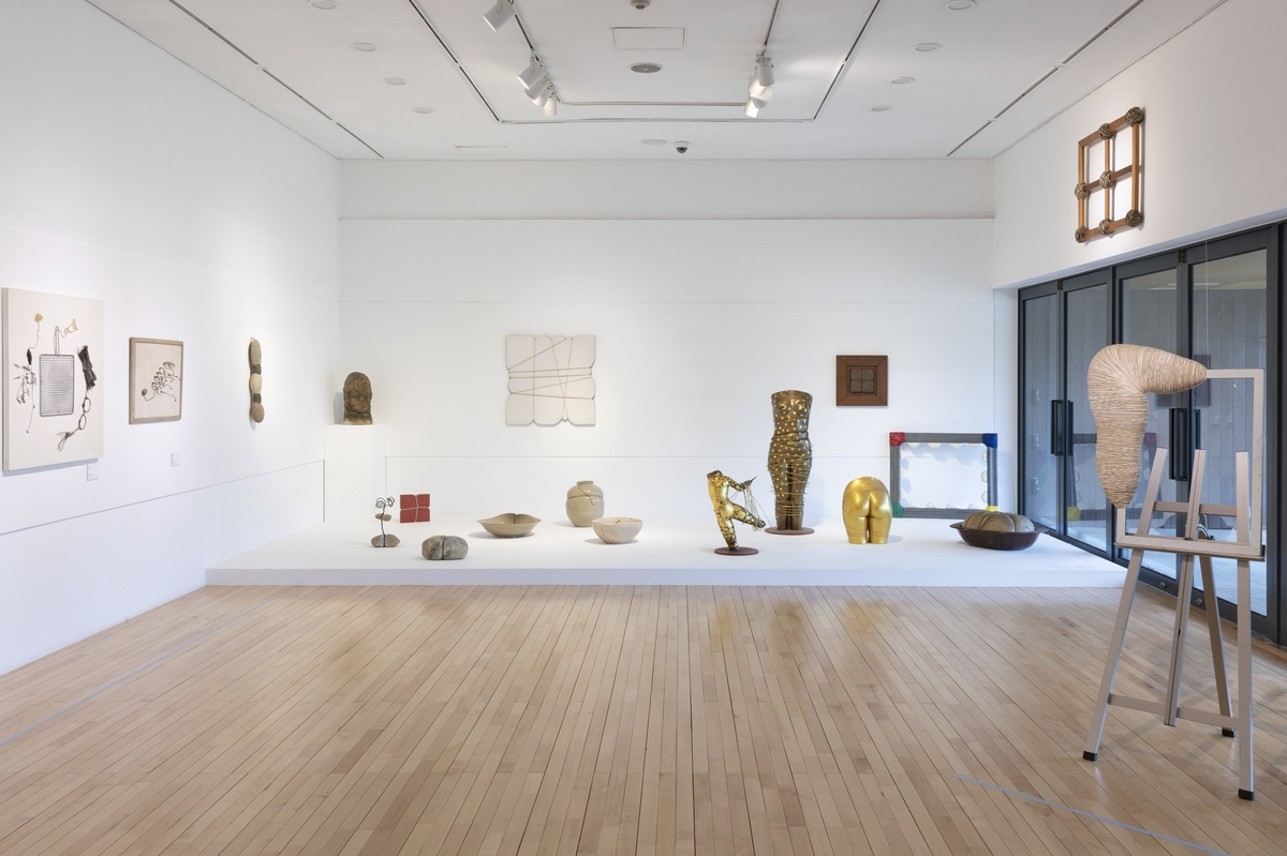
Seung-taek Lee’s ‘Tying’ series on view at SOMA Museum of Art / Photo: Gallery Hyundai
In this respect,
Lee’s work should not be seen as a peripheral experiment within Korean art, but
as an important practice that must be reread from the perspective of global
modern and contemporary art history.
In Western art
history, sculpture after the 1960s expanded from object-centered sculpture
toward relationships among site, process, material, and action through
Minimalism, Post-Minimalism, Conceptual Art, Land Art, performance, and Arte
Povera. Lee’s work can be understood as an example of expanded sculpture that
developed during the same historical period as these international shifts, yet
independently, on the basis of Korean conditions and sensibilities.
Non-Sculpture:
Transforming Matter into Event
Although Lee
began with sculpture as his foundation, his art never remained confined within
the genre. Moving across installation, photography, land art, performance,
objects, and drawing, he explored the ways in which art emerges among things
and nature, site and body, time and action. His work has long been recognized
as a major current in Korean experimental art, and in recent years it has also
been reread internationally as a key example of Korean avant-garde art.
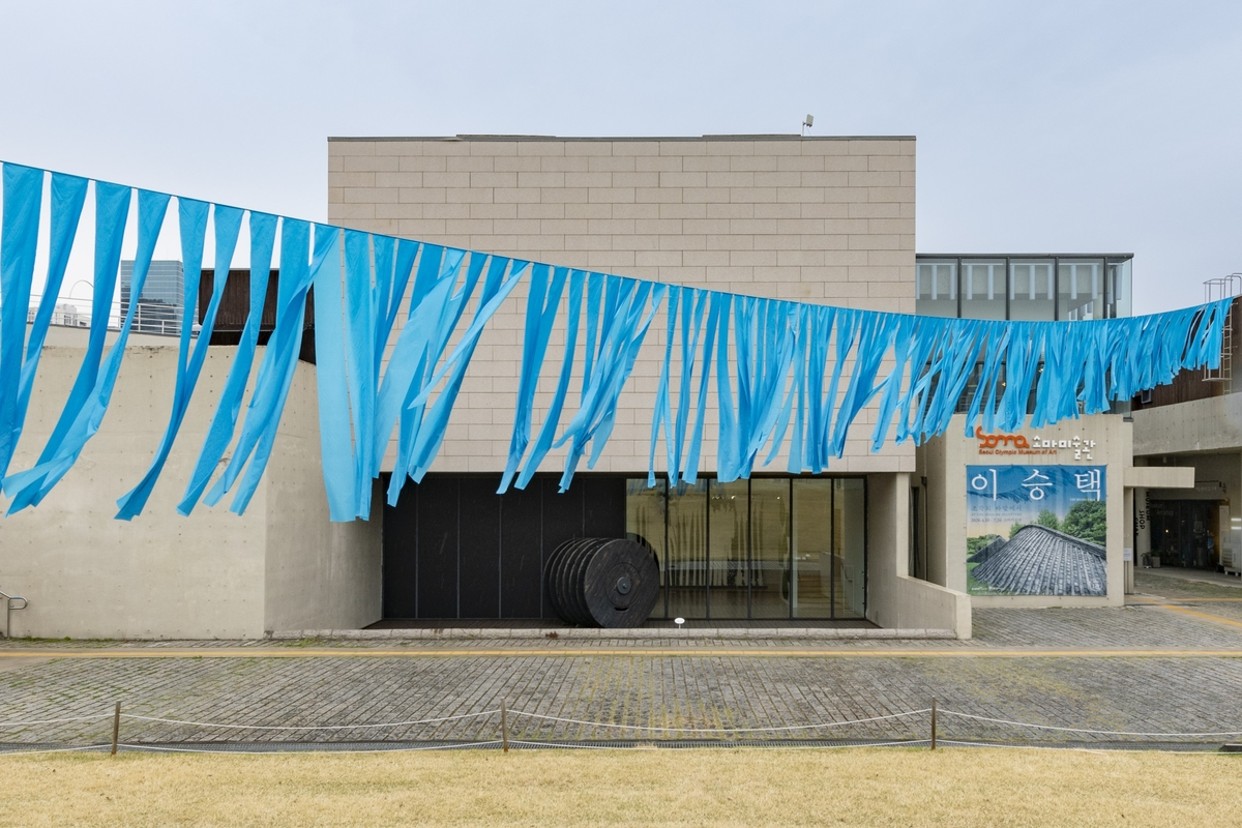
Installation view of《Seung-taek Lee: At the Edge of Sculpture》/ Photo: Gallery Hyundai
Lee’s central
concept of “Non-Sculpture” does not simply mean something that is not
sculpture. For Lee, Non-Sculpture is a way of rethinking sculpture from outside
the conventional boundaries of sculpture. Must sculpture necessarily exist as
fixed material such as stone, wood, or metal? Can something without form,
something invisible, something that disappears, or something that moves also
become sculpture? Lee pursued these questions not through theoretical
declaration, but through actual artistic practice.
The ‘Tying’
series, one of the central axes of this exhibition, condenses this line of
inquiry. The act of tying stones, jars, everyday objects, and bodily forms with
rope or cord is not a simple sculptural manipulation. The tied object retains
its original materiality, yet produces a different sensory experience through
traces of pressure and surface deformation. Hard stone comes to appear like
soft flesh, and everyday objects are newly read within relations of compression
and tension. At this point, sculpture becomes not the object itself, but a
relationship that emerges among material and force, surface and pressure, form
and trace.
Lee’s “immaterial”
works make his practice even more significant within the discourse of global
sculpture. He visualized natural phenomena without fixed form, such as wind,
smoke, and fire. Cloth moved by the wind reveals the invisible flow of air,
while fire burns matter and turns the process of disappearance and
transformation into part of the work. What matters in these works is not the
completed object, but the phenomenon that unfolds over time. Sculpture is no
longer a static object, but an event in which nature, material, action, and
time intersect.
At this point,
Lee’s work can be compared with Western Land Art, Post-Minimalism, and
Conceptual Art. Yet it is insufficient to explain his work simply by placing it
in parallel with Western art history or by positioning it under Western
influence. Lee transformed materials and sensibilities discovered in Korean
everyday culture and the natural environment into an experimental language of
contemporary art. Roof tiles, stones, ropes, kites, wind, and fire are not folk
motifs or decorative signs of tradition in his work. They become devices that
alter the very conditions of sculpture. Lee did not reproduce Korean elements;
through them, he reconstructed the concept of sculpture.
Lee’s radicality
therefore arises in two directions. First, rather than following the formal
language of Western modernism, he liberated sculpture from the genre of
material and form. Second, he transformed Korea’s everyday world, nature, and
folk sensibility not into simple traditional imagery, but into a structural
language of contemporary art. This is an important point that makes it
impossible to explain Korean modern and contemporary art only through the painting-centered
abstraction of Dansaekhwa.
Rereading
Seung-taek Lee within Global Art History
The use of both
the Olympic Sculpture Park and the indoor spaces of SOMA Museum of Art also
corresponds closely to Lee’s artistic world. Earth Wearing Roof
Tiles and Pillar Mask, installed in the
park, are reread in connection with the drawings, sculptural objects, and
archival materials shown indoors. The outdoor sculptures are not simply objects
placed in a park; they become works experienced through site, earth, time, and
the movement of viewers. The indoor exhibition reveals the process of
formation, concepts, materials, and context behind these works, showing the
structure of Lee’s practice, in which process is more important than result.
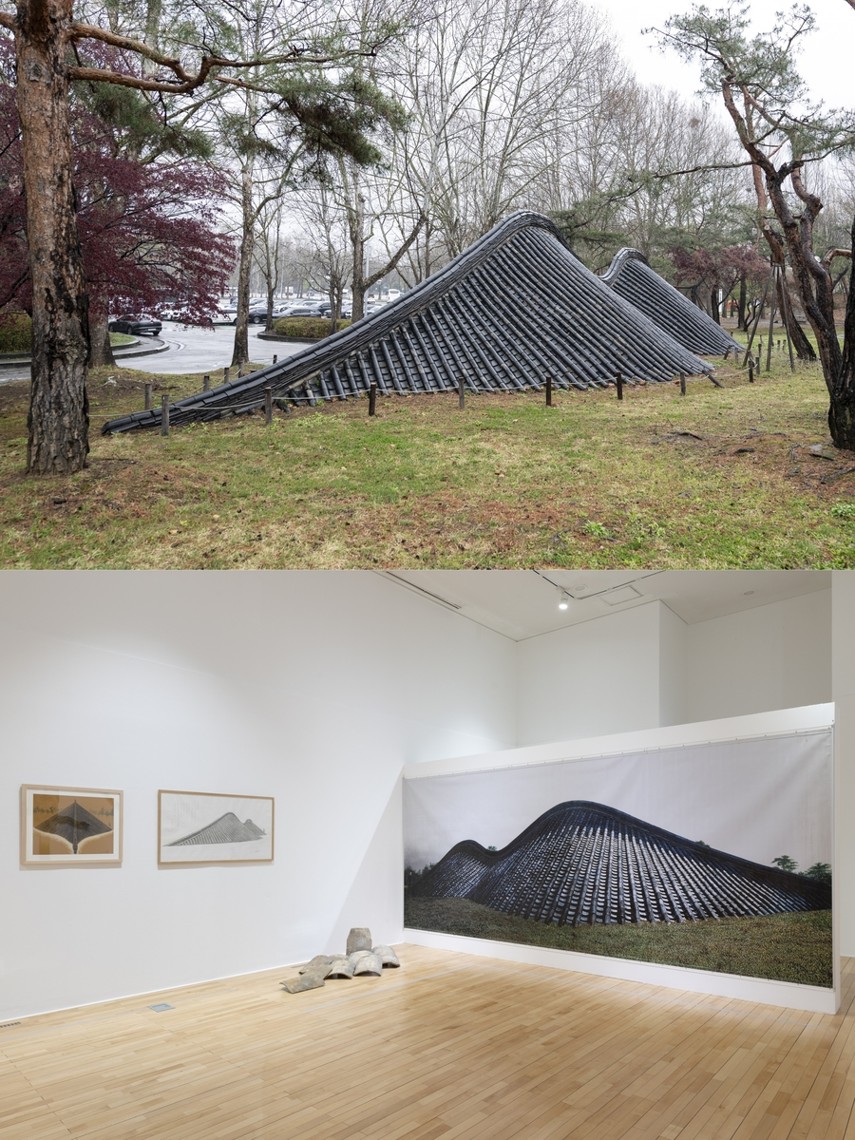
Seung-taek Lee’s Earth Wearing Roof Tiles installed in Seoul Olympic Park, together with drawings and sculptural objects related to the work on view inside the museum / Photo: Gallery Hyundai
The exhibition’s
placement of drawings and documentary materials with a weight equal to that of
finished works is also noteworthy. In Lee’s practice, sketches, records,
photographs, and traces of action do not remain auxiliary materials that simply
explain completed works. They are essential layers that show how a work is
conceived, where it takes place, and how it remains within time. For Lee, a
work exists not only as a material result, but as a totality of thought,
action, record, and memory surrounding it.
The recent
international attention given to Lee can also be understood in this context. 《Lee Seung Taek: Non-Art, the Inversive Act》, held at the National Museum of Modern and Contemporary Art, Seoul
in 2020, was a large-scale retrospective that newly illuminated more than six
decades of his practice. Later, through his participation in《Only the Young: Experimental Art in Korea, 1960s–1970s》, co-organized by the National Museum of Modern and Contemporary
Art, Korea and the Solomon R. Guggenheim Museum, Lee was reintroduced to the
international art world as one of the representative figures of Korean
experimental art of the 1960s and 1970s. The exhibition sought to shed new
light on Korean experimental art not only as an innovation within Korean modern
and contemporary art, but also as a current that expanded the scope of artistic
practice in world art.
His works are
held in major institutions in Korea and abroad, including Tate Modern, the
National Museum of Modern and Contemporary Art, Korea, M+, Guggenheim Abu
Dhabi, the Museum of Contemporary Art Australia, and the Seoul Museum of Art.
This shows that Lee’s practice is being reevaluated beyond a specific case in
Korean modern art history, as an important practice of expanded sculpture and
experimental art within global art history.
Today, the global
art world is again asking about the relationships between material and
immaterial, ecology and site, body and action, record and archive. Ecological
imagination after the climate crisis, the dissolution of genre after the
post-medium condition, the relationship between performance and archive, and
the rewriting of non-Western modern and contemporary art are all central issues
in contemporary art. Lee’s work retains its contemporaneity precisely at this
point. For decades, he has already placed natural phenomena, temporality,
site-specificity, performativity, and immaterial experience at the center of
his work, moving beyond object-centered sculpture.
The
Value and Meaning of Seung-taek Lee’s Exhibition
In this sense,《Seung-taek Lee: At the Edge of Sculpture》is less an exhibition that looks back on the past than one that asks
again where Korean experimental art stands from the perspective of global
modern and contemporary art. Lee’s “Non-Sculpture” enables us to think about
sculpture after sculpture. It shows how art can relate to the world after the
dismantling of the object, how what disappears and what remains invisible can
become the language of art, and how local sensibility can expand into a
universal aesthetic question.
The greatest
value of Lee’s work lies precisely here. At a time when Korean art was
following Western modernism and a painting-centered discourse of abstraction,
Lee practiced the radical possibility of sculpture from an entirely different
direction. His work shows that Korean modern and contemporary art cannot be
explained only through Dansaekhwa, Minjung art, or painting-centered
narratives. At the same time, it suggests the possibility that Korean
experimental art can be more actively repositioned within global art history.
《Seung-taek
Lee: At the Edge of Sculpture》begins with the
question of what sculpture is, but ultimately moves toward a larger question:
how art senses and relates to the world. Lee’s “Non-Sculpture” is a practice
that moves outside sculpture, yet paradoxically, it is also a practice that
asks the most fundamental questions about the essence of sculpture. This
exhibition shows that those questions remain valid today and deserve to be
discussed more deeply from the perspective of global art.
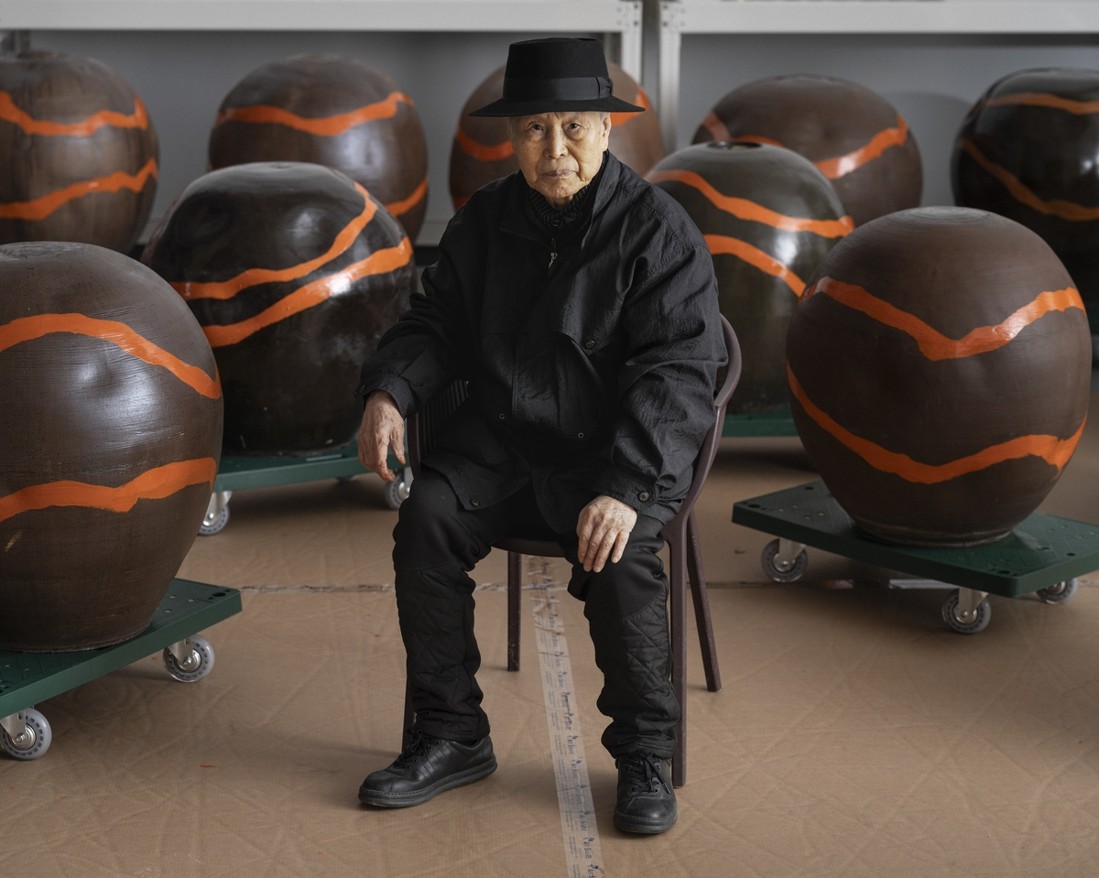
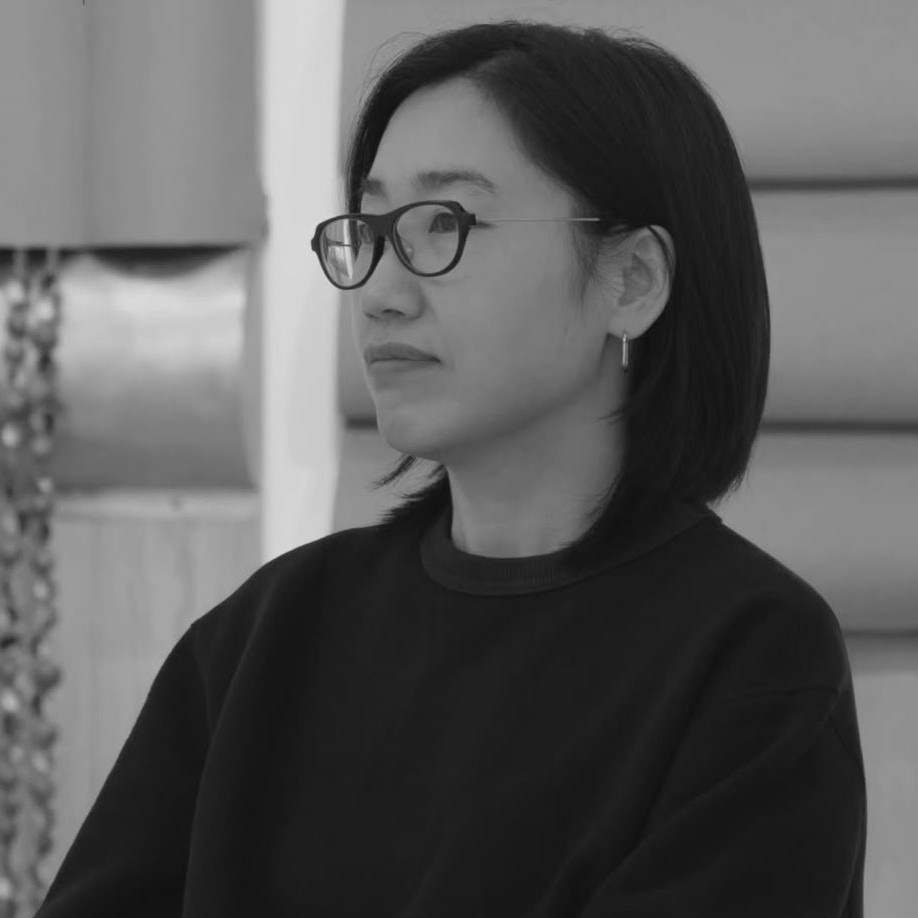
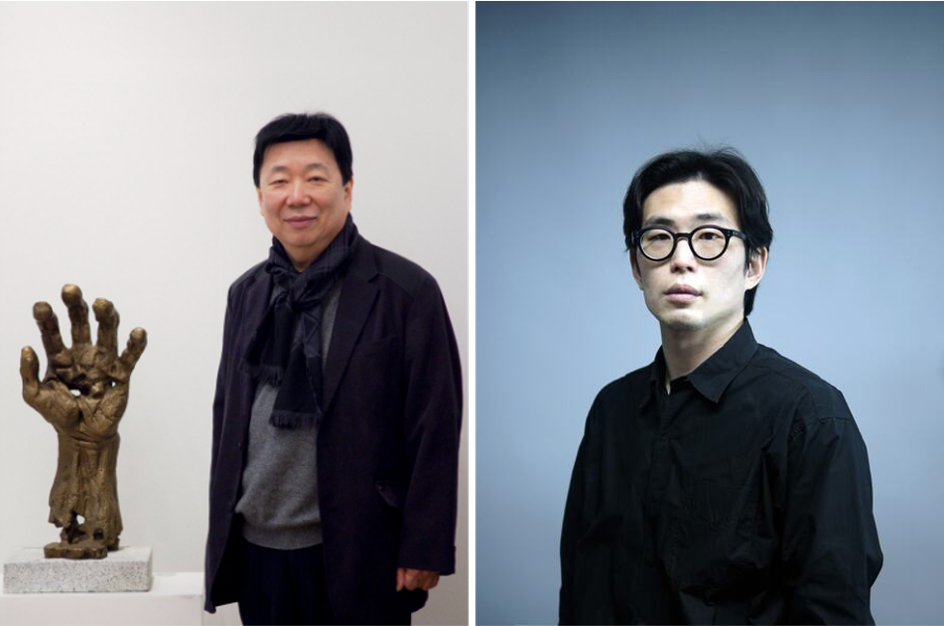
Artist Seung-taek Lee / Photo: Gallery Hyundai
Seung-taek
Lee
Seung-taek Lee
was born in 1932 in Goweon, Hamgyeongnam-do, and is one of the leading figures
of Korean experimental and avant-garde art. After graduating from the
Department of Sculpture at Hongik University, he developed an independent
artistic world while moving across sculpture, installation, photography, land
art, and performance. Since the 1960s, he has continued to question the form,
material, and site of sculpture through the concept of “Non-Sculpture,” and is
regarded as one of the most pioneering experimental artists in Korean modern
and contemporary art.
SOMA
Museum of Art
SOMA Museum of
Art is a contemporary art museum located within Seoul Olympic Park. In
connection with the Olympic Sculpture Park, it organizes exhibitions, research,
and educational programs centered on contemporary sculpture, public art, and
contemporary art. Through its spatial structure, which combines indoor
exhibition halls with an outdoor sculpture park, the museum has continued to
present the expanded possibilities of sculpture.
Exhibition
Information
《Seung-taek
Lee: At the Edge of Sculpture》
SOMA Museum of Art Building 1, Exhibition Halls 1–5, and Olympic Sculpture Park
April 10 – July 26, 2026
424 Olympic-ro, Songpa-gu, Seoul
Website: www.soma.kspo.or.kr