
Recently, major
media outlets including The New York Times, the
international contemporary art platform Ocula, and ARTnews
have extensively reported on the large-scale restructuring of Pace Gallery, one
of the world’s leading mega-galleries.
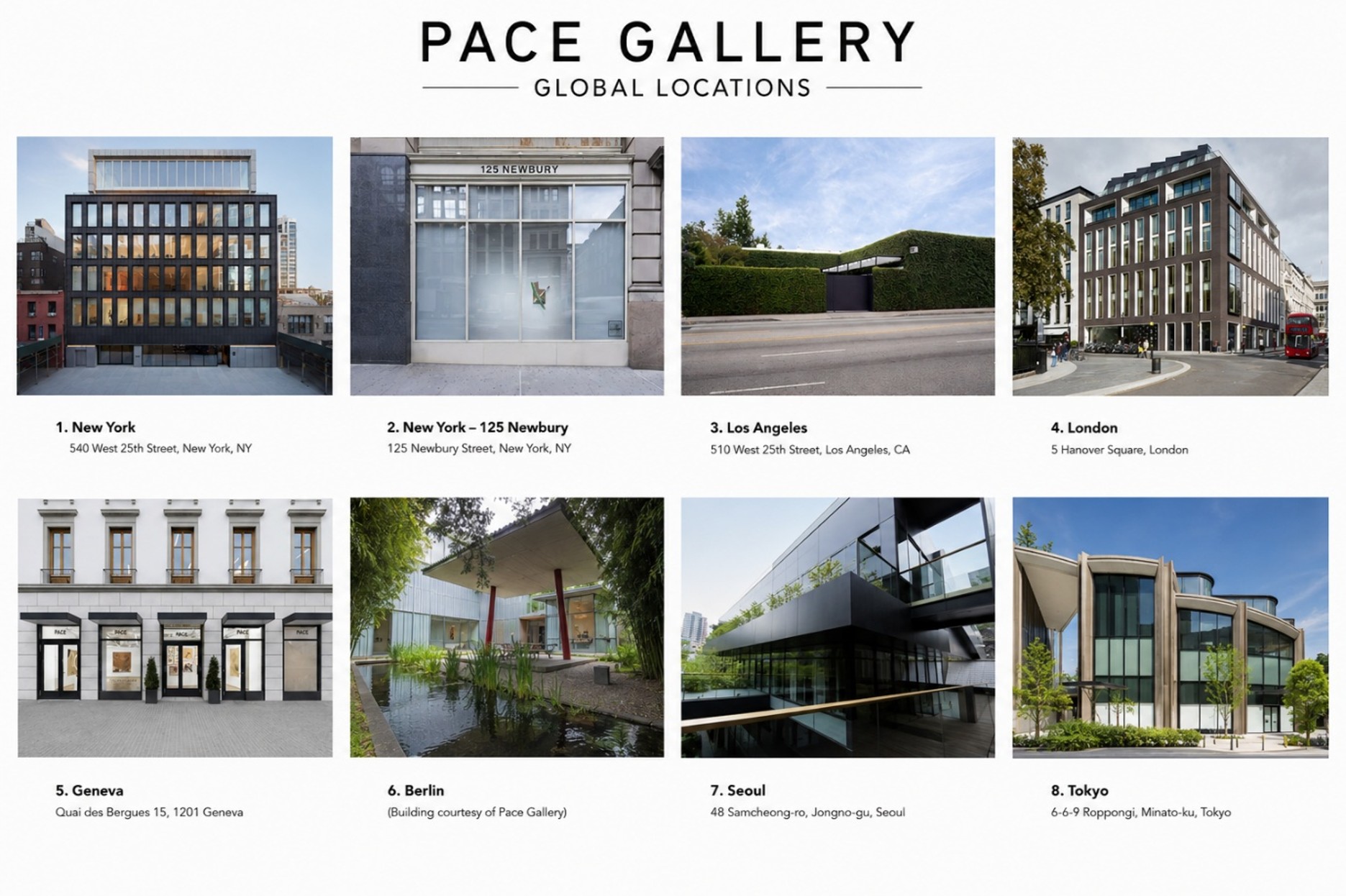
Pace Gallery headquarters and international locations / Photo: Edited from Pace Gallery website
In particular,
remarks by Pace CEO Marc Glimcher describing the current gallery model as not
merely “broken” but effectively “unfixable” have sent ripples throughout the
global art world.
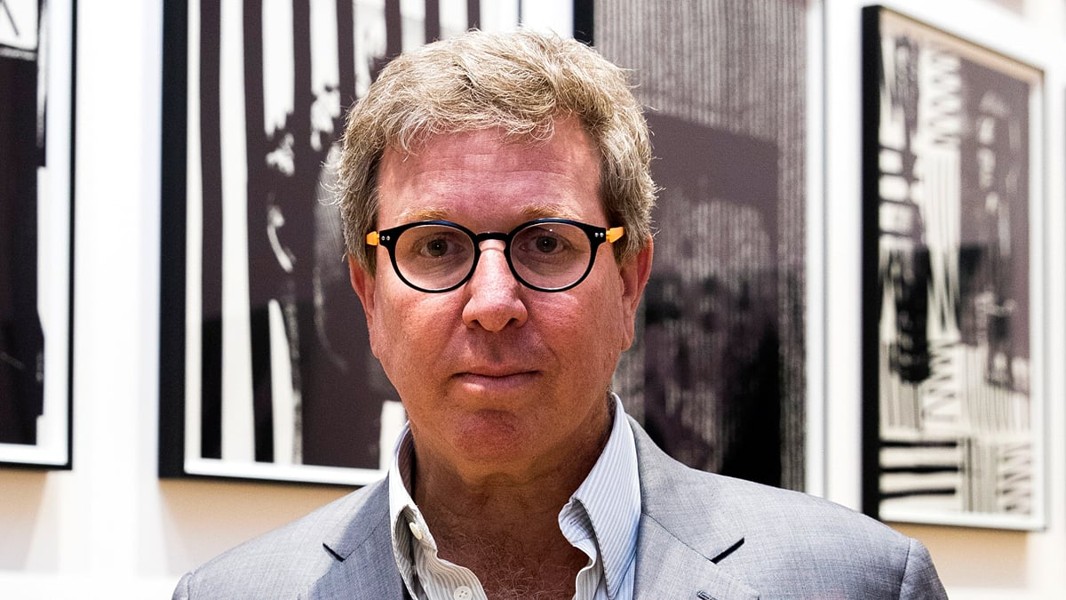
Marc Glimcher, CEO of Pace Gallery / Photo: JUSTJARED
Pace is
reportedly reducing its roster by approximately 50 artists and cutting around
50 staff positions. This is not simply a matter of downsizing or cost
reduction. Rather, it can be understood as a fundamental reassessment of the
mega-gallery model that has dominated the global art market for decades.
The
Rise of the Mega-Gallery Model
The mega-gallery
model does not simply refer to a large gallery. It describes a structure in
which galleries evolved beyond individual exhibition spaces into global,
corporate-scale art distribution systems.
Galleries such as
Pace, Gagosian, Hauser & Wirth, and David Zwirner established locations
across major international cities including New York, London, Paris, Hong Kong,
Seoul, and Los Angeles, representing dozens or even hundreds of artists and
artist estates while building extensive global networks.
These
organizations developed into complex systems that extend far beyond selling
artworks. They became involved in artist discovery, exhibition programming,
market development, price management, museum placement, collector-network
cultivation, publishing, art fair participation, and global branding
strategies.
Since the late
1990s, the simultaneous growth of global wealth, the expansion of Asian
markets, the rise of ultra-high-net-worth collectors, the establishment of
art-fair-driven distribution channels, and the financialization of art have
positioned mega-galleries at the center of power within the global art market.
Expansion
became synonymous with success.
More artists,
more locations, more art fairs, more projects, and more revenue came to be
regarded as the primary indicators of growth.
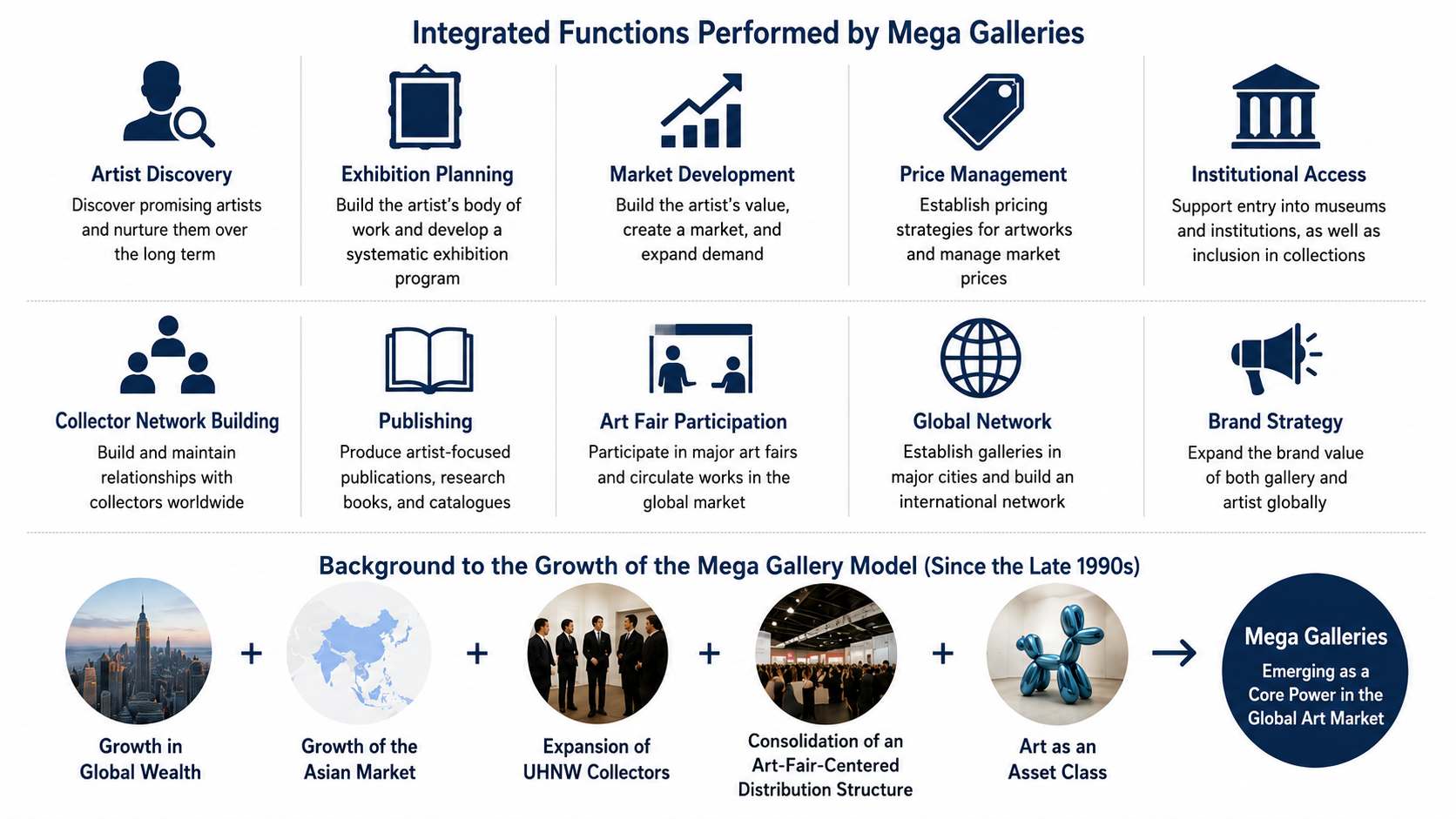
Figure 1. The Mega-Gallery Business Model
The
Structural Limits of the Growth Model
Yet while the
mega-gallery model proved highly effective during periods of growth, it became
increasingly burdensome during periods of stagnation.
The fixed costs
associated with maintaining global locations, large exhibition spaces,
shipping, insurance, staffing, and participation in international art fairs
continued to rise. Such expenses were manageable when the market was expanding,
but as sales activity began to slow, they quickly became liabilities.
The
growth in artist rosters created additional challenges.
When a gallery
represents more than one hundred artists, it becomes increasingly difficult to
provide each artist with adequate exhibition opportunities, institutional
introductions, critical support, and market development. Resources inevitably
become concentrated around a small group of blue-chip artists, while many
others remain represented largely in name.
The
role of the gallery also began to change.
Traditionally,
galleries were responsible for nurturing and developing an artist’s practice
over the long term. As galleries expanded, however, they increasingly resembled
portfolio-management systems rather than spaces dedicated to cultivating
artists and supporting artistic development.
The
international distribution system centered on art fairs further accelerated
this shift.
Continuous
participation in major fairs requires a constant supply of new works and new
sales strategies. As a result, both artists and galleries became increasingly
responsive to short-term market performance and immediate sales results rather
than long-term value formation.
The
Time of Art and the Time of Capital
This development
reveals a more fundamental issue.
It represents a
collision between the time of art and the time of capital.
The
time of art is slow.
It can take
decades for an artist to develop a distinct visual language, establish a body
of work, undergo critical evaluation, and secure a meaningful position within
art history. Artistic value emerges gradually through exhibitions, research,
criticism, collecting, and continual reassessment.
The
time of capital, by contrast, is fast.
It demands more
transactions, faster turnover, higher growth rates, and more immediate returns.
Over the past
several decades, the global art market has increasingly operated according to
the logic of capital. More artists, more exhibitions, more art fairs, and
faster price appreciation became the dominant objectives.
Yet
while prices can be created quickly, value cannot.
The Pace case can
therefore be interpreted as a symbolic moment in which the time of art can no
longer keep pace with the accelerating demands of capital.
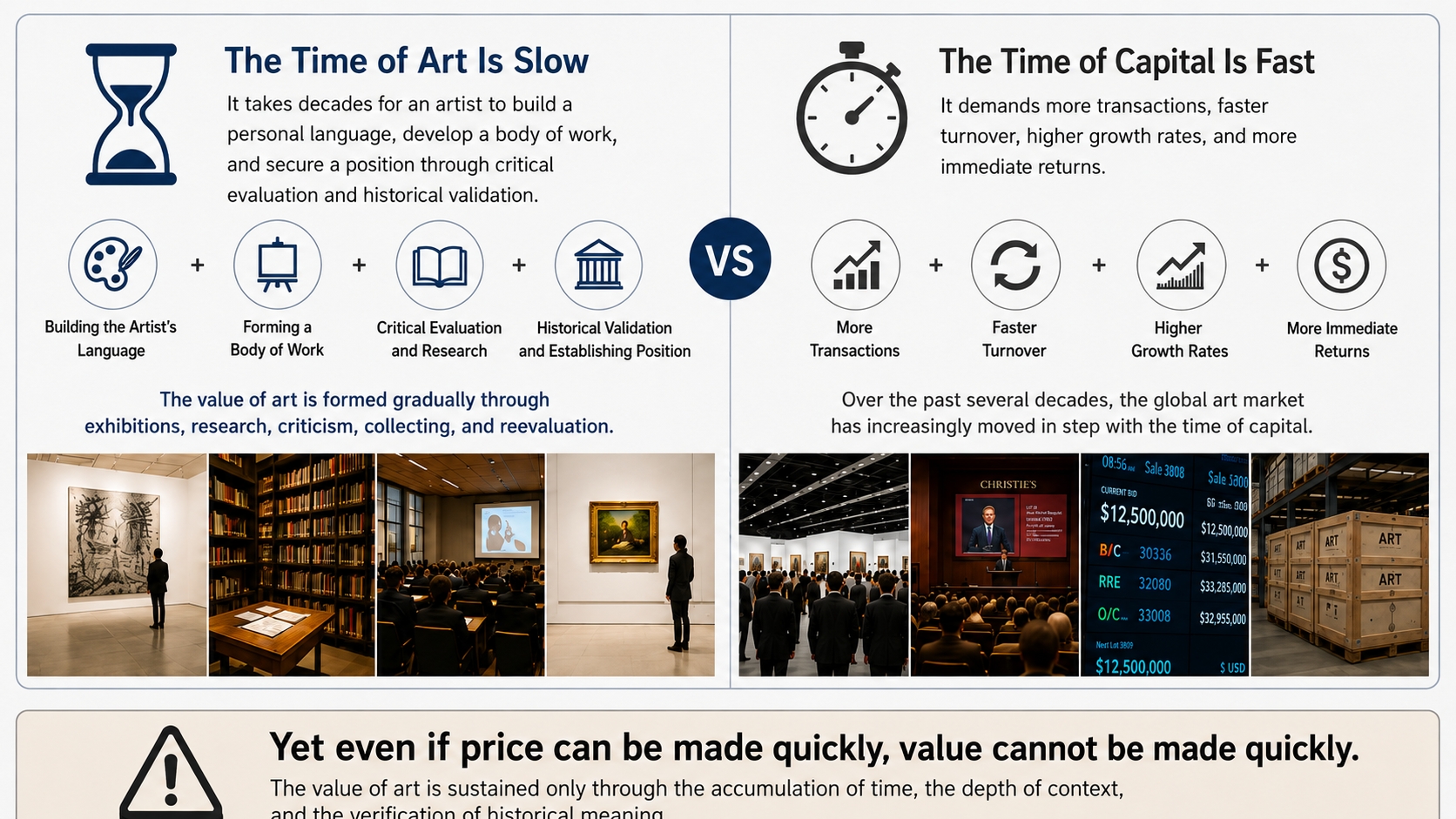
Figure 2. The Time of Art vs. The Time of Capital
The
Market Is Not Collapsing—It Is Being Reconfigured
It is
insufficient to interpret this event simply as evidence of market decline.
A phrase
increasingly heard in international art-market discussions is: “The art
market isn’t collapsing. It’s separating.”
In other words,
the market is not disappearing—it is becoming increasingly divided.
Blue-chip works
and the ultra-high-end segment continue to perform strongly. Meanwhile, the
middle market and the market for many mid-career artists are weakening, placing
growing pressure on galleries operating within those segments.
The
issue is therefore not the disappearance of the market, but a transformation of
its structure.
Pace’s
restructuring demonstrates that these pressures have now reached even the level
of the mega-galleries themselves.
The
Post–Mega-Gallery Era
The significance
of this event extends beyond Pace’s restructuring alone.
It may signal
that the expansion-driven model that has dominated the global art market for
the past twenty to thirty years is no longer capable of defining the future.
In place of a
model built on representing ever-larger numbers of artists, greater importance
is now being placed on supporting a smaller number of artists with greater
depth and commitment.
Trust is becoming
more important than volume.
Documentation,
criticism, research, and archives are becoming more important than marketing
alone.
The global art
market may be entering a transition from an era of growth to an era of
maturity, and from an era of expansion to an era of accumulation.
What
Korean Contemporary Art Should Pay Attention To
This event also
offers important implications for the Korean art world.
The challenge
facing Korean contemporary art is not one of excessive expansion. Rather, it is
the opposite. The infrastructure necessary to continuously introduce, document,
evaluate, and connect Korean artists to the international art world remains
insufficiently developed.
For many years,
the globalization of Korean art has been understood primarily in terms of
visibility—participation in overseas exhibitions, international art fairs, and
connections with foreign galleries and collectors. Yet visibility alone is not
enough for an artist to secure a lasting position within the international art
ecosystem.
Artwork images,
artist biographies, exhibition histories, collection records, critical essays,
interviews, artwork descriptions, provenance documentation, media coverage, and
high-quality English-language materials must be systematically accumulated and maintained.
If the global art
market is moving from an era of growth and expansion into one of maturity and
restructuring, then the task facing Korean contemporary art becomes
increasingly clear. The goal is not to replicate the external form of the
mega-gallery model, but to build the foundations through which Korean artists
can be understood, evaluated, and trusted internationally.
Ultimately,
the essence of globalization is not scale but credibility.
No matter how
strong the artists or how significant the artworks may be, without systems
capable of documenting, interpreting, translating, and connecting them, it is
difficult to secure a sustained position within the global art world.
For this reason,
the most urgent task facing Korean contemporary art today is not outward
expansion, but the careful construction of reliable information systems,
documentation practices, critical discourse, and archival infrastructure
capable of earning international trust.
Jay Jongho Kim graduated from the Department of Art Theory at Hongik University and earned his master's degree in Art Planning from the same university. From 1996 to 2006, he worked as a curator at Gallery Seomi, planning director at CAIS Gallery, head of the curatorial research team at Art Center Nabi, director at Gallery Hyundai, and curator at Gana New York.
From 2008 to 2017, he served as the executive director of Doosan Gallery Seoul & New York and Doosan Residency New York, introducing Korean contemporary artists to the local scene in New York. After returning to Korea in 2017, he worked as an art consultant, conducting art education, collection consulting, and various art projects.
In 2021, he founded A Project Company and is currently running the platforms K-ARTNOW.COM and K-ARTIST.COM, which aim to promote Korean contemporary art on the global stage.