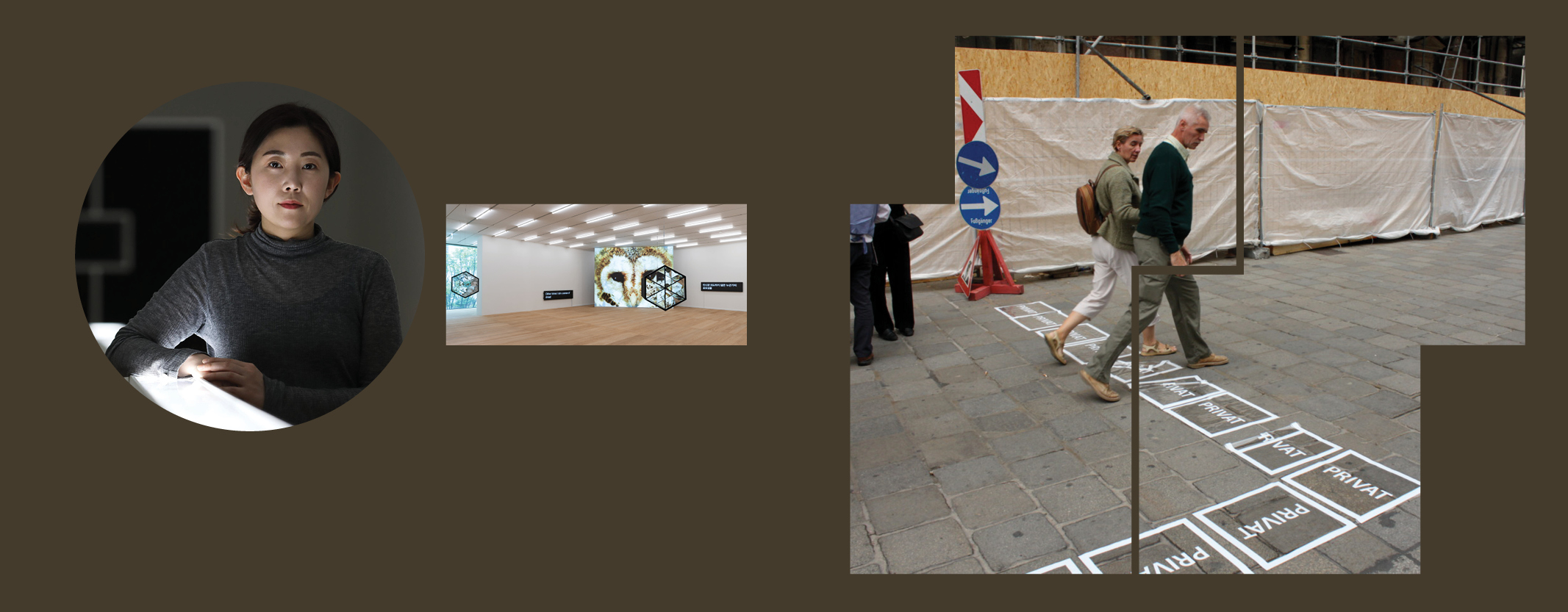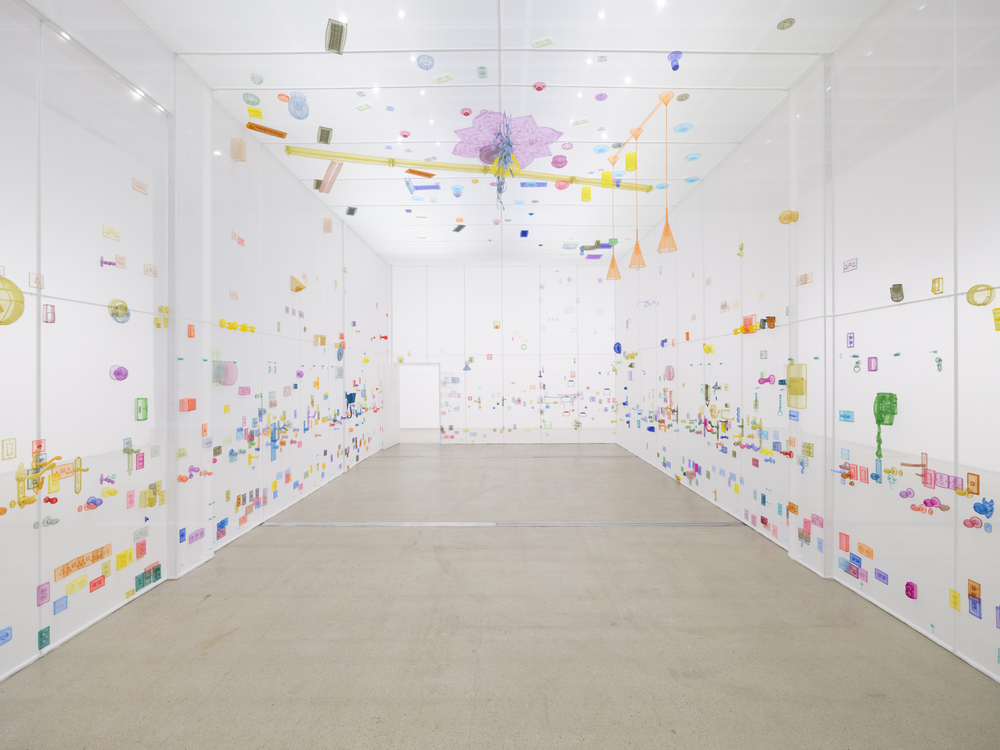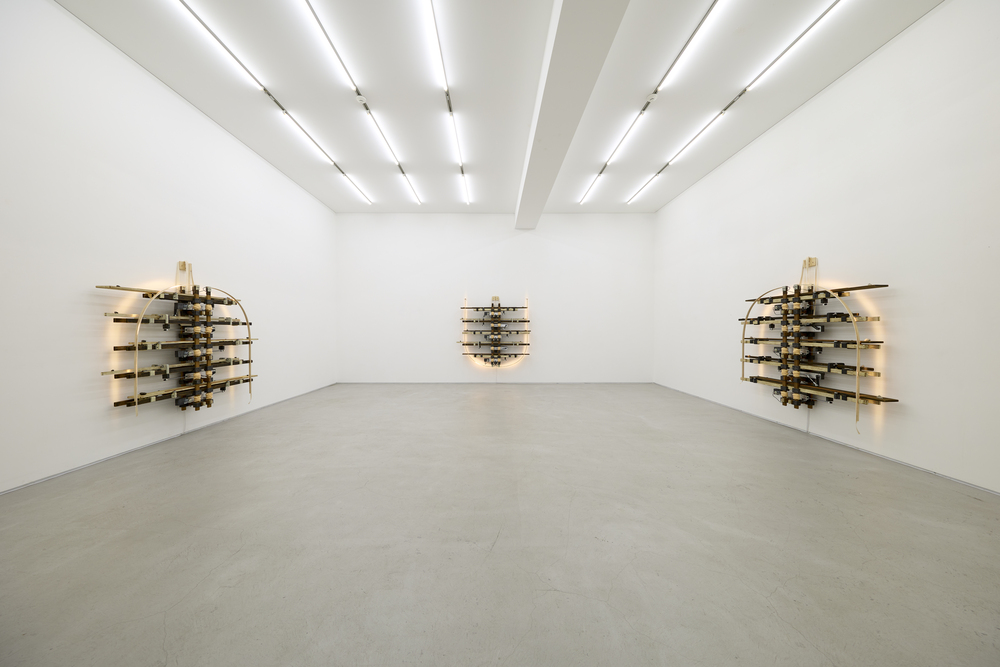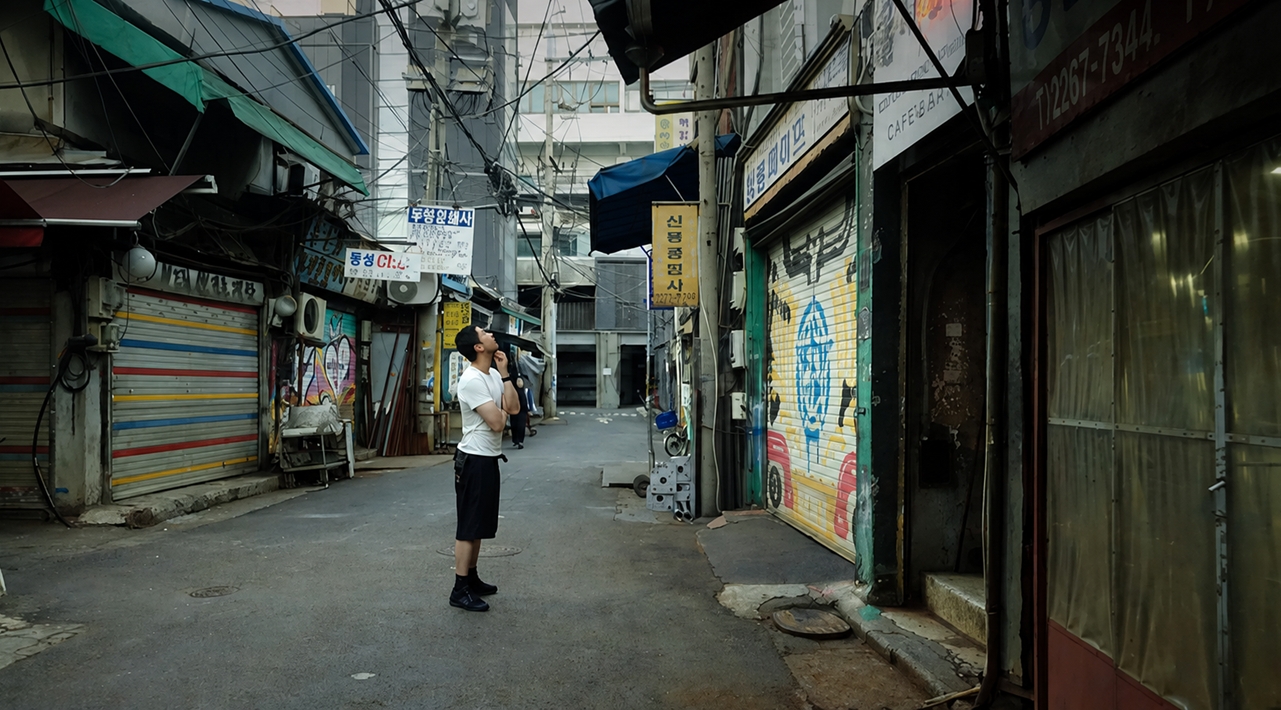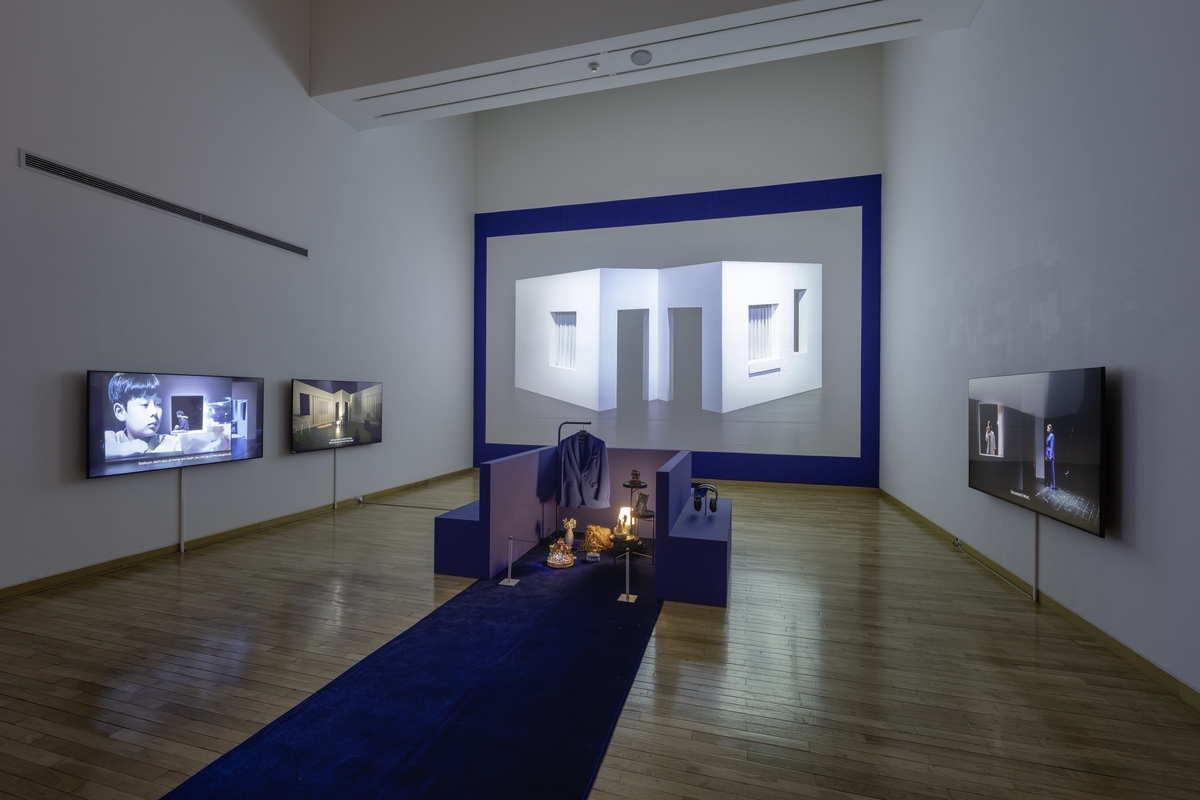

The National
Museum of Modern and Contemporary Art, Korea (MMCA), in partnership with the
SBS Foundation, has announced the shortlisted artists for the “Korea Artist
Prize 2026”
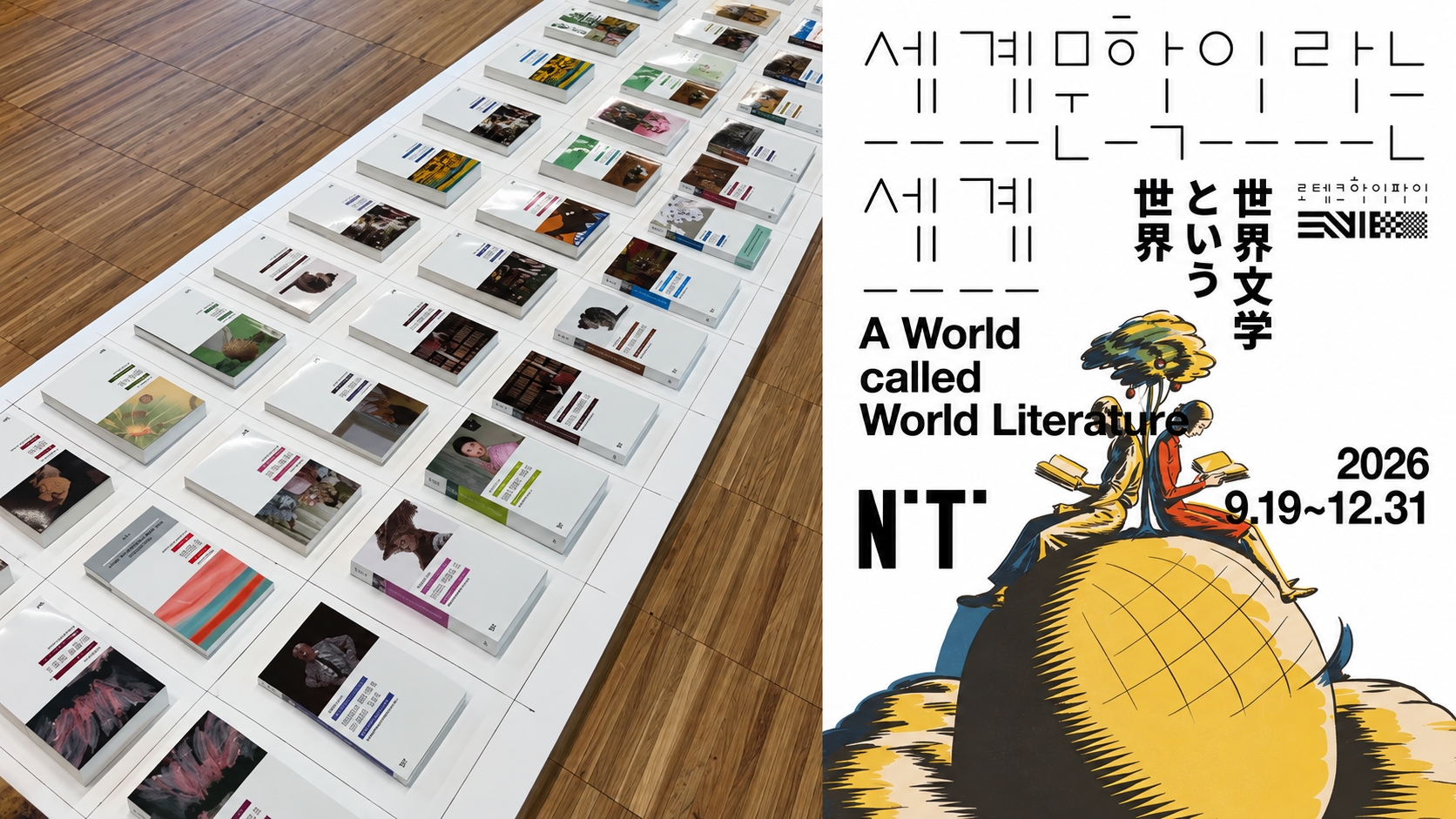
Poster of “Korea Artist Prize 2026” ©MMCA
It is undeniable that the selected artists
have sustained meaningful practices within their respective fields. However,
the issue at hand does not concern the individual competence of the artists.
Rather, it concerns whether the “Korea Artist Prize”, as a
national institutional platform, sufficiently secures procedural legitimacy and
public accountability appropriate to its title.
The current structure of the prize raises
several fundamental questions.
The Discrepancy Between the Title
“Artist of the Year” and Its Selection Criteria
For the designation “Artist of the Year” to
hold institutional validity, at least two conditions must be satisfied. First,
the artistic achievements of the selected artists in recent years should
demonstrate representational significance within the context of contemporary
Korean art. Second, the process through which such recognition is granted
should be based on transparent and publicly comprehensible criteria.
At present, however, the principles
governing jury composition, nomination procedures, and evaluation standards are
not sufficiently disclosed. As a result, the selection risks appearing less as
an objectively grounded public judgment and more as a decision emerging from a
limited institutional network.
Furthermore, it remains unclear whether the
prize is intended to recognize artists whose accumulated achievements and
influence have already been consolidated, or whether it functions primarily as
a platform for artists still in development. If the former is the case, the
presentation of artists with substantial trajectories and demonstrable impact
would more clearly correspond to the symbolic authority implied by the title.
Procedural Transparency and
Institutional Trust
In awards administered by a national
museum, trust constitutes the most essential institutional asset. Such trust is
not generated by the authority of outcomes alone, but by the transparency of
process.
When the criteria for appointing jurors are not clearly articulated,
when evaluation standards are not structurally organized and publicly
available, and when the formation of the candidate pool lacks explicit
explanation, the legitimacy of the final decision becomes difficult to
substantiate.
This concern does not pertain merely to
administrative procedure. It directly relates to how institutional authority is
exercised and justified within a contemporary public framework.
Exhibition Duration and the Issue of
Public Resource Allocation
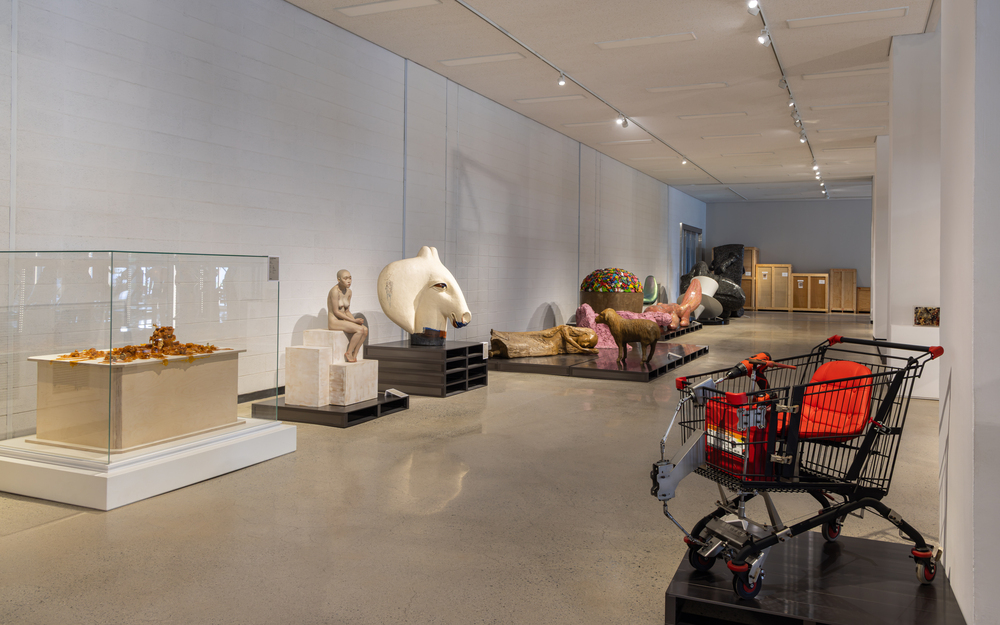
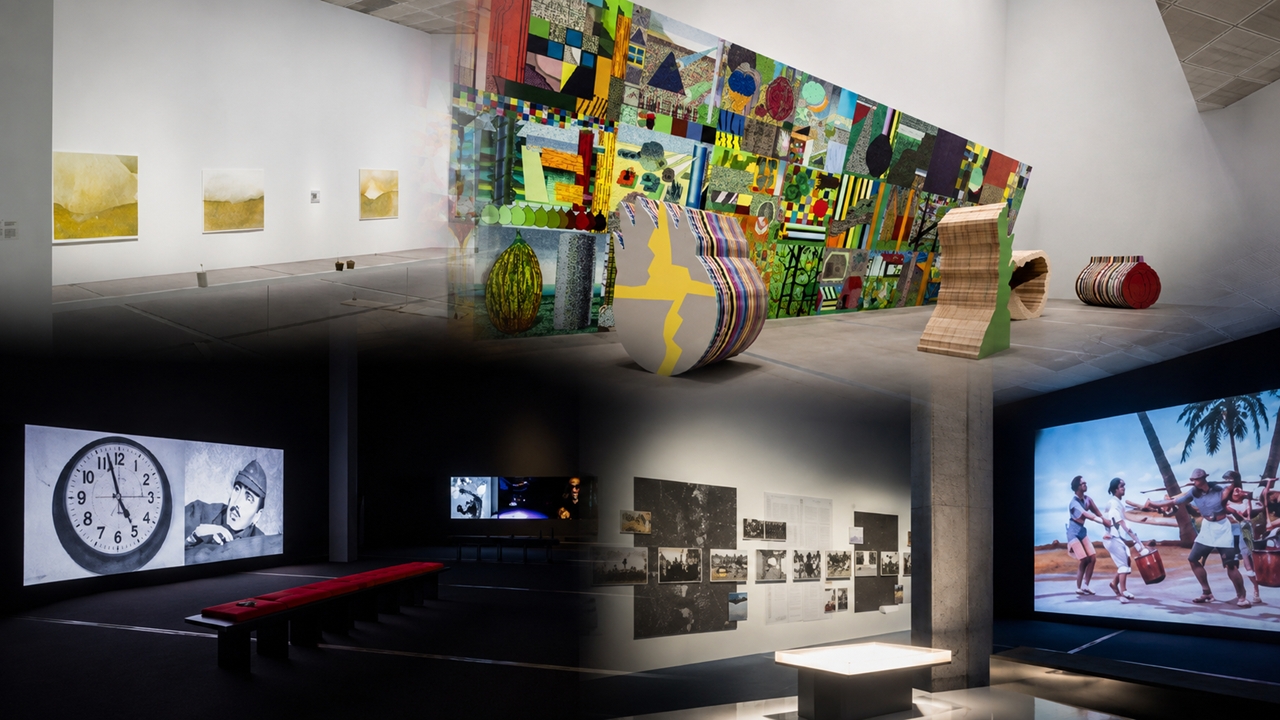
The《Korea Artist Prize 2026》exhibition
is scheduled to run for approximately four and a half to six months at MMCA
Seoul. This extended duration necessitates structural consideration.
As a national public institution operating
within finite spatial and financial resources, MMCA carries responsibility for
equitable allocation. Concentrating major exhibition space over a prolonged
period on four artists inevitably restricts opportunities for others within the
same timeframe. While extended exhibitions may enable concentrated production
and sustained audience engagement, the scale and maturity of Korea’s
contemporary art ecosystem require that such concentration be evaluated in
relation to broader principles of distribution and access.
In a context where numerous artists
demonstrate comparable capability and achievement, prolonged allocation of
institutional resources demands clear public justification.
Institutional Circulation and Structural
Inertia
The central concern does not lie in the
worthiness of the selected artists. Rather, it concerns the structural
circulation of institutional authority.
When nomination, selection, exhibition, and discourse production
repeatedly operate within a relatively contained institutional framework, the
prize risks functioning less as an open public platform and more as a mechanism
of internal reinforcement.
As the highest-ranking public institution
representing Korean contemporary art, MMCA’s operational framework must remain
responsive to changing conditions. When external circumstances evolve rapidly
while institutional procedures remain largely unchanged, the resulting
structure may appear increasingly disconnected from contemporary demands.
International Responsibility and
Strategic Positioning
The global context surrounding Korean
contemporary art has shifted significantly. The reorientation of the
international art market toward Asia, increased institutional attention to
Korean practices, and the acceleration of digital circulation have collectively
generated a historically significant opportunity.
In this situation, internationalization
cannot be reduced to the importation of established foreign exhibitions. The
responsibility of a national museum lies in strategically presenting artistic
value produced within Korea to the global art field, and in embedding that
value within international curatorial and discursive networks.
If the “Korea Artist Prize”
remains primarily a domestically circulating institutional event, it risks
underutilizing this moment of expanded visibility. A national prize must
operate not only as recognition, but as a mechanism for long-term international
positioning.
Necessary Structural Measures
For the "Korea Artist Prize" to
function at the level implied by its title, selection must constitute the
beginning of an extended trajectory rather than its conclusion.
This requires formalized partnerships with
overseas museums and biennials, structured engagement with international
curators and critics, systematic production and dissemination of
English-language scholarship, and the establishment of medium-term international
development tracks for selected artists.
In addition, exhibition duration and
spatial allocation should be assessed in relation to public efficiency and
international strategy. Extended presentations, if maintained, should be
integrated into broader institutional collaborations capable of generating
sustained global engagement.
Conclusion
The issue is not whether the selected
artists are deserving. The issue is whether the institutional framework that
authorizes and amplifies their work corresponds to the scale of responsibility
currently facing Korean contemporary art.
MMCA stands as the foremost public institution in the field. Its
role extends beyond the administration of exhibitions; it shapes the narrative
and positioning of Korean contemporary art both domestically and
internationally.
The essential question is therefore not who
has been selected, but how selection is governed, how authority is articulated,
and how institutional recognition is translated into sustained international
presence. Only when these dimensions are addressed in structural and strategic
terms can the “Korea Artist Prize” fully align with the implications of its own
name.
Jay Jongho Kim graduated from the Department of Art Theory at Hongik University and earned his master's degree in Art Planning from the same university. From 1996 to 2006, he worked as a curator at Gallery Seomi, planning director at CAIS Gallery, head of the curatorial research team at Art Center Nabi, director at Gallery Hyundai, and curator at Gana New York. From 2008 to 2017, he served as the executive director of Doosan Gallery Seoul & New York and Doosan Residency New York, introducing Korean contemporary artists to the local scene in New York. After returning to Korea in 2017, he worked as an art consultant, conducting art education, collection consulting, and various art projects. In 2021, he founded A Project Company and is currently running the platforms K-ARTNOW.COM and K-ARTIST.COM, which aim to promote Korean contemporary art on the global stage.