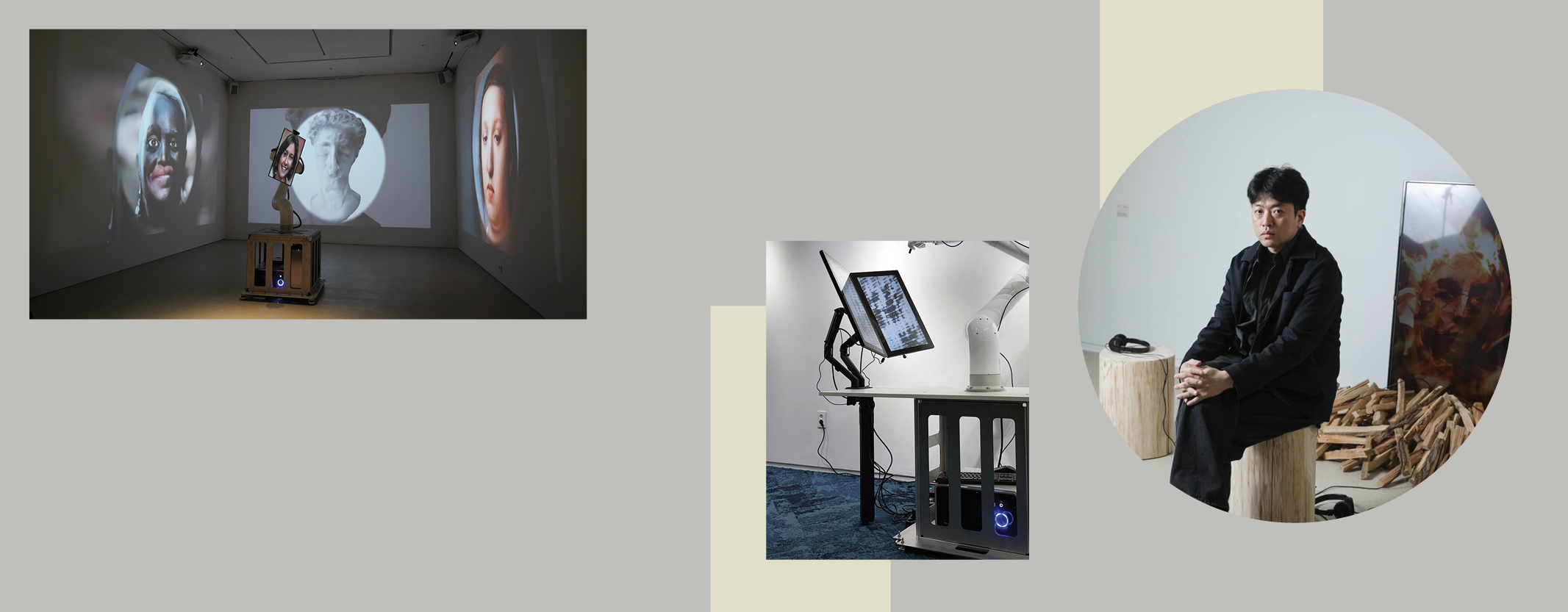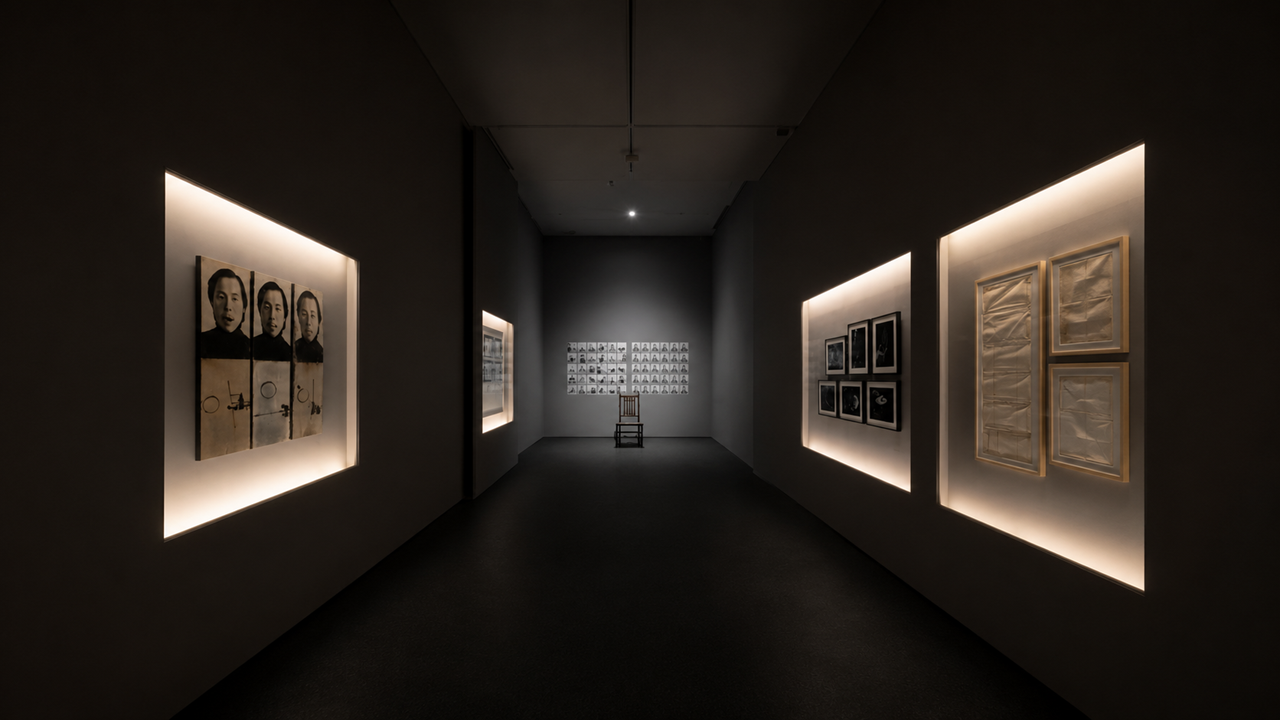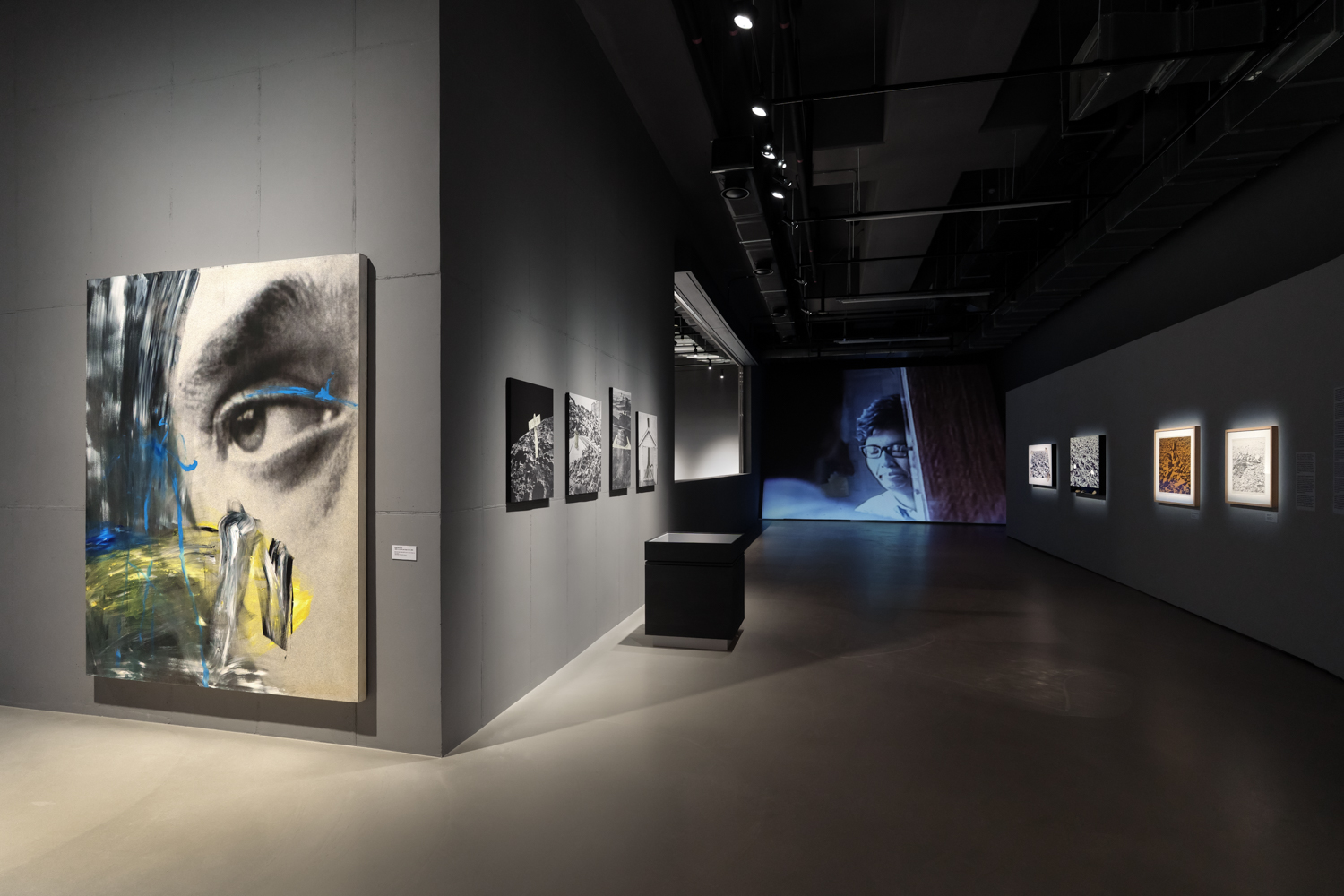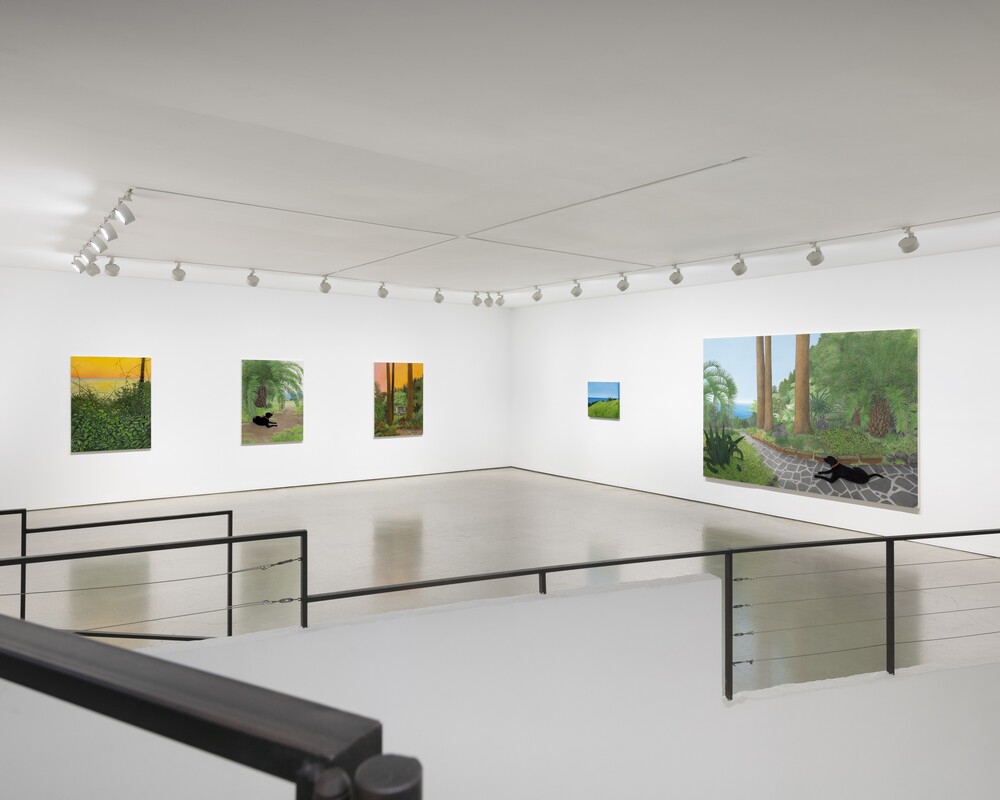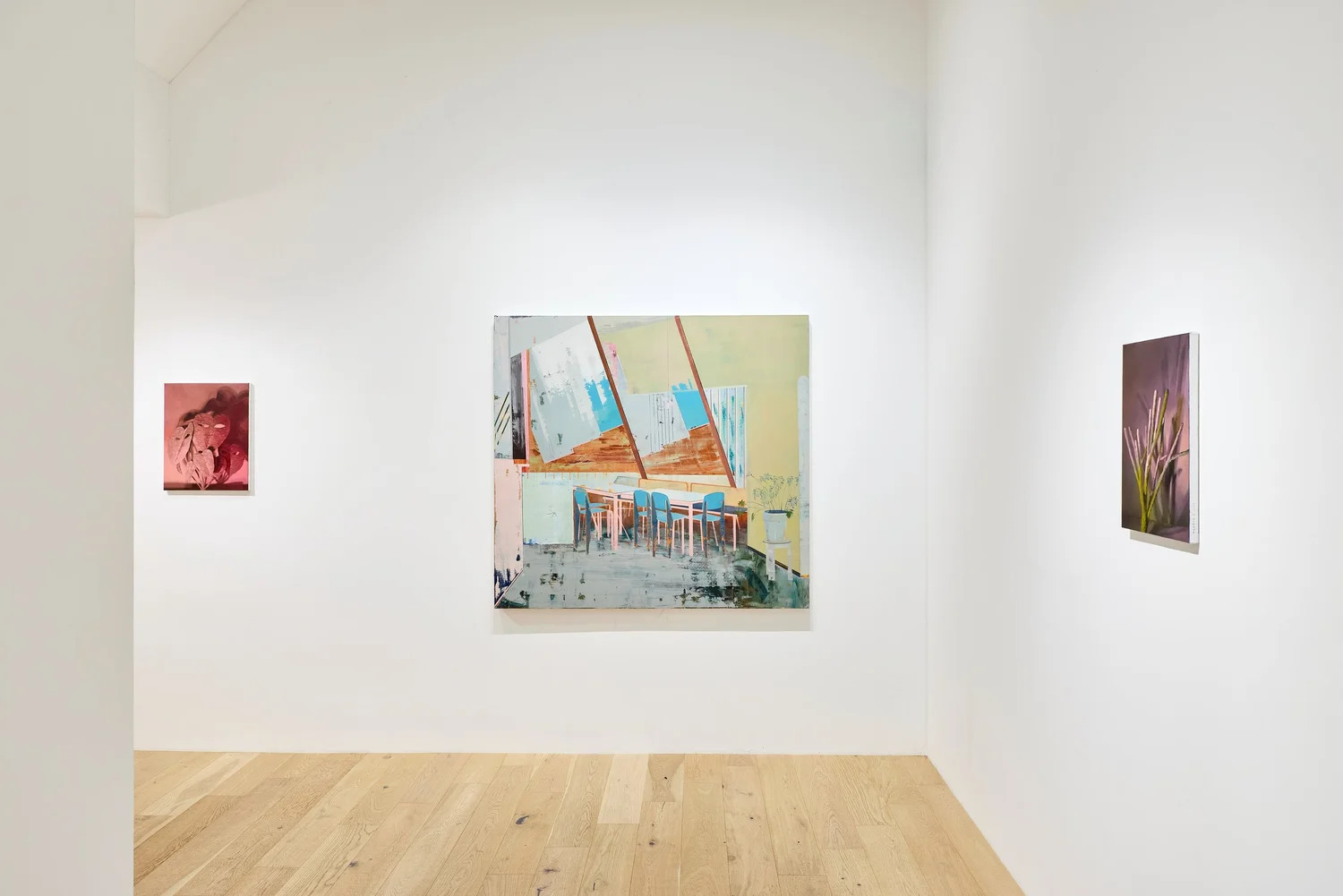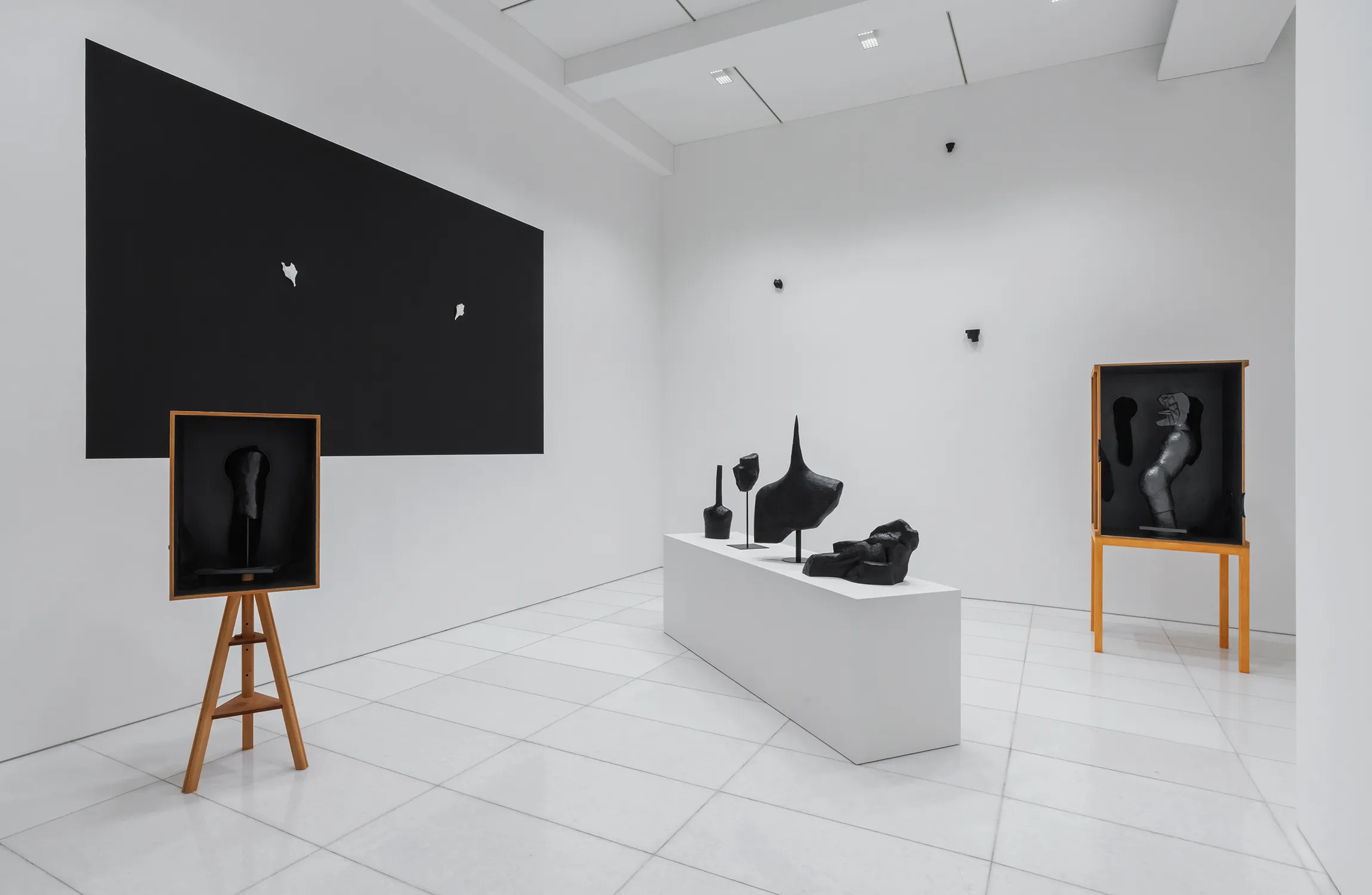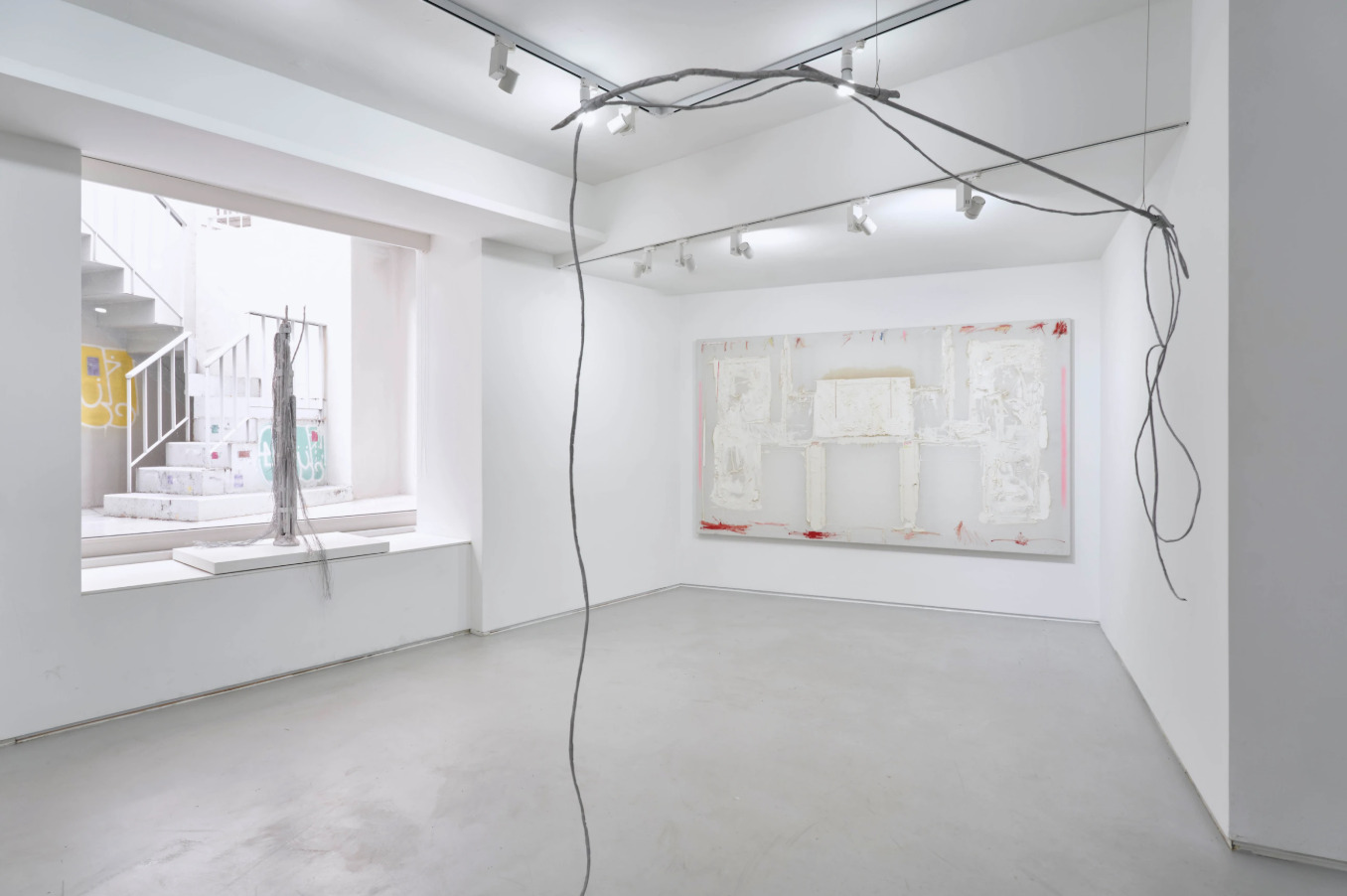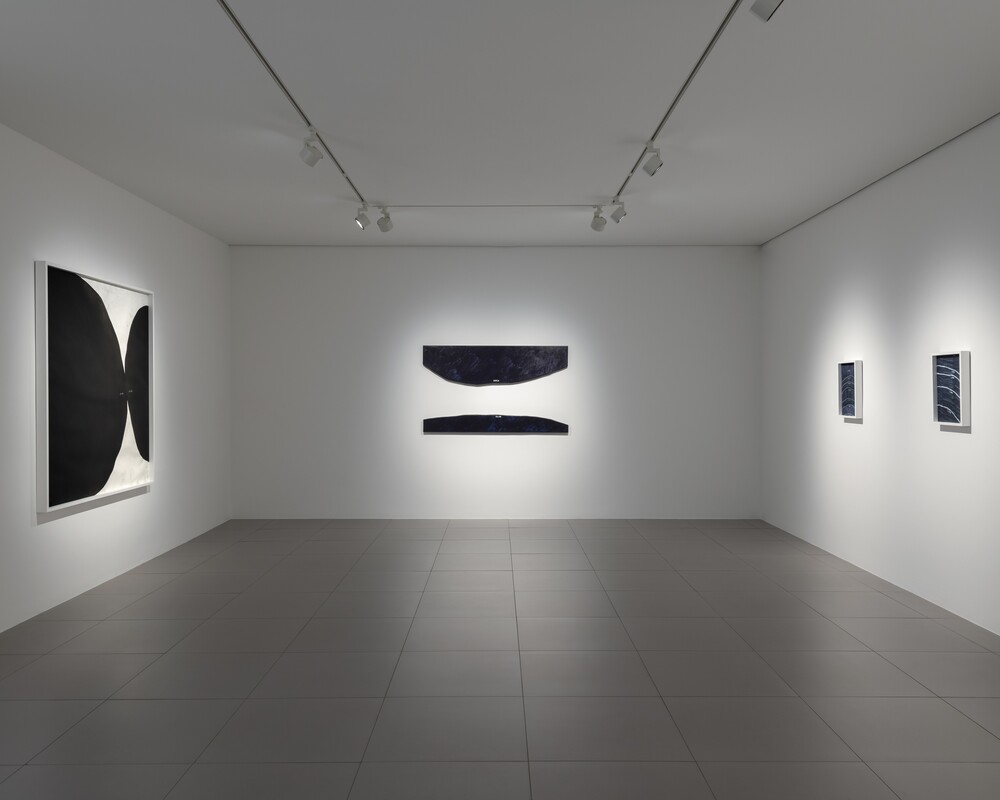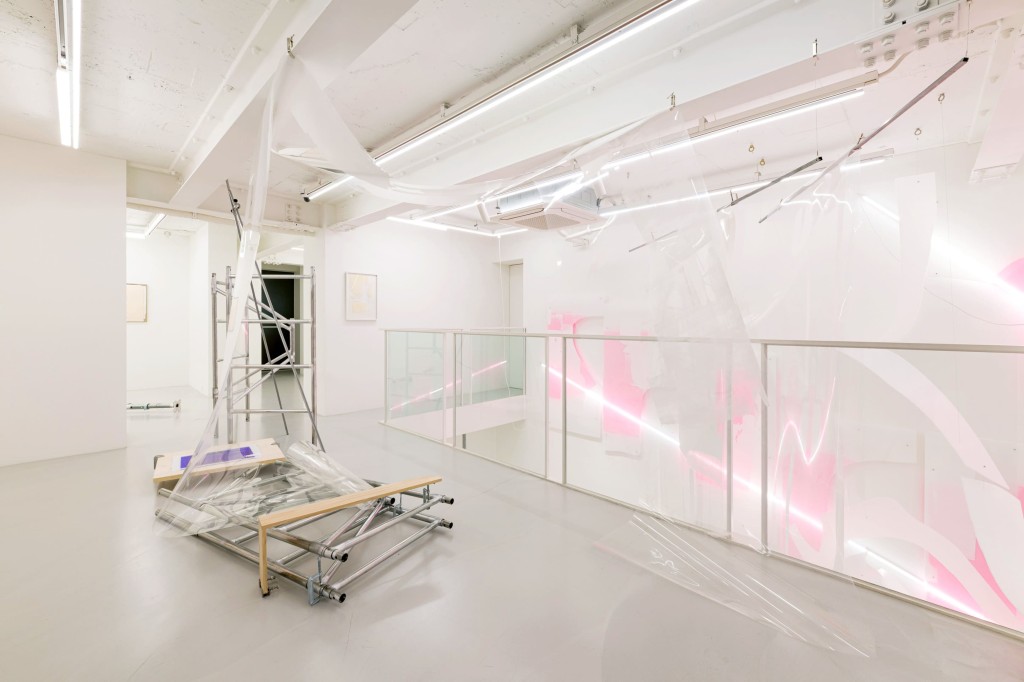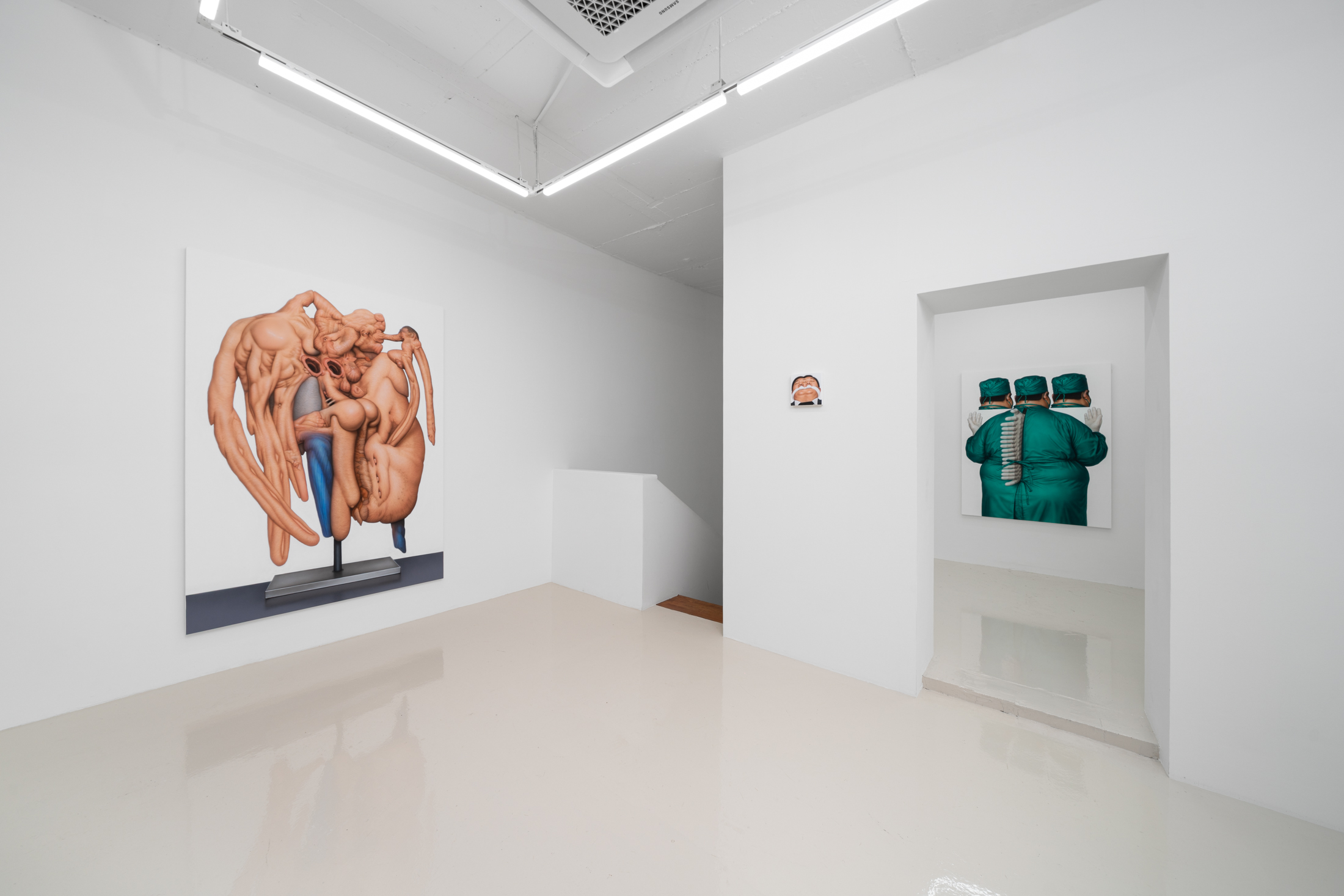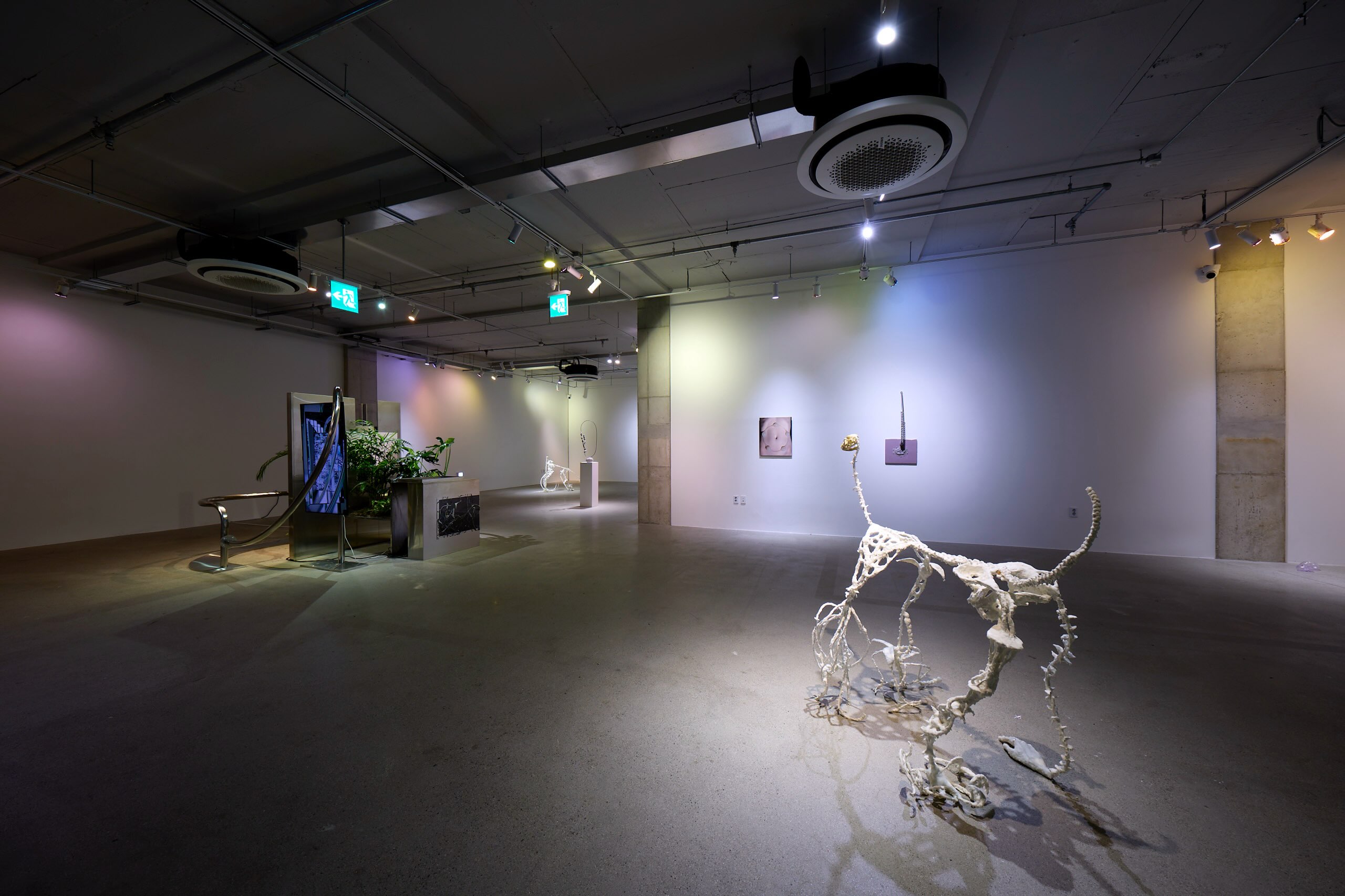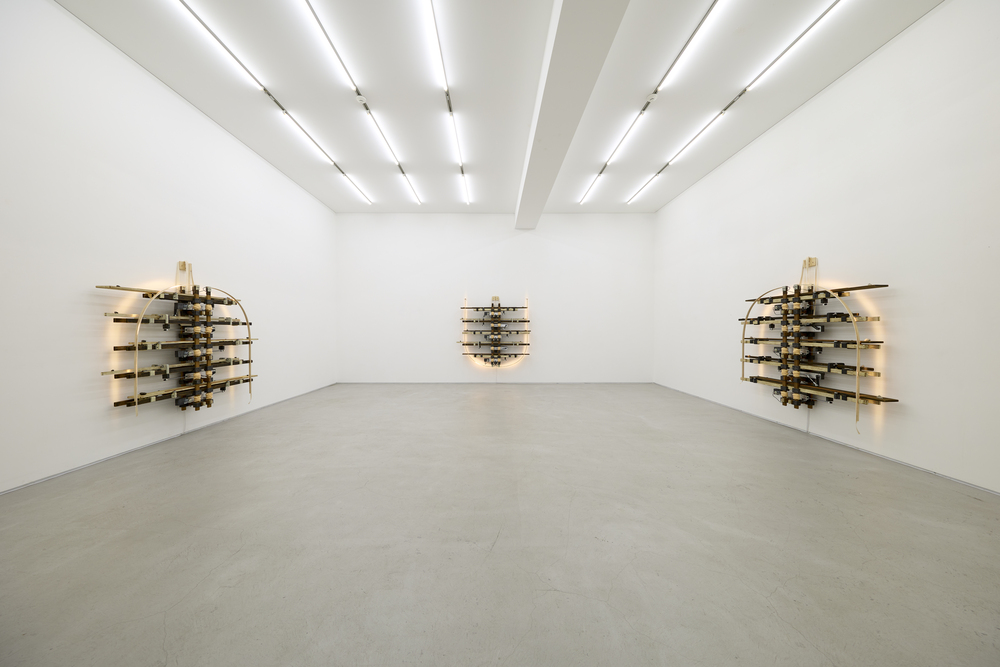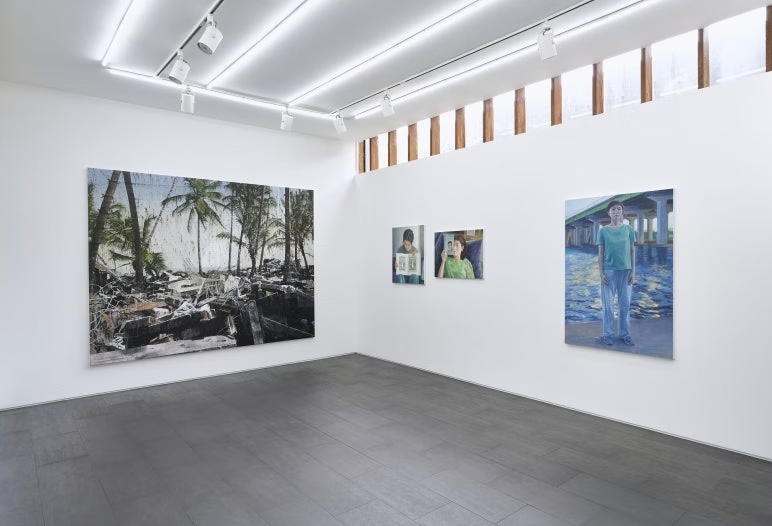

Installation view,《Lee Kun-Yong: Body as Thought》/ © Lee Kun-Yong
Pace
Gallery will present《Body as Thought》, a solo exhibition by Lee
Kun-Yong, a central figure in Korean experimental art, at its Seoul gallery
from February 5 to March 28, 2026.
Organized
in celebration of the artist’s fifty-year career, the exhibition brings
together key historical archives from the mid-1970s—including early performance
videos, photographs, and working notes—alongside paintings. Rather than
functioning as a conventional retrospective, the presentation reexamines Lee’s
sustained inquiry into “the body and logic” and reconsiders the significance of
his work within the broader development of Korean avant-garde art.
Logic
as Strategy under Conditions of Control
In
1970s Korea, artistic meaning and intent were frequently reduced to political
interpretation amid strict control and censorship. Within this climate, Lee
deliberately avoided approaches grounded in emotion, expressive subjectivity,
or overt messaging. Instead, he established logical structures based on
conditions and rules, which he then enacted through the body. As the artist has
stated, subverting mechanisms of control was the only way he could express,
represent, and inscribe himself within spaces of life where systems and
authority had appropriated and invalidated public discursive capabilities. His
practice thus emerged as a strategic reconfiguration of the body—not as a
vehicle of expression, but as a site where thought could be structured and executed.
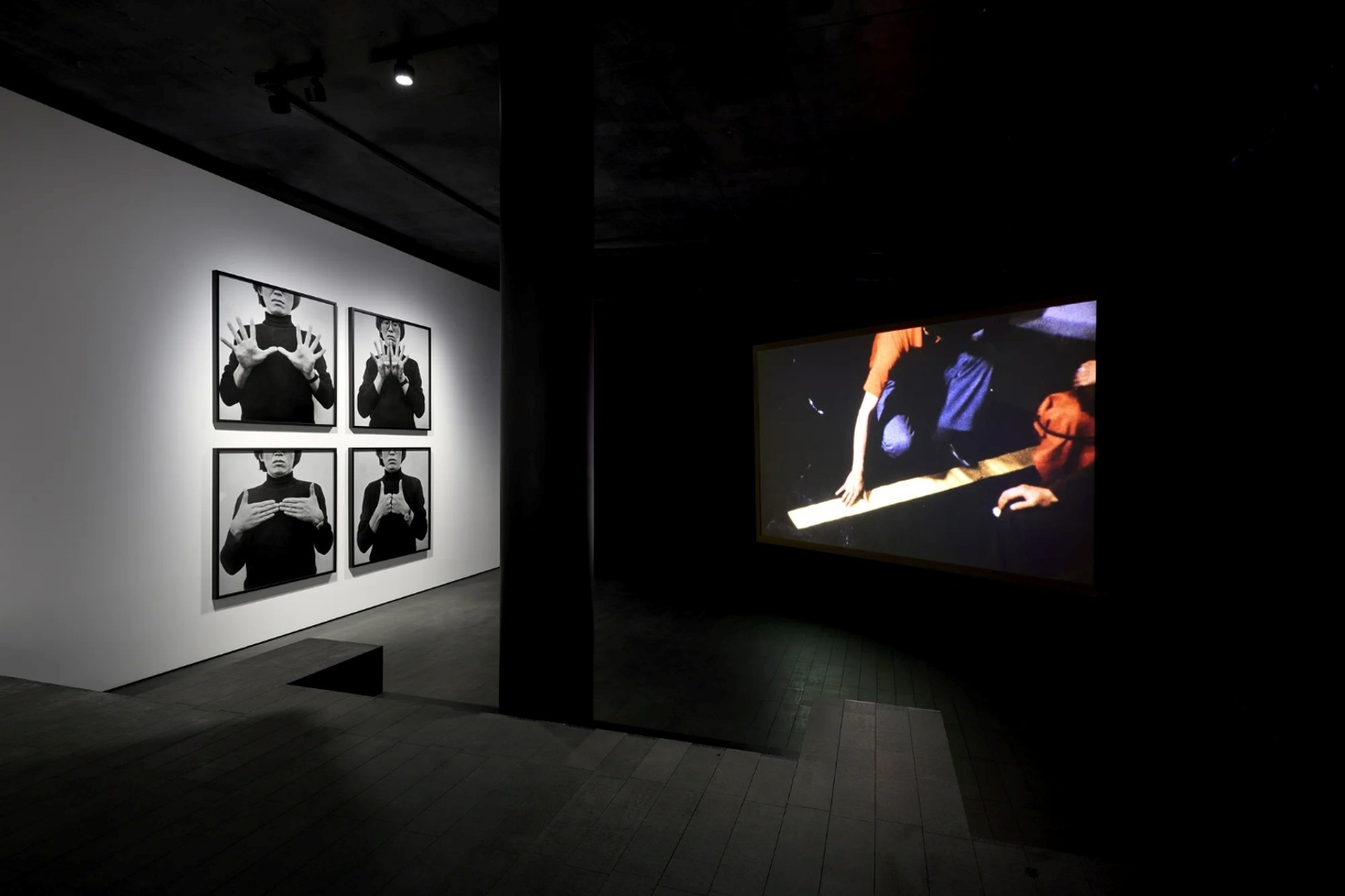
Installation view,《Lee Kun-Yong: Body as Thought》/ © Lee Kun-Yong
Event
and Logical Event
Beginning
in the mid-1970s, Lee referred to his actions not as “performances” but as
“Events,” later refining the term to “Logical Event,” and eventually inverting
it to “Event-Logical” to emphasize the primacy of the event itself. Everyday
activities—walking, eating, moving one’s hands—were not spontaneous gestures
but carefully constructed executions designed to test how relationships between
body, space, and time operate. Repetition and simple physical actions unfolded
within predetermined parameters, producing marks and outcomes that reflected
the interaction between artist and environment. Through these works, Lee sought
to use the body as a medium for perceiving and articulating the world.
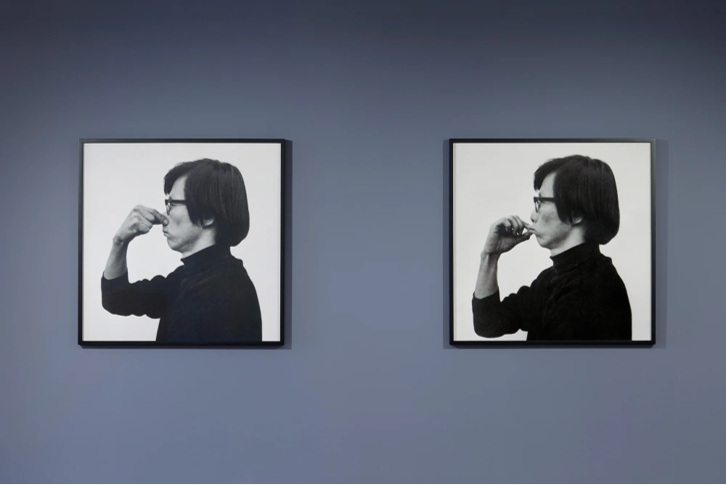
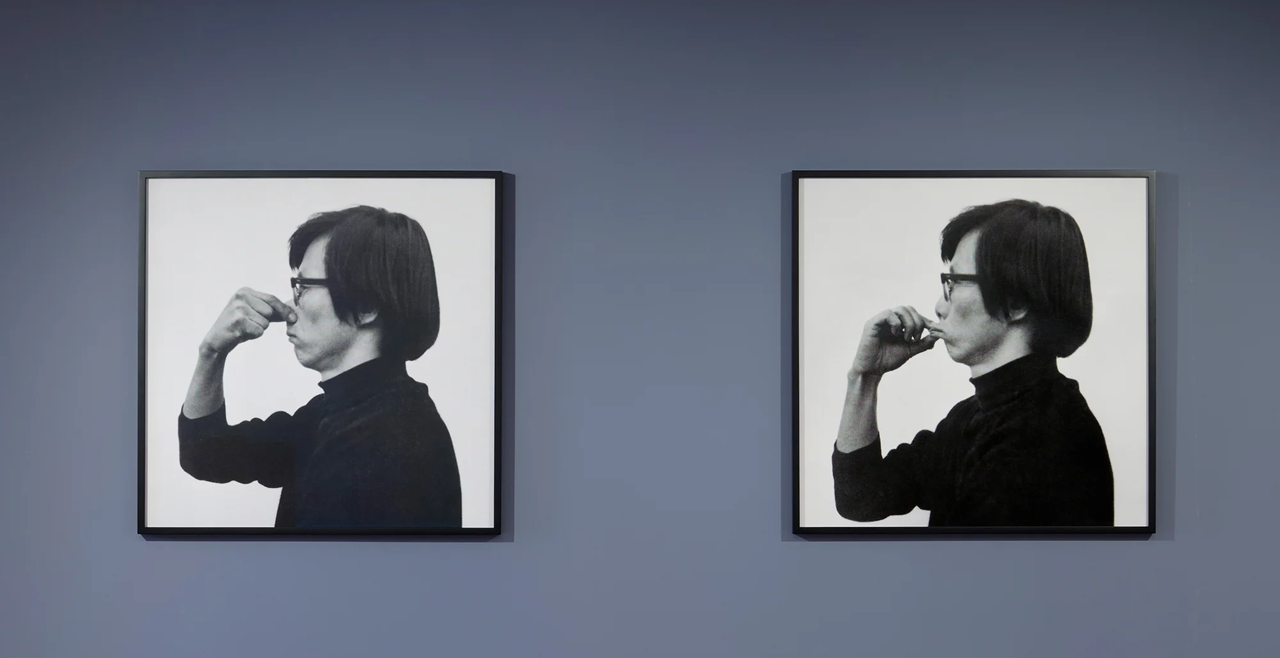
Lee Kun-Yong, Logic of Hands 3, 1975/2026, Set of 2 archival pigment prints, performance instructions signed by the artist, Each image: 120 × 120 cm, each frame: 123.6 × 123.6 × 4.8 cm / Photo: Pace Gallery Seoul
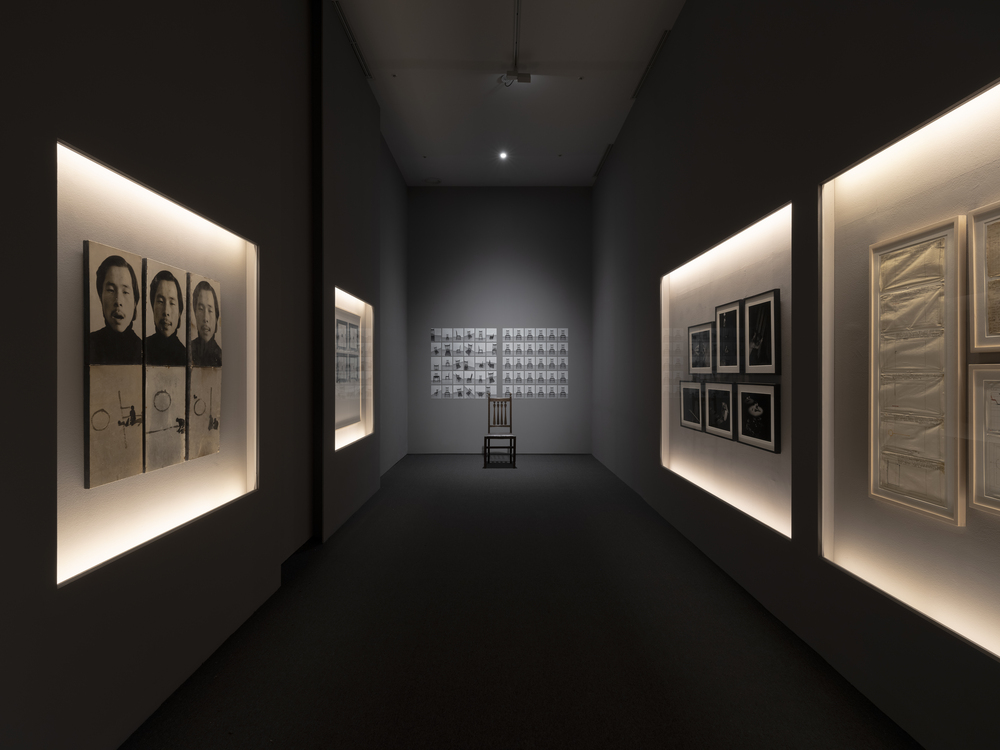
The
exhibition foregrounds early works that mark the inception of this inquiry.
Videos of the premieres of Same Area (1975) and Indoor
Measurement (1975), first presented at Baekrok Gallery in Seoul
on April 19, 1975, are on view alongside photographs and artist notes
documenting their execution. These seminal performances begin with
straightforward rules—measuring the length and area of a given space—and unfold
through repetitive actions such as folding and unfolding paper or cutting and
connecting tape. Through these procedures, Lee logically articulated
relationships between space, the body, and objects.
Also
included are photographs documenting performances such as The
Biscuit Eating (1977), Fence Inside a Gallery
(1977), and Logic of the Hand 3 (1975), presented
publicly for the first time at Pace.
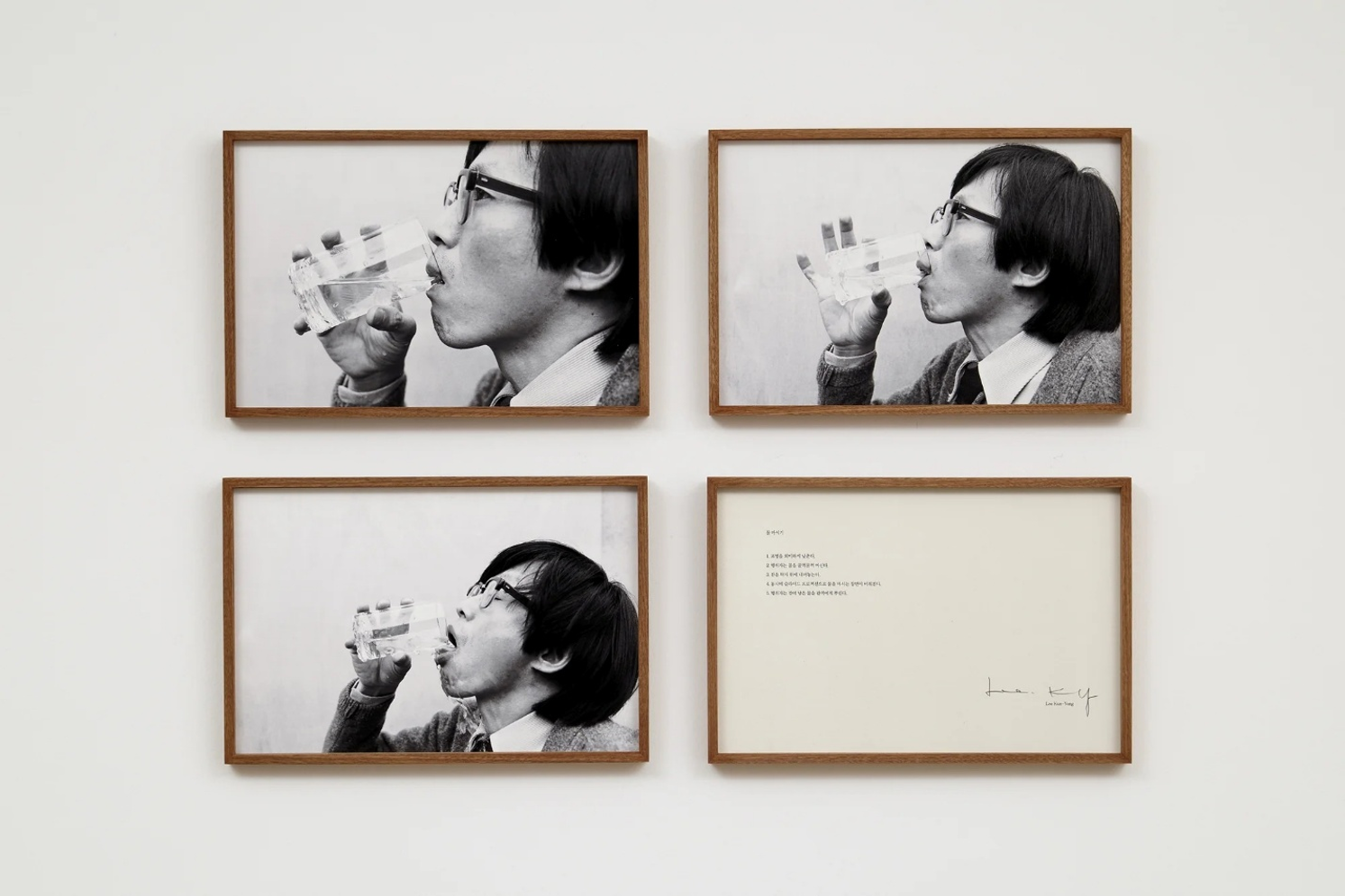
Lee Kun-Yong, Drinking Water, 1975/2026, Set of 3 archival pigment prints, performance instructions signed by the artist, Each image: 27 × 40 cm, each frame: 28.1 × 40.6 × 3 cm, Photo: Pace Gallery Seoul
Archival
Re-readings
For
Lee, documentation constitutes a crucial phase of the work; it is through
photographs, video, and notes that the established logic may be reread and
reconfigured. His performances do not remain fixed events of the past but
continue to generate new questions for the present through their structures and
records. During the exhibition, Lee will present two live performances at the
gallery, further extending the temporal dimension of these inquiries.
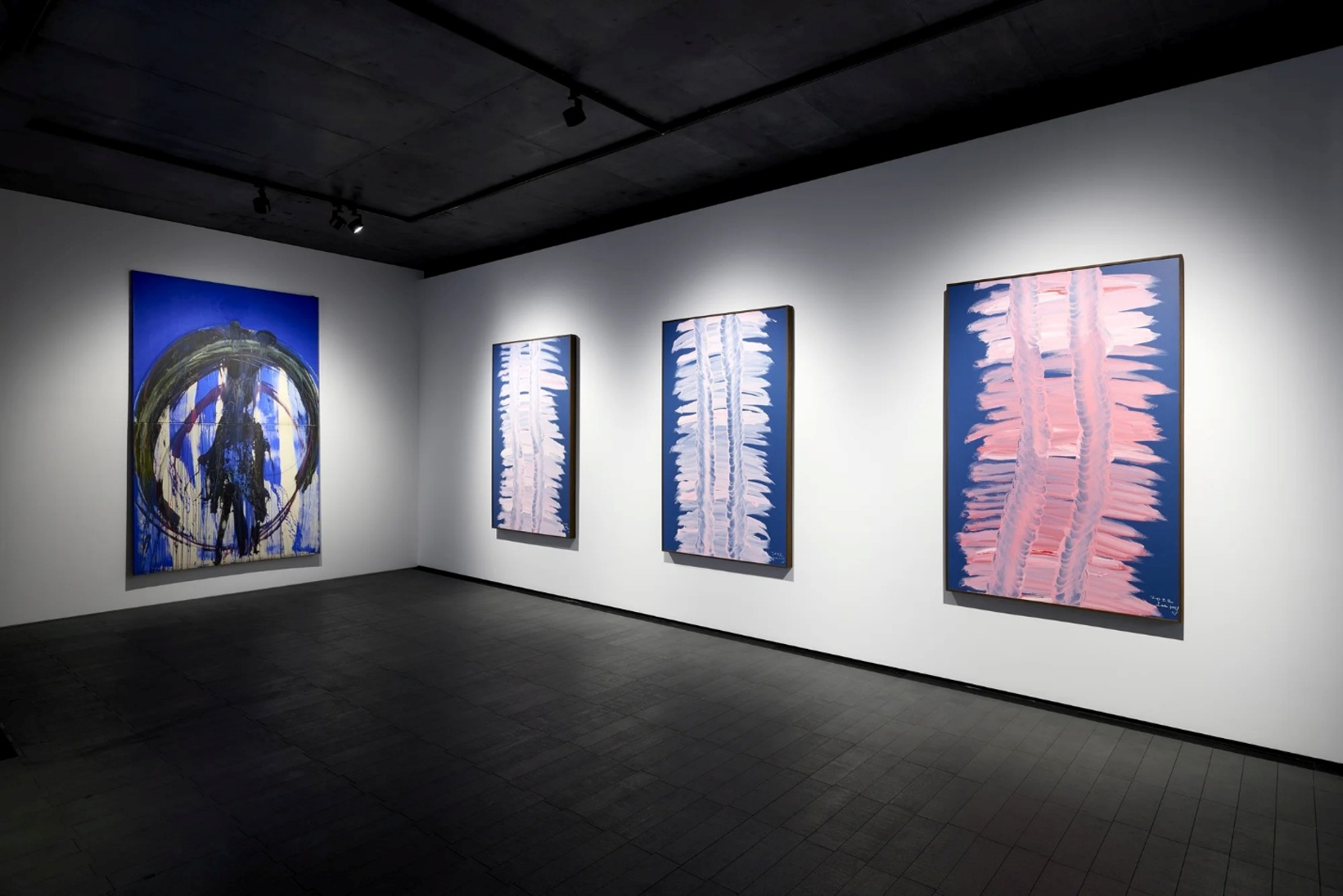
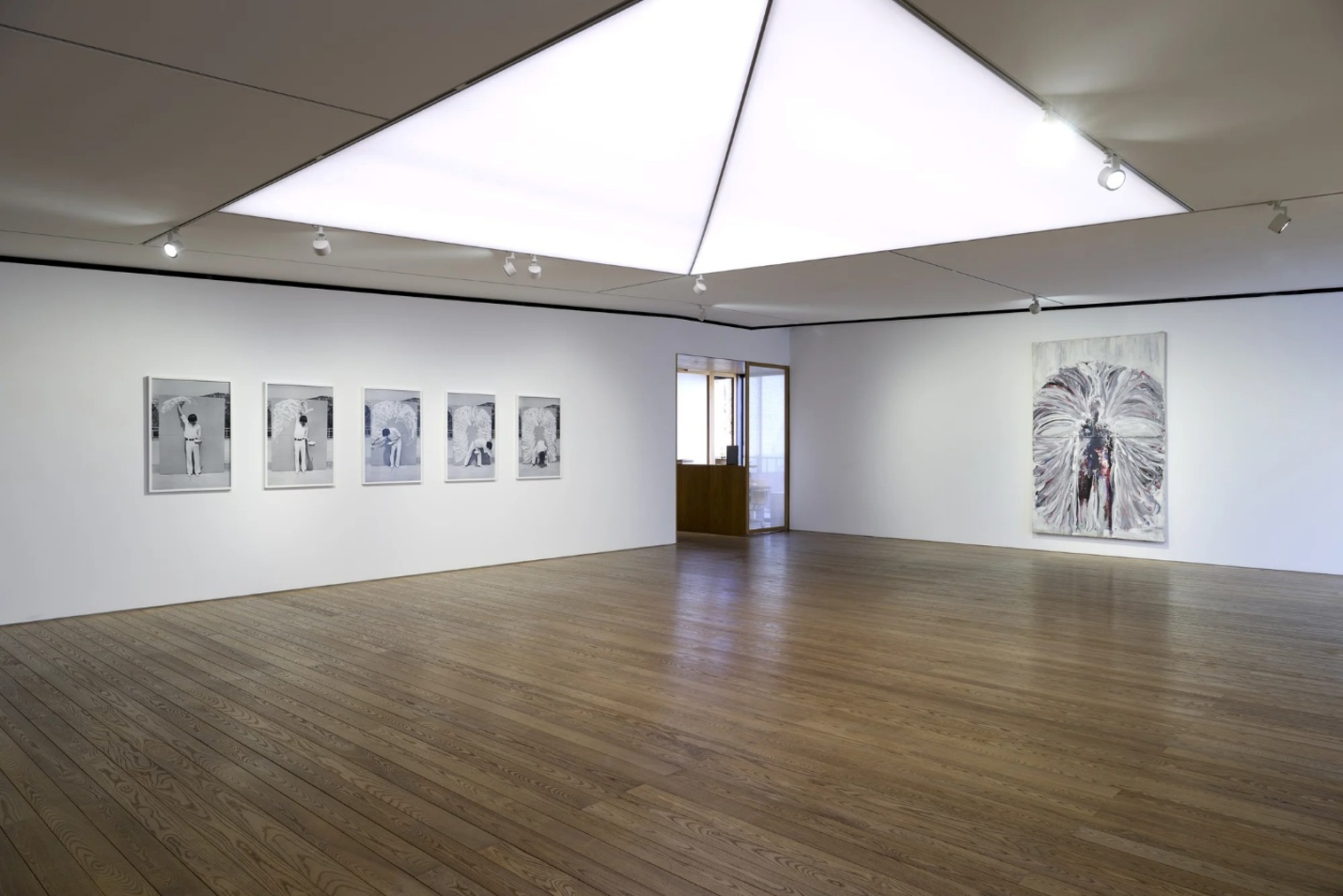
Installation view,《Lee Kun-Yong: Body as Thought》/ © Lee Kun-Yong
Bodyscape
and the Extension into Painting
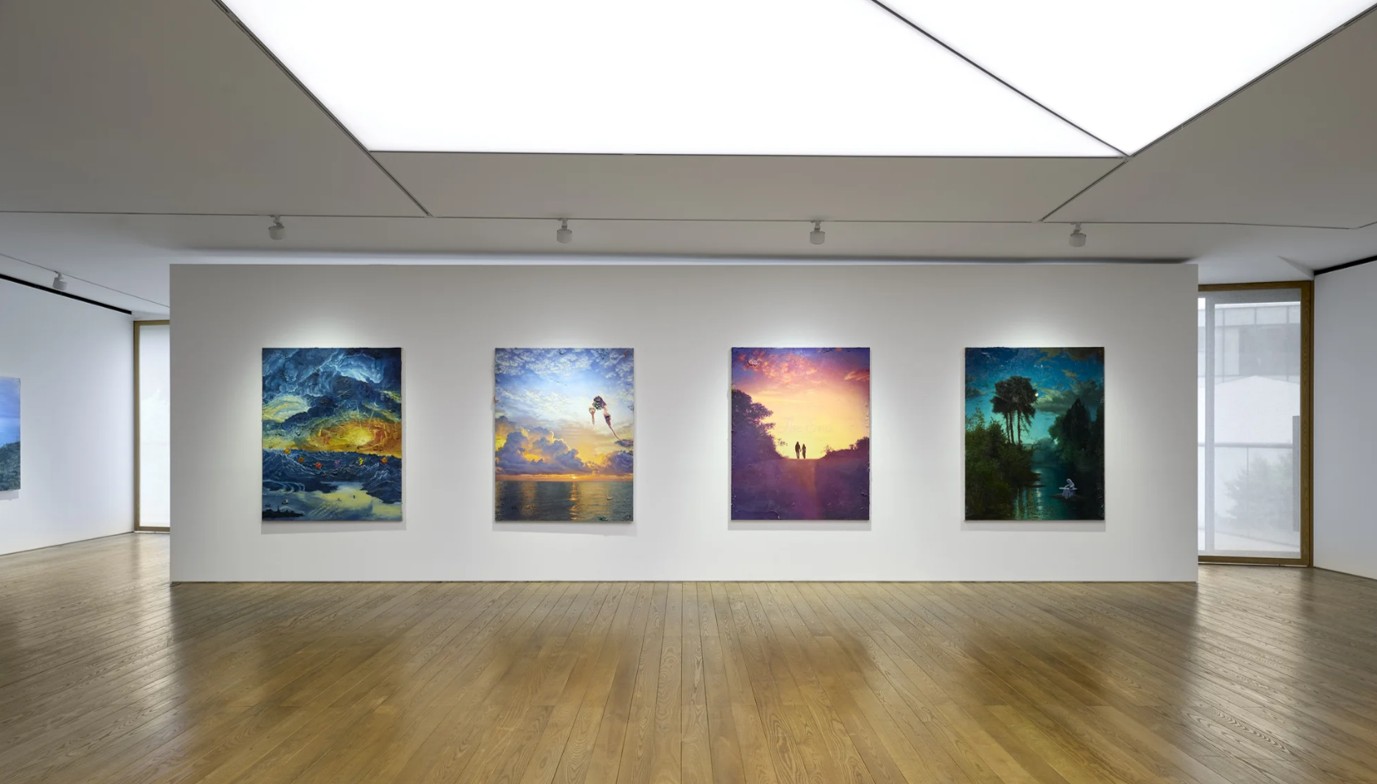
Lee’s
exploration of the body as medium also expanded into drawing and painting.
Beginning in 1976, his ongoing ‘Bodyscape’ series challenged
conventional modes of art-making. Approaching the canvas from varying
angles—sometimes without directly facing it—Lee recorded the motions of his
limbs in paint. The resulting abstract compositions are not representations but
traces of bodily movement. They foreground the physicality and temporality of
painting, revealing process rather than pictorial illusion. In these works, the
body remains the operative structure through which thought materializes on the
surface.
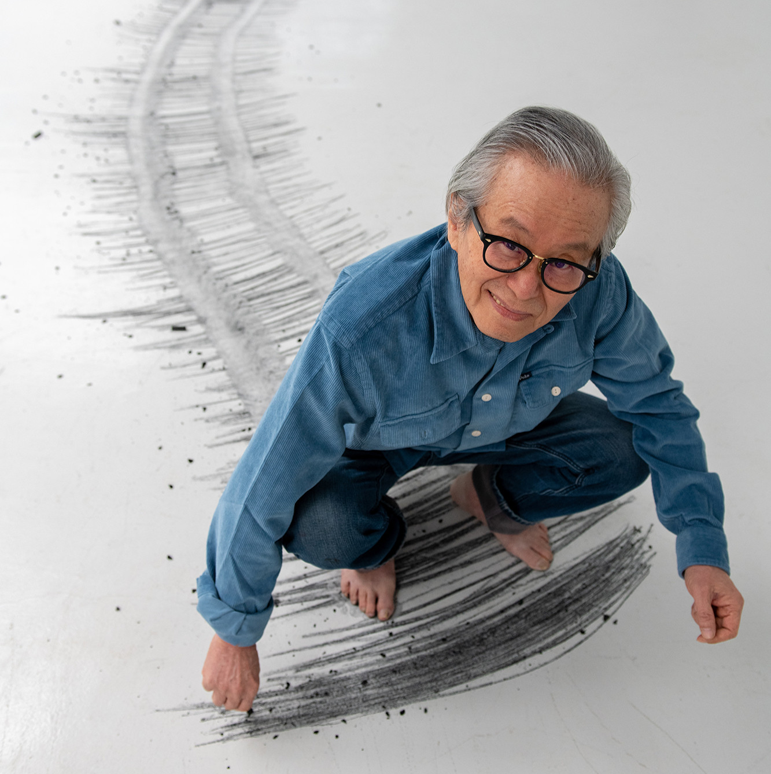
Lee Kun-Yong performing / Photo: Pace Gallery Seoul
Lee
Kun-Yong (b. 1942) is widely recognized as a key figure in Korean experimental
art. He was an important member of the Korean Avant-Garde Association (AG) and
a founding member of the ST (Space & Time) group. He earned a BFA from
Hongik University in Seoul in 1967 and an MA in art education from Keimyung
University in Daegu in 1982. Developing his highly experimental practice during
the 1970s—when martial law and authoritarianism significantly curtailed civil
rights and freedom of expression in South Korea—Lee established the conceptual
and structural foundations of his “Event” and “Event-Logical works”.
Recent
solo exhibitions include《Lee Kun-Yong: Bodyscape》, Palazzo
Cabotto, Venice (2022); 《Lee Kun-Yong: Reborn》, Leeahn Gallery, Seoul (2022); 《Lee
Kun-Yong: Bodyscape Since 1973》, 313 Art Project,
Paris (2022–23); 《Lee Kun-Yong: Snail’s Gallop》, Pace Gallery, New York (2023); 《Lee
Kun-Yong: Archival Rhythm》, Gyeongnam Art Museum
(2023); and exhibitions at Kunsan National University Art Museum (2024), Leeahn
Gallery, Daegu (2024), and Dugaheon House, Gallery Hyundai, Seoul (2024–25). He
has participated in the Paris Biennale (1973), the Bienal de São Paulo (1979),
the Gwangju Biennale (2000, 2023), and the Busan Biennale (2014, 2016).
His
work is held in major international collections, including the Guggenheim Abu
Dhabi; Leeum, Samsung Museum of Art, Seoul; Long Museum, Shanghai; the Los
Angeles County Museum of Art; and the Solomon R. Guggenheim Museum, New York,
among others.
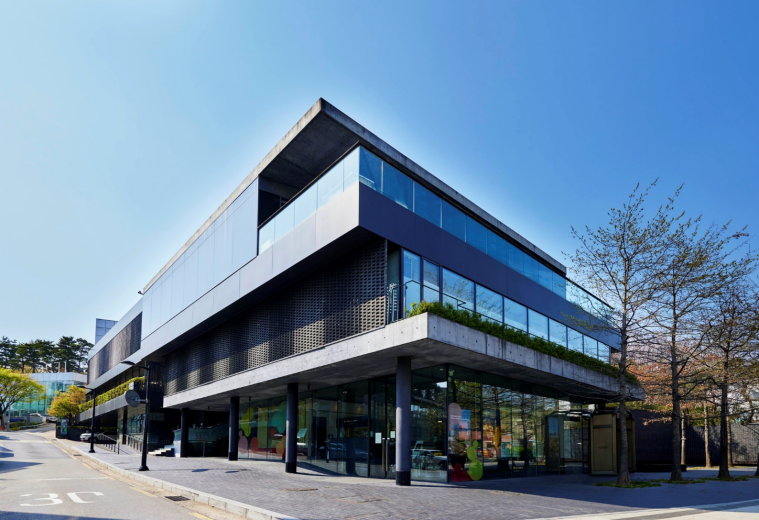
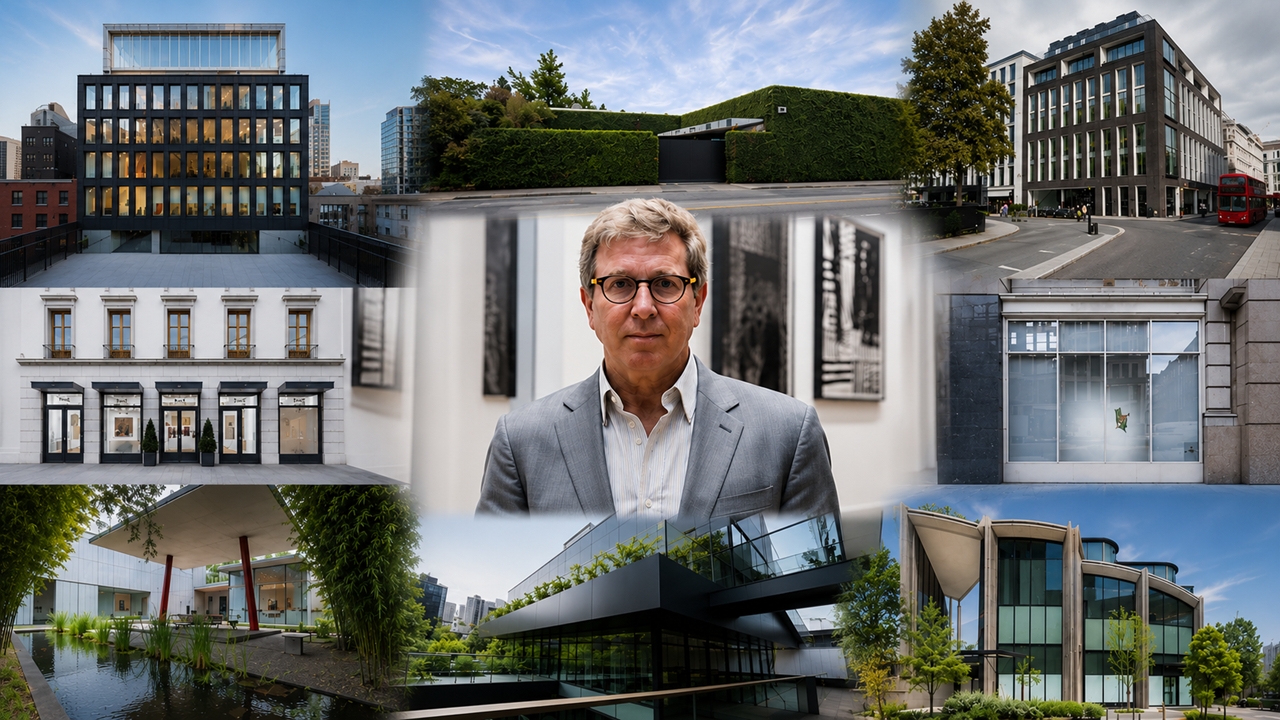
페이스갤러리 서울 모습 / 사진 : 페이스갤러리 서울
Pace
Gallery Seoul
Founded
in 1960, Pace Gallery operates internationally with spaces in New York, London,
Geneva, Hong Kong, and Seoul. The Seoul gallery serves as a significant
platform connecting Korean contemporary art with global audiences, presenting
historically significant figures alongside leading international artists.
Exhibition
Information
Exhibition
title:《Lee Kun-Yong: Body as Thought》
Dates:
February 5 – March 28, 2026
Venue:
Pace Gallery Seoul, 267 Itaewon-ro, Yongsan-gu, Seoul
Pace
Gallery Seoul Website: https://www.pacegallery.com/galleries/seoul/