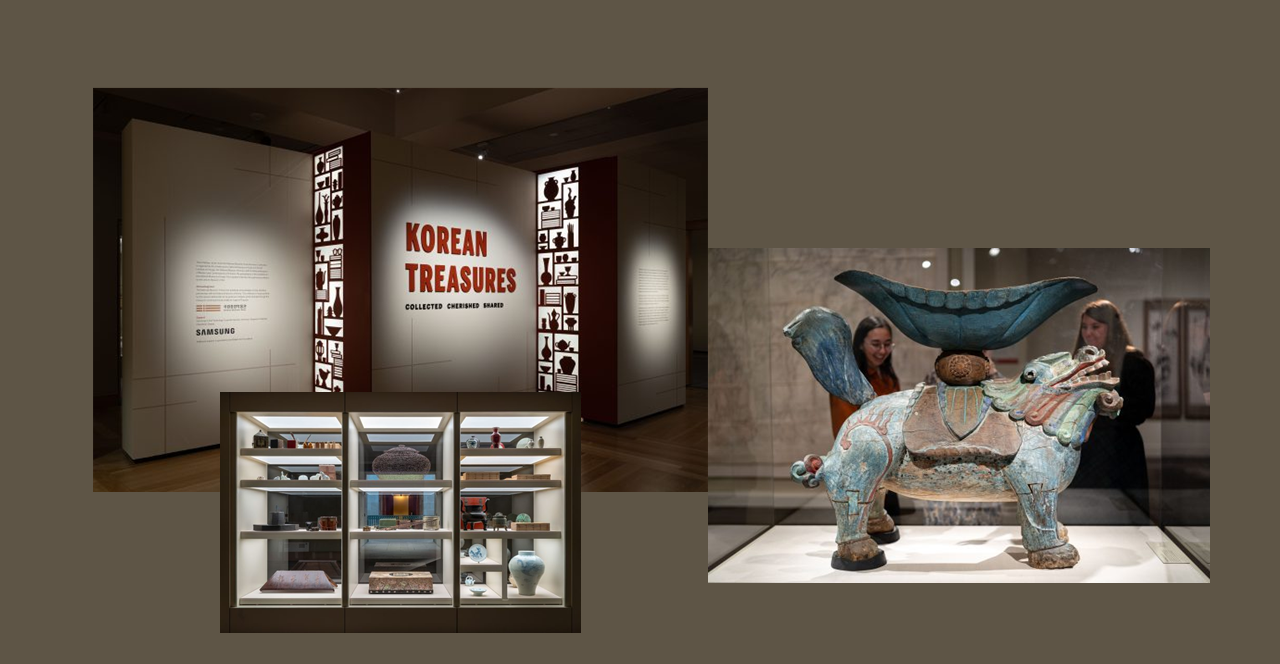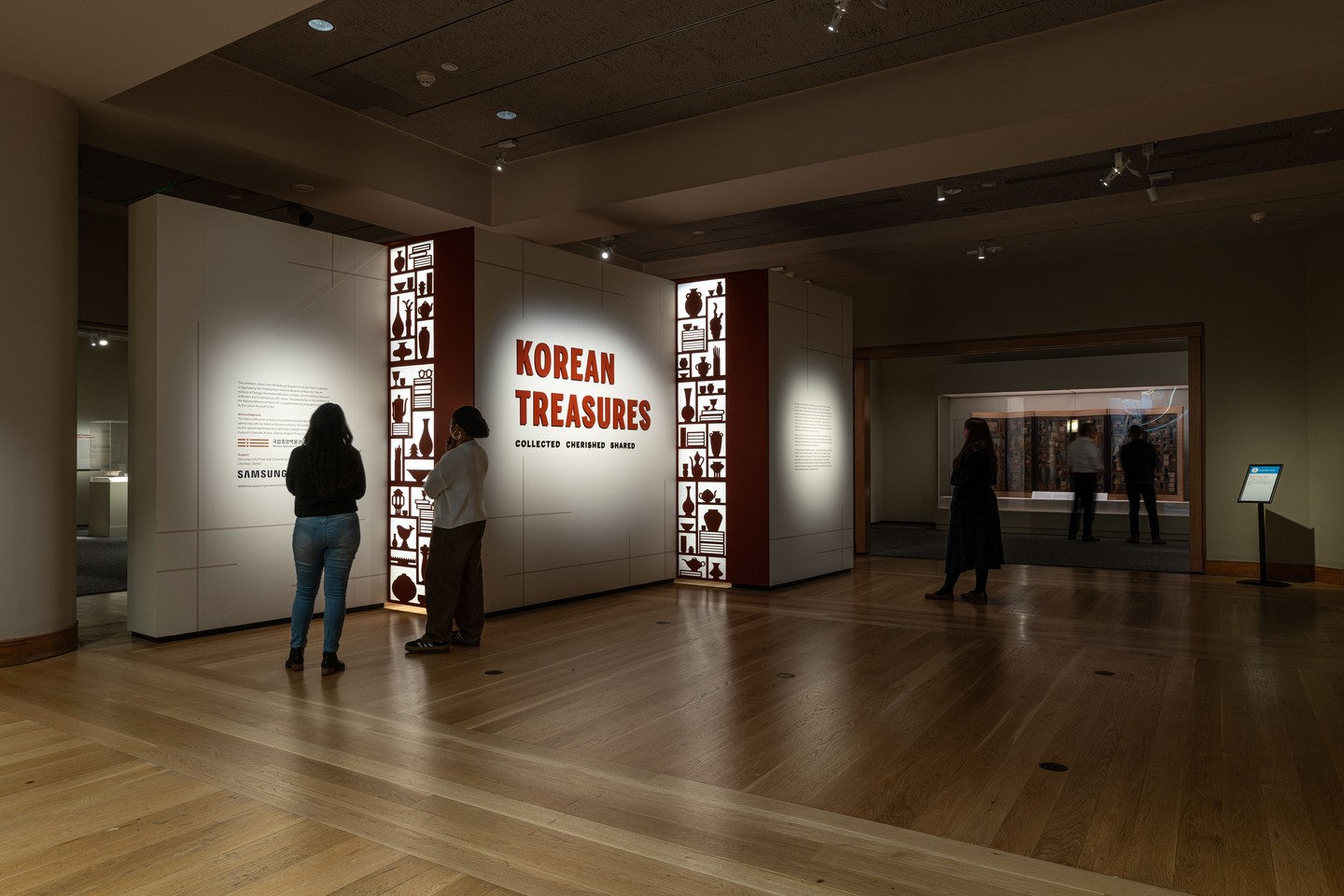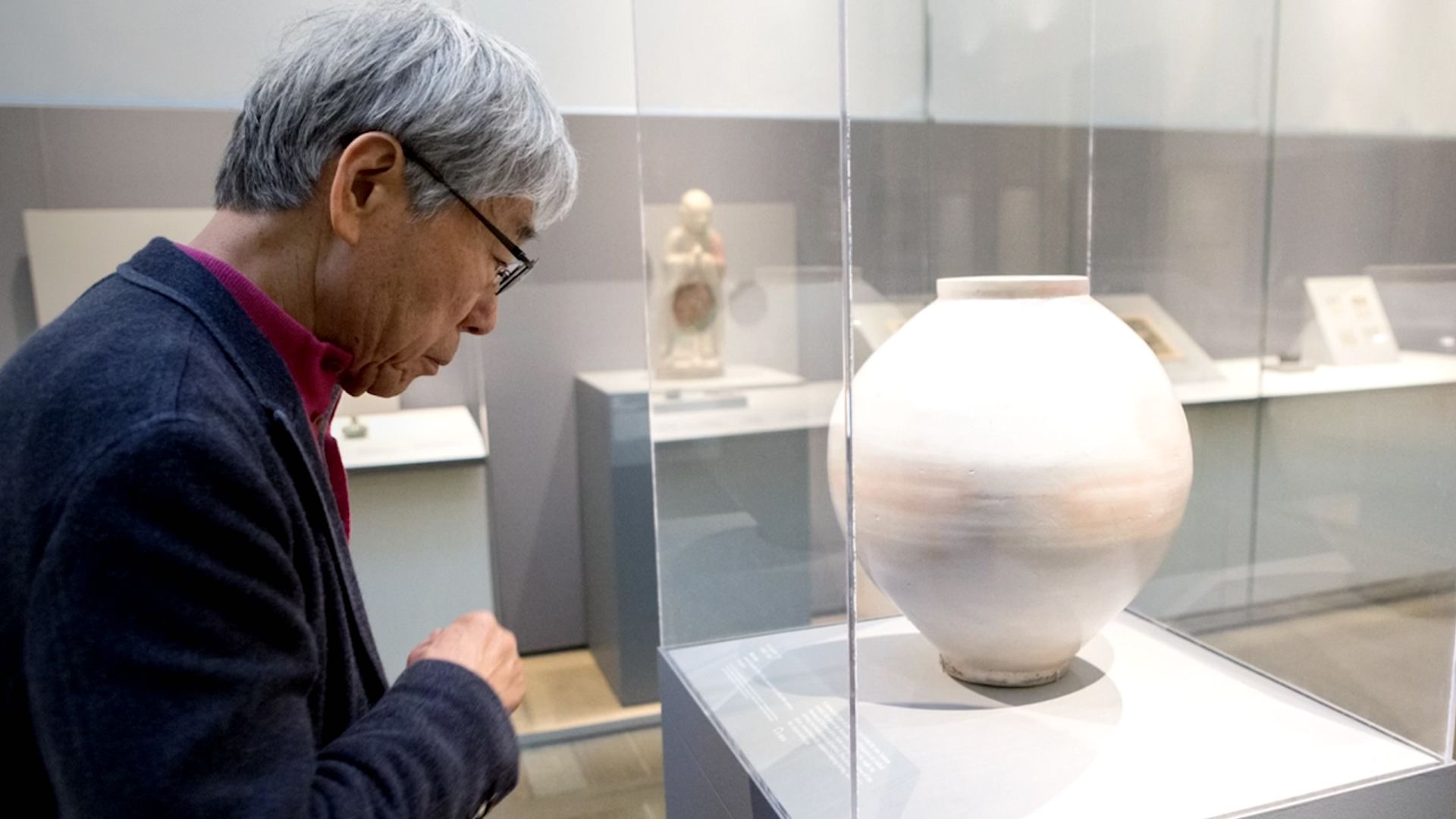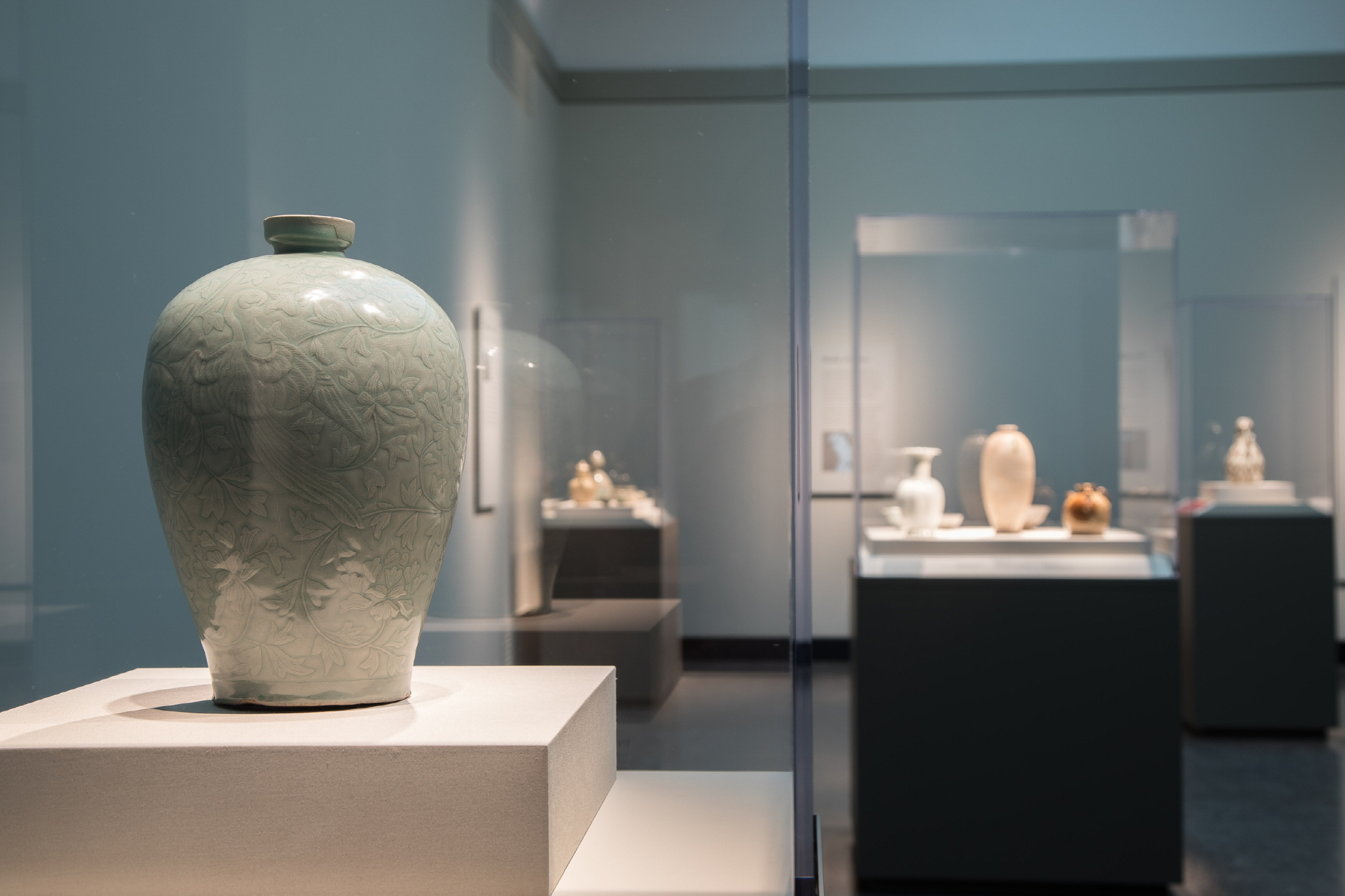

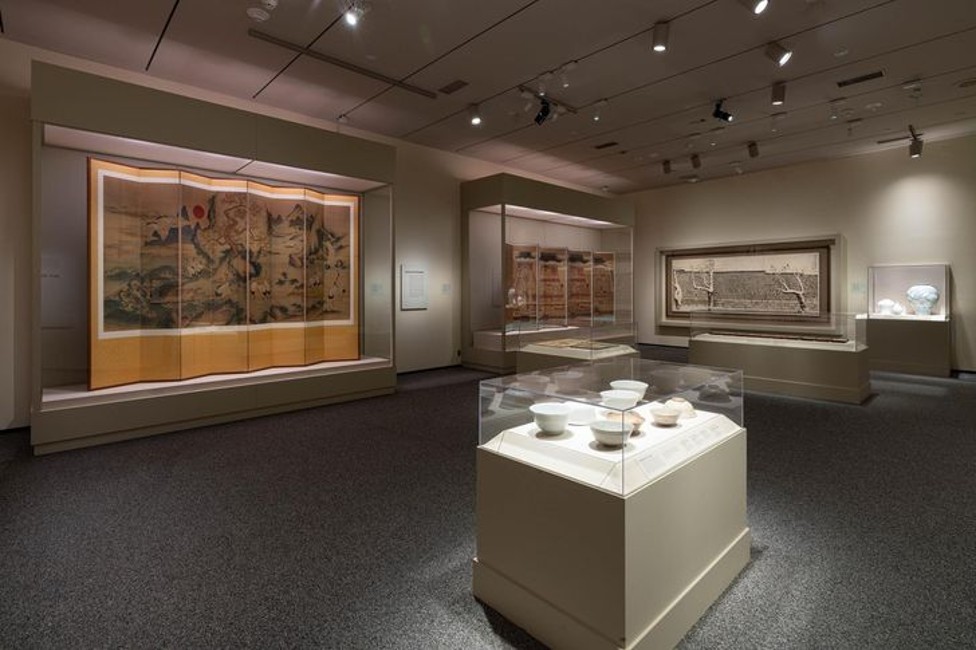
Exhibiton View / © Colleen J. Dugan/National Museum of Asian Art, Smithsonian Institution
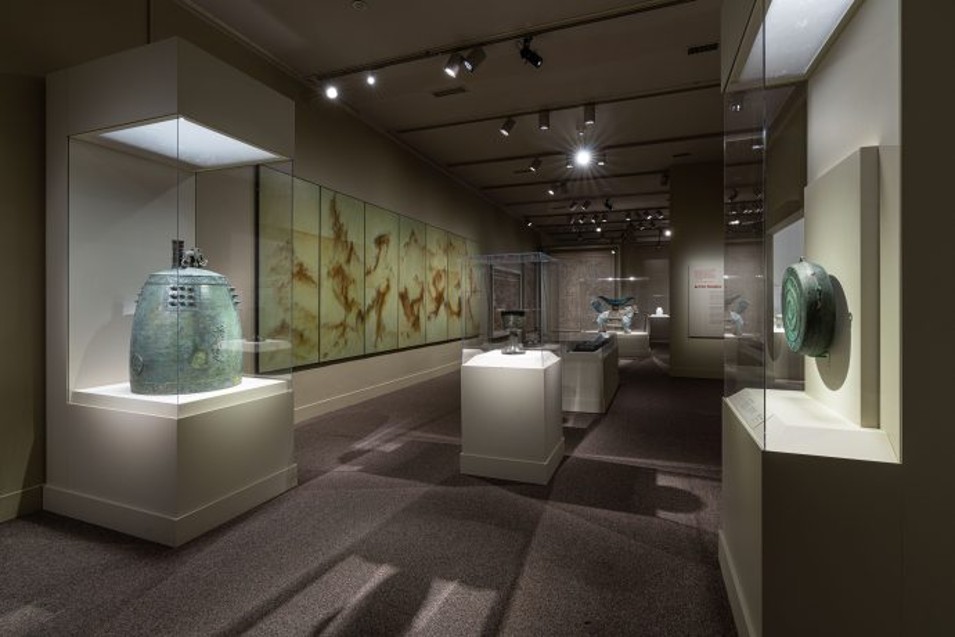
Exhibiton View / © Colleen J. Dugan/National Museum of Asian Art, Smithsonian Institution
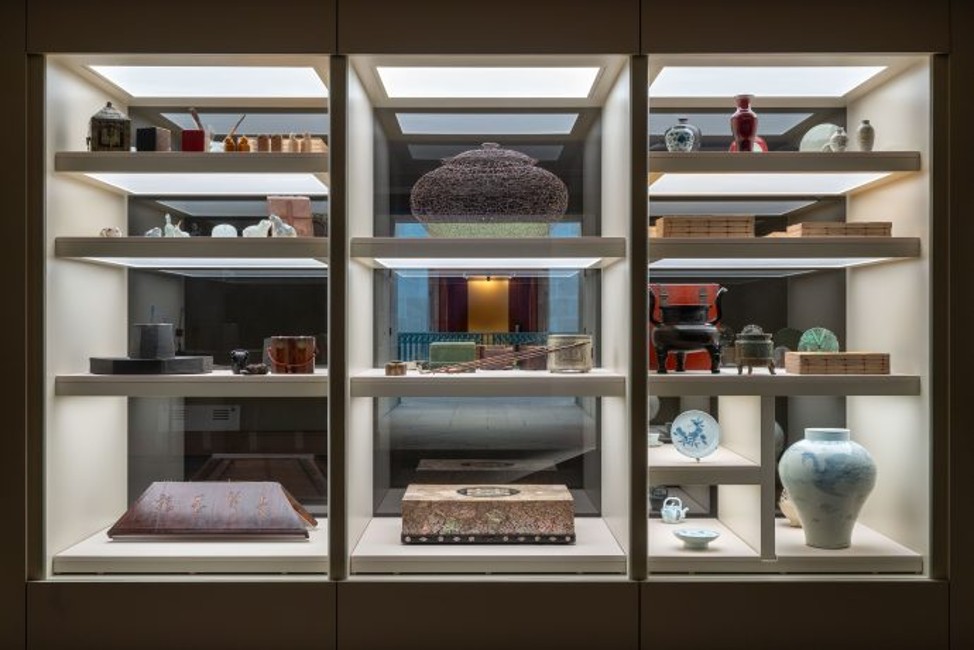
Exhibiton View / © Colleen J. Dugan/National Museum of Asian Art, Smithsonian Institution
A special
exhibition of Korean art,《Treasures of Korea:
Collected, Cherished, Shared》, is currently on view
at the Smithsonian National Museum of Asian Art in Washington, D.C.
This exhibition
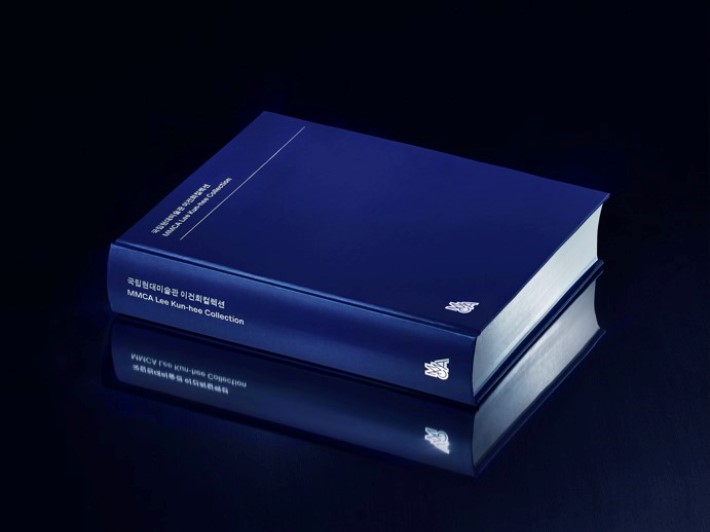
marks the first stop of an international tour based on the collection donated
by the late Lee Kun-hee. It is jointly organized and presented by the National
Museum of Korea and the National Museum of Modern and Contemporary Art, Korea.
More than 200 works spanning from antiquity to the modern period are on
display, offering a broad survey of the historical trajectory of Korean art.
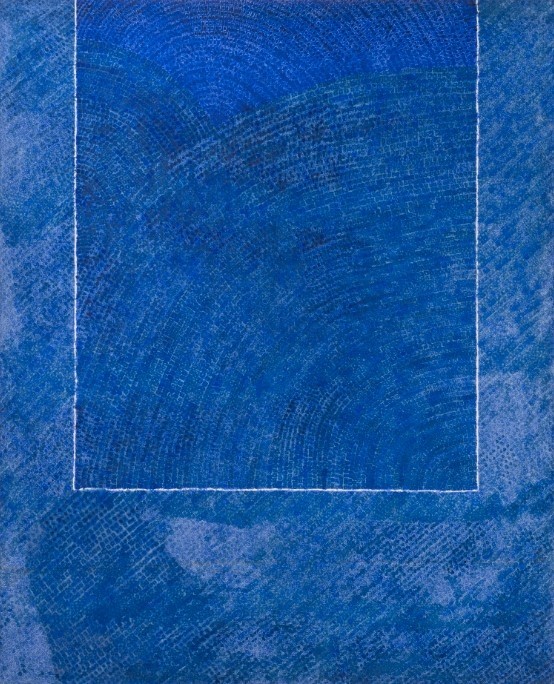
Kim Whanki, Echo of Mountains 19-II-73 #307, 1973. Courtesy of the National Museum of Modern and Contemporary Art, Korea.
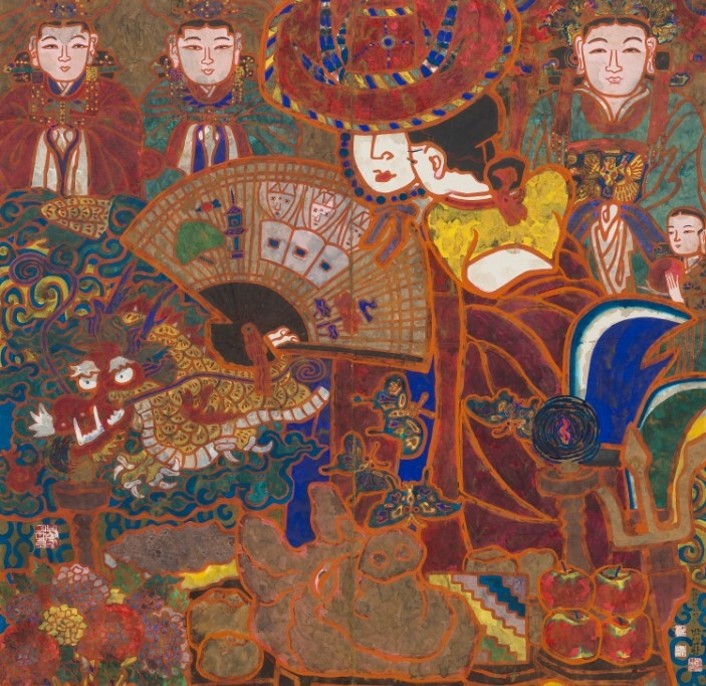
Park Saeng-kwang, Shamanism 3, 1980. Courtesy of the National Museum of Modern and Contemporary Art, Korea.
In its exhibition
materials, the National Museum of Asian Art describes the show as a large-scale
presentation that demonstrates the historical depth and breadth of Korean art.
It highlights as a key context the transition of a private collection into public
ownership, followed by close institutional collaboration that integrates
scholarship, conservation, and exhibition.
The materials
also note that Korean art has long been positioned within East Asian
collections dominated by Chinese and Japanese narratives in Western museums,
emphasizing that this exhibition introduces Korean art through an independent
and coherent narrative.
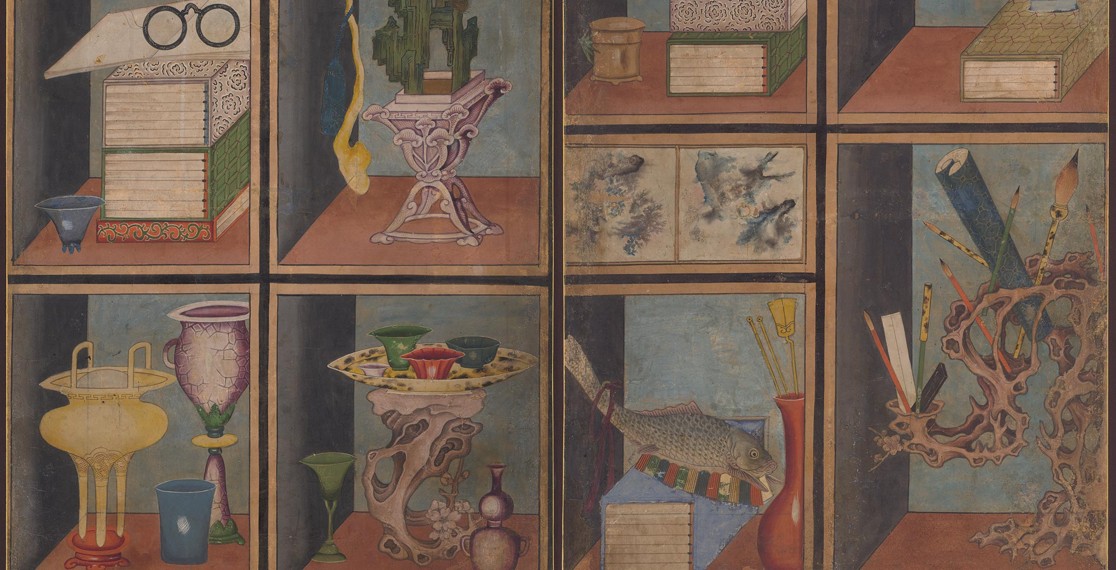
Artist unknown, Chaekgeori (Books and Scholar’s Objects), late 18th–19th century, Joseon dynasty, folding screen (chaekgado), color on paper, National Museum of Korea.
Chaekgeori (or chaekgado) paintings depict books, writing implements, and various objects arranged in a still-life format. They symbolize learning, cultivation, prosperity, and auspiciousness, and represent a major genre of late Joseon court and literati painting.
“The
Washington Post” described the exhibition as the
largest presentation of Korean art ever held at the National Museum of Asian
Art. The newspaper noted the curatorial decision not to separate premodern and
modern works, instead arranging them in a continuous sequence that reveals the
long-term flow and aesthetic continuity of Korean art. While acknowledging
heightened global interest in Korean culture driven by popular media, the
article emphasized that the exhibition remains firmly grounded in
art-historical context.
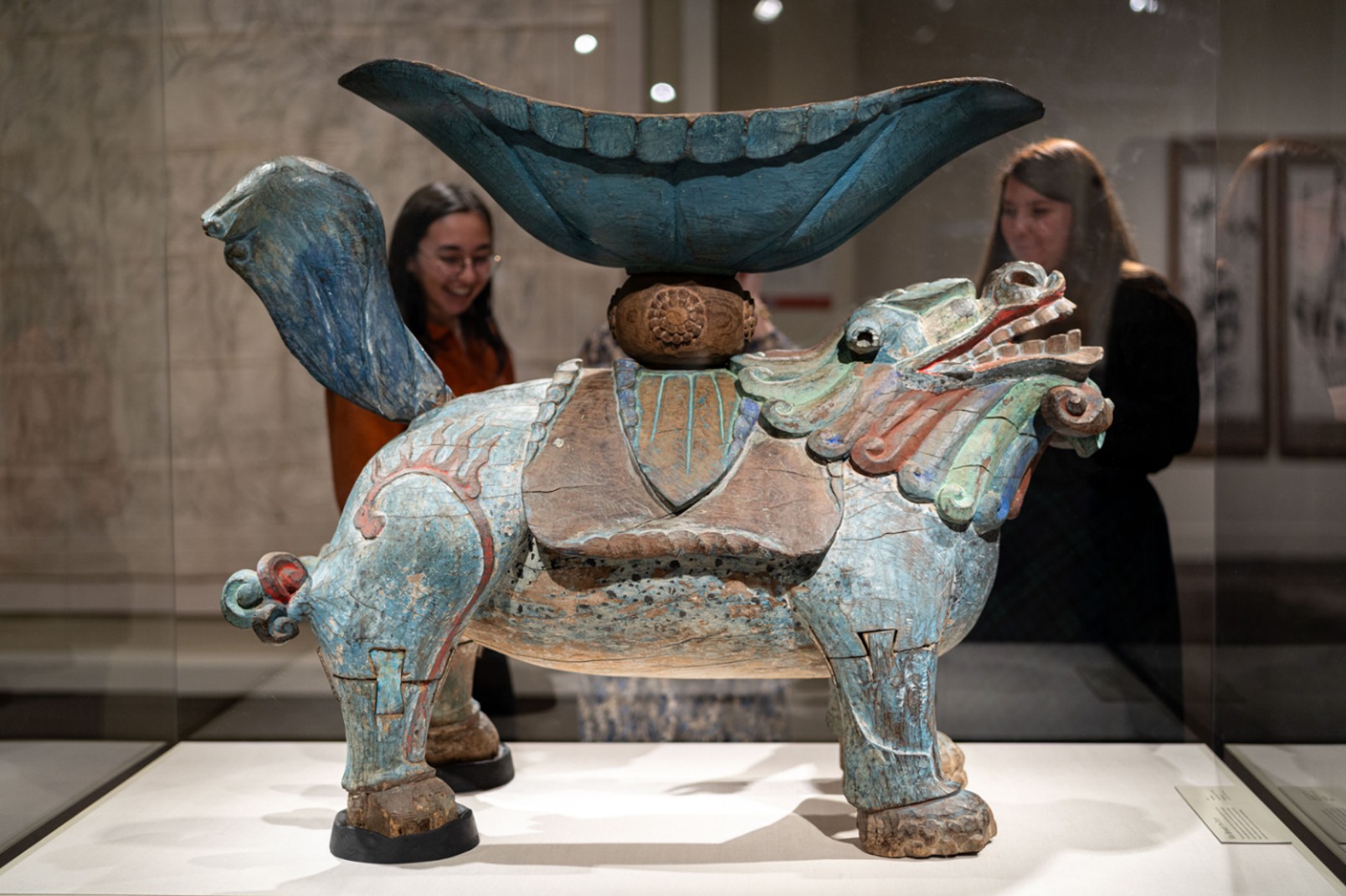
The Beopgodae (Drum Stand), one of the most popular works in the exhibition. Courtesy of the National Museum of Asian Art.
The Beopgodae is a Buddhist ritual object from the Joseon period, used to support the beopgo (ritual drum) in temple ceremonies. Sculpted in the form of an imaginary animal, it embodies both ritual function and sculptural sophistication.
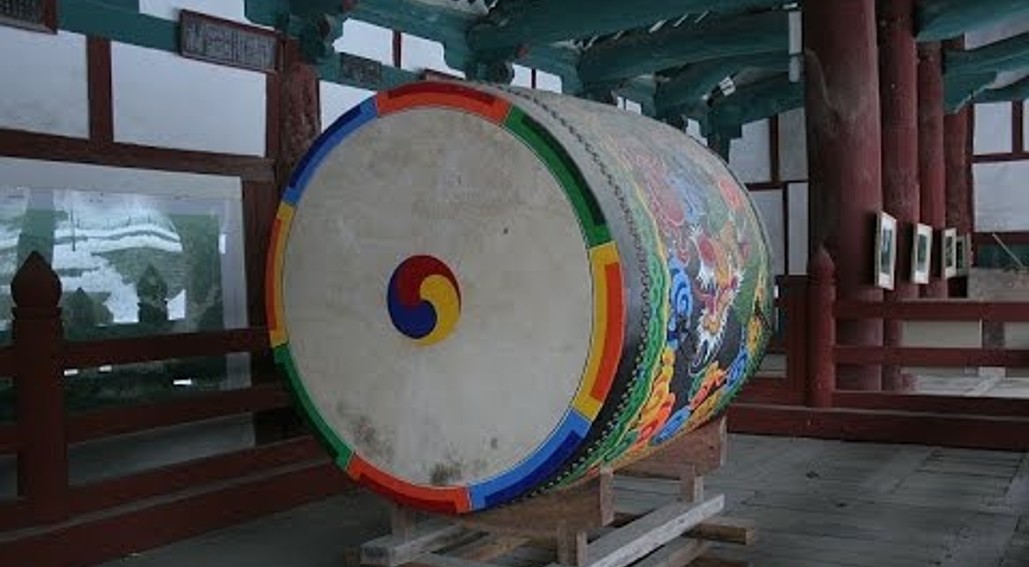
Beopgo (Buddhist ritual drum).
“Forbes” approached the exhibition as an interpretive presentation designed
to facilitate understanding of Korea’s artistic heritage. Rather than focusing
on scale or spectacle, the article highlighted the chronological structure and
explanatory framework that allow visitors to follow the development of Korean
art with relative clarity. It also emphasized that the Lee Kun-hee Collection
functions not as a reflection of personal taste, but as a resource for public
education and scholarly research.
The Asian art
periodical “Asian Art Newspaper” introduced the exhibition as one of the
Smithsonian’s major initiatives, summarizing its scope through key facts: more
than 200 works on display, the inclusion of nationally designated cultural
treasures, and joint organization by Korea’s national institutions. Its
coverage focused on the institutional aspects of donation, collection, and
overseas exhibition rather than interpretive analysis.
The exhibition’s
subtitle—‘Collected’, ‘Cherished’, ‘Shared’—frames its central
narrative: the transformation of a private collection into national holdings
and, ultimately, into an international public exhibition. Official materials
explain that this progression structures the entire exhibition, foregrounding
not only the artworks themselves but also the contexts of collecting and public
sharing.
The exhibition
brings together premodern works from the National Museum of Korea and modern
and contemporary works from the National Museum of Modern and Contemporary Art,
Korea. Masterpieces such as Jeong Seon’s Inwangjesaekdo (Mount
Inwang after Rain), Kim Hong-do’s Chuseongbudo
(Illustration of the Rhapsody on Autumn Sounds), along with court
paintings and white porcelain, represent the aesthetic foundations of the
Joseon dynasty. The modern section includes works by Park Su-geun, Kim Whanki,
and Kim Byeong-gi, highlighting emotional and formal continuities with earlier
traditions.
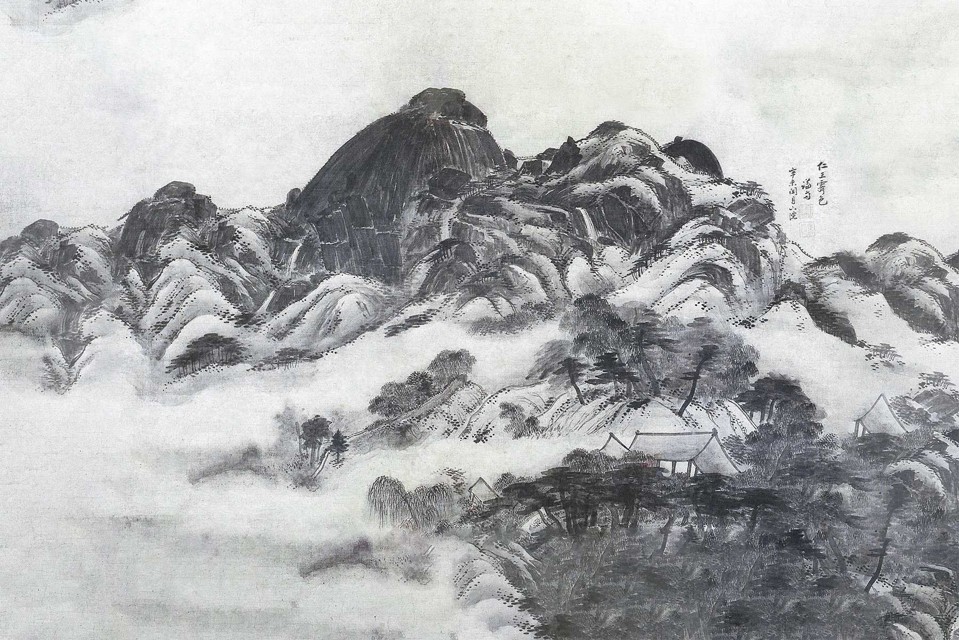
Jeong Seon, Inwangjesaekdo (Mount Inwang after Rain), 1751, Joseon dynasty, ink on paper, National Museum of Korea.
Jeong Seon’s Inwangjesaekdo
is a landmark of late Joseon “true-view” landscape painting. Depicting Mount
Inwang just after rainfall, the work captures the scene with powerful brushwork
and close observation. Rather than following idealized Chinese landscape
conventions, it is based on direct study of an actual site, a defining
characteristic of true-view painting.
Through layered
ink tones and vigorous strokes, the rocky mountain surfaces convey the texture
and vitality of nature, while the fleeting change in weather lends the
composition a sense of tension and immediacy. The painting is widely regarded
as a key example of how Joseon artists established an independent landscape
tradition grounded in lived experience.
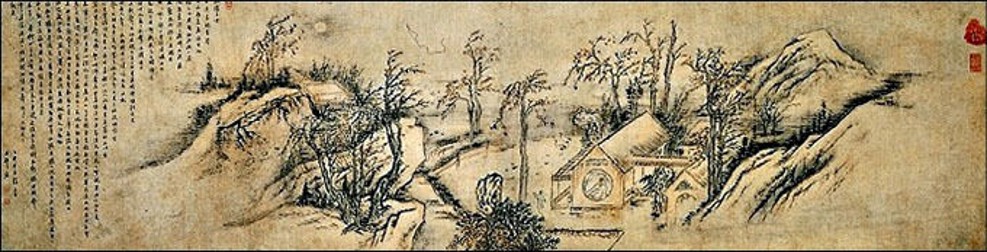
Kim Hong-do, Chuseongbudo (Illustration of the Rhapsody on Autumn Sounds), late 18th century, Joseon dynasty, ink and light color on paper, Collection of National Museum of Korea.
Chuseongbudo visualizes the “Rhapsody on Autumn Sounds” by the Song-dynasty
scholar Ouyang Xiu. A literati-style landscape, it conveys quiet reflection and
contemplative emotion inspired by seasonal change. In contrast to Kim Hong-do’s
well-known genre scenes, this work is marked by restrained brushwork, balanced
composition, and a strong literary sensibility, exemplifying the fusion of
literature and painting in late Joseon literati art.
International
media and official sources alike frame the exhibition as a case that
illuminates not only the artistic quality of Korean art, but also the process
by which a donated private collection becomes part of national holdings and is
presented within an international museum context. While the global spread of
K-pop and Korean cinema is often cited as background, the exhibition itself is
consistently described as a project centered on scholarly and institutional
frameworks.
After closing in
Washington on February 1 this year, the touring exhibition will travel to the
Art Institute of Chicago (March 7–July 5, 2026) and then to the British Museum
(September 10, 2026–January 10, 2027).
References
- Smithsonian National Museum of Asian Art – Exhibition Overview
- Smithsonian Newsdesk – Press Release
- Smithsonian NMAA – Accessible Exhibition Text
- The Washington Post – Korean Treasures at the Smithsonian
- Forbes – Korean Treasures Offers Insight Into a Rich Artistic Heritage
- Asian
Art Newspaper – Korean Treasures: The Samsung Family
Collection
- The Korea Society – Curatorial Roundtable