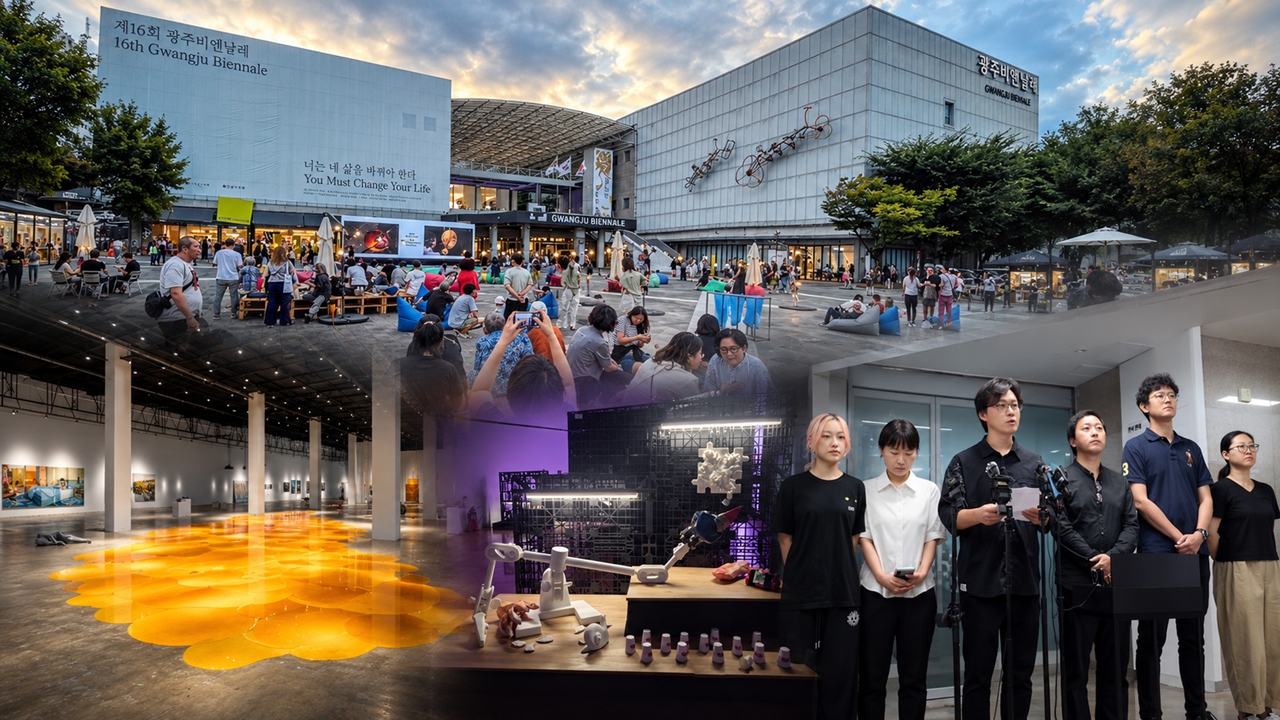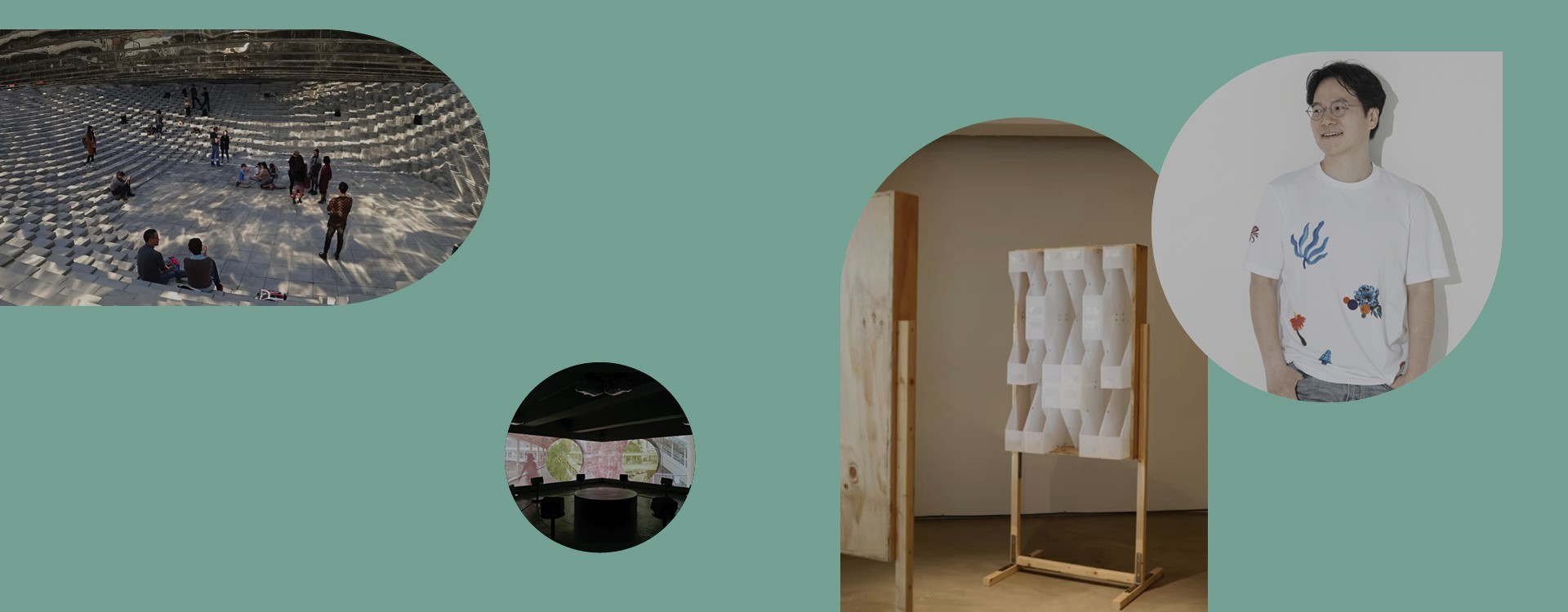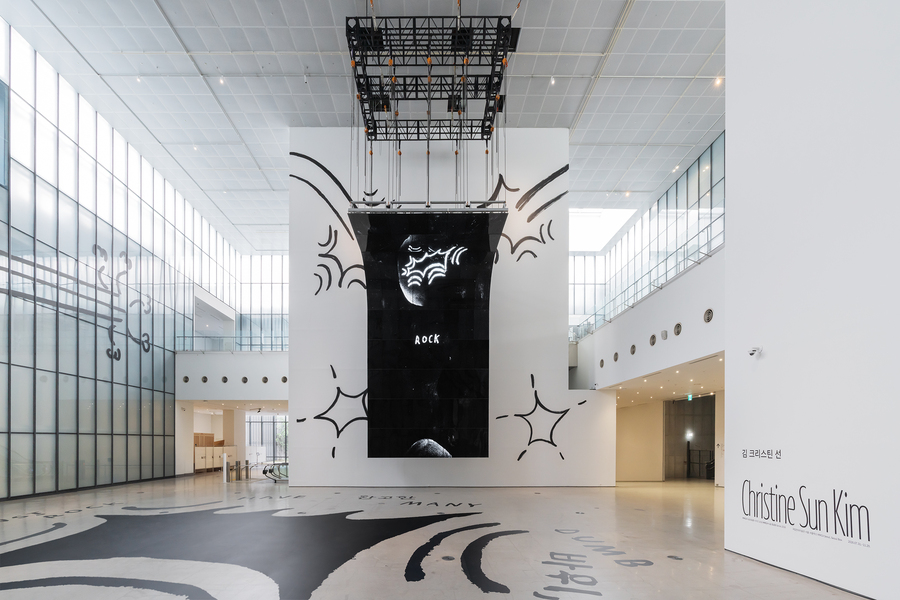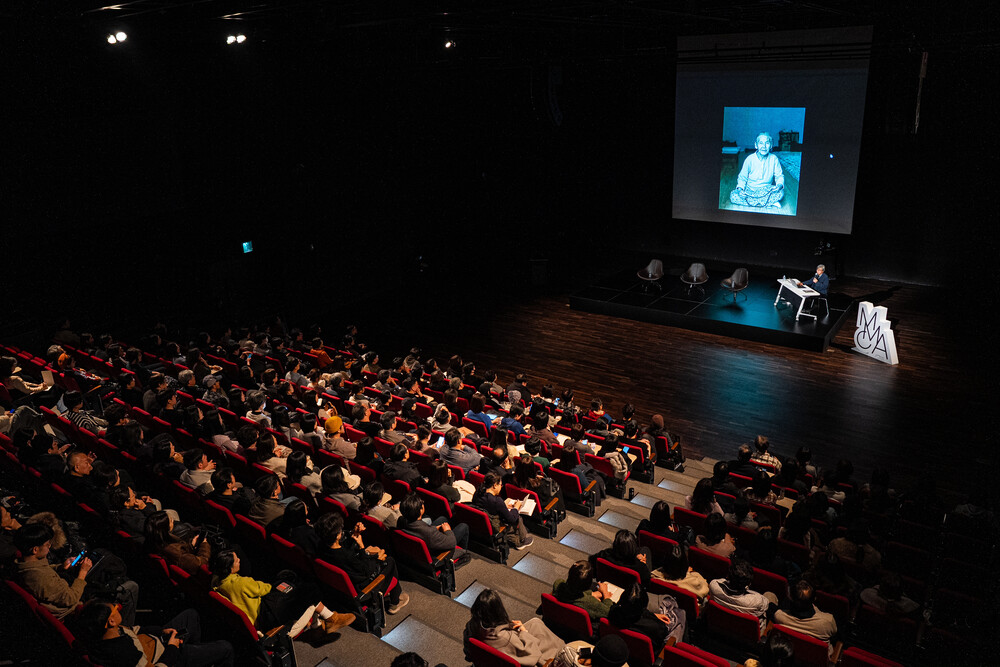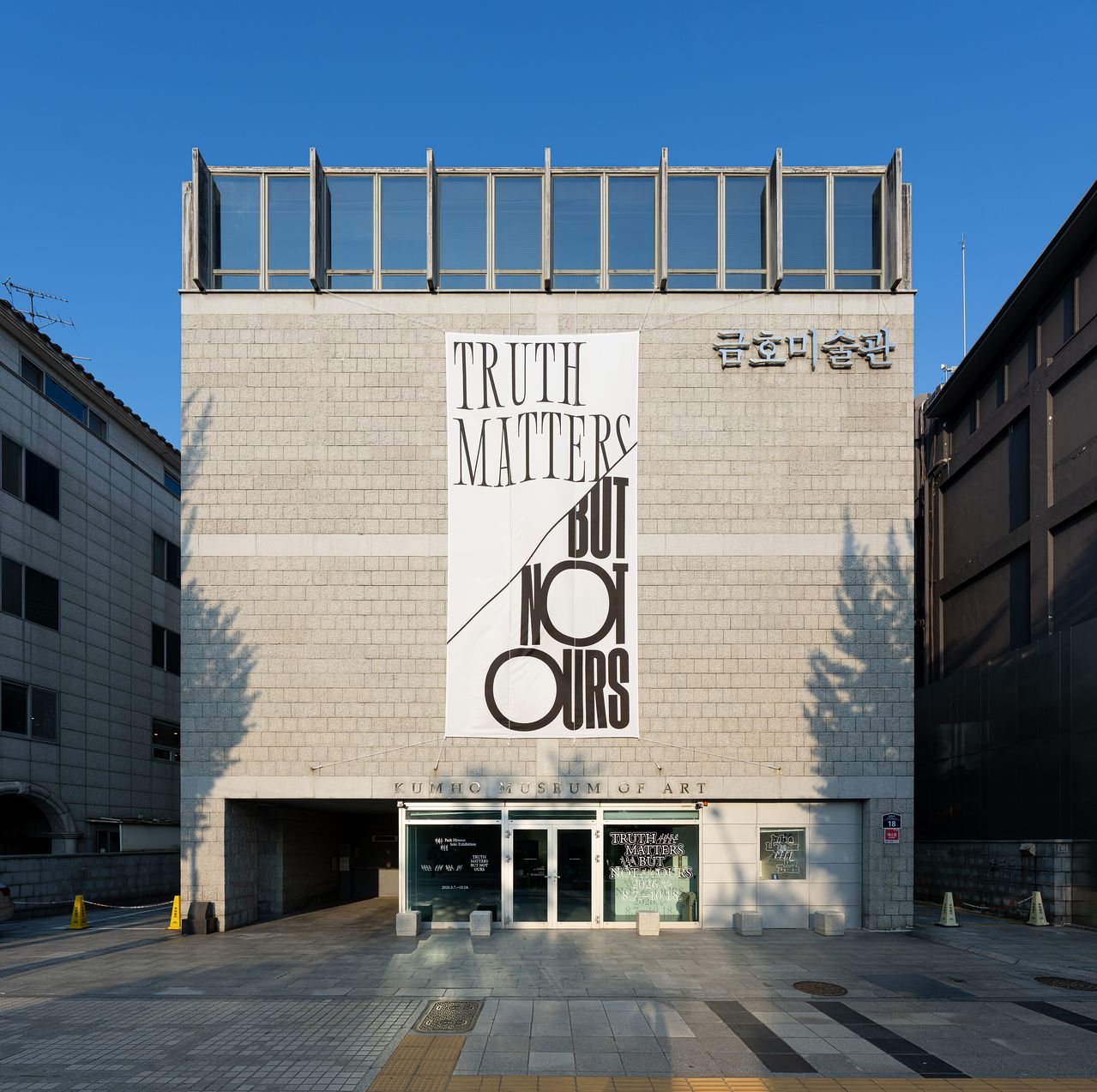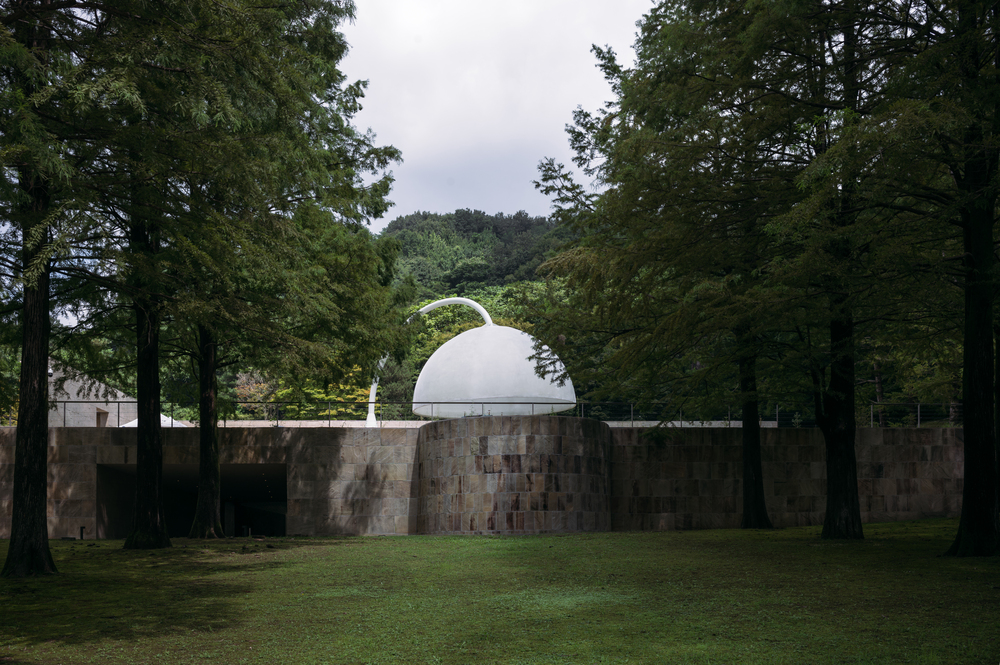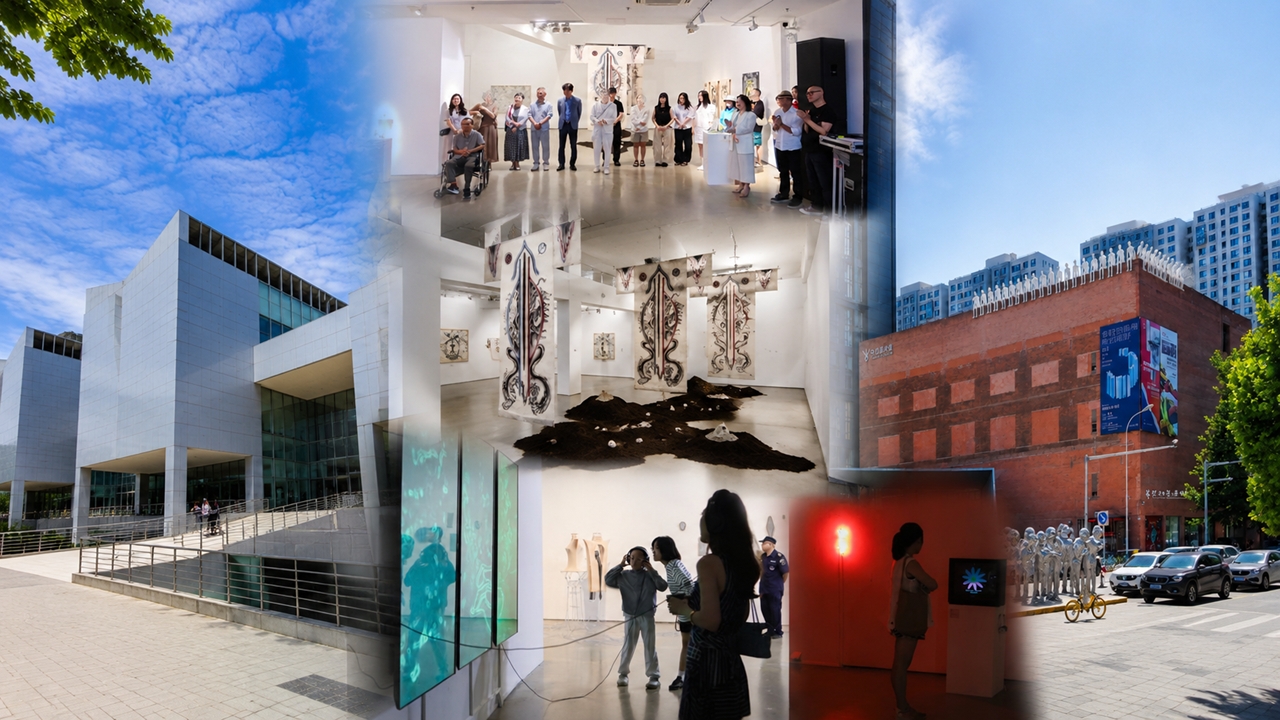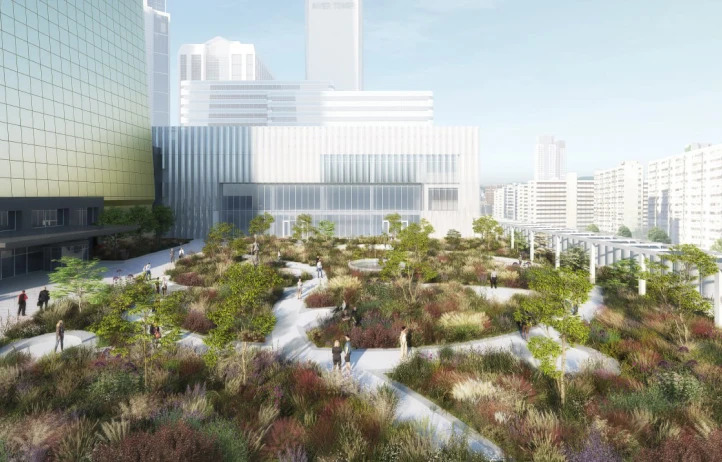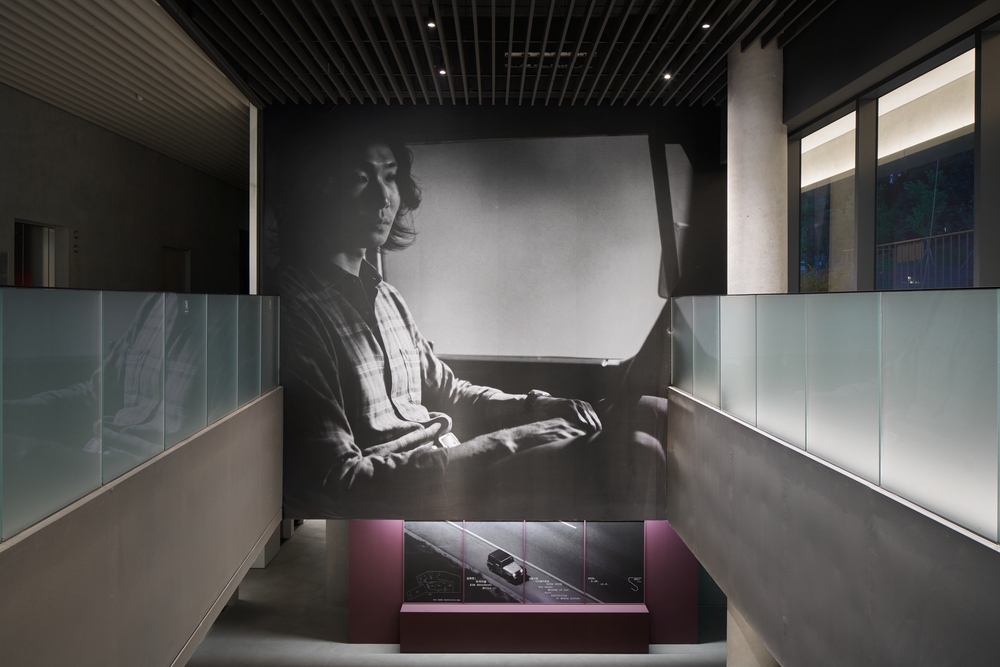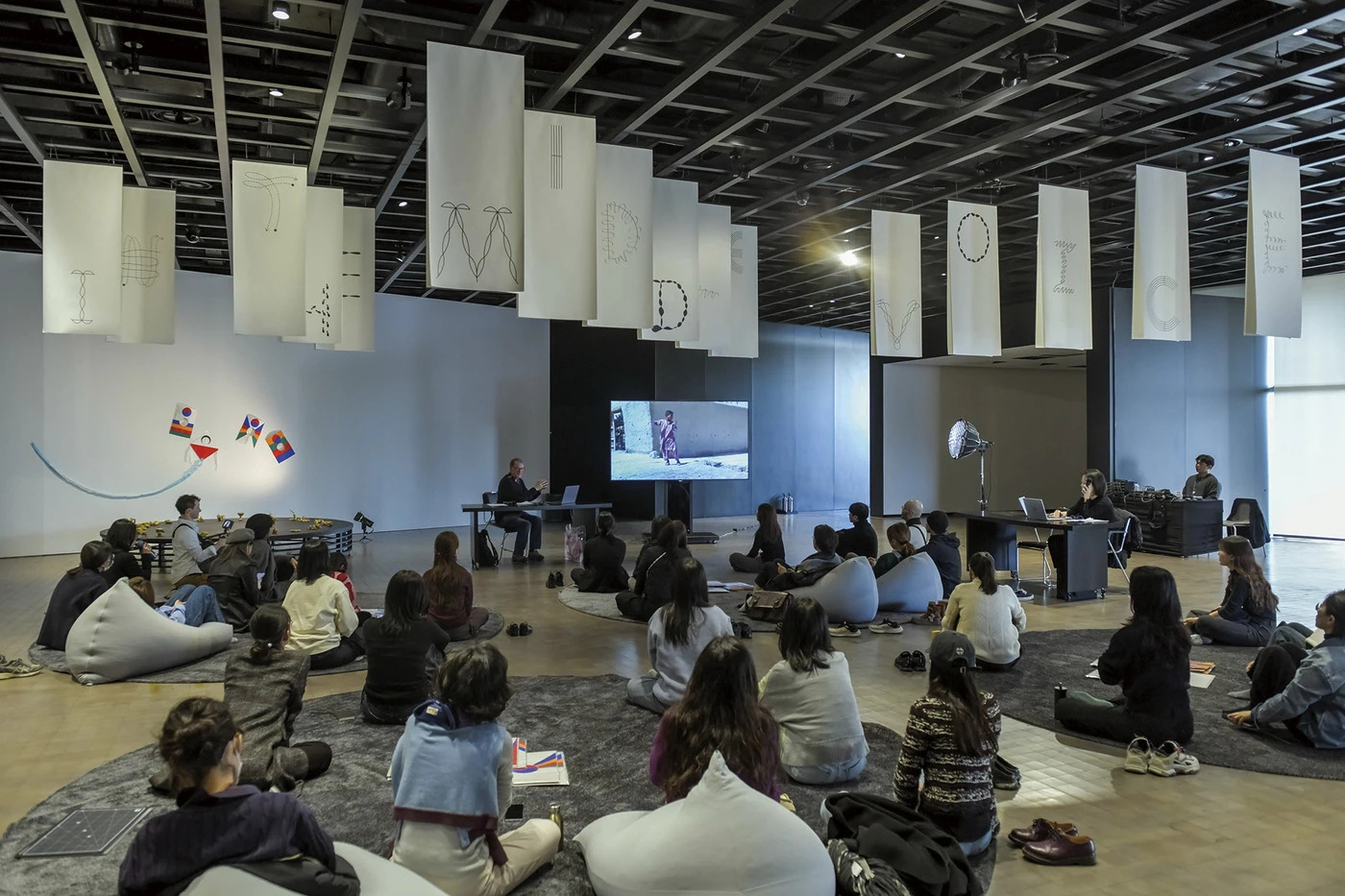

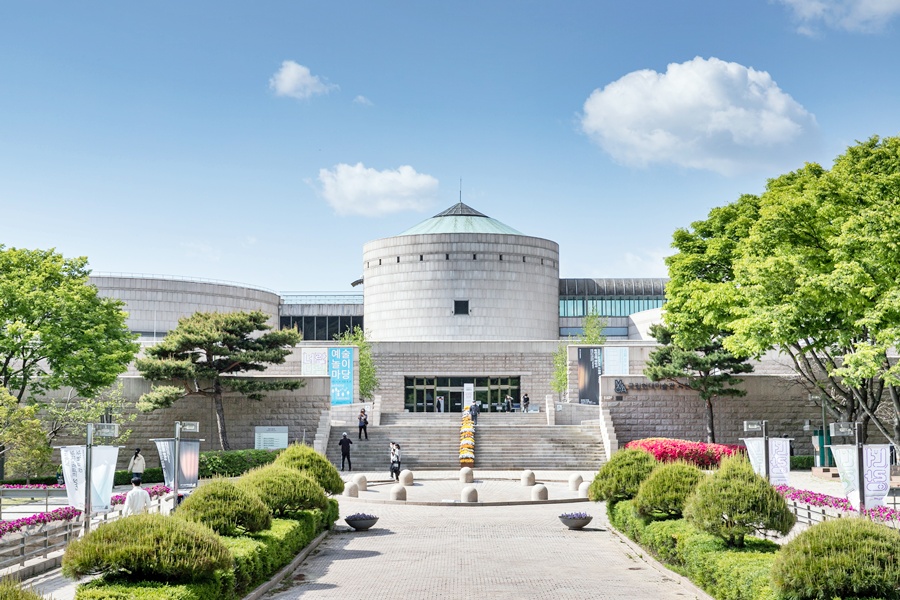
The Gwacheon branch of the National Museum of Modern and Contemporary Art, Korea celebrates its 40th anniversary this year. ©MMCA
The
National Museum of Modern and Contemporary Art, Korea (MMCA; Director Kim
Sunghee) held a press conference on 6 January, and announced its exhibition
plans for 2026 together with major initiatives.
In 2026,
the MMCA will launch a new set of major initiatives to meet the public’s
heightened expectations for engagement with visual culture and the arts,
contribute to the global expansion of K-art, and fulfill its social
responsibility as Korea’s sole national art museum.
It will
▲strengthen its international exhibition programs through the Global Focus
exhibitions, which will intensively introduce contemporary artists at the
center of international attention, and ▲launch a new initiative, MMCA
Regional Partnership, aimed at expanding the museum’s outstanding content
to regional areas. The museum will further reinforce its public role as a
national museum through ▲the launch of MMCA Conservation School, a new
program for training young art conservation professionals, and ▲the
introduction of a digital archive image service. In addition, ▲by museum
will fully activate global curatorial research network programs.
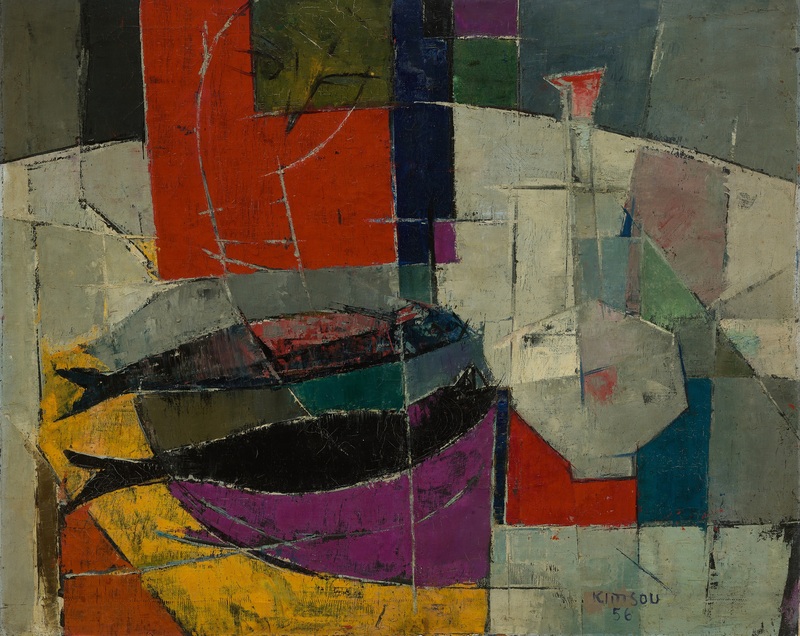
Kim Sou, Still Life with Faces, 1956, Oil on canvas, 88x90cm, MMCA Collection ©MMCA
The year 2026 marks both the 40th
anniversary of MMCA Gwacheon and the 140th anniversary of the establishment of
official diplomatic relations between Korea and France. As the nation’s sole
representative national art museum, the MMCA will broaden the horizons of
Korean art and engage in even closer dialogue with the global art community.
First,
the MMCA will reframe art history through research-driven exhibitions on Korean
art and solidify its position within a global context.
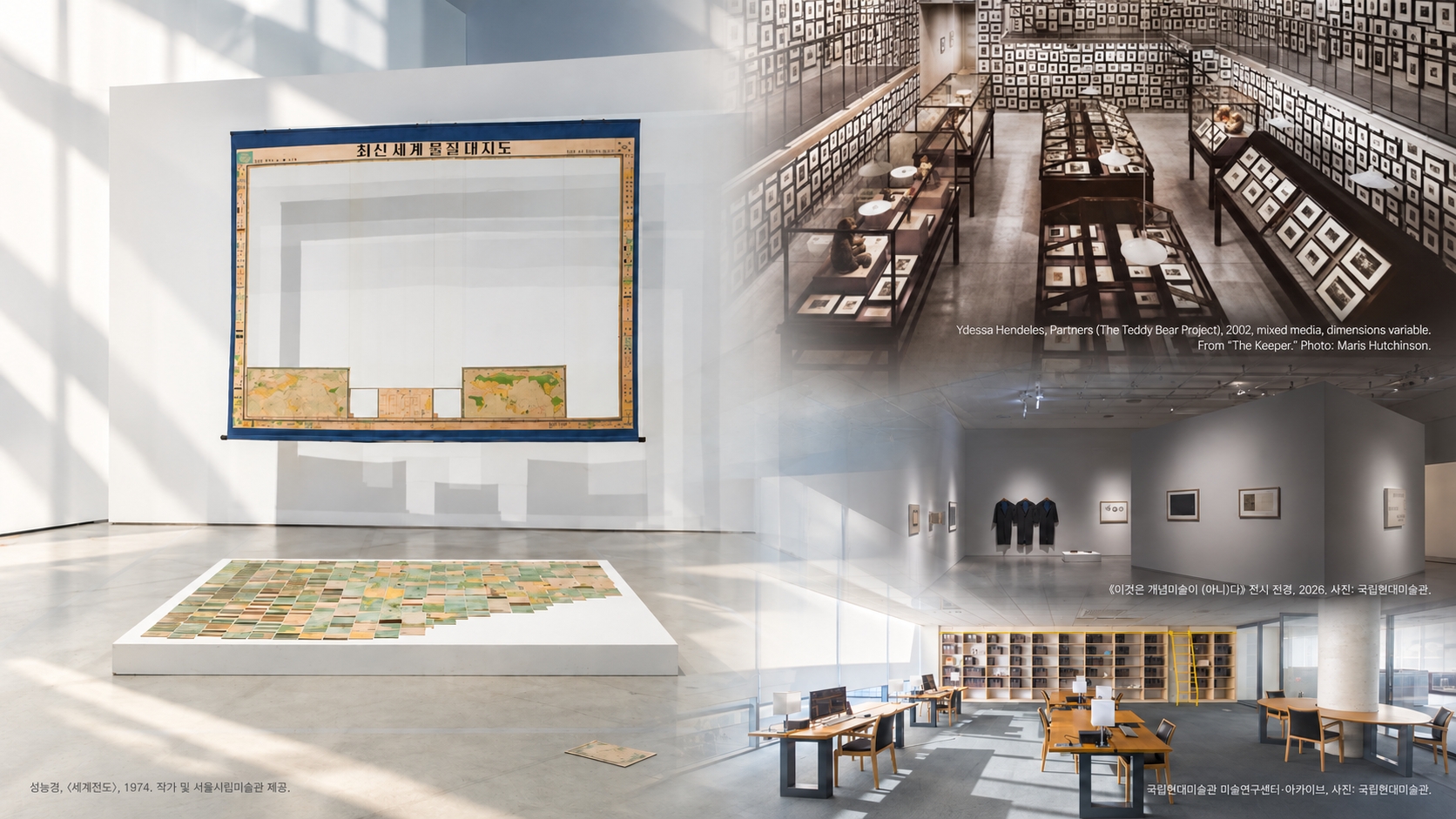
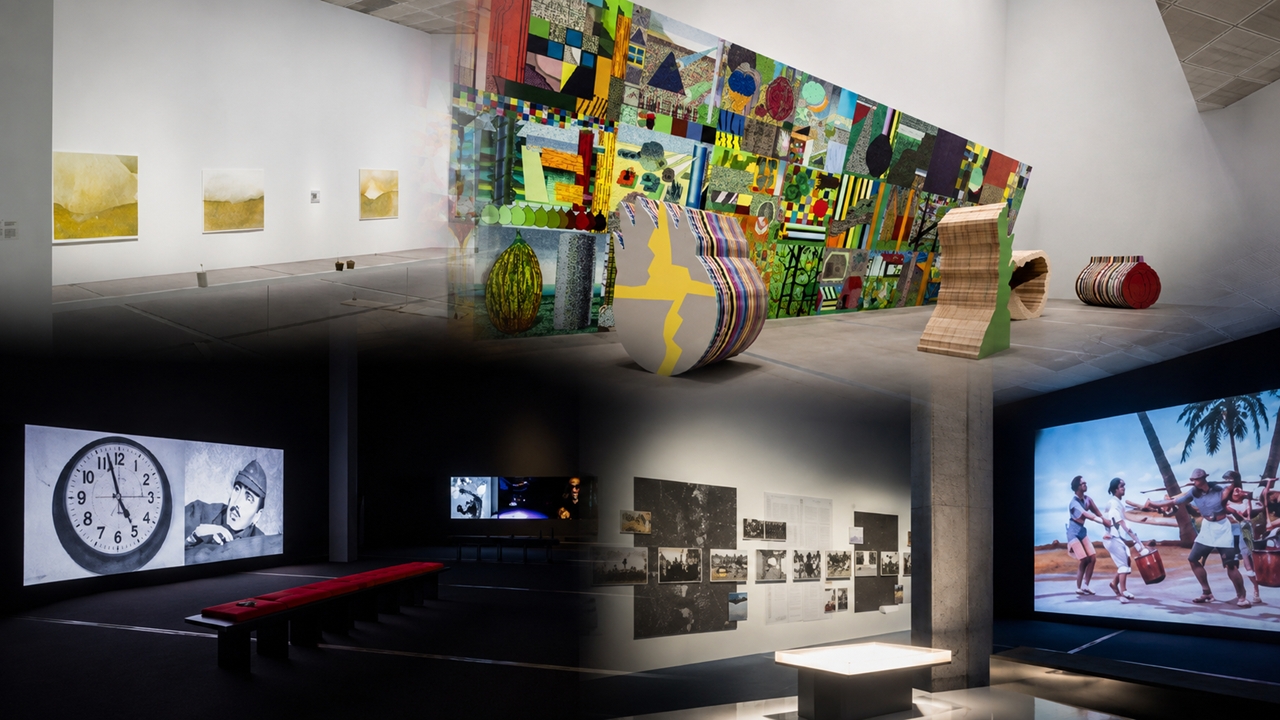
▲《This Is (Not) Conceptual Art》 will
examine conceptual tendencies in Korean contemporary art which have focused on
concepts, language, processes, and contexts. ▲《The
Way of Reading: From Paper to Pixel》 will explore
the dynamic relationship between graphic design and visual culture. ▲《Korean Artists in France 1950s–1970s》
will shed light on the lives and art of Korean artists who moved to France in
the wake of the Korean War—including Kwon Okyon, Nam Kwan, Rhee Seundja, and
Lee Ungno—considering how these artists sought identity in unfamiliar places
and expanded the boundaries of art.
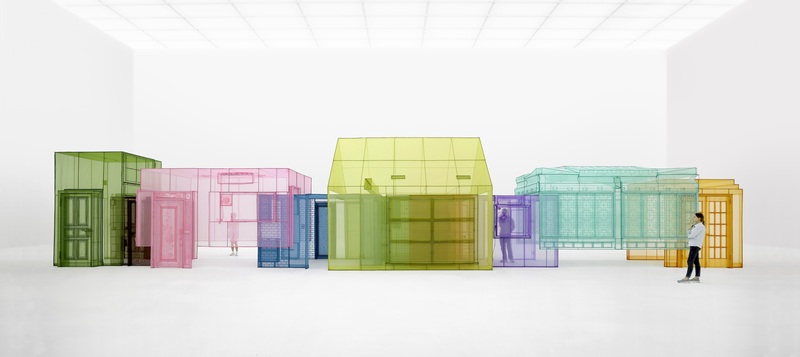
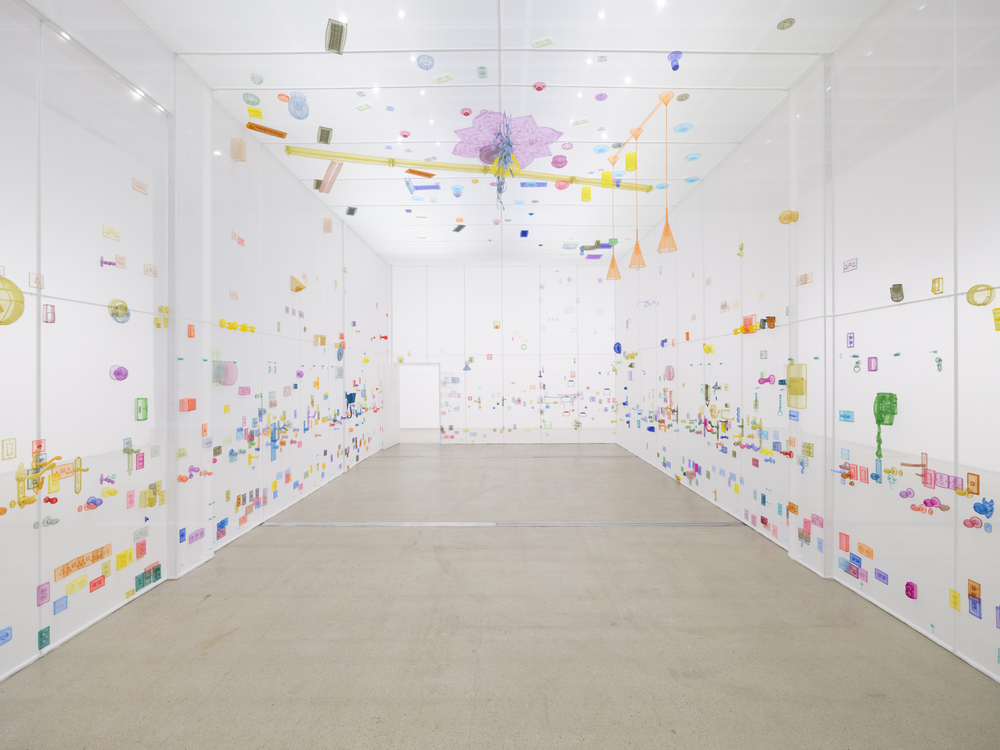
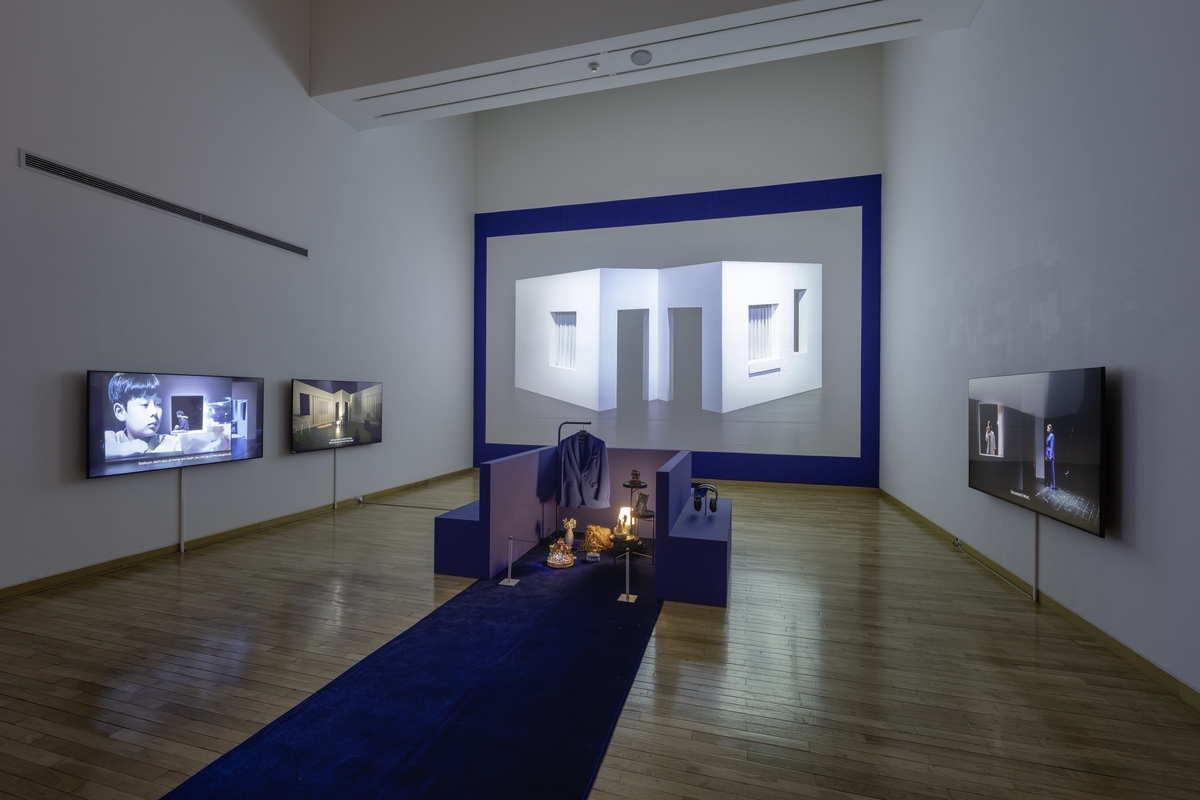
Do Ho Suh, Nest_s, 2024, 410.1x375.4x2148.7cm, courtesy by dohosuh studio ©MMCA
Second,
the MMCA will continue to spotlight Korean artists in order to position them
within both the domestic and global art scenes, reassessing senior artists to
expand art history, offering mid-career artists new momentum, and continuously
supporting the production of new works by contemporary artists.
▲The
largest-ever solo exhibition of Korea’s representative installation artist Do
Ho Suh will offer a comprehensive survey of his practice from its
beginnings to the present, centered on fundamental themes such as migration and
dwelling as well as the individual and the collective. Along with ▲a
large-scale retrospective reflecting on the life and art of Lee Daiwon,
an artist occupying a distinctive position in Korean art, retrospectives of ▲Park
suk won, a leading figure in Korean contemporary abstract sculpture, and ▲Bang
Hai ja, who has devoted her career to light as a source of inspiration and
established an independent artistic presence in France, are also being
prepared.
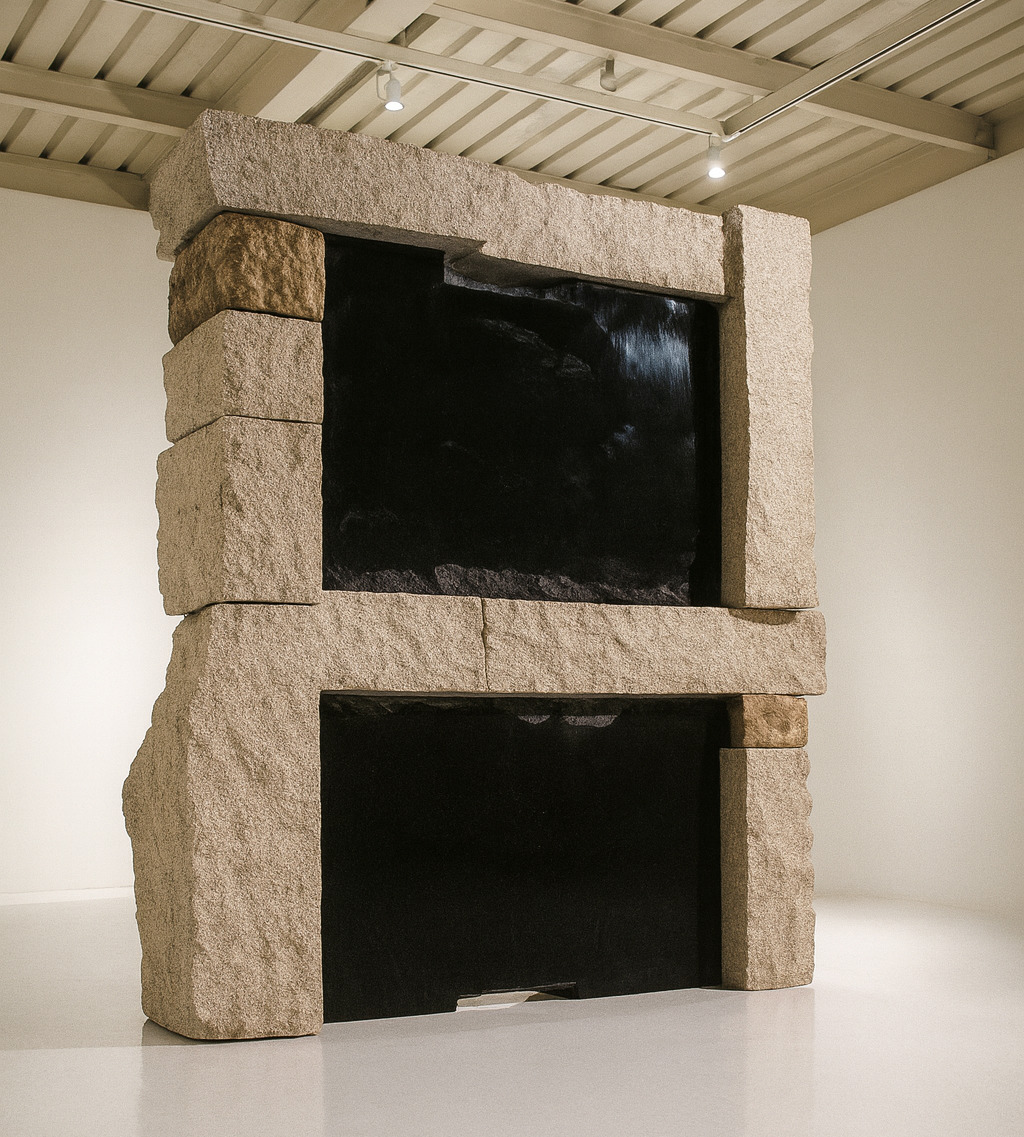
Park Suk Won, Accumulation 9154, 1991, Granite, Machen granite and bronze, 290x250x55cm ©MMCA
In
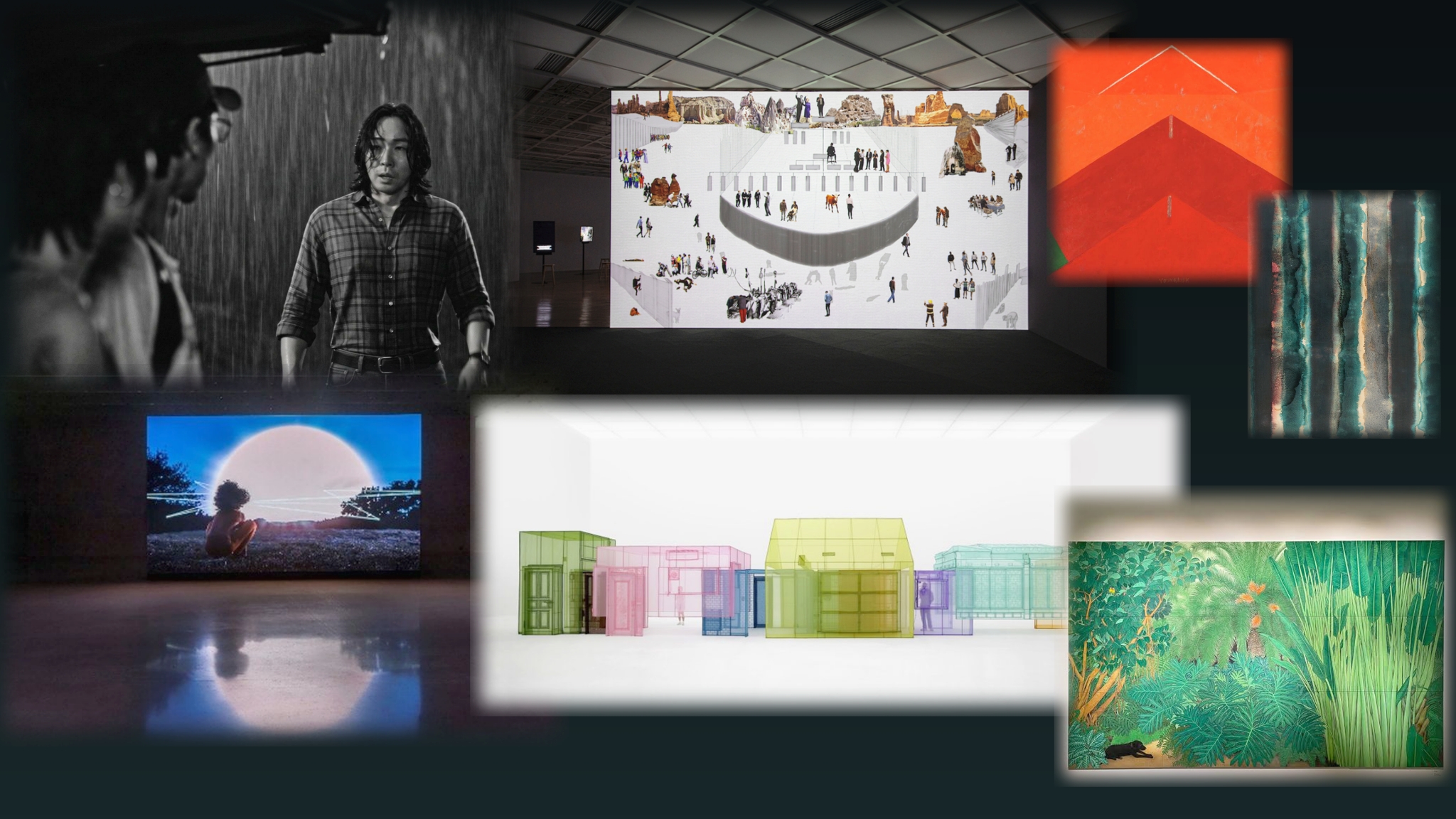
addition, ▲《Korea Artist Prize 2026》, co-organized with the SBS Foundation, will present representative
works and new commissions by four of the most actively working contemporary
artists in Korea, while the ▲《MMCA × LG OLED Series
2026》 will feature large-scale installation works
reflecting the spatial characteristics of Seoul Box, a landmark exhibition
space at MMCA Seoul. Both exhibitions will be presented in September,
coinciding with the period when art professionals from around the world gather
for major art events.
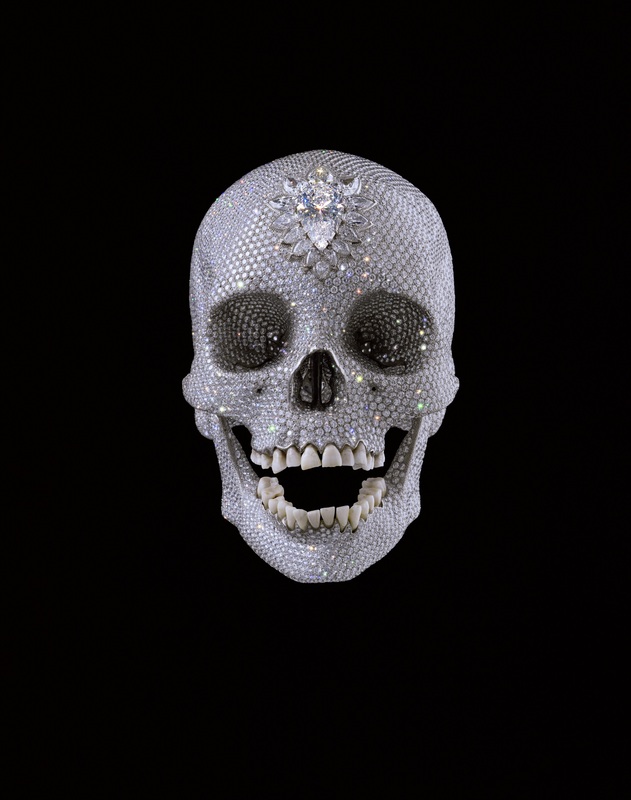
Damien Hirst, For the Love of God, 2007, Platinum, diamond, human teeth, .7×5×7.5in (171×127×190mm), Photographed by Prudence Cuming Associates © Damien Hirst and Science Ltd. All rights reserved, DACS 2026
Third,
through Global Focus and international exchange exhibitions, the MMCA will
actively collaborate with the global art community and provide diverse
opportunities for engagement with visual art.
▲Asia’s
first large-scale solo exhibition of the internationally renowned Damien
Hirst will highlight key themes in the artist’s work, including death and
immortality, faith in science and medicine, and human desire. ▲《Georgia O’Keeffe and American Modern Art》 will center on Georgia O’Keeffe, a leading figure in American
modernist painting. ▲《Art Between Korea and Japan
Since 1945》, co-organized with the Yokohama Museum
of Art to commemorate the 60th anniversary of the normalization of diplomatic
relations between Korea and Japan, will open in MMCA Gwacheon in May, following
its presentation in Japan.
▲The
internationally touring exhibition of the Lee Kun-hee Collection will be
held in Chicago and London following its presentation in Washington, DC, and ▲《Korean Moving Image & Performance in Poland》 will be presented at venues including KINOMUZEUM at the Museum of
Modern Art in Warsaw, Poland.
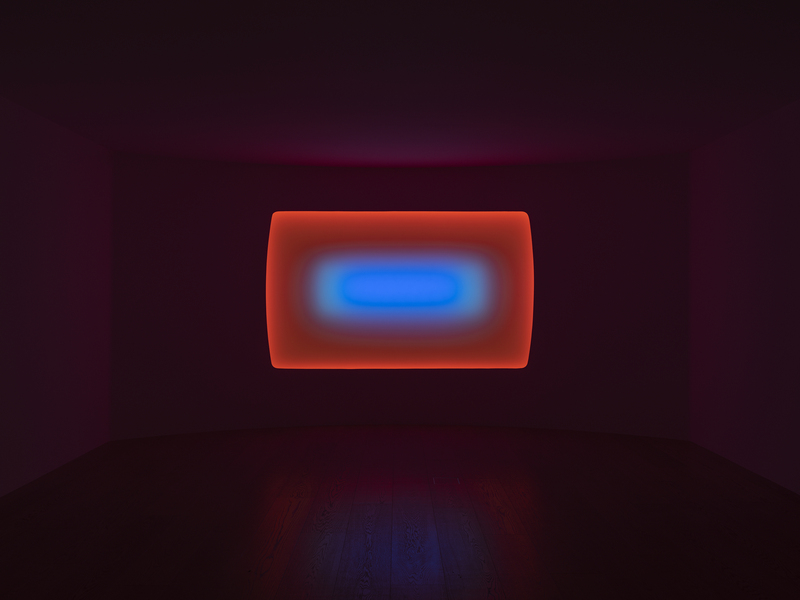
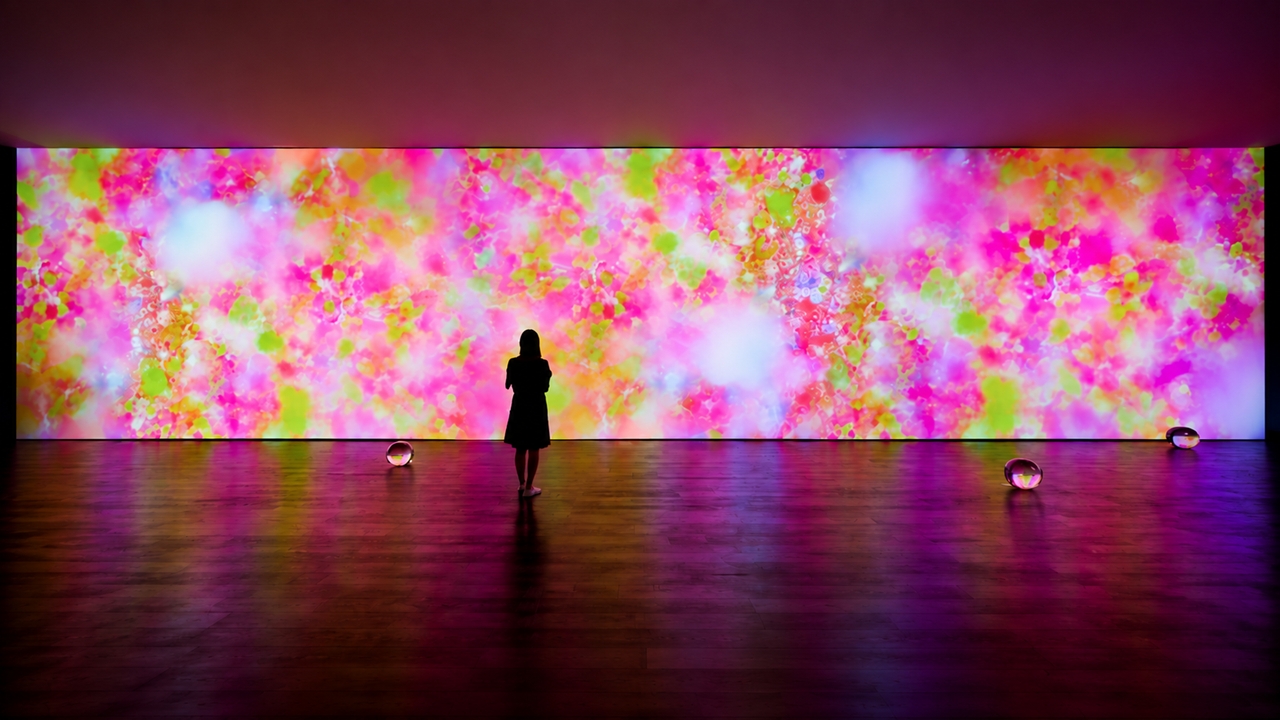
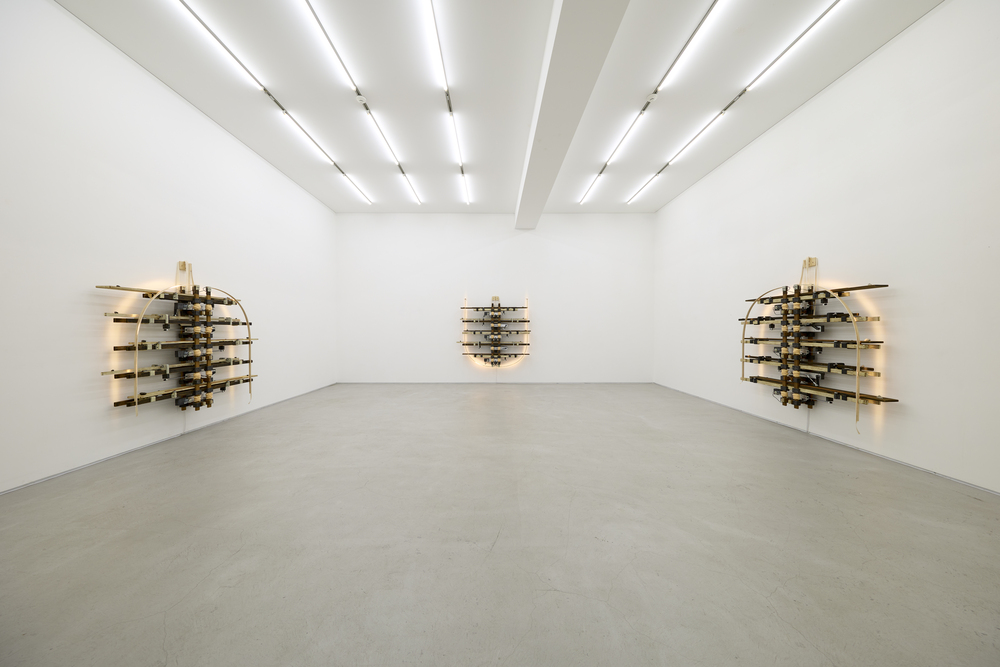
James Turrell, Imaginings, Wide Rectangular Curved Glass, 2021, Donated by the National Museum of Modern and Contemporary Art (MMCA) Development Support Committee, MMCA Collection ©MMCA
Fourth,
the MMCA will lead critical discourse in the art world through international
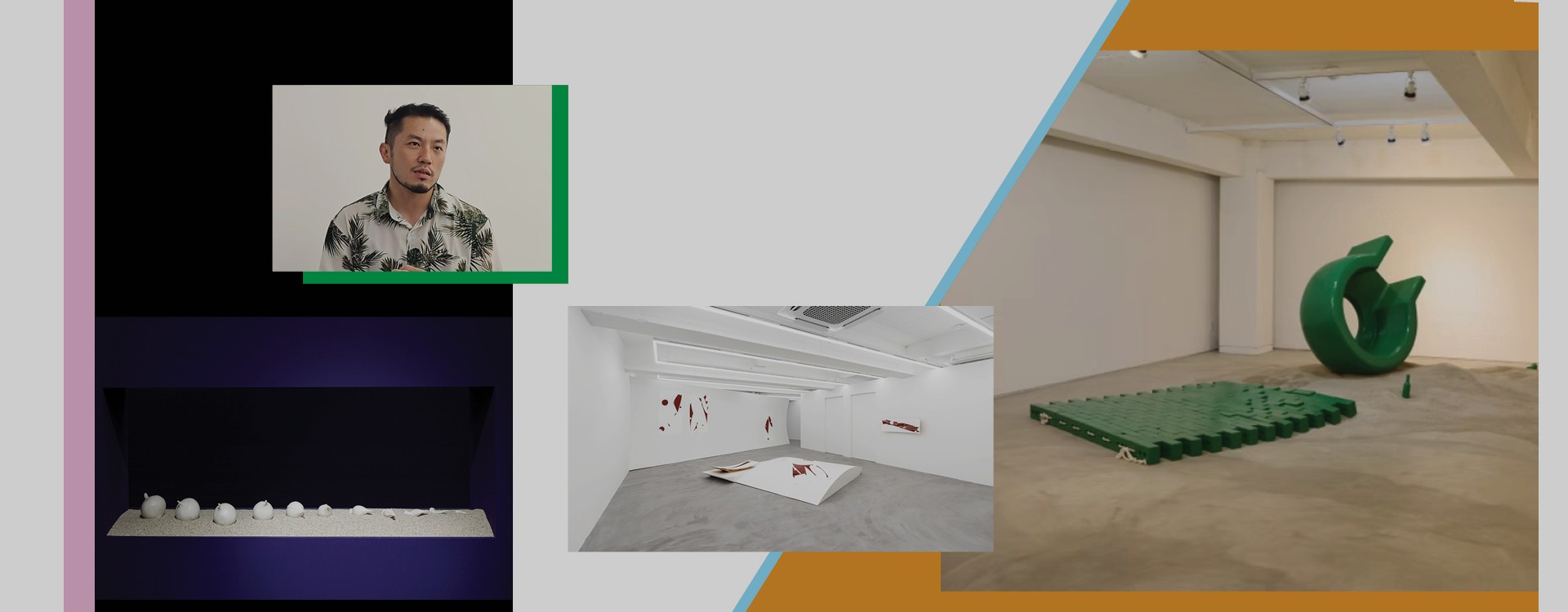
exhibitions that probe contemporary issues and themes. ▲At MMCA Seoul, 《Sak-da: The Poetics of Decomposition》
will examine shifting forms of contemporary art, including works destined to
decay and works created with the intention of leaving nothing behind, under the
concept of “art that decomposes.”
▲In
celebration of the 40th anniversary of MMCA Gwacheon, site-specific
installation projects will illuminate the museum anew, inviting immersive
engagement with nature and art both inside and outside the museum. Works from
the museum’s collection and commissioned projects centered around the theme of
light, including works by James Turrell, will be featured through the 《MMCA Gwacheon 40th Anniversary Project: Brightening the MMCA》.
Fifth,
performing arts and film programs will reflect the expanded scope of
contemporary art. ▲ 《MMCA Performing Arts 2026: Deep
Time》 will explore the complexity of time
experienced in everyday life by contemporary individuals through the figure of
the detective and the notion of “deep detective thinking.” ▲《MMCA Film and Video 2026》 will present a
diverse lineup of moving-image works, including experimental films and art
documentaries.