
The National
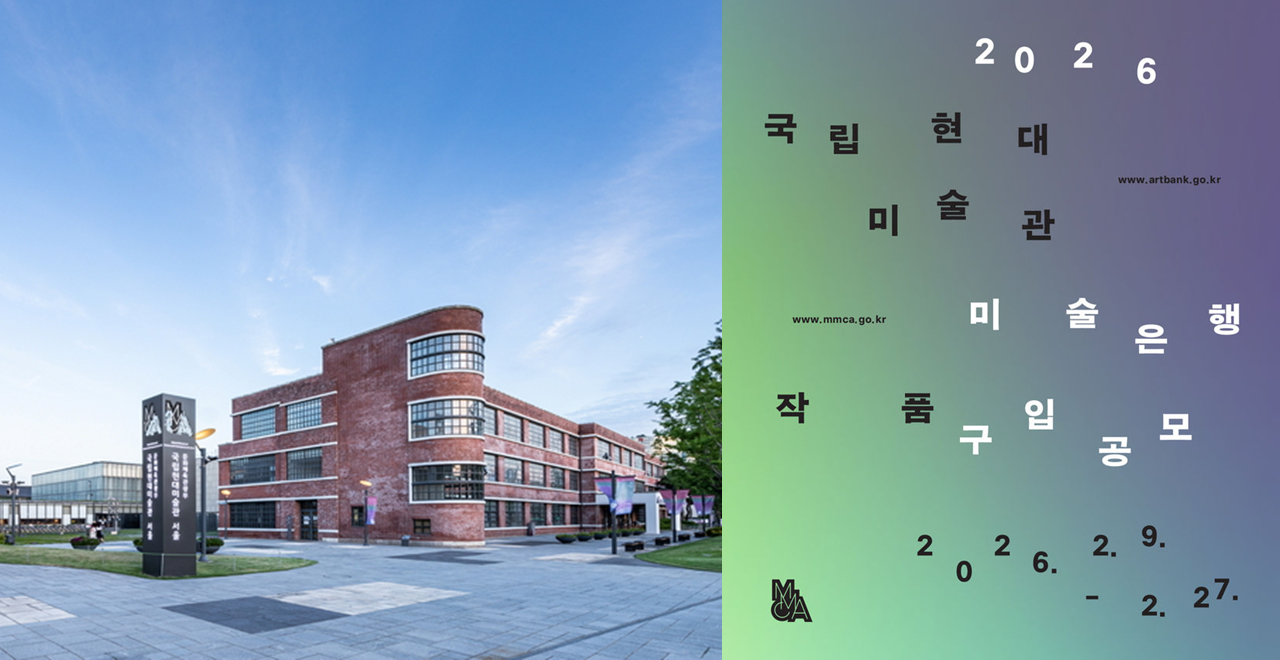
Museum of Modern and Contemporary Art, Korea (MMCA) has announced the ”2026
Art Bank Acquisition Open Call”. Applications will be accepted
from February 9 to February 27, with the final
selection results scheduled to be announced in July.
The program is regarded as a representative example of how public
museum acquisitions function as an institutional mechanism supporting the
contemporary art market in Korea.
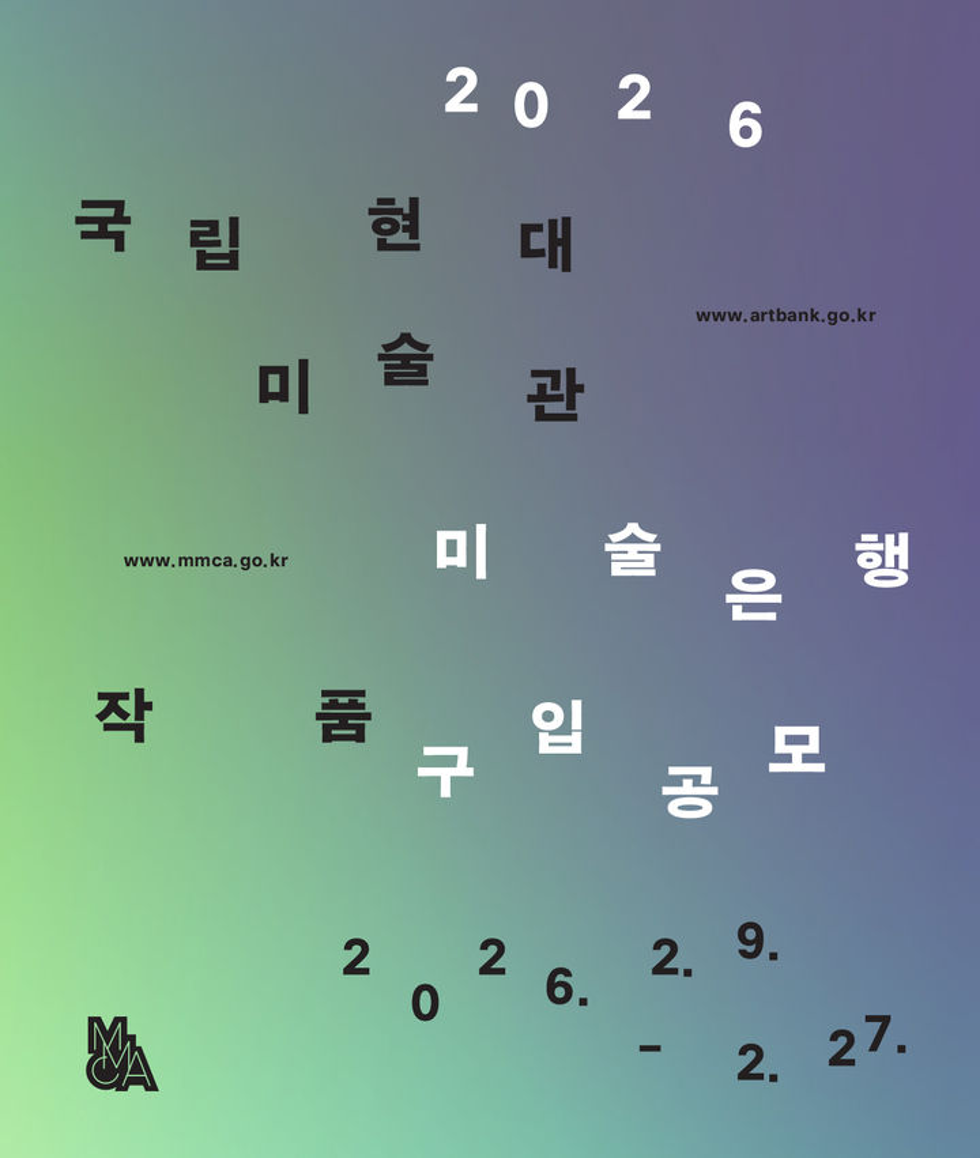
“2026 Art Bank Acquisition Open Call” poster / Photo: MMCA
Since its launch
in 2005, the Art Bank has operated on the basis of artwork
acquisitions by a public museum, linking collection building with
storage management, exhibitions, and loan programs. Rather than functioning
solely as a repository, the system is designed to circulate artworks across a
wide range of public settings—including government offices, cultural
institutions, and educational facilities. Through this structure, the Art Bank
has contributed to expanding public access to art and broadening opportunities
for artistic engagement, establishing a record of measurable institutional
outcomes.
The 2026 open
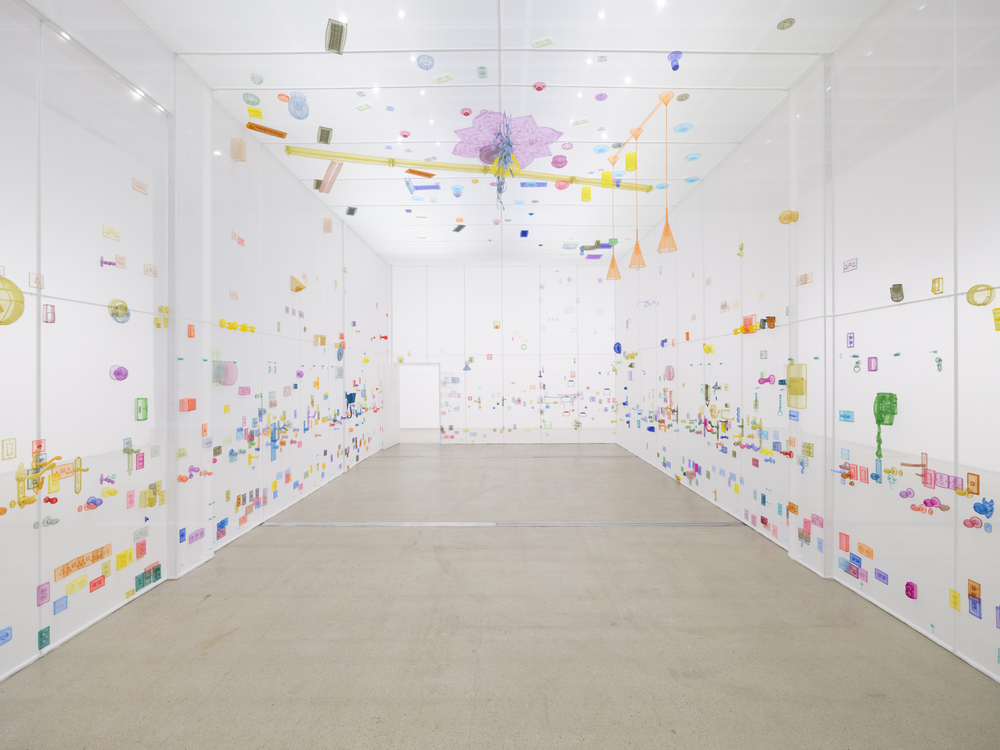
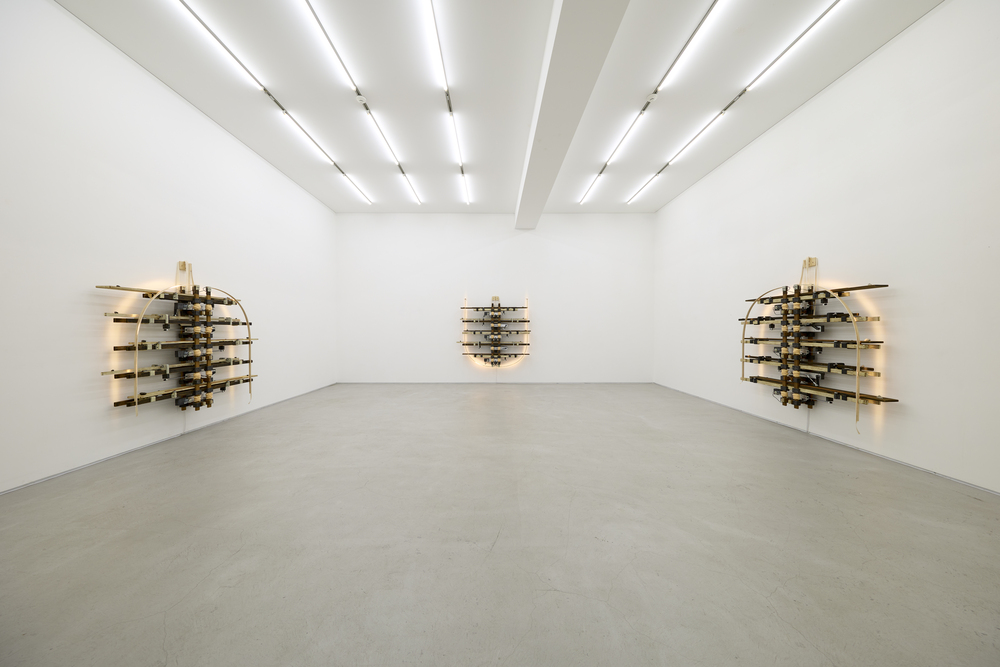
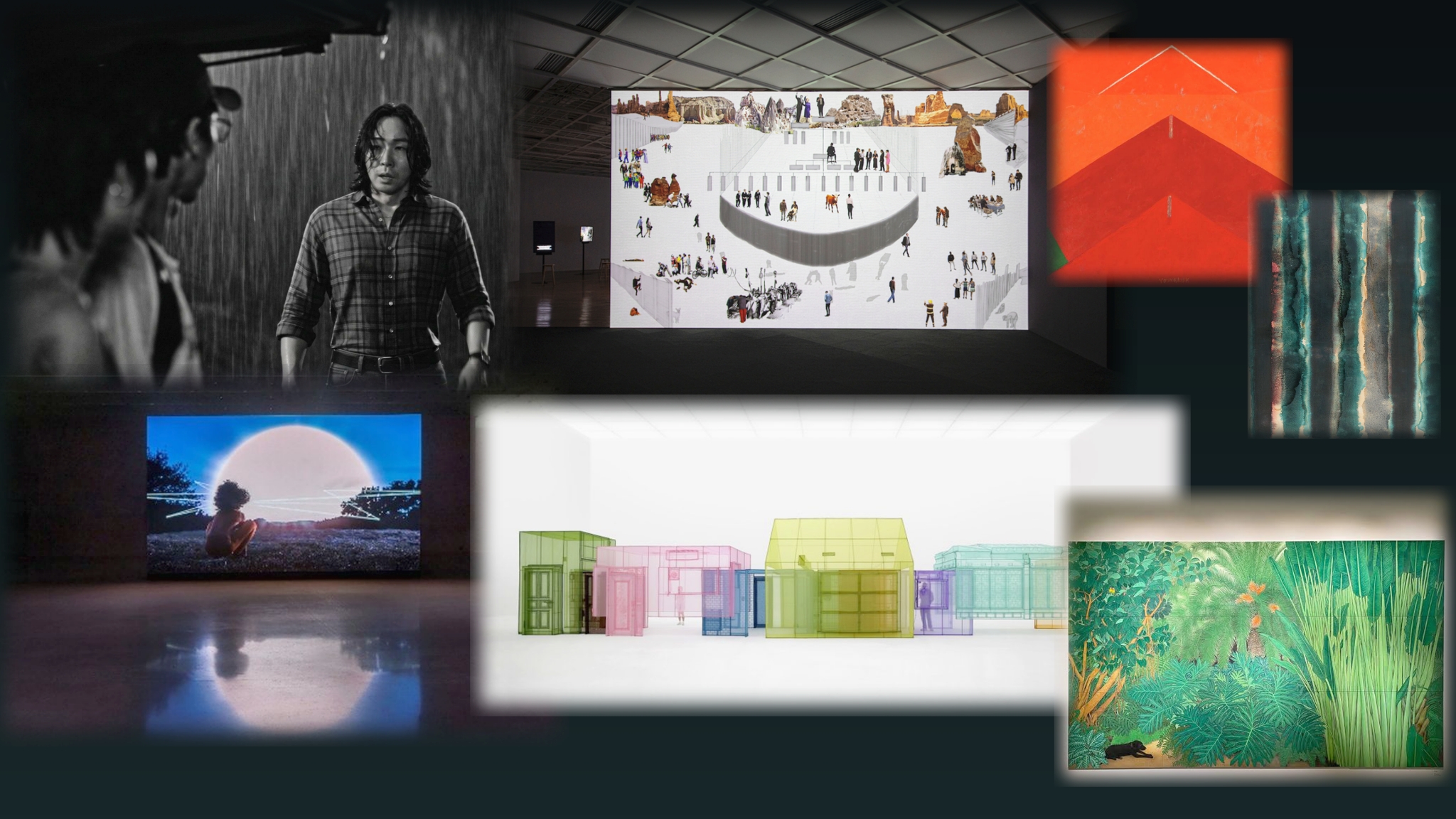
call is open to a wide range of contemporary art practices, including painting,
sculpture, photography, and video, limited to works produced within the past
ten years. Eligible applicants include individual artists or collectives of
Korean nationality who have held exhibitions at domestic or international
galleries or museums within the last five years. Selected works will be
formally incorporated into the Art Bank collection through public
museum acquisition, with evaluations based on artistic merit,
market price appropriateness, and overall completeness of the work.
A notable feature
of this year’s program is its single-track operation under the MMCA
Art Bank, without a separate Government Art Bank acquisition
process. This approach is understood as an effort to improve operational
efficiency and reinforce consistency in selection criteria. A separate,
restricted open call for artists with disabilities is scheduled to take place
in the second half of the year.
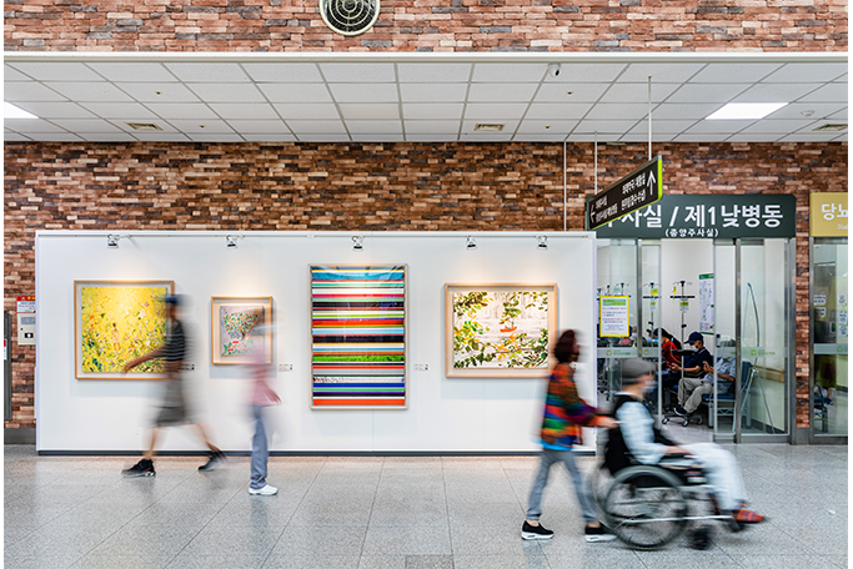
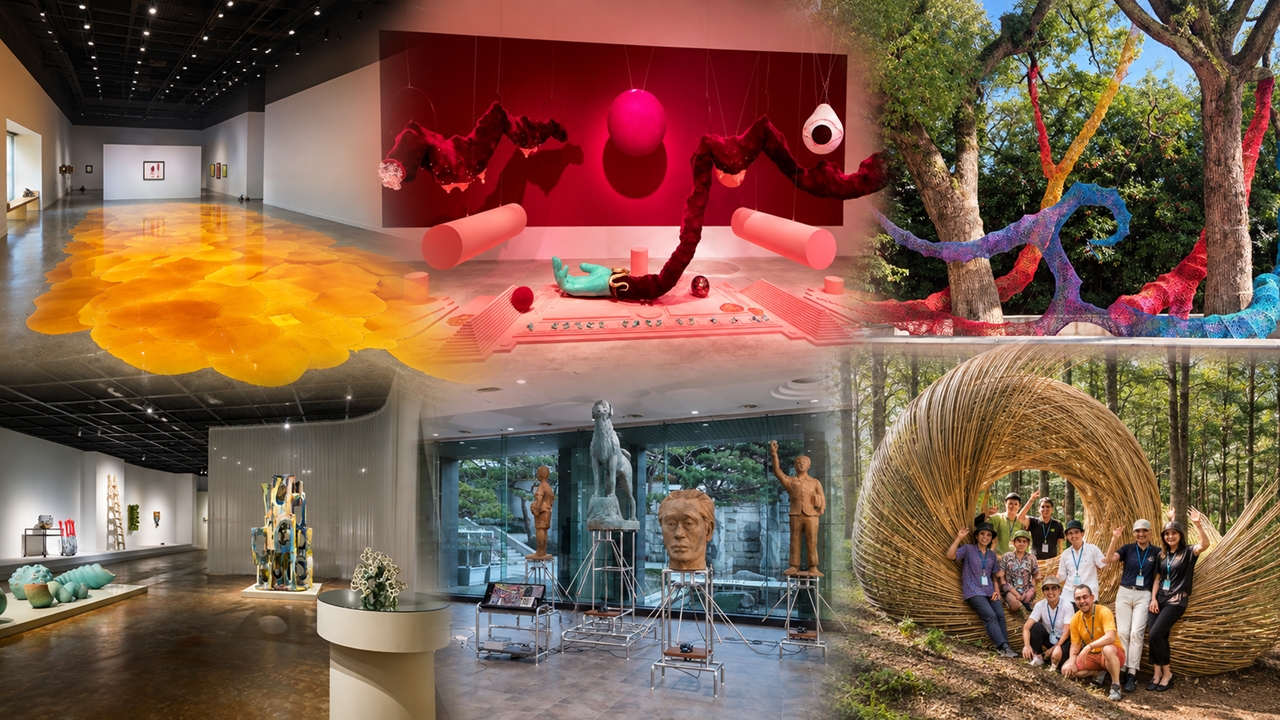
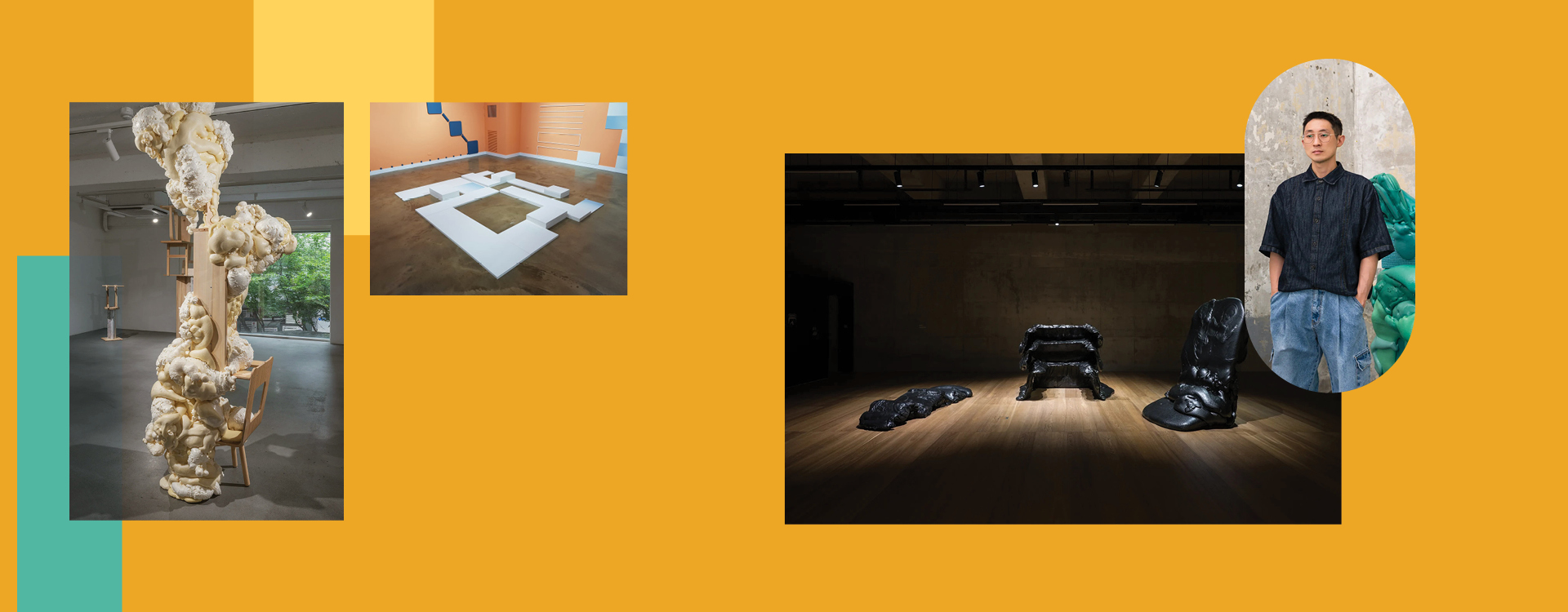
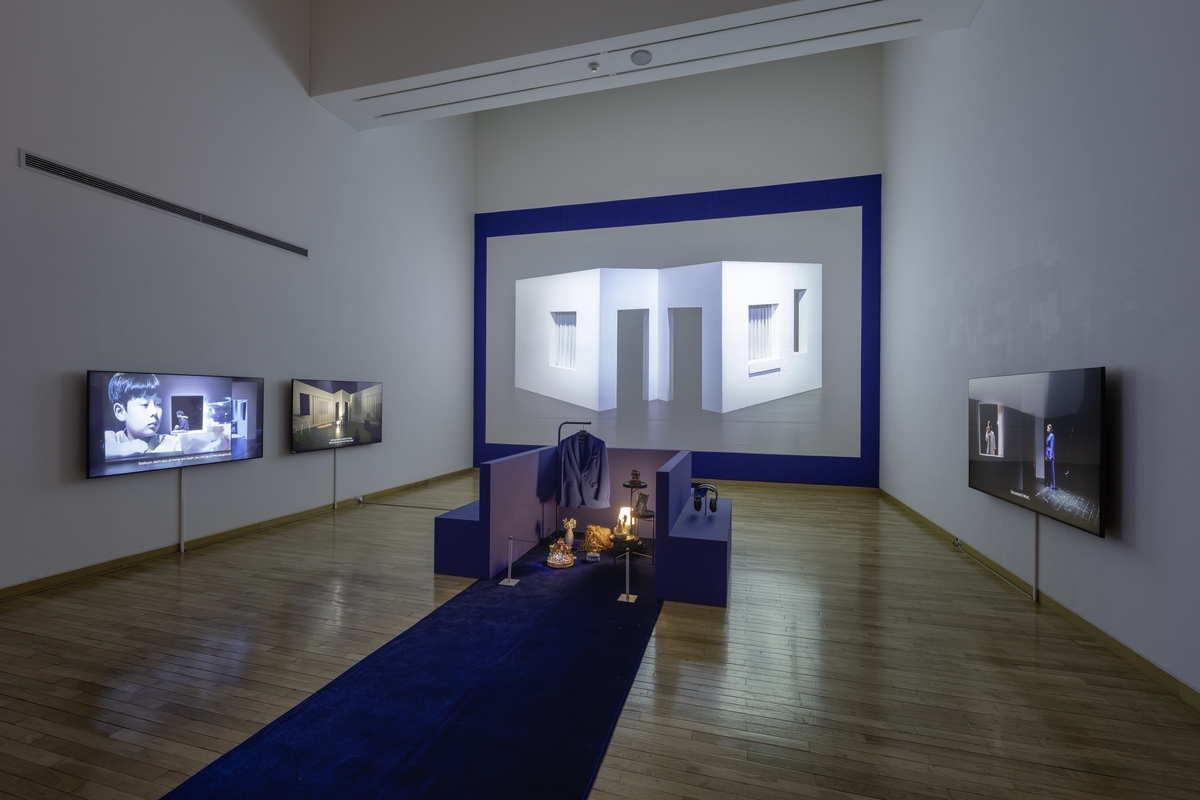
Examples of artworks acquired through the Art Bank in use / Photo: MMCA
The Role and
Accumulated Achievements of the Art Bank
Since its
inception, the Art Bank’s collection—built through public museum acquisitions—has
extended well beyond the notion of static ownership. Comprising several
thousand works, the collection has been loaned and exhibited across government
offices, public institutions, local cultural facilities, overseas diplomatic
missions, and selected corporate spaces, ensuring sustained visibility
throughout the public sphere. This circulation model has played a meaningful
role in expanding the social reach of contemporary art beyond museum walls.
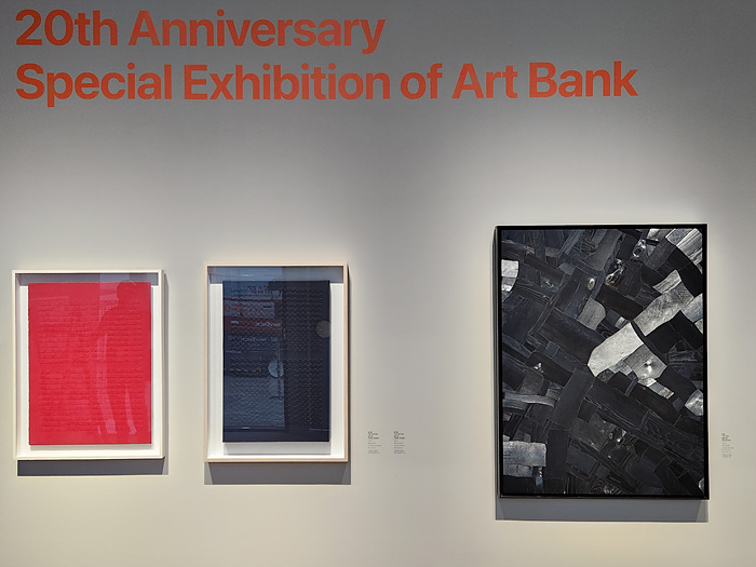
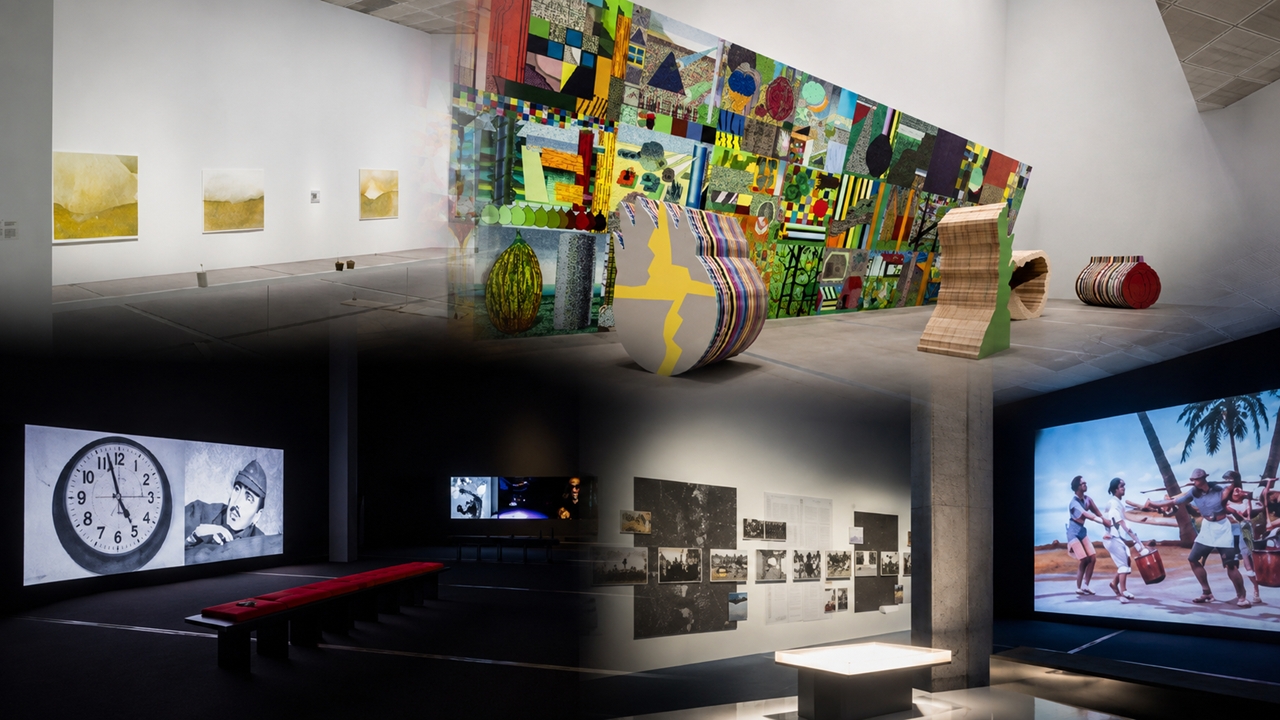
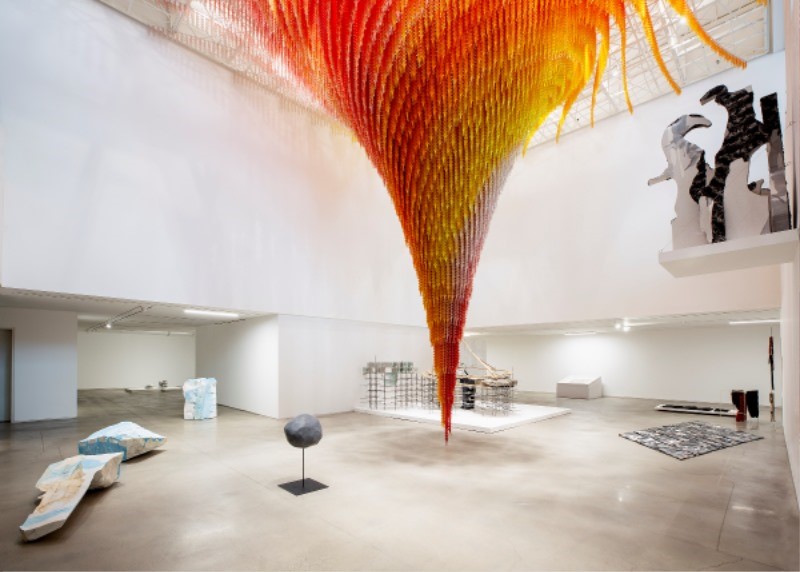
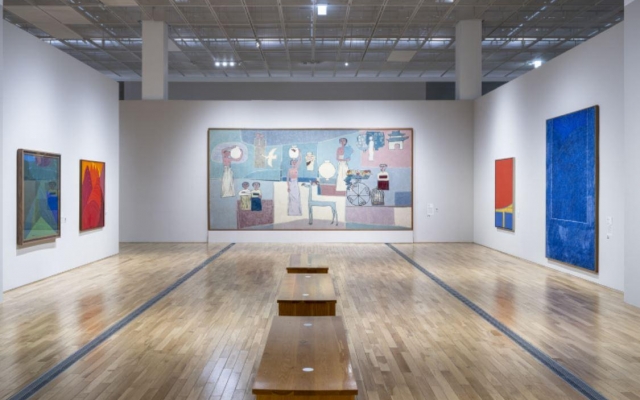
Exhibition view of《Revisiting the Future: Evolving Forms and Ideas》/ MMCA Cheongju
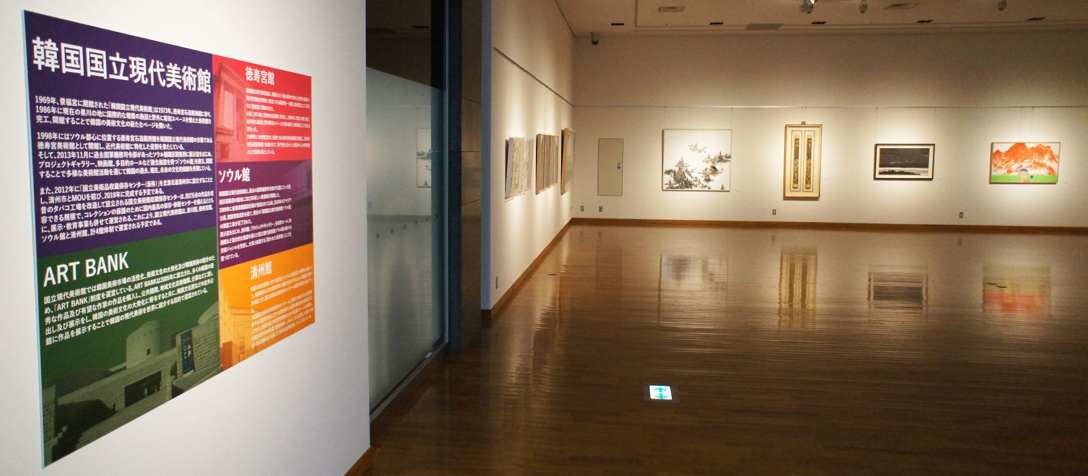
Overseas exhibition of Art Bank collection works / Photo: Korean Cultural Center, Tokyo
In addition,
special exhibitions and curated presentations centered on the Art Bank
collection have provided opportunities to reassess and contextualize
accumulated works. Spanning painting, sculpture, photography, installation, and
video, the collection has been recognized for presenting Korean contemporary
art not as a linear narrative but as a multi-layered archive
reflecting diverse artistic trajectories.
From a market
perspective, the public museum acquisition framework has also performed a
stabilizing function. Inclusion in a public collection has contributed to
establishing professional credibility within an artist’s career trajectory, and
in certain cases, has served as a reference point for assessing market value.
Market
Implications and Future Challenges
The structure
through which public museums acquire works, incorporate them into collections,
and circulate them through exhibitions and loans has helped maintain a baseline
level of demand during periods of contraction in the private art market. Amid
heightened uncertainty across the contemporary art sector, public
museum acquisitions can be interpreted as a minimal institutional foundation
supporting the continuity of artistic production.
Nevertheless,
questions remain regarding the broader impact of such systems on the market as
a whole—particularly concerning transparency, fairness in price-setting, and
the legitimacy of public acquisitions as market benchmarks. Continued scrutiny
of evaluation criteria, pricing methodologies, and long-term operational
strategies will be essential moving forward.
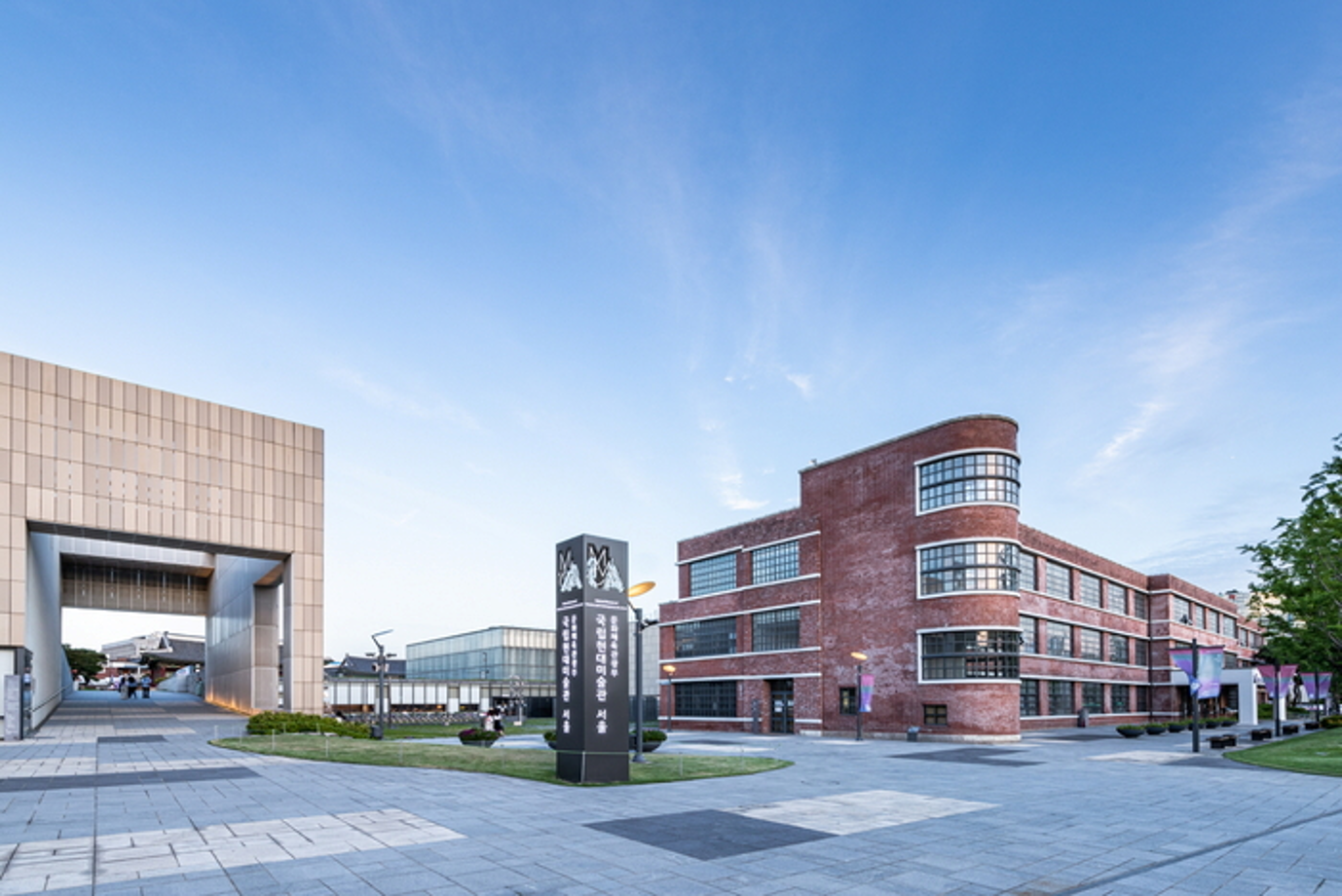
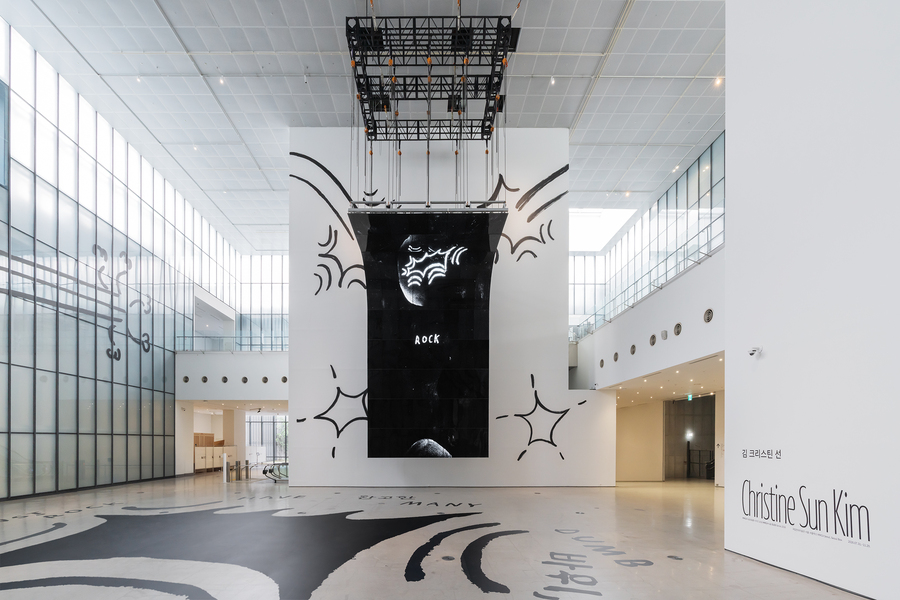
Exterior view of MMCA Seoul / Photo: MMCA
MMCA has stated
that the 2026 acquisition program aims to secure a diverse range of
contemporary artworks and to share them within the public domain, thereby
contributing to a sustainable cycle within the art ecosystem. For video works,
applicants are required to submit files separately in addition to online
registration via the Art Bank website. Detailed guidelines are available
through official channels.
As the program
unfolds, attention will focus on how public museum acquisitions
continue to shape the structural dynamics of Korea’s art market,
and whether this year’s open call will introduce new standards or directions
for institutional collecting practices.