
Ilmu
(One Dance), a signature repertoire of
the Seoul Metropolitan Dance Theater under the Sejong Center for the Performing
Arts, won the Outstanding Choreographer/Creator award
at the New York Dance and Performance Awards (commonly known as The
Bessies), held in New York on January 20, 2026 (local time). With
this achievement, Ilmu (One Dance) became the first
work by a Korean national or municipal public arts organization
to receive a Bessie Award.

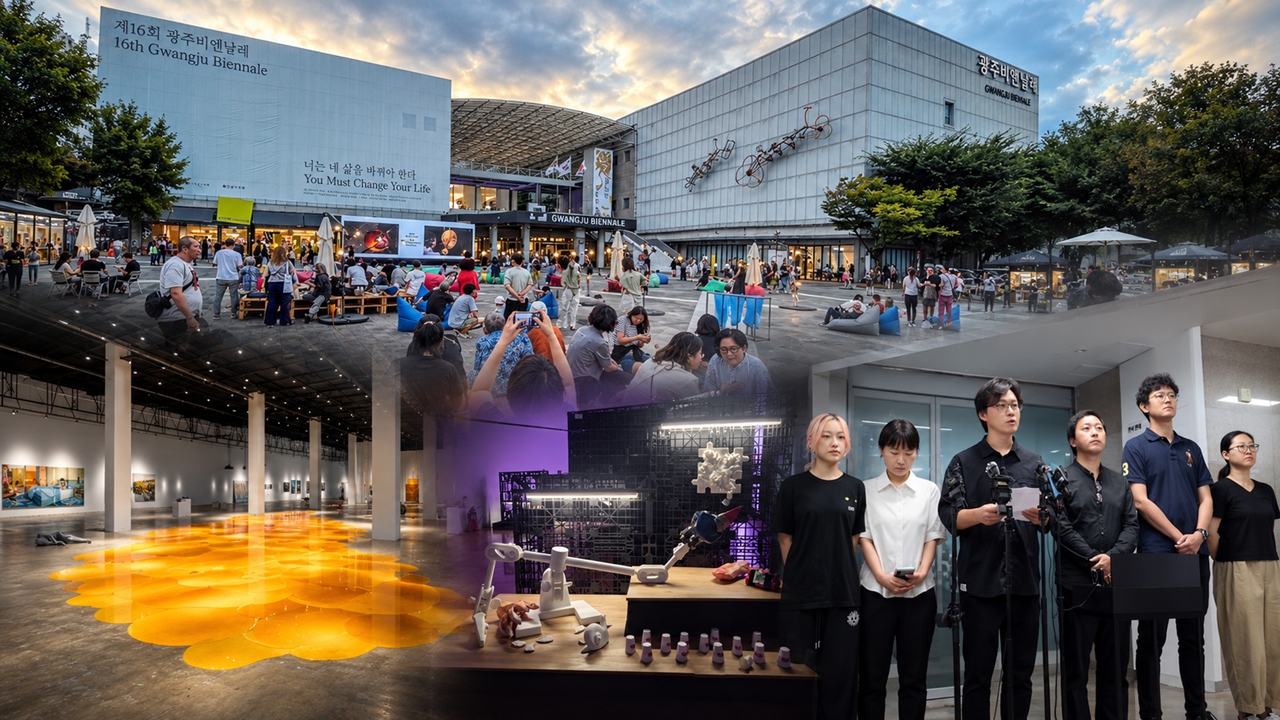
Attendees pose for a commemorative photo at a press conference celebrating the Seoul Metropolitan Dance Theater's Bessie Award win for Ilmu (One Dance).
Director Jung Gu-ho(from left), Jung Hye-jin, Kim Sung-hoon, choreographer Kim Jae-duk, and Sejong Center for the Performing Arts President Ahn Ho-sang at Sejong Center for the Performing Arts in Jongno-gu, Seoul, Jan. 28, 2026. / Photo : AJP
The award was
presented to the three choreographers of the work—Jung Hye-jin, Kim
Sung-hoon, and Kim Jae-duk—marking a significant recognition of
Korean dance creation within the international contemporary performance scene.
Beyond individual achievement, the award highlights how a repertoire developed
within a public institutional system can be evaluated and validated on a global
stage.
The Bessie Awards
honor artists and works that demonstrate outstanding innovation and artistic
excellence among dance and performance pieces presented in New York each year.
Known for prioritizing formal rigor and contemporaneity over nationality or
genre, the Bessies are widely regarded as one of the most influential awards in
the New York dance community. In this context, Ilmu’s
recognition signifies that a work grounded in traditional forms has
successfully met these international evaluative standards.
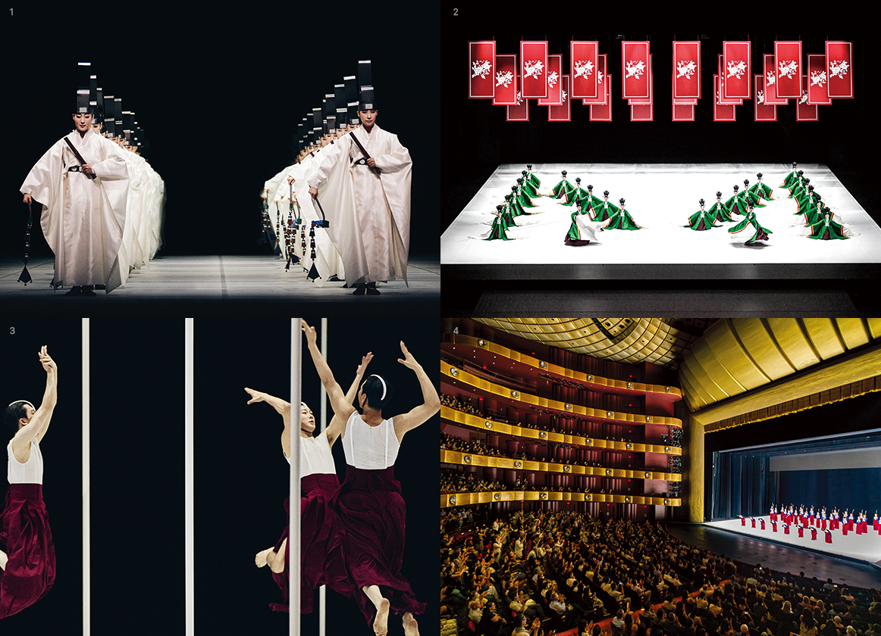
1. Act 1, Study of Ilmu, 2. Act 2, Study of Gungjungmu, 3. Act 3, Jukmu, 4. A performance of Ilmu at the David H. Koch Theater at Lincoln Center, New York, in July 2023 / ⓒ 2025 Ministry of Culture, Sports and Tourism.
Premiered in
Seoul in 2022, Ilmu evolved into a flagship repertoire of
the Sejong Center before making its international debut in 2023 at the David H.
Koch Theater at Lincoln Center in New York. There, the clarity of its
structural composition and the precision of its large-scale group choreography
drew attention from the local dance community. Subsequent performances further
refined the work, and the Bessie Award now marks the point at which this
process of accumulation received formal international recognition.
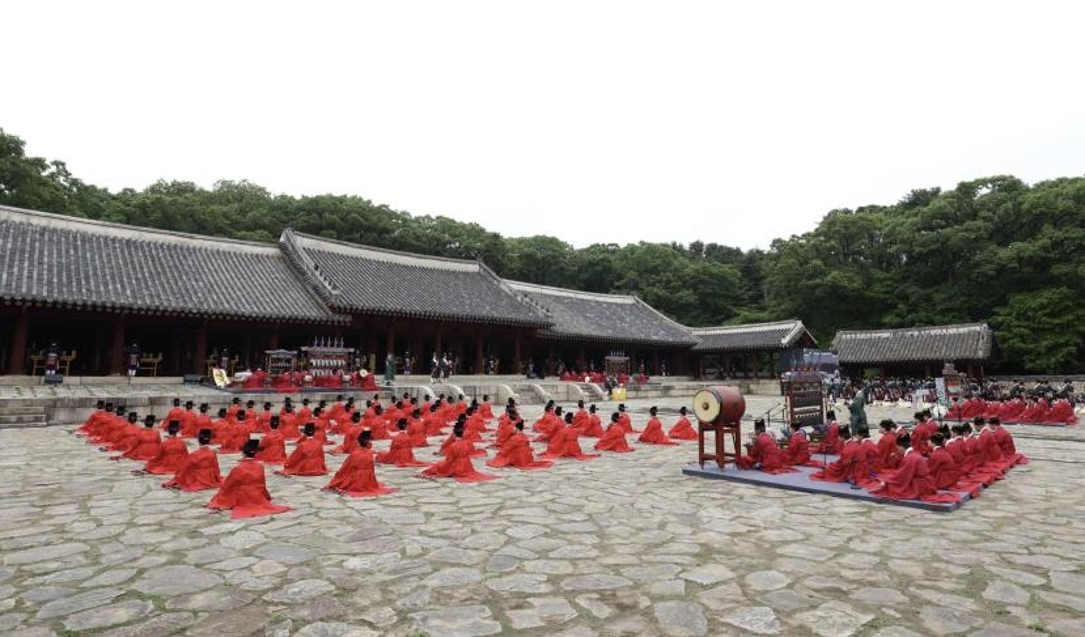
Ritual music performed at Yeongnyeongjeon Hall of Jongmyo Shrine / Photo: Cultural Heritage Administration
Ilmu originated from “ilmu (佾舞)”, the ritual court dance
performed as part of “Jongmyo Jeryeak”. Rather than emphasizing
individual expression, the traditional form centers on collective order and
temporality, created through precise lines and formations of multiple dancers.
The contemporary work does not replicate this structure literally; instead, it
extracts its core principles—alignment, spacing, repetition, and stillness—and
reorganizes them into the rhythm and compositional logic of a modern theatrical
stage. Accumulated moments of restraint gradually build tension, culminating in
powerful collective movement.
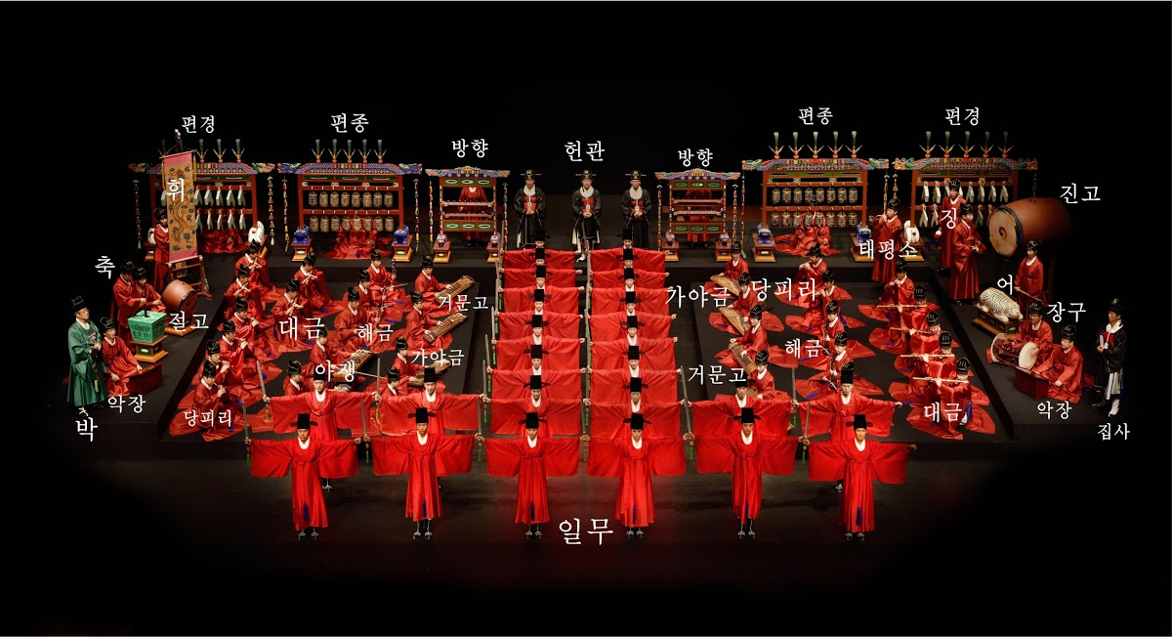
Scene from Ilmu performed as part of Jongmyo Jeryeak / Photo: National Gugak Center
Among twelve
nominated works, Ilmu was selected as one of four
award recipients. The Bessie Awards jury described the piece as “a visually
captivating reinterpretation of traditional Korean ritual dance through a
contemporary lens,” citing its ability to achieve a perfect balance between
stillness and motion, while reaching a climactic intensity through explosive
and dynamic movement.
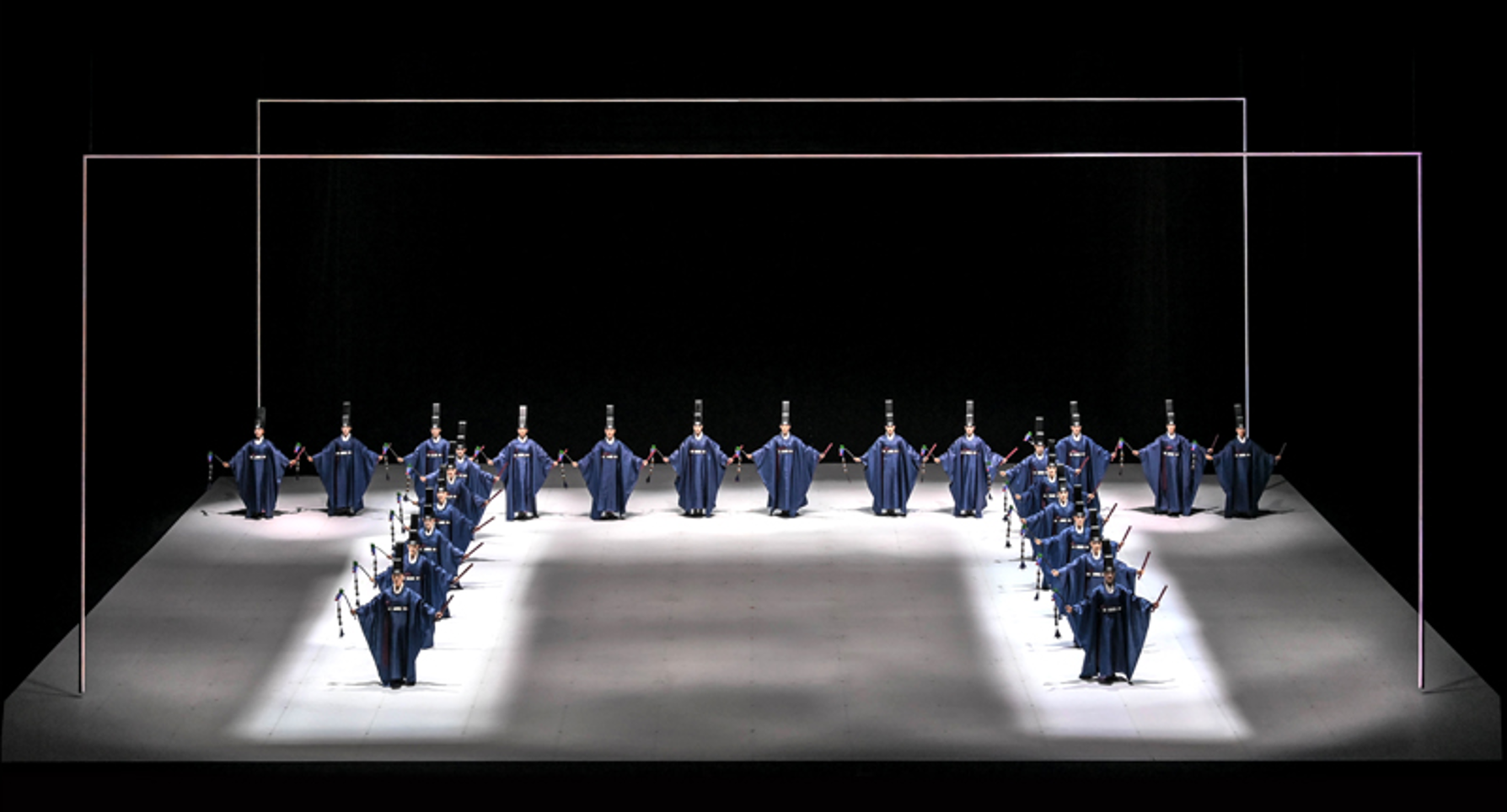
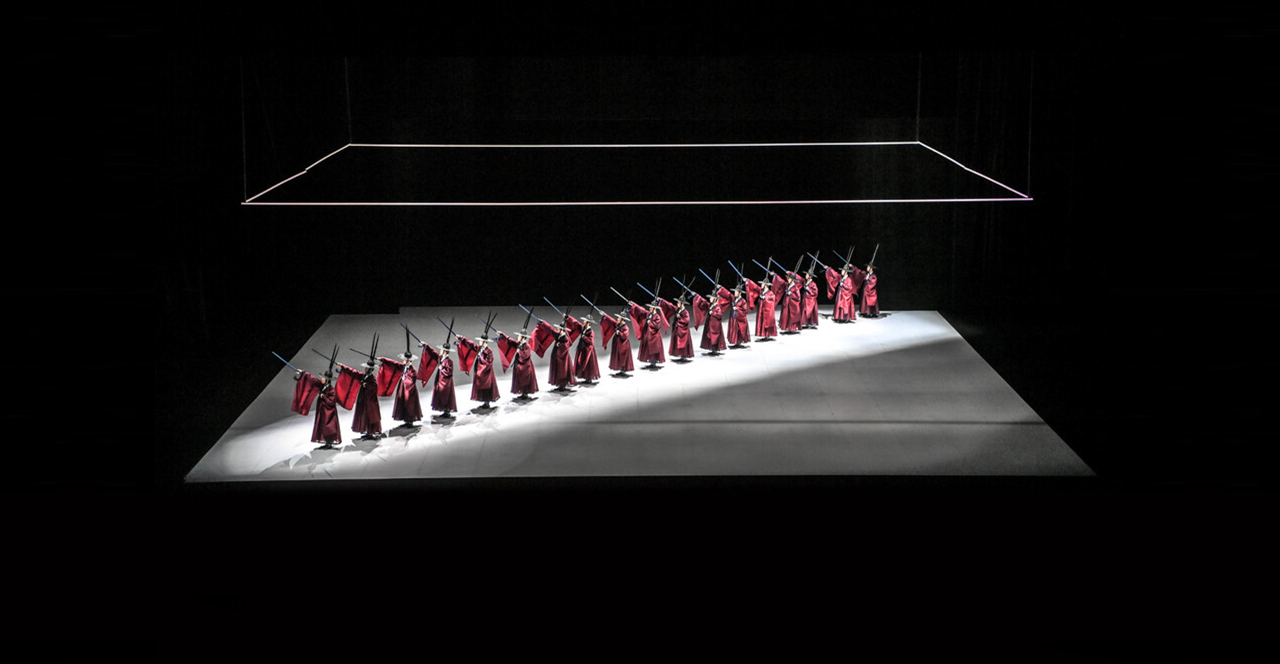
Ilmu by the Seoul Metropolitan Dance Theater ⓒ Seoul Metropolitan Dance Theater
The work’s impact
is shaped not only by choreography but also by its overall stage composition.
The production adopts a rigorously minimal structure, using light and spatial
division to accentuate the dancers’ formations and lines. Costumes subtly
reference tradition while remaining streamlined, ensuring that neither
individual figures nor decorative elements disrupt the collective geometry of
the group. As a result, the dancers’ movement itself becomes the stage’s
primary sculptural form, and collective order is perceived as a visual image.
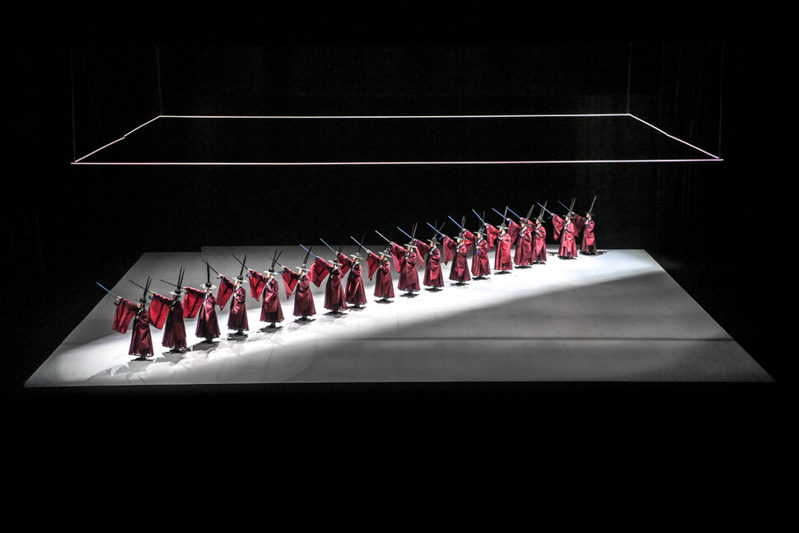
Scene from Ilmu / Photo: Sejong Center for the Performing Arts
The precision of
collective synchronization may recall the tightly coordinated group
choreography commonly associated with idol performances. In Ilmu,
however, such exactness does not function as a tool for speed or immediate
spectacle. Instead, synchronization serves as a structural mechanism that
sustains ritual time and tension. Accuracy is not an end in itself, but a means
of organizing order on stage.
Having already
received the Korea National Brand Award in 2024, Ilmu
had been recognized domestically for both its artistic quality and cultural
significance. The Bessie Award extends this recognition to the international
arena, demonstrating that domestic and global evaluations converge along a
single trajectory rather than remaining separate. The achievement suggests not
a momentary surge of attention, but the possibility of long-term artistic
endurance.
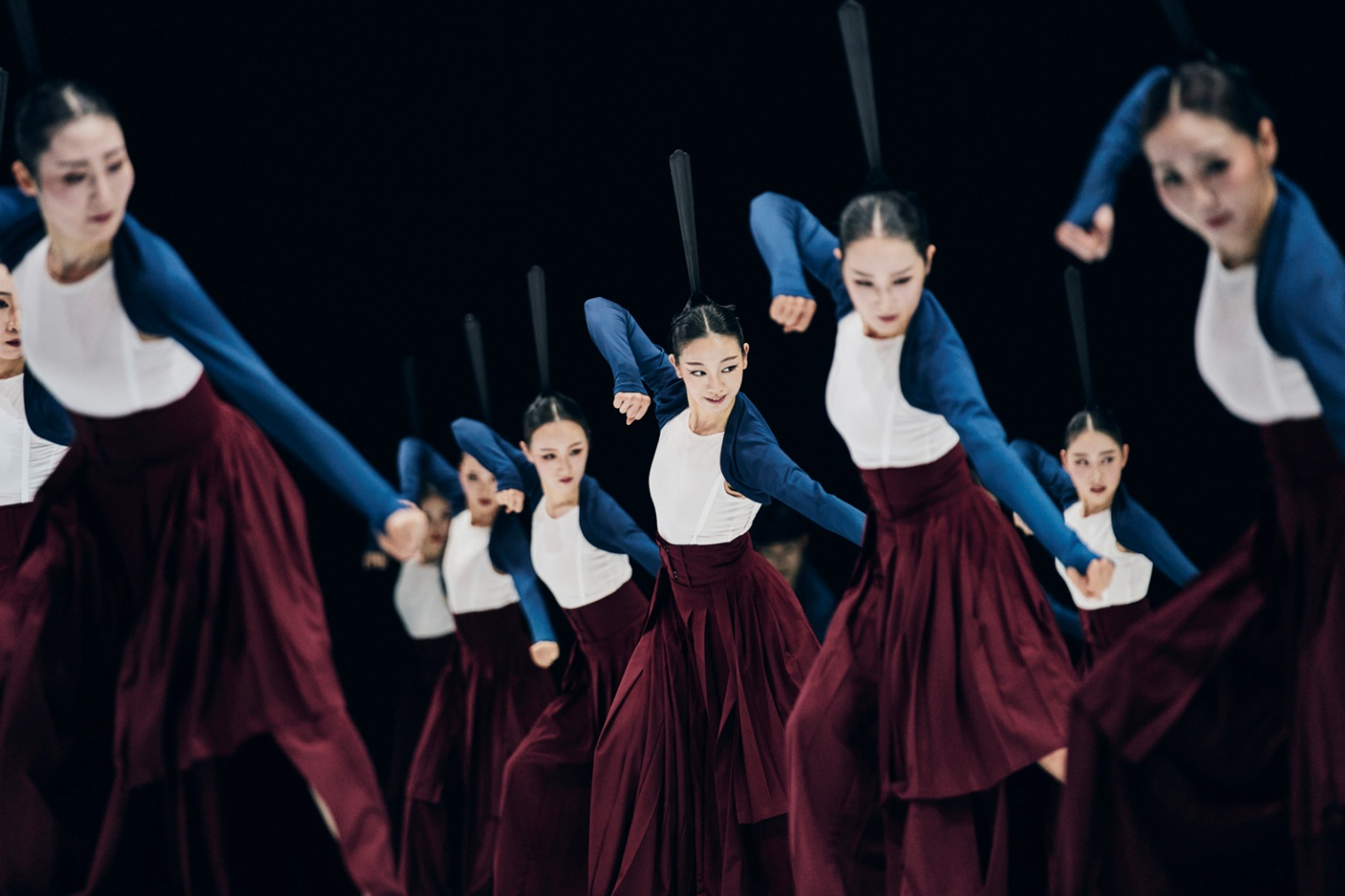
Scene from Ilmu (One Dance) / Photo: Ministry of Culture, Sports and Tourism
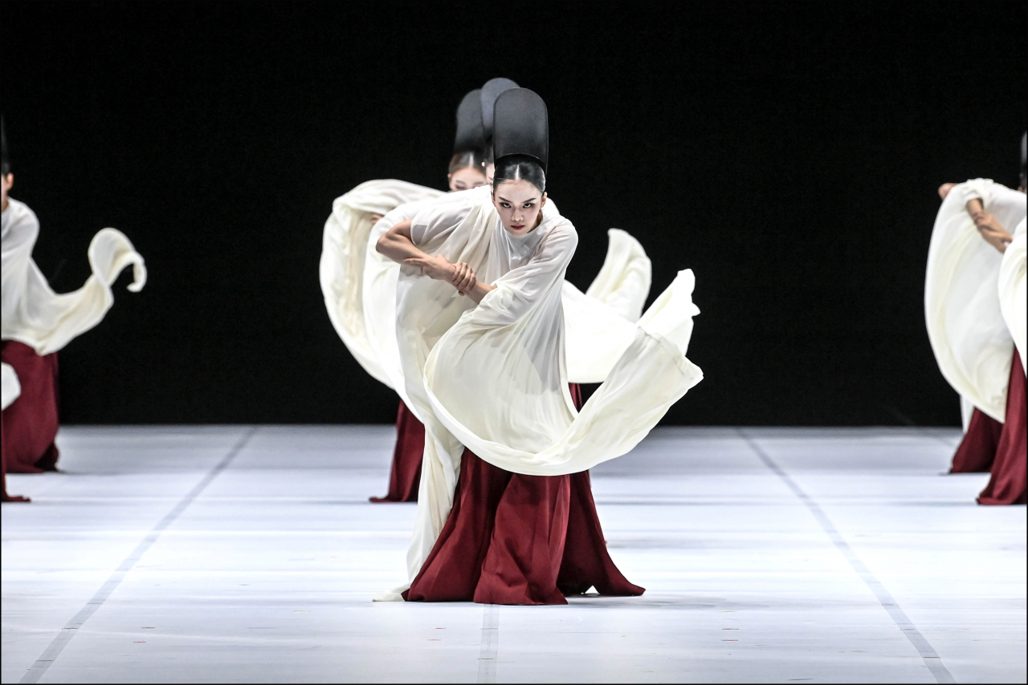
Scene from Ilmu (One Dance) / Photo: Ministry of Culture, Sports and Tourism
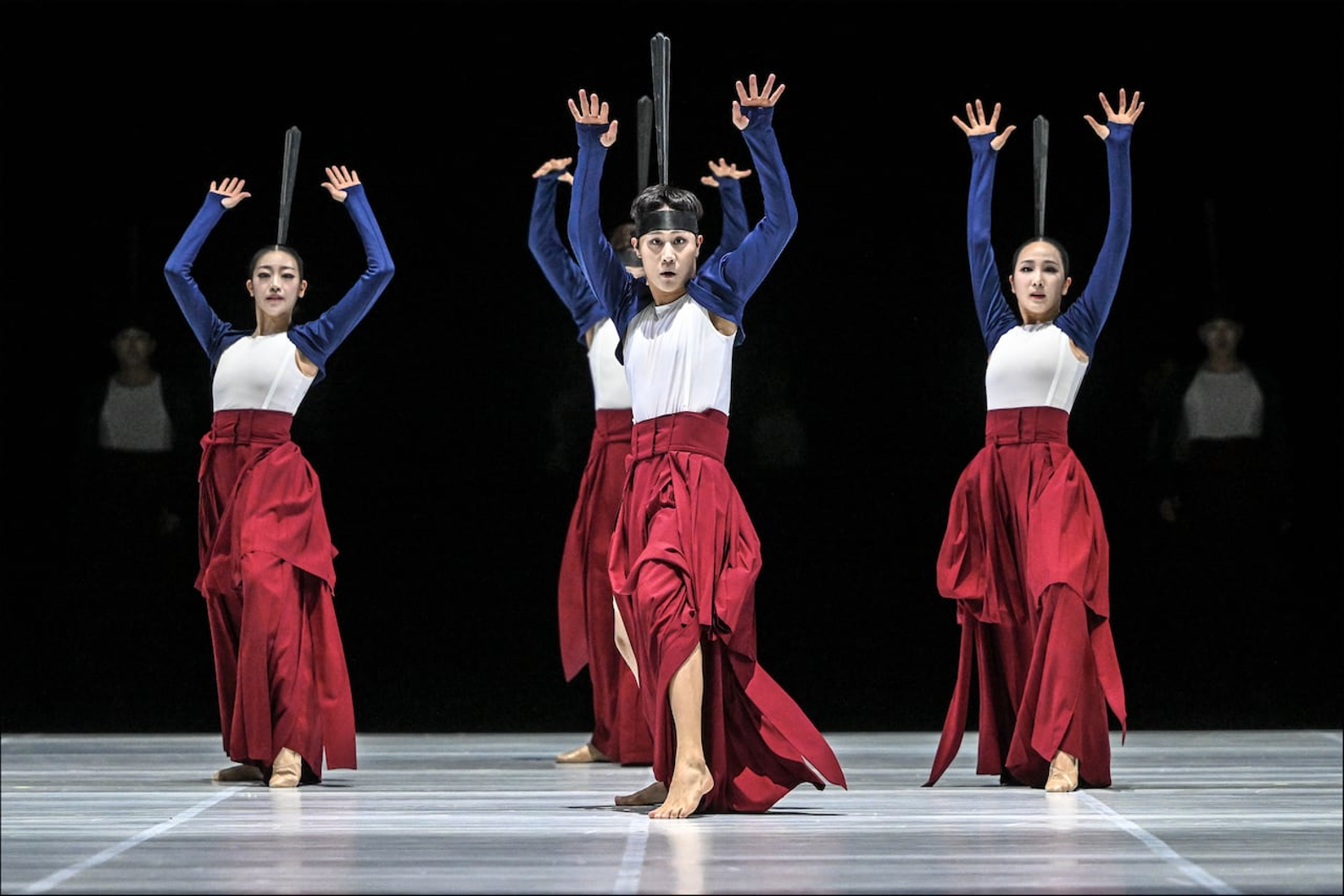
Scene from Ilmu (One Dance) / Photo: Ministry of Culture, Sports and Tourism
This
accomplishment is best understood not as the globalization of tradition, but as
its contemporization. Ilmu
does not explain or decorate tradition; instead, it reconstructs the structural
logic of traditional ritual dance through present-day stage language,
presenting an order that contemporary audiences can immediately perceive.
In recognizing
this transformation, the Bessie Awards affirmed the work as a meaningful case
in which tradition operates convincingly within the standards of the
international contemporary performance world.