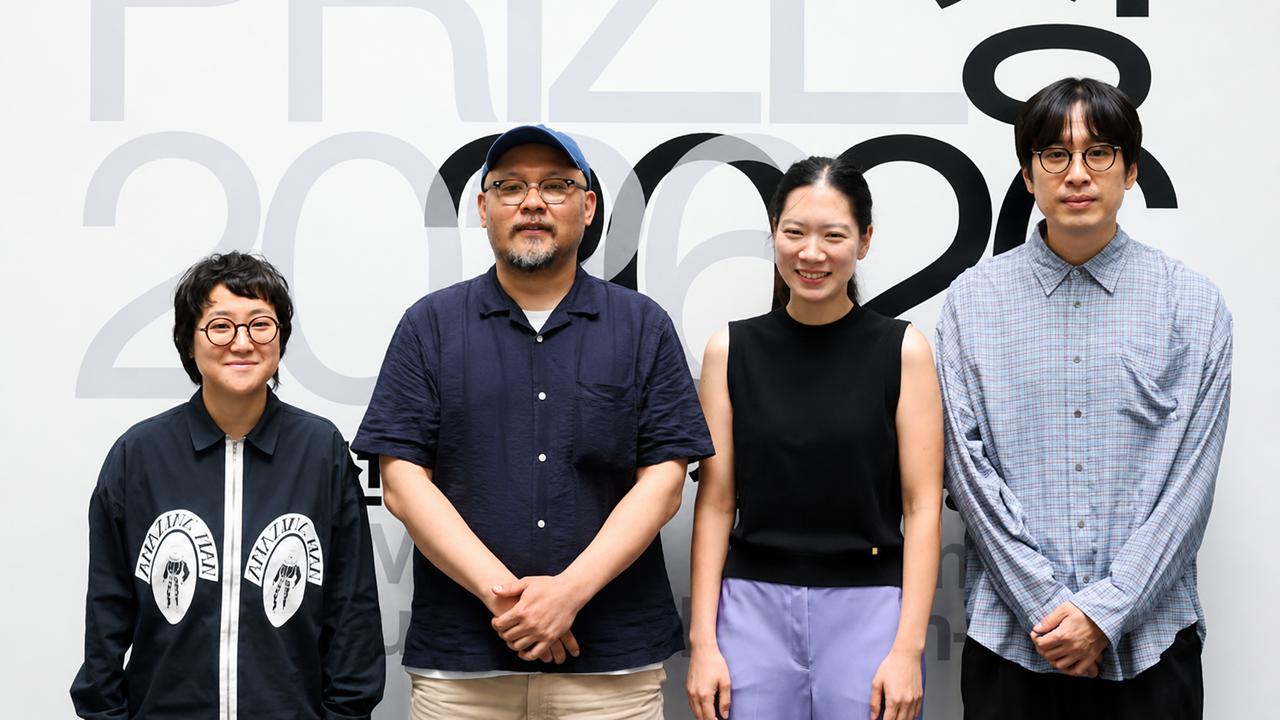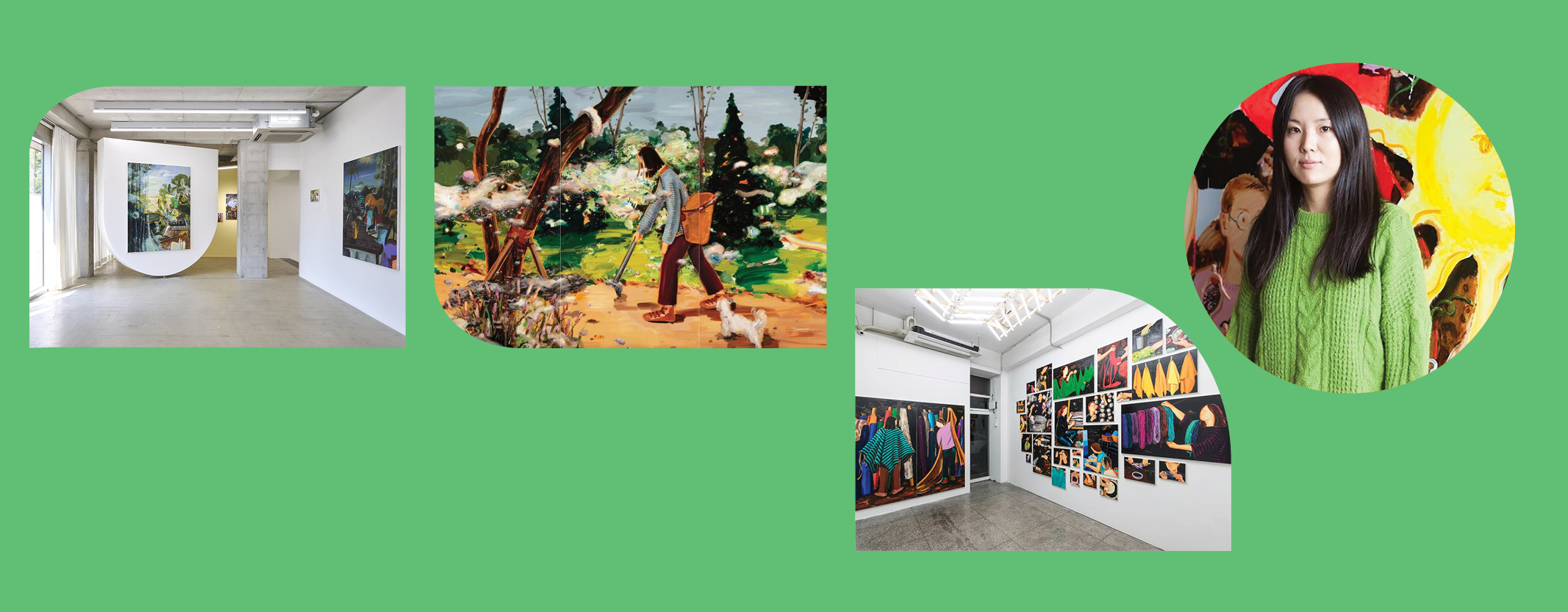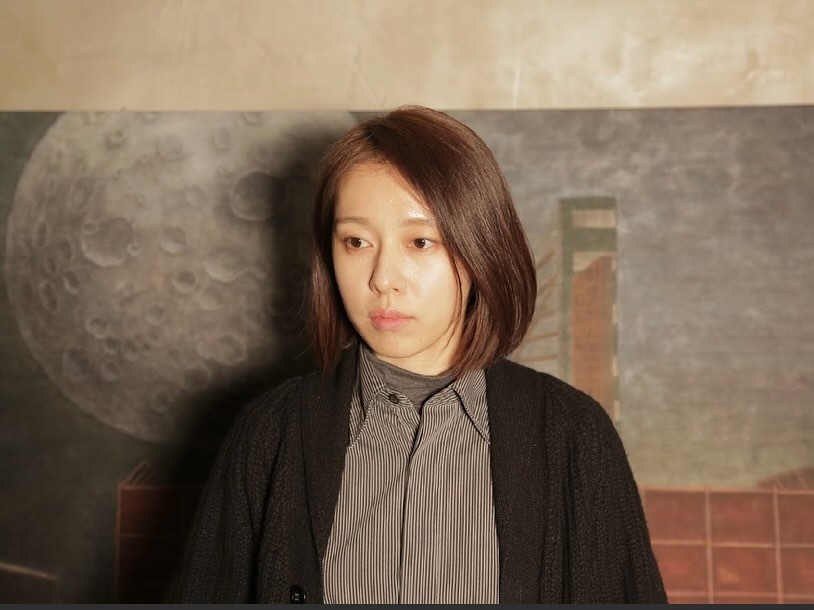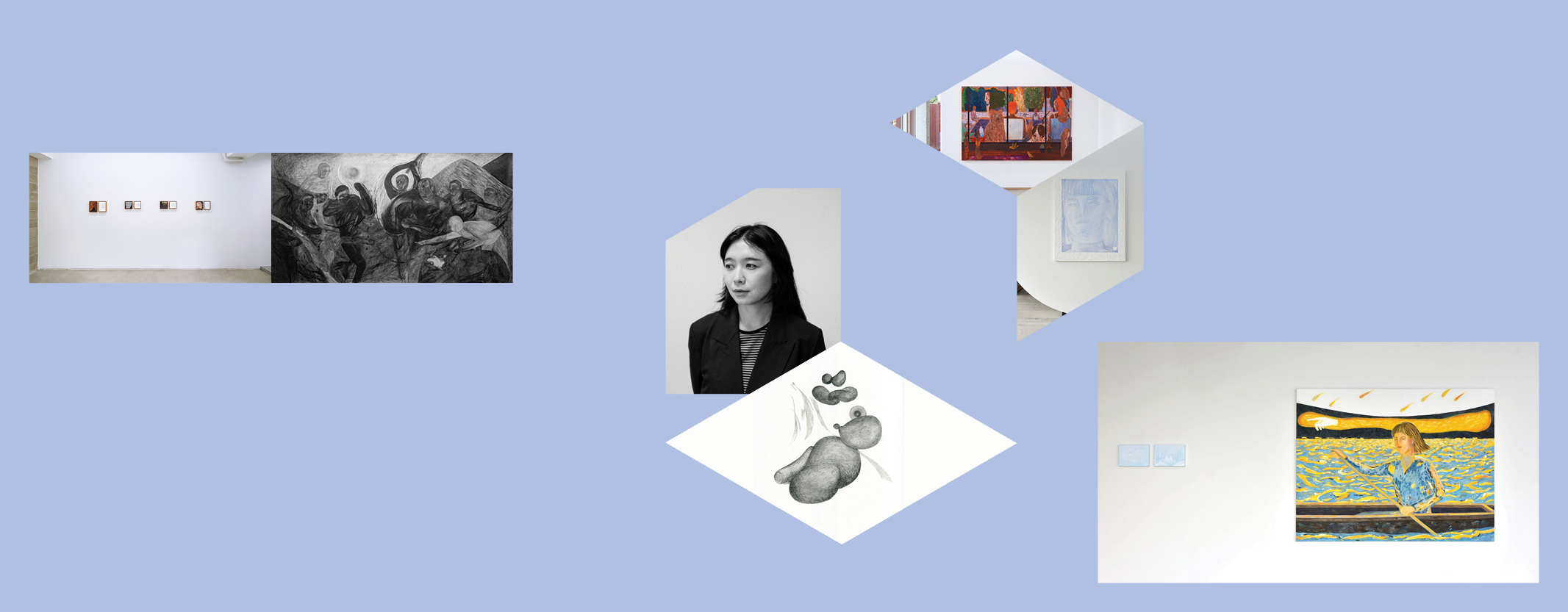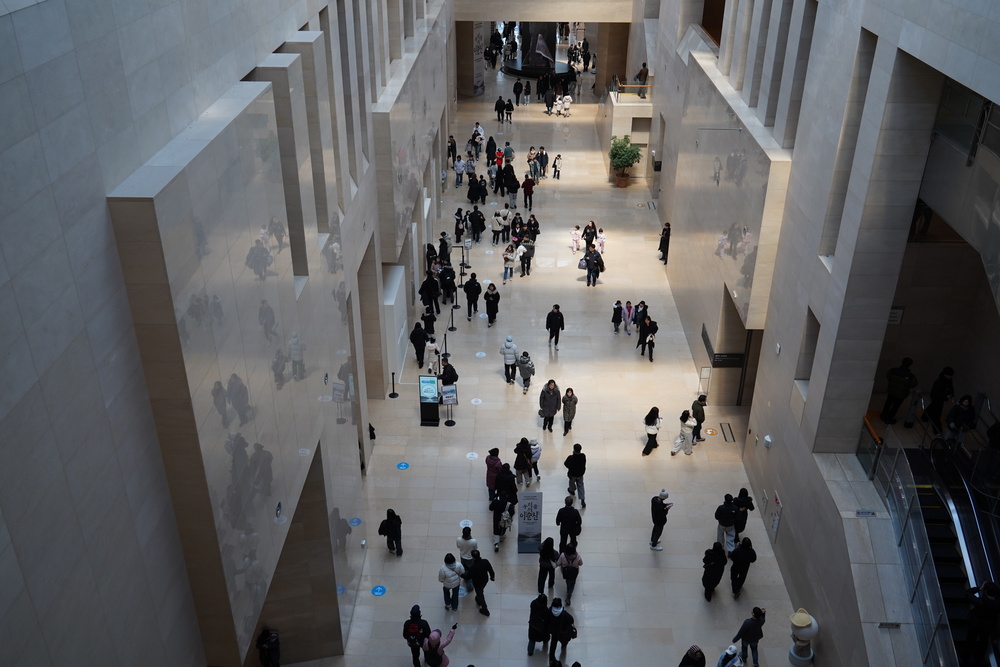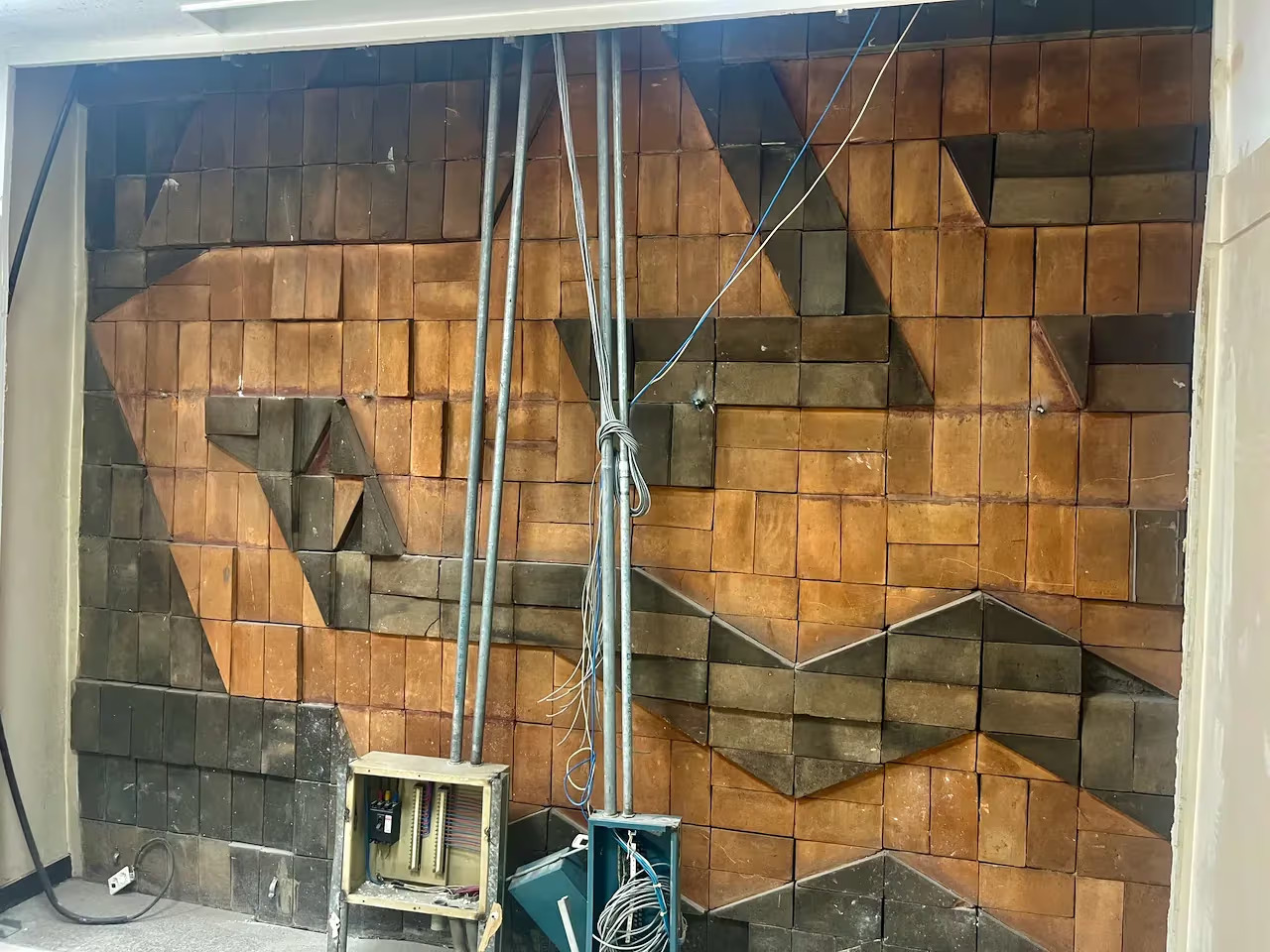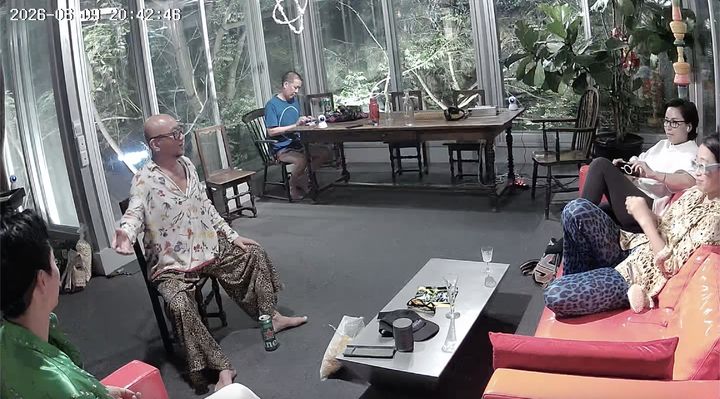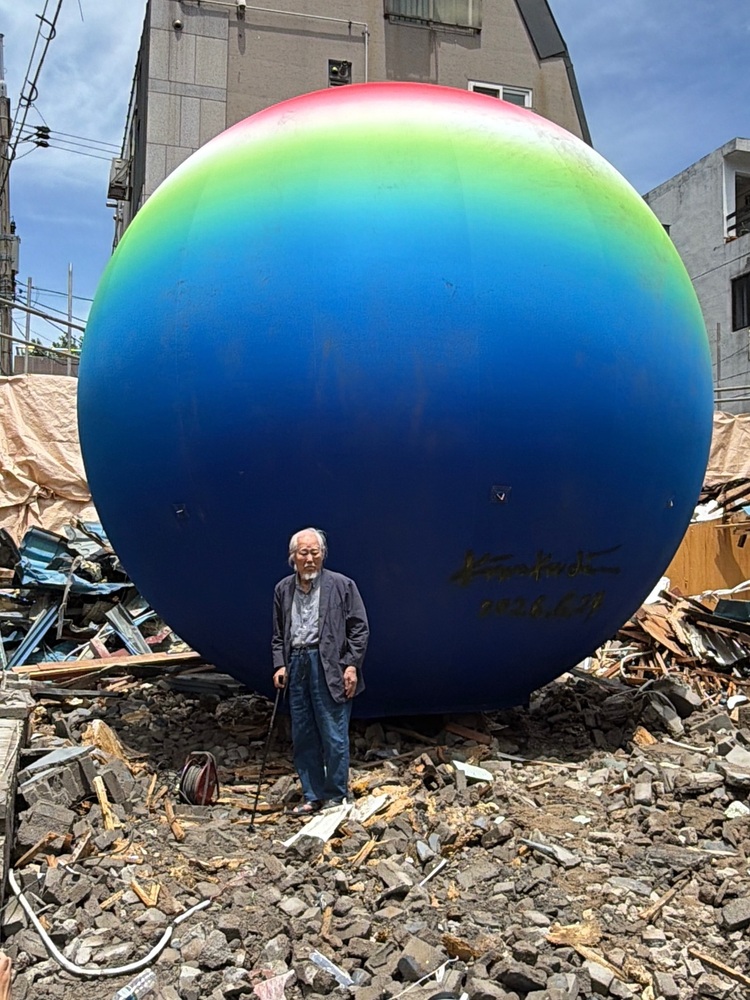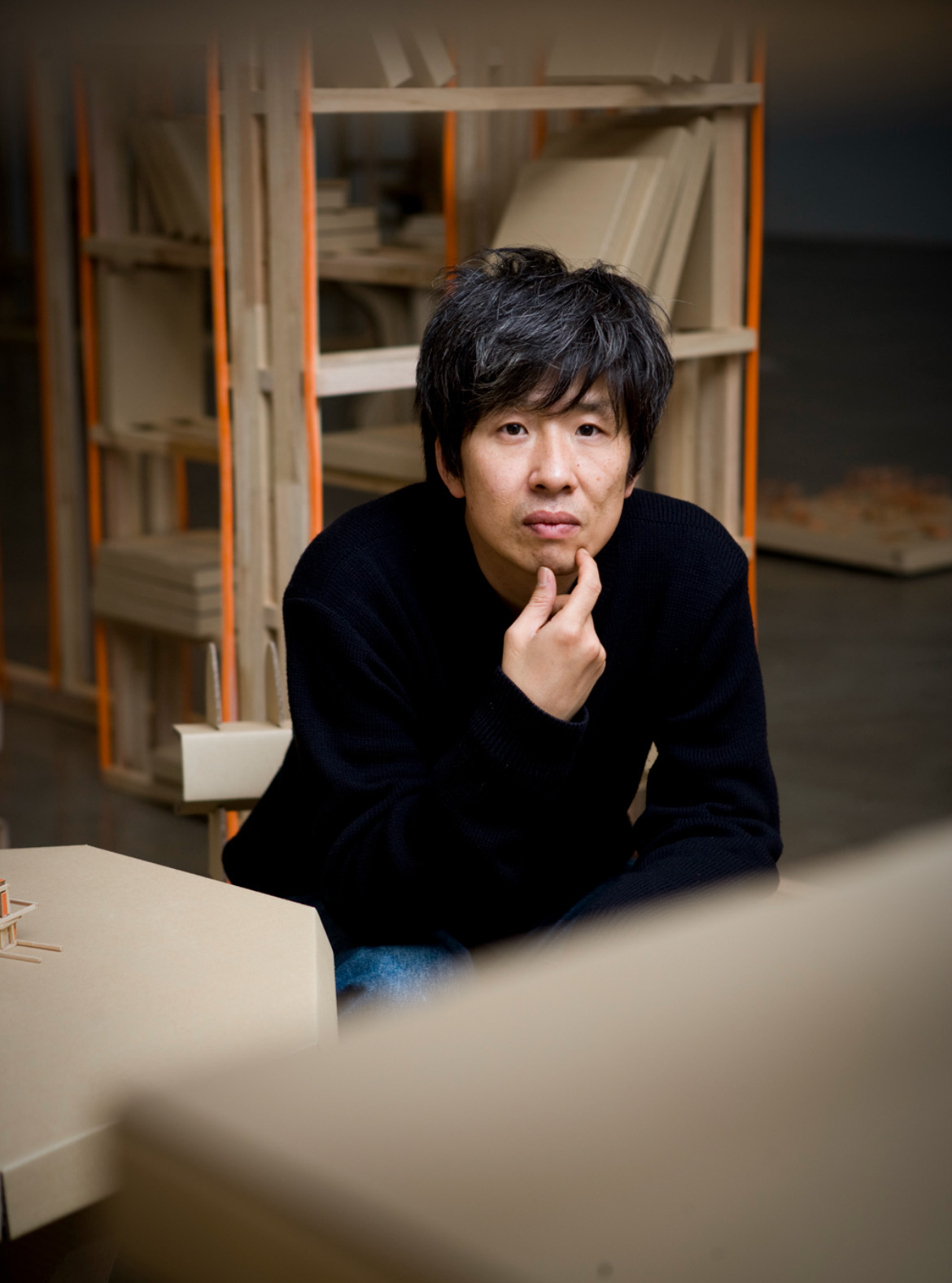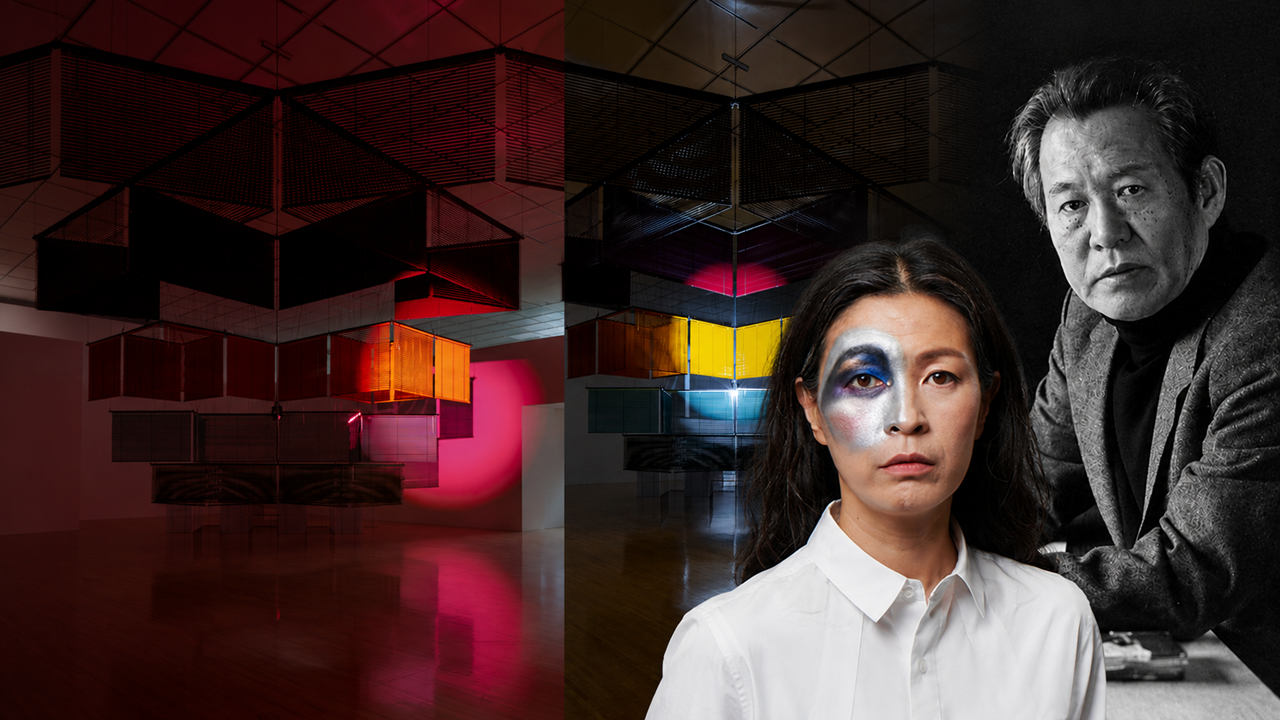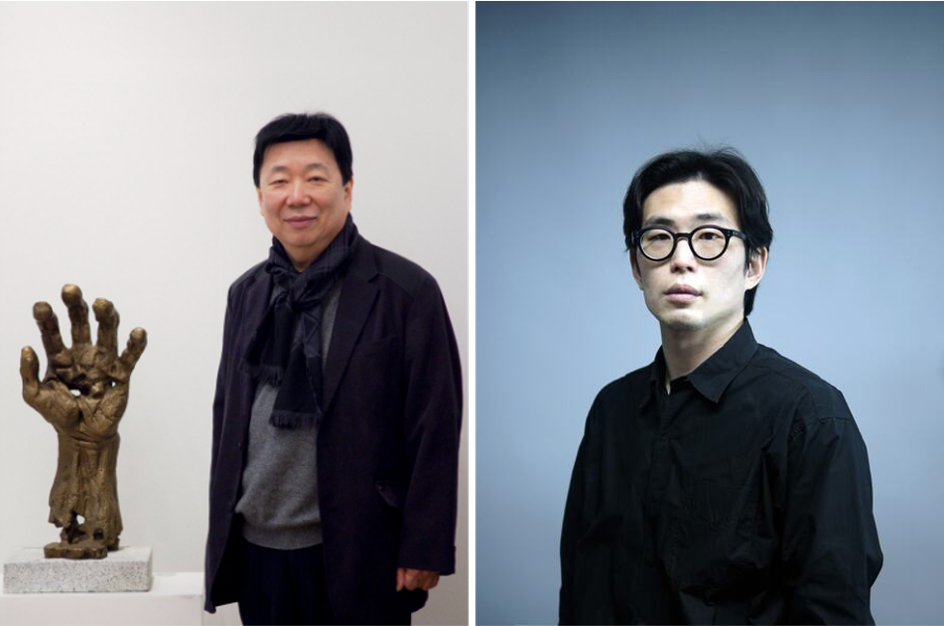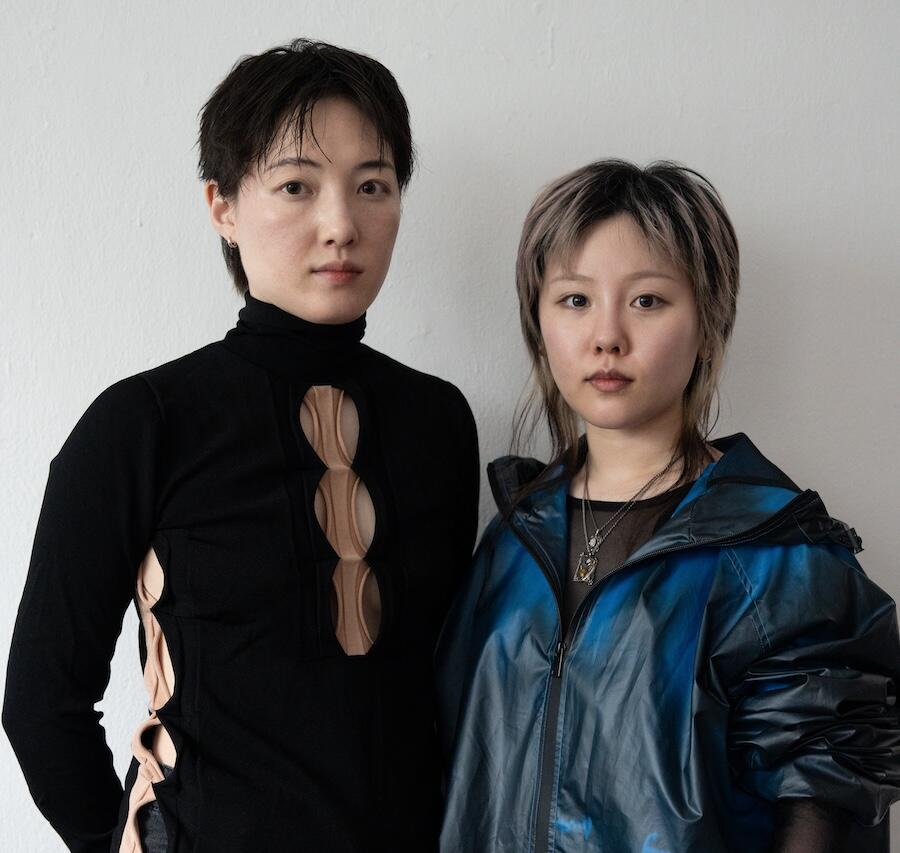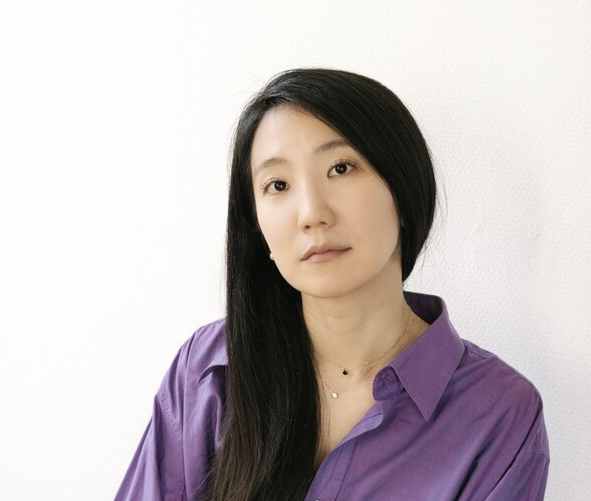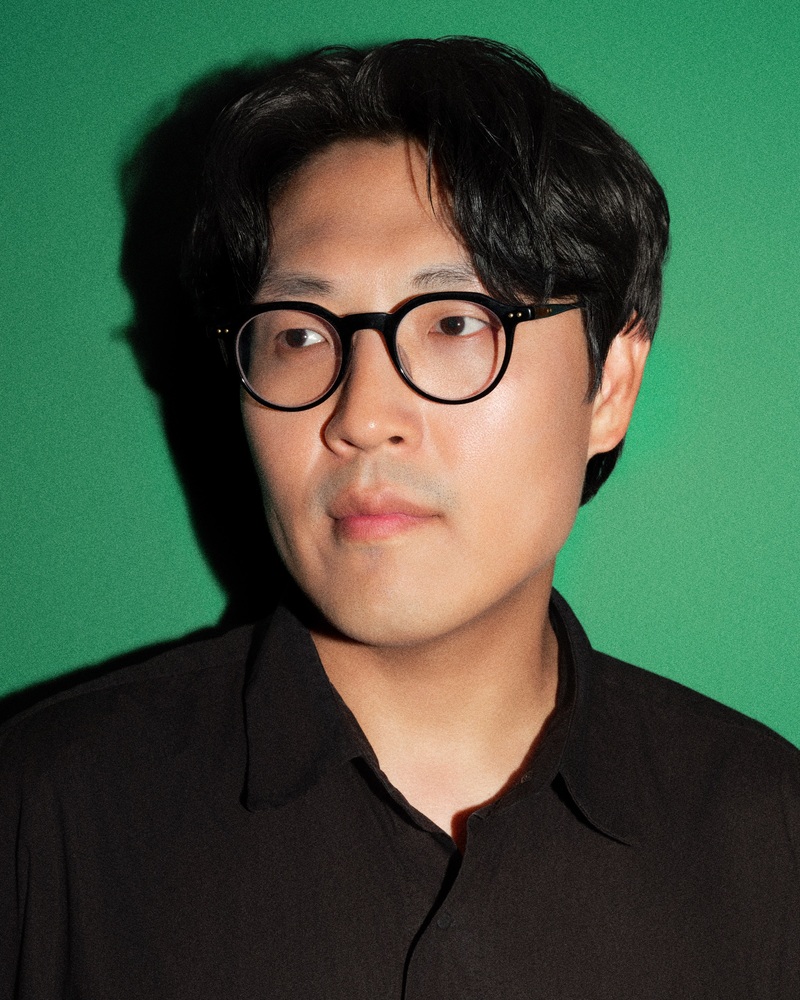

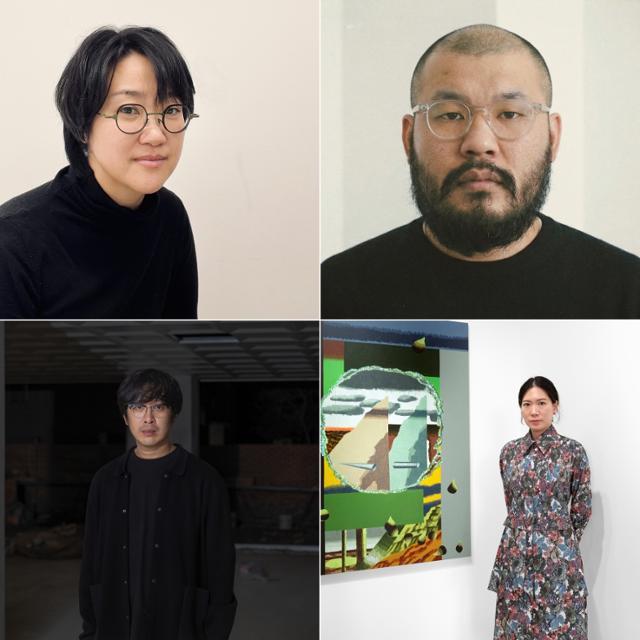
(From top left, clockwise) Four Finalists for “Korea Artist Prize 2026”: Lee Hai Min Sun, Lee Jungwoo, Jeon Hyunsun, Hong Jin-hwon ©MMCA
The National Museum of Modern and
Contemporary Art, Korea (MMCA; Director Kim Sunghee), in collaboration with the
SBS Foundation, has selected four artists—Lee Hai Min Sun, Hong Jin-hwon, Lee
Jungwoo, and Jeon Hyunsun—as the sponsored artists for 《Korea Artist Prize 2026》.
The four artists selected as sponsored
artists for 《Korea Artist Prize 2026》 work across a range of media, including painting, video,
photography, and sculpture, while collectively demonstrating contemporary
sensibilities and the potential for artistic expansion.
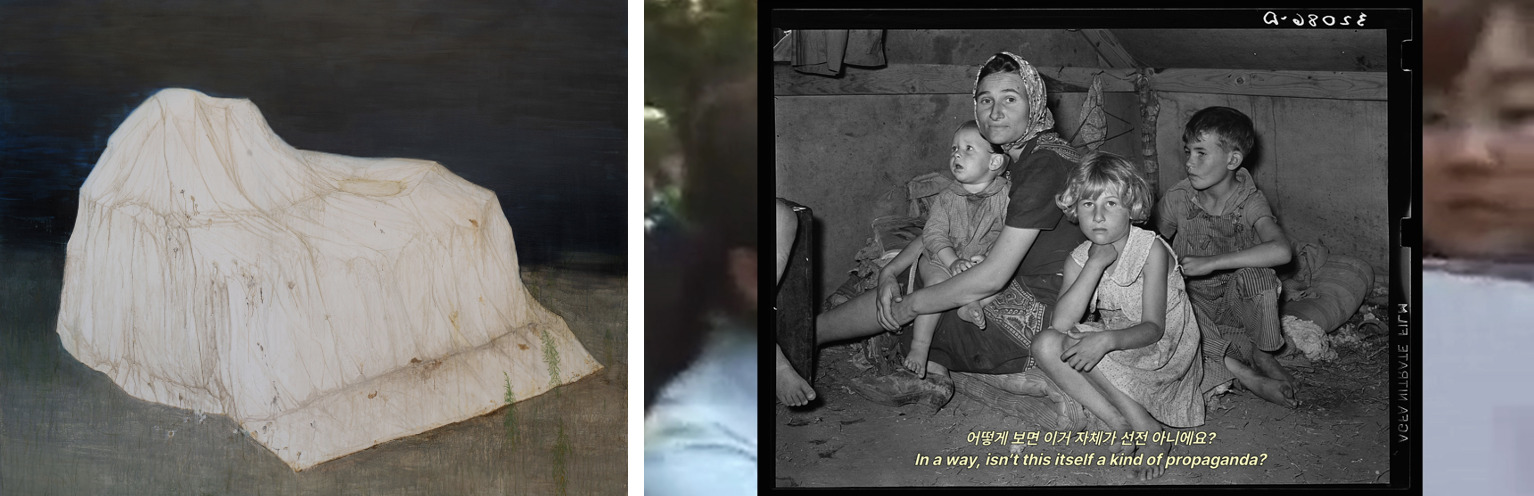
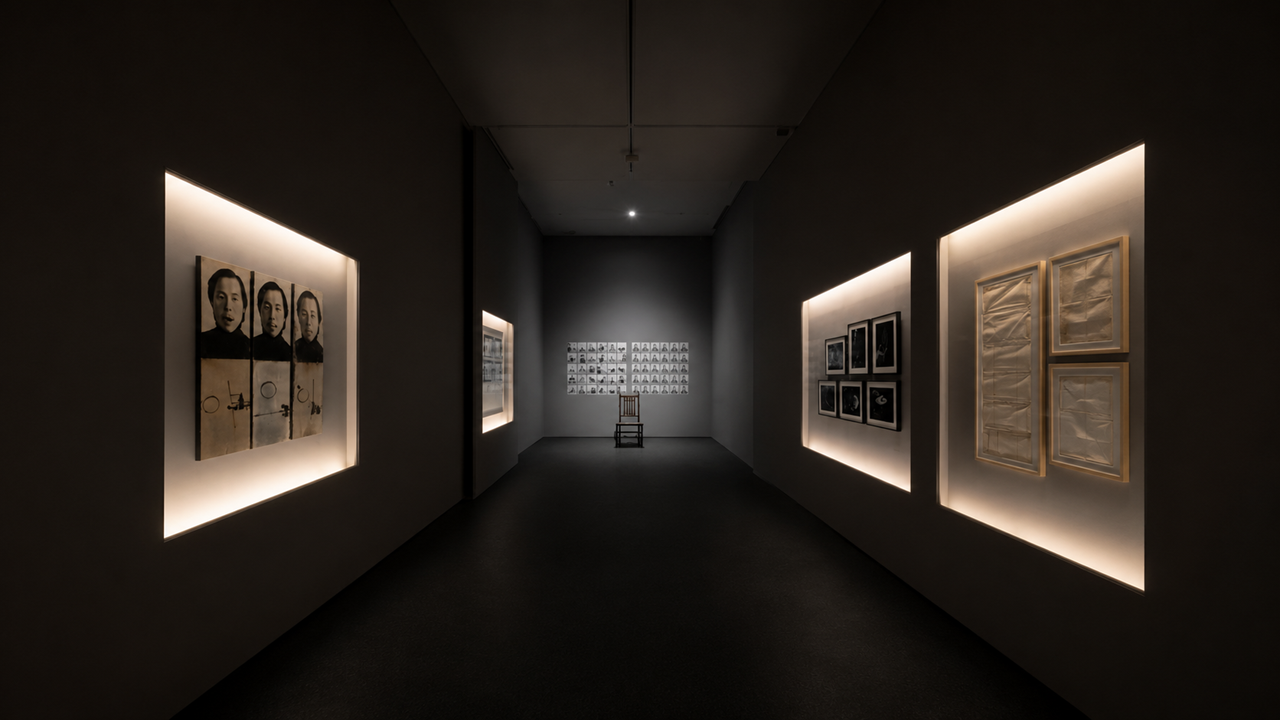
좌) 이해민선, 〈바깥〉, 2018, 면천 위에 아크릴, 182x226cm ©이해민선, 우) 홍진훤, 〈언다큐먼티드 모나리자〉, 2009/2025, 단채널 비디오, 컬러와 흑백, 스테레오 사운드, 22분42초; 아카이벌 피그먼트 프린트, 110×146.6cm ©홍진훤
Lee Hai Min Sun discovers the vulnerable existence of individuals within the states
of objects that endure their environments in everyday life, observing their
modes of being. Through various approaches, she has explored the ways in which
the condition of objects and the concepts embedded within them can correspond
to painterly action.
This exhibition extends her ongoing
exploration of the conditions of existence through objects. It addresses
unstable beings that seem as though they may easily disappear, yet persist at
the margins with minimal physical presence, striving to endure through traces
of time and the sensory qualities of materials.
Hong Jin-hwon observes and engages with the power dynamics surrounding
photography and images. He primarily works with media such as photography,
film, and web programming, seeking to uncover the sources of images’
contemporary power and, through this practice, to disrupt a world governed by
inertia.
In a world where the real and the virtual
overlap, he traces the process by which the time and space of a rally itself
become an image, and he questions what movements and struggles bring to an end
and what they defer in an era that does not share an imminent revolution.
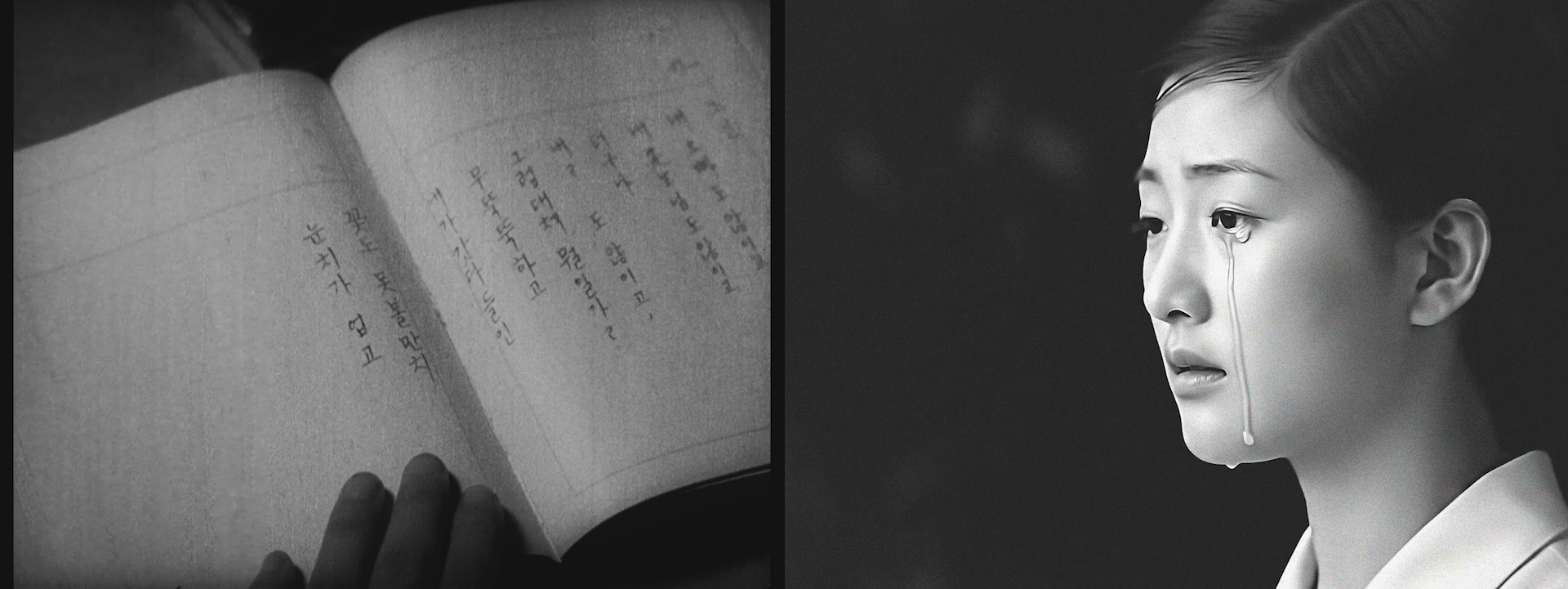
Lee Jungwoo, In Writing “Hurrah for Freedom”: Cinema and History, 2025-ongoing, Two-channel video installation (synchronized); AI-generated audiovisual images; found footage: Hurrah for Freedom (1946, courtesy of the Korean Film Archive); variable dimensions ©Unfold X 2025
Lee Jungwoo
focuses on reading the data and conditions involved in the process of producing
outcomes through the malfunction of technological systems. His new work
captures, in formative language, the singularities discovered by inputting lost
historical archives into generative AI.
Defining the invisible forces that steer
outcomes—such as platform policies, data bias, and statistical skew—as
“gravity,” he visualizes through video the contemporary conditions under which
technological media reconstruct the past.
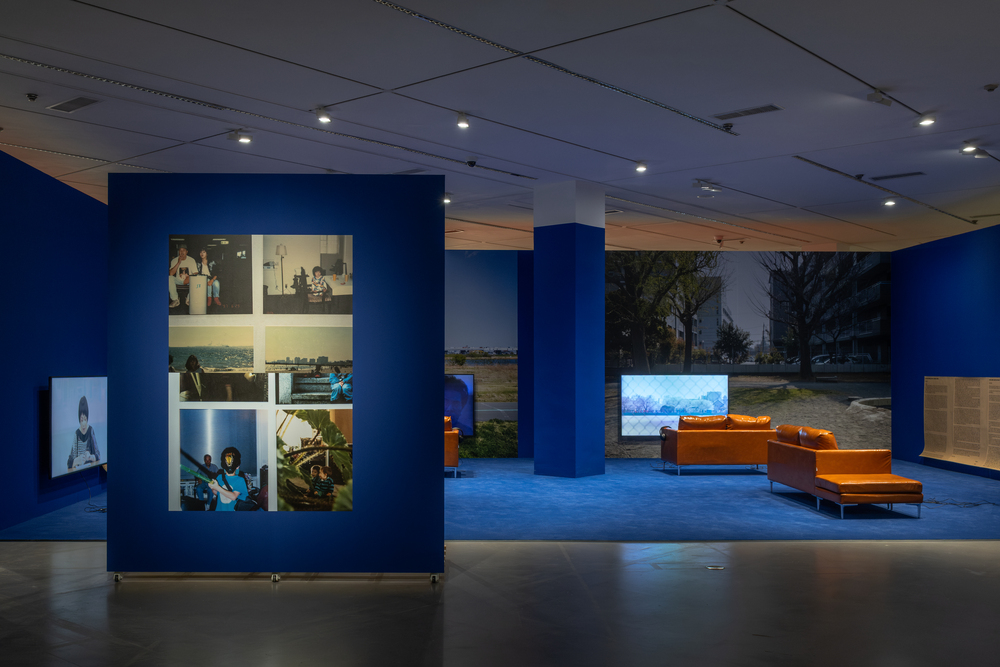
Jeon Hyunsun
explores the ways in which images form relationships with space, primarily
through painting. Moving across pointillist painting, installation, video, and
sculpture, she focuses on the temporality, materiality, and potential for
expansion inherent in two-dimensional images.
Her new work presents painting as a type of
visual rock climbing wall, revealing within space the processes by which images
are decomposed and layered. As viewers move between different media, they
encounter multiple image pathways that do not converge into a single meaning.
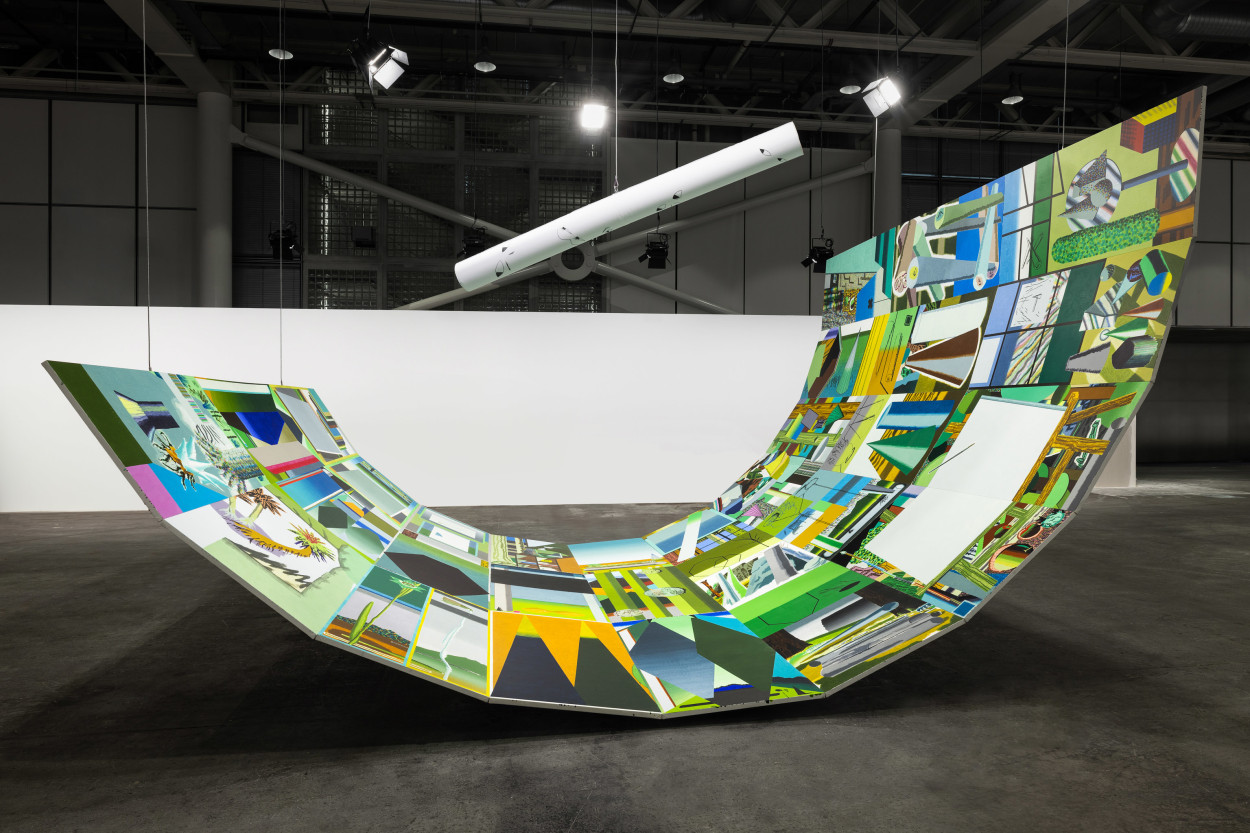
Jeon Hyunsun, Into the Woods to Lose Our Way, 2025, Assembled watercolors on canvas, 30 parts, 400x600x700cm (canvas structure), 350 x ø 35 cm (column) ©Esther Schipper
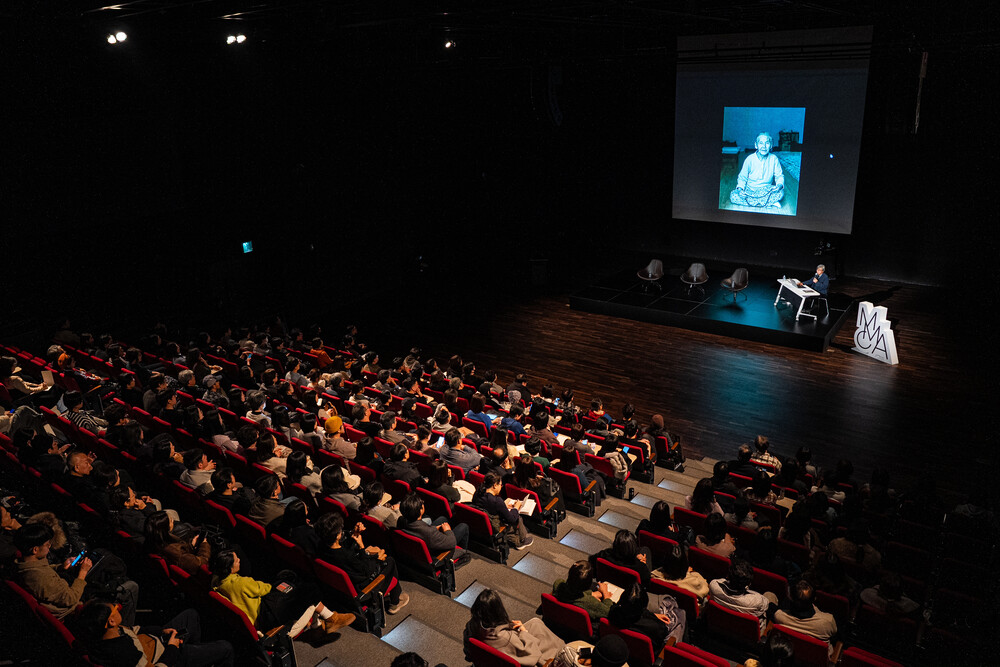
The judging committee for the “Korea Artist
Prize” is freshly formed each year to reflect diverse perspectives amid the
rapidly changing domestic and international art environment, and to enhance
international understanding of and interest in Korean art.
To this end, new international jurors are
included annually. The first-round judging committee for 《Korea Artist Prize 2026》 is composed of
seven members: Emma Enderby, Director of KW Institute for Contemporary Art,
Berlin; Charmaine Toh, Senior Curator at Tate Modern, London; Ho Tzu Nyen, an
internationally renowned artist and Artistic Director of the 16th Gwangju
Biennale (2026); Jung Hyun, art critic and Professor at Inha University; Kim
Jiyon, Director of the alternative space d/p; Kim Sunghee, Director of the MMCA
(ex officio); and Park Deoksun, curator at the MMCA (ex officio).
Following the first round of evaluation,
the final jury will consist of six members, excluding the curator in charge.
The final recipient of the prize will be announced in October after the opening
of the exhibition, following a public Artist & Jurors Talk and the final
round of deliberation.
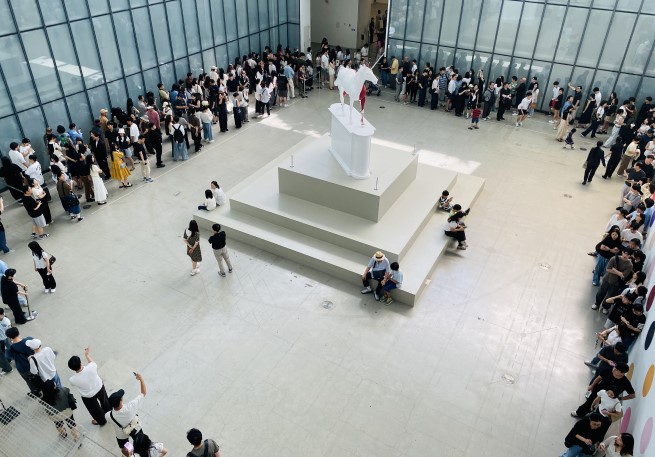
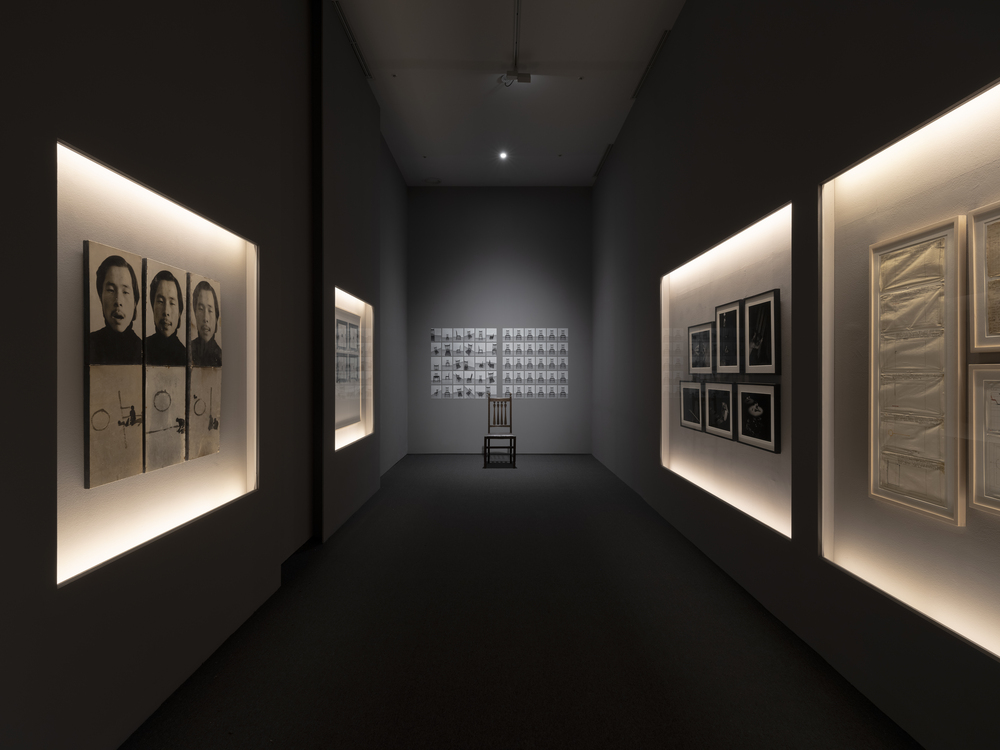
The exhibition will run from Friday, 24
July to Sunday, 6 December 2026, at MMCA Seoul. Newly conceived and proposed
works by the artists will be presented alongside earlier works from their
respective artistic trajectories, offering a rich overview of each artist’s
practice.