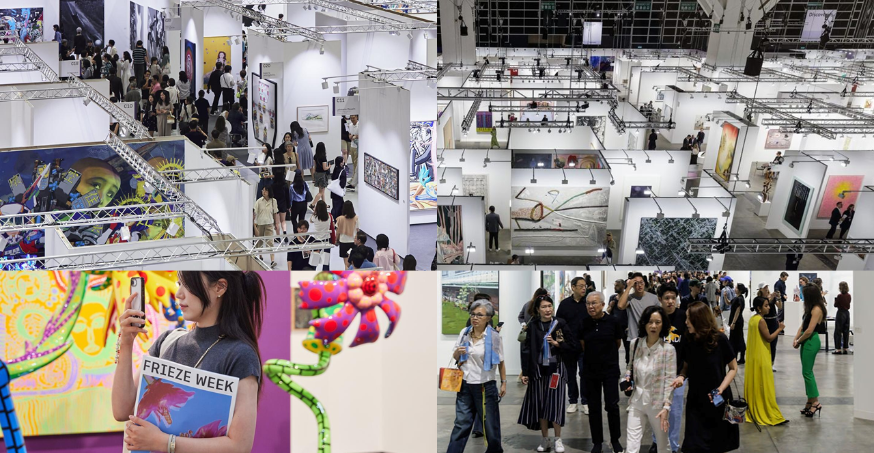

The partnership
between Frieze Seoul and Kiaf SEOUL
has been extended for an additional five years. Approved with near-unanimous
support at an extraordinary general meeting of the Galleries Association of
Korea, the decision represents more than a simple contract renewal. It signals
how the association—which oversees and operates Kiaf—currently understands and
positions the structure of the art fair within Korea’s art ecosystem.
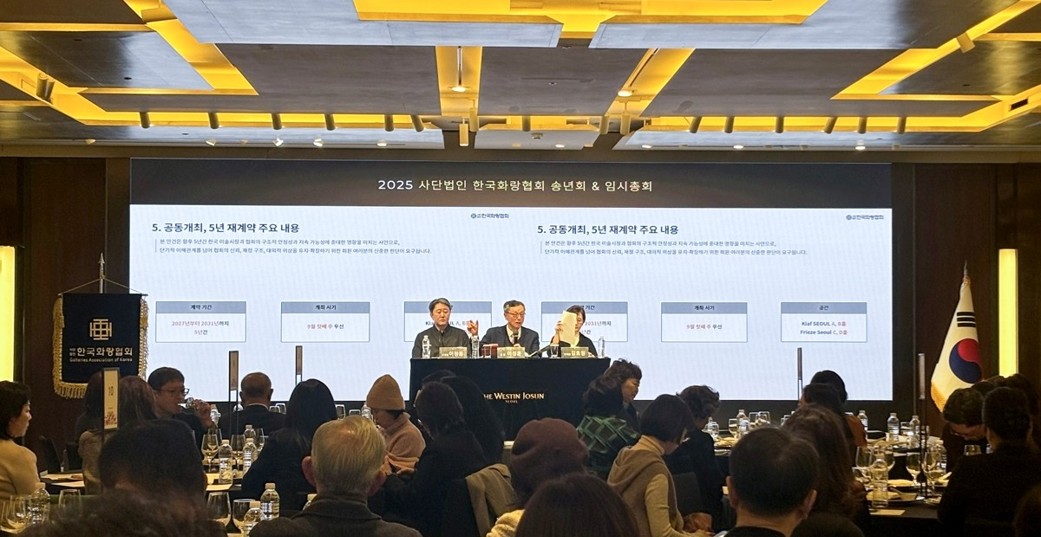
The photograph shows the extraordinary general meeting of the Galleries Association of Korea held on December 18 at Josun Hotel. / Photo: Galleries Association of Korea
Following their
first joint edition in 2022, the partnership now extends through 2031. What was
once a time-limited collaboration has effectively become a fixed system. The
critical question, however, is what role this system will play—and what
direction it will set—for the Korean art market in the years ahead.
The Visible
Impact of Frieze’s Arrival
The arrival of
Frieze Seoul played a decisive role in elevating Seoul, in a remarkably short
time, into one of Asia’s key art-market hubs. Frieze’s global collector
network, the sustained participation of mega-galleries, and intense
international media attention enabled Seoul to reach a level of visibility that
domestic art fairs alone had struggled to achieve.

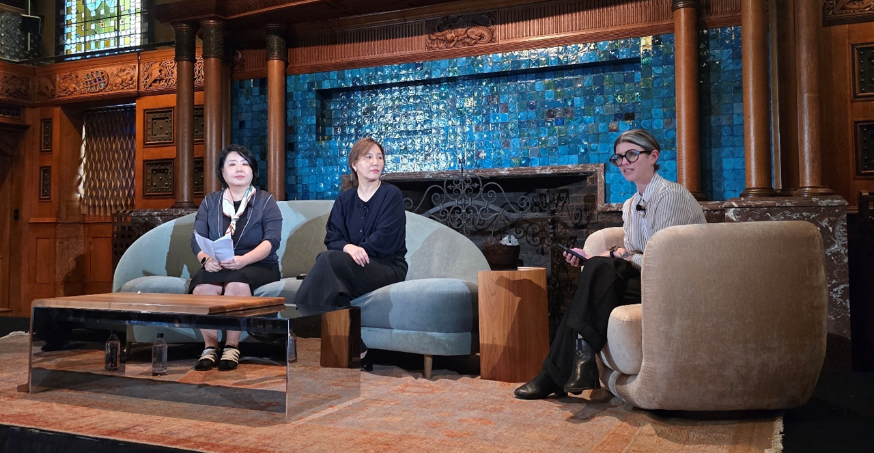
Key figures from Frieze Seoul and Kiaf during a joint press conference held on August 19 at The Shilla Seoul, announcing plans for the September joint fair.
From right: Patrick Lee, Director of Frieze Seoul; Lee Sung-hoon, President of the Galleries Association of Korea; and Kim Jung-sook, PR Director of the Association. / Photo: Kukmin Ilbo
Through its
parallel scheduling with Frieze, Kiaf succeeded—at least in part—in entering
the circulation routes of international collectors and global media. In this
sense, the collaboration created a tangible point of contact through which the
Korean art market could connect more directly with the international art world,
a development that should be acknowledged as a positive outcome.
Parallel
Fairs, Shared Space and Divided Directions
At the same time,
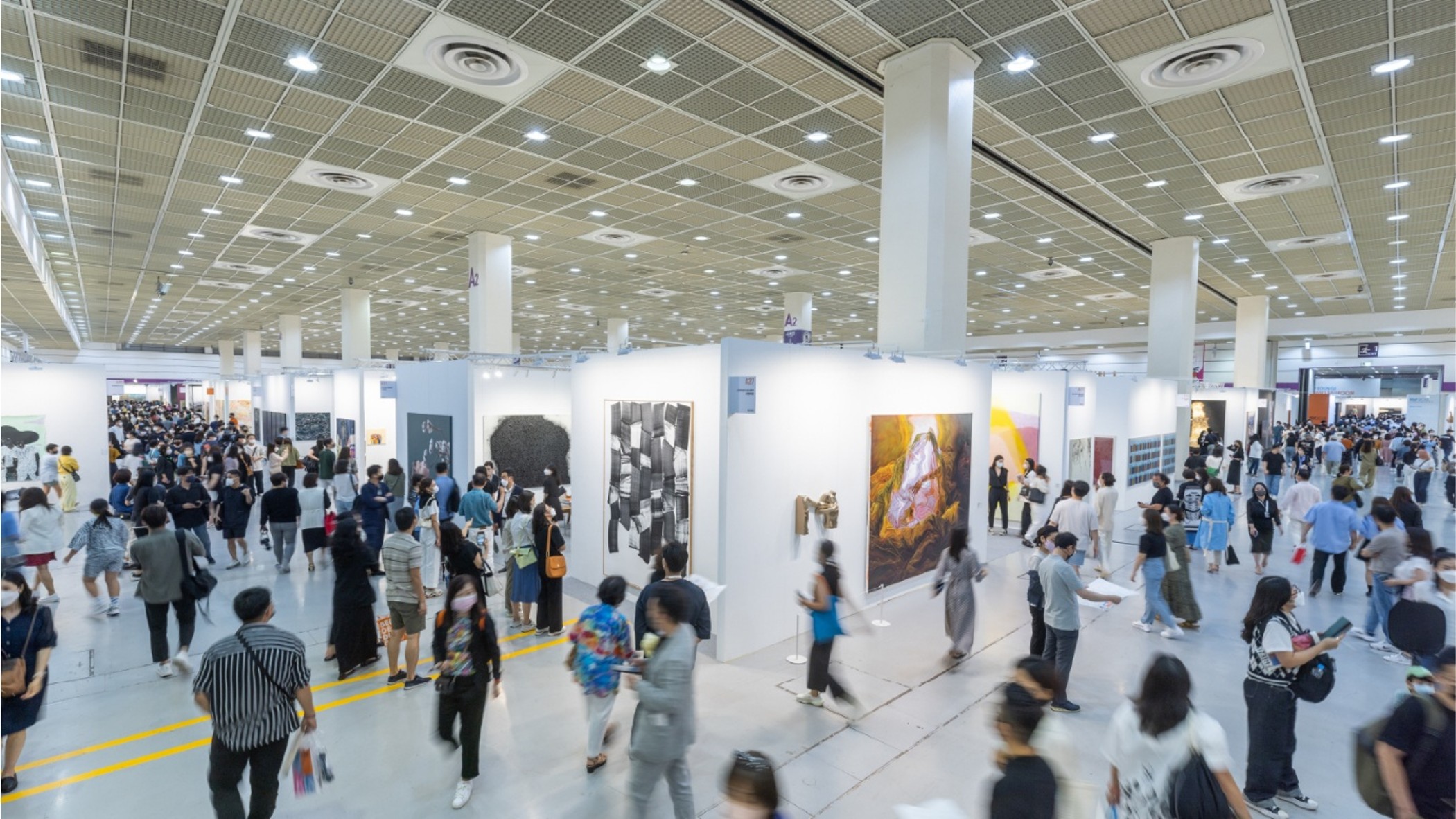
the past four years of joint operation have revealed structural limitations as
clearly as they have demonstrated success. Although the two fairs share the
same venue and calendar, their approaches to programming and curatorial depth
differ markedly.
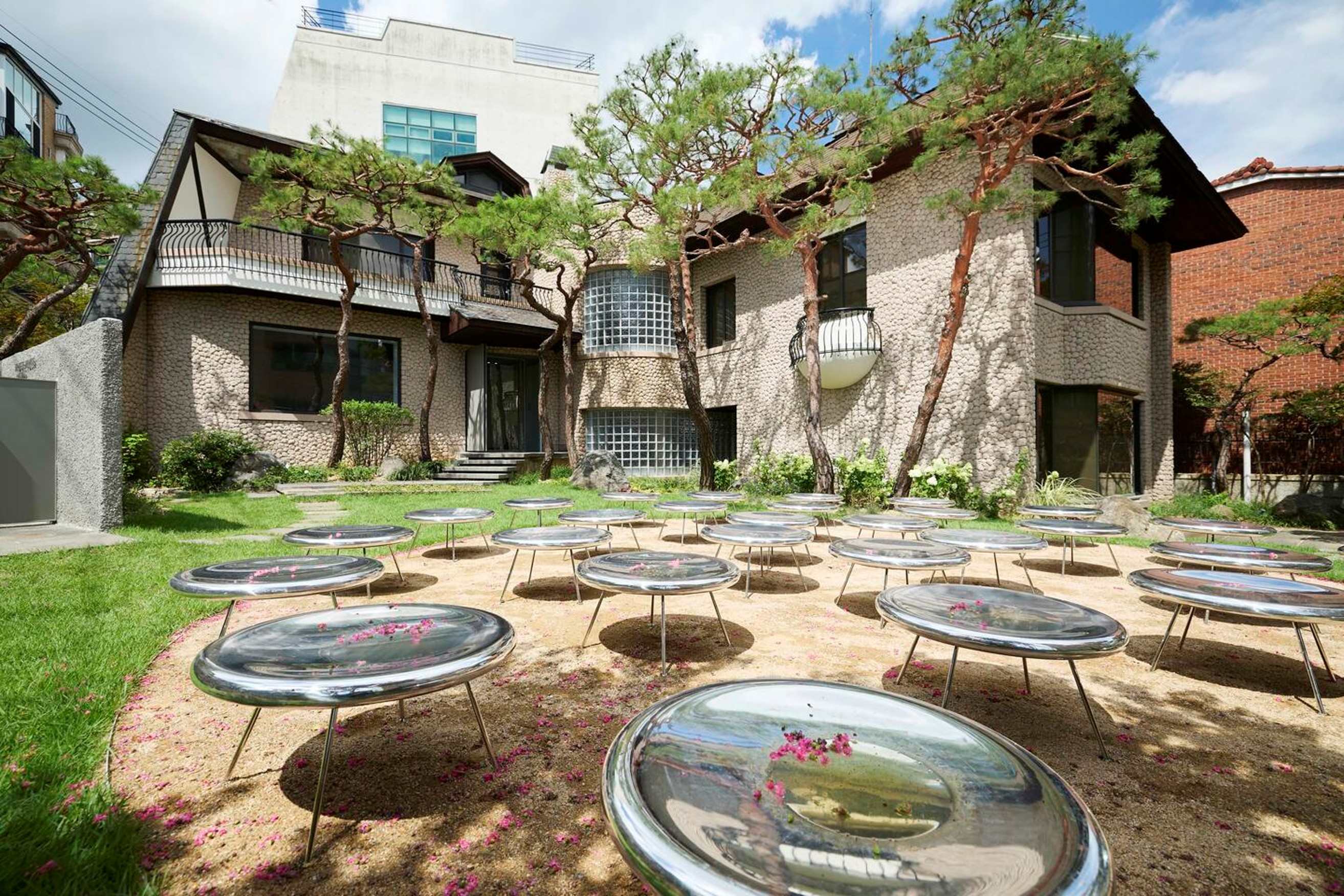
Entrance to Frieze House Seoul, designed by Seoul-based architectural studio Samuso Hyoja, featuring a site-specific installation by Japanese architecture studio SANAA / Photo: Frieze official Website
While Frieze has
emphasized contemporaneity through internationally calibrated curatorial
sections and discourse-driven programs, Kiaf has remained largely anchored in a
traditional booth-based format dominated by domestic galleries. As a result,
the two fairs, though physically adjacent, have come to be perceived as
platforms operating in different languages and rhythms.
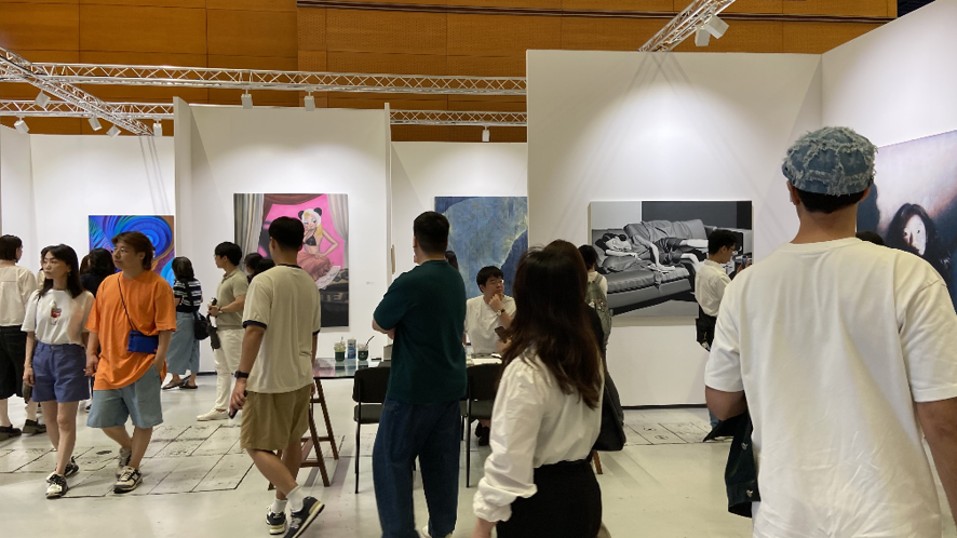
Korean emerging artists represented by Jason Haam Gallery and the gallery’s booth at Frieze Seoul 2025. / 사진: K-ARTNOW
Notably, in 2025
Frieze expanded its role by collaborating with younger Korean artists and
emerging galleries, reframing what is often perceived as a capital-driven art
fair into a site that actively engages with new currents in Korean contemporary
art. This shift points to an evolving role for Frieze in 2026 and beyond, and
marks an important contrast.
“Frieze Is for
Looking, Kiaf Is for Buying”
These structural
differences have gradually solidified into a widely shared perception among
visitors. The oft-repeated phrase, “Frieze is where you look, Kiaf
is where you buy,” reflects the growing view of Kiaf as a
conventional, market-oriented fair with limited curatorial appeal.
The repetition of
similar formats year after year, combined with the continued absence of many
major Korean artists, has reinforced criticism that Kiaf fails to present a
concentrated picture of the current state of Korean contemporary art. This, in
turn, exposes the structural constraints that keep Kiaf positioned primarily as
a local fair rather than a fully international platform.
The Other Side
of Market Sophistication
While the success
of Frieze Seoul has contributed to the expansion and relative upscaling of
Korea’s art market, it has also intensified internal polarization within the
ecosystem. Smaller and mid-sized galleries have spoken of rising booth fees,
increased ancillary costs, and growing disadvantages in the competition for
visibility.
The inflow of a
powerful global brand undoubtedly enlarges the market’s overall profile, yet it
also reinforces the familiar weaknesses of a capital-driven system—one in which
gains are unevenly distributed and structural disparities become more
entrenched.
Kiaf’s Need
for a Distinct Position
This reality
underscores why Kiaf cannot remain merely an annual event that happens to
coincide with Frieze. Rather than replicating Frieze’s model, Kiaf must
cultivate areas that Frieze is structurally less equipped to address.
Connections with
artist-run spaces, non-profit exhibition platforms, and regionally rooted
creative networks represent key opportunities. By translating the density of
local ecosystems into meaningful programs and curatorial frameworks, Kiaf could
move beyond a transactional venue and function as a platform that actively
examines and nurtures the foundations of Korean contemporary art.
From Quantity
to Questions
The challenges
facing Kiaf are no longer matters of scale. Expansion through increasing the
number of participating galleries or foreign exhibitors has reached its limits.
What now matters is whether Kiaf can foster emerging artists, support
experimental exhibition formats, and build structural ties with art scenes
across East and Southeast Asia—shifting from a market of consumption to a
system of production.
Achieving this
will require sustained collaboration with leading Korean curators and
organizers, the development of thematic sections and long-term projects, and a
clearer articulation of Kiaf’s own critical perspective. At this stage, a
platform’s standing is defined less by ‘What is sold’
than by ‘What questions it dares to ask.’
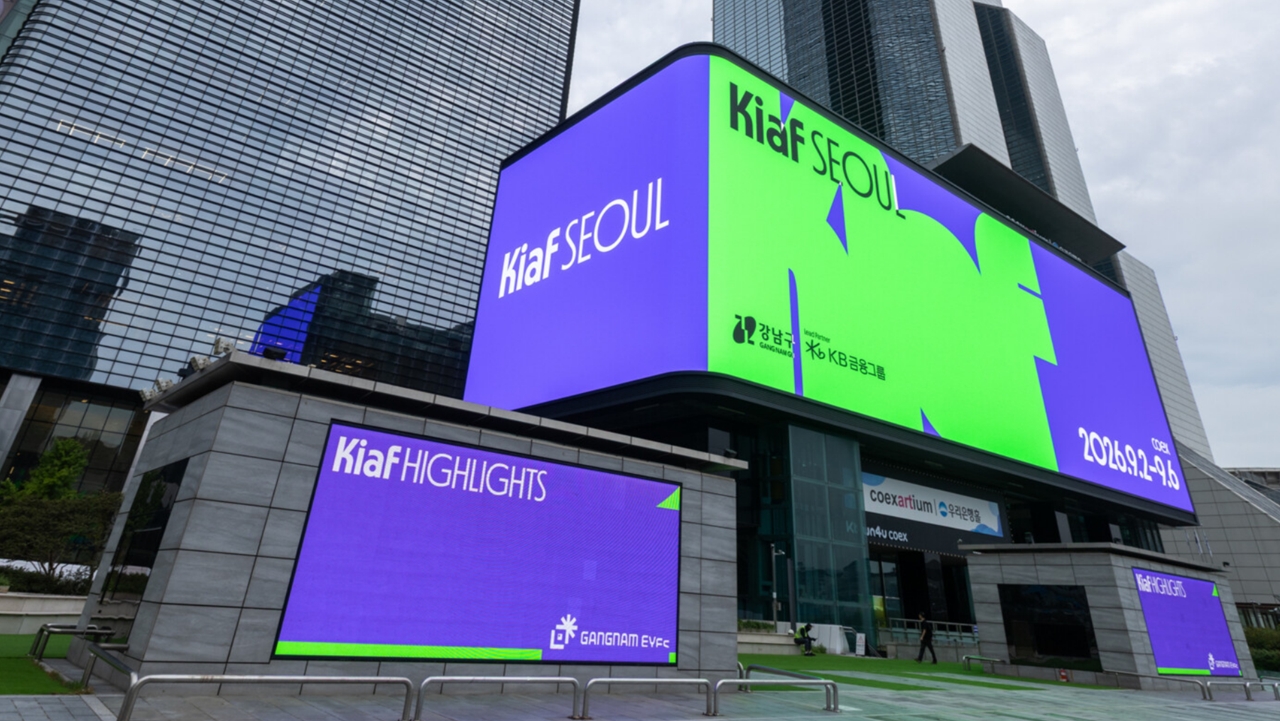
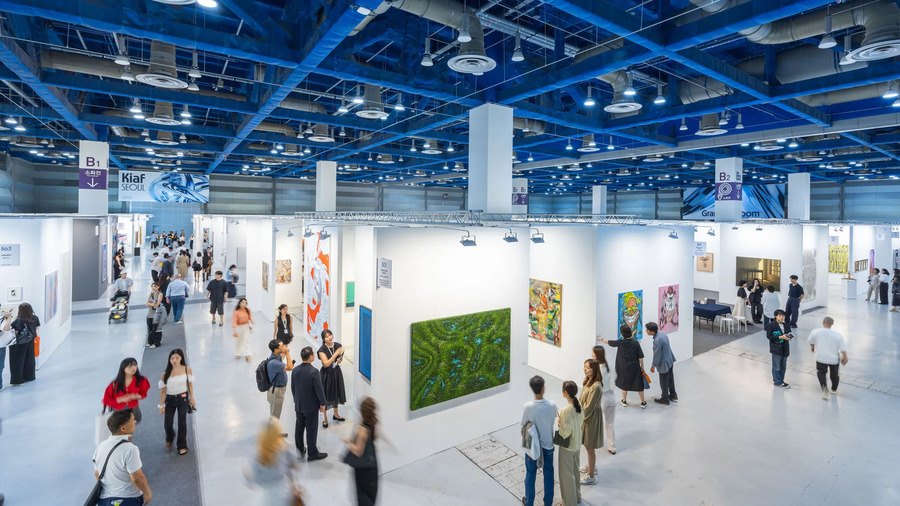
Kiaf SEOUL 2026 GALLERY APPLICATION ©Kiaf
The Next Five
Years: Kiaf’s Crucial Test
The five-year
extension functions as both a grace period and a decisive test for Kiaf.
Parallel operation with Frieze can no longer be regarded as an achievement in
itself. What matters now is whether Kiaf can move beyond established patterns
and initiate substantive change.
Will Kiaf remain
a regional partner dependent on a global brand, or will it redefine its
contemporary role and emerge as an active agent reshaping Korea’s art-market
ecosystem?
The answer will
unfold through Kiaf’s curatorial choices and institutional actions over the
next five years—and the outcome will help determine not only the international
standing of Korean art, but also Seoul’s cultural coordinates as a global city.