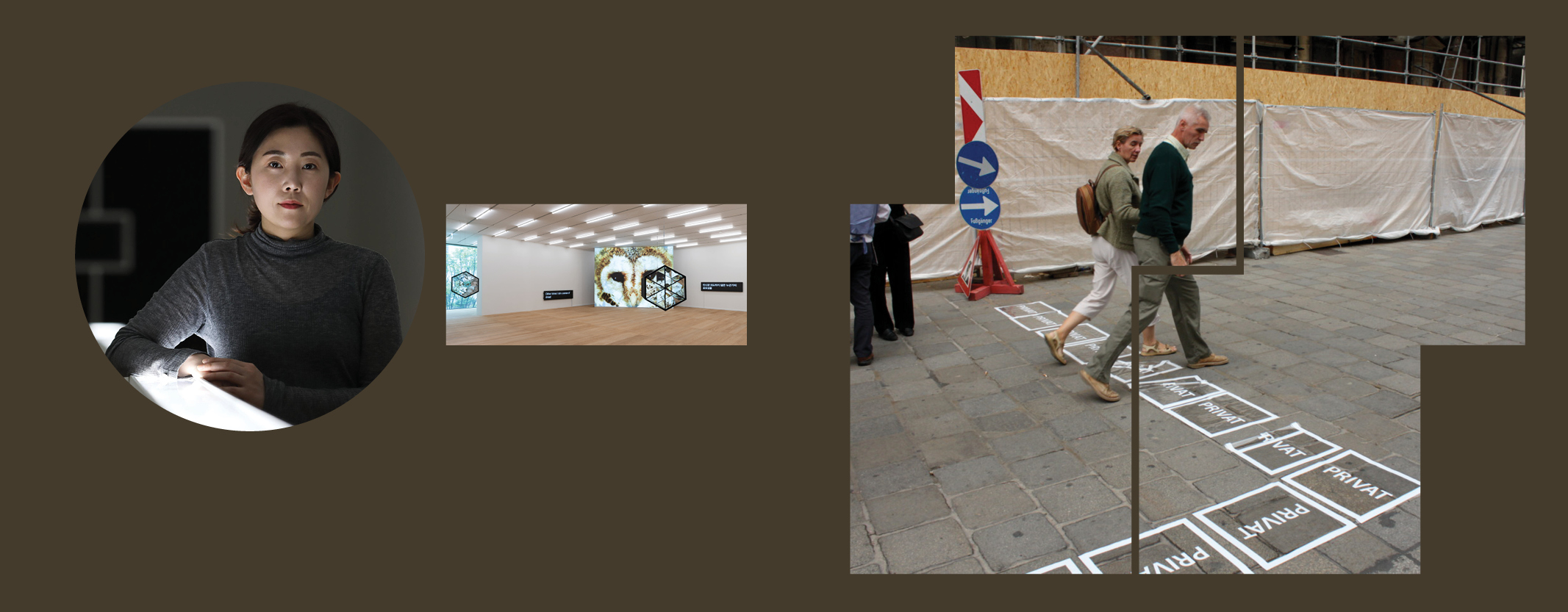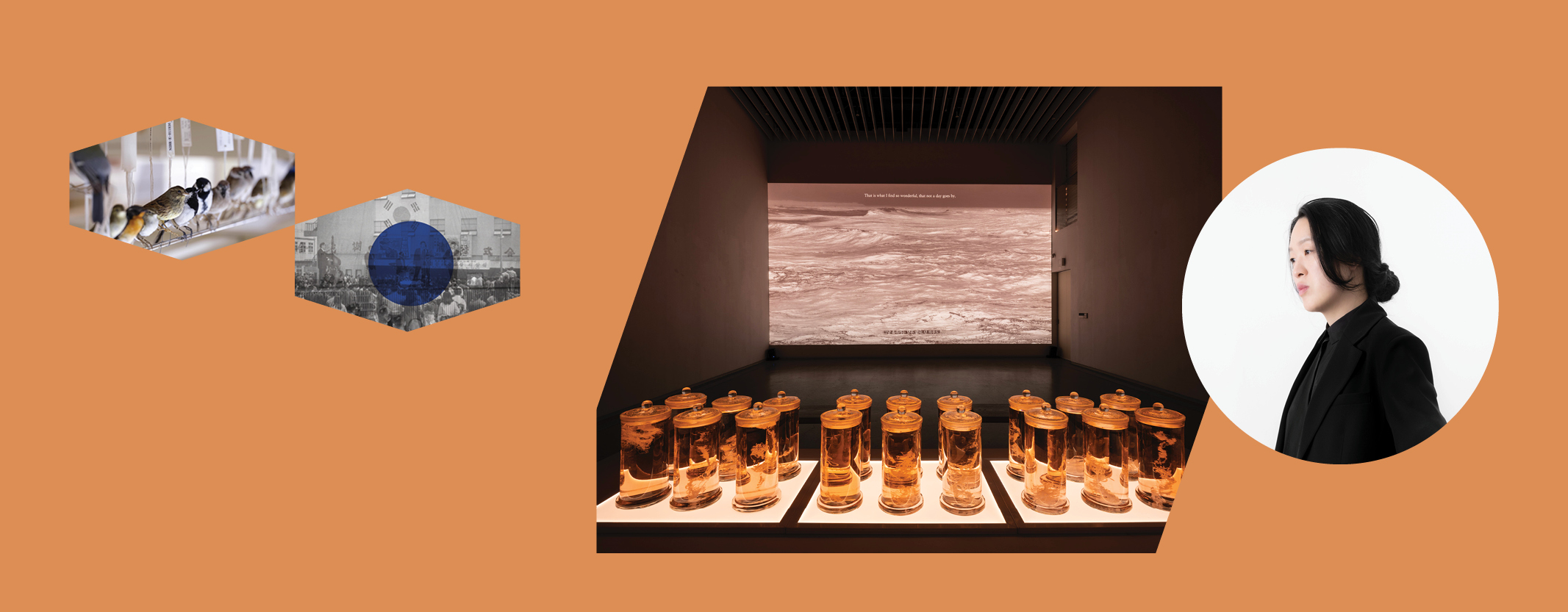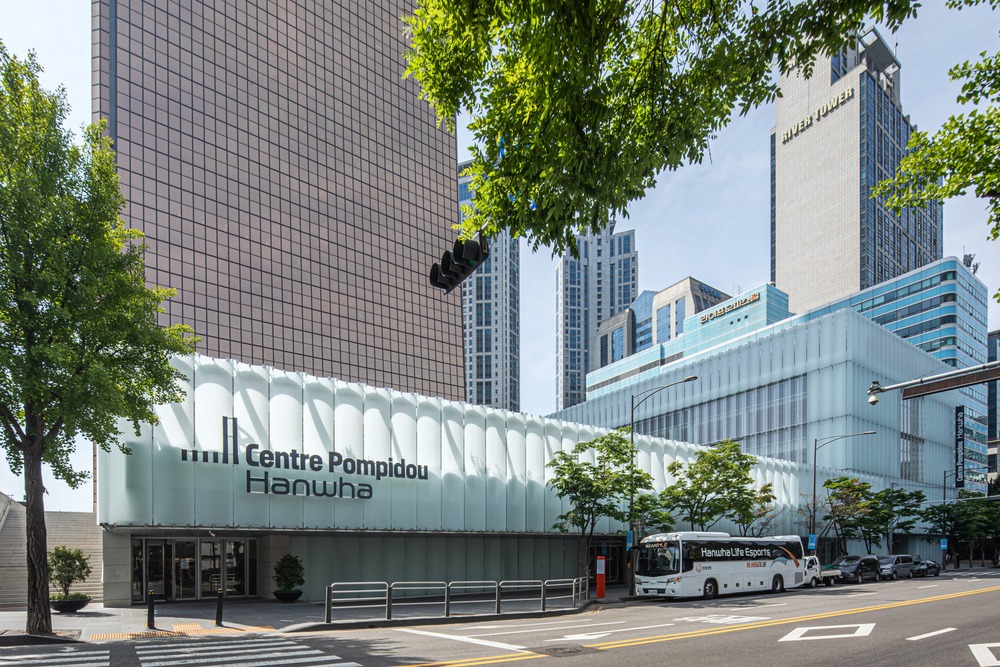
Located in
Tribeca, New York, Space ZeroOne is a non-profit exhibition space established
by the Hanwha Foundation of Culture. The institution positions itself as a
global platform for emerging Korean artists seeking to engage with the
international stage, with the long-term aim of connecting experimental
practices in Korean contemporary art to the broader global art ecosystem.
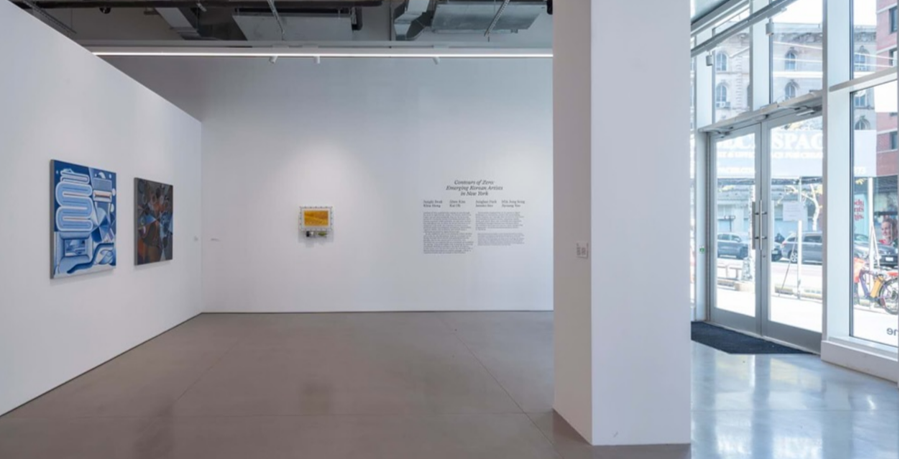
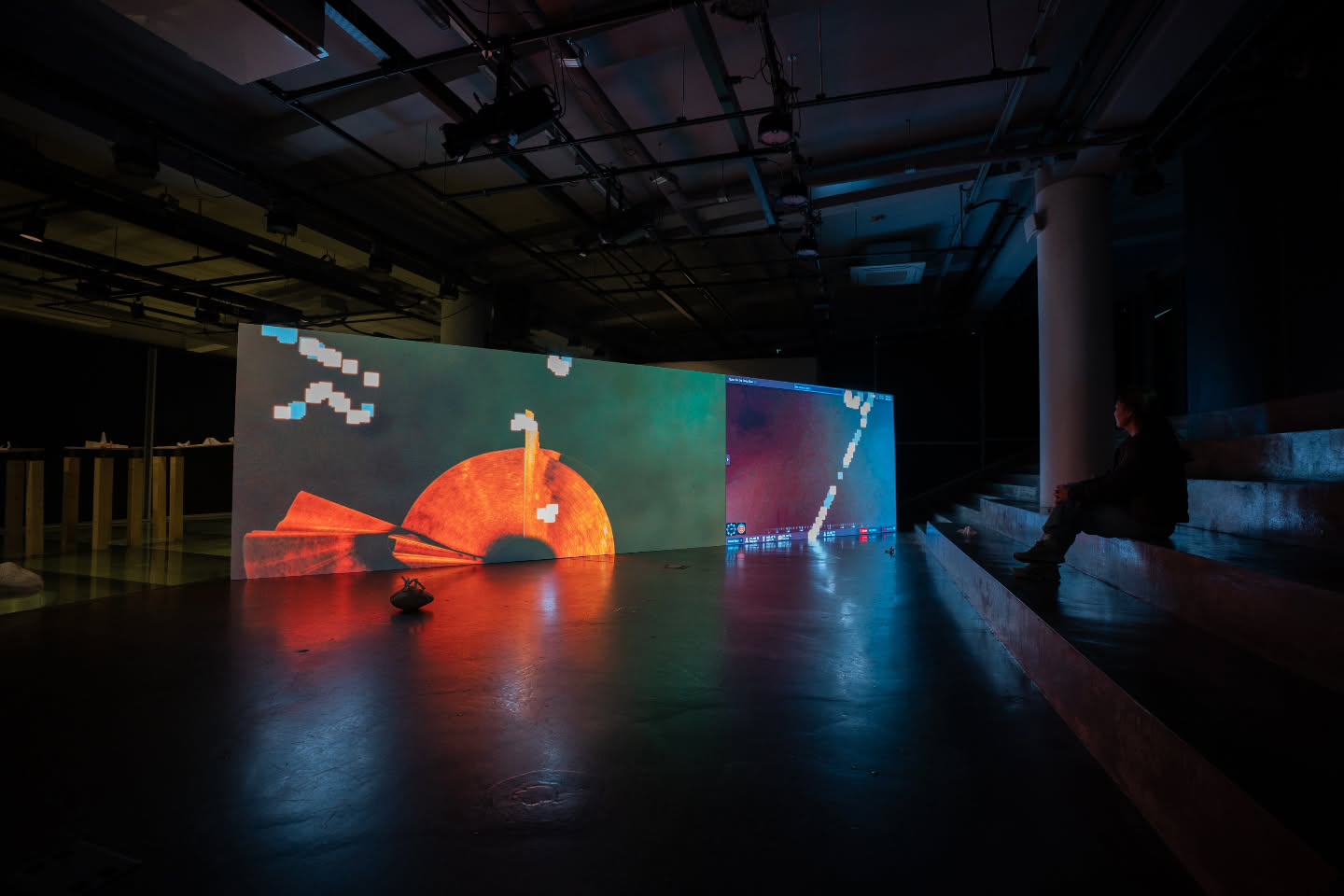
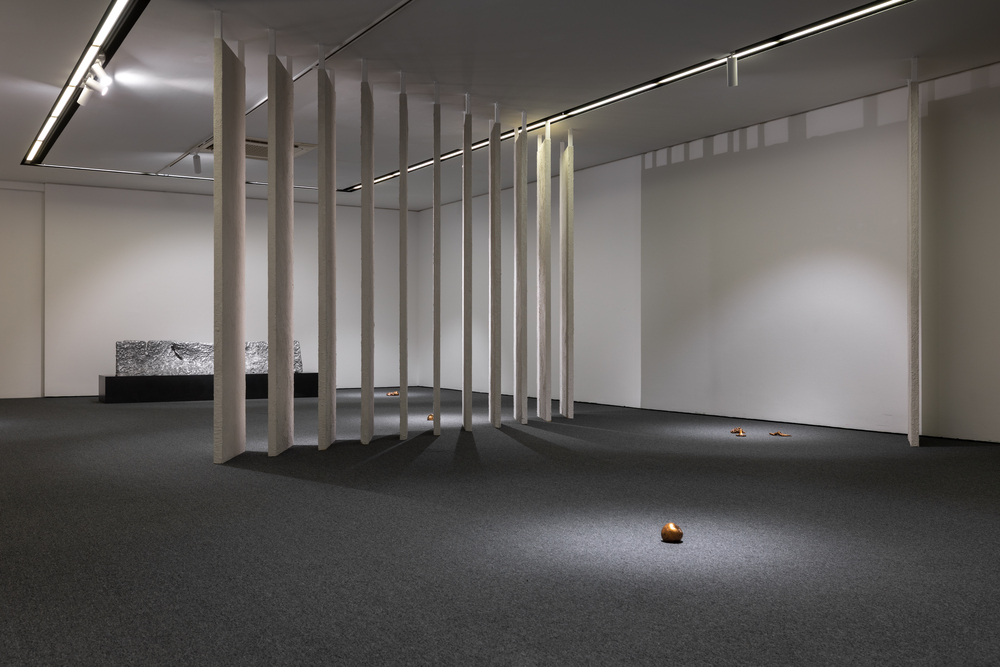
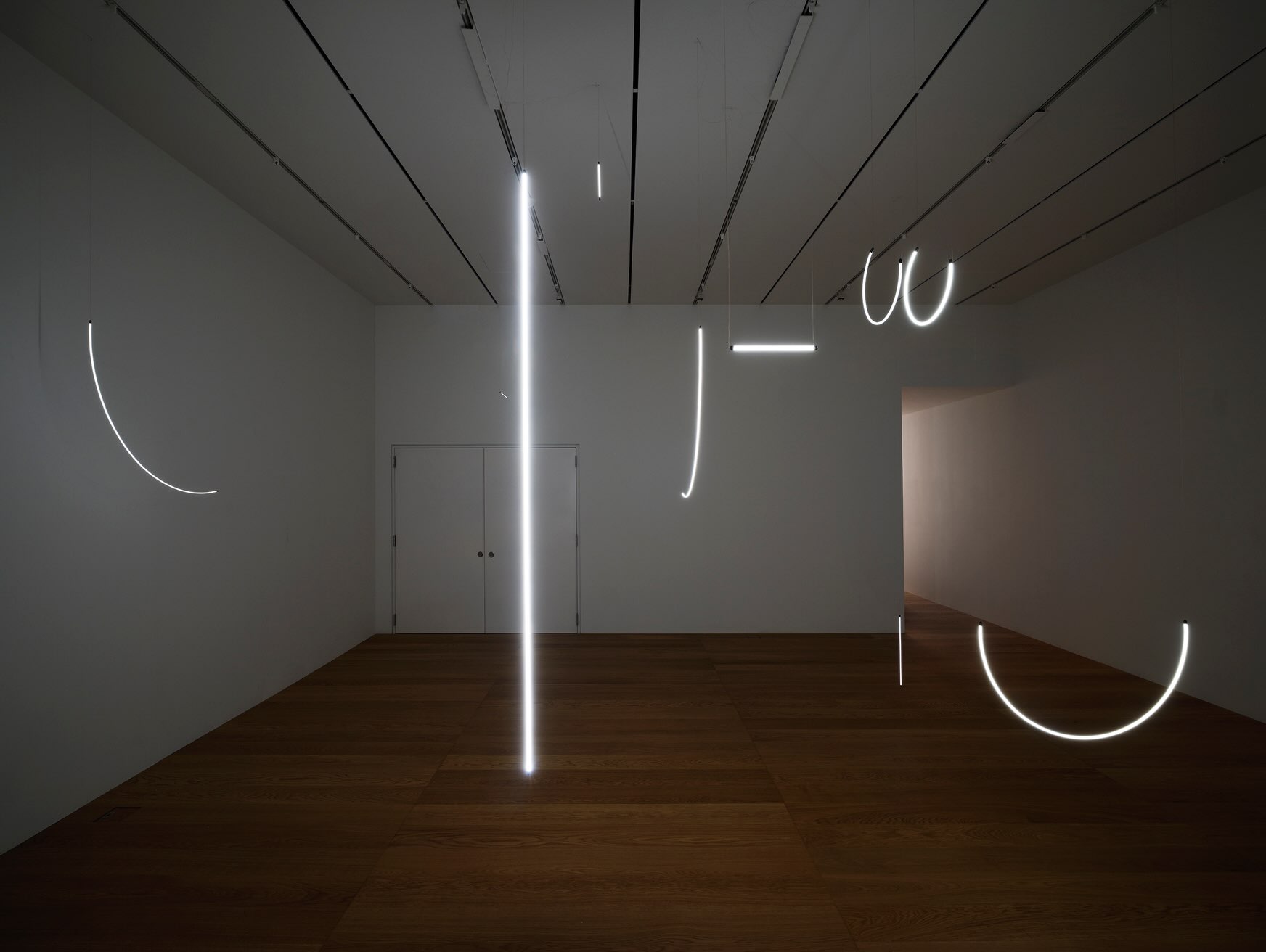
Exhibition View,《Contours of Zero: Emerging Korean Artists in New York》 7 Nov – 20 Dec 2025 / Photo : Hanwha Foundation of Culture
The inaugural
exhibition,《Contours of Zero: Emerging Korean Artists
in New York》, which opened on November 7, 2025,
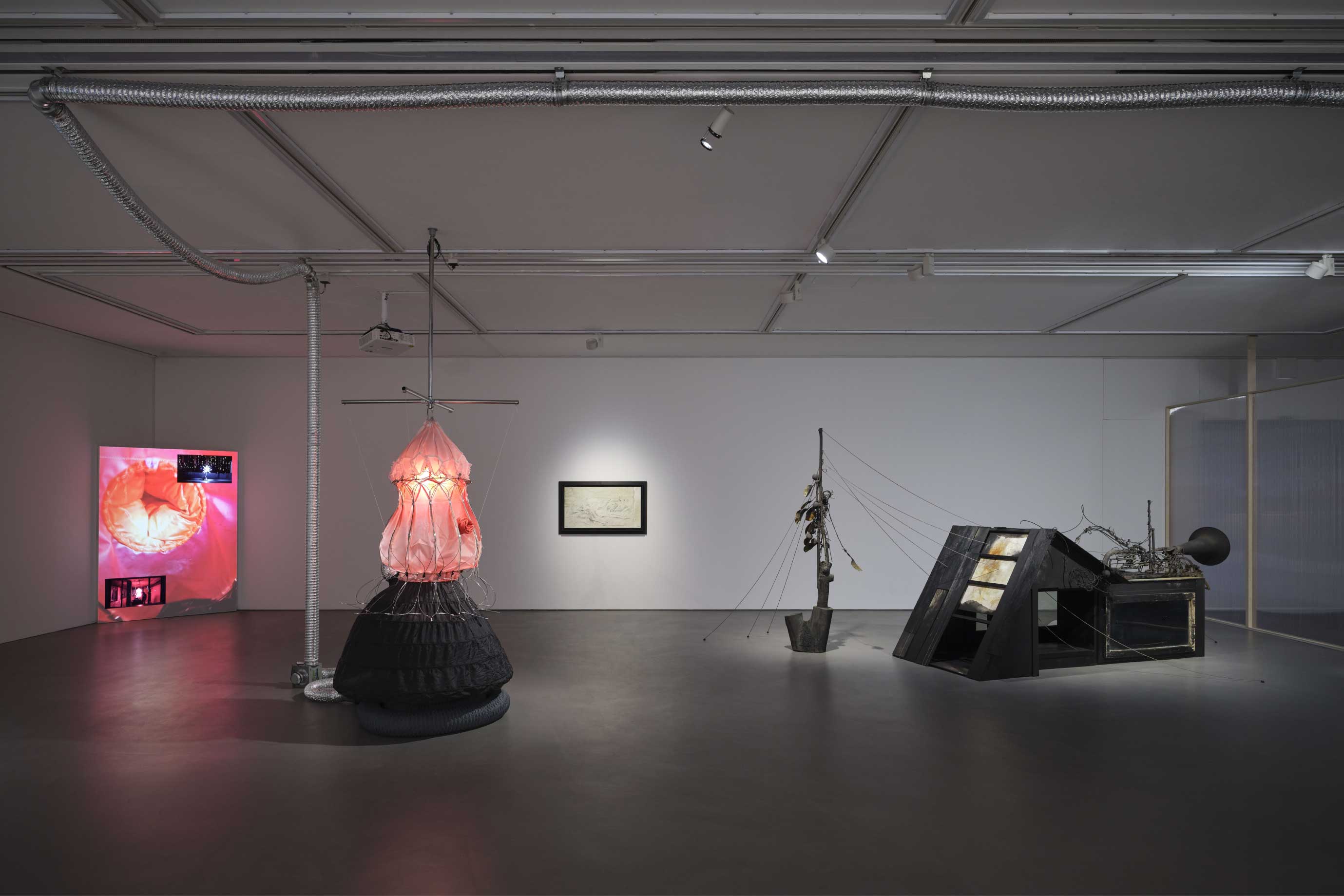
features eight Korean artists: Baek Junggi, Hong Giha, Kim Jihee, Oh Gayoung,
Park Junghae, Seo Jinho, Song Minjung, and Yoo Jiyoung. Spanning painting,
sculpture, installation, and digital imagery, the exhibition explores modes of
identity and relationality shaped within contemporary technological
environments. Fragmentary elements of everyday life—smartphone screens,
household appliances, urban infrastructure, and transient digital images—are
materialized to capture subtle shifts within contemporary culture.
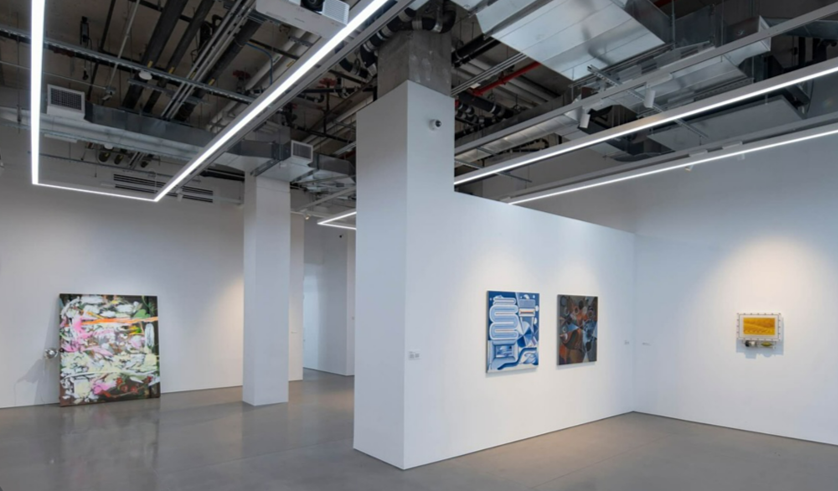
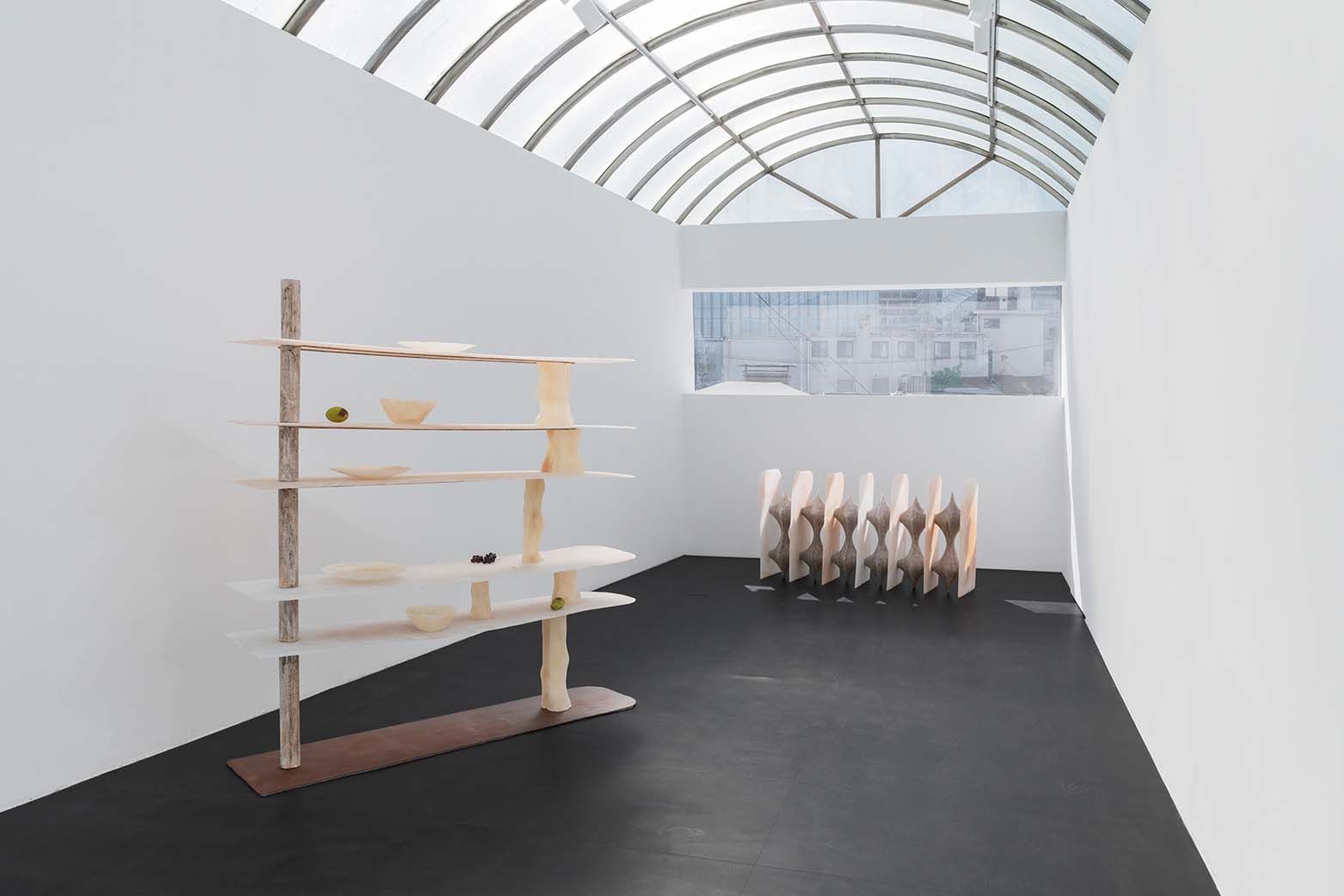
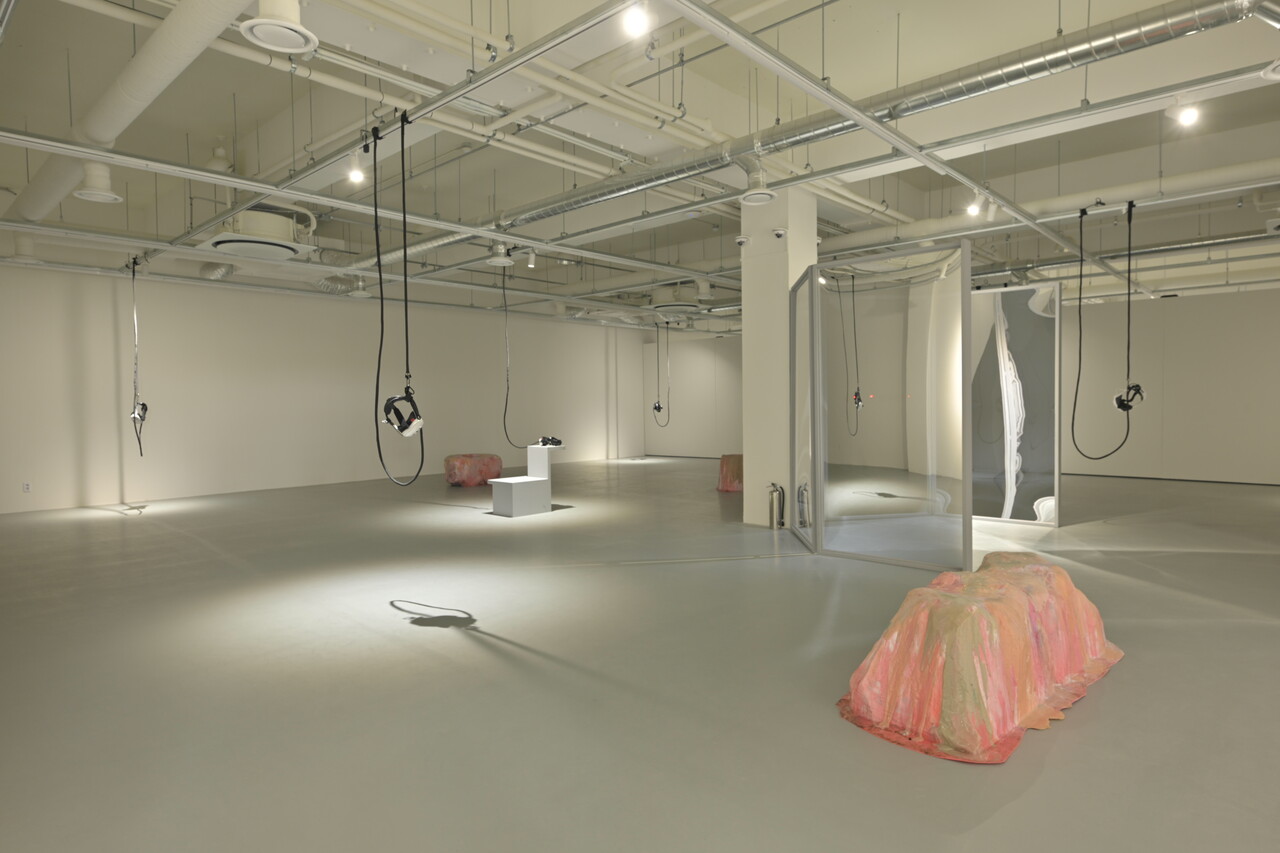
Exhibition View,《Contours of Zero: Emerging Korean Artists in New York》 7 Nov – 20 Dec 2025 / Photo : Hanwha Foundation of Culture
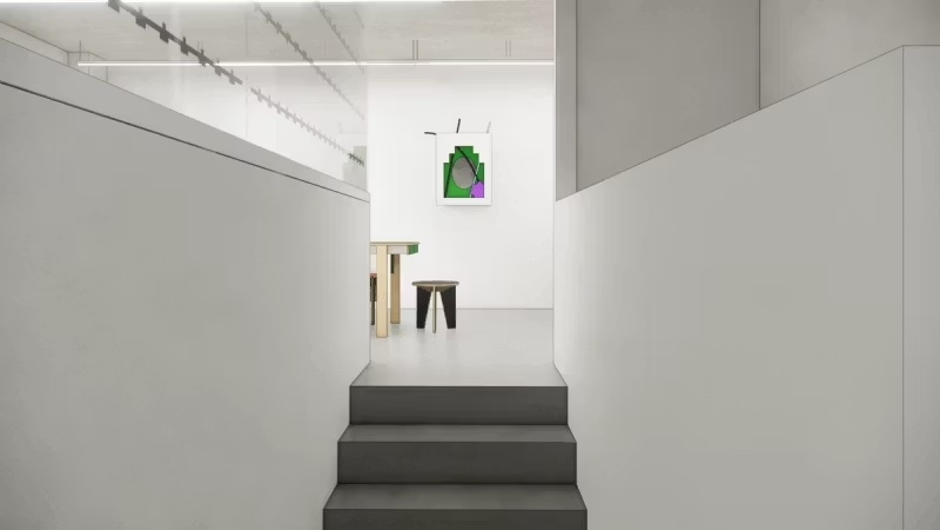
Artist’s Architecture, Artist’s Furniture by Hong Seung-hye is on display at the mezzanine lounge of Space ZeroOne in New York. / Courtesy of the artist

Artist’s Architecture, Artist’s Furniture by Hong Seung-hye is on display at the mezzanine lounge of Space ZeroOne in New York. / Courtesy of the artist
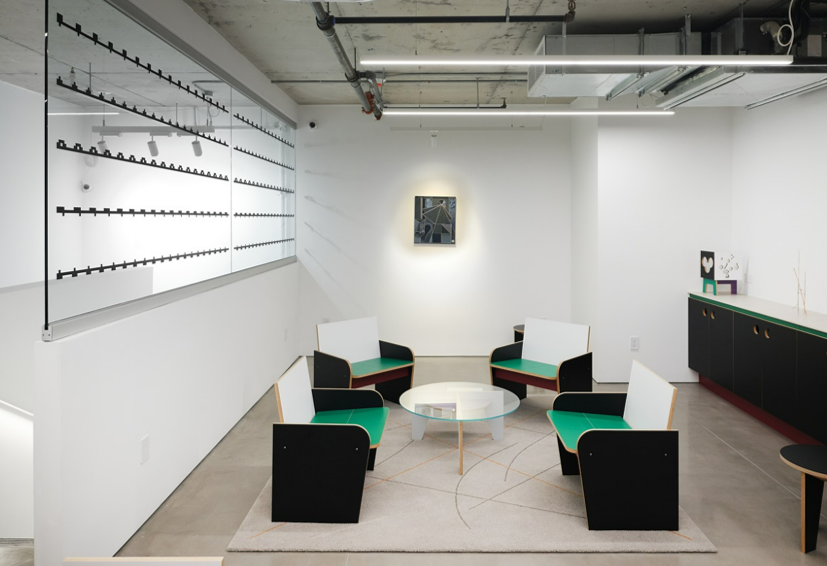
Artist’s Architecture, Artist’s Furniture by Hong Seung-hye is on display at the mezzanine lounge of Space ZeroOne in New York. / Courtesy of the artist
Approximately 15
to 20 works are presented in the exhibition, the majority of which were
produced within the past three years. Many are being shown in New York for the
first time, while several were newly commissioned in response to the
architectural conditions and spatial context of Space ZeroOne. This underscores
the institution’s intention to position the exhibition space not merely as a
site for displaying completed works, but as a generative condition where
artistic production and experimentation can emerge.
“Zero” as a
Point of Departure
The “Zero” in
Space ZeroOne does not signify absence or void. Rather, it refers to a state
prior to the formation of relations and forms—a condensed point of potential—and
is presented as a field situated in a continual state of “becoming”.
For Korea’s
millennial generation, whose modes of thinking and identity formation have been
shaped by digital structures ranging from early computer interfaces to
smartphone screens, “zero” already functions as a perceptual condition through
which the world is understood. Space ZeroOne reactivates this notion of zero
not as a pre-technological abstraction, but as a lived condition of
contemporary experience.
While referencing
the concept of zero proposed by the postwar German ZERO group as a site of
regeneration, as well as Roland Barthes’s notion of neutrality, Space ZeroOne
repositions these ideas within today’s technological environment and conditions
of cultural mobility. Here, zero operates not as a historical aesthetic
declaration, but as an ongoing and dynamic condition.
Space ZeroOne
as a Platform
Space ZeroOne
aspires to function beyond the scope of short-term exhibitions, positioning
itself as a long-term platform that supports emerging and under-recognized
artists through exhibitions, commissions, and public programs. Rather than
unilaterally “introducing” Korean artists, the institution emphasizes
intersections among Korea-based practitioners, Korean diaspora artists active
in New York, and international emerging artists.
This approach
frames Korean contemporary art not as a fixed national identity, but as a
multilayered network of practices. It resists reducing Korean art to a specific
style or regional characteristic, instead situating it as an active participant
within the international currents of contemporary art.
Precedents and
Continuities
To more clearly
understand the significance of Space ZeroOne, it is necessary to consider its
precedents.
The Yonkang
Foundation, operated by the DOOSAN Group, ran DOOSAN Gallery New York for over
a decade, from 2009 to 2021, consistently introducing Korean contemporary
artists to the New York art scene. It was the first Korean non-profit art
institution officially registered in New York City and combined gallery exhibitions
with the DOOSAN Residency New York program, which supported young Korean
artists through long-term stays and studio-based practice.
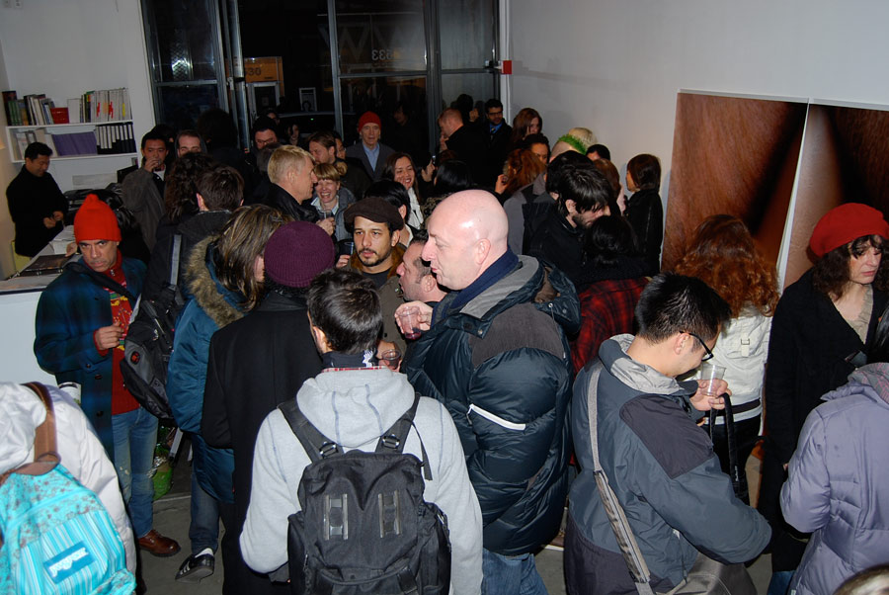
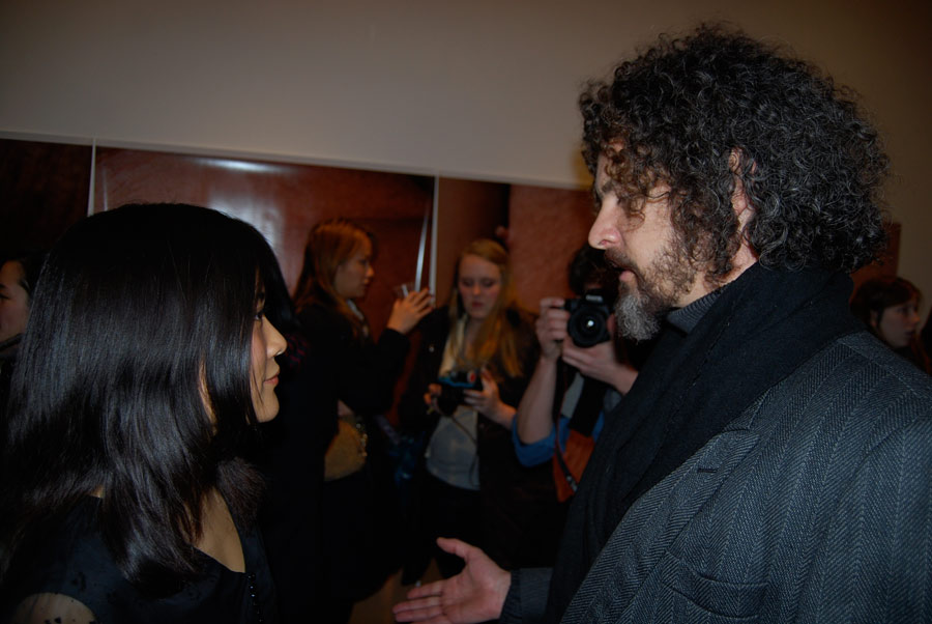
Miru Kim’s solo exhibition opening reception scene at DOOSAN Gallery New York / Photo: whitehotmagazine
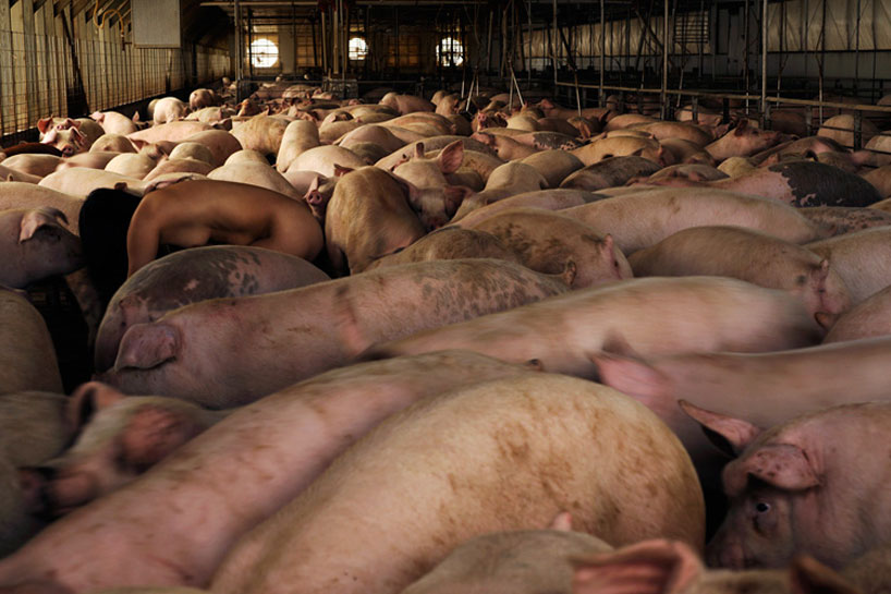
Miru Kim’s solo exhibition held at DOOSAN Gallery New York
DOOSAN Gallery New York hosted Miru Kim's exhibition《The Pig That Therefore I Am》from March 24 to April 23, 2011, featuring photographs where she posed nude with pigs in industrial farms to explore human-animal connections, building on her earlier ‘Naked City Spleen’ series of urban explorations. / Photo: whitehotmagazine
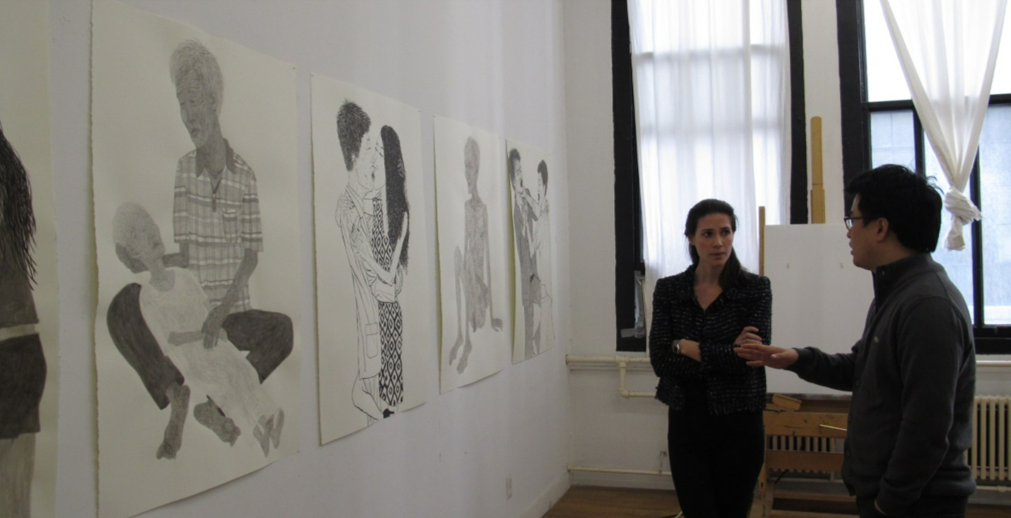
DOOSAN Residency New York Studio Visit Program
Studio Visit Program is designed to provide the artists-in-residence with opportunity to meet with prominent international curators and critics. Through in-depth conversations with arts professionals, each artist’s pursuit and studio practice are reviewed and reinforced. On November 8, 2013, Joanna Kleinberg, Assistant Curator at The Drawing Center, visited artist Sungsic Moon at the DOOSAN Residency New York. / Photo : DOOSAN Gallery
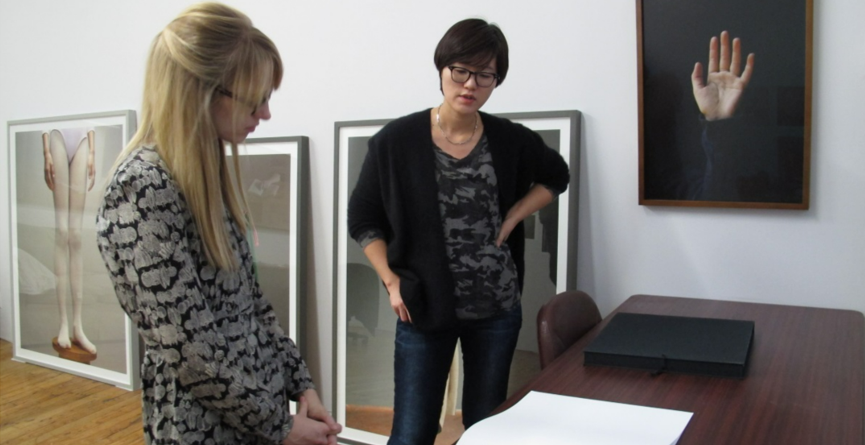
On November 30th, 2012, Katherine Brinson, Associate Curator of Solomon R. Guggenheim Museum, visited Heeseung Chung at DOOSAN Residency New York. / Photo : DOOSAN Gallery
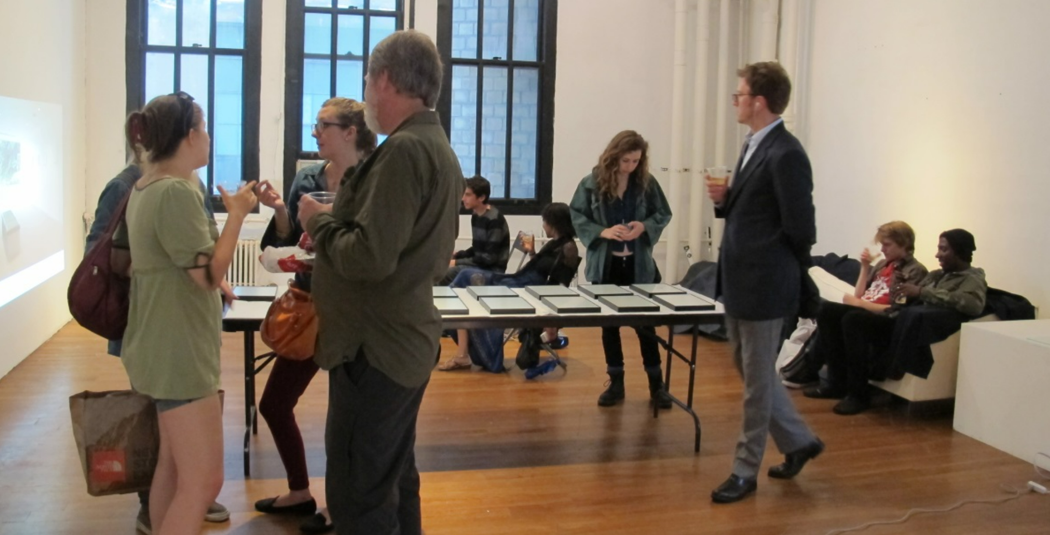
As part of the Studio Visit Program, DOOSAN Residency open studio will take place on Thursday, December 6 from 4PM to 8PM. Artists-in-Residency, Sojung Lee, Joo Yeon Park and Jaye Rhee will open their studios, providing a unique opportunity for art aficionados to witness a wide range of their newly finished artworks and works in progress. The semi-annual events invite public to share an intimate experience with other professionals and artists in the studio. / Photo : DOOSAN Gallery
Beyond solo
exhibitions, the program provided Korean artists with direct access to the New
York art scene through studio visits by curators from major institutions such
as MoMA and the Guggenheim Museum. By sustaining an integrated model of
exhibitions and residencies for over a decade, DOOSAN Gallery New York
established an important precedent for structurally testing Korean artists’
entry into international institutional frameworks.
Building upon
this accumulated experience, Space ZeroOne begins anew. The critical question
is not who came first, but how the next phase is carried forward after such
precedents have been established. If the late 2000s marked a period focused on
entry into international institutions, Space ZeroOne in the mid-2020s operates
at a stage concerned with sustaining experimentation and discourse amid growing
global interest.
Conclusion |
Beginning from an Ongoing Position
Space ZeroOne is
less an object of evaluation than a space that must now accumulate time. It
does not seek to summarize or represent the achievements of Korean contemporary
art. Instead, it deliberately positions itself at a “zero point”—a state in
which what it will become remains undecided.
If DOOSAN Gallery
New York left behind a model through its long-term integration of exhibitions
and residencies, Space ZeroOne will experiment with another mode of possibility
within the city of New York. Its value will not be proven quickly, nor does it
need to be. What matters is not the number of exhibitions held, but whether
sustained experimentation can take place and whether artists and discourses are
allowed to accumulate over time.
One may hope that Space ZeroOne will become another
stable point of connection between Korean contemporary art and the world. When
such initiatives in New York continue without interruption, Korean contemporary
art may move beyond momentary attention toward a more sustainable and enduring
structure of global engagement
Space ZeroOne
New York: 371 Broadway, New York, NY 10013, USA
Hours: Tuesday–Saturday, 12–6 PM
Contact:
T +1 212 226 6701
Instagram @zeroone.space
E info@zeroone.space