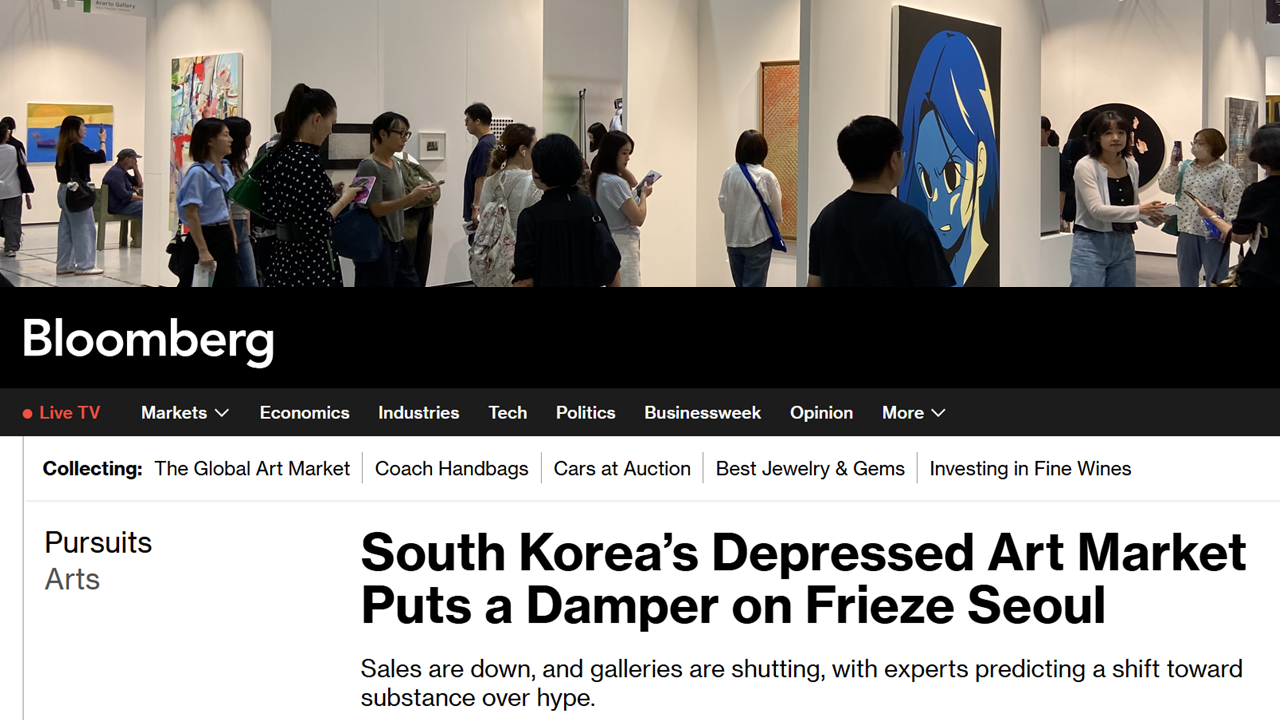

This final installment of《Korea Art Market 2025》summarizes the
condition of the Korean art market in 2025 by sector, based on the
report’s market analysis, and considers prospects for the period ahead.
A synthesis of the key indicators presented in《Korea Art Market 2025》suggests that the
simultaneous downturn observed across auctions, galleries, and art fairs cannot
be explained simply as a cyclical economic slowdown. Rather, the analysis
persuasively argues that the conventional growth model that characterized the
Korean art market over the past decade has reached its limits, with the
consequences of this structural exhaustion becoming concentrated over the
course of this year.
The Auction Market: From Short-Term Trading
to Long-Term Holding
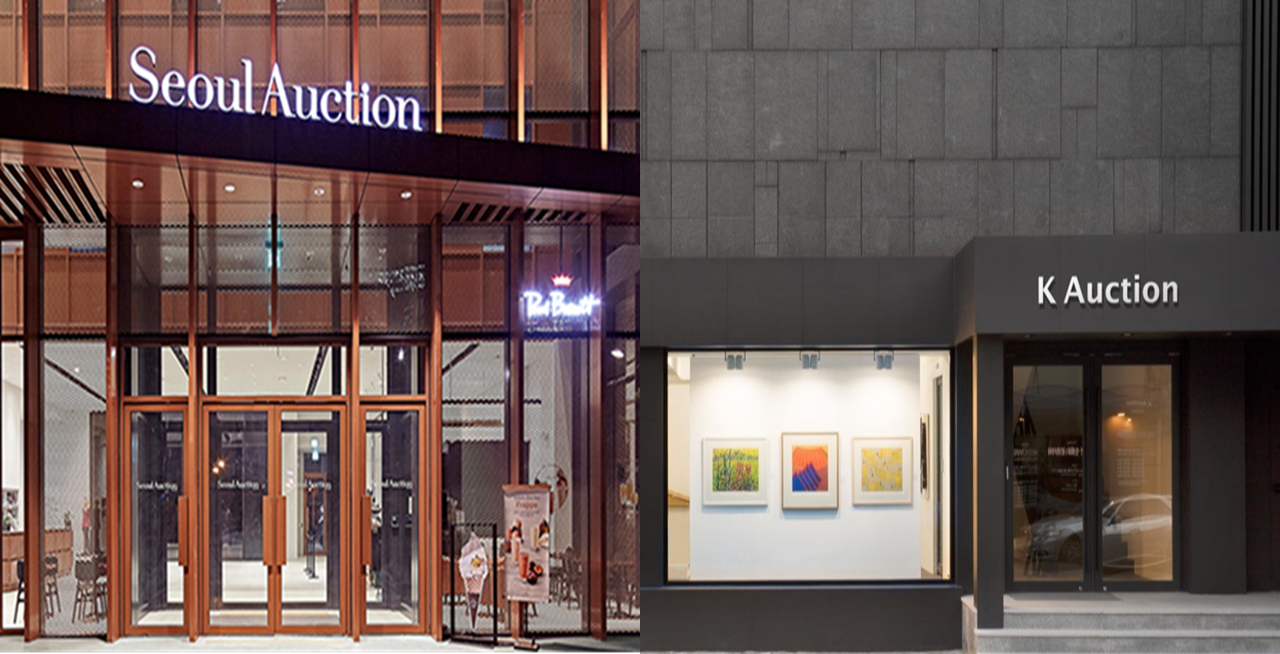
In 2025, the domestic auction market showed a
clear decline. Total annual hammer sales fell sharply from the previous year,
dropping to levels even lower than those seen in the early stages of the
pandemic. This contraction, however, is not unique to Korea, but aligns with
the broader downturn affecting the global auction market as a whole.
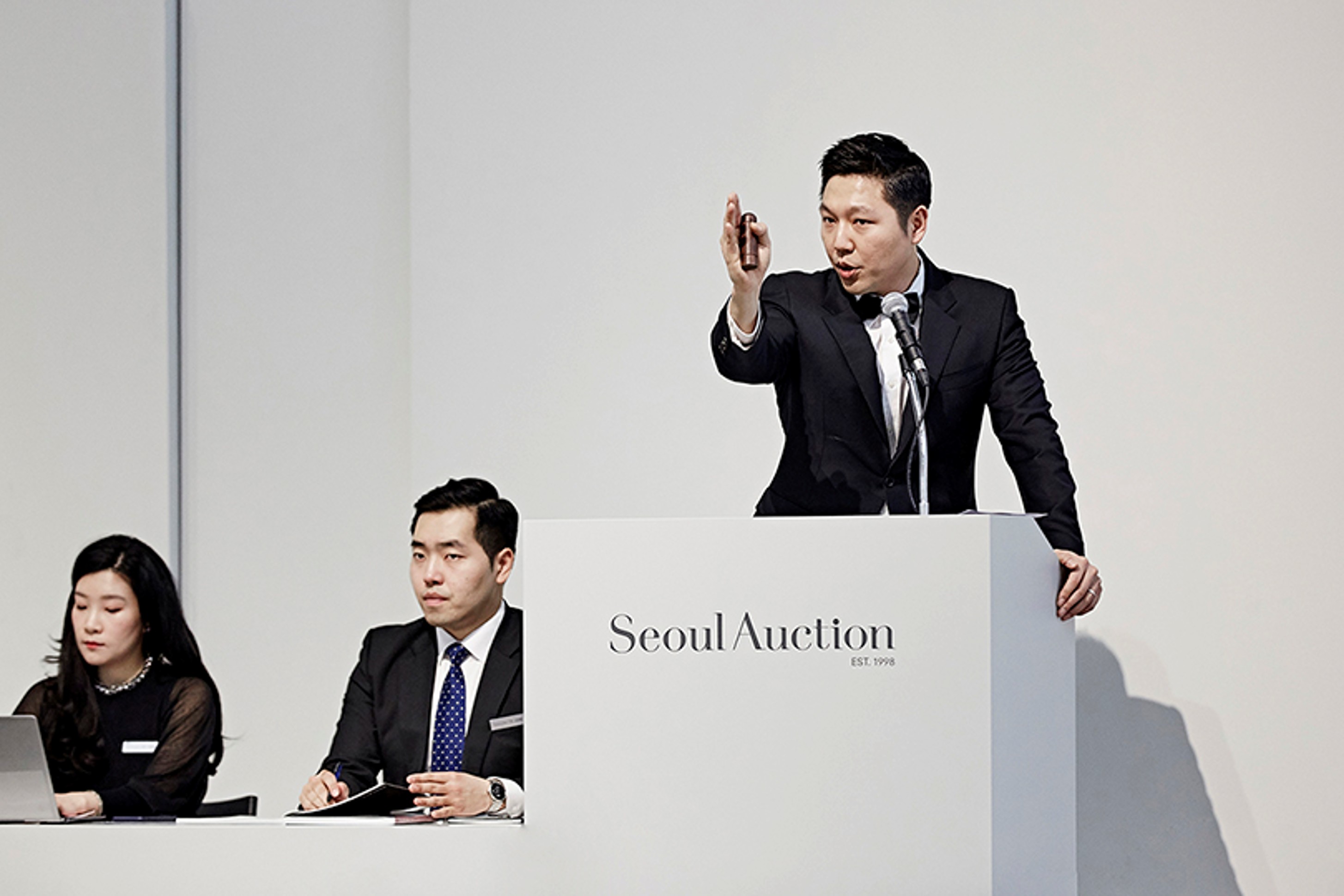
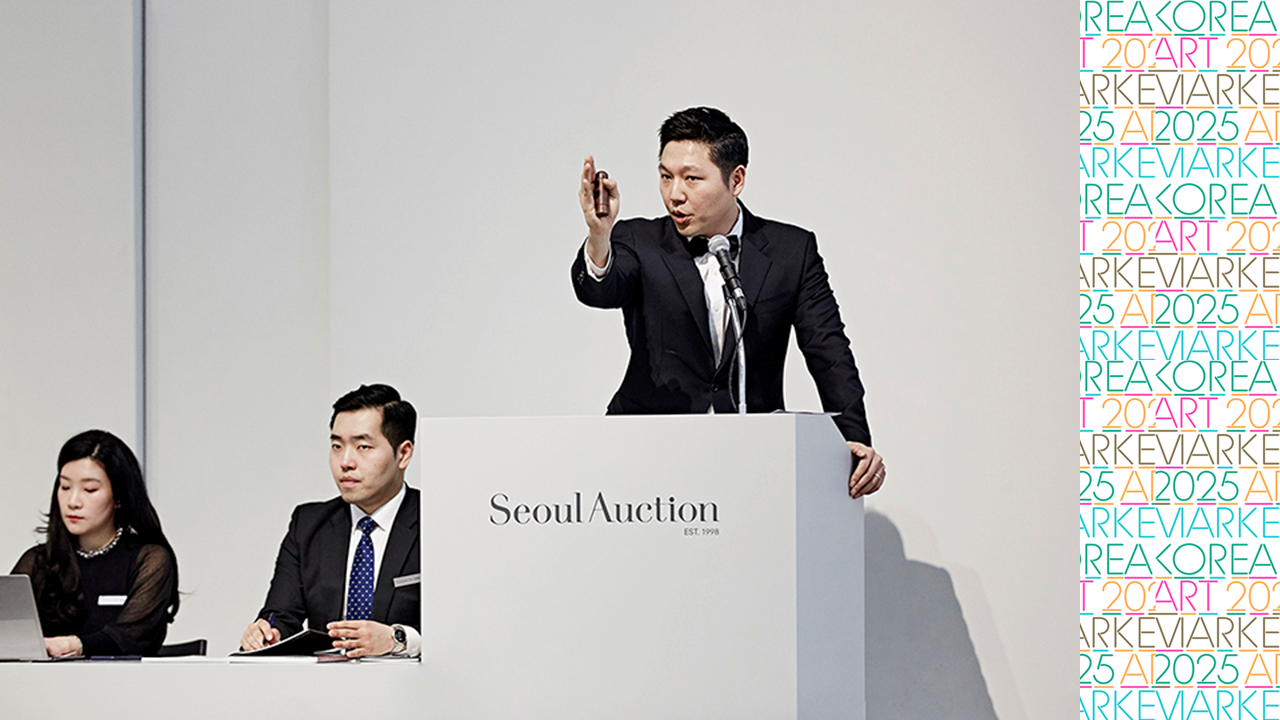
Seoul Auction in session / Photo: Seoul Auction
That said, the internal dynamics reveal a more
nuanced picture than a simple contraction. In certain price segments,
transaction volumes were maintained or even increased slightly, while among
major artist groups, short-term trading declined and was replaced by transactions
premised on long-term holding. In effect, speculative demand has
receded, giving way to a more conservative collecting attitude.
The report interprets this not as a collapse of
the auction market, but as a transformation in trading behavior. Rather than
focusing on the timing of a price rebound, it suggests that closer attention
should be paid to the ongoing reconfiguration of market structure.
Galleries: The Limits of Expansion-Driven
Strategies
In the gallery sector, the sense of contraction
was even more pronounced. Many galleries experienced declining revenues,
leading to reductions in operational scale or adjustments in art fair
participation. A growing number have also begun reassessing staffing structures
and fixed costs.
Within the industry, these shifts are
increasingly viewed not as short-term responses to an economic downturn, but
as signals that expansion-oriented operating models have become unsustainable.
In this sense, 2025 marks a turning point rather than a temporary setback.
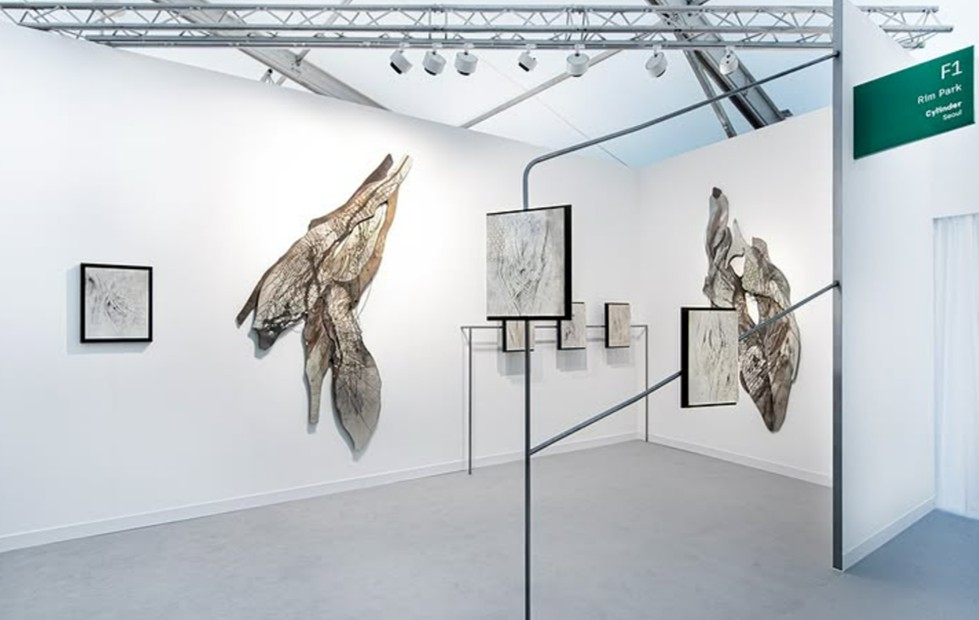
An installation view of Cylinder Gallery, one of the emerging galleries currently active on the international scene, at Frieze London / Screenshot from Cylinder Gallery’s Instagram.
By contrast, a smaller group of galleries
demonstrated relatively stable performance. These galleries shared a common
approach: moving away from a supply-driven, artist-centered logic toward strategies
oriented around collectors.
Those that recalibrated exhibition planning,
pricing structures, and communication methods to align with changing collector
preferences and purchasing patterns were able to maintain greater stability
despite unfavorable market conditions.
The report characterizes 2025 as “a year in
which galleries paused their growth strategies and began to reconfigure their
operational foundations.”
Art Fairs: The End of the “Attend More”
Strategy
Even amid the contraction of auctions and
galleries, art fairs continued to function as key distribution channels. At
several major fairs, visitor numbers increased, and while limited, tangible
sales results were confirmed. In particular, the influx of younger collectors
emerged as a positive variable for the market.
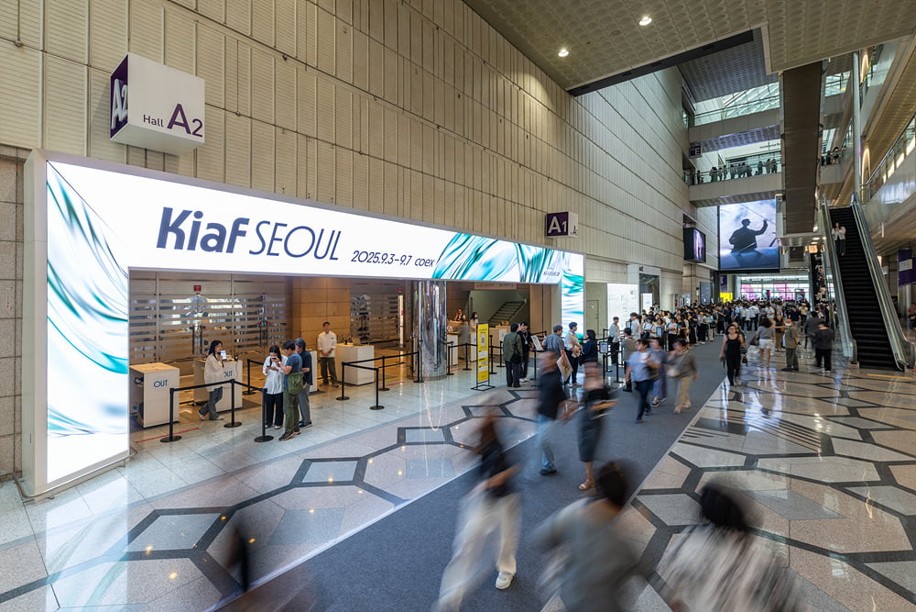
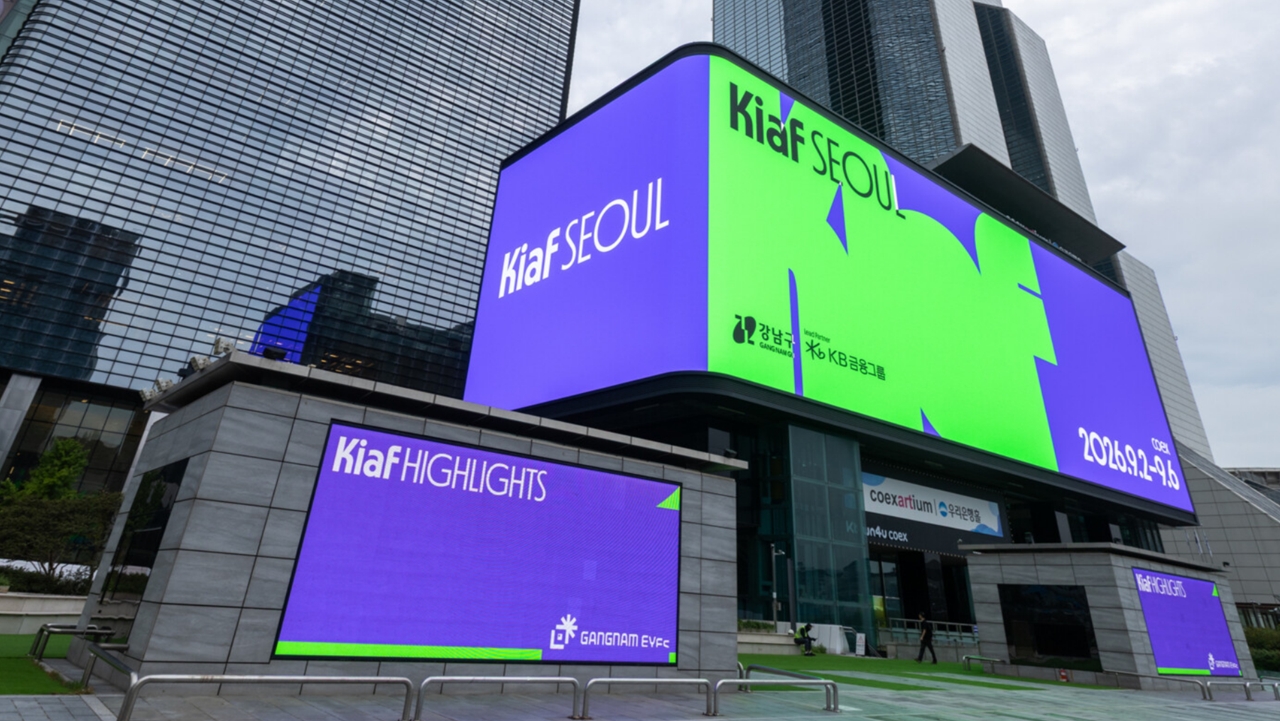
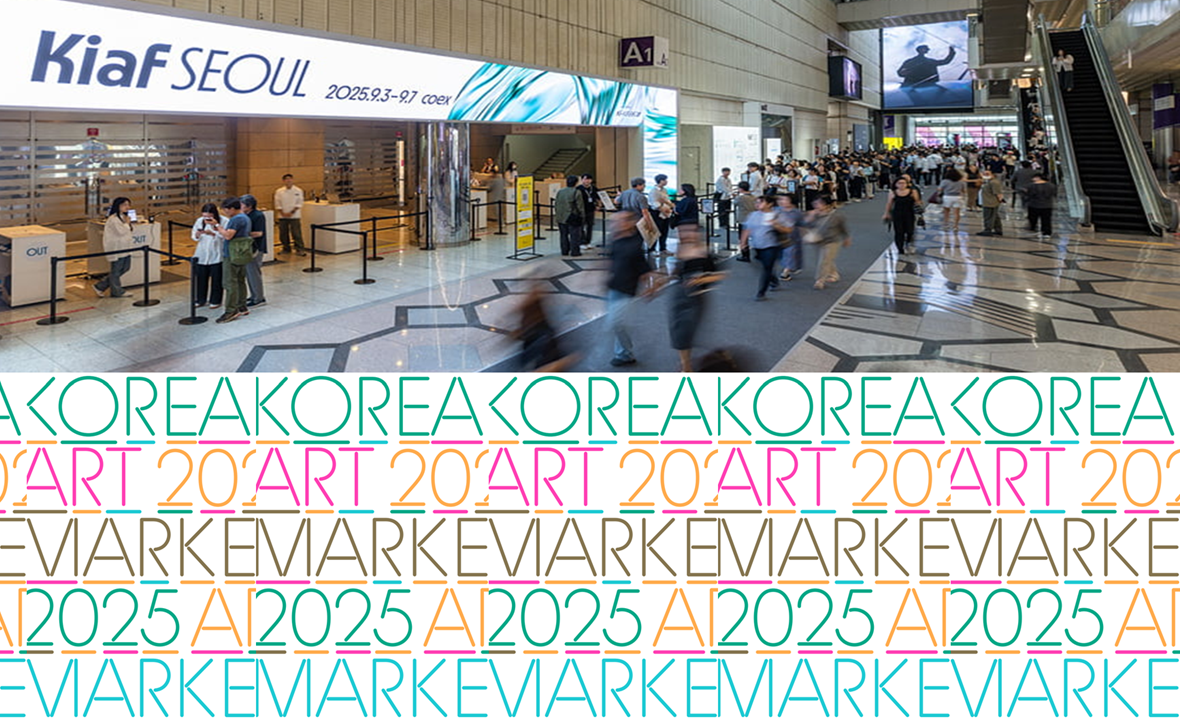
Kiaf 2025 Exhibition Scene / Photo: Kiaf
Power 20: Influence Remains Concentrated in
Individuals
The《Korea Art
Market Power 20》list included in the 2025 report
offers a revealing snapshot of the current structure of influence within the
Korean art market.
Taking into account not only capital scale and
transaction volume, but also network-building capacity, institutional impact,
and the ability to shape discourse, the list identifies those who
exert real influence over the market.
One striking feature is that influence
remains centered on individuals rather than consolidated within institutions or
organizations. Figures who move fluidly across galleries, institutions,
curatorial practice, and policy domains continue to play a decisive role.
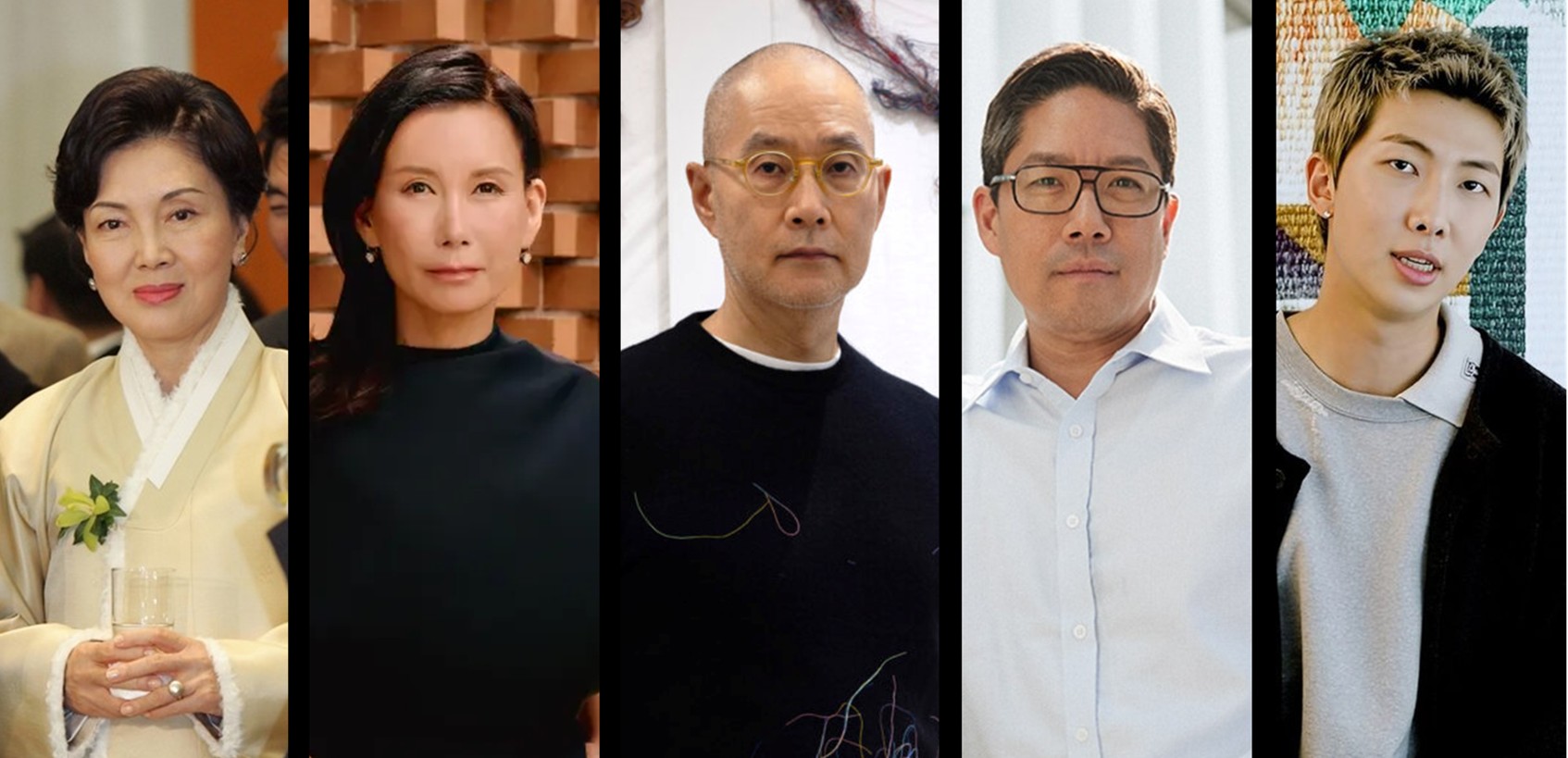
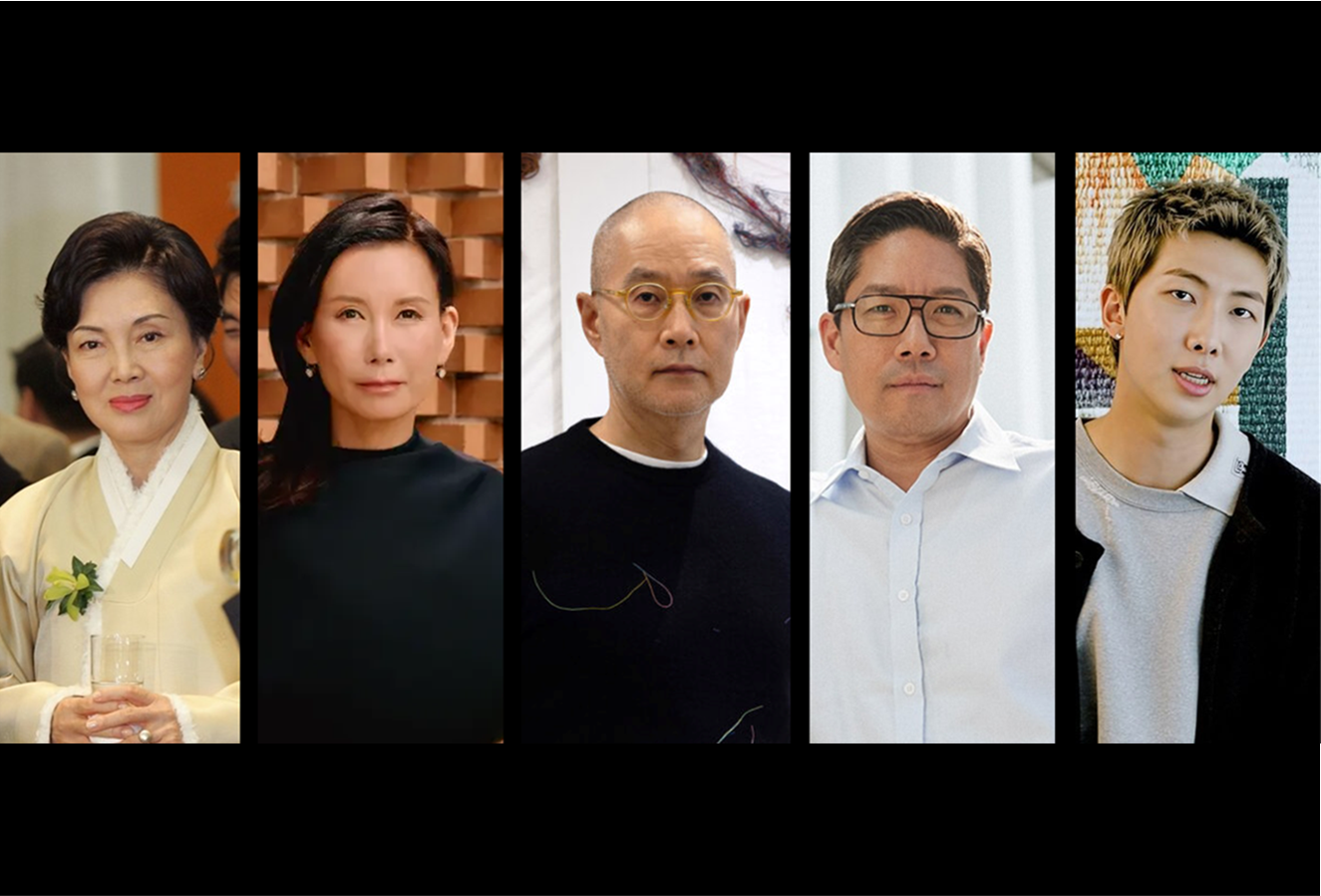
From left: Hong Ra-hee (Honorary Director, Leeum Museum of Art), Tina Kim (Tina Kim Gallery), Do Ho Suh (artist), Patrick Lee (Director, Frieze Seoul), RM (BTS).
This indicates that the Korean art market still
relies heavily on personal judgment and relational networks rather than
institutionalized systems. The report assesses this condition as one that “combines
the advantage of flexibility with inherent structural vulnerability.”
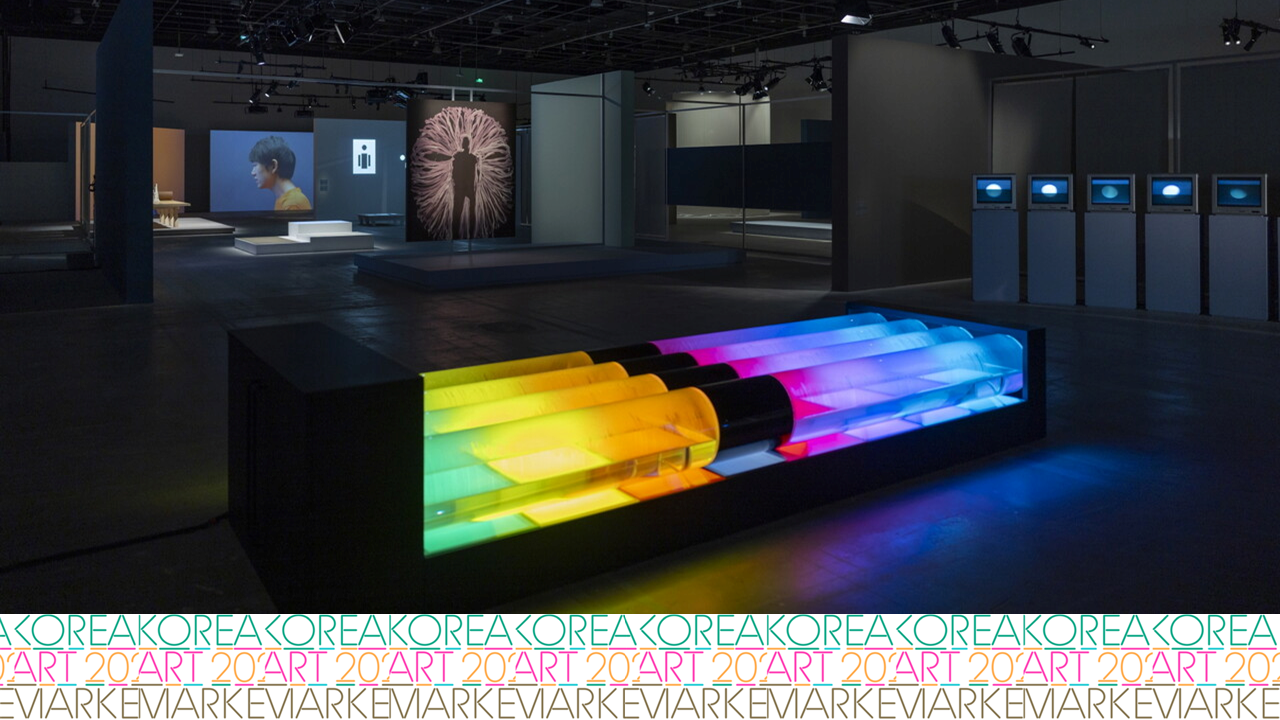
Promotional image for Frieze Seoul 2026 / Courtesy of the Frieze website.
Closing 2025
On December 18, the five-year extension
of Frieze Seoul was formally confirmed. This decision is widely
interpreted as a sign that Seoul is no longer viewed as a site for short-term
events within the Asian art market, but rather as a mid- to long-term hub. It
underscores the continued strategic relevance of the Korean market within the
international art world.
Nevertheless, this development should not be
read straightforwardly as a signal of market recovery. Many in the field regard
the extension as having “bought time.” Over the next five
years, outcomes will depend heavily on how effectively internal foundations are
strengthened—through institutional reform, the development of digital archives,
the cultivation of professional expertise, and the education of collectors.
In conclusion, while the《Korea Art Markt 2025》was undeniably subdued,
the report suggests that this year should not be recorded simply as one of
decline. Rather, it may be understood as a period in which the market
adjusted its pace while preparing for the next phase.
Ultimately, the question posed by《Korea Art Markt 2025》points toward 2026 and
beyond, emphasizing that only through professional decision-making aligned with
global standards and reform-oriented execution that overcomes existing
limitations can the market move closer to meaningful answers.
Source
(Download):《Korea Art Markt 2025》(Seoul National University Business Research Institute · Paradise
Cultural Foundation, 2025).