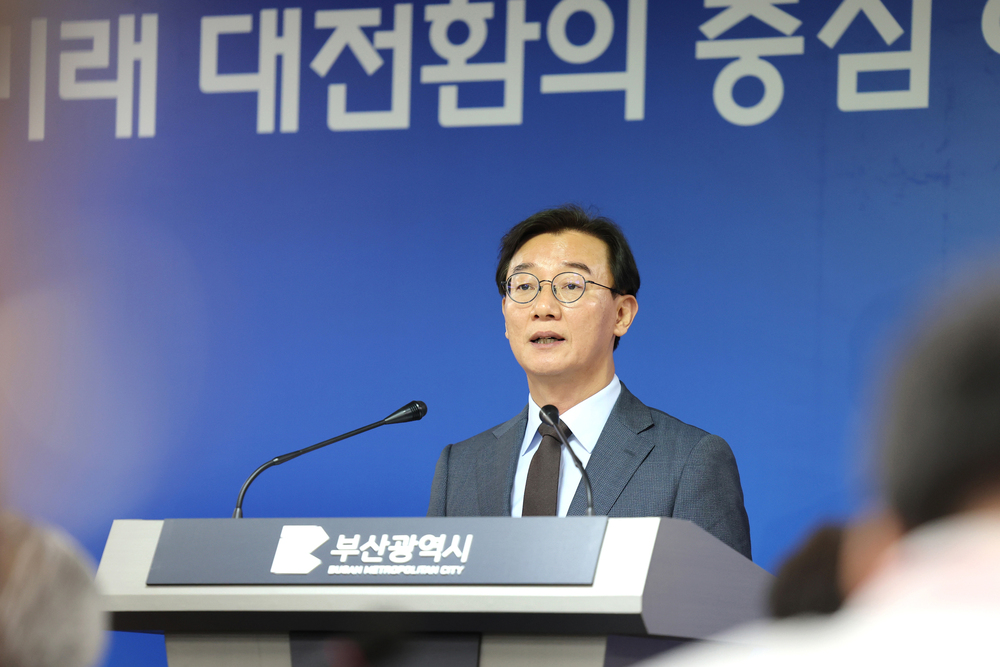

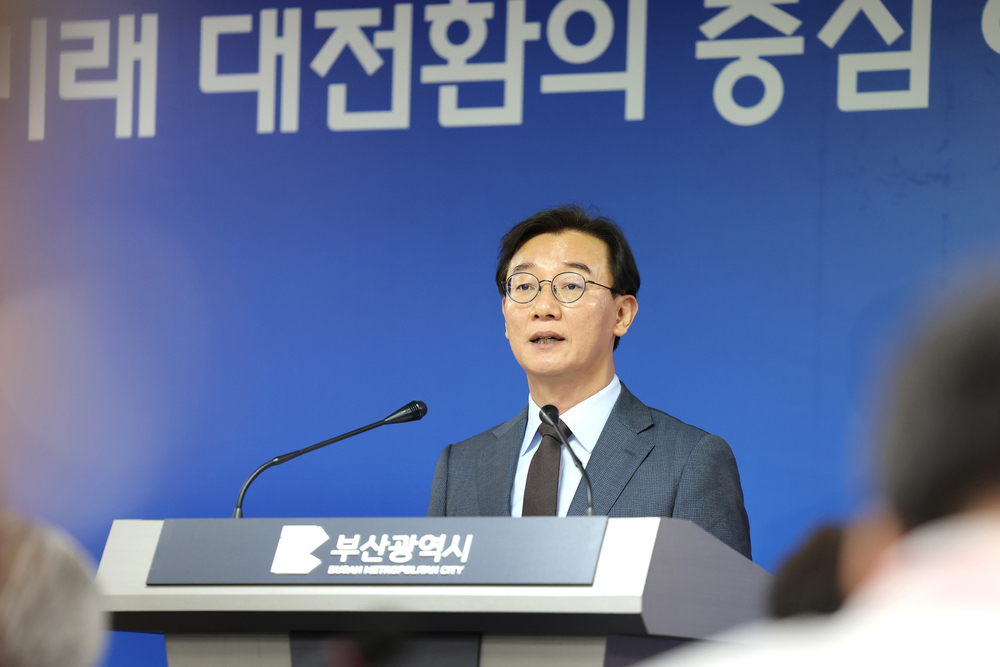
On October 14, Busan Mayor Jeon Jae-soo announced key issues concerning the city’s cultural sector. © Busan Metropolitan City
The Busan Metropolitan City, led by Mayor
Jeon Jae-soo, has decided to halt the Pompidou Center Busan branch project.
The announcement marks the first follow-up
measure to a commitment made at a town hall meeting on September 30, where
Mayor Jeon stated, “What we hear today will shape Busan’s cultural policy.”
The city spent three months deliberating on
the proposed Pompidou Center Busan branch and an invited performance by La
Scala, without predetermining the outcomes of either project. For the Pompidou
project, the city reviewed anonymous written opinions submitted by an 18-member
policy review panel co-chaired by two city council members.
Mayor Jeon explained that the decision was
made after considering the outcomes of this deliberative process in light of
four core principles guiding city administration: “citizen-perceived impact,”
“public interest,” “fiscal sustainability,” and “administrative
accountability.”
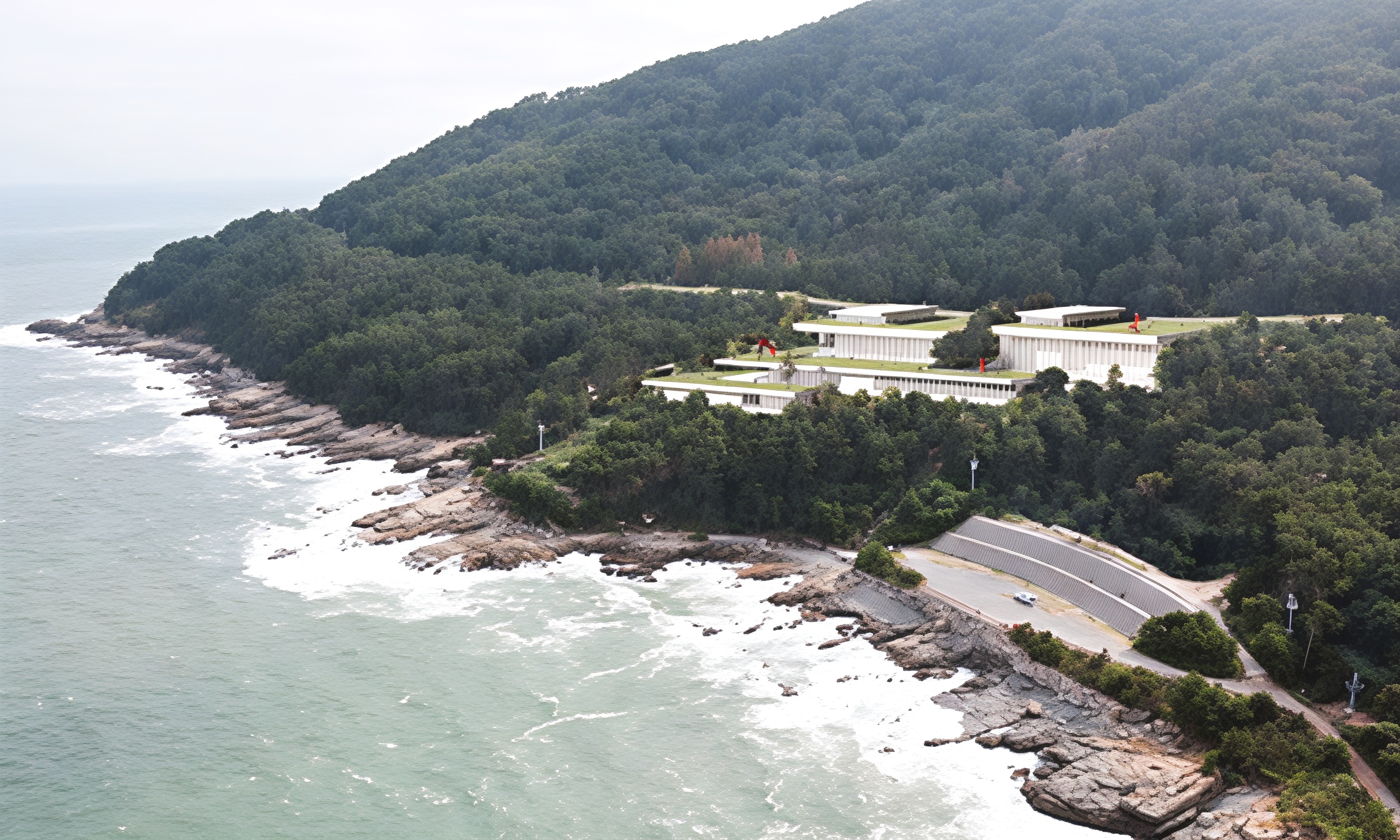
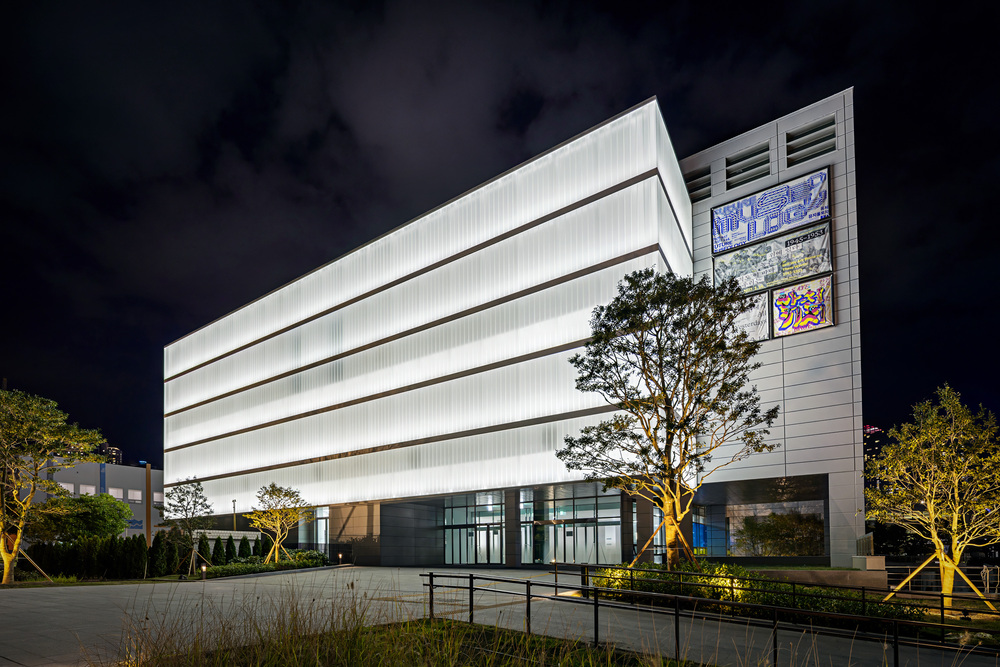
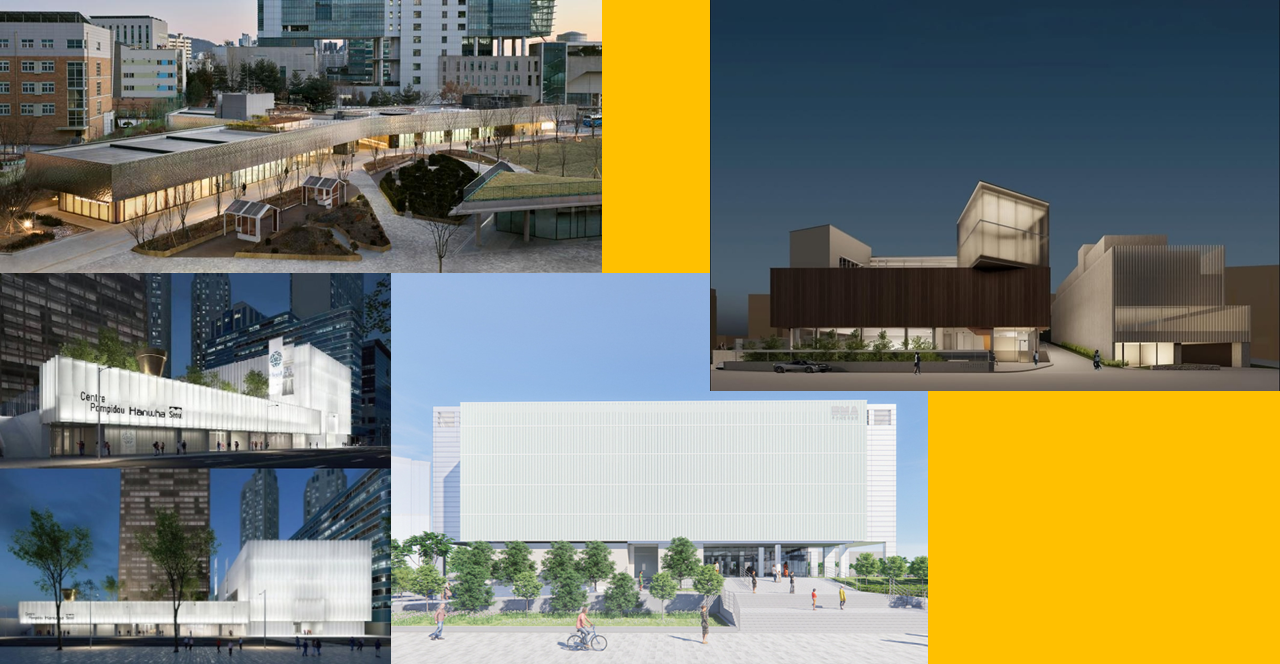
Architectural rendering of Centre Pompidou Busan, planned for Igidae Art Park in Nam-gu, Busan. © Busan Metropolitan City
Busan Halts Pompidou Center Branch
Project, Citing Environmental Preservation at Igidae Park and Fiscal
Prudence
The policy review panel did not reach a
single recommendation due to differing views for and against the project, but
it compiled majority and minority opinions on key issues. While some
anticipated cultural and tourism benefits, the majority called for a
reassessment of the project’s key conditions.
The Cultural Cooperation Committee also
expressed more opposition than support overall. Even members who conditionally
supported the project called for reconsidering the Igidae site, citing concerns
about environmental damage.
Opinions were also divided at the town hall
meeting. Supporters pointed to potential tourism and economic benefits, as well
as an enhanced brand value for Busan. Opponents argued that, rather than
bringing in a foreign brand, the city should strengthen its local identity and
support and nurture local artists.
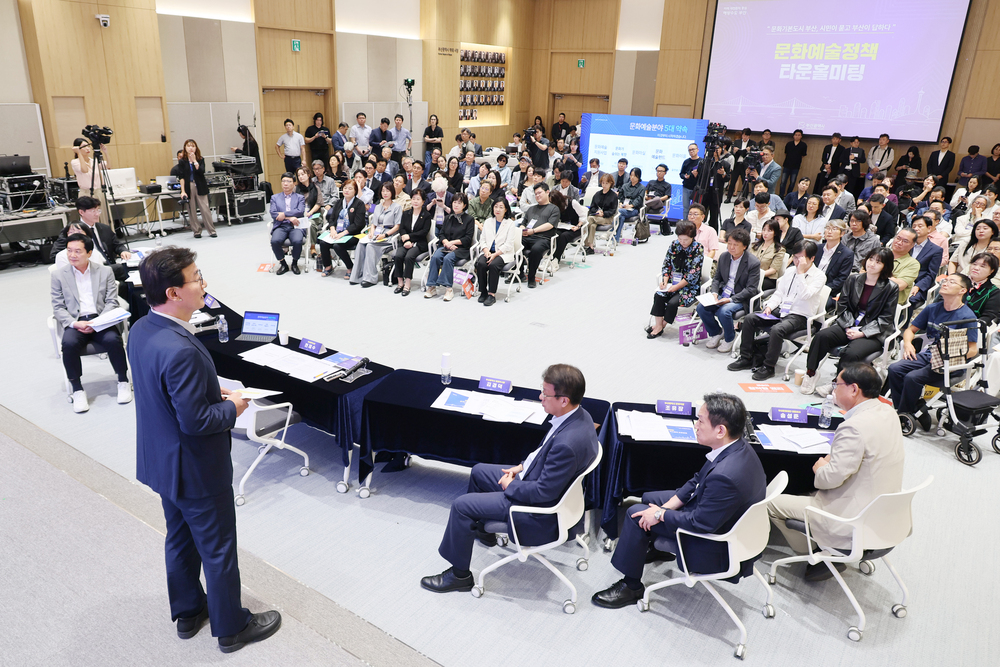
Photo from the Busan City Cultural and Arts Policy Town Hall Meeting held on September 30. © Busan Metropolitan City
The city cited four reasons for halting the
project following the deliberative process. First, building a permanent
structure at Igidae, a national geopark with approximately 80 million years of
geological history, would entail costs that outweigh the anticipated benefits.
Second, it would be difficult to adequately
safeguard Busan’s rights and the public interest under the proposed contract.
Many argued that the terms should be improved and that the artworks and content
to be provided should be explicitly guaranteed.
Third, the project’s long-term financial
burden remained uncertain. A feasibility study for the project estimated
construction costs of approximately KRW 110 billion to be covered by the city
and annual operating expenses of around KRW 12.5 billion. However, many
expressed doubts about the reliability of the economic feasibility analysis.
Fourth, the project lacked sufficient
consensus with the local art community and a clear plan for mutual growth,
while its division of roles with existing art museums remained ambiguous.
The city nevertheless stated that it would
pursue alternative policy measures to realize the public’s strong desire for
world-class cultural infrastructure, as expressed during the deliberative
process.
It plans to strengthen the exhibition,
research, and collection capabilities of the Busan Museum of Art in eastern
Busan and the Museum of Contemporary Art Busan in western Busan, while
expanding exchanges with leading international museums to enhance the city’s
exhibition capacity.
In addition, the city plans to establish a
multidisciplinary cultural and exhibition space in the North Port area, a
facility long sought by local artists, using funding entirely from the national
government.