
In 2026, the
Korean art world will see several new museums opening or reopening after major
renovations, primarily in Seoul and Busan.
Beginning with
the reopening of the Busan Museum of Art, the year will also mark the opening
of the SeMA Seo-Seoul Museum—the first public art museum in southwestern Seoul—as
well as Centre Pompidou Hanwha Seoul, developed in collaboration with the
Pompidou Center in Paris, and the Park Seo-Bo Museum dedicated to the legacy of
the Dansaekhwa master Park Seo-Bo. While these institutions differ in character
and operational direction, they share a common significance in expanding the
institutional spectrum of the Korean art ecosystem.
Busan Museum
of Art Reopens
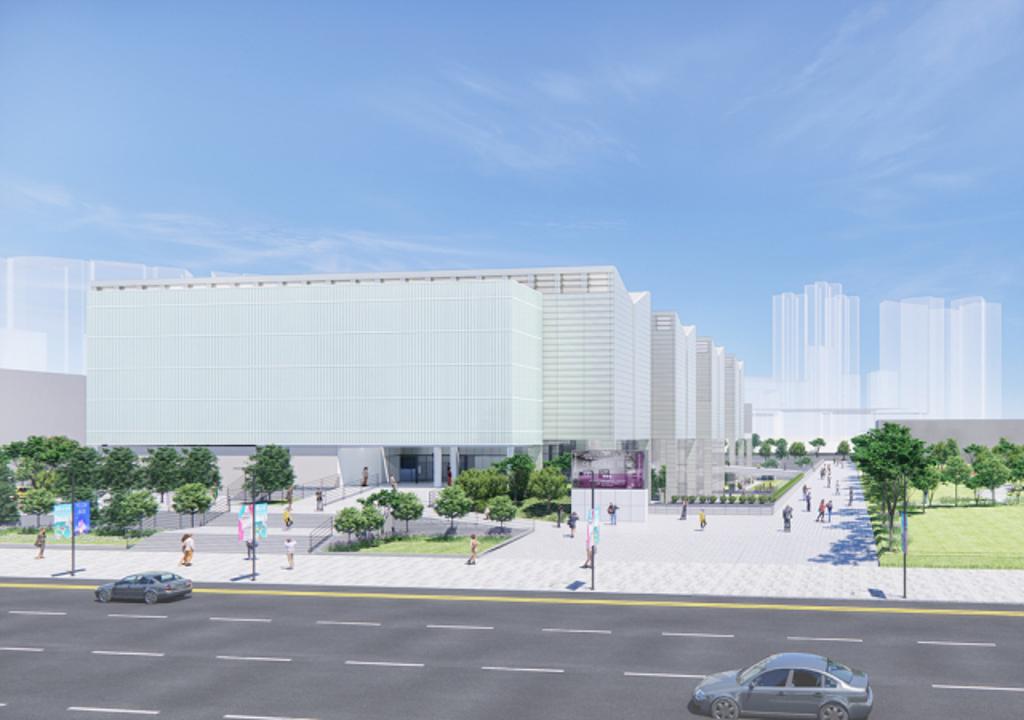
Busan Museum of Art exterior rendering. / Photo: Courtesy of Busan Museum of Art
2026 marks a
moment of change in Korea’s museum landscape, beginning in Busan. The Busan
Museum of Art (BMA), one of the city’s leading public art institutions, will
reopen after a major renovation that has taken nearly two years to complete.
Since opening in
1998, the Busan Museum of Art has played an important role in presenting Korean
contemporary art as well as modern and contemporary art from across Asia.
However, with the aging of the building and growing demands for improved
exhibition environments, the museum undertook a comprehensive renovation
project lasting approximately two years.
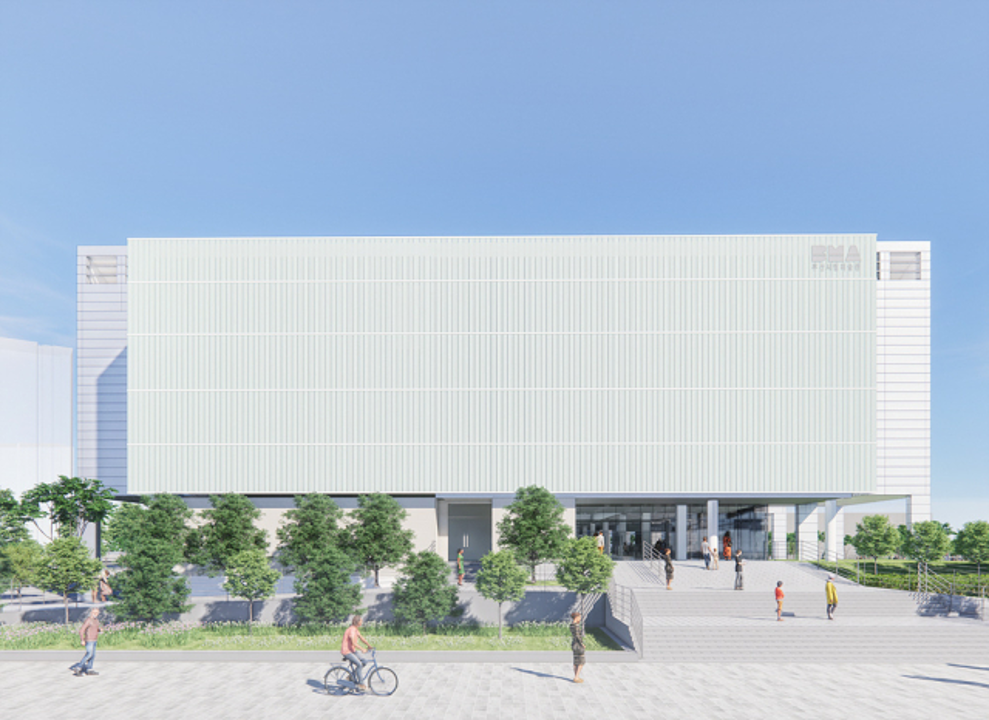
Busan Museum of Art exterior rendering. The most notable change is the relocation of the main entrance toward BEXCO Exhibition Hall 1. / Photo: Courtesy of Busan Museum of Art
Following the
reopening, the museum is expected to be reconfigured as a more comprehensive
cultural institution, enhancing exhibition environments while strengthening its
educational and research functions. To mark the reopening, a series of
exhibitions will be presented, including collaborative projects organized with
more than ten museums from Korea and abroad. Programs based on international
networks are also expected to expand.
Busan is also
home to major international cultural events such as the Busan Biennale and the
Busan International Film Festival. In this context, the reopening of the Busan
Museum of Art represents more than a facility upgrade; it also reflects the
expansion of cultural infrastructure as Busan continues to position itself as a
cultural hub in Northeast Asia.
SeMA Seo-Seoul
Museum
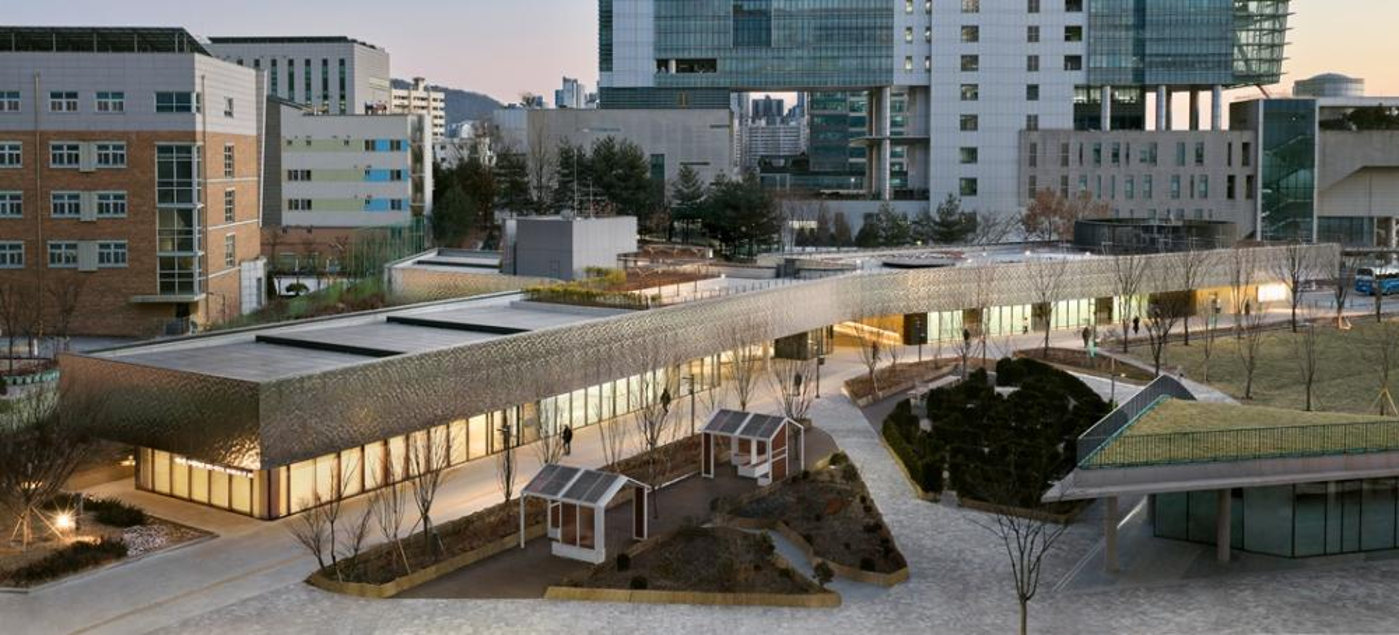
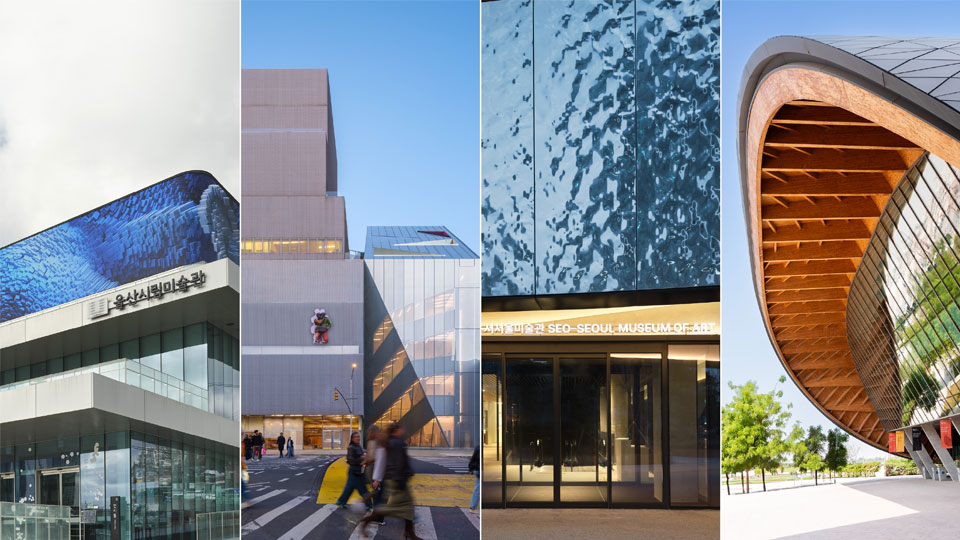
Exterior view of the SeMA Seo-Seoul Museum of Art. / Photo: Seoul Museum of Art
The SeMA
Seo-Seoul Museum of Art, located in Doksan-dong, Geumcheon-gu in Seoul, will
become the first public art museum in the southwestern part of the city and a
new branch within the Seoul Museum of Art (SeMA) network.
The Seoul Museum
of Art has long operated a network of branches including the SeMA Main
Building, Buk-Seoul Museum of Art, Nam-Seoul Museum of Art, and SeMA Bunker.
The addition of the Seo-Seoul Museum symbolizes the spatial expansion of this
institutional network.
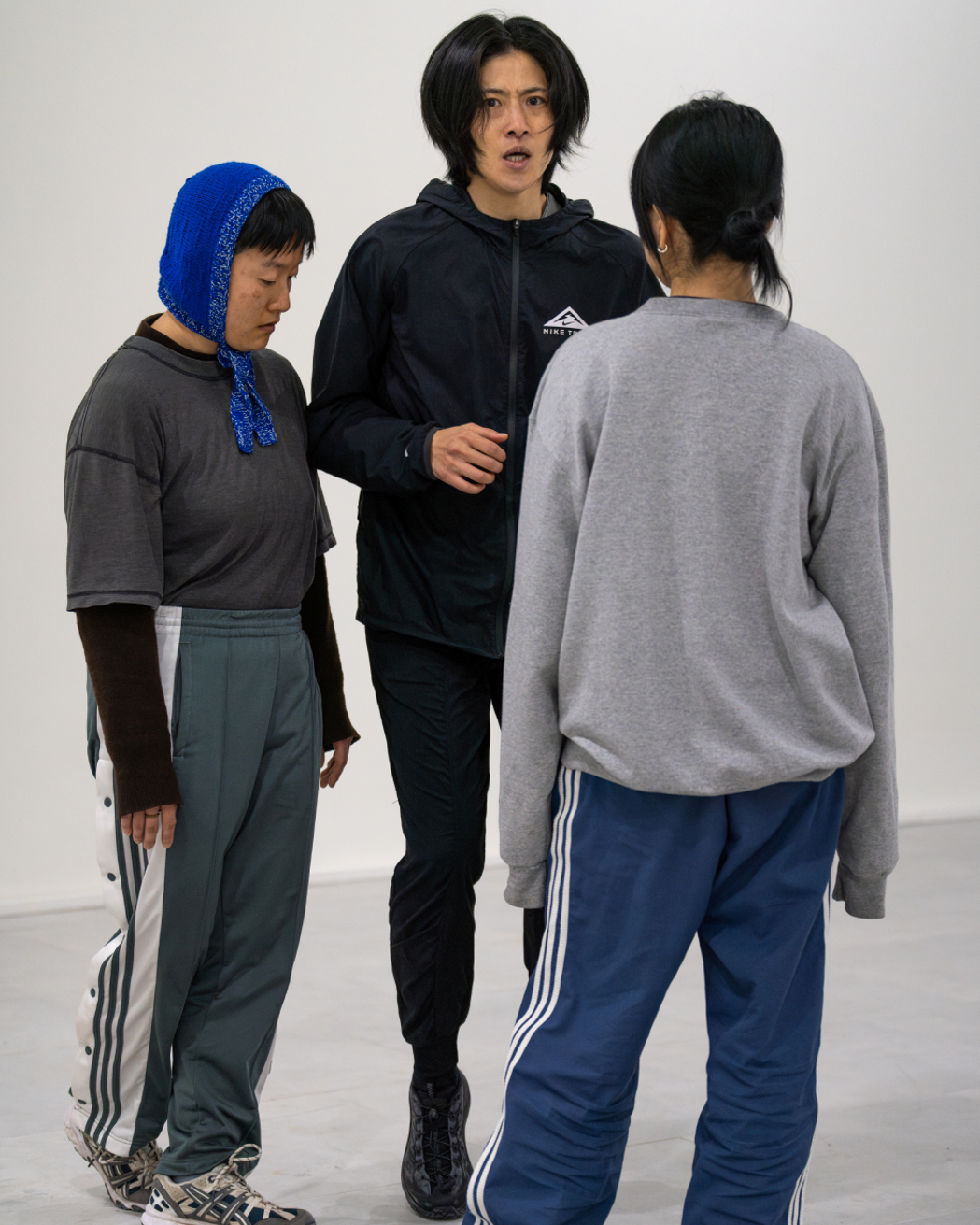
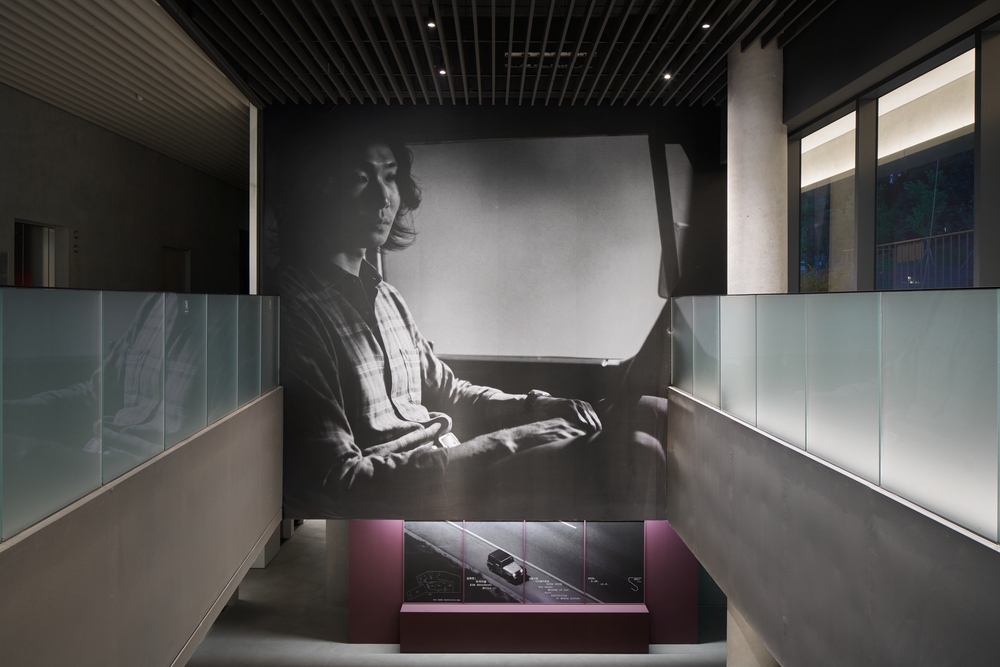
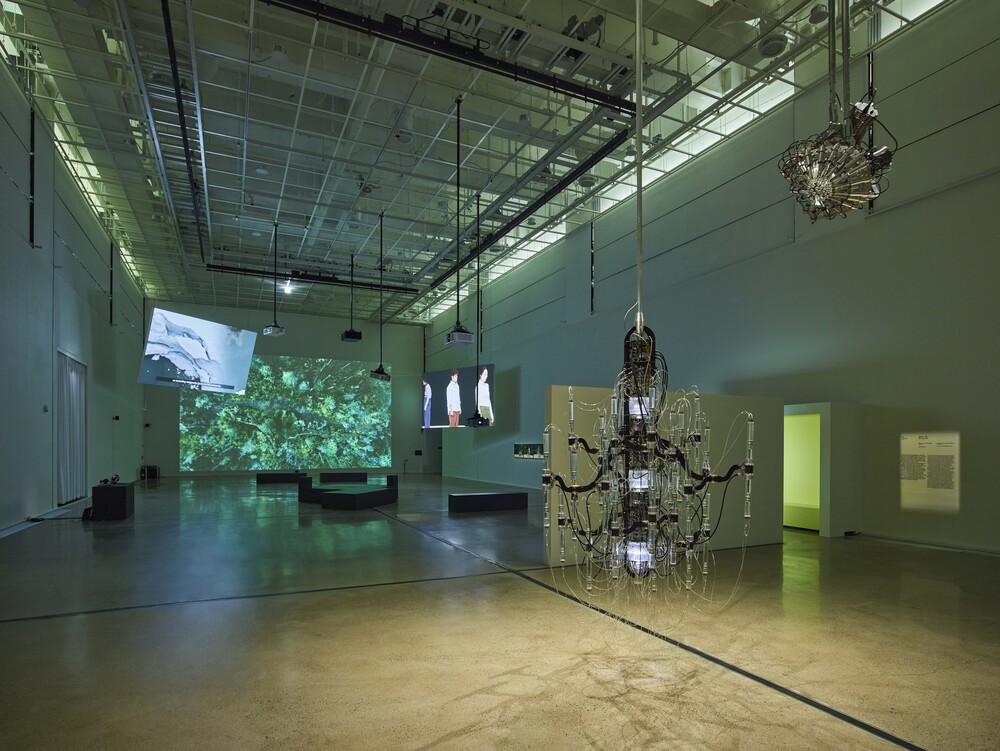
A scene from Waste Breathing : A Speculative Performance of the Senses by Jang Sumi, part of the SeMA Performance《Breathing》, the opening exhibition of the SeMA Seo-Seoul Museum of Art to be held in early April. / Photo: Seoul Museum of Art
The museum has
been designed with a focus on media art and digitally based artistic practices.
It aims to function as a platform exploring artistic practices shaped by
contemporary technological environments, including artificial intelligence,
data, and interactive technologies.
For many years,
Seoul’s cultural infrastructure has been concentrated in the city center and
northern districts. The opening of the Seo-Seoul Museum is therefore seen as a
symbolic project that expands cultural infrastructure into the southwestern
part of the city.
Beyond
functioning as a traditional exhibition space, the museum is also expected to
operate as a multidisciplinary cultural venue hosting performances, lectures,
media projects, and other experimental programs.
Centre
Pompidou Hanwha Seoul
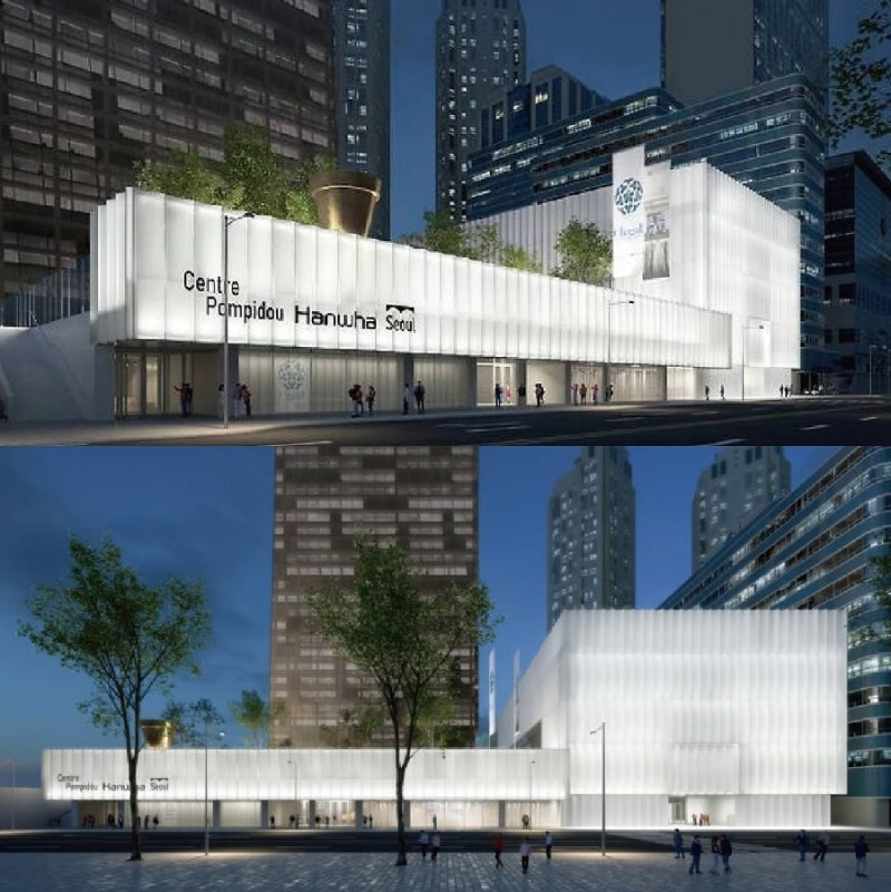
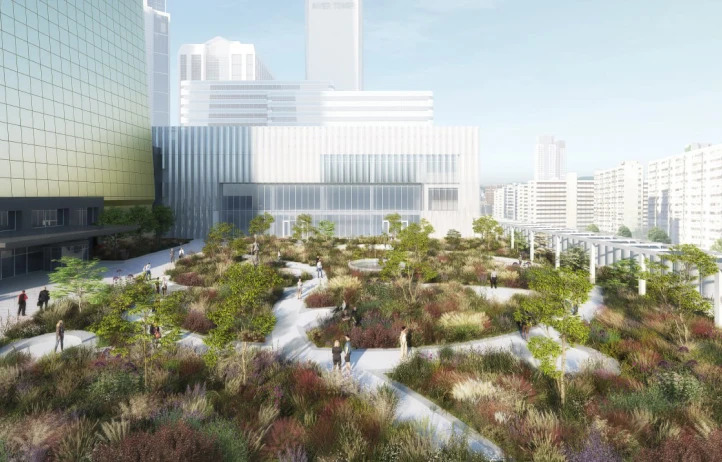
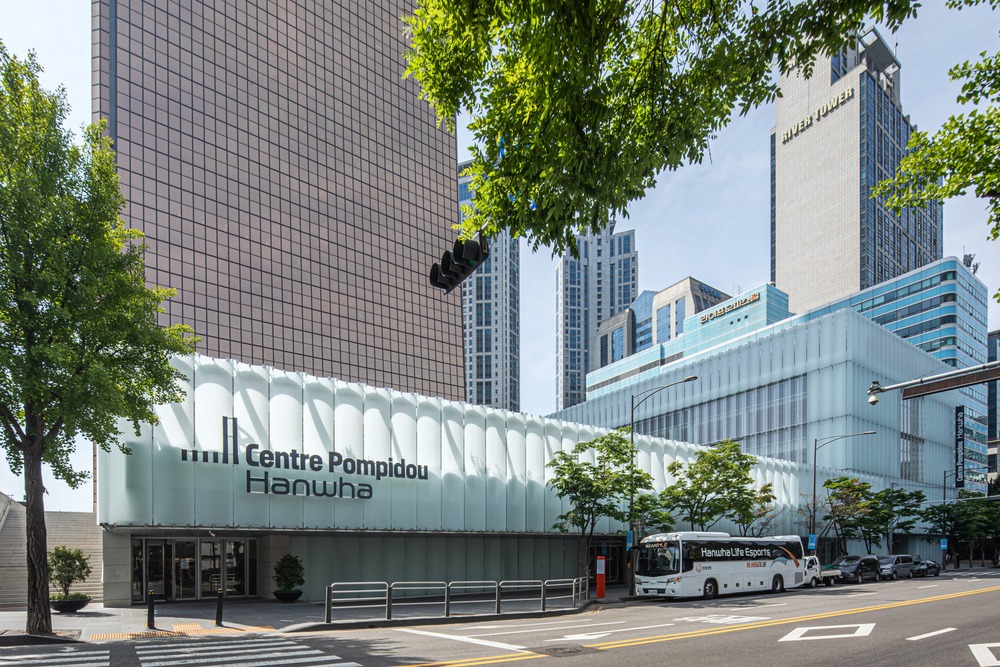
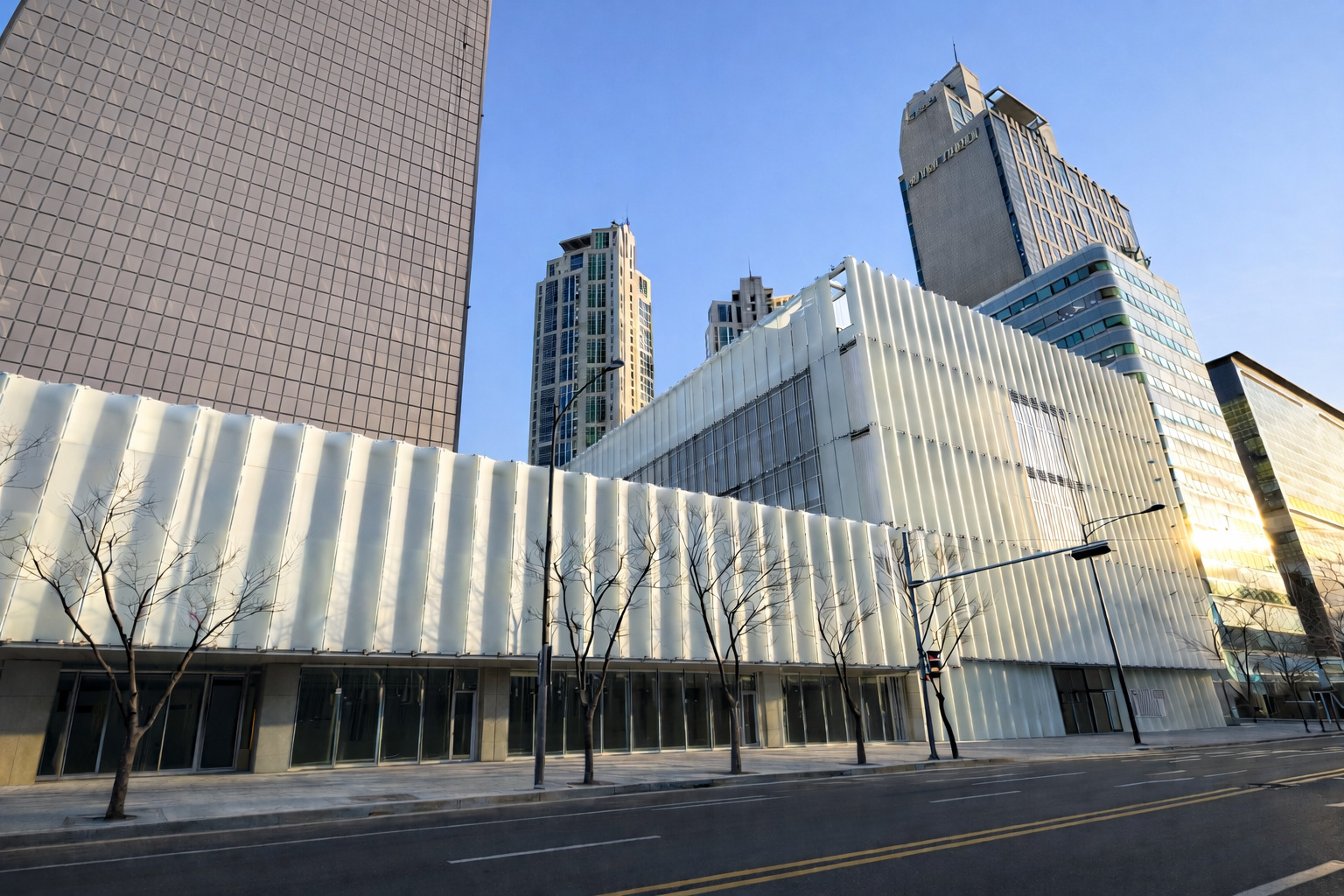
Rendering of Centre Pompidou Hanwha Seoul designed by Jean-Michel Wilmotte. / Photo: Hanwha Cultural Foundation
One of the most
internationally anticipated projects in the Korean art world in 2026 is Centre
Pompidou Hanwha Seoul.
The project is
being developed by the Hanwha Cultural Foundation in partnership with the
Centre Pompidou in Paris. The museum will be created through a complete
renovation of the annex building of the 63 Building in Yeouido, Seoul.
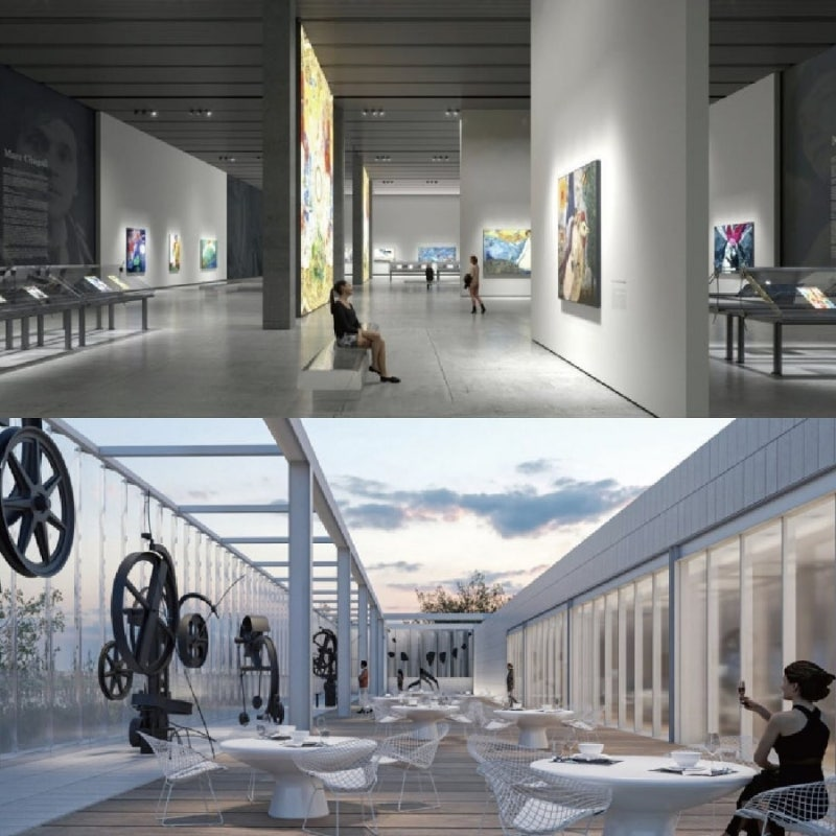
Rendering of Centre Pompidou Hanwha Seoul. / Photo: Hanwha Cultural Foundation
Opened in 1977,
the Centre Pompidou has become one of the most influential institutions in the
field of modern and contemporary art worldwide. In addition to its major
collection of modern and contemporary art, the institution also encompasses
programs in design, architecture, music, film, and performance, operating as a
multidisciplinary cultural complex.
The Seoul project
is expected to serve as a new platform introducing the Pompidou Center’s
programs and international network to Korea. In particular, the project has
drawn attention as a model of collaboration between a global art institution
and a Korean private cultural foundation.
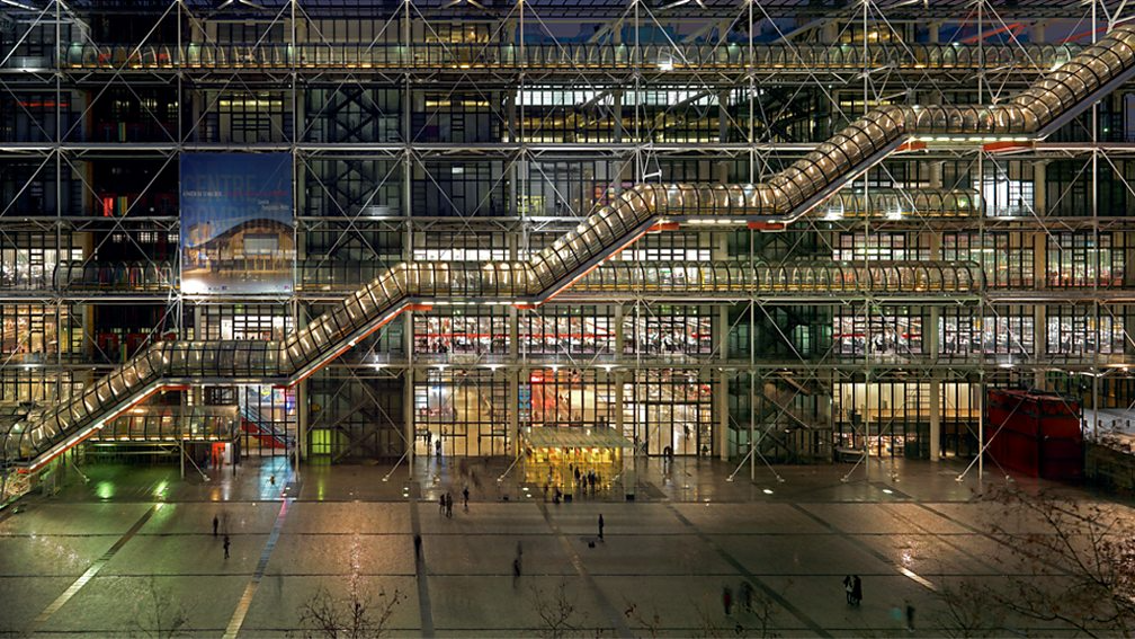
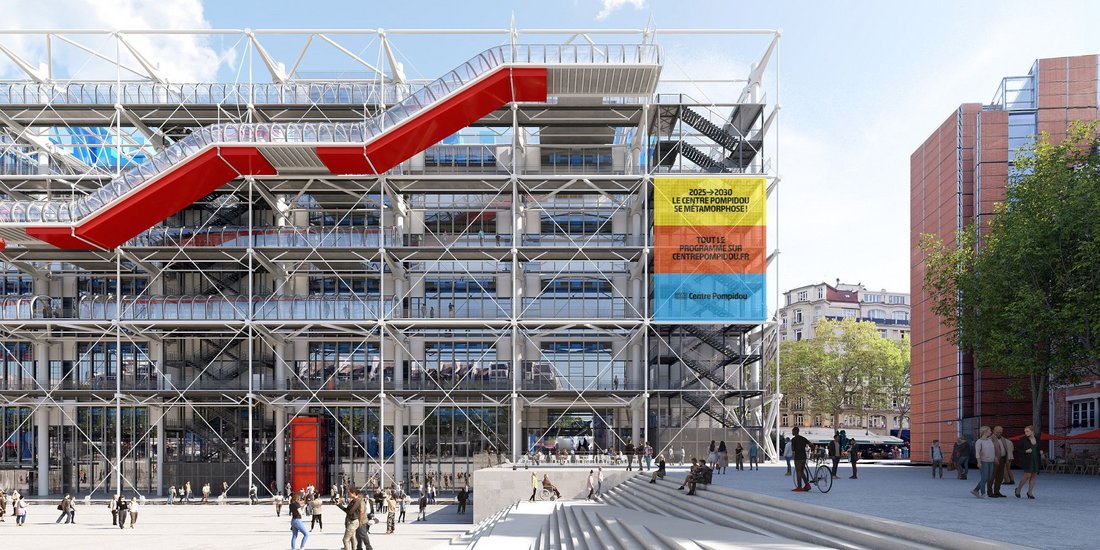
Night view of the Centre Pompidou, Paris. / Photo: Centre Pompidou
As major museums
around the world increasingly expand their global presence through
international branches and partnerships, Centre Pompidou Hanwha Seoul may
become an important example demonstrating how Seoul can position itself within
the international museum network.
Park Seo-Bo
Museum
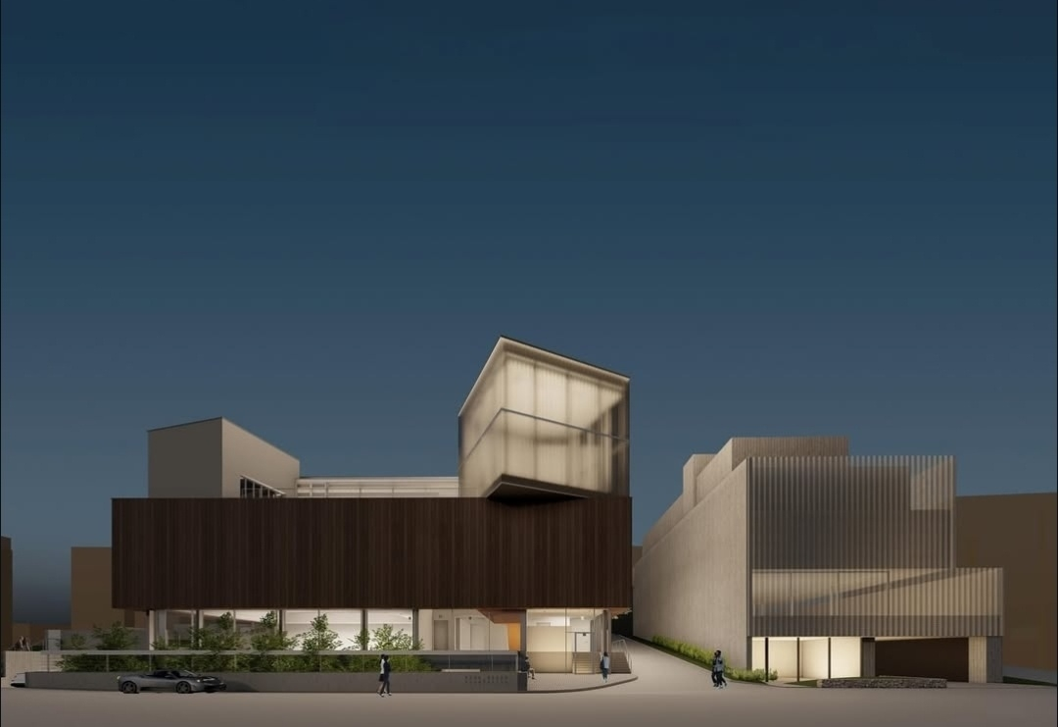
Rendering of the Park Seo-Bo Museum in Yeonhui-dong, Seodaemun-gu, Seoul, currently under construction next to the Park Seo-Bo Foundation. / Photo: Park Seo-Bo Foundation
The Park Seo-Bo
Museum (tentative title), scheduled to be established in Yeonhui-dong, Seoul,
will be dedicated to preserving the artistic legacy of Park Seo-Bo (1931–2023),
one of the leading figures of Korean Dansaekhwa.
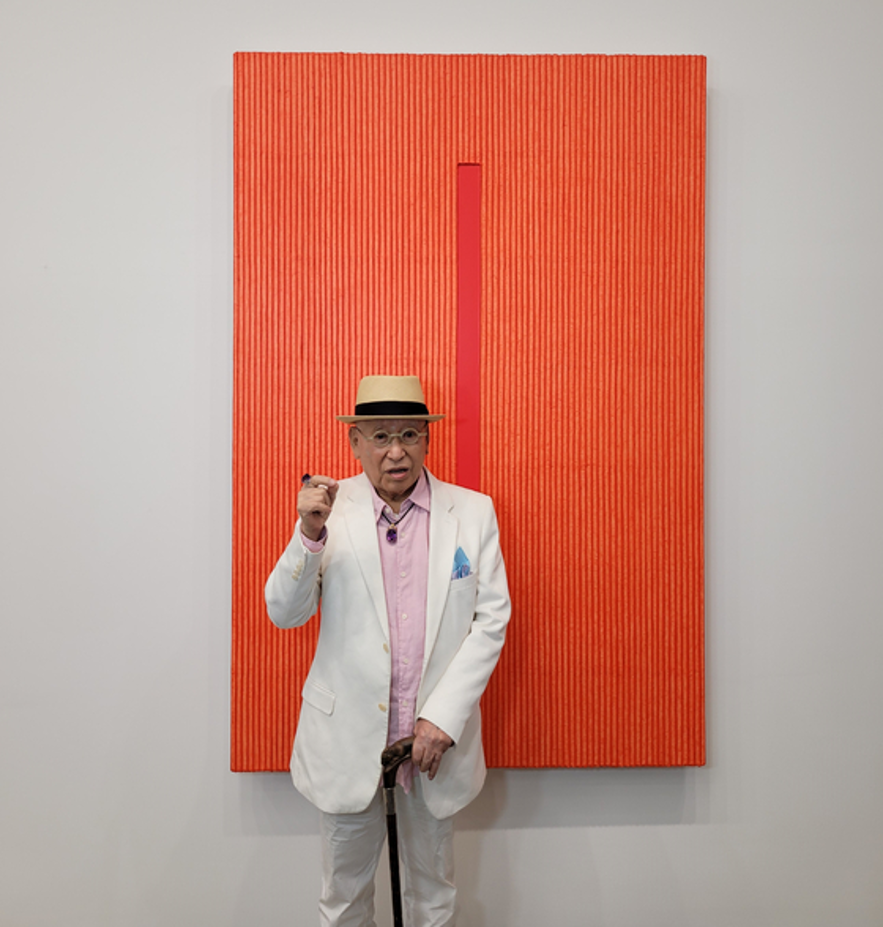
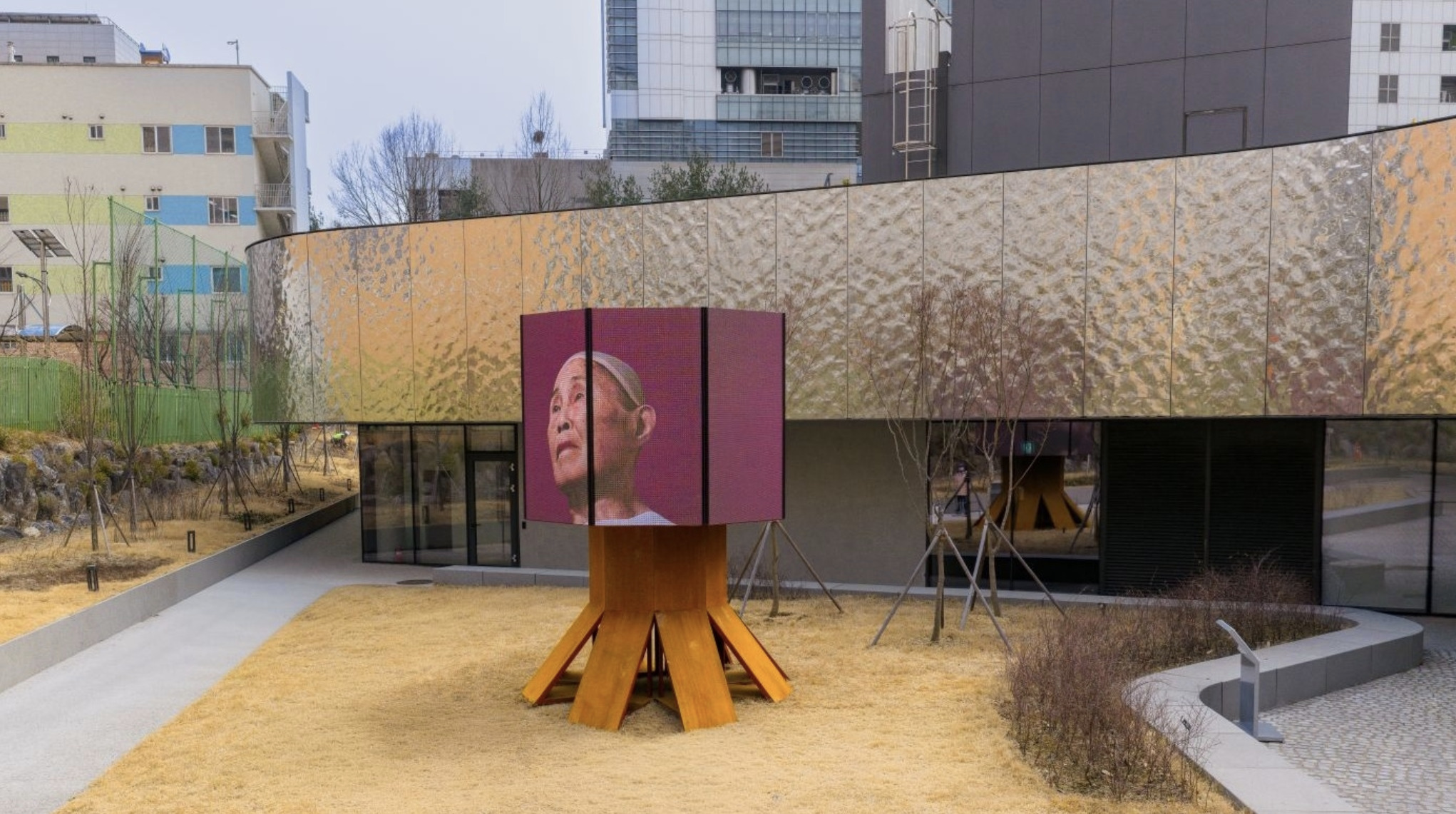
Park Seo-Bo (1931–2023). / Photo: Park Seo-Bo Foundation
Park Seo-Bo is
widely recognized as a central figure in the Dansaekhwa movement of Korean
contemporary art, gaining international recognition for his long-running
Ecriture series, which he developed continuously from the 1960s onward.
The museum will
be built based on approximately 3,000 works and archival materials donated by
the artist during his lifetime. The building is planned as a five-story
structure with two basement levels and three floors above ground.
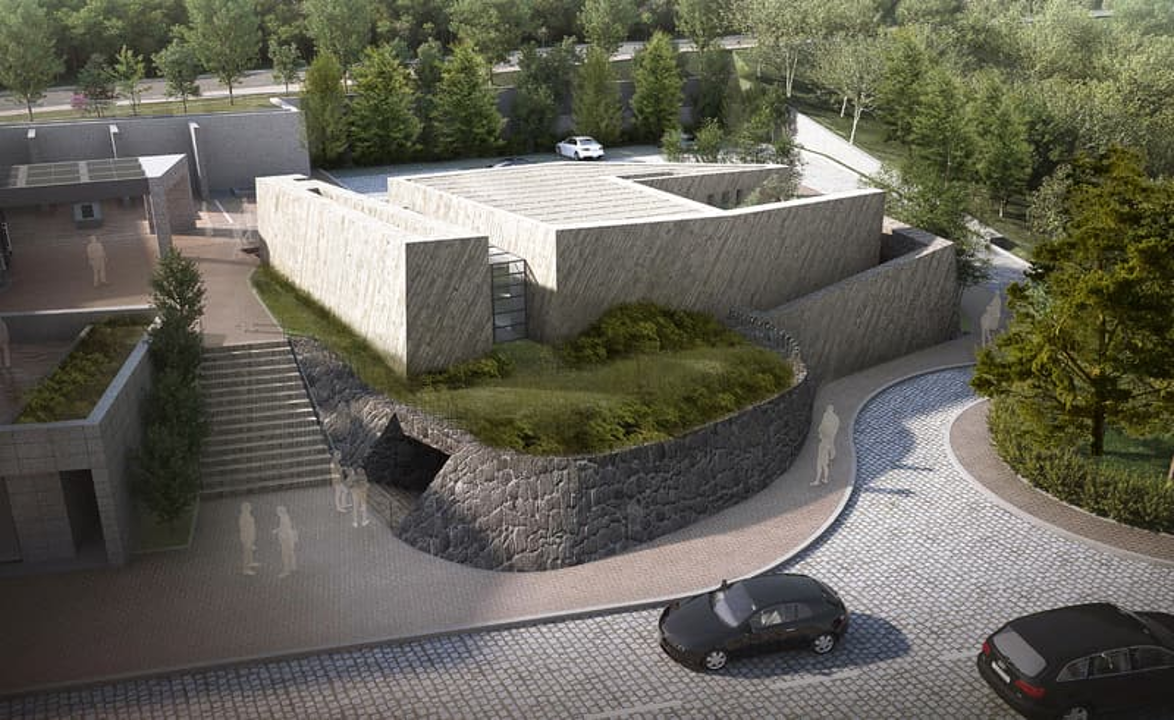
Rendering of the Park Seo-Bo Museum. / Photo: Park Seo-Bo Foundation
The design of the
museum was commissioned to Spanish architect Fernando Menis. During the design
process, Menis reportedly drew inspiration from the volcanic landscapes of Jeju
Island, which share geological characteristics with the volcanic environments
of the Canary Islands in Spain.
The museum is
expected to function not merely as a commemorative space for the artist but
also as an archival and research center dedicated to the study of Dansaekhwa
and modern Korean art history. In recent years, museums centered on individual
artists have increasingly taken on roles as research institutions and archives,
and the Park Seo-Bo Museum may similarly emerge as a key site for research on
Dansaekhwa.
The museums
emerging in 2026 represent more than the simple expansion of physical spaces;
they reflect broader shifts in the direction of Korea’s art institutions. The
reopening of the Busan Museum of Art signals a redefinition of the role of
regional public museums, while the opening of the Seo-Seoul Museum reflects the
expansion of cultural infrastructure into new areas of the city.
Centre Pompidou
Hanwha Seoul suggests a stronger connection to international museum networks,
and the Park Seo-Bo Museum represents the emergence of a new institutional
model centered on a single artist.
With public
museums, international collaborative institutions, and artist-focused museums
appearing simultaneously, the institutional landscape of Korean art is
beginning to develop into a far more complex structure than before. Rather than
simply reflecting an increase in the number of museums, this shift can be
understood as part of a broader process through which Korean art continues to
expand its institutional foundations and cultural infrastructure.
Ultimately, the
future direction of Korean art institutions will depend on the programs these
spaces develop and the exhibitions and discourses they produce. What matters
now is not the number of new museums, but what kind of art these institutions
will generate—and what kinds of institutions they will become.