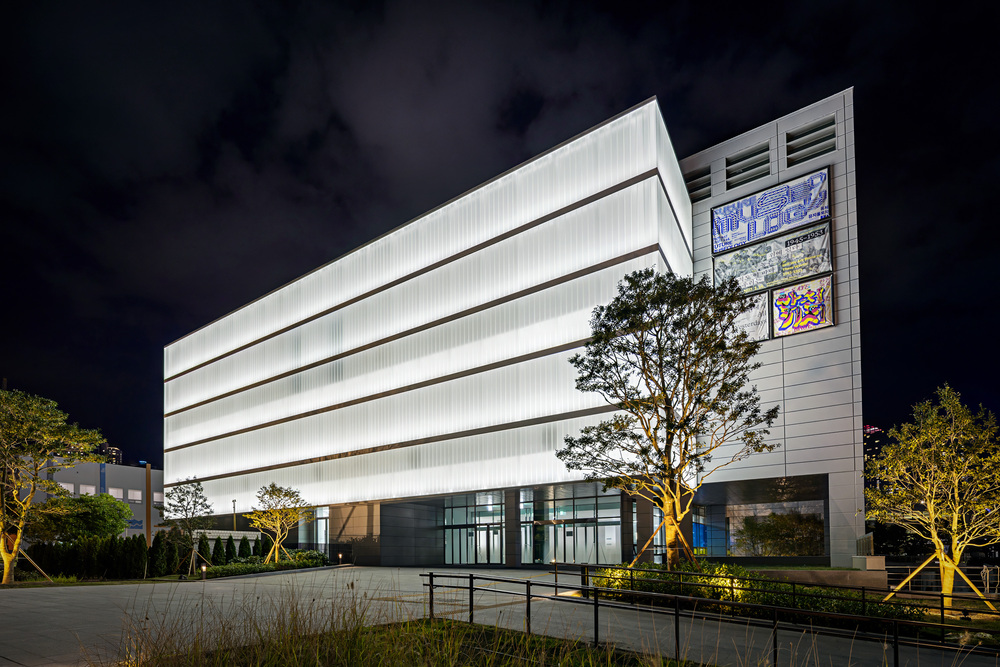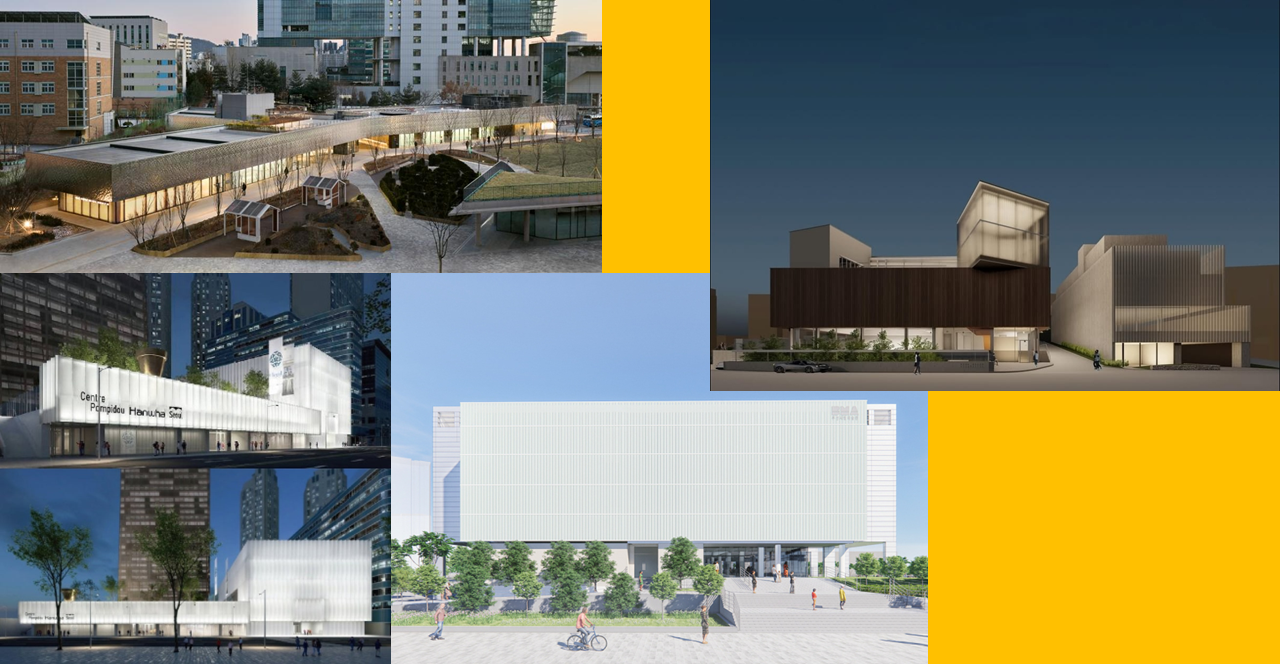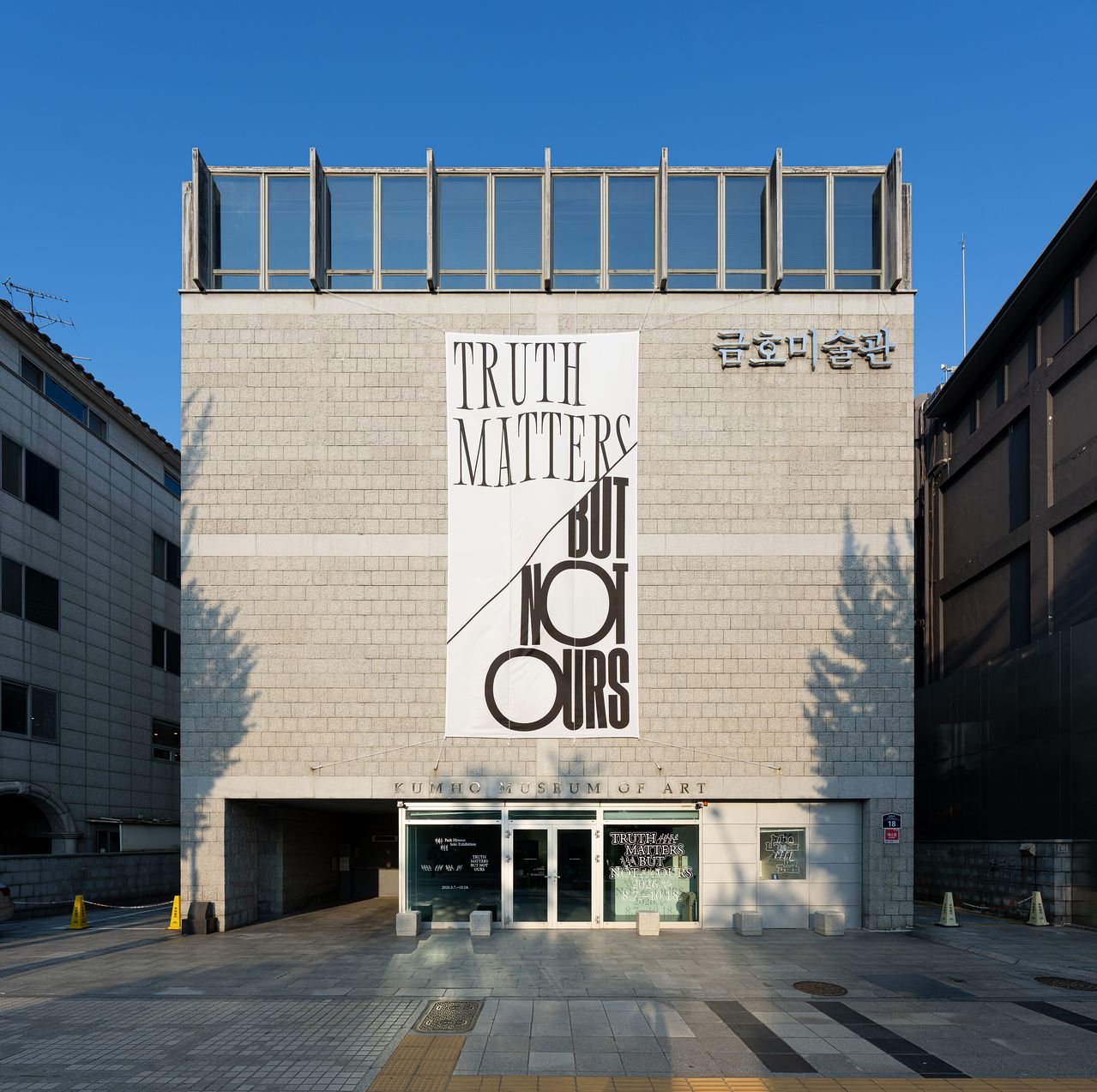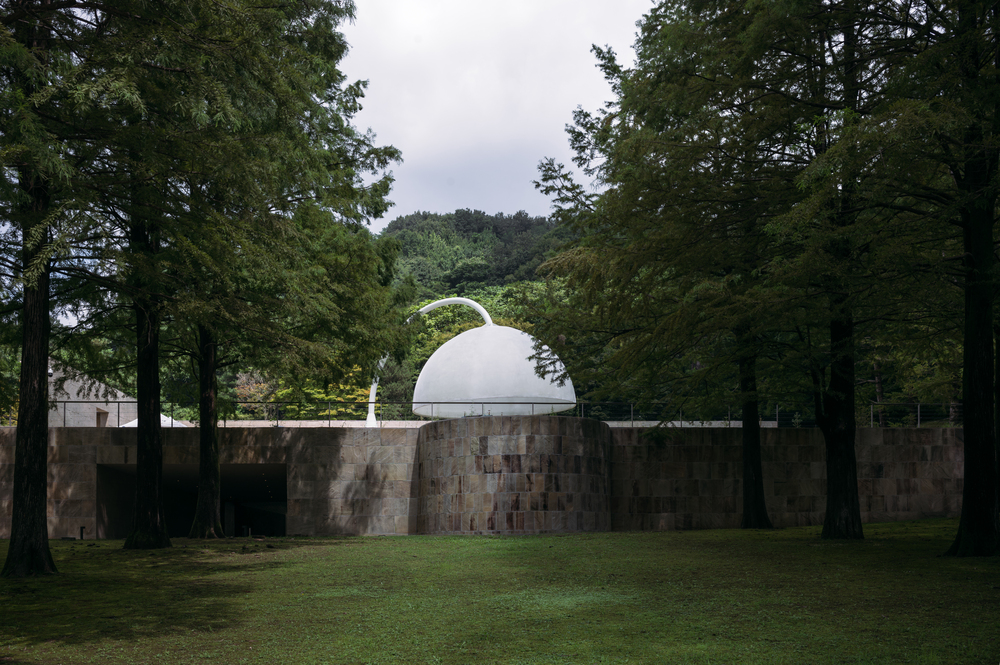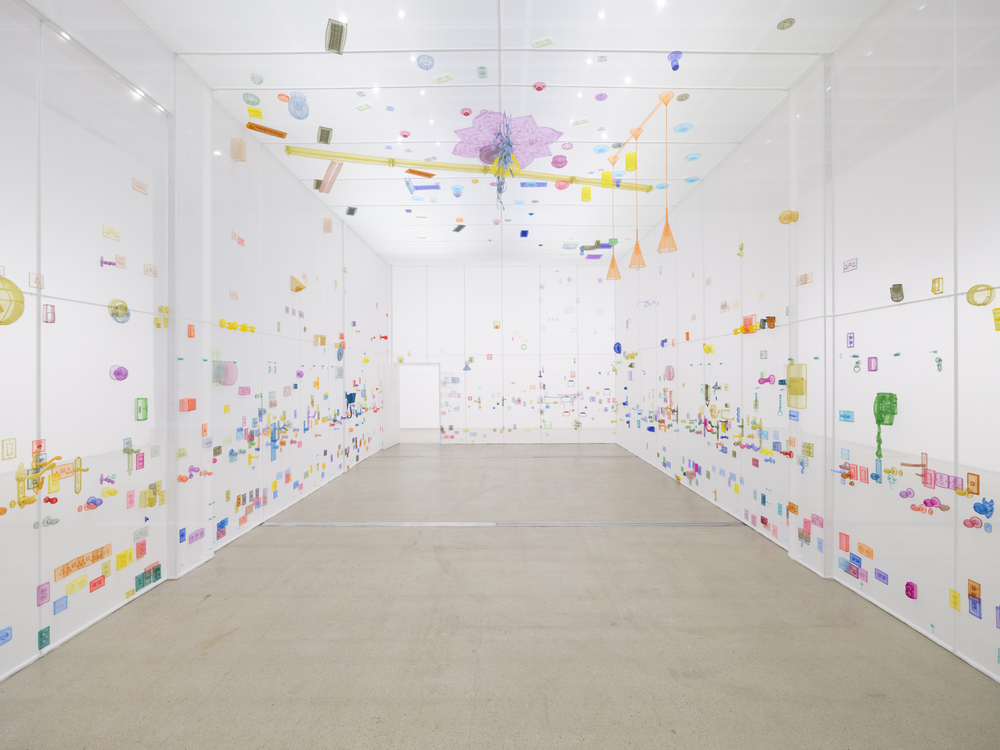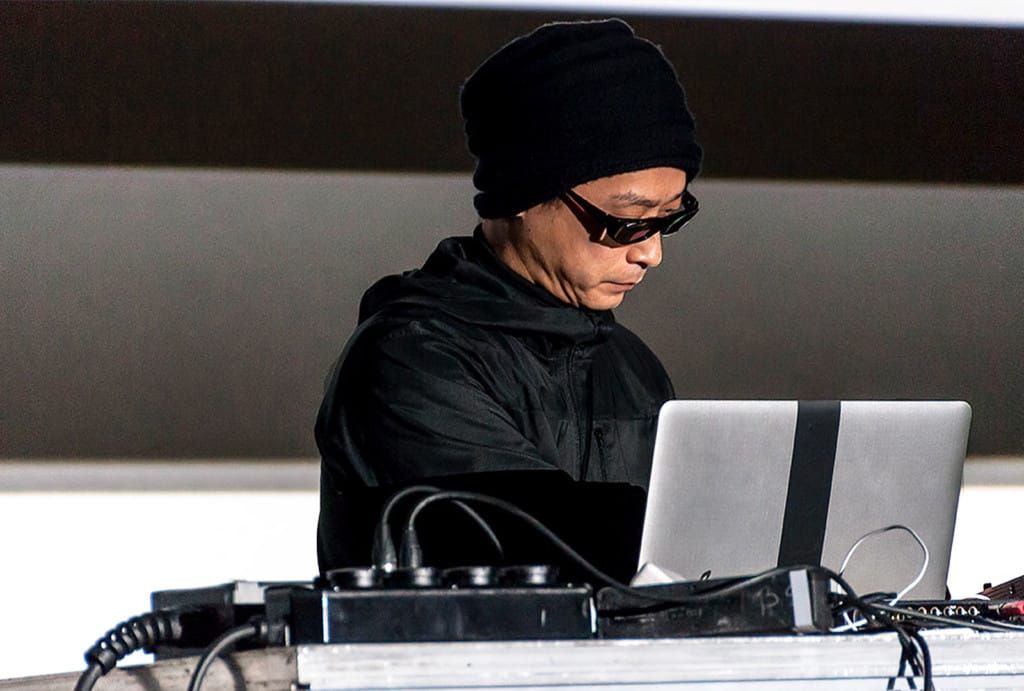

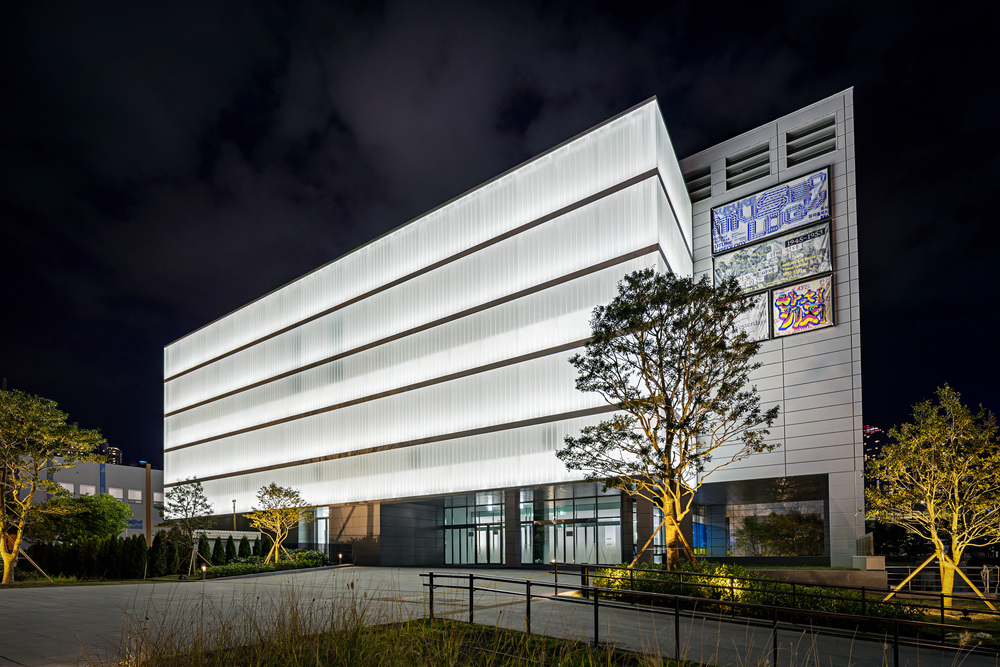
Exterior view of the Busan Museum of Art following its large-scale renovation © Busan Museum of Art
On
September 17, the Busan Museum of Art held a reopening ceremony, marking the
completion of a large-scale renovation that had been carried out over
approximately two years and announcing a new chapter for the museum.
Since
opening in 1998, the museum has served as a cultural hub in Busan, organizing
approximately 330 exhibitions through 2023, along with a wide range of
educational programs and lectures, performances, and online exhibitions.
With
a total project budget of approximately KRW 46.9 billion, the museum undertook
comprehensive improvements to its facilities and created new spaces for
visitors.
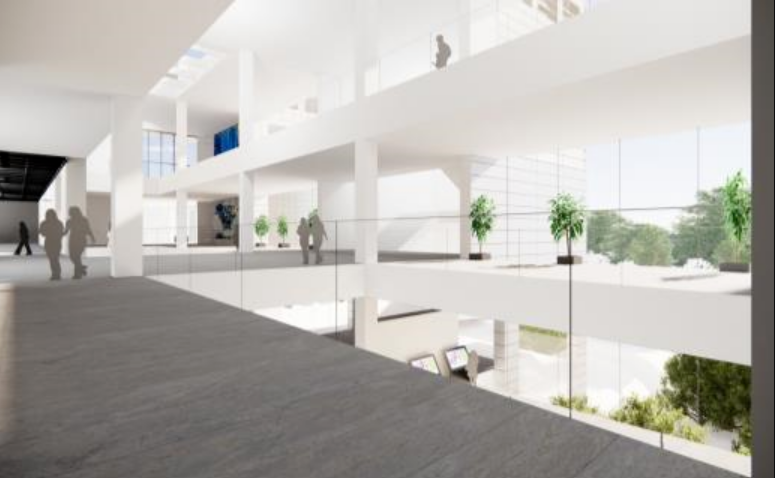
Major
upgrades include the installation of temperature and humidity control systems,
the consolidation and reorganization of exhibition galleries, expansion of
storage facilities, additional visitor amenities such as a café, reorientation
of the main entrance, and redevelopment of the outdoor sculpture park.
These
improvements strengthen the museum’s core functions, including the preservation
of its collection and archival materials, while also reconfiguring the
exhibition galleries, Children’s Gallery, visitor rest areas, and outdoor
sculpture park as flexible spaces connected both vertically and horizontally.
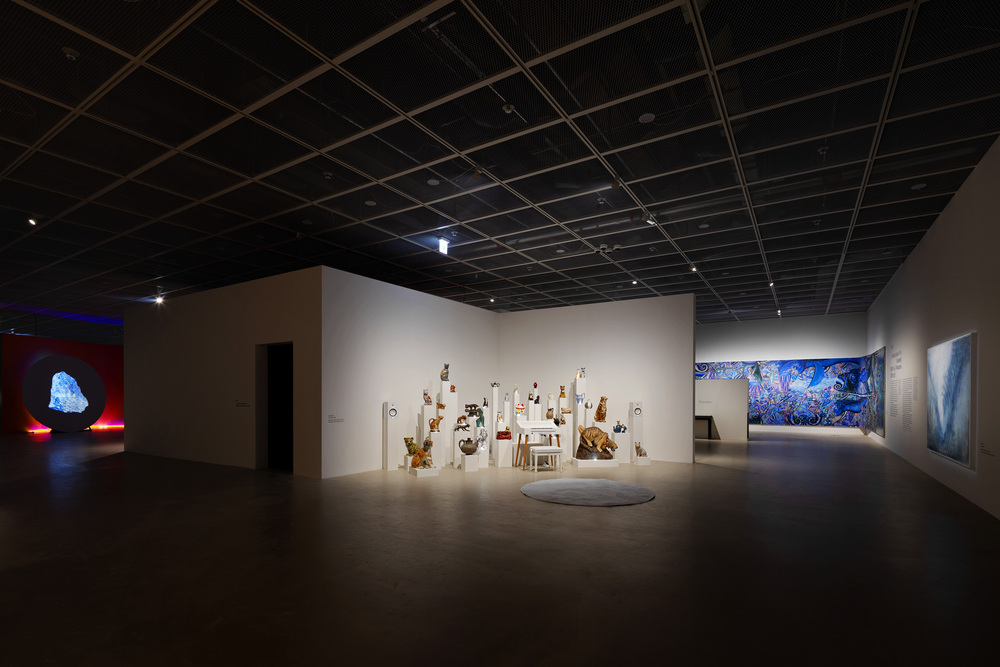
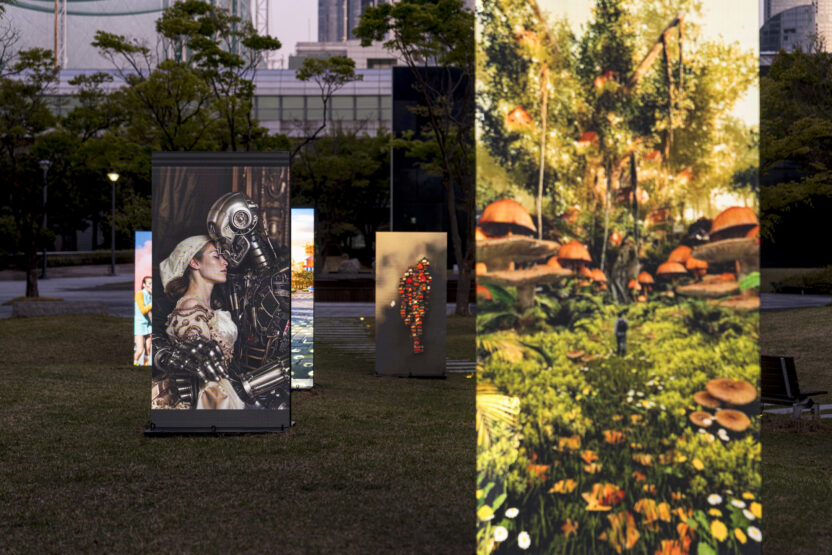
Installation view of 《Future Museology》 © Busan Museum of Art
What
makes the reopening noteworthy is not simply the transformation of the museum’s
physical spaces. The renovation has also prompted the museum to reconsider its
role and future direction.
Moving
beyond its function as a place to view artworks, the museum is preparing to
become a platform where citizens and society, technology and nature are
connected, and where new possibilities are created together.
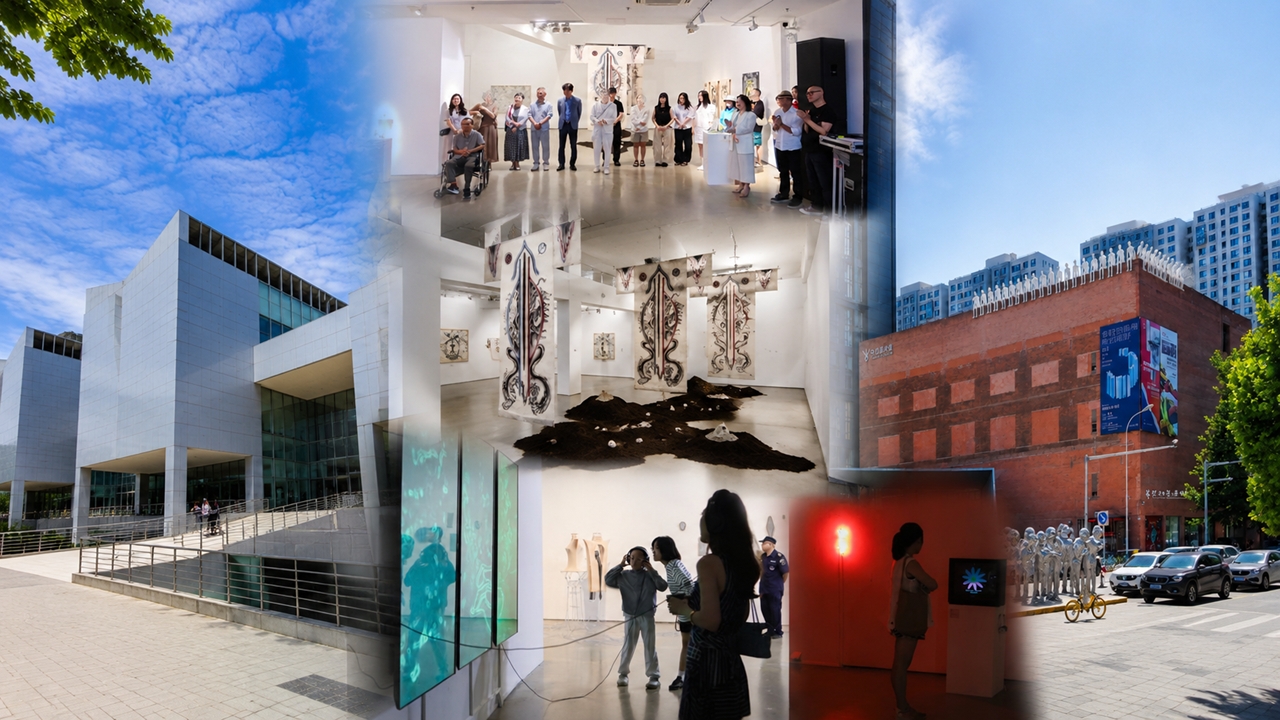
Four
exhibitions are being presented to coincide with the reopening. These
exhibitions will be the first to demonstrate the museum’s transformation and
new direction.
Spanning
international and local perspectives, as well as exhibition spaces and artistic
genres, they present diverse approaches to the museum’s evolving role and
possibilities in contemporary art.
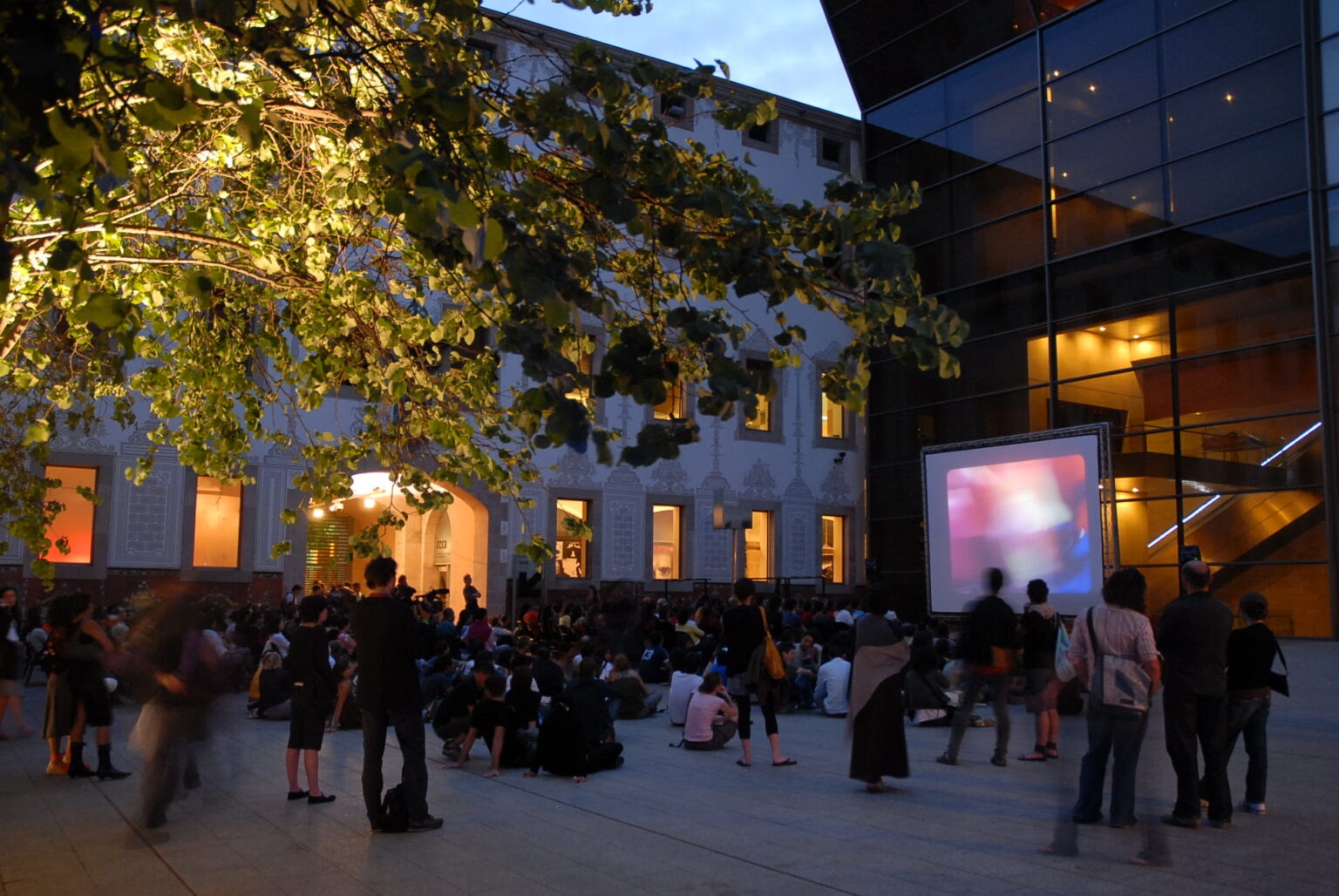
The
first international exhibition, 《Future Museology》, explores new roles for museums in collaboration with a
consortium of nine museums from Korea and abroad.
Moving
beyond the traditional functions of collecting and exhibiting artworks, the
exhibition examines how museums can engage with society and expand as public
spaces. It also presents a direction for the Busan Museum of Art as it responds
to changing practices among museums around the world.
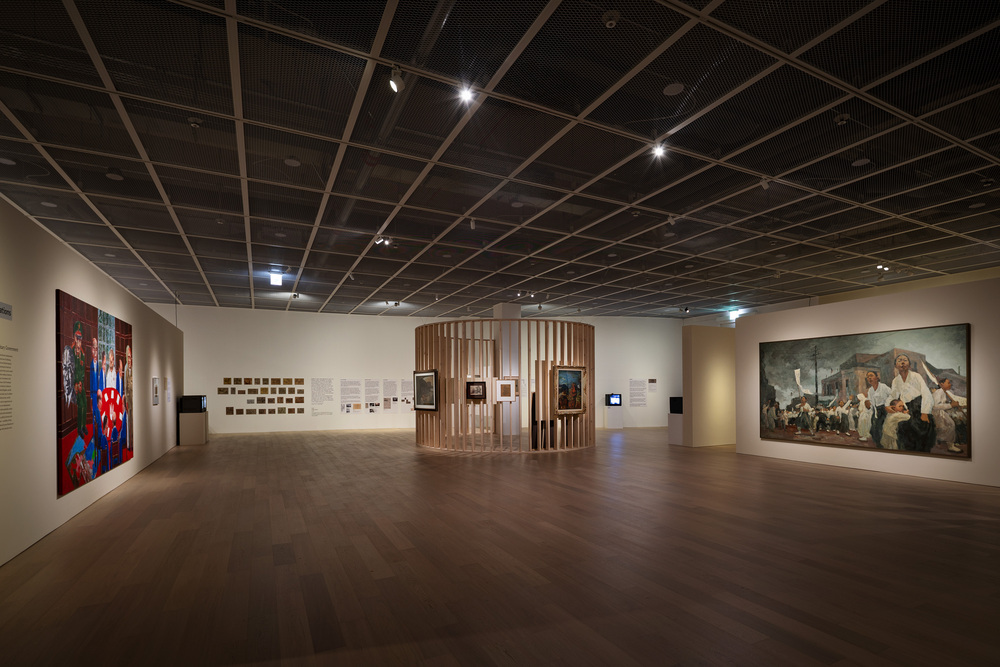
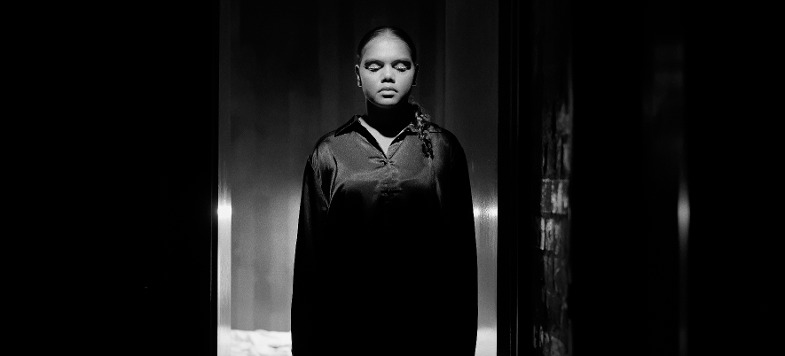
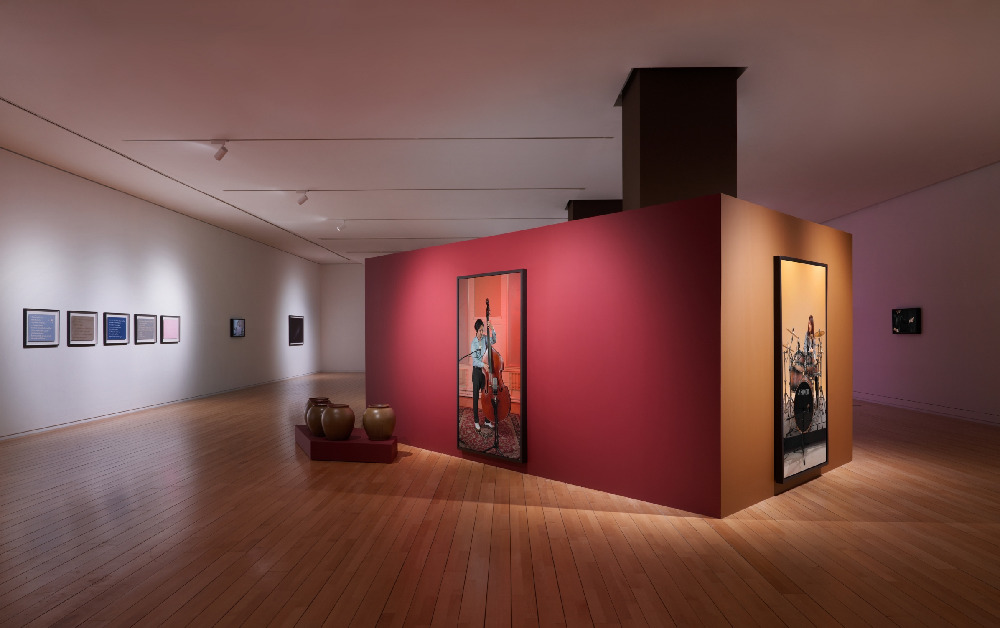
Installation view of 《Still We are Borne on These Waves: 1945-1953》 © Busan Museum of Art
An
exhibition exploring art and history is also being presented. 《Still We are Borne
on These Waves: 1945–1953》 examines the
social realities of the period from the liberation of Korea in 1945 through the
years surrounding the Korean War, bringing together artworks and archival
materials.
The
exhibition brings together approximately 260 artworks and 460 archival
materials from the museum’s collection, as well as holdings of major museums
and art museums in Korea, artists and their families, and private collectors.
By
bringing into dialogue the perspectives of artists who lived through the period
with interpretations by contemporary artists, the exhibition seeks to confront
the processes through which Korean society was shaped after liberation.
In
particular, materials from art exhibitions held in Busan during the liberation
period will be made public, offering a closer look at the activities of the
first generation of Busan painters.
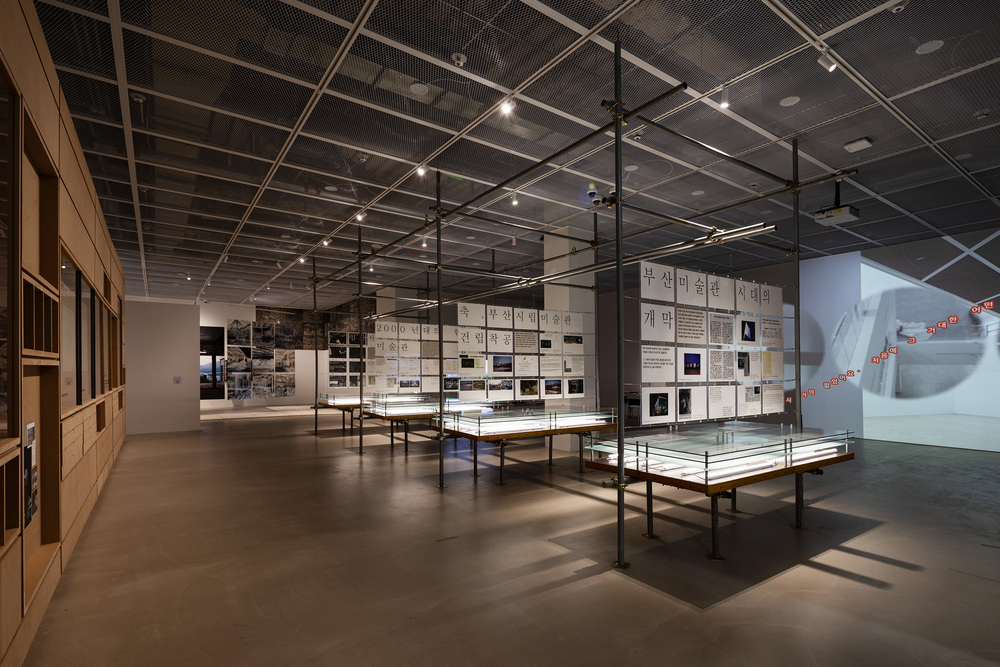
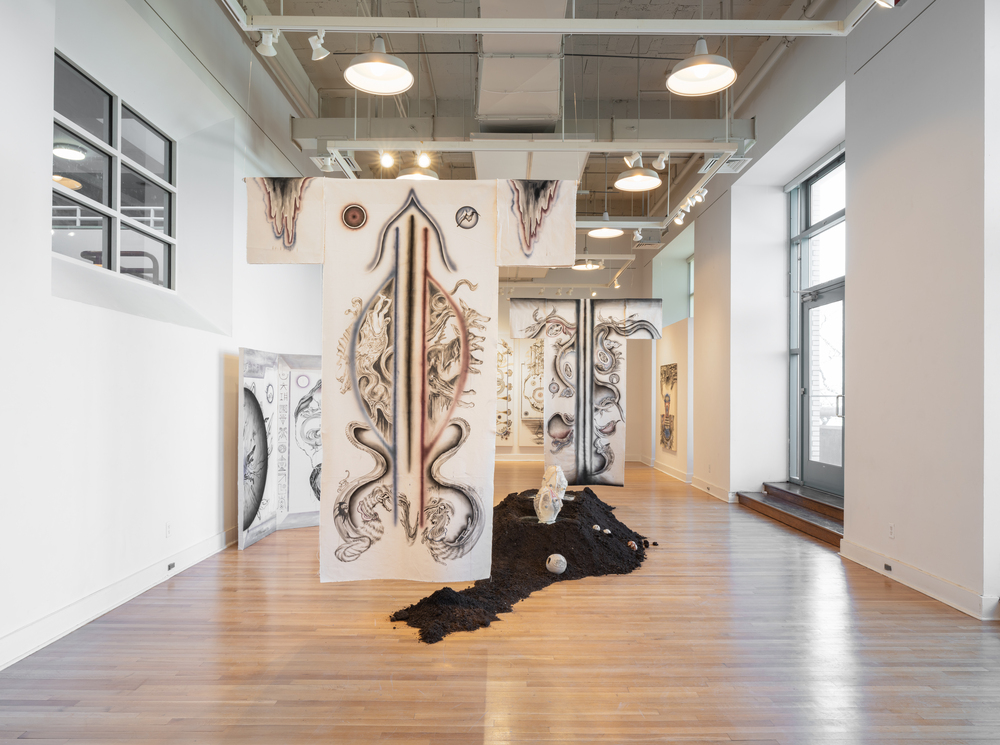
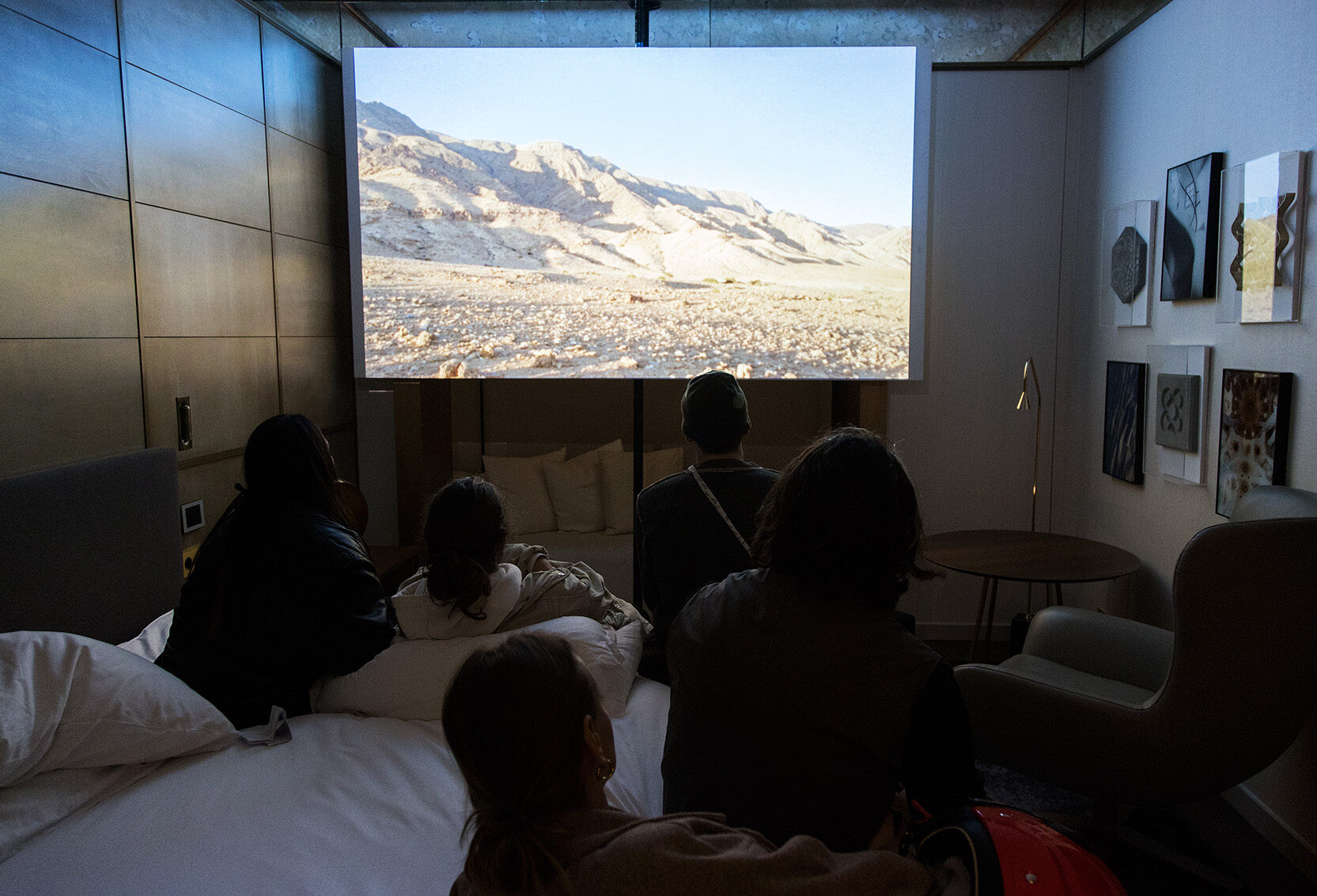
Installation view of 《Dear All The Yesterdays》 © Busan Museum of Art
The
museum’s own history is also revisited through a dedicated exhibition. 《Dear All the
Yesterdays》 traces how the museum’s spaces
and meanings have evolved over time, drawing on institutional and architectural
records accumulated from its opening to its reopening.
Viewing
the museum as a space that has changed alongside shifts in society and the
times, the exhibition reexamines the longstanding relationship between the
museum and Busan’s art ecosystem through materials from the museum’s collection
and archives.
The
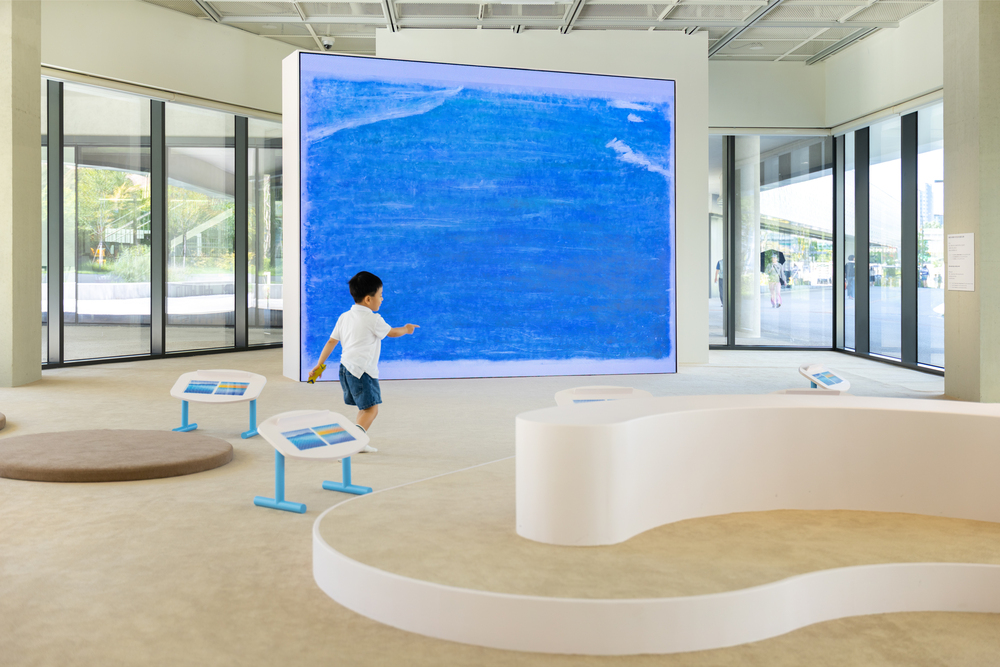
ways in which children experience the museum are also being expanded. 《Safe Base》 is designed around attachment theory, allowing children
to experience the museum as a space of attachment. Rather than simply viewing
artworks, children are encouraged to experience emotional stability and sensory
development through play and sensory engagement.
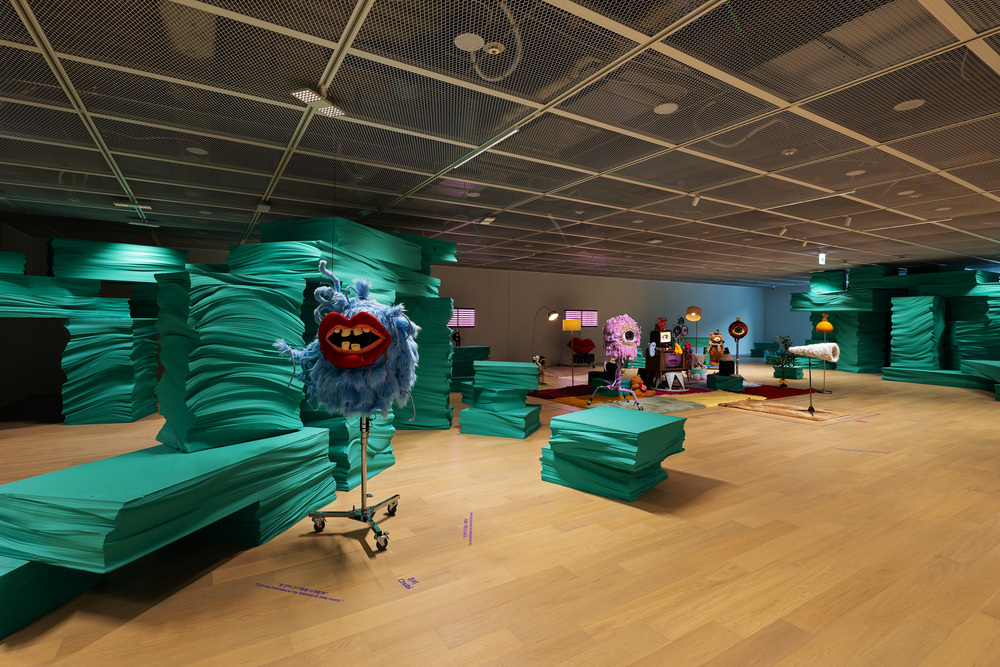
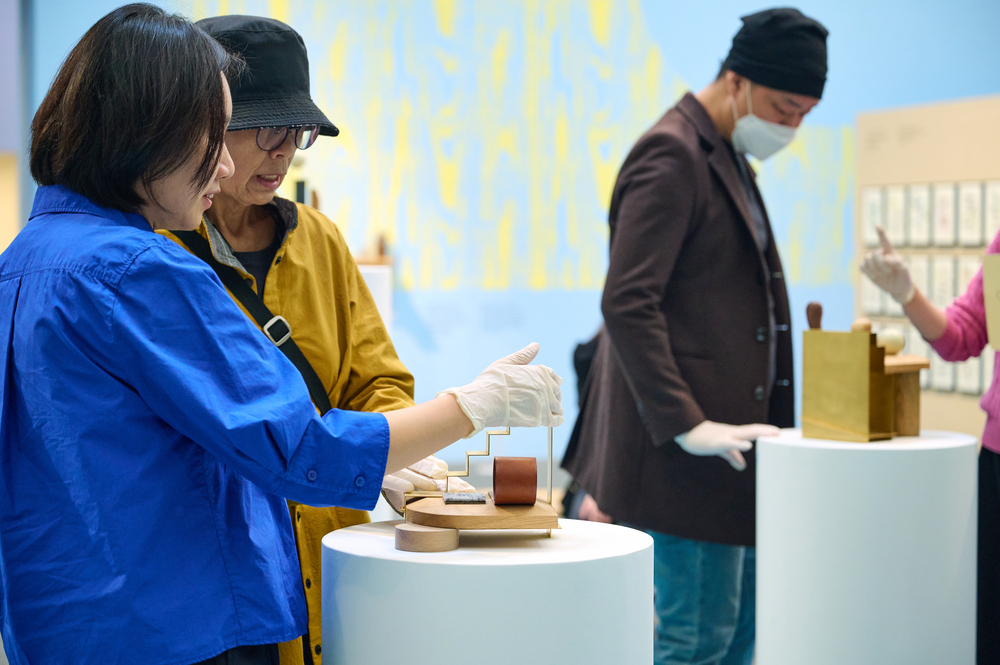
Installation view of 《Safe Base》 © Busan Museum of Art
In
particular, the exhibition offers children growing up in today’s AI-driven
environment opportunities to build relationships with nonhuman beings through
play. In doing so, it is expected to serve as an educational institution that
helps children discover and express their own senses and emotions.
Busan
Mayor Jeon Jae-soo said, “The newly renovated Busan Museum of Art will now be
closer to citizens. We will carefully cultivate it into a museum that citizens
will want to visit often to enjoy art up close, and one they will want to
recommend to others as a place to visit together.”