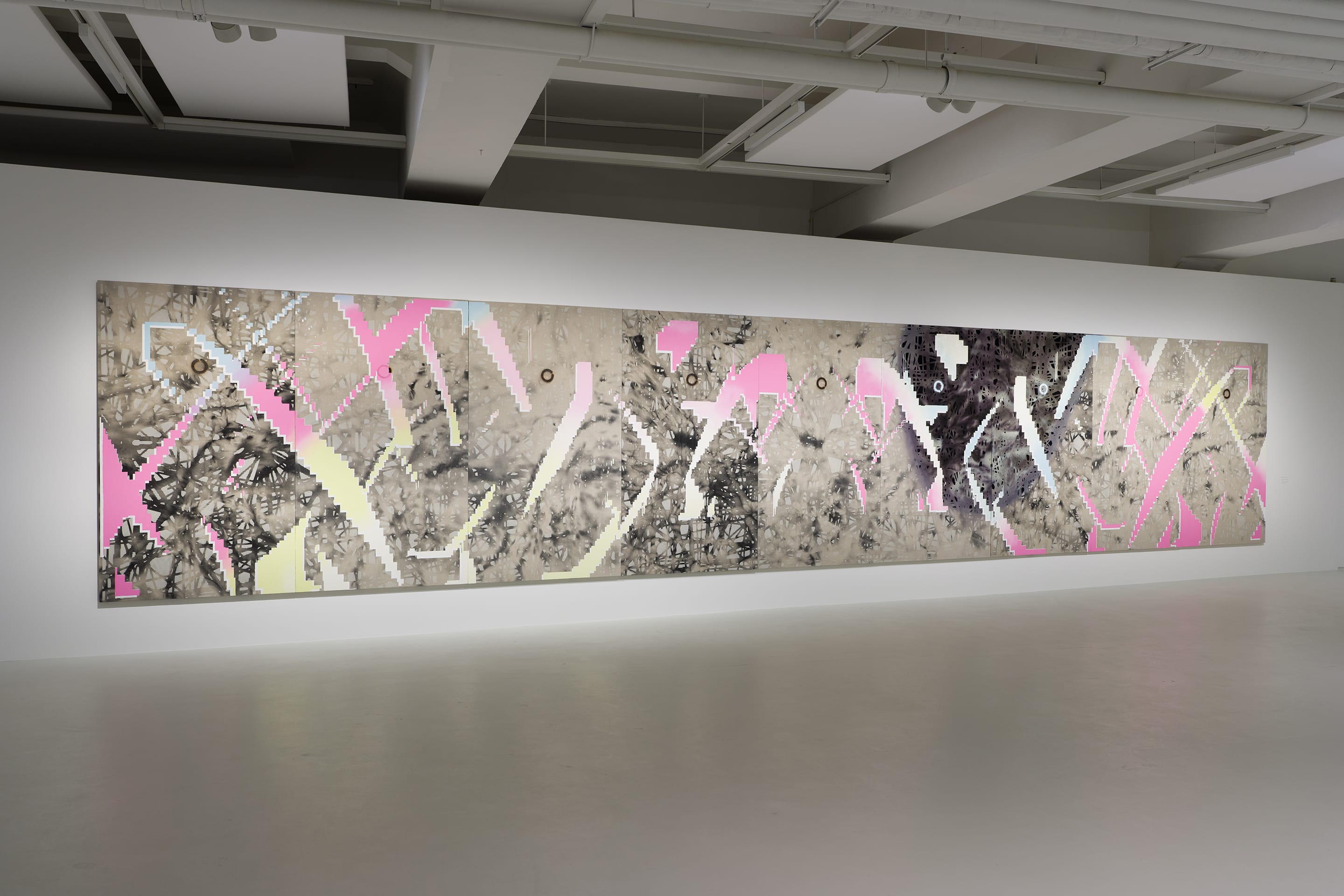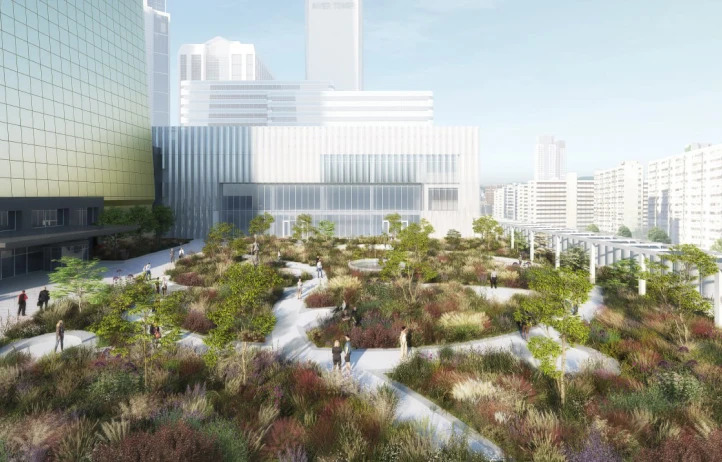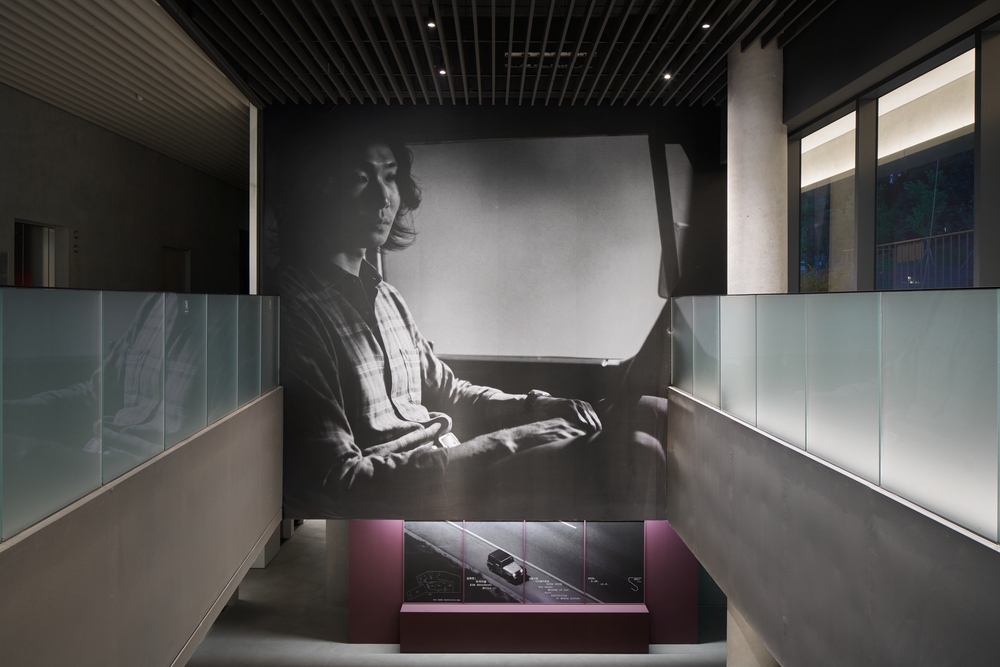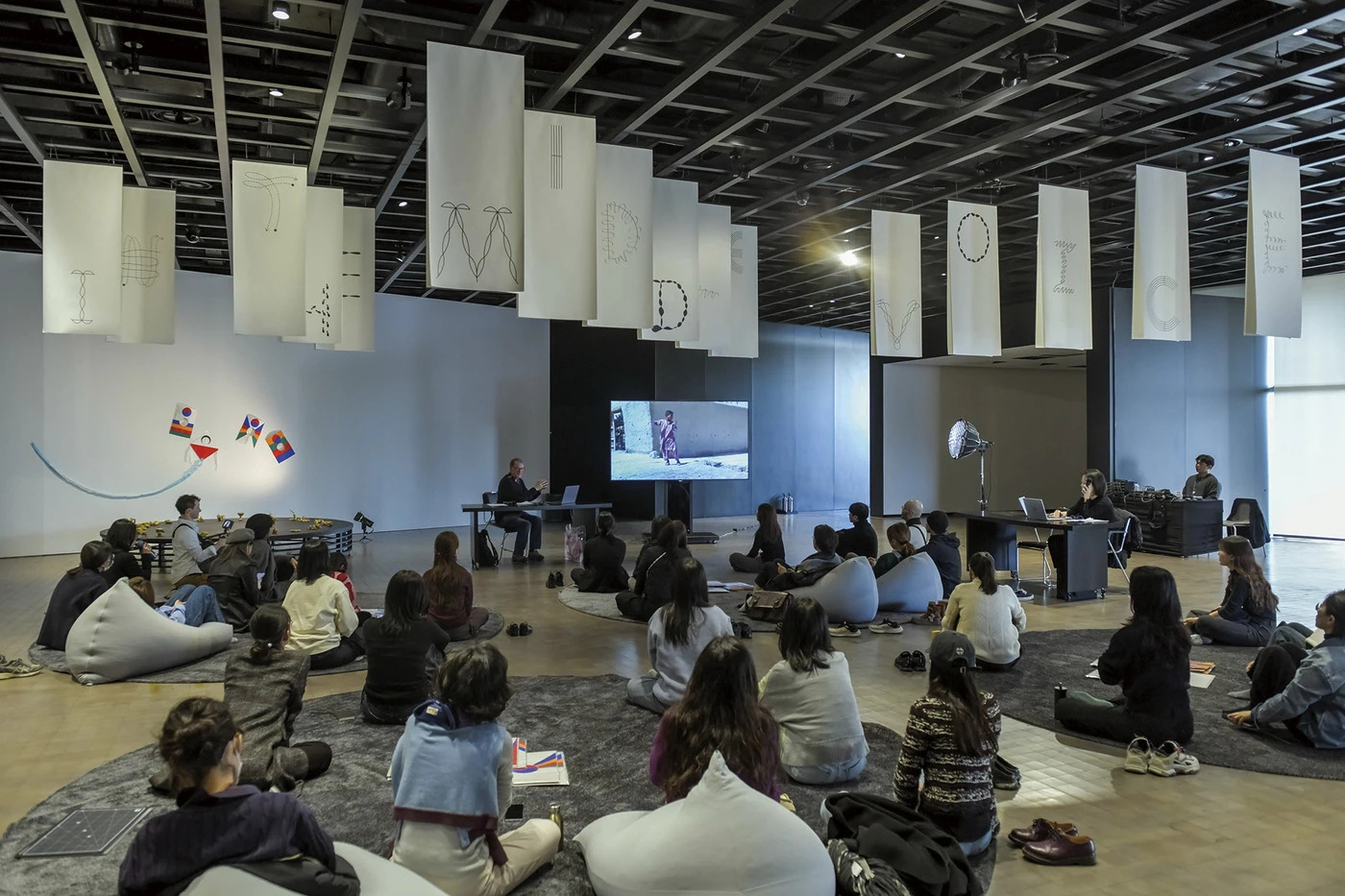

Busan Museum of
Art will present the international digital media art platform《Loop Lab Busan 2026》across the city
of Busan from April 16 to June 28, 2026.
The museum
introduces the event as a media art platform that explores the future
possibilities of art at the intersection of technology and humanity, while
presenting a structure in which exhibitions, forums, and art programs across
the city are organically interconnected.
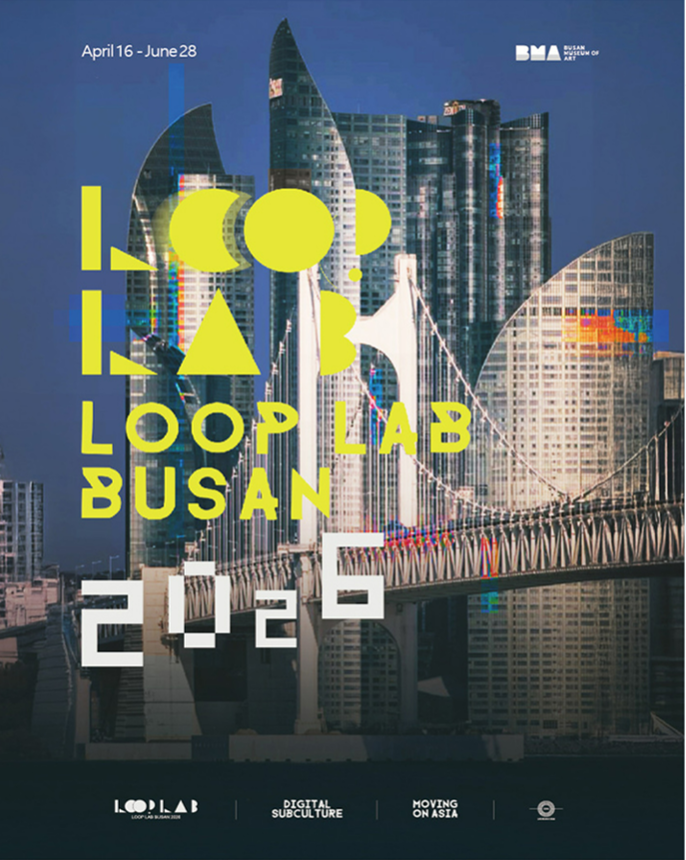
《Loop Lab Busan 2026》poster / Photo: Busan Museum of Art
The accompanying
programs, organized alongside the exhibition, are designed not merely for the
appreciation of artworks, but also to examine the current state of Asian moving
images and the structural transformations of art within the digital environment.
These related programs will unfold sequentially from April 22 to April 25.
Busan Museum of
Art has stated that, through the Asian Curators Forum linked to《Moving on Asia》, it seeks to proactively
reconsider the value of Asian video art, while the subsequent artist talks and
symposium will address the relationships among artworks, technology,
circulation, and capital.
Asian Curators
Forum
Wednesday, April 22, 11:00–14:00, Domoheon
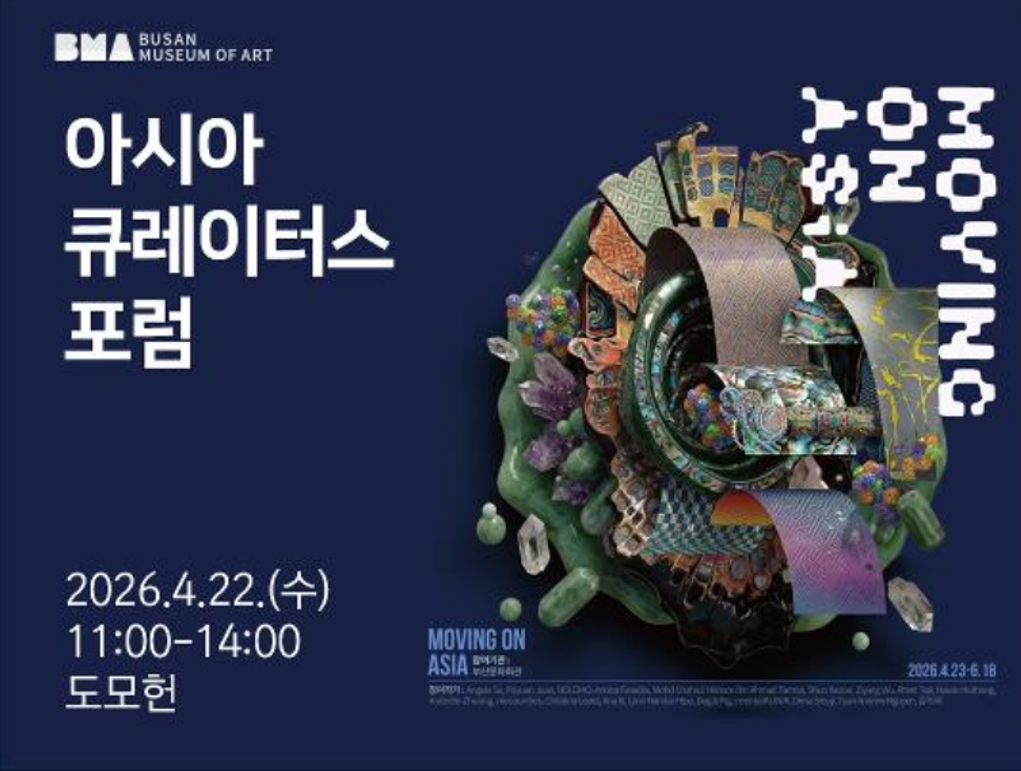
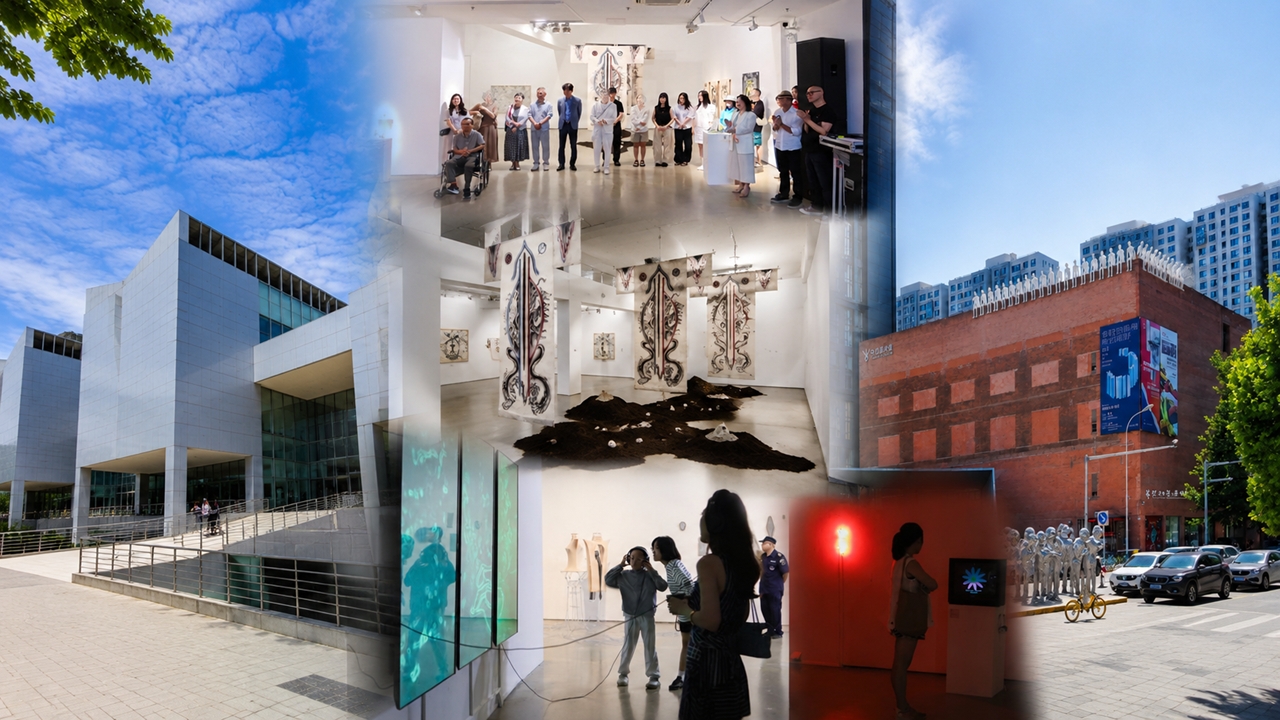
Asian Curators Forum / Photo: Busan Museum of Art website
The first program
to take place is the Asian Curators Forum, held at Domoheon on April 22. Busan
Museum of Art introduces this forum as an academic program under the theme “The
Future of Asian Moving Images,” explaining that 16 curators from 13 Asian
countries will participate in order to reassess, from an active and
self-determined perspective, the value and direction of Asian video art.
According to the
official announcement, the forum is organized in connection with《Moving on Asia》and takes as its major
thematic axes issues such as ethnofuturism and singularity, meta-narrative,
collective memory, and latent conflict.
The list of
presenters in this forum includes Wang Hanfang, Wang Weiwei, Rahmadiya Tria
Gayatria, Padly Sabran, Tada Kaori, Lee Seung-a, Pimpakaphon Phonpheng,
Clarissa Chikiamco, Carlos Quijon, Jessica Clark, Megan Tamati-Quennell, Oh
Heyman, Bilguun Tuvshinbold, and Iris Long.
Wang Hanfang is
an independent curator from Taiwan who recently participated in the co-curation
of an exhibition at the New Taipei City Art Museum, while Wang Weiwei serves as
curator of exhibitions and collections at CHAT in Hong Kong.
Tada Kaori holds
a doctorate in Film and New Media from Tokyo University of the Arts and
previously worked with the curatorial team and as a curator for the Yebisu
International Festival for Art & Alternative Visions, organized by the
Tokyo Photographic Art Museum.
Clarissa
Chikiamco is introduced as a curator at National Gallery Singapore and a
doctoral researcher at King’s College London, and has co-curated exhibitions
dealing with early video installation practices in Southeast Asia.
Carlos Quijon is
known as an art historian, critic, and curator based between Manila and New
York, while Megan Tamati-Quennell has long worked on Maori and First Nations
contemporary art. Iris Long is introduced as an independent curator who studies
the relationship between art and computing.
Accordingly, this
program can be understood not as a venue that categorizes Asia within a simple
regional framework, but rather as a forum that constructs a complex field of
discourse where images and memory, locality and technology, geopolitics and
narrative intersect. If the exhibition is the format through which artworks are
presented, this forum is closer to an academic apparatus that provides a
conceptual framework for interpreting those works.
Artist Talks 1
& 2
Friday, April 24, 10:30–12:00, Space Wonji
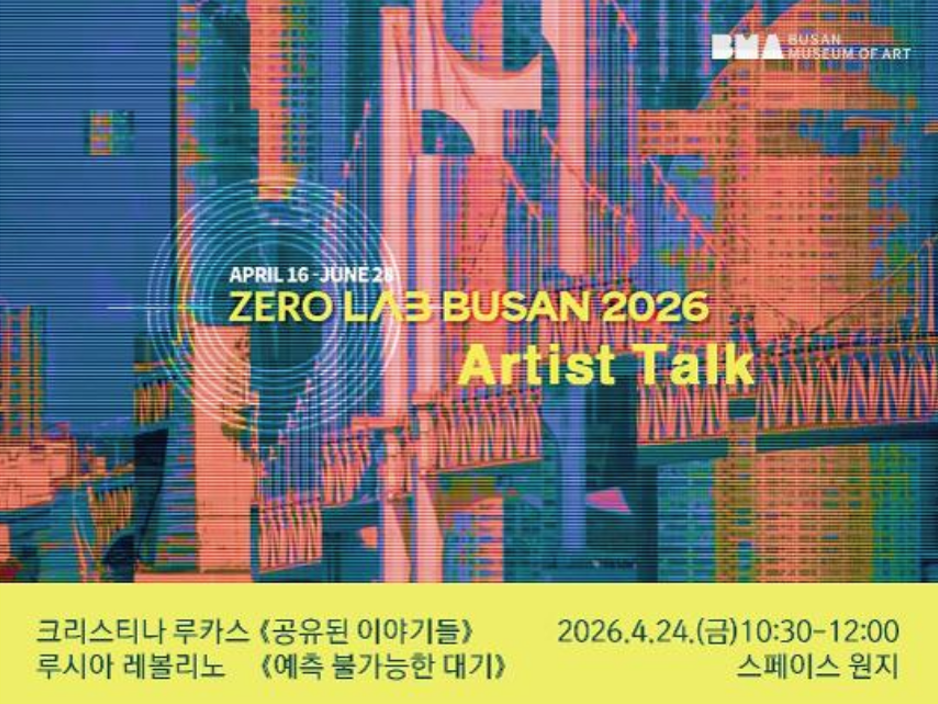
Artist Talks 1 & 2 / Photo: Busan Museum of Art website
On the morning of
April 24, two artist talks will be held consecutively at Space Wonji. These
programs feature Cristina Lucas and Lucia Rebolino.《Shared
Stories》addresses the present and future of Spanish
video art while examining how the moving image reconstructs memory and history,
while《Unpredictable Atmosphere》is presented as a program exploring transformations in information
and knowledge within the digital ecosystem, as well as altered ways of reading
climate models.
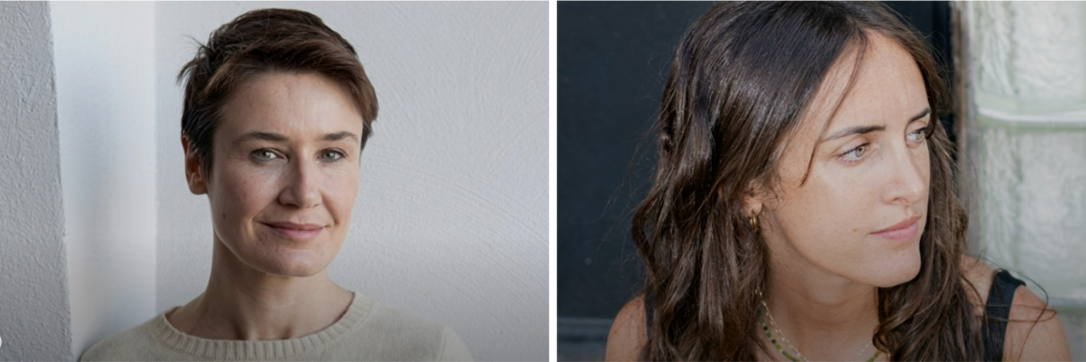
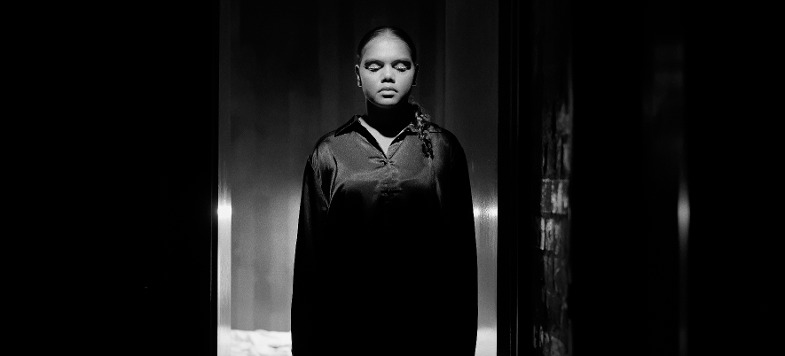
(Left) Cristina Lucas, (Right) Lucia Rebolino / Photo: Busan Museum of Art Instagram
Cristina Lucas
was born in Jaén, Spain, in 1973 and is based in Madrid. She has worked across
a range of media, including video, installation, drawing, and performance,
addressing political and economic structures, mechanisms of power, and the
contradictions between official history and collective memory.
Lucia Rebolino is
introduced as an artist and computational designer who explores digital
aesthetics through the convergence of science and art, and is currently engaged
in research and design practices connected to Forensic Architecture in London.
Through different
points of entry, narrative in one case and data in the other, the work of these
two figures demonstrates that the digital image is not merely a screen-based
surface, but a structure of social perception and interpretation.
Artist Talk 3
Friday, April 24, 12:30–14:30, Lee & Bae Gallery
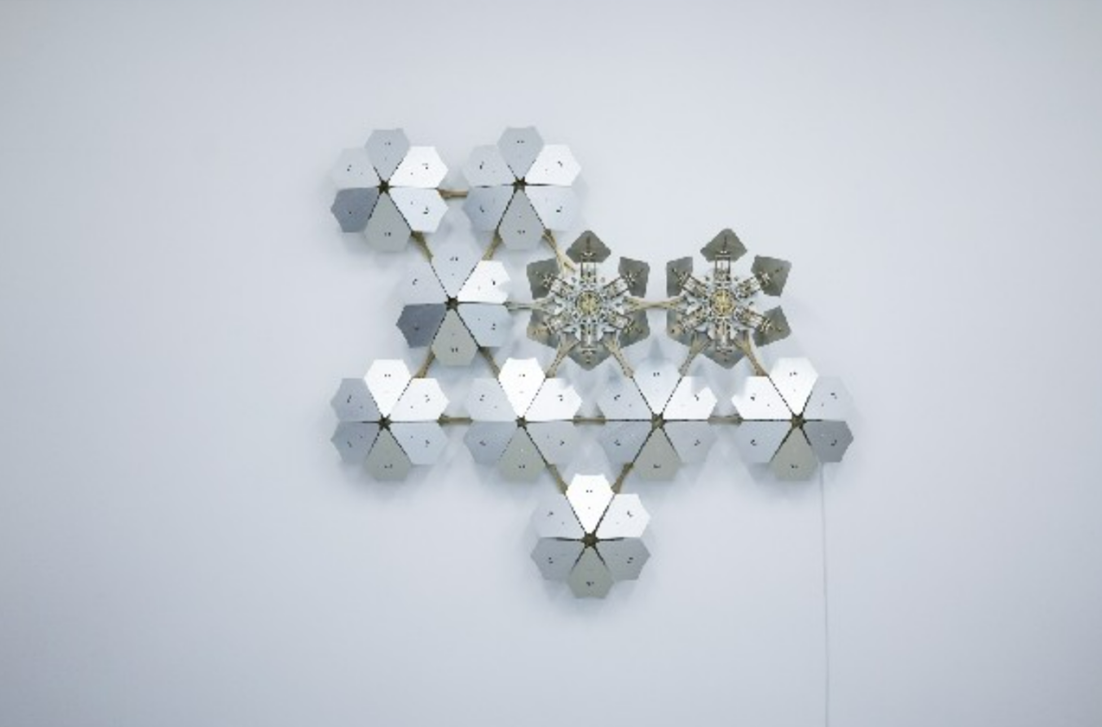
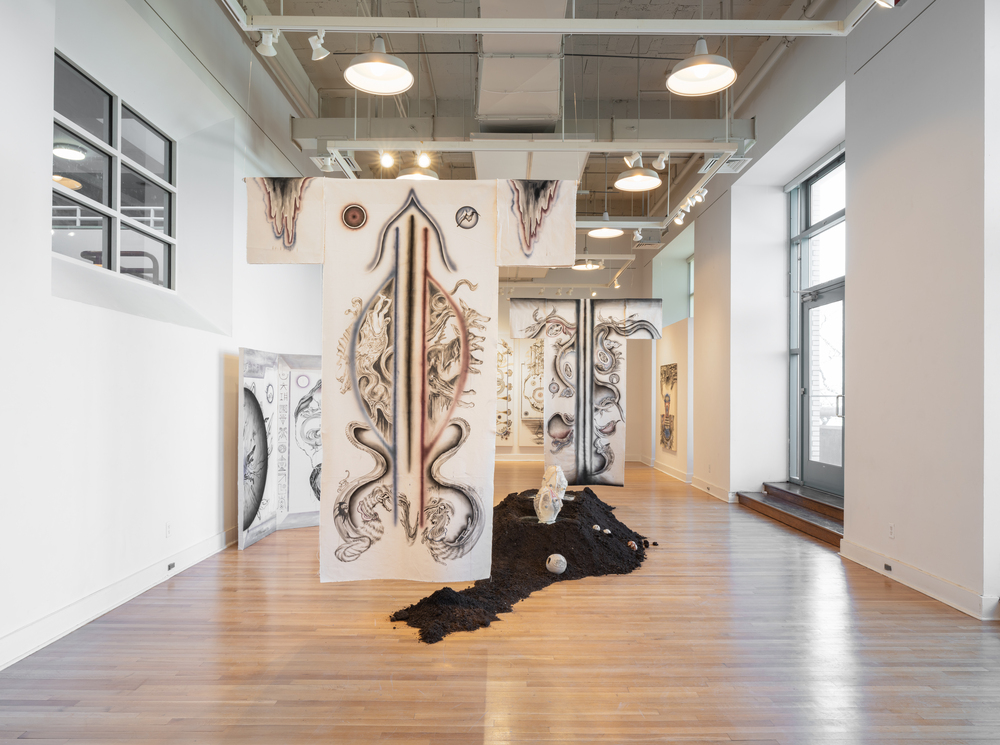
Work by WHYIXD / Photo: Lee & Bae Gallery
Later that day,
from 12:30 p.m.,《The Resolution of Landscape》by WHYIXD will take place at Lee & Bae Gallery.
This program
expands the notion of landscape beyond the simple representation of external
nature, instead extending it to the very question of how human beings perceive
and interpret their environment. WHYIXD gathers invisible elements such as the
sea, wind, voltage, and subtle environmental signals, then transforms them into
a sculptural language of light and movement through algorithms and programming,
redefining the concept of resolution from the sharpness of an image to the
density of perception.
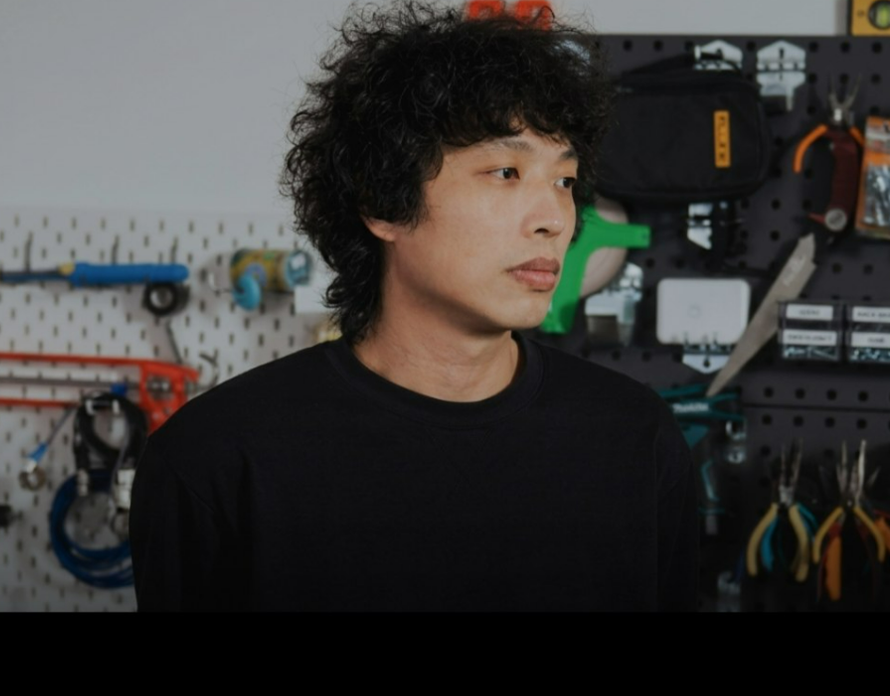
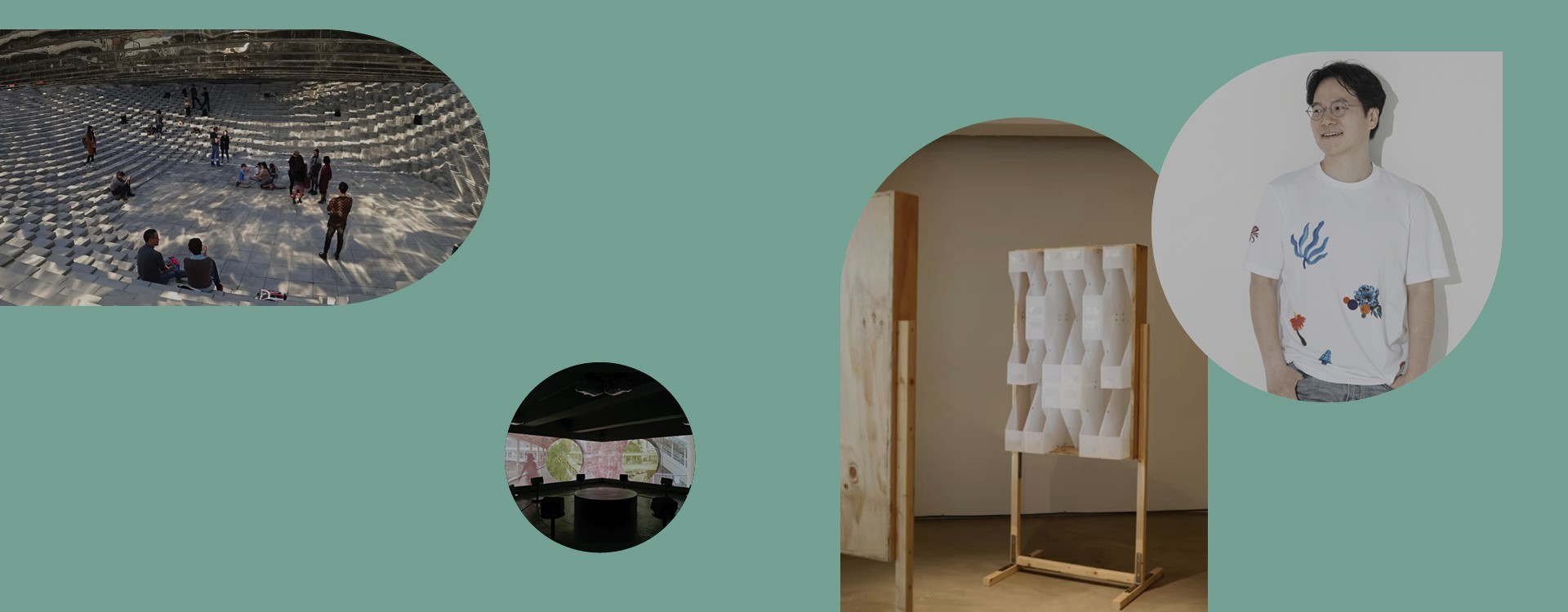
WHYIXD / Photo: Busan Museum of Art Instagram
WHYIXD is
introduced as a Taiwan-based new media art group. Working within the language
of light art, installation, and kinetic art, the team has continued to
transform the invisible data of nature and the city into visual and spatial
experiences. In that sense, this talk functions as a presentation of digital
landscape not as a representation of physical nature, but as a new
visual-perceptual form in which data, sensation, and inner experience are
organized together.
Artist Talk 4
Friday, April 24, 15:00–17:00, Seokcheon Hall, F1963
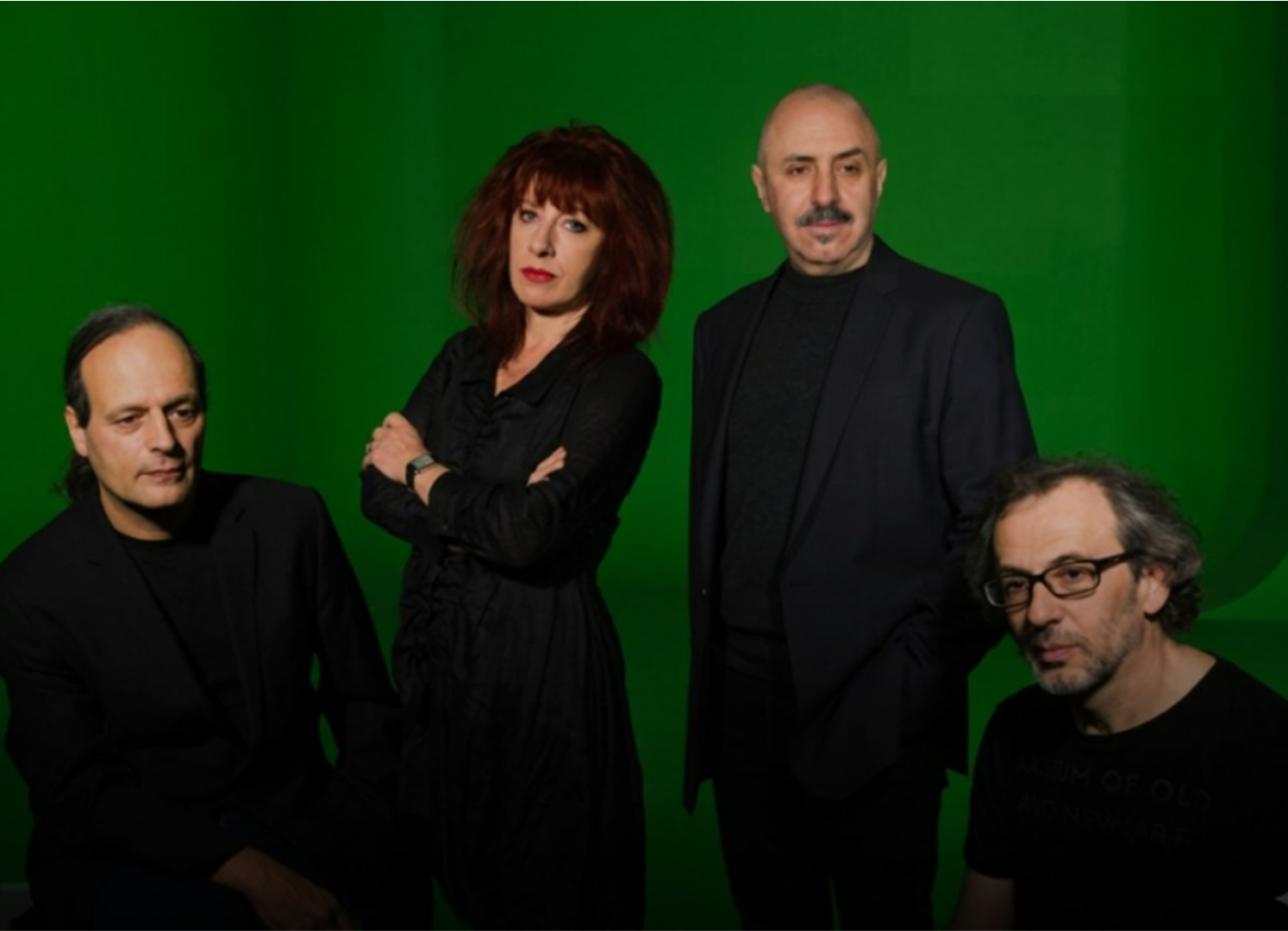
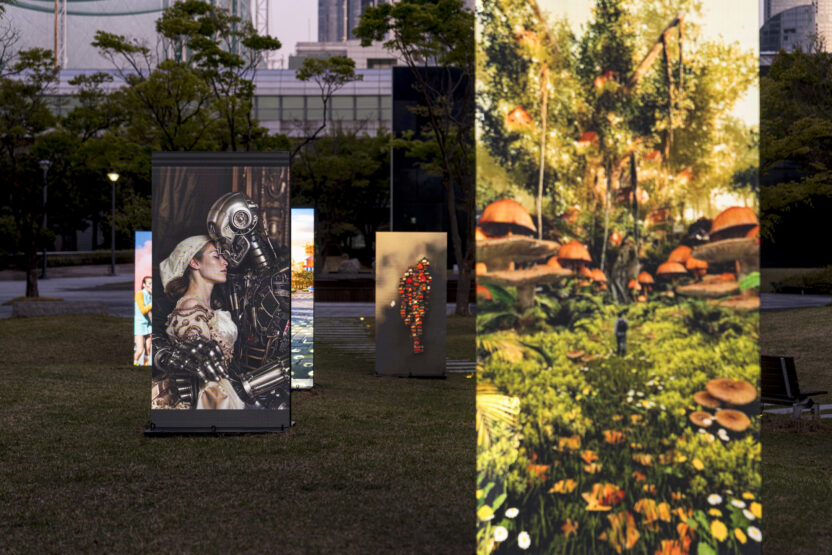
AES+F / Photo: Busan Museum of Art Instagram
The final program
on April 24 is the artist talk by AES+F, to be held from 3:00 p.m. at Seokcheon
Hall in F1963. This program has been introduced as a session in which the
globally renowned artist group AES+F participates to discuss the contemporary
significance of media art. At the core of this talk is the visual tension that
emerges when digital technology converges with classical modes of image
construction, and the way structures of social power and desire are revealed
within that process.
AES+F is a
four-member collective from Russia composed of Tatiana Arzamasova, Lev
Evzovich, Evgeny Svyatsky, and Vladimir Fridkes. The group began in 1987 as AES
and was reorganized as AES+F in 1995 when Fridkes joined. Since then, they have
explored the values and conflicts of contemporary global culture at the
intersection of photography, video, installation, and digital technology.
They gained
international attention with Last Riot at the Russian Pavilion of the
Venice Biennale in 2007 and have since become widely known for their
large-scale multichannel video installations.
Art and
Capital Symposium
Saturday, April 25, 14:00–16:00, Haeundae Platform
Program guide poster / Photo: Busan Museum of Art Instagram
The last of the
related programs is the Art and Capital Symposium, to be held on April 25 at
Haeundae Platform.
Titled《Digital Art – Between Sharing and Ownership》, the program is presented as an examination of new experiences in
digital art at the boundary between “sharing” and “ownership.”
This symposium
demonstrates that《Loop Lab Busan 2026》does not remain confined to the presentation of new media forms
alone. By addressing together the creation of value around digital images, the
modes of their circulation, and the question of ownership, it expands the
discussion toward the institutional and economic conditions in which
contemporary art is situated. As a result, the program operates as a site that
confirms that the aesthetic issues surrounding digital media art and economic
reality can no longer be separated.
Taken as a whole,
Busan Museum of Art’s related programs for《Loop Lab
Busan 2026》form a structure that gradually expands
the scope of the exhibition through a forum, artist talks, and a symposium. If
the Asian Curators Forum on April 22 presents a theoretical frame, the artist
talks on April 24 reveal the practical layers of digital media art through
individual works, while the symposium on April 25 extends the discussion to the
economic conditions in which these practices are embedded.
In that sense,
these programs demonstrate that Busan Museum of Art is operating《Loop Lab Busan》not as a simple
exhibition event, but as a complex platform in which the production,
interpretation, circulation, and discussion of contemporary media art take
place together.