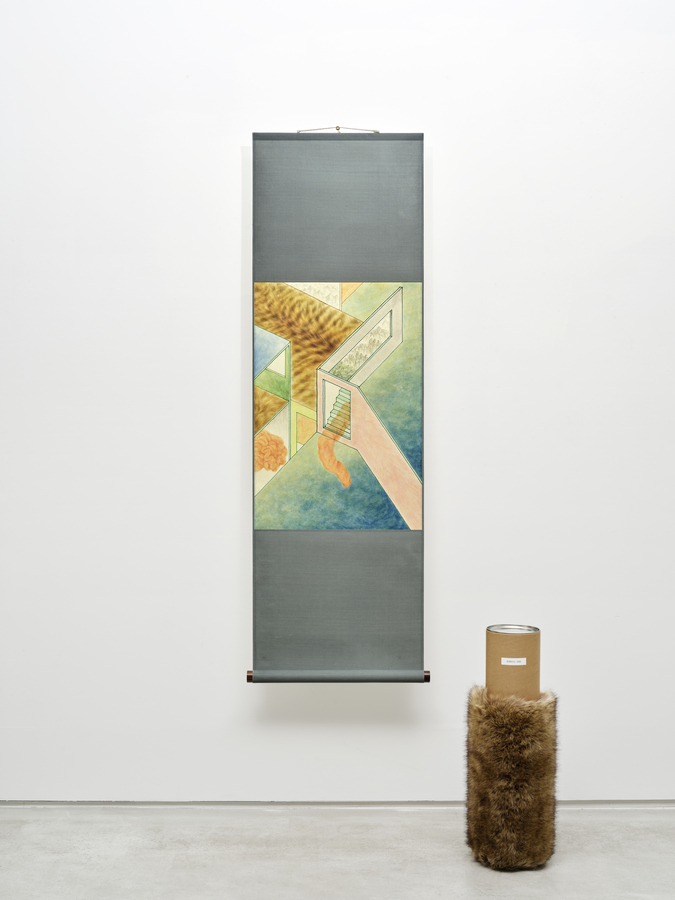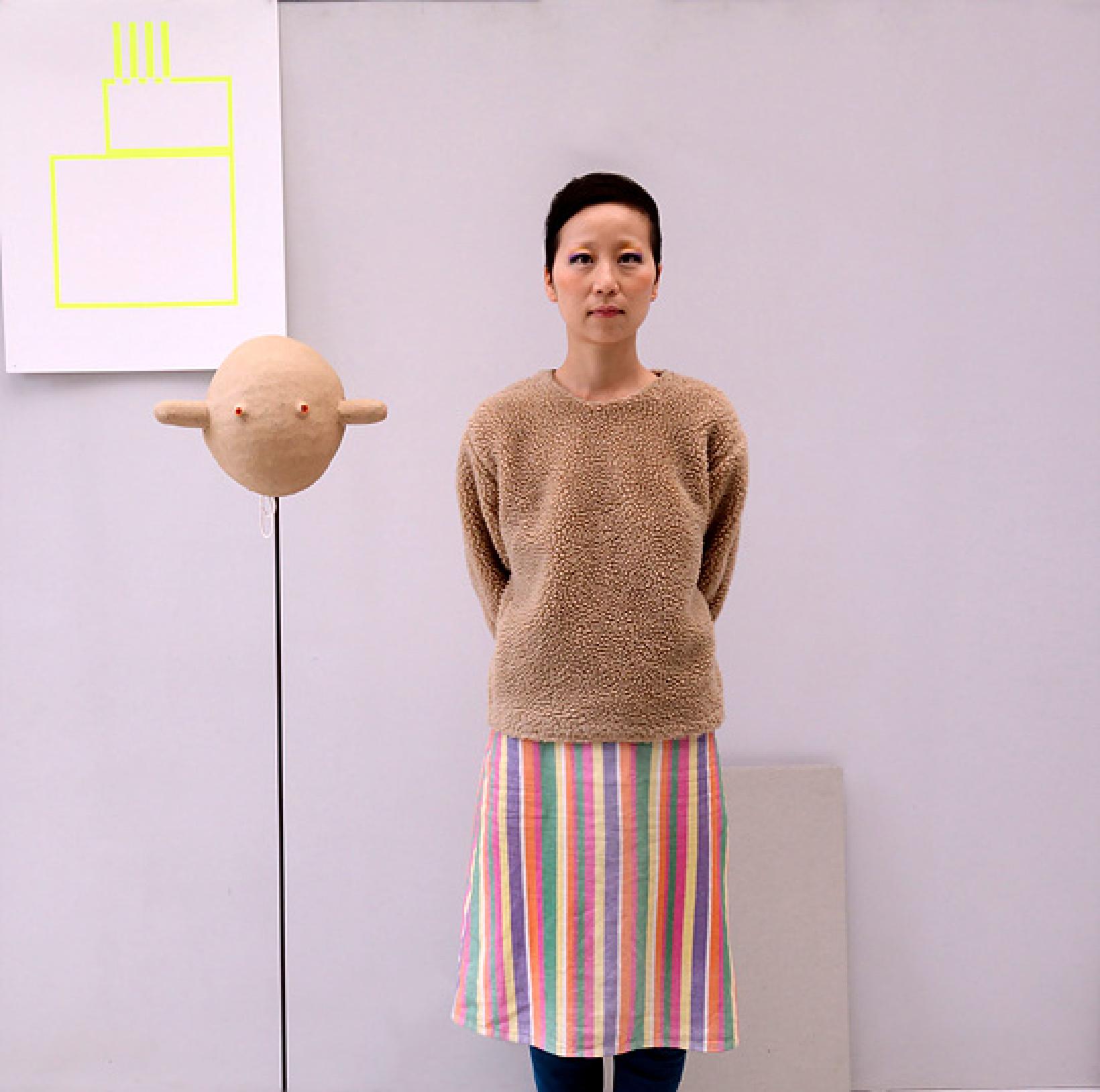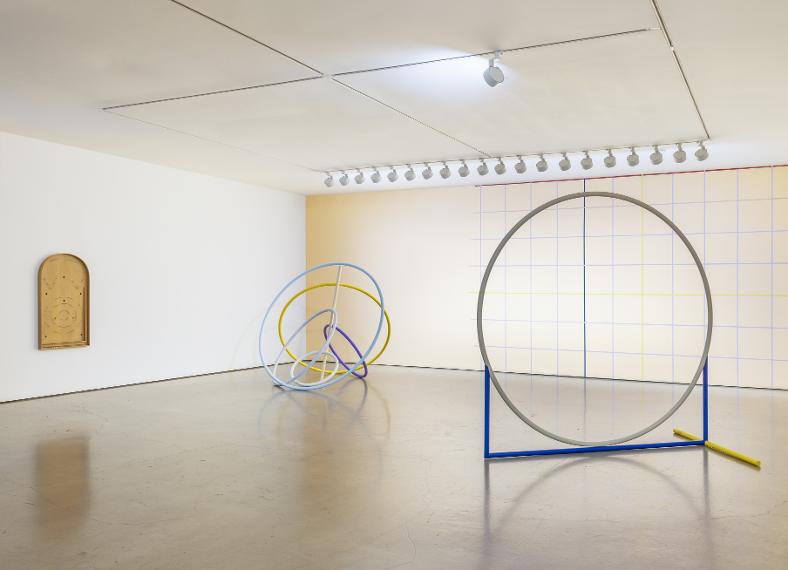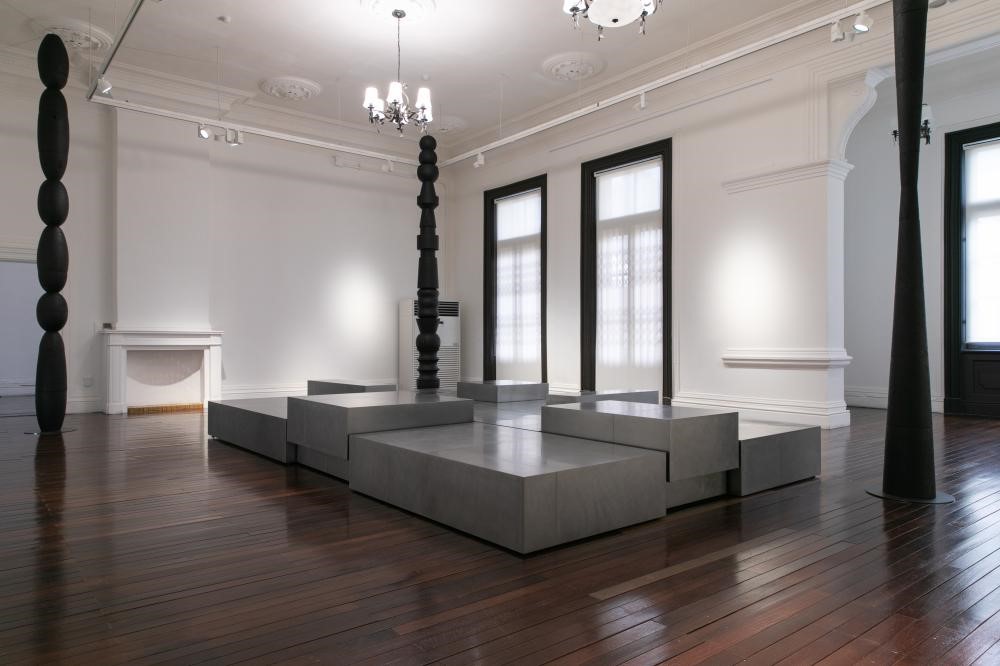

Paris-based artist Seulgi Lee’s solo
exhibition 《GORU GORU》 will be
on view at Frac Nouvelle-Aquitaine MÉCA in Bordeaux, France, from October 9,
2026, through April 25, 2027.
The title 《GORU
GORU》 derives from the Korean expression “goru-goru”,
suggesting a varied and balanced selection of different things. The organizers
compare it to a meal in which a range of dishes is enjoyed together. Just as
different flavors, textures, temperatures, and ingredients share the same
table, the exhibition is conceived as an experience in which works of different
material and formal qualities coexist.
Lee’s practice begins with everyday objects
and language. Quilts used to cover the body, handwoven baskets, lattice screens
that filter light, and proverbs passed down orally all carry forms of knowledge
and sensory experience accumulated over time.
The artist translates these elements into
fields of color, geometric structures, and relationships between material and
gesture, exploring how everyday practices of making can be transformed into the
formal language of contemporary art.
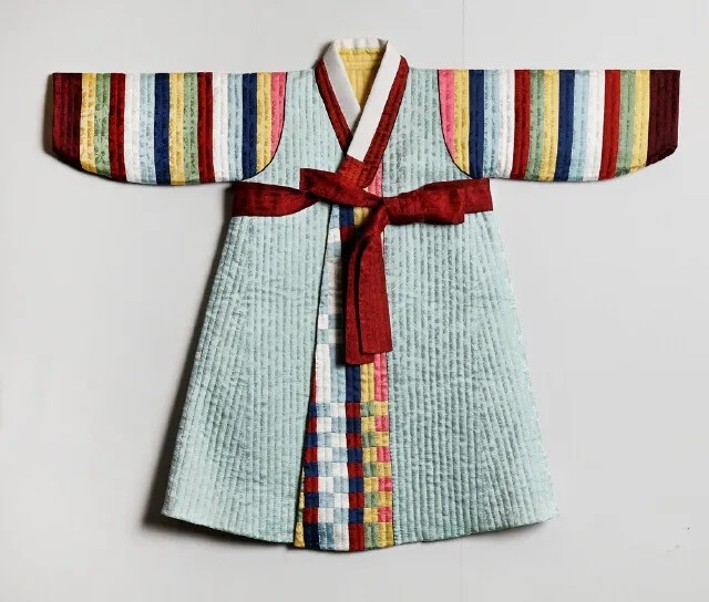
Reference image: quilted hanbok made by artisan Kim Hae-ja / Photo: Hankyoreh
Turning Proverbs into Quilts
Lee’s BLANKET PROJECT U
is an ongoing series that translates Korean proverbs into quilted blankets.
Rather than embroidering the words themselves or illustrating their literal
meanings, the artist transforms the movements and relationships suggested by
language into fields of color and geometric forms.
Tongyeong nubi
artisan Cho Seong-yeon translates these compositions into silk through the
meticulous process of traditional quilting. Layers of fabric are sewn together
line by line, with the boundaries between colors and even the direction of the
stitching becoming integral elements of the work.
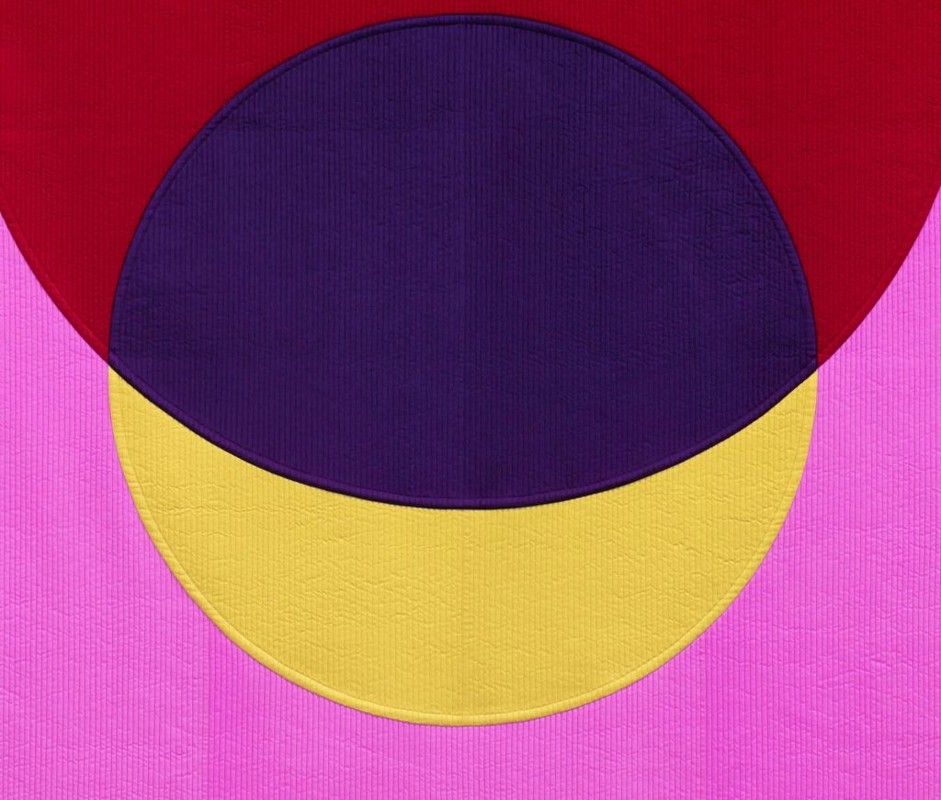
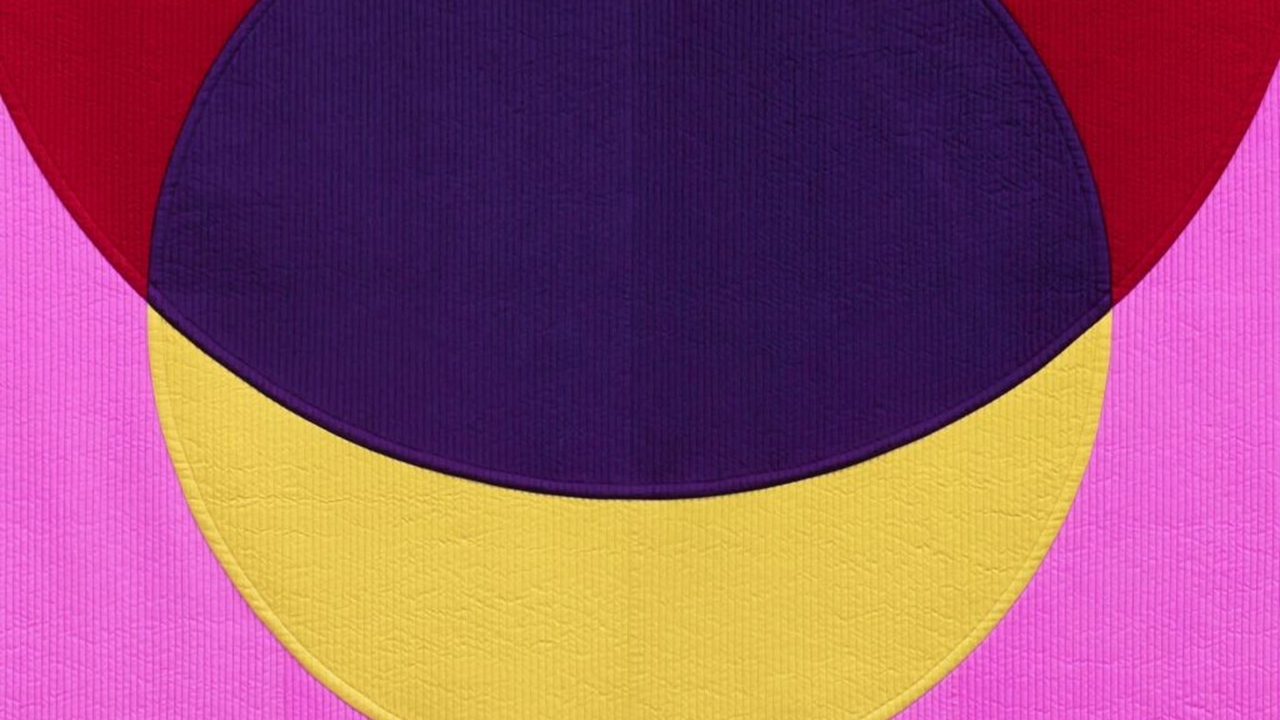
Seulgi Lee, U: Even Monkeys Fall from Trees, blanket project (detail). / © ADAGP, Paris, 2026.
The Korean proverb “Even monkeys fall from
trees” conveys the idea that anyone, no matter how skilled, can make mistakes.
In Lee’s work, viewers are not asked to search for a monkey or a tree. Instead,
they first encounter an arrangement of color and form. Only after reading the
title does the abstract composition reconnect with the familiar saying.
This sequence—seeing the image first and
recalling the words afterward—is part of the pleasure of the series. The form
of the blanket is equally important: a saying once passed from mouth to mouth
is transformed into an everyday object that physically covers the body.
From the Colors of Dancheong to
the Exhibition Space
One of the notable aspects of 《GORU GORU》 is the participation of Korean
dancheong artisans.
Dancheong is a traditional Korean form of
architectural polychrome painting in which multicolored pigments are applied to
wooden structures such as palaces and Buddhist temples. It serves both
decorative and protective functions, while also expressing architectural
hierarchy and religious symbolism.
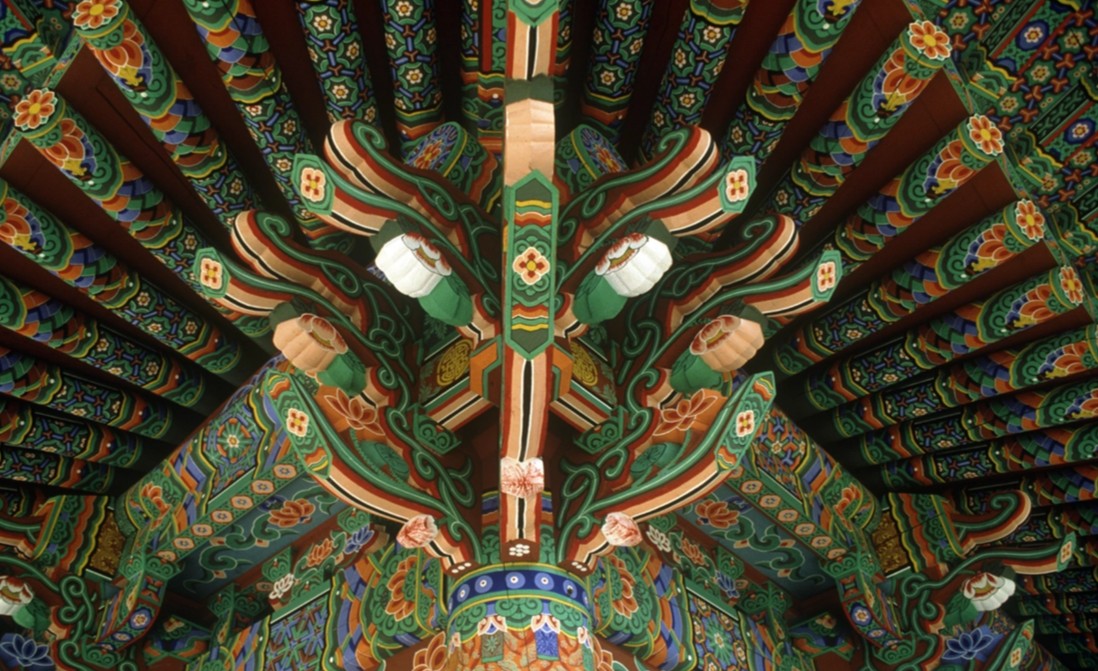
Reference image: Dancheong / Photo: Academy of Korean Studies
For this exhibition, Korean dancheong
artisans, invited by Seulgi Lee and curator Elfi Turpin, are scheduled to
create a large-scale mural directly on the gallery walls.
Through these works, dancheong and
traditional wooden lattice structures are understood not merely as decorative
motifs but as formal principles that organize space and alter perception.
Repeated lines, intervals between colors, and the voids within architectural
structures shape the viewer’s gaze and movement. The site-specific production
planned in Bordeaux can be seen as an extension of this investigation.
Craft, Language, and Techniques
Across Regions
Lee’s collaborations have extended from
Korean traditions of making to other regions and cultures. In Mexico, she has
worked with women basket weavers, while in Morocco she collaborated with
potters from the Rif region, examining the relationship between language and
modes of making.
During her 2023 residency at Villa Kujoyama
in Japan, she researched the folk song “Akita Ondo”, traditionally sung
by women, and collaborated with makers of “sudare”, traditional bamboo
blinds.
Through such collaborations, Lee approaches
local knowledge not as a fixed source of imagery but as a living relationship
between people, materials, and techniques, which she develops into new formal
structures. Beneath the geometric clarity of her work lies the labor of many
hands and the accumulated time of different places.
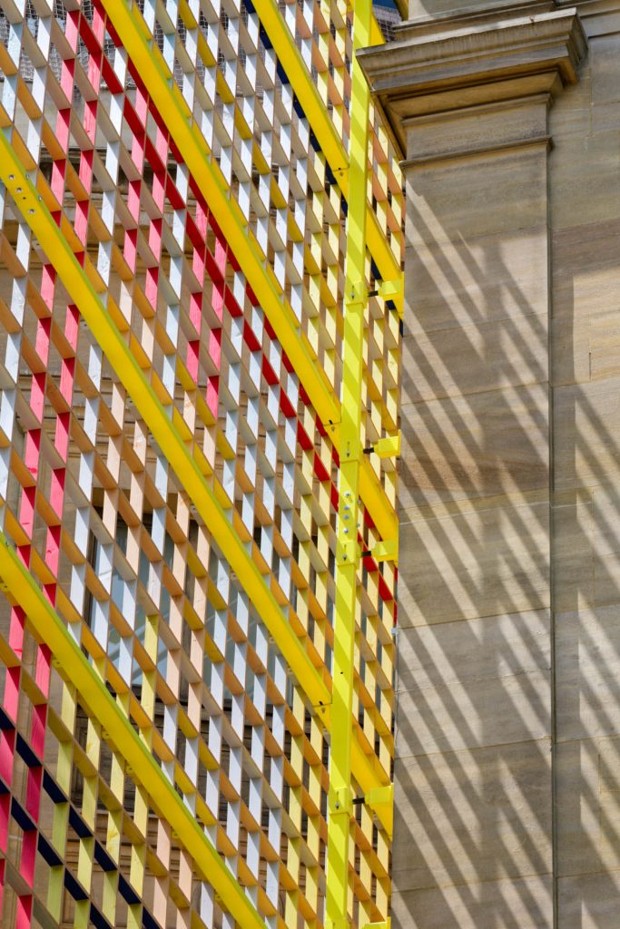
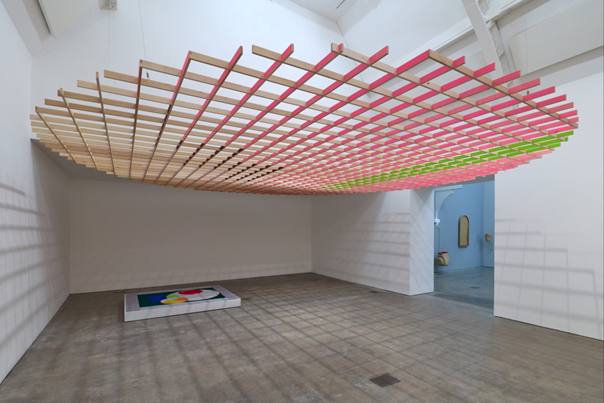
Seulgi Lee, DAL DARI project (detail), Musée Guimet. Photo: Nicolas Fussler. / © ADAGP, Paris, 2026.
From Paris and Bordeaux to
Seoul
Seulgi Lee’s 《DAL
DARI. La Lune et les Jambes》 is currently on view
at the Musée Guimet in Paris through February 8, 2027. The project takes as its
starting point a Korean custom associated with the first full moon of the lunar
year, in which people crossed bridges in the belief that doing so would bring
strength and health to their legs.
A semicircular wooden structure recalling
traditional Korean latticework has been installed on the museum’s exterior,
while inside, works composed of multicolored ribbons and bronze bells unfold
across the space. The painted surface on one side of the exterior structure
shifts in appearance as the viewer moves, while the interior installation
creates a relationship between light, sound, and space.
According to Frac, 《GORU GORU》 has been conceived in dialogue
with 《YOMO JOMO》, Lee’s
solo exhibition opening at the Seoul Museum of Art on November 26. The Bordeaux
exhibition will also coincide with the preparation of a monograph on the
artist, scheduled to be published by JRP | Éditions in 2027.
In Lee’s practice, local culture takes on
new forms through material, language, and the movement of the hand. Proverbs
become quilted fields of color, lattice structures are transformed into spatial
devices responsive to the viewer’s movement, and dancheong becomes a form of
painting that shapes the exhibition space itself.
Through these transformations, abstract
form remains closely connected to lived experience.
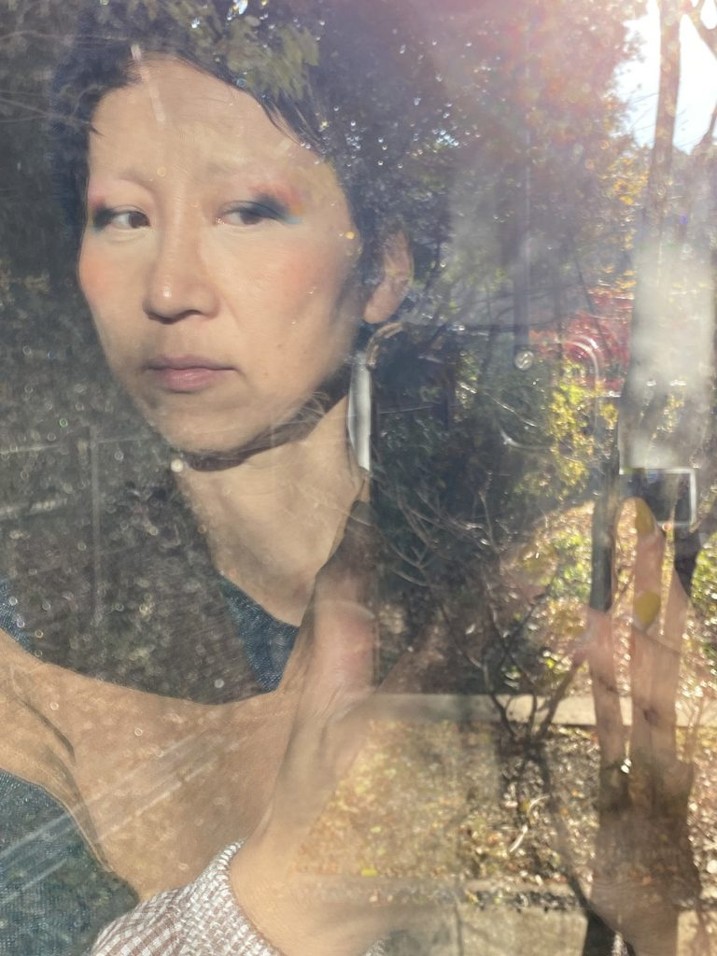
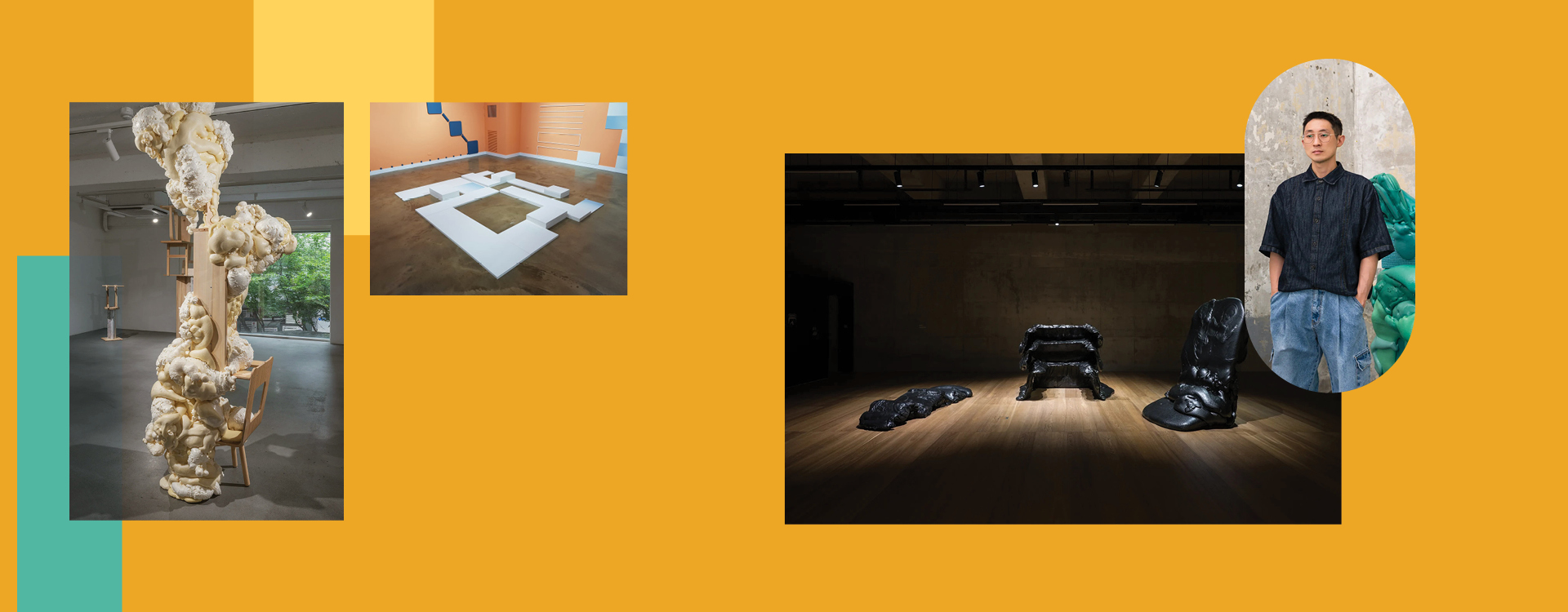
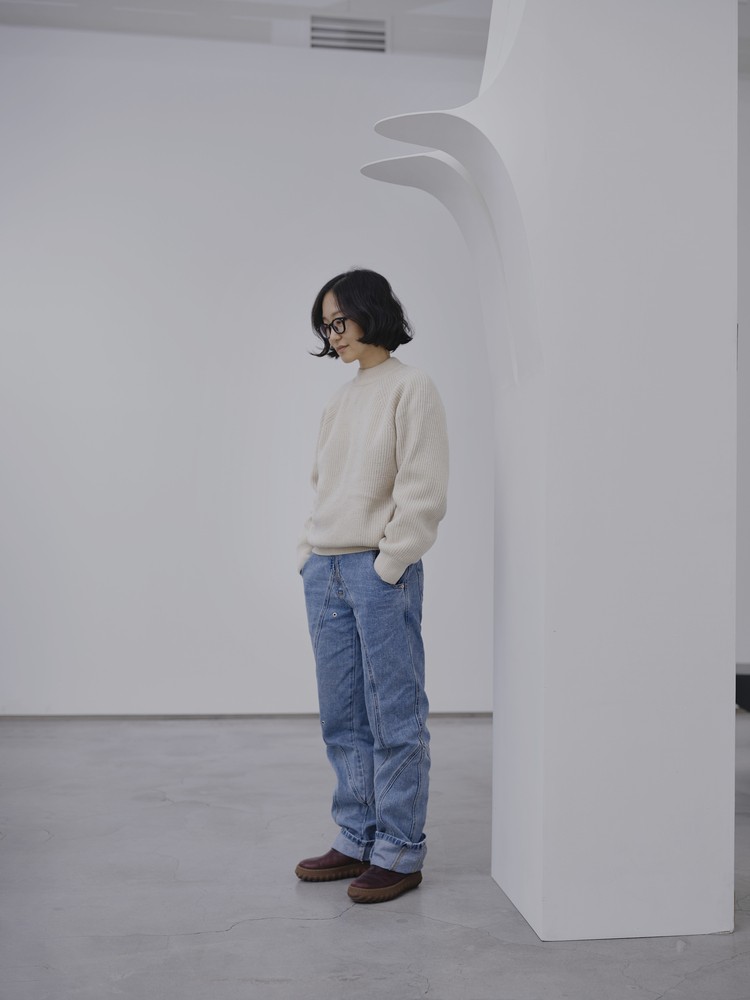
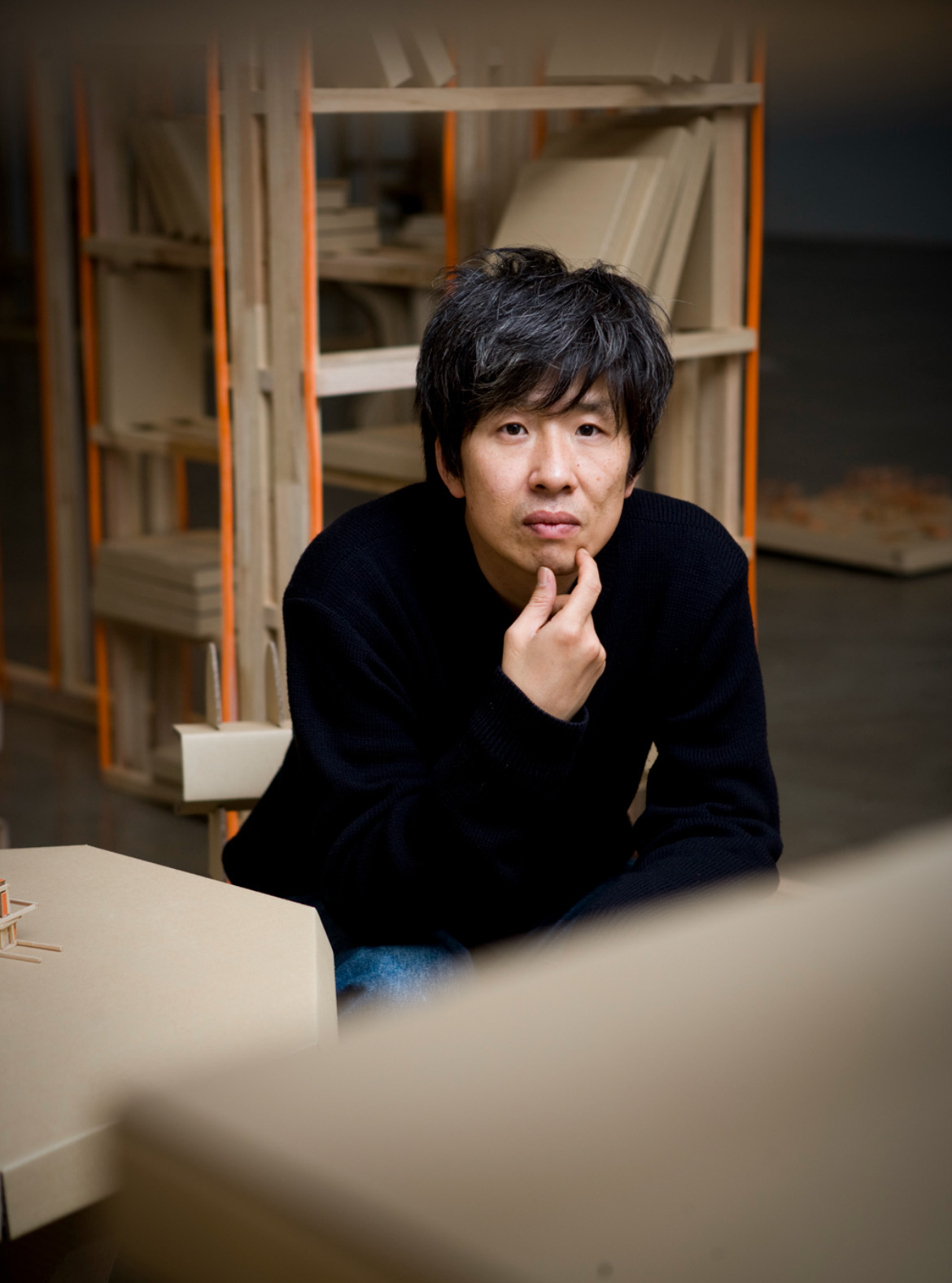
Seulgi Lee / © Frac Nouvelle-Aquitaine MÉCA website
About the Artist
Seulgi Lee was born in Seoul in 1972 and
studied at the École nationale supérieure des Beaux-Arts de Paris. She has been
based in Paris since 1992.
Working across sculpture and installation,
Lee draws on proverbs, folk songs, everyday objects, and traditional craft
techniques. In 2020, she received the Korea Artist Prize, presented by the
National Museum of Modern and Contemporary Art, Korea, and SBS.
Frac Nouvelle-Aquitaine MÉCA
Frac Nouvelle-Aquitaine MÉCA is a public
institution for contemporary art based in Bordeaux, France. Founded in 1982, it
has developed a program encompassing art collecting, exhibitions, support for
artistic production, and regional cultural and educational initiatives.
In 2019, the institution moved into MÉCA, a
multidisciplinary cultural complex, where it continues to connect contemporary
art with local communities while presenting artistic practices from France and
abroad.
“Frac” is the acronym for Fonds régional
d’art contemporain, or Regional Contemporary Art Fund.
Exhibition Information
Exhibition:
Seulgi Lee 《GORU GORU》
Dates: October 9, 2026–April 25, 2027
Venue: Frac Nouvelle-Aquitaine MÉCA, Bordeaux, France
Curator: Elfi Turpin
Website: Frac
Nouvelle-Aquitaine MÉCA