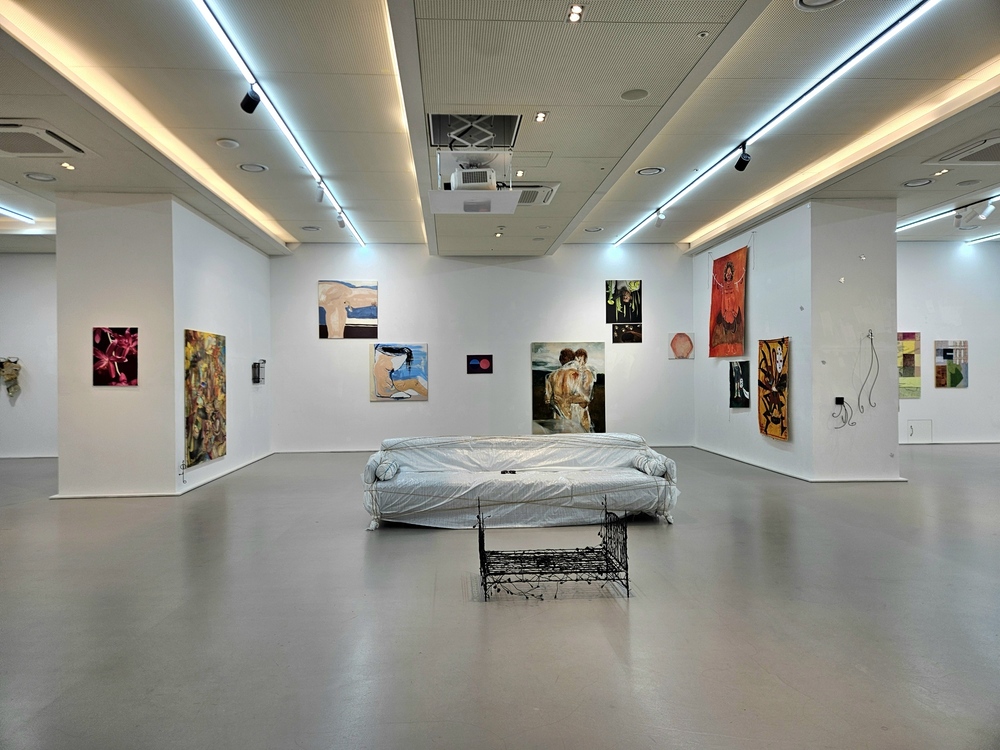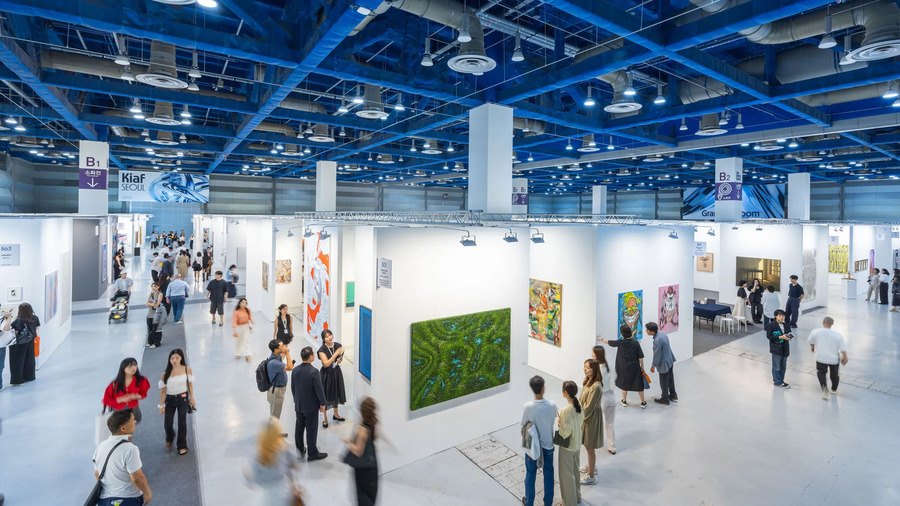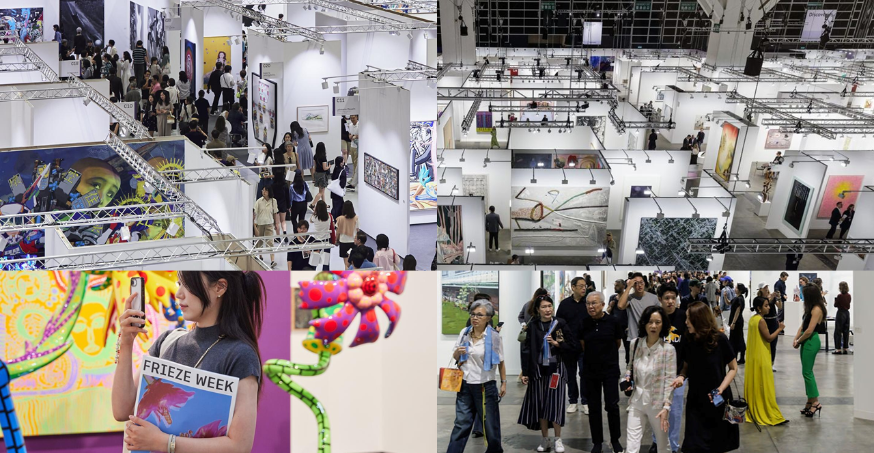
This year, Seoul Art Week brings together
135 visual art spaces across the city, while a series of evening programs
unfolds on different dates in Euljiro, Hannam, Cheongdam, and Samcheong. Major
museum exhibitions, film screenings, and public art projects add to the
program, making September in Seoul an opportunity to experience not only the
art fairs but also the broader art scene across the city.
Euljiro Night — The Start of
Seoul Art Week
Seoul Art Week begins in Euljiro on August
31.
Starting in the afternoon, the Seoul
Metropolitan Government will present workshops and artist talks in
collaboration with exhibition spaces across Euljiro. From 7 to 10 p.m., an
opening night will take place at N:NEWS (News Museum) Euljiro, accompanied by
exhibitions, performances, and networking programs.
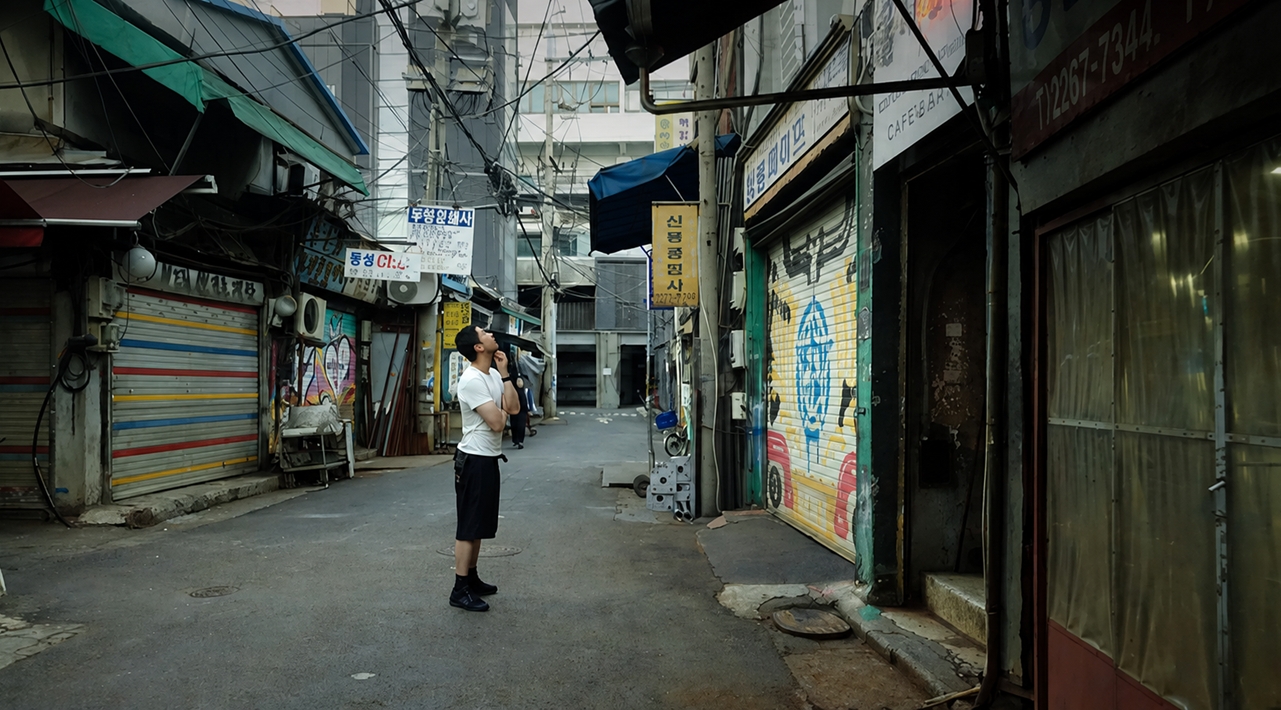
Euljiro has a distinctly different
character from Seoul’s other major art districts. Artist studios, independent
art spaces, and new cultural venues have emerged among the neighborhood’s
long-established printing shops, tool stores, and industrial facilities,
creating an art ecosystem quite different from districts built primarily around
commercial galleries.
What makes Euljiro Night particularly
interesting is this coexistence. Old industrial spaces and new art venues,
everyday businesses and exhibition spaces are interwoven throughout the
neighborhood. It offers a glimpse not only into Seoul’s younger and more
experimental art scene, but also into the cultural transformation of the city
itself.
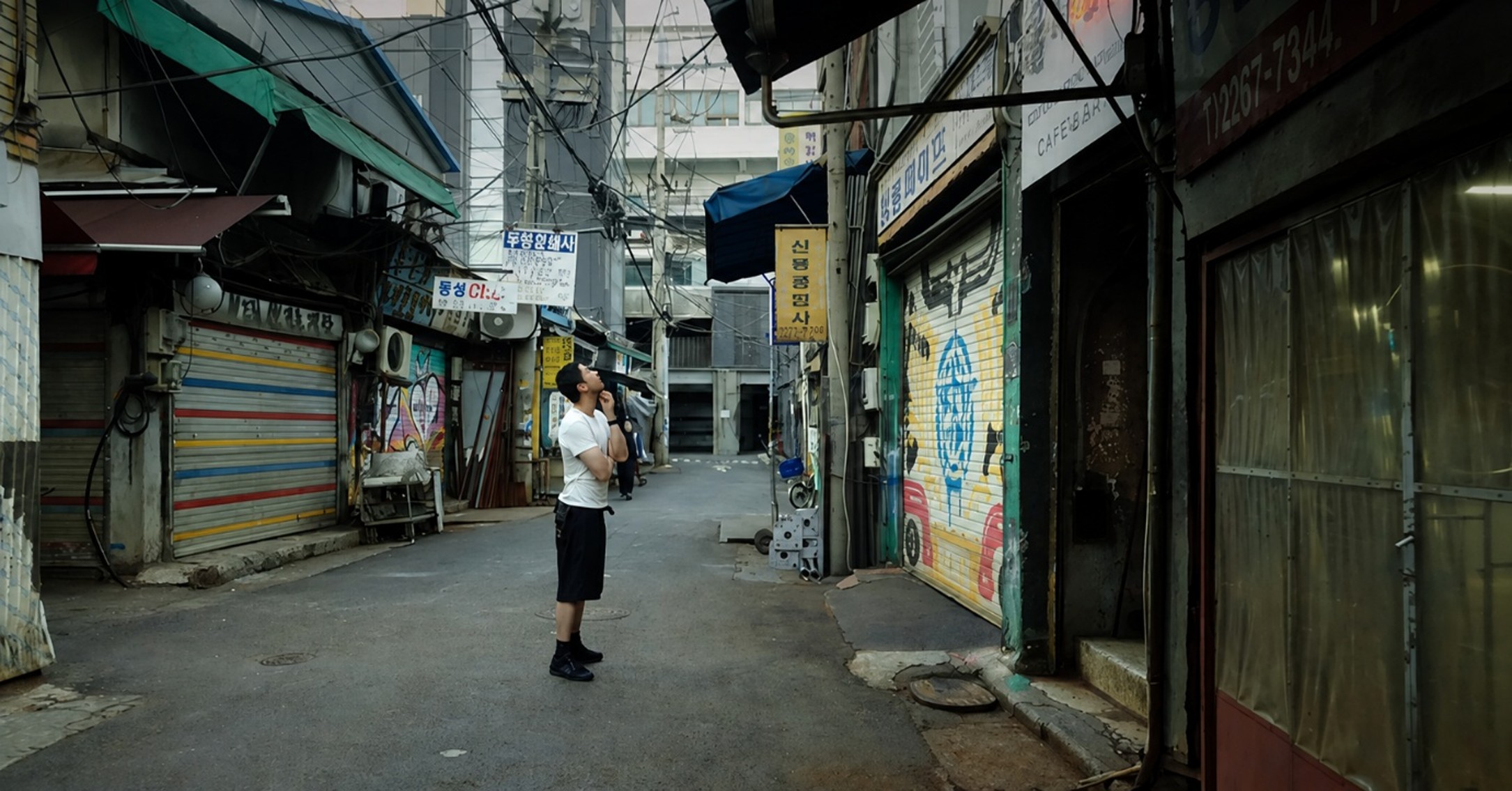
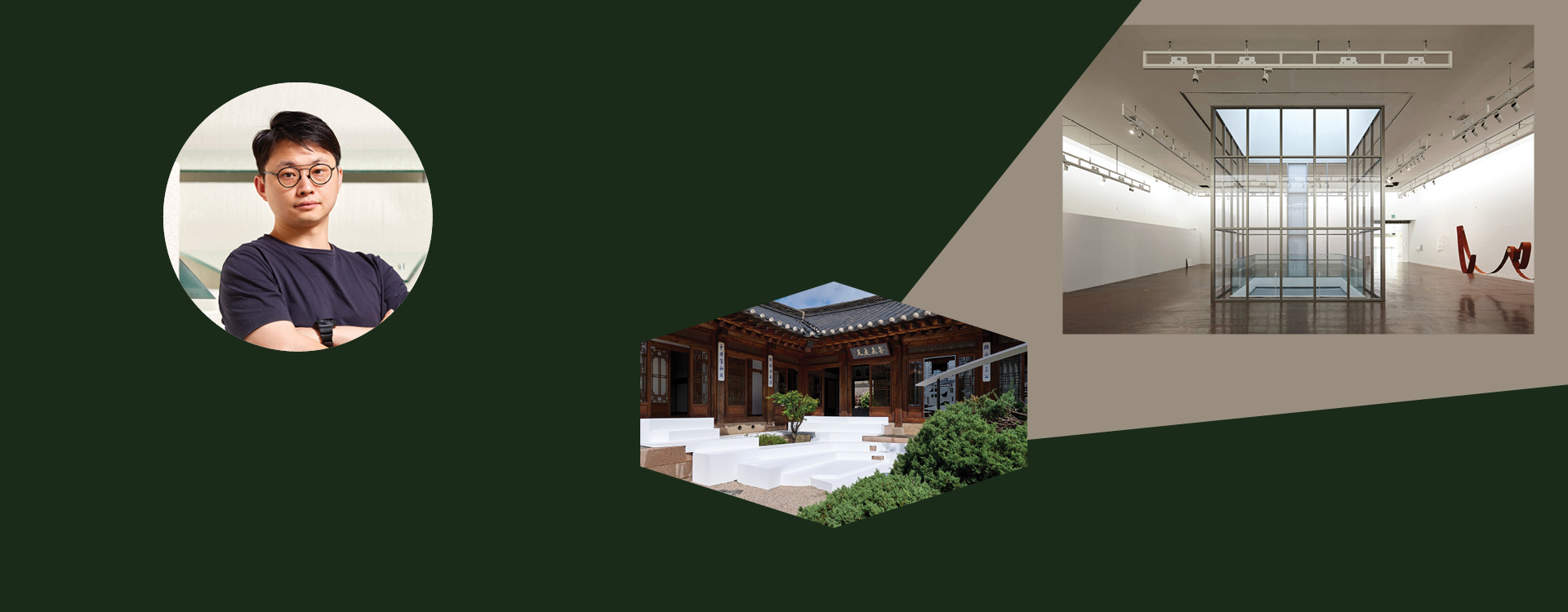
X Large director Kim Jae-seok introducing art spaces across Euljiro and Jongno during Euljiro Night 2025. / Photo: Frieze
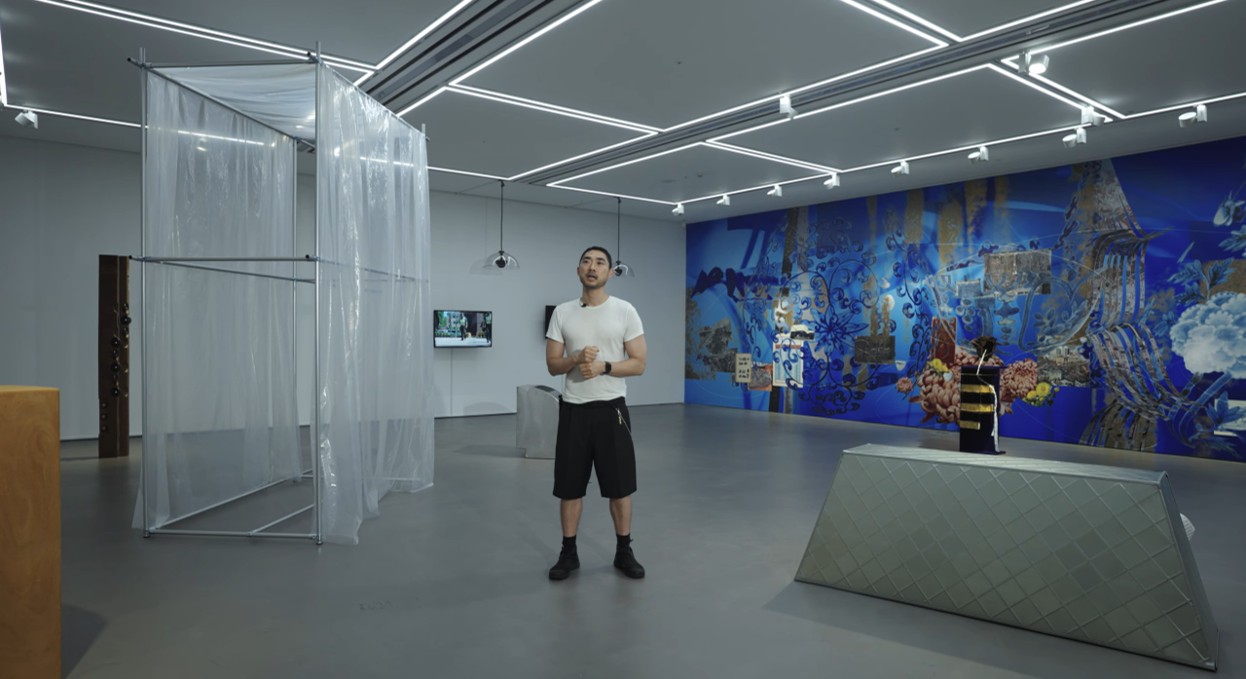
Installation view of DOOSAN Gallery in Jongno, a participant in Euljiro Night 2025.
Hannam Night — Seoul’s Emerging
Art Hub
Hannam Night takes place on September 1.
Hannam and the wider Yongsan area have
rapidly gained prominence within Seoul’s art landscape. Major museums, Korean
and international galleries, and new cultural spaces have established
themselves across the area, creating a growing art cluster that brings museums,
commercial galleries, and cultural spaces into close proximity.
During Hannam Night, galleries across the
neighborhood extend their opening hours and present exhibitions and special
programs. Spaces that are normally encountered individually become active at
the same time, making the broader art landscape of Hannam more visible.
The area also reflects the changes taking
place in Seoul’s art scene as international galleries have increasingly
established permanent spaces in the city in recent years.
Expanding the itinerary to nearby museums
adds another dimension. Leeum Museum of Art presents a solo exhibition by Koo
Jeong A, while Amorepacific Museum of Art in Yongsan presents 《Sol LeWitt: Open Structure》.
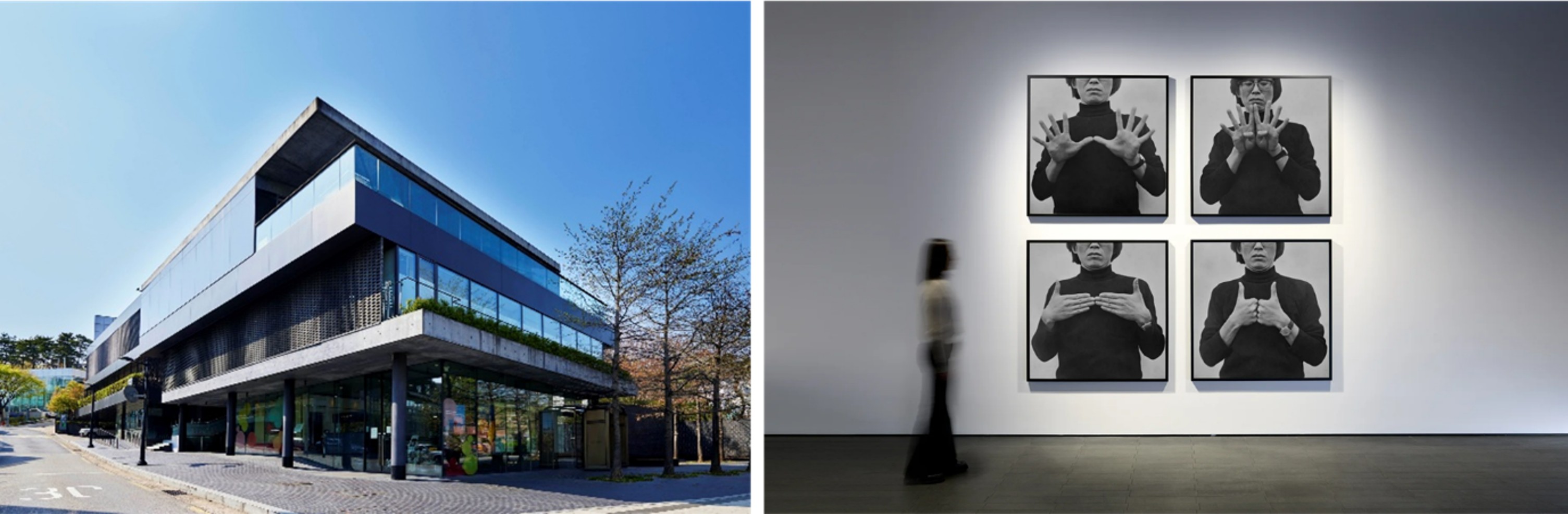
Exterior and exhibition view of Pace Gallery Seoul. / Photo: Pace Gallery Seoul
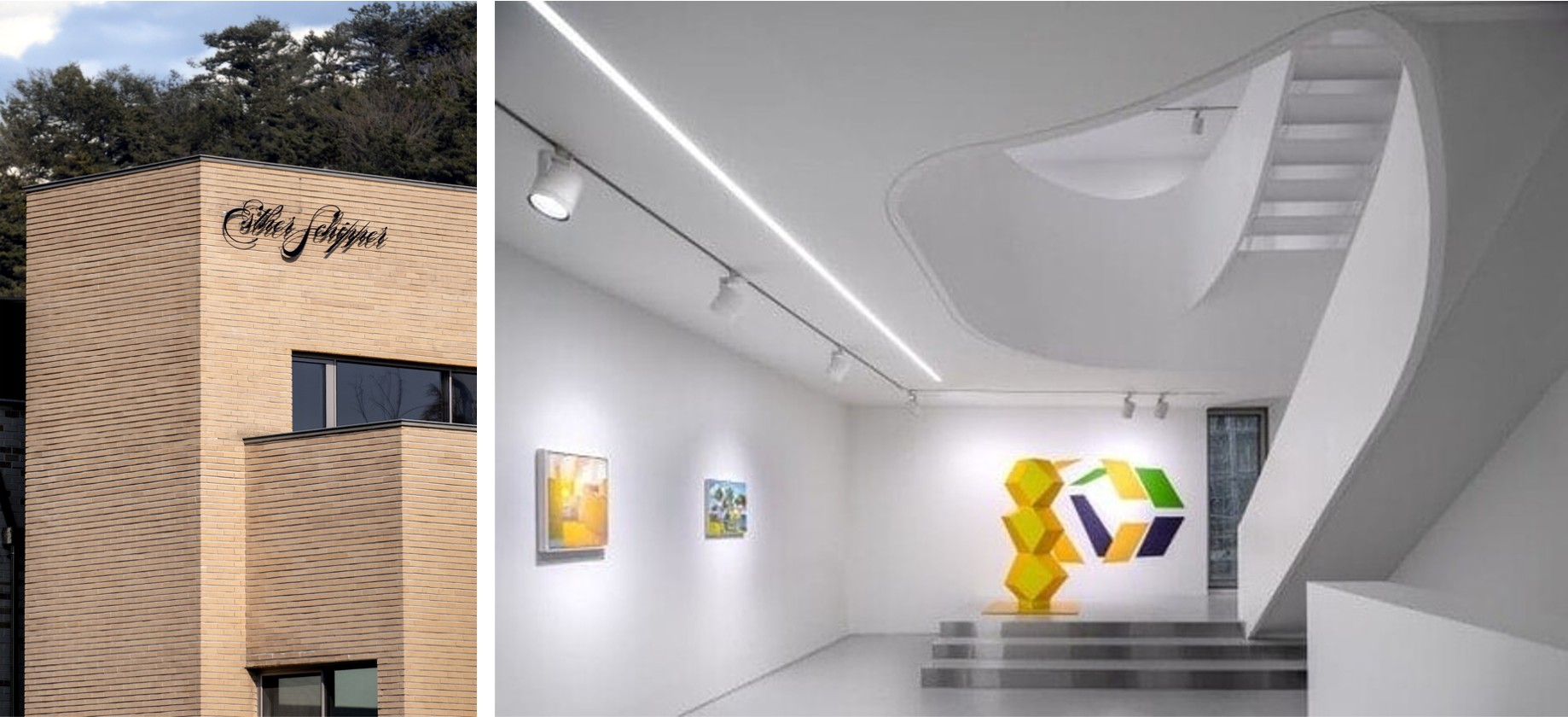
Esther Schipper Seoul and exhibition view. / Photo: Esther Schipper
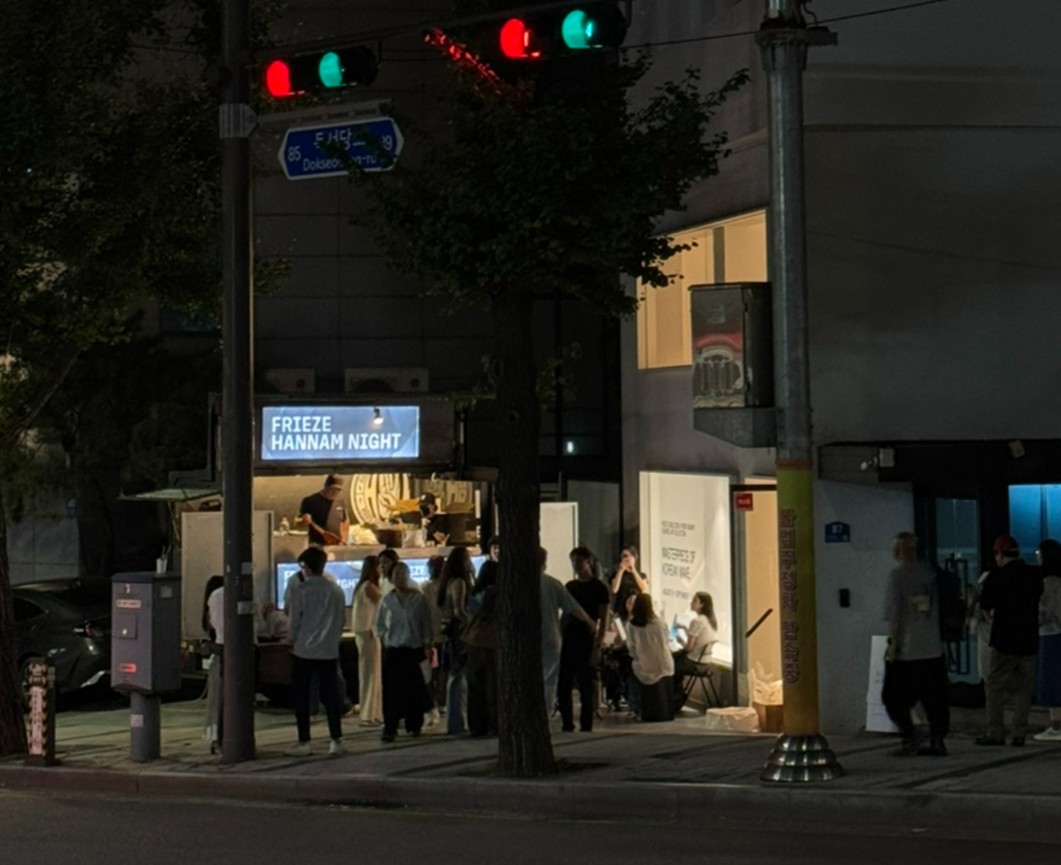
Hannam Night during Frieze Week 2025.
Cheongdam Night — From the Art
Fair to the Gallery
Cheongdam Night takes place on the evening
of September 2, the opening day of Kiaf and Frieze Seoul.
Cheongdam is home to a concentration of
leading Korean commercial galleries, international galleries, and cultural
spaces operated by major brands. Its proximity to COEX also makes it a natural
extension of a day spent at the fairs.
At an art fair, each gallery presents a
concentrated selection of artists and works within a single booth. The
experience changes in the gallery itself, where an artist or exhibition can be
encountered within an independent space and in a fuller exhibition context.
It is also notable that more than 50
galleries participating in Frieze Seoul this year operate permanent spaces in
Seoul. A significant number of international galleries participating in the
fair have already become part of the city’s everyday art ecosystem.
Cheongdam Night therefore offers an
opportunity to experience, on the same day, two different ways in which
galleries present art: within the compressed format of the fair booth and
within their own exhibition spaces.
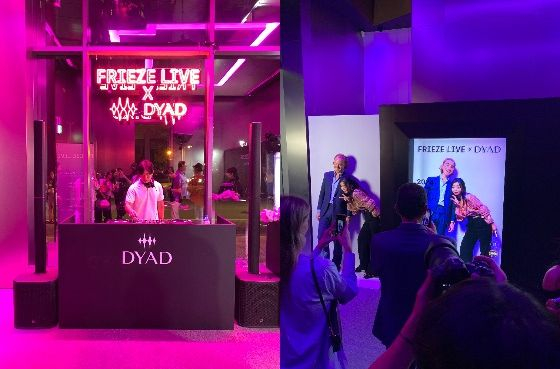
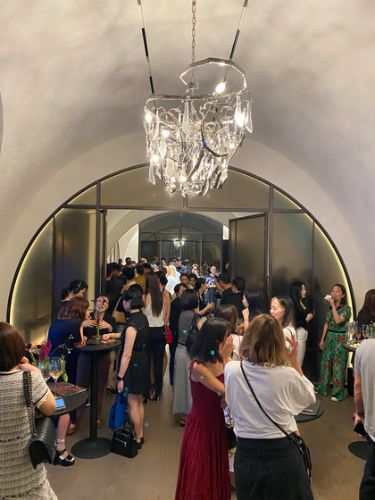
Frieze Cheongdam Night 2025 at Diad Gallery, an official sponsor of Frieze LIVE. / Photo: Diad
Samcheong Night — Where Korean
Modern and Contemporary Art Has Taken Root
Samcheong Night follows on September 3.
Even as Seoul’s art landscape has rapidly
changed, Samcheong has maintained its position as one of the city’s most
important art districts. Around the National Museum of Modern and Contemporary
Art (MMCA) Seoul are major galleries and cultural spaces that have played
significant roles in the development of Korea’s art scene.
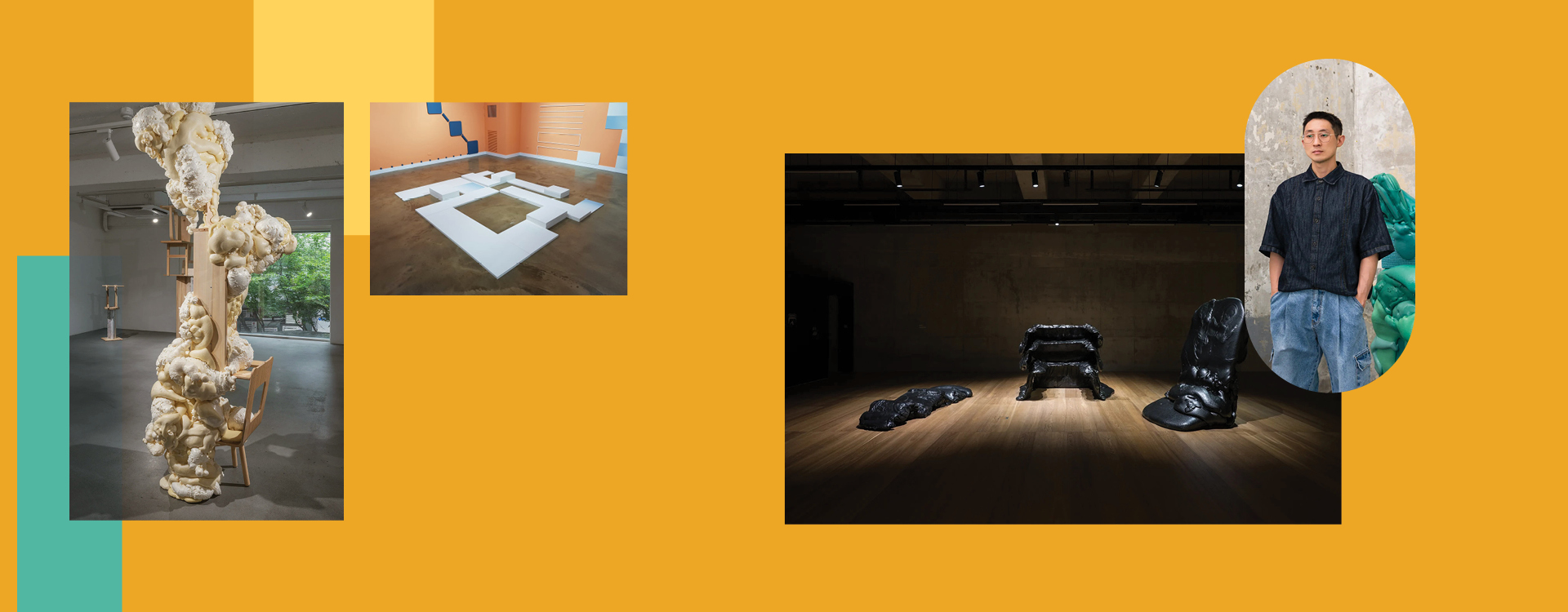
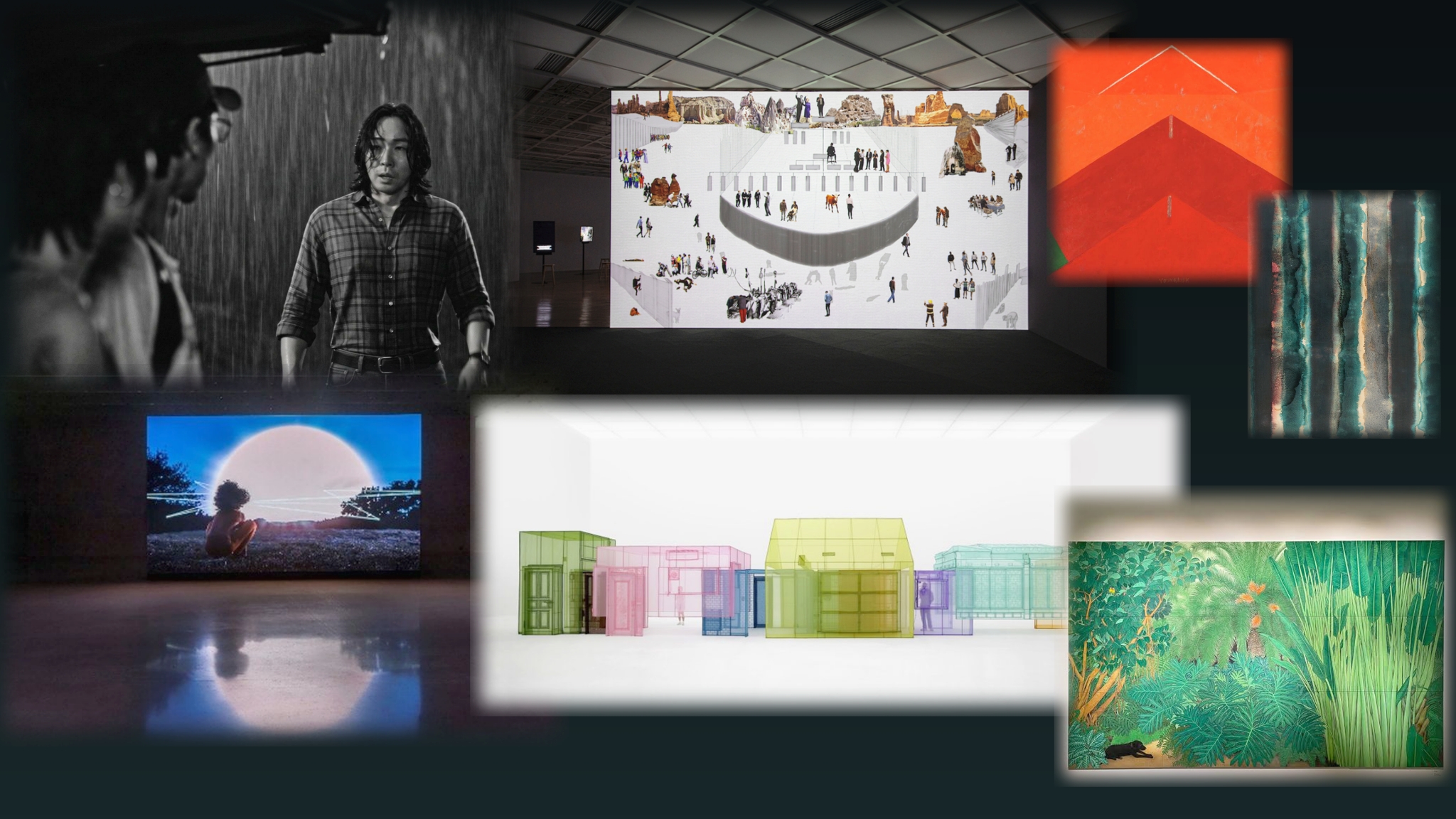
This year, MMCA Seoul presents a major solo
exhibition by Do Ho Suh, whose practice has consistently explored space,
memory, migration, and identity. From the museum, visitors can continue on foot
to nearby galleries before moving into the evening programs of Samcheong Night.
If Hannam represents one of Seoul’s newly
emerging art clusters and Cheongdam reflects the current landscape of
international galleries and the art market, Samcheong offers another
perspective—one shaped by the longer history of Korea’s modern and contemporary
art scene.
Its appeal also lies in the opportunity to
encounter exhibitions at a pace quite different from the rapid circulation of
the art fair.
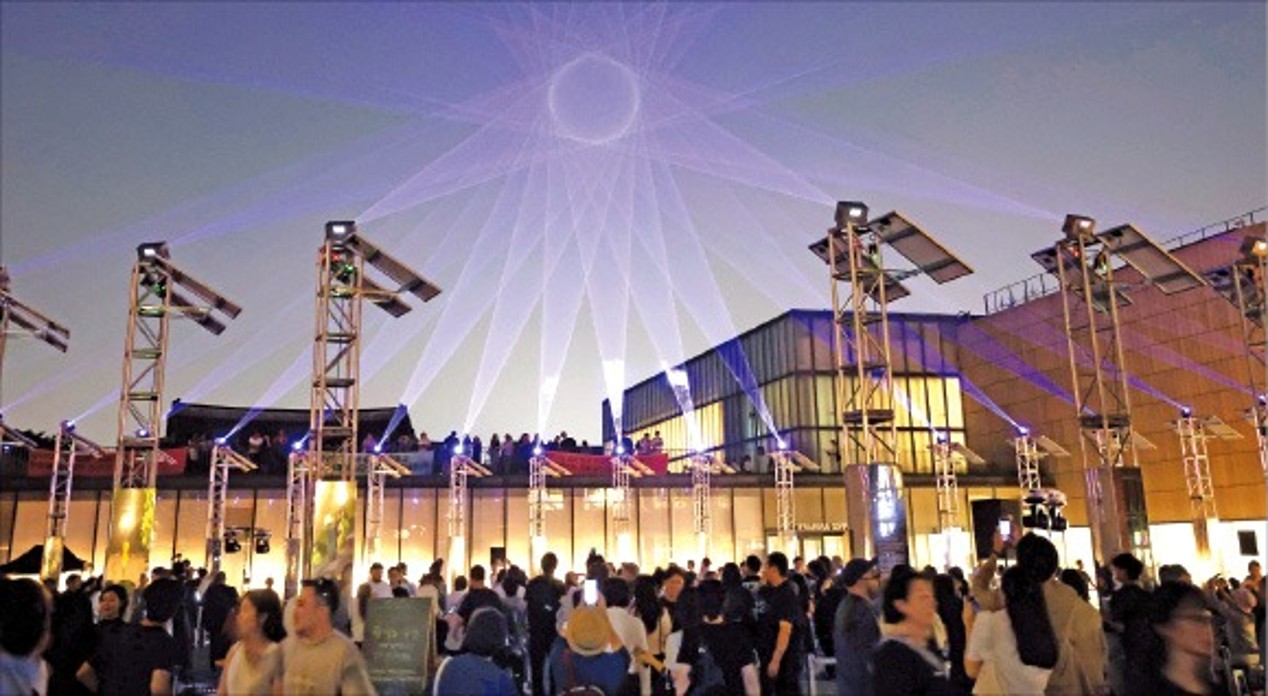
Samcheong Night, 2024. / Photo: Hankyung Mobile
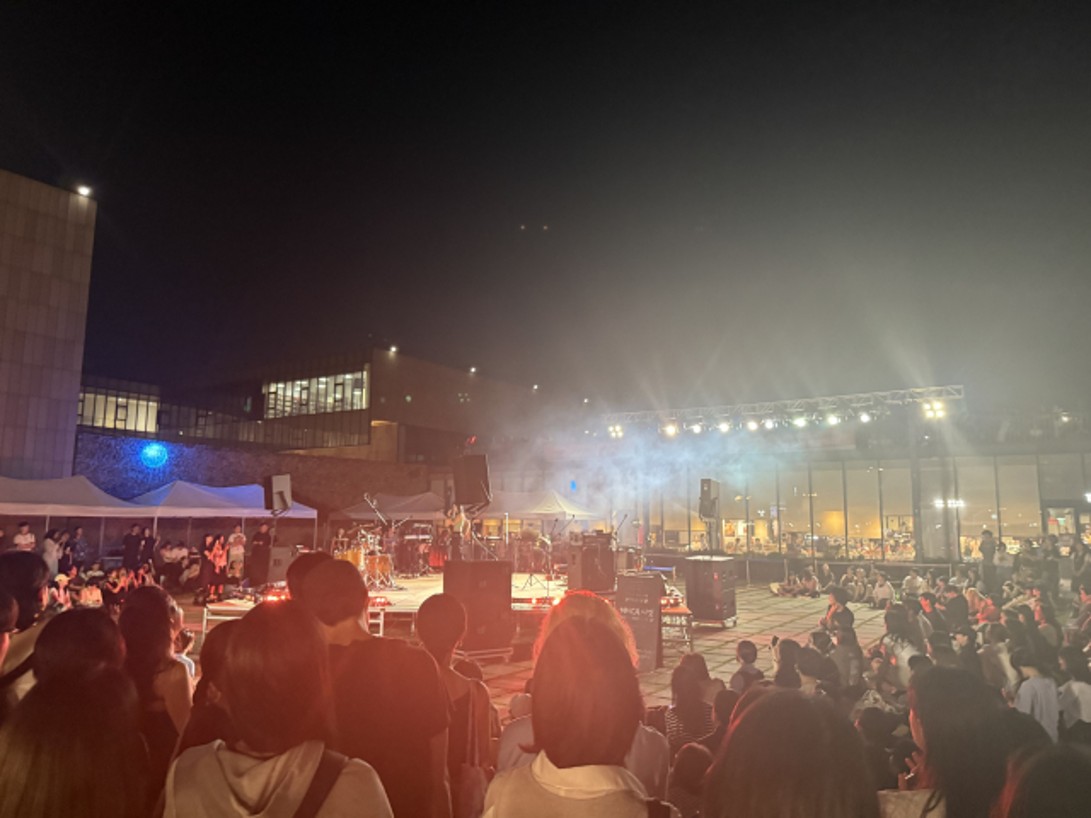
Performance at “MMCA Night – Borderless,” MMCA Seoul. / Photo: Kim Eun-young, Busan Ilbo
The Find Seoul — 16,000
Artworks Scattered Across the City
This year, a single project will connect
the four districts participating in Neighborhood Nights.
It is British artist Ryan Gander’s 《The Find Seoul》
.
From August 31 through September 10, 16,000
specially produced coin-shaped works will be hidden in public spaces across
Euljiro, Hannam, Cheongdam, Samcheong, and COEX. Each carries a different
phrase, and those who discover one may either keep it or pass it on to someone
else.
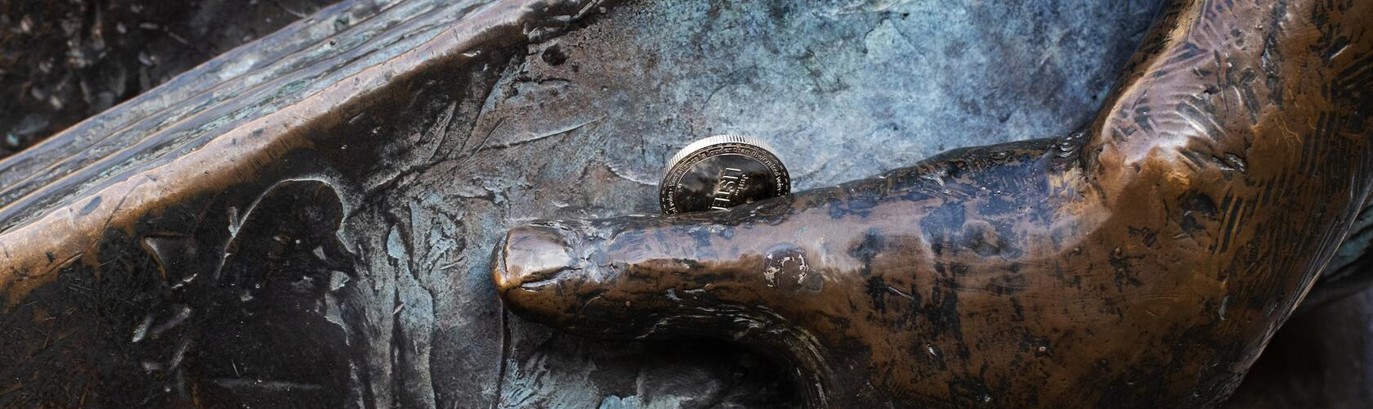
Promotional image for Ryan Gander’s 《The Find Seoul》. / Photo: Frieze
If an art fair brings artworks from around
the world together in one place, 《The Find Seoul》 reverses that structure. It disperses works throughout the city and
sets the audience in motion.
While walking through Euljiro, Hannam,
Cheongdam, and Samcheong in search of galleries, visitors may unexpectedly come
across one of the works. Discovering new spaces and neighborhoods along the way
becomes part of the experience itself.
Rather than relying on monumental
installations or conventional public art, the project uses 16,000 small
coin-shaped works to turn Seoul itself into a kind of exhibition space.
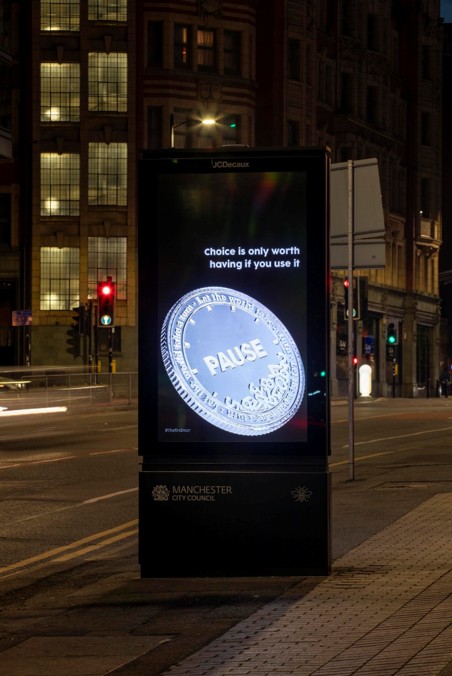
Ryan Gander, The Find, 2023. Courtesy: Copyright © Ryan Gander 2026. Photo: Lee Baxter.
Ryan Gander’s The Find is commissioned by Factory International for Manchester International Festival.
Frieze Film × Busan Biennale —
Connecting Seoul and Busan
This year, Frieze Film collaborates with
the 2026 Busan Biennale to present moving-image works by participating Busan
Biennale artists at SONGEUN in Seoul.
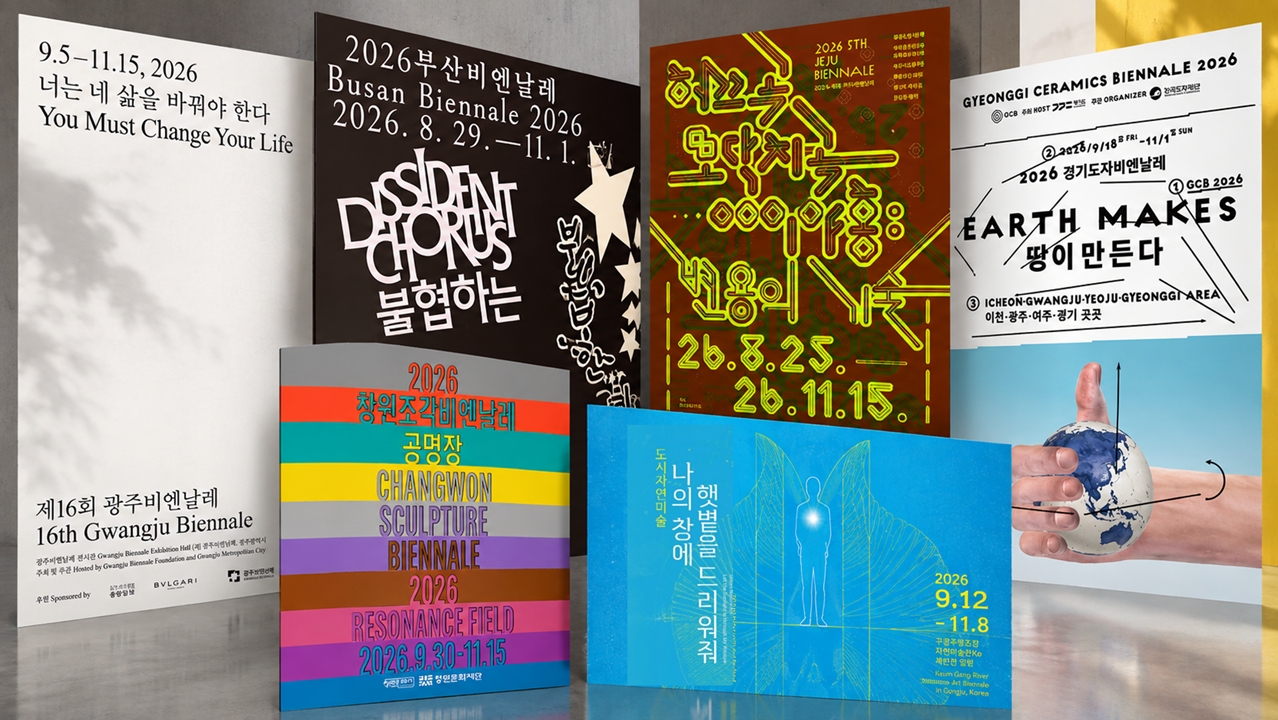
Art fairs and biennales are two major
formats for presenting contemporary art, but they operate in distinctly
different ways. While art fairs are structured primarily around galleries and
the market, biennales are generally organized around curatorial frameworks and
institutionally driven exhibitions.
This program brings those two spheres
together in Seoul. At the same time, it creates a connection between two of
Korea’s major art cities: Seoul and Busan.
For international art professionals
visiting Korea during this period, the timing creates an especially interesting
itinerary. After experiencing Kiaf and Frieze Seoul, museums, and galleries in
Seoul, they can travel to Busan and encounter another dimension of contemporary
art through the biennale.
More than a film screening program, the
collaboration is notable for connecting different parts of Korea’s art scene
that are simultaneously active in September.
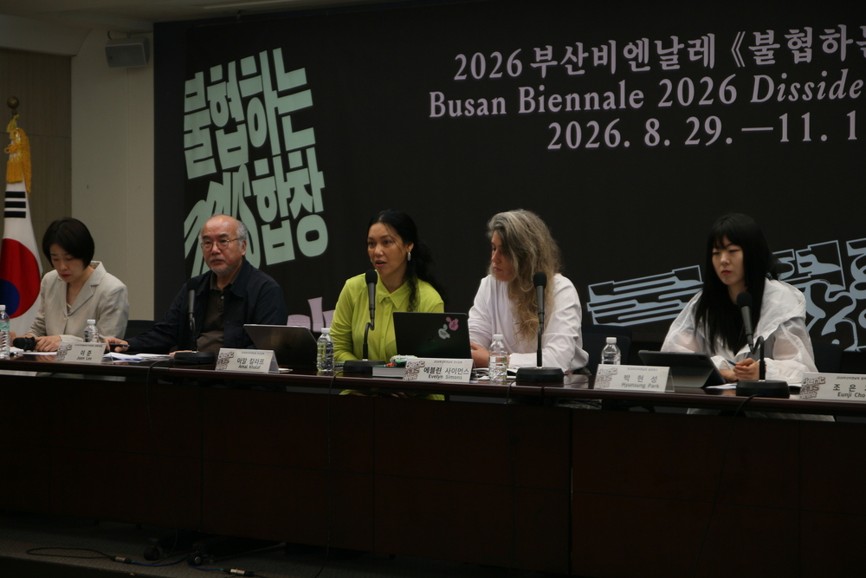
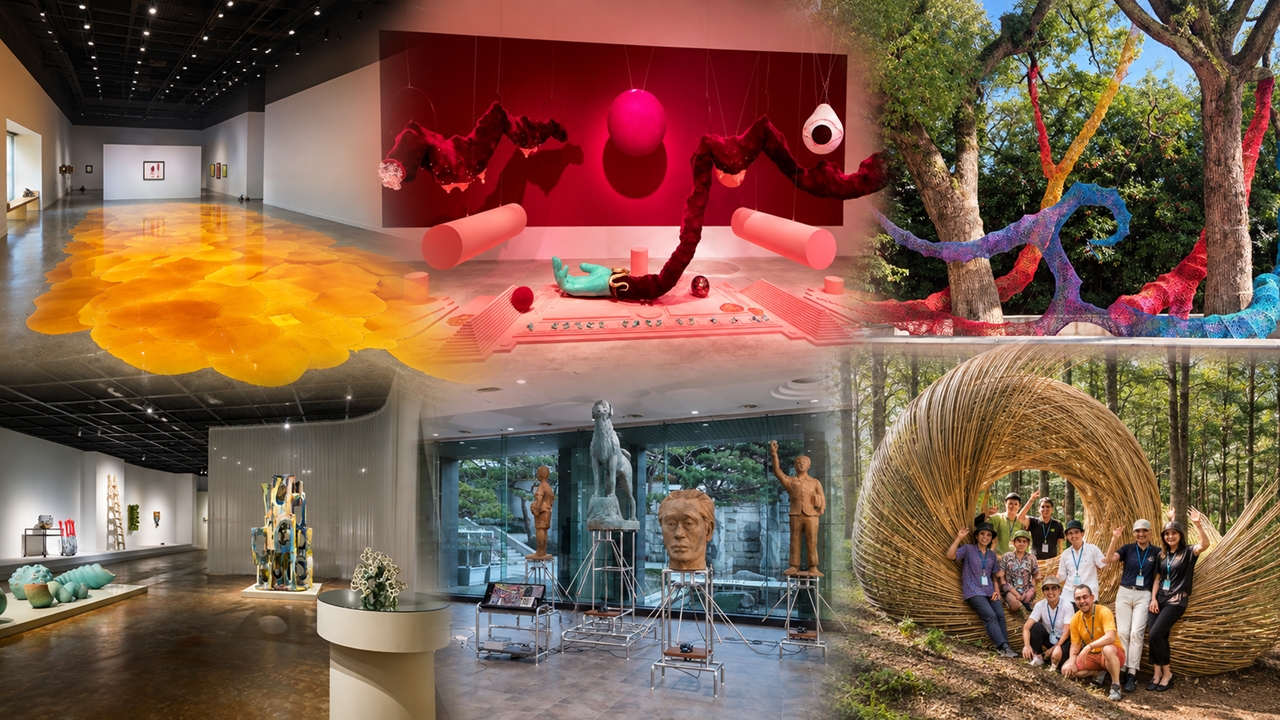
Press conference for the 2026 Busan Biennale. © Busan Biennale Organizing Committee
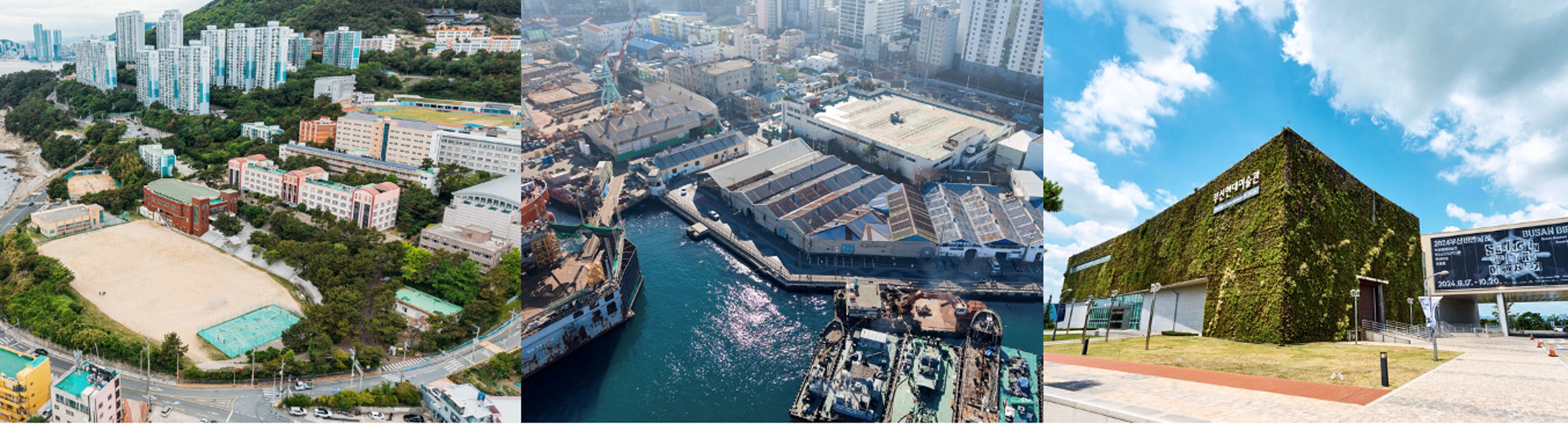
2026 Busan Biennale venues, from left: former Busan Nam High School, Space Wonji, and Museum of Contemporary Art Busan. © Busan Biennale Organizing Committee
Seoul’s Museums — A Different
Pace from the Art Fair
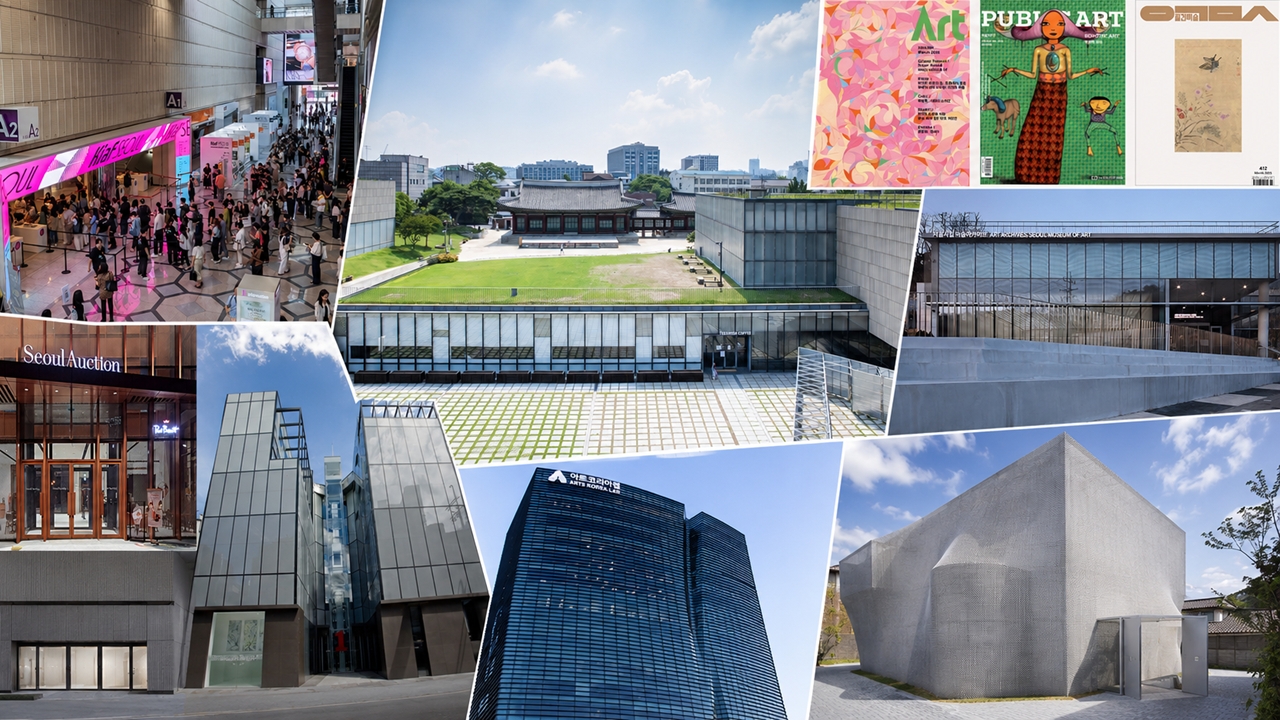
During Art Week, Seoul’s major museums also
present significant exhibitions.
For those interested in Korean modern and
contemporary art, major exhibitions include Do Ho Suh at MMCA Seoul, Koo Jeong
A at Leeum Museum of Art, and Yoo Youngkuk at the Seoul Museum of Art. Hoam
Museum of Art presents 《Art Spectrum 2026》, while Art Sonje Center hosts exhibitions by Ham Yang Ah and Kim
Mooyoung.
Looking more broadly at international
modern and contemporary art, visitors can also see 《Sol
LeWitt: Open Structure》 at Amorepacific Museum of
Art, 《The Cubists: Inventing Modern Vision》 at Centre Pompidou Hanwha, and a solo exhibition by Es Devlin at
Futura Seoul.
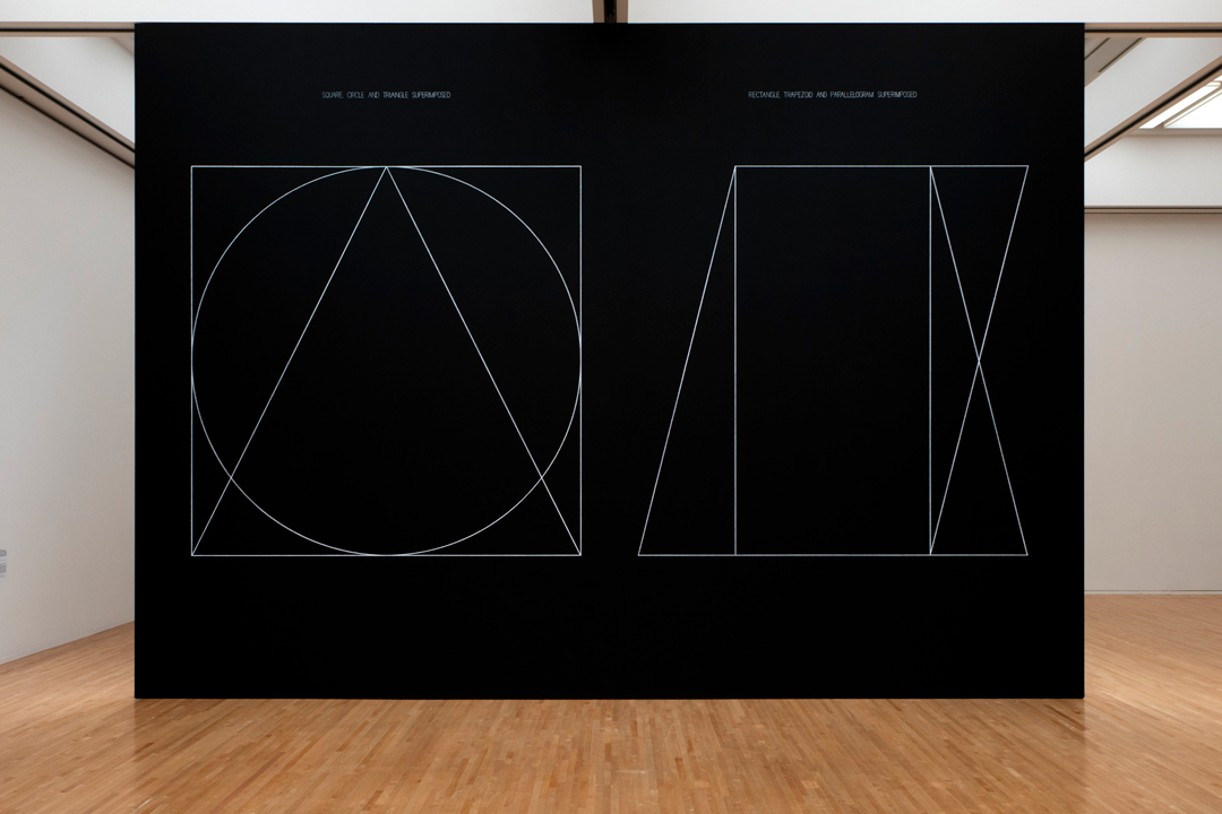
Wall Drawing #312. Photo: Kazuo Fukunaga. © 2026 The LeWitt Estate / Artists Rights Society (ARS), New York. Courtesy Paula Cooper Gallery.
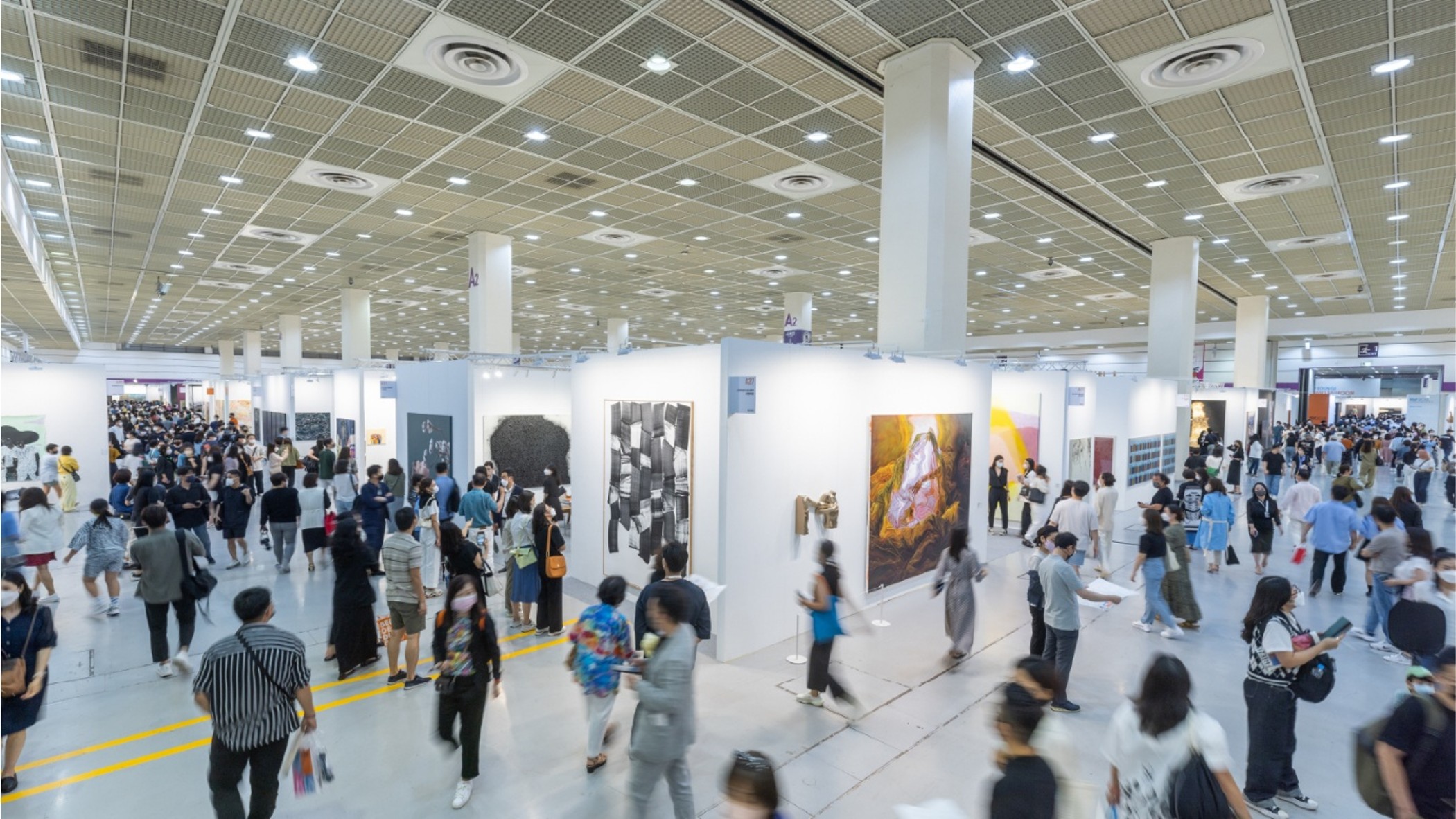
At an art fair, visitors encounter a large
number of artists and works within a relatively short period of time.
But what Seoul offers in September extends
far beyond the fairgrounds. From Euljiro’s independent art spaces to Korean and
international galleries in Hannam and Cheongdam, and from Samcheong’s
long-established art district to the city’s major museums, distinctly different
parts of the art ecosystem become active at the same time.
If Kiaf and Frieze Seoul bring art from
around the world to Seoul, the exhibitions and programs unfolding around them
provide another stage on which Seoul can present its own art scene to an
international audience.
Kiaf and Frieze Seoul may be
the starting point, but the experience does not end at COEX. Across galleries,
museums, independent spaces, and neighborhoods, Seoul reveals a much broader
art landscape. To step beyond the fairs and into the city is to experience the
many different layers of Seoul’s art scene in September 2026.