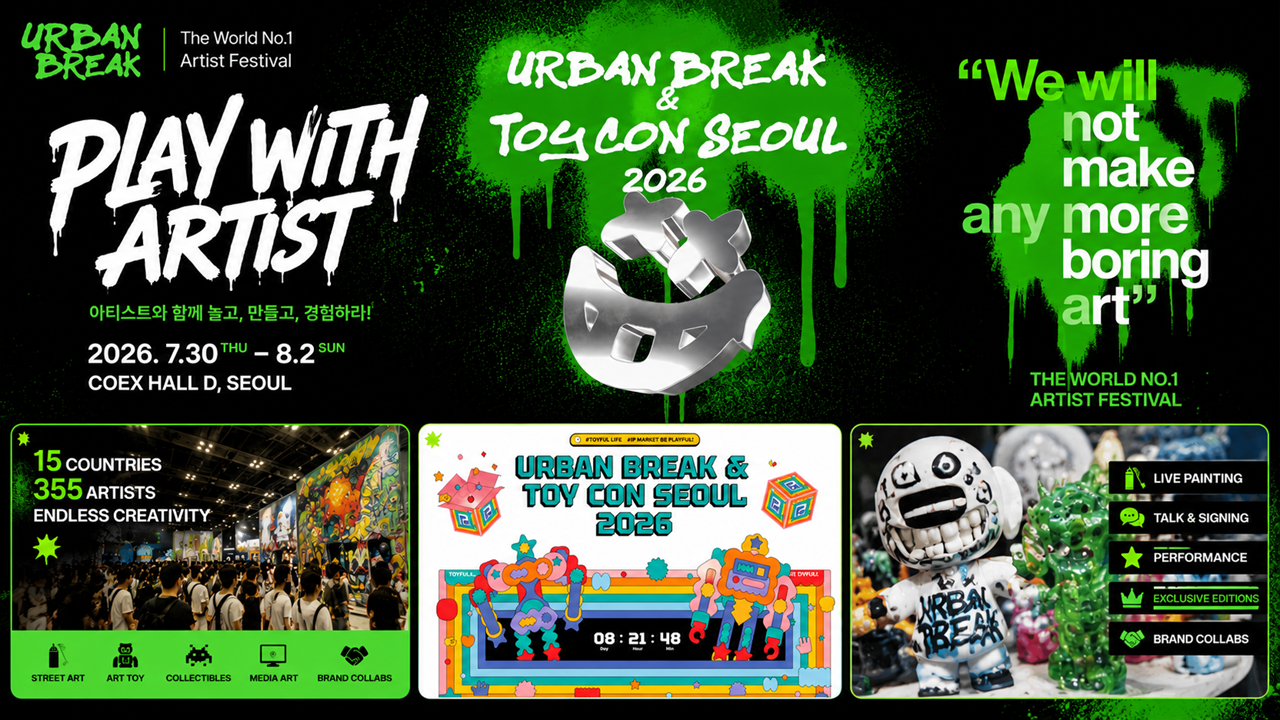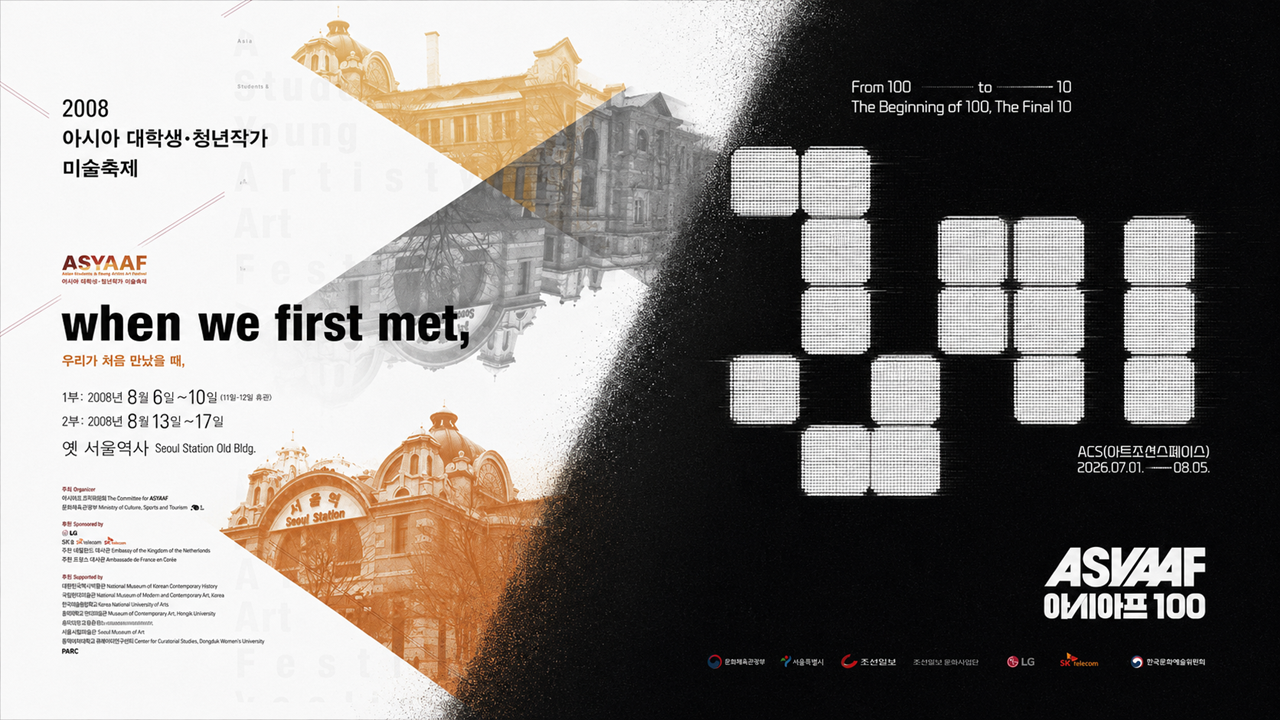

In May 2026, Art
Busan at BEXCO in Busan and the inaugural HIVE ART FAIR at COEX Magok in Seoul
will open during the same period. Both events begin with VIP previews on May 21
and continue through May 24.
On the surface,
this may appear to be a simple scheduling conflict. However, the simultaneous
opening of these two fairs is closer to a symbolic event showing the direction
in which the Korean art market is moving. This is no longer simply a
competition between two art fairs, but rather a question of what kind of
structure the Korean art fair market itself will choose.
Over the past
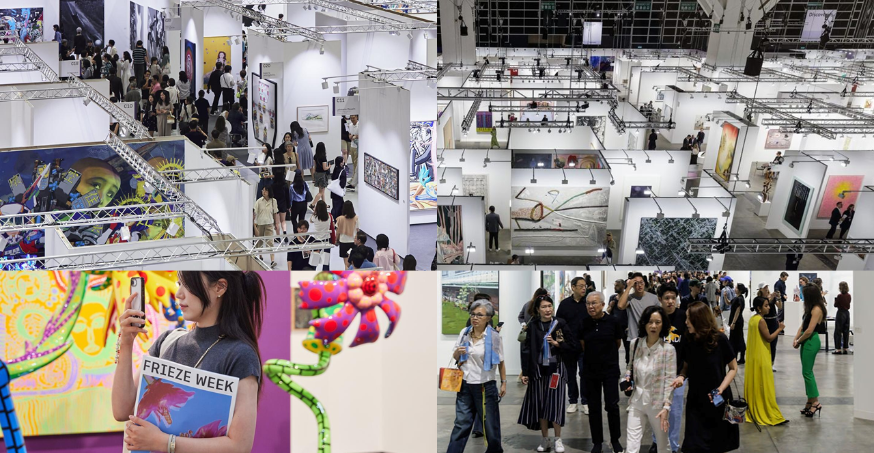
several years, Seoul has rapidly emerged as one of Asia’s major art market
hubs. Following Frieze Seoul, international galleries, overseas collectors, and
global brands increasingly flowed into the Korean market, and Seoul began
positioning itself as one of the key hubs of the Asian art market after Hong
Kong.
At the same time,
however, new problems also became visible alongside the growth of the market.
These include excessive concentration in Seoul, repetitive VIP-centered
operations, market restructuring centered around major galleries, rising
participation costs for art fairs, and growing fatigue within the global art
fair system where similar groups of artists repeatedly appear.
This year, Art
Busan and HIVE ART FAIR are approaching these issues in different ways.
Art Busan 2026
Can a
Regionally Based International Art Fair Move Beyond Seoul-Centered Structures?
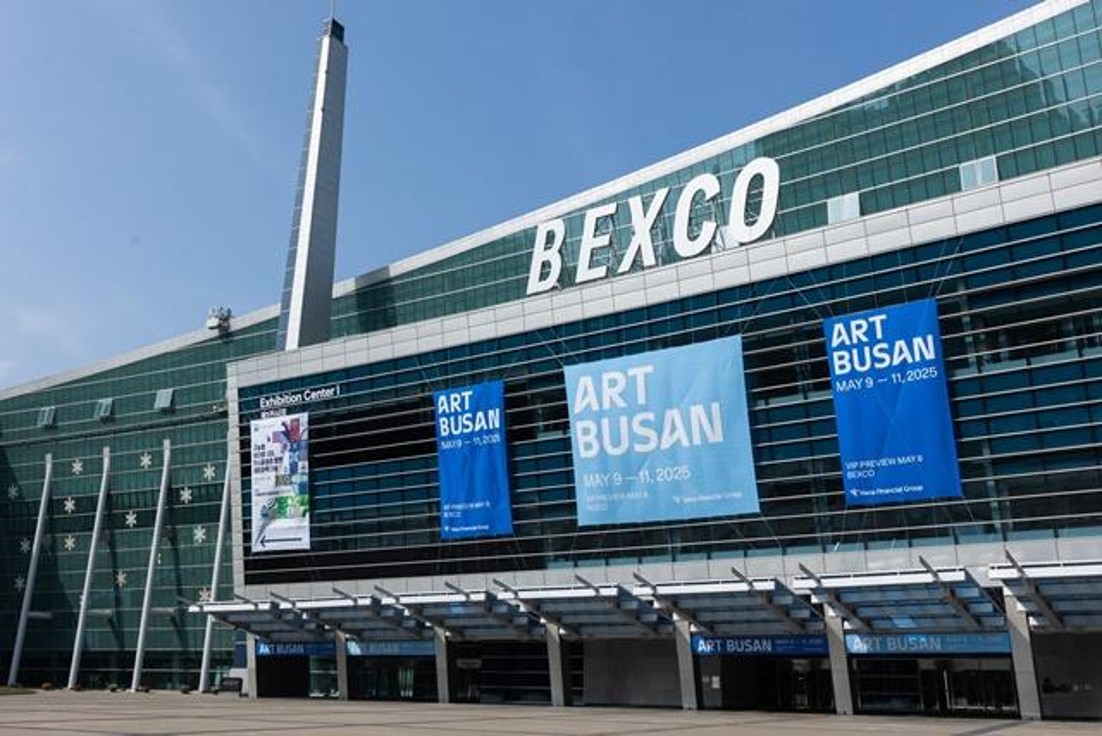
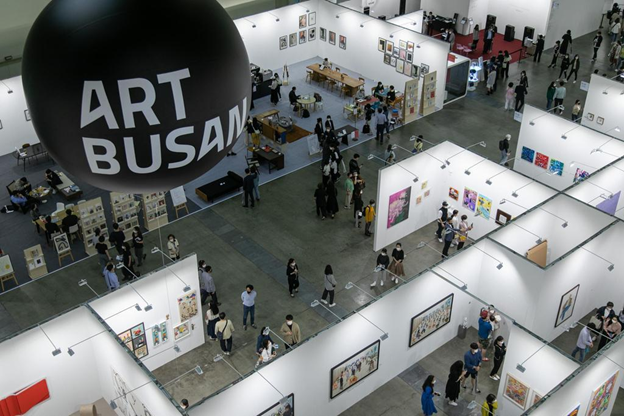
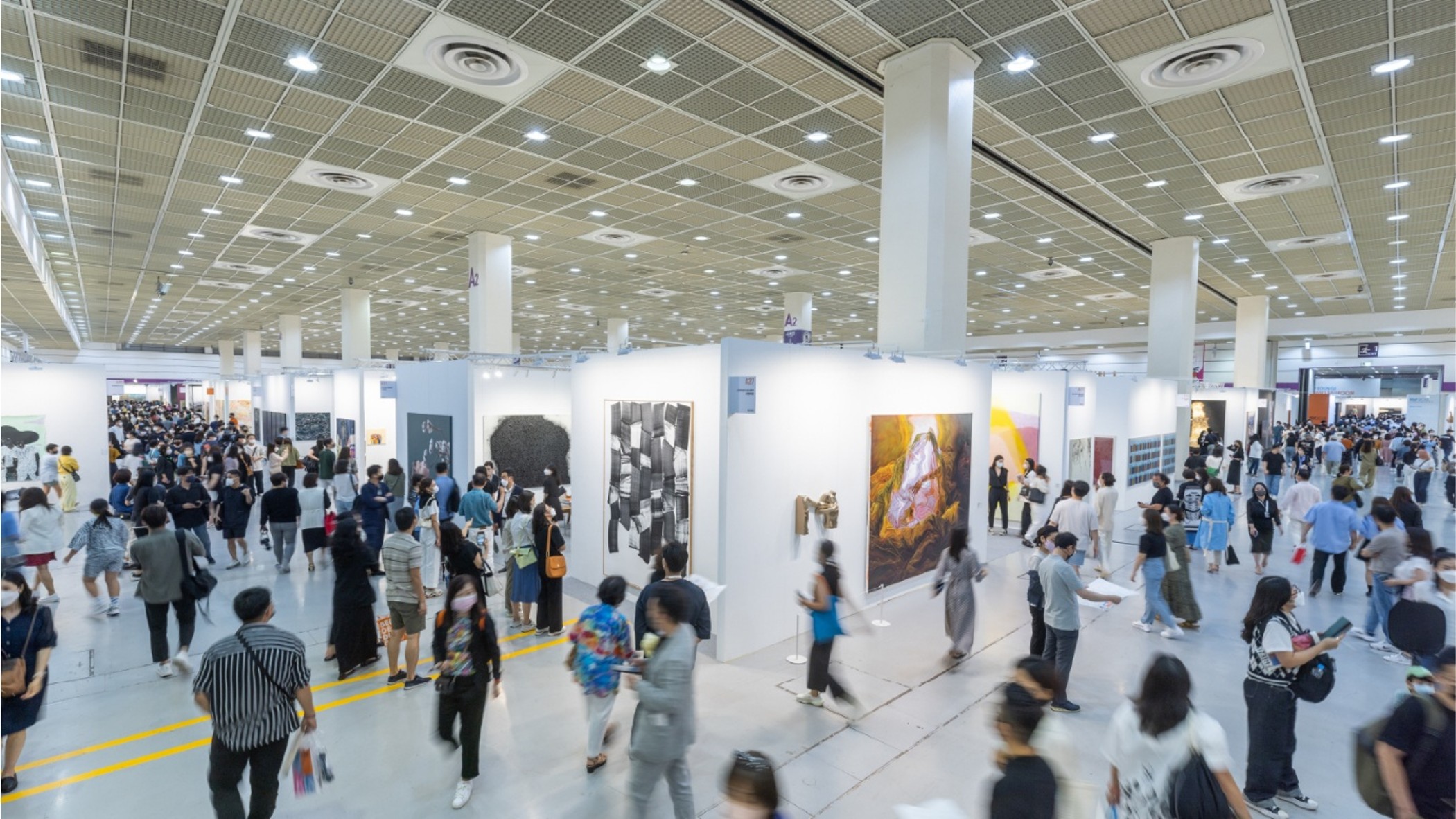
View of the Art Busan 2025 fair venue. / Photo: Art Busan
Art Busan marks
its 15th edition this year. More than 110 galleries from 18 countries will
participate, and approximately 24 percent are overseas galleries. International
galleries such as Gladstone Gallery, Tang Contemporary Art, and Whitestone
Gallery will participate alongside major Korean galleries, including Kukje
Gallery, Gana Art, Johyun Gallery, and Leehn Gallery.
From the outside,
Art Busan appears to remain on a stable growth trajectory. However, the reason
this year’s edition attracts attention lies less in its scale than in its
change of direction. This year, Art
Busan defines itself not simply as a regional art fair, but as a “glocal
platform.” This strategy is connected to recent changes within the Asian art
market.
Whereas Asia’s
market structure was once strongly centered around Hong Kong, a multi-hub
structure connecting Seoul, Tokyo, Taipei, Jakarta, and Singapore is now
emerging. Within this changing flow, Art Busan is attempting to transform Busan
from a simple regional hub into an international networking platform.
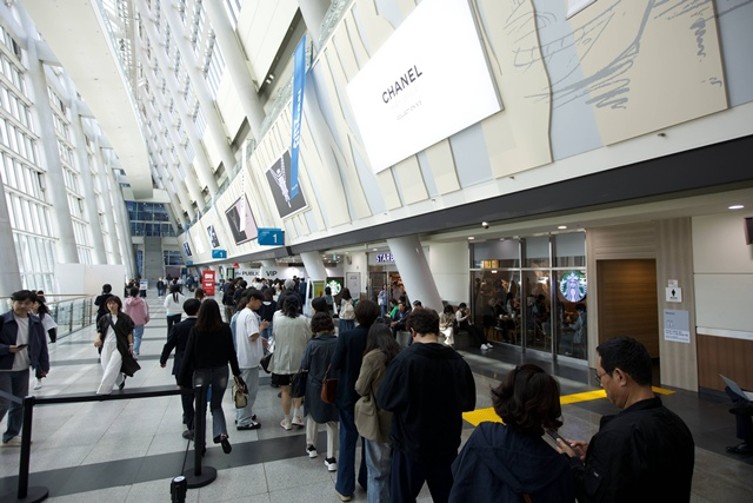
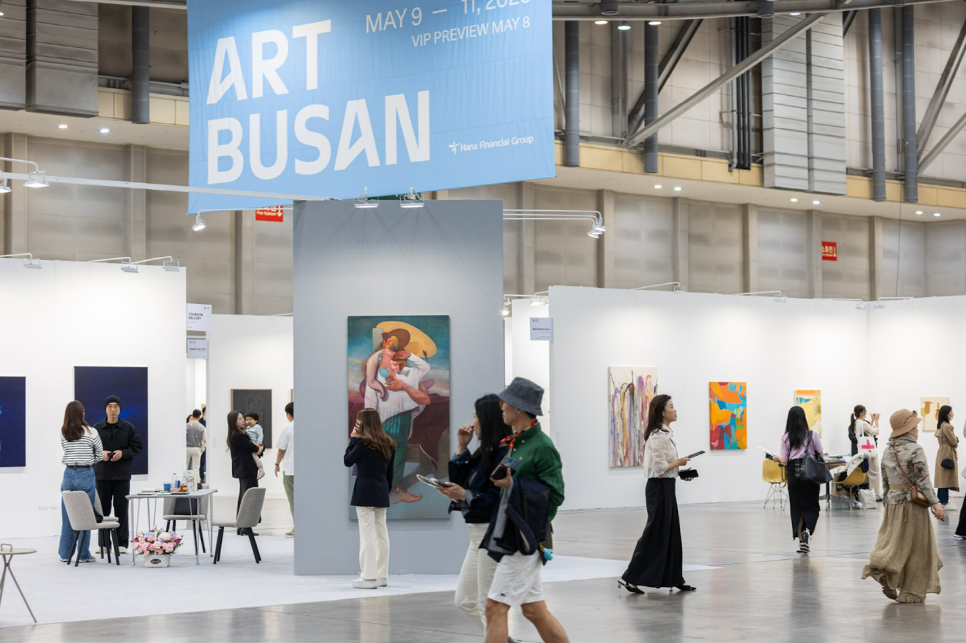
View of the Art Busan 2025 VIP Preview. / Photo: Art Busan
In fact, Art
Busan has expanded collaborations with Tokyo Gendai, Art Jakarta, Art Central
Hong Kong, and Asia NOW. This year, it selected Taiwan as the guest country and
is attempting a joint curatorial model with Art Taipei. It is also attempting
to build an overseas expansion platform for Korean galleries through
collaboration with the London-based alternative art fair Minor Attractions.
What is important
is that this strategy is not simply an international exchange program. It is
closer to an indirect response to the Seoul-centered market structure. Busan
does not possess the massive transaction infrastructure or collector density
that Seoul does. Therefore, rather than competing with Seoul in the same way,
Art Busan is attempting to utilize urban identity and networking itself as
differentiating factors.
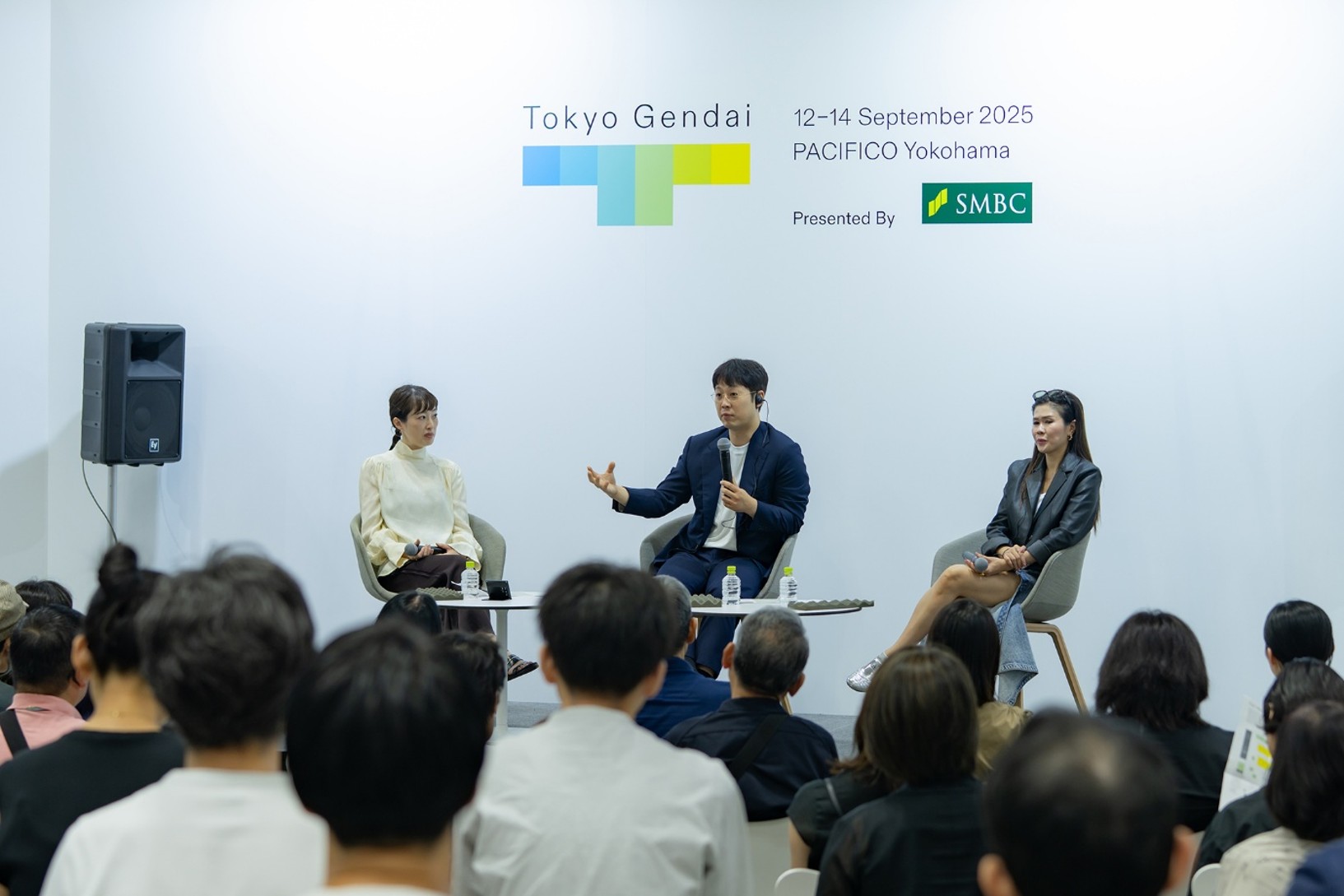
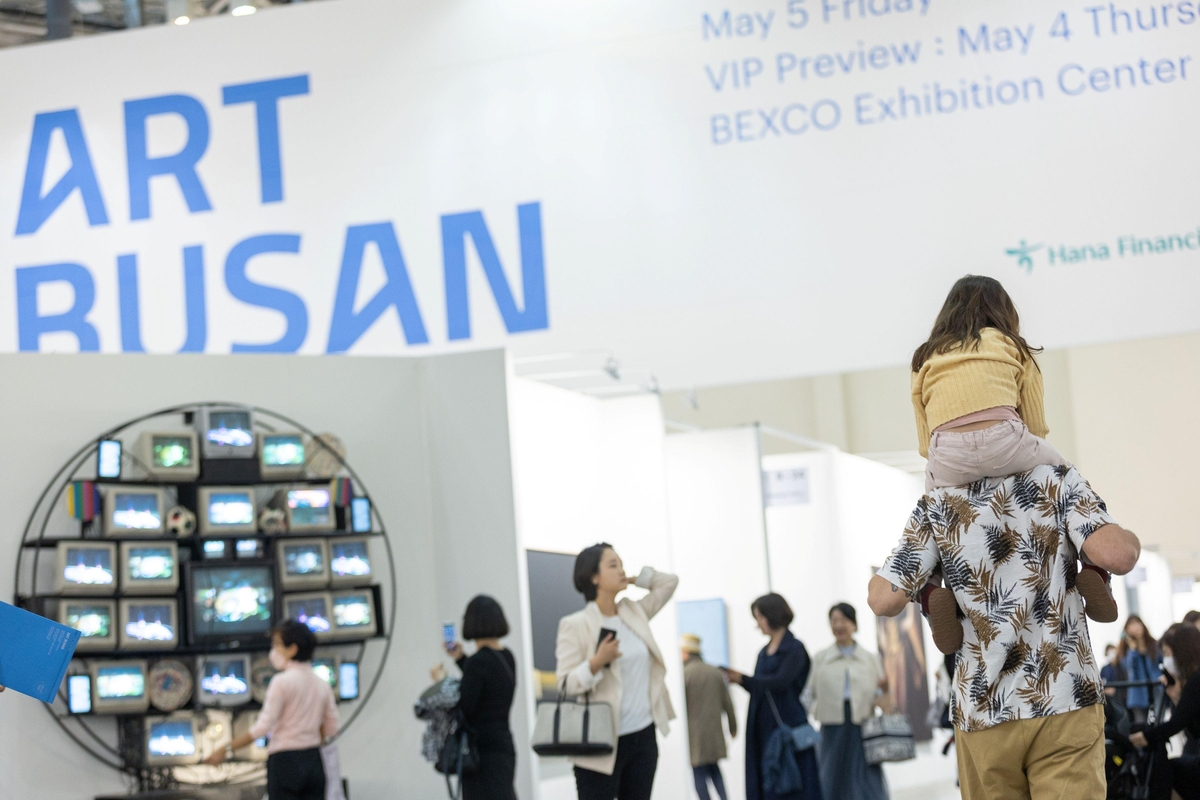
An event marking the beginning of a long-term collaboration between the two art fairs under the theme “Crossroads of Contemporary Art” (2025). / Photo: Art Busan
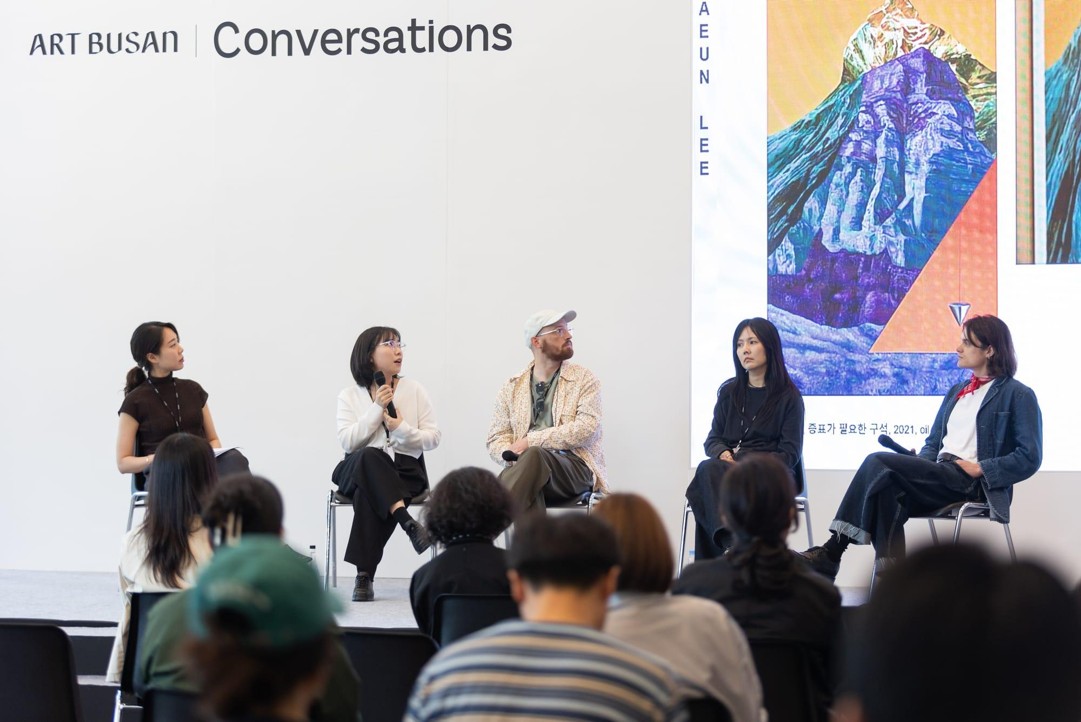
View of Art Busan 2024 “CONVERSATIONS.” / Photo: Art Busan
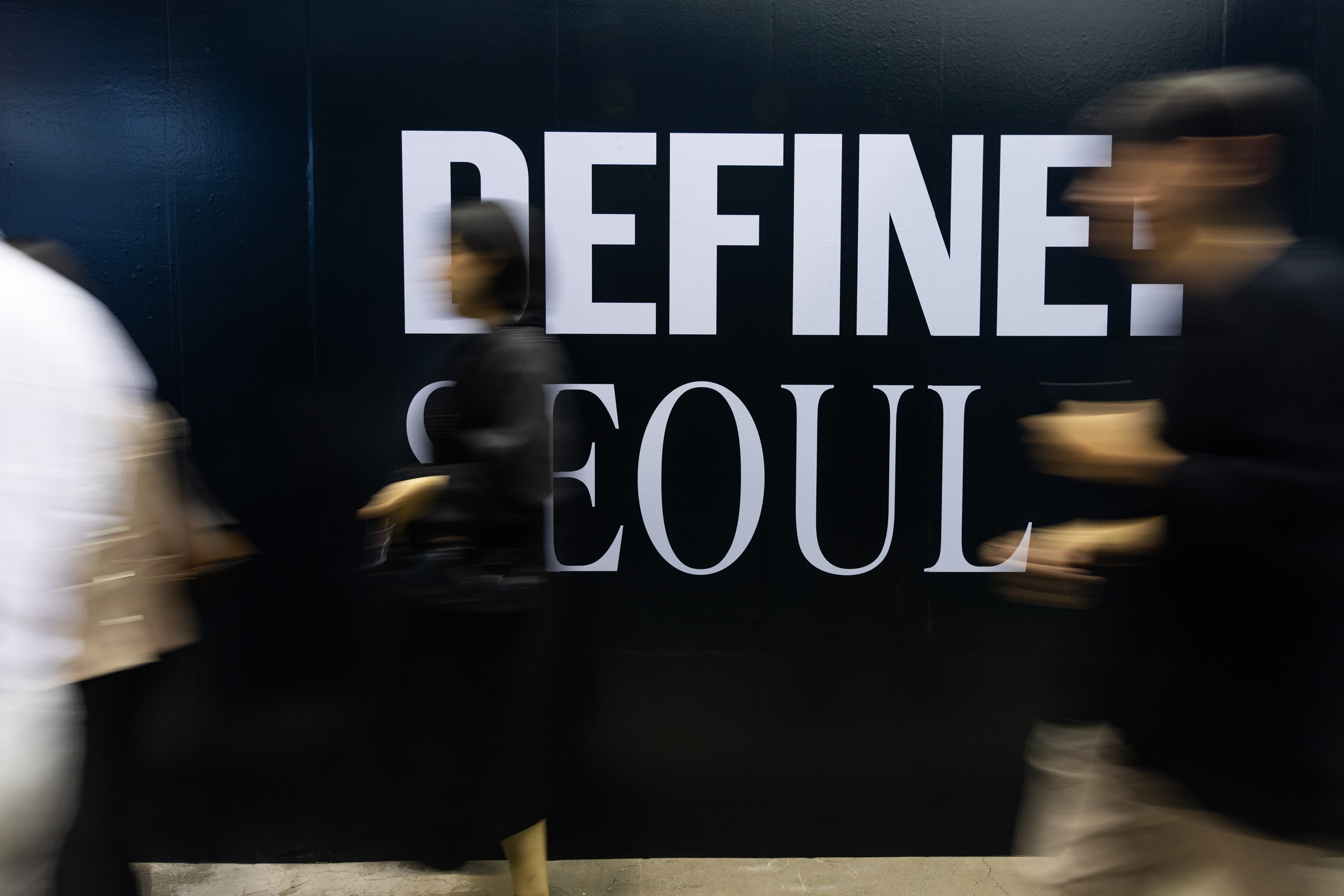
The newly
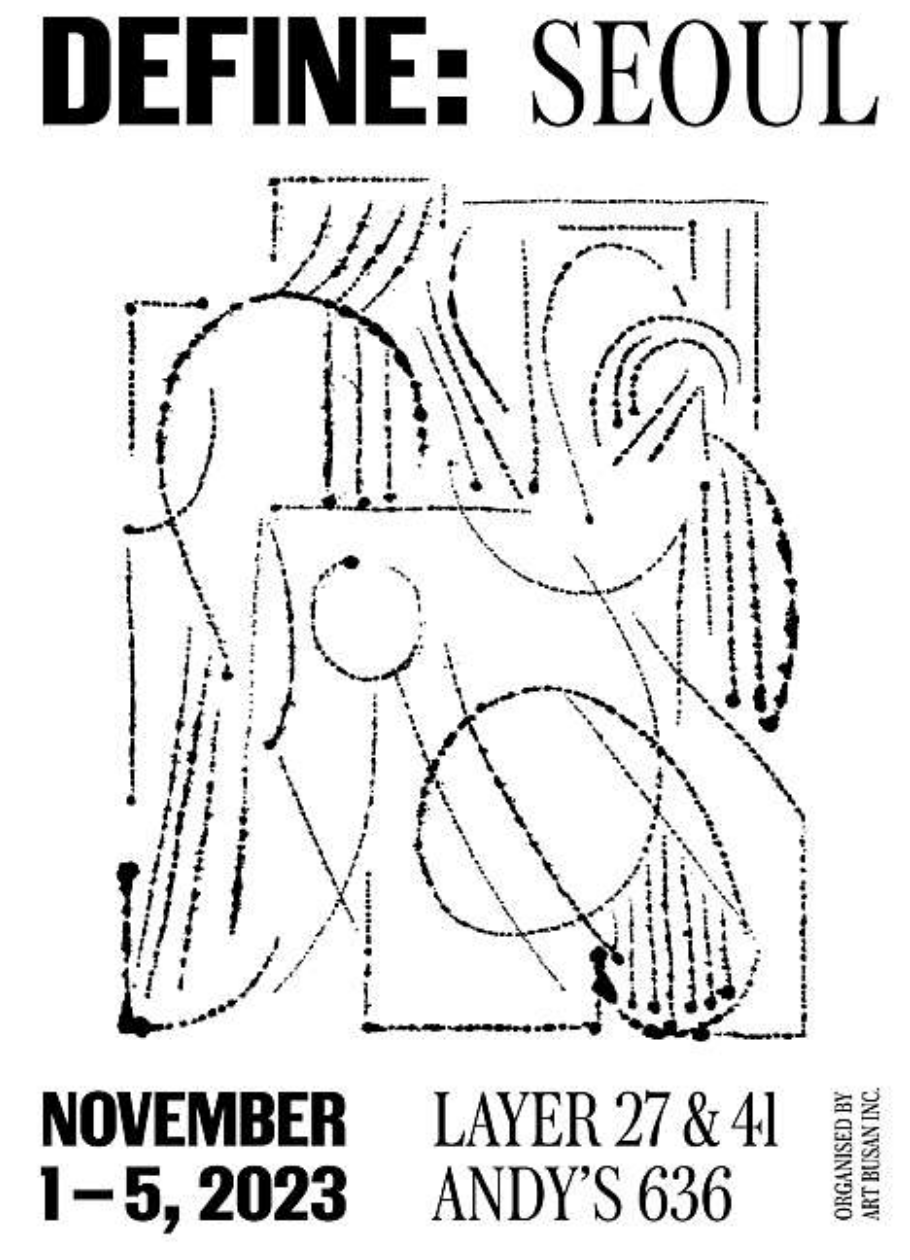
introduced LIGHTHAUS and DEFINE sections this year should also be understood in
the same context. These are attempts to reconstruct gallery booths not simply
as sales spaces but as exhibition environments, while connecting design and art
and expanding the art fair experience itself through off-site programs and
citywide connections.
However, clear
structural limitations also exist here.
International
networks do not function through declarations alone. Recurring VIP collector
circulation, actual transaction volume, continuous participation from overseas
galleries, the growth of regionally based collectors, and long-term
institutional collaborations must all be formed together. Whether Busan can
function as a sustainable platform within the international art market rather
than simply as an event venue remains in a stage of verification.
In addition, the
recent global art fair market is moving toward an environment that can no
longer be sustained through city branding alone. Ultimately, the important
question is not “how many people visited,” but “what kinds of transactions and
relationships continue to accumulate repeatedly.”
Art Busan is now
becoming one of the most important cases testing whether a regionally based
international art fair can actually move beyond Seoul-centered structures.
HIVE ART FAIR
An Experiment
Attempting to Modify the Existing Art Fair Operating Structure
In contrast, HIVE
ART FAIR emerged in a completely different way.
HIVE is a newly
launched art fair taking place for the first time at COEX Magok in Seoul, and
its most notable feature is ‘the elimination of booth fees’. This can be read
as a direct challenge to the current global art fair system.
Today,
international art fairs have increasingly shifted toward high-cost structures.
Participating galleries must bear high booth fees, shipping costs, installation
expenses, and staffing costs, and as a result they tend to choose relatively
safer sales strategies. This is one reason why artists with already established
markets and verified works repeatedly appear.
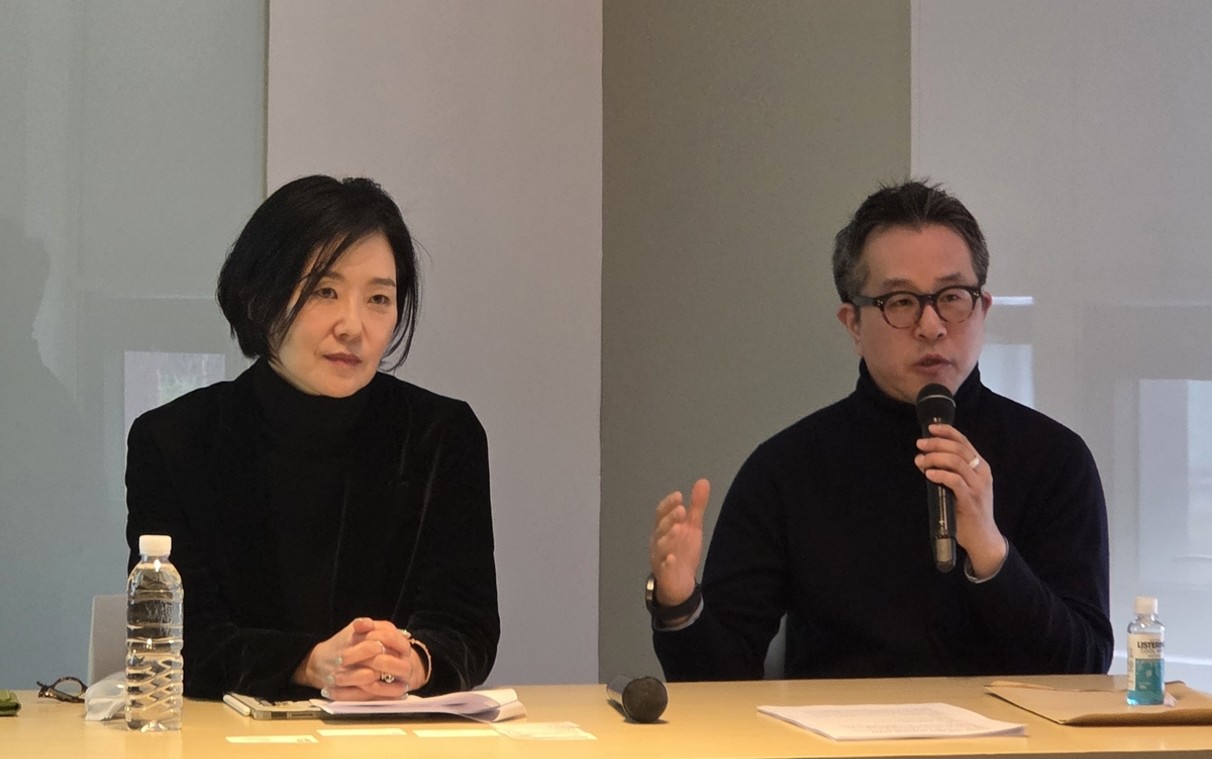
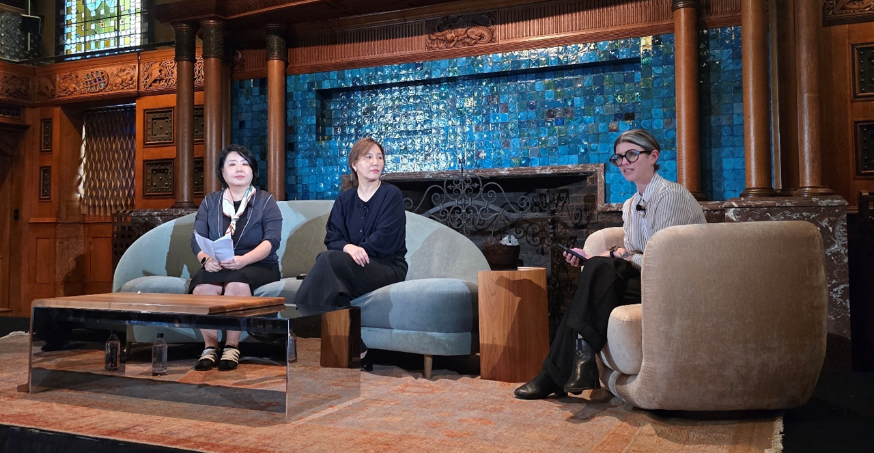
HIVE ART FAIR press conference.
Kim Jeongyeon (left) and director Kim Donghyun answer questions during the HIVE ART FAIR press conference held at Somerset Palace Seoul in Susong-dong, Seoul, on April 26. / Photo: Yonhap News
HIVE is
attempting to modify precisely this structure. By eliminating booth fees, it
seeks to emphasize galleries’ curatorial abilities and content composition
itself. In fact, HIVE explains itself less as a sales-centered art fair and
more as a network-based platform, presenting corporate collaboration and B2B
structures as important operational methods.
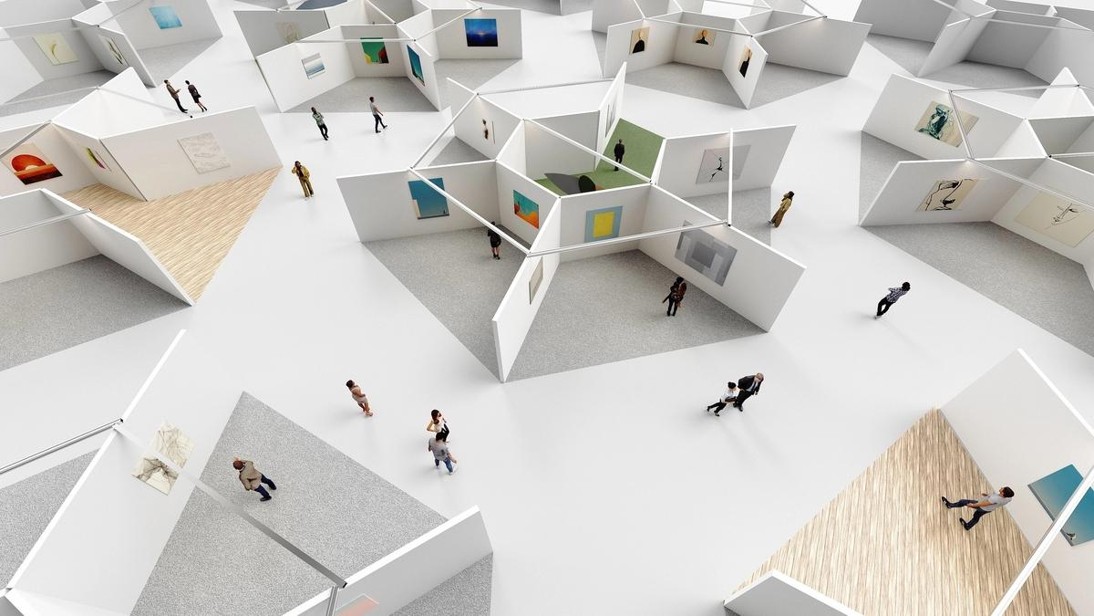
Expected HIVE ART FAIR booth rendering. / Photo: HIVE ART FAIR
An interesting
point is that while HIVE critiques the commercial grammar of existing art
fairs, it simultaneously begins from a highly Seoul-centered structure.
Seoul already
concentrates the core infrastructure of the Korean art market. Collectors,
institutions, global brands, VIP networks, and access to international
galleries are all concentrated in Seoul. In this sense, HIVE is attempting to
redesign the existing system based on these structural advantages.
However, several
important questions emerge here.
Can the
elimination of booth fees truly become a sustainable model? In what way will
operational costs ultimately be replaced? Can sponsorship- and
partnership-centered structures maintain market independence? And how can a
curatorial-centered platform coexist with actual transaction structures?
Particularly
within the global art fair market, “experimental structures” have often failed
to prove long-term sustainability after initial publicity fades. Ultimately,
art fairs are also sales platforms. How HIVE will coordinate the tensions
between sales and experimentation, curation and market logic, networking and
revenue structures will become one of the key tasks it must eventually prove.
At its current
stage, HIVE should be understood less as a completed model and more as a
question directed toward the existing art fair system itself.
What
These Two Art Fairs Reveal About the Korean Art Market
What is
interesting is that although Art Busan and HIVE ART FAIR are moving in
completely different directions, they are ultimately dealing with the same
structural issues.
First, the Korean
art market still remains centered around Seoul. Art Busan attempts to bypass
this through regionally based international networking strategies, while HIVE
attempts to experiment with new operational models from within Seoul itself.
Second, the
global art fair system itself is entering a stage of fatigue. Excessively high
participation costs, repetitive VIP structures, the circulation of similar
groups of artists, and excessive event-centered competition have already become
persistent issues internationally.
Third, the Korean
art market is now beginning to move beyond simply importing overseas systems
and is starting to experiment with its own platform models. This is an
important shift. After Frieze Seoul, the Korean market expanded rapidly, but at
the same time the question of “what a Korean-style international art fair model
should look like” also emerged.
Art Busan is
testing a city-based networking platform model. In contrast, HIVE is attempting
to redesign the economic structure of the art fair system itself. Neither model
is yet complete. However, what is important is that both fairs are attempting
to redefine not simply sales events, but the market structure itself.
Ultimately, the
significance of these two fairs in May 2026 lies not in which fair gathered
more galleries and collectors, but in whether the Korean art fair market itself
is entering a new phase. The outcome may become an interesting experiment
showing whether the Korean art market will remain centered around a single
Seoul-based structure or expand into a more layered platform system.
Information
Art Busan 2026
Event Title: Art
Busan 2026
Dates: May 21 (Thu) – May 24 (Sun), 2026
VIP Preview: May 21, 2026
Public Days: May 22 (Fri) – May 24 (Sun), 2026
Venue: Hall 1, BEXCO, Busan
Participation: More than 110 galleries from 18 countries
Main Sections: FUTURE, LIGHTHAUS, CONNECT, DEFINE
Associated Programs: Busan Museum of Art and Museum of Contemporary Art Busan
collaborations, studio tours, talk programs, Busan Art Week, and more.
HIVE ART FAIR
2026
Event Title: HIVE
ART FAIR 2026
Dates: May 21 (Thu) – May 24 (Sun), 2026
Opening Hours: May 21 (Thu) – May 23 (Sat), 11 AM – 7 PM
Final Day Hours: May 24 (Sun), 11 AM – 5 PM
Venue: Exhibition Hall, 1F COEX Magok, Seoul
Admission: Four-Day Pass KRW 100,000 / First-Day Ticket KRW 50,000 / One-Day
Ticket KRW 30,000
Exhibited Works: Painting, sculpture, craft, printmaking, photography, new
media, and installation
Organizer: D-Access (COEX)