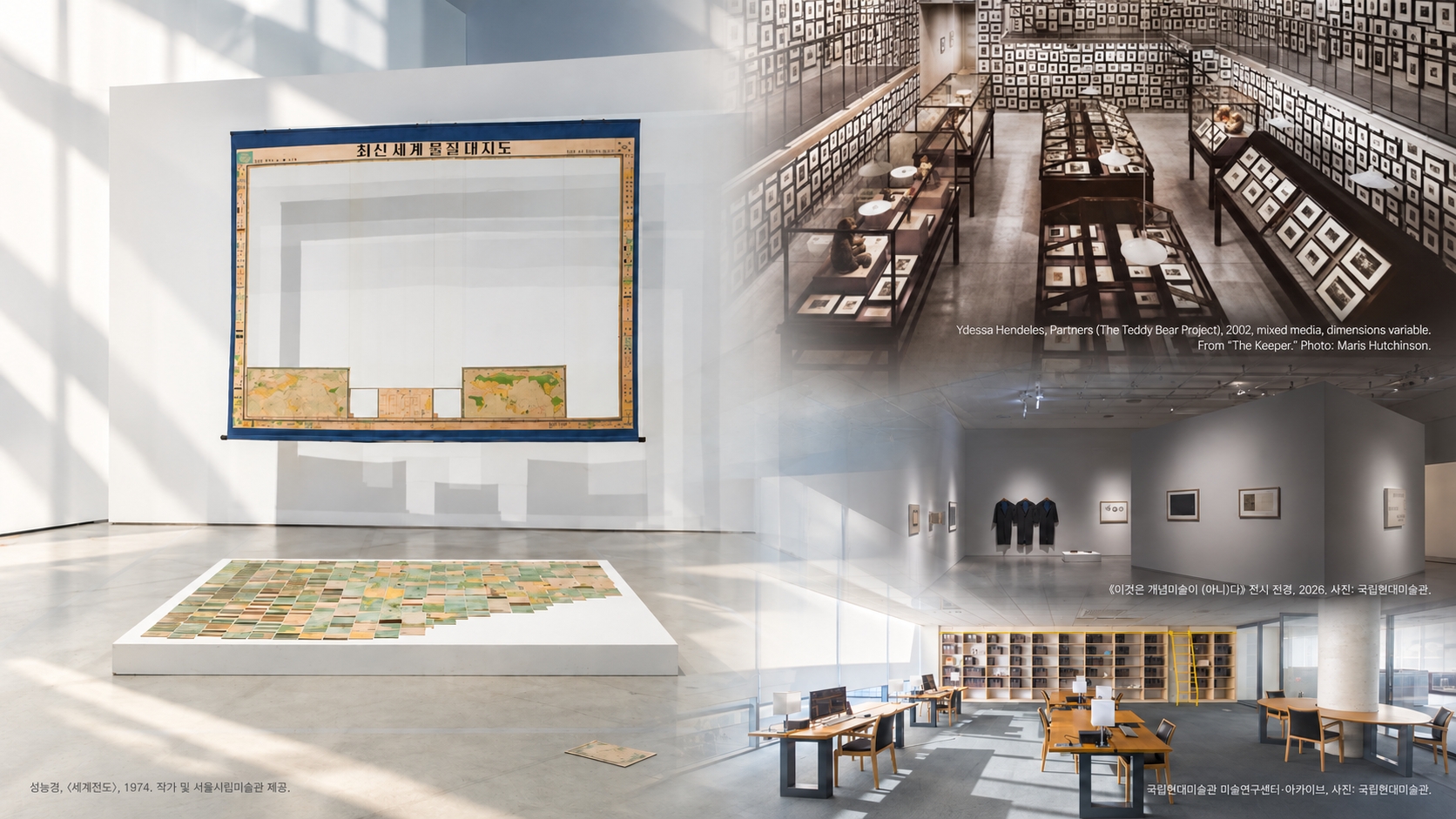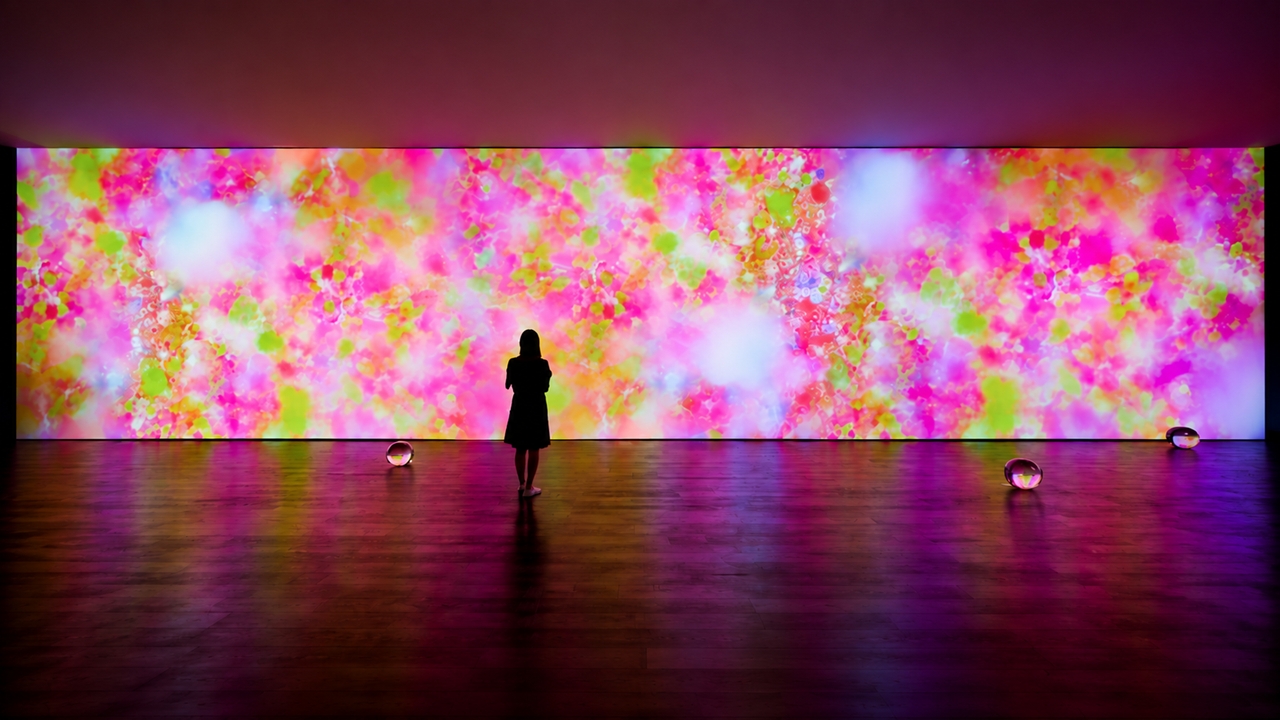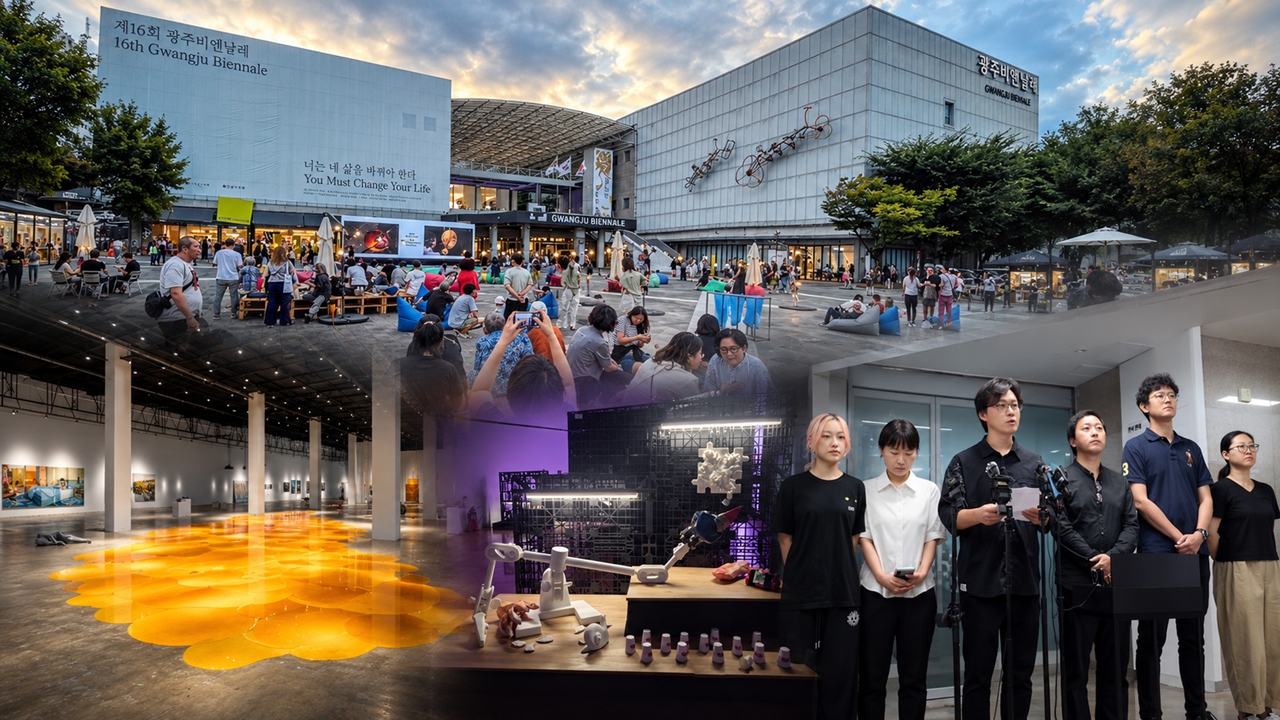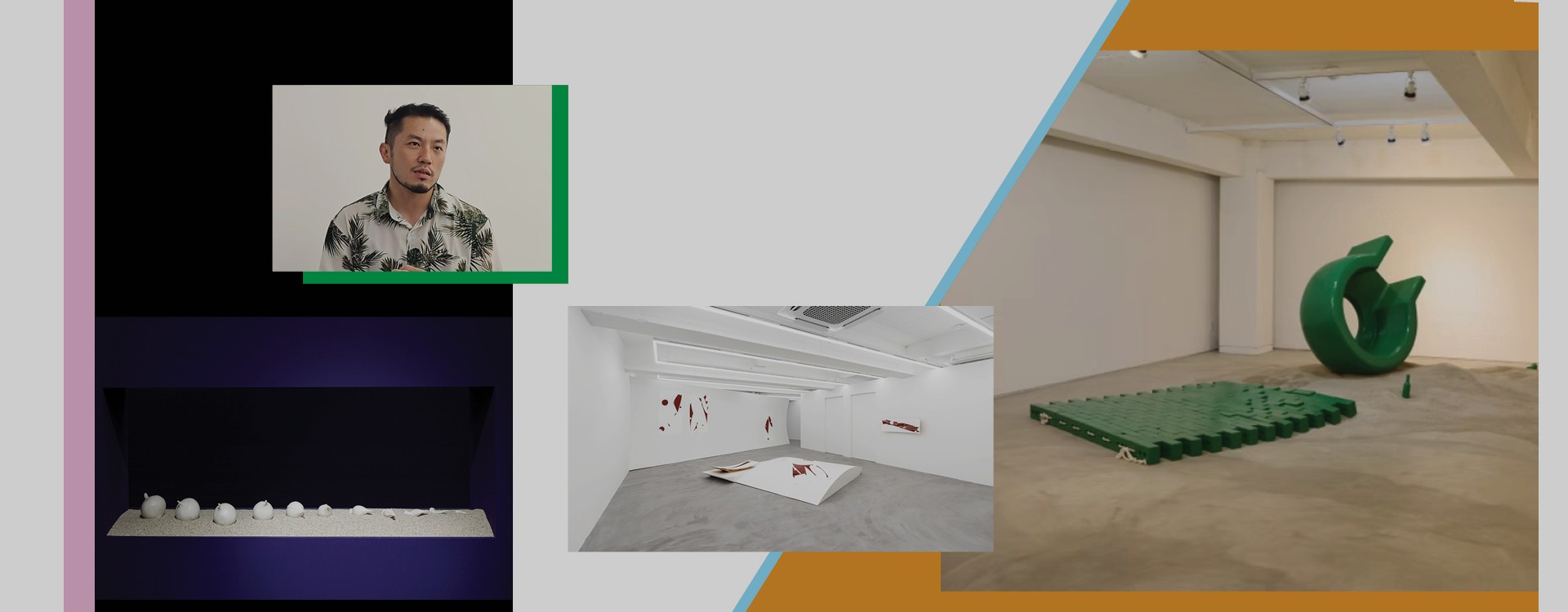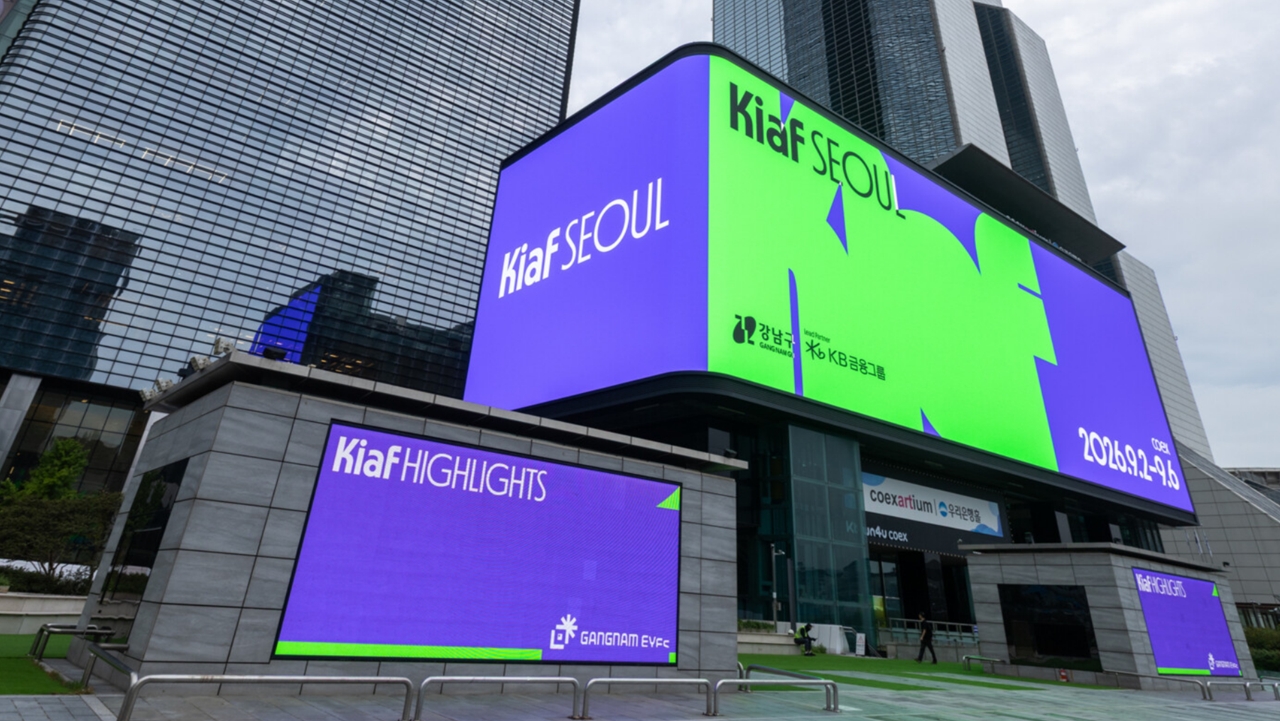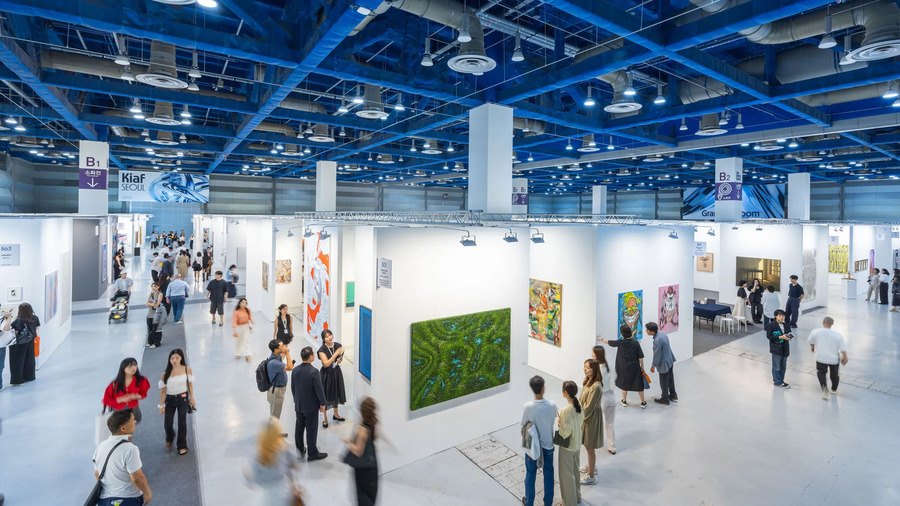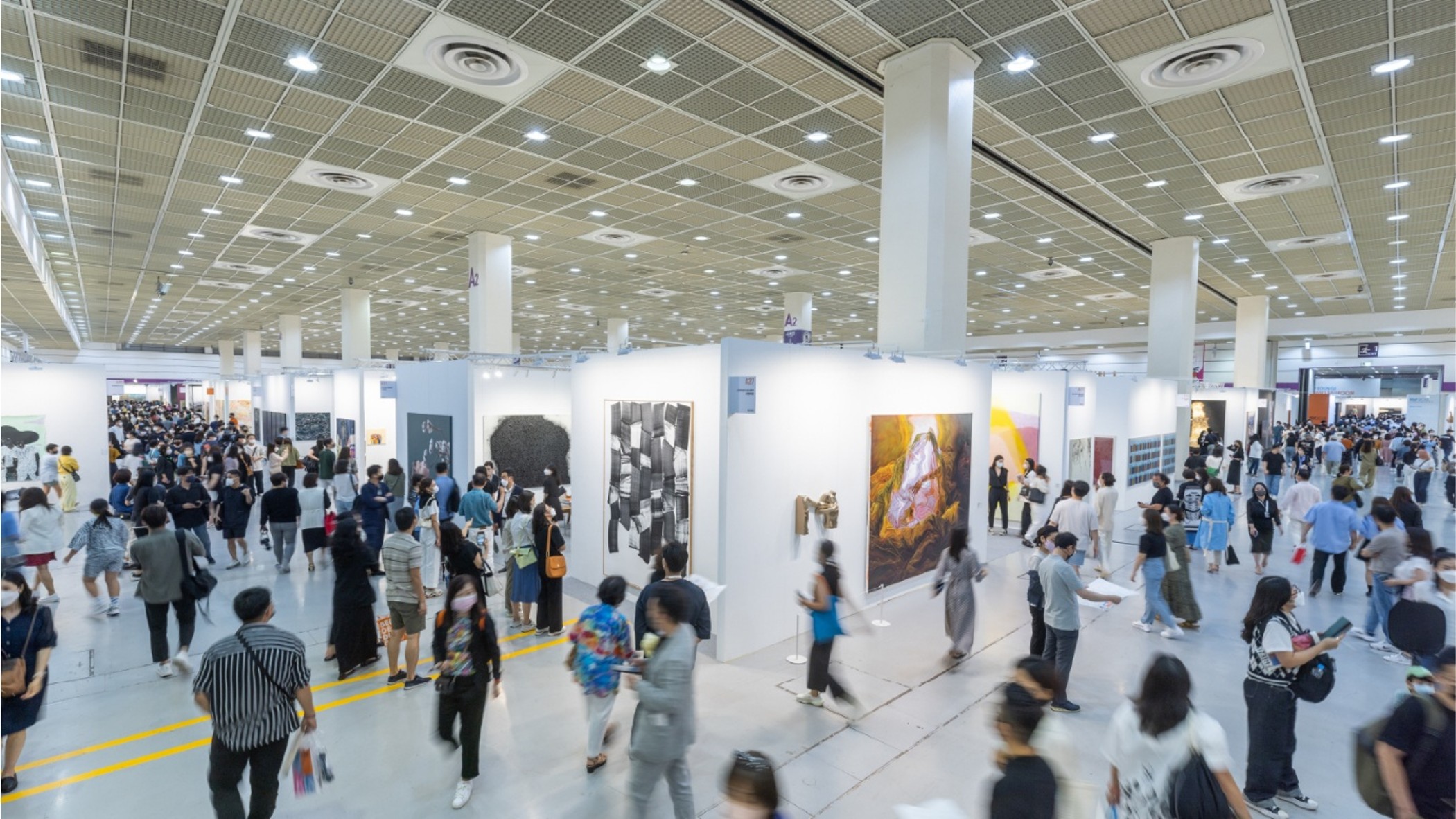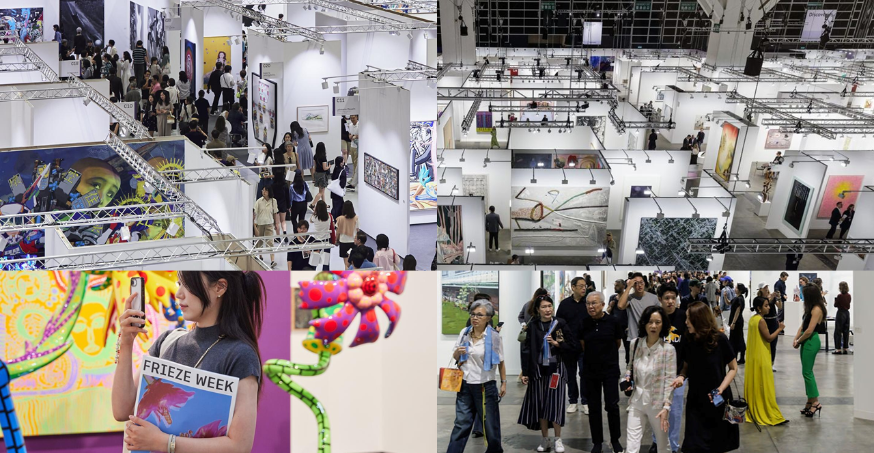

The Kiaf SEOUL exhibition hall at COEX © Kiaf SEOUL
Kiaf SEOUL 2026 took place at COEX in Seoul from September 2 to 6.
Marking its 25th anniversary, this year’s fair brought together 175 galleries
from 18 countries and attracted approximately 80,000 visitors. With a creative
director appointed for the first time, the fair introduced changes to its
layout and programming. Works by major figures in modern and contemporary
Korean art as well as emerging artists sold across a range of price points.
This year, Kiaf demonstrated changes in its approach to organizing
the fair by improving the visitor experience. The next question is how these
improvements can translate into sustained sales for participating galleries and
the development of artists’ careers. The depth and expertise of its content on
Korean art, the management of its website and archives, and the direction of
its exhibitor selection will be important measures of Kiaf’s long-term
competitiveness.
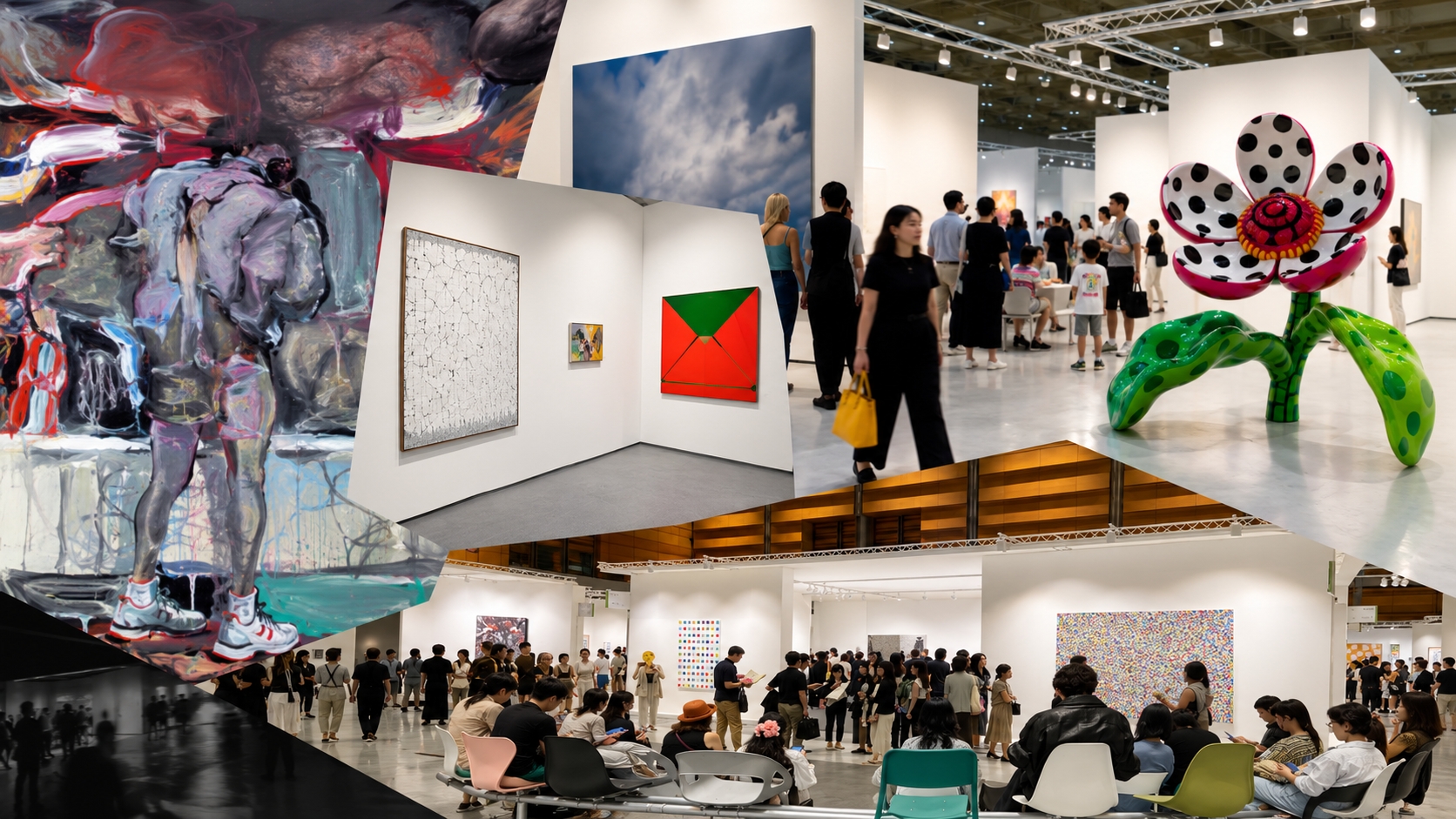
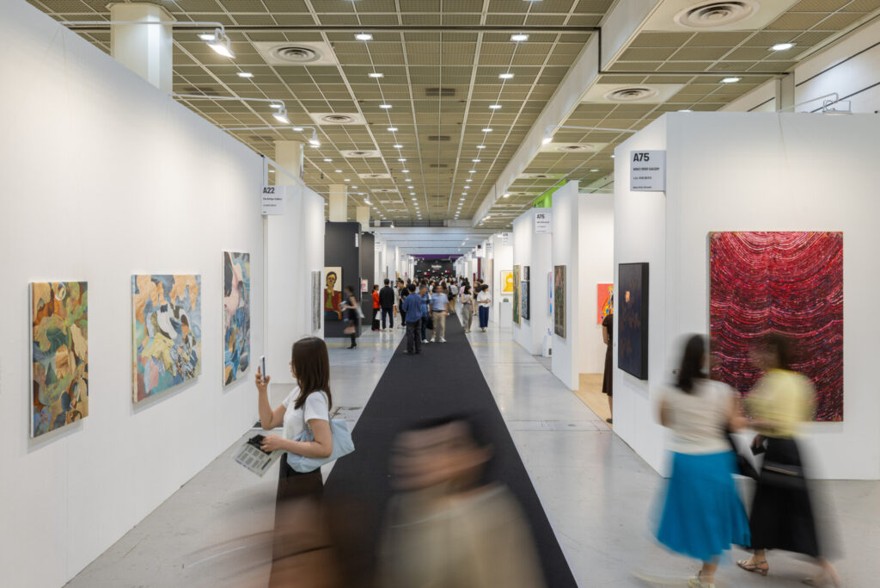
Wider passageways and a clearly organized main route through the exhibition hall. Photo: Kiaf SEOUL
An Improved Visitor Experience and Expanded Programming
The most visible change this year was the layout of the exhibition
halls. Creative Director Kuho Jung clearly defined the main circulation routes
and distributed special exhibitions and rest areas throughout the venue. The
layout was reorganized to encourage visitors to explore the inner sections of
the fair rather than concentrate around the entrance and major galleries.
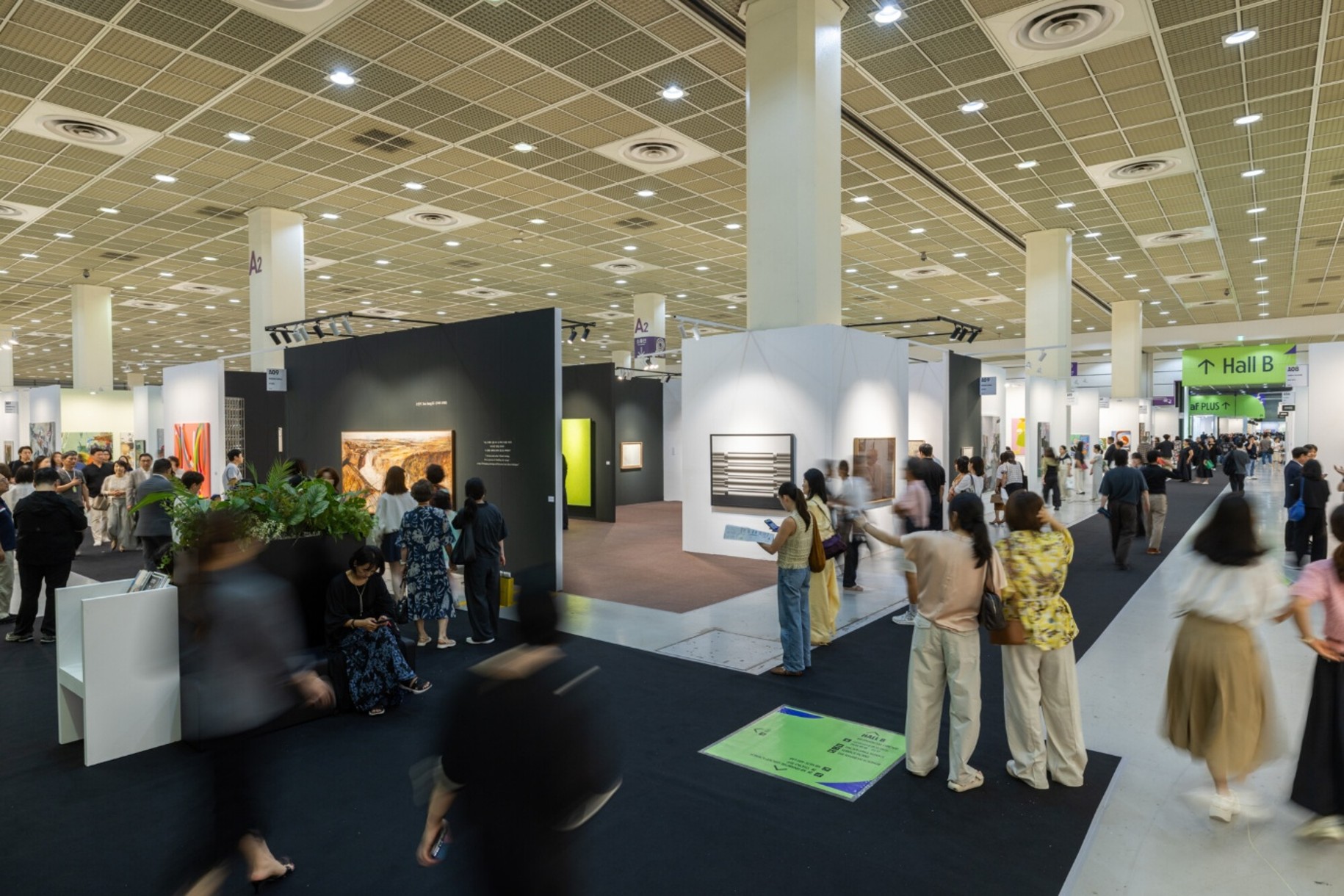
On-site reports noted more open sightlines between booths and the addition of
spaces that encouraged visitors to spend time in Hall B, which had previously
received less foot traffic.
These changes were meaningful because they created more
opportunities for visitors to discover works presented by smaller galleries.
Spatial planning at an art fair affects not only visitor convenience but also
galleries’ visibility and opportunities to engage with prospective buyers. The
use of special exhibitions and rest areas to encourage visitors to explore the
entire venue was a positive development.
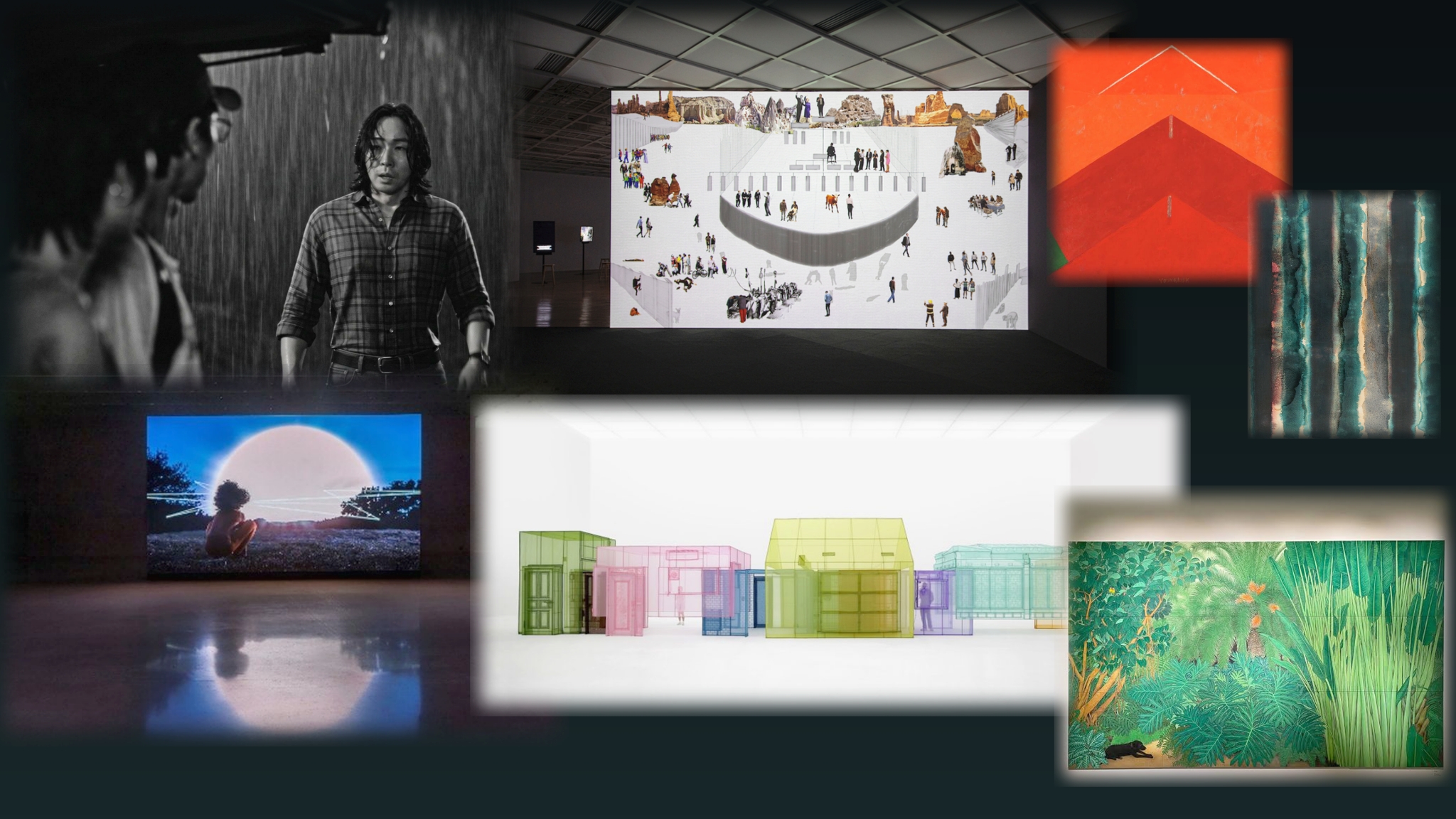
The special exhibition 《HUMAL》, the augmented-reality exhibition 《VIRTUAL VITAL》, and the performance
program “Kiaf Classic” further broadened the visitor experience. The
artist-focused program “Kiaf HIGHLIGHTS” brought renewed attention to ten
mid-career artists, while Kiaf PLUS introduced young galleries and emerging
artists. By bringing together work across generations and a variety of
programs, Kiaf demonstrated the breadth of its participant base.
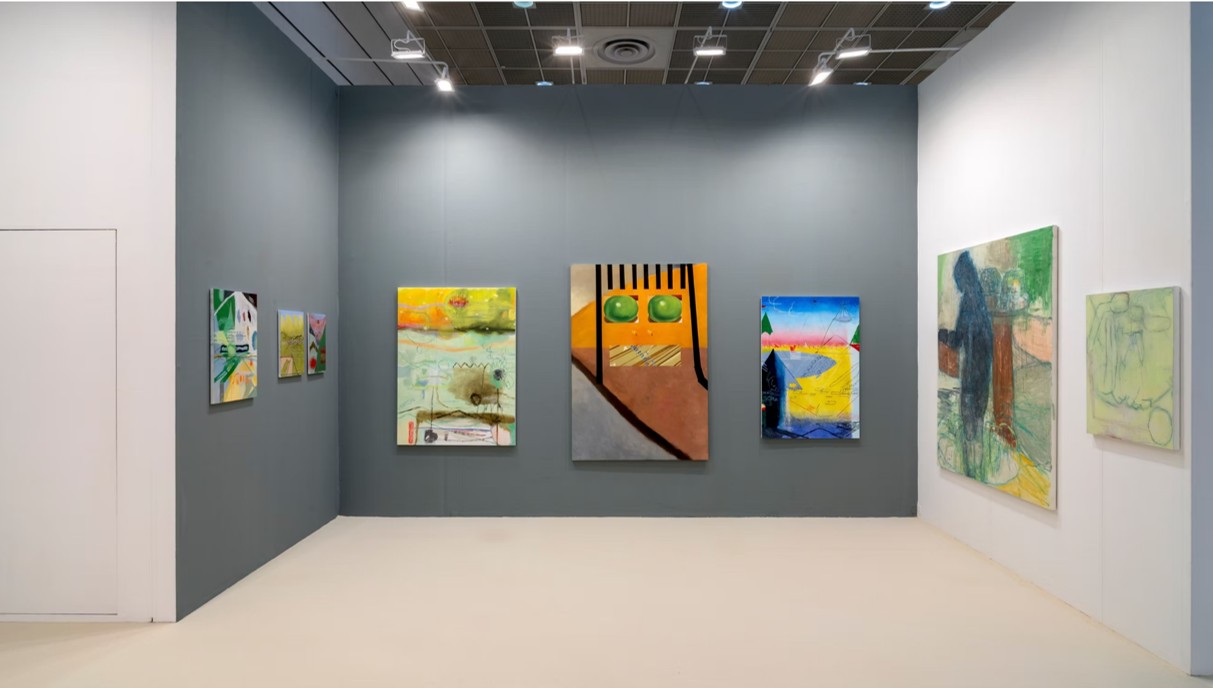
Space Willing N Dealing’s presentation at Kiaf. Photo: Space Willing N Dealing website
Sales Across a Wide Price Range and Uneven Results Among
Galleries
Publicly reported sales included both high-value works and pieces at
more accessible price points. Kukje Gallery reportedly sold Yoo Youngkuk’s 1979
painting Work for KRW 600–720 million. Gallery
Hyundai announced sales of works by Nam June Paik, Chung Sang-Hwa, Kim Bo Hie,
and Kim Sung Yoon, among others. Gana Art reportedly sold six works by Park Eun
Sun for a combined total exceeding KRW 500 million.
Works by emerging artists also found buyers. Kidari Gallery stated
that it sold 46 works for approximately KRW 200 million, while Space Willing N
Dealing reportedly sold 16 works by emerging artists priced between KRW 400,000
and KRW 3 million. These examples suggest that Kiaf can serve both established
collectors and people beginning to purchase art with relatively modest budgets.
Sales performance, however, varied among galleries. While some
reported high-value transactions and sold-out presentations, others noted that
visitor interest did not necessarily translate into purchases. Transactions
across multiple price ranges should not be taken as evidence that sales
improved across the fair as a whole. Kiaf’s market performance needs to be
assessed through individual success stories alongside the extent to which
purchasing demand reached small and mid-sized galleries and a diverse range of
artists.
Distinguishing Attendance from Market Performance
Kiaf attracted approximately 80,000 visitors this year, a figure
comparable to the roughly 82,000 recorded last year. Attendance during the
first two days rose by 5–10 percent year on year, and approximately 8,000
visitors attended on the final day, when Kiaf remained open after Frieze Seoul
had closed. These figures indicate sustained interest in attending the fair,
but they do not directly demonstrate an increase in new buyers or art
transactions.
The Galleries Association of Korea referred to a gradual market
recovery, yet total sales, sell-through rates, and year-on-year changes in
sales value were not disclosed. The scope of the information released by
individual galleries also varied, limiting what the available data can reveal
about the market as a whole.
Visitor numbers measure interest in an event. An assessment of
market performance also requires information on transactions by price bracket,
the participation of new buyers, and the distribution of sales among galleries.
Collecting information according to consistent criteria, within the limits of
what can be disclosed, would give greater credibility to the organizer’s
assessment.
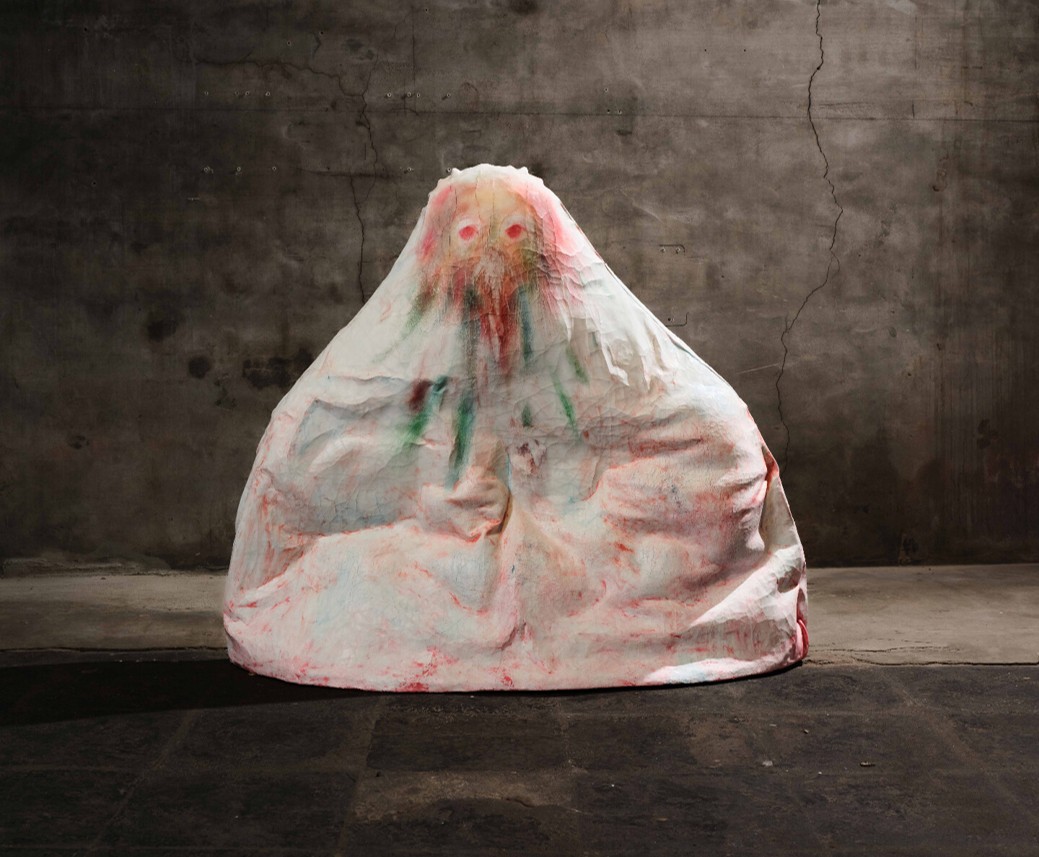
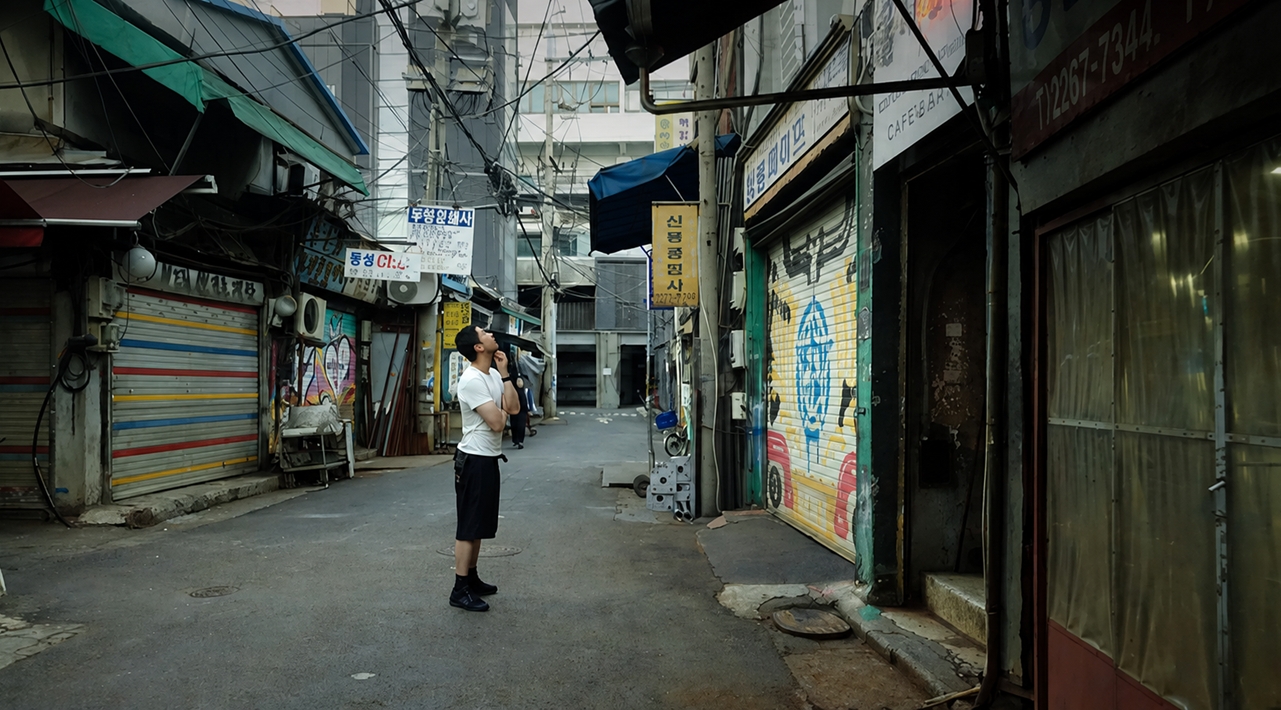
Kang Kun’s Disapparatus I, featured in a special exhibition. © Kang Kun
Depth and Expertise in Presenting Korean Art
Differences between Frieze and Kiaf were also evident in the way
they presented Korean artists and artworks online. Frieze produced content
linking participating galleries’ presentations to artists’ working processes,
museum exhibitions, and the city’s cultural context. Its video on Omyo Cho
explained the artist’s process and the questions informing her work, while also
providing gallery and booth information. Editorial features introducing key
works likewise discussed the artists’ museum exhibitions and broader
activities.
This editorial approach helps explain why particular works merit
attention. Visitors can research artists before attending, while collectors and
art professionals can explore practices of interest in greater depth. Among the
materials reviewed, Frieze showed a more systematic approach to connecting
artwork introductions with contextual analysis and practical visitor
information.
Kiaf also presented interviews with its HIGHLIGHTS artists through
its official lead media partner, Marie Claire Korea. Its official
website, however, focused primarily on galleries’ exhibition news and program
announcements. The editorial connections between artist-specific content and
the fair’s overall program were comparatively underdeveloped.
Expertise in art content is demonstrated by how specifically it
explains the development of an artist’s practice, the art-historical context of
the work, and its contemporary significance. An art fair presenting Korean art
internationally should provide sufficient context for overseas professionals to
understand and assess its artists and artworks.
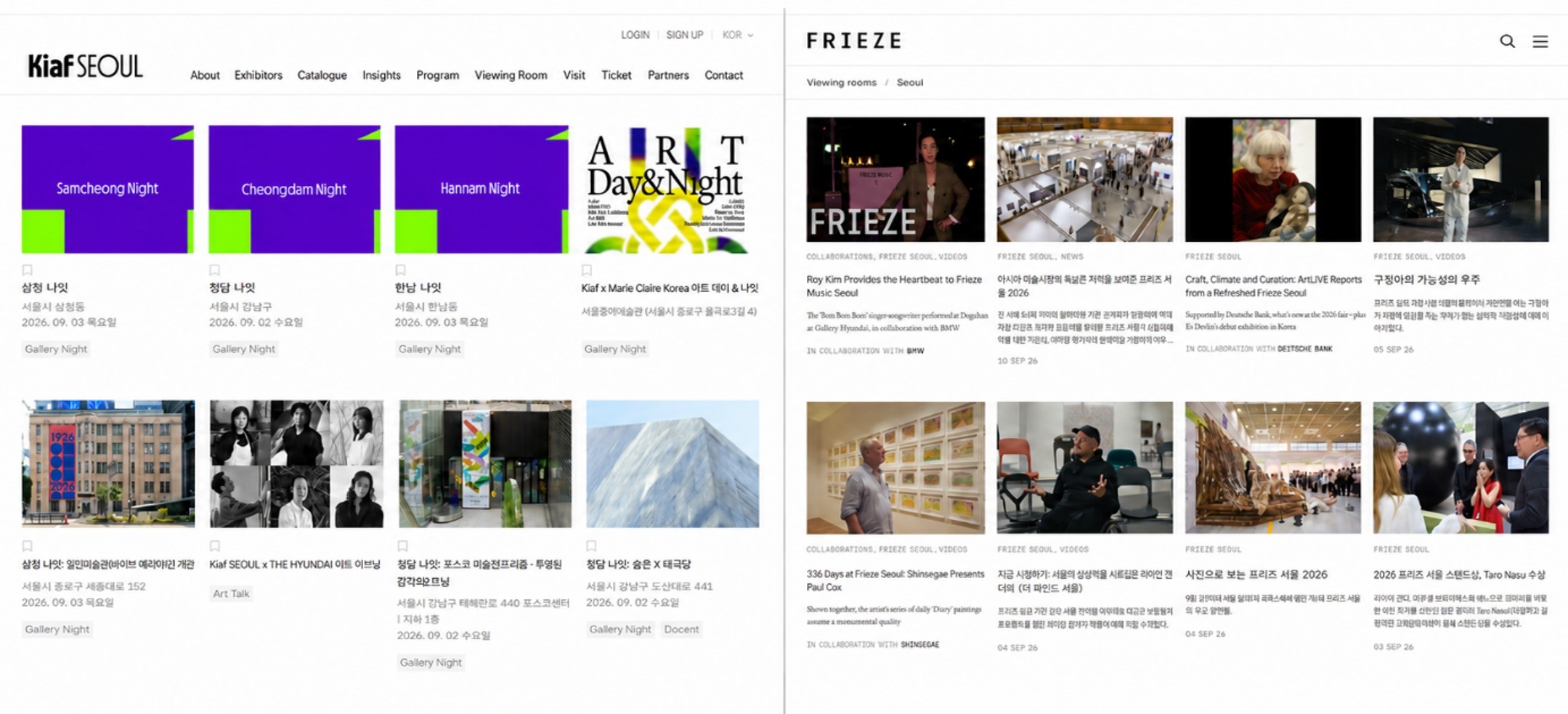
Kiaf and Frieze Seoul homepage screenshots
Continuity Across the Website and Archives
An art fair’s website allows visitors to prepare for the event and
return afterward to research artists who captured their interest. For
international professionals, it is also an important channel for continuing to
explore galleries and artists after leaving Seoul.
As of September 14, the video section on Kiaf’s homepage displayed
2025 RECAP, SNAP, and TEASER videos alongside footage from earlier editions.
Archives of past special exhibitions and talks were also available, but the
lists reviewed showed entries through 2024 at the top. Beyond making individual
materials available, the site needs updates and editorial organization that
connect the latest fair with its historical record.
The records accumulated over 25 years are an asset that can help
explain Kiaf’s role in the Korean art market. Connecting each edition’s major
exhibitions and artists, interviews and talks, on-site documentation, and
publicly reported results would make these records useful for current artist
presentations and research. Content produced by external media partners should
also be easy to find through the official website. Such an approach would give
participating galleries and artists opportunities for exposure beyond the
duration of the fair.
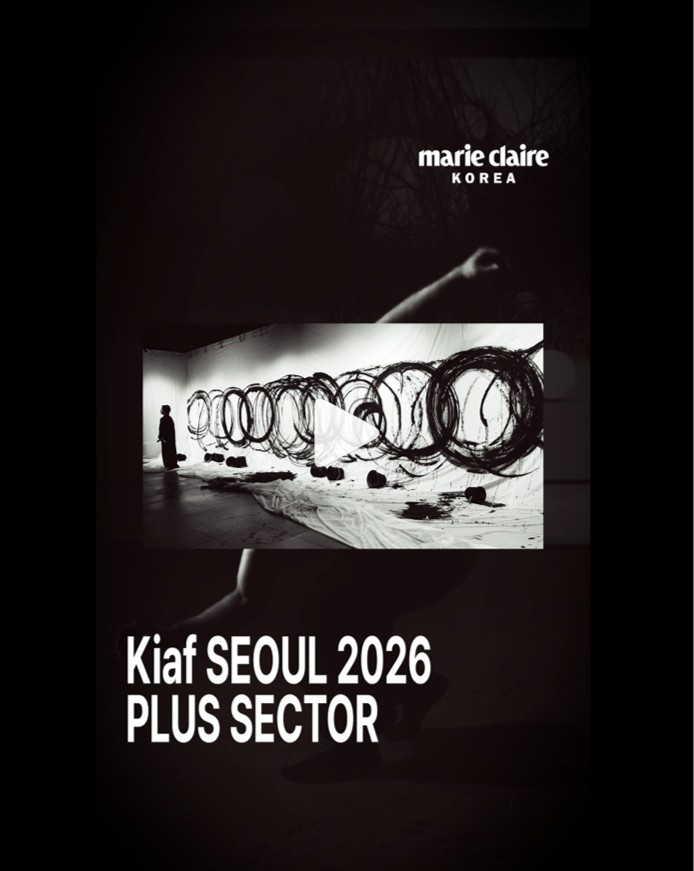
A promotional page for Kiaf 2026 on Marie Claire Korea. Photo: Marie Claire Korea website
Promotional Direction and Expertise in Art
Partnerships with fashion and lifestyle media can broaden interest
in art. They can also lead to an art fair being presented primarily through
celebrities, event atmosphere, and images of taste and consumption. As
promotional reach expands, it is important to consider whether understanding of
the artworks deepens alongside it.
Marie Claire Korea participated as
Kiaf’s official lead media partner. What matters in such a collaboration is how
clearly Kiaf defines the editorial direction and standards of expertise for
presenting artists and artworks. The choice of subjects, the approach to
explaining them, and the perspective guiding which artists and works receive
attention should reflect the fair’s identity.
When the buzz surrounding an event and its polished image take the
place of an understanding of the artworks, artistic value risks being reduced
to the appeal of lifestyle consumption. Social-media exposure can generate
initial interest, but it needs to be followed by content that develops this
interest into an understanding of artistic practice and art-historical
significance. Promotional success should therefore be assessed not only by the
scale of exposure but also by the understanding of art it helps shape.
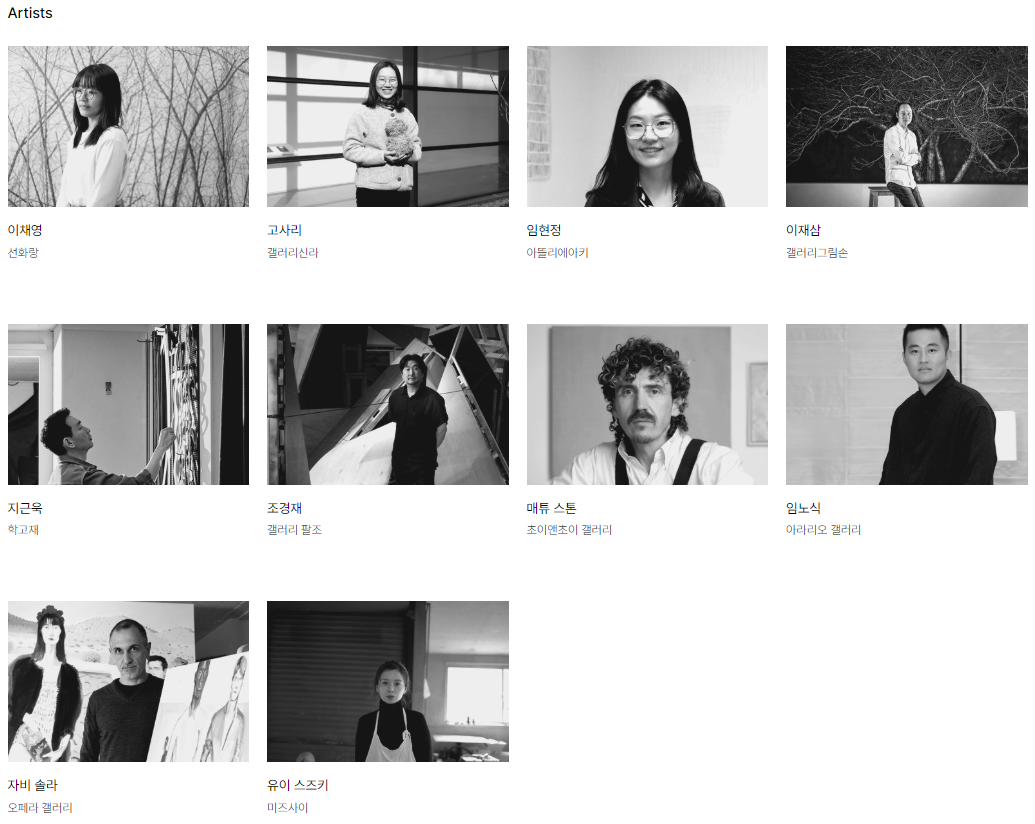
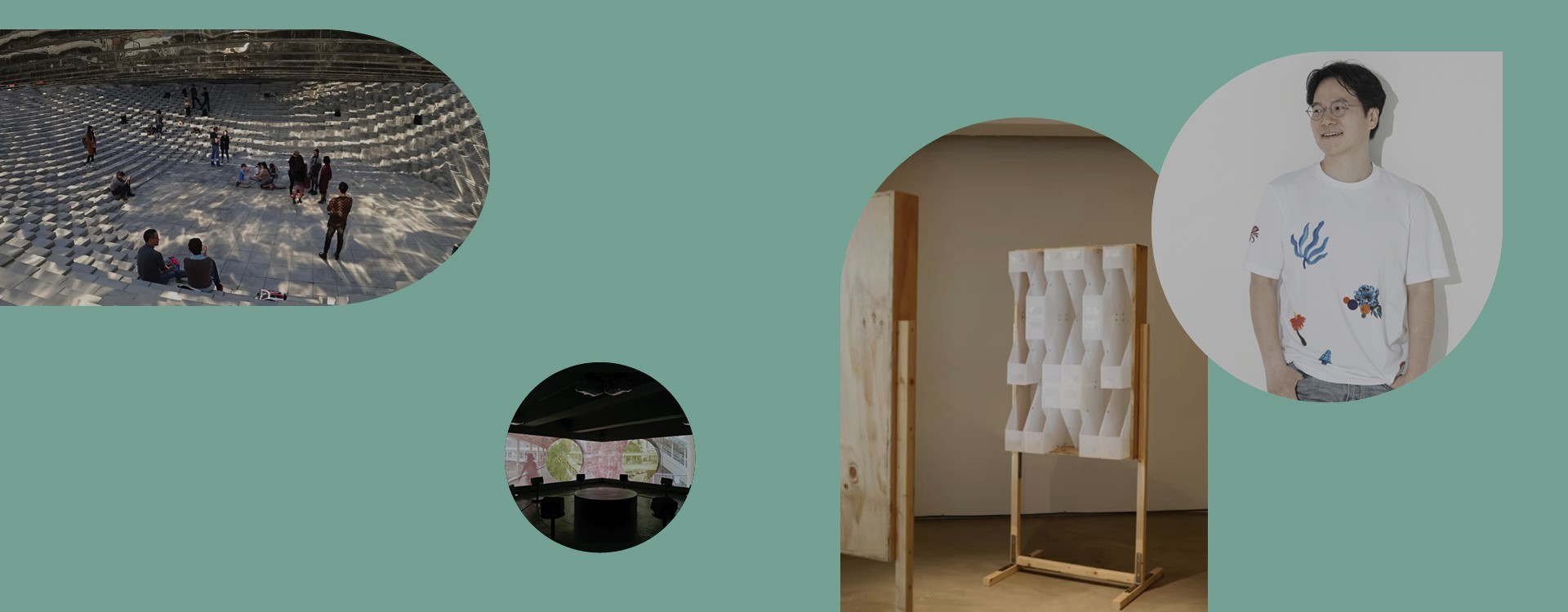
Ten mid-career artists featured in Kiaf Highlights / Screenshot of the Kiaf website
Direction in the Selection of Galleries and Artists
This year, Kiaf maintained a broad participant base, including 127
Korean galleries. This breadth offers an opportunity to present different
segments of the Korean art market. Assessing the overall lineup also requires
examining which galleries and practices the fair is newly bringing forward and
how their participation broadens its direction. The materials published for
this year’s edition did not sufficiently explain how the rationale for these
selections related to the fair’s overall composition.
“Kiaf HIGHLIGHTS” provided a concrete example of artist support by
presenting ten mid-career artists and selecting Gosari and Lim Nosik through a
separate judging process to each receive KRW 10 million in creative support
funding. The achievements of this dedicated program can be assessed separately
from the direction of exhibitor selection across the fair as a whole.
ArtAsiaPacific observed that this year’s
Kiaf appeared comparatively weak in the middle ground between established
artists with proven market standing and works at more affordable prices.
Although this assessment was based on observations at the fair rather than
comprehensive sales data, it raises the question of whether mid-career artists
and work across diverse media are being adequately represented.
Kiaf’s approach to selecting galleries and artists should address
not only who participates but also whose artistic development it intends to
support over time. The process should provide opportunities for new galleries
and artists, explain the reasons for their selection, and connect their
participation to subsequent exhibitions, editorial content, and relationships
with art professionals in Korea and abroad.
From Spatial Improvements to Platform Competitiveness
In 2027, Frieze Seoul will move to Dongdaemun Design Plaza (DDP),
while Kiaf will remain at COEX. The partnership between the two fairs will
continue through 2031, but the conditions that allowed them to share visitor
and collector traffic under the same roof will change. Kiaf’s ability to give
collectors compelling reasons to visit the fair and acquire works will
therefore become increasingly important.
This year, Kiaf demonstrated its capacity for change by improving
the visitor experience. Its next task is to connect gallery and artist
selection, expert editorial content, and the management of its website and
archives into an integrated, year-round framework for presenting galleries and
artists. Enabling visitors to continue following artists encountered at the
fair and to maintain relationships that can lead to exhibitions and purchases
is an important part of running an art fair.
Once the fairs move to separate venues in 2027, Kiaf’s
competitiveness will be demonstrated by its ability to attract collectors
independently and translate their interest into sales for participating
galleries and broader opportunities for artists. Drawing on the foundation
built over 25 years, Kiaf must now clarify how it will communicate the value of
Korean art, which audiences it will engage, and through which channels.
References
English titles of the Korean-language articles below are
translations provided for reference.
- Kiaf SEOUL official website;
Kiaf
HIGHLIGHTS; Special Exhibition Archive;
Talk Program Archive. Website structure
reviewed September 14, 2026.
- Kiaf SEOUL, “Kiaf SEOUL 2026,” e-flux
Announcements, July 20, 2026.
- Newsis, “Kiaf SEOUL 2026 Is More
Spacious and Comfortable: ‘There Is More to See Than at Frieze’”,
September 2, 2026. In Korean.
- Newsis, “‘There Was More to See Than
at Frieze’: A More Spacious, Visually Striking Kiaf Draws 80,000 Visitors, but
Sales Vary”, September 7, 2026. In Korean.
- Artsy, “What Sold at Frieze Seoul 2026”,
September 2026. Includes Kiaf sales results.
- Yonhap News Agency, “Kiaf and Frieze Close with More
Young Collectors and Active Art Trading”, September 6, 2026. In
Korean.
- The Bell, “Lower Top Prices at Frieze,
a Broader Visitor Experience at Kiaf”, September 7, 2026. In Korean.
- Aju Press, “At Kiaf and Frieze, Seoul’s Art Crowds Come
Before the Buyers”, September 3, 2026.
- Frieze, “Meet Me in Seoul: Omyo Cho”,
August 13, 2026.
- Frieze, “What Not to Miss at Frieze
Seoul This Year”, August 21, 2026.
- Marie Claire Korea, “10 HIGHLIGHTS: Interviews with Kiaf’s
Ten Highlight Artists—#1 Gosari” and “#4 Lim Hyun Jung”,
September 2026. In Korean.
- Marie Claire Korea, “Marie Claire Art Day & Night
2026” event report, September 7, 2026. In Korean.
- Korea JoongAng Daily, “Frieze, Kiaf to Shine ‘Spotlight’
on ‘Coexistence’ in Final Year Under Same Roof”, August 19, 2026.
- News1, “Gosari and Lim Nosik Selected as the Final Artists for Kiaf
HIGHLIGHTS 2026”, September 3, 2026. In Korean.
- ArtAsiaPacific, “Kiaf SEOUL at 25: A Market Split”,
September 11, 2026.
- Frieze, “The Breadth of Asia’s Art
Market Takes Center Stage at Frieze Seoul 2026”, September 2026.