
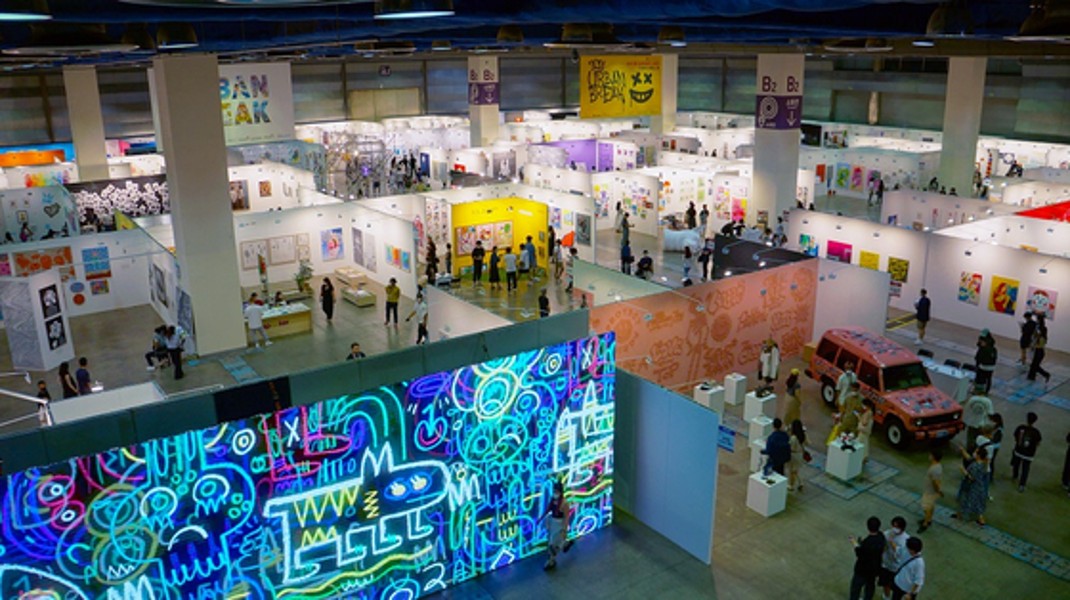
Scene from URBAN BREAK / Photo: JoongAng Ilbo Online
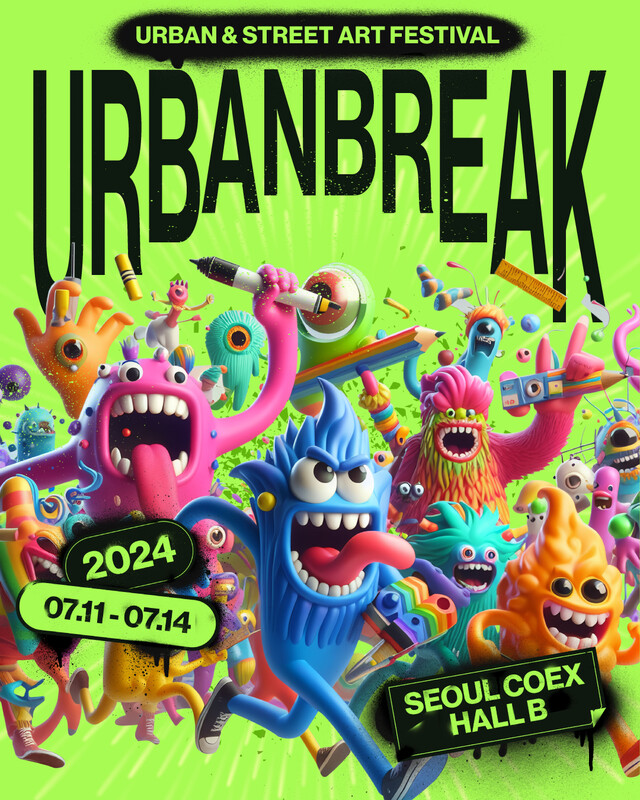
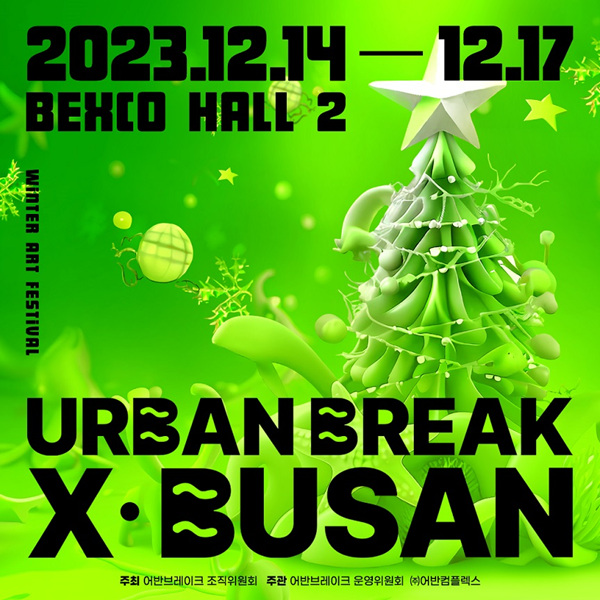
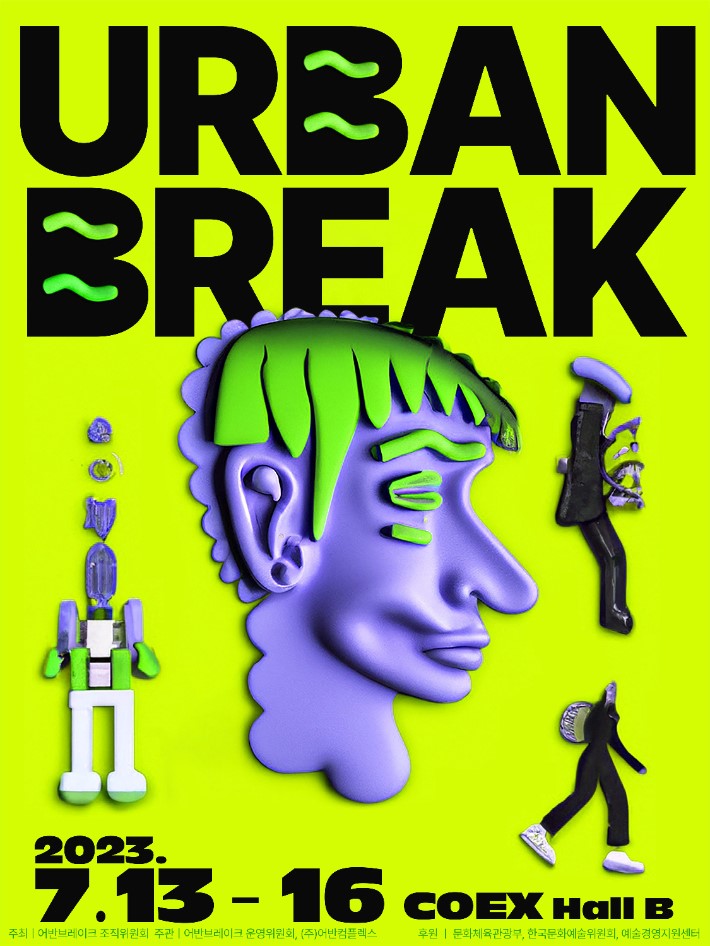
Launched in Seoul in 2020, URBAN BREAK has
developed into one of Korea’s largest artist-centered art festivals. From the
outset, it focused on genres that had received relatively limited attention
within the conventional art market, including graffiti, street art, pop art,
and illustration. In doing so, it established a distinct position from
traditional art fairs centered primarily on painting and sculpture.
Over the years, the event has steadily
expanded its scope to include art toys, collectibles, media art, design, and
brand collaboration projects. By actively introducing accessible content aimed
at younger collectors and the general public, URBAN BREAK has evolved into a
platform connecting the art market with popular culture.
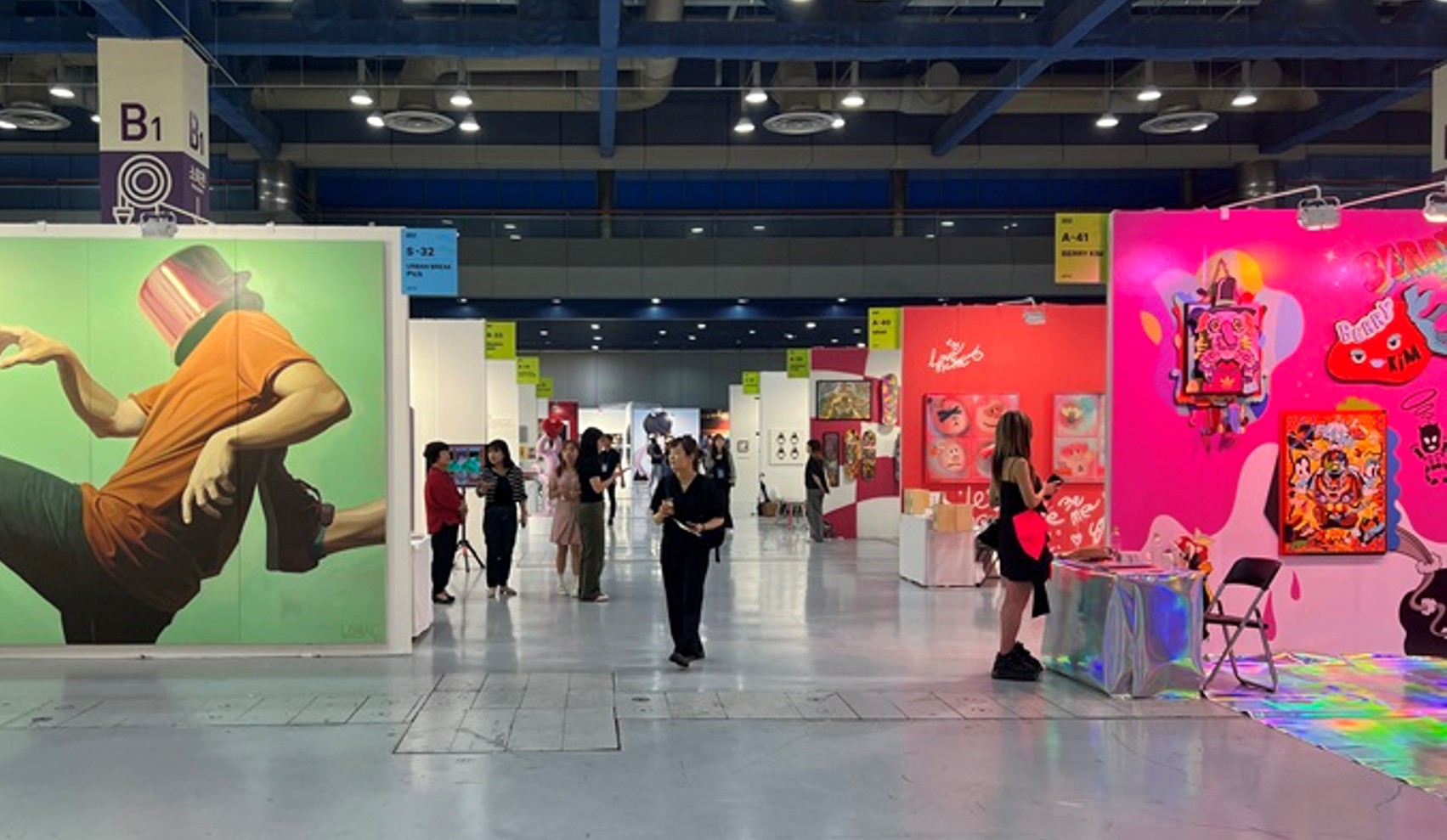
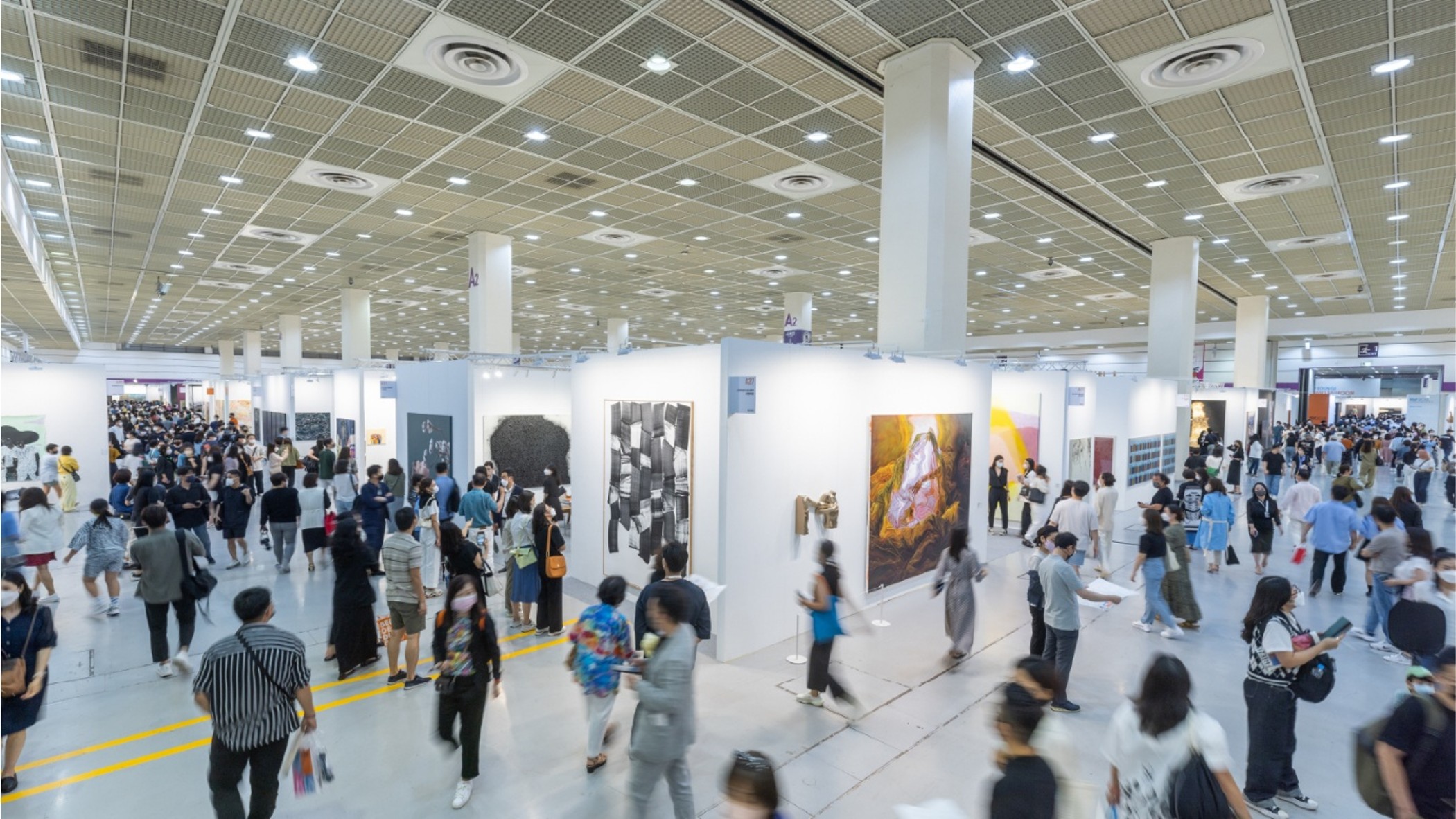
URBAN BREAK attracted approximately 40,000 visitors in 2021, 50,000 in 2022, and more than 60,000 in 2023, establishing itself as a popular contemporary art festival. / Photo: Tenant News
URBAN BREAK 2026 represents the clearest
expression of this ongoing transformation. This year, the event fully
integrates TOY CON SEOUL, which had previously been organized as a separate
event, and adopts the theme “PLAY WITH ARTIST.”
Rather than limiting itself to the
exhibition and sale of artworks, the event invites visitors to interact
directly with artists and engage with the creative process through a wide range
of participatory programs. The organizers officially position the event under
the slogan “The World No.1 Artist Festival,” signaling an ambition to move
beyond the conventional art fair format and establish a broader artist-centered
platform.
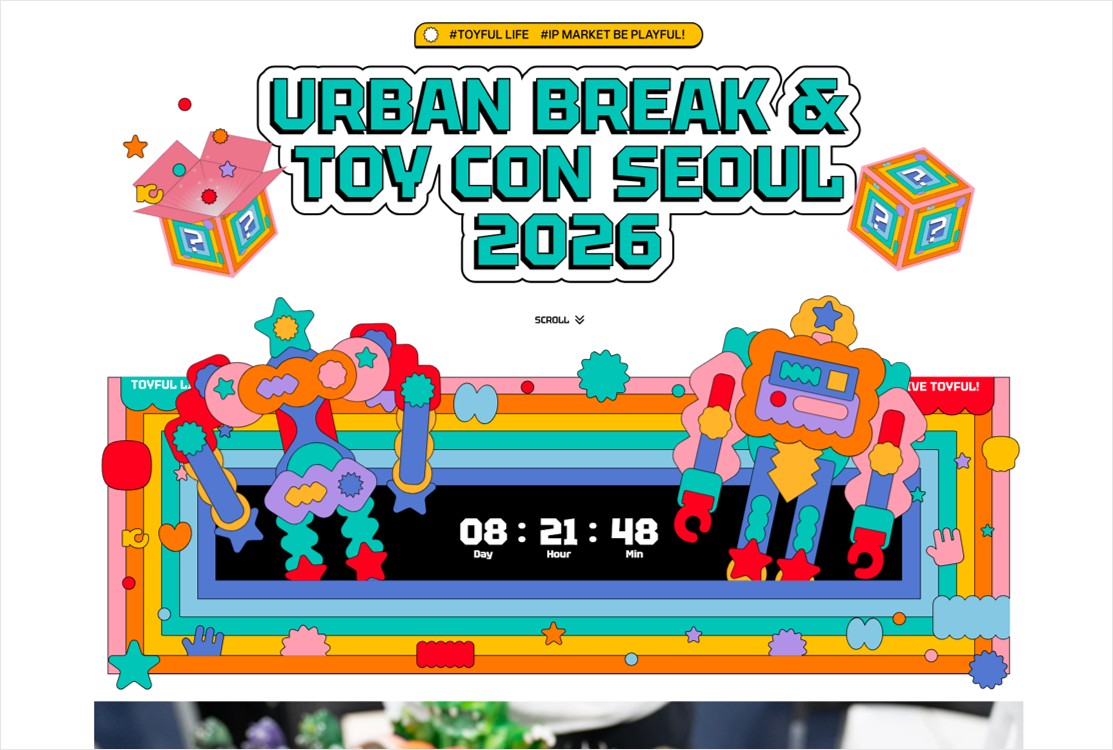
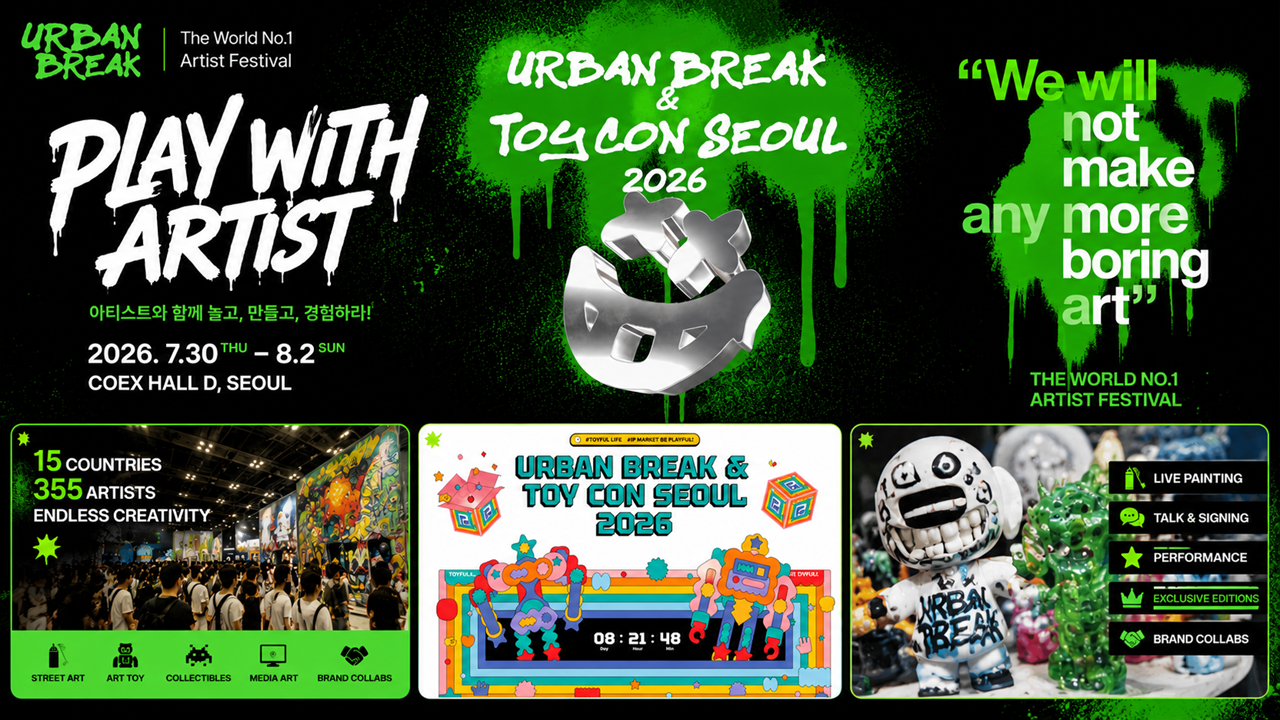
TOY CON SEOUL 2026 Event Information / ©TOY CON SEOUL Website
From Art Fair to Artist
Platform
This year’s edition brings together 355
artists from 15 countries. Alongside painting and sculpture, the event presents
graffiti, neo-pop, art toys, collectibles, media art, character-based
intellectual properties, and collaborative projects with brands.
Participating artists do more than simply
exhibit their works. They engage directly with audiences through live painting
sessions, performances, artist talks, and signing events. These programs place
the artist at the center of the event and create a more direct relationship
between artists, audiences, and potential collectors.
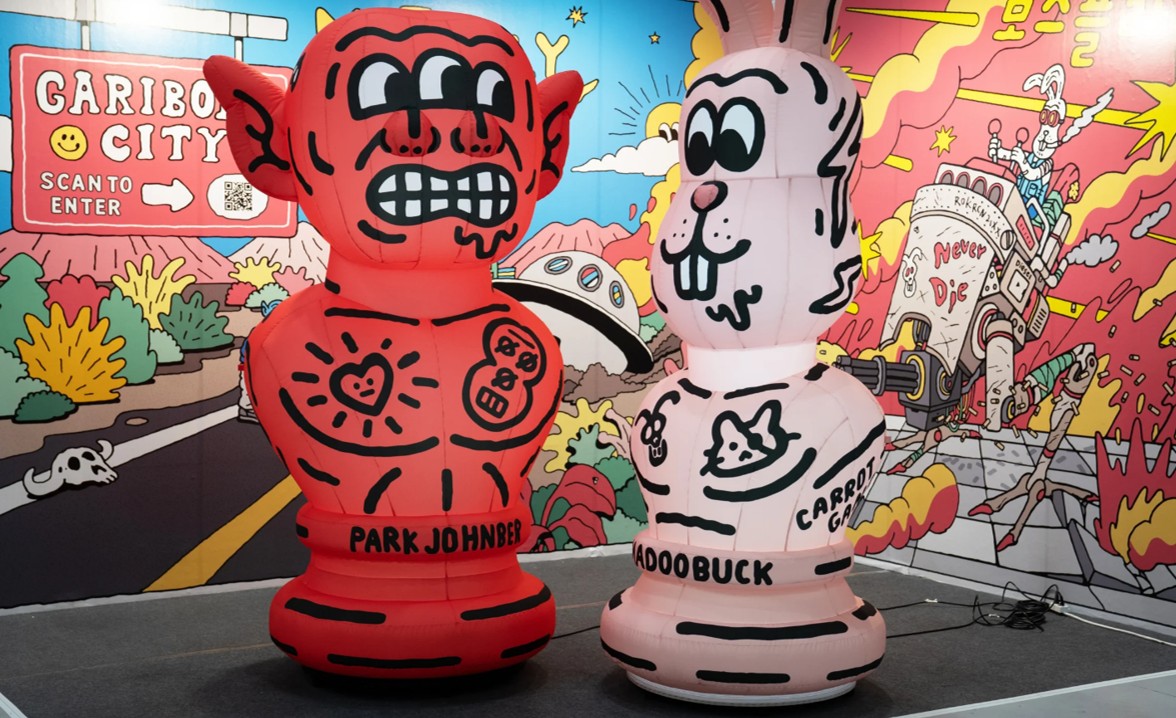
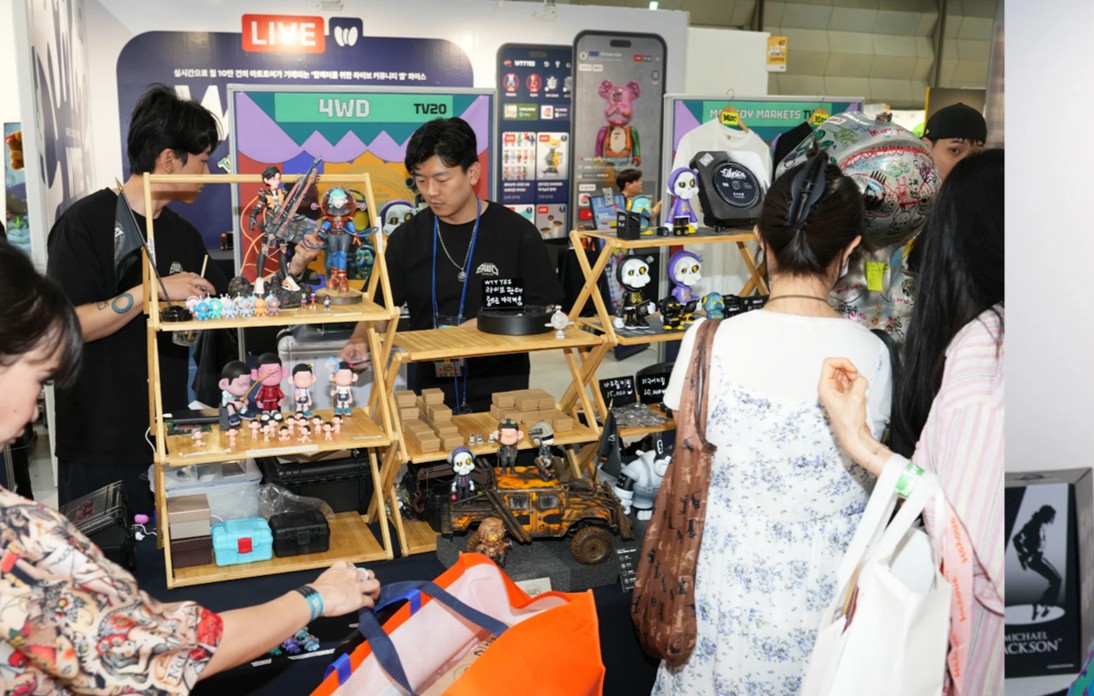
Scene from a previous edition of TOY CON SEOUL, which will be integrated into URBAN BREAK 2026. / Photo: TOY CON SEOUL
The most notable change this year is the
full integration of TOY CON SEOUL. Fine art and art toys have traditionally
been treated as separate markets, with different audiences, pricing structures,
and distribution systems. URBAN BREAK 2026 instead presents them as parts of a
single creative ecosystem.
Under this model, characters and visual
motifs originating in paintings can be expanded into art toys, limited
editions, collectible objects, merchandise, and collaborative projects. The
value of an artist’s practice is therefore not limited to the sale of
individual artworks but can circulate through a range of media, formats, and
price points.
This structure also lowers the threshold
for first-time collectors. Original artworks may remain financially
inaccessible to many visitors, while editions, art toys, and collectibles offer
more affordable points of entry into art ownership. These objects can serve as
an introduction to collecting while also creating new revenue channels for
artists.
Another significant feature is the
connection between contemporary art and intellectual property-based content.
Projects such as Devsisters’ ‘CookieRun’ Open IP initiative, along with special
exhibitions involving artists from Japan and Indonesia, demonstrate how art can
intersect with character development, licensing, entertainment, and creative
business.
These collaborations allow artists to
reinterpret existing characters and brand imagery through their own visual
languages. At the same time, companies can introduce familiar intellectual
properties within a new cultural context, adding artistic interpretation and
limited-edition value to commercially established content.
This approach differs from the conventional
artwork-centered structure of traditional art fairs. Rather than focusing
exclusively on original works represented by galleries, URBAN BREAK presents
artistic practice as a broader form of content that can move between
exhibitions, products, digital media, and collaborative projects.
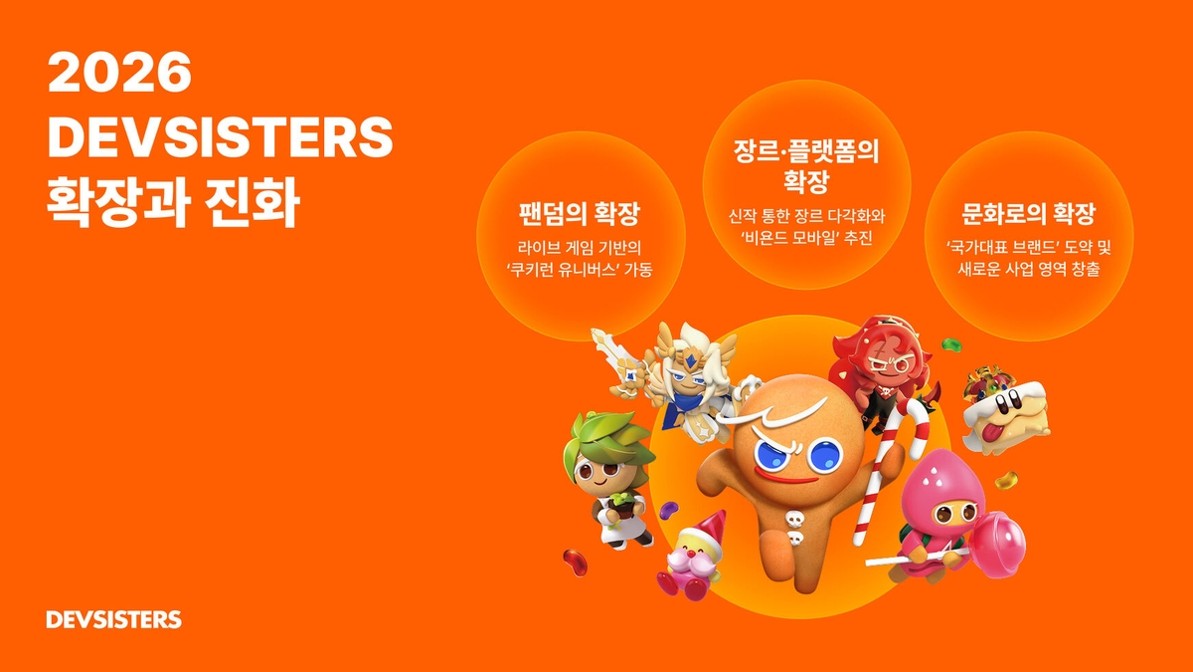
Characters from Devsisters’ CookieRun Universe, an IP strategy that extends the CookieRun franchise across games, merchandise, collaborations, and offline fan experiences. / Photo: Devsisters
A New Distribution Model for
the Art Market
URBAN BREAK’s most significant shift lies
in its expansion from a venue centered on artwork sales into a platform that
presents and circulates an artist’s broader creative practice across multiple
formats.
Traditional art fairs are generally
structured around galleries that select artists, establish prices, organize
presentations, and mediate transactions with collectors. At URBAN BREAK,
however, artists participate not only as creators but also as independent
producers of content, editions, products, and collaborative projects.
Original artworks remain important, but
they are presented alongside art toys, merchandise, limited editions, licensing
projects, and brand collaborations. The emphasis therefore moves beyond the
sale of a single artwork toward the broader distribution of an artist’s visual
language and creative identity.
This model reflects a wider shift in the
way art is consumed. A growing number of art fairs and cultural events are
incorporating design, fashion, music, digital content, performance, and brand
collaborations into their programs. Audiences increasingly encounter art not
only through ownership but also through participation, experience, and online
circulation.
At URBAN BREAK, visitors may view artworks,
meet artists, observe live production, purchase affordable editions, and share
their experiences through social media. The event therefore operates
simultaneously as a marketplace, cultural festival, promotional platform, and
audience-building environment.
This structure can be particularly
effective for emerging artists. Artists who are not yet represented by
established galleries may gain direct access to audiences, collectors, brands,
and content companies. They can also test how their visual language functions
across different forms, from original artworks to limited editions and
commercial collaborations.
However, this model also raises important
questions. Original artworks, editions, art toys, and merchandise have
different production methods, levels of scarcity, and market values. For the
market to operate sustainably, these distinctions must be clearly communicated
to buyers.
Edition size, authenticity, production
quality, pricing, copyright, and licensing terms all require transparent
management. Without such standards, the boundary between collecting art and
purchasing short-term consumer products may become unclear.
The relationship between artistic value and
brand value also requires careful consideration. As an artist’s imagery is
expanded into characters, products, and collaborations, public recognition may
grow rapidly. At the same time, there is a risk that an artist’s broader
practice could be reduced to a single recognizable style or commercially
successful character.
For this reason, the commercial expansion
of an artist’s work must be accompanied by curatorial context. Audiences need
access not only to products and images but also to the ideas, processes, and
artistic development underlying the work.
The long-term role of galleries also
remains relevant. Galleries provide more than sales representation; they
contribute to exhibition planning, institutional relationships, price
management, provenance, and career development. An artist-centered festival
cannot necessarily replace these functions.
URBAN BREAK should therefore be understood
not as a substitute for the traditional art fair but as an additional market
structure. It creates a different point of entry by connecting artists directly
with audiences and by linking the art market with popular culture,
entertainment, design, and intellectual property industries.
The significance of URBAN BREAK 2026 lies
in this attempt to broaden the boundaries of the art market. It demonstrates
that artistic value can circulate through multiple formats while also revealing
the need for clearer standards, stronger curatorial frameworks, and long-term
market trust.
Its success should therefore not be
measured only by visitor numbers or immediate sales. More important questions
concern whether participating artists can build sustainable careers, whether
first-time buyers develop into long-term collectors, and whether collaborations
with brands and intellectual property holders contribute to the continued
growth of artistic practice.
URBAN BREAK 2026 ultimately asks how far
the contemporary art fair can expand beyond the conventional gallery-centered
model. By bringing together original artworks, art toys, live programs,
character IP, and brand collaborations, the event proposes a hybrid platform
situated between art fair, artist festival, and creative content market.
Whether this experiment can develop into a
sustainable model will depend on its ability to balance accessibility and
commercial expansion with artistic integrity, transparent transactions, and
long-term support for participating artists.
Event Information
Event: URBAN BREAK 2026
Theme: PLAY WITH ARTIST
Dates: July 30–August 2, 2026
Venue: COEX, Seoul, South Korea