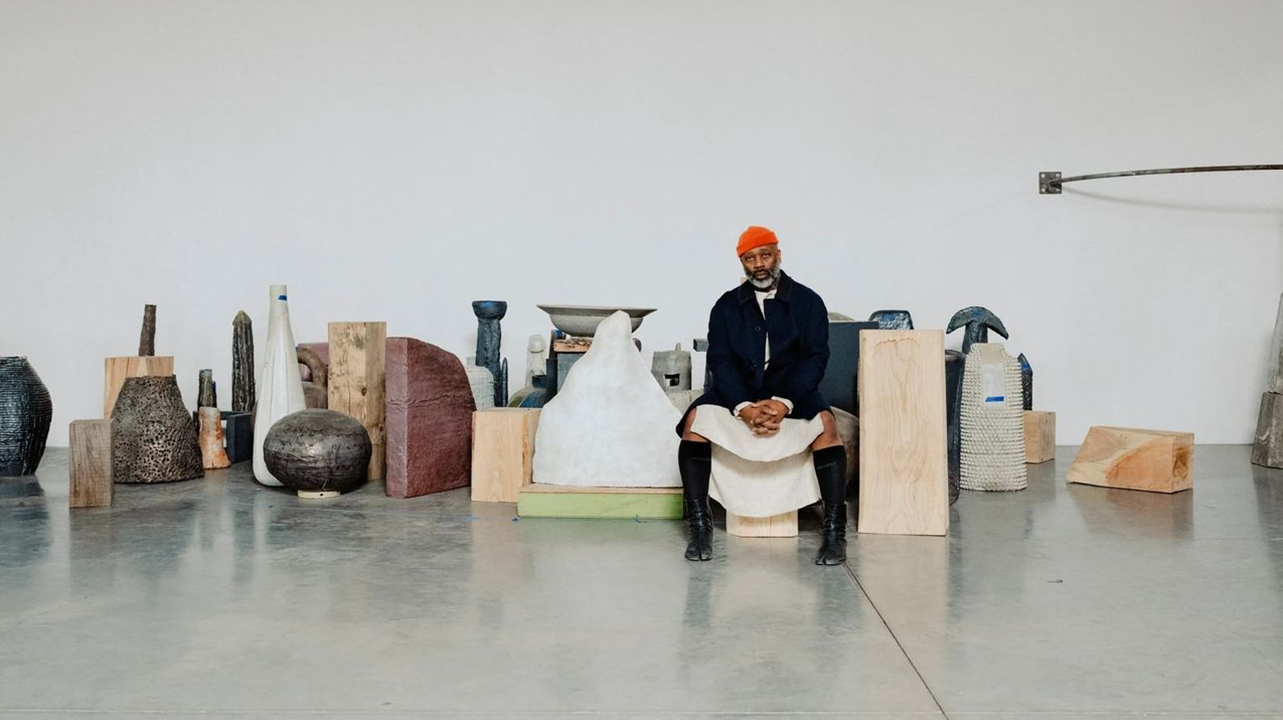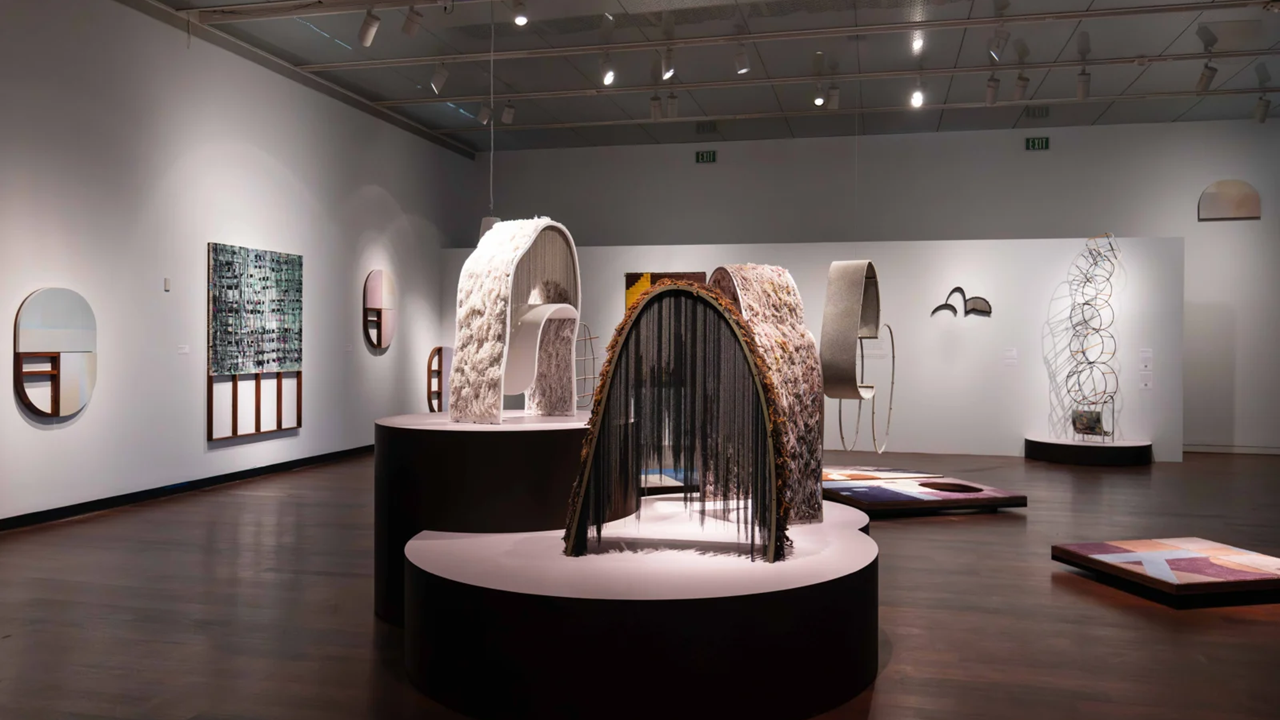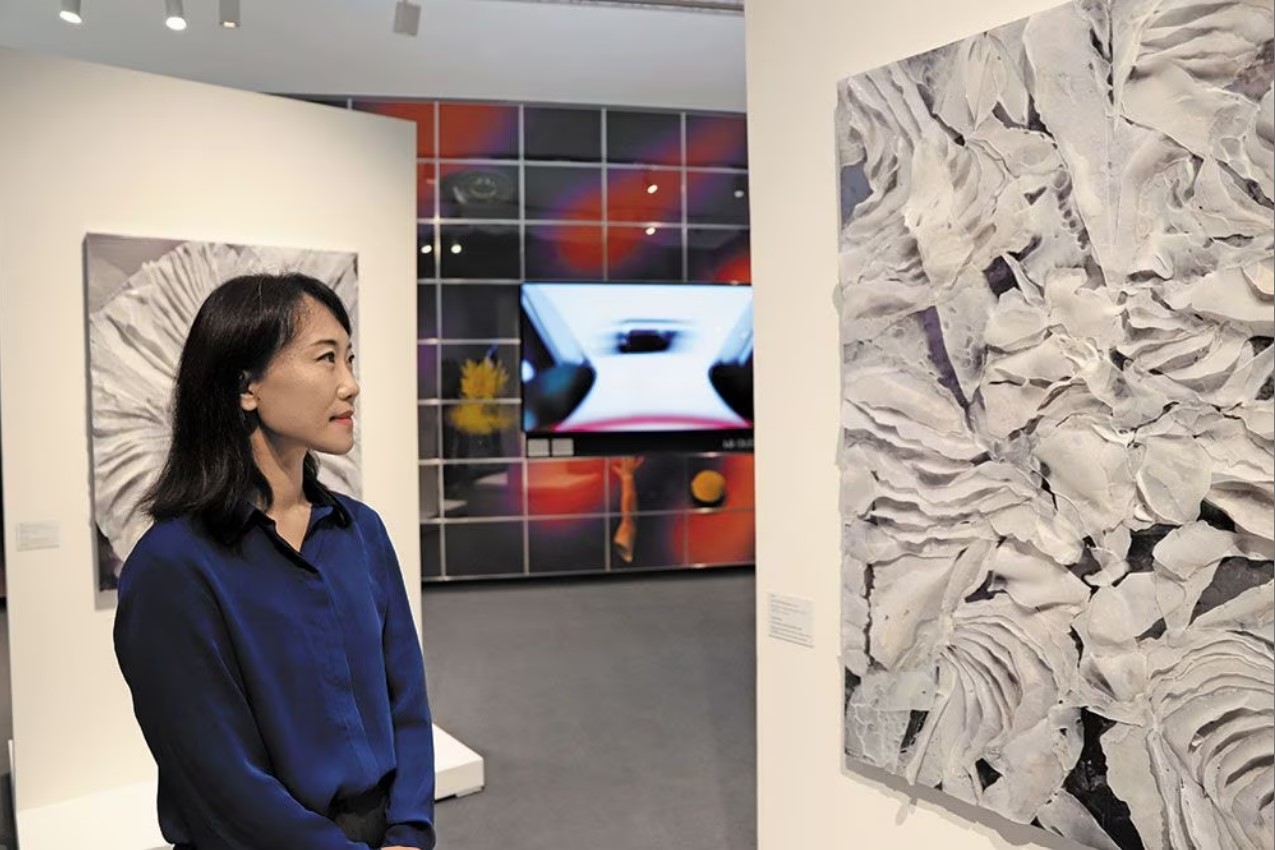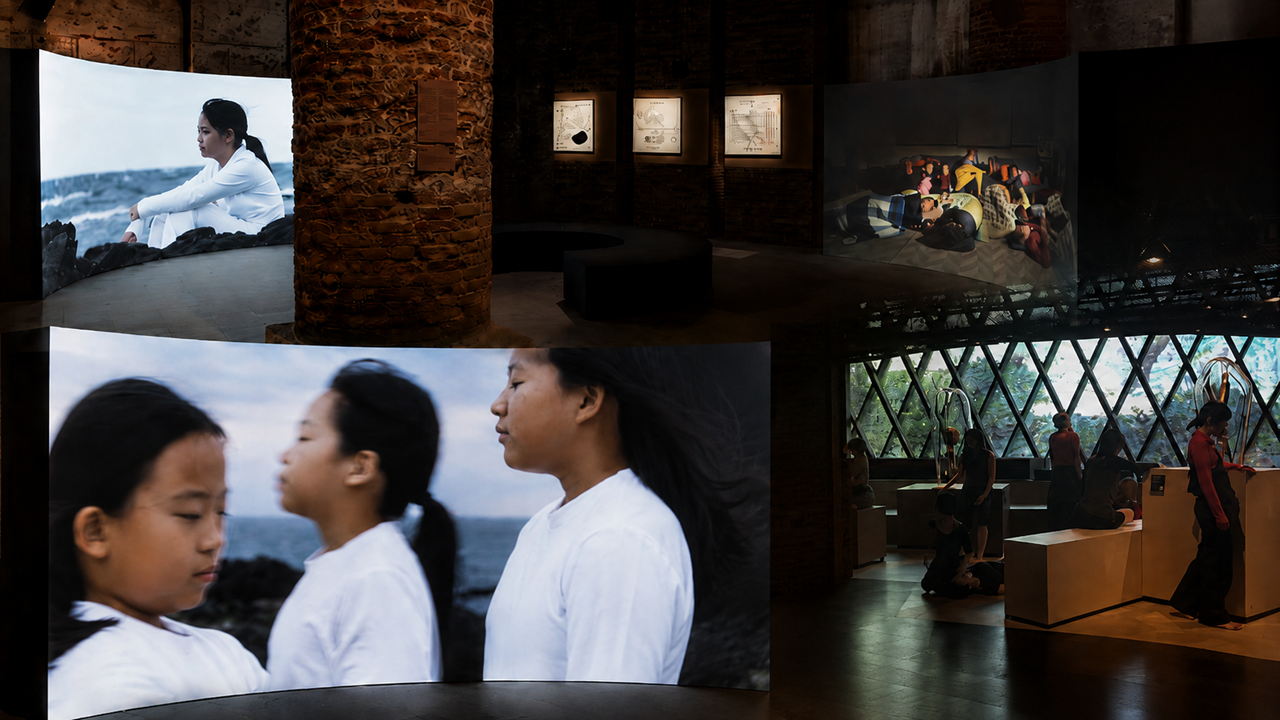

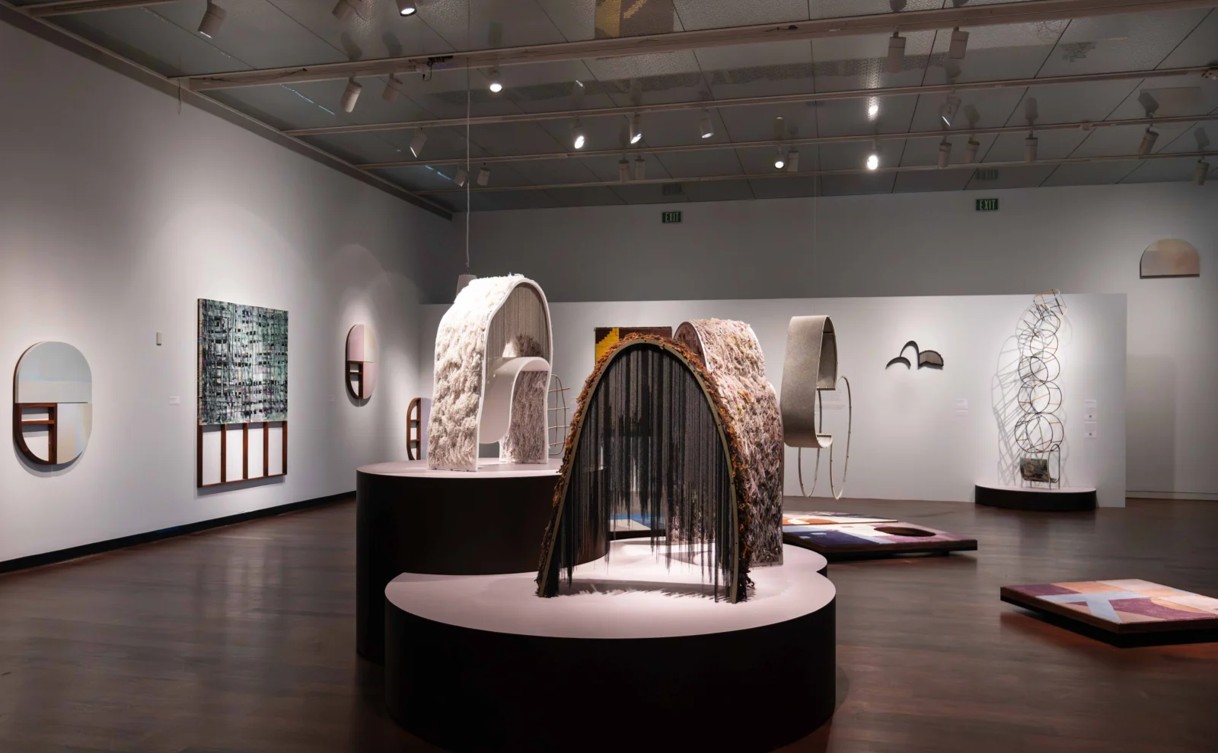
Installation view of Suki Seokyeong Kang: 《Mountain—Hour—Face》 at the McNay Art Museum, San Antonio, TX, 2026. Courtesy of the artist’s estate and McNay Art Museum. / Photo: Chris Stolze.
Suki Seokyeong
Kang’s solo exhibition 《Mountain—Hour—Face》 is on view at the McNay Art Museum in San Antonio, Texas.
The first solo
exhibition by a South Korean artist in the museum’s history, it brings together
nearly 40 works made between 2014 and 2024. The exhibition was first presented
at the Museum of Contemporary Art Denver in 2025. Lauren Thompson, the McNay’s
curator of exhibitions, adapted it for the museum’s galleries.
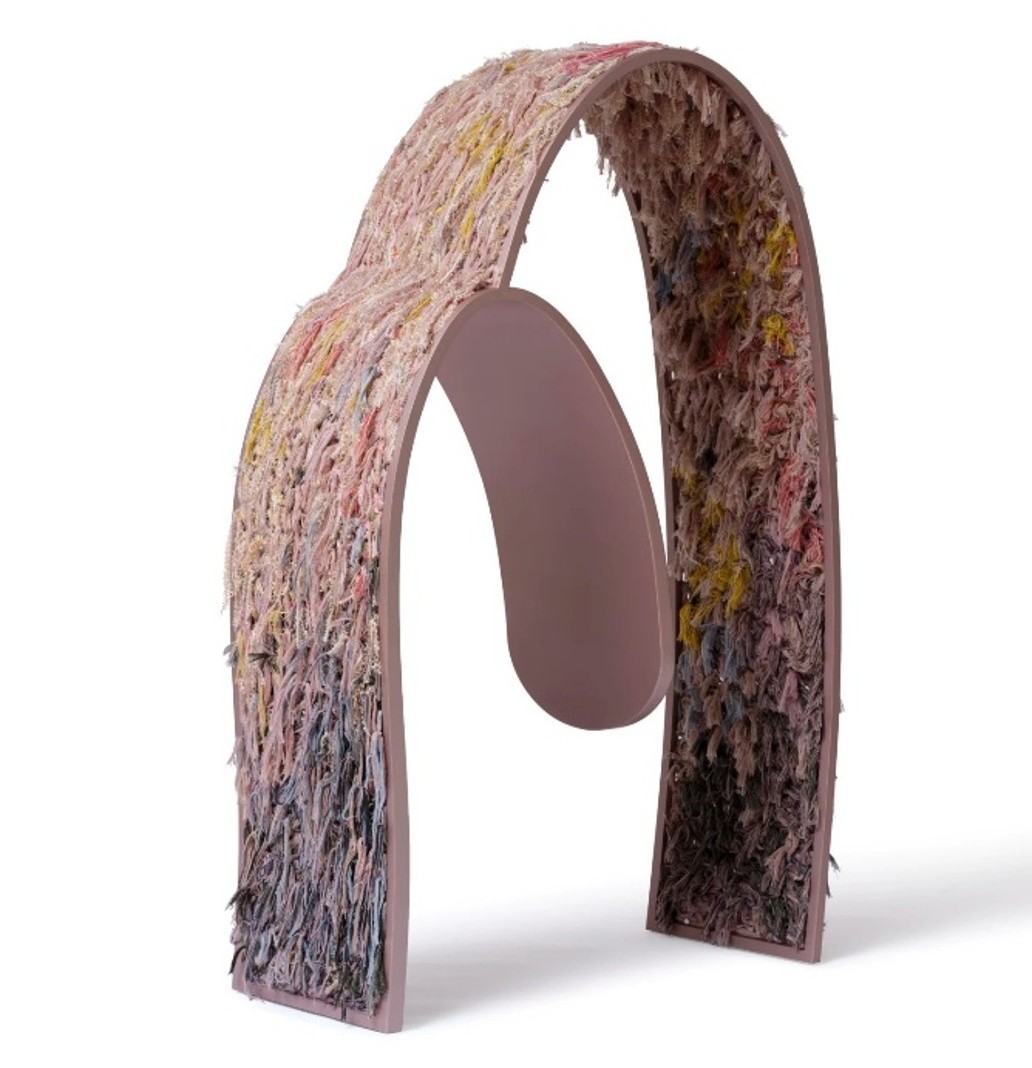
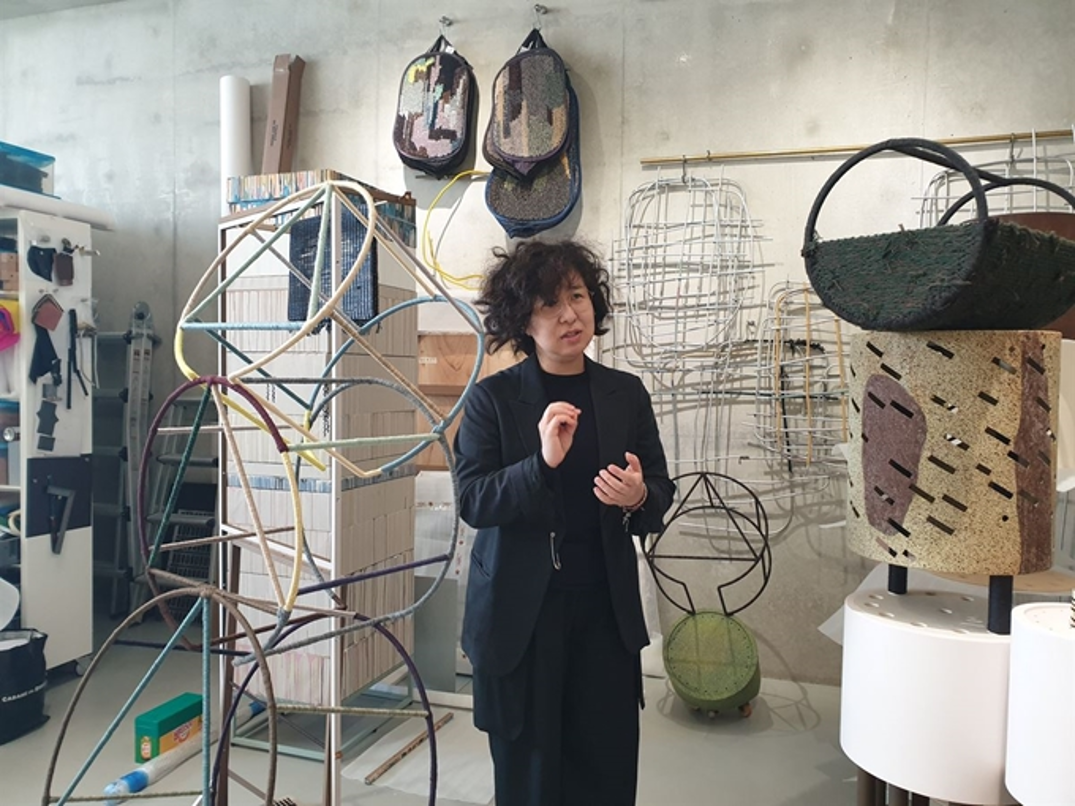
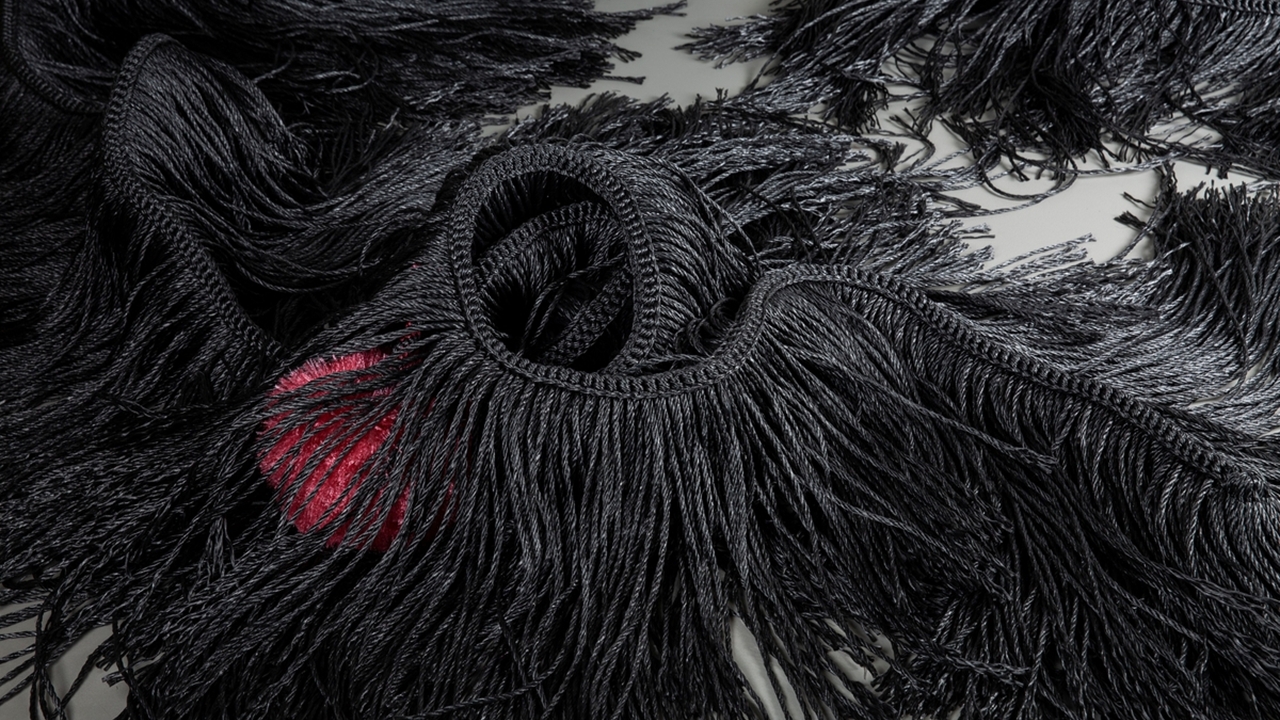
Suki Seokyeong Kang, Mountain — spring #21-01, 2021. Painted steel, thread, wheels. Courtesy of the artist’s estate and Tina Kim Gallery. / Photo: Sangtae Kim.
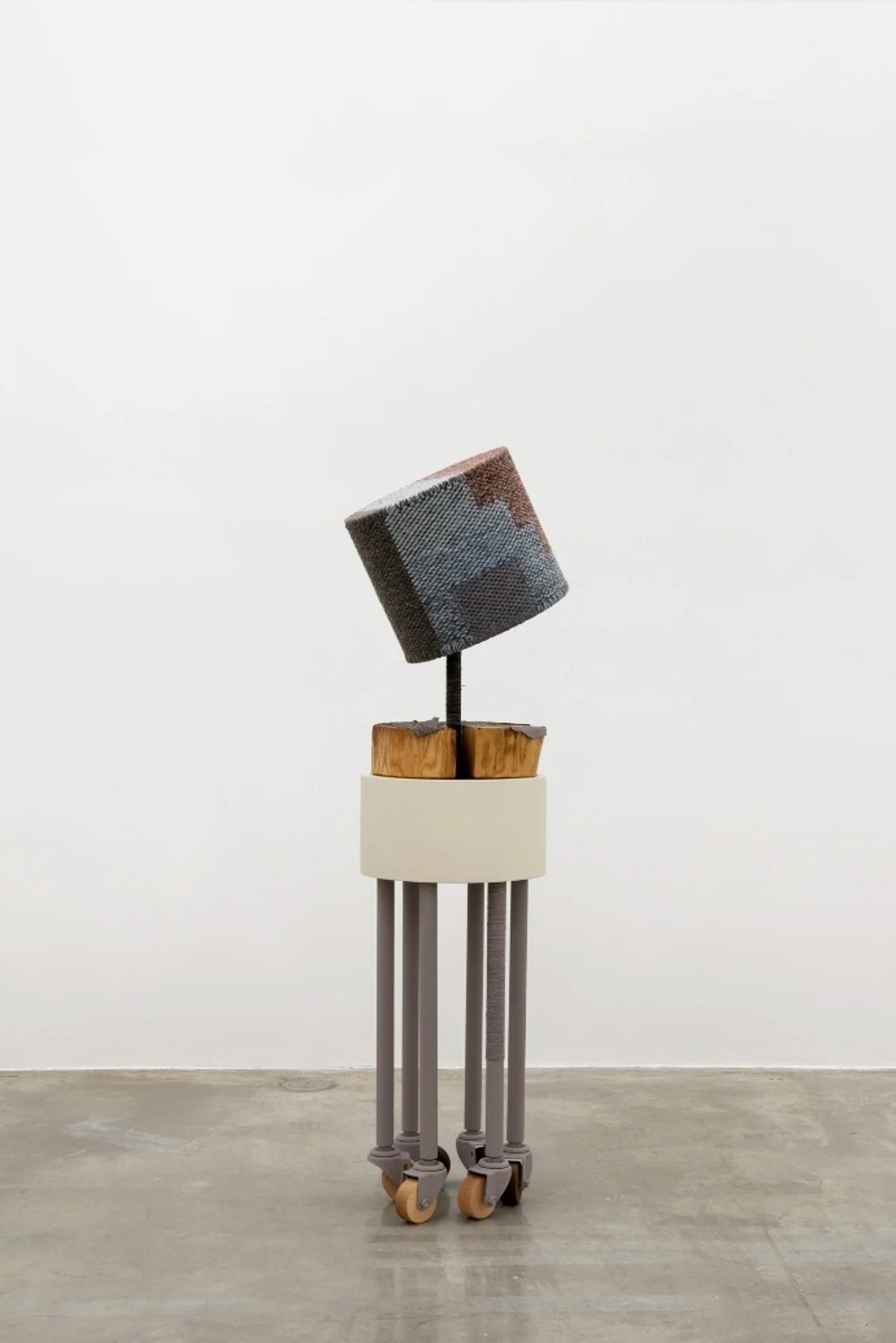
Suki Seokyeong Kang, Narrow Meadow #19-14, 2018–2019. Painted steel, thread, brass, tree trunk, leather scraps, nail, and wood wheels. Courtesy of the artist’s estate and Tina Kim Gallery. / Photo: Hyunjung Rhee.
Kang combined
sculpture, painting, textiles, and poetry to create environments in which
visitors could experience the forms and rhythms of the natural world as they
moved through the galleries. Two installations made with hwamunseok,
on view in the United States for the first time, draw on chunaengmu
(春鶯舞), a court dance from the late Joseon dynasty.
Also known as chunaengjeon
(春鶯囀), the dance was first performed at an 1828 banquet
at Changdeokgung Palace. Crown Prince Hyomyeong organized the banquet to mark
the 40th birthday of his mother, Queen Sunwon. The solo dance evokes the song
of an oriole in spring. On a woven mat measuring roughly 3.3 square meters, the
dancer sweeps their long sleeves outward, turns in place, and lifts each foot
in turn.
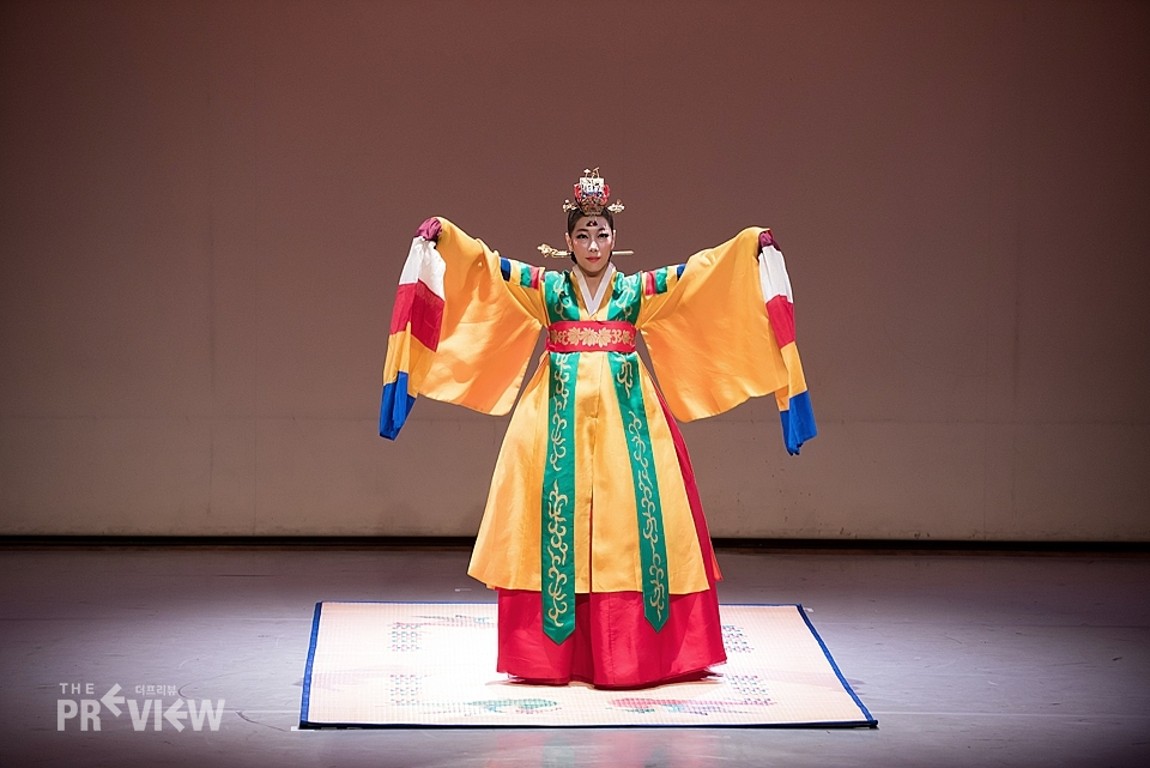
Reference image of a chunaengmu performance. / Photo by Seo Bong-seop for The Preview.
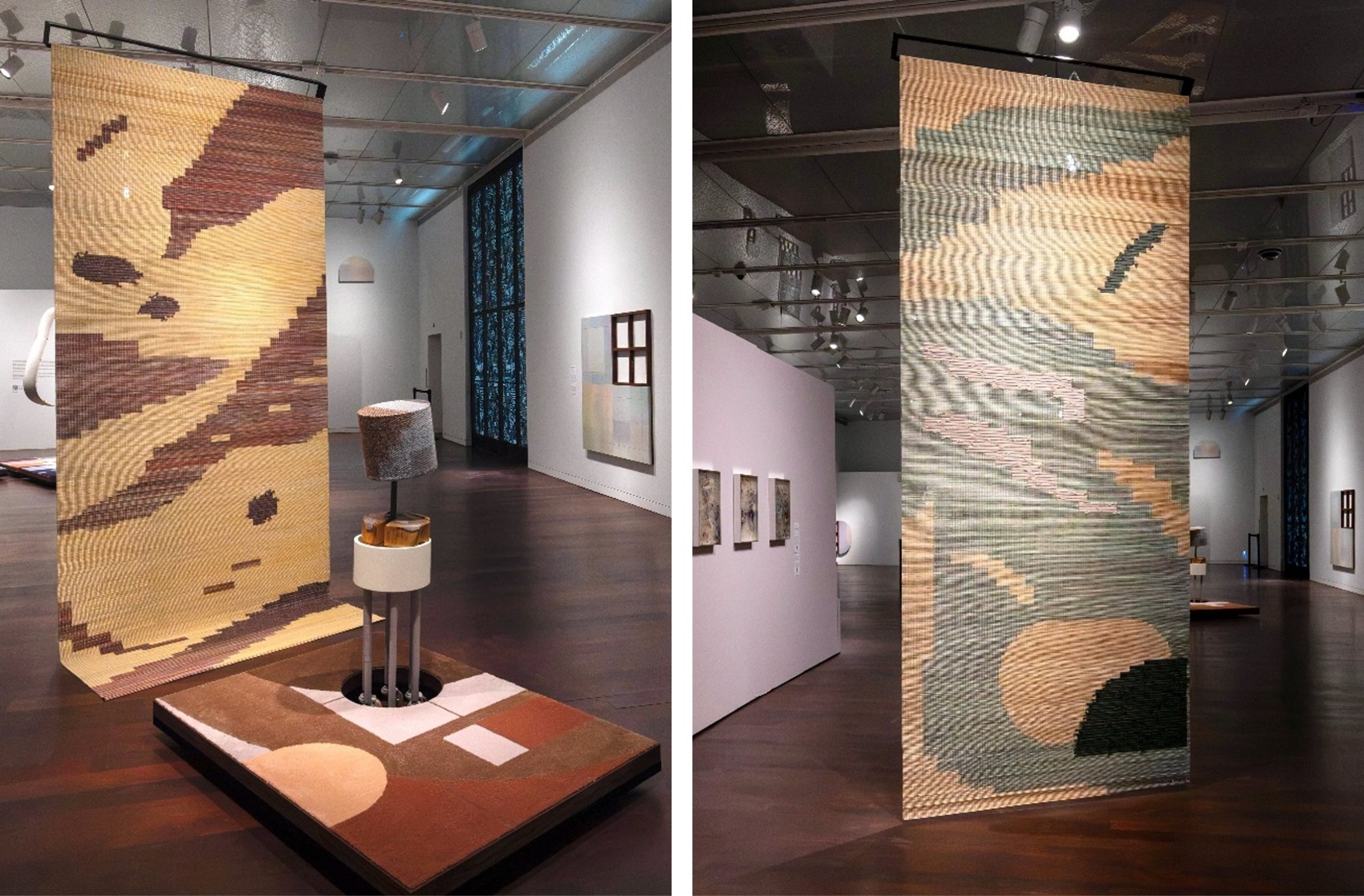
An installation incorporating hwamunseok, inspired by chunaengmu. / Photo via Kukje Gallery’s Facebook page.
Handwoven from
dried plant stems, the hwamunseok serves as both a
stage for a single dancer and a boundary that defines the range of their steps.
Kang suspended the mats from the gallery ceiling. In the dance, the performer
moves within the edges of the mat. In the installation, visitors pass in front
of and alongside it. As visitors change position, they see the mat’s surface
and outline from different angles and notice how it relates to nearby works.
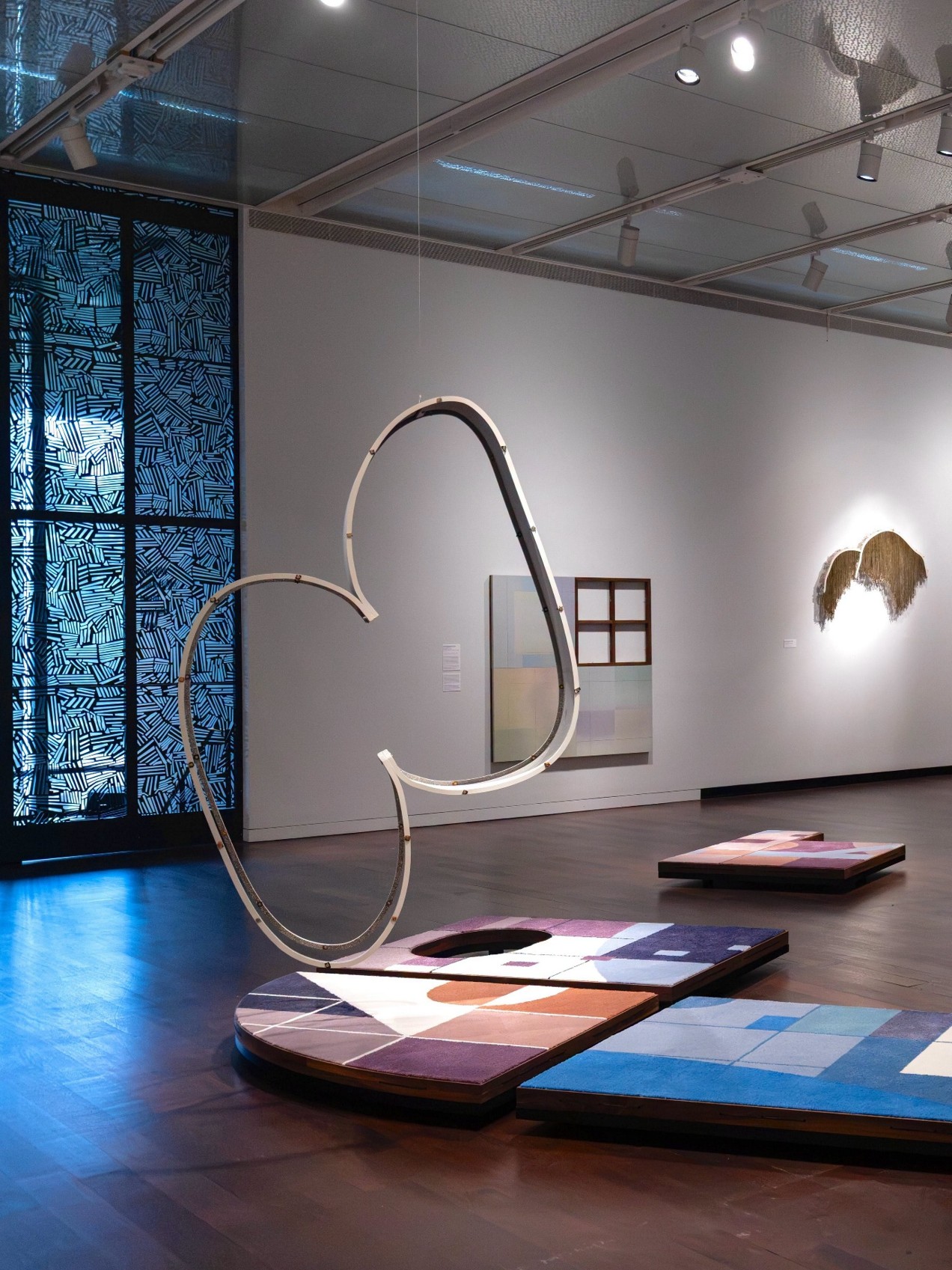
Installation view of Suki Seokyeong Kang’s exhibition at the McNay Art Museum. / Photo via Kukje Gallery’s Facebook page.
The slender
aluminum mobiles in the ‘Mountain — hours’ series hang from the ceiling
and move gently with the air currents. Poems accompany the mobiles, while the
abstract sculptures in the ‘Tender Meander’ series suggest human
figures. On loan from a Dallas-area collection, Grandmother Tower
evokes the posture and presence of a person through structures that lean
against and support one another.
As visitors walk among works suspended
overhead, mounted on the walls, and set on the floor, the outlines of the works
and the ways they overlap change with each viewpoint. The exhibition recalls a
traditional East Asian landscape painting, with the view unfolding as visitors
make their way through the galleries.
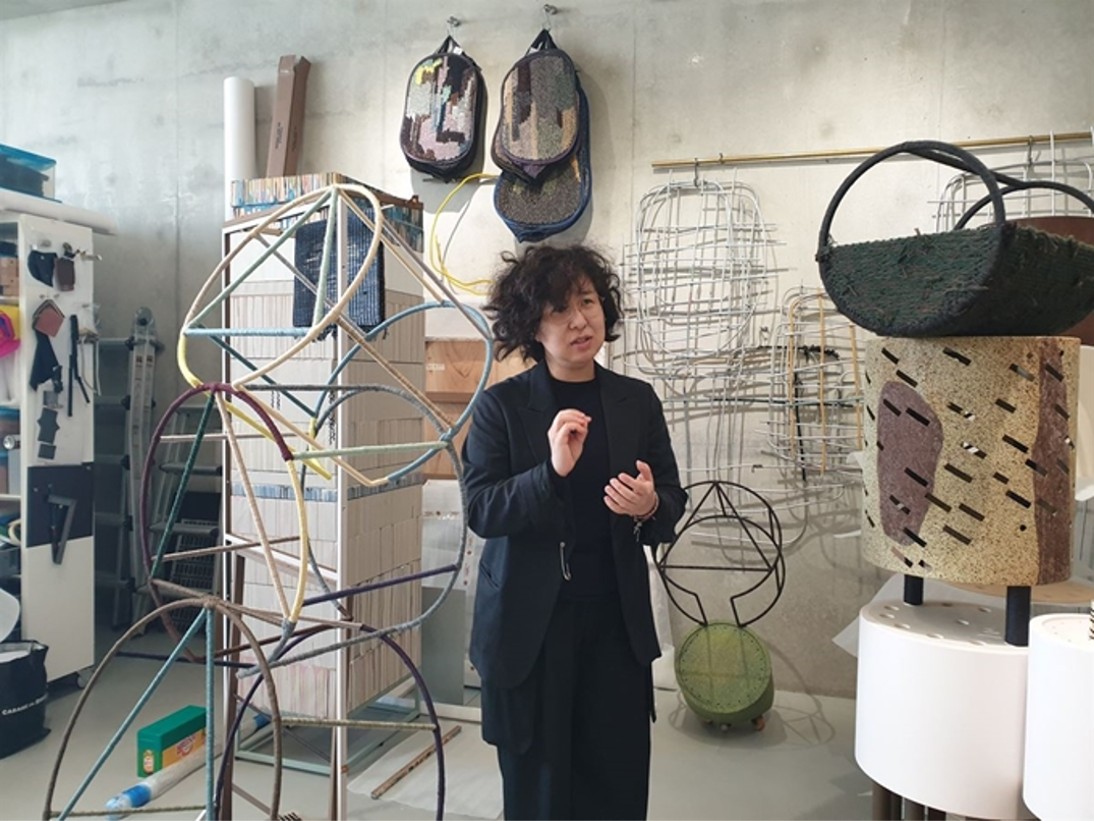
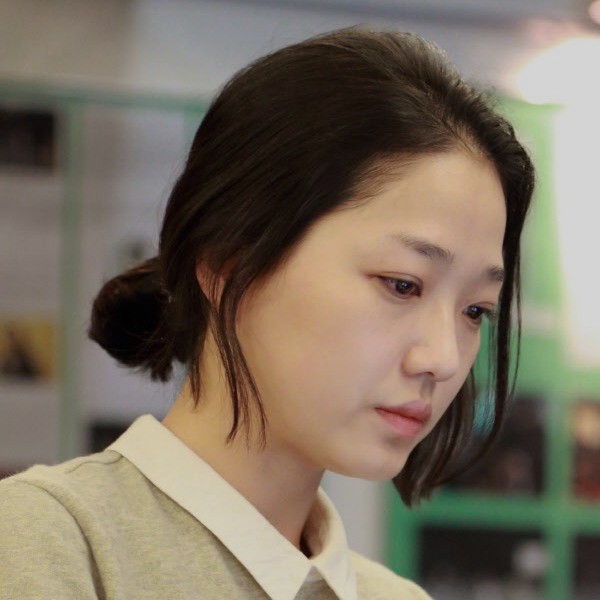
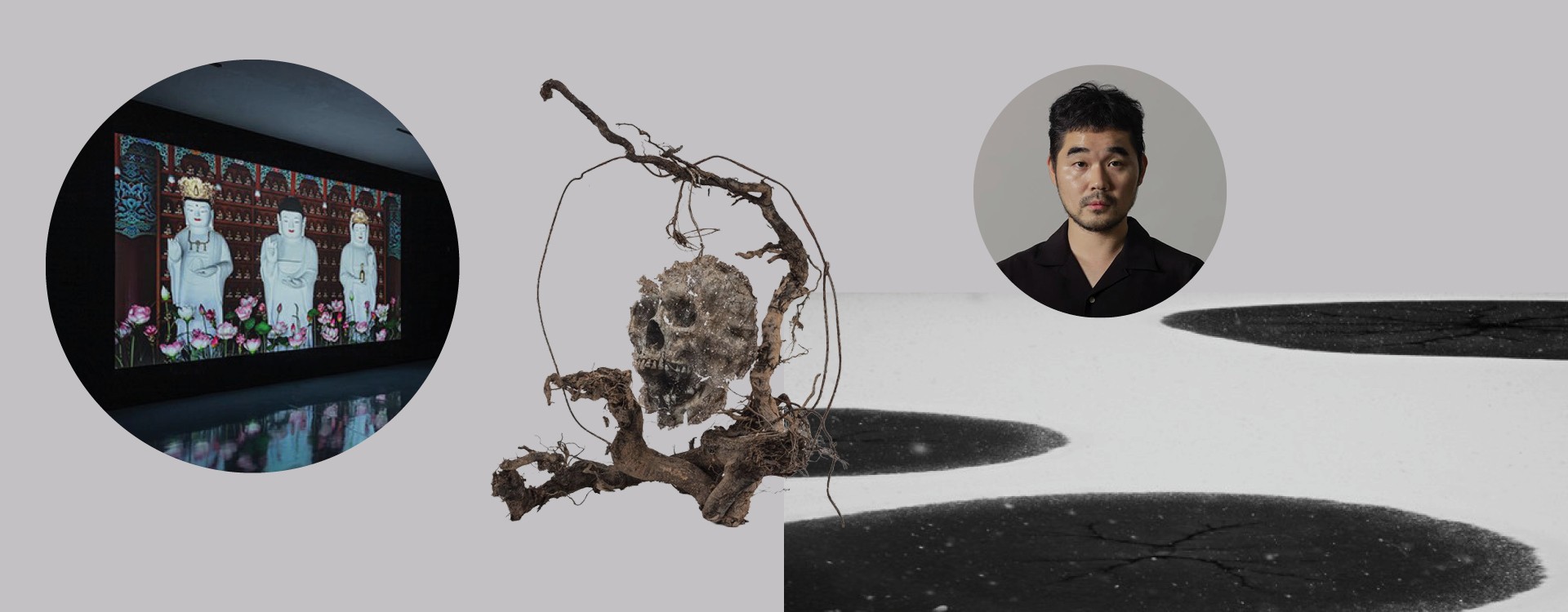
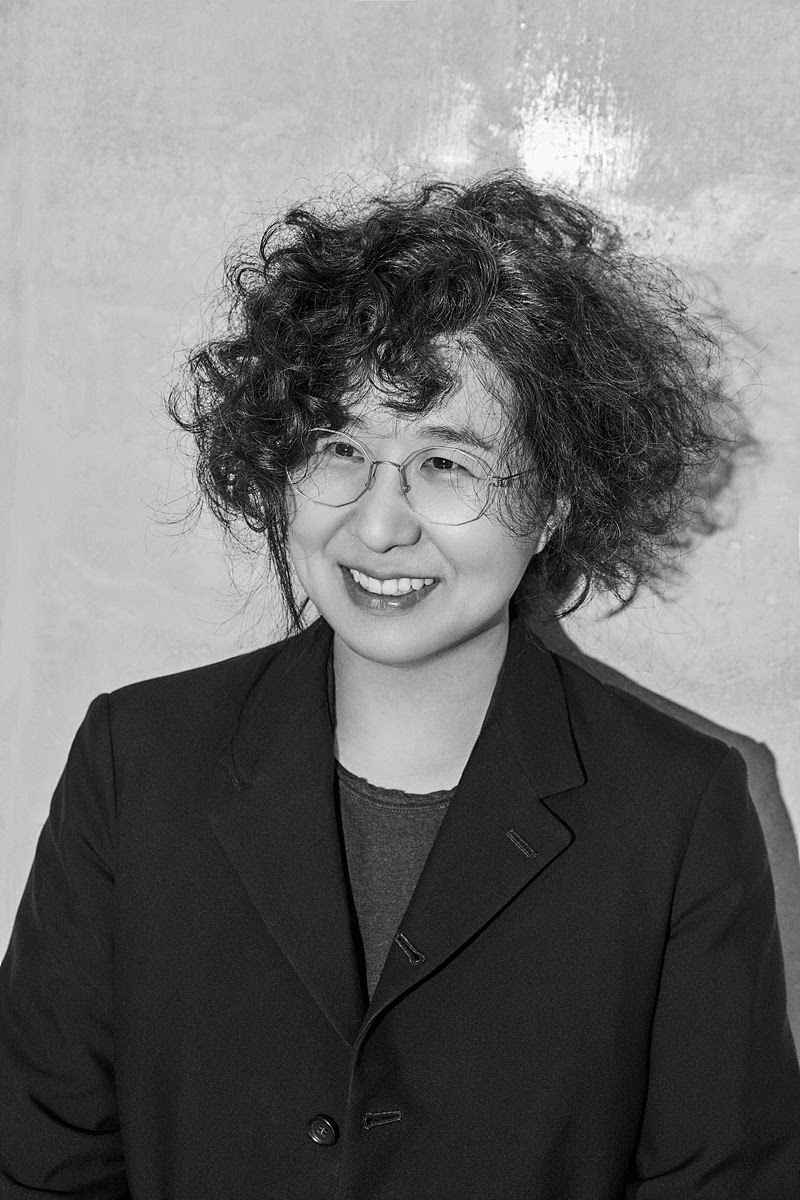
Photograph of Suki Seokyeong Kang. / Photo via the Hankook Ilbo.
About
the Artist
Suki Seokyeong
Kang (1977–2025) was born in Seoul. She studied East Asian painting at Ewha
Womans University and painting at the Royal College of Art in London. Her ‘Jeong
(井)’ series grew out of her study of jeongganbo,
a Joseon-era system of musical notation that uses square cells to record note
lengths and rhythmic patterns. The way the hwamunseok
defines the dancer’s space in chunaengmu informed her
‘Mat Black Mat’ series. Through these works, Kang extended the
compositional principles of painting into sculpture, installation, video, and
performance.
In 2018, Kang
presented 《Black Mat Oriole》 at the Institute of Contemporary Art in Philadelphia and received
the Baloise Art Prize at Art Basel. She took part in the main exhibition of the
58th Venice Biennale in 2019 and presented 《Willow
Drum Oriole》 at the Leeum Museum of Art in Seoul in
2023.
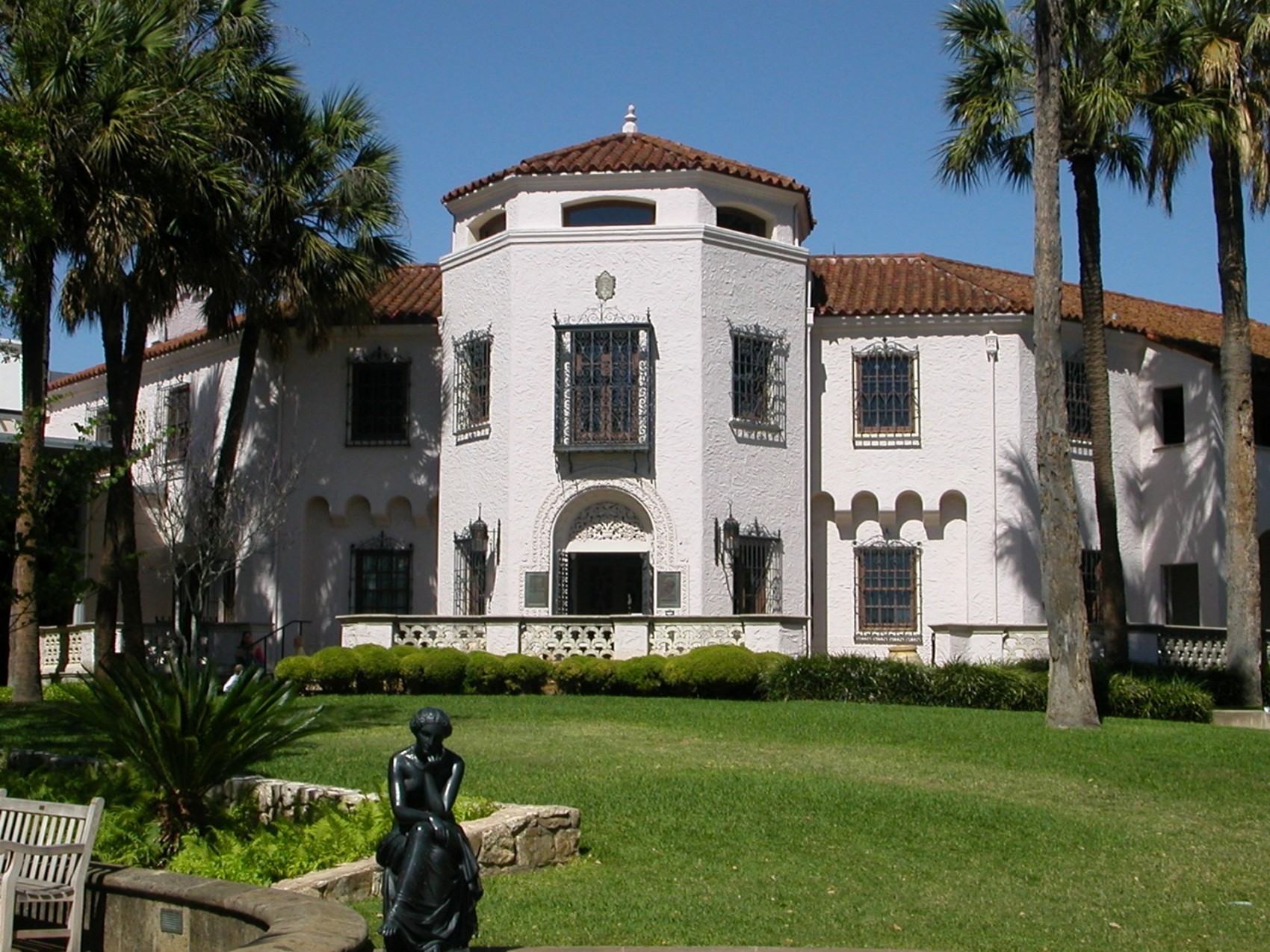
Exterior of the McNay Art Museum. / Photo via Wikipedia.
About
the Museum
The McNay Art
Museum opened in San Antonio in 1954 as the first museum of modern art in
Texas. It occupies the former residence of painter and educator Marion Koogler
McNay. Its collection includes works by Georgia O’Keeffe, Edward Hopper, and
Alice Neel, and sculptures are also displayed in the museum’s gardens.
Exhibition
Information
Exhibition: Suki Seokyeong Kang: Mountain—Hour—Face
Dates: October 30, 2026–January 24, 2027
Venue: McNay Art Museum, San Antonio, Texas, USA
Curator for
the McNay presentation: Lauren Thompson
Website: Official
exhibition page