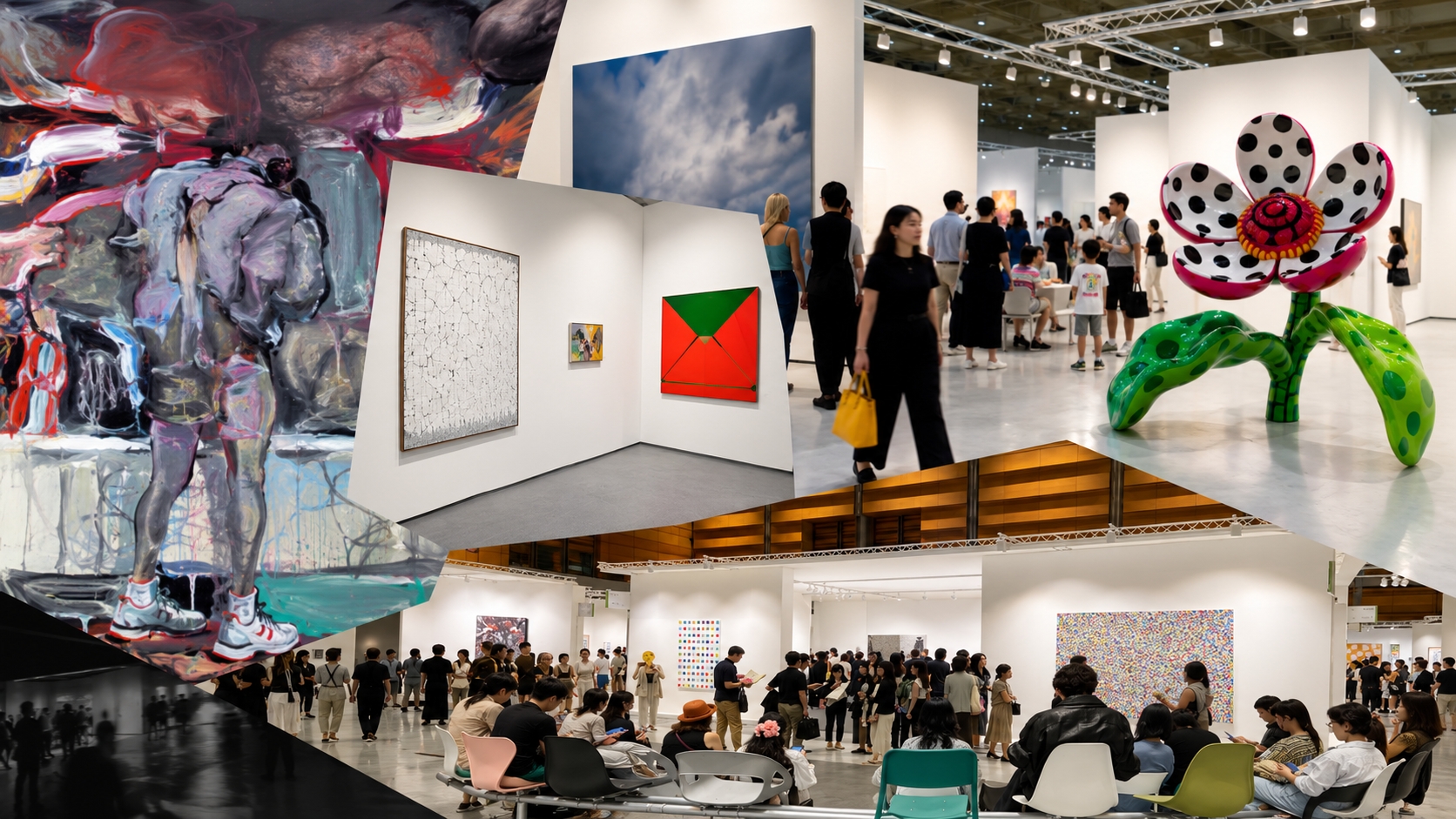

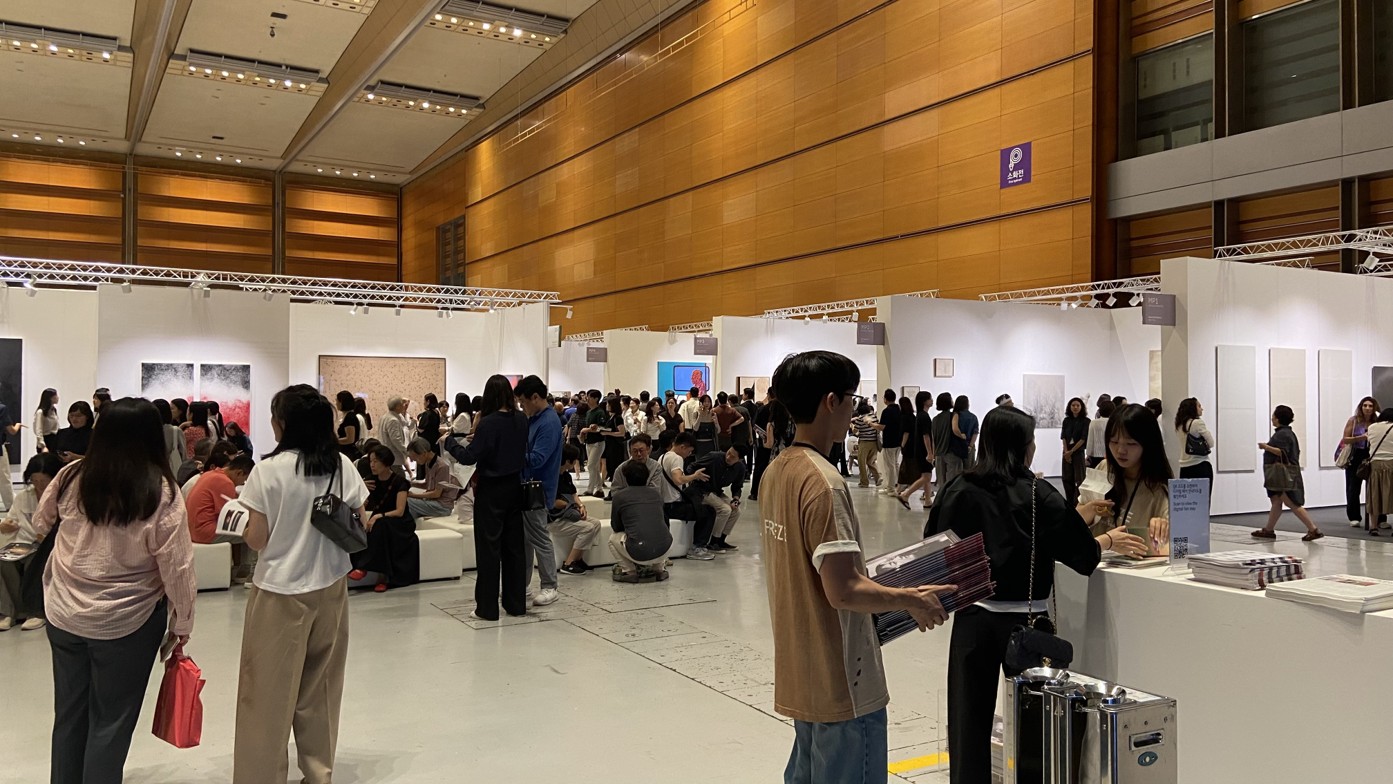
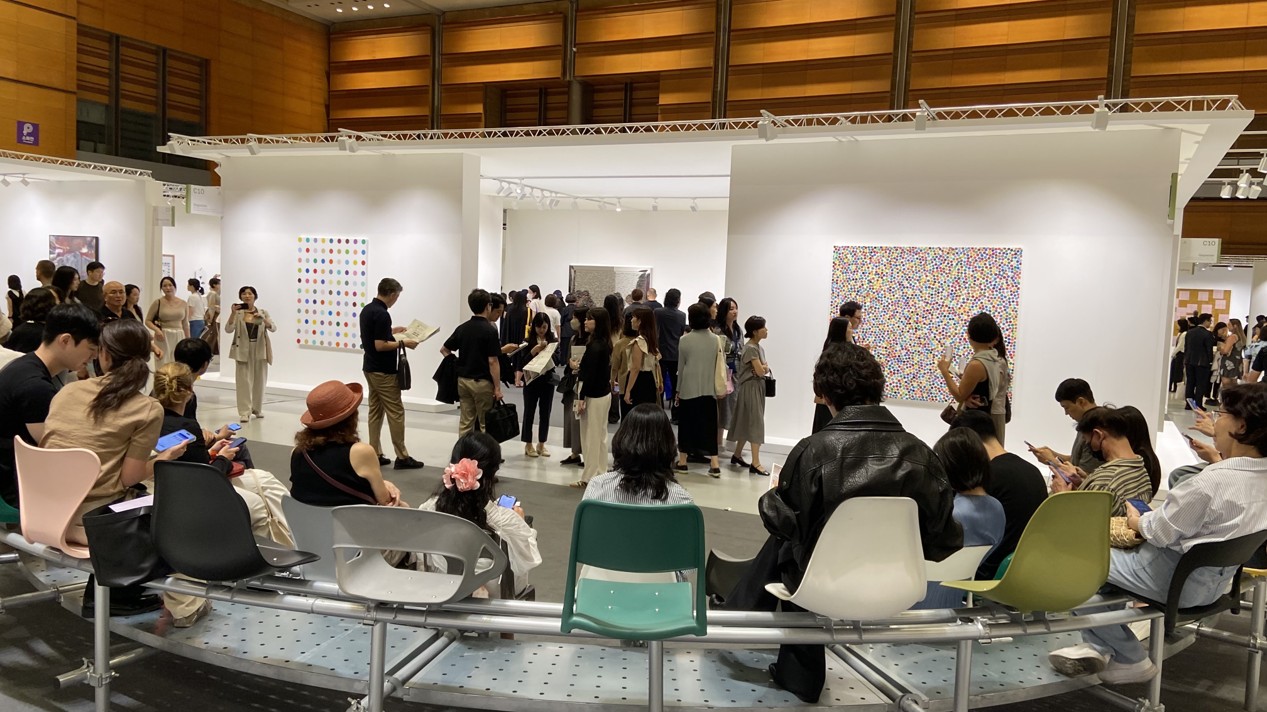
Frieze Seoul 2026 took place at COEX in
Seoul from September 2 to 5.
According to official figures released by
Frieze after the fair, more than 70,000 people attended over four days.
Visitors and collectors came to Seoul from 54 countries and regions, while
representatives from 178 museums and institutions across 25 countries and
regions were also in attendance. Frieze said this year’s edition attracted
overseas visitors from the widest range of countries and regions to date and
recorded the highest-ever level of participation by museums and institutions.
This year’s Frieze Seoul was held amid an
ongoing correction in the global art market. Major international galleries
returned to Seoul, and a number of significant sales were reported throughout
the fair. In particular, sales of works by Korean artists and acquisitions by
museums and institutions in Korea and abroad received considerable attention
from international art media, bringing renewed focus to how effectively Frieze
Seoul is connecting Korean art with networks of international galleries,
collectors, and museums.
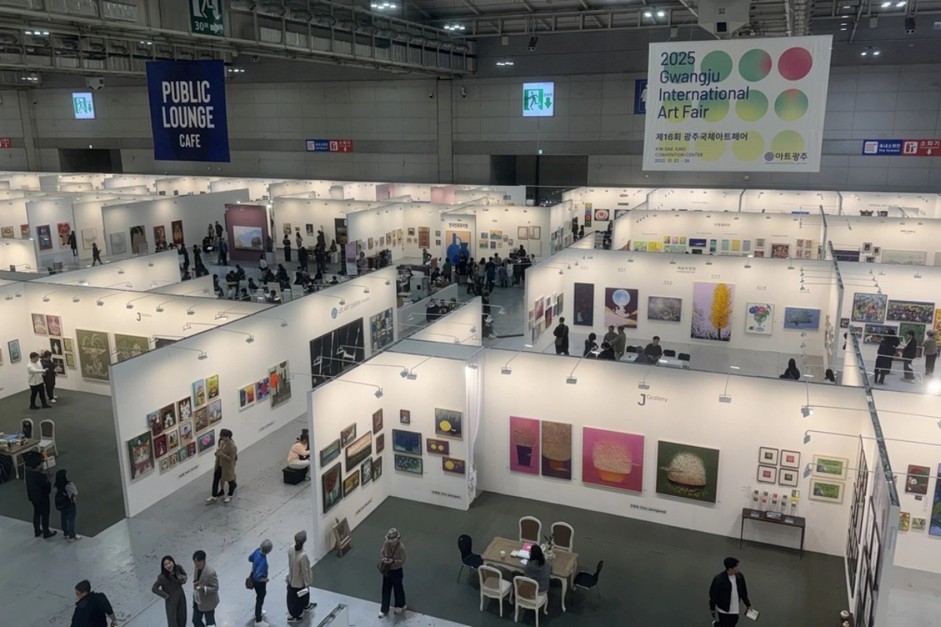
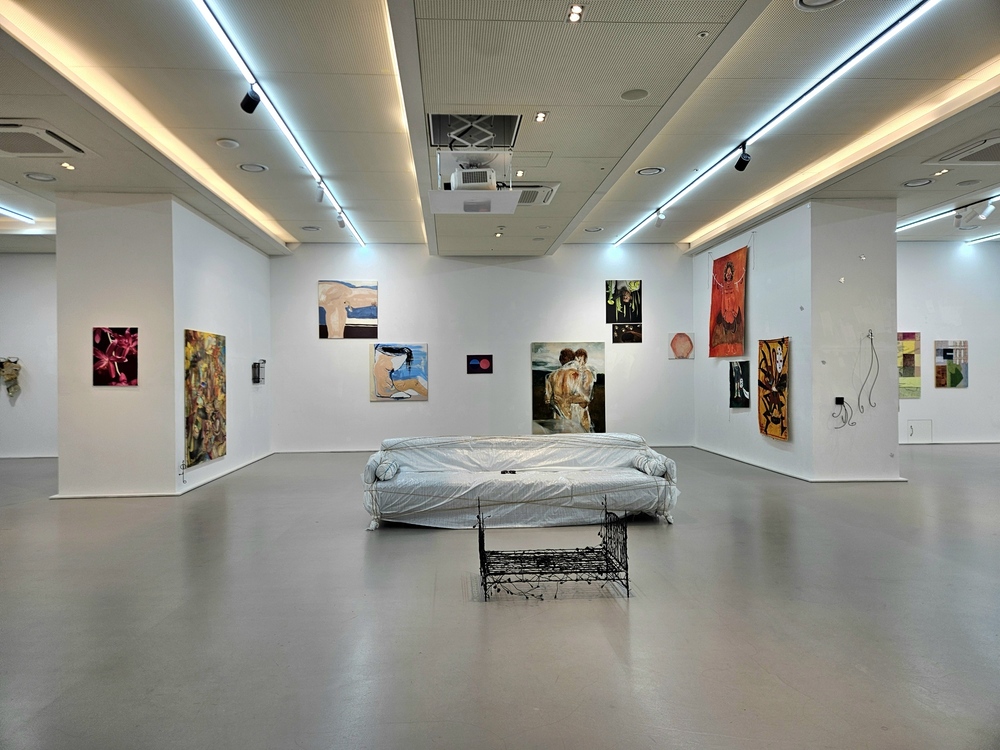
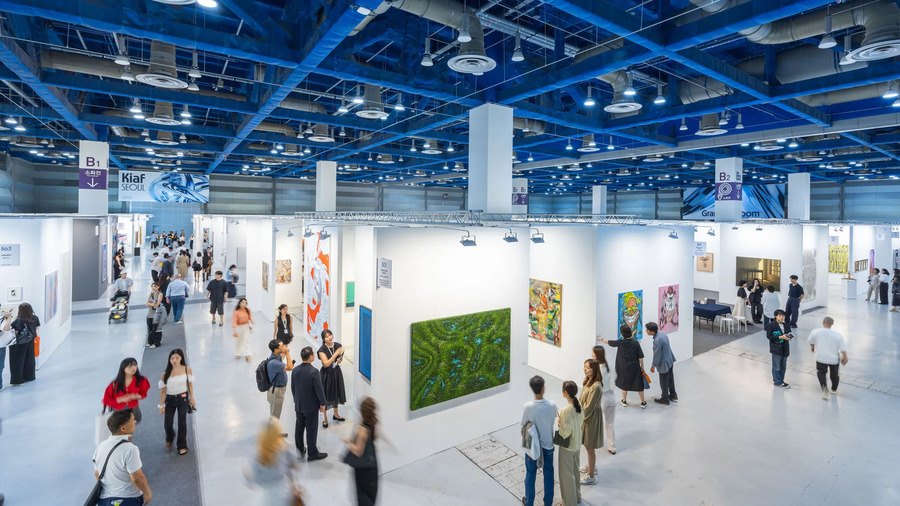
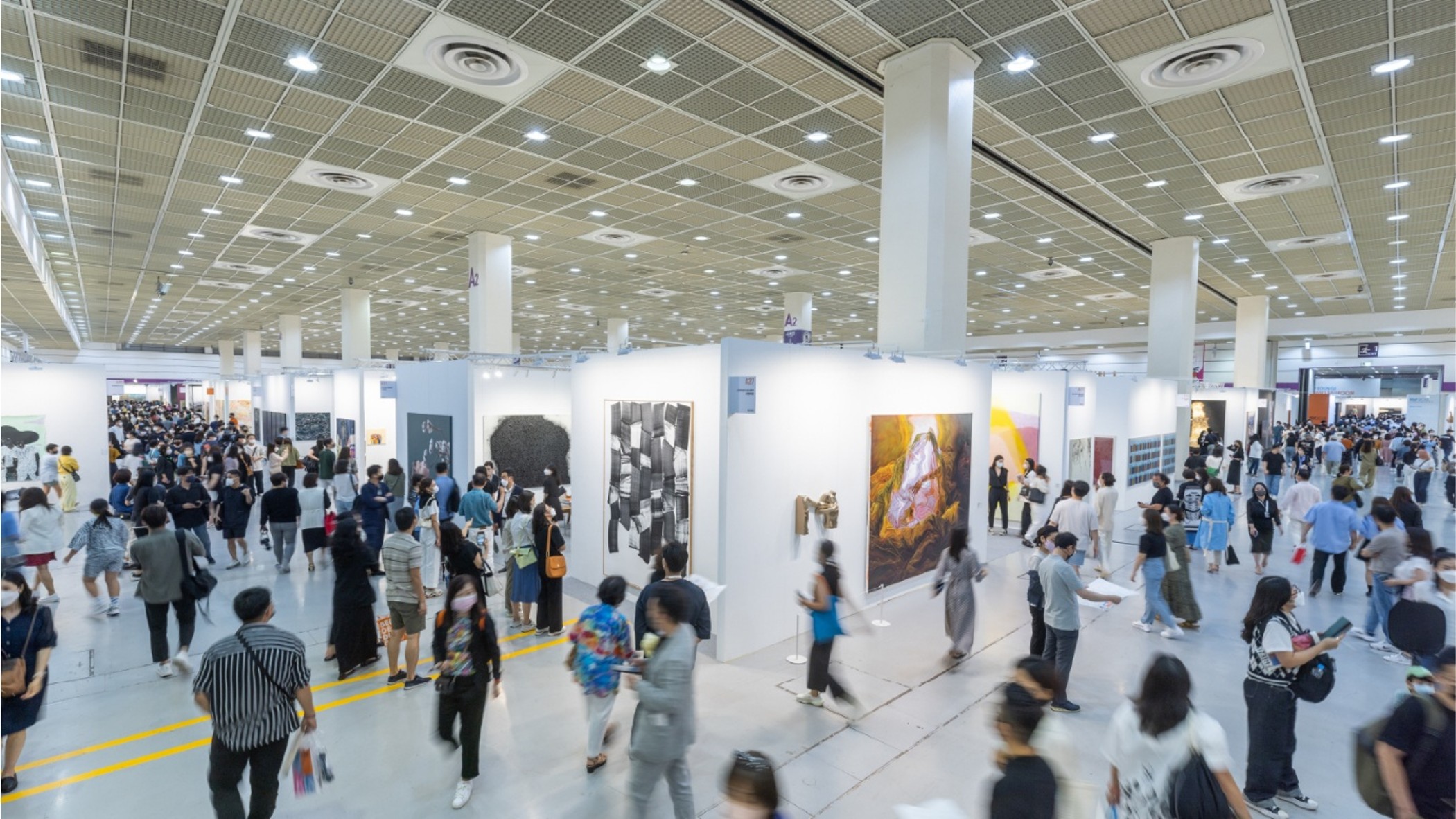
View of Frieze Seoul 2026. Photo: K-ARTNOW
View of Frieze Seoul 2026. Photo: K-ARTNOW
From Growth to a Test of the
Market
After several years of rapid expansion, Frieze
Seoul 2026 became a test of Seoul’s actual competitiveness as an art market.
Rather than simply expanding in scale,
Frieze introduced changes to the fair’s structure and content. It launched Spotlight,
highlighting 20th-century artists, and Material Practice,
focusing on materiality and craft-based practices, while expanding the
geographic scope of Focus beyond Asia. The fact that more than 70% of
participating galleries were based in the Asia-Pacific region also reinforced
Frieze Seoul’s distinct regional identity.
Major international art publications
generally took a cautious view of the market.
The Art Newspaper noted that the overheated atmosphere of 2022 had subsided, while
drawing attention to the view among industry figures that the current
contraction represents less a decline than a market correction toward a more
mature and sustainable ecosystem.
Ocula described the opening of this year’s fair as “subdued
opening days,” meaning that sales were somewhat sluggish in the
early days. Although visitor numbers were high, sales did not show the same
pace of rapid, high-value transactions seen at major international art fairs
such as Art Basel. Against this backdrop, sales of works by Korean artists and
Korean galleries stood out relatively strongly.
Artnet likewise reported that while some galleries recorded
better-than-expected sales on the opening day, this was not necessarily
evidence of a broader market recovery. It pointed to varying experiences among
galleries as well as mixed signals across the Korean economy.
The emphasis differed among the three
publications, but their assessments shared a common thread: the
fair remained energetic, while collectors became more selective in their
purchases and galleries more cautious in both pricing and the works they
presented.
Yoo Youngkuk (1916–2002), Work, 1971, oil on canvas, 137 × 137 cm. Photo: Sebastiano Pellion di Persano / Courtesy Kukje Gallery. The work was reported as sold for KRW 2.2–2.5 billion (approximately $1.6–1.85 million), making it the highest-priced publicly reported transaction at Frieze Seoul 2026.
Adrian Ghenie, Figure with Funerary Stele, 2026. The work was reported as sold for €1.1 million.
Major
Gallery Sales
Major galleries
began reporting sales soon after the fair opened.
Kukje
Gallery announced sales of works by Ha
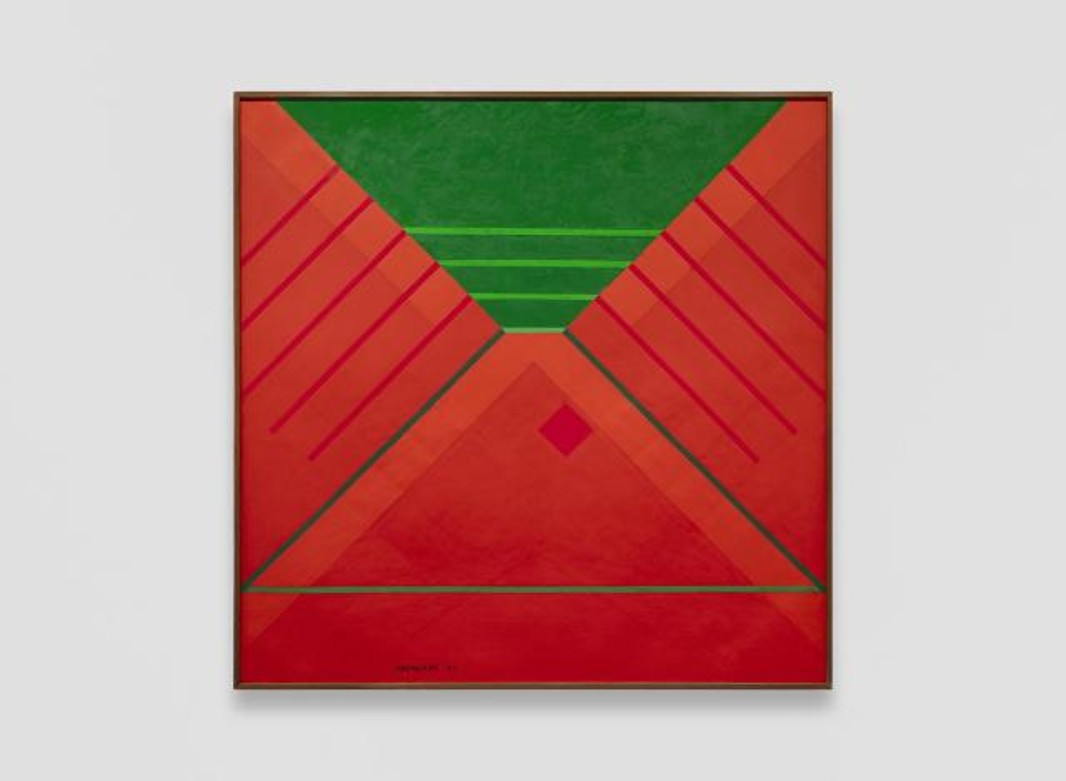
Chong-Hyun, Park Seo-Bo, Kim Yun Shin, and others. In particular, Yoo Youngkuk’s
Work (1971) was reported as sold for KRW 2.2–2.5
billion (approximately $1.6–1.85 million). Frieze said it was the
highest-priced work by a Korean artist sold in the fair’s five-year history.
The buyer was reported to be a board member of a North American museum.
Gallery
Hyundai said it sold five works by Kim
Tschang-Yeul and three by Lee Seung-taek. According to Frieze, the highest
reported prices were $1.1 million and $700,000, respectively, with combined
sales of works by the two artists exceeding $2.3 million.
Johyun
Gallery reported sales of Lee Bae’s new
sculptures and drawings for $40,000–$140,000, with several works placed in
international collections.
Thaddaeus
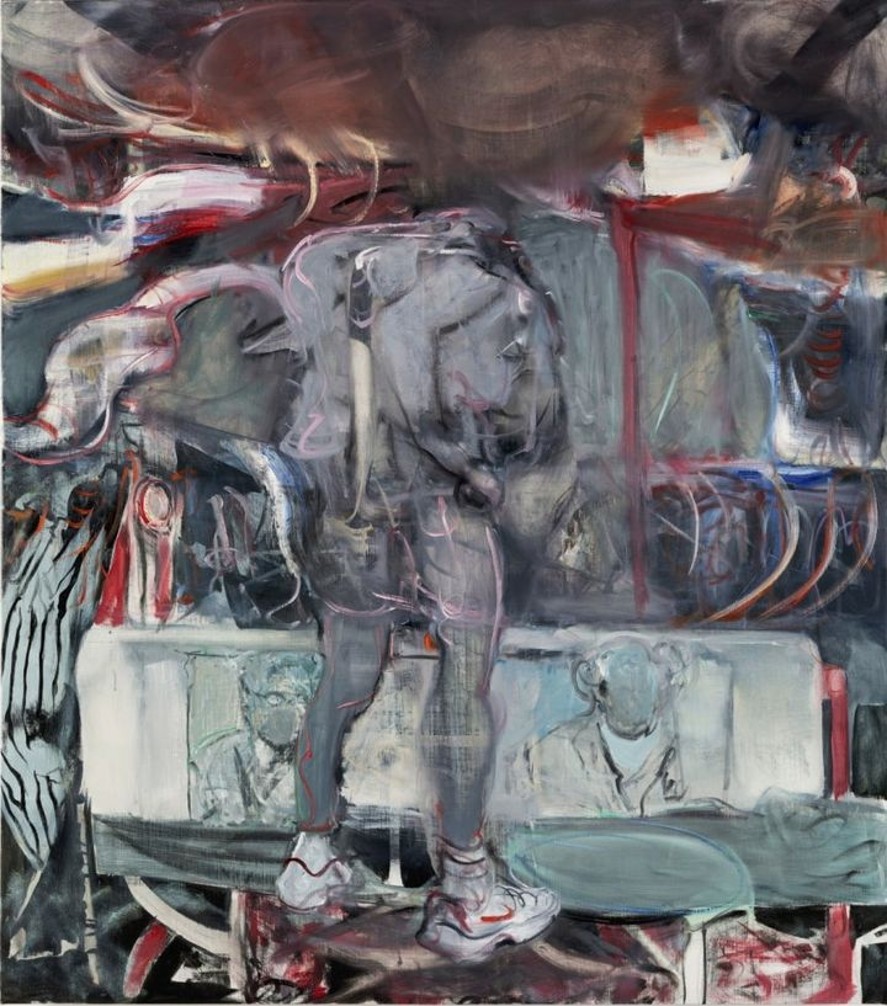
Ropac said it sold Adrian Ghenie’s Figure
with Funerary Stele (2026) for €1.1 million and Antony Gormley’s HOLD
for £750,000.
White
Cube announced the sale of Gerhard
Richter’s Fuji for €625,000 and Park Seo-Bo’s Ecriture
No.221121 for $300,000.
Hauser
& Wirth reported the sale of Louise
Bourgeois’s Femme for $600,000, while Rashid Johnson’s
Soul Painting “Interiors” (2025) was reported as sold
for $1.2 million to a major Korean institution.
Pace
Gallery announced the sale of Anicka Yi’s
HLKR£Kþ§†MLJ (2026) for $225,000. Frieze also
reported the sale of a work by Yoo Youngkuk for $1.1 million.
Lehmann
Maupin reported the sale of three works
by Kim Yun Shin for $30,000–$80,000 each, with one entering the collection of a
Korean museum.
David
Zwirner also reported the sale of two paintings by Mamma Andersson to a museum
in South Korea.
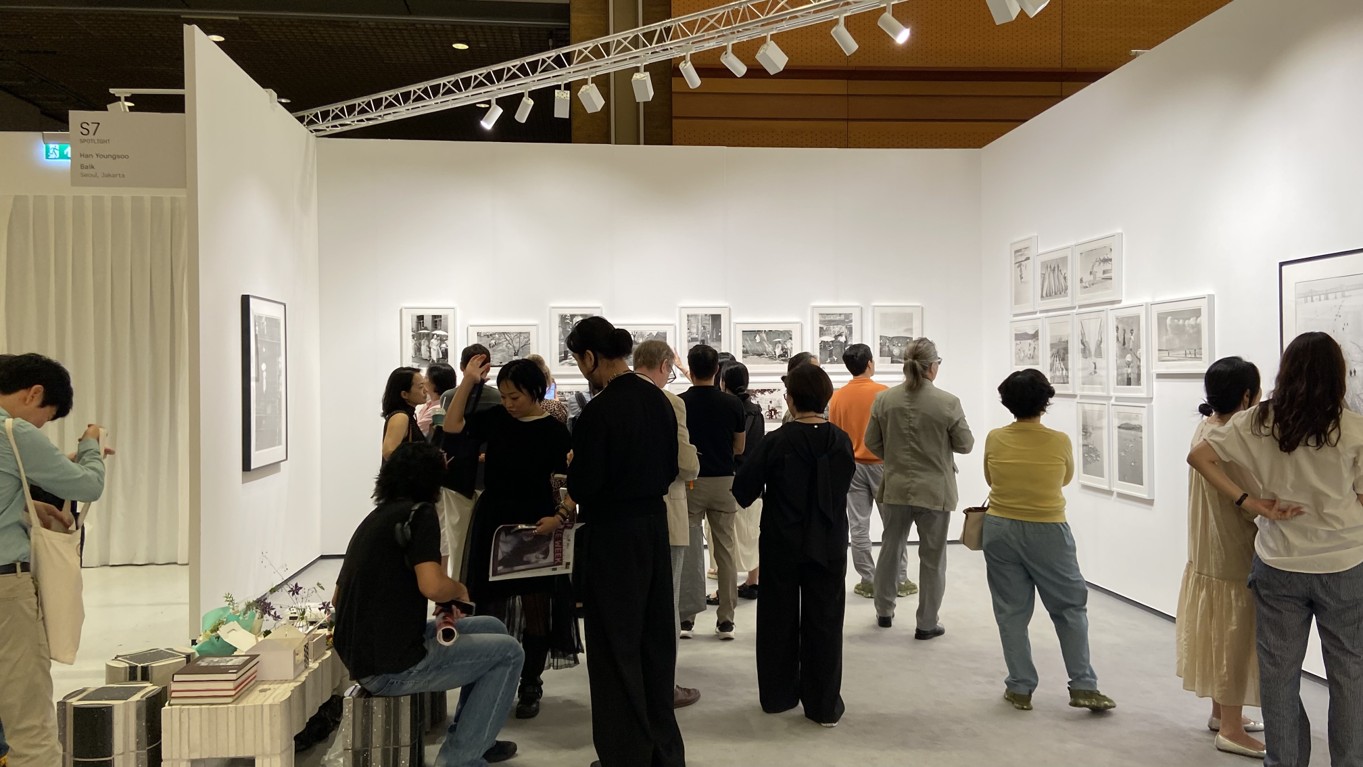
Installation view of works by Han Youngsoo presented by Baik Art at Frieze Seoul 2026. Photo: K-ARTNOW
How Should Reported Sales Be Assessed?
Frieze Seoul and Kiaf do not publish official statistics showing the
fairs’ total sales volume or sell-through rates. Sales reported in the media
are therefore based not on the full range of transactions, but on a limited
selection of sales disclosed by individual galleries.
For this reason, a handful of high-value transactions cannot by
themselves be used to assess the overall performance of the fairs or determine
whether the market is booming or recovering. The available examples do not
provide a complete picture of the overall scale or pattern of sales.
Another issue is the verifiability of the sales information that is
made public. Most reported sales are based on information provided by the
galleries involved in the transactions. In some cases, the work and its price
are clearly identified, while in others only the artist’s name or a price range
is disclosed.
This does not mean that the information is inaccurate. However,
because reported sales can directly affect perceptions of both a gallery’s and
an artist’s market position, publicly disclosed sales should provide at least
enough information to identify which work was actually sold.
There is no need to disclose the identity of the buyer or every
transaction made at the fair. The key issue is that sales presented as evidence
of market performance should be verifiable to a reasonable degree.
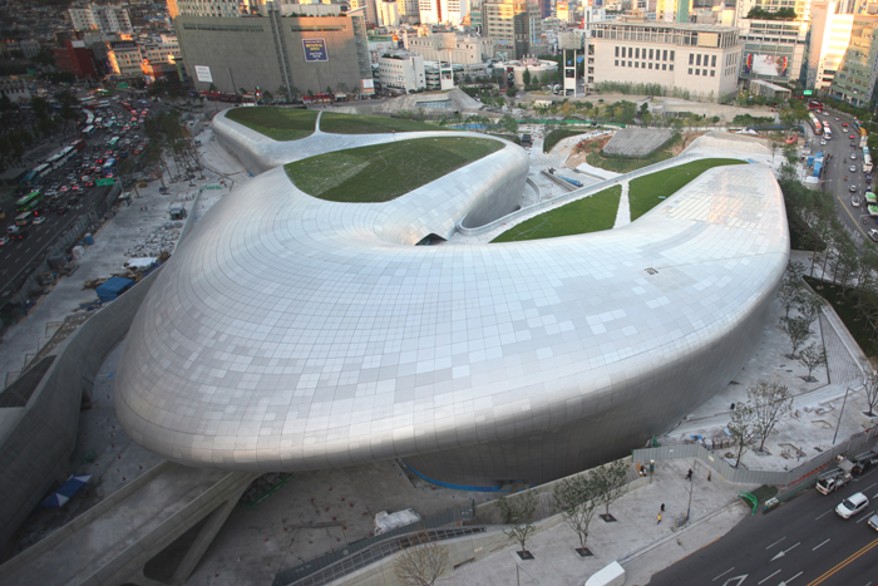
Dongdaemun Design Plaza (DDP), Seoul. Photo: Seoul Design Foundation
A New Test for Frieze Seoul in
2027
In 2027, Frieze Seoul will move
to Dongdaemun Design Plaza (DDP) as COEX undergoes redevelopment, while Kiaf
will remain at COEX.
Although the partnership between the two
fairs has been extended through 2031, the separation
of their venues will make Frieze Seoul’s own ability to attract
visitors, collectors, and galleries—and its competitiveness as a marketplace—more
clearly measurable.
If the past five years were a period in
which Frieze Seoul established itself in the city and demonstrated
Seoul’s potential within the international art market, the next
stage will be determined by whether that impact translates into
substantive growth within Korea’s art market.
If Korean artists continue to
expand internationally, Korean galleries increase their cross-border business,
and overseas collectors and institutions remain actively engaged, Frieze Seoul
can evolve beyond an international fair held in Seoul into a platform that
strengthens the global competitiveness of Korea’s art market.
References
Frieze, “The Breadth of Asia’s Art Market
Takes Center Stage at Frieze Seoul 2026,” September 6, 2026.
Frieze, “Frieze Seoul to Take Place at
Dongdaemun Design Plaza in 2027,” August 14, 2026.
Frieze, “Frieze Seoul Returns for Fifth
Edition with New Curated Sections, 2–5 September 2026,” June 9, 2026.
Vivienne Chow, “South Korea’s Art Market
Correction Signals Maturity,” The Art Newspaper,
September 1, 2026.
Shana Wu, “Amid Volatile Korean Economy,
Galleries at Frieze Seoul and Kiaf Opt for Cautious Pricing and Fresh Faces,” The
Art Newspaper, September 3, 2026.
Philippa Kelly, “Strong Showing for Korean
Art Amid Subdued Opening Days at Frieze Seoul,” Ocula,
September 3, 2026.
Sojeong Kim, “The Market’s Up! The Market’s
Down! At Frieze Seoul, Galleries Notch Sales in Uncertain Times,” Artnet
News, September 3, 2026.
Artsy Editorial, “$1.28 Million Adrian
Ghenie Painting Leads Opening Sales at Frieze Seoul 2026,” Artsy,
September 2026.
Yonhap News Agency, “Kiaf
and Frieze Close as Younger Collectors Grow and Art Transactions Remain Active,”
September 6, 2026.
The Korea Economic Daily,
“Kiaf and Frieze Close, with Yoo Youngkuk Work Reaching KRW 2.5 Billion as Top
Reported Sale,” September 7, 2026.