Every September, a distinctive energy takes
hold of Seoul’s art scene. Major galleries unveil new exhibitions in rapid
succession, while museums and nonprofit art spaces present special programs.
Collectors, curators, and museum professionals from Korea and abroad converge
on Seoul, and for a brief period, exhibition spaces across the city and the
halls of COEX become connected as one expansive art landscape.
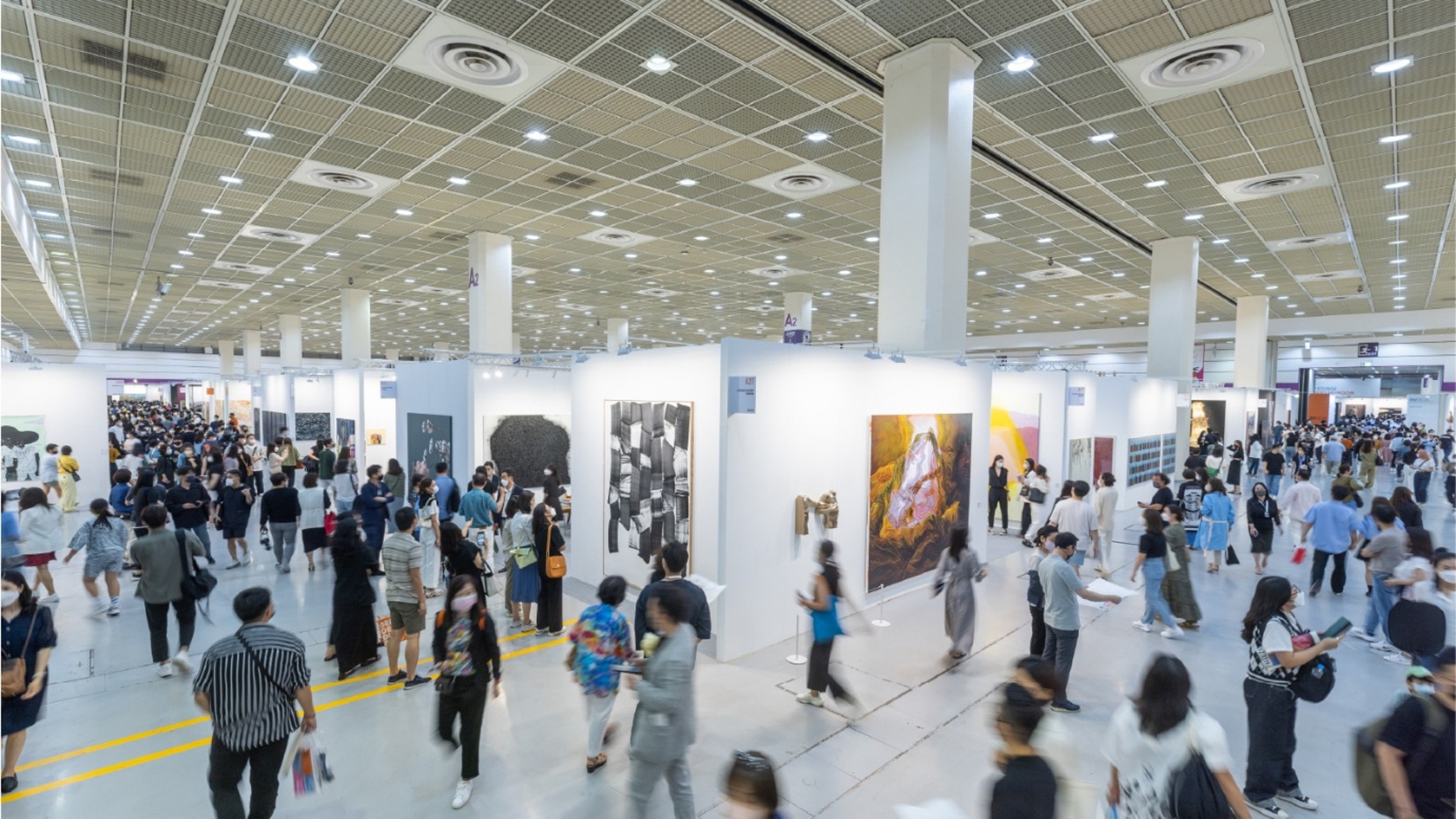
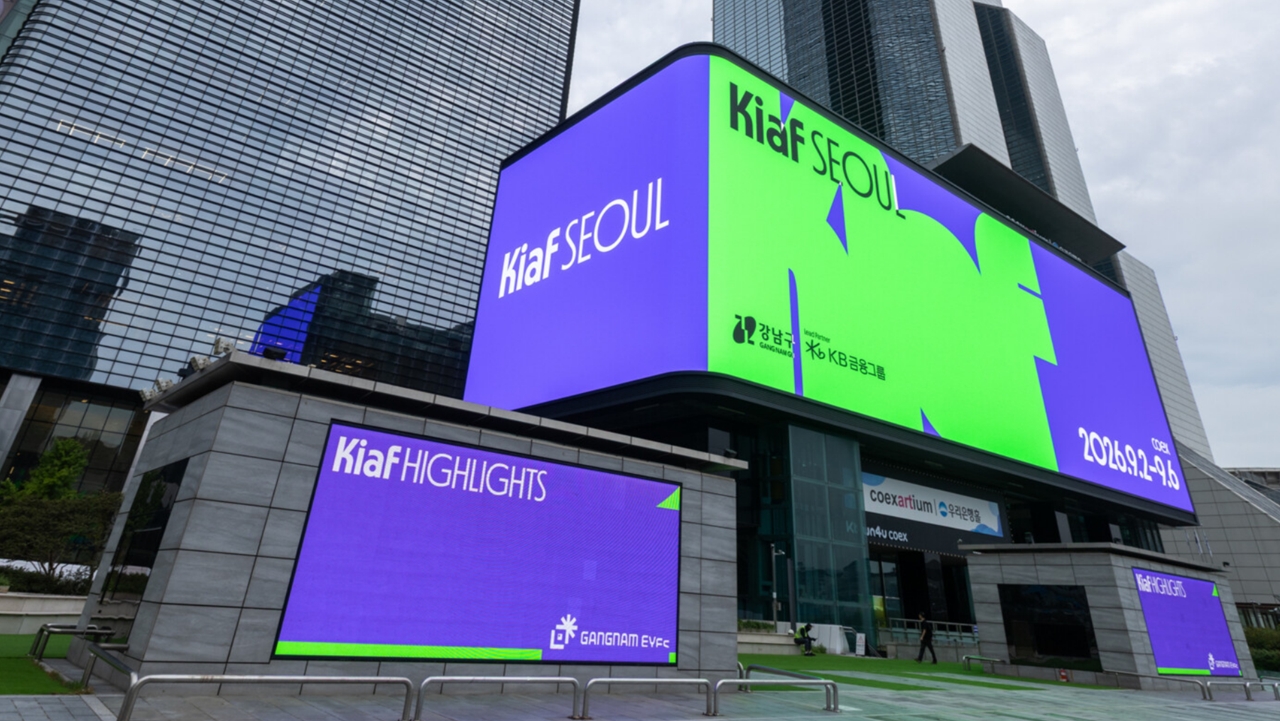
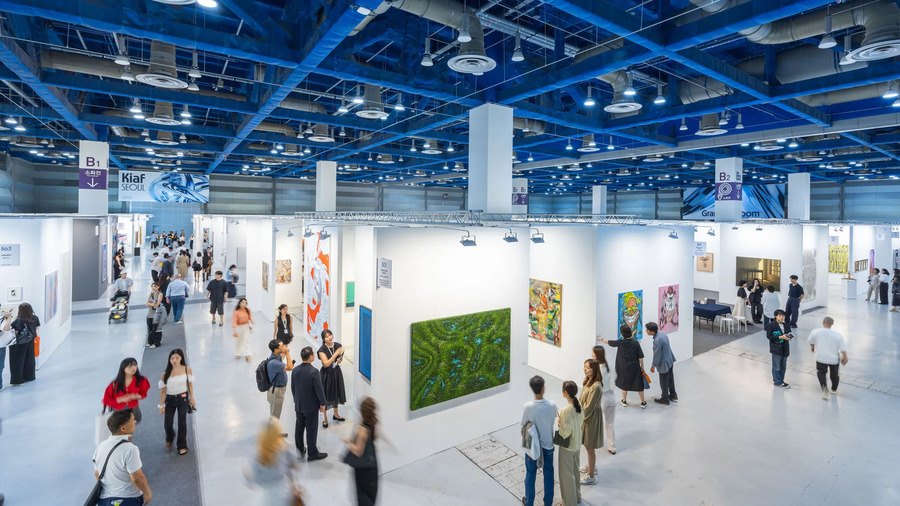
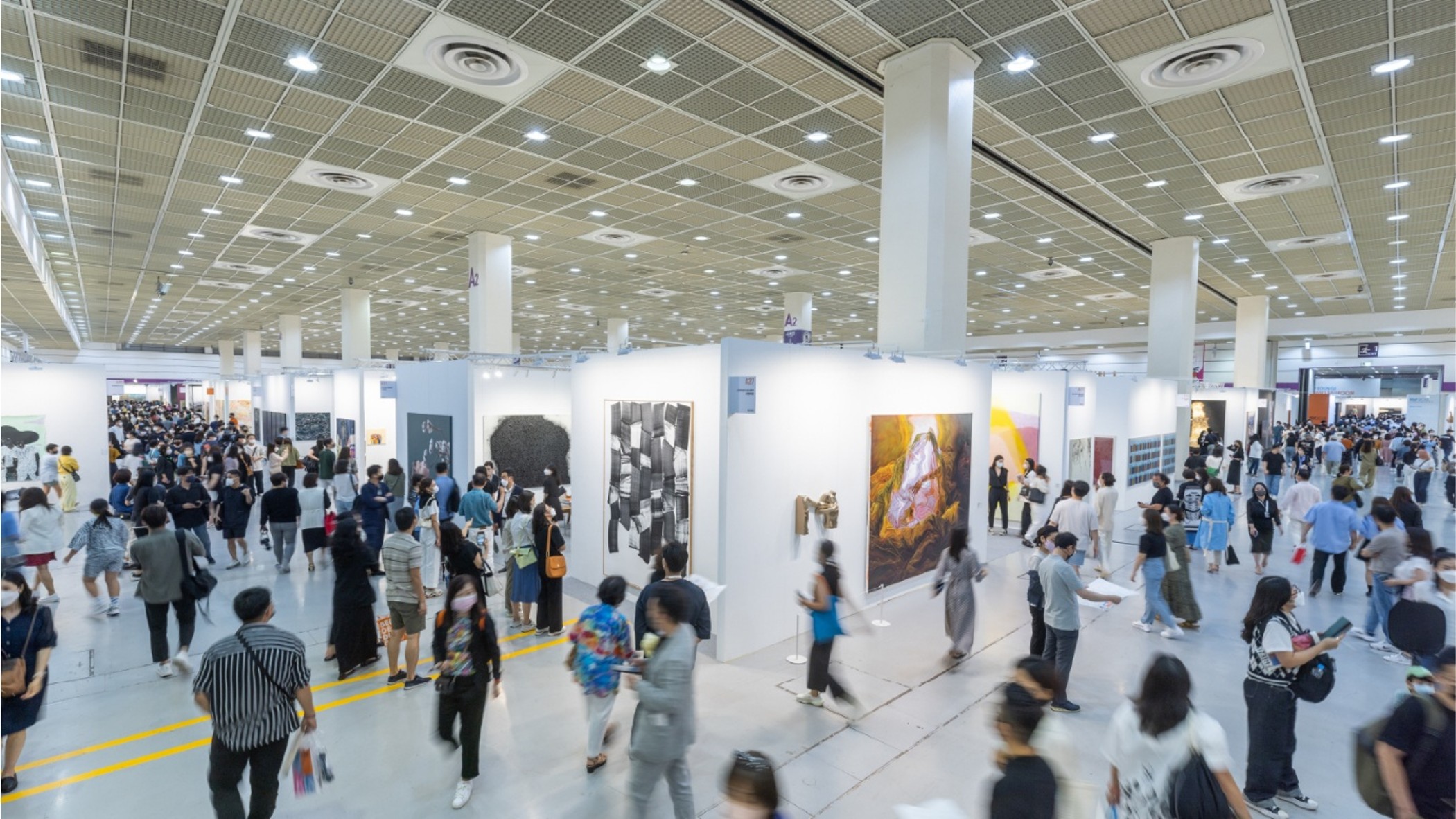
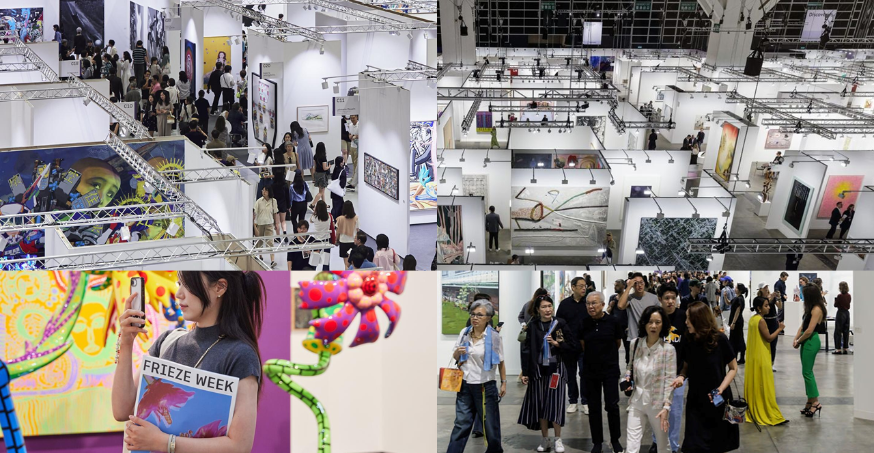
Installation view of Kiaf SEOUL. Every September, major art events across Seoul are concentrated around Kiaf and Frieze Seoul. / Photo: Kiaf SEOUL
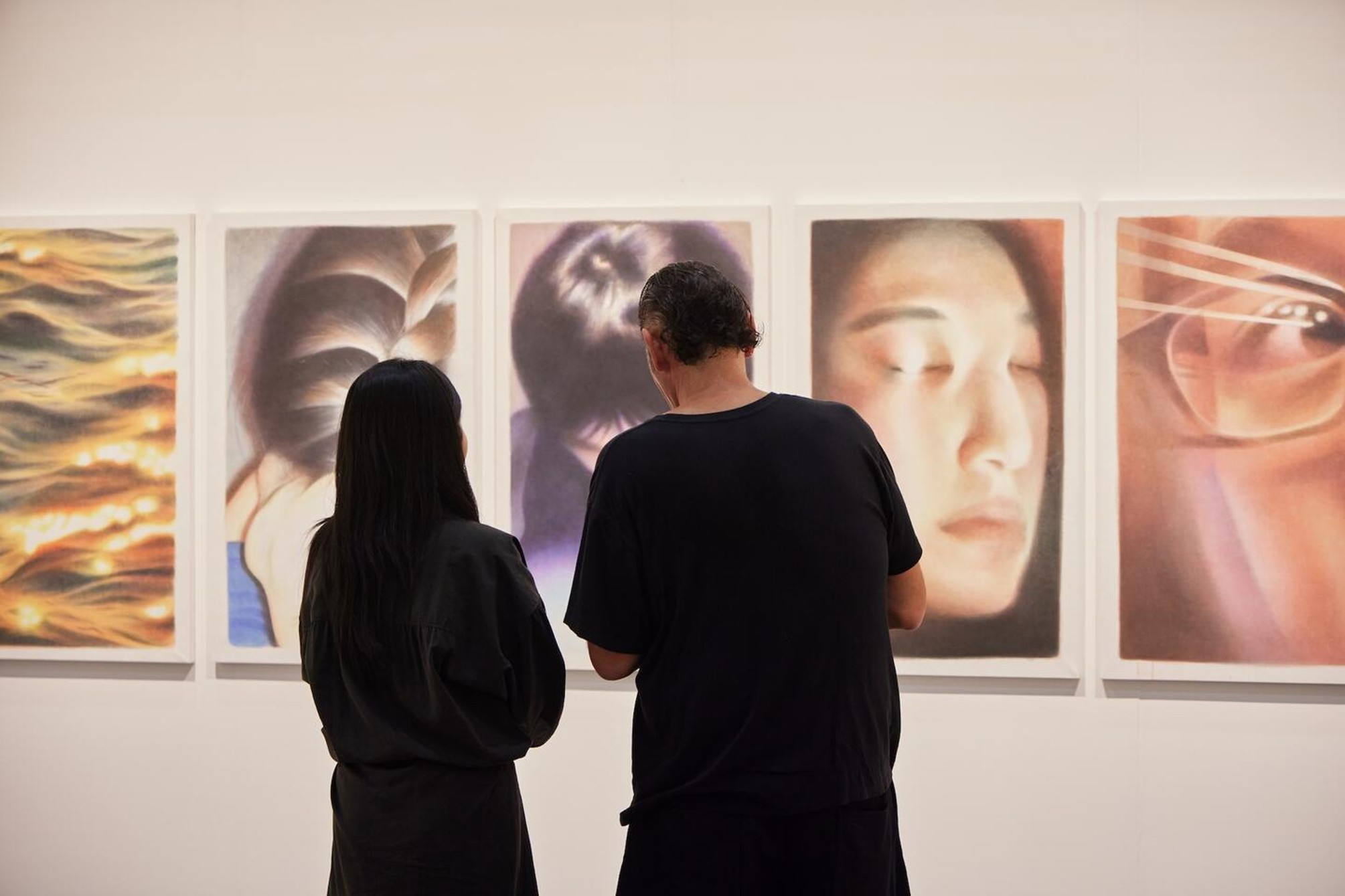
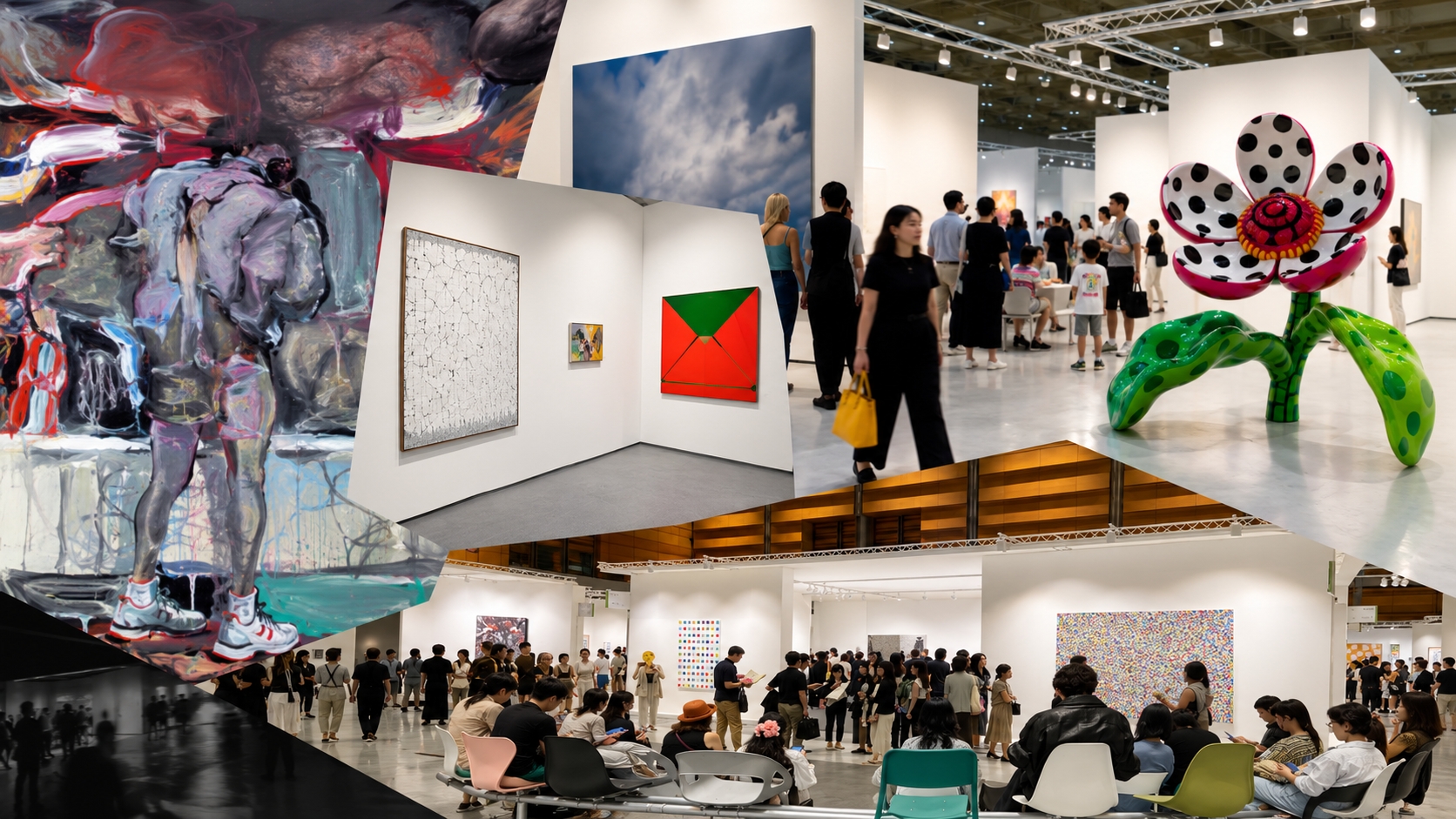
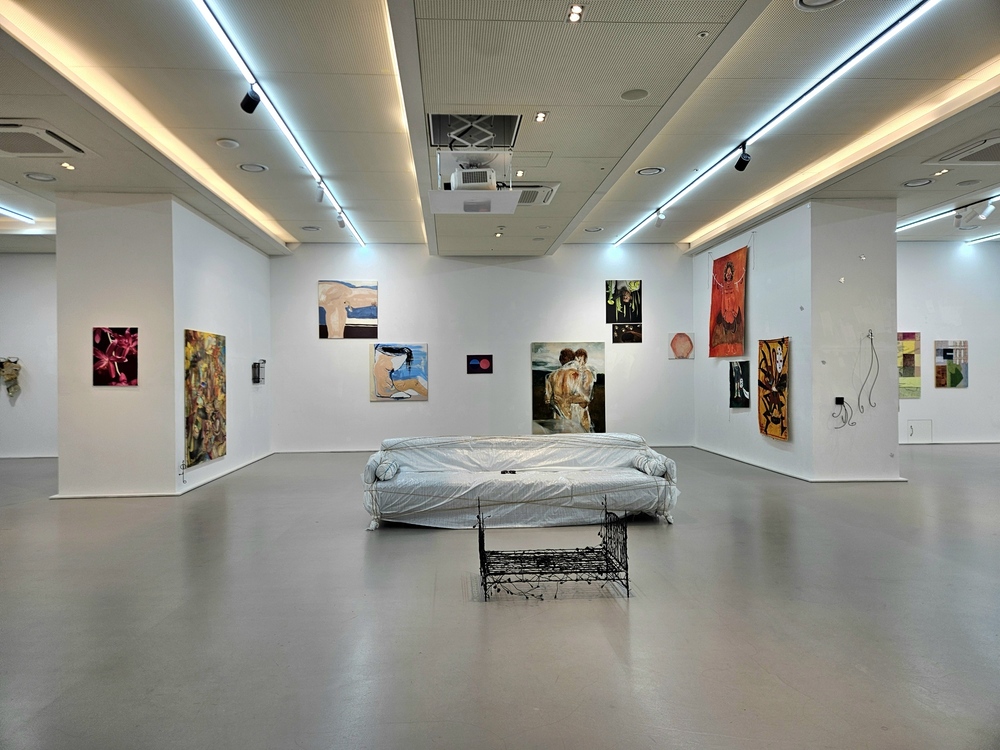
Installation view of Frieze Seoul 2025. Through its international gallery network, Frieze Seoul presents diverse currents in contemporary art and twentieth-century art in Seoul. / Photo: Wecap Studio, courtesy of Frieze
At the center of this activity are Kiaf
SEOUL and Frieze Seoul. This year, Kiaf will be held at COEX from September 2
to 6, while Frieze Seoul will run from September 2 to 5. Under the theme “Coexistence,”
Kiaf will explore human perception and creativity, as well as the relationship
between humanity and technology.
Now in its fifth edition, Frieze Seoul will
bring together more than 125 galleries from 30 countries, with over 70 percent
of participating galleries based in the Asia-Pacific region.
Ahead of the two fairs, K-ARTNOW presents a
two-part special feature. Part 1 examines the differences between the two fairs
and offers several criteria for viewing them on site. Part 2 will focus on
their official websites, editorial content, and archives, comparing their
platform strategies and considering the challenges Seoul Art Week may need to
address in the future.
Before comparing the two fairs, it is
useful to consider the essential role of an art fair. An art fair is a
marketplace where works are traded, but it is also a setting in which galleries
present the artists they represent—and the value of their work—in the most
persuasive way possible. The central question, therefore, is not simply how
many galleries participate, but how carefully each fair selects strong
galleries and artists, and how accurately it communicates the context and
contemporary significance of their work.
Kiaf: Where the Choices of
Korean Galleries Come Together
Founded in 2002, Kiaf has developed into
Korea’s leading international art fair, grounded in the Galleries Association
of Korea and the country’s gallery ecosystem. International galleries also
participate, but the fair remains centered on Korean galleries that have long
discovered, represented, and exhibited Korean artists. Visiting Kiaf therefore
offers an opportunity to see, in one place, which artists and works Korean
galleries currently consider important.
The main section offers the pleasure of
encountering familiar artists and representative works, while also revealing
how each gallery chooses to reintroduce an artist through a particular
selection and context. Even the same artist can create a very different
impression depending on the relationship between recent and earlier works, or
on how their work is positioned alongside artists of different generations and
media.
A strong booth is not necessarily one that
displays the greatest number of works. When the reasoning behind the selection
is clear, relationships between works unfold naturally, and the presentation
connects with the gallery’s broader program, the booth can function as a
compact exhibition. At Kiaf, it is worth considering how deeply Korean
galleries understand the artists they represent and how persuasively that
understanding is communicated through the works, spatial arrangement, and
supporting materials.
PLUS and “Coexistence”: Looking
Toward Kiaf’s Next Direction
PLUS, which introduces younger galleries
and emerging artists, provides opportunities to encounter artists and proposals
that have not yet received broad attention. Its appeal lies not in quickly
identifying familiar names, but in pausing before an unfamiliar work and
considering why a gallery has chosen to present that artist at this particular
moment.
When viewing emerging artists, it is
important to look beyond immediate novelty and consider whether their practices
have the potential for sustained development. Has the artist developed a
distinctive visual language? Do repetition and transformation remain in balance
across the works? Does the gallery clearly communicate both the artist’s
current achievements and future potential?
Kiaf’s theme of “Coexistence” also provides
a useful point of entry. Visitors can consider how nature and artificiality,
manual labor and technology, and traditional materials and new media come
together within the works. The key question is whether the theme remains
confined to explanatory texts or functions as a language connecting the special
exhibitions, spatial design, and works presented throughout the fair.
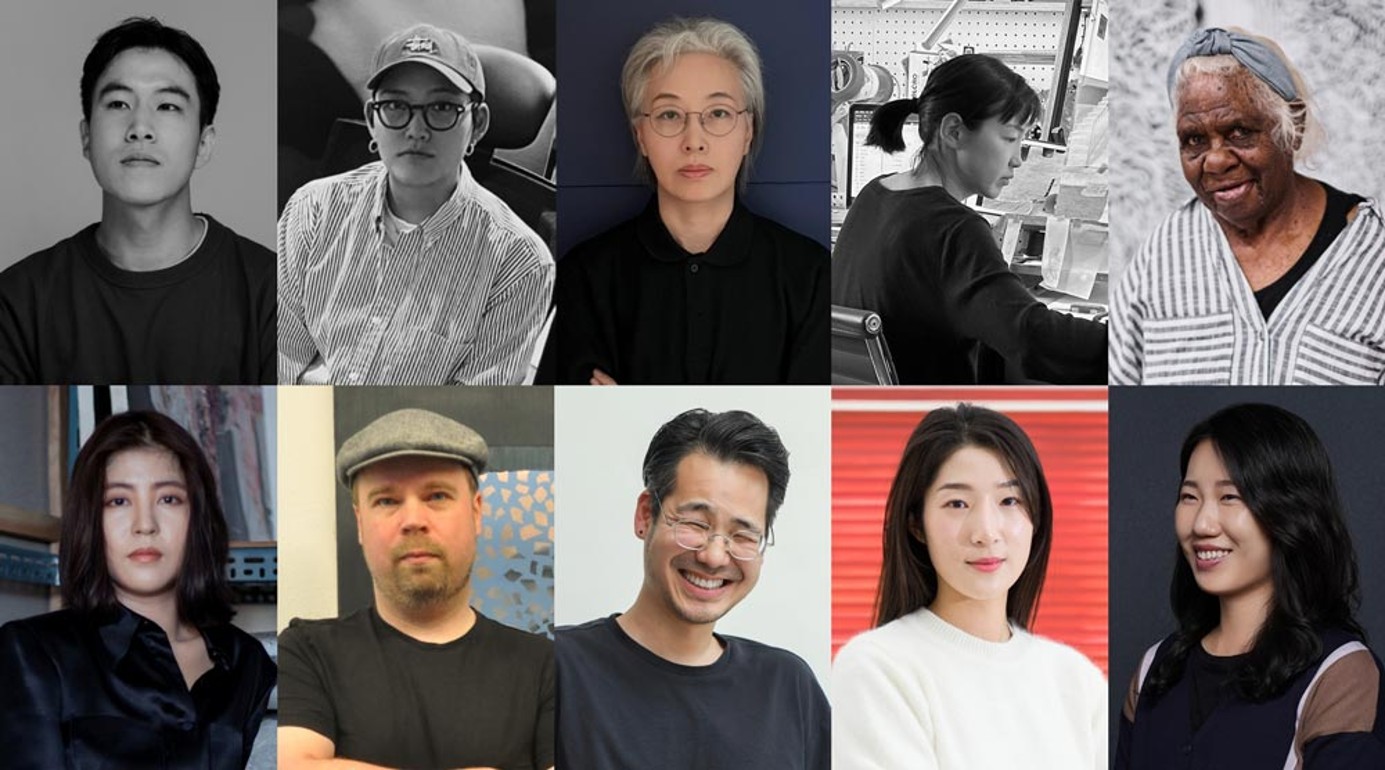
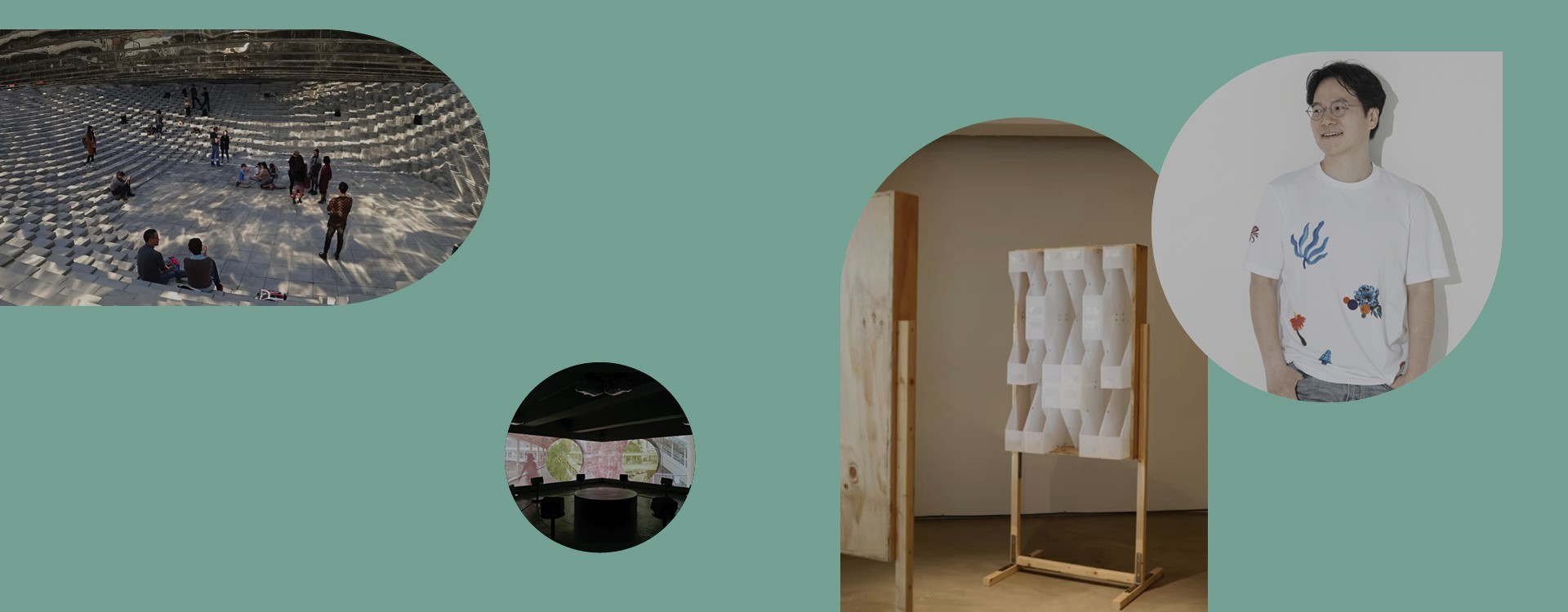
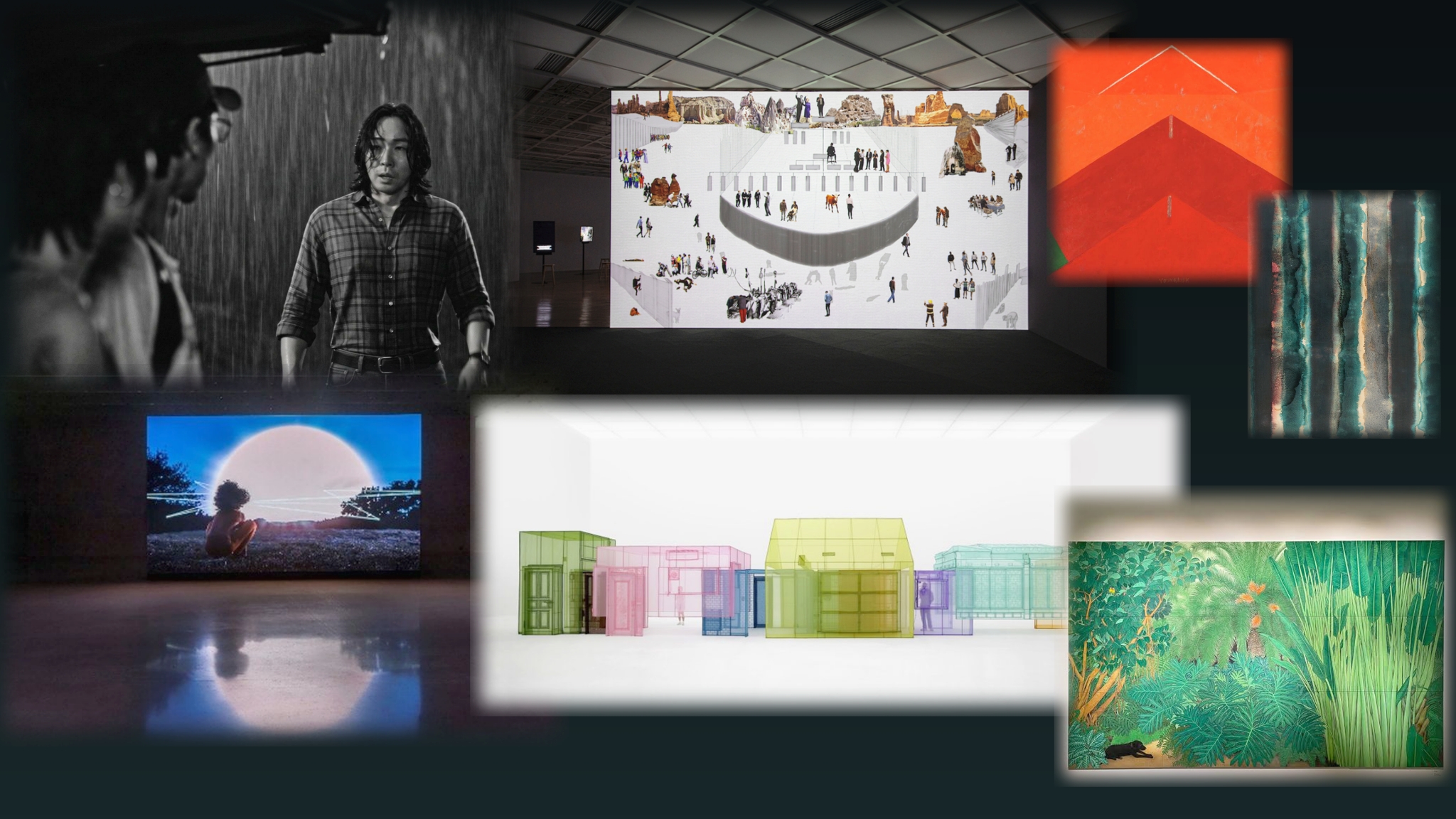
(From top left) The ten artists selected as semifinalists for Kiaf HIGHLIGHTS 2024 were Kang Chul-kyu (Arario Gallery), Kim Sian (Artside Gallery), Kim Eun-jin (Keumsan Gallery), Paige Jiyoung Moon (Steve Turner), Betty Muffler (Jan Murphy Gallery), Seo Won-mi (LAHIN Gallery), Jochen Pankrath (Bode Galerie), Lee Se-jun (Space Willing N Dealing), Choi Ji-won (ThisWeekendRoom), and Han Jin (Gallery SP). / Photo: Kiaf
Frieze Seoul: Between New
Discoveries and Reconsidered Art Histories
Frieze Seoul is supported by a global
gallery and media network, yet more than 70 percent of this year’s
participating galleries are based in the Asia-Pacific region. More than 50
participating galleries also operate permanent spaces in Seoul, reflecting the
fair’s close relationship with the international gallery ecosystem already
established in the city.
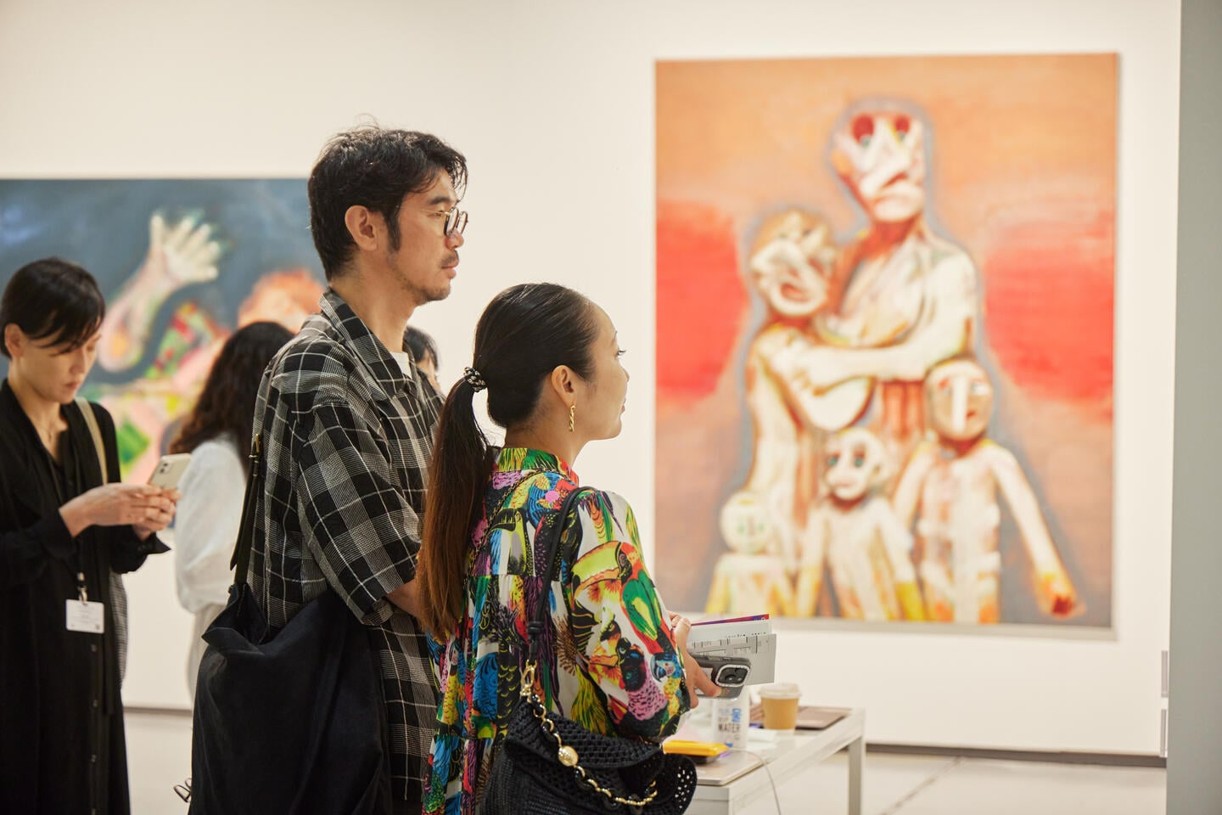
Installation view of Frieze Seoul 2025. / Photo: Frieze
Alongside the main section, three curated
sections deserve particular attention this year: Focus, Spotlight, and Material
Practice.
Focus
presents solo-artist booths by younger galleries. Unlike the main section,
where representative works by multiple artists are presented together, Focus
allows visitors to engage more closely with the practice of a single artist.
The key is whether a consistent visual language and meaningful development can
be seen across the works, and whether the gallery has shaped them into a
coherent presentation.
Spotlight
reintroduces twentieth-century artists who have received comparatively limited
attention within established art-historical and market narratives. Visitors may
consider why a particular artist is being revisited now and how effectively the
works, archival materials, and research are brought together. A market-led
rediscovery should be distinguished from the art-historical recovery of an
overlooked achievement.
Material Practice explores the intersections of contemporary art, design, craft, and
material expression. It asks how materials such as wood, clay, metal, and fiber
can be transformed into new visual languages, and how far techniques of making
contribute to the conceptual and structural development of a work.
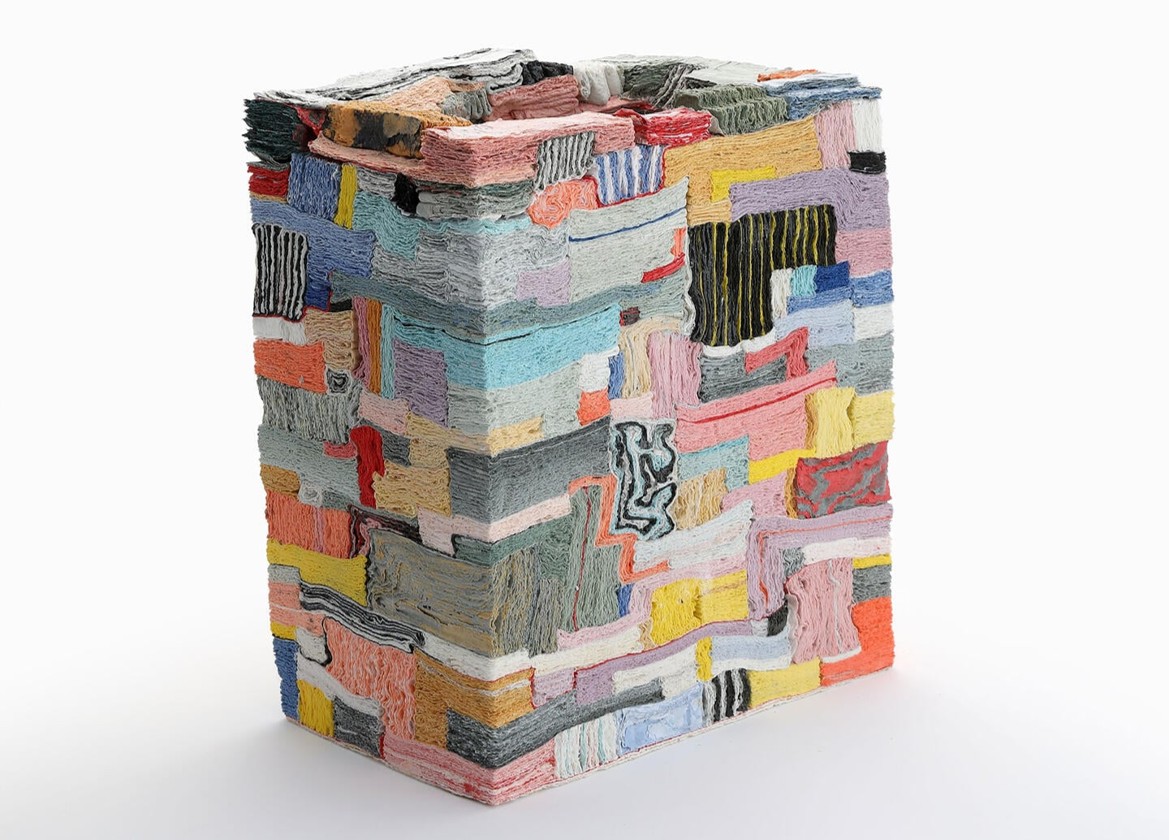
Park Jong-jin, ArtisticStratum_Patch_OGVBRW, 2026, ceramic slip, paper, and stain, 31 × 22 × 33 cm. The artist will participate in the Material Practice section. / Photo courtesy of Park Jong-jin and Soluna Fine Art
The Same Artists, Different
Contexts—Where a Gallery’s Expertise Becomes Visible
Moving between the two fairs, visitors may
encounter the same Korean artists presented by different galleries. A Korean
gallery may focus on representative works and the artist’s development over
time, while an international gallery may place works from another period or
medium in dialogue with artists from other regions.
The same artist can be read very
differently depending on which works surround them, what information is
provided, and how the gallery positions the artist within its broader program.
At Kiaf, visitors can examine the depth of
Korean galleries’ long-term engagement with an artist’s history and practice.
At Frieze Seoul, they can consider how persuasively international galleries
situate Korean artists within global discourse and networks. This is not simply
a matter of ranking Korean and international galleries, but of recognizing
their different roles and forms of expertise.
A gallery that remains true to the
essential purpose of an art fair is not one that creates the greatest spectacle
around an artist. It is one that understands the practice accurately and
communicates its value through the most appropriate works and context.
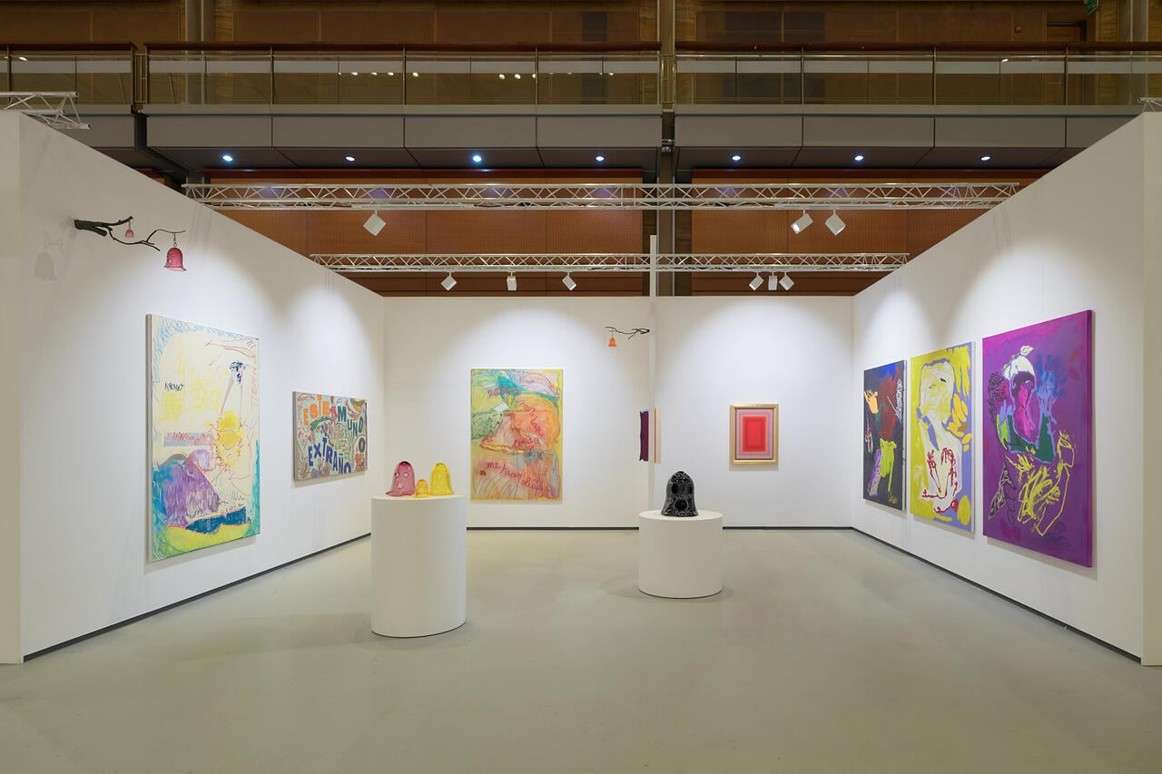
Installation view of STATION at Frieze Seoul 2024. Participating artists: Nadia Hernández, Nell, Tomislav Nikolic, and Tom Polo. / Photo: Kyoungtae Kim
Beyond the Star Work: Looking
at the Booth as a Whole
One of the great pleasures of an art fair
is seeing important works by major artists at close range. Yet moving directly
to the next booth after looking at a single eye-catching work can make it easy
to miss what the gallery is actually trying to present.
Stepping back reveals the rhythm and
relationships between works. Visitors can see whether different periods in one
artist’s practice are connected, whether artists of different generations and
media form a coherent perspective, and what the gallery has chosen to include
or leave out.
Through this process, the quality of the
works, the coherence of the booth, the depth of the interpretation, and the
gallery’s professional expertise become visible together. When these elements
are balanced beyond fame and price, an art fair becomes more than a sales
venue: it becomes a place where the value of artists and works can be
discovered and expanded.
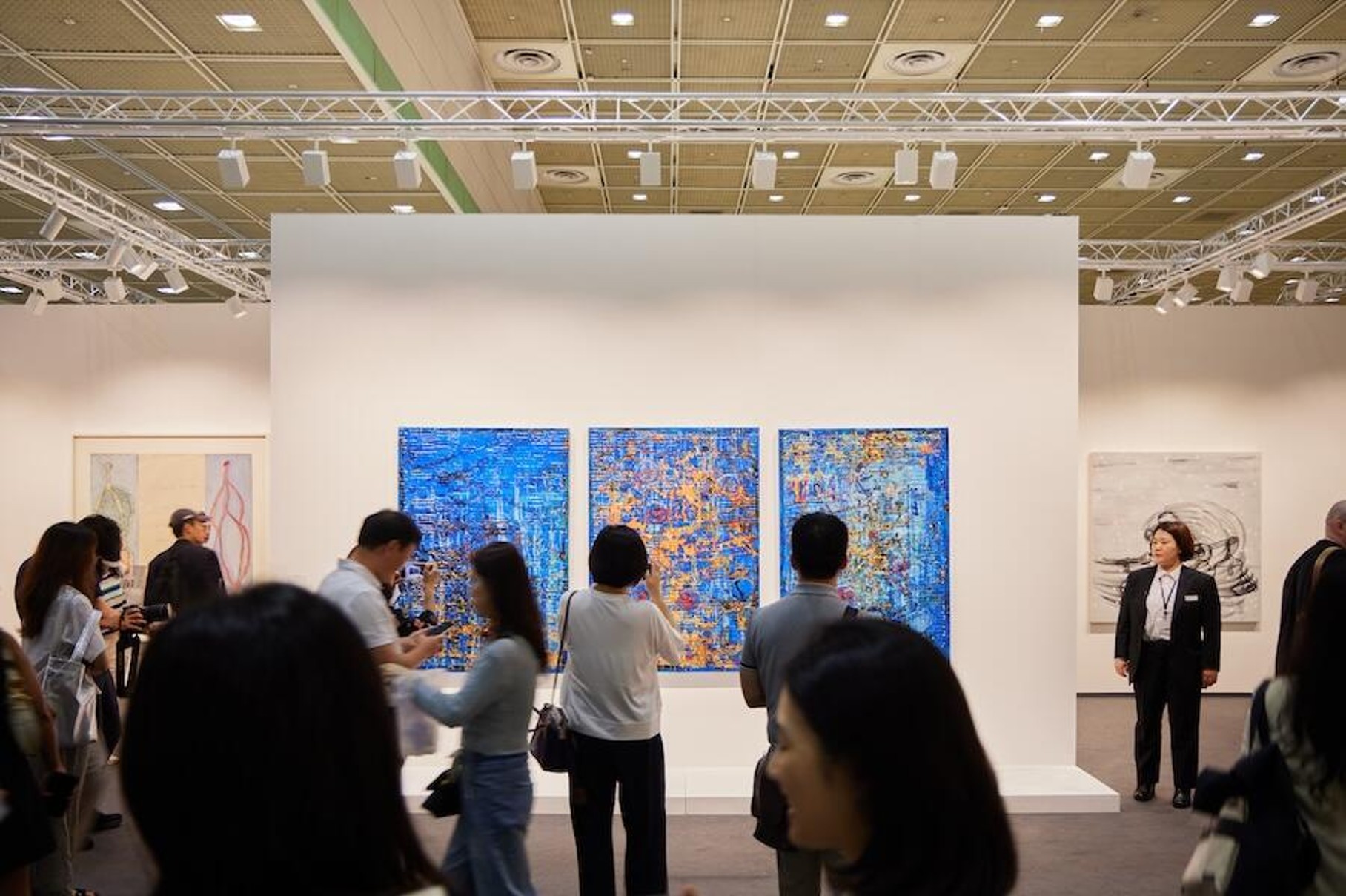
American artist Mark Bradford drew considerable attention at Frieze Seoul 2025 when his triptych Okay, then I apologize (2025), presented by Hauser & Wirth, sold for approximately USD 4.5 million, or about KRW 6.2 billion. / Photo: Frieze Seoul
The Clearest Standard for
Comparing the Two Fairs
The scale of Kiaf and Frieze Seoul can
easily overwhelm visitors. Rather than trying to move quickly through every
booth, it may be more productive to identify several areas of interest and
connect the two fairs through those themes.
Visitors interested in new Korean artists
can compare Kiaf’s PLUS with Frieze’s Focus. Those interested in the
reassessment of twentieth-century Korean and Asian art can look at Kiaf’s
presentations of major modern and contemporary artists alongside Frieze’s
Spotlight. Those drawn to materiality and craft can connect Kiaf’s “Coexistence”-related
programs with Frieze’s Material Practice.
The most important criterion, however, is
not the title of a section or the number of participating galleries.
It is how carefully the two
fairs select strong galleries and artists, and how persuasively they
communicate the quality and value of the works.
Kiaf reflects the artists championed by
Korean galleries and the current state of the domestic market, while Frieze
Seoul introduces new artists and art-historical currents through an
international gallery network. The two fairs begin from different positions and
operate through different methods. Their respective qualities and values become
clearer when those differences are examined through the actual works, booth
presentations, supporting materials, and interpretations.
Seoul Art Week 2026 offers an opportunity
not simply to move quickly through a large number of works, but to observe how
the two fairs select and present artists and galleries. Through that process,
visitors can develop a clearer sense of what distinguishes strong works and
strong galleries, as well as the new forms of value an art fair can create.
References
- Kiaf SEOUL official website: https://kiaf.org/
- Frieze Seoul official website: https://www.frieze.com/fairs/frieze-seoul