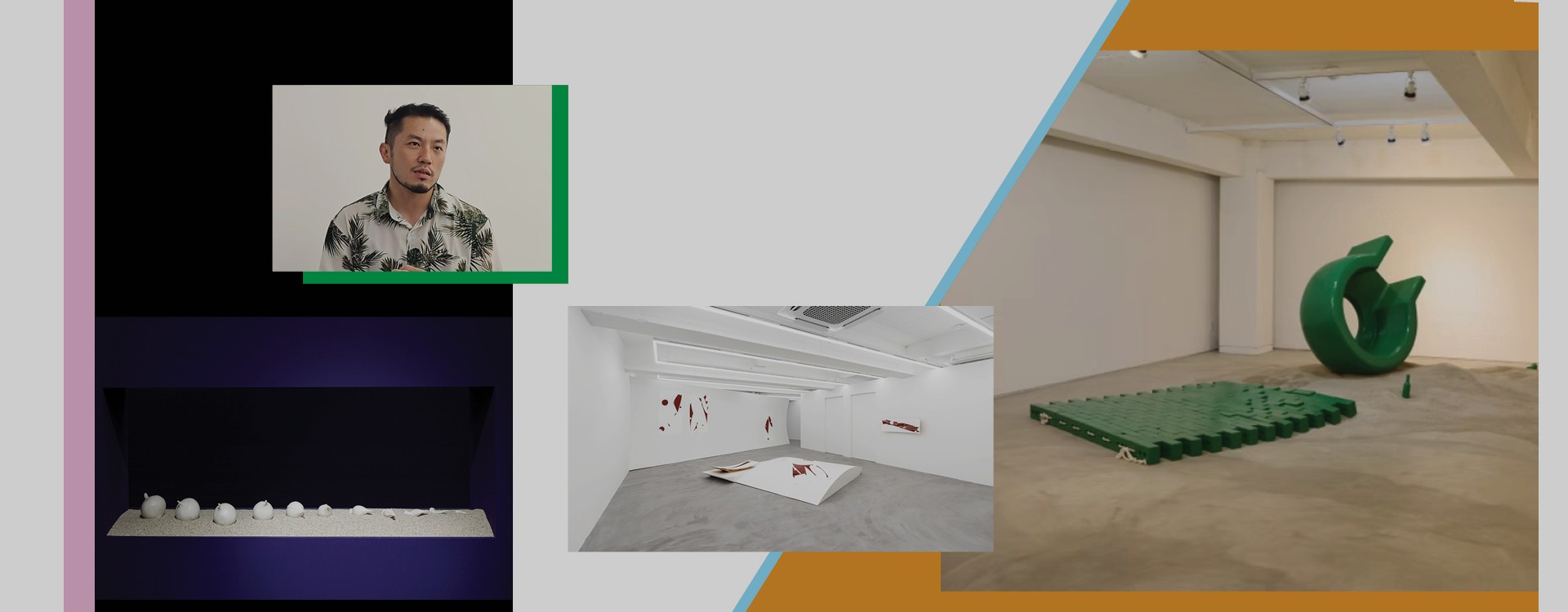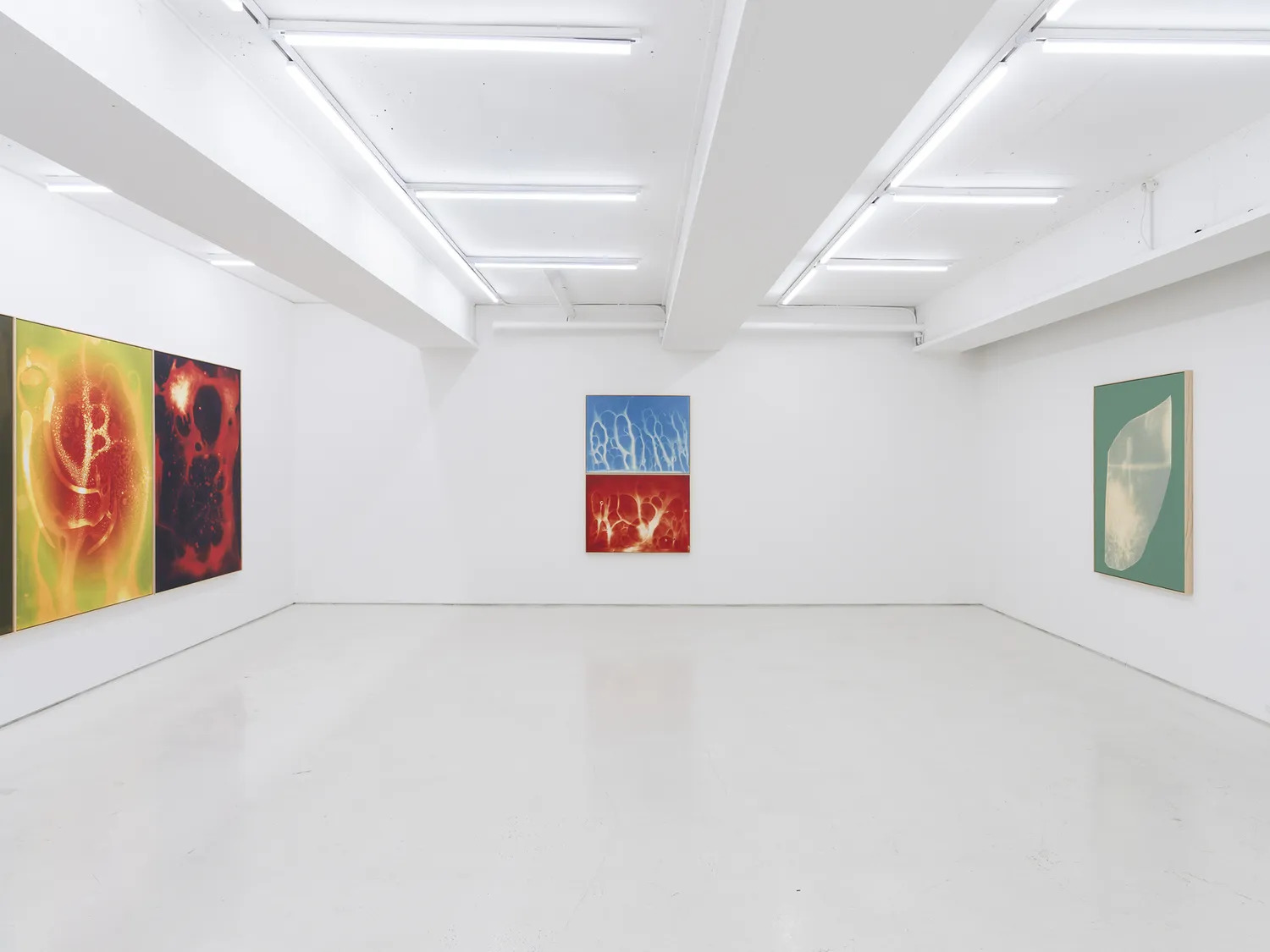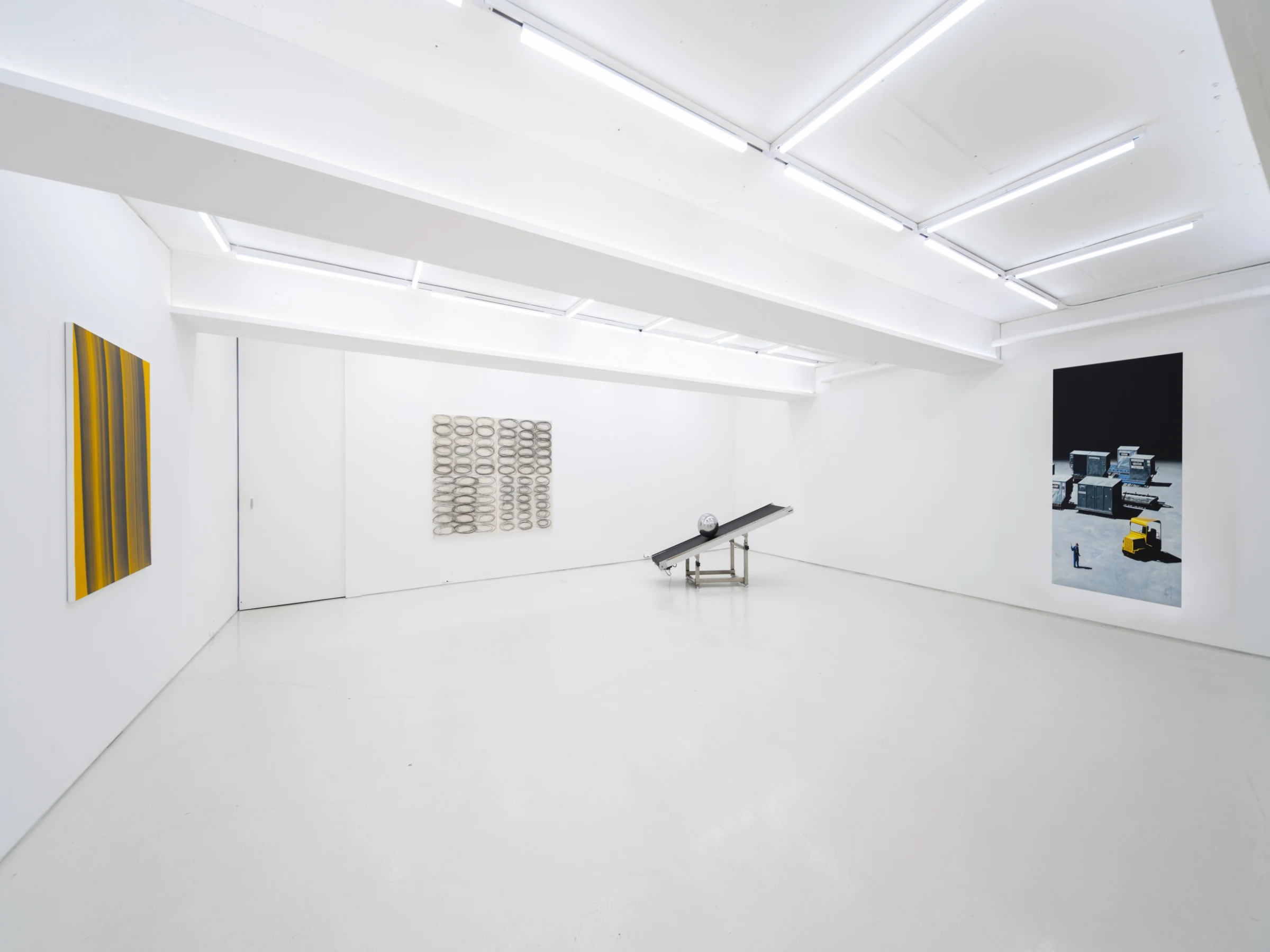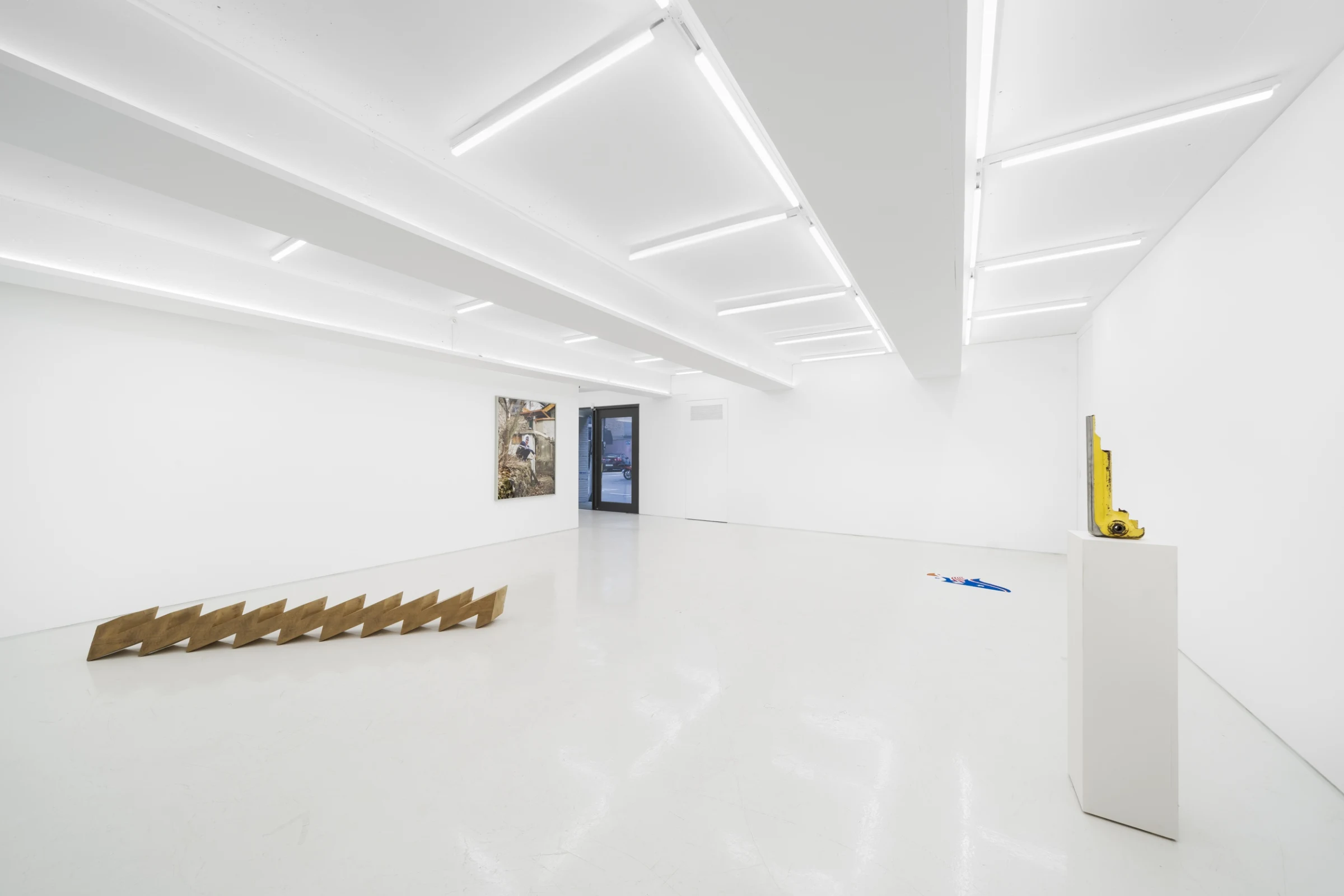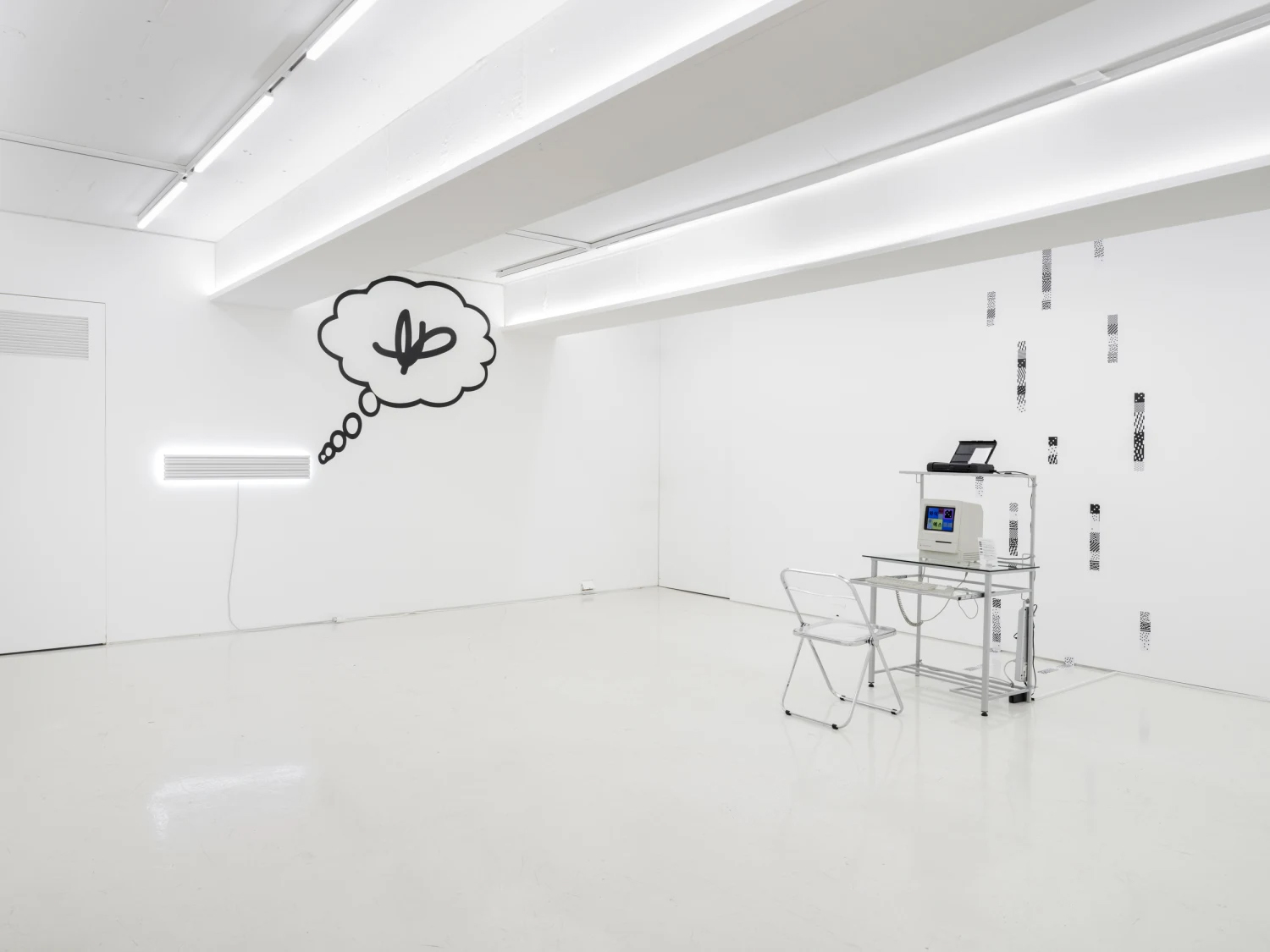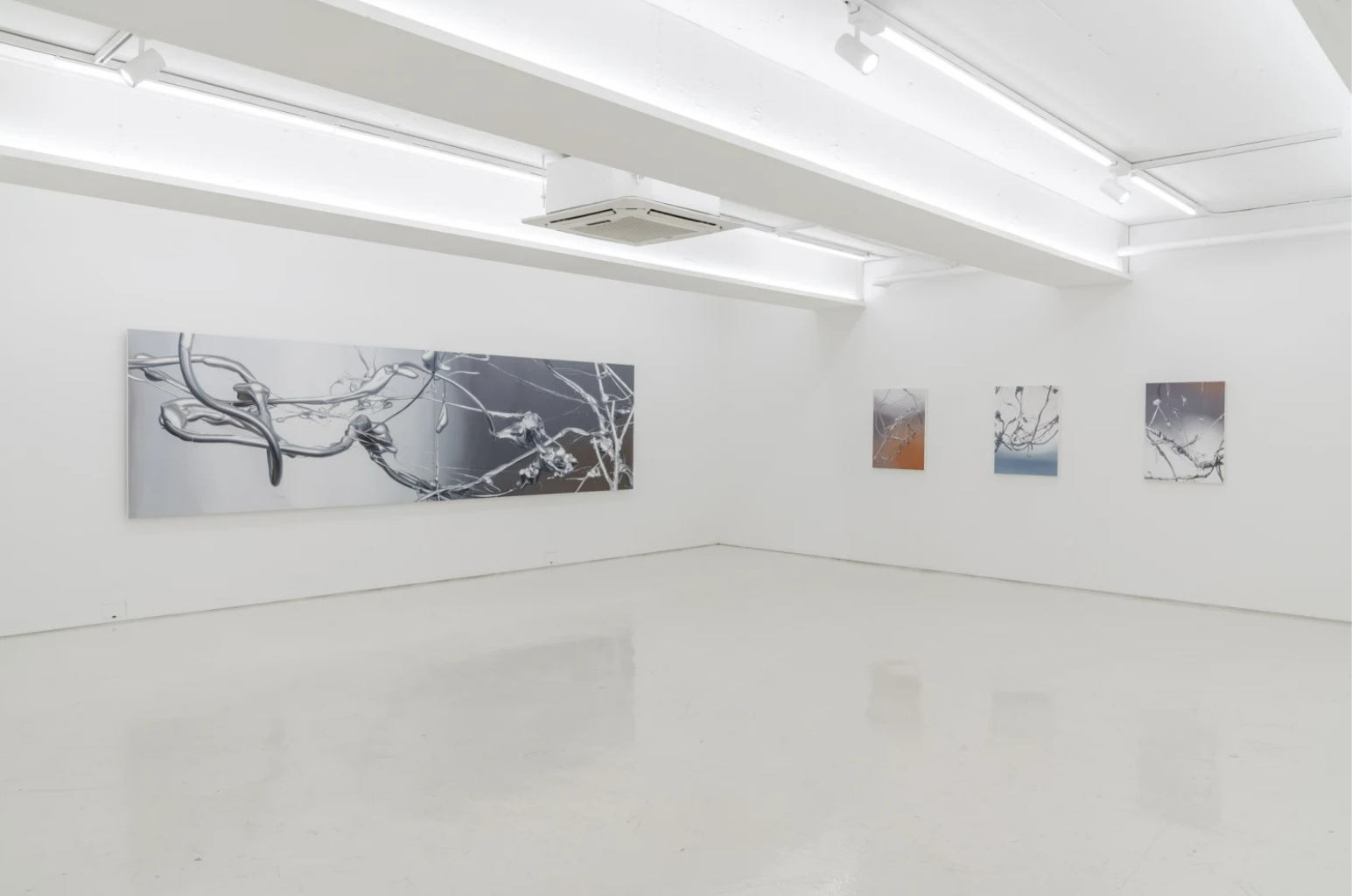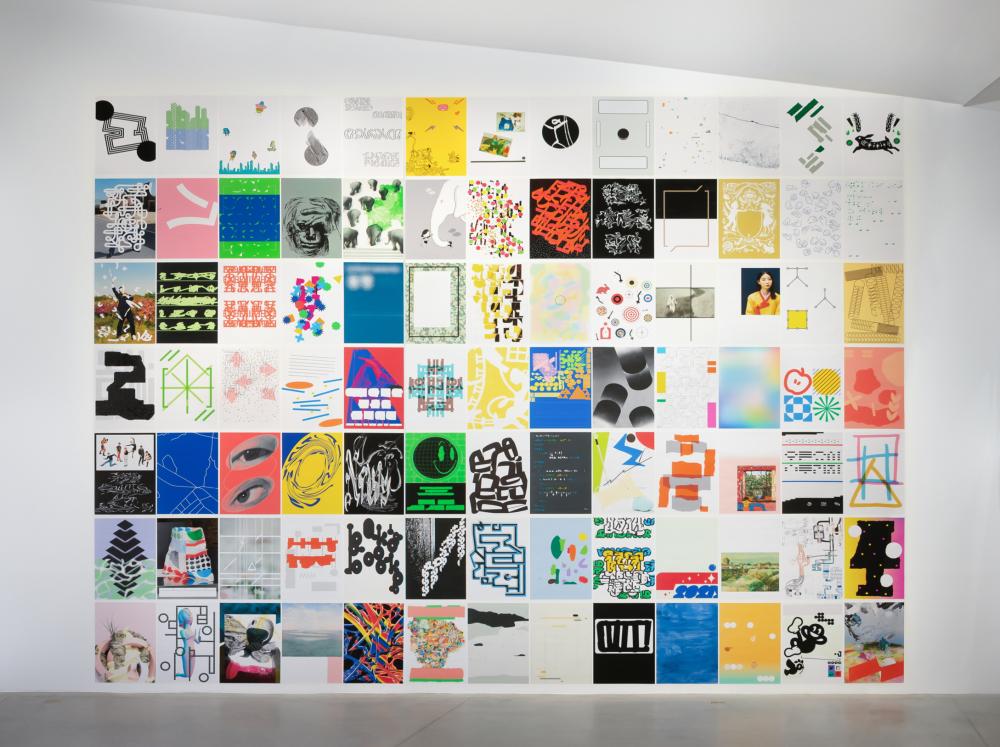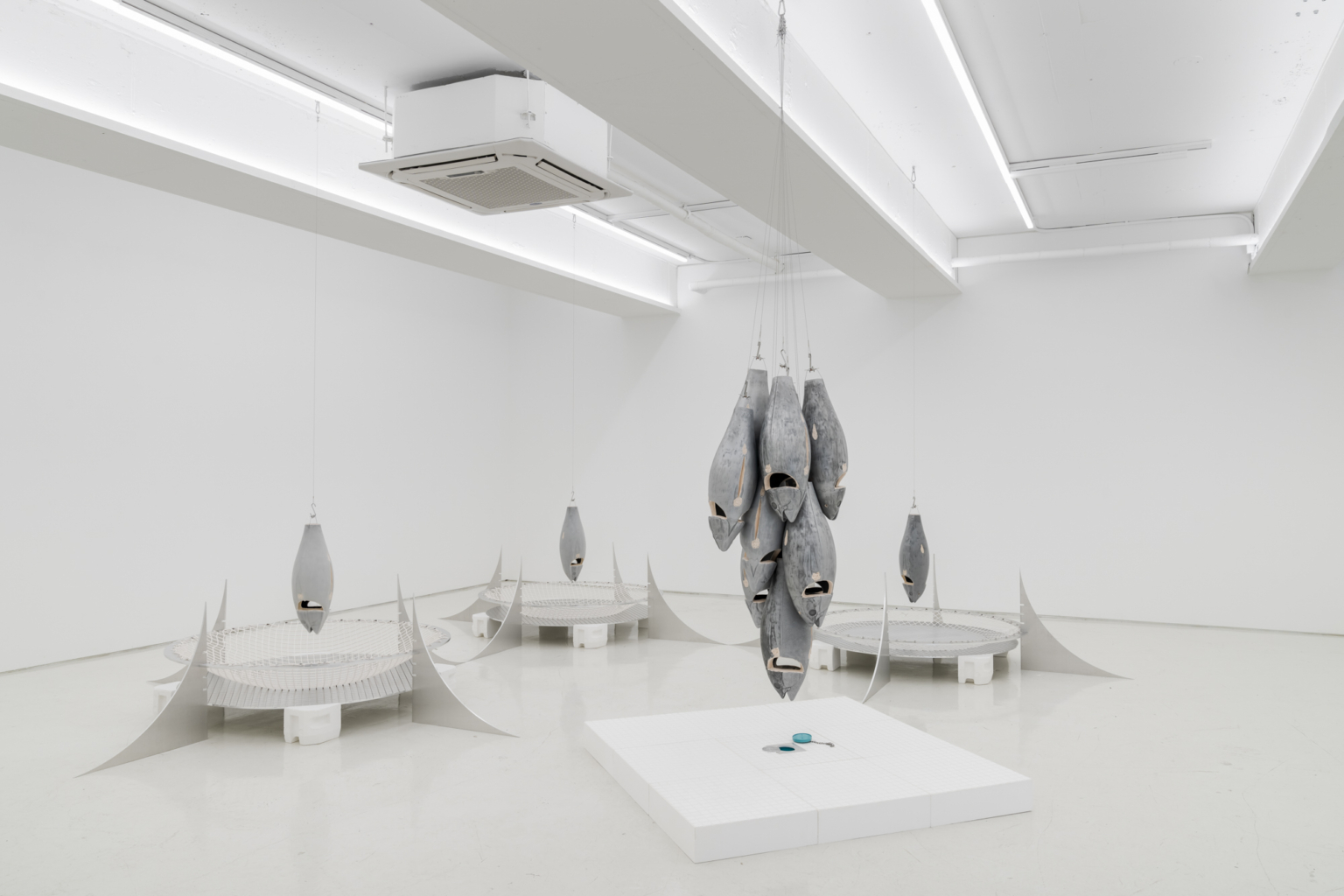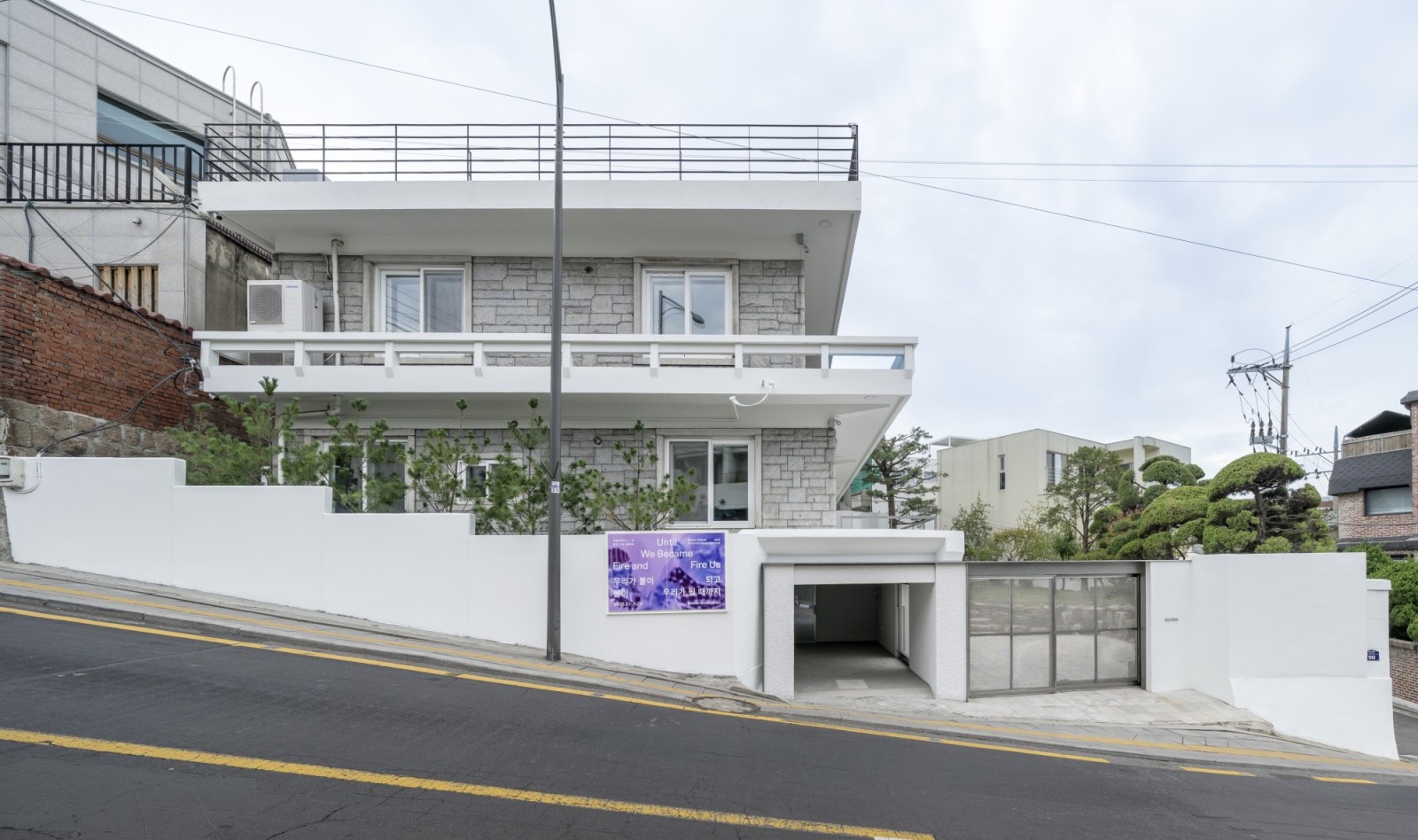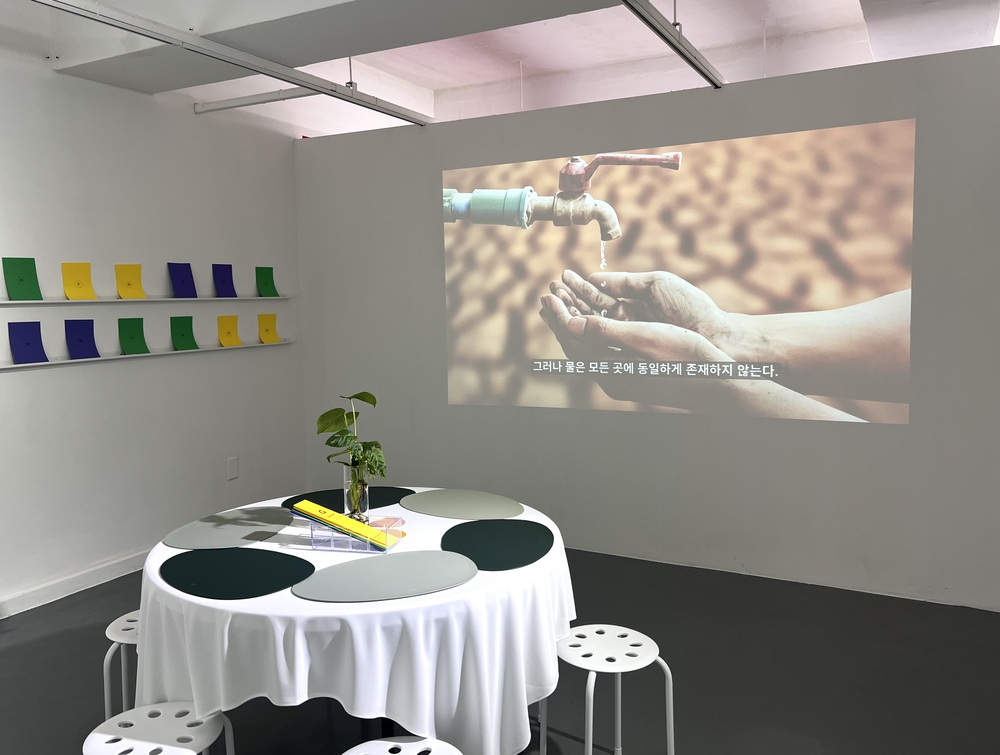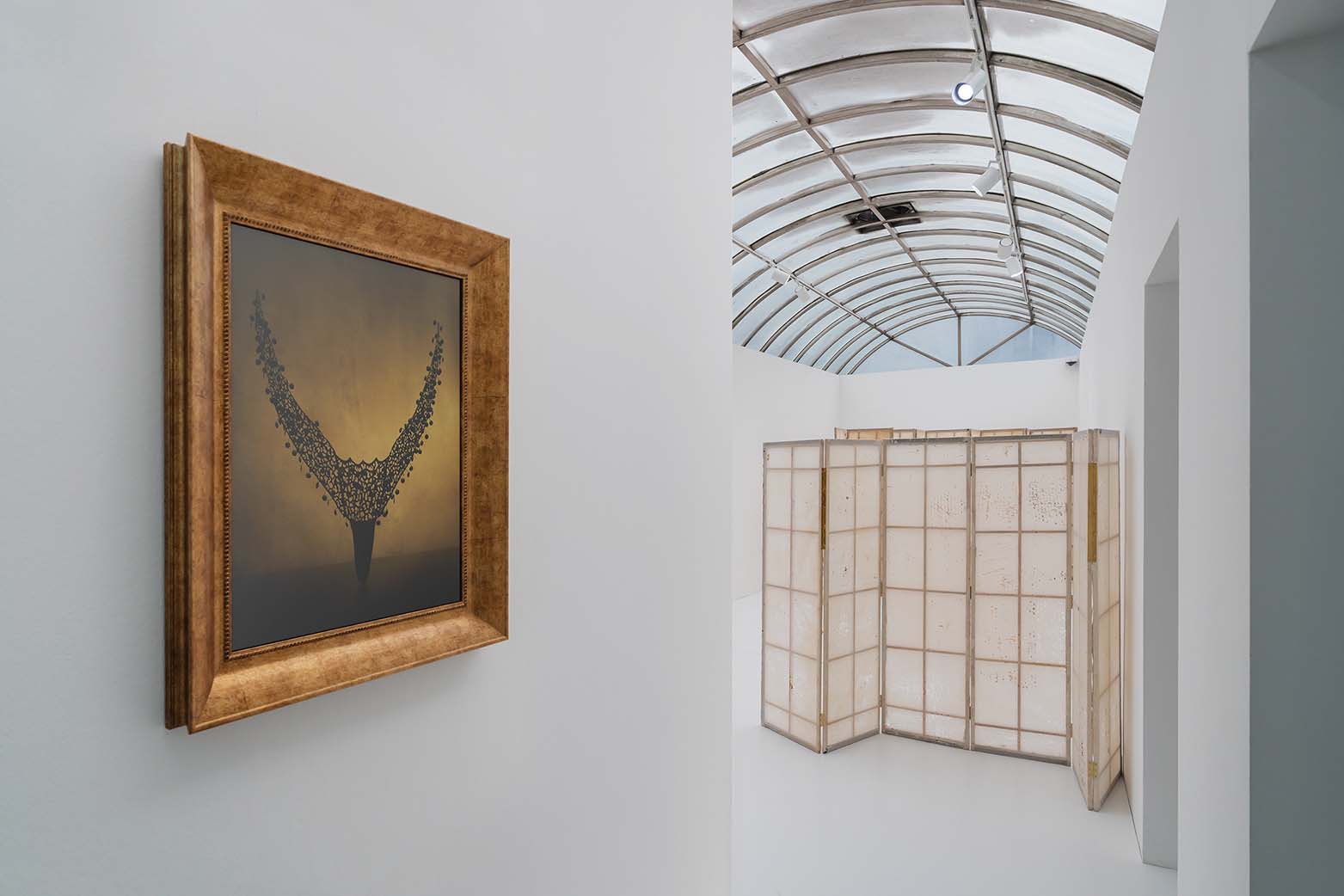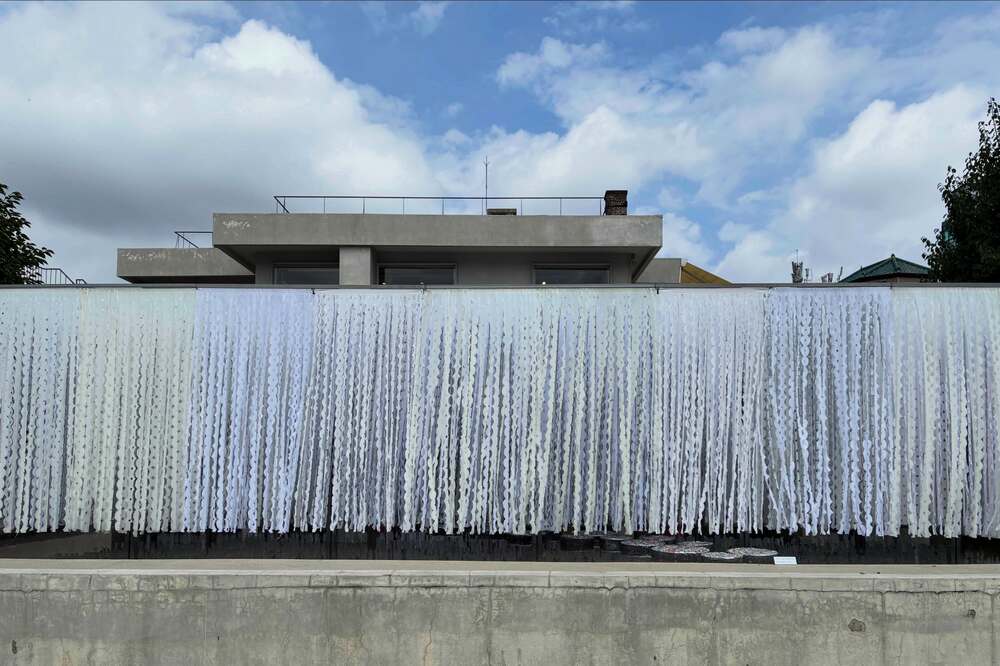

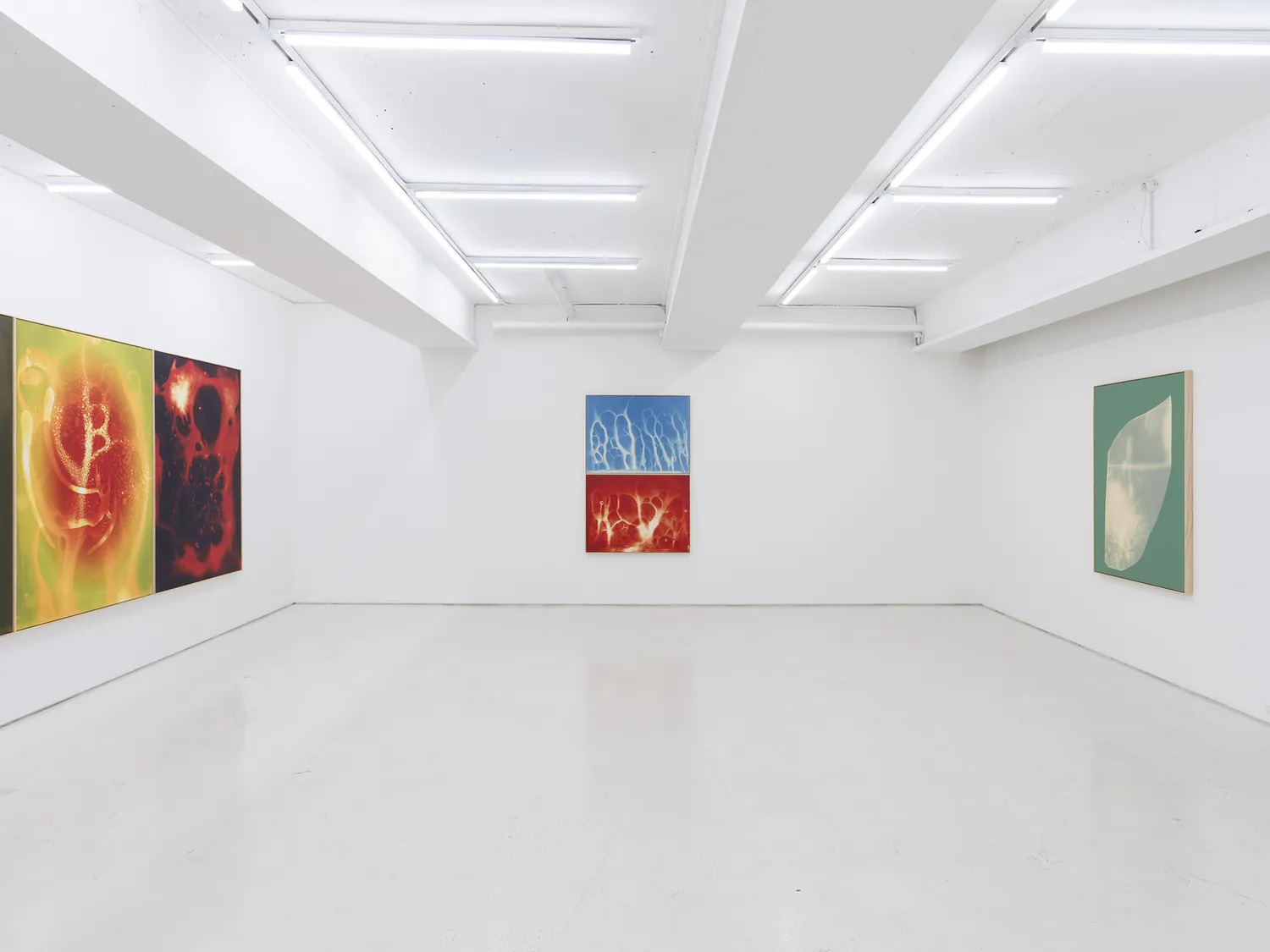
Installation view of 《Liquid Light》 © Chapter II
Chapter II presents
Ki Seul Ki’s solo exhibition 《Liquid Light》 at its
exhibition space in Yeonnam-dong on view through July 3.
During her
residency at Chapter II in 2024, the artist continued her photographic practice
while persistently exploring the processes of image-making and the conditions
of the photographic medium.
《Liquid Light》 reveals the process of image generation through camera-less
photography, presenting this inquiry as both a subject and a space for
contemplation.
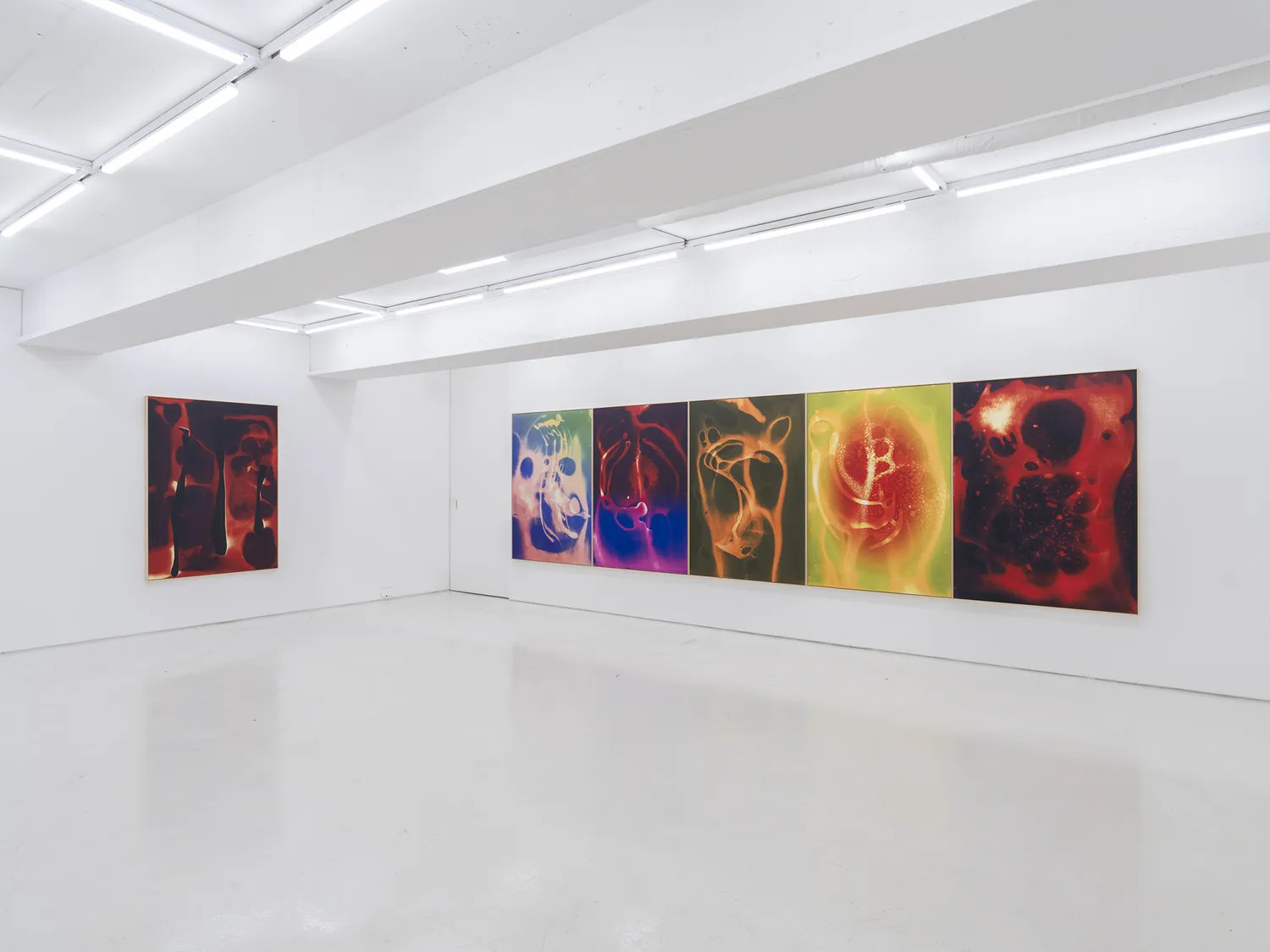
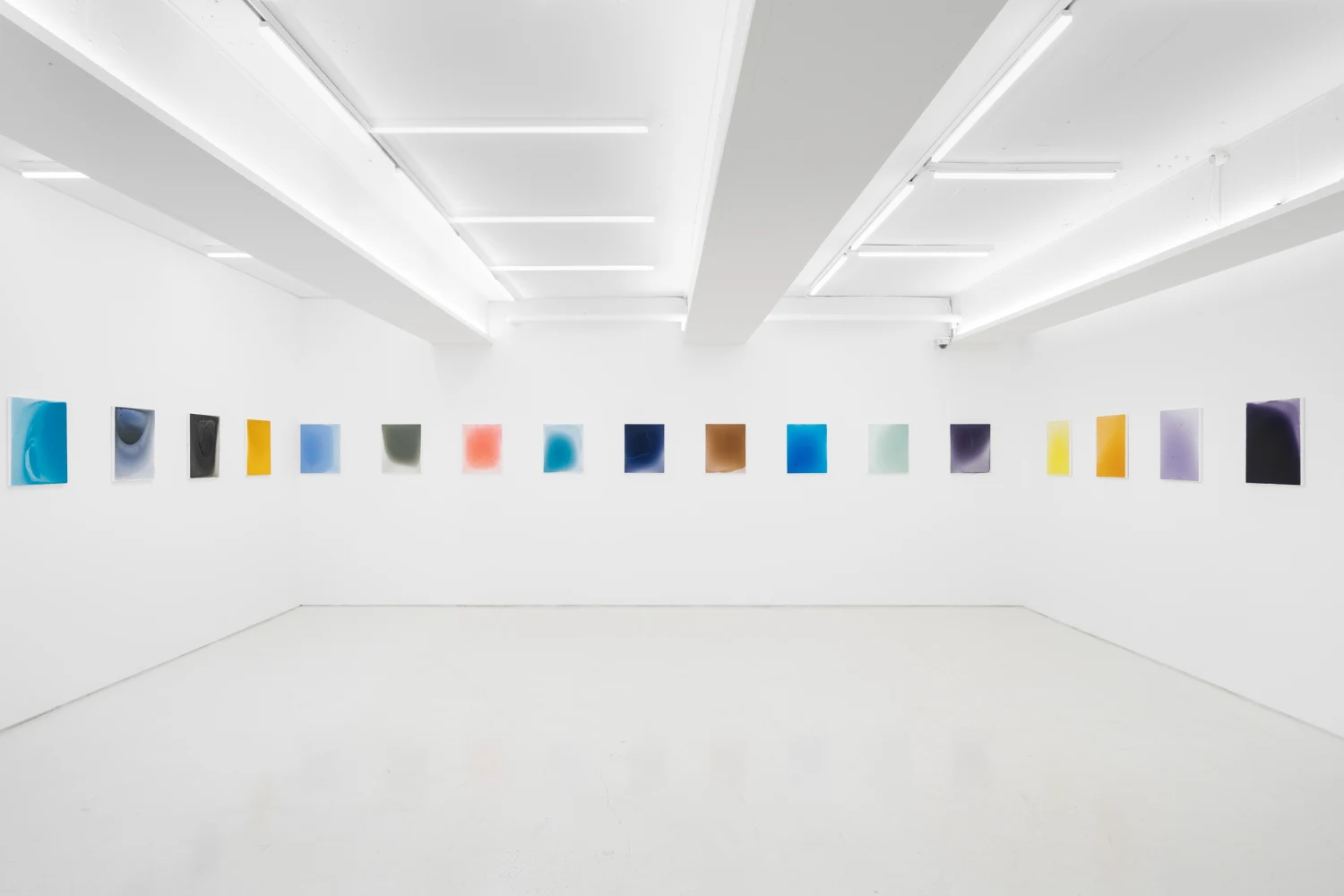
Installation view of 《Liquid Light》 © Chapter II
“Liquid Light”
is a photographic term referring to liquid photographic emulsion — a mixture of
gelatin and silver halide in fluid form. It also describes the method of this
work. In conventional photography, light strikes the emulsion and produces an
image.
Here, that
role is taken by the artist’s gaze. Chemicals flow and react across a surface,
and in doing so, they make the image. The structure remains the same; what
changes is the agent that produces the image.
The artist
uses color charts—tools designed to measure how closely a printed image matches
its original source—as the primary material. Selected colors from these charts
are printed onto photographic paper and then directly exposed to a mixture of
bleach and ink-removing agents.
Through this
process, the color chart, originally intended as a tool of accuracy and
faithful reproduction, is dismantled, revealing that the standards of
representation are fundamentally rooted in material conditions.
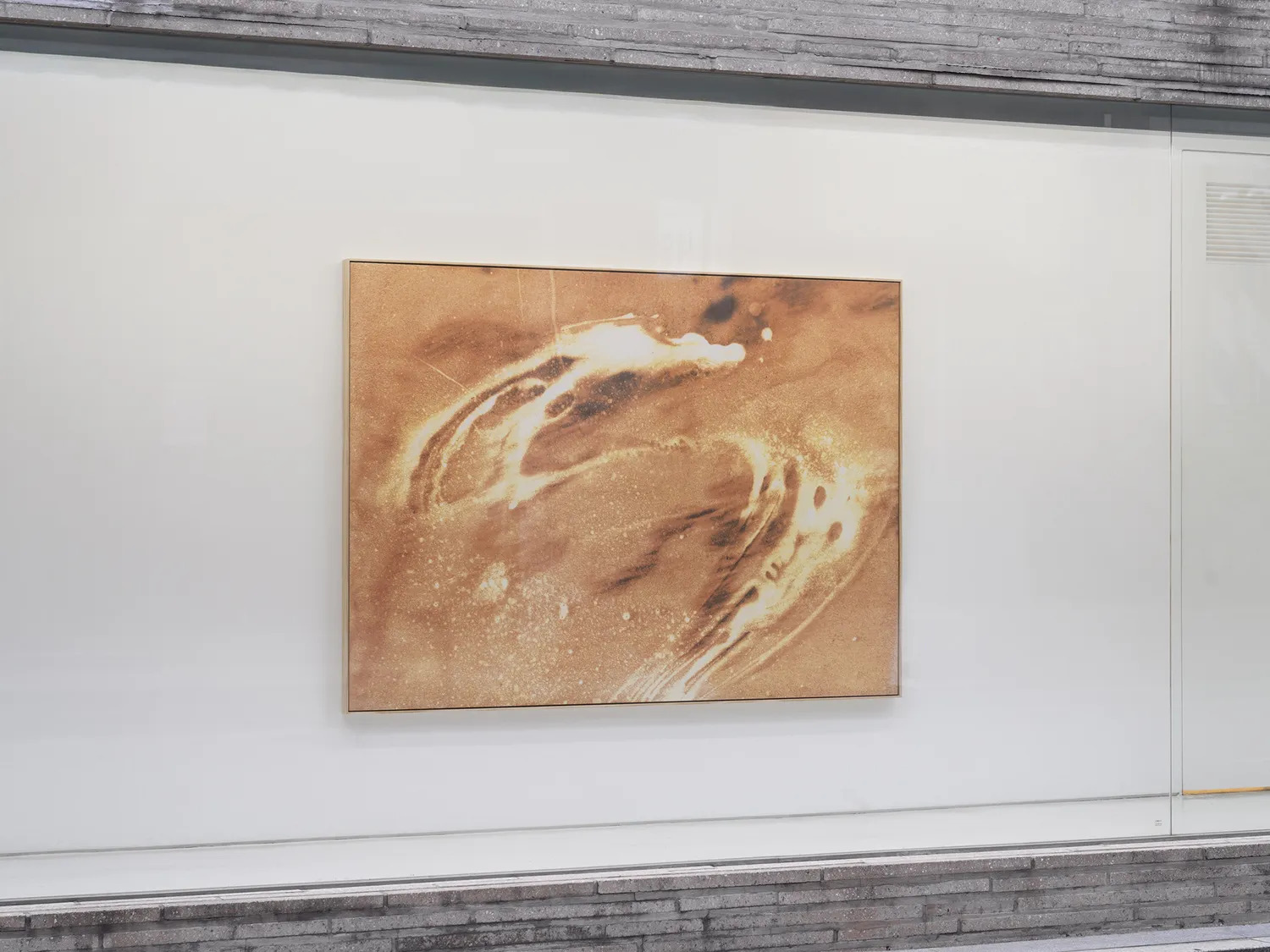
Installation view of 《Liquid Light》 © Chapter II
Rather than
pressing the shutter, she works with chemicals; instead of choosing a subject,
she designs the conditions for a reaction. The flow and interaction of
chemicals across the surface determine the final form of the image.
Colors fade
in the order of their exposure, gradually emerging and disappearing according
to the temporal sequence of the reaction. The resulting surface is not a
representation of the external world, but a trace of the conditions through
which the image came into being.
Areas
saturated with chemicals, boundaries where colors have dissolved, and moments
where the artist’s hand paused all become the content of the work. What remains
is not a subject, but the artist’s intervention itself—made visible in a way
that transforms the process into a photographic image.
The forms
that emerge evoke landscapes of things beyond direct human perception. They may
suggest the depths of the ocean or the far reaches of outer space. Through the
act of erasure, the image is recorded; through its collapse, it becomes all the
more vivid.
Ultimately,
the work presents the processes of generation and disappearance themselves as
photographic events.