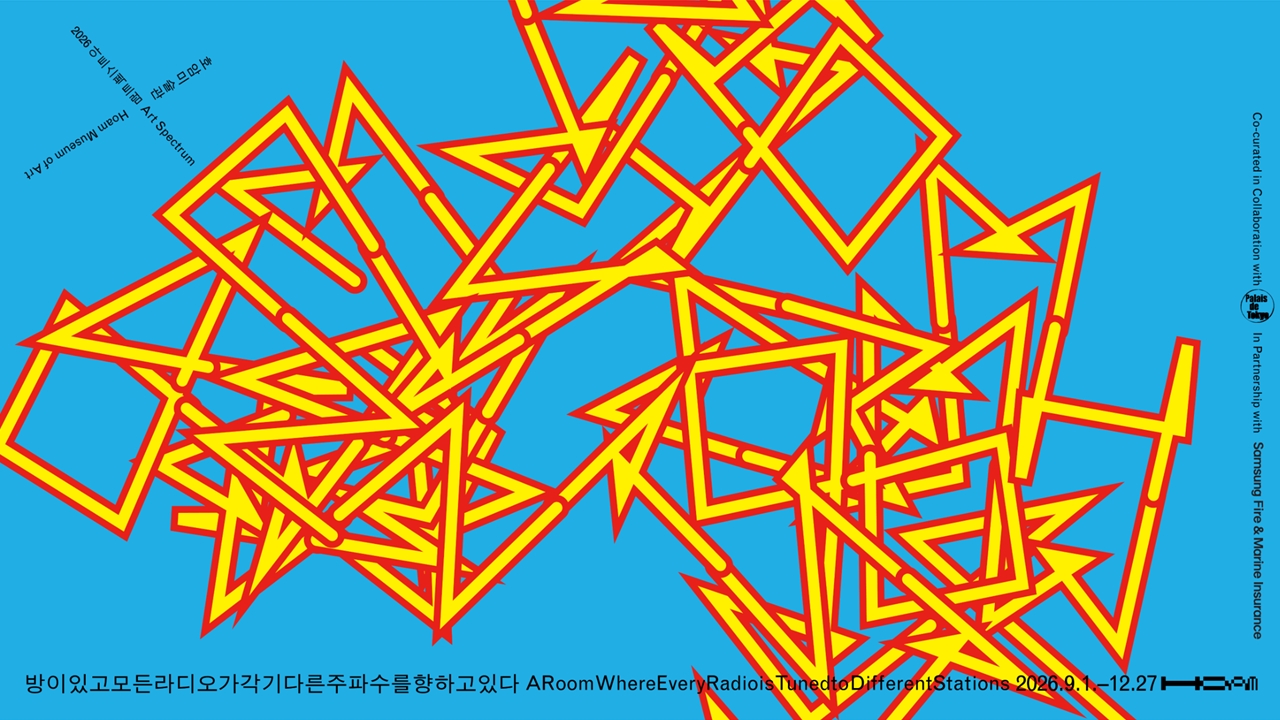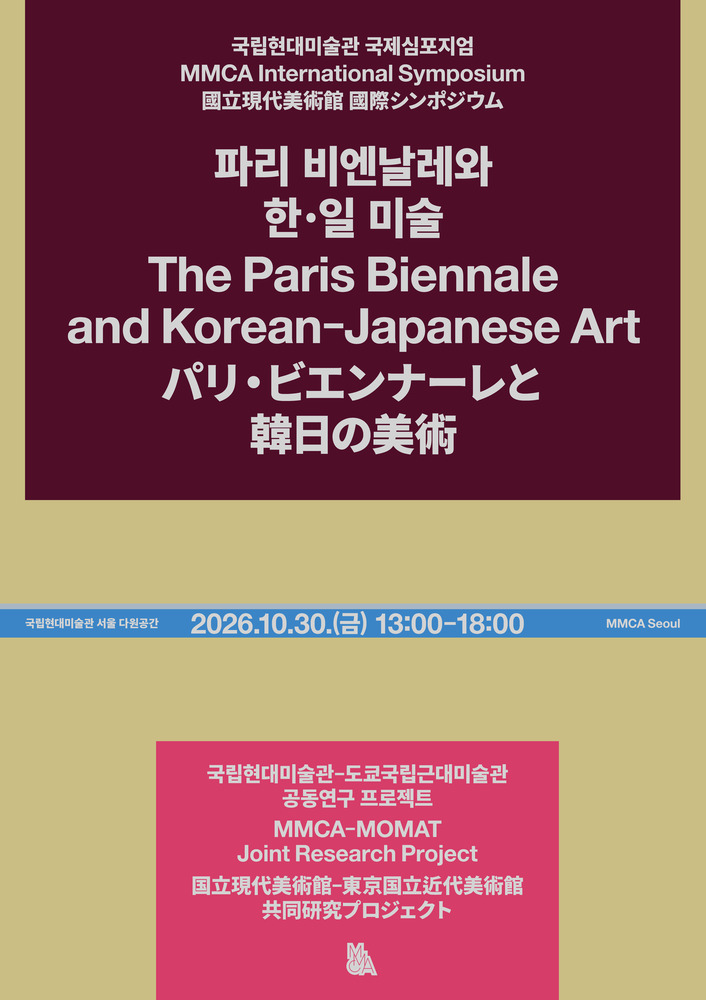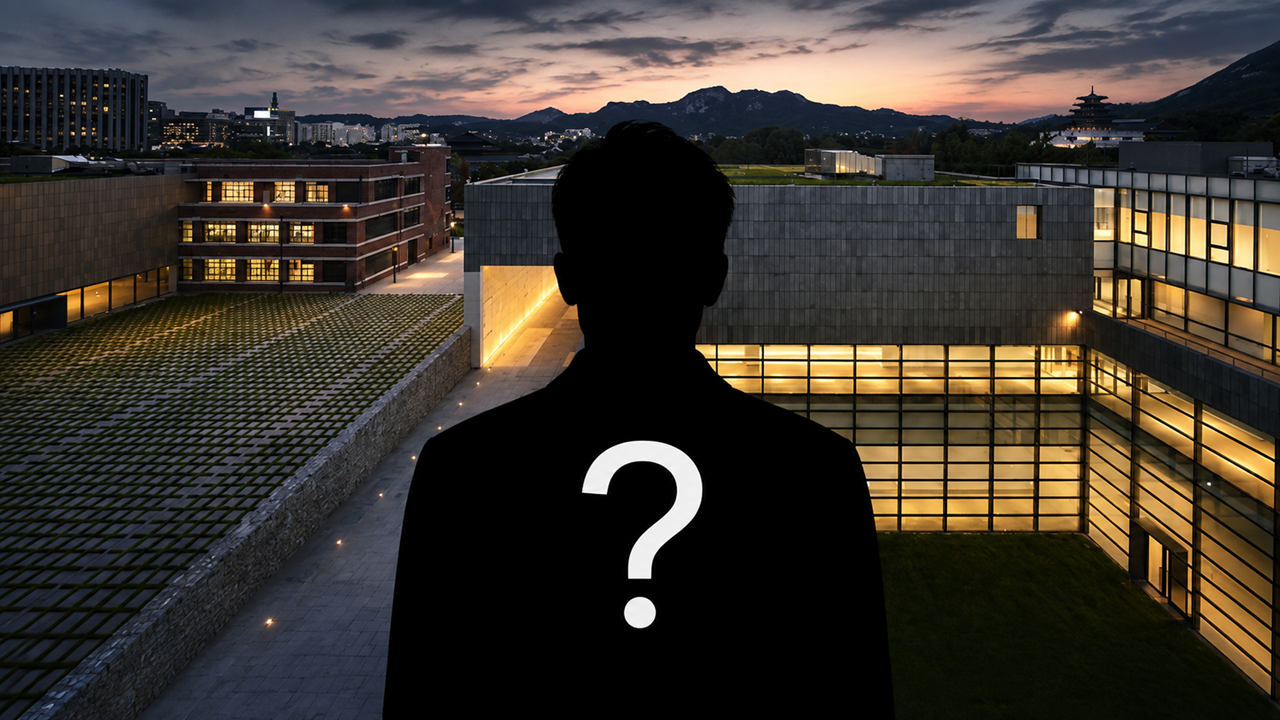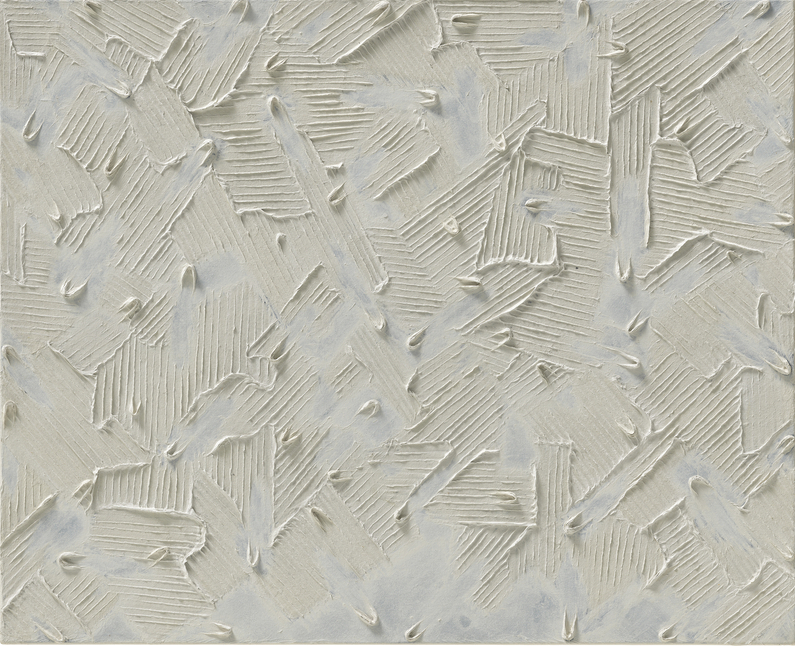

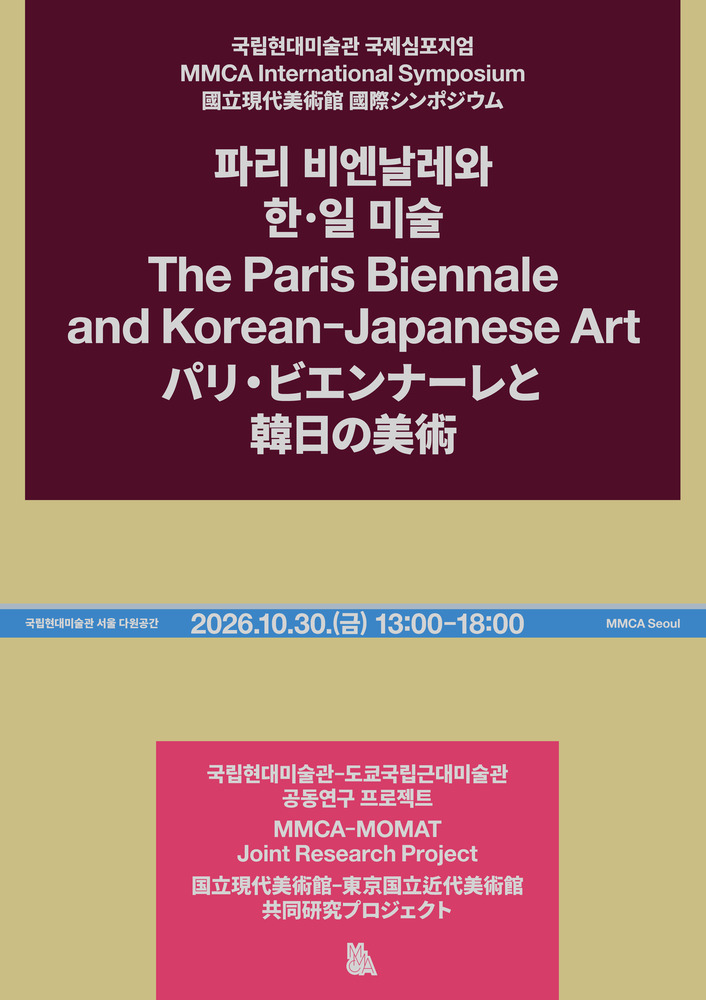
Poster image of MMCA-MOMAT Joint Research Project International Symposium “The Paris Biennale and Korean-Japanese Art” © MMCA
The National Museum of Modern and
Contemporary Art, Korea (MMCA), will host an international symposium titled “The
Paris Biennale and Korean–Japanese Art” at MMCA Seoul on Friday, October 30.
The symposium is part of a joint research initiative with the National Museum
of Modern Art, Tokyo (MOMAT).
With the goal of promoting Korean art
on the global stage, MMCA has been conducting collaborative research projects
on a range of topics with leading art institutions abroad, including those in
the United States, Singapore, China, and Hong Kong.
The MMCA–MOMAT Joint Research Project,
carried out from 2025 to 2026, is part of this broader effort. It focuses on
specific themes situated at the intersection of Korean and Japanese art
history, with findings shared through small-scale exhibitions, symposia,
publications, and other formats.
MMCA will present the findings of the
first joint research project, which focuses on the Paris Biennale, at the
upcoming symposium, while MOMAT will share its findings through an exhibition
in February 2027. Japan’s National Center for Art Research (NCAR) also
participated in the project as a collaborating institution.
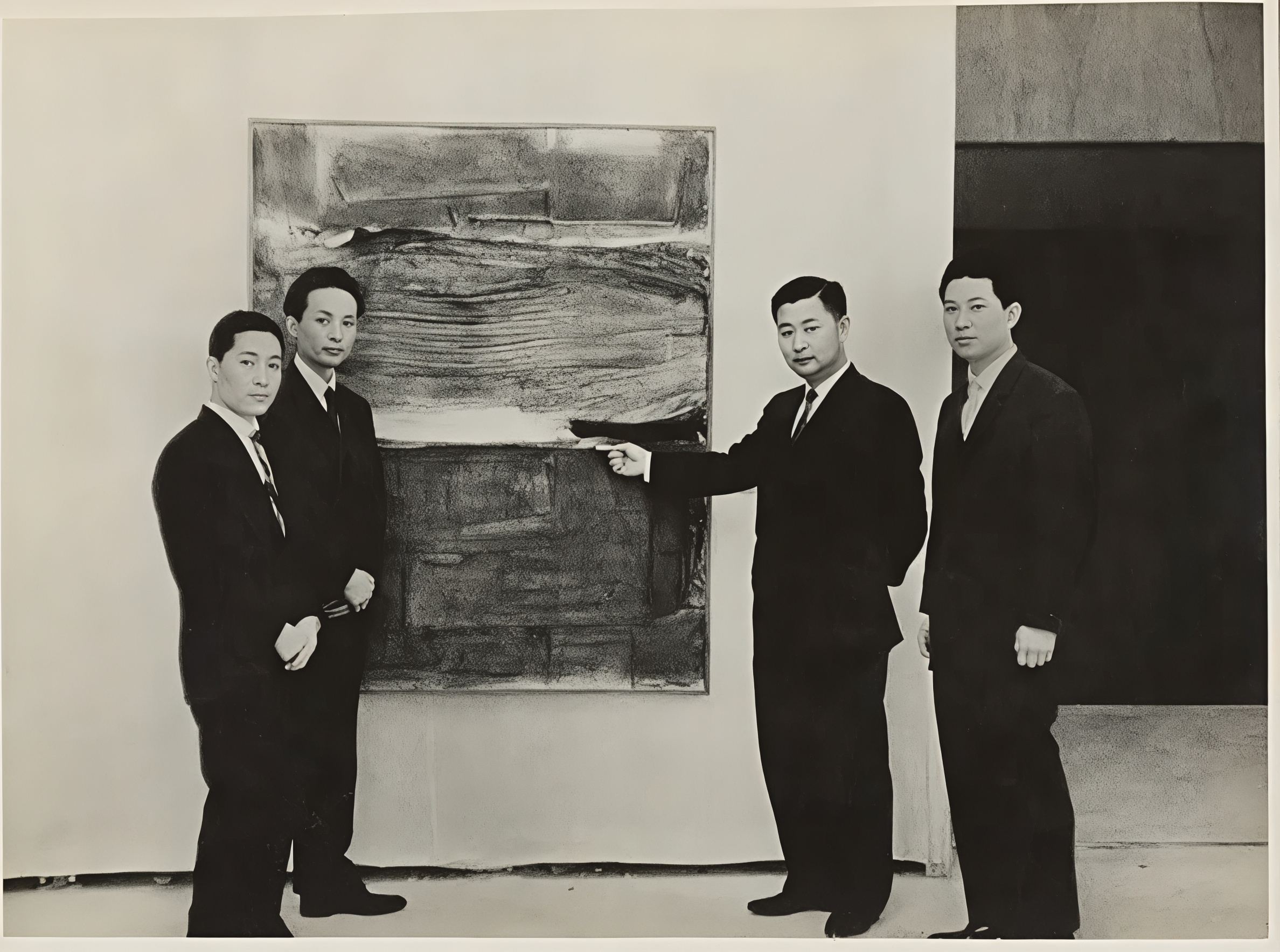
Park Seo-Bo (far left) and Lee Yil (left) in front of Kim Tschang-Yeul’s painting at the 2nd Paris Biennale, 1961. Photo: Cho Yong Ik. © PARKSEOBO FOUNDATION
The Paris Biennale, the subject of the
joint research project, was an international exhibition held in Paris, France,
over 13 editions between 1959 and 1985. It was conceived as a means of
revitalizing French society through culture and the arts in the aftermath of
World War II, while reinforcing Paris’s status as a major center of the art
world.
The influence of the Paris Biennale,
which featured artists between the ages of 20 and 35, extended to young artists
in Korea and Japan.
For these artists, participating in
the biennale offered a way to break away from the academicism-dominated art
scenes in their home countries and connect with the international contemporary
art world. The list of Korean artists who participated in the Paris Biennale
reflects the trajectory of Korean contemporary art history, from Informel to
experimental art.
Notably, Lee Ufan participated in the
Paris Biennale as a Korean artist in 1971 and later, from 1973 to 1977, as a
correspondant—a member of the committee responsible for recommending Korean
artists for the biennale.
He regarded the event as a starting
point for entering the international art world and an opportunity to expand
Korea–Japan artistic exchange. Amid the global transformations that followed
the May 1968 protests in France, the Paris Biennale also helped foster an
international network connecting Korea, Japan, and France.
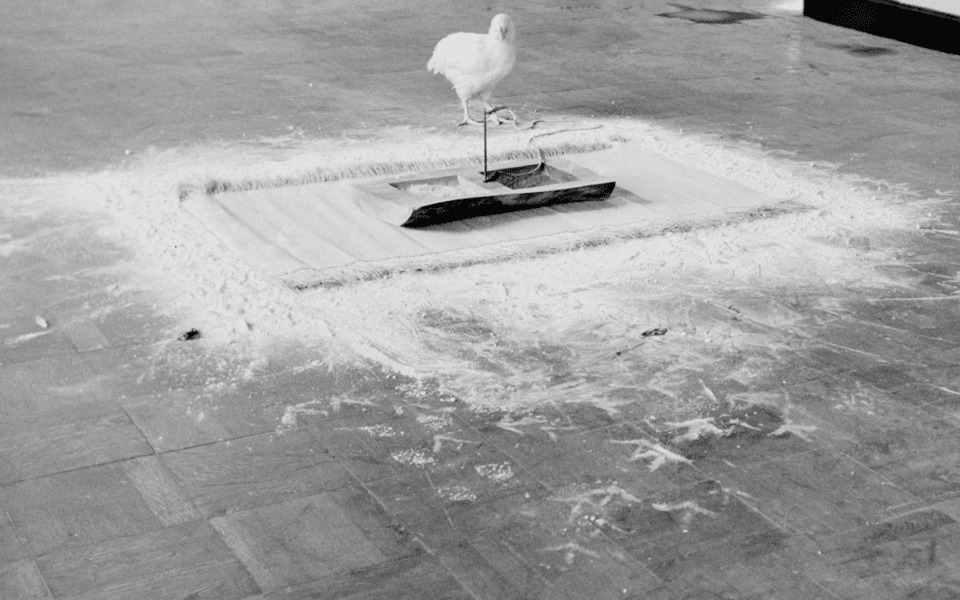
Lee Kang So’s Untitled 75031 (1975), presented at the 9th Paris Biennale, exemplifies his experimental approach by incorporating a live chicken as a “co-creator.” © Lee Kang So
“The Paris Biennale and
Korean–Japanese Ar” brings together researchers, curators, artists, and critics
from Korea, Japan, and France to examine the history and significance of the
Paris Biennale, as well as the artistic practices and institutional frameworks
of its time. The symposium presents diverse art-historical perspectives on the
exhibition.
Part 1: “The History and
Reinterpretation of the Paris Biennale” explores the biennale’s
history and contemporary significance. Elitza Dulguerova (Assistant Professor,
Université Paris 1 Panthéon-Sorbonne) will present findings from an
international research project on the Paris Biennale, initiated in 2017 under
the direction of the French National Institute for Art History (INHA).
Shiori Sahara (MOMAT Assistant
Curator) and Yushin Jeon (MMCA Curator) will each discuss the participation of
Japanese and Korean artists in the Paris Biennale and the significance of the
event in the art histories of their respective countries.
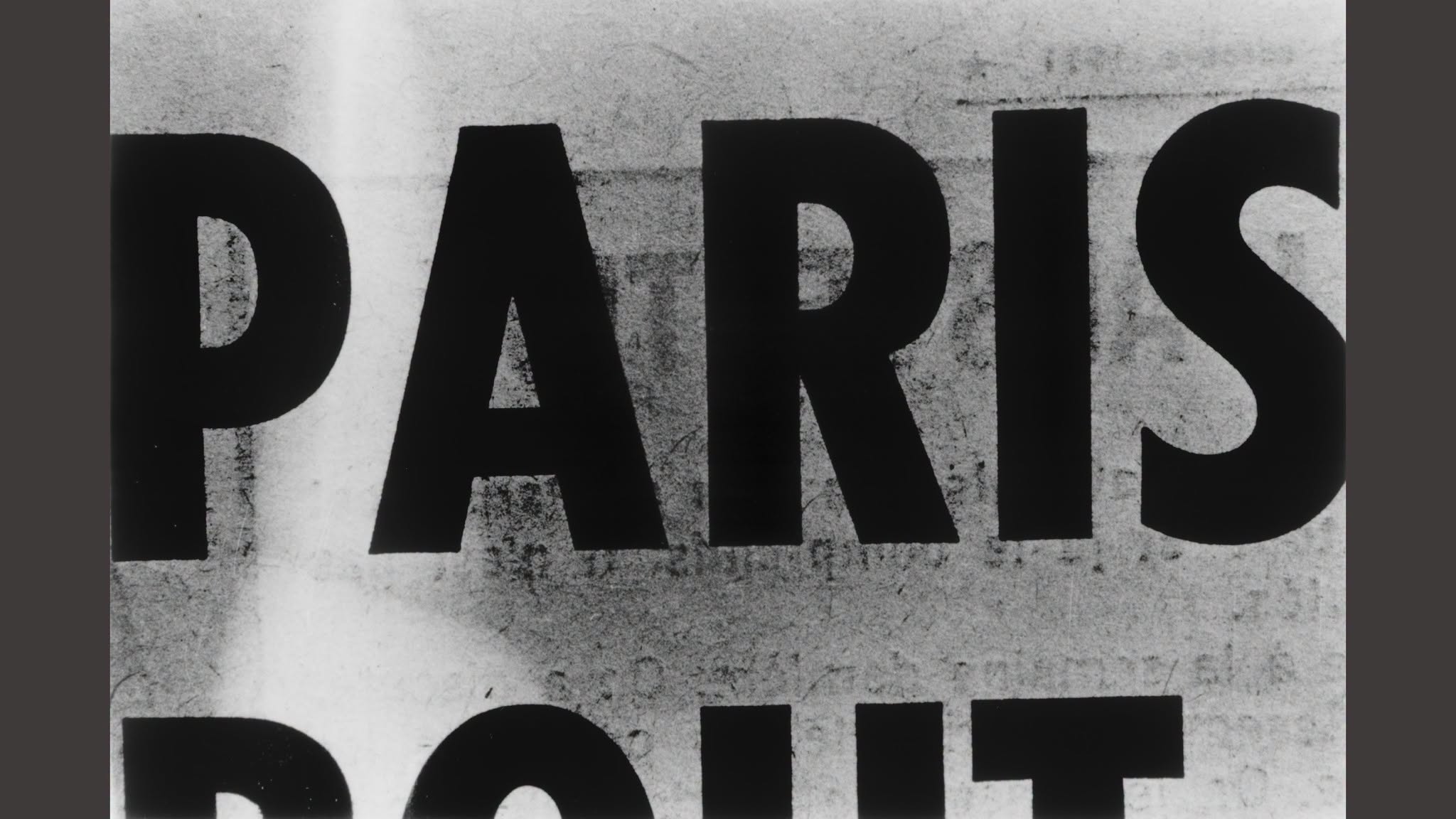
NAKAHIRA Takuma, From Circulation: Date, Place, Events, gelatin silver print, 32.0×48.0cm, The National Museum of Modern Art, Tokyo (Exhibited at the 7th Paris Biennale in 1971) © MOMAT
Part 2: “The Paris Biennale:
Practices and Institutions” features firsthand accounts from artists
Koshimizu Susumu and Lee Kang So, who participated in the 1971 and 1975
editions of the Paris Biennale, respectively. In 1971, artists were selected on
a country-by-country basis. In 1975, the selection system changed, with
candidates preselected by correspondants and the final decisions made by an
international committee.
Minemura Doshiaki, a critic who served
as the biennale’s only Asian member of the international committee for three
editions between 1973 and 1977, will discuss the significance and limitations
of the Paris Biennale, including these changes to its selection process.
Registration opens at 10 a.m. on
Friday, October 16, via the MMCA website (mmca.go.kr). Admission is free, with
250 places available on a first-come, first-served basis.