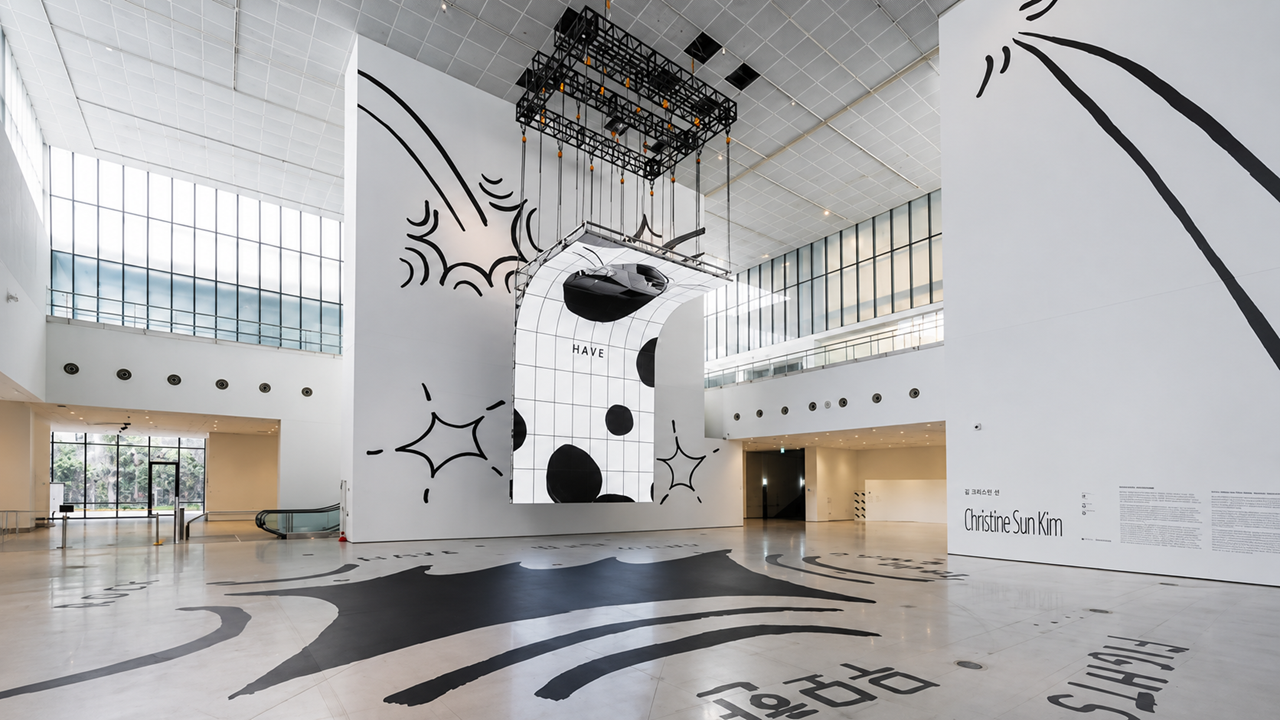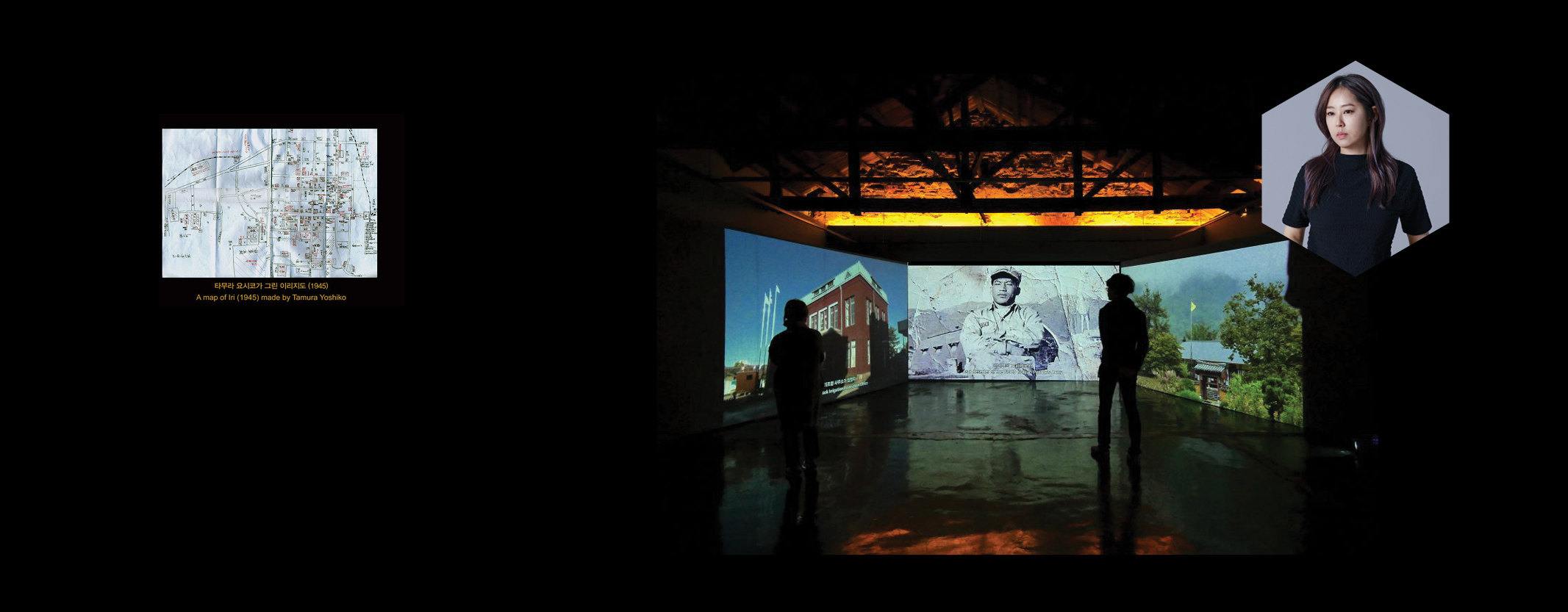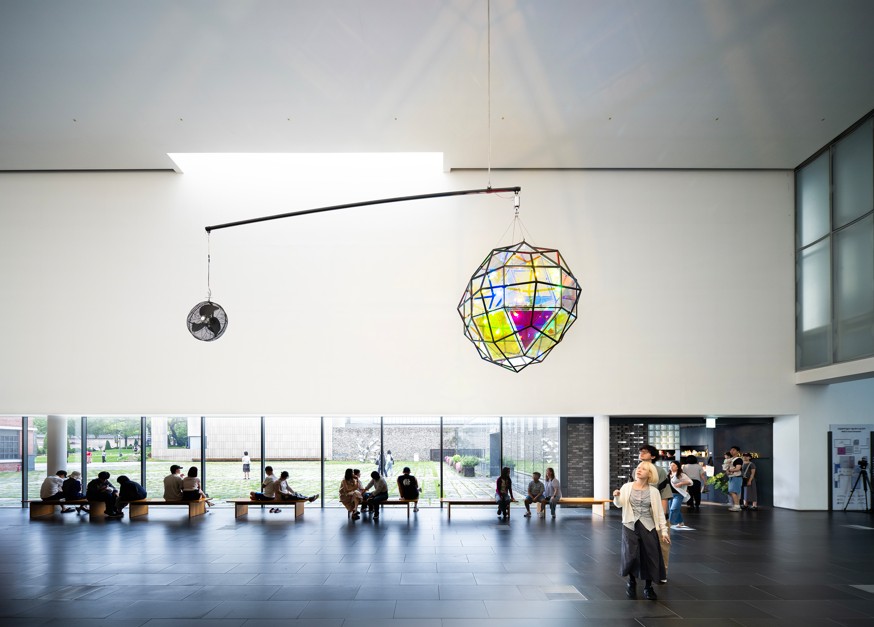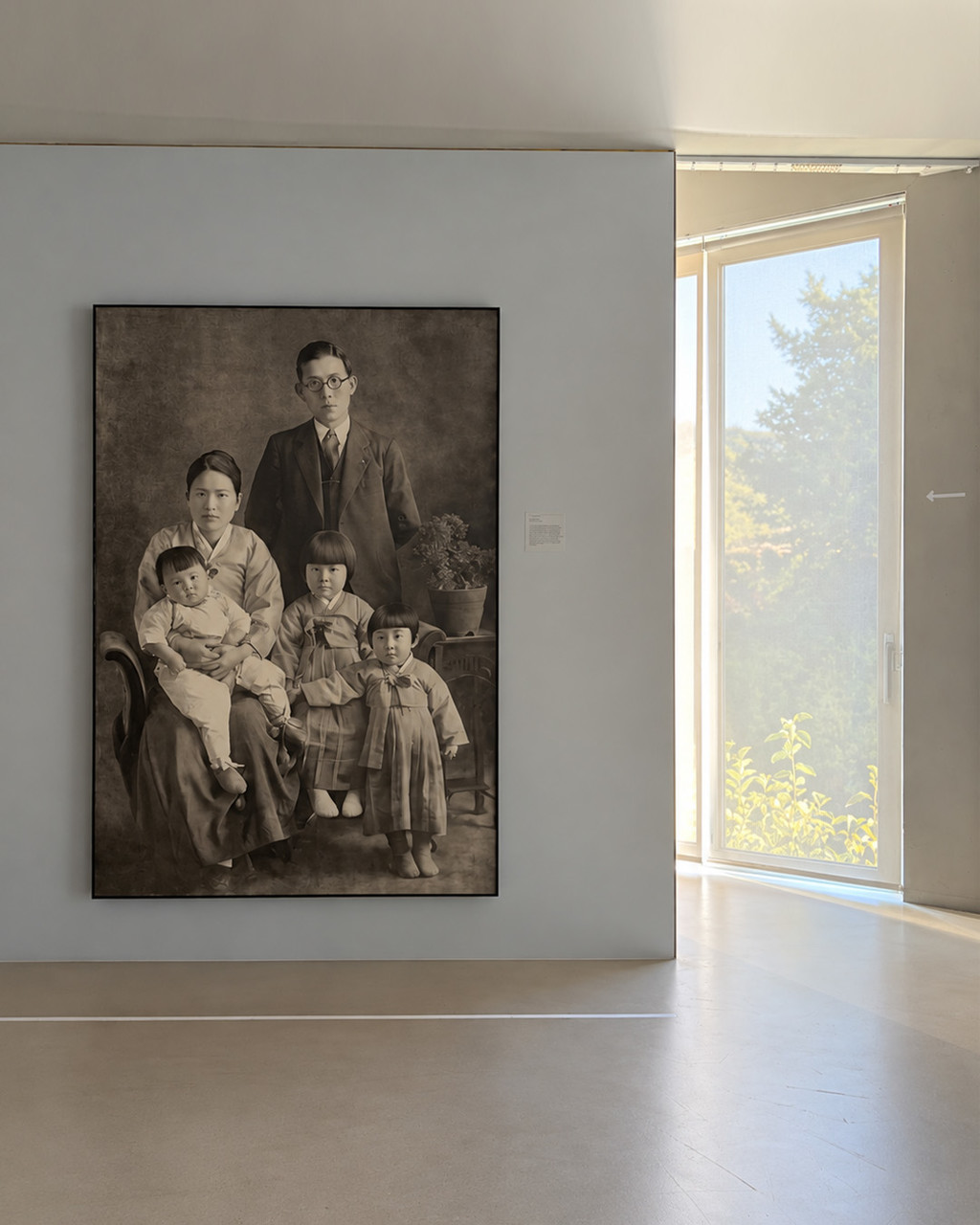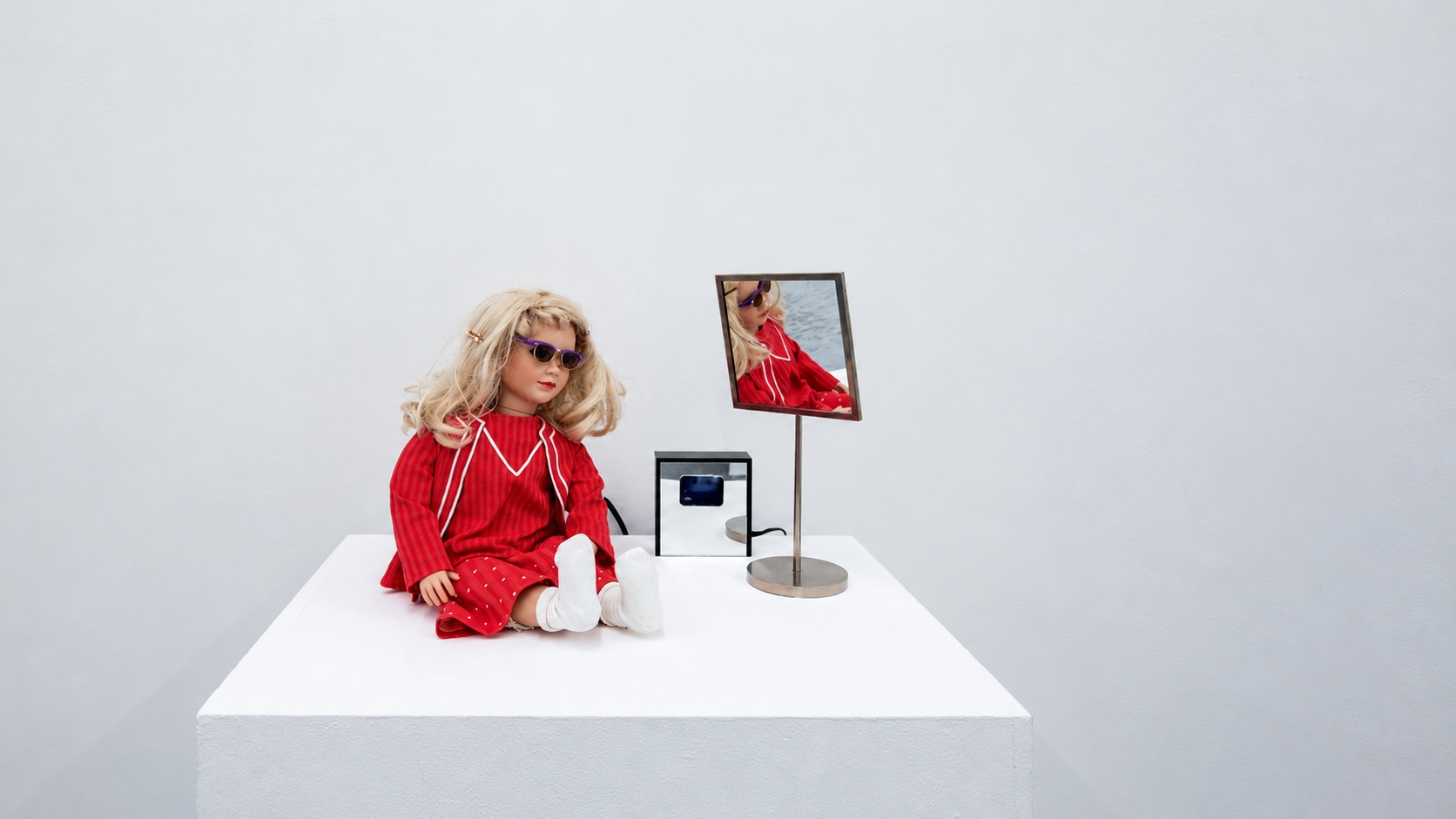

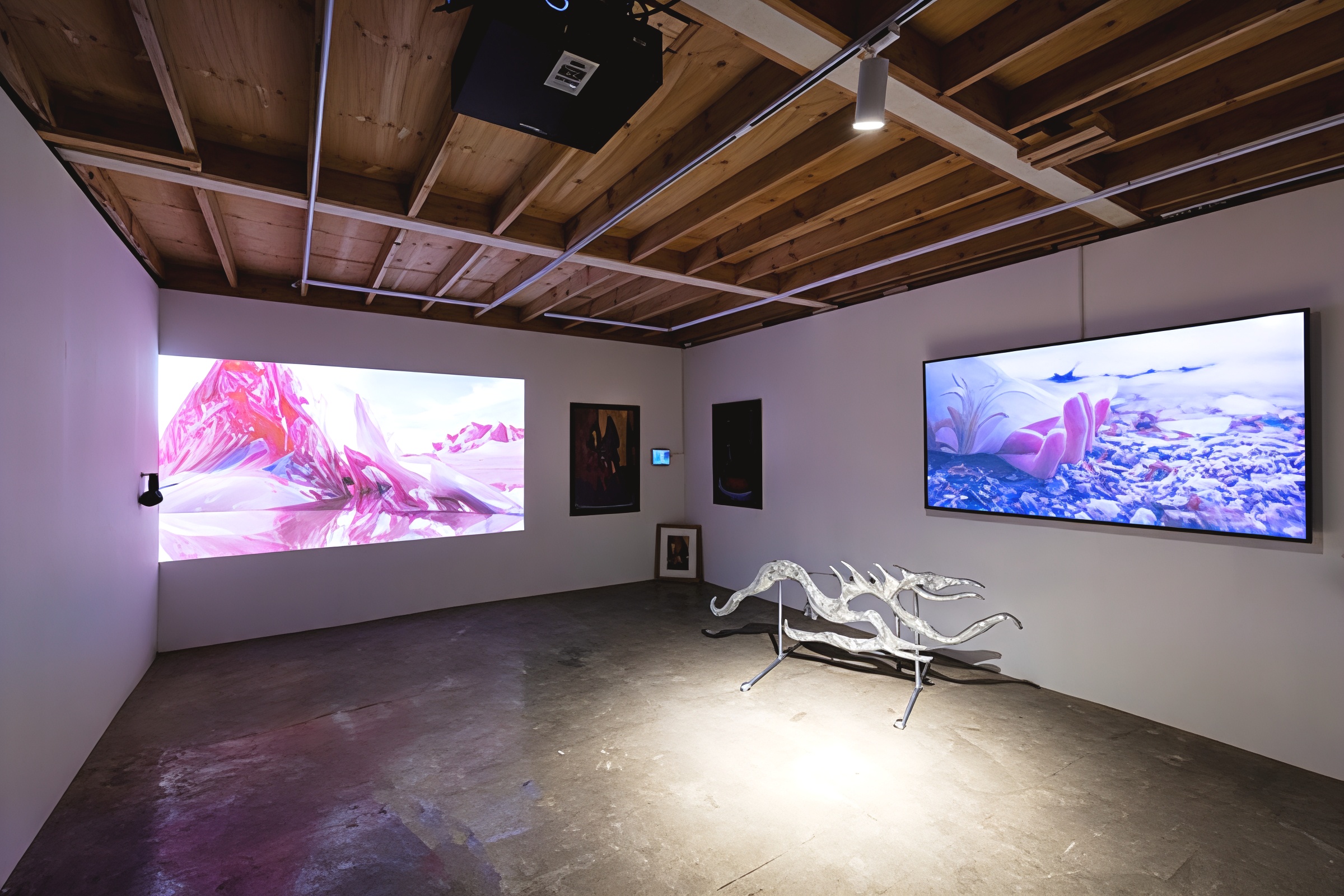
Installation view of 《Korean Art Year Zero: 42 Stories》 © Total Museum of Contemporary Art
Total Museum of Contemporary Art, Korea’s first private museum of
contemporary art, presents the special exhibition 《Korean Art Year Zero: 42 Stories》 through February 28, 2027, marking the 50th anniversary of its
founding.
Founded in 1976 as Total
Gallery in Dongseung-dong, Seoul, and later moving to Jangheung before
establishing its current home in Pyeongchang-dong, Total Museum has been a
vital part of experimental practices in Korean contemporary art for the past
half-century. Rather than presenting a retrospective celebrating its own
history, this exhibition begins with a question: Where might Korean art begin
again?
The “zero” in the exhibition’s title does not signify emptiness or
absence. It marks a point where endings and beginnings converge—a moment when
familiar standards and established orders are unsettled, giving rise to new
questions.
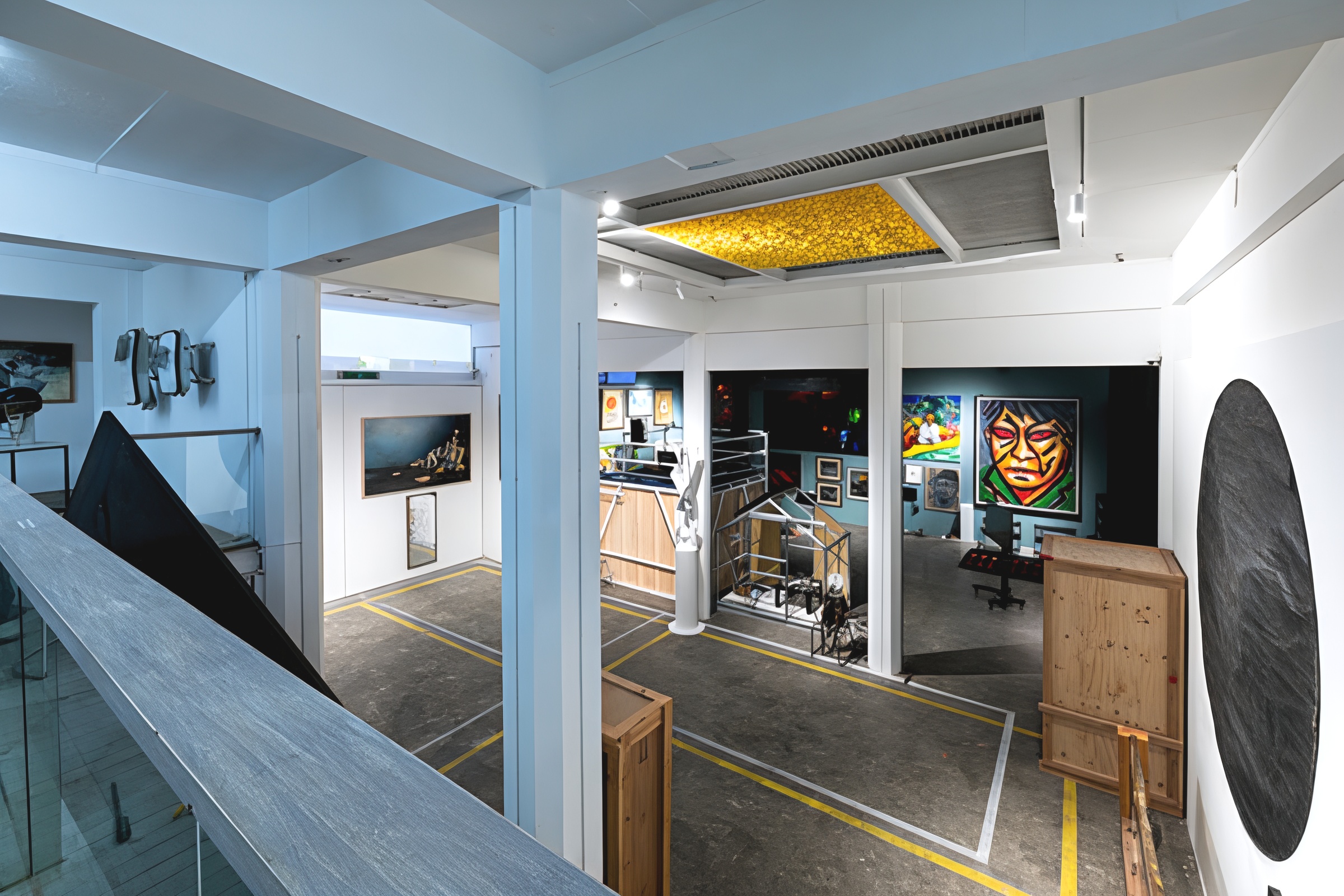
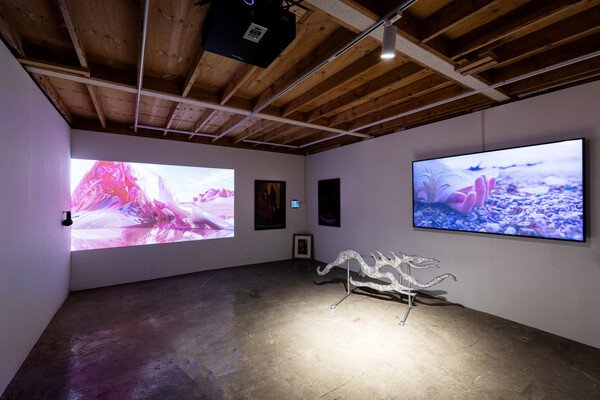
Installation view of 《Korean Art Year Zero: 42 Stories》 © Total Museum of Contemporary Art
《Korean Art Year Zero: 42 Stories》 brings together artworks and images created across different
periods and contexts, reconnecting them with personal memories and historical
and social events.
The exhibition unfolds throughout the museum, extending beyond its
galleries into the basement, annex, garden, rooftop, and even the open air
surrounding the building. Corridors, stairways, and other interior
architectural spaces become part of the exhibition, while the museum’s outdoor
environment is also brought into its expanded spatial framework.
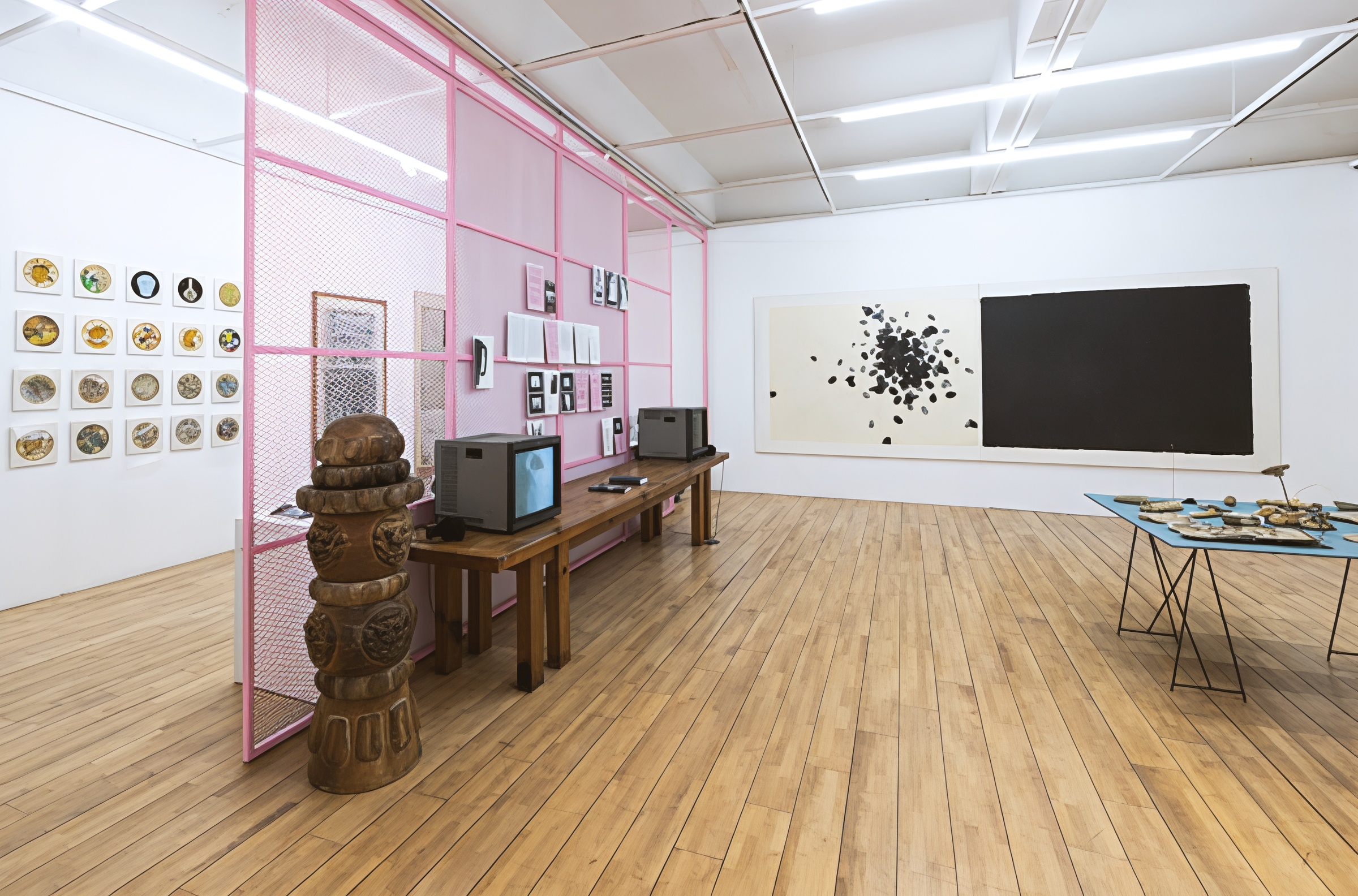
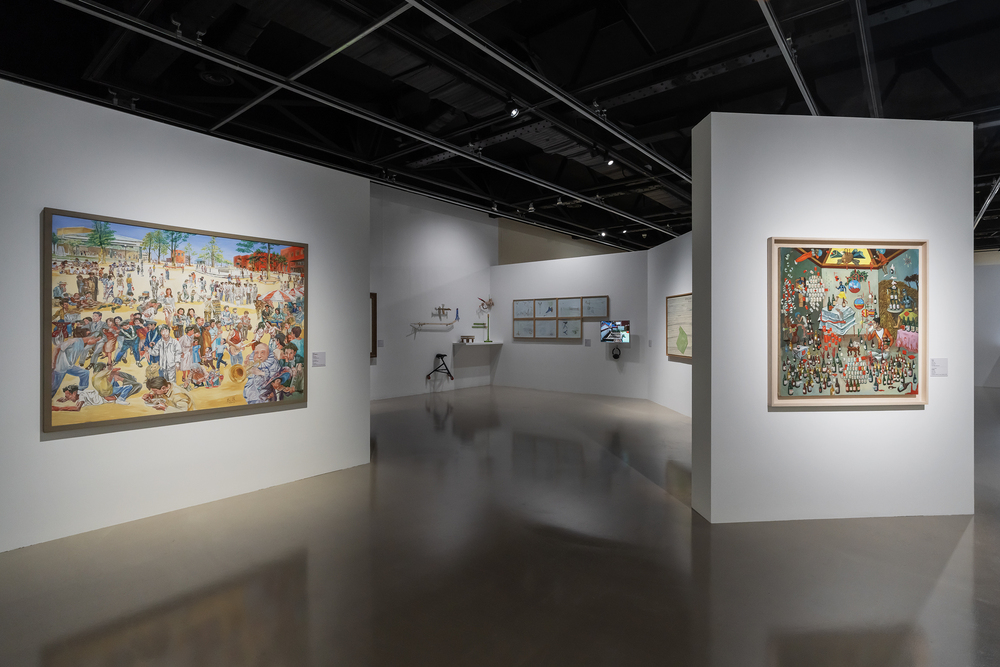
Installation view of 《Korean Art Year Zero: 42 Stories》 © Total Museum of Contemporary Art
A central question runs throughout the exhibition: What can art do
in times of turmoil? Over the past century and more, Korean society and the
wider world have experienced colonialism, war, national division, migration,
industrialization, democratization, rapid technological development, and
profound social transformation. Artists have responded to these realities in
their own distinct ways, seeking to understand and engage with the world around
them.
The exhibition connects these artistic practices to the
fundamental question of mourning. Here, mourning extends beyond grief over
personal loss. It is understood as an artistic attitude: remembering what is
disappearing, confronting the wounds of history, and discovering the
possibility of continuing to live despite them.
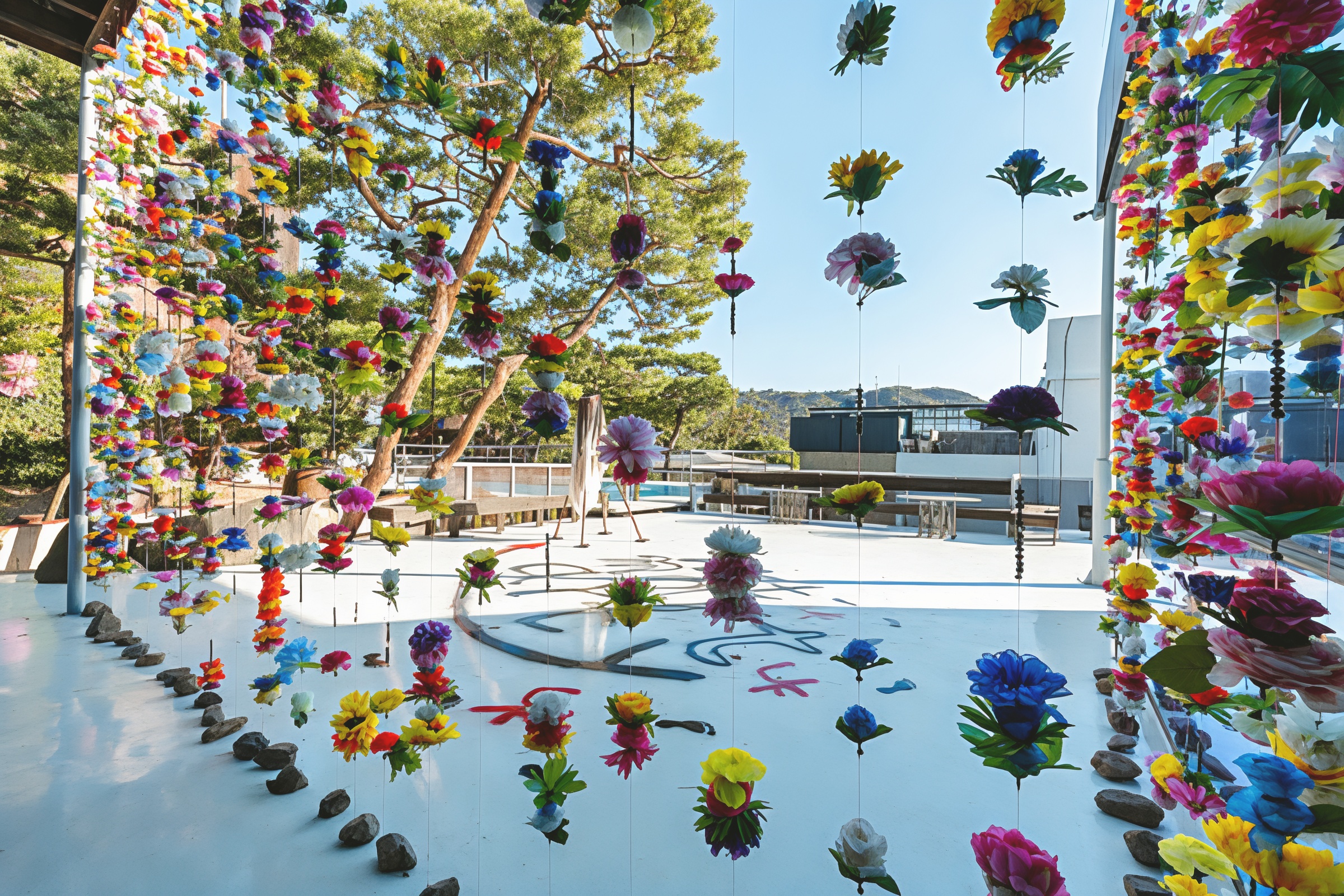
Installation view of 《Korean Art Year Zero: 42 Stories》 © Total Museum of Contemporary Art
《Korean Art Year Zero: 42 Stories》 does not seek to present a definitive history of Korean art or
organize the past into a completed narrative. Instead, it reconnects artworks
and images from different periods with individual memories and social events,
opening up possibilities for new relationships and interpretations yet to be
discovered.
Extending beyond the museum’s physical boundaries—encompassing its
interior and exterior, the ground and the open air—this special exhibition
looks back on Total Museum’s 50-year history while asking what art can
remember, mourn, and imagine anew as it moves through times of turmoil.
Participating Artists: Kwak Duck-Jun, Quac
Insik, Kong Sunghun, Geum Nuri, Kim Kulim, Kim Doo-jin, Kim Beom, Kim Bora, Kim
Bong-jun, Kim Seok-hwan, Kim Seung-yeon, Kim Yang-dong, Kim Wook-kyu, Kim
Yun-shin, Kim Joo-young A, Kim Joo-young B, Kim Tae-hyup, Kim Hyo-yeon,
Namgoong Hwan, Noh Suntag, Du Kim, Ru Kim, Moon Seo-jin, Moon Hyeong-min, Park
Kyung / Storefront, Park Ki-il, Park Seo-bo, Bang & Lee, Nam June Paik,
VAKKI, Suh Yong-sun, Seo Hyo-jung, Sung Neung Kyung, Sung Wan-kyung, Sung
Chan-kyung, Son Sang-ki, Song Sung-jin, Song Ho-jun, Shin Meekyoung, Shim
Moon-seup, Shim Jeong-soo, Yayo, Yaloo, Omyocho, Oh Min, Yoo Hyun-mi, Lee
Kang-so, Lee Kun-Yong, Lee Do-young, Lee Soon-jong, Lee Seung-taek, Lee
Yongbaek, Lee Woong-chul, Lee Yuum, Lee Eun-jung, Lee Sang-hyun, Jang Ji-a,
Jung Da-woon, Jung Min-su, Joo Jae-hwan, Theresa Hak Kyung Cha, Choi Sung-ho,
Pilseung, Hong Myung-seop