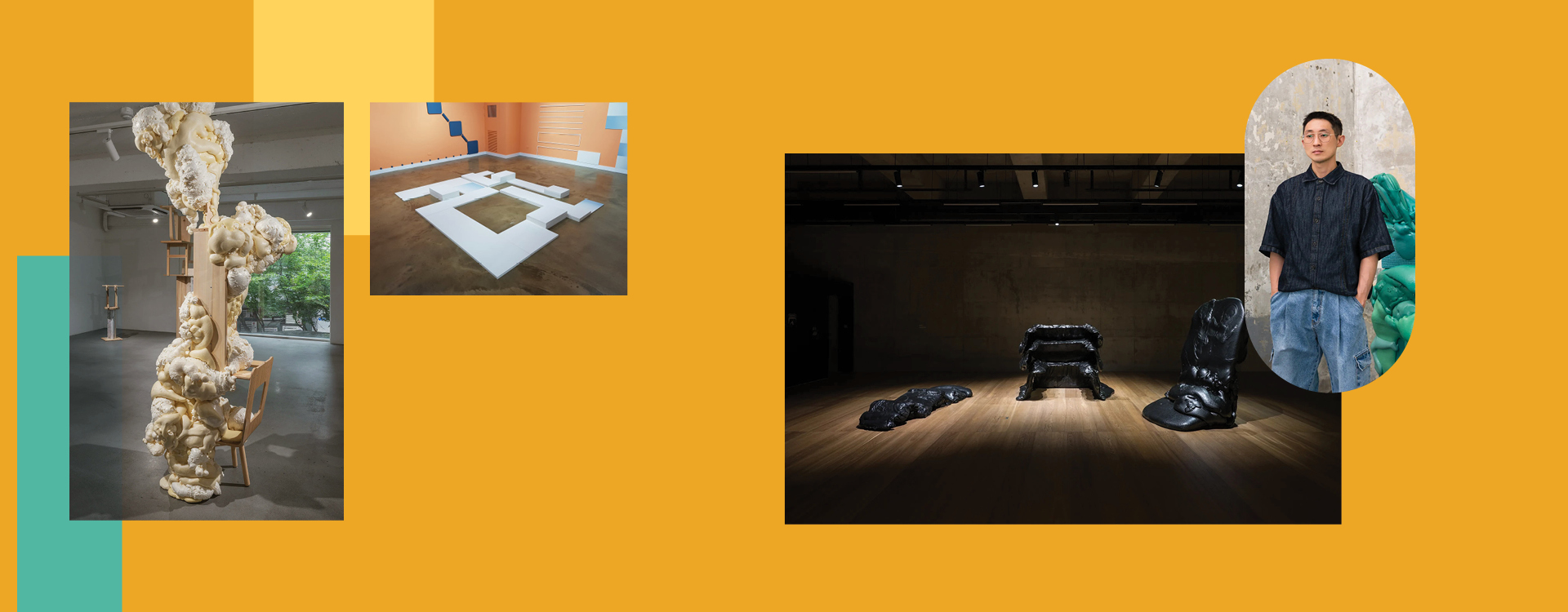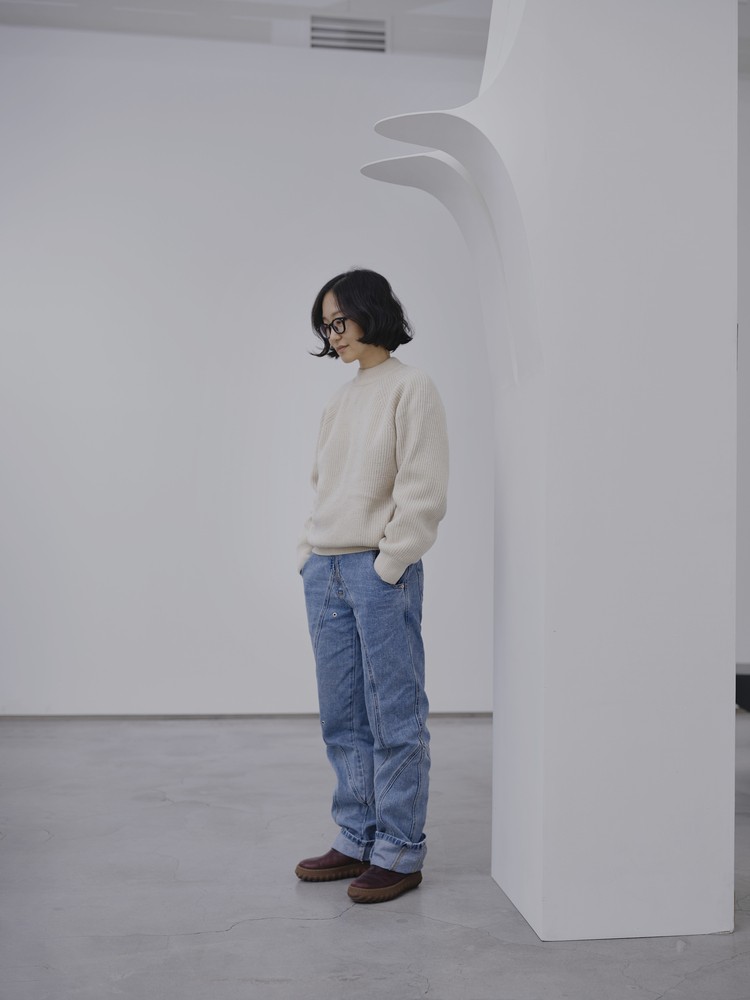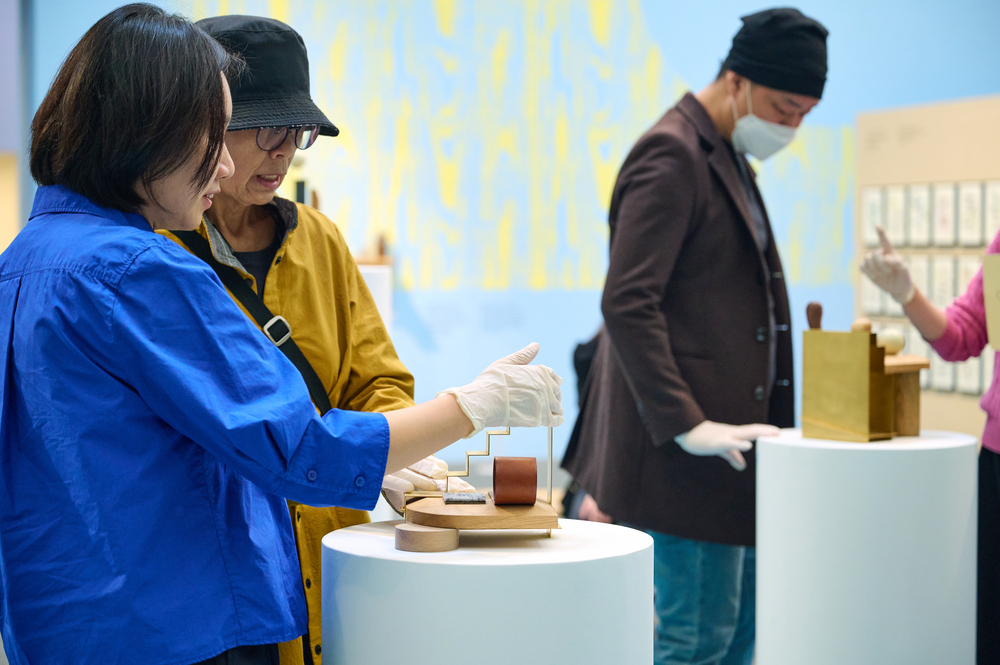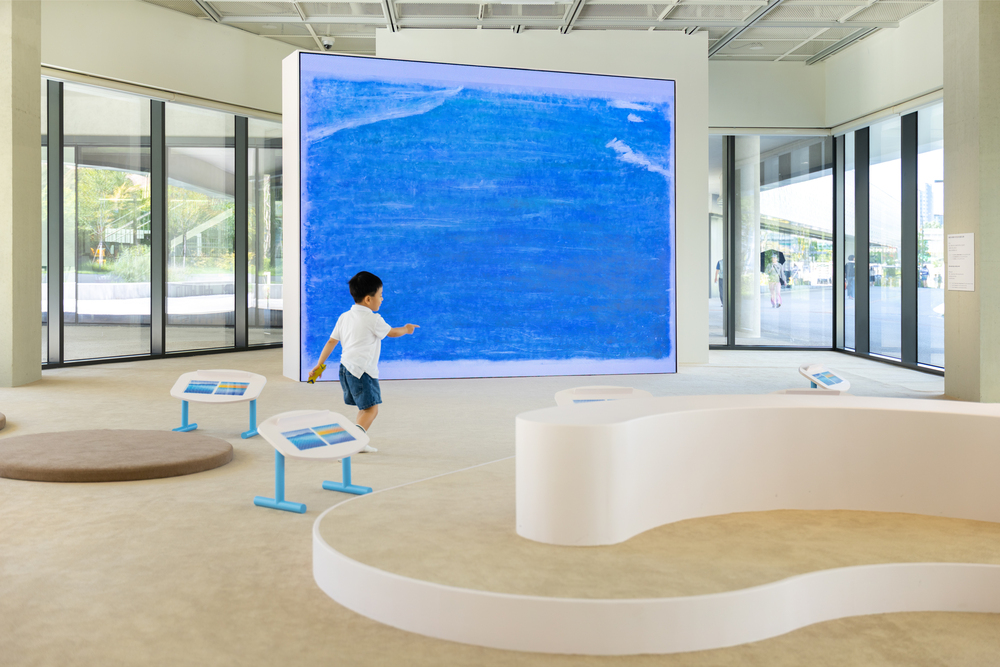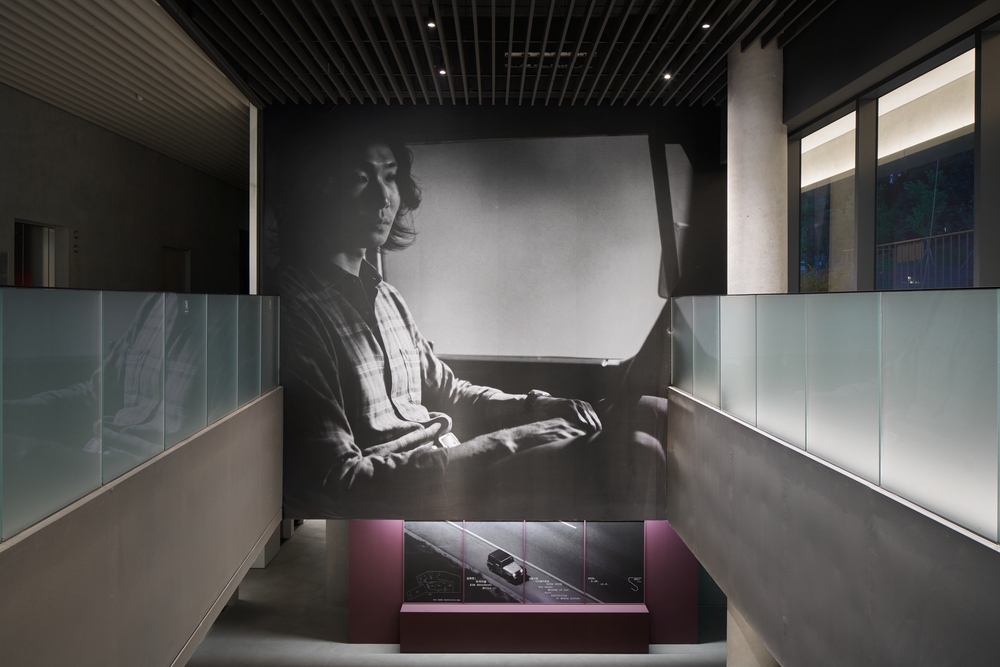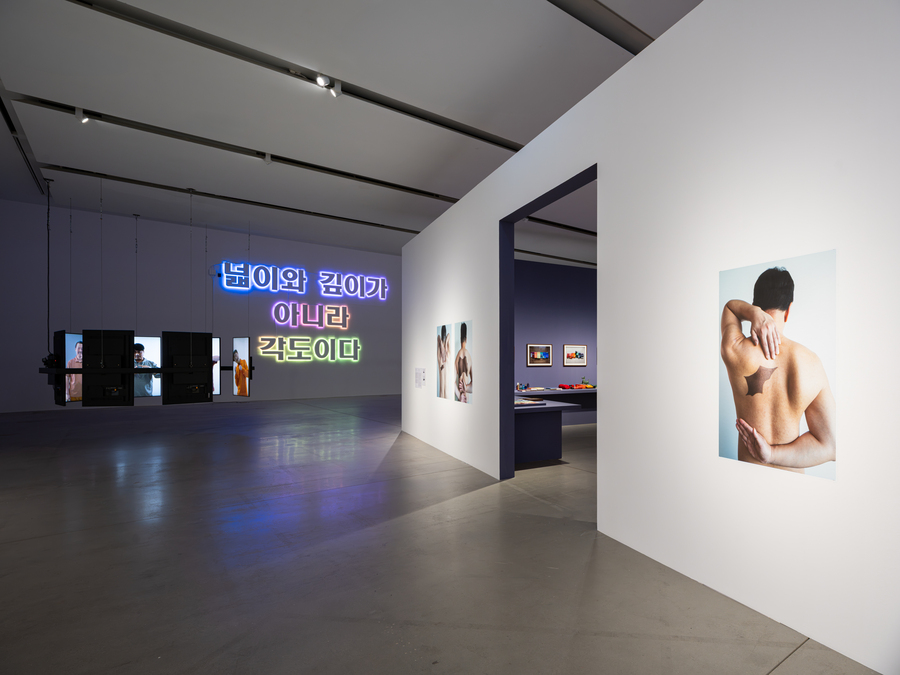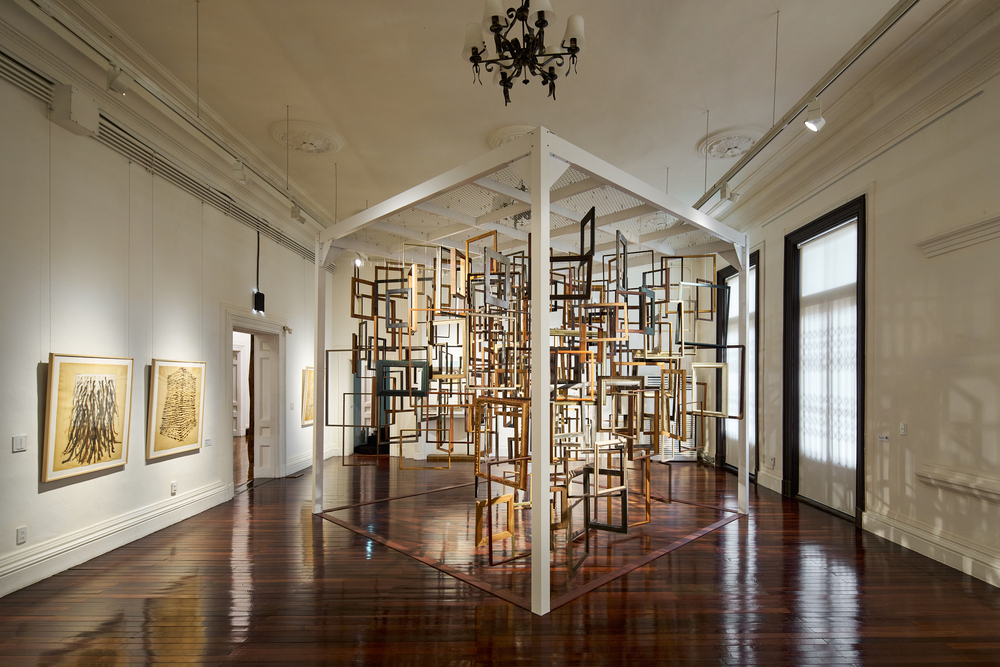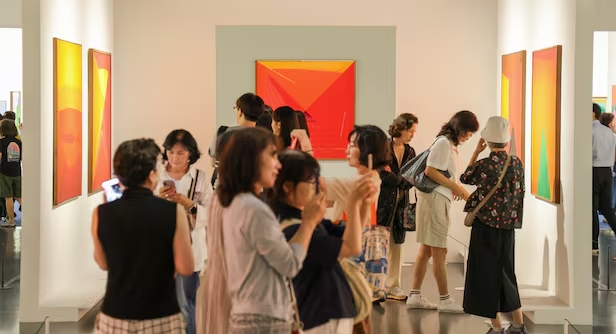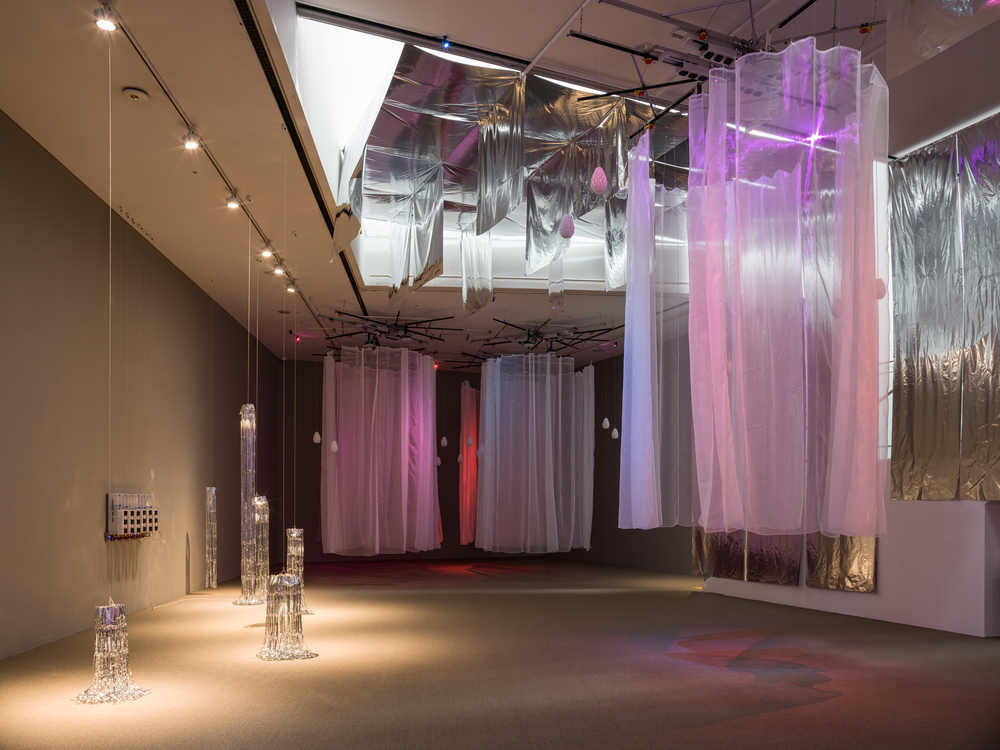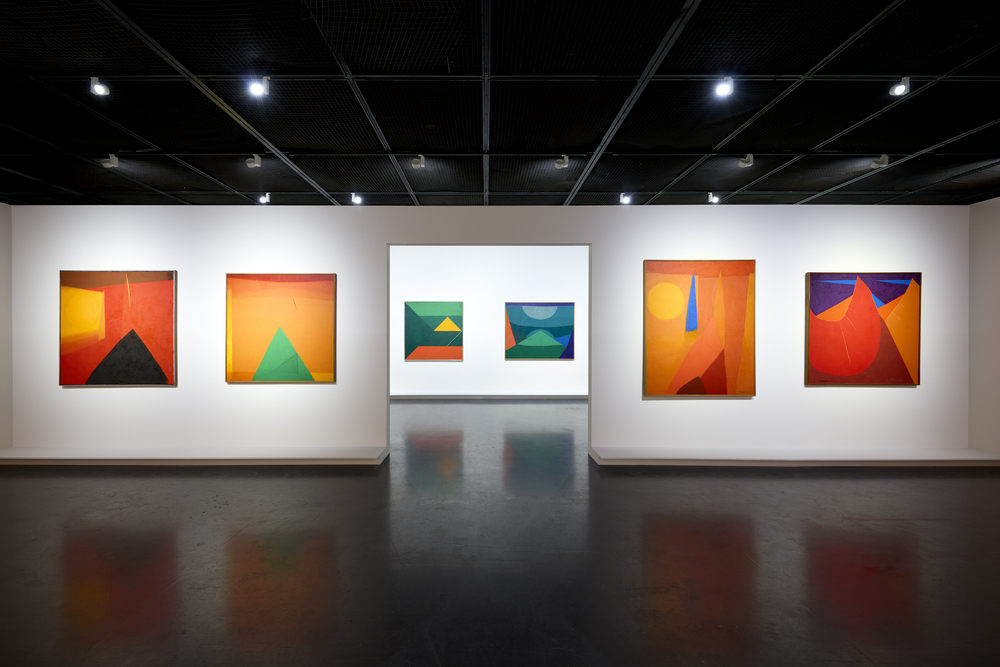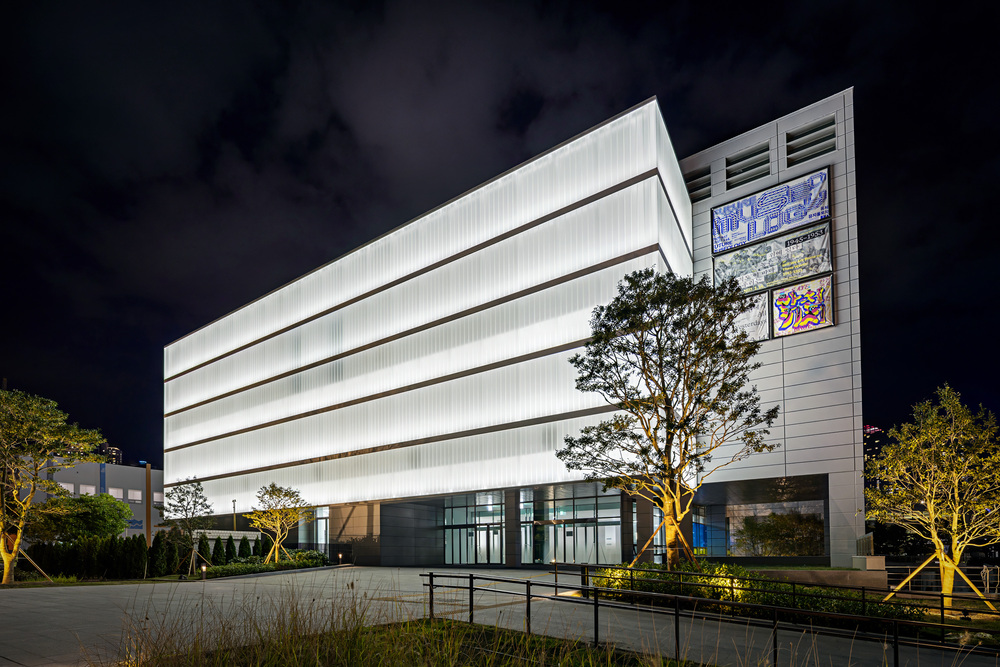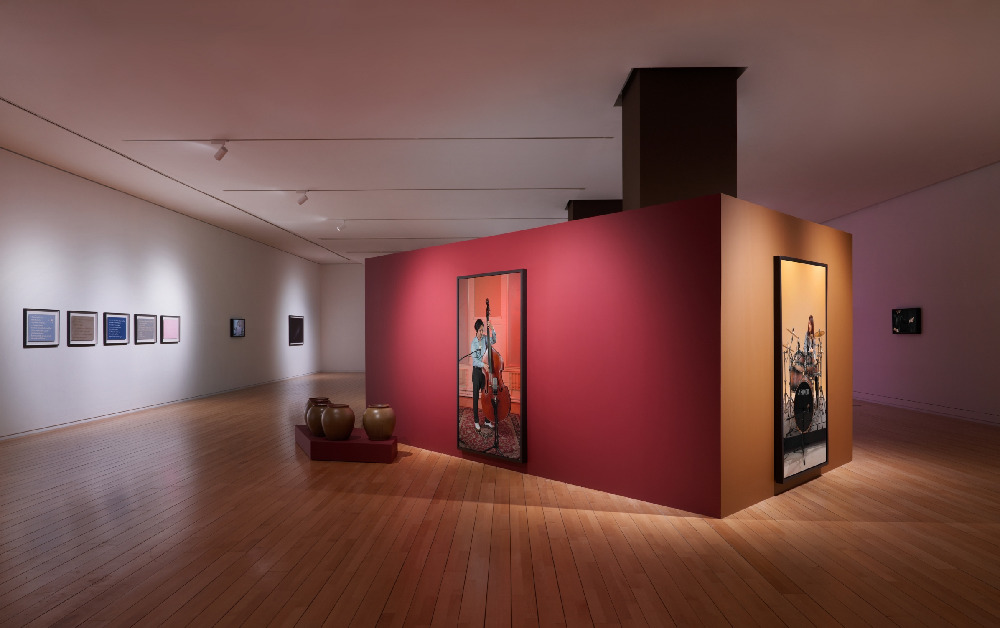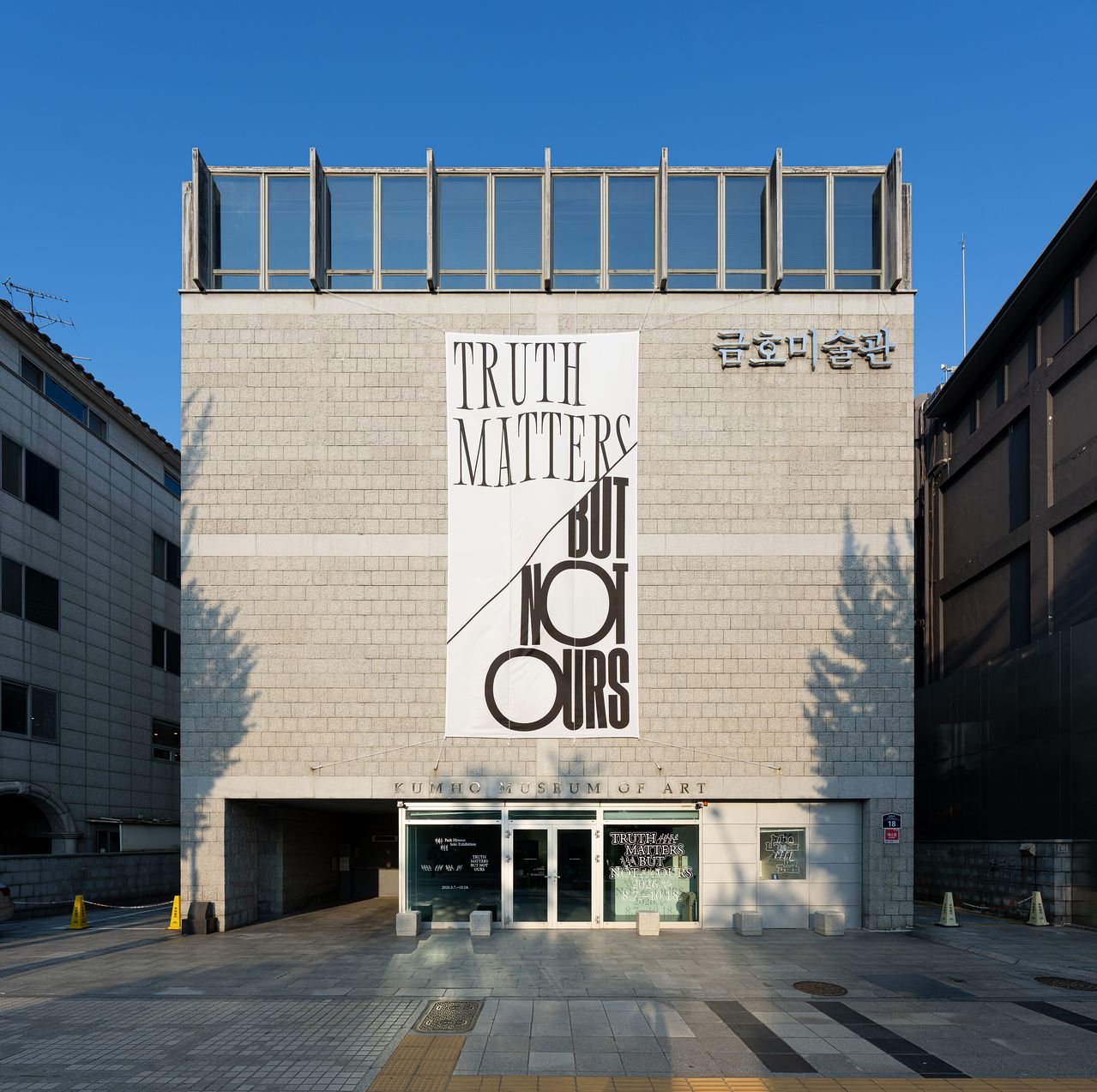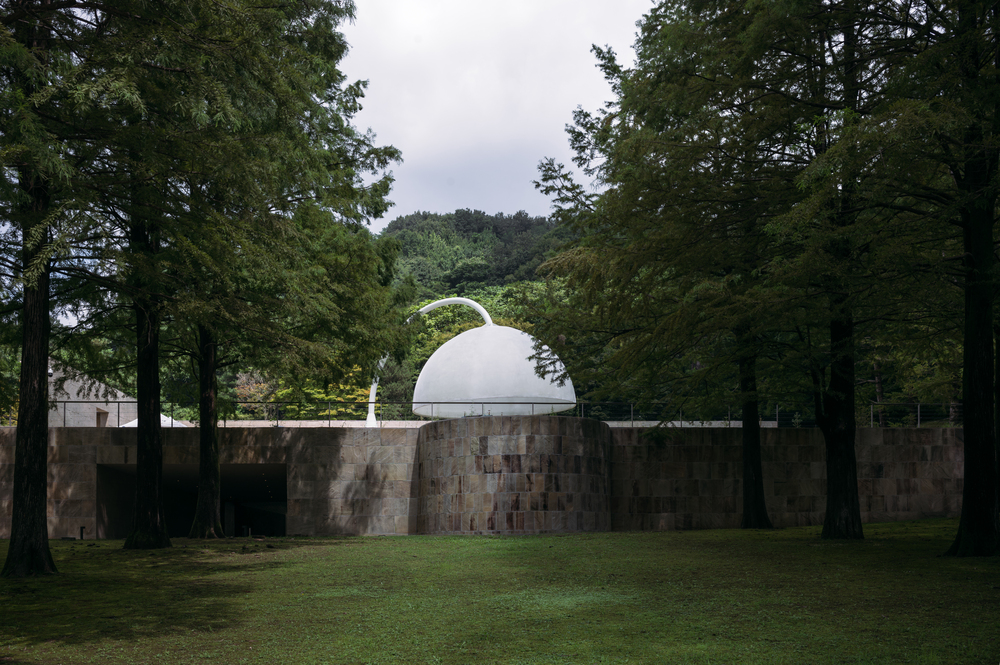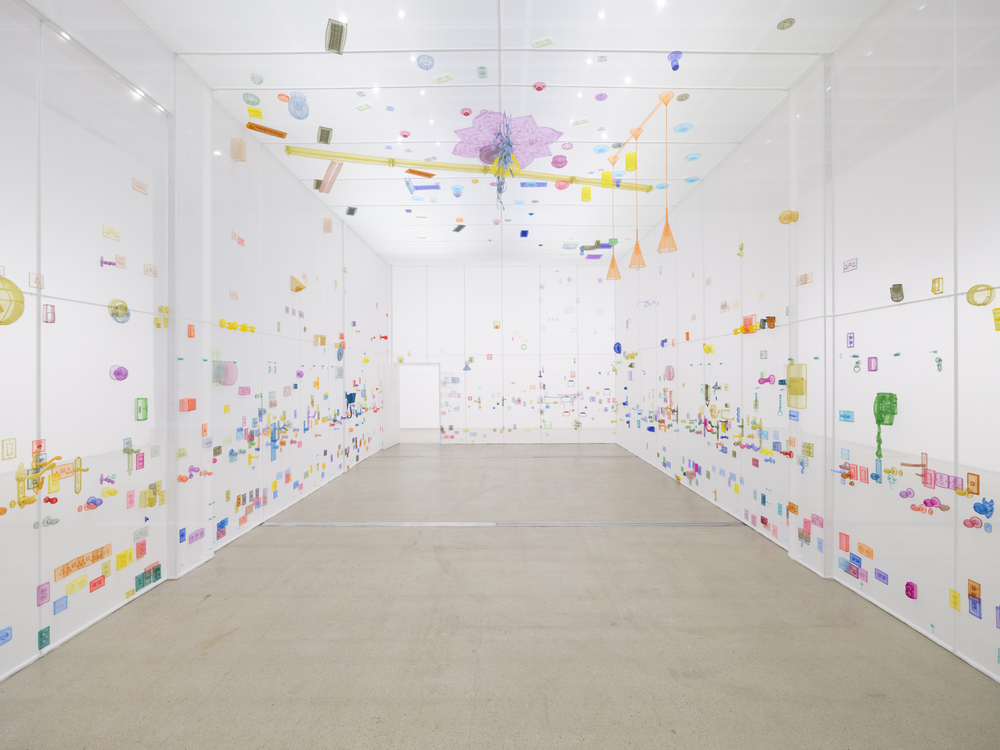

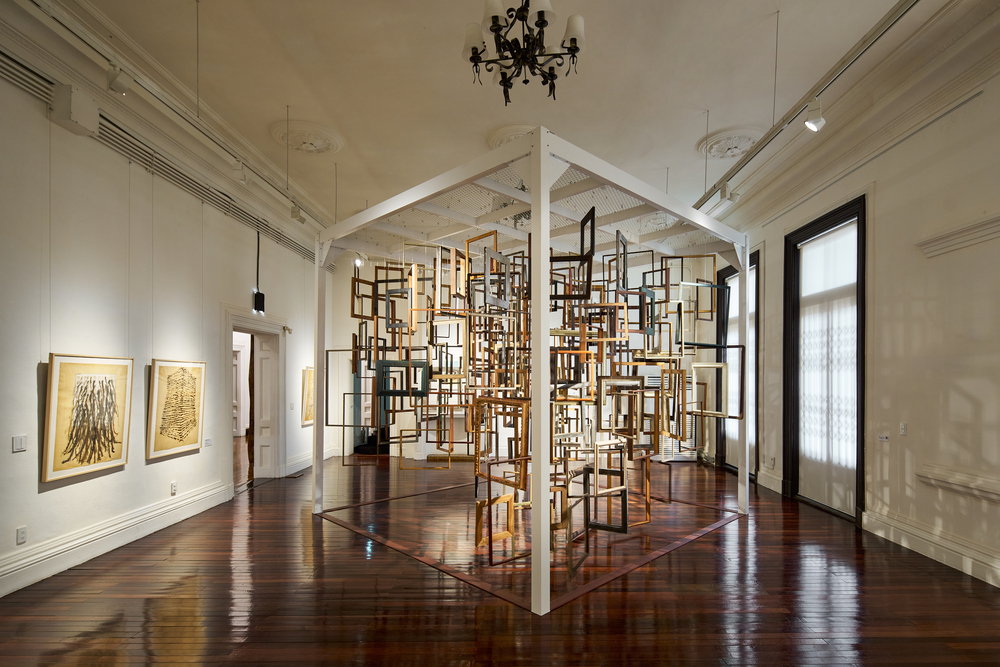
Installation view of 《Sook Jin Jo: That’s How the Light Gets In》 ⓒ SeMA
Seoul
Museum of Art (SeMA) presents a solo exhibition 《Sook
Jin Jo: That’s How the Light Gets In》, on view
through November 15, at Nam-Seoul Museum of Art.
《Sook
Jin Jo: That’s How the Light Gets In》 is the second exhibition in Nam-Seoul Museum of Art’s
“Leading Korean Sculptors” series. It surveys an attitude toward artistic
practice and reflections on existence of Sook Jin Jo, who, for more than four
decades, has worked primarily in New York across a wide range of forms,
including painting, sculpture, installation, photography, performance, public
projects, and architecture.
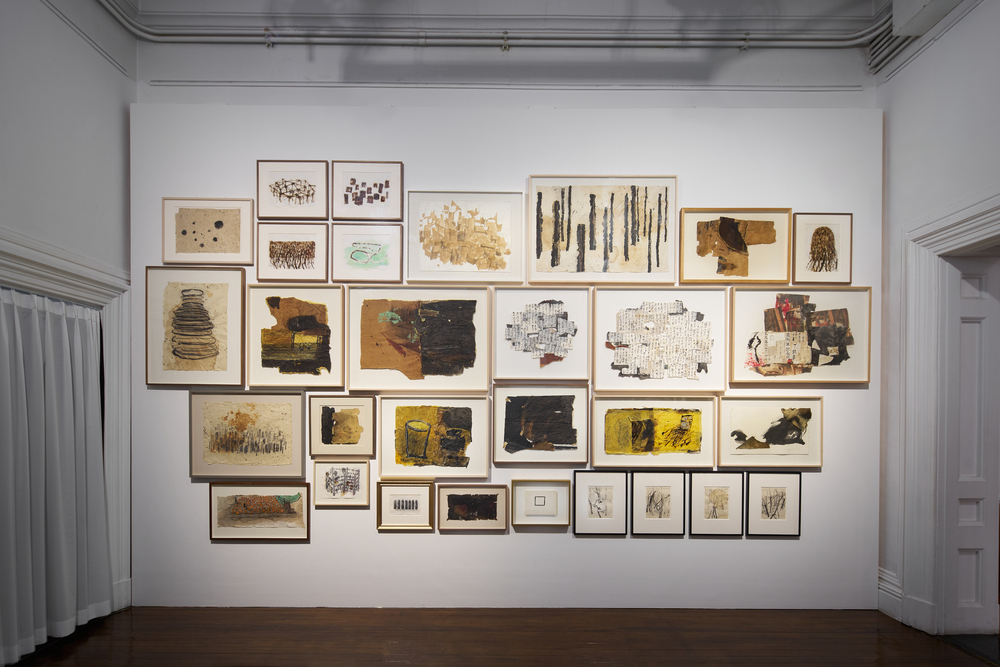
Installation view of 《Sook Jin Jo: That’s How the Light Gets In》 ⓒ SeMA
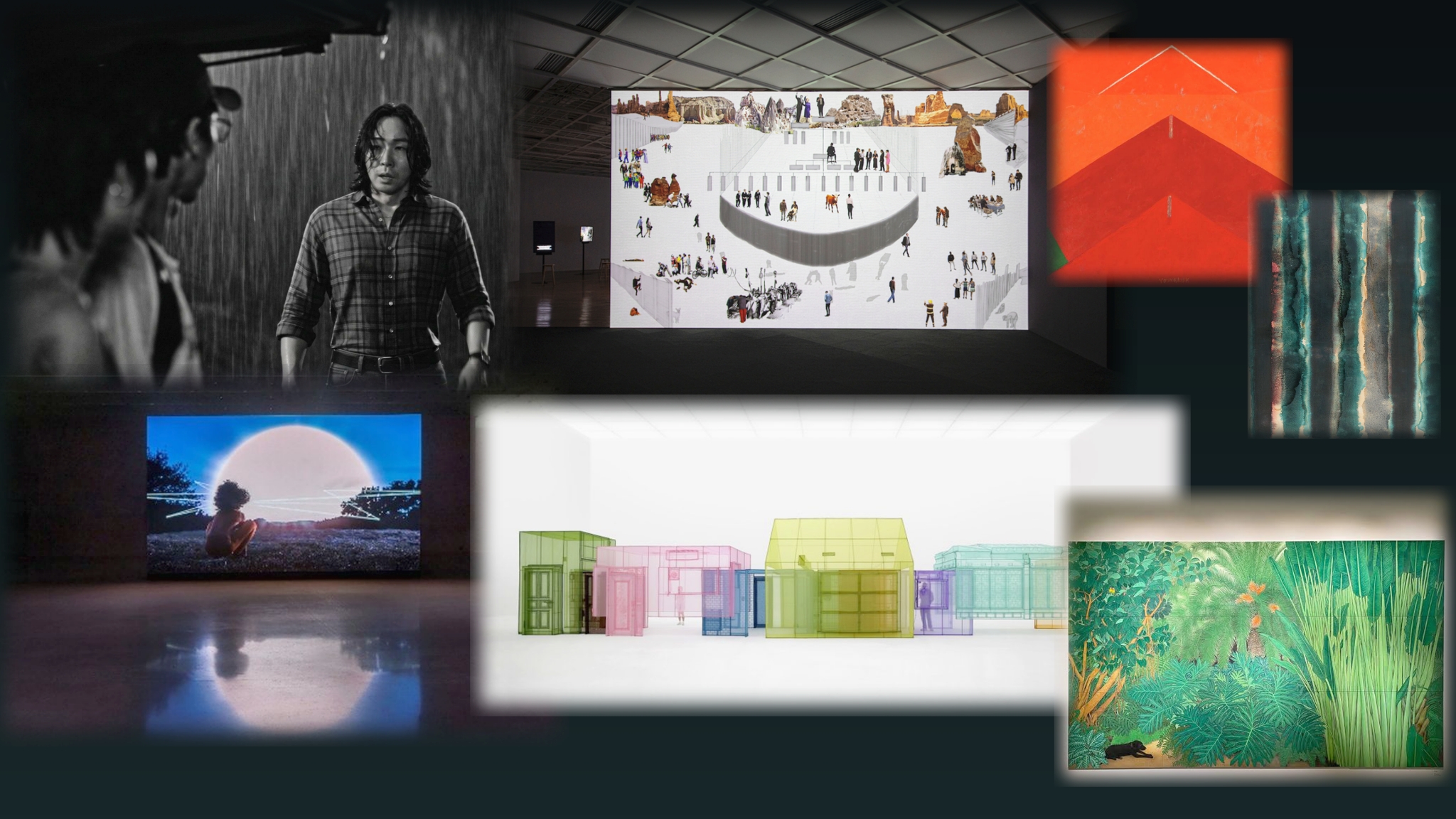
This
exhibition marks Sook Jin Jo’s first solo exhibition in Korea in approximately
20 years and presents the full range of her artistic practice in Korea for the
first time. It brings together more than 100 works and archival materials,
spanning her early works from the 1980s using wood and plywood, installations
and sculptures produced during her years in New York, previously unseen
drawings and paper collages, archives of her public projects, the ‘Art House
Chapel’ series developed in Latin America, and new works created on Gureopdo
Island in Incheon.
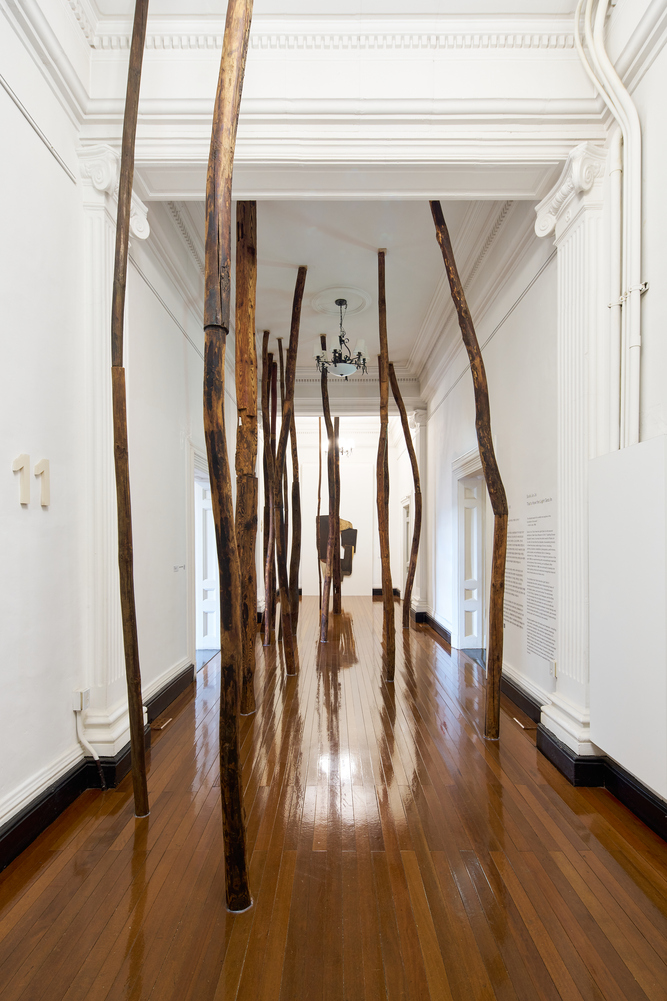
Installation view of 《Sook Jin Jo: That’s How the Light Gets In》 ⓒ SeMA
The exhibition offers a multifaceted exploration of Sook Jin Jo’s
ontological insights and consistent artistic approach through a thematic
structure. Spanning the second-floor galleries and the outdoor garden, the
exhibition unfolds through a prologue, three sections, and an epilogue.
Beyond the gallery spaces themselves, shared areas such as the
stairways are also organically incorporated into the exhibition, presenting the
artist’s major works alongside site-specific interventions.
The
exhibition provides an opportunity to reconsider Sook Jin Jo’s practice as a
continuous trajectory, bringing together works that have previously been
introduced only in fragments. It reveals how her early material experiments and
reflections on existence in Korea continued after her move to the United
States, expanding without rupture into sustained practices engaging with place,
objects, and communities.