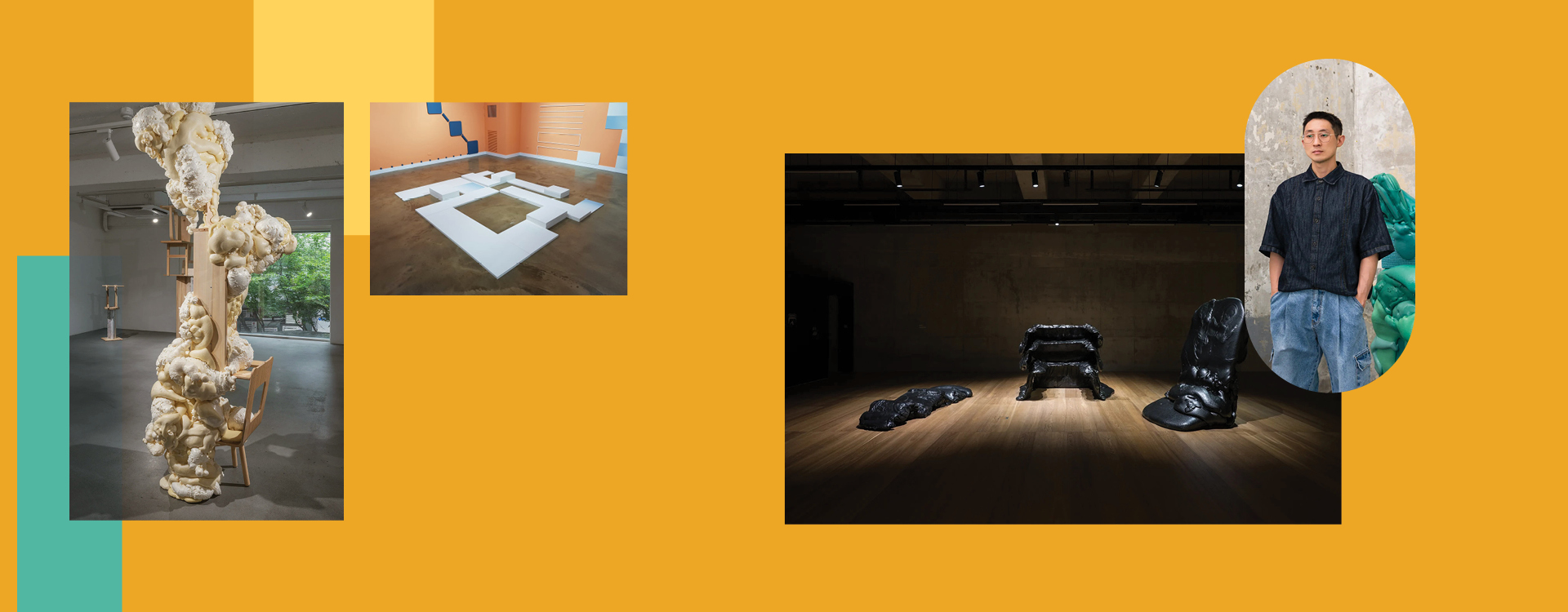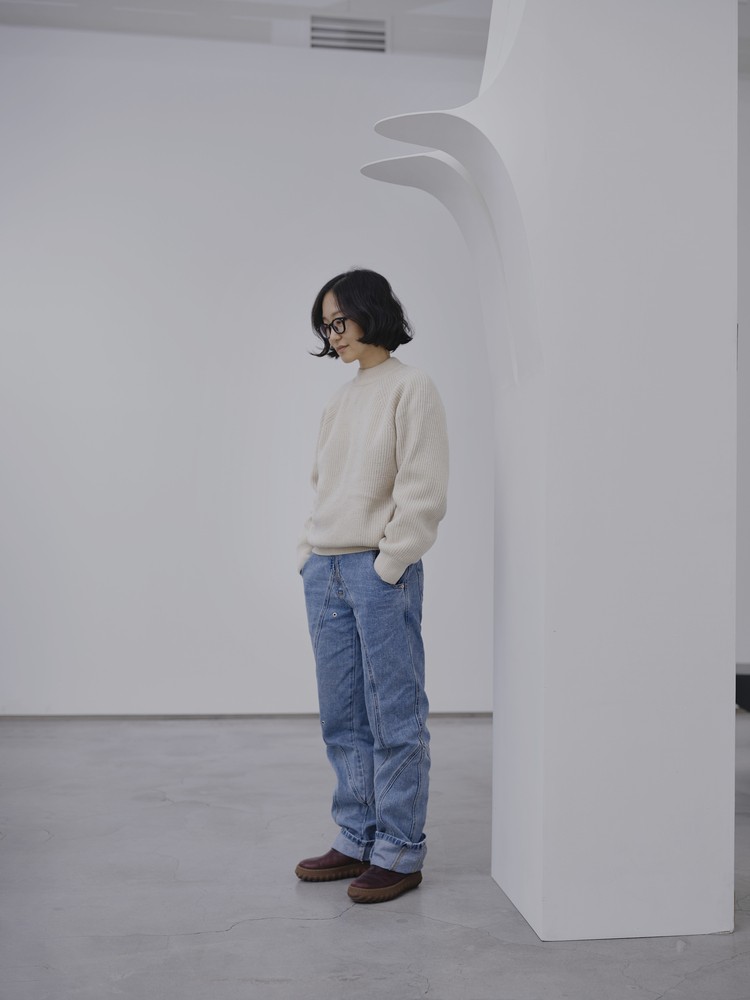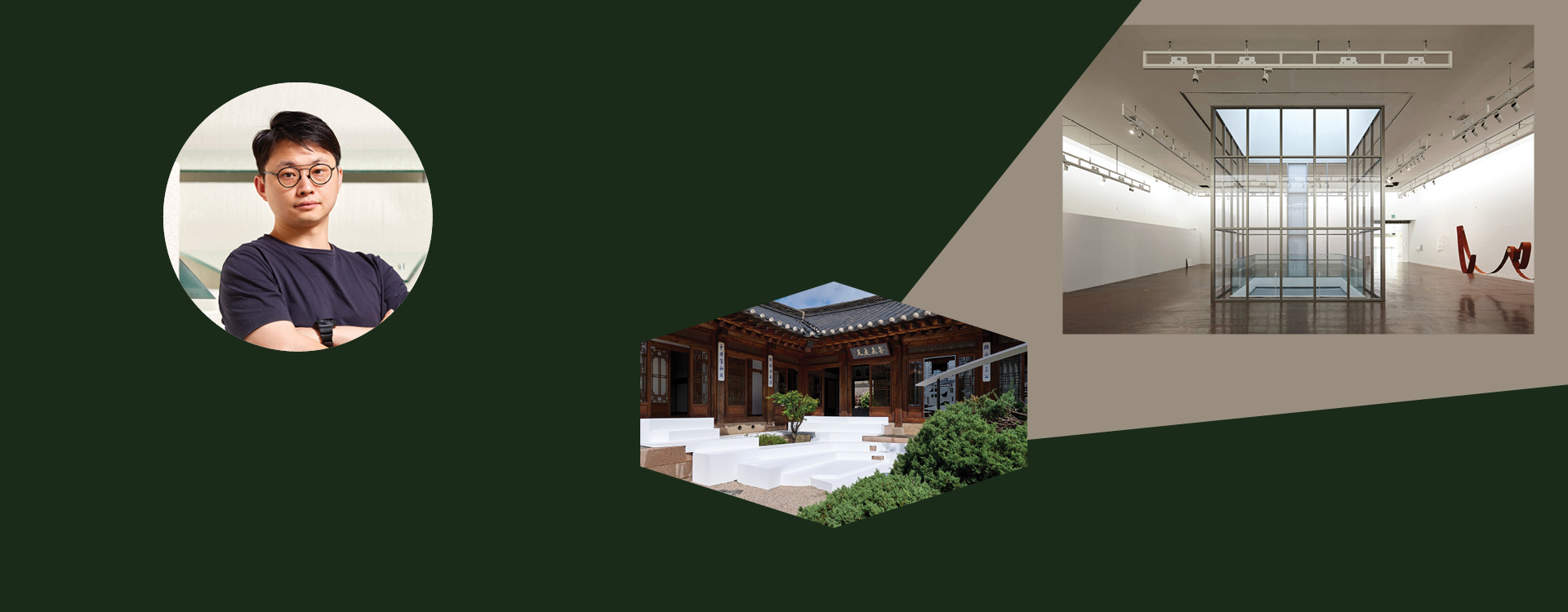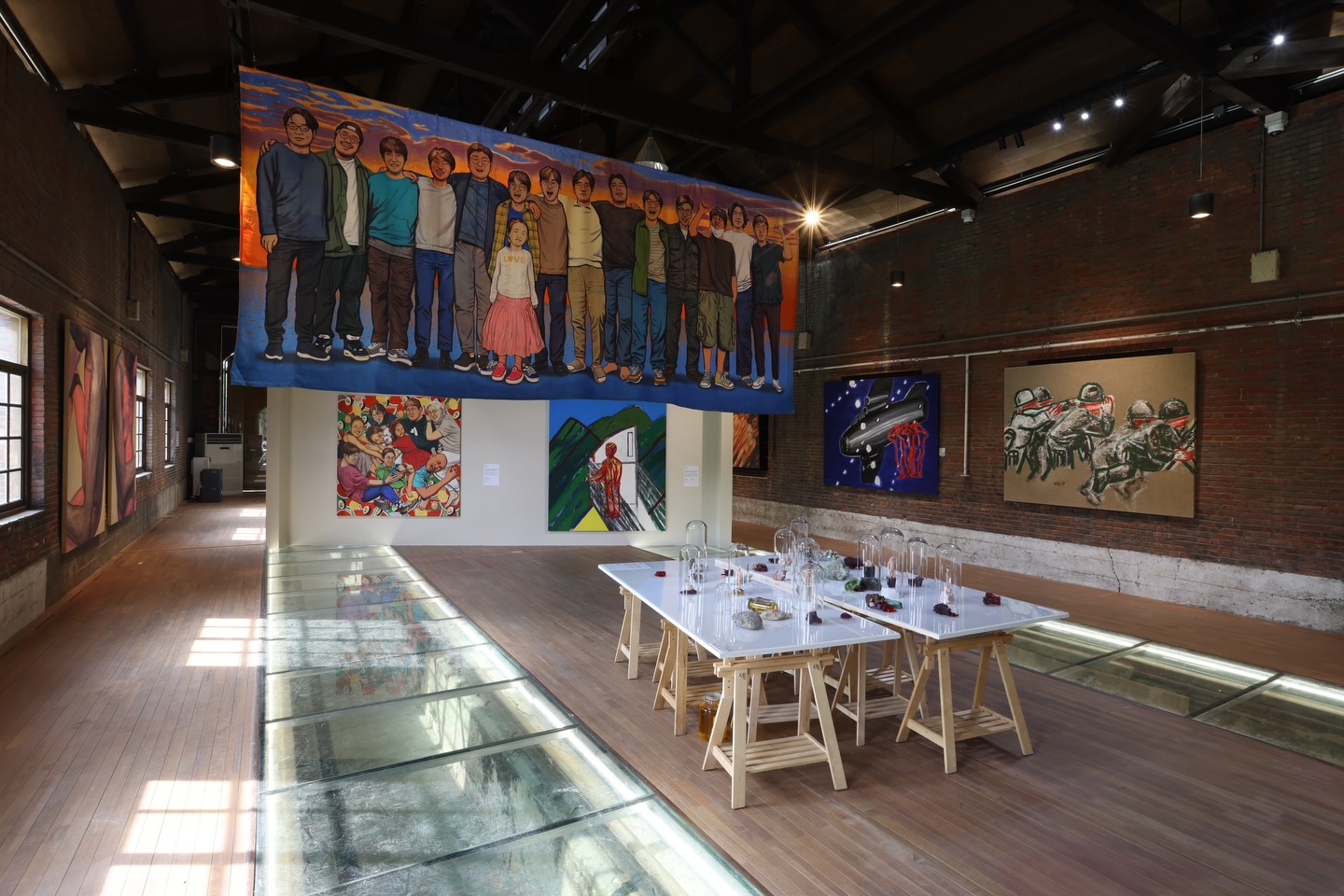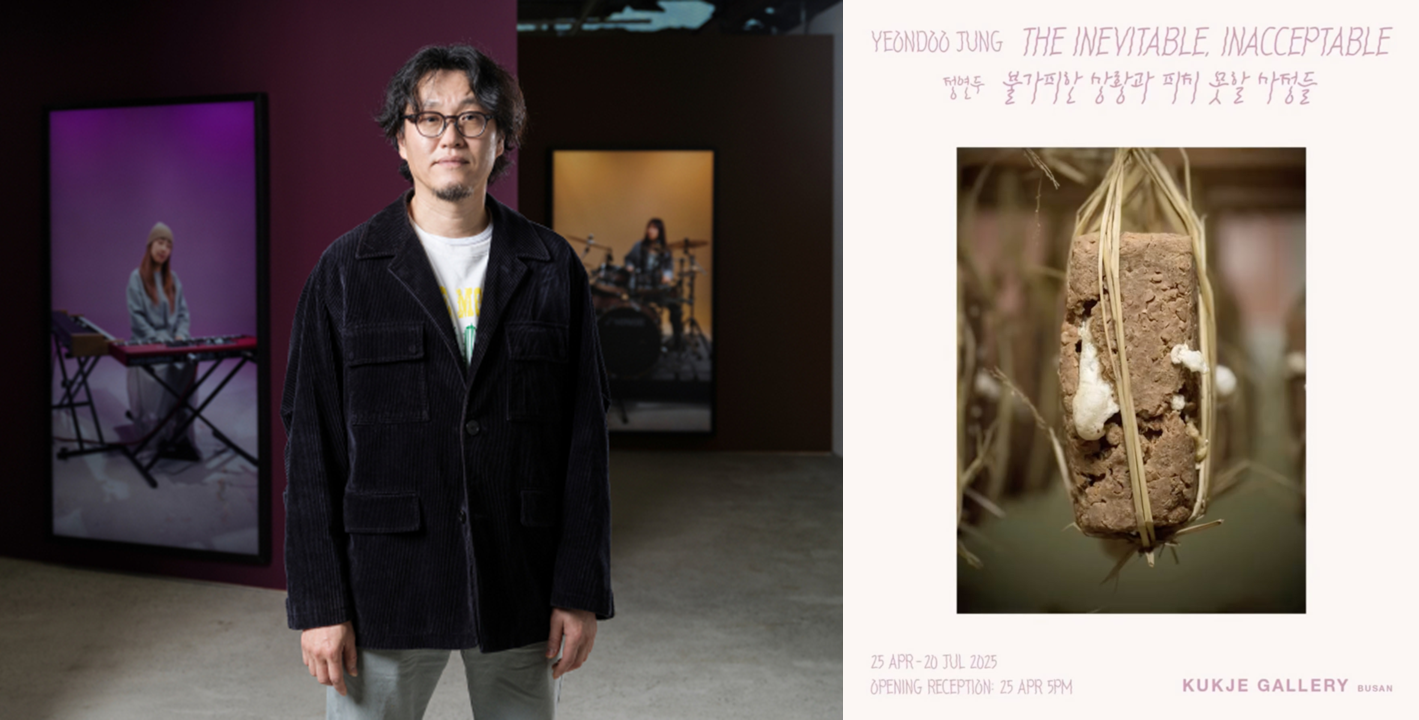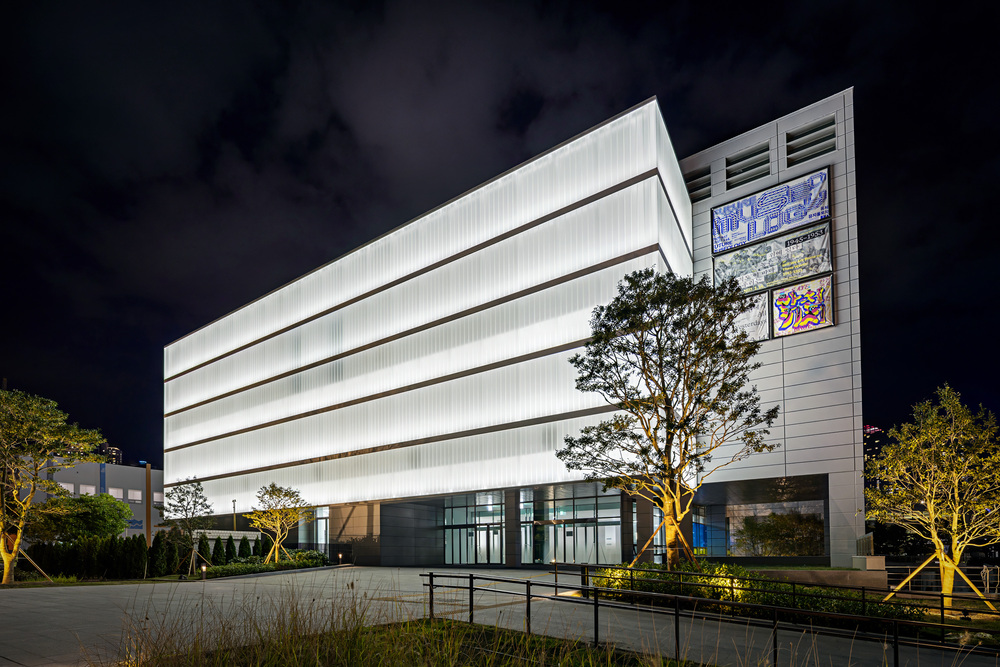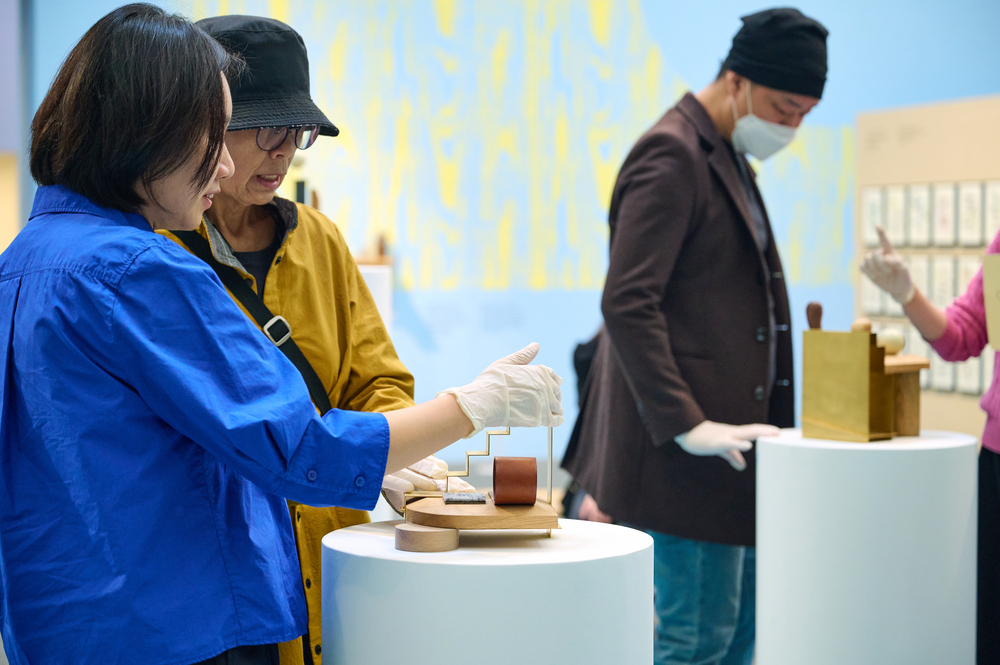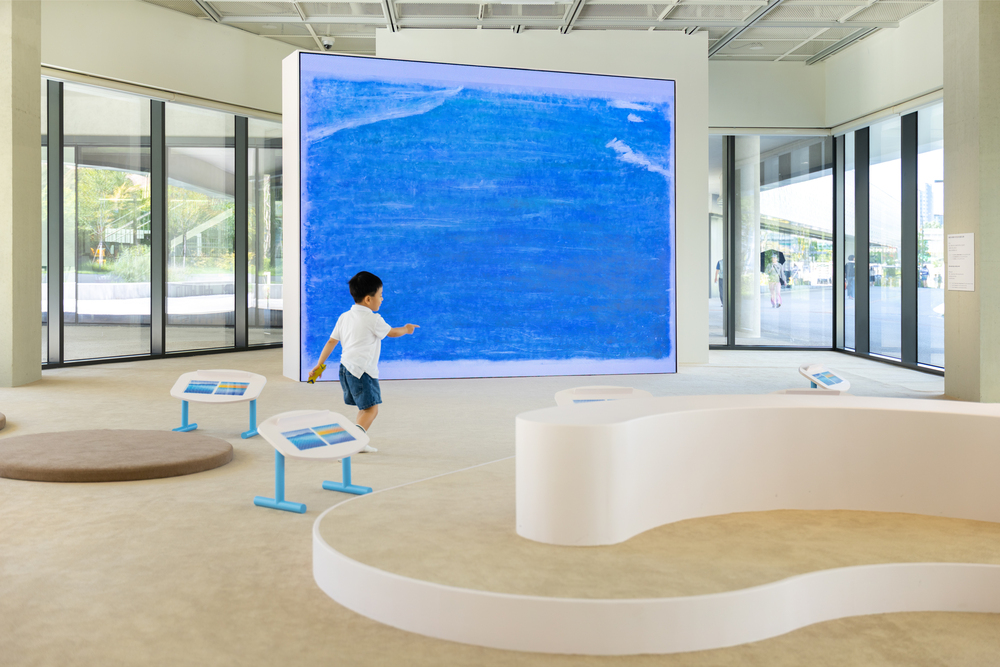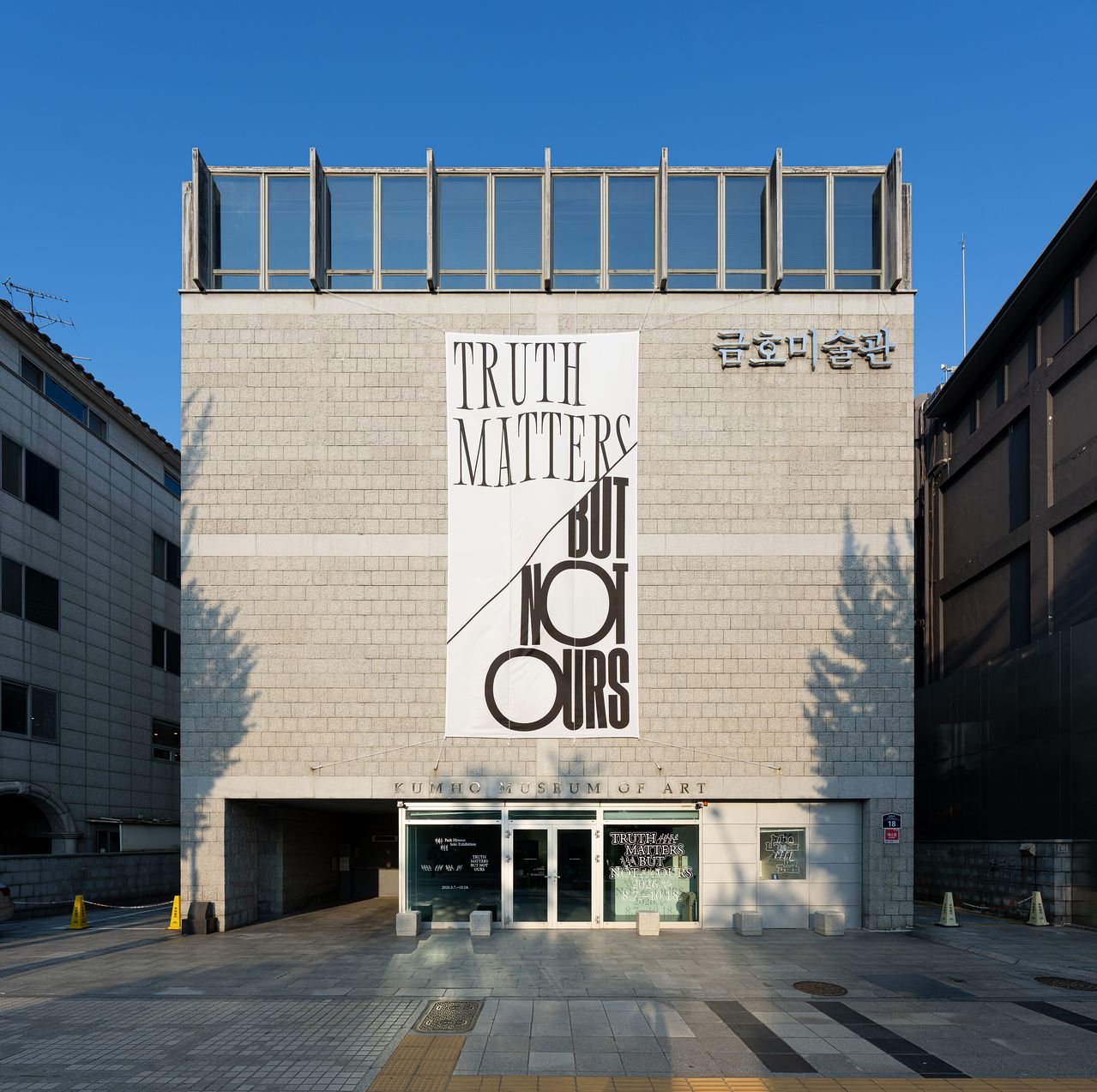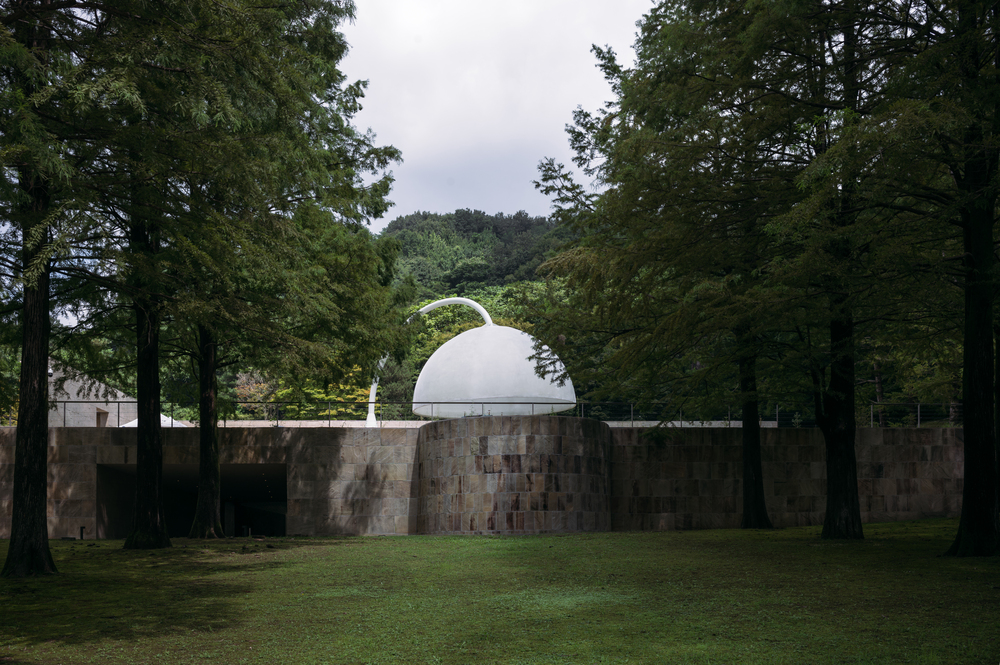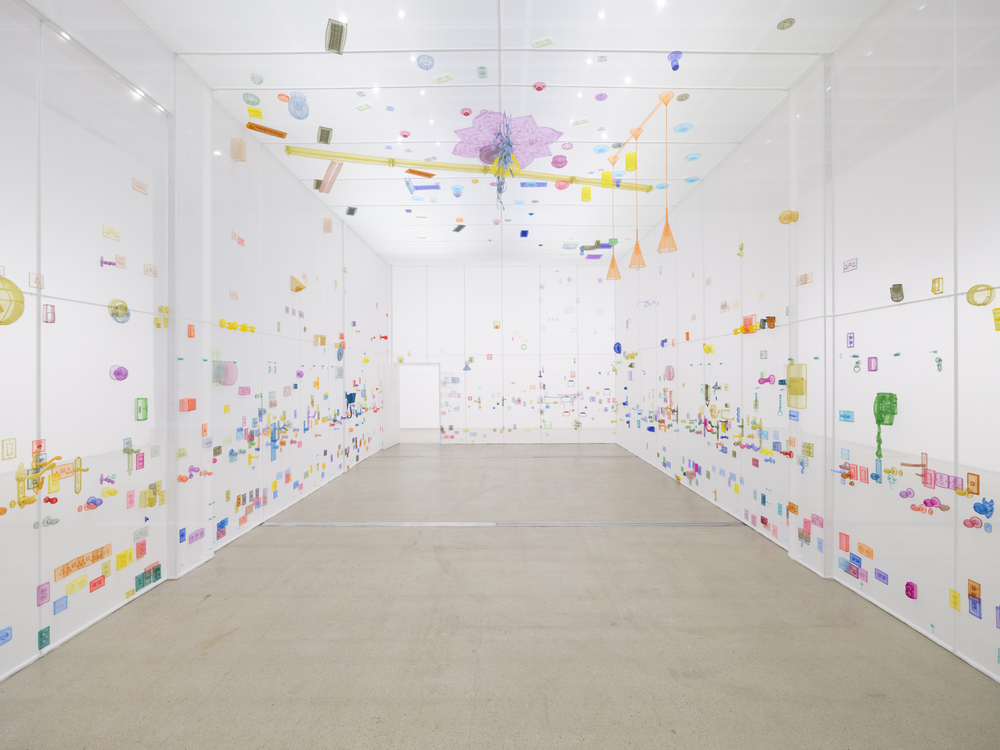

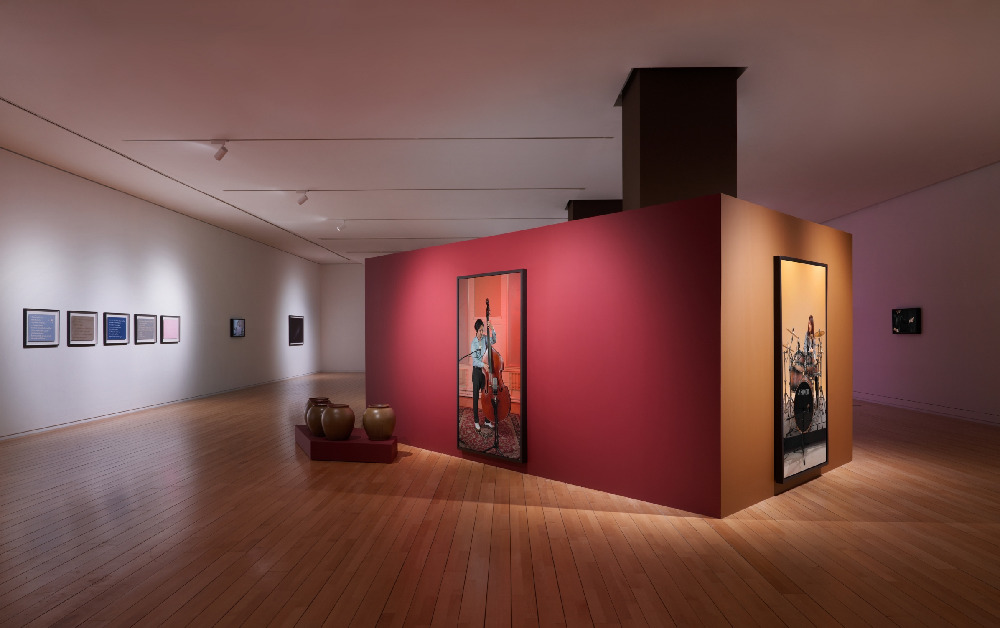
Installation view of 《Aluminum Cucumbers: Yeondoo Jung》 © Gyeongnam Art Museum
Gyeongnam Art Museum is presenting the solo
exhibition 《Aluminum Cucumbers: Yeondoo
Jung》 through November 1.
Working across photography, video, sculpture,
installation, and other media, the artist has listened closely to the lives of
ordinary people, grounded in an emotional sense of connection with those around
him.
In particular, the stories of individuals
within the larger narratives he has observed move between memory and
representation, the real and the virtual, fiction and reality, and boundaries
and their absence within formats ranging from performance and theater to staged
and documentary forms, opening up possibilities for multilayered
interpretation.
In this process, his notable innovations in
medium and artistic practice have also played a decisive role in Korean art’s
shift away from dominant discourses rooted in ideological confrontation toward
the everyday microhistories of individuals.
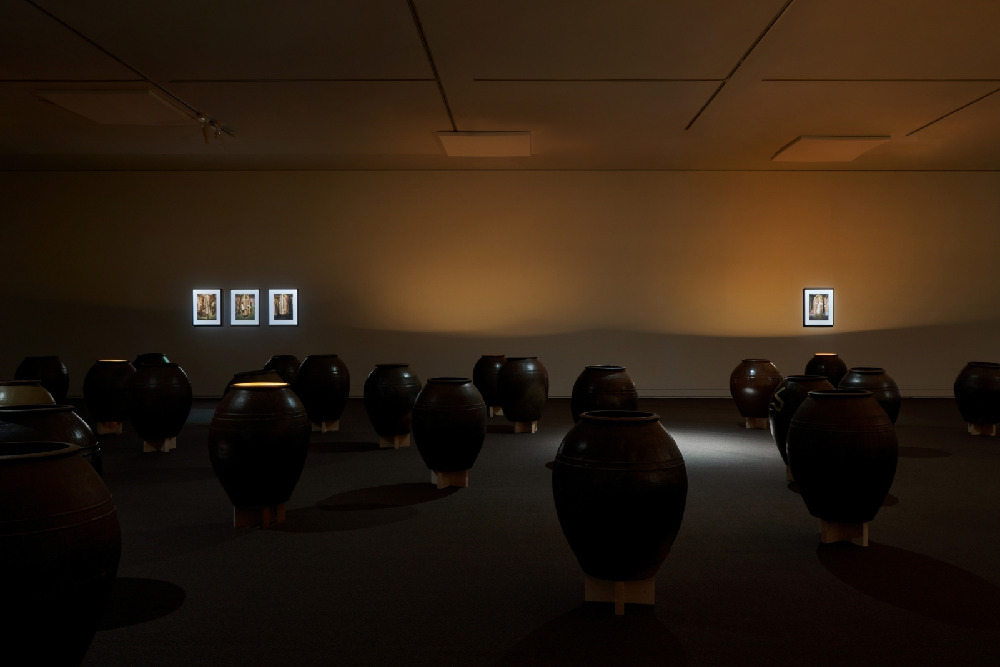
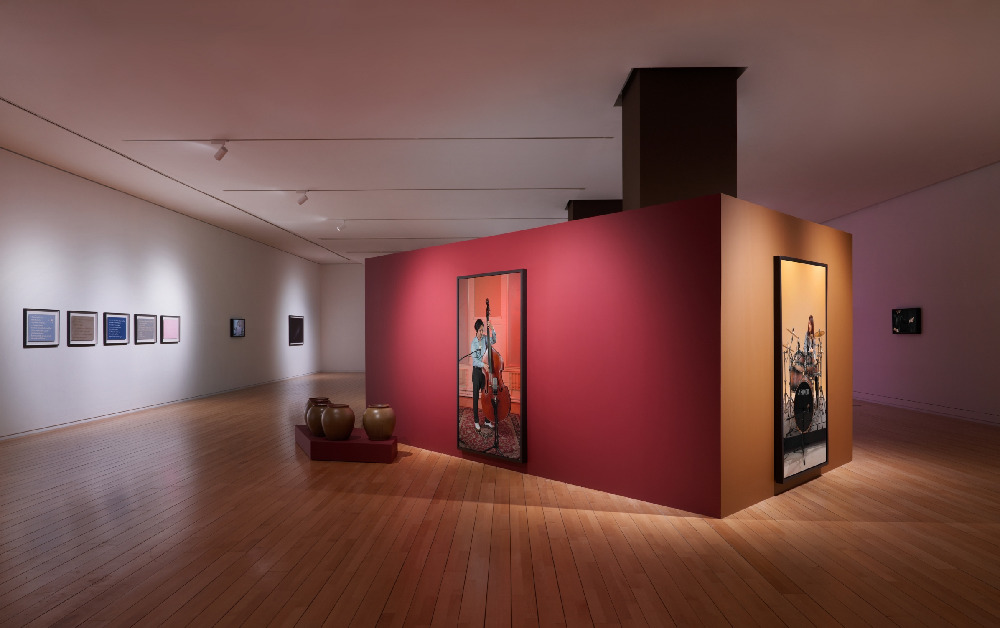
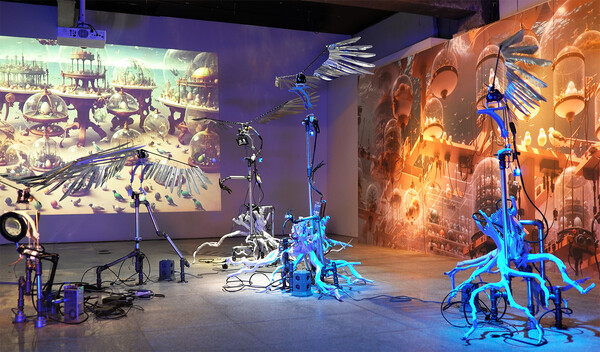
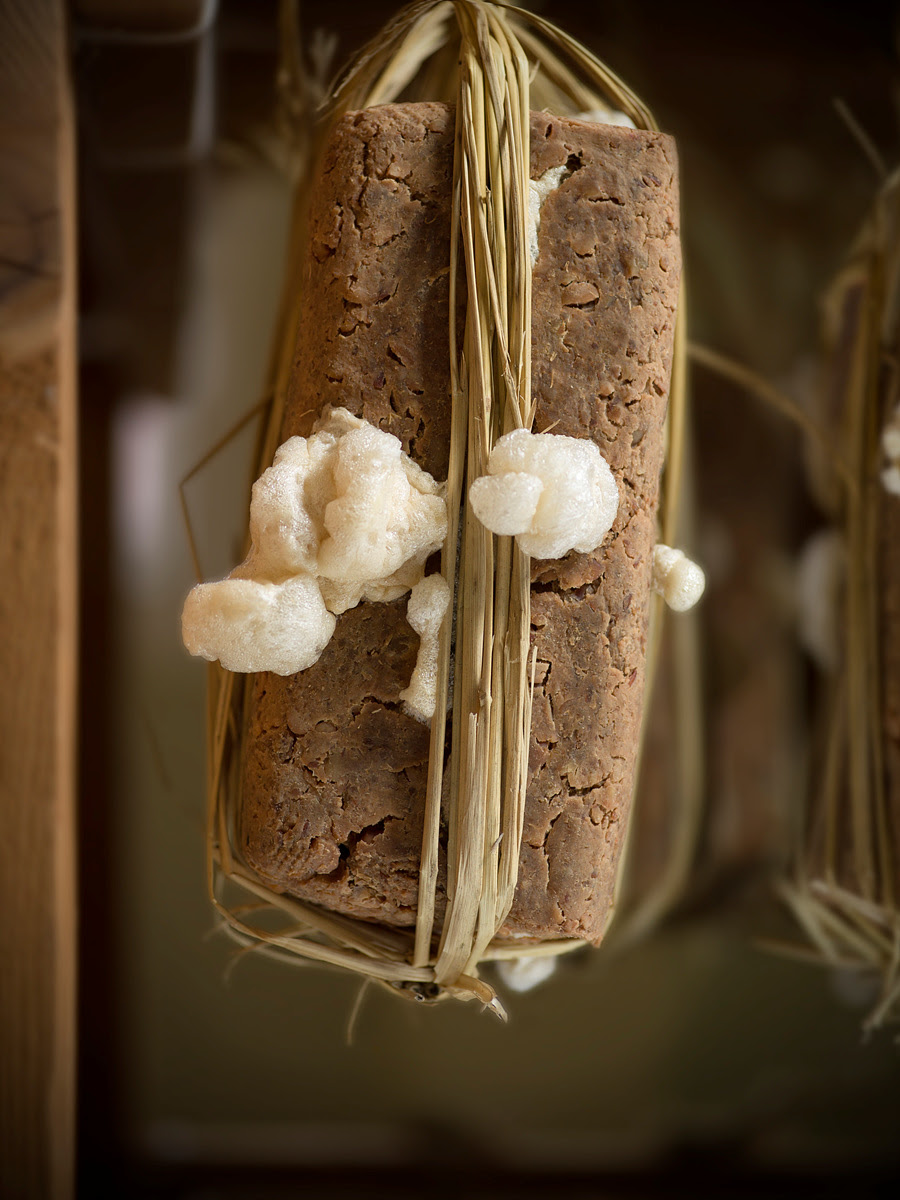
Installation view of 《Aluminum Cucumbers: Yeondoo Jung》 © Gyeongnam Art Museum
《Aluminum Cucumbers: Yeondoo
Jung》 presents a total of 36 works, including four new
commissions by Gyeongnam Art Museum, spanning drawing, photography, video,
sculpture, installation, and sound.
The exhibition takes its title from “Aluminum
Cucumbers” (1982), a song from the debut album of KINO, the group led by Viktor
Tsoi (1962–1990), a Koryo-in rock musician active in the Soviet Union in the
1980s.
The image of the impossible crop of “aluminum
cucumbers” overlaps with the conditions of existence faced by Koryo-in
communities, who were forced to sustain their lives amid displacement.
It serves as a metaphor that symbolizes the
state and the individual, migration and roots, survival and disappearance,
singularity and hybridity, life and matter, collective farming and
industrialization, and war and futility, while evoking a complex awareness of
the invisible social, migration, and labor histories of the Koryo-in.
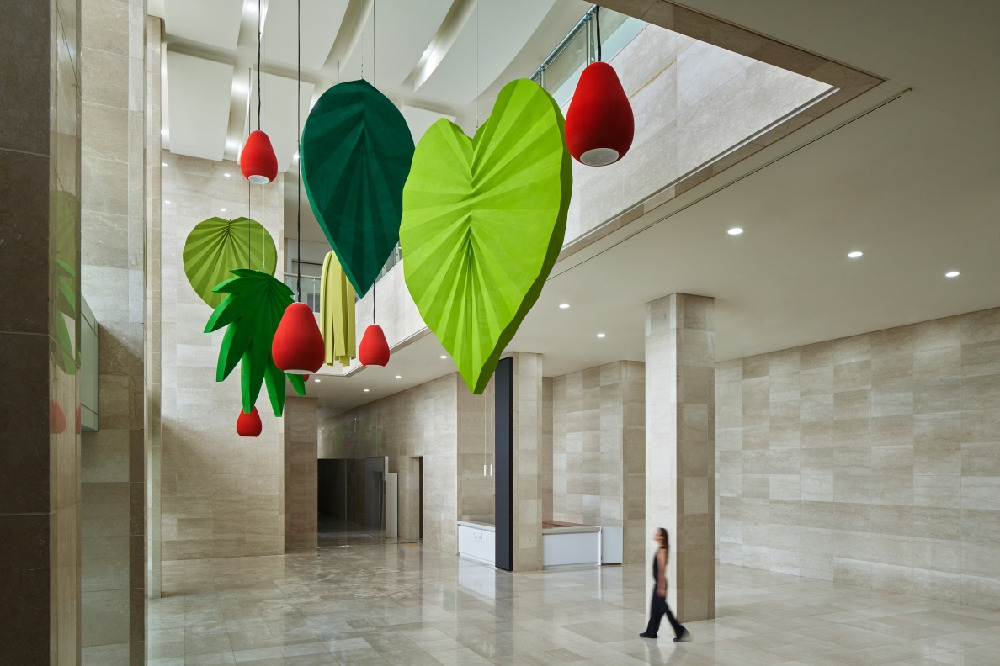
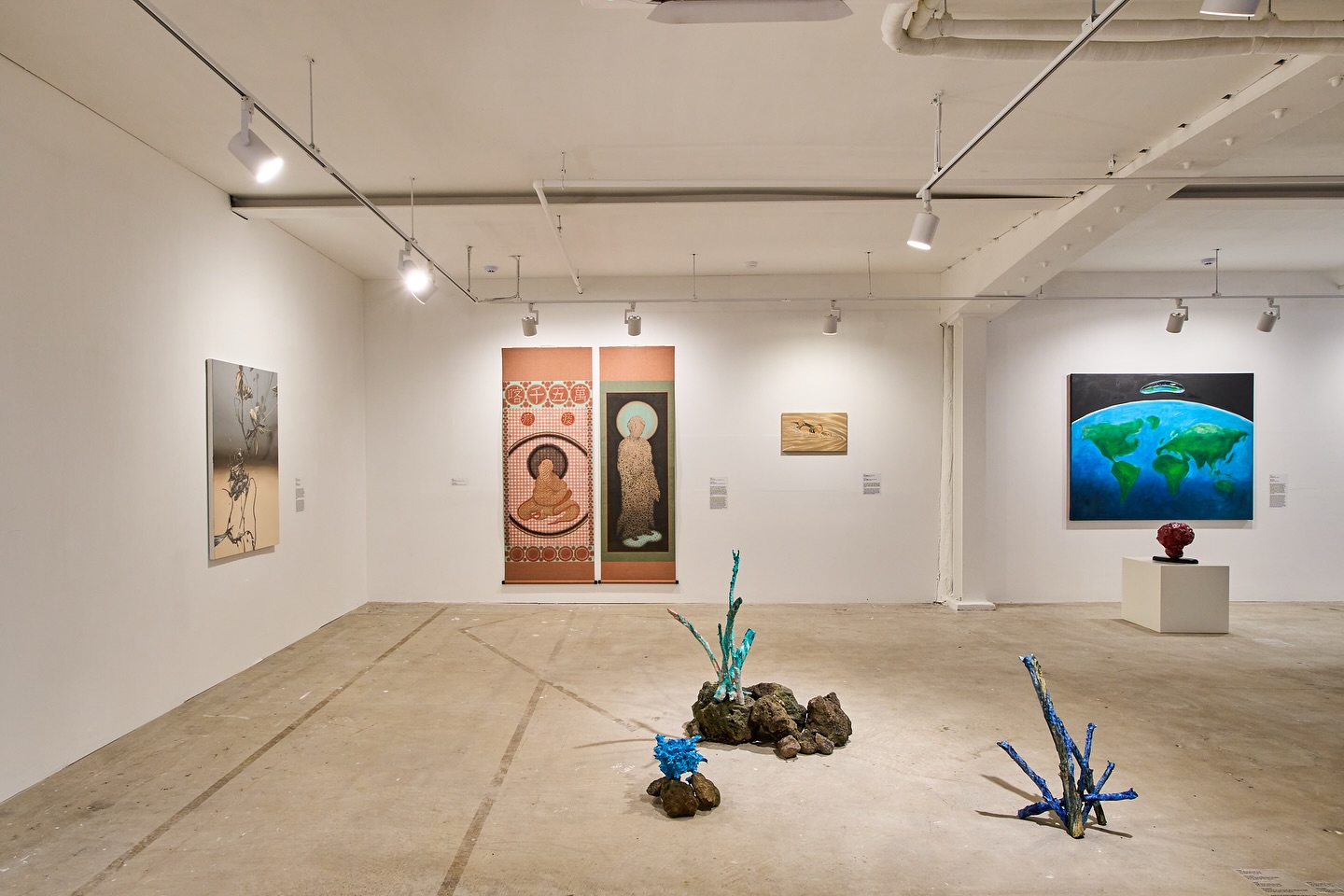
Installation view of 《Aluminum Cucumbers: Yeondoo Jung》 © Gyeongnam Art Museum
Yeondoo Jung brings to light the history of the Koryo-in diaspora,
comprising more than 170,000 people who were forced to leave the Russian Far
East for Central Asia in 1937 under Stalin’s forced deportation policy in the
Soviet Union.
Tracing the history of the forced displacement and settlement of
Koryo-in communities, as well as the stories of Koryo-in people and their
descendants who migrated again to Korea following the dissolution of the Soviet
Union, the exhibition looks at the narratives of those who have lived through
this extended passage of time.
By repositioning the traces left by experiences of migration and
settlement within the spaces and sensory contexts of the present, Jung asks how
the conditions of migration, movement, and survival intersect with contemporary
society through the lives of Koryo-in people, who have historically been
separated from us as the “other.”
Working within the intimate gaps in memory and sensation that
records and oral histories have been unable to preserve, the artist calls
forgotten moments back into view, quietly placing the questions of our time
before the bodies and senses of viewers.
《Aluminum
Cucumbers: Yeondoo Jung》 brings
viewers face to face with the “unfamiliar self” and the “familiar other”
between the past and the present, and a time yet to come. Boundaries are
thinner than we think, and connections are older than we realize.
Like plant roots reaching toward one another underground, even
when invisible, we are reminded here that we are already connected, having
passed through multiple layers of time and place.