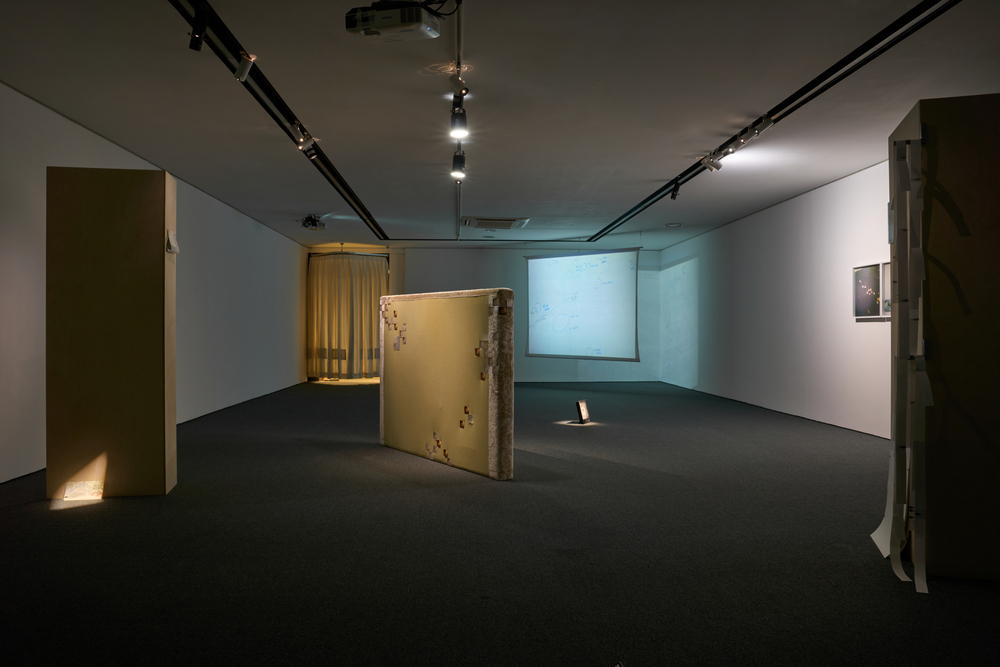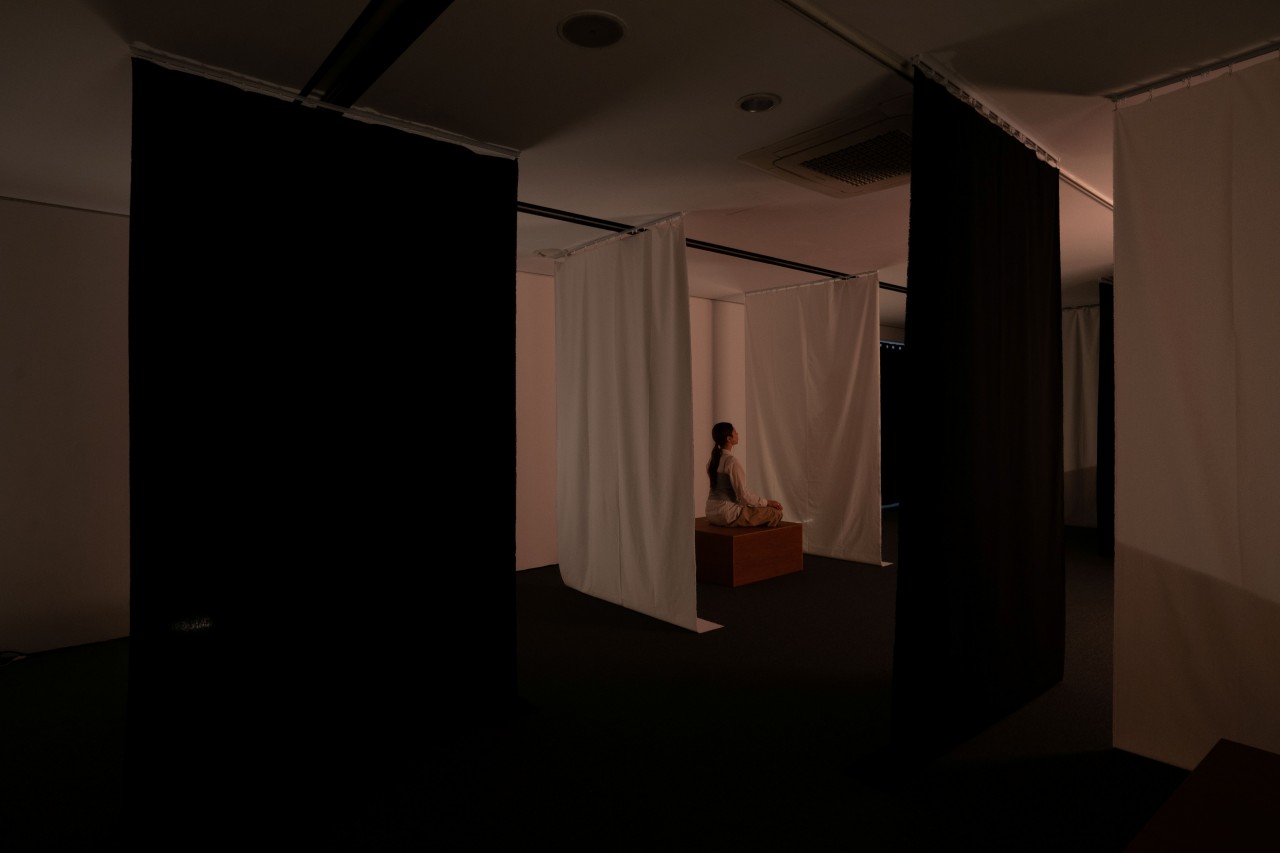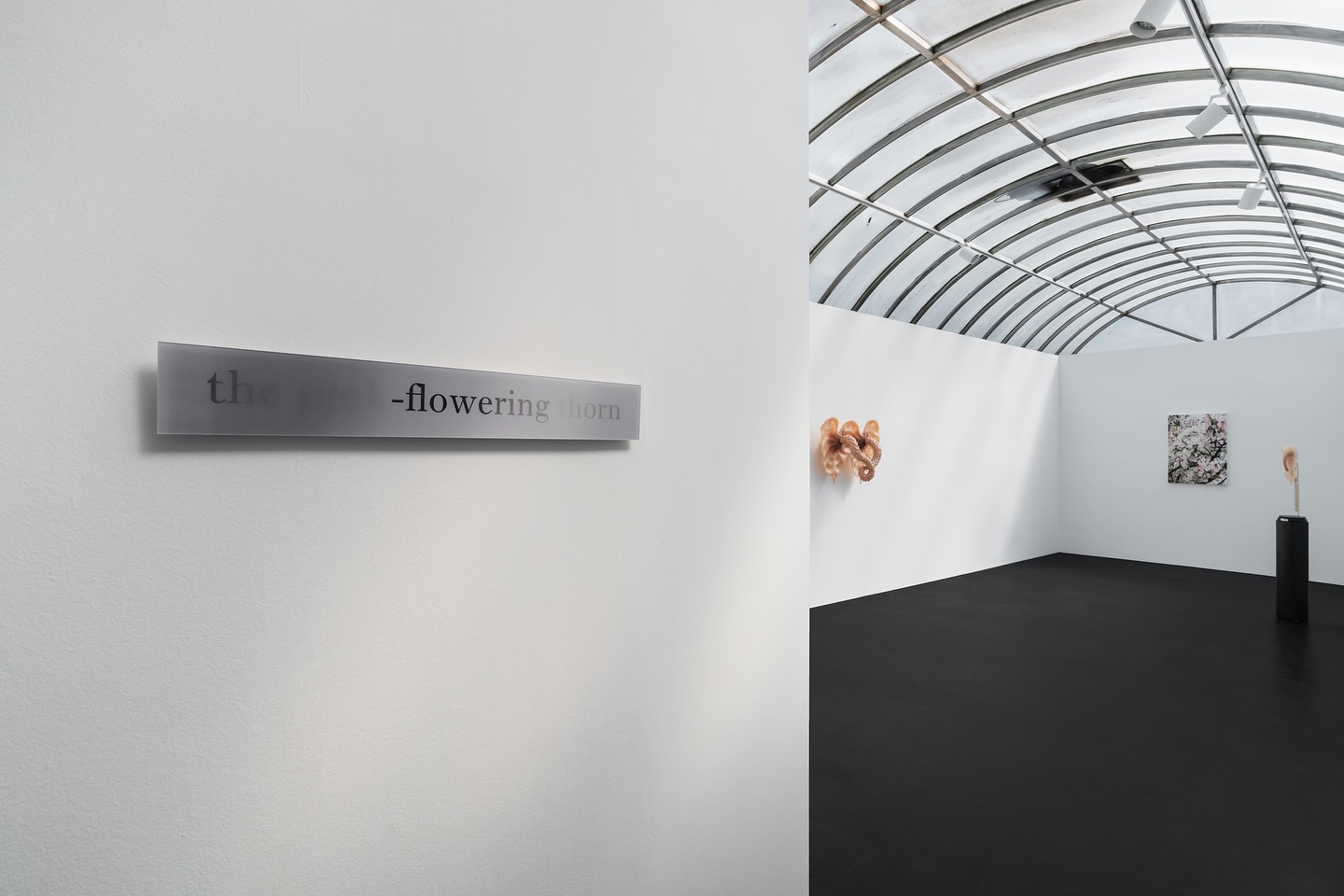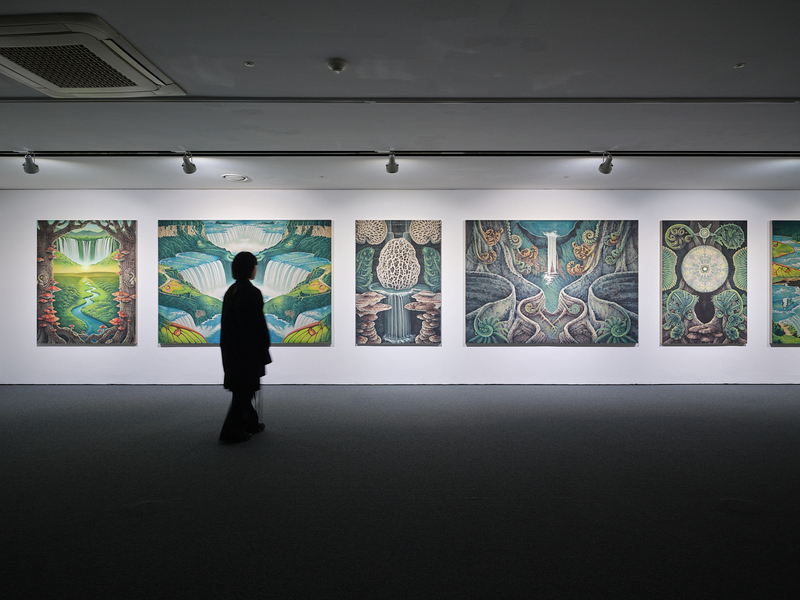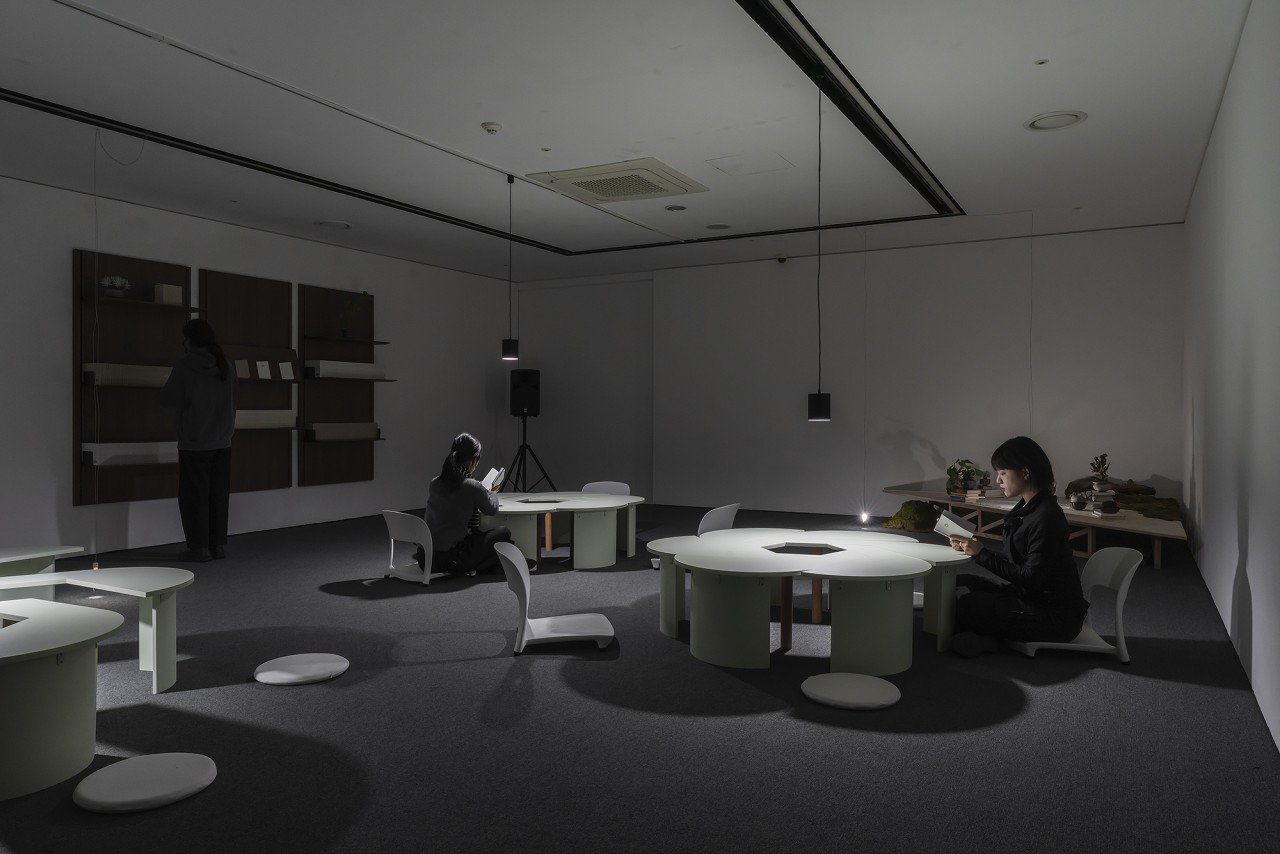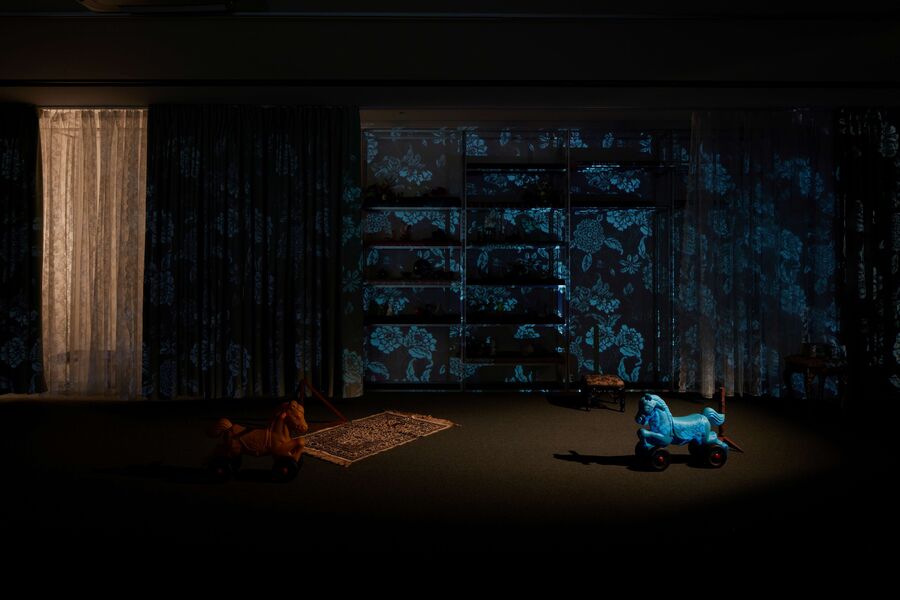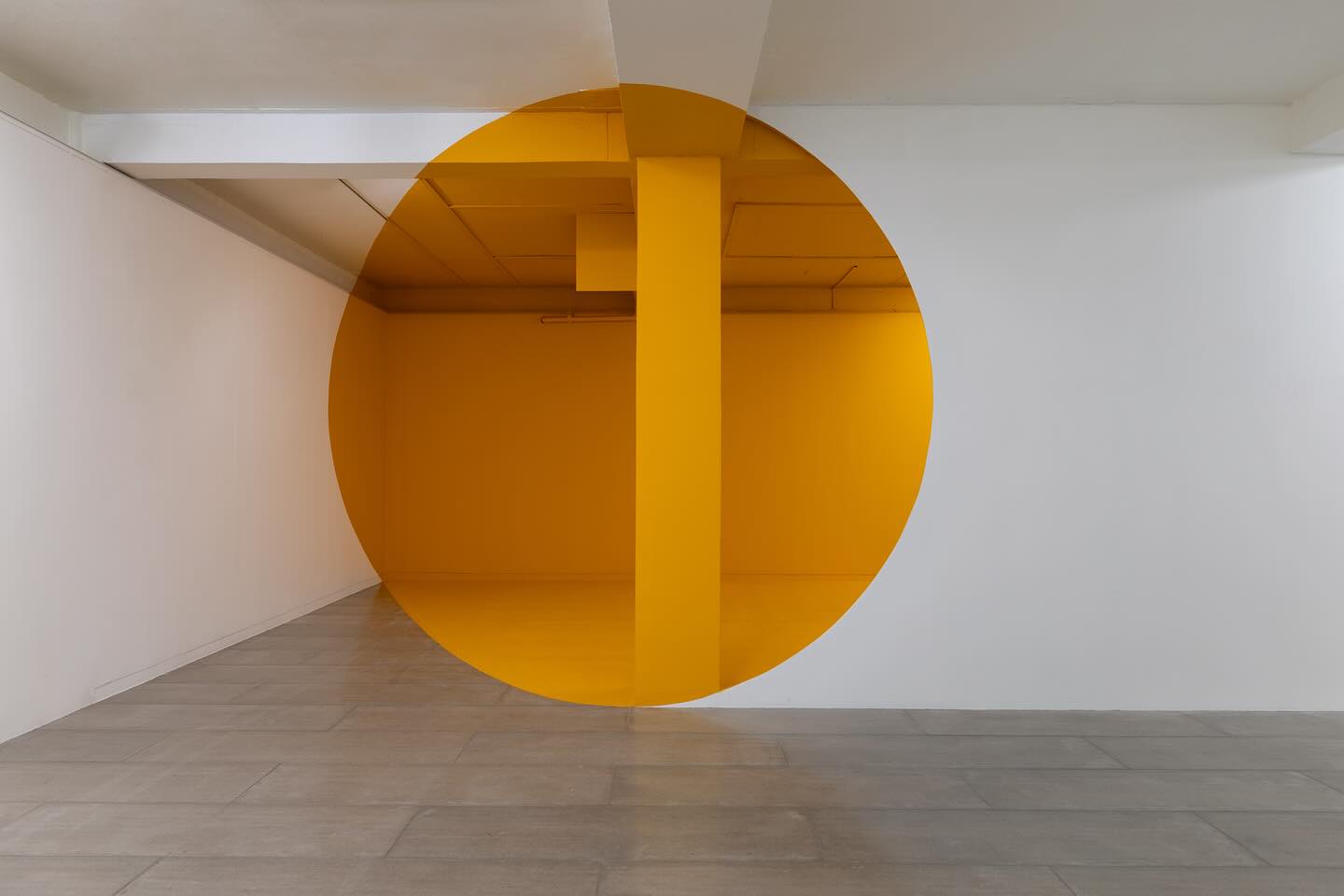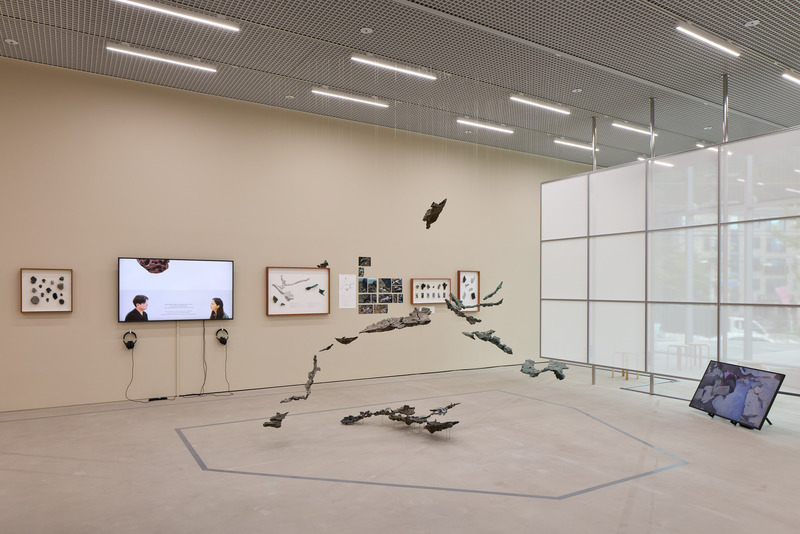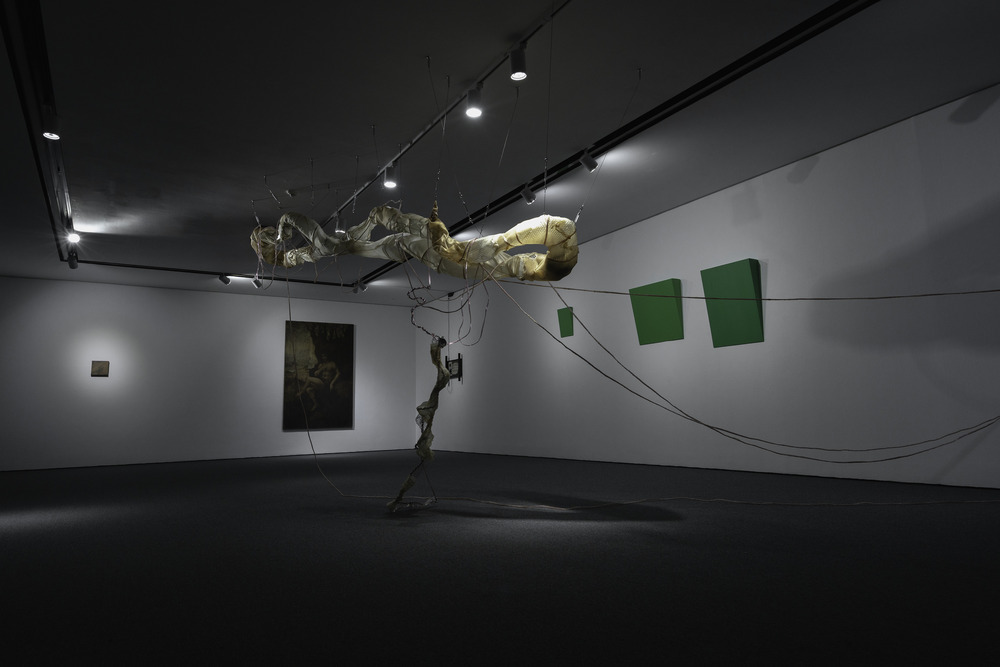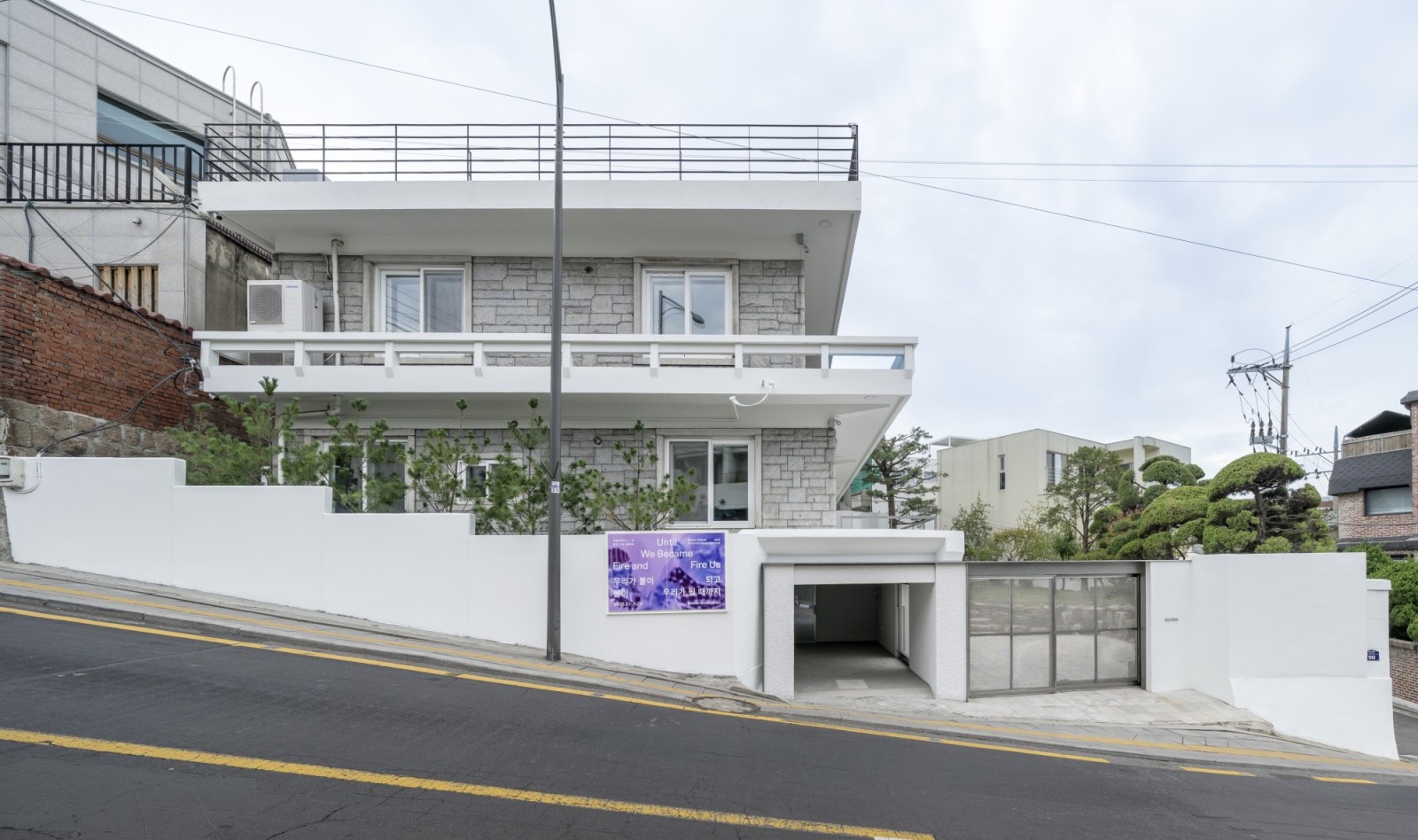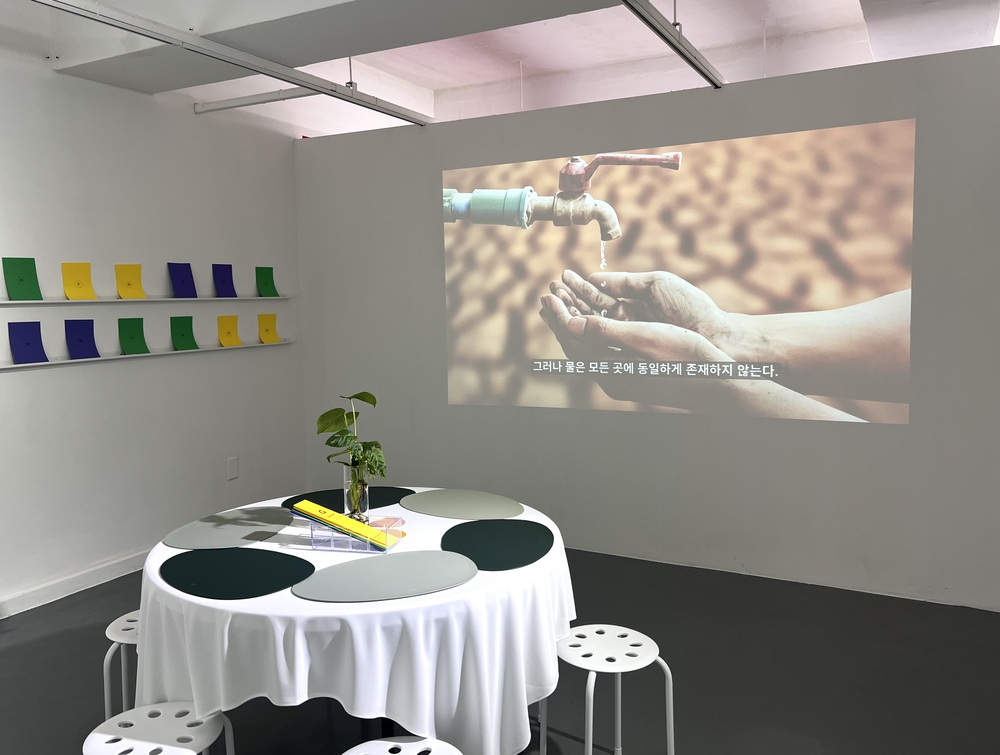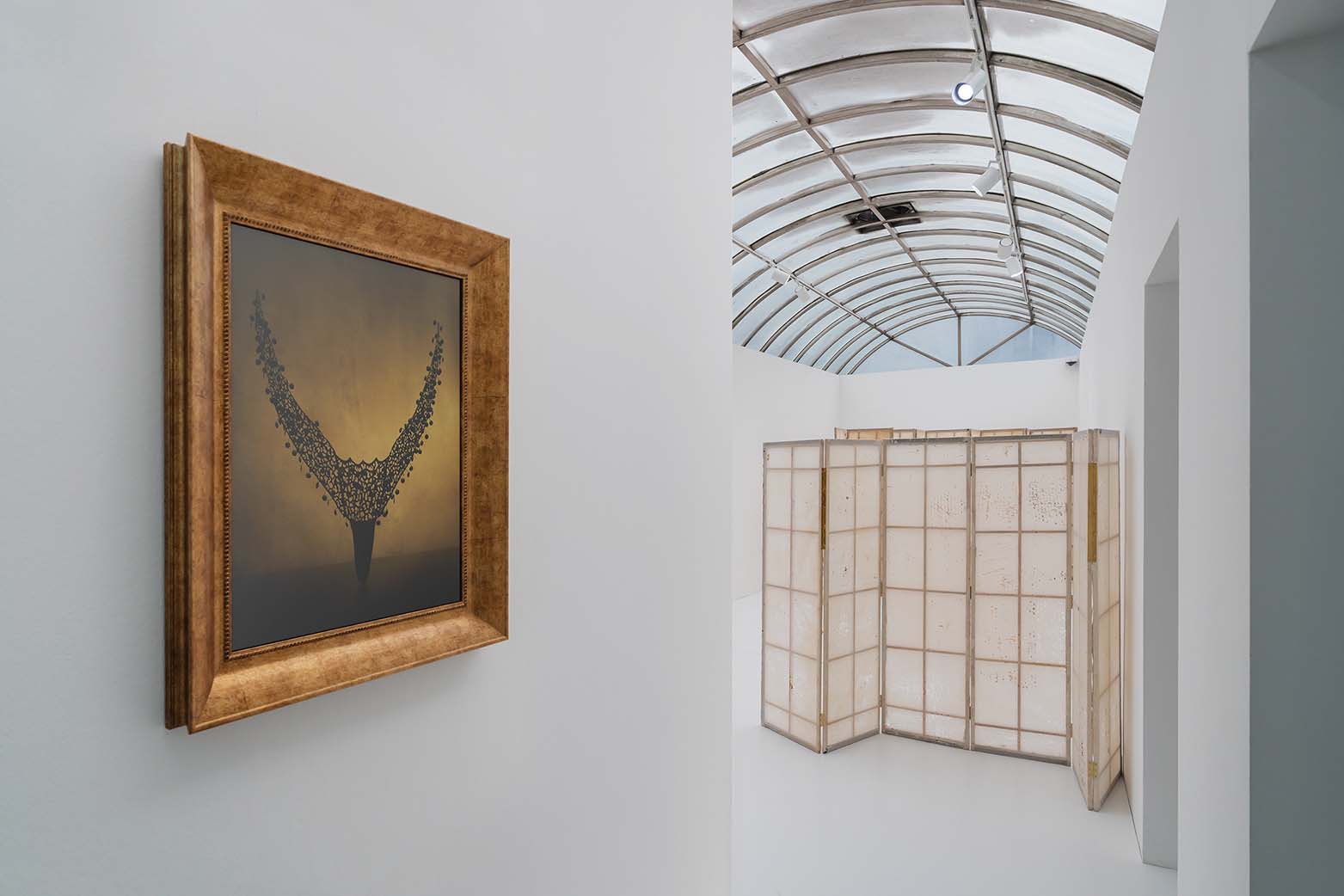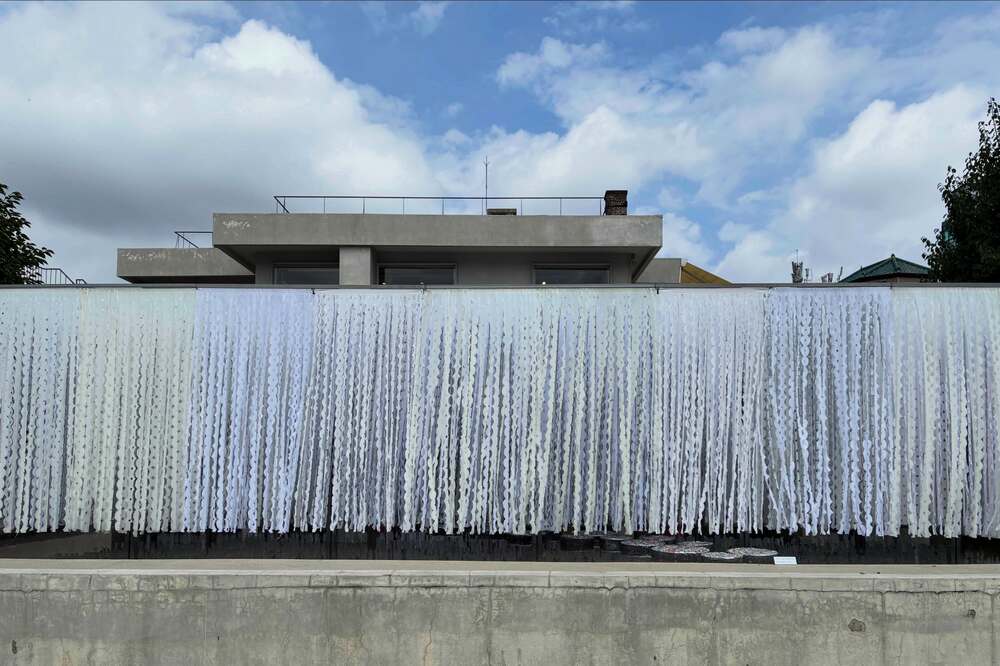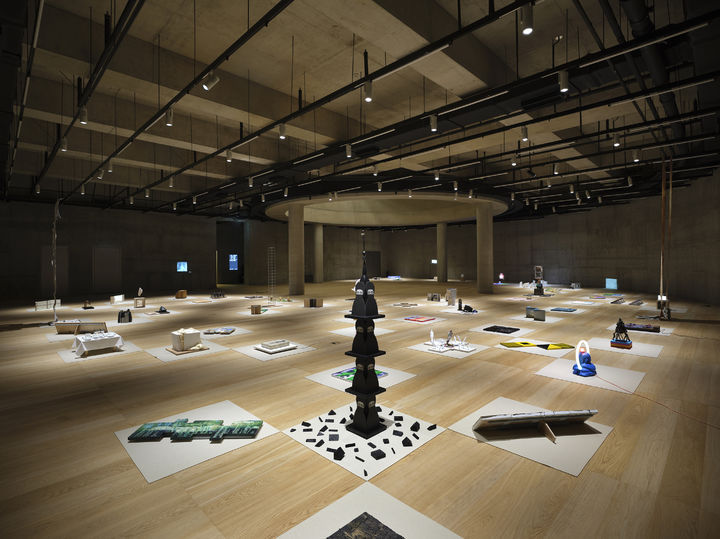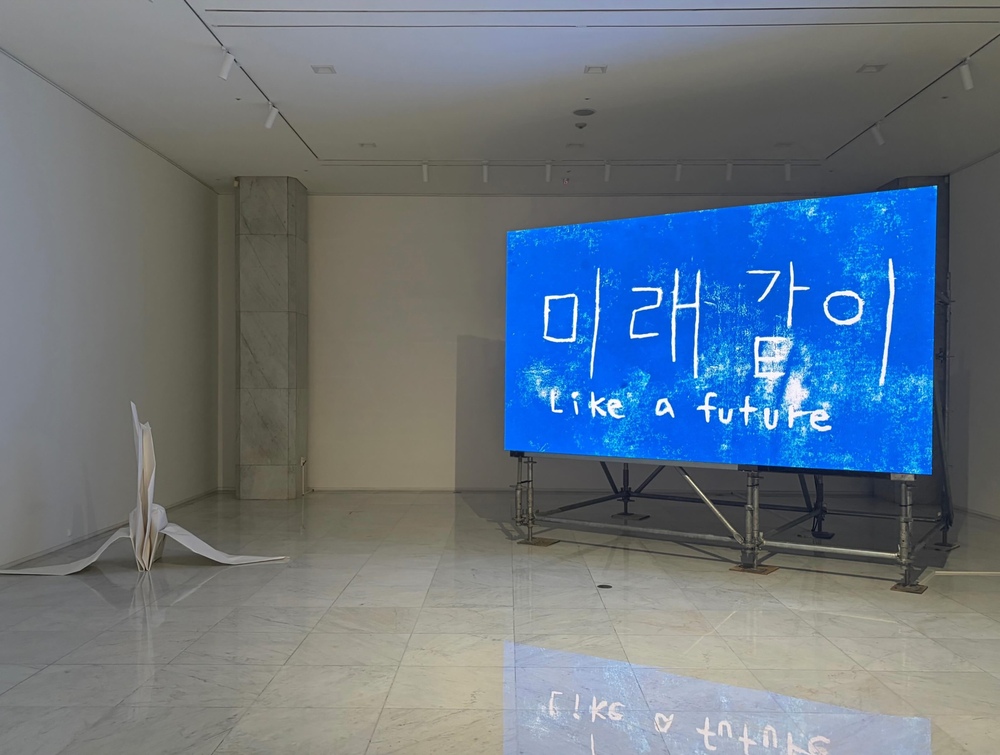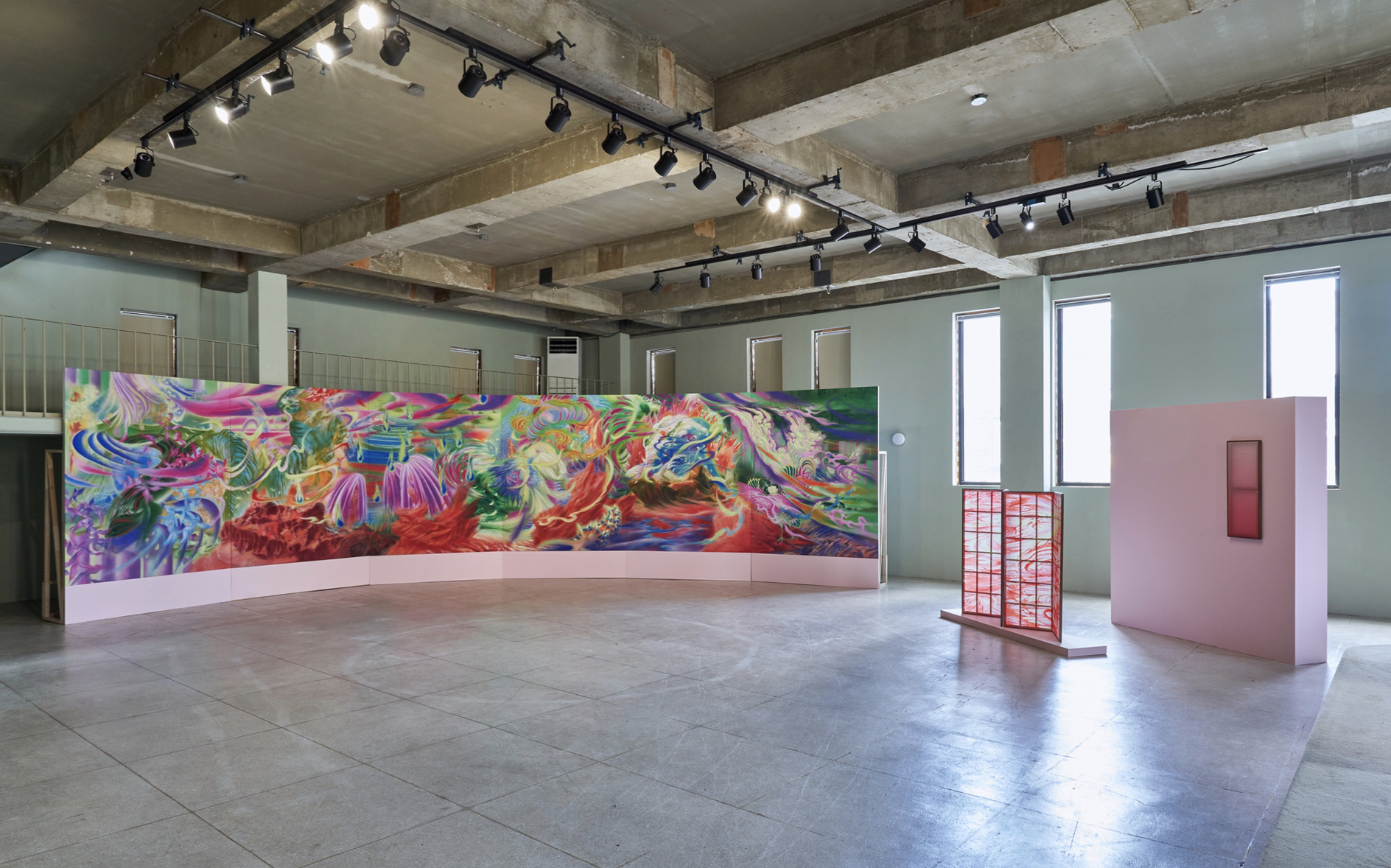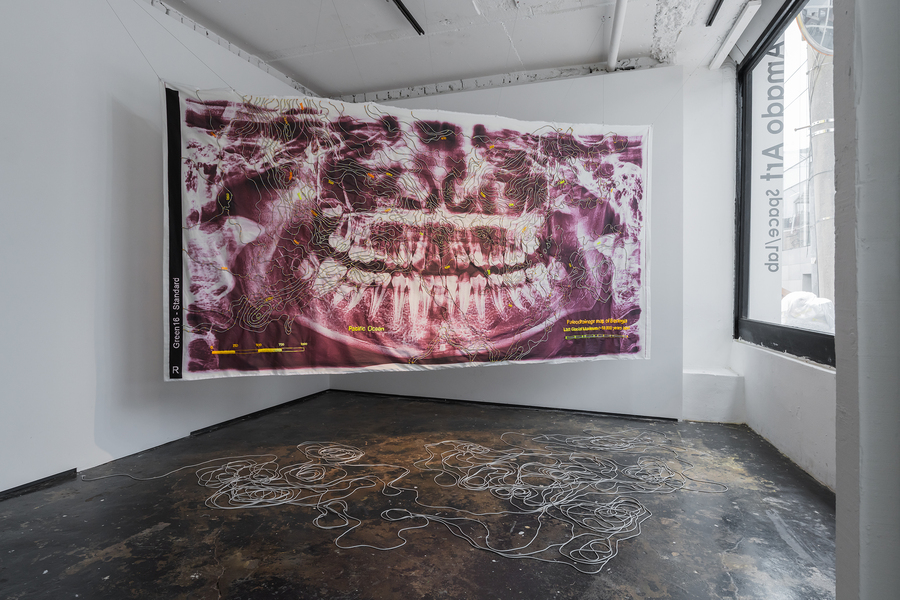

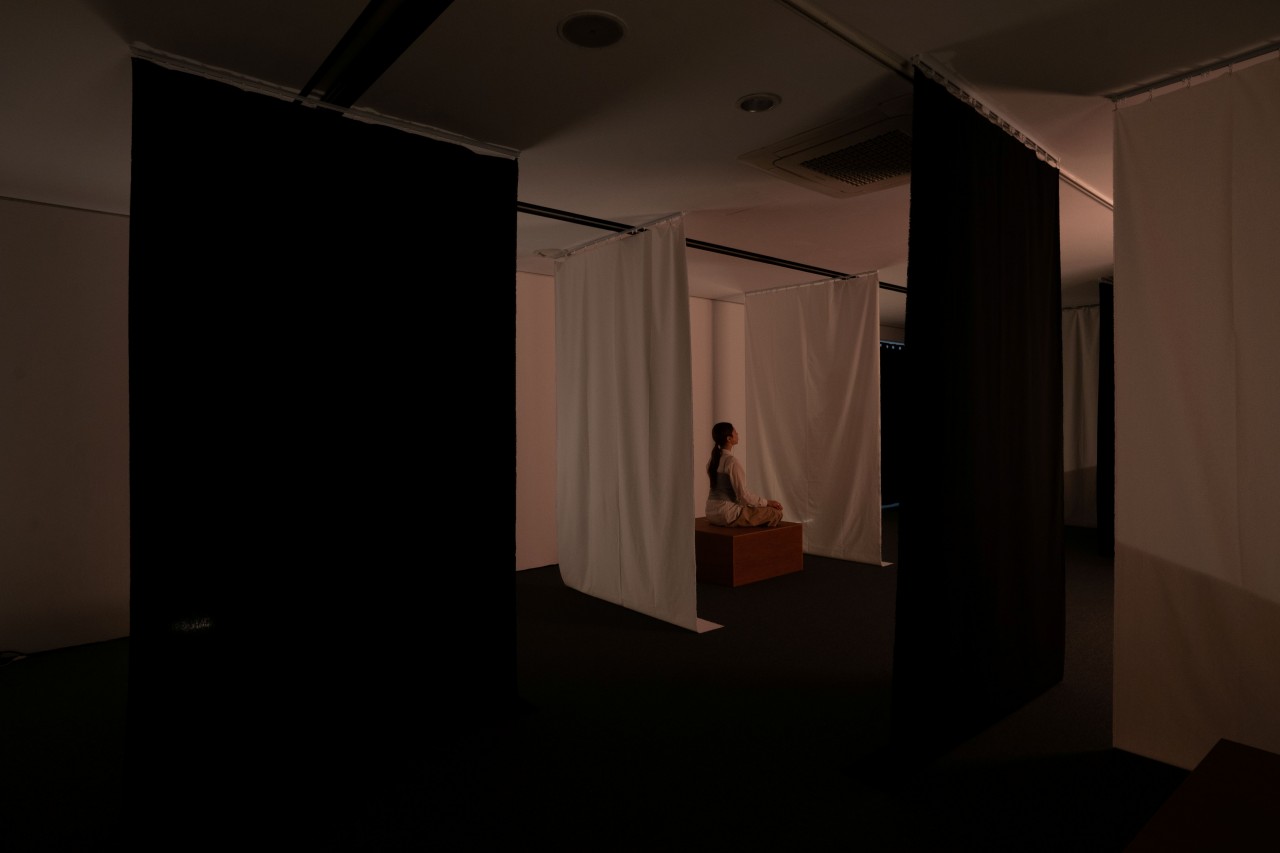
Installation view of 《Layers of Unseen》 © Perigee Gallery
Perigee
Gallery presents a solo exhibition 《Layers of Unseen》
by artist Kim Joon, on view through July 18.
Kim Joon
selects a region in which to gather sound, dwells there, listening closely with
his ears and observing closely with his eyes, and then renders what he has
gathered in the exhibition space as a soundscape. His concerns extend from the
immediate urban surroundings in which we live to the planetary ecosystem.
In the
title of this exhibition, 《Layers of Unseen》, the term "Layers" can be understood as an extension of
the geological elements—such as the rocks of volcanic regions—that he has long
taken as the subject of his practice. How, then, are we to understand the word
"sacred"?
For this
exhibition, he visited the regions of Bali and Lombok in Indonesia. Indonesia
is a volcanic zone where the Pacific Ring of Fire and the Wallace Line—both of
long-standing concern to him—intersect. He chose this site to gather the
primordial sounds that, like the tremors of an active volcano, can be felt as
movement and that reverberate through the terrestrial environment in which we
live.
Once he
arrived, however, what drew him, by his own account, was not the sounds he had
originally planned to collect from this region, but rather a situation that
came to feel more and more like the area’s distinctive character—one in which
the physical vibrations of nature and the sacred religious sounds produced by
humans were interwoven.
And when
he moved to a different island, he found himself fascinated by how the
atmosphere of the space shifted as entirely different sounds came to be heard
there—simply because the prevailing religion was different.
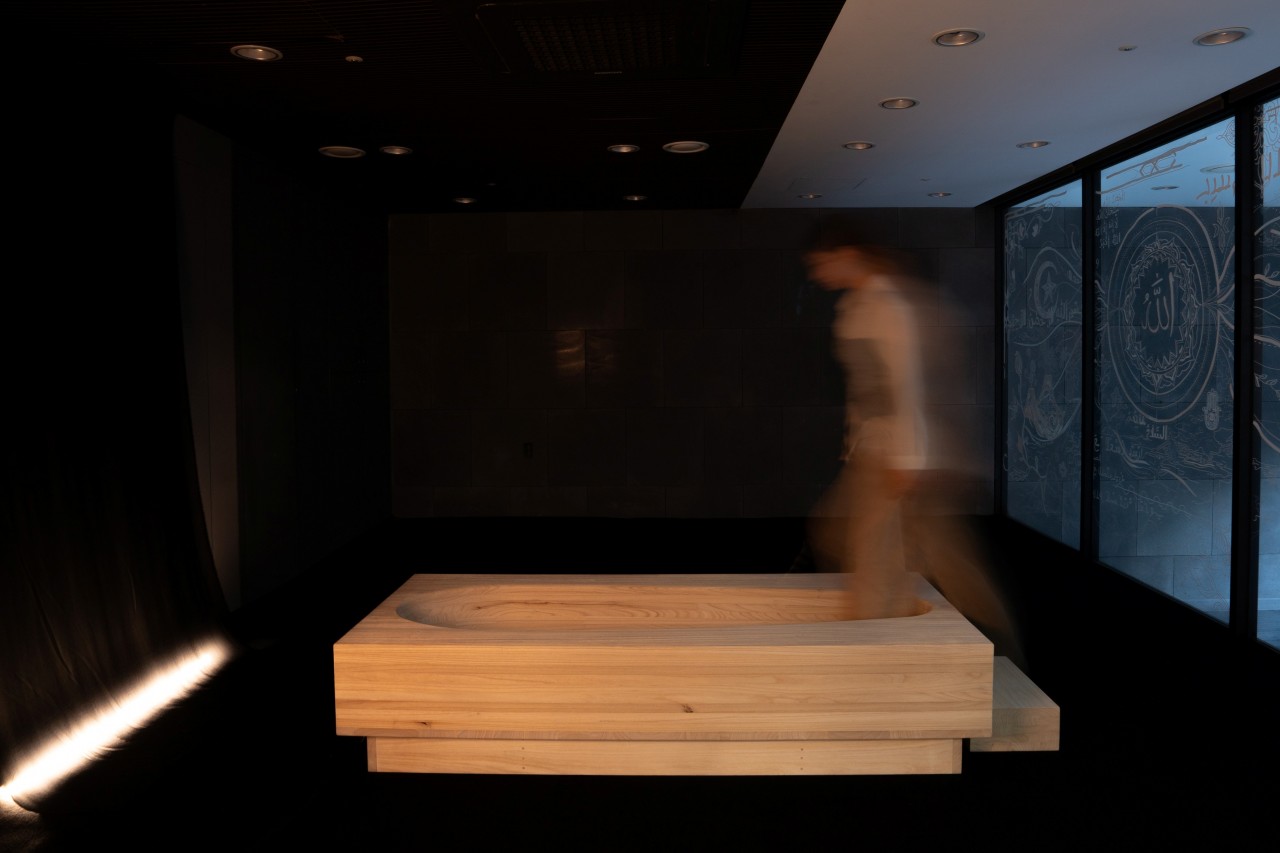
Installation view of 《Layers of Unseen》 © Perigee Gallery
This
background to the work bears mention. Human beings have lived by both yielding
to nature and pushing back against it. All the while, religion—through ritual
acts such as prayer in religious spaces—has been closely tied to human ways of
life and has shaped how people live.
While
religion today has, to some degree, become separated from actual living, in the
region Kim visited it manifested as an environment in which nature, religion,
and human life remained tangled together as one, inseparable.
Departing
from his original plan and coming to perceive the place and its sounds anew, he
appears to have naturally gathered not the intimate inner sounds of nature, but
the various sounds the region radiated at its surface.
For
example, in the sounds he gathered, one first hears insects stirring as nature
wakes with the dawn; layered onto those sounds, the prayers of religious
ritual; and then, just as ordinary, the sudden patter of rain.
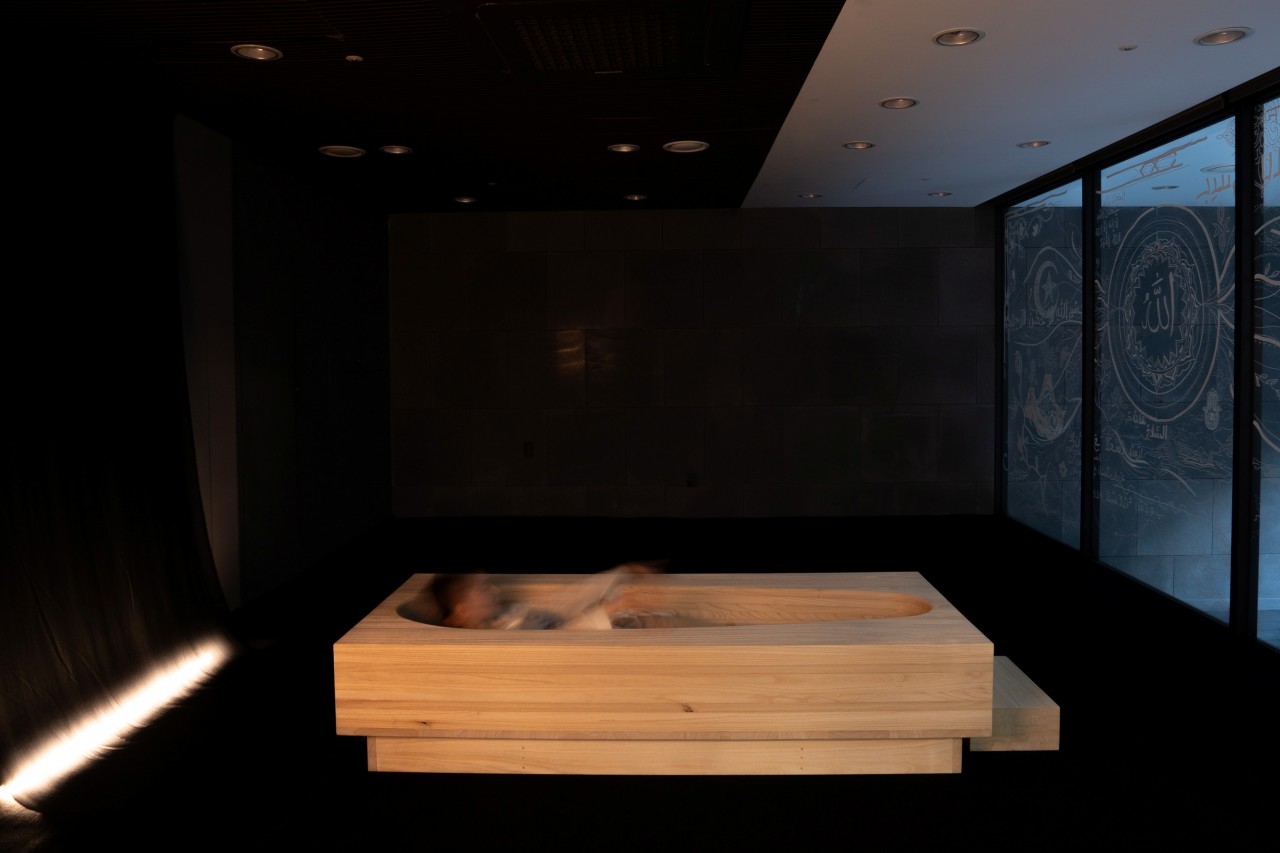
Installation view of 《Layers of Unseen》 © Perigee Gallery
In his
previous work, what he intended through the gathering of nature’s sounds was an
expansion of the senses—an expansion that would unfold only when the hidden
inner sounds, such as the natural vibrations normally beyond the reach of human
hearing, were drawn out and made audible. In this exhibition, however, he has
gathered only sounds that human senses can hear.
Collected
sounds are installed as soundscapes, yet the specific images or objects from
which they originated are not provided. While viewers may infer scenes through
sound, they can never fully reconstruct the original experience of the site.
Working
from this premise of limitation, the artist deliberately removes visual cues
and encourages attention toward the sensory qualities that once filled a
particular time and place. What matters is not the reproduction of sounds
recorded by a machine, but the sensations that have passed through the artist’s
body and accumulated within their inner experience.
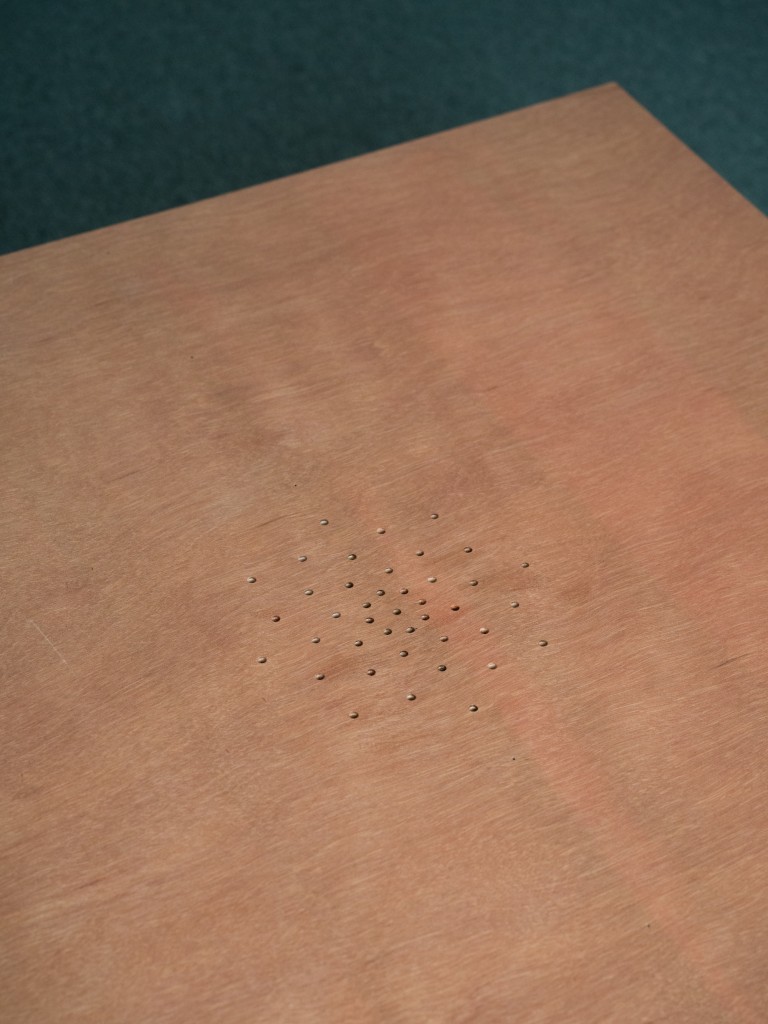
Installation view of 《Layers of Unseen》 © Perigee Gallery
In this
way, sounds generated through the layering of disparate elements within a
single spatiotemporal context are the result of complex and multilayered
combinations. Yet the artist recognizes that it is impossible to fully transfer
the vividness of such sensory experiences into the exhibition space.
The
sounds heard in the exhibition are closer to mediated experiences, delivered
through highly directional and multi-channel speaker systems. Through them,
viewers gain only partial access to the artist’s sensory experience. Within
these conditions, Kim hopes that audiences will not reduce sound to meaning
alone, but instead listen to and experience it as a sensory phenomenon in its
own right.