
Korean artists
have once again been honored at Prix Ars Electronica, one of the most
prestigious international competitions in the field of media art.
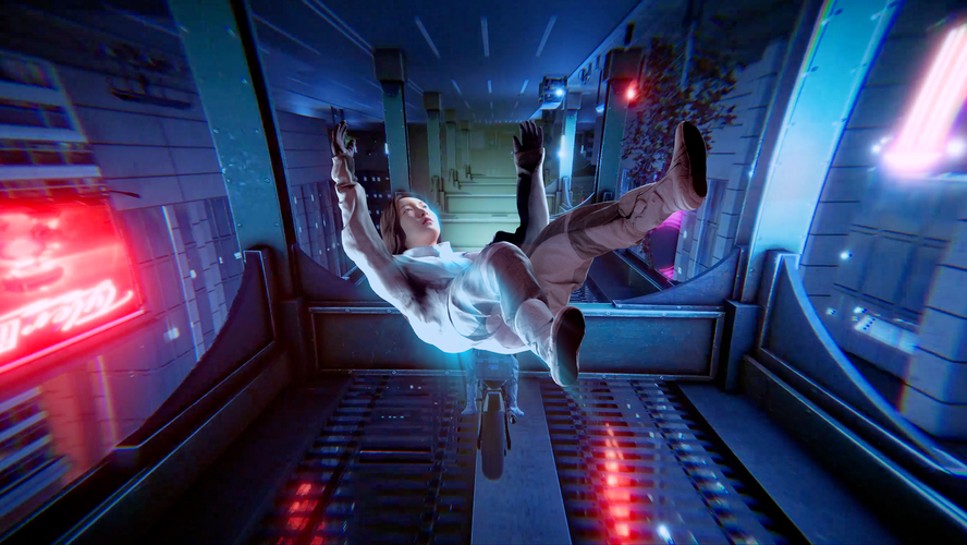
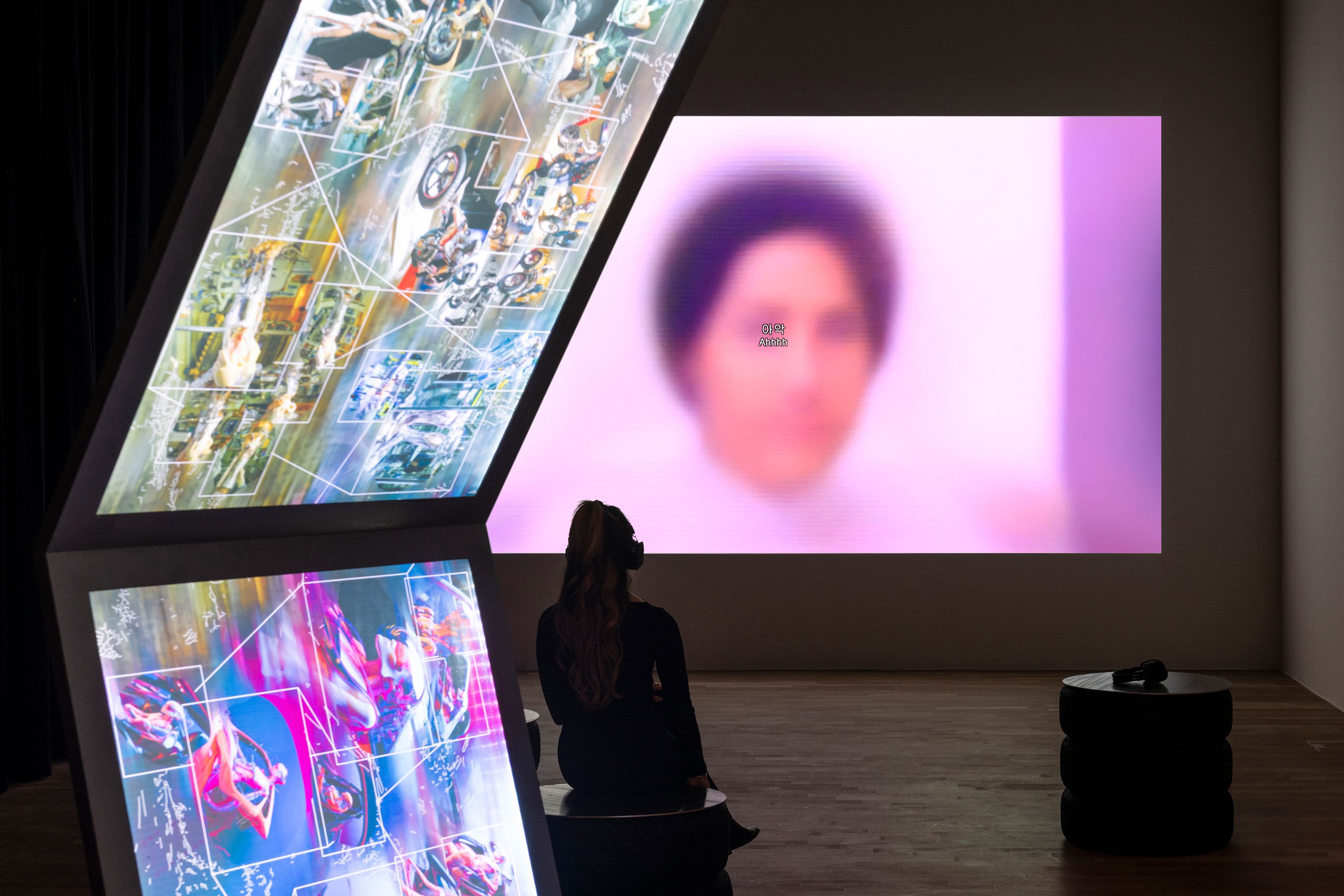
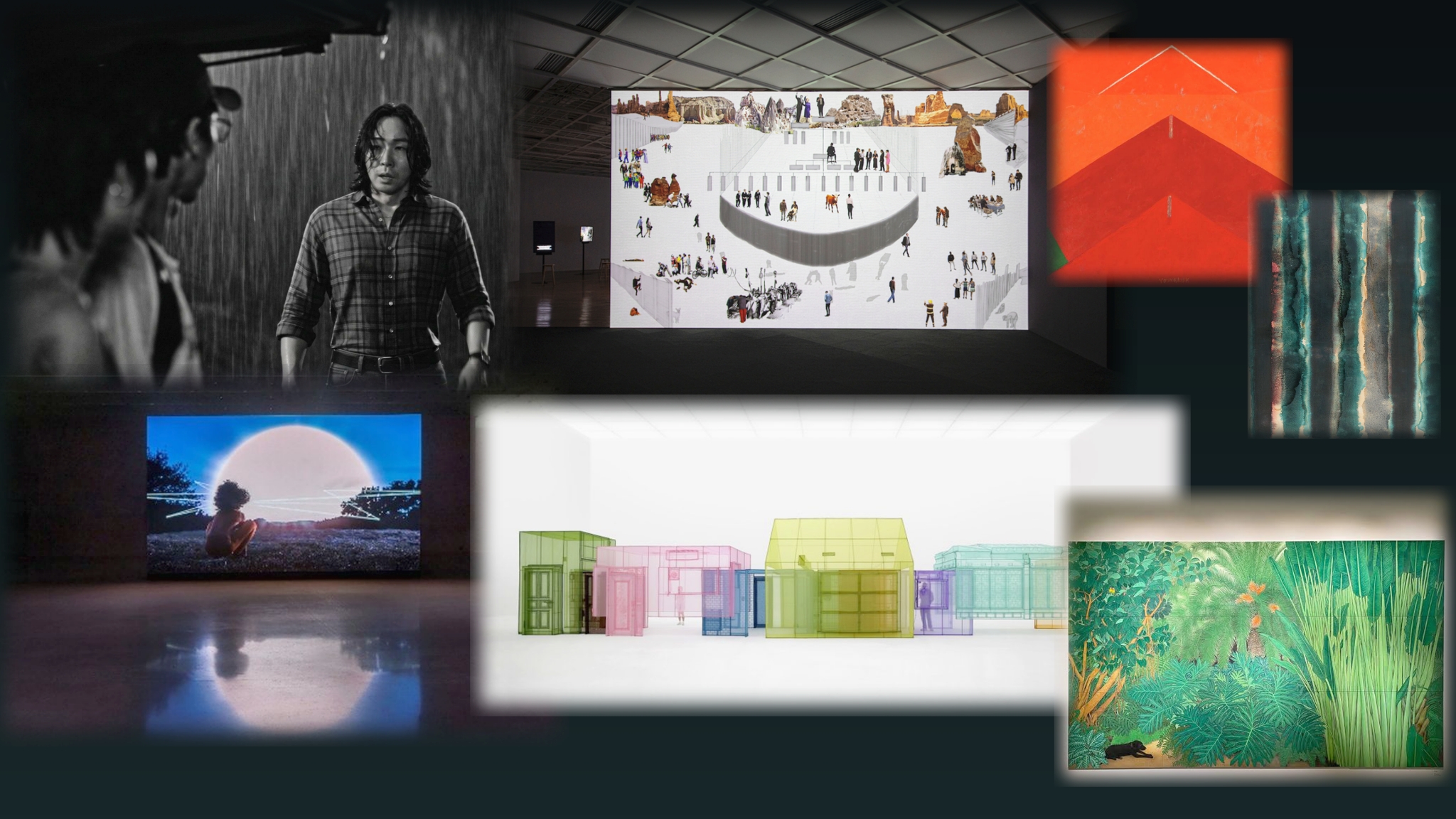
Ayoung Kim, Delivery Dancer’s Sphere / © Ayoung Kim
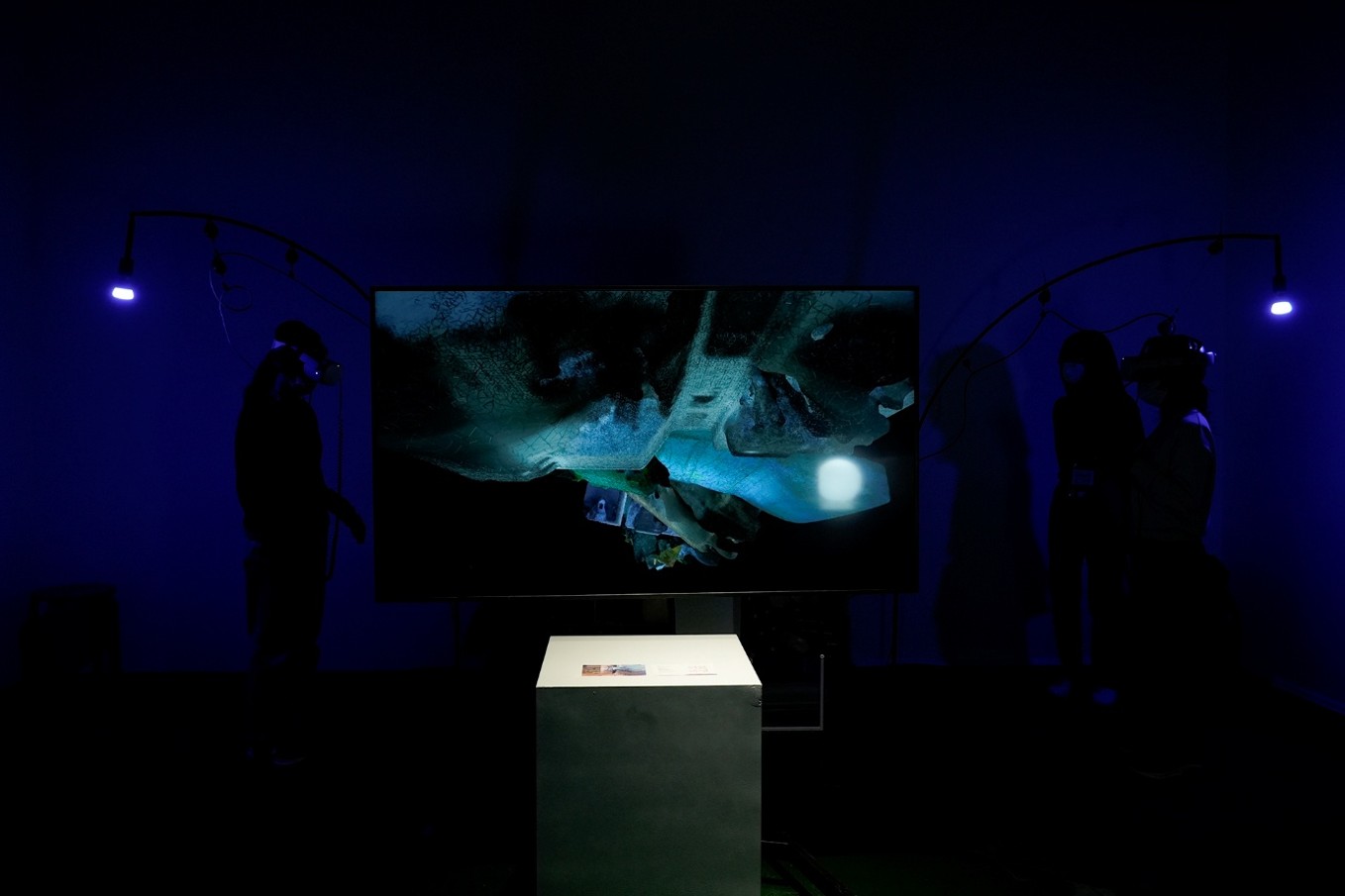
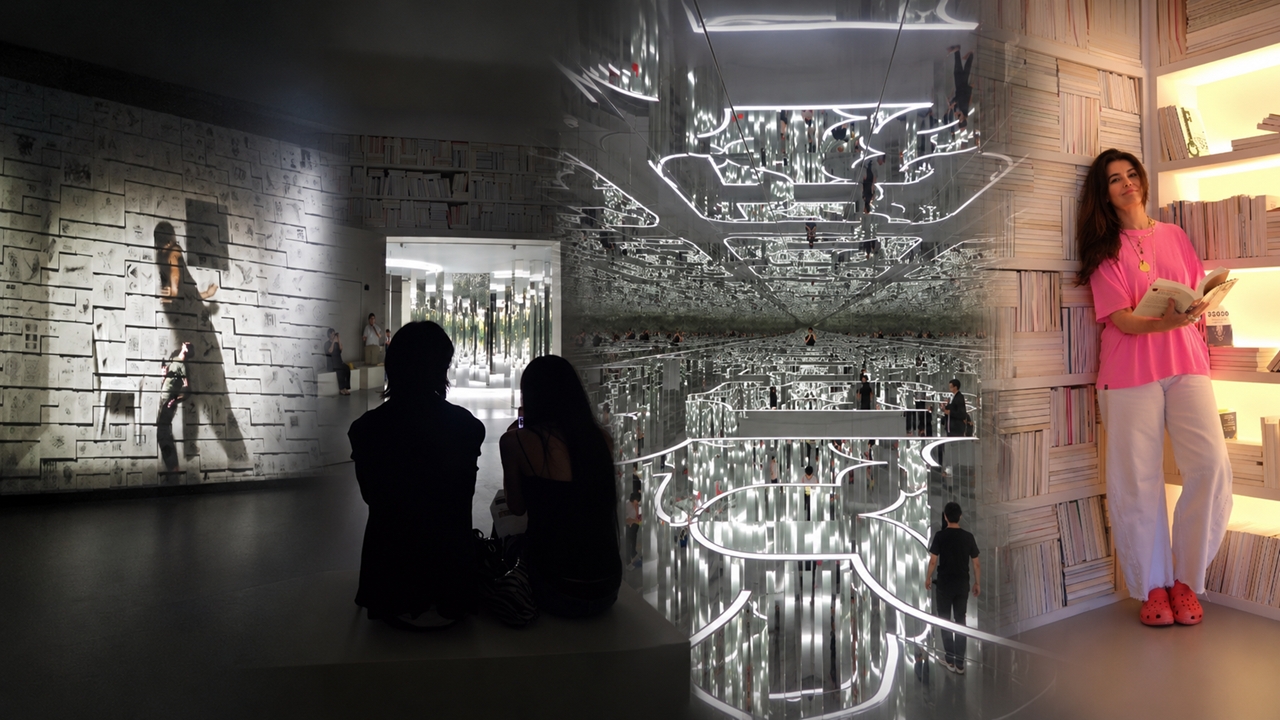
SANGHEE, Oneroom-Babel, 2022, interactive VR, single player, 15 min. / © SANGHEE.
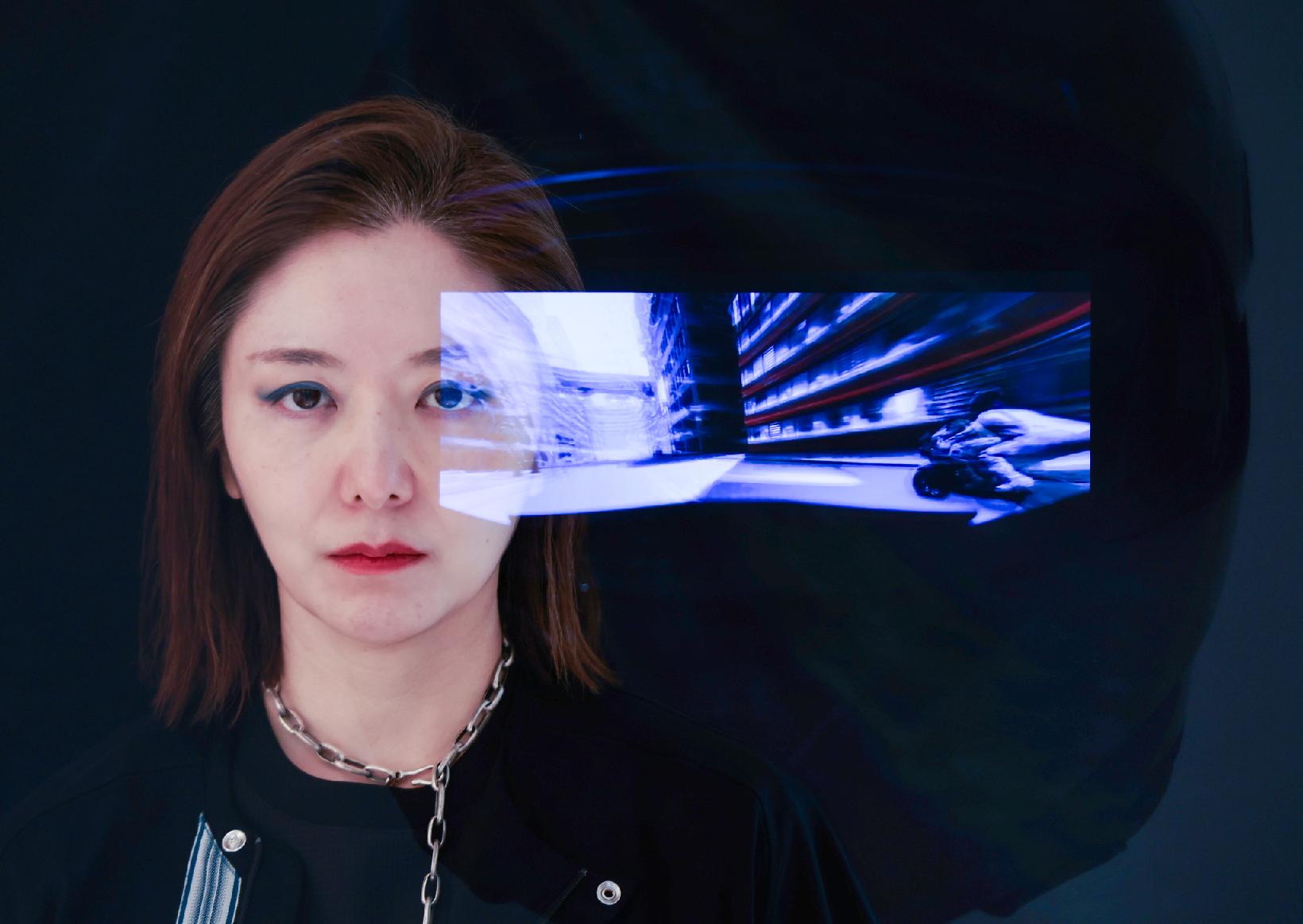
In 2023, Ayoung
Kim drew international attention in the global media art scene by winning the
Golden Nica, the top prize in the New Animation Art category. In the same year,
SANGHEE received an Award of Distinction, while in 2025, Hoonida Kim received
an Honorary Mention.
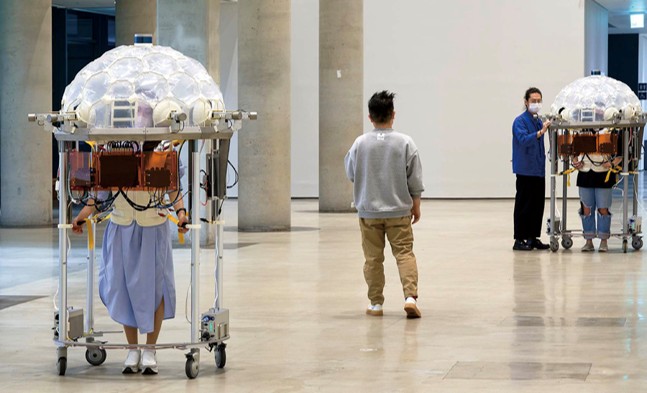
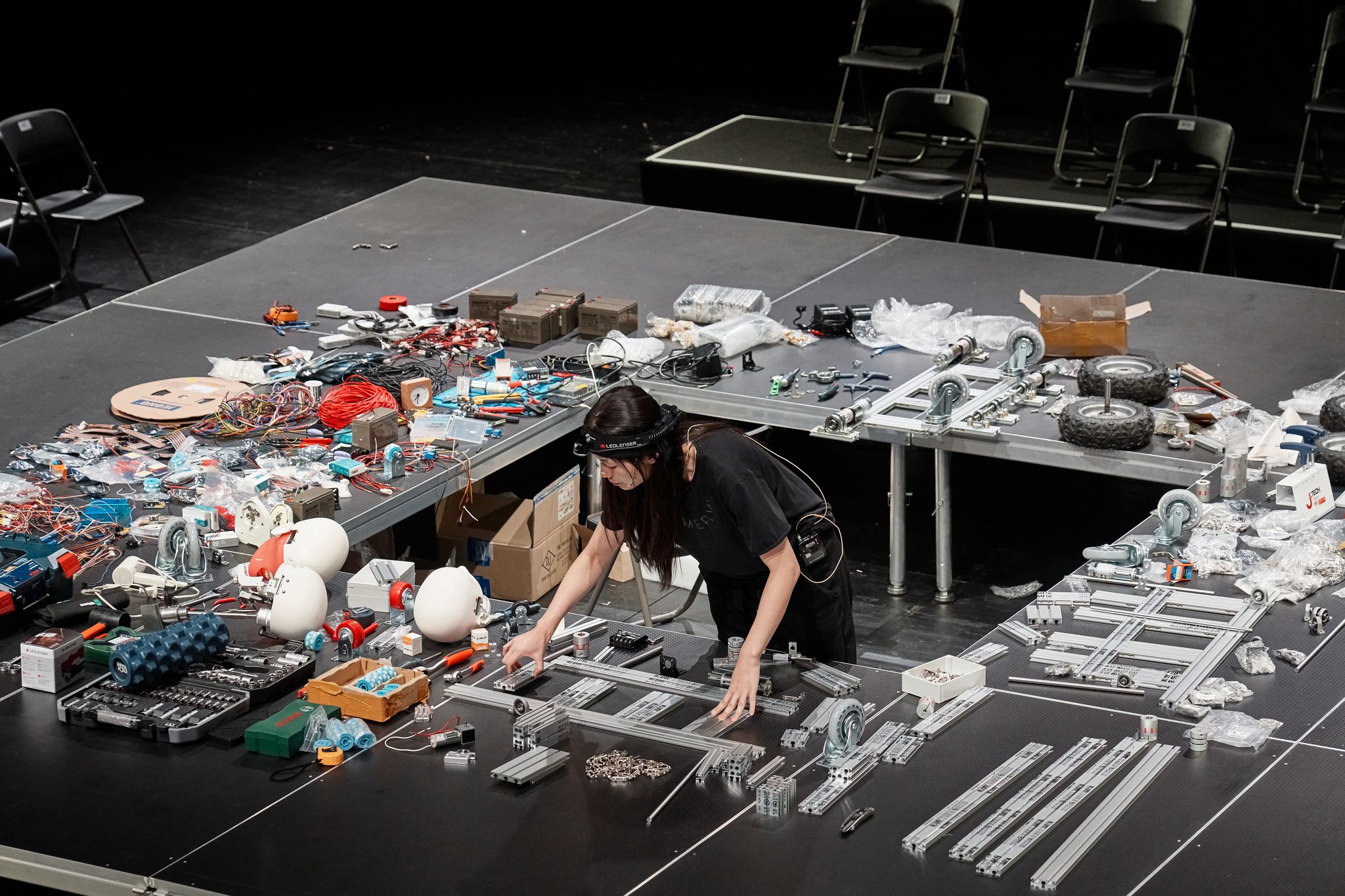
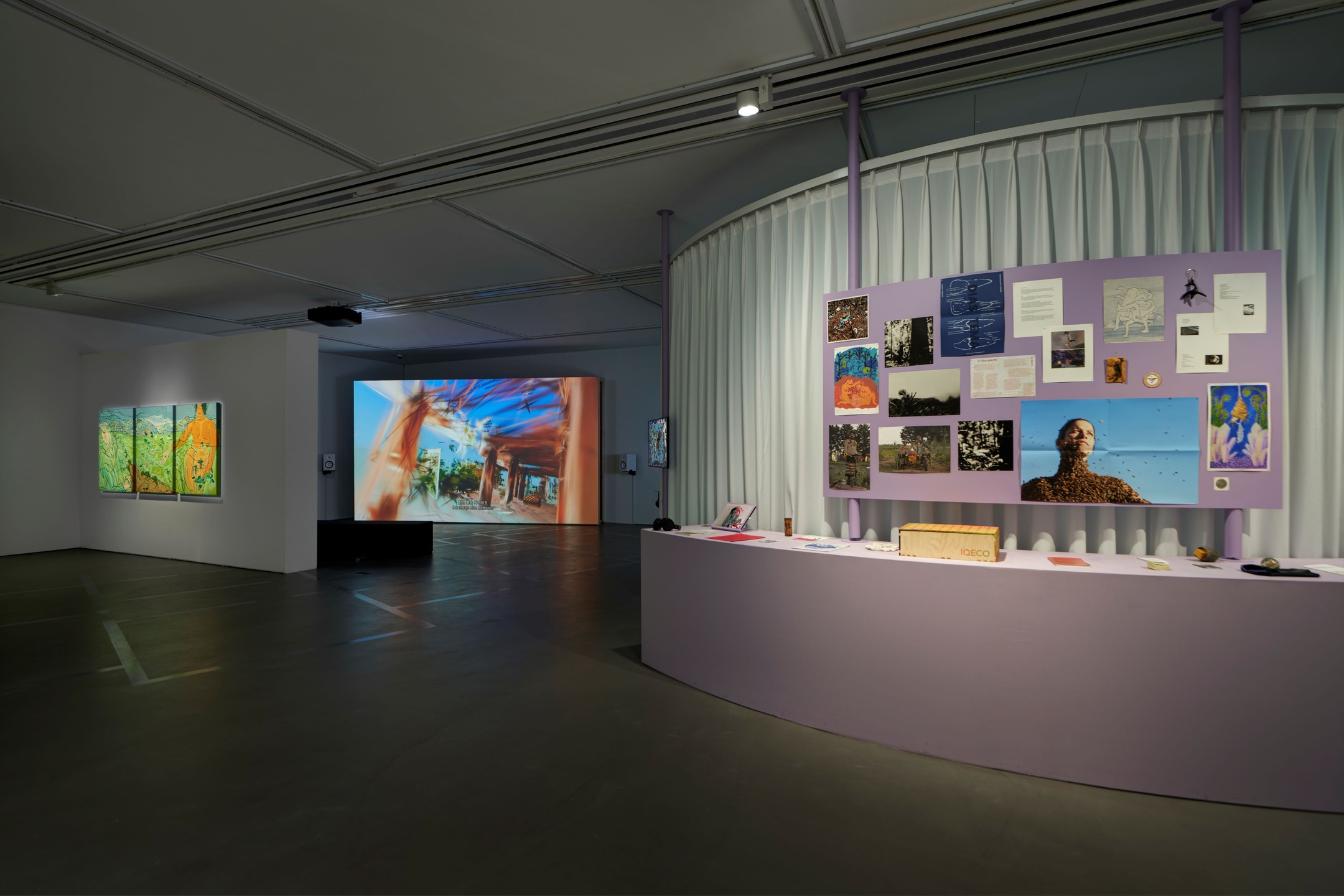
Hoonida Kim, Landscape being Decoded, 2021, performance, installation, mixed media, dimensions variable. © Hoonida Kim
This year,
UJOO+LIMHEEYOUNG and Jungwoo Lee were also selected for Honorary Mentions,
further demonstrating the continued presence of Korean media art on one of the
world’s most prestigious international stages. Beyond the achievement of
individual artists, this recognition can be seen as a meaningful indication
that the strength of Korea’s media art ecosystem is being steadily acknowledged
internationally.
This year’s
competition received 4,329 submissions from 106 countries around the world.
UJOO+LIMHEEYOUNG received an Honorary Mention in the Interactive Art+ category,
while Jungwoo Lee received an Honorary Mention in the New Animation Art
category.
Although an
Honorary Mention is not the top prize, it is an official distinction awarded to
works whose artistic quality and originality are recognized by the
international jury. As an official recognition granted to outstanding works
selected from among thousands of submissions from around the world, this
achievement shows that Korean media art continues to be evaluated and
acknowledged within a highly competitive international framework.
UJOO+LIMHEEYOUNG,
Honorary Mention in Interactive Art+
UJOO+LIMHEEYOUNG
received an Honorary Mention in the Interactive Art+ category for No
Bird.
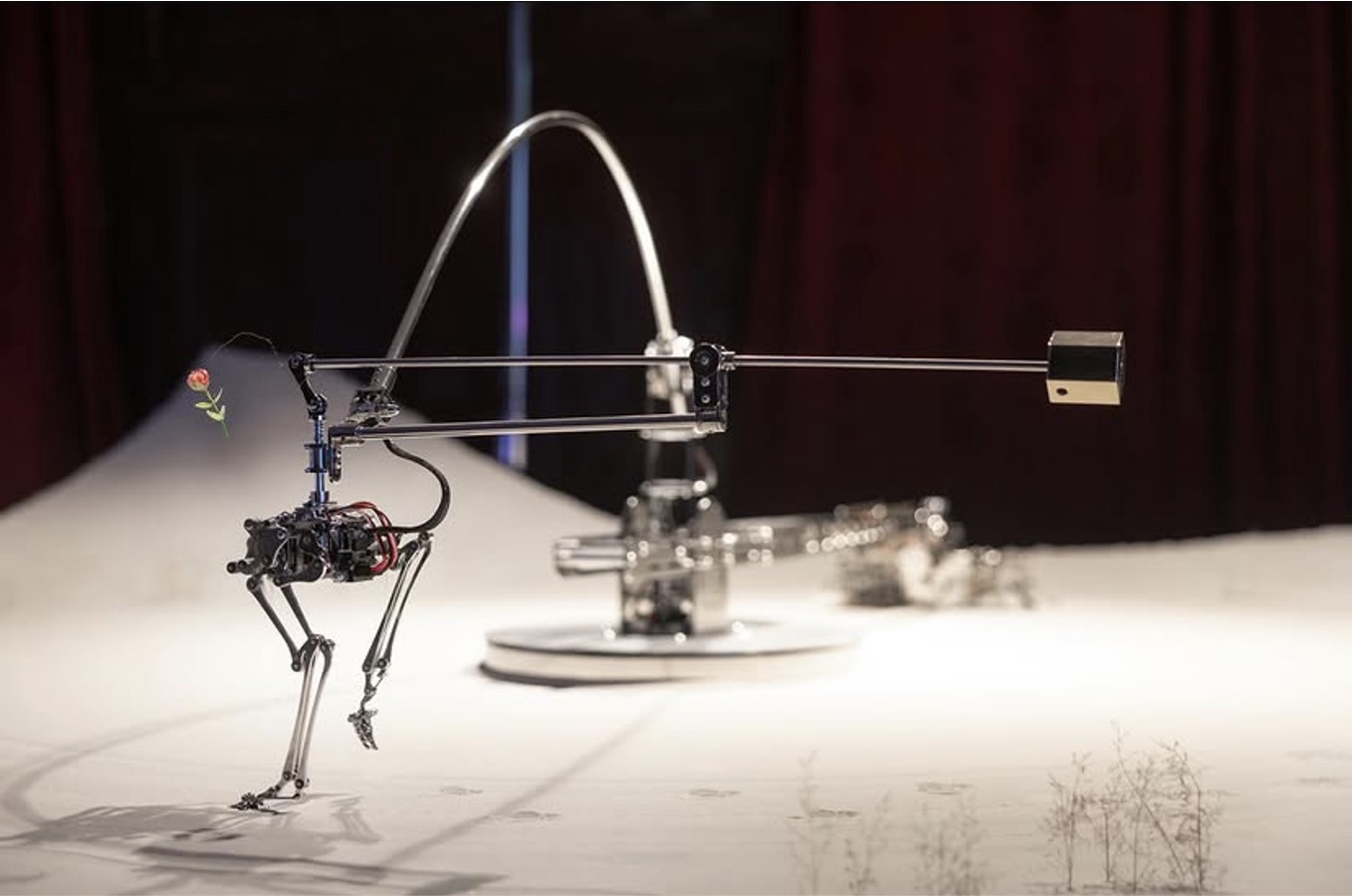
UJOO+LIMHEEYOUNG, No Bird. / Photo: Instagram
No
Bird is a kinetic installation in which a mechanical device
reminiscent of a bird repeatedly moves across white sand. Through movements
that cross the boundary between machine and living organism, the work explores
the relationship between human and non-human beings, poetically unfolding the
tension and connection between technology, life, sensation, and existence.
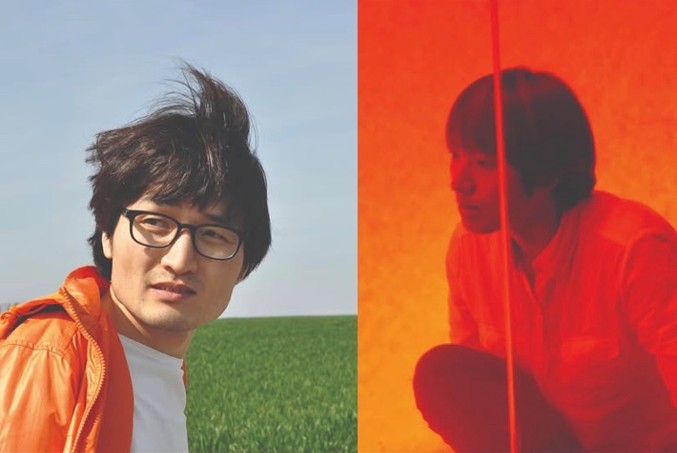
UJOO+LIMHEEYOUNG. / Photo: Instagram
The work was
recognized for expanding technology beyond a mere tool of interaction,
transforming it instead into a philosophical inquiry into humanity, life, and
the environment.
Jungwoo
Lee, Honorary Mention in New Animation Art
Jungwoo Lee
received an Honorary Mention in the New Animation Art category for In
Writing “Hurrah for Freedom”: Cinema and History.
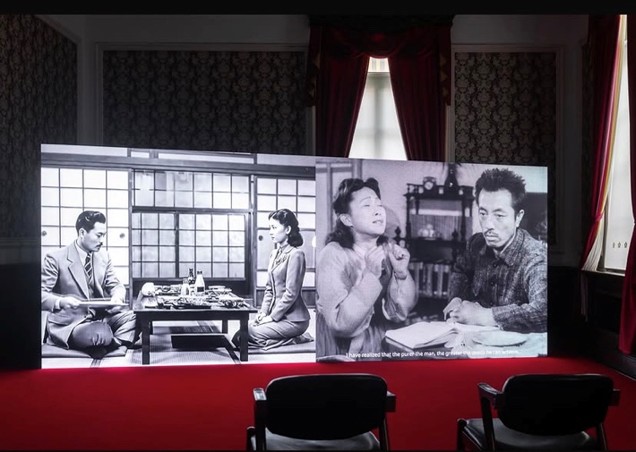
Jungwoo Lee, In Writing “Hurrah for Freedom”: Cinema and History. / Photo: Instagram.
The work takes as
its point of departure Hurrah for Freedom, a 1946 film
regarded as Korea’s first independent feature film. By using the original
screenplay and AI technology to reconstruct scenes removed through censorship,
the work explores how historical records and images are produced, erased, and
reinterpreted.

Jungwoo Lee. / Photo: Instagram
Combining
archival film from the past with contemporary artificial intelligence
technology, the work reflects on questions of memory and history, technology
and ethics. It also demonstrates how contemporary media art can use technology
to reread history and society in new ways.
Prix
Ars Electronica
Prix Ars
Electronica presents awards in three tiers within each category: the Golden
Nica, Awards of Distinction, and Honorary Mentions.
The Golden Nica
is the highest award in each category, while the Awards of Distinction are
given to outstanding works following the top prize. The Honorary Mention is an
official award category recognizing works that the international jury considers
especially noteworthy.
In 2026, each
category selected one Golden Nica, two Awards of Distinction, and twelve
Honorary Mentions. Therefore, while the Honorary Mention is not the top prize,
it remains an official recognition granted only to works that have passed the
final stage of review among thousands of submissions from around the world. As
such, it is highly regarded within the international media art field.
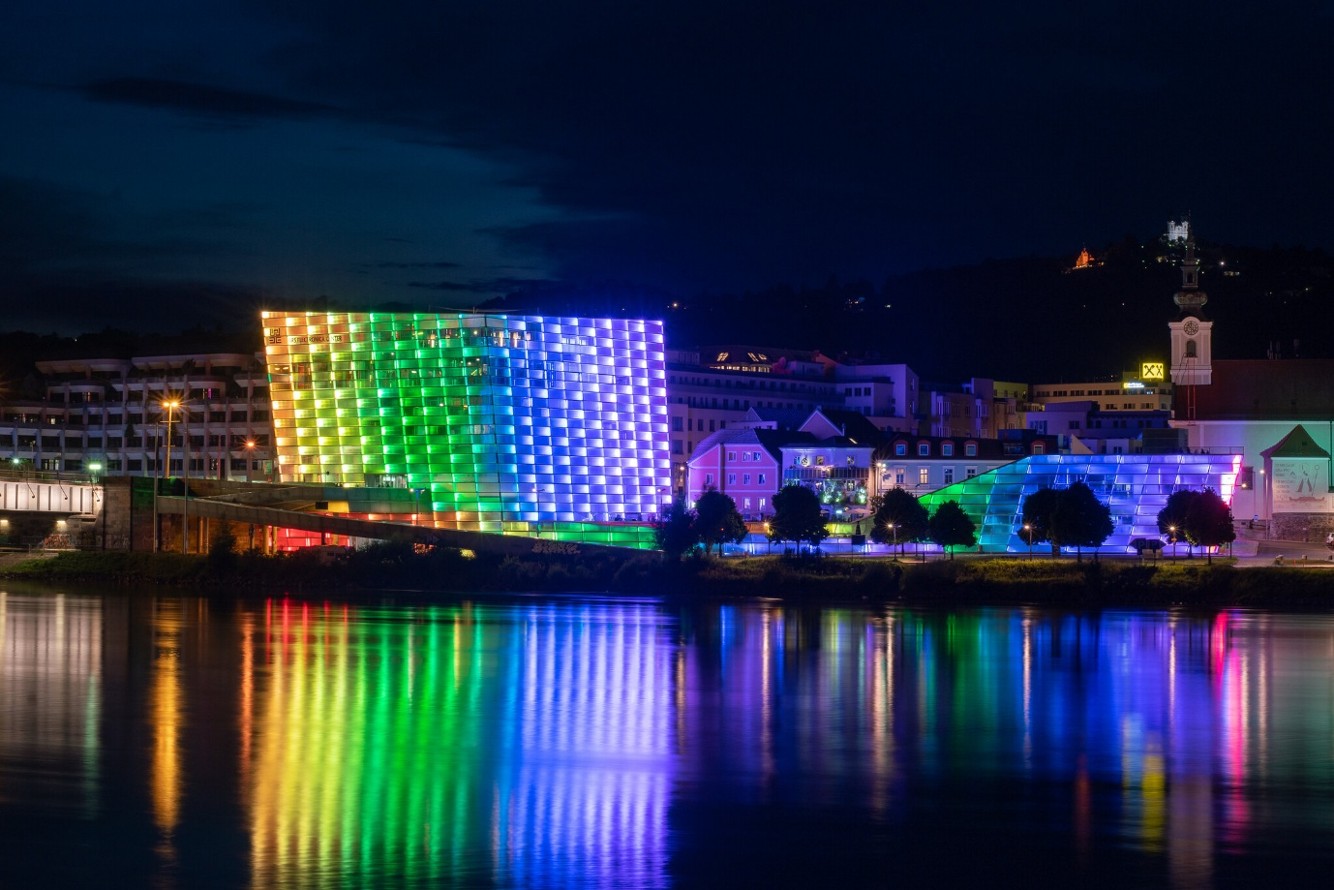
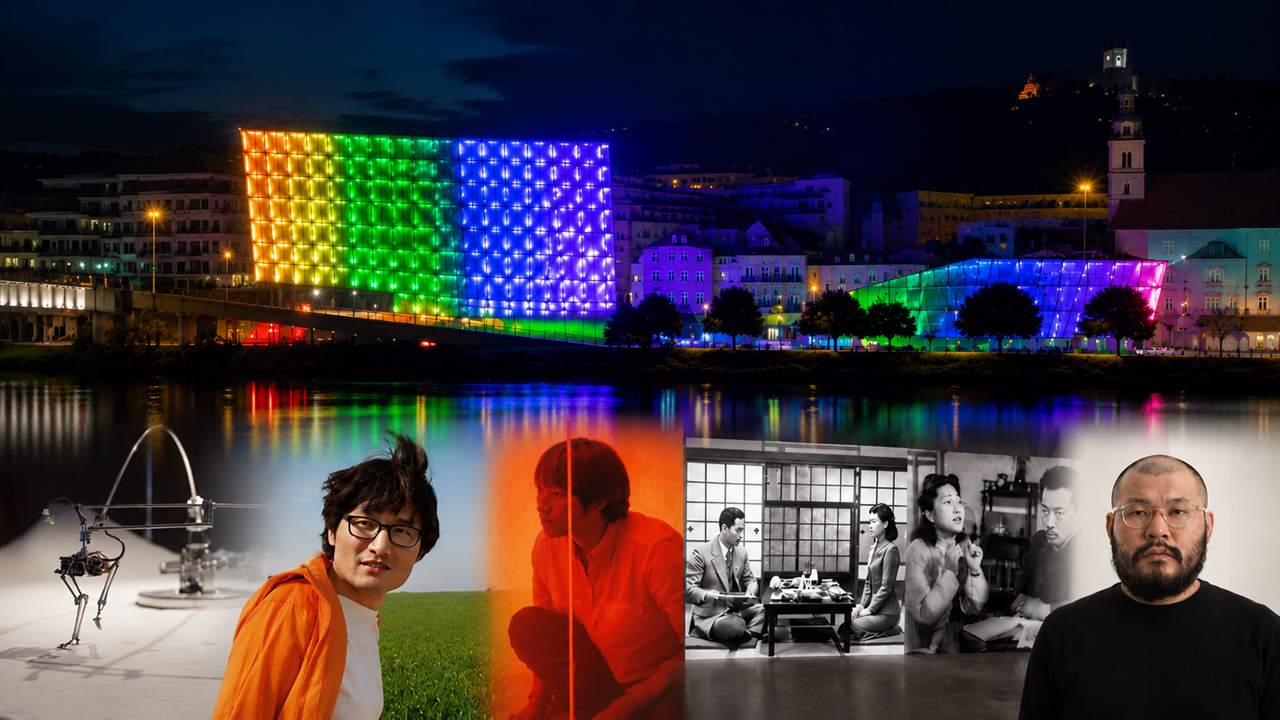
View of Ars Electronica. / Photo: Ars Electronica
Ars
Electronica
Ars Electronica
is a world-renowned media art institution that began in 1979 in Linz, Austria.
It has operated festivals, exhibitions, research initiatives, and educational
programs that connect art, science, and technology.
At the center of
this institution is Prix Ars Electronica, an international media art
competition and awards program that has continued since 1987 and is widely
regarded as one of the most prestigious in the world. Each year, works from
around the globe are reviewed by an international jury, which selects projects
that present new possibilities for art and technology.
The winning works
are introduced each year through the Ars Electronica Festival, which includes
exhibitions, lectures, performances, conferences, and various other programs.
Today, Prix Ars Electronica is considered one of the most influential
international award programs, offering a view into the current direction of
global media art and new forms of technology-based artistic practice.