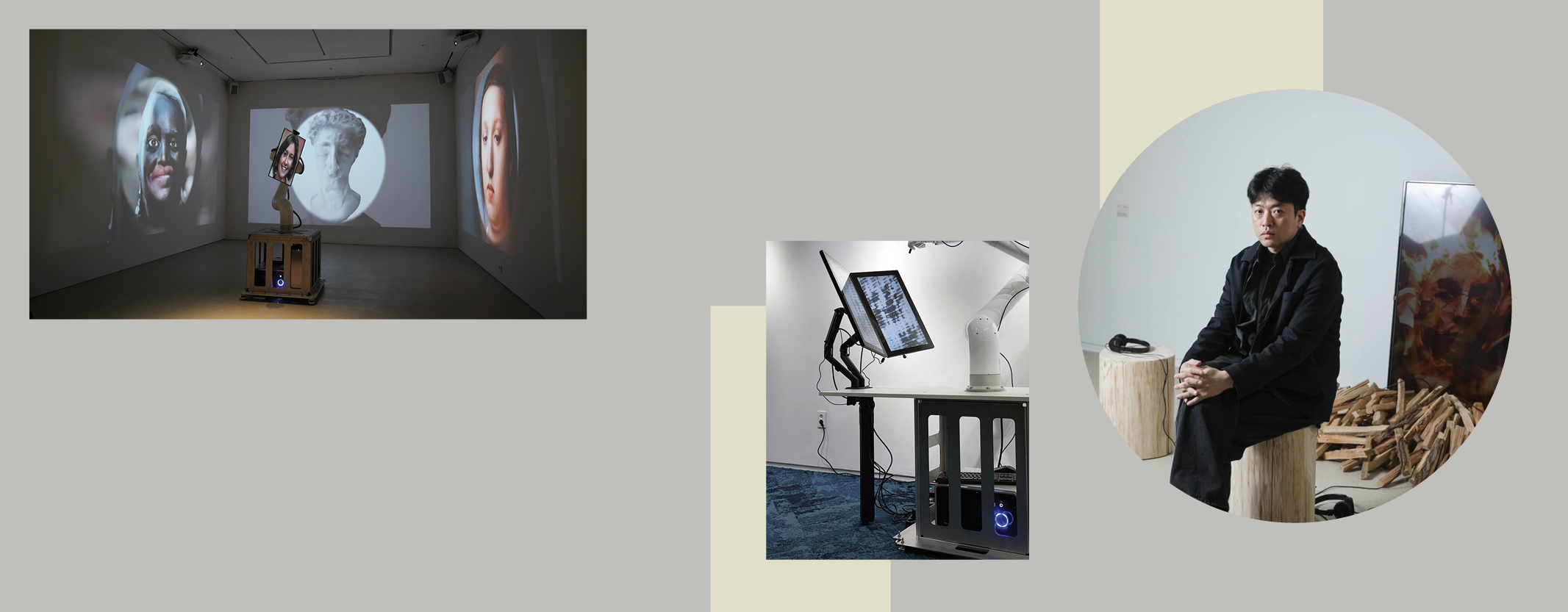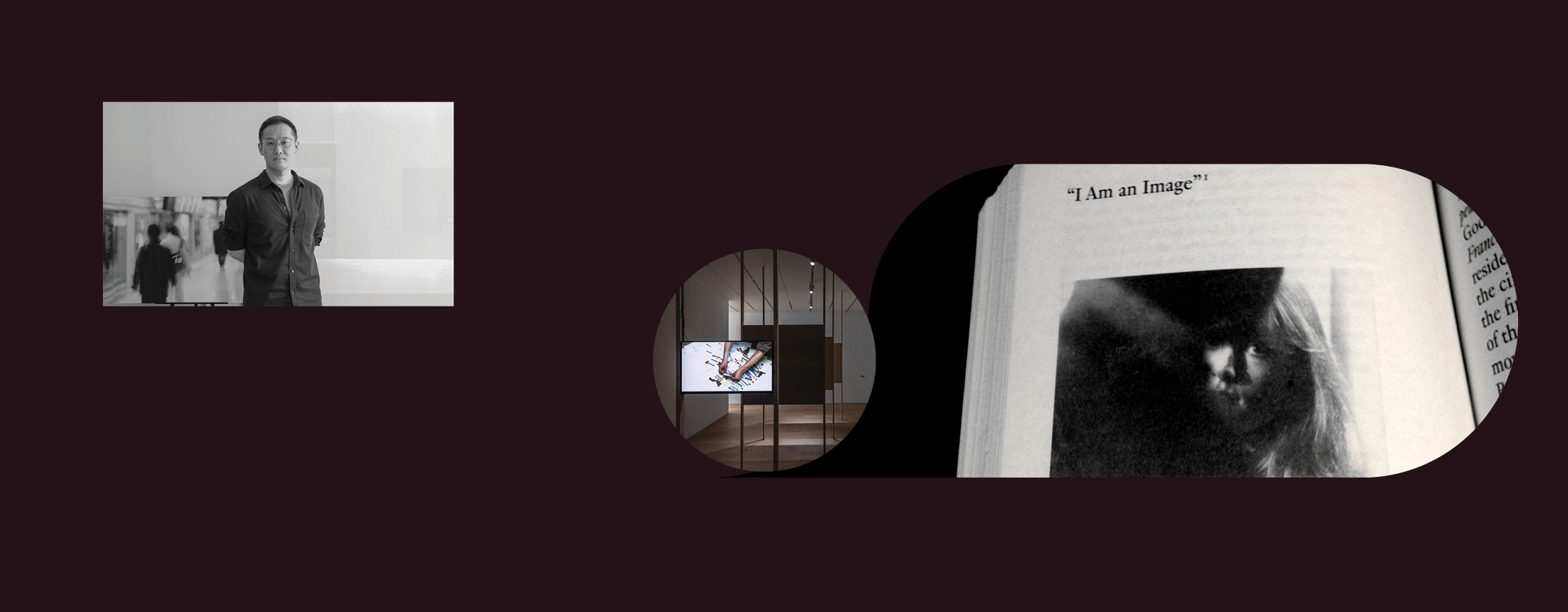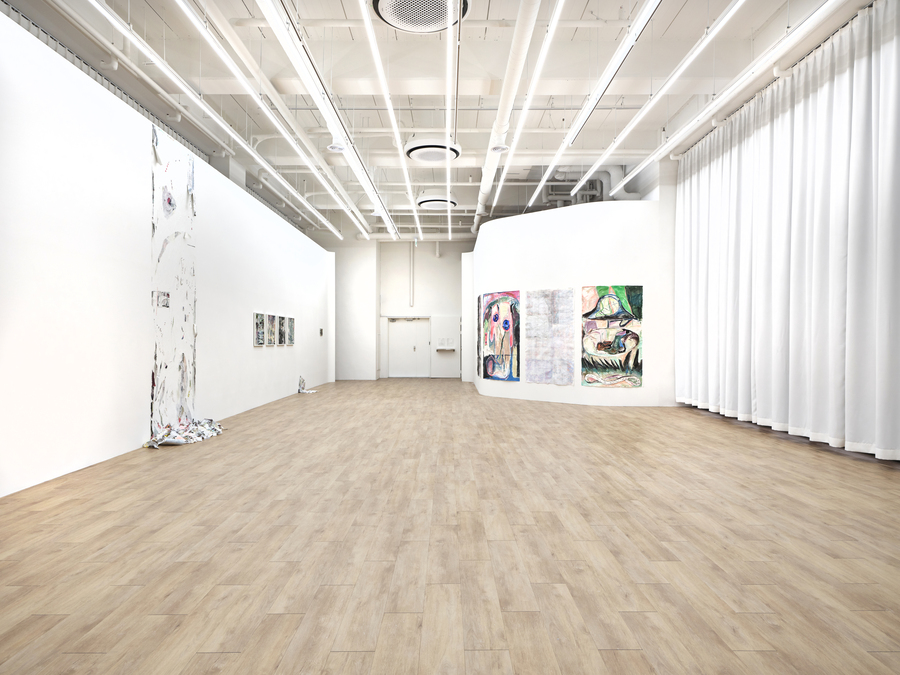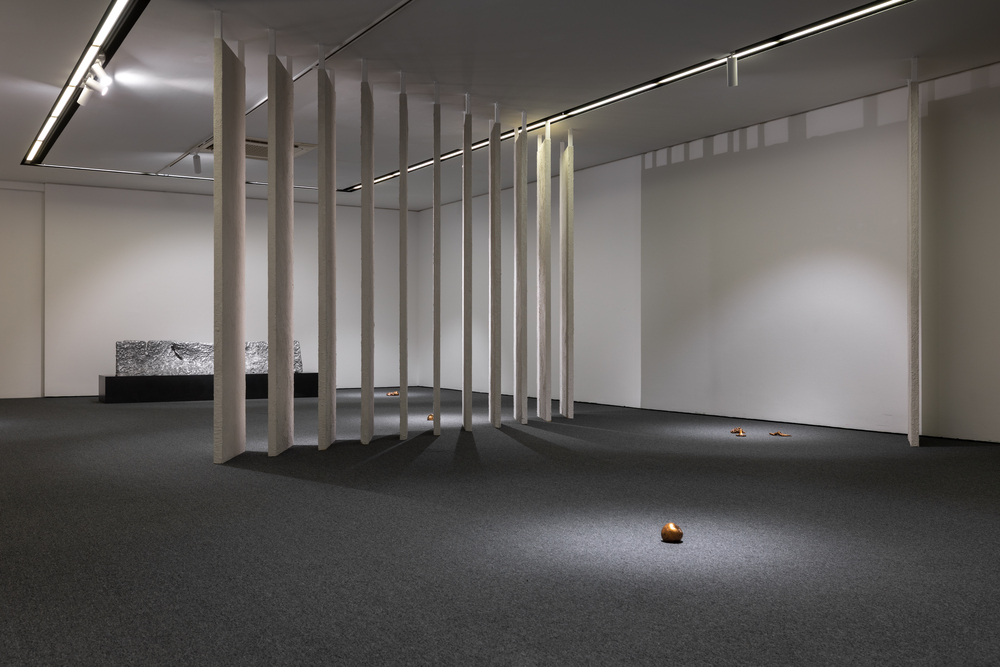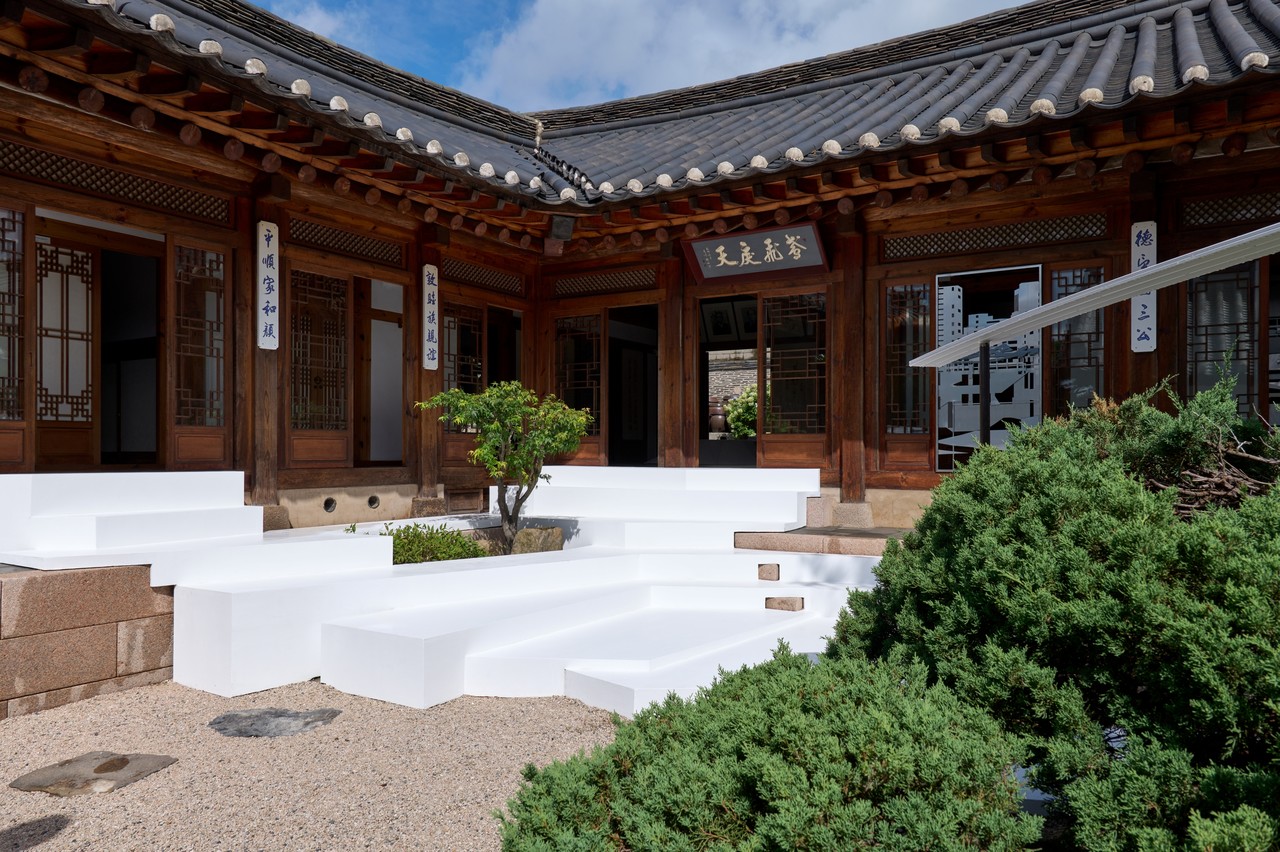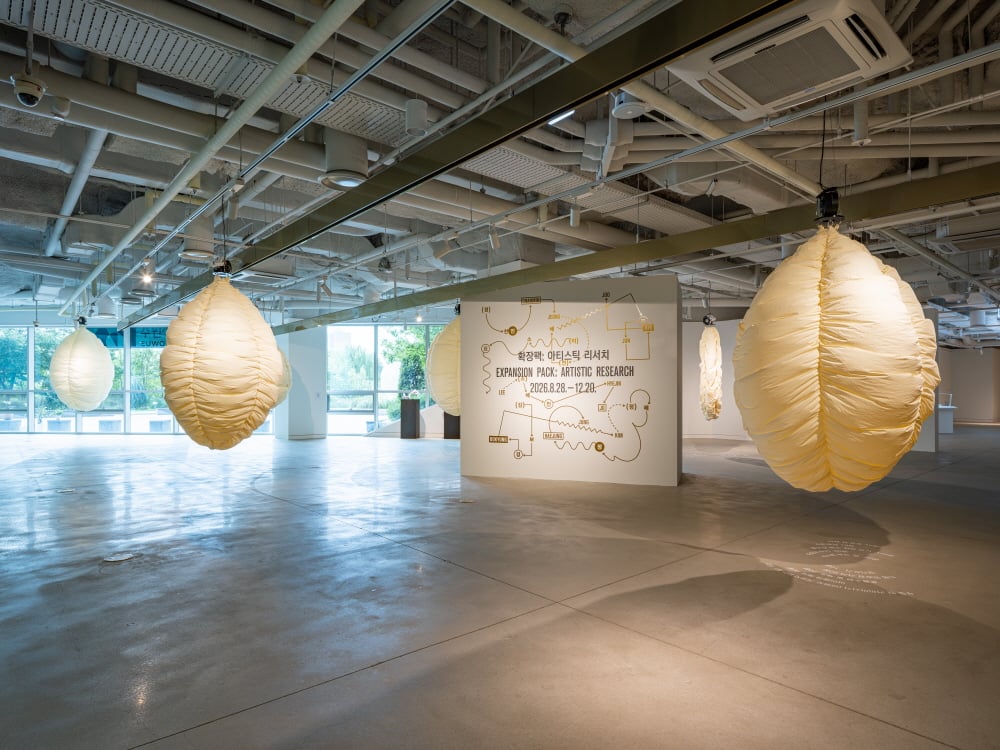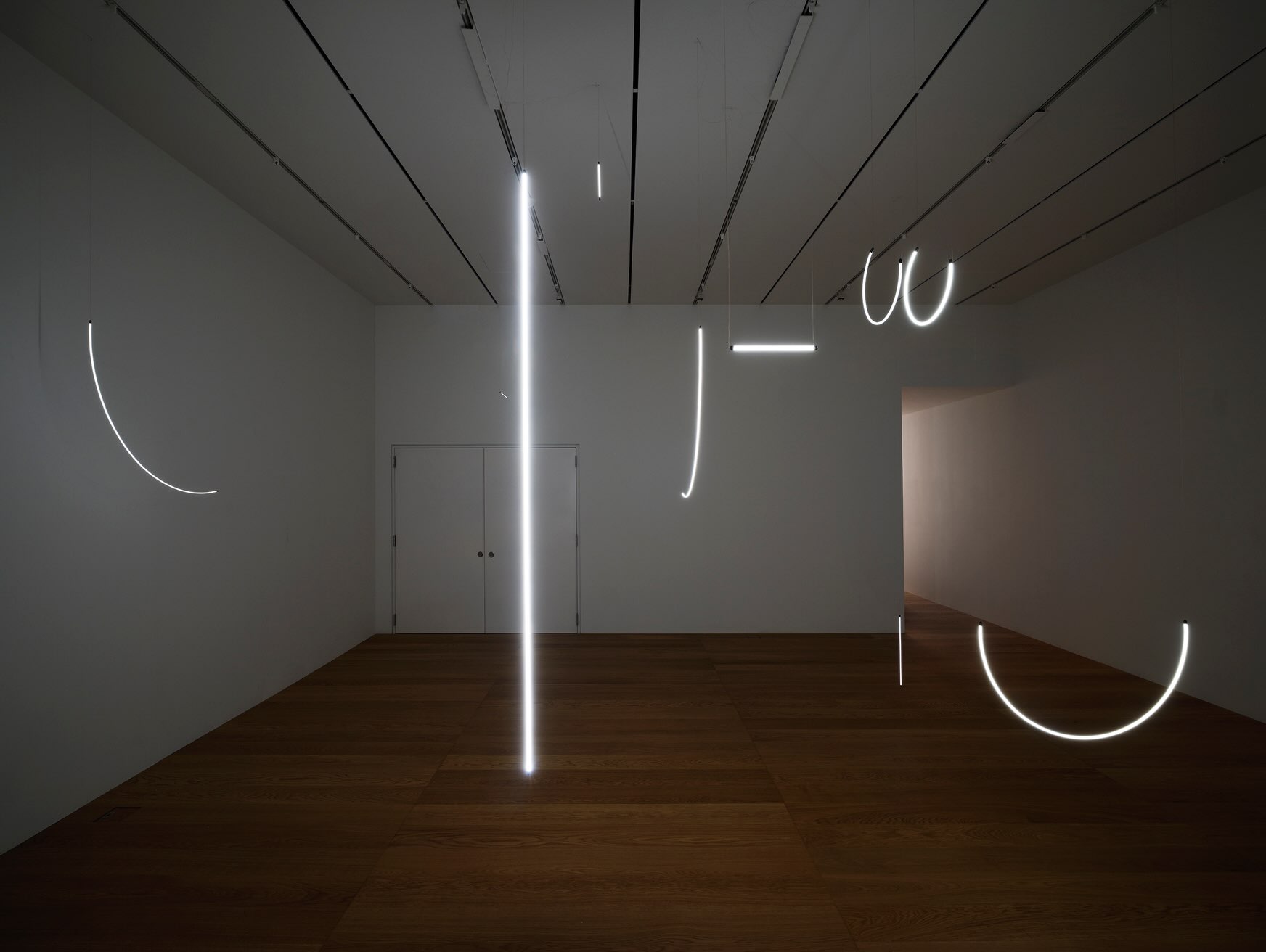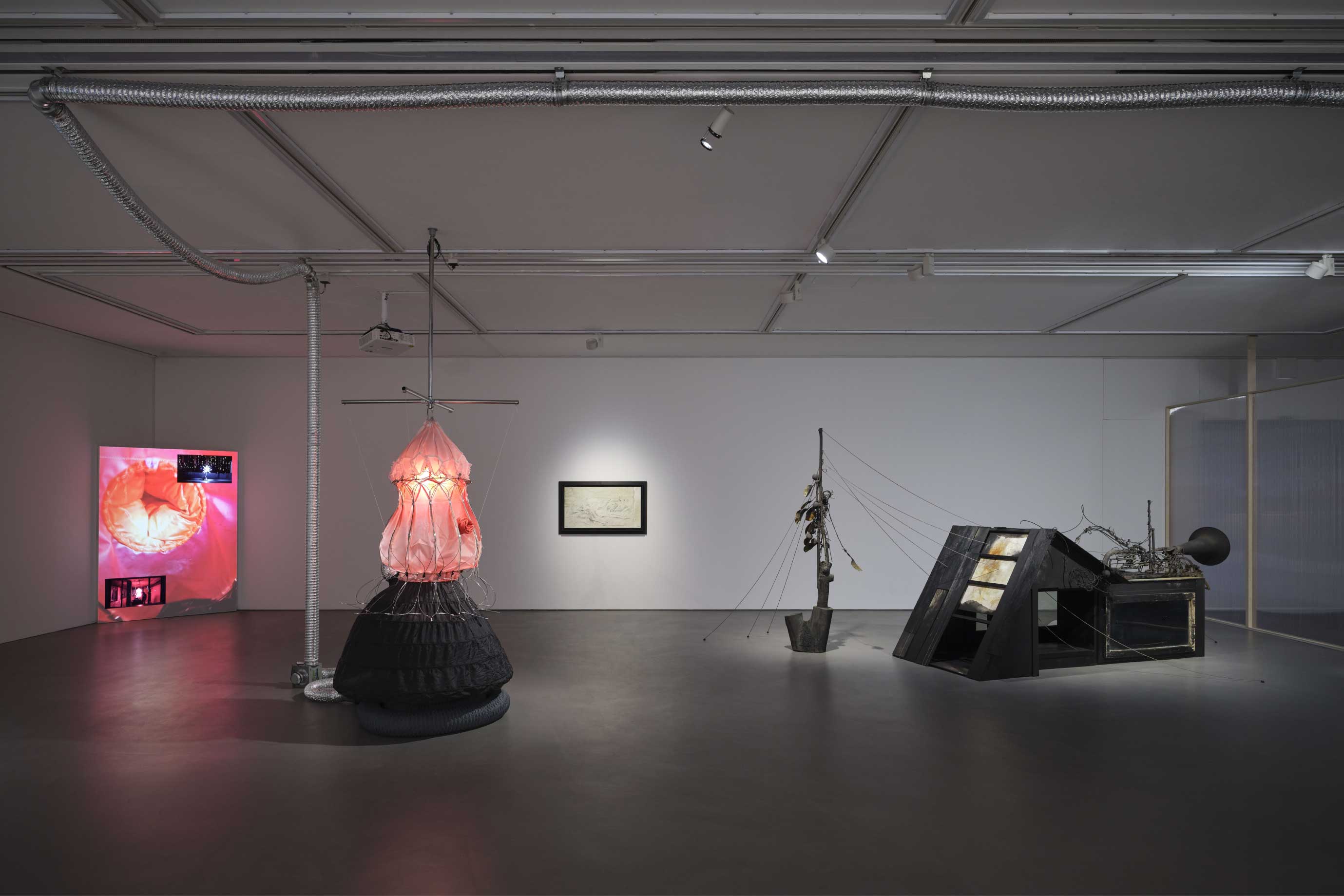

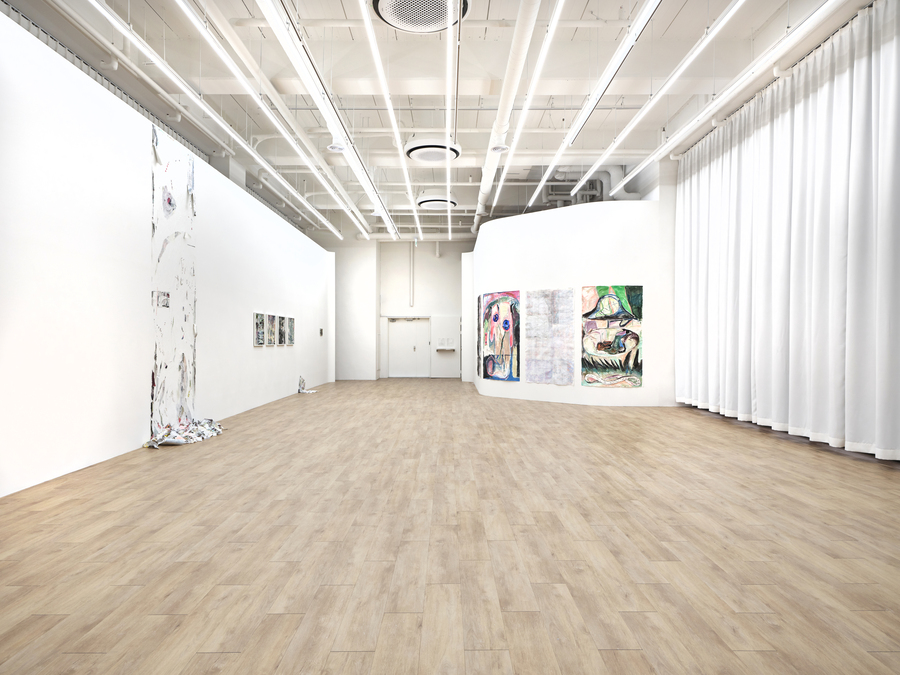
Installation view of 《Time and the Other》 © Sweep Seoul
Sweep Seoul presents 《Time and the Other》, a two-person exhibition
by Yoori and Yoon Ilkwon, on view through July 11.
Borrowing its title from the book of the
same name by Emmanuel Levinas, the exhibition illuminates the alterity of the
“other” that emerges within intimate relationships.
Acknowledging that even the closest
relationships cannot fully overcome the fundamental strangeness that separates
one person from another, the two artists embrace a mode of coexistence in which
each remains on their own plane of existence rather than seeking to absorb or
assimilate the other.
Through the exhibition, they trace the
fractures that arise as one other passes through another: the moments when
differently constituted beings encounter one another, the points at which
misunderstanding and understanding take shape, the inevitable gaps that surface
between people, and the traces they leave upon each other. In attending to
these ruptures, the exhibition explores the forms of time and the alternative
possibilities that emerge from within them.
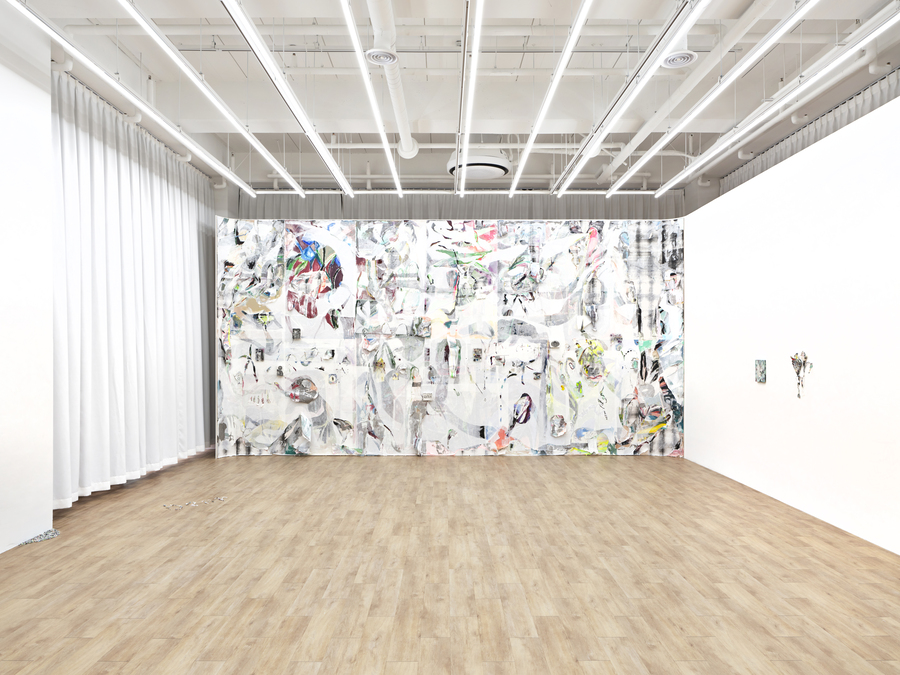
Installation view of 《Time and the Other》 © Sweep Seoul
In the exhibition space, the works of the
two artists are stacked and “adhered” to one another, forming a large wall
without clearly defined boundaries. According to the exhibition text, “the wall
presents itself as a flattened surface, almost like a single plane,” appearing
as though it has “achieved harmony and unity, becoming a single entity.”
Yet the accumulated thickness contains
within it the distances between sheets of paper, preserving distinctions even
as the works overlap and intermingle, so that each remains irreducibly itself.
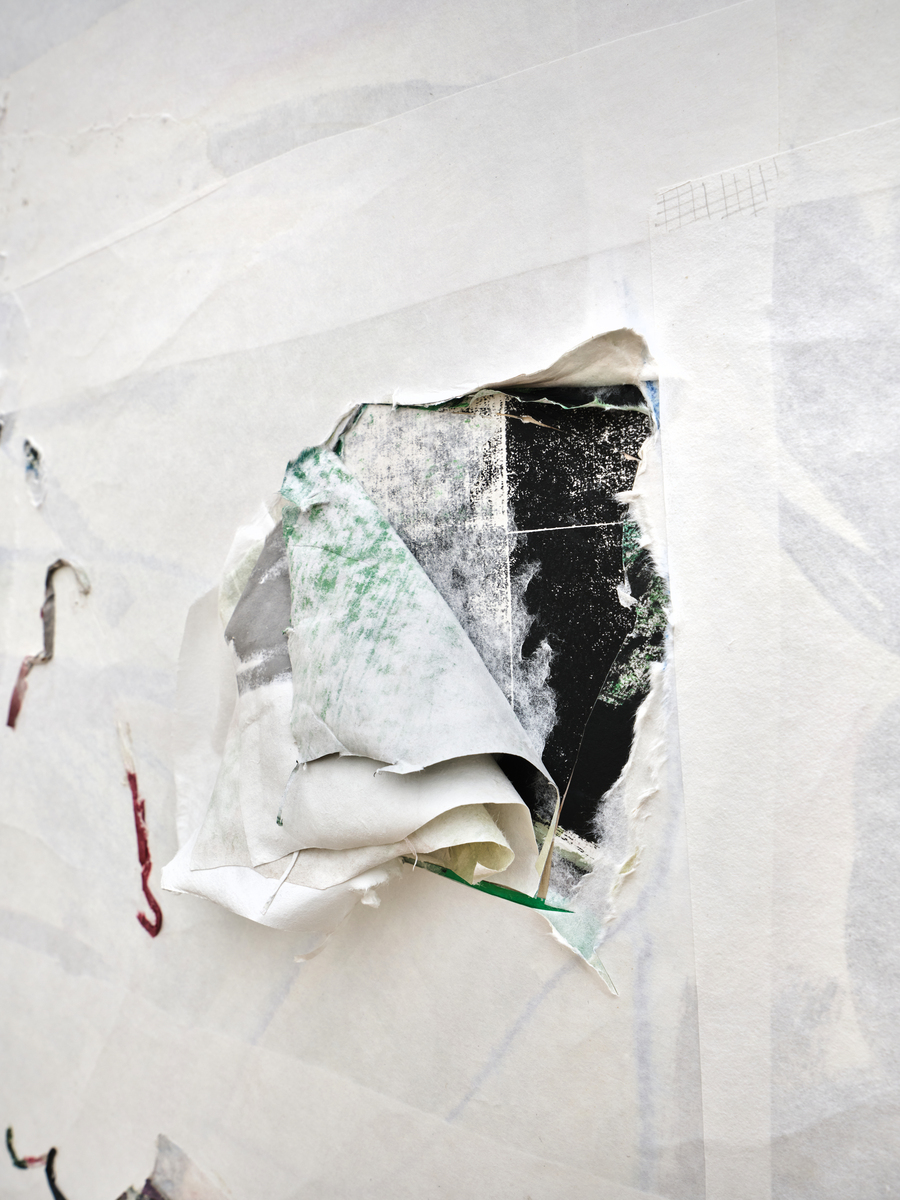
At the same time, the act of “tearing”
operates between the two practices, opening fissures and gaps within this
apparent unity. Here, tearing functions as a form of dialogue, or as a language
of mutual confrontation and regard. As Yoori and Ilkwon Yoon explain in the
exhibition text, the process of revealing one another inevitably leads them to
damage the surface itself.
Installation view of 《Time and the Other》 © Sweep Seoul
The two artists affirm one another as
irreducible others, each existing on a different plane and within a different
temporality. Yet through this affirmation, another temporal axis emerges within
the very fissure that separates “I” and “you.”
Viewed from this perspective, 《Time and the Other》 invites us to
reinterpret the notion of “two” and the relationality it implies—not as a
condition of harmony or unity, but through the lens of alterity, the fractures
that inevitably accompany it, and the new temporalities that arise from those
fractures.