
The Museum of Contemporary Art, Los Angeles
(MOCA) is presenting《Haegue Yang: Star-Crossed
Rendezvous》from February 24 through August 2, 2026.
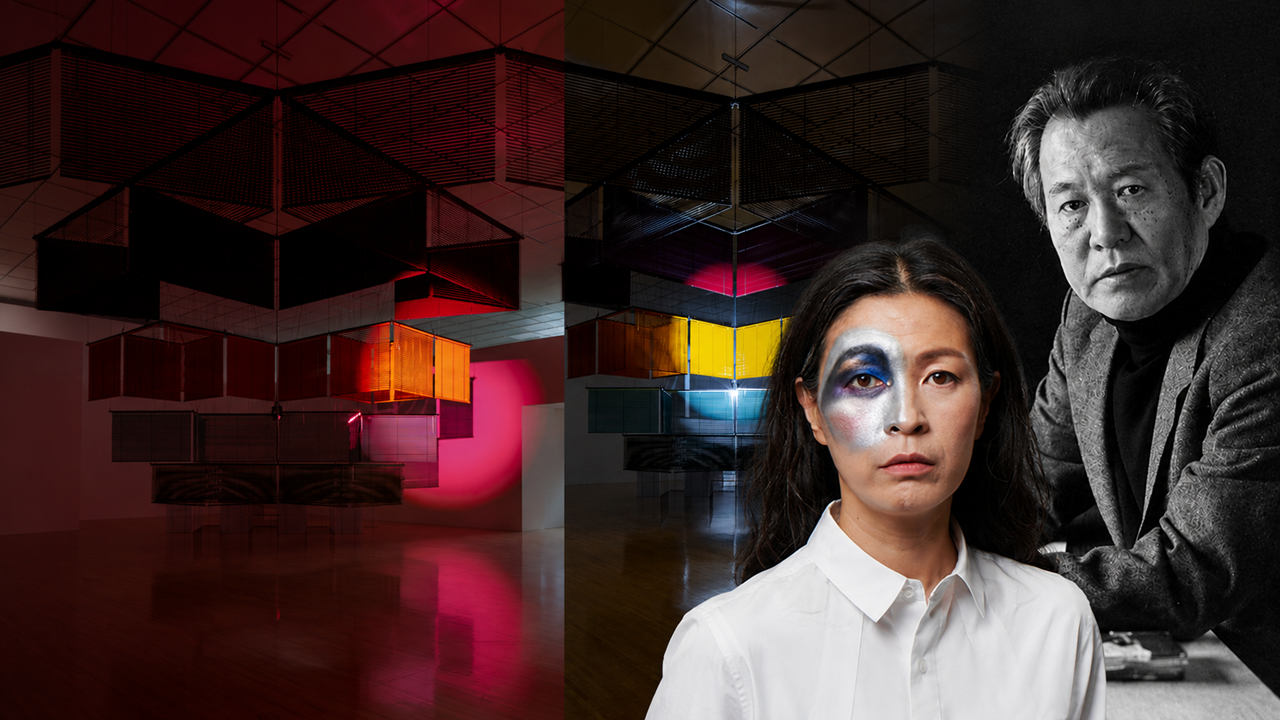
More than a conventional museum exhibition, the project was developed in
collaboration with the Los Angeles Philharmonic, creating a unique dialogue
between the installation practice of Korean artist Haegue Yang and the music of
Korean-born composer Isang Yun (1917–1995).
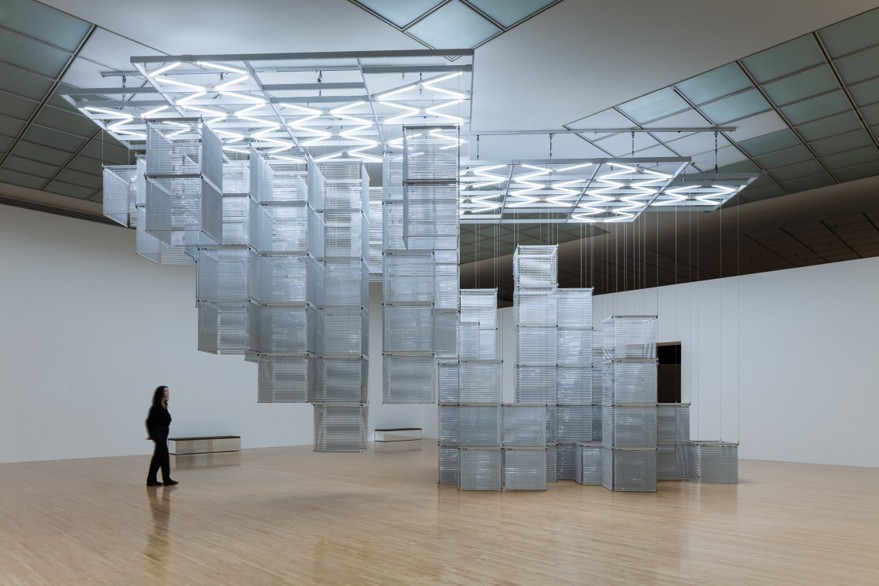
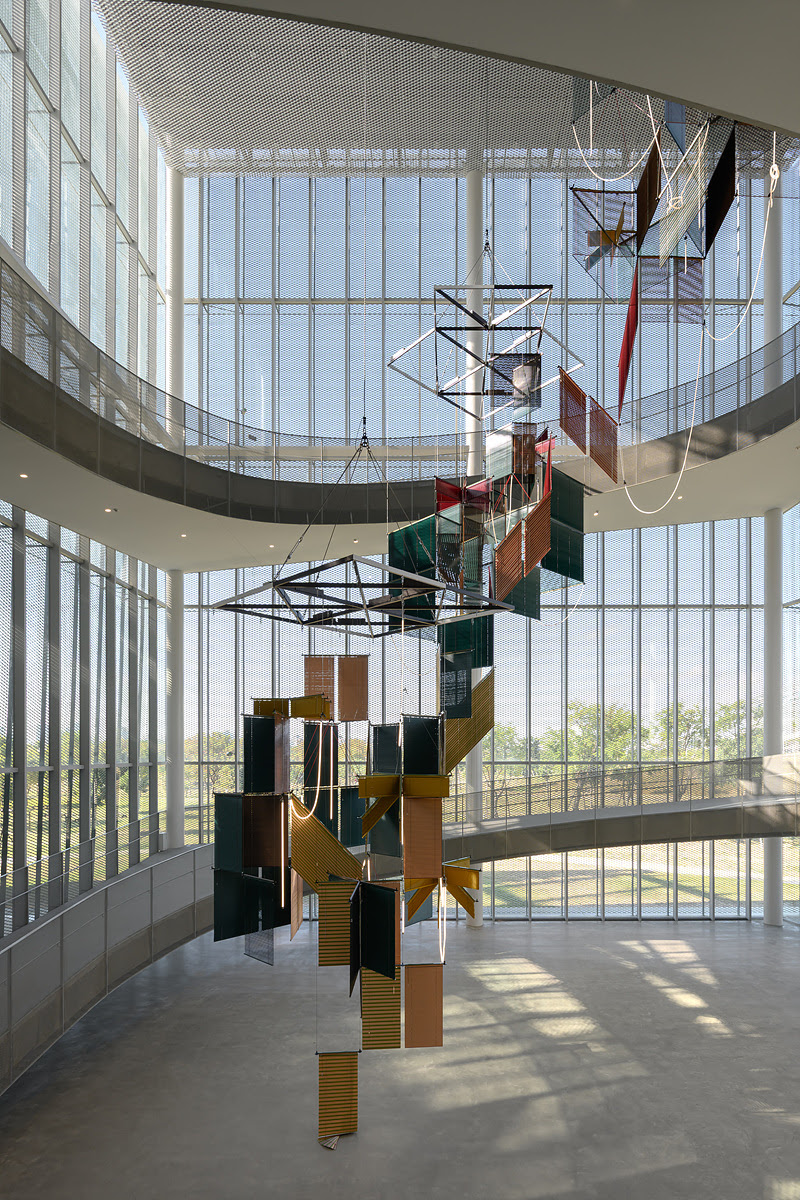
Installation view of《Haegue Yang: Star-Crossed Rendezvous》, MOCA Grand Avenue. / Courtesy of The Museum of Contemporary Art (MOCA). Photo by Zak Kelley.
The project unfolds along two parallel
axes. One is the U.S. premiere of Yang’s large-scale installation Star-Crossed
Rendezvous after Yun (2024) at MOCA. The other is a special
performance of Isang Yun’s Double Concerto (1977),
presented by the Los Angeles Philharmonic at Walt Disney Concert Hall on March
10, 2026. Together, the exhibition and performance create a framework in which
contemporary visual art and modern music intersect within a single curatorial
vision.
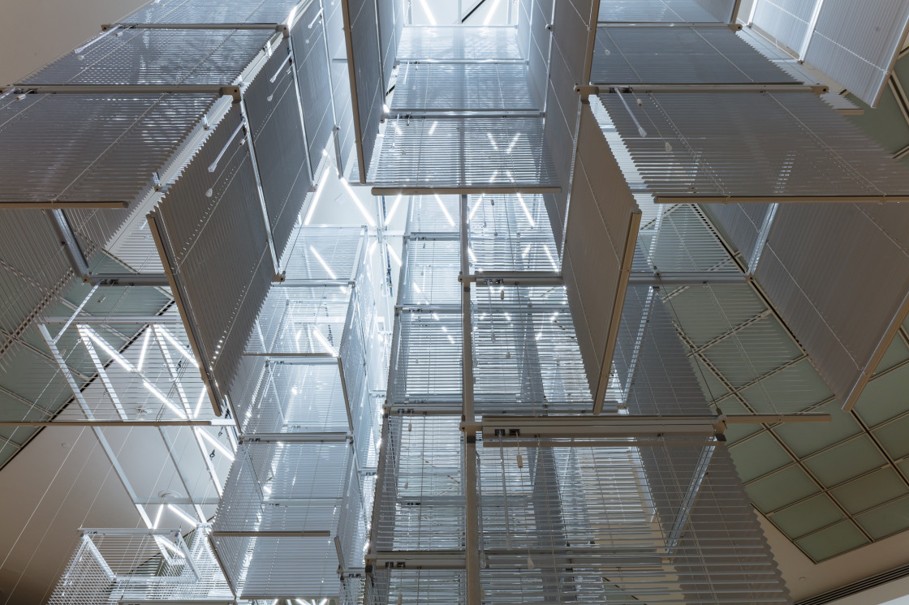
Installation view of《Haegue Yang: Star-Crossed Rendezvous》, MOCA Grand Avenue. / Courtesy of The Museum of Contemporary Art (MOCA). Photo by Zak Kelley.
For more than two decades, Yang has
employed venetian blinds as one of her signature sculptural materials. These
industrial elements function as devices that filter light, divide space, and
connect architecture, sculpture, movement, and perception. In《Star-Crossed Rendezvous》, the blinds
once again serve as a central formal element. Combined with shifting
illumination and Yun’s musical legacy, they generate a layered environment
through which visitors move physically and sensorially.
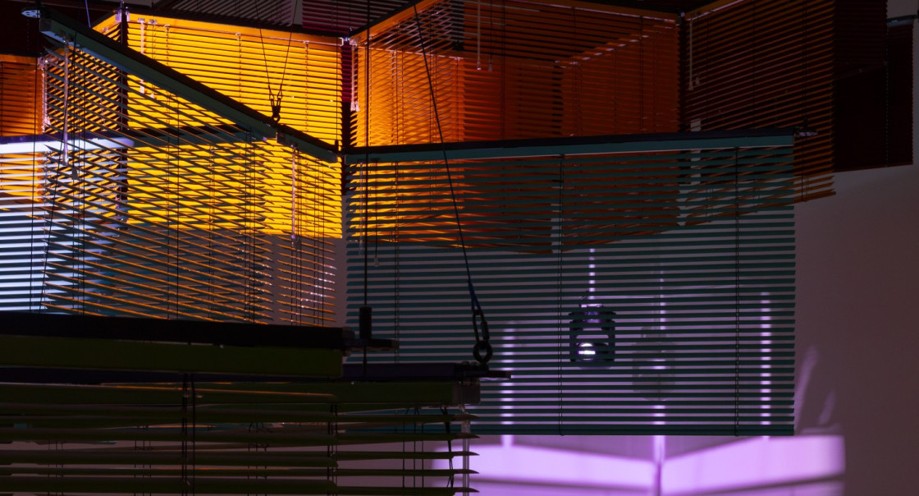
Installation view of《Haegue Yang: Star-Crossed Rendezvous》, MOCA Grand Avenue. / Courtesy of The Museum of Contemporary Art (MOCA). Photo by Zak Kelley.
At the heart of the exhibition is Star-Crossed
Rendezvous after Yun, a work conceived as a tribute to the life
and music of Isang Yun. The installation’s choreographed lighting responds to
the structure and rhythms of Double Concerto,
transforming music from a background element into a spatial force. Rather than
standing before a sculpture as a passive observer, visitors experience the work
by moving through an environment shaped by light, sound, and architectural
presence.
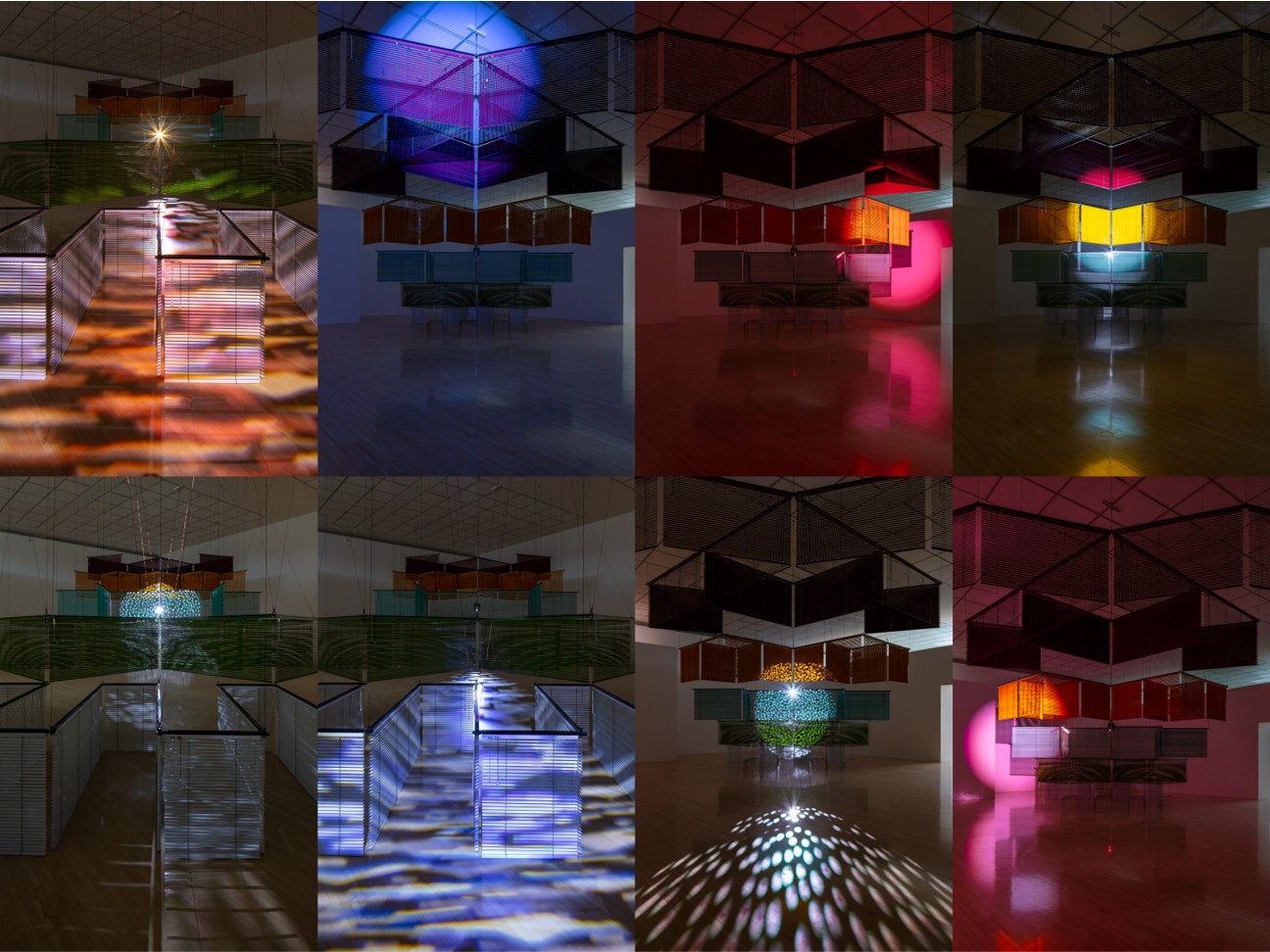
Installation view of《Haegue Yang: Star-Crossed Rendezvous》, MOCA Grand Avenue. / Courtesy of The Museum of Contemporary Art (MOCA). Photo by Zak Kelley.
What makes this exhibition particularly
compelling is the way it introduces Korean modern and contemporary art to an
international audience. In the past, Korean art presented abroad was often
framed through recognizable cultural imagery or references to traditional
heritage. Yang’s project operates differently. There are no overt national
symbols, traditional motifs, or direct references to K-culture. Instead, the
exhibition brings together Korean composer Isang Yun, Korean artist Haegue
Yang, MOCA as one of America’s leading contemporary art institutions, and the
Los Angeles Philharmonic as one of the world’s foremost orchestras.
In this sense,《Star-Crossed
Rendezvous》offers a revealing example of how Korean
modern and contemporary art functions on the global stage today. Rather than
emphasizing national identity, it generates new meanings through connections
between histories, institutions, and artistic disciplines. By reintroducing the
historical figure of Isang Yun through the language of contemporary art, and by
dissolving the boundaries between music, sculpture, performance, and
exhibition-making, the project demonstrates that the international expansion of
Korean contemporary art is no longer simply a matter of geographic reach.
Ultimately,《Star-Crossed
Rendezvous》is both a solo exhibition by Haegue Yang
and a contemporary platform for reinterpreting the legacy of Isang Yun. Their
encounter suggests another way in which Korean contemporary art engages the
world today—through intersections of disciplines, institutions, histories, and
contemporary experience.
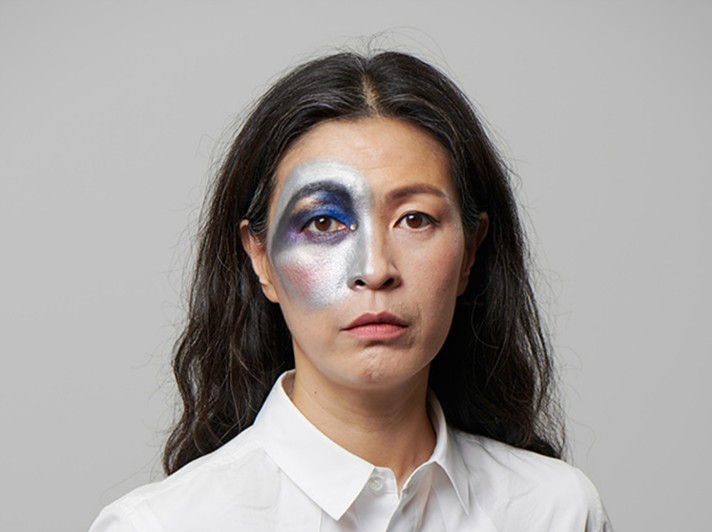
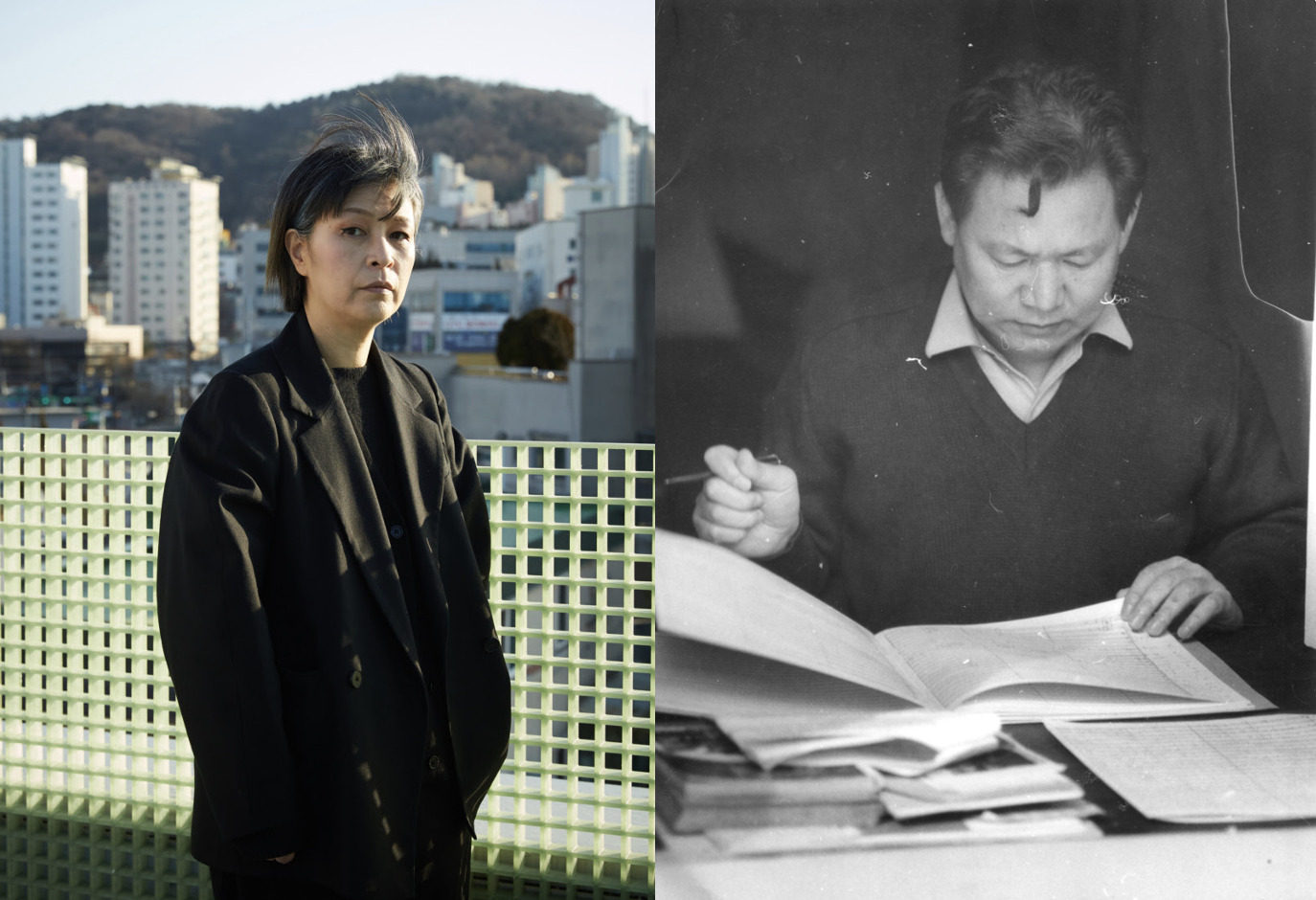
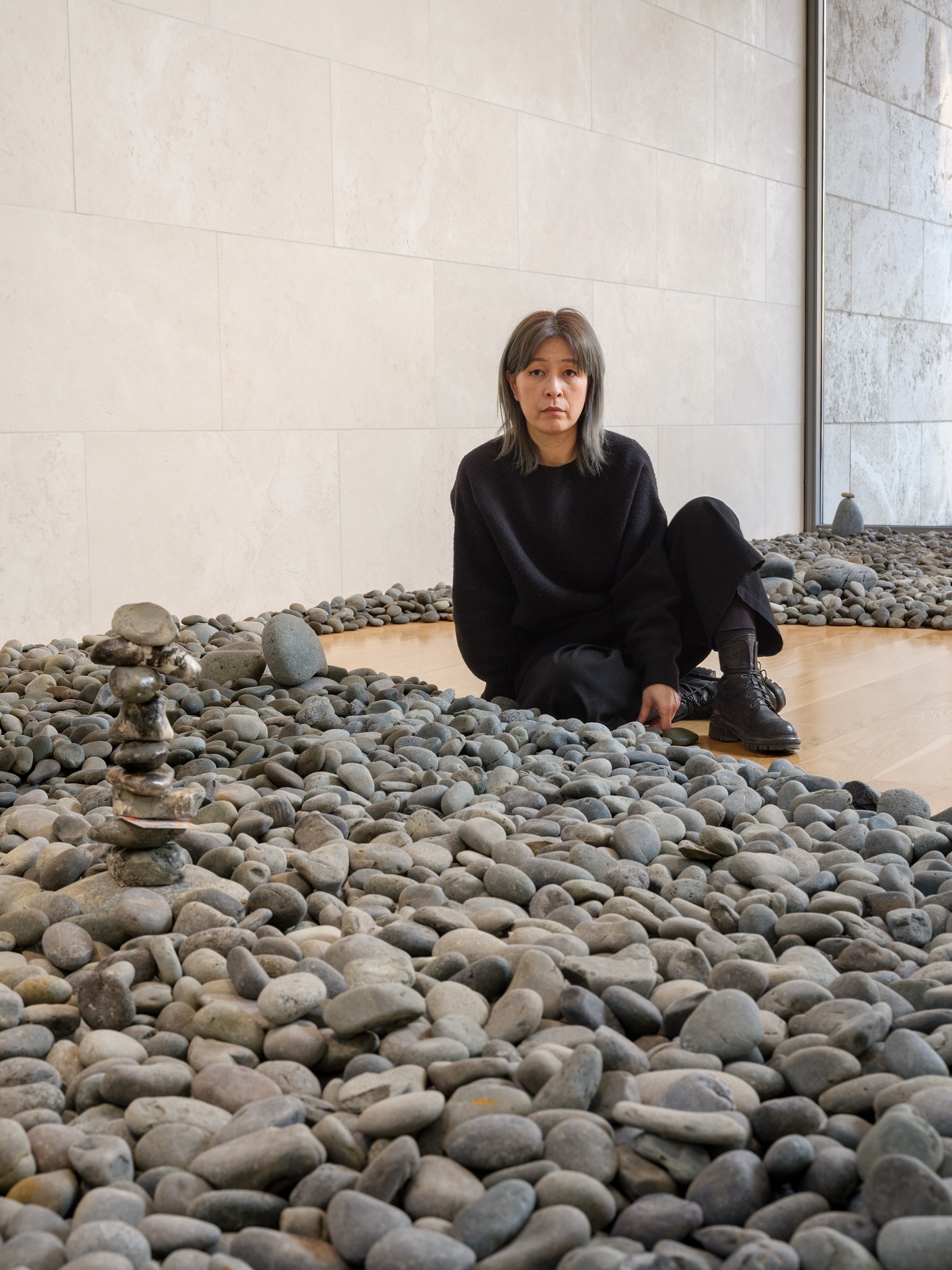
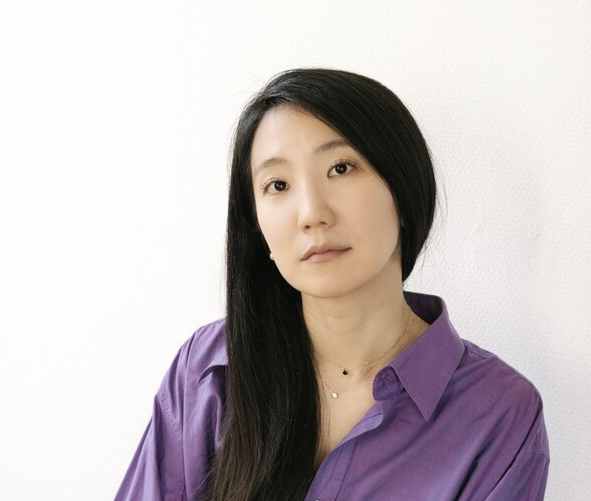
Artist Haegue Yang / Photo: Kukje Gallery
Haegue Yang
Born in Seoul in 1971, Haegue Yang is one
of the leading figures in contemporary Korean art and currently lives and works
in Berlin and Seoul.
Her multidisciplinary practice spans
sculpture, installation, video, performance, and sound, exploring themes of
memory, migration, diaspora, political history, and cultural translation.
Yang has gained international recognition
for transforming everyday objects such as venetian blinds, drying racks, light
bulbs, scents, and sounds into sophisticated sculptural systems. She
represented Korea at the 53rd Venice Biennale in 2009, received the Wolfgang
Hahn Prize in Germany in 2018, and has continued to exhibit internationally
through major presentations at institutions including Arnolfini and Hayward
Gallery in the United Kingdom.
Her recent work focuses on relational
structures and sensory experiences that connect different cultures, histories,
and artistic disciplines.
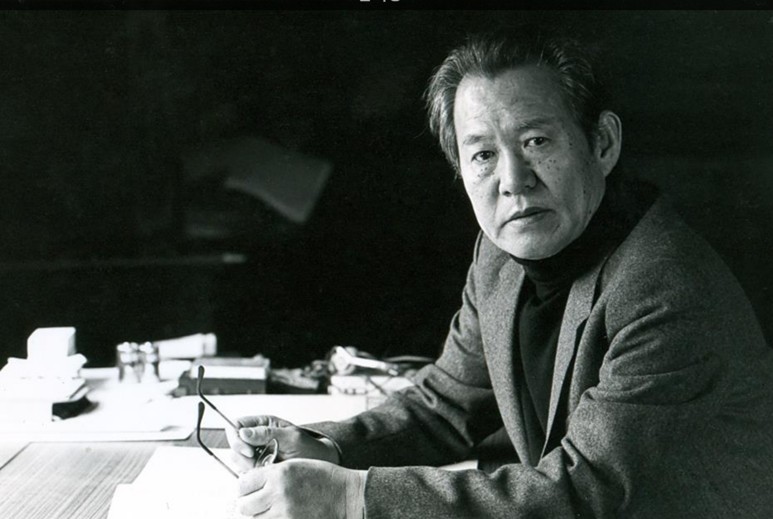
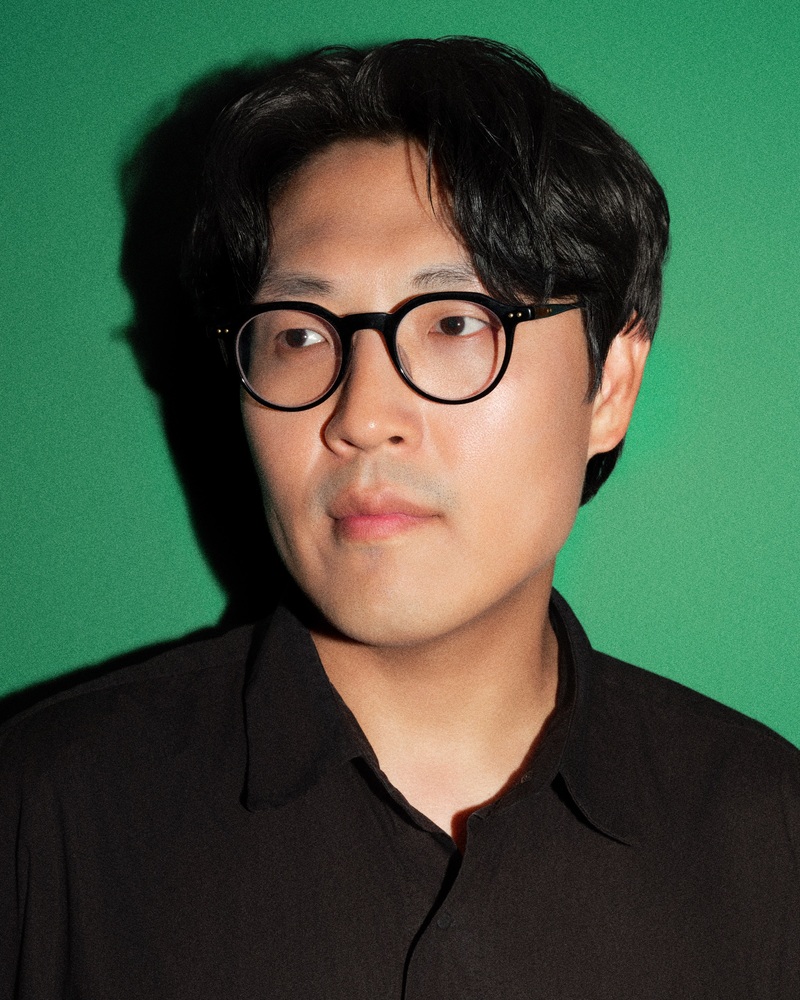
Isang Yun (1917 – 1995) / Photo : Photo: Busan Historical and Cultural Encyclopedia
Isang Yun
Isang Yun (1917–1995) was one of Korea’s
most influential modern composers and a major figure in postwar European
contemporary music.
Born in Tongyeong, South Korea, he studied
music in Japan and Germany, developing a distinctive compositional language
that combined East Asian philosophical concepts with Western avant-garde
techniques. In 1967, he was arrested by the South Korean government in
connection with the East Berlin Spy Incident but later returned to Germany
following an international campaign led by prominent musicians and
intellectuals.
Throughout his career, Yun composed operas,
symphonies, concertos, chamber music, and vocal works, establishing himself as
a key figure bridging Eastern and Western musical traditions. His Double
Concerto (1977) remains one of his best-known orchestral
compositions.
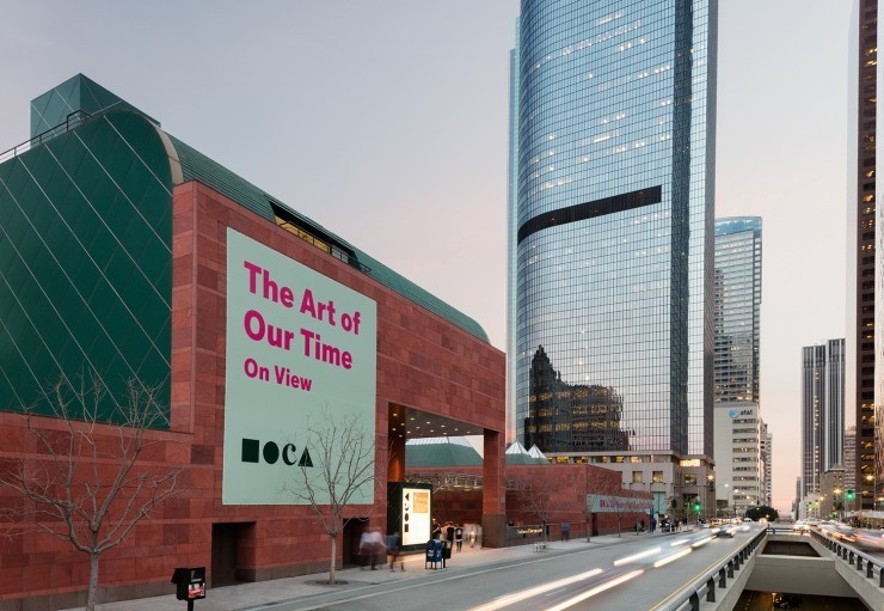
MOCA Grand Avenue, Los Angeles. Photo by Elon Schoenholz. Courtesy of The Museum of Contemporary Art, Los Angeles.
MOCA (The Museum of
Contemporary Art, Los Angeles)
Founded in 1979, The Museum of Contemporary
Art, Los Angeles (MOCA) is one of the first museums in the United States
dedicated exclusively to contemporary art.
Operating primarily through its Grand
Avenue and Geffen Contemporary locations, MOCA focuses on art produced from the
1940s onward. The museum holds a collection of more than 8,000 works, including
significant pieces by artists such as Jackson Pollock, Mark Rothko, Andy
Warhol, Cindy Sherman, and Jean-Michel Basquiat.
Renowned for its support of experimental
practices and emerging artists, MOCA has become one of the most influential
contemporary art institutions on the American West Coast. In recent years, it
has increasingly pursued interdisciplinary initiatives that connect visual art
with music, performance, film, and other cultural fields.
Exhibition
Information
Title:《Haegue Yang: Star-Crossed Rendezvous》
Venue: Museum of Contemporary Art, Los Angeles (MOCA)
Location: Los Angeles, California, USA
Dates: February 24 – August 2, 2026
Organized by: MOCA + Los Angeles Philharmonic
Featured Work: Star-Crossed Rendezvous after Yun (2024)
Related
Lecture Program
Title: “Tom McDonough on Haegue Yang”
Speaker: Tom McDonough (Professor of Art History at Binghamton
University, State University of New York. Art historian, critic, and curator.)
Date &
Time: Saturday, June 27, 2026, 3:00 PM
Venue: MOCA Grand Avenue, Los Angeles
Admission: Free with RSVP