
On April 24,
2026, the talk session ”Bridge to Asia: Asian Photography in Global
Circulation” was held at the Park Avenue Armory in New York. The
session was organized as part of the official program of AIPAD The
Photography Show, one of the world’s leading photography events.
AIPAD The
Photography Show is a major platform that connects the international
photography market with broader photographic discourse, bringing together
photography galleries, collectors, curators, and researchers.
Within this
official program, the session addressed Asian photography as an independent
agenda and examined its historical accumulation and potential for international
circulation from the perspectives of research, institutions, and platforms.
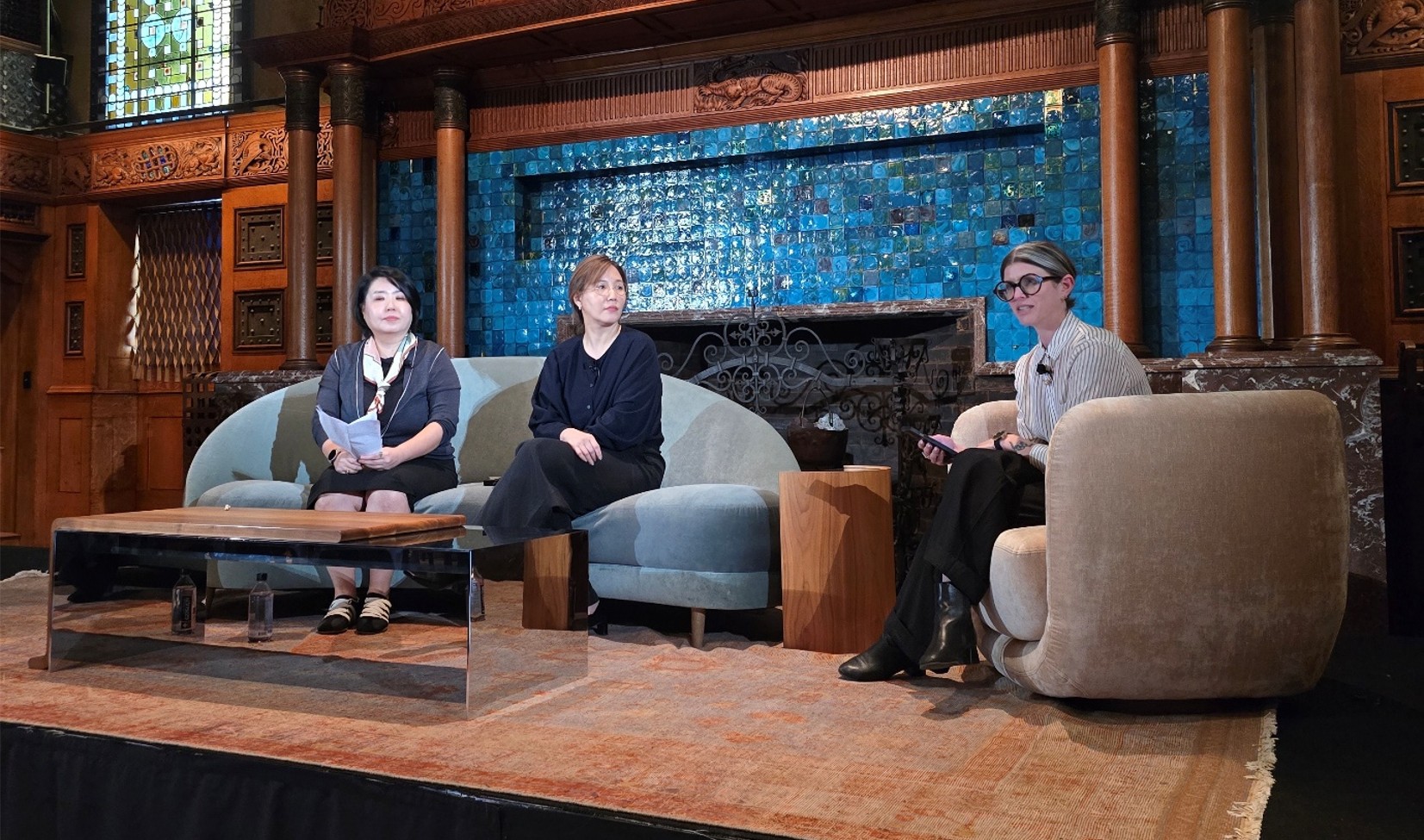
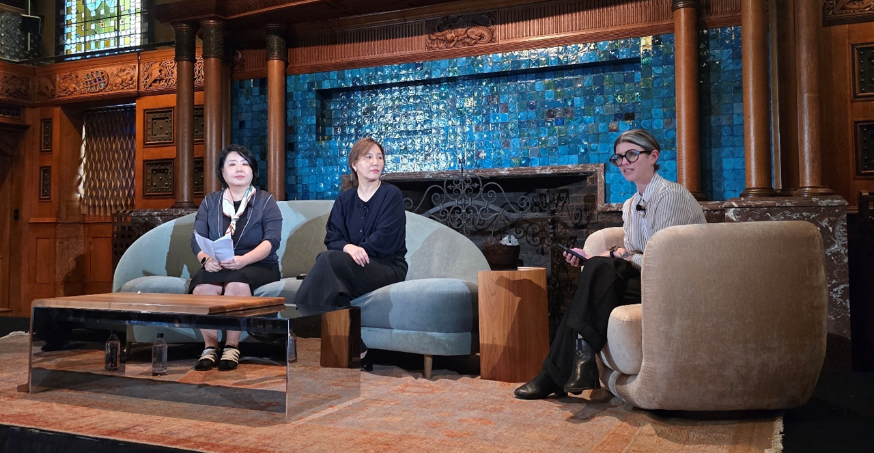
A view of the AIPAD talk session “Bridge to Asia.”
(Left) Professor Jeehey Kim, (center) Director Jeong Eun Kim, and (right) Maggie Mustard / Photo: Jeong Eun Kim
The session was
moderated by Maggie Mustard, Assistant Curator of
Photography at the Miriam and Ira D. Wallach Division of Art, Prints and
Photographs at The New York Public Library.
The speakers were
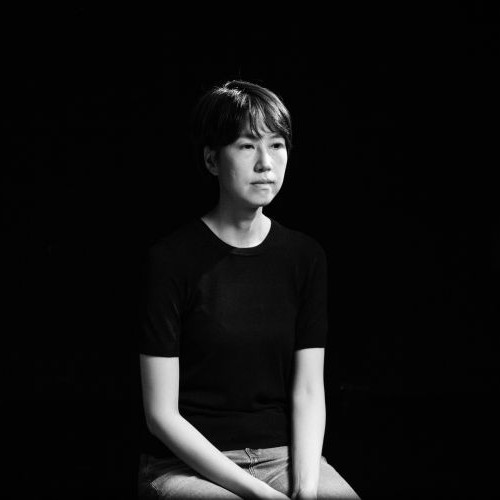
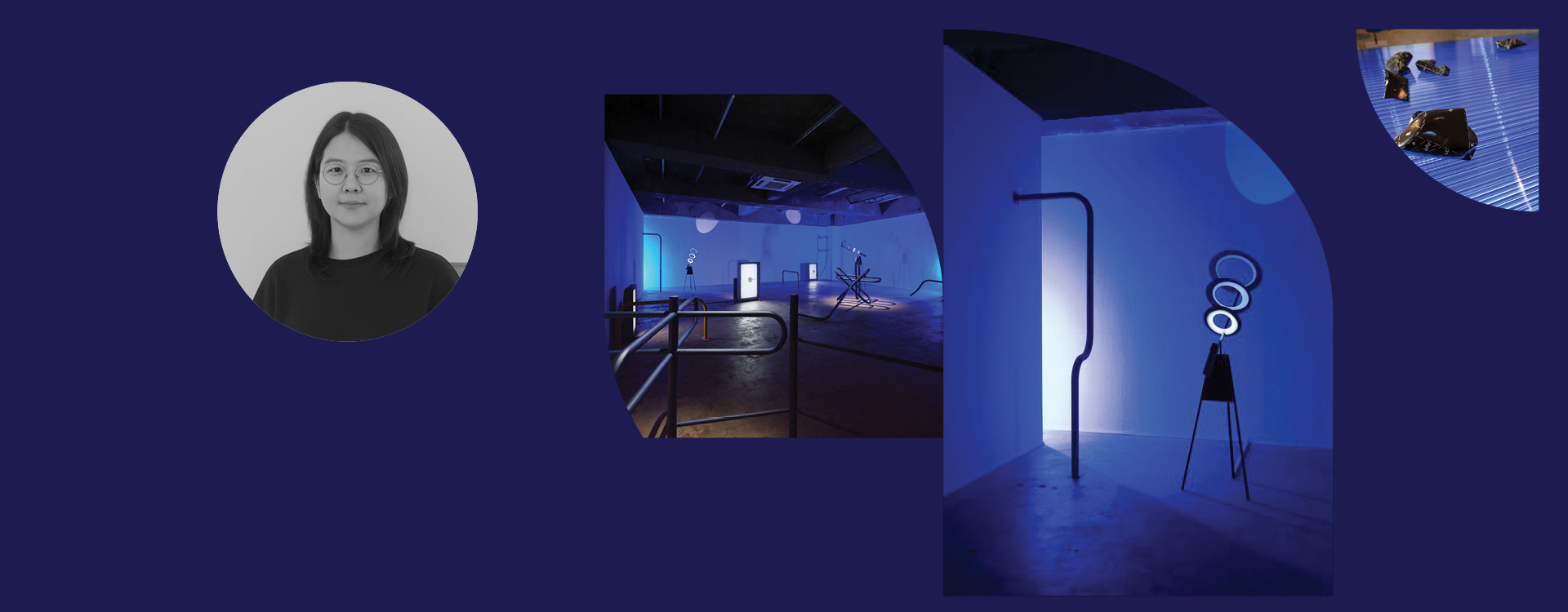
Jeehey Kim, Professor in the Department of Art
History at the University of Arizona, and Jeong Eun Kim,
Director of The Reference, a photography-focused
space in Korea, and Director of T3 PHOTO ASIA.
The session
examined how Asian photography has been accumulated within global photographic
discourse, while also considering the institutional and critical gaps that have
kept it from gaining sufficient visibility.
Jeehey
Kim Examines the Historical Accumulation of Asian Photography
Professor Jeehey
Kim emphasized that Korean and Asian photography have long existed within
international photographic history. Drawing on years of research, she explained
that Asian photography had already been produced and circulated across
international contexts, while the critical and institutional structures needed
to interpret and connect it through the language of global photographic history
had yet to be sufficiently developed.
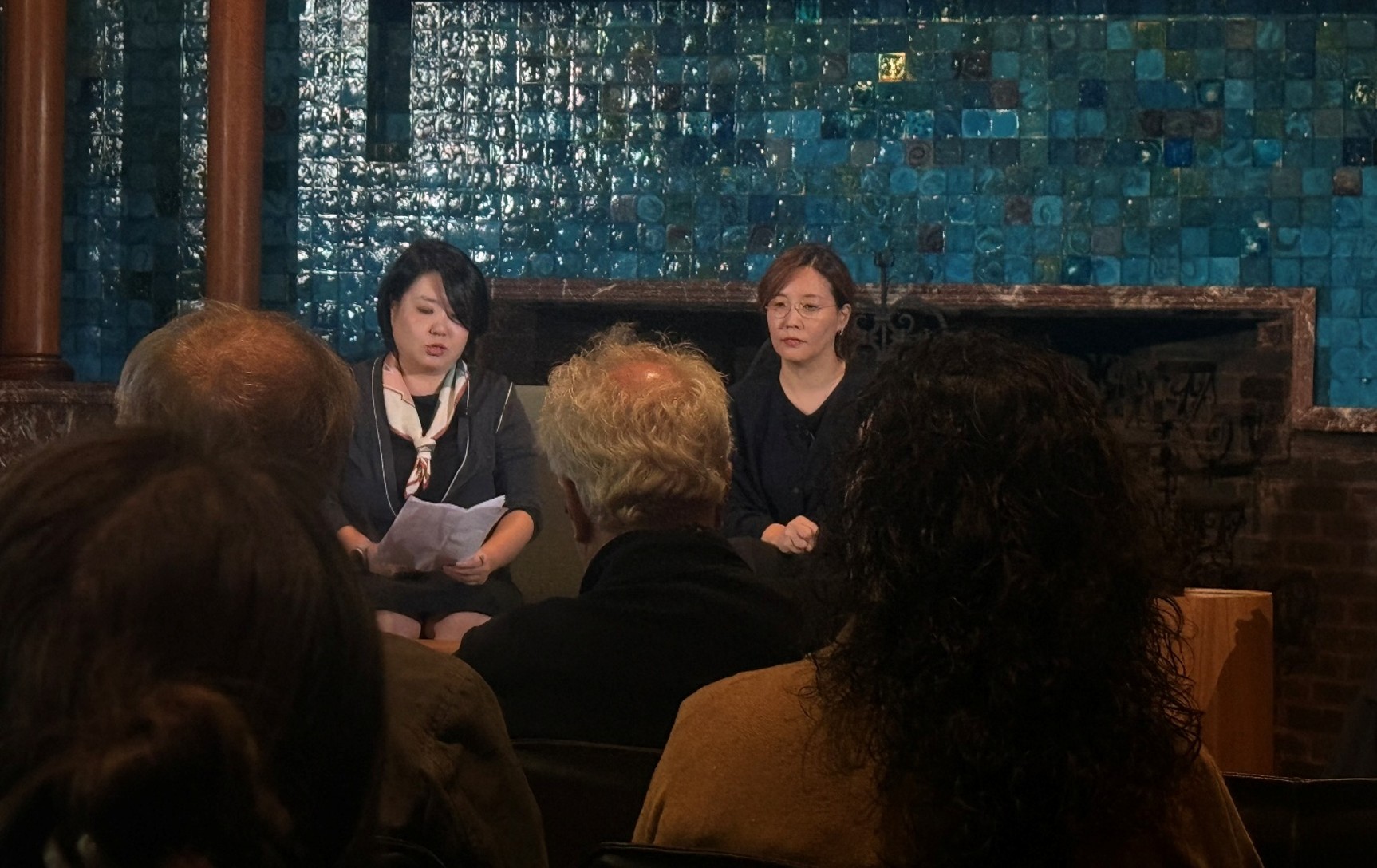
A view of the AIPAD Art Talk session “Bridge to Asia.”
(Left) Professor Jeehey Kim and (right) Director Jeong Eun Kim / Photo: Jeong Eun Kim
Kim presented as
key examples the works of Western photographers such as Felice
Beato, Dorothea Lange, and Margaret
Bourke-White, who photographed Korea from the nineteenth century
through the mid-twentieth century. Their works entered the canon of
photographic history through the collections of major American institutions.
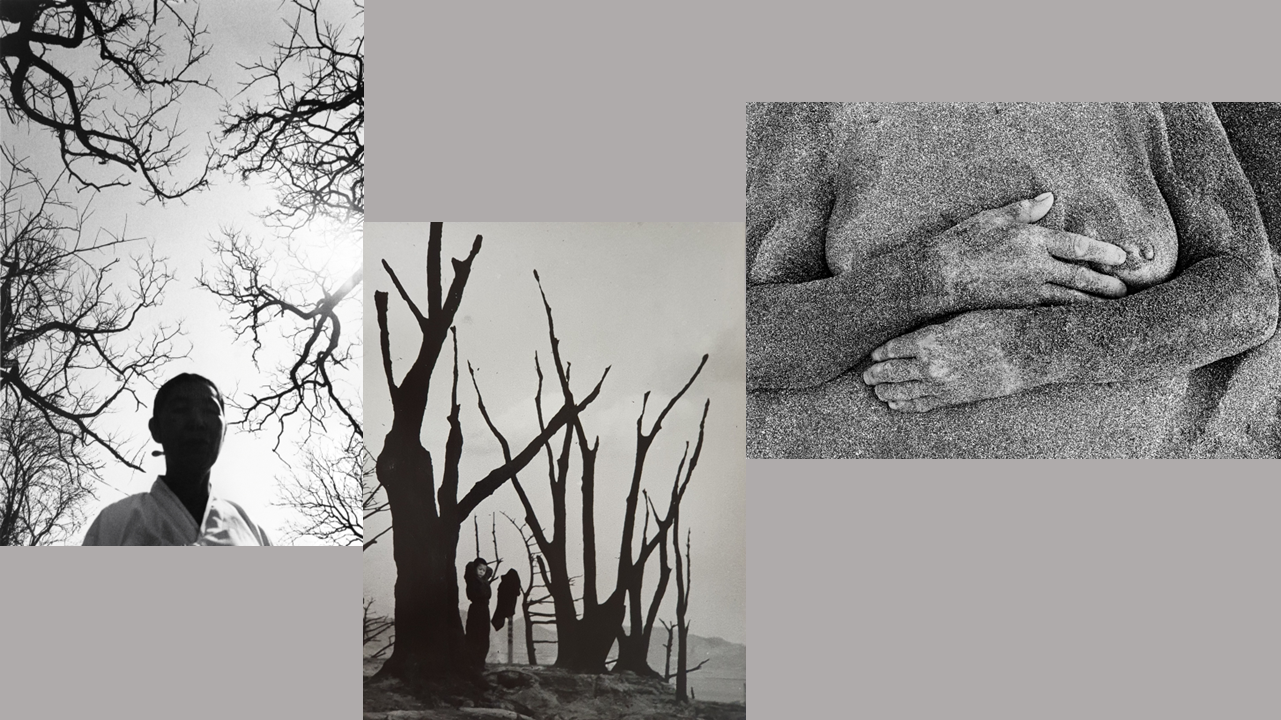
By contrast, the
works of Korean photographers from the same period, including Lim
Eung-sik and Han Youngsoo, despite
possessing comparable artistic value and historical significance, received far
less recognition within international critical frameworks.
This asymmetry
points to the structures through which photographic history has been written,
collected, and circulated. Kim also referred to the first international
photography salon held in Korea in 1963 and the founding of the Federation
of Asian Photographic Art (FAPA) in 1964, explaining that an
international photographic network had already been formed within Asia.
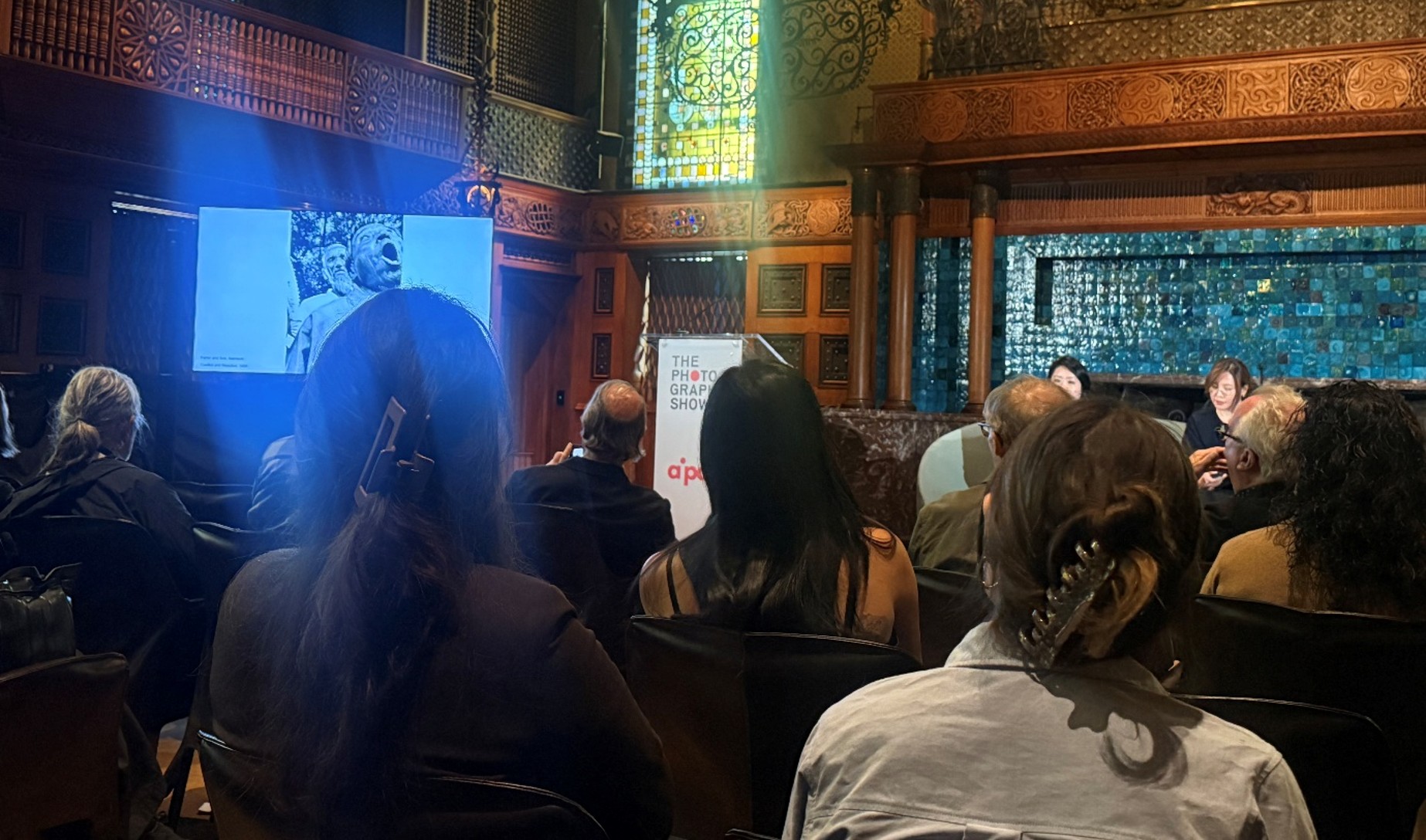
A view of the “Bridge to Asia” talk session / Photo: Jeong Eun Kim
Jeong
Eun Kim Discusses the Current State of Korean Photography Institutions and the
Need for Platforms
Jeong Eun Kim
addressed the gap between the historical accumulation of Korean photography and
the comparatively late development of its institutional foundations.
She noted that
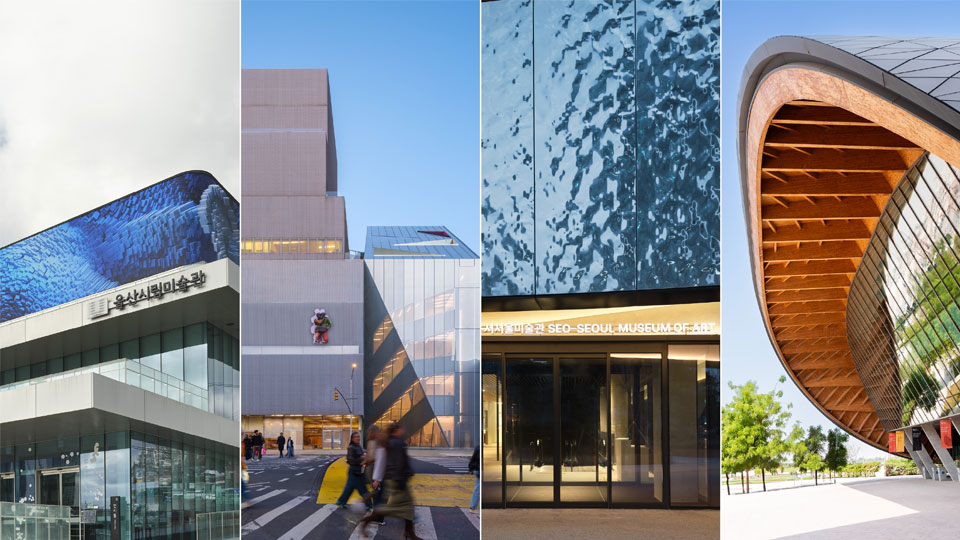
while the Tokyo Photographic Art Museum in Japan
opened in 1995, Korea’s public photography museum, Photo SeMA,
opened in 2025, marking a gap of approximately thirty years.
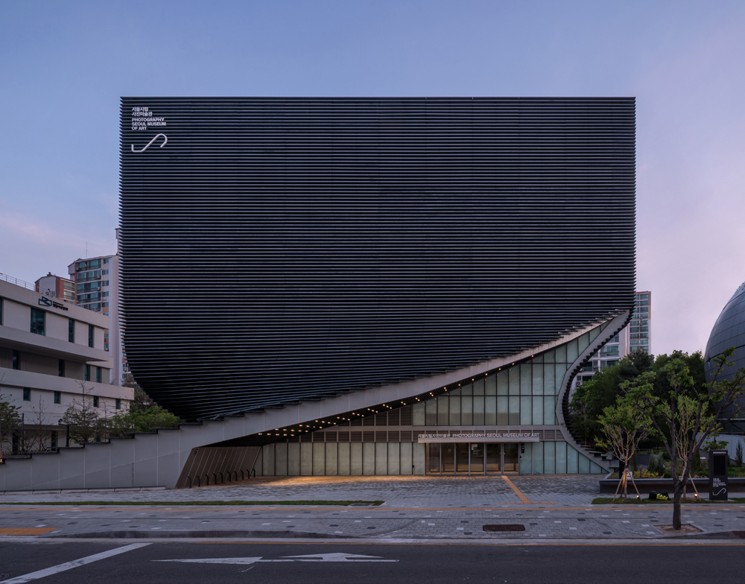
Exterior view of Photo SeMA / © Yoon, Joonhwan, Photo: Photo SeMA website
This gap does not merely indicate a delay in time; it reveals the absence of an institutional framework through which photography has been systematically collected and preserved as an independent artistic medium at the public level.
In this regard, the launch of Photo SeMA marks not only a belated beginning but also a critical starting point for establishing an acquisition policy capable of reconstructing the history of Korean photography in a coherent and structured manner.
Moving forward, decisions regarding which artists to collect, which periods to prioritize, and what criteria to apply will ultimately shape the official history of Korean photography
Kim explained the
role of private institutions such as Museum HANMI in
partially filling this gap. Before a public institutional foundation had been
fully established, private institutions preserved the materials and memory of
Korean photographic history and accumulated artists and works in forms that
could support research.
She emphasized
that these activities went beyond exhibition-making and helped establish a
foundation through which Korean photography could maintain historical
continuity and expand into international discussion.
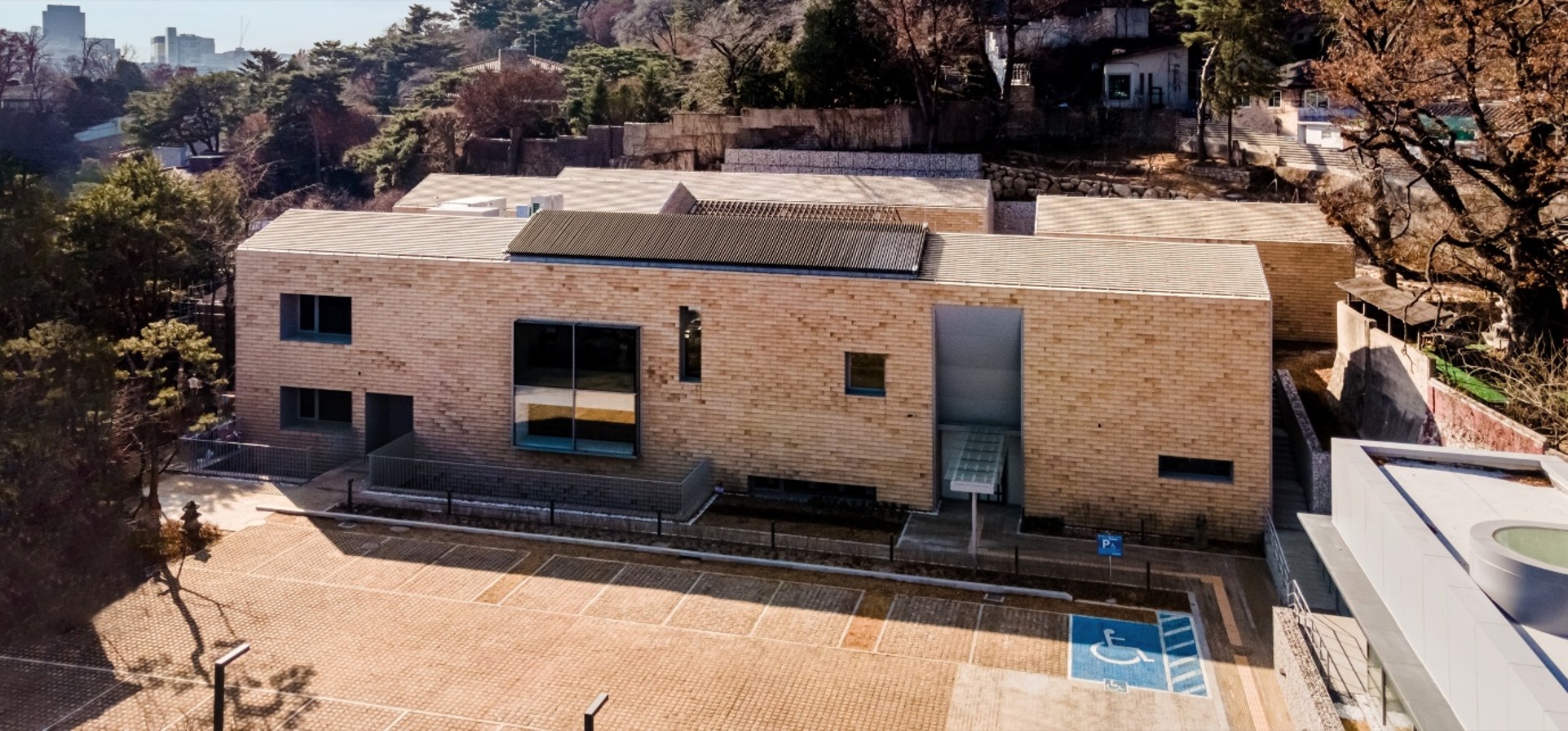
Museum HANMI / Photo: Museum HANMI website
In 2022, marking its 20th anniversary, the museum opened a new space in Samcheong-dong.
T3
PHOTO ASIA as a Platform Connecting Research and the Market
Jeong Eun Kim
connected these questions of institutional absence and historical accumulation
to the need for a contemporary platform. T3 PHOTO ASIA,
which she directs, was presented as a platform that seeks to reorganize Korean
and Asian photography through the intersecting structures of research,
exhibitions, the market, and discourse.
The platform
extends beyond the conventional function of an art fair. Through T3 PHOTO ASIA,
Kim proposes a structure that brings together the historical genealogies and
contemporary currents of Asian photography, while linking them to the
international photography market and critical discourse.

T3 PHOTO ASIA poster / Photo: T3 PHOTO ASIA website
The ’Masters’
program, presented in the first edition, reconsidered postwar photography in
Korea and Japan within a comparative research framework, highlighting the
historical layers of Asian photography.
The ’Discover
New Asia’ program introduced new directions in contemporary Asian
photography through the sensibilities and image-making practices of the
post-internet generation.
Together, the two
programs expanded Asian photography into a field where historical accumulation
and contemporary practice can be examined in relation to one another.
The
Infrastructure Question Surrounding Asian Photography
A shared issue
that emerged throughout the session was the infrastructure required for Asian
photography to gain sustained international visibility. The question concerns
how works are researched, collected, interpreted, and connected to global
contexts.
For photography
to be meaningfully understood within a global framework, the achievements of
artists and works must operate alongside a complex structure that interprets,
preserves, and circulates them. Research restores historical genealogies;
institutions accumulate materials and works; and platforms connect them to
exhibitions, the market, and international discourse. The session emphasized
that when these processes work together, Asian photography can move beyond a
regional category and become a significant axis of global photographic history.
From this
perspective, T3 PHOTO ASIA was presented as a practical model for the
international circulation of Asian photography. By repositioning existing
histories, artists, and works within a language and structure that can be read
globally, and by circulating them through research, institutions, the market,
and discourse, the platform offers a way to consider the next stage of Asian
photography.
A
Shift in the Way Asian Photography Enters Global Discourse
“Bridge to Asia”
examined how the accumulated histories and practices of Asian photography can
be reconnected within an international context. The significance of the session
lies in its focus on a field that has long existed but has remained
insufficiently visible, and in its attempt to reconsider that field through the
interconnected structures of research, institutions, platforms, and the market.
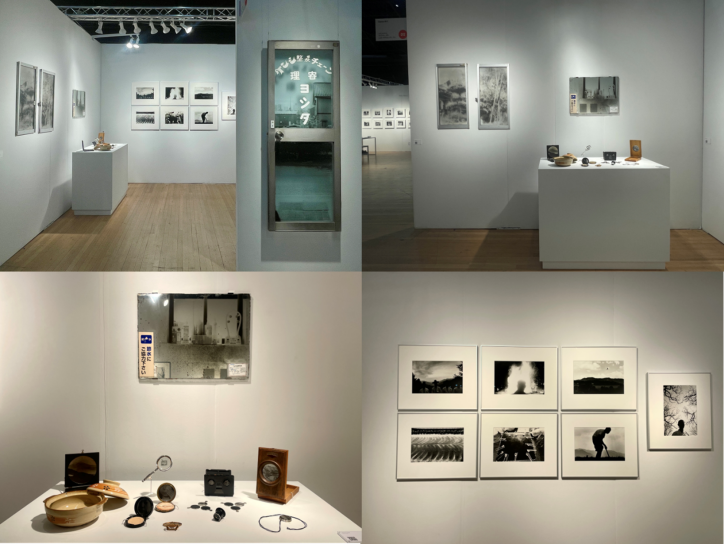
A view of the Gana Art booth at AIPAD 2026 / Photo: Gana Art
The discussion
positioned Asian photography beyond a peripheral category or regional
specialty. It emphasized the need to reconsider its historical depth and
contemporary potential within global photographic discourse. In this sense, the
session pointed to a shift in how Asian photography enters the international
field: from occasional introduction to structural connection.
In conclusion,
the “Bridge to Asia” talk session offered an important occasion to consider how
Asian photography may be positioned as a significant axis within contemporary
photographic history.
Presented within AIPAD’s official program, the discussion
suggested that the future international circulation of Asian photography will
depend on the sustained development of research, institutional frameworks,
curatorial platforms, and market structures capable of supporting visibility
over time.